The path of those upon whom You have bestowed favor, not of those who have evoked [Your] anger or of those who are astray.
صِرَٰطَṣirāṭa(The) path
noun — object form
ٱلَّذِينَalladhīna(of) those
noun
أَنْعَمْتَanʿamtaYou have bestowed (Your) Favors
verb — past tense, + attached pronoun (you/your)
عَلَيْهِمْʿalayhimon them
preposition (in/with/from), + attached pronoun (them/their)
غَيْرِghayrinot (of)
noun — of/with form (after a preposition or 'of')
ٱلْمَغْضُوبِl-maghḍūbithose who earned (Your) wrath
noun — of/with form (after a preposition or 'of'), with al- (the) attached
عَلَيْهِمْʿalayhimon themselves
preposition (in/with/from), + attached pronoun (them/their)
وَلَاwalāand not
negative word (not), with wa- (and) attached
ٱلضَّآلِّينَl-ḍālīna(of) those who go astray
noun — of/with form (after a preposition or 'of'), with al- (the) attached
Complete Quran verses · Translation: Saheeh International · Recitation: Mahmoud Khalil al-Husary
Hope · Reading 2 of 50
Good in this life and the next
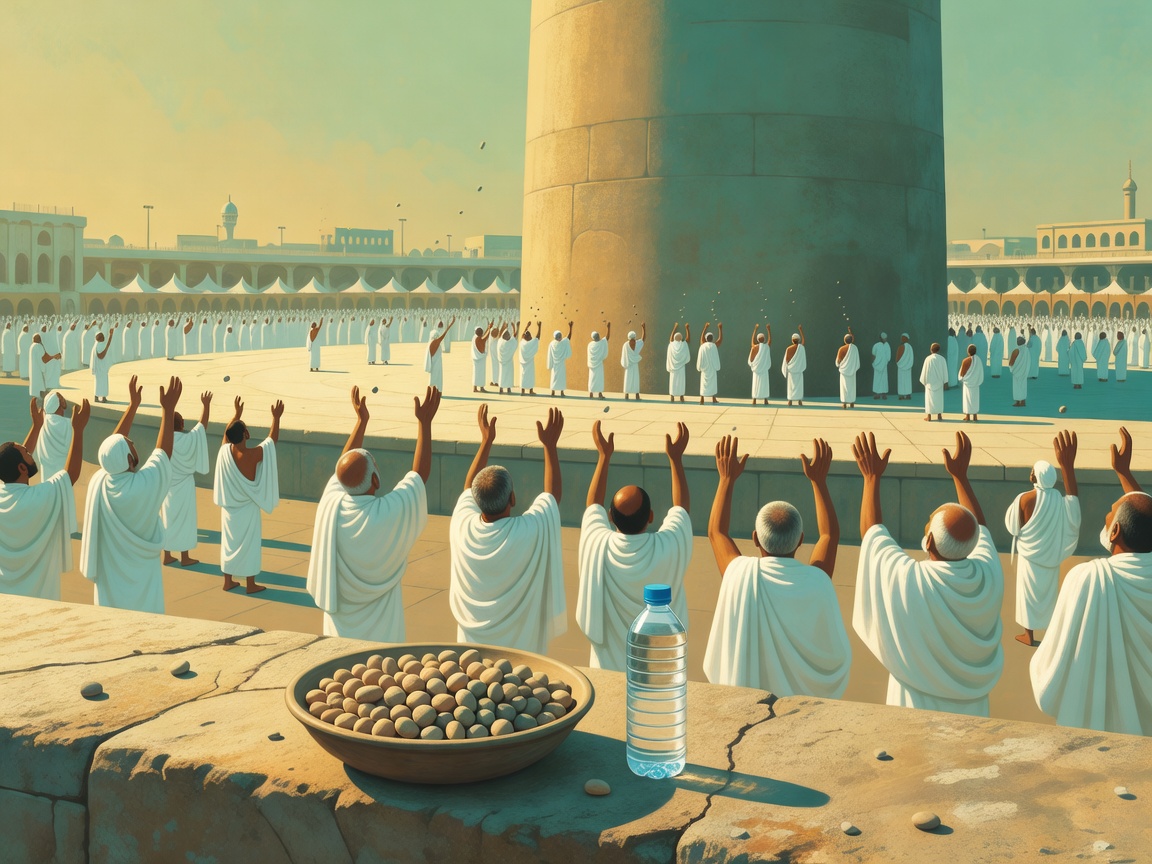
In the account of pilgrimage, this is the prayer of those who ask for good in both worlds.
A moment to reflect Bring your ordinary needs into prayer: a peaceful home, honest work, a kind companion. Hope can hold both today and what lies beyond it.
But among them is he who says, "Our Lord, give us in this world [that which is] good and in the Hereafter [that which is] good and protect us from the punishment of the Fire."
وَمِنْهُمwamin'humAnd from those
preposition (in/with/from), + attached pronoun (them/their), with wa- (and) attached
مَّنmanwho
noun
يَقُولُyaqūlusay
verb — present tense
رَبَّنَآrabbanāOur Lord
noun — object form, + attached pronoun (us/our)
ءَاتِنَاātināGrant us
verb — command tense, + attached pronoun (us/our)
فِىfīin
preposition (in/with/from)
ٱلدُّنْيَاl-dun'yāthe world
noun — of/with form (after a preposition or 'of'), with al- (the) attached
حَسَنَةًۭḥasanatangood
noun — object form
وَفِىwafīand in
preposition (in/with/from), with wa- (and) attached
ٱلْـَٔاخِرَةِl-ākhiratithe Hereafter
noun — of/with form (after a preposition or 'of'), with al- (the) attached
حَسَنَةًۭḥasanatangood
noun — object form
وَقِنَاwaqināand save us
verb — command tense, + attached pronoun (us/our), with wa- (and) attached
عَذَابَʿadhāba(from the) punishment
noun — object form
ٱلنَّارِl-nāri(of) the Fire
noun — of/with form (after a preposition or 'of'), with al- (the) attached
Complete Quran verses · Translation: Saheeh International · Recitation: Mahmoud Khalil al-Husary
Strength · Reading 3 of 50
When you need steadiness
Talut’s believers pray for patience and firm footing as they face Jalut and his forces.
A moment to reflect This prayer asks for patience to be poured out abundantly. Take a slow breath and name the part of today that calls for courage.
And when they went forth to [face] Goliath and his soldiers, they said, "Our Lord, pour upon us patience and plant firmly our feet and give us victory over the disbelieving people."
وَلَمَّاwalammāAnd when
noun, with fa- (so/then) attached
بَرَزُوا۟barazūthey went forth
verb — past tense, + attached pronoun (them/their)
لِجَالُوتَlijālūtato (face) Jalut
name — of/with form (after a preposition or 'of'), with لِ- (preposition) attached
وَجُنُودِهِۦwajunūdihiand his troops
noun — of/with form (after a preposition or 'of'), + attached pronoun (him/his), with wa- (and) attached
قَالُوا۟qālūthey said
verb — past tense, + attached pronoun (them/their)
رَبَّنَآrabbanāOur Lord
noun — object form, + attached pronoun (us/our)
أَفْرِغْafrighPour
verb — command tense
عَلَيْنَاʿalaynāon us
preposition (in/with/from), + attached pronoun (us/our)
صَبْرًۭاṣabranpatience
noun — object form
وَثَبِّتْwathabbitand make firm
verb — command tense, with wa- (and) attached
أَقْدَامَنَاaqdāmanāour feet
noun — object form, + attached pronoun (us/our)
وَٱنصُرْنَاwa-unṣur'nāand help us
verb — command tense, + attached pronoun (us/our), with wa- (and) attached
عَلَىʿalāagainst
preposition (in/with/from)
ٱلْقَوْمِl-qawmithe people
noun — of/with form (after a preposition or 'of'), with al- (the) attached
ٱلْكَـٰفِرِينَl-kāfirīna(who are) disbelieving
describing word (adjective) — of/with form (after a preposition or 'of'), with al- (the) attached
Complete Quran verses · Translation: Saheeh International · Recitation: Mahmoud Khalil al-Husary
Comfort · Reading 4 of 50
When the day feels heavy
Al-Baqarah closes with the believers’ prayers for pardon, mercy and help.
A moment to reflect The closing verse of al-Baqarah makes room for human limits, mistakes and the need for mercy. You may bring an unfinished, tired self to prayer.
Laa yukallifu llaahu nafsan illaa wus'ahaa lahaa maa kasabat wa'alayhaa maa iktasabat rabbanaa laa tu'aakhidhnaa in naseenaa aw akhta'naa rabbanaa walaa tahmil 'alaynaa isran kamaa hamaltahoo 'alaa illadheena min qablinaa rabbanaa walaa tuhammilnaa maa laa taaqata lanaa bihee wa'fu 'annaa waghfir lanaa warhamnaa anta mawlaanaa fansurnaa 'alaa l-qawmi l-kaafireen
Allah does not charge a soul except [with that within] its capacity. It will have [the consequence of] what [good] it has gained, and it will bear [the consequence of] what [evil] it has earned. "Our Lord, do not impose blame upon us if we have forgotten or erred. Our Lord, and lay not upon us a burden like that which You laid upon those before us. Our Lord, and burden us not with that which we have no ability to bear. And pardon us; and forgive us; and have mercy upon us. You are our protector, so give us victory over the disbelieving people."
لَاlā(Does) not
negative word (not)
يُكَلِّفُyukallifuburden
verb — present tense
ٱللَّهُl-lahuAllah
name — subject form
نَفْسًاnafsanany soul
noun — object form
إِلَّاillāexcept
exception word (except)
وُسْعَهَا ۚwus'ʿahāits capacity
noun — object form, + attached pronoun (her)
لَهَاlahāfor it
pronoun (stands for a person), with لَ- (preposition) attached
مَاmāwhat
noun
كَسَبَتْkasabatit earned
verb — past tense
وَعَلَيْهَاwaʿalayhāand against it
preposition (in/with/from), + attached pronoun (her), with wa- (and) attached
مَاmāwhat
noun
ٱكْتَسَبَتْ ۗik'tasabatit earned
verb — past tense
رَبَّنَاrabbanāOur Lord
noun — object form, + attached pronoun (us/our)
لَاlā(Do) not
forbidding word (do not)
تُؤَاخِذْنَآtuākhidh'nātake us to task
verb — present tense, + attached pronoun (us/our)
إِنinif
if-word (condition)
نَّسِينَآnasīnāwe forget
verb — past tense, + attached pronoun (us/our)
أَوْawor
connector (and/then)
أَخْطَأْنَا ۚakhṭanāwe err
verb — past tense, + attached pronoun (us/our)
رَبَّنَاrabbanāOur Lord
noun — object form, + attached pronoun (us/our)
وَلَاwalāAnd (do) not
forbidding word (do not), with wa- (and) attached
تَحْمِلْtaḥmillay
verb — present tense
عَلَيْنَآʿalaynāupon us
preposition (in/with/from), + attached pronoun (us/our)
إِصْرًۭاiṣ'rana burden
noun — object form
كَمَاkamālike that
that-word (subordinating), with كَ- (preposition) attached
حَمَلْتَهُۥḥamaltahu(which) You laid [it]
verb — past tense, + attached pronoun (you/your), + attached pronoun (him/his)
عَلَىʿalāon
preposition (in/with/from)
ٱلَّذِينَalladhīnathose who
noun
مِنmin(were) from
preposition (in/with/from)
قَبْلِنَا ۚqablinābefore us
noun — of/with form (after a preposition or 'of'), + attached pronoun (us/our)
رَبَّنَاrabbanāOur Lord
noun — object form, + attached pronoun (us/our)
وَلَاwalā[And] (do) not
forbidding word (do not), with wa- (and) attached
تُحَمِّلْنَاtuḥammil'nālay on us
verb — present tense, + attached pronoun (us/our)
مَاmāwhat
noun
لَاlānot
negative word (not)
طَاقَةَṭāqata(the) strength
noun — object form
لَنَاlanāwe have
pronoun (stands for a person), with لَ- (preposition) attached
بِهِۦ ۖbihi[of it] (to bear)
pronoun (stands for a person), with بِ- (preposition) attached
وَٱعْفُwa-uʿ'fuAnd pardon
verb — command tense, with wa- (and) attached
عَنَّاʿannā[from] us
preposition (in/with/from), + attached pronoun (us/our)
وَٱغْفِرْwa-igh'firand forgive
verb — command tense, with wa- (and) attached
لَنَاlanā[for] us
pronoun (stands for a person), with لَ- (preposition) attached
وَٱرْحَمْنَآ ۚwa-ir'ḥamnāand have mercy on us
verb — command tense, + attached pronoun (us/our), with wa- (and) attached
أَنتَantaYou (are)
pronoun (stands for a person)
مَوْلَىٰنَاmawlānāour Protector
noun — subject form, + attached pronoun (us/our)
فَٱنصُرْنَاfa-unṣur'nāso help us
verb — command tense, + attached pronoun (us/our), with wa- (and) attached
عَلَىʿalāagainst
preposition (in/with/from)
ٱلْقَوْمِl-qawmithe people
noun — of/with form (after a preposition or 'of'), with al- (the) attached
ٱلْكَـٰفِرِينَl-kāfirīna[the] disbelievers
describing word (adjective) — of/with form (after a preposition or 'of'), with al- (the) attached
Complete Quran verses · Translation: Saheeh International · Recitation: Mahmoud Khalil al-Husary
Guidance · Reading 5 of 50
Keep my heart steady
Those firmly grounded in knowledge ask to remain guided and receive mercy.
A moment to reflect Guidance is something to keep asking for. Let this be a prayer for a heart that can remain gentle as circumstances change.
[Who say], "Our Lord, let not our hearts deviate after You have guided us and grant us from Yourself mercy. Indeed, You are the Bestower.
رَبَّنَاrabbanāOur Lord
noun — object form, + attached pronoun (us/our)
لَاlā(Do) not
forbidding word (do not)
تُزِغْtuzighdeviate
verb — present tense
قُلُوبَنَاqulūbanāour hearts
noun — object form, + attached pronoun (us/our)
بَعْدَbaʿdaafter
noun — object form
إِذْidh[when]
noun
هَدَيْتَنَاhadaytanāYou (have) guided us
verb — past tense, + attached pronoun (you/your), + attached pronoun (us/our)
وَهَبْwahaband grant
verb — command tense, with wa- (and) attached
لَنَاlanā(for) us
pronoun (stands for a person), with لَ- (preposition) attached
مِنminfrom
preposition (in/with/from)
لَّدُنكَladunkaYourself
noun — of/with form (after a preposition or 'of'), + attached pronoun (you/your)
رَحْمَةً ۚraḥmatanmercy
noun — object form
إِنَّكَinnakaIndeed You
emphasis word (indeed/that), + attached pronoun (you/your)
أَنتَantaYou
pronoun (stands for a person)
ٱلْوَهَّابُl-wahābu(are) the Bestower
noun — subject form, with al- (the) attached
Complete Quran verses · Translation: Saheeh International · Recitation: Mahmoud Khalil al-Husary
Hope · Reading 6 of 50
Held by a larger promise
The prayer affirms the promised gathering of humanity before God.
A moment to reflect Faith looks beyond the fragments we can see. Pause with the thought that our lives and relationships are not beyond God’s knowledge.
Our Lord, surely You will gather the people for a Day about which there is no doubt. Indeed, Allah does not fail in His promise."
رَبَّنَآrabbanāOur Lord
noun — object form, + attached pronoun (us/our)
إِنَّكَinnakaIndeed, You
emphasis word (indeed/that), + attached pronoun (you/your)
جَامِعُjāmiʿuwill gather
noun — subject form
ٱلنَّاسِl-nāsi[the] mankind
noun — of/with form (after a preposition or 'of'), with al- (the) attached
لِيَوْمٍۢliyawminon a Day
noun — of/with form (after a preposition or 'of'), with لِ- (preposition) attached
لَّاlā(there is) no
negative word (not)
رَيْبَraybadoubt
noun — object form
فِيهِ ۚfīhiin it
preposition (in/with/from), + attached pronoun (him/his)
إِنَّinnaIndeed
emphasis word (indeed/that)
ٱللَّهَl-lahaAllah
name — object form
لَاlā(does) not
negative word (not)
يُخْلِفُyukh'lifubreak
verb — present tense
ٱلْمِيعَادَl-mīʿādathe Promise
noun — object form, with al- (the) attached
Complete Quran verses · Translation: Saheeh International · Recitation: Mahmoud Khalil al-Husary
Mercy · Reading 7 of 50
A door back to mercy
These words describe believers who ask for forgiveness and protection.
A moment to reflect Repentance begins with honesty and hope together. Name one thing you would like to repair, and one small step you can take.
And their words were not but that they said, "Our Lord, forgive us our sins and the excess [committed] in our affairs and plant firmly our feet and give us victory over the disbelieving people."
وَمَاwamāAnd not
negative word (not), with fa- (so/then) attached
كَانَkānawere
verb — past tense
قَوْلَهُمْqawlahumtheir words
noun — object form, + attached pronoun (them/their)
إِلَّآillāexcept
restriction word (only)
أَنanthat
that-word (subordinating)
قَالُوا۟qālūthey said
verb — past tense, + attached pronoun (them/their)
رَبَّنَاrabbanāOur Lord
noun — object form, + attached pronoun (us/our)
ٱغْفِرْigh'firforgive
verb — command tense
لَنَاlanāfor us
pronoun (stands for a person), with لَ- (preposition) attached
ذُنُوبَنَاdhunūbanāour sins
noun — object form, + attached pronoun (us/our)
وَإِسْرَافَنَاwa-is'rāfanāand our excesses
noun — object form, + attached pronoun (us/our), with wa- (and) attached
فِىٓfīin
preposition (in/with/from)
أَمْرِنَاamrināour affairs
noun — of/with form (after a preposition or 'of'), + attached pronoun (us/our)
وَثَبِّتْwathabbitand make firm
verb — command tense, with wa- (and) attached
أَقْدَامَنَاaqdāmanāour feet
noun — object form, + attached pronoun (us/our)
وَٱنصُرْنَاwa-unṣur'nāand give us victory
verb — command tense, + attached pronoun (us/our), with wa- (and) attached
عَلَىʿalāover
preposition (in/with/from)
ٱلْقَوْمِl-qawmi[the people]
noun — of/with form (after a preposition or 'of'), with al- (the) attached
ٱلْكَـٰفِرِينَl-kāfirīnathe disbelievers
describing word (adjective) — of/with form (after a preposition or 'of'), with al- (the) attached
Complete Quran verses · Translation: Saheeh International · Recitation: Mahmoud Khalil al-Husary
Gratitude · Reading 10 of 50
A moment of wonder
People who remember God reflect on the creation of the heavens and earth.
A moment to reflect Look at a patch of sky, a leaf or the evening light. This verse places reflection on creation beside remembrance of its Creator.
Who remember Allah while standing or sitting or [lying] on their sides and give thought to the creation of the heavens and the earth, [saying], "Our Lord, You did not create this aimlessly; exalted are You [above such a thing]; then protect us from the punishment of the Fire.
ٱلَّذِينَalladhīnaThose who
noun
يَذْكُرُونَyadhkurūnaremember
verb — present tense, + attached pronoun (them/their)
ٱللَّهَl-lahaAllah
name — object form
قِيَـٰمًۭاqiyāmanstanding
noun — object form
وَقُعُودًۭاwaquʿūdanand sitting
noun — object form, with wa- (and) attached
وَعَلَىٰwaʿalāand on
preposition (in/with/from), with fa- (so/then) attached
جُنُوبِهِمْjunūbihimtheir sides
noun — of/with form (after a preposition or 'of'), + attached pronoun (them/their)
وَيَتَفَكَّرُونَwayatafakkarūnaand they reflect
verb — present tense, + attached pronoun (them/their), with wa- (and) attached
فِىfīon
preposition (in/with/from)
خَلْقِkhalqi(the) creation
noun — of/with form (after a preposition or 'of')
ٱلسَّمَـٰوَٰتِl-samāwāti(of) the heavens
noun — of/with form (after a preposition or 'of'), with al- (the) attached
وَٱلْأَرْضِwal-arḍiand the earth
noun — of/with form (after a preposition or 'of'), with wa- (and) + al- (the) attached
رَبَّنَاrabbanāOur Lord
noun — object form, + attached pronoun (us/our)
مَاmānot
negative word (not)
خَلَقْتَkhalaqtaYou have created
verb — past tense, + attached pronoun (you/your)
هَـٰذَاhādhāthis
noun
بَـٰطِلًۭاbāṭilan(in) vain
noun — object form
سُبْحَـٰنَكَsub'ḥānakaGlory be to You
noun — object form, + attached pronoun (you/your)
فَقِنَاfaqināso save us
verb — command tense, + attached pronoun (us/our), with fa- (so/then) attached
عَذَابَʿadhāba(from the) punishment
noun — object form
ٱلنَّارِl-nāri(of) the Fire
noun — of/with form (after a preposition or 'of'), with al- (the) attached
Complete Quran verses · Translation: Saheeh International · Recitation: Mahmoud Khalil al-Husary
Mercy · Reading 11 of 50
Permission to begin again
Adam and his wife acknowledge their wrongdoing and ask for forgiveness and mercy.
A moment to reflect Adam and his wife turn toward God after their error. The words give us a way to be accountable without giving up on mercy.
They said, "Our Lord, we have wronged ourselves, and if You do not forgive us and have mercy upon us, we will surely be among the losers."
قَالَاqālāBoth of them said
verb — past tense, + attached pronoun
رَبَّنَاrabbanāOur Lord
noun — object form, + attached pronoun (us/our)
ظَلَمْنَآẓalamnāwe have wronged
verb — past tense, + attached pronoun (us/our)
أَنفُسَنَاanfusanāourselves
noun — object form, + attached pronoun (us/our)
وَإِنwa-inand if
if-word (condition), with wa- (and) attached
لَّمْlamnot
negative word (not)
تَغْفِرْtaghfirYou forgive
verb — present tense
لَنَاlanā[for] us
pronoun (stands for a person), with لَ- (preposition) attached
وَتَرْحَمْنَاwatarḥamnāand have mercy (on) us
verb — present tense, + attached pronoun (us/our), with wa- (and) attached
لَنَكُونَنَّlanakūnannasurely, we will be
emphasis word (indeed), verb — present tense, with la- (surely) attached
مِنَminaamong
preposition (in/with/from)
ٱلْخَـٰسِرِينَl-khāsirīnathe losers
noun — of/with form (after a preposition or 'of'), with al- (the) attached
Complete Quran verses · Translation: Saheeh International · Recitation: Mahmoud Khalil al-Husary
Strength · Reading 12 of 50
Patience under pressure
The magicians who believe in Musa’s message ask for patience after Pharaoh threatens them.
A moment to reflect These words belong to believers facing Pharaoh’s threats. Read them in their story, and ask for the courage to remain faithful to what is right.
And you do not resent us except because we believed in the signs of our Lord when they came to us. Our Lord, pour upon us patience and let us die as Muslims [in submission to You]."
وَمَاwamāAnd not
negative word (not), with fa- (so/then) attached
تَنقِمُtanqimuyou take revenge
verb — present tense
مِنَّآminnāfrom us
preposition (in/with/from), + attached pronoun (us/our)
إِلَّآillāexcept
exception word (except)
أَنْanthat
that-word (subordinating)
ءَامَنَّاāmannāwe believed
verb — past tense, + attached pronoun (us/our)
بِـَٔايَـٰتِbiāyātiin (the) Signs
noun — of/with form (after a preposition or 'of'), with بِ- (preposition) attached
رَبِّنَاrabbinā(of) our Lord
noun — of/with form (after a preposition or 'of'), + attached pronoun (us/our)
لَمَّاlammāwhen
noun
جَآءَتْنَا ۚjāatnāthey came to us
verb — past tense, + attached pronoun (us/our)
رَبَّنَآrabbanāOur Lord
noun — object form, + attached pronoun (us/our)
أَفْرِغْafrighPour
verb — command tense
عَلَيْنَاʿalaynāupon us
preposition (in/with/from), + attached pronoun (us/our)
صَبْرًۭاṣabranpatience
noun — object form
وَتَوَفَّنَاwatawaffanāand cause us to die
verb — command tense, + attached pronoun (us/our), with wa- (and) attached
مُسْلِمِينَmus'limīna(as) Muslims
noun — object form
Complete Quran verses · Translation: Saheeh International · Recitation: Mahmoud Khalil al-Husary
Comfort · Reading 13 of 50
Entrusting what I cannot control
Musa’s people place their trust in God and pray while facing oppression.
A moment to reflect Musa’s people turn to God under oppression. Trust can sit alongside practical action and asking other people for help.
So they said, "Upon Allah do we rely. Our Lord, make us not [objects of] trial for the wrongdoing people
فَقَالُوا۟faqālūThen they said
verb — past tense, + attached pronoun (them/their), with fa- (so/then) attached
عَلَىʿalāUpon
preposition (in/with/from)
ٱللَّهِl-lahiAllah
name — of/with form (after a preposition or 'of')
تَوَكَّلْنَاtawakkalnāwe put our trust
verb — past tense, + attached pronoun (us/our)
رَبَّنَاrabbanāOur Lord
noun — object form, + attached pronoun (us/our)
لَاlā(Do) not
forbidding word (do not)
تَجْعَلْنَاtajʿalnāmake us
verb — present tense, + attached pronoun (us/our)
فِتْنَةًۭfit'natana trial
noun — object form
لِّلْقَوْمِlil'qawmifor the people
noun — of/with form (after a preposition or 'of'), with لِّ- (preposition) + al- (the) attached
ٱلظَّـٰلِمِينَl-ẓālimīnathe wrongdoers
describing word (adjective) — of/with form (after a preposition or 'of'), with al- (the) attached
Complete Quran verses · Translation: Saheeh International · Recitation: Mahmoud Khalil al-Husary
Comfort · Reading 14 of 50
Asking for a way to safety
This is the continuation of the prayer of Musa’s people in the preceding verse.
A moment to reflect This continues the prayer of Musa’s people. Remember those seeking safety today, near to you and far away.
And save us by Your mercy from the disbelieving people."
وَنَجِّنَاwanajjināAnd save us
verb — command tense, + attached pronoun (us/our), with wa- (and) attached
بِرَحْمَتِكَbiraḥmatikaby Your Mercy
noun — of/with form (after a preposition or 'of'), + attached pronoun (you/your), with بِ- (preposition) attached
مِنَminafrom
preposition (in/with/from)
ٱلْقَوْمِl-qawmithe people
noun — of/with form (after a preposition or 'of'), with al- (the) attached
ٱلْكَـٰفِرِينَl-kāfirīnathe disbelievers
describing word (adjective) — of/with form (after a preposition or 'of'), with al- (the) attached
Complete Quran verses · Translation: Saheeh International · Recitation: Mahmoud Khalil al-Husary
Guidance · Reading 15 of 50
A life anchored in prayer
Ibrahim asks that he and his descendants remain constant in prayer.
A moment to reflect Ibrahim asks for constancy for himself and his descendants. Start with the prayer in front of you rather than measuring an entire lifetime.
Rabbanaa ighfir lee waliwaalidayya walilmu'mineena yawma yaqoomu l-hisaab
Our Lord, forgive me and my parents and the believers the Day the account is established."
رَبَّنَاrabbanāOur Lord
noun — object form, + attached pronoun (us/our)
ٱغْفِرْigh'firForgive
verb — command tense
لِىlīme
pronoun (stands for a person), with لِ- (preposition) attached
وَلِوَٰلِدَىَّwaliwālidayyaand my parents
noun — of/with form (after a preposition or 'of'), + attached pronoun (me/my), with wa- (and) + لِ- (preposition) attached
وَلِلْمُؤْمِنِينَwalil'mu'minīnaand the believers
noun — of/with form (after a preposition or 'of'), with wa- (and) + لِ- (preposition) + al- (the) attached
يَوْمَyawma(on) the Day
noun — object form
يَقُومُyaqūmuwill (be) established
verb — present tense
ٱلْحِسَابُl-ḥisābuthe account
noun — subject form, with al- (the) attached
Complete Quran verses · Translation: Saheeh International · Recitation: Mahmoud Khalil al-Husary
Family · Reading 17 of 50
Mercy for those who raised me
The verse teaches humility and a prayer for mercy toward one’s parents.
A moment to reflect The verse recalls the care a child needs. Let gratitude find a concrete expression: a call, a helpful act, or a quiet prayer.
And lower to them the wing of humility out of mercy and say, "My Lord, have mercy upon them as they brought me up [when I was] small."
وَٱخْفِضْwa-ikh'fiḍAnd lower
verb — command tense, with wa- (and) attached
لَهُمَاlahumāto them
pronoun (stands for a person), with لَ- (preposition) attached
جَنَاحَjanāḥa(the) wing
noun — object form
ٱلذُّلِّl-dhuli(of) humility
noun — of/with form (after a preposition or 'of'), with al- (the) attached
مِنَmina(out) of
preposition (in/with/from)
ٱلرَّحْمَةِl-raḥmati[the] mercy
noun — of/with form (after a preposition or 'of'), with al- (the) attached
وَقُلwaquland say
verb — command tense, with wa- (and) attached
رَّبِّrabbiMy Lord
noun — subject form, + attached pronoun (me/my)
ٱرْحَمْهُمَاir'ḥamhumāHave mercy on both of them
verb — command tense, + attached pronoun (them two)
كَمَاkamāas
that-word (subordinating), with كَ- (preposition) attached
رَبَّيَانِىrabbayānīthey brought me up
verb — past tense, + attached pronoun, + attached pronoun (me/my)
صَغِيرًۭاṣaghīran(when I was) small
noun — object form
Complete Quran verses · Translation: Saheeh International · Recitation: Mahmoud Khalil al-Husary
Guidance · Reading 18 of 50
At the beginning of something new
The Prophet is instructed to pray for a truthful entrance and exit, and supporting strength.
A moment to reflect Beginnings and endings both ask something of us. Pray for integrity in the way you enter a situation and the way you leave it.
Waqul rabbi adkhilnee mudkhala sidqin wa'akhrijnee mukhraja sidqin waj'al lee min ladunka sultaanan naseeraa
And say, "My Lord, cause me to enter a sound entrance and to exit a sound exit and grant me from Yourself a supporting authority."
وَقُلwaqulAnd say
verb — command tense, with wa- (and) attached
رَّبِّrabbiMy Lord
noun — subject form, + attached pronoun (me/my)
أَدْخِلْنِىadkhil'nīCause me to enter
verb — command tense, + attached pronoun (me/my)
مُدْخَلَmud'khalaan entrance
noun — object form
صِدْقٍۢṣid'qinsound
noun — of/with form (after a preposition or 'of')
وَأَخْرِجْنِىwa-akhrij'nīand cause me to exit
verb — command tense, + attached pronoun (me/my), with wa- (and) attached
مُخْرَجَmukh'rajaan exit
noun — object form
صِدْقٍۢṣid'qinsound
noun — of/with form (after a preposition or 'of')
وَٱجْعَلwa-ij'ʿaland make
verb — command tense, with wa- (and) attached
لِّىlīfor me
pronoun (stands for a person), with لِّ- (preposition) attached
مِنminfrom
preposition (in/with/from)
لَّدُنكَladunkanear You
noun — of/with form (after a preposition or 'of'), + attached pronoun (you/your)
سُلْطَـٰنًۭاsul'ṭānanan authority
noun — object form
نَّصِيرًۭاnaṣīranhelping
describing word (adjective) — object form
Complete Quran verses · Translation: Saheeh International · Recitation: Mahmoud Khalil al-Husary
Comfort · Reading 19 of 50
Mercy when the way is unclear
The young people of the cave ask for mercy and right guidance in their situation.
A moment to reflect The young people of the cave ask for mercy and a sound way through their situation. You can ask for direction before you know what the answer will look like.
Idh awaa l-fityatu ilaa l-kahfi faqaaloo rabbanaa aatinaa min ladunka rahmatan wahayyi' lanaa min amrinaa rashadaa
[Mention] when the youths retreated to the cave and said, "Our Lord, grant us from Yourself mercy and prepare for us from our affair right guidance."
إِذْidhWhen
noun
أَوَىawāretreated
verb — past tense
ٱلْفِتْيَةُl-fit'yatuthe youths
noun — subject form, with al- (the) attached
إِلَىilāto
preposition (in/with/from)
ٱلْكَهْفِl-kahfithe cave
noun — of/with form (after a preposition or 'of'), with al- (the) attached
فَقَالُوا۟faqālūand they said
verb — past tense, + attached pronoun (them/their), with wa- (and) attached
رَبَّنَآrabbanāOur Lord
noun — object form, + attached pronoun (us/our)
ءَاتِنَاātināGrant us
verb — command tense, + attached pronoun (us/our)
مِنminfrom
preposition (in/with/from)
لَّدُنكَladunkaYourself
noun — of/with form (after a preposition or 'of'), + attached pronoun (you/your)
رَحْمَةًۭraḥmatanMercy
noun — object form
وَهَيِّئْwahayyiand facilitate
verb — command tense, with wa- (and) attached
لَنَاlanāfor us
pronoun (stands for a person), with لَ- (preposition) attached
مِنْmin[from]
preposition (in/with/from)
أَمْرِنَاamrināour affair
noun — of/with form (after a preposition or 'of'), + attached pronoun (us/our)
رَشَدًۭاrashadan(in the) right way
noun — object form
Complete Quran verses · Translation: Saheeh International · Recitation: Mahmoud Khalil al-Husary
Comfort · Reading 20 of 50
Room to breathe and speak
Musa asks for an expanded heart, an eased task and clear speech before going to Pharaoh.
A moment to reflect Before facing Pharaoh, Musa asks for an expanded heart, an eased task and clear speech. Read slowly before a conversation you have been putting off.
Fata'aalaa llaahu l-maliku l-haqqu walaa ta'jal bilqur'aani min qabli an yuqdaa ilayka wahyuhoo waqul rabbi zidnee 'ilmaa
So high [above all] is Allah, the Sovereign, the Truth. And, [O Muhammad], do not hasten with [recitation of] the Qur'an before its revelation is completed to you, and say, "My Lord, increase me in knowledge."
فَتَعَـٰلَىfataʿālāSo high (above all)
verb — past tense, with fa- (so/then) attached
ٱللَّهُl-lahu(is) Allah
name — subject form
ٱلْمَلِكُl-malikuthe King
noun — subject form, with al- (the) attached
ٱلْحَقُّ ۗl-ḥaquthe True
noun — subject form, with al- (the) attached
وَلَاwalāAnd (do) not
forbidding word (do not), with wa- (and) attached
تَعْجَلْtaʿjalhasten
verb — present tense
بِٱلْقُرْءَانِbil-qur'āniwith the Quran
name — of/with form (after a preposition or 'of'), with بِ- (preposition) + al- (the) attached
مِنminbefore
preposition (in/with/from)
قَبْلِqablibefore
noun — of/with form (after a preposition or 'of')
أَنan[that]
that-word (subordinating)
يُقْضَىٰٓyuq'ḍāis completed
verb — present tense
إِلَيْكَilaykato you
preposition (in/with/from), + attached pronoun (you/your)
وَحْيُهُۥ ۖwaḥyuhuits revelation
noun — subject form, + attached pronoun (him/his)
وَقُلwaquland say
verb — command tense, with wa- (and) attached
رَّبِّrabbiMy Lord
noun — object form, + attached pronoun (me/my)
زِدْنِىzid'nīIncrease me
verb — command tense, + attached pronoun (me/my)
عِلْمًۭاʿil'man(in) knowledge
noun — object form
Complete Quran verses · Translation: Saheeh International · Recitation: Mahmoud Khalil al-Husary
Comfort · Reading 22 of 50
Words for a hurting heart
Ayyub calls upon God in affliction, naming both his distress and God’s mercy.
A moment to reflect Ayyub names his suffering and calls upon the Most Merciful. You do not have to hide pain in order to pray with trust.
And [mention] Job, when he called to his Lord, "Indeed, adversity has touched me, and you are the Most Merciful of the merciful."
۞ وَأَيُّوبَwa-ayyūbaAnd Ayub
name — of/with form (after a preposition or 'of'), with wa- (and) attached
إِذْidhwhen
noun
نَادَىٰnādāhe called
verb — past tense
رَبَّهُۥٓrabbahu(to) his Lord
noun — object form, + attached pronoun (him/his)
أَنِّىannīIndeed, [I]
emphasis word (indeed/that), + attached pronoun (me/my)
مَسَّنِىَmassaniyahas touched me
verb — past tense, + attached pronoun (me/my)
ٱلضُّرُّl-ḍuruthe adversity
noun — subject form, with al- (the) attached
وَأَنتَwa-antaand You
pronoun (stands for a person), with wa- (and) attached
أَرْحَمُarḥamu(are) Most Merciful
noun — subject form
ٱلرَّٰحِمِينَl-rāḥimīna(of) the Merciful
noun — of/with form (after a preposition or 'of'), with al- (the) attached
Complete Quran verses · Translation: Saheeh International · Recitation: Mahmoud Khalil al-Husary
Mercy · Reading 23 of 50
A prayer in the darkness
Yunus calls from the darkness, affirming God’s oneness and acknowledging his wrong.
A moment to reflect Yunus calls upon God from darkness. These words join remembrance and honest self-examination; they can accompany a first step back.
Wadhaa n-nooni idh dhahaba mughaadiban fazanna an lan naqdira 'alayhi fanaadaa fee z-zulumaati an laa ilaaha illaa anta subhaanaka innee kuntu mina z-zaalimeen
And [mention] the man of the fish, when he went off in anger and thought that We would not decree [anything] upon him. And he called out within the darknesses, "There is no deity except You; exalted are You. Indeed, I have been of the wrongdoers."
وَذَاwadhāAnd Dhun-Nun
noun — object form, with wa- (and) attached
ٱلنُّونِl-nūniAnd Dhun-Nun
noun — of/with form (after a preposition or 'of'), with al- (the) attached
إِذidhwhen
noun
ذَّهَبَdhahabahe went
verb — past tense
مُغَـٰضِبًۭاmughāḍiban(while) angry
noun — object form
فَظَنَّfaẓannaand thought
verb — past tense, with wa- (and) attached
أَنanthat
that-word (subordinating)
لَّنlannever
negative word (not)
نَّقْدِرَnaqdiraWe would decree
verb — present tense
عَلَيْهِʿalayhiupon him
preposition (in/with/from), + attached pronoun (him/his)
فَنَادَىٰfanādāThen he called
verb — past tense, with fa- (so/then) attached
فِىfīin
preposition (in/with/from)
ٱلظُّلُمَـٰتِl-ẓulumātithe darkness(es)
noun — of/with form (after a preposition or 'of'), with al- (the) attached
أَنanthat
that-word (subordinating)
لَّآlā(There is) no
negative word (not)
إِلَـٰهَilāhagod
noun — object form
إِلَّآillāexcept
restriction word (only)
أَنتَantaYou
pronoun (stands for a person)
سُبْحَـٰنَكَsub'ḥānakaGlory be to You
noun — object form, + attached pronoun (you/your)
إِنِّىinnīIndeed, [I]
emphasis word (indeed/that), + attached pronoun (me/my)
كُنتُkuntuI am
verb — past tense, + attached pronoun (me/my)
مِنَminaof
preposition (in/with/from)
ٱلظَّـٰلِمِينَl-ẓālimīnathe wrongdoers
noun — of/with form (after a preposition or 'of'), with al- (the) attached
Complete Quran verses · Translation: Saheeh International · Recitation: Mahmoud Khalil al-Husary
Family · Reading 24 of 50
When you feel alone
Zakariyya asks not to be left alone, while affirming God as the best of inheritors.
A moment to reflect Zakariyya’s prayer rises from longing for a child. Read it with tenderness toward people carrying hopes that others may not see.
And [mention] Zechariah, when he called to his Lord, "My Lord, do not leave me alone [with no heir], while you are the best of inheritors."
وَزَكَرِيَّآwazakariyyāAnd Zakariya
name — of/with form (after a preposition or 'of'), with wa- (and) attached
إِذْidhwhen
noun
نَادَىٰnādāhe called
verb — past tense
رَبَّهُۥrabbahu(to) his Lord
noun — object form, + attached pronoun (him/his)
رَبِّrabbiMy Lord
noun — subject form, + attached pronoun (me/my)
لَاlā(Do) not
negative word (not)
تَذَرْنِىtadharnīleave me
verb — present tense, + attached pronoun (me/my)
فَرْدًۭاfardanalone
noun — object form
وَأَنتَwa-antawhile You
pronoun (stands for a person)
خَيْرُkhayru(are) [the] Best
noun — subject form
ٱلْوَٰرِثِينَl-wārithīna(of) the inheritors
noun — of/with form (after a preposition or 'of'), with al- (the) attached
Complete Quran verses · Translation: Saheeh International · Recitation: Mahmoud Khalil al-Husary
Comfort · Reading 25 of 50
A quiet shelter for the heart
The Prophet is instructed to seek refuge from the incitements and presence of devils.
A moment to reflect Ask for protection from impulses that pull you away from peace and good judgment. Pause before responding to something that unsettles you.
Waqul rabbi a'oodhu bika min hamazaati sh-shayaateen
And say, "My Lord, I seek refuge in You from the incitements of the devils,
وَقُلwaqulAnd say
verb — command tense, with wa- (and) attached
رَّبِّrabbiMy Lord
noun — subject form, + attached pronoun (me/my)
أَعُوذُaʿūdhuI seek refuge
verb — present tense
بِكَbikain You
pronoun (stands for a person), with بِ- (preposition) attached
مِنْminfrom
preposition (in/with/from)
هَمَزَٰتِhamazāti(the) suggestions
noun — of/with form (after a preposition or 'of')
ٱلشَّيَـٰطِينِl-shayāṭīni(of) the evil ones
name — of/with form (after a preposition or 'of'), with al- (the) attached
And I seek refuge in You, my Lord, lest they be present with me."
وَأَعُوذُwa-aʿūdhuAnd I seek refuge
verb — present tense, with wa- (and) attached
بِكَbikain You
pronoun (stands for a person), with بِ- (preposition) attached
رَبِّrabbiMy Lord
noun — subject form, + attached pronoun (me/my)
أَنanLest
that-word (subordinating)
يَحْضُرُونِyaḥḍurūnithey be present with me
verb — present tense, + attached pronoun (them/their), + attached pronoun (me/my)
Complete Quran verses · Translation: Saheeh International · Recitation: Mahmoud Khalil al-Husary
Mercy · Reading 26 of 50
Mercy in the company of believers
God recalls believers who prayed for forgiveness and mercy despite being mocked.
A moment to reflect This verse remembers a group who asked for forgiveness and mercy. Add someone else to your prayer, especially someone who may feel forgotten.
Indeed, there was a party of My servants who said, 'Our Lord, we have believed, so forgive us and have mercy upon us, and You are the best of the merciful.'
إِنَّهُۥinnahuIndeed
emphasis word (indeed/that), + attached pronoun (him/his)
كَانَkāna(there) was
verb — past tense
فَرِيقٌۭfarīquna party
noun — subject form
مِّنْminof
preposition (in/with/from)
عِبَادِىʿibādīMy slaves
noun — of/with form (after a preposition or 'of'), + attached pronoun (me/my)
يَقُولُونَyaqūlūna(who) said
verb — present tense, + attached pronoun (them/their)
رَبَّنَآrabbanāOur Lord
noun — object form, + attached pronoun (us/our)
ءَامَنَّاāmannāWe believe
verb — past tense, + attached pronoun (us/our)
فَٱغْفِرْfa-igh'firso forgive
verb — command tense, with fa- (so/then) attached
لَنَاlanāus
pronoun (stands for a person), with لَ- (preposition) attached
وَٱرْحَمْنَاwa-ir'ḥamnāand have mercy on us
verb — command tense, + attached pronoun (us/our), with wa- (and) attached
وَأَنتَwa-antaand You
pronoun (stands for a person), with wa- (and) attached
خَيْرُkhayru(are) best
noun — subject form
ٱلرَّٰحِمِينَl-rāḥimīna(of) those who show mercy
noun — of/with form (after a preposition or 'of'), with al- (the) attached
Complete Quran verses · Translation: Saheeh International · Recitation: Mahmoud Khalil al-Husary
Mercy · Reading 27 of 50
A few words, a wide mercy
Al-Mu’minun ends with an instruction to ask for forgiveness and mercy.
A moment to reflect A short prayer can be enough for a difficult moment. Repeat it slowly, leaving space between the words.
And, [O Muhammad], say, "My Lord, forgive and have mercy, and You are the best of the merciful."
وَقُلwaqulAnd say
verb — command tense, with wa- (and) attached
رَّبِّrabbiMy Lord
noun — subject form, + attached pronoun (me/my)
ٱغْفِرْigh'firForgive
verb — command tense
وَٱرْحَمْwa-ir'ḥamand have mercy
verb — command tense, with wa- (and) attached
وَأَنتَwa-antaand You
pronoun (stands for a person), with wa- (and) attached
خَيْرُkhayru(are the) Best
noun — subject form
ٱلرَّٰحِمِينَl-rāḥimīna(of) those who show mercy
noun — of/with form (after a preposition or 'of'), with al- (the) attached
Complete Quran verses · Translation: Saheeh International · Recitation: Mahmoud Khalil al-Husary
Family · Reading 28 of 50
Comfort in our closest relationships
Among the qualities of the servants of the Most Merciful is this prayer for family and example.
A moment to reflect Ask for a home where people can find rest and grow in goodness. Consider one act of patience that would make your home more welcoming.
And those who say, "Our Lord, grant us from among our wives and offspring comfort to our eyes and make us an example for the righteous."
وَٱلَّذِينَwa-alladhīnaAnd those who
noun, with wa- (and) attached
يَقُولُونَyaqūlūnasay
verb — present tense, + attached pronoun (them/their)
رَبَّنَاrabbanāOur Lord
noun — object form, + attached pronoun (us/our)
هَبْhabGrant
verb — command tense
لَنَاlanāto us
pronoun (stands for a person), with لَ- (preposition) attached
مِنْminfrom
preposition (in/with/from)
أَزْوَٰجِنَاazwājināour spouses
noun — of/with form (after a preposition or 'of'), + attached pronoun (us/our)
وَذُرِّيَّـٰتِنَاwadhurriyyātināand our offspring
noun — of/with form (after a preposition or 'of'), + attached pronoun (us/our), with wa- (and) attached
قُرَّةَqurratacomfort
noun — object form
أَعْيُنٍۢaʿyunin(to) our eyes
noun — of/with form (after a preposition or 'of')
وَٱجْعَلْنَاwa-ij'ʿalnāand make us
verb — command tense, + attached pronoun (us/our), with wa- (and) attached
لِلْمُتَّقِينَlil'muttaqīnafor the righteous
noun — of/with form (after a preposition or 'of'), with لِ- (preposition) + al- (the) attached
إِمَامًاimāmana leader
noun — object form
Complete Quran verses · Translation: Saheeh International · Recitation: Mahmoud Khalil al-Husary
Hope · Reading 29 of 50
It is all right to need help
Having watered the flock for two women, Musa rests in the shade and speaks of his need.
A moment to reflect After helping others, Musa rests in the shade and names his own need. Giving and receiving care belong in the same life.
So he watered [their flocks] for them; then he went back to the shade and said, "My Lord, indeed I am, for whatever good You would send down to me, in need."
فَسَقَىٰfasaqāSo he watered
verb — past tense, with fa- (so/then) attached
لَهُمَاlahumāfor them
pronoun (stands for a person), with لَ- (preposition) attached
ثُمَّthummaThen
connector (and/then)
تَوَلَّىٰٓtawallāhe turned back
verb — past tense
إِلَىilāto
preposition (in/with/from)
ٱلظِّلِّl-ẓilithe shade
noun — of/with form (after a preposition or 'of'), with al- (the) attached
فَقَالَfaqālaand said
verb — past tense, with wa- (and) attached
رَبِّrabbiMy Lord
noun — subject form, + attached pronoun (me/my)
إِنِّىinnīIndeed, I am
emphasis word (indeed/that), + attached pronoun (me/my)
لِمَآlimāof whatever
noun, with لِ- (preposition) attached
أَنزَلْتَanzaltaYou send
verb — past tense, + attached pronoun (you/your)
إِلَىَّilayyato me
preposition (in/with/from), + attached pronoun (me/my)
مِنْminof
preposition (in/with/from)
خَيْرٍۢkhayringood
noun — of/with form (after a preposition or 'of')
فَقِيرٌۭfaqīrun(in) need
describing word (adjective) — subject form
Complete Quran verses · Translation: Saheeh International · Recitation: Mahmoud Khalil al-Husary
Mercy · Reading 30 of 50
A heart with room for others
Later believers pray for those who preceded them in faith and for hearts free of resentment.
A moment to reflect This prayer reaches backward to earlier believers and inward to the heart. Ask for freedom from resentment without pretending that hurt never happened.
And [there is a share for] those who came after them, saying, "Our Lord, forgive us and our brothers who preceded us in faith and put not in our hearts [any] resentment toward those who have believed. Our Lord, indeed You are Kind and Merciful."
وَٱلَّذِينَwa-alladhīnaAnd those who
noun, with wa- (and) attached
جَآءُوjāūcame
verb — past tense, + attached pronoun (them/their)
مِنۢminfrom
preposition (in/with/from)
بَعْدِهِمْbaʿdihimafter them
noun — of/with form (after a preposition or 'of'), + attached pronoun (them/their)
يَقُولُونَyaqūlūnathey say
verb — present tense, + attached pronoun (them/their)
رَبَّنَاrabbanāOur Lord
noun — object form, + attached pronoun (us/our)
ٱغْفِرْigh'firforgive
verb — command tense
لَنَاlanāus
pronoun (stands for a person), with لَ- (preposition) attached
وَلِإِخْوَٰنِنَاwali-ikh'wānināand our brothers
noun — of/with form (after a preposition or 'of'), + attached pronoun (us/our), with wa- (and) + لِ- (preposition) attached
ٱلَّذِينَalladhīnawho
noun
سَبَقُونَاsabaqūnāpreceded us
verb — past tense, + attached pronoun (them/their), + attached pronoun (us/our)
بِٱلْإِيمَـٰنِbil-īmāniin faith
noun — of/with form (after a preposition or 'of'), with بِ- (preposition) + al- (the) attached
وَلَاwalāand (do) not
negative word (not), with wa- (and) attached
تَجْعَلْtajʿalput
verb — present tense
فِىfīin
preposition (in/with/from)
قُلُوبِنَاqulūbināour hearts
noun — of/with form (after a preposition or 'of'), + attached pronoun (us/our)
غِلًّۭاghillanany rancor
noun — object form
لِّلَّذِينَlilladhīnatowards those who
noun, with لِّ- (preposition) attached
ءَامَنُوا۟āmanūbelieved
verb — past tense, + attached pronoun (them/their)
رَبَّنَآrabbanāOur Lord
noun — object form, + attached pronoun (us/our)
إِنَّكَinnakaindeed You
emphasis word (indeed/that), + attached pronoun (you/your)
رَءُوفٌۭraūfun(are) Full of Kindness
noun — subject form
رَّحِيمٌraḥīmunMost Merciful
describing word (adjective) — subject form
Complete Quran verses · Translation: Saheeh International · Recitation: Mahmoud Khalil al-Husary
Hope · Reading 31 of 50
May this small effort be accepted
Ibrahim and Ismail ask for acceptance while raising the foundations of the House.
A moment to reflect A good deed need not feel grand. After helping, studying or caring for someone, pause to ask that the effort be accepted.
And [mention] when Abraham was raising the foundations of the House and [with him] Ishmael, [saying], "Our Lord, accept [this] from us. Indeed You are the Hearing, the Knowing.
وَإِذْwa-idhAnd when
noun, with wa- (and) attached
يَرْفَعُyarfaʿu(was) raising
verb — present tense
إِبْرَٰهِـۧمُib'rāhīmuIbrahim
name — subject form
ٱلْقَوَاعِدَl-qawāʿidathe foundations
noun — object form, with al- (the) attached
مِنَminaof
preposition (in/with/from)
ٱلْبَيْتِl-baytithe House
noun — of/with form (after a preposition or 'of'), with al- (the) attached
وَإِسْمَـٰعِيلُwa-is'māʿīluand Ishmael
name — subject form, with wa- (and) attached
رَبَّنَاrabbanā(saying), "Our Lord
noun — object form, + attached pronoun (us/our)
تَقَبَّلْtaqabbalAccept
verb — command tense
مِنَّآ ۖminnāfrom us
preposition (in/with/from), + attached pronoun (us/our)
إِنَّكَinnakaIndeed You
emphasis word (indeed/that), + attached pronoun (you/your)
أَنتَanta[You] (are)
pronoun (stands for a person)
ٱلسَّمِيعُl-samīʿuthe All-Hearing
noun — subject form, with al- (the) attached
ٱلْعَلِيمُl-ʿalīmuthe All-Knowing
describing word (adjective) — subject form, with al- (the) attached
Complete Quran verses · Translation: Saheeh International · Recitation: Mahmoud Khalil al-Husary
Guidance · Reading 32 of 50
A willing heart, a merciful return
Ibrahim and Ismail continue their prayer for submission, descendants, worship and repentance.
A moment to reflect The prayer holds devotion, learning and repentance together. Make one small commitment you can return to with sincerity.
Our Lord, and make us Muslims [in submission] to You and from our descendants a Muslim nation [in submission] to You. And show us our rites and accept our repentance. Indeed, You are the Accepting of repentance, the Merciful.
رَبَّنَاrabbanāOur Lord
noun — object form, + attached pronoun (us/our)
وَٱجْعَلْنَاwa-ij'ʿalnā[and] Make us
verb — command tense, + attached pronoun (us/our), with wa- (and) attached
مُسْلِمَيْنِmus'limayniboth submissive
noun — object form
لَكَlakato You
pronoun (stands for a person), with لَ- (preposition) attached
وَمِنwaminAnd from
preposition (in/with/from), with wa- (and) attached
ذُرِّيَّتِنَآdhurriyyatināour offspring
noun — of/with form (after a preposition or 'of'), + attached pronoun (us/our)
أُمَّةًۭummatana community
noun — object form
مُّسْلِمَةًۭmus'limatansubmissive
describing word (adjective) — object form
لَّكَlakato You
pronoun (stands for a person), with لَّ- (preposition) attached
وَأَرِنَاwa-arināAnd show us
verb — command tense, + attached pronoun (us/our), with wa- (and) attached
مَنَاسِكَنَاmanāsikanāour ways of worship
noun — object form, + attached pronoun (us/our)
وَتُبْwatuband turn
verb — command tense, with wa- (and) attached
عَلَيْنَآ ۖʿalaynāto us
preposition (in/with/from), + attached pronoun (us/our)
إِنَّكَinnakaIndeed You
emphasis word (indeed/that), + attached pronoun (you/your)
أَنتَanta[You] (are)
pronoun (stands for a person)
ٱلتَّوَّابُl-tawābuthe Oft-returning
noun — subject form, with al- (the) attached
ٱلرَّحِيمُl-raḥīmuthe Most Merciful
describing word (adjective) — subject form, with al- (the) attached
Complete Quran verses · Translation: Saheeh International · Recitation: Mahmoud Khalil al-Husary
Family · Reading 33 of 50
A hope spoken quietly
Zakariyya prays for good offspring after witnessing the provision given to Maryam.
A moment to reflect Some hopes are difficult to explain to other people. Bring yours into prayer without making another person’s story a measure of your own.
Hunaalika da'aa zakariyyaa rabbahoo qaala rabbi hab lee min ladunka dhurriyyatan tayyibatan innaka samee'u d-du'aa'
At that, Zechariah called upon his Lord, saying, "My Lord, grant me from Yourself a good offspring. Indeed, You are the Hearer of supplication."
هُنَالِكَhunālikaThere only
particle (small helper word), particle (small helper word), noun
دَعَاdaʿāinvoked
verb — past tense
زَكَرِيَّاzakariyyāZakariya
name — subject form
رَبَّهُۥ ۖrabbahuhis Lord
noun — object form, + attached pronoun (him/his)
قَالَqālahe said
verb — past tense
رَبِّrabbiMy Lord
noun — object form, + attached pronoun (me/my)
هَبْhabgrant
verb — command tense
لِىlī[for] me
pronoun (stands for a person), with لِ- (preposition) attached
مِنminfrom
preposition (in/with/from)
لَّدُنكَladunkaYourself
noun — of/with form (after a preposition or 'of'), + attached pronoun (you/your)
ذُرِّيَّةًۭdhurriyyatanoffspring
noun — object form
طَيِّبَةً ۖṭayyibatanpure
describing word (adjective) — object form
إِنَّكَinnakaIndeed, You
emphasis word (indeed/that), + attached pronoun (you/your)
سَمِيعُsamīʿu(are) All-Hearer
noun — subject form
ٱلدُّعَآءِl-duʿāi(of) the prayer
noun — of/with form (after a preposition or 'of'), with al- (the) attached
Complete Quran verses · Translation: Saheeh International · Recitation: Mahmoud Khalil al-Husary
Guidance · Reading 34 of 50
Answering the call to goodness
People who reflect on creation affirm their response to faith and ask for forgiveness.
A moment to reflect The words move from hearing to believing to asking for forgiveness. Consider a good thing you already know, and give it a place in your day.
Our Lord, indeed we have heard a caller calling to faith, [saying], 'Believe in your Lord,' and we have believed. Our Lord, so forgive us our sins and remove from us our misdeeds and cause us to die with the righteous.
رَّبَّنَآrabbanāOur Lord
noun — object form, + attached pronoun (us/our)
إِنَّنَاinnanāindeed we
emphasis word (indeed/that), + attached pronoun (us/our)
سَمِعْنَاsamiʿ'nā[we] heard
verb — past tense, + attached pronoun (us/our)
مُنَادِيًۭاmunādiyana caller
noun — object form
يُنَادِىyunādīcalling
verb — present tense
لِلْإِيمَـٰنِlil'īmānito the faith
noun — of/with form (after a preposition or 'of'), with لِ- (preposition) + al- (the) attached
أَنْanthat
particle (small helper word)
ءَامِنُوا۟āminūBelieve
verb — command tense, + attached pronoun (you all)
بِرَبِّكُمْbirabbikumin your Lord
noun — of/with form (after a preposition or 'of'), + attached pronoun (you all), with بِ- (preposition) attached
فَـَٔامَنَّا ۚfaāmannāso we have believed
verb — past tense, + attached pronoun (us/our), with wa- (and) attached
رَبَّنَاrabbanāOur Lord
noun — object form, + attached pronoun (us/our)
فَٱغْفِرْfa-igh'firso forgive
verb — command tense
لَنَاlanāfor us
pronoun (stands for a person), with لَ- (preposition) attached
ذُنُوبَنَاdhunūbanāour sins
noun — object form, + attached pronoun (us/our)
وَكَفِّرْwakaffirand remove
verb — command tense, with wa- (and) attached
عَنَّاʿannāfrom us
preposition (in/with/from), + attached pronoun (us/our)
سَيِّـَٔاتِنَاsayyiātināour evil deeds
noun — object form, + attached pronoun (us/our)
وَتَوَفَّنَاwatawaffanāand cause us to die
verb — command tense, + attached pronoun (us/our), with wa- (and) attached
مَعَmaʿawith
noun — object form
ٱلْأَبْرَارِl-abrārithe righteous
noun — of/with form (after a preposition or 'of'), with al- (the) attached
Complete Quran verses · Translation: Saheeh International · Recitation: Mahmoud Khalil al-Husary
Family · Reading 35 of 50
Mercy for me and my brother
Musa asks for forgiveness for himself and his brother Harun after the episode of the calf.
A moment to reflect After strain or disagreement, there can still be a prayer for shared mercy. Remember a sibling or someone close, and ask for the wisdom to repair what you can.
[Moses] said, "My Lord, forgive me and my brother and admit us into Your mercy, for You are the most merciful of the merciful."
قَالَqālaHe said
verb — past tense
رَبِّrabbiO my Lord
noun — object form, + attached pronoun (me/my)
ٱغْفِرْigh'firForgive
verb — command tense
لِىlīme
pronoun (stands for a person), with لِ- (preposition) attached
وَلِأَخِىwali-akhīand my brother
noun — of/with form (after a preposition or 'of'), + attached pronoun (me/my), with wa- (and) + لِ- (preposition) attached
وَأَدْخِلْنَاwa-adkhil'nāand admit us
verb — command tense, + attached pronoun (us/our), with wa- (and) attached
فِىfīinto
preposition (in/with/from)
رَحْمَتِكَ ۖraḥmatikaYour Mercy
noun — of/with form (after a preposition or 'of'), + attached pronoun (you/your)
وَأَنتَwa-antafor You
pronoun (stands for a person), with fa- (so/then) attached
أَرْحَمُarḥamu(are) the Most Merciful
noun — subject form
ٱلرَّٰحِمِينَl-rāḥimīna(of) the merciful
noun — of/with form (after a preposition or 'of'), with al- (the) attached
Complete Quran verses · Translation: Saheeh International · Recitation: Mahmoud Khalil al-Husary
Mercy · Reading 36 of 50
A mercy wider than this moment
Musa asks for good in this world and the next; the verse also contains God’s response about mercy.
A moment to reflect The verse brings a plea for goodness beside God’s declaration of encompassing mercy. Let hope move you toward generosity and a sincere return.
And decree for us in this world [that which is] good and [also] in the Hereafter; indeed, we have turned back to You." [Allah] said, "My punishment - I afflict with it whom I will, but My mercy encompasses all things." So I will decree it [especially] for those who fear Me and give zakah and those who believe in Our verses -
۞ وَٱكْتُبْwa-uk'tubAnd ordain
verb — command tense, with wa- (and) attached
لَنَاlanāfor us
pronoun (stands for a person), with لَ- (preposition) attached
فِىfīin
preposition (in/with/from)
هَـٰذِهِhādhihithis
noun
ٱلدُّنْيَاl-dun'yā[the] world
noun — of/with form (after a preposition or 'of'), with al- (the) attached
حَسَنَةًۭḥasanatangood
noun — object form
وَفِىwafīand in
preposition (in/with/from), with wa- (and) attached
ٱلْـَٔاخِرَةِl-ākhiratithe Hereafter
noun — of/with form (after a preposition or 'of'), with al- (the) attached
إِنَّاinnāIndeed, we
emphasis word (indeed/that), + attached pronoun (us/our)
هُدْنَآhud'nāwe have turned
verb — past tense, + attached pronoun (us/our)
إِلَيْكَ ۚilaykato You
preposition (in/with/from), + attached pronoun (you/your)
قَالَqālaHe said
verb — past tense
عَذَابِىٓʿadhābīMy punishment
noun — subject form, + attached pronoun (me/my)
أُصِيبُuṣībuI afflict
verb — present tense
بِهِۦbihiwith it
pronoun (stands for a person), with بِ- (preposition) attached
مَنْmanwhom
noun
أَشَآءُ ۖashāuI will
verb — present tense
وَرَحْمَتِىwaraḥmatībut My Mercy
noun — subject form, + attached pronoun (me/my), with wa- (and) attached
وَسِعَتْwasiʿatencompasses
verb — past tense
كُلَّkullaevery
noun — object form
شَىْءٍۢ ۚshayinthing
noun — of/with form (after a preposition or 'of')
فَسَأَكْتُبُهَاfasa-aktubuhāSo I will ordain it
verb — present tense, + attached pronoun (her), with fa- (so/then) attached
لِلَّذِينَlilladhīnafor those who
noun, with لِ- (preposition) attached
يَتَّقُونَyattaqūna(are) righteous
verb — present tense, + attached pronoun (them/their)
وَيُؤْتُونَwayu'tūnaand give
verb — present tense, + attached pronoun (them/their), with wa- (and) attached
ٱلزَّكَوٰةَl-zakatazakah
noun — object form, with al- (the) attached
وَٱلَّذِينَwa-alladhīnaand those who
noun, with wa- (and) attached
هُمhum[they]
pronoun (stands for a person)
بِـَٔايَـٰتِنَاbiāyātināin Our Verses
noun — of/with form (after a preposition or 'of'), + attached pronoun (us/our), with بِ- (preposition) attached
يُؤْمِنُونَyu'minūnathey believe
verb — present tense, + attached pronoun (them/their)
Complete Quran verses · Translation: Saheeh International · Recitation: Mahmoud Khalil al-Husary
Gratitude · Reading 37 of 50
Gratitude through every chapter
Near the close of his story, Yusuf acknowledges God’s gifts and asks to join the righteous.
A moment to reflect Yusuf remembers what he has received and asks to remain faithful. Take stock of a gift in your life, including one that came after a difficult season.
Rabbi qad aataytanee mina l-mulki wa'allamtanee min ta'weeli l-'ahaadeethi faatira s-samaawaati wal'ardi anta waliyyee fee d-dunyaa walaakhirati tawaffanee musliman wa'alhiqnee bilssaaliheen
My Lord, You have given me [something] of sovereignty and taught me of the interpretation of dreams. Creator of the heavens and earth, You are my protector in this world and in the Hereafter. Cause me to die a Muslim and join me with the righteous."
۞ رَبِّrabbiMy Lord
noun — subject form, + attached pronoun (me/my)
قَدْqadindeed
certainty word (indeed)
ءَاتَيْتَنِىātaytanīyou have given me
verb — past tense, + attached pronoun (you/your), + attached pronoun (me/my)
مِنَminaof
preposition (in/with/from)
ٱلْمُلْكِl-mul'kithe sovereignty
noun — of/with form (after a preposition or 'of'), with al- (the) attached
وَعَلَّمْتَنِىwaʿallamtanīand taught me
verb — past tense, + attached pronoun (you/your), + attached pronoun (me/my), with wa- (and) attached
مِنminof
preposition (in/with/from)
تَأْوِيلِtawīlithe interpretation
noun — of/with form (after a preposition or 'of')
ٱلْأَحَادِيثِ ۚl-aḥādīthiof the events
noun — of/with form (after a preposition or 'of'), with al- (the) attached
فَاطِرَfāṭiraCreator
noun — object form
ٱلسَّمَـٰوَٰتِl-samāwāti(of) the heavens
noun — of/with form (after a preposition or 'of'), with al- (the) attached
وَٱلْأَرْضِwal-arḍiand the earth
noun — of/with form (after a preposition or 'of'), with wa- (and) + al- (the) attached
أَنتَantaYou
pronoun (stands for a person)
وَلِىِّۦwaliyyī(are) my Protector
noun — subject form, + attached pronoun (me/my)
فِىfīin
preposition (in/with/from)
ٱلدُّنْيَاl-dun'yāthe world
noun — of/with form (after a preposition or 'of'), with al- (the) attached
وَٱلْـَٔاخِرَةِ ۖwal-ākhiratiand the Hereafter
noun — of/with form (after a preposition or 'of'), with wa- (and) + al- (the) attached
تَوَفَّنِىtawaffanīCause me to die
verb — present tense, + attached pronoun (me/my)
مُسْلِمًۭاmus'liman(as) a Muslim
noun — object form
وَأَلْحِقْنِىwa-alḥiq'nīand join me
verb — command tense, + attached pronoun (me/my), with wa- (and) attached
بِٱلصَّـٰلِحِينَbil-ṣāliḥīnawith the righteous
noun — of/with form (after a preposition or 'of'), with بِ- (preposition) + al- (the) attached
Complete Quran verses · Translation: Saheeh International · Recitation: Mahmoud Khalil al-Husary
Comfort · Reading 38 of 50
A prayer for a safe city
Ibrahim prays for the security of the city and protection from idol worship.
A moment to reflect Safety is a blessing shared with neighbours and strangers. Remember the place you live and the people who long for a home without fear.
And [mention, O Muhammad], when Abraham said, "My Lord, make this city [Makkah] secure and keep me and my sons away from worshipping idols.
وَإِذْwa-idhAnd when
noun, with wa- (and) attached
قَالَqālasaid
verb — past tense
إِبْرَٰهِيمُib'rāhīmuIbrahim
name — subject form
رَبِّrabbiMy Lord
noun — subject form, + attached pronoun (me/my)
ٱجْعَلْij'ʿalMake
verb — command tense
هَـٰذَاhādhāthis
noun
ٱلْبَلَدَl-baladacity
noun — object form, with al- (the) attached
ءَامِنًۭاāminansafe
noun — object form
وَٱجْنُبْنِىwa-uj'nub'nīand keep me away
verb — command tense, + attached pronoun (me/my), with wa- (and) attached
وَبَنِىَّwabaniyyaand my sons
noun — subject form, + attached pronoun (me/my), with wa- (and) attached
أَنanthat
that-word (subordinating)
نَّعْبُدَnaʿbudawe worship
verb — present tense
ٱلْأَصْنَامَl-aṣnāmathe idols
noun — object form, with al- (the) attached
Complete Quran verses · Translation: Saheeh International · Recitation: Mahmoud Khalil al-Husary
Comfort · Reading 39 of 50
Even what I cannot put into words
Within Ibrahim’s prayer, these words affirm that nothing hidden or spoken escapes God’s knowledge.
A moment to reflect The unspoken parts of a life are known to God. You can begin prayer with silence when you have not yet found a sentence for what you feel.
[And he said], "My Lord, grant me authority and join me with the righteous.
رَبِّrabbiMy Lord
noun — subject form, + attached pronoun (me/my)
هَبْhabGrant
verb — command tense
لِىlī[for] me
pronoun (stands for a person), with لِ- (preposition) attached
حُكْمًۭاḥuk'manwisdom
noun — object form
وَأَلْحِقْنِىwa-alḥiq'nīand join me
verb — command tense, + attached pronoun (me/my), with wa- (and) attached
بِٱلصَّـٰلِحِينَbil-ṣāliḥīnawith the righteous
noun — of/with form (after a preposition or 'of'), with بِ- (preposition) + al- (the) attached
Complete Quran verses · Translation: Saheeh International · Recitation: Mahmoud Khalil al-Husary
Hope · Reading 41 of 50
Leave a memory of goodness
Continuing his prayer, Ibrahim asks for an honourable remembrance among later generations.
A moment to reflect A lasting good name begins in ordinary conduct. What would you like someone to remember about the way you treated them today?
And grant me a reputation of honor among later generations.
وَٱجْعَلwa-ij'ʿalAnd grant
verb — command tense, with wa- (and) attached
لِّىlī[for] me
pronoun (stands for a person), with لِّ- (preposition) attached
لِسَانَlisānaa mention
noun — object form
صِدْقٍۢṣid'qin(of) honor
noun — of/with form (after a preposition or 'of')
فِىfīamong
preposition (in/with/from)
ٱلْـَٔاخِرِينَl-ākhirīnathe later (generations)
noun — of/with form (after a preposition or 'of'), with al- (the) attached
Complete Quran verses · Translation: Saheeh International · Recitation: Mahmoud Khalil al-Husary
Gratitude · Reading 42 of 50
Let gratitude become an action
After hearing the ant, Sulayman asks for gratitude, righteous work and admission among God’s righteous servants.
A moment to reflect Gratitude here includes doing work that pleases God. Choose a practical way to pass on something of the care you have received.
So [Solomon] smiled, amused at her speech, and said, "My Lord, enable me to be grateful for Your favor which You have bestowed upon me and upon my parents and to do righteousness of which You approve. And admit me by Your mercy into [the ranks of] Your righteous servants."
فَتَبَسَّمَfatabassamaSo he smiled
verb — past tense, with fa- (so/then) attached
ضَاحِكًۭاḍāḥikanlaughing
noun — object form
مِّنminat
preposition (in/with/from)
قَوْلِهَاqawlihāher speech
noun — of/with form (after a preposition or 'of'), + attached pronoun (her)
وَقَالَwaqālaand said
verb — past tense, with wa- (and) attached
رَبِّrabbiMy Lord
noun — object form, + attached pronoun (me/my)
أَوْزِعْنِىٓawziʿ'nīGrant me (the) power
verb — command tense, + attached pronoun (me/my)
أَنْanthat
that-word (subordinating)
أَشْكُرَashkuraI may thank You
verb — present tense
نِعْمَتَكَniʿ'mataka(for) Your Favor
noun — object form, + attached pronoun (you/your)
ٱلَّتِىٓallatīwhich
noun
أَنْعَمْتَanʿamtaYou have bestowed
verb — past tense, + attached pronoun (you/your)
عَلَىَّʿalayyaon me
preposition (in/with/from), + attached pronoun (me/my)
وَعَلَىٰwaʿalāand on
preposition (in/with/from), with wa- (and) attached
وَٰلِدَىَّwālidayyamy parents
noun — of/with form (after a preposition or 'of'), + attached pronoun (me/my)
وَأَنْwa-anand that
that-word (subordinating), with wa- (and) attached
أَعْمَلَaʿmalaI may do
verb — present tense
صَـٰلِحًۭاṣāliḥanrighteous (deeds)
noun — object form
تَرْضَىٰهُtarḍāhuthat will please You
verb — present tense, + attached pronoun (him/his)
وَأَدْخِلْنِىwa-adkhil'nīAnd admit me
verb — command tense, + attached pronoun (me/my), with wa- (and) attached
بِرَحْمَتِكَbiraḥmatikaby Your Mercy
noun — of/with form (after a preposition or 'of'), + attached pronoun (you/your), with بِ- (preposition) attached
فِىfīamong
preposition (in/with/from)
عِبَادِكَʿibādikaYour slaves
noun — of/with form (after a preposition or 'of'), + attached pronoun (you/your)
ٱلصَّـٰلِحِينَl-ṣāliḥīnarighteous
describing word (adjective) — of/with form (after a preposition or 'of'), with al- (the) attached
Complete Quran verses · Translation: Saheeh International · Recitation: Mahmoud Khalil al-Husary
Comfort · Reading 43 of 50
A prayer on the way to safety
Musa leaves the city in fear and asks to be saved from wrongdoing people.
A moment to reflect Musa speaks these words while leaving danger. Remember people making difficult journeys, and consider a concrete way to support someone seeking safety.
Fakharaja minhaa khaaifan yataraqqabu qaala rabbi najjinee mina l-qawmi z-zaalimeen
So he left it, fearful and anticipating [apprehension]. He said, "My Lord, save me from the wrongdoing people."
فَخَرَجَfakharajaSo he left
verb — past tense, with fa- (so/then) attached
مِنْهَاmin'hāfrom it
preposition (in/with/from), + attached pronoun (her)
خَآئِفًۭاkhāifanfearing
noun — object form
يَتَرَقَّبُ ۖyataraqqabu(and) vigilant
verb — present tense
قَالَqālaHe said
verb — past tense
رَبِّrabbiMy Lord
noun — subject form, + attached pronoun (me/my)
نَجِّنِىnajjinīSave me
verb — command tense, + attached pronoun (me/my)
مِنَminafrom
preposition (in/with/from)
ٱلْقَوْمِl-qawmithe people
noun — of/with form (after a preposition or 'of'), with al- (the) attached
ٱلظَّـٰلِمِينَl-ẓālimīnathe wrongdoers
describing word (adjective) — of/with form (after a preposition or 'of'), with al- (the) attached
Complete Quran verses · Translation: Saheeh International · Recitation: Mahmoud Khalil al-Husary
Hope · Reading 44 of 50
On an unfamiliar road
Turning toward Madyan, Musa expresses hope that his Lord will guide him to the right way.
A moment to reflect Musa turns toward Madyan with hope of guidance. You can take the next responsible step while still feeling uncertain about the road ahead.
And when he directed himself toward Madyan, he said, "Perhaps my Lord will guide me to the sound way."
وَلَمَّاwalammāAnd when
noun, with wa- (and) attached
تَوَجَّهَtawajjahahe turned his face
verb — past tense
تِلْقَآءَtil'qāatowards
noun — object form
مَدْيَنَmadyanaMadyan
name — of/with form (after a preposition or 'of')
قَالَqālahe said
verb — past tense
عَسَىٰʿasāPerhaps
verb — past tense
رَبِّىٓrabbīmy Lord
noun — subject form, + attached pronoun (me/my)
أَنan[that]
that-word (subordinating)
يَهْدِيَنِىyahdiyanīwill guide me
verb — present tense, + attached pronoun (me/my)
سَوَآءَsawāa(to the) sound
noun — object form
ٱلسَّبِيلِl-sabīliway
noun — of/with form (after a preposition or 'of'), with al- (the) attached
Complete Quran verses · Translation: Saheeh International · Recitation: Mahmoud Khalil al-Husary
Mercy · Reading 45 of 50
Remembered in a prayer for mercy
The angels bearing the Throne and those around it ask forgiveness for believers who repent and follow God’s way.
A moment to reflect This verse describes angels asking forgiveness for believers. Read it slowly, then widen your own prayer to include someone you do not usually remember.
Those [angels] who carry the Throne and those around it exalt [Allah] with praise of their Lord and believe in Him and ask forgiveness for those who have believed, [saying], "Our Lord, You have encompassed all things in mercy and knowledge, so forgive those who have repented and followed Your way and protect them from the punishment of Hellfire.
ٱلَّذِينَalladhīnaThose who
noun
يَحْمِلُونَyaḥmilūnabear
verb — present tense, + attached pronoun (them/their)
ٱلْعَرْشَl-ʿarshathe Throne
noun — object form, with al- (the) attached
وَمَنْwamanand who
noun, with wa- (and) attached
حَوْلَهُۥḥawlahu(are) around it
noun — object form, + attached pronoun (him/his)
يُسَبِّحُونَyusabbiḥūnaglorify
verb — present tense, + attached pronoun (them/their)
بِحَمْدِbiḥamdi(the) praises
noun — of/with form (after a preposition or 'of'), with بِ- (preposition) attached
رَبِّهِمْrabbihim(of) their Lord
noun — of/with form (after a preposition or 'of'), + attached pronoun (them/their)
وَيُؤْمِنُونَwayu'minūnaand believe
verb — present tense, + attached pronoun (them/their), with wa- (and) attached
بِهِۦbihiin Him
pronoun (stands for a person), with بِ- (preposition) attached
وَيَسْتَغْفِرُونَwayastaghfirūnaand ask forgiveness
verb — present tense, + attached pronoun (them/their), with wa- (and) attached
لِلَّذِينَlilladhīnafor those who
noun, with لِ- (preposition) attached
ءَامَنُوا۟āmanūbelieve
verb — past tense, + attached pronoun (them/their)
رَبَّنَاrabbanāOur Lord
noun — object form, + attached pronoun (us/our)
وَسِعْتَwasiʿ'taYou encompass
verb — past tense, + attached pronoun (you/your)
كُلَّkullaall
noun — object form
شَىْءٍۢshayinthings
noun — of/with form (after a preposition or 'of')
رَّحْمَةًۭraḥmatan(by Your) Mercy
noun — object form
وَعِلْمًۭاwaʿil'manand knowledge
noun — object form, with wa- (and) attached
فَٱغْفِرْfa-igh'firso forgive
verb — command tense, with fa- (so/then) attached
لِلَّذِينَlilladhīnathose who
noun, with لِ- (preposition) attached
تَابُوا۟tābūrepent
verb — past tense, + attached pronoun (them/their)
وَٱتَّبَعُوا۟wa-ittabaʿūand follow
verb — past tense, + attached pronoun (them/their), with wa- (and) attached
سَبِيلَكَsabīlakaYour Way
noun — object form, + attached pronoun (you/your)
وَقِهِمْwaqihimand save them (from)
verb — command tense, + attached pronoun (them/their), with wa- (and) attached
عَذَابَʿadhāba(the) punishment
noun — object form
ٱلْجَحِيمِl-jaḥīmi(of) the Hellfire
noun — of/with form (after a preposition or 'of'), with al- (the) attached
Complete Quran verses · Translation: Saheeh International · Recitation: Mahmoud Khalil al-Husary
Family · Reading 46 of 50
A hope of being together again
The angels’ prayer continues with a request for believers and their righteous families to enter the promised gardens.
A moment to reflect The prayer reaches across generations: parents, spouses and children. Hold the people you miss with tenderness, and make room for hope.
Our Lord, and admit them to gardens of perpetual residence which You have promised them and whoever was righteous among their fathers, their spouses and their offspring. Indeed, it is You who is the Exalted in Might, the Wise.
رَبَّنَاrabbanāOur Lord
noun — object form, + attached pronoun (us/our)
وَأَدْخِلْهُمْwa-adkhil'humAnd admit them
verb — command tense, + attached pronoun (them/their), with wa- (and) attached
جَنَّـٰتِjannāti(to) Gardens
noun — object form
عَدْنٍʿadnin(of) Eden
name — of/with form (after a preposition or 'of')
ٱلَّتِىallatīwhich
noun
وَعَدتَّهُمْwaʿadttahumYou have promised them
verb — past tense, + attached pronoun (you/your), + attached pronoun (them/their)
وَمَنwamanand whoever
noun, with wa- (and) attached
صَلَحَṣalaḥa(was) righteous
verb — past tense
مِنْminamong
preposition (in/with/from)
ءَابَآئِهِمْābāihimtheir fathers
noun — of/with form (after a preposition or 'of'), + attached pronoun (them/their)
وَأَزْوَٰجِهِمْwa-azwājihimand their spouses
noun — of/with form (after a preposition or 'of'), + attached pronoun (them/their), with wa- (and) attached
وَذُرِّيَّـٰتِهِمْ ۚwadhurriyyātihimand their offspring
noun — of/with form (after a preposition or 'of'), + attached pronoun (them/their), with wa- (and) attached
إِنَّكَinnakaIndeed You
emphasis word (indeed/that), + attached pronoun (you/your)
أَنتَantaYou
pronoun (stands for a person)
ٱلْعَزِيزُl-ʿazīzu(are) the All-Mighty
noun — subject form, with al- (the) attached
ٱلْحَكِيمُl-ḥakīmuthe All-Wise
describing word (adjective) — subject form, with al- (the) attached
Complete Quran verses · Translation: Saheeh International · Recitation: Mahmoud Khalil al-Husary
Gratitude · Reading 47 of 50
Gratitude that grows with us
A verse about kindness to parents includes the prayer of a person reaching maturity and the age of forty.
A moment to reflect The verse connects maturity, care for parents, good work and the next generation. Notice whose labour helped you grow, and how you might care for someone now.
And We have enjoined upon man, to his parents, good treatment. His mother carried him with hardship and gave birth to him with hardship, and his gestation and weaning [period] is thirty months. [He grows] until, when he reaches maturity and reaches [the age of] forty years, he says, "My Lord, enable me to be grateful for Your favor which You have bestowed upon me and upon my parents and to work righteousness of which You will approve and make righteous for me my offspring. Indeed, I have repented to You, and indeed, I am of the Muslims."
وَوَصَّيْنَاwawaṣṣaynāAnd We have enjoined
verb — past tense, + attached pronoun (us/our), with wa- (and) attached
ٱلْإِنسَـٰنَl-insāna(on) man
noun — object form, with al- (the) attached
بِوَٰلِدَيْهِbiwālidayhito his parents
noun — of/with form (after a preposition or 'of'), + attached pronoun (him/his), with بِ- (preposition) attached
إِحْسَـٰنًا ۖiḥ'sānankindness
noun — object form
حَمَلَتْهُḥamalathuCarried him
verb — past tense, + attached pronoun (him/his)
أُمُّهُۥummuhuhis mother
noun — subject form, + attached pronoun (him/his)
كُرْهًۭاkur'han(with) hardship
noun — object form
وَوَضَعَتْهُwawaḍaʿathuand gave birth to him
verb — past tense, + attached pronoun (him/his), with wa- (and) attached
كُرْهًۭا ۖkur'han(with) hardship
noun — object form
وَحَمْلُهُۥwaḥamluhuAnd (the) bearing of him
noun — subject form, + attached pronoun (him/his), with wa- (and) attached
وَفِصَـٰلُهُۥwafiṣāluhuand (the) weaning of him
noun — subject form, + attached pronoun (him/his), with wa- (and) attached
ثَلَـٰثُونَthalāthūna(is) thirty
noun — subject form
شَهْرًا ۚshahranmonth(s)
noun — object form
حَتَّىٰٓḥattāuntil
starting word
إِذَاidhāwhen
noun
بَلَغَbalaghahe reaches
verb — past tense
أَشُدَّهُۥashuddahuhis maturity
noun — object form, + attached pronoun (him/his)
وَبَلَغَwabalaghaand reaches
verb — past tense, with wa- (and) attached
أَرْبَعِينَarbaʿīnaforty
noun — object form
سَنَةًۭsanatanyear(s)
noun — object form
قَالَqālahe says
verb — past tense
رَبِّrabbiMy Lord
noun — subject form, + attached pronoun (me/my)
أَوْزِعْنِىٓawziʿ'nīgrant me (the) power
verb — command tense, + attached pronoun (me/my)
أَنْanthat
that-word (subordinating)
أَشْكُرَashkuraI may be grateful
verb — present tense
نِعْمَتَكَniʿ'mataka(for) Your favor
noun — object form, + attached pronoun (you/your)
ٱلَّتِىٓallatīwhich
noun
أَنْعَمْتَanʿamtaYou have bestowed
verb — past tense, + attached pronoun (you/your)
عَلَىَّʿalayyaupon me
preposition (in/with/from), + attached pronoun (me/my)
وَعَلَىٰwaʿalāand upon
preposition (in/with/from), with wa- (and) attached
وَٰلِدَىَّwālidayyamy parents
noun — of/with form (after a preposition or 'of'), + attached pronoun (me/my)
وَأَنْwa-anand that
that-word (subordinating), with wa- (and) attached
أَعْمَلَaʿmalaI do
verb — present tense
صَـٰلِحًۭاṣāliḥanrighteous (deeds)
noun — object form
تَرْضَىٰهُtarḍāhuwhich please You
verb — present tense, + attached pronoun (him/his)
وَأَصْلِحْwa-aṣliḥand make righteous
verb — command tense, with wa- (and) attached
لِىlīfor me
pronoun (stands for a person), with لِ- (preposition) attached
فِىfīamong
preposition (in/with/from)
ذُرِّيَّتِىٓ ۖdhurriyyatīmy offspring
noun — of/with form (after a preposition or 'of'), + attached pronoun (me/my)
إِنِّىinnīindeed
emphasis word (indeed/that), + attached pronoun (me/my)
تُبْتُtub'tuI turn
verb — past tense, + attached pronoun (me/my)
إِلَيْكَilaykato You
preposition (in/with/from), + attached pronoun (you/your)
وَإِنِّىwa-innīand indeed, I am
emphasis word (indeed/that), + attached pronoun (me/my), with wa- (and) attached
مِنَminaof
preposition (in/with/from)
ٱلْمُسْلِمِينَl-mus'limīnathose who submit
name — of/with form (after a preposition or 'of'), with al- (the) attached
Complete Quran verses · Translation: Saheeh International · Recitation: Mahmoud Khalil al-Husary
Family · Reading 48 of 50
A prayer for the next generation
After declaring that he is going to his Lord, Ibrahim prays for a righteous child.
A moment to reflect Ibrahim asks for a righteous child. Remember those hoping to become parents and those already doing the patient work of raising children.
My Lord, grant me [a child] from among the righteous."
رَبِّrabbiMy Lord
noun — object form, + attached pronoun (me/my)
هَبْhabgrant
verb — command tense
لِىlīme
pronoun (stands for a person), with لِ- (preposition) attached
مِنَminaof
preposition (in/with/from)
ٱلصَّـٰلِحِينَl-ṣāliḥīnathe righteous
noun — of/with form (after a preposition or 'of'), with al- (the) attached
Complete Quran verses · Translation: Saheeh International · Recitation: Mahmoud Khalil al-Husary
Hope · Reading 49 of 50
Complete our light
A call to sincere repentance is followed by the believers’ prayer for light and forgiveness on the Last Day.
A moment to reflect The prayer joins light with forgiveness. Ask for a clearer heart and a steadier way forward, alongside the courage to make a sincere change.
O you who have believed, repent to Allah with sincere repentance. Perhaps your Lord will remove from you your misdeeds and admit you into gardens beneath which rivers flow [on] the Day when Allah will not disgrace the Prophet and those who believed with him. Their light will proceed before them and on their right; they will say, "Our Lord, perfect for us our light and forgive us. Indeed, You are over all things competent."
يَـٰٓأَيُّهَاyāayyuhāO
particle (small helper word), noun — object form, with ya- (O!) attached
ٱلَّذِينَalladhīna(you) who believe
noun
ءَامَنُوا۟āmanūbelieve
verb — past tense, + attached pronoun (them/their)
تُوبُوٓا۟tūbūTurn
verb — command tense, + attached pronoun (you all)
إِلَىilāto
preposition (in/with/from)
ٱللَّهِl-lahiAllah
name — of/with form (after a preposition or 'of')
تَوْبَةًۭtawbatan(in) repentance
noun — object form
نَّصُوحًاnaṣūḥansincere
describing word (adjective) — object form
عَسَىٰʿasāPerhaps
verb — past tense
رَبُّكُمْrabbukumyour Lord
noun — subject form, + attached pronoun (you all)
أَنanwill
that-word (subordinating)
يُكَفِّرَyukaffiraremove
verb — present tense
عَنكُمْʿankumfrom you
preposition (in/with/from), + attached pronoun (you all)
سَيِّـَٔاتِكُمْsayyiātikumyour evil deeds
noun — object form, + attached pronoun (you all)
وَيُدْخِلَكُمْwayud'khilakumand admit you
verb — present tense, + attached pronoun (you all), with wa- (and) attached
جَنَّـٰتٍۢjannātin(into) Gardens
noun — object form
تَجْرِىtajrīflow
verb — present tense
مِنminfrom
preposition (in/with/from)
تَحْتِهَاtaḥtihāunderneath it
noun — of/with form (after a preposition or 'of'), + attached pronoun (her)
ٱلْأَنْهَـٰرُl-anhāruthe rivers
noun — subject form, with al- (the) attached
يَوْمَyawma(on the) Day
noun — object form
لَاlānot
negative word (not)
يُخْزِىyukh'zīwill be disgraced
verb — present tense
ٱللَّهُl-lahu(by) Allah
name — subject form
ٱلنَّبِىَّl-nabiyathe Prophet
noun — object form, with al- (the) attached
وَٱلَّذِينَwa-alladhīnaand those who
noun, with wa- (and) attached
ءَامَنُوا۟āmanūbelieved
verb — past tense, + attached pronoun (them/their)
مَعَهُۥ ۖmaʿahuwith him
noun — object form, + attached pronoun (him/his)
نُورُهُمْnūruhumTheir light
noun — subject form, + attached pronoun (them/their)
يَسْعَىٰyasʿāwill run
verb — present tense
بَيْنَbaynabefore
noun — object form
أَيْدِيهِمْaydīhimtheir hands
noun — of/with form (after a preposition or 'of'), + attached pronoun (them/their)
وَبِأَيْمَـٰنِهِمْwabi-aymānihimand on their right
noun — of/with form (after a preposition or 'of'), + attached pronoun (them/their), with wa- (and) + بِ- (preposition) attached
يَقُولُونَyaqūlūnathey will say
verb — present tense, + attached pronoun (them/their)
رَبَّنَآrabbanāOur Lord
noun — object form, + attached pronoun (us/our)
أَتْمِمْatmimPerfect
verb — command tense
لَنَاlanāfor us
pronoun (stands for a person), with لَ- (preposition) attached
نُورَنَاnūranāour light
noun — object form, + attached pronoun (us/our)
وَٱغْفِرْwa-igh'firand grant forgiveness
verb — command tense, with wa- (and) attached
لَنَآ ۖlanāto us
pronoun (stands for a person), with لَ- (preposition) attached
إِنَّكَinnakaIndeed, You
emphasis word (indeed/that), + attached pronoun (you/your)
عَلَىٰʿalā(are) over
preposition (in/with/from)
كُلِّkullievery
noun — of/with form (after a preposition or 'of')
شَىْءٍۢshayinthing
noun — of/with form (after a preposition or 'of')
قَدِيرٌۭqadīrunAll-Powerful
noun — subject form
Complete Quran verses · Translation: Saheeh International · Recitation: Mahmoud Khalil al-Husary
Strength · Reading 50 of 50
A home near You
The Quran presents Pharaoh’s wife as an example for believers and records her prayer for Paradise and deliverance.
A moment to reflect Pharaoh’s wife asks for nearness to God and deliverance from wrongdoing. Her prayer makes space for both spiritual hope and the desire to be safe.
Wadaraba llaahu mathalan lilladheena aamanoo imra'ata fir'awna idh qaalat rabbi ibni lee 'indaka baytan fee l-jannati wanajjinee min fir'awna wa'amalihee wanajjinee mina l-qawmi z-zaalimeen
And Allah presents an example of those who believed: the wife of Pharaoh, when she said, "My Lord, build for me near You a house in Paradise and save me from Pharaoh and his deeds and save me from the wrongdoing people."
وَضَرَبَwaḍarabaAnd presents
verb — past tense, with wa- (and) attached
ٱللَّهُl-lahuAllah
name — subject form
مَثَلًۭاmathalanan example
noun — object form
لِّلَّذِينَlilladhīnafor those who
noun, with لِّ- (preposition) attached
ءَامَنُوا۟āmanūbelieved
verb — past tense, + attached pronoun (them/their)
ٱمْرَأَتَim'ra-ata(the) wife
noun — object form
فِرْعَوْنَfir'ʿawna(of) Firaun
name — of/with form (after a preposition or 'of')
إِذْidhwhen
noun
قَالَتْqālatshe said
verb — past tense
رَبِّrabbiMy Lord
noun — object form, + attached pronoun (me/my)
ٱبْنِib'niBuild
verb — command tense
لِىlīfor me
pronoun (stands for a person), with لِ- (preposition) attached
عِندَكَʿindakanear You
noun — object form, + attached pronoun (you/your)
بَيْتًۭاbaytana house
noun — object form
فِىfīin
preposition (in/with/from)
ٱلْجَنَّةِl-janatiParadise
name — of/with form (after a preposition or 'of'), with al- (the) attached
وَنَجِّنِىwanajjinīand save me
verb — command tense, + attached pronoun (me/my), with wa- (and) attached
مِنminfrom
preposition (in/with/from)
فِرْعَوْنَfir'ʿawnaFiraun
name — of/with form (after a preposition or 'of')
وَعَمَلِهِۦwaʿamalihiand his deeds
noun — of/with form (after a preposition or 'of'), + attached pronoun (him/his), with wa- (and) attached
وَنَجِّنِىwanajjinīand save me
verb — command tense, + attached pronoun (me/my), with wa- (and) attached
مِنَminafrom
preposition (in/with/from)
ٱلْقَوْمِl-qawmithe people
noun — of/with form (after a preposition or 'of'), with al- (the) attached
ٱلظَّـٰلِمِينَl-ẓālimīnathe wrongdoers
describing word (adjective) — of/with form (after a preposition or 'of'), with al- (the) attached
Complete Quran verses · Translation: Saheeh International · Recitation: Mahmoud Khalil al-Husary
Salah (namaz) is the prayer Muslims offer five times every day. This guide shows every movement step by step with the words to say, explains how many rakaats each prayer has, and links each part to the surahs and duas you can listen to and memorize in this app.
Step by step
Show:
The pictures show a boy and a girl because a few positions differ — most of all the hands. Use the Boy / Girl switch to compare.
1Get ready
Make wudu, wear clean clothes, find a clean place, and face the qiblah (the direction of the Kaaba). In your heart, make the intention (niyyah) for the prayer you are about to offer.
Say "Allahu Akbar" and bow forward with your back straight and hands on your knees. Say quietly: "Subhana Rabbiyal-'Azim" — Glory be to my Lord, the Magnificent.
سُبْحَانَ رَبِّيَ الْعَظِيمِ
Subhana Rabbiyal-'Azim
Said three times
Boys and girls: Girls bow a little less deeply and rest the hands gently on the knees without gripping.
5Qawmah — standing up straight
Rise from ruku saying "Sami'allahu liman hamidah" — Allah hears the one who praises Him — and stand fully straight, saying "Rabbana lakal-hamd" — Our Lord, to You belongs all praise.
Say "Allahu Akbar" and place your forehead, nose, palms, knees, and toes on the ground. Say quietly: "Subhana Rabbiyal-A'la" — Glory be to my Lord, the Most High. This is the closest a servant is to Allah.
سُبْحَانَ رَبِّيَ الْأَعْلَىٰ
Subhana Rabbiyal-A'la
Said three times
Boys and girls: Boys keep the elbows raised off the ground; girls keep the arms and elbows drawn in close to the body and rest them down.
7Jalsa — sitting between the sujud
Sit up calmly and steadily for a moment, then make a second sujud exactly like the first. That completes one rakah.
8The second rakah
Stand up with "Allahu Akbar" and repeat from Al-Fatihah (the Thana is only said in the first rakah). Recite a different short surah if you can.
9Qa'dah — the sitting
After the second sujud, stay sitting and recite the Tashahhud. At the words "la ilaha" the right index finger is raised briefly. In the final sitting, add the Durud Sharif and a dua before the salam.
Turn your face to the right and then to the left, each time saying "As-salamu 'alaykum wa rahmatullah" — Peace be upon you and the mercy of Allah. The prayer is complete.
السَّلَامُ عَلَيْكُمْ وَرَحْمَةُ اللَّهِ
As-salamu 'alaykum wa rahmatullah
How the schools differ
The steps above follow the Hanafi school, the one most common among Indo-Pak Muslims. The prayer is the same prayer in every school; these are the small, well-known differences. This is for understanding and respect — follow the way your own family and teacher pray.
Maliki
Hands are often left hanging at the sides (sadl) in fard prayer, rather than folded.
Raising the hands (raf' al-yadayn) is usually done only at the opening takbeer.
Qunut is recited in Fajr, quietly, before the ruku.
One salam at the end is enough.
Shafi'i
Hands are folded just below the chest, above the navel, right over left.
The hands are raised at the takbeer, before ruku, and rising from ruku.
Bismillah is recited aloud as the first verse of Al-Fatihah in loud prayers, and "ameen" is said aloud.
Qunut is recited in Fajr after rising from the last ruku.
Hanbali
Hands are folded below the navel, right over left (like the Hanafi position).
The hands are raised at the takbeer, before ruku, and rising from ruku.
"Ameen" is said aloud in loud prayers.
Qunut is recited only in the Witr prayer.
Jaffari (Shia)
The arms are kept straight down at the sides — the hands are not folded.
In prostration the forehead is placed on earth or a small clay tablet (turbah), not on carpet or cloth.
The five prayers may be prayed at three times: Zuhr with Asr, and Maghrib with Isha.
Qunut is recited in the second rakah, before the ruku, in every prayer.
The adhan and iqama add "Hayya 'ala khayril-'amal" (Come to the best of deeds).
How many rakaats?
A rakah (rakaat) is one full cycle of standing, ruku, and two sujud. Prayers are counted in rakaats:
Prayer
When
Rakaats
Total
Fajr
Dawn, before sunrise
2 sunnah, then 2 fard
4
Zuhr
After midday
4 sunnah, 4 fard, then 2 sunnah
10
Asr
Late afternoon
4 fard (4 sunnah before are optional)
4–8
Maghrib
Right after sunset
3 fard, then 2 sunnah
5
Isha
Night
4 fard, 2 sunnah, then 3 witr
9+
Jumu'ah
Friday, in place of Zuhr
4 sunnah, 2 fard, 4 sunnah, 2 sunnah
12
Fard, wajib, sunnah, nafl
Fard
Commanded by Allah — the heart of every prayer. Missing a fard prayer on purpose is a serious matter. The five daily prayers have 17 fard rakaats in total.
Wajib
Necessary — in the Hanafi school, very close to fard. The 3 rakaats of Witr and the Eid prayers are wajib.
Sunnah Muakkadah
The Prophet's ﷺ constant practice — like the 2 rakaats before Fajr, which he never left. Pray these regularly.
Sunnah Ghair Muakkadah
Prayed sometimes by the Prophet ﷺ — like the 4 rakaats before Asr. Rewarded, but lighter if missed.
Nafl
Voluntary extra prayers — pray as many as you like, whenever you like (except a few disliked times). Every rakah is extra reward.
Special prayers
Jumu'ah — Friday prayer
On Fridays, the Zuhr prayer is replaced by Jumu'ah at the masjid: the imam gives a khutbah (sermon), then leads 2 fard rakaats in congregation.
Taraweeh — Ramadan nights
Special night prayers in Ramadan after Isha — 20 rakaats in the Indo-Pak (Hanafi) practice, prayed two at a time. In many masjids the imam completes the whole Quran in taraweeh over the month.
Eid prayers
On Eid al-Fitr and Eid al-Adha mornings: 2 wajib rakaats with extra takbeers (six extra in the Hanafi way), followed by the khutbah. Say the takbeer on the way to the prayer ground.
3 rakaats prayed after Isha — wajib in the Hanafi school. In the third rakah, the Dua Qunut is recited before ruku. Witr closes the day's prayers.
Salat al-Janazah — the funeral prayer
The prayer for a Muslim who has passed away: four takbeers said standing, with praise of Allah, durud, and dua for the deceased — no ruku and no sujud. It is fard kifayah: a duty on the community, fulfilled when some pray it.
Tahajjud — the night prayer
Voluntary (nafl) prayer in the last part of the night, when dua is most accepted. Even 2 rakaats prayed with love count. The Prophet ﷺ never left the night prayer.
How the lovers of Allah remembered Him — in tasbih, and in some of the most beautiful poems ever written in Persian, Urdu, Hindavi and Punjabi. Open a poem to read it line by line, with a word-by-word guide under every line.
20 readings · 395 spoken lines
Urdu & Hindavi
From Khusrau's songs of colour to Iqbal's complaint and reply. Read the original script, follow the transliteration, and explore every word.
Dhikr means "remembrance" — remembering Allah with your tongue and your heart. The Quran says: "Verily, in the remembrance of Allah do hearts find rest" (13:28). Saying SubhanAllah, Alhamdulillah, Allahu Akbar, or simply Allah, Allah — this is dhikr.
Muslims everywhere make dhikr: quietly after salah, counting on their fingers or on tasbih beads, in the morning and the evening, and together in gatherings. In the Sufi tradition of South Asia, Turkey, and Persia, lovers of Allah would gather in circles to remember Him with beautiful voices — some, like the whirling dervishes of Rumi's city, even turned their whole bodies into a moving dhikr.
The adab (good manners) of dhikr is simple: sit clean and calm, mean every word, start small and be steady. The Prophet ﷺ taught that the most beloved deeds to Allah are the ones done regularly, even if they are little.
The words themselves are waiting for you in the Memorization Library — the Tasbih after Salah, the daily words of remembrance, and the master dua of forgiveness.
Before the poems, meet a few of the people behind them — the awliya, the "friends of Allah," whose lives of love and service made these songs. Their resting places, from Baghdad to Lahore to Ajmer, still feed thousands of hungry visitors every single day.
Rabia al-AdawiyyaBasra, d. 801
A freed slave-woman who became one of the greatest saints of Islam. People said she once carried fire in one hand and water in the other — "to burn the rewards of Paradise and quench the fires of Hell, so that no one worships Allah out of greed or fear, but only out of love." Loving Allah for His own sake — that idea, which fills every poem below, begins with Rabia.
Data Ganj Bakhsh (Ali Hujwiri)Lahore, d. ~1077
A scholar from Ghazni who settled in Lahore and wrote the first great Persian book explaining the Sufi path, the Kashf al-Mahjub — "The Unveiling of the Hidden." Lahore has fed travelers at his door for nearly a thousand years; his nickname means "the Giver who Bestows Treasure."
Khwaja Moinuddin Chishti (Gharib Nawaz)Ajmer, d. 1236
The founder of the Chishti path in South Asia, called Gharib Nawaz — "Cherisher of the Poor." His teaching fits in one sentence: develop "generosity like the river, warmth like the sun, and hospitality like the earth." The langar at his shrine in Ajmer has cooked for the hungry of every faith for eight centuries.
Nizamuddin AuliyaDelhi, d. 1325
Delhi's beloved teacher, who said: "Bring comfort to hearts — every heart you soothe is a treasure." He never turned a hungry person away, fasting himself while his kitchen fed crowds. His devoted student was the poet Amir Khusrau — master and student are buried steps apart, and the qawwali you'll read below was born in their gatherings.
Maulana Jalaluddin Rumi · Konya, 13th century
The Song of the Reed Flute
1 of 36
These are the opening lines of the Masnavi, one of the most beloved books of poetry ever written. Rumi asks us to listen to the ney — the reed flute. The reed was cut from the reed-bed it grew in, and every note it sings is really a cry of longing for home. Rumi means us: our hearts long for Allah the way the reed longs for the reed-bed.
بشنو این نی چون شکایت میکند
Bishno een nay chun shikayat mikunad
Listen to this reed flute, how it complains —
بشنوBishnolisten!
verb — command
اینeenthis
pointing word
نیnayreed flute
noun — the subject
چونchunhow
question/manner word
شکایتshikayatcomplaint
noun
میکندmikunadit makes
verb — present tense (می = ongoing)
کزkazsince from
connector که + preposition از joined
نیستانnayistanthe reed-bed
noun (ـستان = place of; 'place of reeds')
تاtaever since
time word
مراmarame
pronoun — object form
ببریدهاندbubridah-andthey have cut
verb — present perfect, 'they'
سینهseenaha chest/heart
noun — the object wanted
خواهمkhwahamI want
verb — present tense, 'I'
شرحه شرحهsharhatorn piece by piece
describing phrase (doubled for emphasis)
ازsharhaby/from
preposition
فراقazseparation
noun
تا بگویم شرح درد اشتیاق
ta biguyam sharh-i dard-i ishtiyaq
so I can tell it what yearning means."
تاtaso that
purpose word
بگویمbiguyamI may tell
verb — 'I', wish/purpose form
شرحsharh-ithe explaining
noun (linked by -i, 'of')
دردdard-ipain
noun ('of pain')
اشتیاقishtiyaqlonging
noun ('of longing')
Think about it: Have you ever felt homesick, even in a comfortable place? Rumi says every soul feels that way — because our real home is with Allah. Dhikr is how the heart sings back.
Maulana Jalaluddin Rumi · from the Masnavi, Book Two
Through Love
2 of 36
In these famous couplets Rumi describes what love for Allah does to everything it touches — the way a drop of honey changes a whole glass of water.
از محبت تلخها شیرین شود
Az muhabbat talkh-ha shireen shavad
Through love, bitter things become sweet;
ازAzthrough/from
preposition
محبتmuhabbatlove
noun
تلخهاtalkh-habitter things
adjective used as plural noun — subject
شیرینshireensweet
describing word (adjective)
شودshavadbecomes
verb — present tense
Think about it: Try it: do a chore you dislike, but do it with love — for Allah, or for your mother. Does the bitter task not turn a little sweet?
Maulana Jalaluddin Rumi · from the Masnavi, Book Three
The Soul's Journey
3 of 36
In these astonishing lines, Rumi looks at the whole staircase of creation — stone, plant, animal, human — and says: your soul has been climbing it all along, by Allah's design. So why fear the next step?
از جمادی مُردم و نامی شدم
Az jamadi murdam o nami shudam
I died from the mineral world and became a growing plant;
ازAzfrom
preposition
جمادیjamadithe mineral world
noun (lifeless matter)
مُردمmurdamI died
verb — past tense, 'I'
وoand
connector
نامیnamia growing thing
noun (a plant)
شدمshudamI became
verb — past tense, 'I'
وز نما مُردم به حیوان برزدم
vaz nama murdam ba hayvan barzadam
I died from the plant and rose up as an animal;
وزvazand from
connector و + preposition از joined
نماnamathe plant/growth
noun
مُردمmurdamI died
verb — past tense, 'I'
بهbato
preposition
حیوانhayvananimal
noun
برزدمbarzadamI sprang up
verb — past tense, 'I'
مُردم از حیوانی و آدم شدم
murdam az hayvani o Adam shudam
I died from the animal — and became a human being.
مُردمmurdamI died
verb — past tense, 'I'
ازazfrom
preposition
حیوانیhayvanithe animal state
noun
وoand
connector
آدمAdamhuman (Adam)
noun — also the name Adam
شدمshudamI became
verb — past tense, 'I'
پس چه ترسم؟ کی ز مردن کم شدم؟
pas chi tarsam? kay zi murdan kam shudam?
So why should I fear? When did dying ever make me less?
پسpasso/then
connector
چهchiwhy/what
question word
ترسمtarsam?should I fear
verb — present tense, 'I'
کیkaywhen?
question word
زzifrom/by
preposition (short for از)
مردنmurdandying
verbal noun (the act of dying)
کمkamless
describing word (adjective)
شدمshudam?did I become
verb — past tense, 'I'
حملهٔ دیگر بمیرم از بشر
hamla-yi digar bimiram az bashar
Once more I shall die — out of this human state —
حملهٔhamla-yicharge/leap (of)
noun + ezafe link (-yi = 'of')
دیگرdigaranother/next
describing word
بمیرمbimiramI shall die
verb — 'I', wish/future form
ازazfrom/out of
preposition
بشرbasharhumankind
noun
تا برآرم از ملایک بال و پر
ta bararam az malayik bal o par
to lift wings and feathers among the angels.
تاtaso that
purpose word
برآرمbararamI may raise up
verb — 'I', wish/purpose form
ازazfrom/among
preposition
ملایکmalayikthe angels
noun — plural
بالbalwing
noun — object
وoand
connector
پرparfeather
noun — object
Think about it: Every stage of your life — losing baby teeth, changing schools, growing up — is a small "dying" into something greater. Rumi says the pattern is Allah's mercy: nothing He takes ever makes you less.
Maulana Jalaluddin Rumi · from the Divan-e Shams
Dead, I Came Alive
4 of 36
This is Rumi at his most joyful — a song of what the love of Allah did to him, drummed out in rhythm. Read it aloud and you can hear the qawwali beat hiding inside.
Dead, I came alive; all tears, I turned to laughter —
مُردهMurdadead
describing word (state)
بُدمbudamI was
verb — past tense, 'I'
زندهzindaalive
describing word
شدمshudam,I became
verb — past tense, 'I'
گریهgiryaweeping
noun
بُدمbudamI was
verb — past tense
خندهkhandalaughter
noun
شدمshudamI became
verb — past tense
دولت عشق آمد و من دولت پاینده شدم
dawlat-i ishq amad o man dawlat-i payanda shudam
the fortune of Love arrived, and I became a fortune that never runs out.
دولتdawlat-ifortune (of)
noun + ezafe link ('of')
عشقishqlove
noun
آمدamadcame/arrived
verb — past tense
وoand
connector
منmanI
pronoun — subject
دولتdawlat-ia fortune
noun
پایندهpayandaeverlasting
describing word
شدمshudamI became
verb — past tense, 'I'
دیدهٔ سیر است مرا جان دلیر است مرا
dida-yi seer ast mara, jan-i dileer ast mara
Now my eye is contented, now my soul is brave,
دیدهٔdida-yieye
noun + ezafe link
سیرseercontented/full
describing word
استastis
verb — 'to be'
مراmara,mine (for me)
pronoun — possessive use
جانjan-isoul
noun
دلیرdileerbrave
describing word
استastis
verb
مراmaramine
pronoun
زهرهٔ شیر است مرا زهرهٔ تابنده شدم
zahra-yi sheer ast mara, zuhra-yi tabanda shudam
mine is the courage of a lion — I became the shining morning star.
زهرهٔzahra-yicourage (of)
noun + ezafe — zahra means courage
شیرsheera lion
noun
استastis
verb
مراmara,mine
pronoun
زهرهٔzuhra-yiZuhra (Venus)
the SAME word now means the morning star — Rumi's wordplay!
تابندهtabandashining
describing word
شدمshudamI became
verb — past tense, 'I'
Think about it: Rumi is describing what dhikr and love of Allah FEEL like from the inside. What makes your heart feel this awake? Say Alhamdulillah there — that is where your qawwali begins.
Maulana Jalaluddin Rumi · from the Masnavi, Book One
With the Generous
5 of 36
Just after the Song of the Reed, Rumi turns to every discouraged heart — anyone who thinks the door of Allah is closed to someone like them — and answers with one of the most hopeful couplets in Persian.
تو مگو ما را بدان شه بار نیست
Tu magu ma ra badan shah bar nist
Do not say, "We have no entry to that King" —
توTuyou
pronoun — subject
مگوmagudo not say
verb — negative command (م = don't)
ما راmafor us
pronoun + marker ('us')
بدانrato that
preposition به + pointing word آن joined
شهbadanKing
noun (short for شاه — here: Allah)
بارshahentry/audience
noun — permission to enter a court
نیستbarthere is not
verb — negative 'to be'
با کریمان کارها دشوار نیست
ba kariman karha dushvar nist
with the Generous, nothing is difficult.
باbawith
preposition
کریمانkarimanthe generous ones
noun — plural (from کریم, one of Allah's names: al-Karim)
کارهاkarhathings/tasks
noun — plural, subject
دشوارdushvardifficult
describing word
نیستnistis not
verb — negative 'to be'
Think about it: Kings' doors have guards and appointment books. Allah's door has neither — al-Karim, the Most Generous, hears the smallest whisper at 2 a.m. with no gatekeeper. What have you been too shy to ask Him?
Sheikh Saadi of Shiraz · from the Gulistan, 1258
The Children of Adam
6 of 36
Perhaps the most famous three couplets in the Persian language. Saadi of Shiraz wrote them almost eight hundred years ago; today they are woven into a carpet that hangs in the United Nations — the world's ambassadors walk past a Muslim poet's words about being one human family.
بنیآدم اعضای یکدیگرند
Bani Adam a'za-yi yekdigarand
The children of Adam are limbs of one body,
بنیآدمchildren of Adam
noun phrase — the subject (Arabic borrowed into Persian)
اعضایlimbs (of)
noun + ezafe link ('of')
یکدیگرندone another + are
pronoun یکدیگر + attached verb 'are' (ـند)
که در آفرینش ز یک گوهرند
ki dar afarinish zi yek gawharand
created, all of them, from one same jewel.
کهkifor/because
connector
درdarin
preposition
آفرینشafarinishcreation
noun
زzifrom
preposition (short for از)
یکyekone
number word
گوهرندgawharandjewel + they are
noun + attached verb 'are'
چو عضوی به درد آورد روزگار
cho uzvi ba dard avarad rozgar
When fate strikes one limb with pain,
چوchowhen
connector
عضویuzvia limb
noun (ی at the end = 'a/one')
بهbato/into
preposition
دردdardpain
noun
آوردavaradbrings
verb — present tense
روزگارrozgartime/fate
noun — the subject (the one doing the bringing)
دگر عضوها را نماند قرار
digar uzvha ra namanad qarar
the other limbs cannot rest easy.
دگرdigarother
describing word
عضوهاuzvhalimbs
noun — plural
راrafor
marker (points to whom it happens)
نماندnamanaddoes not remain
verb — negative present
قرارqararrest/calm
noun — the subject (what does not remain)
تو کز محنت دیگران بیغمی
tu kaz mihnat-i digaran bi-ghami
You who feel nothing at another's sorrow —
توtuyou
pronoun — subject
کزkazwho from
connector که + از joined
محنتmihnat-ihardship (of)
noun + ezafe
دیگرانdigaranothers
noun — plural
بیغمیbi-ghamiare sorrow-free
بی (without) + غم (sorrow) + ی ('you are')
نشاید که نامت نهند آدمی
nashayad ki namat nahand adami
you do not deserve the name of human.
نشایدnashayadit is not fitting
verb — negative
کهkithat
connector
نامتnamatyour name
noun + attached pronoun (ـت = your)
نهندnahandthey place
verb — present tense, 'they'
آدمیadamihuman
noun
Think about it: The Prophet ﷺ taught the same truth: the believers are like one body — when one part aches, the whole body stays awake with fever. Whose pain, in your class or your street, is asking your limb of the body to move?
Sheikh Saadi of Shiraz · 13th century
What Makes a Human
7 of 36
Saadi again, with a couplet every Persian and Urdu speaker knows: fine clothes never made a fine person. In a world of brand names and price tags, an eight-hundred-year-old poet still says it best.
تن آدمی شریف است به جان آدمیت
Tan-i adami sharif ast ba jan-i adamiyat
The human body is noble through the soul of humanity —
تنTan-ibody (of)
noun + ezafe link — the subject
آدمیadamia human
noun
شریفsharifnoble
describing word
استastis
verb — 'to be'
بهbathrough/by
preposition
جانjan-isoul (of)
noun + ezafe
آدمیتadamiyathumanity/kindness
noun (آدم + یت = 'human-ness')
نه همین لباس زیباست نشان آدمیت
na hamin libas-i ziba-st nishan-i adamiyat
beautiful clothing alone was never the mark of being human.
نهnanot
negative word
همینhaminmerely this
pointing word
لباسlibas-iclothing
noun + ezafe
زیباستziba-stis beautiful
describing word + attached 'is'
نشانnishan-ithe sign/mark (of)
noun + ezafe
آدمیتadamiyathumanity
noun
Think about it: New shoes squeak for a week; character lasts a lifetime. If someone described you with no mention of anything you own or wear — what would be left? That remainder is your adamiyat. Grow it.
Fariduddin Attar · from the Conference of the Birds, ~1177
The Thirty Birds
8 of 36
Attar's masterpiece tells of thousands of birds who set out to find the Simorgh, the King of Birds, beyond seven terrible valleys. Most turn back — the nightingale won't leave his rose, the duck won't leave her pond. Exactly THIRTY tattered birds finish the journey... and at the palace they discover the King's secret, hidden in his name: si morgh, in Persian, means "thirty birds." The treasure they sought was the journey's work inside themselves — the King had been with them all along.
مرحبا ای هدهد هادی شده
Marhaba ay hudhud-i hadi shuda
"Welcome, O hoopoe, you who became our guide,
مرحباMarhabawelcome!
greeting word (borrowed from Arabic)
ایayO!
calling word
هدهدhudhud-ihoopoe
noun — the bird being called
هادیhadiguide
noun
شدهshudahaving become
verb — participle ('become')
چونchunwhen
connector
نگه کردندnigahthey looked
verb — past tense, 'they' (نگاه کردن = to look)
آنkardandthose
pointing word
سیanthirty
number word
مرغsibird(s)
noun — the subject
زودmurgh-iquickly
adverb (how they looked)
بیشک این سی مرغ آن سیمرغ بود
bi-shak in si murgh an Simurgh bud
no doubt remained: these thirty birds WERE the Simorgh.
بیشکbi-shakwithout doubt
بی (without) + شک (doubt)
اینinthese
pointing word
سی مرغsithirty birds
number + noun — the subject
آنmurghthat
pointing word
سیمرغanthe Simorgh
name — hear the pun: si-murgh IS 'thirty birds'
بودSimurghwas
verb — past tense
Think about it: The hoopoe is the guide, the valleys are the hard parts of the path — seeking, love, letting go — and the Simorgh's riddle teaches that Allah's light was never far away; the journey polishes the mirror that shows it. Which valley are you flying through this year?
Khwaja Hafez of Shiraz · 14th century
The Tree of Friendship
9 of 36
Hafez is the most memorized poet in the Persian language — for centuries nearly every home from Istanbul to Delhi kept his Divan beside the Quran on the shelf. Here he gives gardening advice for the heart.
درخت دوستی بنشان که کام دل به بار آرد
Dirakht-i dusti binishan ki kam-i dil ba bar arad
Plant the tree of friendship — it brings the heart's wish to fruit;
درختDirakht-itree (of)
noun + ezafe — the object to plant
دوستیdustifriendship
noun
بنشانbinishanplant!
verb — command
کهkifor/because
connector
کامkam-iwish (of)
noun + ezafe
دلdilthe heart
noun
به بار آردbabrings to fruit
verb phrase — present tense
نهال دشمنی برکن که رنج بیشمار آرد
nihal-i dushmani barkan ki ranj-i bi-shumar arad
uproot the sapling of enmity — it brings countless sorrow.
نهالnihal-isapling (of)
noun + ezafe — the object to uproot
دشمنیdushmanienmity
noun
برکنbarkanuproot!
verb — command
کهkifor/because
connector
رنجranj-isuffering
noun
بیشمارbi-shumarcountless
بی (without) + شمار (counting)
آردaradbrings
verb — present tense
Think about it: Grudges are saplings: tiny when planted, tangled forests in ten years. Friendships are trees too — but only if watered. Which friendship will you water this week, and which little grudge will you pull out while its roots are still small?
Amir Khusrau · traditional attribution · Delhi tradition · Khusrau d. 1325
Chhap Tilak Sab Cheeni
1 of 20
Traditional Hindavi reading · Perso-Arabic script
A woman's voice describes the moment a beloved's glance changes everything. In the Chishti devotional tradition, the beloved is heard as Nizamuddin Auliya, Khusrau's teacher. The forehead mark, bangles, bridal happiness and dye of love bring spiritual surrender into the language of everyday North Indian life. This reading follows the traditional text collected by Sufinama, with spelling regularized for learners.
Let Khusrau give himself again and again for Nizam.
خسروKhusrauKhusrauنظامNizāmNizamuddinکےkeforبلbalsacrificeبلbalagainجئیےjaiyelet him go
موہے سہاگن کینہیں رے موسے نیناں ملائے کے
mohe suhāgan kīnhīñ re mose naināñ milāye ke
You made me a happy bride, just by meeting my eyes.
موہےmohemeسہاگنsuhāgana happily married womanکینہیںkīnhīñyou madeرےreohموسےmosewith meنیناںnaināñeyesملائےmilāyemeetingکےkeby
Think about it: What changes when the speaker stops admiring her own appearance and meets the beloved's eyes?
Baba Bulleh Shah · Kasur, Punjab, 18th century
Bulleya! Who Am I?
11 of 36
Bulleh Shah of Punjab asked the question every soul must answer, in a kafi still sung at shrines and in living rooms from Lahore to London. He strips away every label people wear like clothing — until only the one thing that matters is left.
بلھا! کیہ جاناں میں کون
Bulleya! Ki jaana main kaun
Bulleya! How do I know who I am?
بلھاBulleya!Bulleh!
name — the poet calls himself
کیہKiwhat/how
question word
جاناںjaanado I know
verb — present tense, 'I'
میںmainI
pronoun — subject
کونkaunwho
question word
نہ میں مومن وچ مسیتاں
Na main momin vich maseetaan
I am not the "believer" showing off in the mosques,
نہNanot
negative word
میںmainI
pronoun — subject
مومنmominbeliever
noun
وچvichin
postposition (Punjabi: comes after its noun)
مسیتاںmaseetaanmosques
noun — plural
نہ میں وچ کفر دیاں ریتاں
na main vich kufar diyaan reetaan
nor am I lost in the ways of unbelief;
نہnanor
negative word
میںmainI
pronoun
وچvichin
postposition
کفرkufarunbelief
noun
دیاںdiyaanof
possessive link (feminine plural)
ریتاںreetaancustoms/rituals
noun — plural
نہ میں پاکاں وچ پلیتاں
na main paakaan vich paleetaan
not among the proud "pure," nor the impure —
نہnanot
negative word
میںmainI
pronoun
پاکاںpaakaanthe pure ones
noun — plural
وچvichamong
postposition
پلیتاںpaleetaanthe impure ones
noun — plural
بلھا! کیہ جاناں میں کون
Bulleya! Ki jaana main kaun
Bulleya! How do I know who I am?
بلھاBulleya!Bulleh!
name — the refrain returns
کیہ جاناںKihow do I know
question word + verb
میں کونjaanawho I am
pronoun + question word
Think about it: Bulleh Shah is not against the mosque — he is against SHOWING OFF in it. Labels and costumes don't reach Allah; the Prophet ﷺ said Allah looks not at your appearance but at your heart and your deeds. Strip the labels off for a moment: underneath them, who are you before Allah?
Muhammad Iqbal · Bang-e-Dara · published 1924
Lab Pe Aati Hai Dua
15 of 20
Complete poem · Bachche ki Dua (A Child's Prayer)
Iqbal gives a child a prayer for a useful, generous life. The images are small and luminous: a lamp dispelling darkness, a flower adorning a garden, a moth drawn to knowledge. The prayer then turns outward to people in need. All six couplets appear here, including the closing request for protection from wrongdoing and guidance toward goodness.
Think about it: What small act today could make someone else's world a little brighter?
Allama Muhammad Iqbal · Bal-e-Jibril, 1935
Beyond the Stars
13 of 36
Iqbal wrote to wake people up. His favorite image was the shaheen — the falcon that nests on no man's roof and never stops climbing. This ghazal tells every young Muslim: whatever you have reached, it is not the end. There is MORE.
ستاروں سے آگے جہاں اور بھی ہیں
Sitaron se aage jahaan aur bhi hain
Beyond the stars there are still more worlds —
ستاروںSitaronthe stars
noun — plural
سے آگےsebeyond
postposition + direction word
جہاںaageworlds
noun — the subject
اور بھیjahaanstill more
اور (more) + بھی (also/even)
ہیںaurthere are
verb — present, plural
ابھی عشق کے امتحاں اور بھی ہیں
abhi ishq ke imtihaan aur bhi hain
there are still more tests of love to come.
ابھیabhistill/yet
time word
عشقishqlove
noun
کےkeof
possessive link
امتحاںimtihaantests/exams
noun — plural, the subject
اور بھیaurstill more
quantity words
ہیںbhithere are
verb
تہی زندگی سے نہیں یہ فضائیں
tihi zindagi se nahin ye fazaaein
These skies are not empty of life —
تہیtihiempty
describing word
زندگیzindagilife
noun
سےseof/from
postposition
نہیںnahinnot
negative word
یہyethese
pointing word
فضائیںfazaaeinskies/spaces
noun — plural, the subject
یہاں سینکڑوں کارواں اور بھی ہیں
yahaan sainkaron kaarvaan aur bhi hain
here travel hundreds more caravans.
یہاںyahaanhere
place word
سینکڑوںsainkaronhundreds of
number word
کارواںkaarvaancaravans
noun — the subject
اور بھیaurstill more
quantity words
ہیںbhithere are
verb
اسی روز و شب میں الجھ کر نہ رہ جا
isi roz o shab mein ulajh kar na rah ja
Do not stay tangled in this same day and night —
اسیisithis very same
pointing word
روز و شبrozday and night
two nouns joined by و (and)
میںoin
postposition
الجھ کرshabgetting tangled
verb — participle
نہ رہ جاmeindo not remain
verb — negative command
کہ تیرے زمان و مکاں اور بھی ہیں
ke tere zamaan o makaan aur bhi hain
for you have more times and more places yet.
کہkefor/because
connector
تیرےtereyour
possessive pronoun
زمان و مکاںzamaantimes and places
two nouns joined by و (and) — the subject
اور بھیostill more
quantity words
ہیںmakaanthere are
verb
Think about it: Passed the test? "Aur bhi hain" — there are more. Memorized the surah? Aur bhi hain. Iqbal's falcon never says "enough," because Allah's horizons never end. What is your NEXT "beyond the stars"?
Rabia al-Adawiyya · Basra, 8th century
Two Loves
14 of 36
You met Rabia on the Friends of Allah page — the woman who wanted to love Allah neither for reward nor from fear, but for Himself. These verses, attributed to her, are among the oldest Sufi poetry in existence: a freed slave-woman of Basra teaching the whole ummah what pure love means.
أُحِبُّكَ حُبَّيْنِ: حُبَّ الْهَوَى
Uhibbuka hubbayni: hubba-l-hawa
I love You with two loves: the love of longing,
أُحِبُّكَI love You
verb — present, 'I' + attached pronoun (You)
حُبَّيْنِwith two loves
noun — dual form (ـَيْن = two)
حُبَّthe love (of)
noun — object form
الْهَوَىlonging/desire
noun with al- (the)
وَحُبًّا لِأَنَّكَ أَهْلٌ لِذَاكَ
wa hubban li-annaka ahlun li-dhaka
and a love because You deserve to be loved.
وَحُبًّاand a love
connector wa- + noun, object form (tanween)
لِأَنَّكَbecause You
li- (for) + emphasis word + attached pronoun (You)
أَهْلٌworthy/deserving
noun — subject form
لِذَاكَof that
li- (for) + pointing word
فَأَمَّا الَّذِي هُوَ حُبُّ الْهَوَى
fa-amma-lladhi huwa hubbu-l-hawa
As for the love of longing —
فَأَمَّاas for
starting phrase (fa- + amma)
الَّذِيthat which
connecting word (who/which)
هُوَit is
pronoun
حُبُّthe love (of)
noun — subject form
الْهَوَىlonging
noun with al- (the)
فَشُغْلِي بِذِكْرِكَ عَمَّنْ سِوَاكَ
fa-shughli bi-dhikrika 'amman siwaka
it keeps me busy with Your dhikr, away from all but You.
فَشُغْلِيfa-shughliso my occupation
fa- (so) + noun + my (ـي)
بِذِكْرِكَbi-dhikrikawith Your remembrance
bi- (with) + dhikr + Your — the word you know!
عَمَّنْ'ammanaway from whoever
preposition عن + مَن (who) joined
سِوَاكَsiwakaother than You
noun + attached pronoun (You)
وَأَمَّا الَّذِي أَنْتَ أَهْلٌ لَهُ
wa amma-lladhi anta ahlun lahu
And as for the love You truly deserve —
وَأَمَّاwaand as for
starting phrase
الَّذِيamma-lladhithat which
connecting word
أَنْتَantaYou
pronoun — subject
أَهْلٌahlunworthy
noun — subject form
لَهُlahuof it
li- (for) + attached pronoun (it)
فَكَشْفُكَ لِلْحُجُبِ حَتَّى أَرَاكَ
fa-kashfuka lil-hujubi hatta araka
it is that You lift the veils, so that I may see You.
فَكَشْفُكَfa-kashfukait is Your lifting
fa- + noun + Your
لِلْحُجُبِlil-hujubiof the veils
li- + al- + noun (plural of hijab, veil)
حَتَّىhattauntil/so that
purpose word
أَرَاكَarakaI see You
verb — present, 'I' + attached pronoun (You)
Think about it: Rabia's test: would you still love Allah if there were no reward at all? Do one good deed today completely in secret — no one will ever know, no one will ever thank you. That deed is your first taste of Rabia's second love.
Sultan Bahu · Punjab, 17th century
The Jasmine of Alif
15 of 36
Sultan Bahu of Jhang wrote hundreds of Punjabi verses that all end in the long sighing syllable "Hu" — a breath of dhikr built into the poem itself. His most famous verse says the whole path in one image: the name of Allah begins with Alif — one single letter, one single seed — planted in the heart.
الف اللہ چنبے دی بوٹی، مرشد من وچ لائی ھو
Alif Allah chambe di booti, murshid man vich laai Hu
Alif — Allah's name — is a jasmine seedling my teacher planted in my heart. Hu!
الفAlifAlif (the letter ا)
noun — the first letter of Allah's name (and of your qaida!)
اللہAllahAllah
the divine name
چنبے دیchambeof jasmine
noun + دی (of — Punjabi possessive)
بوٹیdiseedling/plant
noun
مرشدbooti,the guide/teacher
noun — the subject
من وچmurshidin the heart
noun + وچ (in — Punjabi postposition)
لائیmanplanted
verb — past tense
ھوvichHu (He!)
dhikr syllable — the breath ending every line
نفی اثبات دا پانی ملیا، ہر رگے ہر جائی ھو
Nafi asbaat da paani milya, har ragay har jaai Hu
Watered with 'no' and 'except' — la ilaha ILLA-llah — it spread to every vein. Hu!
نفیNafinegation ('no god')
noun — the LA of la ilaha
اثباتasbaataffirmation ('except Allah')
noun — the ILLA of illallah
دا پانیdathe water of
دا (of) + noun — the kalimah is the water!
ملیاpaaniwas given/mixed
verb — past tense
ہر رگےmilya,in every vein
determiner + noun
ہر جائیharin every place
determiner + noun
ھوragayHu
dhikr syllable
اندر بوٹی مشک مچایا، جاں پھلاں تے آئی ھو
Andar booti mushk machaya, jaan phullaan te aai Hu
Inside me the plant burst into fragrance when it came to bloom. Hu!
اندرAndarinside
place word
بوٹیbootithe plant
noun — subject
مشکmushkmusk/fragrance
noun
مچایاmachaya,spread wildly
verb — past tense
جاںjaanwhen
connector
پھلاں تےphullaaninto flower
noun + تے (onto)
آئیteit came
verb — past tense
ھوaaiHu
dhikr syllable
جیوے مرشد کامل باھوؒ، جیں ایہ بوٹی لائی ھو
Jeeve murshid kaamil Bahu, jain eh booti laai Hu
Long live my perfect teacher, says Bahu, who planted this seedling! Hu!
جیوےJeevelong live
verb — blessing form
مرشد کاملmurshidthe perfect guide
noun + describing word
باھوkaamilBahu
name — the poet signs the verse
جیںBahu,who
connecting word
ایہ بوٹیjainthis seedling
pointing word + noun
لائیehplanted
verb — past tense
ھوbootiHu
dhikr syllable
Think about it: Every line ends in HU — breathe it out slowly and you are doing the oldest dhikr there is. And notice: the whole garden grows from ONE letter, Alif — the first letter you ever learned in this app. The seed was planted the day you started.
Yunus Emre · Anatolia, ~1300
Let Us Love and Be Loved
16 of 36
While Rumi wrote in Persian for the court and the scholars, his Anatolian neighbor Yunus Emre sang in the plain Turkish of shepherds and villagers — and became the most beloved poet in the Turkish language. Seven hundred years later, every Turkish child knows these four lines.
Gelin tanış olalım
Come, let us meet and know one another,
GelinGelincome! (you all)
verb — command, plural
tanıştanışacquainted
describing word
olalımolalımlet us become
verb — 'let us' form (-alım)
İşi kolay kılalım
let us make the work easy,
İşiİşithe work/matter
noun — object form (-i)
kolaykolayeasy
describing word
kılalımkılalımlet us make
verb — 'let us' form
Sevelim sevilelim
let us love — and be loved,
SevelimSevelimlet us love
verb — 'let us' form
sevilelimsevilelimlet us be loved
same verb turned around (-il- = 'be...-ed')
Think about it: Yunus packs the whole deen of good character into a rhyme a shepherd can carry: know each other, make things easy (the Prophet ﷺ said exactly this — 'make things easy, do not make them hard'), love and be loved, and remember nothing here lasts. Which of the four lines does your day need most?
Amir Khusrau (as sung in the qawwali tradition) · Delhi, 13th–14th century
The Night I Was There
17 of 36
The second great Khusrau song of the qawwali canon — in Persian this time. He describes a gathering of dhikr so filled with light that he cannot tell where on earth he was… and then tells us exactly Who was presiding.
نمیدانم چه منزل بود شب جایی که من بودم
Nami-danam chi manzil bood shab jaayi ki man boodam
I do not know what station it was — that night, the place where I was;
نمیدانمNami-danamI do not know
verb — negative present, 'I' (نمی = don't)
چهchiwhat
question word
منزلmanzilstation/stopping-place
noun
بودboodit was
verb — past tense
شبshabnight
noun — time
جایی کهjaayithe place where
noun + connecting word
من بودمkiI was
pronoun + verb — past, 'I'
به هر سو رقصِ بسمل بود شب جایی که من بودم
Ba har soo raqs-i bismil bood shab jaayi ki man boodam
on every side souls swayed like the love-struck — that night, the place where I was.
به هر سوBaon every side
preposition + determiner + noun
رقصِharthe swaying (of)
noun + ezafe link
بسملsoothe smitten/love-struck
noun — one wounded by love
بودraqs-ithere was
verb — past
شب جایی که من بودمbismilthat night, where I was
the refrain
خدا خود میرِ مجلس بود اندر لامکان خسرو
Khuda khud meer-i majlis bood andar la-makaan Khusrau
Allah Himself presided over that gathering, in the realm beyond place, O Khusrau —
خداKhudaGod
noun — the subject
خودkhudHimself
emphasis pronoun
میرِmeer-imaster (of)
noun + ezafe
مجلسmajlisthe gathering
noun
اندرboodwithin
preposition
لامکانandarno-place
لا (no) + مکان (place) — beyond space itself
خسروla-makaanKhusrau
name — the poet signs
محمد شمعِ محفل بود شب جایی که من بودم
Muhammad sham'-i mahfil bood shab jaayi ki man boodam
and Muhammad ﷺ was the candle of that gathering — that night, the place where I was.
محمدMuhammadMuhammad ﷺ
name — the beloved Prophet
شمعِsham'-icandle (of)
noun + ezafe — remember Iqbal's candle?
محفلmahfilthe gathering
noun
بودboodwas
verb — past
شب جایی که من بودمshabthat night, where I was
the refrain closes the song
Think about it: Poets describe the Prophet ﷺ as the candle — the light at the center that every moth circles. Khusrau is describing what a gathering of dhikr can FEEL like at its purest. The refrain never explains where he was. It doesn't need to.
Khwaja Ghulam Farid · Bahawalpur, 19th century
You Are My Love
18 of 36
From the deserts of southern Punjab, Khwaja Ghulam Farid wrote kafis in Saraiki whose refrain — "meda ishq vi toon" — has been sung by every great qawwal and folk singer since. It is a whole aqeedah of love in four lines: everything, traced back to One.
میڈا عشق وی توں، میڈا یار وی توں
Meda ishq vi toon, meda yaar vi toon
You are my love — and You are my friend;
میڈاMedamy
possessive pronoun (Saraiki for 'mera')
عشقishqlove
noun
ویvialso/even
emphasis word
توںtoon,You
pronoun — the Beloved addressed directly
یارmedafriend/companion
noun
میڈا دین وی توں، ایمان وی توں
Meda deen vi toon, imaan vi toon
You are my religion — and You my faith;
میڈاMedamy
possessive pronoun
دینdeenreligion/way
noun
وی توںvialso You
emphasis + pronoun
ایمانtoon,faith
noun
میڈا جسم وی توں، میڈا روح وی توں
Meda jism vi toon, meda rooh vi toon
You my body — and You my soul;
جسمMedabody
noun
روحjismsoul/spirit
noun (from Arabic ruh)
وی توںvialso You
the refrain's engine
میڈا قلب وی توں، جند جان وی توں
Meda qalb vi toon, jind jaan vi toon
You my heart — my life, my very life.
قلبMedaheart
noun (Arabic qalb — the word in so many ayahs)
جند جانqalblife and soul
twin nouns — doubled for tenderness
وی توںvialso You
everything returns to the One
Think about it: Count the borrowed words: ishq, deen, imaan, rooh, qalb — Arabic words you know from the Quran, living happily inside Saraiki. The languages of the ummah share one wordbook of love. What five things would YOUR verse give back to Allah?
Amir Khusrau · traditional attribution · Delhi tradition · Khusrau d. 1325
Zihaal-e-Miskeen
2 of 20
Five couplets · Persian and Hindavi hemistichs
This ghazal lets Persian and Hindavi share a single voice of longing. The first couplet changes language inside each long line; later couplets set a Persian line beside a Hindavi answer. Here each half-line is presented separately so you can hear the change and follow every word. The beloved is absent; the sleepless speaker searches for a messenger. In its difficult closing couplet, the poem turns toward the day of judgment and a place beside the beloved.
Think about it: How does the move from Persian to Hindavi change the intimacy of the voice?
Amir Khusrau · traditional attribution · Delhi tradition · Khusrau d. 1325
Aaj Rang Hai
3 of 20
Traditional rang · 41-line reading
A rang is a song of colour and joy, often heard at the close of a Chishti qawwali gathering. Its speaker has found a beloved spiritual guide: Nizamuddin Auliya. This traditional reading also names other revered teachers. Refrains and cries of delight are part of its musical shape; the spoken reading lets you learn the words before hearing them sung.
Think about it: How does repetition turn a private discovery into a celebration that a whole gathering can join?
Amir Khusrau · traditional attribution · Delhi tradition · Khusrau d. 1325
Sakal Ban Phool Rahi Sarson
4 of 20
Traditional Basant song · Perso-Arabic script
Mustard flowers, mango buds, tesu blossoms and the koel announce Basant, the spring season. The song carries their colour to Nizamuddin's doorway. It belongs to the living Chishti Basant tradition in Delhi: seasonal delight becomes a way of approaching a beloved teacher. Listen for the final turn from spring's arrival to the long wait for a promised visit.
This qaul draws on the Prophet's saying about Ali: ‘Whoever has me as mawla has Ali as mawla.’ Mawla carries meanings of patronage, loyalty and closeness; Muslim traditions interpret its implications differently. The qawwali form is associated with Khusrau. Its Arabic words are followed by tarana vocables: rhythmic syllables used musically, rather than sentences with a hidden word-for-word translation. The two kinds of language are marked below.
مَنْmanwhoeverكُنْتُkuntuI amمَوْلَاهُmawlāhuhis mawla or patron
فَهَذَا عَلِيٌّ مَوْلَاهُ
fa-hādhā ‘Aliyyun mawlāhu
this Ali is his mawla.
فَهَذَاfa-hādhāthen thisعَلِيٌّ‘AliyyunAliمَوْلَاهُmawlāhuhis mawla or patron
Think about it: What can rhythm express after words have already stated their meaning?
Amir Khusrau · traditional attribution · Delhi tradition · Khusrau d. 1325
Mohe Apne Hi Rang Mein Rang De
6 of 20
Traditional colour song · Perso-Arabic script
The speaker asks to be dyed in the beloved's own colour. Dyeing is an everyday craft that becomes a metaphor for lasting transformation: the cloth does not merely stand near colour; it takes colour into itself. The poem names Nizamuddin as the speaker's pir, or spiritual guide, and Mahbub-e-Ilahi, the beloved of God.
توtūyouتوtoindeedصاحبsāhibmasterمیراmerāmyمحبوبmahbūbbelovedالٰہیilāhīof God
نظام الدین اولیا ہیں پیر میرو پریم پیت کا سنگ دے
Nizām ud-dīn Auliyā haiñ pīr mero prem pīt kā sañg de
Nizamuddin Auliya is my guide; grant me the company of love and affection.
نظامNizāmNizamالدینud-dīnof the faithاولیاAuliyāsaintہیںhaiñisپیرpīrspiritual guideمیروmeromyپریمpremloveپیتpītaffectionکاkāofسنگsañgcompanionshipدےdegive
تو تو صاحب میرا محبوب الٰہی
tū to sāhib merā mahbūb ilāhī
You are my master, beloved of God.
توtūyouتوtoindeedصاحبsāhibmasterمیراmerāmyمحبوبmahbūbbelovedالٰہیilāhīof God
Think about it: Why might a poet choose dyed cloth as an image of a changed heart?
Folk Hindavi · attributed to Amir Khusrau · North Indian wedding-song tradition
Kaahe Ko Byahi Bides
7 of 20
Traditional bride's farewell · Perso-Arabic script
A bride asks her father why she must leave home. Cattle led from a tether, flowers gathered from a garden and birds leaving a cage make the loss immediate and domestic. The song circulates under Khusrau's name through a much later oral tradition. Its first meaning is the bride's farewell; devotional singers also hear in it the soul's distance from home. This version keeps the returning question that binds the verses together.
Why marry me off so far from home, oh my fortunate father?
کاہےkāhewhyکوkoforبیاہیbiyāhīmarried offبدیسbidesfar from homeارےareohلکھیاlakhiyāfortunateبابلbābulfatherمورےmoremy
Think about it: Which image makes leaving home feel most vivid to you?
Kabir · North India · 15th–early 16th century
Moko Kahan Dhoondhe Re Bande
8 of 20
Five-couplet sabad · Devanagari script
Kabir's voice challenges the seeker to look close at hand. Temple, mosque, pilgrimage and ascetic practice are set beside the simple intimacy of breath. This is Hindavi poetry from the nirgun bhakti tradition, sung across religious boundaries, including by qawwals. This reading uses the compact five-couplet text collected in Kabir Bani; each couplet is split into two lines for study.
Think about it: What is the difference between searching far away and paying attention to what is already near?
Khwaja Mir Dard · Delhi · 1721–1785
Jag Mein Aa Kar Idhar Udhar Dekha
9 of 20
Complete ghazal · five couplets
Dard was both a poet and a practising Sufi teacher in the Naqshbandi-Muhammadi tradition. This ghazal begins with an expansive recognition: wherever the speaker looks, the beloved appears. Its later couplets return to the vulnerable body, unanswered longing and the helplessness of the lover. The beloved's healing lips and the lover's many ‘deaths’ belong to the ghazal's figurative language of love.
Think about it: How can the beloved seem present everywhere and still feel painfully absent?
Mir Taqi Mir · Delhi and Lucknow · 1723–1810
Faqirana Aaye Sada Kar Chale
10 of 20
Complete ghazal · fourteen couplets
Mir begins like a wandering faqir, calling out a blessing and passing on. Every couplet returns to ‘kar chale’—having done something, we departed. The poem moves through love, devotion, disappointment and the poet's own art. A few familiar musical settings use only part of it; this reading includes all fourteen couplets in the Rekhta text. Its images of burning, blood and worship are the heightened language of the ghazal.
Think about it: Why does the closing question make the opening blessing sound different?
Mohsin Kakorvi · North India · 1825–1905
Qasida-e-Lamiya
11 of 20
Selected passages · 32 lines from the qasida
A raincloud travels from Kashi toward Mathura. Lightning, the Ganges, the Yamuna and the landscape of Braj give this naat its striking North Indian opening. The poem then carries its imagination toward a heavenly garden and praise of the Prophet Muhammad ﷺ. ‘Lamiya’ names its recurring l-sound in the rhyme. These passages include the opening six couplets, the ascent of poetic imagination, and the garden that flowers into praise.
Think about it: How does the cloud connect a familiar Indian landscape with the poem's devotional destination?
Altaf Hussain Hali · Madd-o-Jazr-e-Islam · 1879
Musaddas-e-Hali
12 of 20
Selected passages · five six-line stanzas
Hali's Madd-o-Jazr-e-Islam, usually called Musaddas-e-Hali, asks a community to examine its history and take responsibility for its future. A musaddas is built from six-line stanzas. The opening uses an imagined conversation with Hippocrates as an allegory of refusing advice. Later stanzas recall the Prophet's mercy and the appetite for learning. These five stanzas bring the poem's warning, ethical example and intellectual ambition together.
چلےchaleon the wayآتےātecameتھےthedidمصرMiṣrEgyptوoandیونانYūnānGreeceکےkeofدفترdaftarbooks
Think about it: What connects the willingness to listen, kindness to strangers and a desire to learn?
Muhammad Iqbal · Bang-e-Dara · published 1924
Shikwa · The Complaint
13 of 20
Selected passages · five six-line stanzas
Iqbal gives voice to a community asking God why its present feels so diminished beside its remembered past. The complaint is daring, but it comes from a speaker accustomed to praise. These selections follow the opening plea, the longing for renewed inspiration, and the closing hope that poetry might awaken hearts. Read it beside Jawab-e-Shikwa: the two poems make a dialogue, with the reply challenging the assumptions of the complaint.
Think about it: What does a complaint reveal about the relationship between the one who speaks and the one addressed?
Muhammad Iqbal · Bang-e-Dara · published 1924
Jawab-e-Shikwa · The Reply
14 of 20
Selected passages · five six-line stanzas
Iqbal imagines an answer to the complaint of Shikwa. It begins with words from the heart ascending beyond the earth; the answering voice turns attention toward conduct, unity and responsibility. These selections include the opening, the criticism of division and wealthy complacency, and the closing call to faithful action. The reply is Iqbal's dramatic poetic voice, asking readers to live the values they claim.
Think about it: How does the reply turn a question about what we deserve into a question about what we do?
Mirza Ghalib · Delhi · 1797–1869
Dil-e-Nadaan Tujhe Hua Kya Hai
16 of 20
Complete ghazal · eleven couplets
Ghalib begins by speaking to his own bewildered heart. His questions widen from disappointed love to the mystery of creation, then return to the dervish’s simple call to do good. The ghazal holds wit, tenderness and philosophical wonder together; its beloved need not have only one meaning.
but if you get him for nothing, what harm is there?
مفتmuftfree of costہاتھhāthhandآئےāyecomesتوtothenبراburābadکیاkyāwhatہےhaiis
Think about it: Which question in the poem feels like an invitation to look more closely?
Mir Taqi Mir · Delhi and Lucknow · 1723–1810
Hasti Apni Hubaab Ki Si Hai
17 of 20
Complete ghazal · nine couplets
A bubble, a mirage, a rose petal, a dream: Mir gives passing life a series of delicate forms. The poem moves from reflection to love, restless visits and tears, with flashes of earthy humour. Wine and the burning heart belong to the ghazal’s imaginative vocabulary.
Think about it: Does fragility make the beauty in these images less real, or more precious?
Altaf Hussain Hali · Panipat and Delhi · 1837–1914
Hai Justuju Ke Khoob Se Hai Khoob-tar Kahan
18 of 20
Complete ghazal · nine couplets
Hali’s searching gaze will not settle easily. The opening asks where beauty becomes still more beautiful; later couplets explore restless love, the difficulty of forgetting and the gap between a prayer on the tongue and a wish in the heart. The wine gathering and wounded heart are traditional ghazal images.
Think about it: What happens when the words we say and the things we want do not agree?
Mirza Ghalib · Delhi · 1797–1869
Koi Ummeed Bar Nahin Aati
19 of 20
Complete ghazal · ten couplets
Ghalib gives restlessness a memorable refrain: “does not come.” Sleep, hope and a way forward all seem beyond reach. Yet the poem’s carefully shaped questions and sharp self-mockery turn isolation into a voice another person can hear. Its extreme expressions of suffering belong to the dramatic voice of the ghazal.
Think about it: How does giving a difficult feeling a precise form change the way it can be shared?
Mirza Ghalib · Delhi · 1797–1869
Na Tha Kuchh To Khuda Tha
20 of 20
Complete ghazal · three couplets
In three couplets, Ghalib moves from the mystery of existence to the familiar sound of a questioning friend. The first couplet has invited many philosophical readings. The last imagines the poet remembered after death for his irrepressible “what if?” The severed head in the middle couplet is the ghazal’s stark hyperbole for a mind exhausted by grief.
Think about it: Why does a poem that begins before creation end by remembering a person’s way of speaking?
ArchitectureHow Muslim Buildings Stand Up
A building begins with weight. Roof tiles press on rafters; rafters press on arches, columns, piers, or walls; those supports carry the load into the ground. An arch is a row of wedge-shaped blocks squeezing together. A dome is an arch turned in a circle. A courtyard is an outdoor room that brings light, air, water, and people into the middle of a building. Learn that skeleton first, and the tile, carving, and calligraphy will stop looking like a decorative blur.
There is no single thing called Islamic architecture. Muslims needed places to pray toward Mecca, learn, wash, trade, govern, bury their dead, and shelter travelers, but they built with whatever their ground supplied and whatever local craftspeople knew. The Great Mosque of Djenné is renewed in wet earth over a timber-laced wall; Sinan's Selimiye Mosque locks a stone-and-brick dome onto eight huge piers. They answer some of the same needs by completely different means.
These cards give you a field vocabulary. Stand in a courtyard and find the qibla wall, mihrab, minbar, arcade, and minaret. Look up and ask whether a square room becomes a dome through squinches, pendentives, or muqarnas. Notice where rain drains, where sunlight is screened, and which wall is thick enough to carry a roof. Architecture becomes much more exciting when you can read the forces moving through it.
The Styles
Fourteen centuries and three continents, in the order they were built. Each one answered the same handful of needs — a direction to face, a crowd to shelter, a call to carry — with whatever its builders had inherited and could quarry.
The first Umayyad congregational mosques were large enclosures built for a whole city at Friday prayer. At Damascus, a broad stone courtyard leads to a long prayer hall. Rows of columns and arches divide that hall into aisles and carry timber roofs; a taller cross-axis runs from the courtyard entrance toward the mihrab. The plan is wide rather than deep because long prayer rows face the qibla wall together.
The Great Mosque of Damascus also shows how a new building can occupy an old city's bones. Its outer walls follow a Roman sacred precinct later used by a Byzantine church, and older masonry was built into the new work. Marble panels protect the lower walls. Above them, gold-ground mosaics turn trees, rivers, and empty buildings into an immense landscape without human figures. The mosaics are surface; the columns, arches, walls, and timber trusses do the holding up.
Umayyad patrons built palaces, baths, road stations, and desert estates as well as mosques. Builders across Syria and Palestine used stone because it was locally abundant; farther east they used more brick. The result was not a finished style dropped from nowhere. It was a practical first synthesis made by craftspeople who already knew late Roman, Byzantine, Sasanian, Coptic, and local building traditions.
What it inherited
Umayyad builders inherited Roman precinct walls, columns, and capitals, often reusing them as spolia; Byzantine basilica planning, dome craft, marble revetment, and mosaic technique; Sasanian royal and vegetal motifs; and Coptic and Syrian traditions of carved wood and stone. They rearranged those skills around the courtyard, qibla wall, and communal prayer row.
How to recognise it
A large open courtyard joined to a broad hypostyle prayer hall
Reused Roman or Byzantine columns carrying round or horseshoe arches
Timber roofs and a central dome or raised cross-axis marking the mihrab
Gold-ground mosaics of plants, architecture, and landscape without people
Great Mosque of Damascus
Damascus, Syria · begun 706 CE; completed 715 CE
Al-Walid I's mosque placed the Friday congregation inside a transformed Roman and Byzantine precinct. Its courtyard, transverse prayer hall, reused fabric, and surviving mosaics make early Islamic architecture physically legible.
Damas - mosquée des Omeyyades - plaque
Eusebius · Public domain
Minaret of the Bride, Umayyad Mosque 02
Bernard Gagnon · CC BY-SA 3.0
Umayyad Mosque, Damascus
Bernard Gagnon · CC BY-SA 3.0
Umayyad Mosque- الجامع الأموي
Hani Zaitoun · CC BY-SA 3.0
Damascus, Syria, The Umayyad Mosque, Great Mosque of Banu Umayya
Vyacheslav Argenberg · CC BY 4.0
Golden art inside the Umayyad Mosque in Damascus
Shahdddddddd · CC BY-SA 4.0
691–692 CE · Jerusalem
The Dome of the Rock
2 of 36
An octagon built around a sacred rock
The Dome of the Rock is a shrine, not a congregational mosque. Its plan begins with the Rock at the center. An inner circular arcade of four piers and twelve columns carries the tall drum and double wooden dome. A second, octagonal arcade of eight piers and sixteen columns divides two walking routes around the Rock; together with the outer octagonal wall, it supports the lower surrounding roof.
The load path is easy to imagine from inside. The timber dome presses onto its drum; the drum rests on alternating piers and columns; arches tie those supports together; their weight reaches the foundations. Because the dome is wood rather than a huge mass of masonry, the supporting ring can be relatively open. Windows in the drum and outer walls send changing light across the Rock and mosaics.
Its interior decoration uses gold-ground glass mosaic, marble facing, crowns, jewels, vines, and long Quranic inscriptions. The present golden exterior and tiled walls belong to later repairs and renewals, so the building is also a record of stewardship across centuries. What remained constant was the Umayyad geometry: center, circle, two rings of movement, and octagon.
What it inherited
The building inherited the centralized plan of Byzantine martyria and other late-antique shrines, Syrian expertise in timber domes, Roman and Byzantine columns and capitals, and Byzantine mosaic craft. Sasanian-style crowns and jewels appear among the mosaic motifs, but the Quranic inscriptions and circulation around the Rock give the borrowed forms a new program.
How to recognise it
An eight-sided outer wall surrounding a circular inner structure
A tall drum and double wooden dome directly above the Rock
Two concentric ambulatories made for walking around the center
Gold-ground mosaics, marble facing, and monumental Kufic inscriptions
Dome of the Rock
al-Haram al-Sharif, Jerusalem · 691–692 CE
Built for the Umayyad caliph Abd al-Malik, it is the earliest surviving major Islamic monument. Its structure shows how late-antique building knowledge was reorganized around an Islamic sacred site and an emphatic Quranic message.
Jerusalem Dome of the rock BW 14
Berthold Werner · Public domain
Exterior of the Dome of the Rock, Jerusalem2
Diego Delso · CC BY-SA 3.0
Exterior of the Dome of the Rock, Jerusalem5
Diego Delso · CC BY-SA 3.0
Best ever view Dome of the Rock in Jerusalem
Jerusalem-Reality · CC0
ٍِJerusalem , old city , historical religious sights , القدس البلده القديمه 26
Ahed izhiman · CC BY-SA 4.0
Jerusalem, 21 December 2025 192
מקף־עברי · CC BY-SA 4.0
750–1258 CE · Baghdad, Samarra, Iraq
The Abbasids
3 of 36
Brick cities drawn at the scale of empire
The Abbasids moved the center of power from stone-building Syria to the river plains of Iraq, where good building stone was scarce and clay was everywhere. Walls rose in sun-dried mud brick or fired brick, then received plaster. Massive piers replaced forests of imported marble columns. These materials made enormous palaces and mosques possible, but they also needed constant repair, which is why much less Abbasid architecture survives intact.
Samarra was a new imperial capital stretched for kilometers beside the Tigris. Its Great Mosque enclosed a vast rectangle with thick brick walls and a roof once carried by rows of brick piers. Outside stands the Malwiya, a solid spiral ramp winding around a tapering brick core. It is a minaret as earthwork: broad at the base, narrower above, with enough mass to resist its own weight and the push of the ramp.
Inside Abbasid palaces, carved and molded stucco covered inexpensive brick. At Samarra, repeating beveled leaves became flatter and more abstract, a surface language that could be stamped across whole rooms. The empire's architecture therefore worked at two scales at once: giant, quickly laid brick masses for structure, and thin, repeatable plaster skins for detail.
What it inherited
Abbasid construction inherited Mesopotamia's ancient mud-brick and fired-brick technology, Sasanian palace planning, iwans, vaults, and carved stucco, and the Umayyad courtyard mosque. Builders also absorbed Central Asian brick practices as the caliphate looked east. Samarra's scale and repeating stucco turned those older techniques into a new imperial language.
How to recognise it
Enormous rectangular enclosures built mainly of brick and plaster
Rows of heavy brick piers rather than reused marble columns
Carved or molded stucco with repeating beveled vegetal patterns
Freestanding monumental minarets, including Samarra's spiral Malwiya
Great Mosque of Samarra
Samarra, Iraq · 848–852 CE
Commissioned by al-Mutawakkil, its brick enclosure and spiral Malwiya preserve the scale of the Abbasid capital. Even as a ruin, the bases of walls and piers reveal how a vast flat-roofed prayer hall was organized.
Samara spiralovity minaret rijen1973
IgorF · CC BY-SA 3.0
Great Mosque of Samarra - Dec 27, 2017 06
Mahdi Almasi · CC BY 4.0
Great Mosque of Samarra - Dec 27, 2017 10
Mahdi Almasi · CC BY 4.0
Samarra, Iraq (25270211056)
Chris Hoare · CC BY 2.0
Samarra, Iraq (25270211056) edited
Chris Hoare · CC BY-SA 4.0
800–909 CE · Kairouan, Ifriqiya
The Aghlabids
4 of 36
North Africa builds in stone, timber, and shade
At Kairouan, the Aghlabids rebuilt an older mosque as a fortified-looking rectangle of rubble stone and brick. Its thick outer walls enclose rows of reused marble and granite columns carrying horseshoe and round arches beneath timber ceilings. Many conspicuous exterior buttresses were added from the 13th century CE onward to reinforce walls that had begun to fail. The courtyard is hard-paved and slightly shaped to collect scarce rainwater into underground cisterns.
The prayer hall has a T-plan. One wider aisle leads from the courtyard toward the mihrab, while another runs along the qibla wall; their crossing marks the most important bay. Ribbed domes above the entrance axis and mihrab bring light into that darker forest of columns. Squinches bridge each square bay to the round base of its dome, moving the load into four corner supports.
The massive three-storey minaret is almost solid compared with later pencil-thin towers. Each square stage steps inward, so the weight decreases as it rises. This building became a reference for western North African mosques because it joins climate, water storage, local stone, reused antique columns, and a clear prayer plan without pretending that any one of those solutions came from only one place.
What it inherited
The Aghlabid mosque inherited the courtyard-and-hypostyle plan associated with the Prophet's ﷺ mosque in Medina and early Syrian mosques, reused Roman and Byzantine columns from the region, and borrowed Byzantine dome forms. Its squinches, brickwork, and stucco also connect it to eastern Islamic and Sasanian building, while its battered stone walls answer North African materials and climate.
How to recognise it
Thick outer walls enclosing a paved courtyard and hypostyle hall
A T-shaped prayer axis emphasized by two small ribbed domes
Reused antique columns with no two shafts quite alike
A broad square minaret built in three receding stages
Great Mosque of Kairouan
Kairouan, Tunisia · founded 670 CE; substantially rebuilt 836 CE
The Aghlabid rebuilding fixed the stone enclosure, columned hall, T-plan, domes, and square minaret that later Maghrebi builders studied. Its drains and cisterns also show that a courtyard is working infrastructure, not empty space.
Great Mosque of Kairouan door
Yukiko Yamamoto · CC BY 2.0
Mosque of Oqba Courtyard, Kairouan
chococliff · CC BY-SA 2.0
Kairouan Mosque Gallery
mirko · CC BY 2.0
Grande Mosquée de Kairouan, vue d'ensemble
weetoon66 · CC BY-SA 2.0
Great Mosque of Kairouan, flat roof and domes
Agnes Komjathy · CC BY-SA 2.0
756–1031 CE · Córdoba, al-Andalus
The Andalusi Umayyads
5 of 36
Short columns become a two-storey forest of arches
Córdoba's builders had many antique columns, but most were too short for the high roof a great mosque needed. Their answer was to place a second tier above them. Lower horseshoe arches brace the columns and carry rectangular piers; upper semicircular arches link those piers and support the timber roof. Alternating brick and pale stone voussoirs make the load-carrying curves visible as red-and-white stripes.
The hypostyle grid could expand like graph paper. Successive rulers pushed the qibla wall south or added aisles east while repeating the bay size, so the prayer hall grew without losing its rhythm. In the 10th-century CE maqsura, intersecting polylobed arches and crossed-rib domes concentrate structure and ceremony near the mihrab. Gold-ground mosaics cover the mihrab zone, but the ribs, piers, arches, and walls carry it.
Andalusi architecture did not remain a copy of Damascus. Local horseshoe arches became tighter and more emphatic; stone and brick were patterned together; gardens used channels and pools to cool palace courts; carved ivory, timber, and stucco shared the same geometry. These forms traveled across the Strait of Gibraltar and became part of the building language of the Maghreb.
What it inherited
The Andalusi Umayyads carried memories of Syrian Umayyad mosques west, while local builders supplied Roman and Visigothic columns as spolia, Roman habits of superimposed arcades, and the horseshoe arch already present in late-antique Iberia. Byzantine mosaic technique returned at the 10th-century CE mihrab, and North African craft moved continually across the strait.
How to recognise it
Two-tier arcades of striped red brick and pale stone
Horseshoe arches whose curves continue inward below their widest point
A repeatable hypostyle grid that could be enlarged by adding bays
Interlaced arches, crossed-rib domes, and gold mosaic near the mihrab
Great Mosque of Córdoba
Córdoba, Spain · begun 785–786 CE; enlarged through 987–988 CE
Its double arcade solved a real height problem with reused columns and created one of architecture's most recognizable interiors. Later additions preserve an unusually clear record of Andalusi engineering from simple timber-roofed bays to crossed-rib domes.
Mosque of Cordoba Spain
Steven J. Dunlop, Nerstrand, MN · CC BY-SA 3.0
Mirhab mezquita cordoba
Jebulon · Public domain
Mezquita - Catedral Cordoba003
لا روسا · CC BY-SA 3.0
Córdoba Spain View-of-the-Mosque-of-Cordoba-01
CEphoto, Uwe Aranas · CC BY-SA 3.0
1232–1492 CE · Granada
The Nasrids
6 of 36
Water, plaster, timber, and rooms turned inward
The Alhambra is a fortified hill town containing palaces, houses, workshops, baths, gardens, and service rooms. Its palace walls are mostly brick, rubble masonry, or rammed earth. Timber beams span the rooms, and tiled roofs keep rain off the walls. From outside, those structural masses can look plain. The celebrated carving is usually a thin skin of plaster, glazed tile, carved wood, or paint fixed over the load-bearing core.
Nasrid rooms turn toward courtyards. Slender columns carry light arcades around pools and planted gardens, while thicker walls close the complex to the outside. Water arrives by gravity through the Royal Canal, then moves through narrow channels, basins, fountains, and cisterns. It cools air, reflects light, supplies the household, and announces control of a difficult hilltop water system.
Muqarnas ceilings break a dome or vault into hundreds of small cells. In the Hall of the Two Sisters, the load-bearing shell and timber roof sit above a dazzling plaster composition; the muqarnas shapes the room's light more than it holds the building up. That distinction matters: Nasrid builders could make heavy masonry feel weightless because structure and ornamental surface were carefully coordinated, not because the walls had disappeared.
What it inherited
Nasrid builders inherited Andalusi horseshoe and polylobed arches, courtyard houses, timber roofs, and carved stucco; Almoravid and Almohad North Africa supplied muqarnas, sebka grids, and square-tower traditions. They also worked within older Iberian rammed-earth fortification practice and drew on Mediterranean hydraulic engineering to bring water across the ridge.
Thin columns and arcades framing long pools or narrow water channels
Glazed tile dadoes below carved plaster walls filled with script and geometry
Timber roofs and elaborate plaster muqarnas vaults
The Alhambra
Granada, Spain · begun c. 1238 CE; major palaces built in the 14th century CE
The Nasrid palace-city joins a working fortress and water network to intimate courts and audience halls. It teaches the difference between a heavy earthen or masonry core and the light plaster, tile, and timber surfaces that visitors see.
Alhambra Geneva
Credits to Mourad Ben Abdallah / Wikimedia Commons · CC BY-SA 3.0
Alhambra (1853)
Unknown authorUnknown author · Public domain
Alhambra evening panorama Mirador San Nicolas sRGB-1
Slaunger · CC BY-SA 3.0
Dawn Charles V Palace Alhambra Granada Andalusia Spain
Jebulon · CC0
Alhambra detail
Jebulon · CC0
Walls Towers Alhambra Granada Spain
Jebulon · CC0
Door patio de los arrayanes Alhambra Granada Spain
Jebulon · CC0
Alhambra at dusk Granada Spain
Jebulon · CC0
Stucco, wooden door, mosaics, wall Alhambra, Granada, Spain
Jebulon · CC0
Various roofs and towers of Alhambra, from Generalife gardens, Granada, Spain
Jebulon · CC BY-SA 4.0
11th–17th centuries CE · Morocco, Algeria, Tunisia
The Maghreb
7 of 36
Square minarets above cities of earth and tile
Across the Maghreb, mosques were commonly built as low hypostyle halls around open courtyards. Brick, rubble stone, rammed earth, timber, and plaster did most of the structural work. Roofs broke into many small pitches covered with green-glazed tiles, easier to support and repair than one enormous dome. Broad piers and horseshoe arches divide the dim prayer hall into repeated bays.
The minaret is usually a square shaft, not an Ottoman needle. An inner core and stair or ramp rise inside a thick outer shell, and patterned brick, blind arches, or sebka lattice organize the faces. The Kutubiyya, Giralda, and Hassan Tower belong to the same Almohad family of tower design, even though one is a mosque minaret, one became a cathedral bell tower, and one was left unfinished.
Later Marinid and Saadian patrons made small surfaces intensely detailed: cut zellige tile at hand height, carved plaster above it, and cedar ceilings overhead. The materials sit where they work best. Tile resists splashes and wear; plaster takes fine carving but stays under shelter; cedar spans rooms and can be painted. The result is a regional building craft, not decoration pasted onto a foreign skeleton.
What it inherited
Maghrebi architecture grew from the Aghlabid model at Kairouan, Andalusi Umayyad building across the strait, and local Amazigh traditions of earth, rubble, timber, and fortified settlement. Almoravid and Almohad empires joined both shores, spreading horseshoe arches, square minarets, muqarnas, and timber craft; later Marinid workshops refined zellige and carved plaster.
How to recognise it
Low prayer halls with many bays, horseshoe arches, and tiled timber roofs
Tall square minarets decorated in broad panels or sebka lattice
Zellige below, carved plaster at eye level, and painted cedar above
Rammed-earth or rubble walls with shaded inward-facing courtyards
Kutubiyya Mosque
Marrakesh, Morocco · present mosque begun c. 1158 CE; minaret completed by 1195 CE
Its low, many-bayed prayer hall and carefully proportioned square minaret became an Almohad reference on both sides of the western Mediterranean. The tower's thick masonry shell and internal ramp make its stability as important as its silhouette.
Koutoubia-marrakech
Tonkie · CC BY-SA 3.0
Koutoubia Mosque2(js)
Jerzy Strzelecki · CC BY 3.0
Koutoubia Mosque (7160947837)
Jorge Láscar from Australia · CC BY 2.0
Koutoubia - panoramio
aannaque · CC BY 3.0
Maroc Marrakech Koutoubia Luc Viatour 1
No machine-readable author provided. Lviatour assumed (based on copyright claims). · CC BY-SA 3.0
909–1171 CE · Mahdia, Cairo
The Fatimids
8 of 36
Cairo puts carved stone onto the city street
The Fatimids founded Cairo in 969 CE and built mosques first in brick, then increasingly with monumental stone fronts and portals. Al-Azhar began as a courtyard surrounded by arcades, with a deeper prayer hall carried on reused columns. Al-Hakim's mosque used heavier piers and projecting corner towers inside massive walls. Both show a capital testing how a congregational mosque should meet a growing city.
By the 12th century CE, the street facade became a designed public face. At al-Aqmar, carved stone bands, niches, rosettes, and inscriptions wrap a facade aligned with the street, while the prayer hall behind turns toward Mecca. That small geometric adjustment solves an urban problem: the building can respect both the qibla and the existing road without pretending they run in the same direction.
Fatimid builders favored keel-shaped arches, fluted or ribbed domes, carved stucco mihrabs, and woodwork cut with lively vines, animals, and geometry outside the most restricted religious settings. Later restoration changed many buildings, so a careful visitor asks which masonry is Fatimid and which minaret, dome, or surface came from Mamluk, Ottoman, or modern repair.
What it inherited
The Fatimids arrived from North Africa with monumental gateways and courtyard-mosque traditions, then drew on Abbasid and Tulunid brick, pier, and stucco construction in Egypt. Reused Roman columns remained practical. Coptic Egyptian wood and stone carving formed part of the shared craft environment, while Byzantine and Mediterranean masonry practice helped Cairo's builders move toward articulated stone facades.
How to recognise it
Courtyard mosques carried by reused columns or heavy brick piers
Keel arches and carved stucco around the mihrab
Projecting stone portals and facades filled with inscriptions and rosettes
Street-aligned outer walls adjusted to a differently angled qibla within
Al-Azhar Mosque
Cairo, Egypt · 970–972 CE
Founded with the new Fatimid capital, al-Azhar began as a columned courtyard mosque and became a center of learning. Centuries of additions make it a building to read in layers rather than a perfectly preserved single moment.
Cario - Islamic district - Al-Azhar Mosque - courtyard
Daniel Mayer · CC BY-SA 4.0
Cairo - Islamic district - Al Azhar Mosque and University front
Daniel Mayer · CC BY-SA 4.0
Cairo - Islamic district - Al Azhar Mosque and University - interior gate near women only area
Daniel Mayer · CC BY-SA 4.0
El-azhar - panoramio - youssef alam (2)
youssef_alam · CC BY 3.0
Caire. Mosquée el-Azhar, vue générale des minarets - Bonfils. LCCN2004668146
Maison Bonfils (Beirut, Lebanon), photographer · Public domain
Al Azhar Mosque
Ahmed Yousry Mahfouz · CC BY-SA 4.0
1250–1517 CE · Cairo, Damascus
The Mamluks
9 of 36
Tall stone foundations stacked into a crowded capital
Mamluk patrons built inside dense cities where a monument often had only a narrow street frontage. They stacked functions together: mosque, madrasa, mausoleum, hospital, water fountain, school, and shops whose rent supported the complex through a waqf. Thick stone walls and great piers carry pointed arches, cross-vaults, wooden ceilings, and domes. A tall recessed portal pulls the eye up from the street and funnels people through the heavy outer wall.
Cairo's builders made mass visible with ablaq, alternating bands of light and dark stone. Windows are deeply set because the walls are thick. Minarets rise in changing sections—square, octagonal, then circular—and stone domes may be carved with ribs, chevrons, or interlace. Muqarnas steps down under balconies and portal hoods, but it can be either masonry transition or applied ornament; you must look at what actually meets the wall.
The Mosque-Madrasa of Sultan Hasan pushes this vertical city architecture to an extreme. Four immense iwans face a central courtyard, and the qibla iwan opens toward a domed mausoleum behind it. Its height does not come from thin walls. It comes from deep masonry, buttressing masses, carefully directed arches and vaults, and an enormous amount of stone locked in compression.
What it inherited
Mamluk architecture inherited Fatimid and Ayyubid Cairo's stone portals, street facades, keel and pointed arches, and charitable complexes; Syrian building traditions contributed ablaq masonry and vaulting; Seljuk and Iranian madrasas supplied the four-iwan plan and muqarnas. Coptic carpenters and stoneworkers remained part of Egypt's craft world, while selected details from Crusader-period buildings in Syria and Palestine were adapted locally.
How to recognise it
Very tall recessed portals set into long stone street facades
Alternating light-and-dark ablaq masonry around arches and walls
Multi-stage minarets and increasingly elaborate carved stone domes
Several charitable and teaching functions packed into one urban complex
Mosque-Madrasa of Sultan Hasan
Cairo, Egypt · begun 1356 CE; largely completed 1363 CE
Its four giant iwans, thick stone shell, towering portal, and domed mausoleum make Mamluk structure visible at city scale. It also shows how worship, teaching, burial, and endowment income could be planned as one institution.
Mosque-Madrassa of Sultan Hassan
Mohammed Moussa · CC BY-SA 3.0
مسجد السلطان حسن ومسجد الرفاعى ومسجد محمد على
Melaad2009 · CC BY-SA 3.0
Mosque-Madrassa of Sultan Hassan 066
لا روسا · CC BY-SA 3.0
Mosque-Madrassa of Sultan Hassan 071
لا روسا · CC BY-SA 3.0
Mosque-Madrassa of Sultan Hassan 057
لا روسا · CC BY-SA 3.0
Mosque-Madrassa of Sultan Hassan 058
لا روسا · CC BY-SA 3.0
1037–1194 CE; Anatolian Seljuks to 1308 CE · Iran, Iraq, Anatolia
The Seljuks
10 of 36
Brick domes and four iwans remake the mosque
In Iran, Seljuk builders changed the old columned mosque by opening four great iwans onto a central courtyard, one on each side. An iwan is a vaulted hall with one end completely open. Its barrel vault pushes down and outward into thick side walls, so the mouth can be tall while the flanks remain massive. The qibla iwan leads toward the mihrab and usually receives the strongest emphasis.
At Isfahan, two late 11th-century CE domed chambers show what precisely laid brick can do. Nizam al-Mulk sponsored the southern dome in 1086–1087 CE, and Taj al-Mulk sponsored the northern dome in 1088–1089 CE. Brick ribs, squinches, and interlocking patterns move each round dome onto a square bay without hiding the mechanics. Scholars classify the southern dome's shell in different ways, so its brick transition and rib pattern are safer guides than a simple single-shell or double-shell label.
Seljuk territory was enormous, so its buildings are not uniform. Iranian mosques and tomb towers often rely on brick and glazed terracotta; Anatolian caravanserais and madrasas use finely cut stone, deep portals, and local vaulting learned in a landscape of Byzantine, Armenian, and Georgian construction. The shared habits are strong geometry, monumental entrances, and structure made into pattern.
What it inherited
Seljuk builders inherited the iwan, squinch, thick brick vault, and palace courtyard from pre-Islamic Sasanian Iran; the hypostyle courtyard mosque from early Islam; and sophisticated Central Asian brickwork. In Anatolia, Perso-Islamic plans met Byzantine domes and Armenian and Georgian stone carving, producing buildings materially different from those of Isfahan.
How to recognise it
A courtyard with four vaulted iwans facing one another
Pointed brick domes carried across square rooms by articulated squinches
Brick bonds arranged as structural geometry and inscription
In Anatolia, deep carved-stone portals on madrasas and caravanserais
Jameh Mosque of Isfahan
Isfahan, Iran · founded in the 8th century CE; transformed chiefly in the late 11th and early 12th centuries CE
Its Seljuk rebuilding established the four-iwan mosque as a major type and added two landmark brick domes. Because later dynasties kept building there, the complex also records a thousand years of structural experiments.
Gran Mezquita de Isfahán, Isfahán, Irán, 2016-09-20, DD 26
Diego Delso · CC BY-SA 4.0
Gran Mezquita de Isfahán, Isfahán, Irán, 2016-09-20, DD 29
Diego Delso · CC BY-SA 4.0
Jameh Mosque of Isfahan - Western Iwan 02
Bernard Gagnon · CC BY-SA 4.0
Jameh Mosque of Isfahan - Minaret 01
Bernard Gagnon · CC BY-SA 4.0
20180301124354 IMG 4179And6more Interior 3
Hamidespanani · CC BY-SA 4.0
Carved Pillar in Jameh Mosque of Isfahan by Mehdixsa
Mehdixsa · CC BY-SA 4.0
1370–1507 CE · Samarkand, Herat
The Timurids
11 of 36
Monumental portals wrapped around engineered brick shells
Timurid monuments begin with fired-brick mass: thick walls, huge piers, pointed vaults, and double domes. A pishtaq—the tall rectangular frame around an arched entrance—announces a mosque, madrasa, or mausoleum from far away. Behind that screen, vaults and side walls absorb the arch's thrust. The front may look like one thin blue panel, but its stability comes from a deep brick body and buttressing rooms.
Double shells let a dome perform two jobs. The inner dome closes the room at a human scale; the outer dome climbs high above the city, sometimes ribbed or fluted like a melon. Masonry connections, and timber ties where builders used them, help stabilize the shells. Tall cylindrical drums lift the outer dome, while minarets or corner towers anchor the composition around it.
Tile is the weathering skin and the drawing surface. Craftspeople cut mosaic faience into calligraphy and vines, set glazed bricks into angular banna'i patterns, and later used larger painted tiles. Deep blue, turquoise, white, and gold make the geometry readable across a square. The visual scale was political: Timur and his heirs used architecture to turn conquered craft knowledge into unmistakable royal cities.
What it inherited
Timurid architecture inherited Seljuk and Ilkhanid Iranian brick domes, four-iwan courts, pishtaqs, muqarnas, and glazed tile, while Central Asian towers and patterned brick supplied a local base. Craftspeople brought from Iran, Khwarazm, India, Syria, and elsewhere worked together under imperial patronage, so the synthesis was produced through both movement and coercion.
How to recognise it
Very tall pishtaq portals flanked by towers or minarets
High double-shell domes on cylindrical drums, often ribbed or fluted
Brick structures almost completely wrapped in blue glazed tile
Large axial ensembles designed to command streets and squares
Gur-e Amir
Samarkand, Uzbekistan · 1403–1404 CE
Built first for Timur's grandson Muhammad Sultan and later used for the Timurid family, the mausoleum joins a deep pishtaq to a high fluted double dome. It exemplifies a Timurid tomb vocabulary later continued and transformed in Safavid and Mughal architecture.
Registan Samarkand Uzbekistan
Stomac · CC BY-SA 2.0 fr
Registan square Samarkand
Ekrem Canli · CC BY-SA 3.0
Memorial complex "Registan" in Samarkand (0)
Ziegler175 · CC BY-SA 4.0
Registan square
Bobyrr · CC BY-SA 4.0
Registan 2015
Bobyrr · CC BY-SA 4.0
Registan square at night Samarkand
Գարվիք · CC BY-SA 4.0
1501–1736 CE · Isfahan
The Safavids
12 of 36
Isfahan aligns the city through courtyards and tile
Safavid Isfahan is architecture at the scale of a capital plan. The long Naqsh-e Jahan square links palace, bazaar, and two mosques. At the Shah Mosque, the entrance portal faces the square, but the prayer court must face Mecca. A bent passage turns between the two axes. From the square you see a balanced facade; inside, the four-iwan court and qibla dome are correctly oriented.
The main sanctuary uses a double dome over a square chamber. Arches and a tiered corner-transition zone turn the square chamber into the circular base of the inner dome; its loads then descend through four major piers. An outer shell rises much higher and gives the city its blue profile. Side walls, galleries, and buttressing masses take the outward thrust. The building is not held up by tile: it is an engineered brick shell whose tile protects and describes its surfaces.
Safavid workshops used both slow-cut tile mosaic and haft-rangi, or seven-color tile, in which several colors were painted and fired on one larger square. Haft-rangi made vast campaigns faster and allowed curling flowers to flow across joints. Muqarnas fills portal hoods, white calligraphy crosses blue fields, and yellow warms the shadowed iwans. Geometry keeps the enormous surfaces from losing scale.
What it inherited
Safavid builders inherited the four-iwan court, pishtaq, double-shell brick dome, and glazed surface from Seljuk, Ilkhanid, and Timurid Iran. They also absorbed Timurid city-making and manuscript color, while Armenian, Georgian, and other craftspeople in the empire contributed to Isfahan's building economy. The bent entrance is a precise response to the new royal square and the qibla.
How to recognise it
A four-iwan courtyard reached through a turn from the public square
Large bulbous double-shell domes covered in turquoise and deep blue tile
Seven-color tiles carrying flowers, calligraphy, and geometric grids
Mosques, palace, and bazaar composed as one planned urban ensemble
Shah Mosque, now Imam Mosque
Isfahan, Iran · begun 1611 CE; completed c. 1630 CE
Master architect Ali Akbar Isfahani is named in its entrance inscription. The mosque's turning approach, four-iwan court, double dome, and immense tile program show how Safavid builders reconciled royal city geometry with the qibla.
Masjid Shah, view of the courtyard by Pascal Coste
Pascal Coste · Public domain
Mezquita Shah, Isfahán, Irán, 2016-09-20, DD 64
Diego Delso · CC BY-SA 4.0
Panorama of Naqsh-i Jahan Square, Isfahan at blue hour (2019, edited)
Original: Zahra gharaati Derivative work: Aristeas · CC BY-SA 4.0
Masjed-e Shah 0
Self · CC BY-SA 3.0
Gran Mezquita de Isfahán, Isfahán, Irán, 2016-09-20, DD 34-36 HDR
Diego Delso · CC BY-SA 4.0
Mezquita Shah, Isfahán, Irán, 2016-09-20, DD 63
Diego Delso · CC BY-SA 4.0
Mezquita Shah, Isfahán, Irán, 2016-09-20, DD 62
Diego Delso · CC BY-SA 4.0
Mezquita Shah, Isfahán, Irán, 2016-09-20, DD 71-73 HDR
Diego Delso · CC BY-SA 4.0
Shah Mosque, Isfahan - Minaret 01
Bernard Gagnon · CC BY-SA 4.0
1299–1922 CE · Bursa, Istanbul, Edirne
The Ottomans
13 of 36
One central dome gathers the whole prayer hall
Classical Ottoman mosques aim to gather worshippers beneath one luminous central volume. A masonry dome presses onto a ring of arches; those arches land on great piers; semi-domes, exedrae, and buttresses step the thrust outward and down. Rows of windows pierce the non-critical wall areas. The engineering goal is not simply a big dome, but a prayer hall with as few visual interruptions as possible.
After 1453 CE, Hagia Sophia stood inside the Ottoman capital as both challenge and teacher. Ottoman architects studied its vast Byzantine dome and half-domes, repaired it, and developed different balances of central and supporting spaces. Mimar Sinan spent a long career testing square, hexagonal, and octagonal support systems. At Selimiye, eight huge piers carry one dome while surrounding galleries and buttresses are folded into a unified interior.
Outside, slender pencil minarets counter the broad dome, and the mass rises in a stepped pyramid from courtyard to prayer hall to crown. A great mosque usually belongs to a külliye with schools, kitchens, baths, hospital, market, or tombs funded as one endowment. Iznik tile, painted plaster, marble, and calligraphy clarify important zones, but the disciplined hierarchy of dome, pier, and buttress gives the complex its form.
What it inherited
Ottoman architecture combined Byzantine centralized dome construction—above all the continuing presence of Hagia Sophia—with Seljuk and early Ottoman mosques, Iranian and Mamluk decorative and institutional forms, and Balkan masonry craft. Sinan did not merely copy a church: he repeatedly reworked its structural problem until dome, piers, galleries, and light formed a distinct Ottoman system.
How to recognise it
A large central dome whose thrust steps through semi-domes or buttresses
One or more slender pencil minarets; major imperial foundations may have several
A bright, comparatively unified prayer room organized around massive piers
A külliye of social and charitable buildings planned around the mosque
Selimiye Mosque
Edirne, Türkiye · 1569–1575 CE
Sinan called Selimiye his masterwork. Its 31.5-metre dome rests on eight piers within a square hall, allowing windows and galleries to wrap a remarkably unified prayer space instead of breaking it into separate bays.
Courtyard of the Süleymaniye Mosque in Istanbul, Turkey 002
Moonik · CC BY-SA 3.0
Courtyard of the Süleymaniye Mosque in Istanbul, Turkey 004
Moonik · CC BY-SA 3.0
Courtyard of the Süleymaniye Mosque in Istanbul, Turkey 005
Moonik · CC BY-SA 3.0
Süleymaniye Mosque February 2013 01
Arild Vågen · CC BY-SA 3.0
Süleymaniye Mosque February 2013 04
Arild Vågen · CC BY-SA 3.0
Süleymaniye Mosque 2
İhsan Deniz Kılıçoğlu · CC BY-SA 3.0
1526–1858 CE · Agra, Delhi, Lahore
The Mughals
14 of 36
Red stone, white marble, gardens, and double domes
Mughal builders organized palaces, forts, mosques, and tombs with strong axes and measured symmetry. Thick masonry walls and piers carry pointed arches, vaults, chhatri pavilions, and bulbous double domes. Red sandstone can be carved into columns and screens; white marble can sheath a brick or rubble core. The color contrast helps you distinguish masses, frames, and focal buildings across a huge complex.
At the Taj Mahal, the mausoleum stands on a high platform beside the Yamuna, not at the center of the garden. Four minarets mark the platform corners while a square-with-chamfered-corners chamber carries the main double dome. The lower inner shell closes the tomb room; the much taller outer shell creates its skyline. Great arched pishtaqs cut into each face and transfer their loads into the thick wall between the openings.
Water channels divide the charbagh, jali screens temper light, and pietra dura inlay sets colored stones into marble. These finishes depend on precise workshops, but the complex was a collective construction by masons, dome builders, stonecutters, inlayers, calligraphers, gardeners, and engineers. Ustad Ahmad Lahori is traditionally identified as the chief architect of the Taj Mahal, although the surviving evidence does not support treating one man as its certain sole designer.
What it inherited
Mughal architecture inherited Timurid and Persian charbaghs, pishtaqs, double domes, and tile; Delhi Sultanate arches, domes, and mosque plans; and Central Asian ideas of dynastic garden burial. Indian stone trabeation, Gujarati and Rajput columns, brackets, chhatris, jali carving, and craft labor transformed that inheritance into a subcontinental architecture rather than a Persian style transplanted unchanged.
How to recognise it
Strict axial planning with gardens, gateways, platforms, and water channels
Red sandstone masses set against white-marble focal buildings
Bulbous double domes, large pishtaq arches, chhatris, and corner minarets
Carved jali screens and colored-stone inlay fitted into marble
Taj Mahal
Agra, India · mausoleum begun 1632 CE and completed 1648 CE; wider complex completed 1653 CE
Shah Jahan's funerary complex makes structure, garden hydraulics, craft, and long-distance labor operate as one composition. Ustad Ahmad Lahori is the traditional chief-architect attribution, but the design and construction were collaborative and that attribution is not certain enough to erase the wider team.
Taj Mahal in March 2004
Dhirad, picture edited by J. A. Knudsen · CC BY-SA 3.0
El Taj Mahal-Agra India0023
Diego Delso · CC BY-SA 4.0
Taj Mahal, Agra, India, 2009-12-03, DD 0011
Diego Delso · CC BY-SA 4.0
Taj Mahal, Agra, India
Yann (talk) · CC BY-SA 4.0
Taj Mahal, Agra, India edit2
Yann; edited by King of Hearts · CC BY-SA 4.0
Taj Mahal, Agra, India edit3
Taj_Mahal,_Agra,_India_edit2.jpg: Yann; edited by King of Hearts derivative work: Jbarta ( · CC BY-SA 3.0
Flowers in marble, Taj Mahal, Agra, India
Yann (talk) · CC BY-SA 4.0
13th century CE–present · Mali, Burkina Faso, Niger
The Sahel
15 of 36
Earth walls renewed by an entire living community
Sahelian builders make walls from banco: earth mixed with water and often fiber, formed as lumps or bricks and covered with a sacrificial earthen plaster. The walls are thick because earth carries compression well but needs mass to remain stable. Tapered buttresses stiffen long facades and help the earthen walls resist lateral movement and erosion. Small openings reduce heat and protect weak points from violent rain.
Timber roof beams span the prayer hall and support a flat earthen roof. Separate projecting palmwood members or bundles called toron are embedded in the walls; some participate in the timber armature, and their visible ends provide permanent footholds for replastering. Conical pinnacles and vertical buttresses are therefore not a stone mosque translated into mud; they belong to a maintenance system designed around local earth, scarce timber, fierce sun, and seasonal rain.
A mud building survives by being renewed. At Djenné, community replastering replaces the weathered outer coat before water reaches the structural wall. That work is social, technical, and religious at once. The present Great Mosque dates from 1907 CE and stands in a much older mosque tradition; it should not be described as an untouched medieval building or as the product of one named outsider.
What it inherited
Sahelian mosque architecture rests first on indigenous West African earthen building, timber-laced walls, buttresses, flat roofs, and communal maintenance that predate Islam in the region. The qibla, mihrab, courtyard, and minaret functions came through Islamic practice and trans-Saharan exchange. North African influence increased in some cities, but it never replaced local materials or knowledge.
How to recognise it
Thick tapering earth walls strengthened by rhythmic vertical buttresses
Toron projecting from the walls as permanent replastering scaffolds
Small shaded openings and flat roofs suited to intense heat
A renewable plaster skin maintained through recurring community work
Great Mosque of Djenné
Djenné, Mali · present building completed 1907 CE on the site of earlier mosques
Its banco walls, toron, buttresses, and annual maintenance make material life impossible to ignore. The mosque endures not because mud never changes, but because skilled people continually renew its protective surface.
Great Mosque of Djenné 1
Andy Gilham · CC BY-SA 3.0
Djenne great mud mosque
Ruud Zwart · CC BY-SA 3.0
Djenné banner
Djenné.jpg: Devriese derivative work: JamesA · CC BY 3.0
Grand Mosque of Djenne (6863773)
upyernoz from Haverford, USA · CC BY 2.0
Grand Mosque, Djenne (6862078)
upyernoz from Haverford, USA · CC BY 2.0
MaliDjennéMosquée
BluesyPete · CC BY-SA 3.0
8th century CE–present · China, Indonesia, Malaysia
China and Southeast Asia
16 of 36
Timber frames and tiled roofs turn toward Mecca
Many historic Chinese mosques look from the street like local halls and courtyard compounds. Timber posts, beams, and bracket sets carry heavy tiled roofs; infill walls close the rooms but do less structural work than a masonry mosque wall. A sequence of gates and courtyards leads to a prayer hall turned or subtly adjusted toward Mecca. A pavilion or pagoda-shaped tower may serve as minaret without copying a Syrian or Ottoman form.
In maritime Southeast Asia, early mosques often use broad, tiered pyramidal roofs rather than domes. Central timber posts and layered rafters carry the roof, while wide eaves throw monsoon rain away from walls and shaded verandas. At the Great Mosque of Demak, the multi-tier roof and timber frame belong to Javanese building knowledge; the qibla wall, mihrab, minbar, and congregational floor make it a mosque.
These buildings prove that a dome is not required for Muslim worship. Chinese lattice, painted beams, tiled ridges, garden courts, and calligraphic plaques can coexist with Arabic inscriptions. In newer cities, imported domes and concrete construction sometimes replace older roof types, so the surviving timber mosques also preserve a history of Islam carried by merchants, scholars, migrants, and local converts along both overland and maritime routes.
What it inherited
Chinese mosques inherited indigenous timber post-and-beam halls, bracket sets, axial courtyards, tiled roofs, and screen walls; Southeast Asian mosques inherited Austronesian timber craft, raised floors in some regions, deep eaves, and multi-tier sacred roofs. Muslim patrons added the qibla, open prayer floor, mihrab, minbar, and call to prayer through trade networks rather than imposing one foreign shell.
How to recognise it
Timber columns and beams carrying sweeping tiled or tiered roofs
Several gates and courtyards arranged along an adjusted qibla axis
Pavilion-like minarets or towers instead of a standard cylindrical shaft
Local painted, carved, and lattice work joined to Arabic calligraphy
Great Mosque of Xi'an
Xi'an, China · a local foundation tradition gives 742 CE; present fabric is chiefly Ming and Qing (1368–1912 CE)
Its courtyards, timber pavilions, tiled roofs, and qibla-oriented prayer hall are unmistakably Chinese in construction and fully Islamic in use. The cautious date separates a revered foundation tradition from the much later buildings now standing.
Great Mosque of Xi'an 20240808 112
沈澄心 · CC0
Xian Mosque3
Tea4tori · CC BY-SA 4.0
The Great Mosque of Xi'an - panoramio (3)
Николай Максимович · CC BY 3.0
Xian-Grosse Moschee-04-2012-gje
Gerd Eichmann · CC BY-SA 4.0
an element to recognise
The Dome
17 of 36
A dome is a curved roof that covers a space without posts in its middle. Imagine rotating an arch around a vertical line: each slice becomes part of a bowl. Domes may be masonry, timber, concrete, or steel, and they may have one shell or an inner and outer shell with a gap between them. A drum is the short circular or polygonal wall that sometimes lifts a dome above the roof.
How it works
In a masonry dome, brick or stone units squeeze against one another and send weight down toward the rim, but they also push outward. Thick walls, piers, buttresses, half-domes, or iron and timber ties must resist that thrust. To put a round dome over a square room, builders create an intermediate ring with squinches across the corners or pendentives curved between the four supporting arches. A dome is stable because its whole support system works, not because the cap floats.
Domes are far older than Islam. Roman builders made vast concrete domes, Byzantine builders developed pendentive-supported churches, and Sasanian builders set brick domes over square rooms with squinches. Muslim patrons inherited all of those craft regions and developed many different results: the Dome of the Rock's timber shell, Seljuk ribbed brick domes, Ottoman central-dome systems, Mughal bulbous double domes, and modern reinforced-concrete shells.
Spot it: Find the curved roof, then trace its weight to a drum, squinches or pendentives, arches, piers, and finally the ground.
an element to recognise
The Pointed Arch
18 of 36
A pointed arch is made from two curved sides that meet at an angle at the crown instead of forming one continuous semicircle. Each side may be part of a circle drawn from a different center. The wedge-shaped blocks are voussoirs, and the top block or joint closes the arch. Pointed arches can be narrow and sharp, broad and shallow, or drawn from four centers to make a flatter curve.
How it works
Like a round arch, it carries masonry mainly in compression and pushes both downward and outward onto its supports. Its advantage is flexibility: arches over bays of different widths can rise to similar heights, and a designer can make a tall opening without being trapped by the radius of a semicircle. Some pointed profiles produce less sideways thrust than a comparable round arch, but the form is not magic and is not always stronger; piers and buttressing still matter.
Pointed arches existed in late Roman, Byzantine, and Sasanian buildings before Islam, so Muslims did not invent the first one. Early Islamic examples include the repeatedly pointed load-bearing arches of the Ramla cistern dated 789 CE, and the form became common in Abbasid, Fatimid, Persianate, and later traditions. Latin builders could encounter it in al-Andalus, Sicily, the eastern Mediterranean, and buildings made during the Crusades. Gothic architects made it part of a new rib-vault and buttress system, but historians do not have one proven transmission route.
Spot it: Look for two curved arcs meeting in a peak, then check whether the surrounding wall and supports show that it is structural rather than a painted outline.
Otterberg BW 2012-12-06 11-38-46
Berthold Werner · CC BY-SA 3.0
Arco Ruinas San Nicolas de Bari CCSD 09 2018 1417
Mariordo (Mario Roberto Durán Ortiz) · CC BY-SA 4.0
Gothic pointed arches-Interior of Basilique Saint-Denis
Yair Haklai · CC BY-SA 4.0
Veurne Kirchen Portal
Lokilech · CC BY-SA 3.0
F09.N.-D. de La Souterraine.0014
Jochen Jahnke 15:57, 7. Feb. 2010 (CET) · CC BY-SA 3.0
an element to recognise
The Horseshoe Arch
19 of 36
A horseshoe arch curves past a semicircle and continues inward below its widest point, so the opening narrows again before it reaches the vertical supports. It may be round, pointed, or scalloped into lobes. An alfiz—a rectangular frame around the arch—often makes the inward pinch easier to see in Andalusi and Maghrebi buildings.
How it works
The voussoirs still work in compression and send load into columns, piers, or walls. Continuing the curve below the springing line does not automatically make the arch stronger; it changes the opening's proportions and can brace or frame a bay when joined to the masonry above. At Córdoba, lower horseshoe arches help tie a double arcade together while upper arches carry the high roof.
Horseshoe arches appeared before Islam in late Roman and Visigothic Iberia and elsewhere around the Mediterranean. Umayyad builders adopted and transformed them at Córdoba, tightening the curve and repeating it at a scale that made it a western Islamic signature. Andalusi, Almoravid, Almohad, and Marinid craftspeople carried many versions across Spain and North Africa, and Mudéjar builders continued them for Christian and Jewish patrons.
Spot it: If the curve bends inward below its widest point before meeting the supports, you are looking at a horseshoe arch.
LasVentas vault detail07
Håkan Svensson Xauxa · CC BY 2.5
Tin Mal Mosque5 (js)
Jerzy Strzelecki · CC BY 3.0
Sinagoga del Tránsito interior3
Windwhistler · Public domain
an element to recognise
Muqarnas
20 of 36
Muqarnas is a three-dimensional arrangement of small niche-like cells stacked in offset tiers. In many regional systems, craftspeople repeat a limited family of curved and flat cell shapes; hundreds can combine into a hood, cornice, balcony support, squinch, half-dome, or full vault. Builders make it from brick, stone, plaster, wood, or glazed ceramic depending on the region and job.
How it works
Early masonry muqarnas could help step a square corner toward an octagon or spread a load, much as a developed squinch does. In many later palaces and mosques, however, the visible plaster or timber cells hang beneath or face a separate load-bearing vault and roof. The safe question is always: do these cells continue into solid wall, or are they a thin ceiling fixed to another structure above?
Muqarnas emerged around the 10th and 11th centuries CE in several eastern Islamic regions; scholars still debate its precise birthplace and whether related early experiments developed along more than one route. It spread rapidly from Iran and Iraq through Central Asia, Egypt, Anatolia, North Africa, Sicily, and al-Andalus. Each craft changed it: stone cells in Cairo, glazed brick in Iran, painted wood in Palermo, and feather-light plaster at the Alhambra.
Spot it: Look up for tier after tier of little concave niches turning a hard corner into a faceted honeycomb.
0695 - PA - La Zisa - muqarnas sulle finestre - Foto G. Dall'Orto
G.dallorto · Attribution
0697 - PA - La Zisa - muqarnas sulle finestre - Foto G. Dall'Orto
G.dallorto · Attribution
Muqarnas at Tin Mal
Aegithalia · CC BY-SA 4.0
Muqarnas carved from wood in Tangiers
Jadcooper · CC BY-SA 4.0
Abu Hanifa Mosque muqarnas
Ayham4002 · CC0
Muqarnas-Samaritan writing
Yair Haklai · CC BY-SA 4.0
an element to recognise
The Iwan
21 of 36
An iwan is a large vaulted hall enclosed on three sides and completely open on the fourth. The open face usually appears as one enormous arch inside a tall rectangular frame. An iwan may lead from a courtyard into a prayer hall, serve as a teaching bay, receive a ruler, or simply provide a deep room shaded from sun and wind.
How it works
Most iwans are covered by a barrel or pointed vault. Each transverse slice works like an arch, pressing down and outward into the two long side walls along the vault's full length. Those walls must be thick and well tied into neighboring rooms or buttresses. The back wall closes the hall, while the open mouth needs a strong arch and piers. The great clear opening is possible because the main support sits along the sides rather than across the front.
Monumental iwans were established in pre-Islamic Iranian and Mesopotamian palaces, most famously the Sasanian Taq Kasra at Ctesiphon. Muslim builders continued the form in palaces, then made it central to mosques and madrasas. At Seljuk Isfahan, four iwans were arranged around an older mosque courtyard; that four-iwan plan became influential from Iran and Central Asia to Mamluk Cairo and Mughal India.
Spot it: Find a courtyard face that looks like one deep room sliced open from floor to the peak of its vault.
Wazir khan iwan
Muhammad Ashar · CC BY-SA 4.0
Iwan-palaceofardeshir
Stuart Dennison · CC BY-SA 4.0
کاروانسرای دیر گچین یا مادر، بزرگترین کاروانسرای خشتی گچی ایران در مرکز پارک ملی کویر- استان قم 29
Mostafameraji · CC BY-SA 4.0
One of the iwan ceilings of Fatima Masumeh Shrine, Qom, Iran
Amir Pashaei · CC BY-SA 4.0
an element to recognise
The Minaret
22 of 36
A minaret is a tower associated with a mosque and the call to prayer. Inside it, a stair or ramp climbs around a solid core or within a thick shell; balconies provide standing points, and a roof, lantern, or finial closes the top. Some minarets are attached to the mosque, some stand apart, and some historic mosques use a gate pavilion or roof platform instead of a tall tower.
How it works
A tower must carry its own weight while resisting wind and movement. Thick square shafts such as Kairouan's step inward as they rise; cylindrical brick towers wrap stairs around a core; Ottoman pencil minarets use carefully bonded masonry, internal stairs, and balconies that ring the shaft. A broad base and sound foundation resist overturning, while tapering reduces upper weight and wind force.
The first Muslim calls to prayer were made without the standardized tower we now expect, and the minaret's exact architectural origin remains debated. Early builders may have adapted existing towers, church precincts, or regional watchtower forms. Over time every building culture made its own: square Maghrebi shafts, Samarra's spiral ramp, Central Asian brick cylinders, Ottoman needles, Sahelian earth towers, and Chinese pavilions.
Spot it: Identify the mosque's vertical marker, then note whether its structure is square, cylindrical, spiral, pencil-thin, earthen, or pavilion-shaped.
Chinese-style minaret of the Great Mosque
No machine-readable author provided. Mr. Tickle assumed (based on copyright claims). · CC BY-SA 3.0
Burana
Ondřej Žváček · CC BY 2.5
Kairo Ibn Tulun Moschee BW 5
Berthold Werner · CC BY 3.0
Jerusalem-2013-Temple Mount-SW corner & Al-Fakhariyya Minaret
Godot13 · CC BY-SA 4.0
- panoramio (2237)
pzhui · CC BY 3.0
Seria Town Mosque (minaret)
Pangalau · CC BY-SA 4.0
an element to recognise
The Mihrab
23 of 36
A mihrab is the marker in a mosque's qibla wall that shows the direction of Mecca. It is usually a shallow concave niche capped by a half-dome or muqarnas hood, but it can also be a flat panel. It is not an altar and no object must sit inside it. Its position organizes the prayer rows that spread across the floor in front.
How it works
A mihrab usually carries little of the main roof load. It is cut into, built against, or marked on a wall that may itself be structural, so masons frame the opening with an arch and preserve enough solid wall around it. A concave surface can also project the imam's recitation into the hall, though acoustics differ from building to building. Decoration makes the direction visible from far back.
The Prophet's ﷺ mosque in Medina first used a simple qibla indication rather than the later monumental niche. The concave mihrab became established after the mosque's Umayyad rebuilding in the early 8th century CE and spread widely. Builders then treated it as a concentrated sample of their best work: marble and mosaic at Córdoba, lustre tile at Kairouan, carved stucco in Iran, stone in Cairo, and tile in Anatolia.
Spot it: Stand in the prayer hall and find the single niche or marked panel centered on the wall toward which the carpet rows face.
El mihrab de al-Munastyr (822)
José Luis Filpo Cabana · CC BY 3.0
Jerusalem-2013(2)-Temple Mount-Dome of the Chain (Mihrab)
Godot13 · CC BY-SA 4.0
Ulu Camii - Mihrab (1)
Yahia.Mokhtar · CC BY-SA 4.0
Jameh Mosque, Kerman - mihrab 02
Bernard Gagnon · CC BY-SA 4.0
Seyyed Mosque 07 - Mihrab
Bernard Gagnon · CC BY-SA 4.0
an element to recognise
The Minbar
24 of 36
A minbar is a raised pulpit beside the mihrab from which the Friday sermon is delivered. It is usually a narrow staircase with solid or pierced side panels, a small platform near the top, and sometimes a doorway or canopy. Historic minbars may be assembled from hundreds of fitted wooden pieces; others are carved stone or marble.
How it works
Structurally, a minbar is a steep stair. Side frames or stringers carry the treads and transfer the speaker's weight to the floor, while rails prevent a fall. In geometric wooden minbars, small polygons and rails can be joined with mortise-and-tenon or interlocking joints so seasonal movement is shared across the frame. It does not support the mosque roof.
The Prophet ﷺ used a simple raised seat with steps in his mosque at Medina so the community could see and hear him; later minbars developed from that functional model. As congregational mosques grew, patrons commissioned portable and fixed pulpits in regional crafts. The 12th-century CE minbar made for the Aqsa Mosque under Nur al-Din was famous for interlocking woodwork and was reconstructed after its destruction in 1969 CE.
Spot it: Look immediately beside the mihrab for a narrow, railed staircase rising to a small preaching platform.
Wesseling–Mimar–Sinan-Camii-P1010024
HOWI - Horsch, Willy · CC BY 2.5
Minbar of the mosque
Akml5599 · CC BY-SA 4.0
Moscow Cathedral Mosque. Minbar. 2015
Maqivi · CC BY-SA 4.0
Minbar of Masjid Lama Gang Bengkok (side view)
Si Gam · CC BY-SA 4.0
Assuan el-Tabia 04
Olaf Tausch · CC BY 3.0
Al-Aqsa Mosque Summer Pulpit (Minbar al-Sayf) on the Temple Mount (Jerusalem, 2008)
Godot13 · CC BY-SA 4.0
an element to recognise
The Sahn — Courtyard
25 of 36
A sahn is the open courtyard of a mosque, madrasa, house, palace, or caravanserai. It is an outdoor room bounded by walls, arcades, or iwans. Mosque courtyards often include a fountain or water point, but washing facilities may sit elsewhere. Paving, shade, trees, and water determine whether the space works in heat, rain, and a crowded Friday overflow.
How it works
The open center has no roof to carry; the surrounding arcade does. Columns or piers take the arcade's arches and timber or vaulted roof into the ground. The courtyard surface must slope almost invisibly toward drains, channels, or cisterns so a storm does not flood the prayer hall. In dry regions it admits light and ventilation; in hot ones, shaded edges and water can cool incoming air.
The courtyard mosque recalls the Prophet's ﷺ mosque in Medina, an enclosed open space with a shaded prayer area, but courtyards were also ancient features of houses, temples, forts, and palaces across the region. Early congregational mosques made the type widespread. Later builders changed its proportions radically: hypostyle courts at Damascus and Kairouan, four-iwan courts in Iran, marble Ottoman courts, and planted domestic courts from Fez to Lahore.
Spot it: If you are in an open-air rectangle ringed by a covered arcade or great iwans, you are standing in the sahn.
an element to recognise
Jali — the Stone Screen
26 of 36
A jali is a perforated screen, most often carved from a single stone slab or assembled from precisely cut pieces. Its openings form geometry, vines, or calligraphy while leaving enough solid material to hold the panel together. Jalis fill windows, railings, tomb enclosures, and balcony openings; they are usually screens within a structural frame, not the wall that carries the dome.
How it works
The screen cuts direct sun into smaller beams, reduces glare, allows air to move, and gives privacy without sealing a room. Stone ribs carry the jali's own weight to the sill and frame. Carvers must round or thicken vulnerable junctions because one broken link can spread a crack. A deep-set screen performs better than a thin pattern painted on glass because its edges shade one another as the sun moves.
Perforated stone and timber screens long predate Muslim rule in South Asia and appear in Hindu, Buddhist, and Jain buildings. Sultanate and Mughal patrons employed Indian carvers and made jali central to mosques, palaces, and tombs. At Fatehpur Sikri and the Taj Mahal complex, local stone craft joined Persianate geometry and imperial planning; the technique remained shared across religious communities.
Spot it: Look for a solid stone panel pierced all the way through so daylight draws the same pattern on the floor behind it.
Jali at Sidi Saiyyed Mosque 01
Bernard Gagnon · CC BY-SA 3.0
Jali at Sidi Saiyyed Mosque 02
Bernard Gagnon · CC BY-SA 3.0
Grills of the masoleoum of Itmad-ud-Daulah's tomb 2
Royroydeb · CC BY-SA 4.0
Jali octogones étoiles MAO 2040 inde XVIe 09184
G.Garitan · CC BY-SA 4.0
Jali triangles MAO 2040 inde gres XVIe 08912
G.Garitan · CC BY-SA 4.0
Pierced Screen (jali), India, Mughal period, c. 1580 AD, sandstone - Arthur M. Sackler Museum, Harvard University - DSC01106
Daderot · Public domain
an element to recognise
Girih — Interlaced Geometry
27 of 36
Girih means knot and describes interlaced strapwork that crosses a surface in polygons and stars. The visible bands can be cut tile, glazed brick, carved plaster, painted wood, or lines incised into stone. Designers construct the layout with circles, straight lines, grids, and reusable templates, then decide which crossings pass over and under.
How it works
Girih normally organizes a surface; it does not hold up the roof merely because it looks mathematical. A mason or carpenter first provides a stable wall, dome, screen, or ceiling, then fits the pattern to its geometry. When the bands are actual timber members, brick bonds, or screen ribs they can share load, but their joints and depth—not the star shape alone—give them strength.
Interlaced geometry grew from older Mediterranean, Iranian, and Central Asian pattern traditions and became increasingly complex in Islamic art from about the 10th century CE onward. Seljuk brickwork, Ilkhanid and Timurid tile, Maghrebi zellige, and later woodwork each developed related systems rather than one universal pattern book. Surviving scrolls and buildings show that craftspeople could scale a small geometric construction across an entire dome or facade.
Spot it: Follow one band with your finger: if it seems to weave through a repeating field of stars and polygons, you have found girih.
Roof hafez tomb
Pentocelo · CC BY 3.0
Aragkarminkhan5
Mardetanha · CC BY 2.5
Samarkand Shah-i Zinda Tuman Aqa complex cropped2
User:Patrickringgenberg · CC BY 3.0
Dado panel2
unknown artisan, 15th century · Public domain
Décor de la mosquée Khodja Akhrar (Samarcande, Ouzbékistan) (5646835369)
Jean-Pierre Dalbéra from Paris, France · CC BY 2.0
an element to recognise
The Charbagh — Four-Part Garden
28 of 36
A charbagh is a garden divided into four main quarters by crossing paths, water channels, or both. The crossing creates a center, but the principal pavilion or tomb need not stand there; at the Taj Mahal the mausoleum sits at the river end. Beds may be subdivided again, planted with shade and fruit trees, and edged by raised walks.
How it works
A charbagh is hydraulic architecture. Surveyors establish a gentle fall so water moves from a river, aqueduct, well, or raised tank through straight channels and pools without racing away. Linings limit leakage; sluices divide flow; terraces manage sloping ground. The channels cool air, irrigate plants, reflect buildings, and make the garden's axes visible, but they demand cleaning and a dependable water source.
Walled Persian gardens have deep pre-Islamic roots. Achaemenid Pasargadae preserves early axial water channels, although scholars debate whether its plan was already a complete later-style charbagh; Sasanian gardens provide further precedents. Islamic patrons connected gardens and flowing water with Quranic descriptions of Paradise. Iranian and Central Asian builders refined the four-part type, and the Timurids and Mughals carried it into Afghanistan, Pakistan, India, and Kashmir, adapting the grid to rivers, terraces, monsoon, and local planting.
Spot it: From a high point, look for two main paths or channels crossing to divide a walled garden into four ordered quarters.
Bagh-e Eram (1)
dynamosquito from France · CC BY-SA 2.0
مناظر و چشم اندازهای شمال ایران- باغ عباس آباد
Mostafameraji · CC BY-SA 4.0
Humayun's Tomb seen from Char Bagh
Udit Kapoor · CC BY-SA 4.0
Humayun's Tomb seen from Paradise garden
Udit Kapoor · CC BY-SA 4.0
باغ فین کاشان، ایرانن
Sima Farshid · CC BY-SA 4.0
borrowed in
Byzantine builders, domes, and mosaics
29 of 36
The first Muslim patrons ruled cities already filled with late Roman and Byzantine buildings and craftspeople. They inherited columns, quarries, timber framing, masonry domes, and the pendentive—a curved triangular surface that carries a round dome over four great arches. Reused Roman columns and capitals, called spolia, were practical building stock at Damascus, Kairouan, Córdoba, and many smaller mosques. New religious plans were made with an existing construction workforce.
The Dome of the Rock belongs to the late-antique world of centralized shrines but reorganizes that inheritance around the Rock and a Quranic inscription. At Damascus, marble facing and gold-ground mosaic use eastern Mediterranean techniques. A 12th-century CE text says the Byzantine emperor sent mosaicists. Scholars have also proposed local Syrian and Egyptian participation, while chemical analysis identifies Egyptian manufacture of much of the glass tesserae without identifying the people who set them.
After the Ottoman conquest of Constantinople in 1453 CE, Hagia Sophia became an unavoidable structural benchmark. Ottoman architects maintained it and studied its pendentive dome and half-domes. Sinan spent his career answering that building—at Süleymaniye through a dome-and-semidome hierarchy, then at Selimiye through an eight-pier system that creates a more unified room. Influence here meant repair, rivalry, and redesign, not passive copying.
What is known, and what is argued
Byzantine techniques and reused Roman fabric are documented, but the exact workshop origins of early Umayyad mosaicists and the degree of direct copying in each later dome remain debated.
borrowed in
The Persian iwan and squinch enter the mosque
30 of 36
Parthian and Sasanian builders in Iran and Iraq had long used the iwan, while Sasanian builders developed influential squinch-domed halls. The iwan is a great barrel-vaulted hall open at one end; the squinch is an arch or niche built across each corner of a square room to support an octagon and dome. The Taq Kasra at Ctesiphon makes the first form monumental, while the Palace of Ardashir and Qal'a-ye Dokhtar at Firuzabad show the second carrying brick domes.
Muslim rule did not erase those builders or their materials. Abbasid palaces continued brick vaults, iwans, and stucco. At Isfahan, Seljuk patrons added the great brick domes in the late 11th century CE; the four-iwan courtyard took shape in the 12th century CE. Those mosque solutions then traveled across Iran, Central Asia, Anatolia, Egypt, and India in many altered forms.
Muqarnas may partly have developed from the same family of corner experiments, multiplying one large squinch into tiers of smaller cells. Yet an Iranian palace hall, a Cairo madrasa iwan, and a Mughal audience pavilion do not mean the same thing. A form can travel while its material, function, and social setting change completely.
What is known, and what is argued
Pre-Islamic Sasanian iwans and squinches are securely documented, but scholars still debate the precise stages by which particular palace forms became standard mosque and madrasa arrangements.
carried out
The pointed arch goes to Europe
31 of 36
Pointed arches existed before Islam, but Muslim builders adopted them early: the Ramla cistern dated 789 CE uses them repeatedly, and the form subsequently became common across several Islamic building traditions before it became a defining feature of European Gothic. The geometry was useful: it could span bays of different widths at related heights and could reduce lateral thrust for some profiles. By the 11th and 12th centuries CE, Latin builders were using pointed arches in Romanesque and then Gothic vault systems.
There were several places where knowledge could cross. Muslim, Byzantine, Jewish, and Latin craftspeople worked around the same Mediterranean ports; Norman Sicily retained Arabic-speaking workshops; Iberian frontiers joined Muslim and Christian towns; and Crusaders encountered eastern Mediterranean masonry. Buildings, portable drawings, measurements, and trained hands may all have carried ideas, while European builders also had structural reasons to develop the form themselves.
Gothic architecture was not an imported mosque style. Its pointed arches worked together with rib vaults, clustered piers, flying buttresses, stained glass, and Christian liturgy in a new system. The honest claim is contact plus chronological possibility, not one inventor handing Europe a finished cathedral.
What is known, and what is argued
Early Islamic use is attested and transmission through Sicily, al-Andalus, and the Crusader east is widely argued and partly documented, but no single clean line of descent to Gothic has been established.
Saint-Quentin - Rue Adrien Nordet - View NNE on Basilique Saint Quentin 1170-1487 - Gothic architecture II
Txllxt TxllxT · CC BY-SA 4.0
Avignon - Place du Palais - View Up at the Museum Entrance to Palais des Papes - Gothic 14th Century architecture - Largest Gothic building of the Middle Ages
Txllxt TxllxT · CC BY-SA 4.0
Albi-cathedral-gothic-choir-screen-monumental
Marc-Julien-Photography · CC0
Albi-cathedral-gothic-column-carving-detail
Marc-Julien-Photography · CC0
both directions
Mudéjar builders cross a changing Spain
32 of 36
As Christian kingdoms took territory in medieval Iberia, many Muslims remained and worked under Christian patrons. Muslim carpenters, masons, plasterers, and tile makers—and Christian and Jewish craftspeople trained in the same workshops—built churches, synagogues, palaces, towers, and houses. Brick, carved plaster, glazed tile, horseshoe or lobed arches, alfiz frames, and interlaced timber ceilings entered buildings whose plans and worship belonged to other faiths.
The exchange also ran across courts and borders rather than only from a defeated community to a victor. The palace of Pedro I at Seville's Royal Alcázar used artisans and forms connected with Nasrid Granada while proclaiming a Christian Castilian king. In Aragón, brick church towers joined Gothic interiors to patterned surfaces learned through Islamic craft. Iberian builders developed shared techniques that cannot always be assigned to a worker's religion from appearance alone.
Mudéjar therefore names a historical condition as much as a look: patrons, labor, law, and identity were changing while workshops kept building. It includes real collaboration and real inequality. Admiring the ceilings should not hide the pressure, violence, forced conversion, and eventual expulsions under which Muslim communities lived.
What is known, and what is argued
Documents confirm Muslim craftspeople on many Christian commissions, but Mudéjar is a broad scholarly label and not every building called Mudéjar can be assigned to Muslim hands.
Legion of honour, Mudéjar ceiling 03
sailko · CC BY-SA 3.0
Iglesia de San Martín. Niebla
José Luis Filpo Cabana · CC BY 3.0
Monasterio de Santa Clara (Moguer). Iglesia
José Luis Filpo Cabana · CC BY 3.0
Iglesia de San Martín (Niebla, Huelva). Ábside
Jose Luis Filpo Cabana · CC BY 3.0
Real Alcázar de Sevilla. Salón de Embajadores, cúpula
Jose Luis Filpo Cabana · CC BY 3.0
Arco mudéjar en la Casa de las Monjas
CarlosVdeHabsburgo · CC BY-SA 4.0
both directions
A muqarnas ceiling in a Christian chapel
33 of 36
Norman rulers conquered Muslim Sicily but kept Arabic administration and drew on the island's Greek, Latin, Jewish, and Arabic-speaking population. Roger II's Palatine Chapel in Palermo, commissioned in the 1130s CE and consecrated in 1140 CE, joins a Latin basilica plan, Byzantine-style dome and wall mosaics, and an Islamic-type painted wooden muqarnas ceiling over the nave.
The ceiling is not a stone dome holding up the chapel. It is a timber construction whose faceted cells step between wall and overhead plane, painted with courtly people, animals, musicians, script, and ornament related to secular Islamic art. Craftspeople adapted a palace ceiling language to a Christian royal chapel, while the Norman patron used several visual traditions to speak to several communities at once.
The Christian basilical plan, liturgy, and royal program also changed how the Islamic-derived ceiling form was built and read. The chapel is evidence of active workshops after conquest, not a tidy scene in which three sealed cultures donated one ingredient each. Its very fabric shows that building knowledge survives political borders by living in people.
What is known, and what is argued
The Islamic character of the muqarnas ceiling is clear, but the individual makers' origins and faiths are not all documented and should not be guessed from style alone.
Mosaici cosmateschi della Cappella Palatina 01
Davide Mauro · CC BY-SA 4.0
Cappella Palatina 2014
Liilia Moroz · CC BY-SA 4.0
Cappella Palatina 2
Liilia Moroz · CC BY-SA 4.0
carried out
Córdoba's crossed ribs and the Gothic question
34 of 36
During al-Hakam II's enlargement of the Great Mosque of Córdoba in 961–976 CE, masons crossed stone arches above the maqsura and nearby bays. The ribs intersect away from the center, drawing squares and eight-pointed stars around small domed caps. They strengthen and define selected bays in a mostly timber-roofed mosque and make the route toward the mihrab visibly special.
These crossed-arch domes provided clear models for later buildings in al-Andalus and the Maghreb. Nearby Christian builders could see them, and related interlaced ribs appear in medieval Iberian churches. European Romanesque and Gothic builders later made ribs part of vault systems over long church naves, where ribs and masonry webs worked together to direct loads into piers. That system resembles Córdoba in using visible ribs but differs in geometry, scale, and structural program.
Chronology makes comparison reasonable; it does not prove a straight handoff from Córdoba to northern France. Ribbed forms had other late-antique and regional precedents, and builders can arrive at similar solutions when trying to lighten vaults and direct loads. The debate is most useful when it makes us compare exactly what each rib is doing.
What is known, and what is argued
Córdoba's 10th-century CE crossed-rib vaults are documented and earlier than Gothic, but no documentary chain to the first Gothic rib vaults is established, and the systems are not structurally identical.
carried out
The Alhambra becomes a modern costume
35 of 36
During the 19th century CE, travelers, measured drawings, casts, exhibitions, and photographs made the Alhambra and other Andalusi buildings newly available to European and American designers. Architects borrowed horseshoe arches, striped voussoirs, domes, minarets, sebka, muqarnas, and colored geometry for theaters, homes, smoking rooms, clubs, civic buildings, and fairground pavilions. They called the mixture Moorish even when its pieces came from different centuries and continents.
Jewish congregations were important patrons of the revival. Prague's Spanish Synagogue was built in 1868 CE; its present Alhambra-inspired Moorish interior decoration dates to 1882–1883 CE. Some communities associated the style with the intellectual life of medieval Iberian Jews; others chose a non-church architectural identity in modern European cities. Meanings differed by place, and synagogue architecture was never limited to this style.
Much Moorish Revival design was romantic and inaccurate. It often treated living Muslim societies as an exotic past and reduced load-bearing traditions to wallpaper, stage scenery, or bulbous silhouettes. Yet its publications also recorded monuments, trained pattern designers, and kept a complicated memory of Andalusi and Islamic craft in public view.
What is known, and what is argued
The revival's borrowing is documented, but its blended fantasy should not be mistaken for an accurate continuation of any one Andalusi, Maghrebi, Ottoman, or Mughal tradition.
both directions
Concrete, steel, and architects between traditions
36 of 36
In the 20th century CE, reinforced concrete, structural steel, plate glass, electric lighting, air-conditioning, and international engineering schools entered Muslim cities through trade, colonial rule, state programs, and local industry. Concrete could make thin shells and wide column-free prayer halls; steel could span or suspend roofs far wider and lighter than was practical in masonry. These systems changed what a mosque, parliament, university, airport, or house could physically do.
Architects did more than place old ornaments on new frames. The Faisal Mosque in Islamabad, designed by Turkish architect Vedat Dalokay and completed in 1986 CE, uses reinforced concrete to make a tent-like prayer hall and four abstracted minarets without a historical central dome. Louis Kahn's National Assembly complex in Dhaka was commissioned in 1962 CE, completed after his death by David Wisdom & Associates, and inaugurated in 1982 CE; it turns monumental concrete, geometric openings, water, and local light into a civic building produced through American, Pakistani, and Bangladeshi histories.
Exchange also produced resistance to the universal concrete box. Egyptian architect Hassan Fathy revived mud brick, vaults, courtyards, and passive cooling at New Gourna beginning in 1945 CE, while working within modern debates about housing and labor. Today architects trained across several countries move timber, earth, digital fabrication, climate design, and historic spatial ideas in both directions. The best work asks what a community and climate need before deciding what should look traditional.
What is known, and what is argued
A modern building is not Islamic merely because it uses geometry, a dome, or a screen; real exchange must be traced through its program, structure, designers, labor, and documented choices.
The LibraryThe Library
Behind every Muslim family's practice stands a shelf of books. Some are memorized by children before they can write — the little tajwid poems that teach the mouth how to hold a letter. Some are the collected words of the Prophet ﷺ. Some are supplications so beautiful that people have wept over them for a thousand years. And some are arguments: careful, difficult, centuries-long arguments about what can be known and how.
This library opens them. Each work gets its story — who wrote it, when, why anyone still reads it — and then passages in the original with a transliteration, a plain translation, and a note explaining what the passage is doing. The English is our own, written for a family reading together rather than for a seminary.
Sunni and Shia works sit here together, each described in its own terms. Where the two traditions understand something differently, the difference is named plainly and left there. These are living books belonging to living communities, and the point of a library is not to settle arguments but to let you read.
27works
513passages
20Sunni
6Shia
🎵 Reciting Beautifully
The little poems children memorize before anything else — how a letter is held, where it comes from in the mouth, when a sound stretches or stops.
Every tradition has a shelf of books it argues with. This is the catalogue of that shelf — the works a student actually hears named: the six Sunni hadith collections and the four Shia ones, the tafsirs, the fiqh manuals of every school, the creeds, the grammars, the histories, and the philosophy that half of them were written to answer.
Each entry says what the book is, how it is arranged, why it mattered, and — honestly, including when the answer is no — what you can read of it in English. Search by name, or filter by tradition and subject.
Quran Sciences 12
Al-Itqan fi Ulum al-Quran
The Perfect Guide to the Sciences of the Quran
Jalal al-Din al-Suyuti1445–1505 CESunni
الإتقان في علوم القرآن
15th century CEArabicCairo, EgyptEighty subject-types, usually printed in two or four volumes
What it is. Al-Itqan is an encyclopedia of the subjects scholars study around the Quran, from revelation, collection, and verse order to readings, language, legal interpretation, and rhetorical style. Al-Suyuti divides that material into eighty named types and gathers many earlier opinions under each heading.
Why it matters. It became a standard map of classical Quran sciences because it preserves a large amount of earlier scholarship in one searchable work. Students use it to identify a technical question and then trace the authorities and disagreements that al-Suyuti collected.
In English. The 2011 Perfect Guide translates only the first of the four Arabic volumes. A separate bilingual selection translates chapters 36–42; no complete English translation exists.
Al-Burhan fi Ulum al-Quran
The Proof in the Sciences of the Quran
Badr al-Din al-Zarkashi1344–1392 CESunni
البرهان في علوم القرآن
14th century CEArabicCairo, EgyptForty-seven subject-types, commonly printed in four volumes
What it is. Al-Burhan organizes Quran scholarship into forty-seven broad types, including occasions of revelation, variant readings, ambiguous wording, verse endings, legal inference, and methods of commentary. Each section collects definitions, examples, and arguments from earlier grammarians, jurists, reciters, and commentators.
Why it matters. The book is one of the fullest Quran-sciences surveys written before al-Suyuti, who drew heavily on it for Al-Itqan. It shows students that tafsir depends on several connected disciplines rather than on translation or personal reflection alone.
In English. No complete English translation is widely available; English academic studies and translated excerpts discuss selected sections.
Al-Shatibiyyah
The Safeguard of Aspirations and the Face of Felicitations
Al-Qasim ibn Firruh al-Shatibi1144–1194 CESunni
حرز الأماني ووجه التهاني
12th century CEArabicXativa, al-Andalus; later CairoA didactic poem of 1,173 lines
What it is. Formally titled Hirz al-Amani wa Wajh al-Tahani, this poem turns the rules and word-by-word differences of seven canonical Quran readings into memorisable verse. Its letter codes identify particular reciters and transmitters, so it is normally decoded with a teacher and commentary.
Why it matters. For centuries it has been a central advanced text in qira'at study and oral certification. It made al-Dani's prose system portable in memory and gave later specialists a shared shorthand for comparing the seven readings.
In English. English teaching translations and explanations exist, but there is no single standard English edition that replaces study of the Arabic poem with a qualified recitation teacher.
Al-Durra al-Mudiyya
The Shining Pearl on the Three Accepted Readings
Shams al-Din Ibn al-Jazari1350–1429 CESunni
الدرة المضية في القراءات الثلاث المرضية
15th century CEArabicDamascus; later ShirazA compact didactic poem of about 240 lines
What it is. Al-Durra adds the readings of Abu Ja'far, Ya'qub, and Khalaf to the seven set out in Al-Shatibiyyah. Ibn al-Jazari follows the older poem's order and coding style, letting a trained student study the ten readings as one connected curriculum.
Why it matters. The poem helped establish a teachable route from seven canonical readings to ten. It remains useful in qira'at programs because a student can memorise the additional differences before moving to Ibn al-Jazari's much larger Al-Nashr and Tayyiba.
In English. Some English course notes and line-by-line teaching translations circulate, but no universally used complete English scholarly edition is established.
Al-Nashr fi al-Qira'at al-Ashr
The Dissemination of the Ten Readings
Shams al-Din Ibn al-Jazari1350–1429 CESunni
النشر في القراءات العشر
15th century CEArabicDamascus; later ShirazA large specialist reference, usually printed in two volumes
What it is. Al-Nashr is Ibn al-Jazari's detailed prose reference for the ten canonical readings, their transmitters, transmission routes, pronunciation principles, and individual word differences. It compares numerous earlier manuals and specifies which routes support each recited form.
Why it matters. Later Sunni qira'at scholarship treats it as a decisive reference for the ten readings and their accepted transmission paths. It also underlies Ibn al-Jazari's teaching poem Tayyibat al-Nashr, so advanced students constantly move between the prose book and its verse summary.
In English. No complete English translation is widely available; English introductions to qira'at explain parts of its system, but specialist use still requires Arabic.
Al-Taysir fi al-Qira'at al-Sab
The Facilitation of the Seven Readings
Abu Amr al-Dani981–1053 CESunni
التيسير في القراءات السبع
11th century CEArabicCordoba and Denia, al-AndalusOne compact prose manual
What it is. Al-Taysir sets out the transmitters, general pronunciation rules, and verse-by-verse differences of seven Quran readings in a compact prose sequence. Al-Shatibi later recast its core material in verse, while adding choices and details of his own.
Why it matters. The book is a key link between early records of recitation and the later madrasa curriculum. Reading it beside Al-Shatibiyyah helps students see what the poem compresses and how a technical qira'at manual is organised.
In English. Marijn van Putten's complete English translation with linguistic commentary was published open access by Open Book Publishers in February 2026.
Al-Muqaddimah al-Jazariyyah
The Introduction to What a Quran Reciter Must Know
Shams al-Din Ibn al-Jazari1350–1429 CESunni
المقدمة فيما على قارئ القرآن أن يعلمه
15th century CEArabicDamascus; later ShirazA teaching poem of just over 100 lines
What it is. This short poem introduces the articulation points and qualities of Arabic letters, rules of stopping, common sound combinations, and conventions of Quran writing. It is memorised as a framework, while a teacher demonstrates sounds that written explanation cannot fully convey.
Why it matters. Al-Jazariyyah is one of the most widespread entry texts for formal tajwid study across different regions. It gives learners a precise vocabulary for correcting recitation and prepares them for the more complex comparison of readings in Ibn al-Jazari's other works.
In English. Several complete English translations and commentaries are available, normally printed beside the Arabic poem; oral instruction remains essential for pronunciation.
Manahil al-Irfan fi Ulum al-Quran
Fountains of Knowledge in the Sciences of the Quran
Muhammad Abd al-Azim al-Zurqanid. 1948 CESunni
مناهل العرفان في علوم القرآن
20th century CEArabicCairo, EgyptA modern survey commonly printed in two volumes
What it is. Manahil al-Irfan presents the classical Quran sciences in the structure of a modern teaching text. It explains revelation, collection, readings, translation, abrogation, interpretation, and debates raised by modern critics, often setting out an objection before answering it.
Why it matters. The book became a common Arabic reference in twentieth-century Quran-studies courses, especially in al-Azhar-influenced education. It connects inherited classifications to modern questions, though readers should distinguish its explanatory arguments from neutral historical description.
In English. No complete English translation is widely available; Arabic editions are common, and portions are quoted in English works on Quranic studies.
Muqaddimah fi Usul al-Tafsir
An Introduction to the Principles of Quran Commentary
Taqi al-Din Ibn Taymiyya1263–1328 CESunni
مقدمة في أصول التفسير
14th century CEArabicHarran and DamascusOne short treatise
What it is. This introduction explains a hierarchy of evidence for tafsir: Quran by Quran, then the Sunnah, early Muslim reports, Arabic usage, and reasoned interpretation within controls. It also discusses why early commentators differed and how transmitted material should be weighed.
Why it matters. The treatise strongly shaped later Sunni writing about sound methods of tafsir, especially approaches centred on transmitted reports. Students also use it to separate genuine contradiction from differences in wording, example, or emphasis among early authorities.
In English. A complete English translation by Muhammad Abdul Haq Ansari is published as An Introduction to the Principles of Tafseer; other English editions also exist.
Al-Nasikh wa al-Mansukh
The Abrogating and Abrogated
Abu Ubayd al-Qasim ibn Sallamc. 770–838 CESunni
الناسخ والمنسوخ
9th century CEArabicHerat; later Baghdad and MeccaOne early specialist treatise, surviving in printed editions
What it is. Abu Ubayd gathers early reports and legal discussions about Quran passages thought to replace, qualify, or remain in force beside other passages. The work uses chains of transmission and reflects an early period when the word naskh could cover more than the narrow later definition of abrogation.
Why it matters. It preserves formative reasoning about how jurists reconciled texts that seemed to point in different directions. Modern readers need it because later lists of abrogated verses cannot safely be projected backward without noticing changes in terminology and legal method.
In English. No complete English translation is widely available; the Arabic text is used mainly by specialists, with selected passages discussed in academic studies.
Al-Nasikh wa al-Mansukh fi Kitab Allah
The Abrogating and Abrogated in the Book of Allah
Abu Ja'far al-Nahhasd. c. 950 CESunni
الناسخ والمنسوخ في كتاب الله
10th century CEArabicFustat, EgyptOne substantial verse-by-verse treatise
What it is. Al-Nahhas reviews proposed cases of Quranic abrogation in surah order, quoting earlier authorities and testing claims through language, chronology, and law. He often records several positions rather than simply presenting one fixed list of cancelled verses.
Why it matters. The work shows that classical scholars disputed both the definition and the number of abrogated passages. It is therefore a useful corrective to simple charts, while also documenting how a tenth-century grammarian and jurist handled competing reports.
In English. No complete English translation is widely available; readers generally encounter it through Arabic editions and scholarly discussions of naskh.
Al-Mu'jam al-Mufahras li-Alfaz al-Quran al-Karim
The Indexed Concordance of the Words of the Noble Quran
Muhammad Fu'ad Abd al-Baqi1882–1968 CERead across both
المعجم المفهرس لألفاظ القرآن الكريم
20th century CEArabicEgyptOne large alphabetical concordance
What it is. This reference lists Quran words by Arabic root and points to every verse location where each form occurs. It functions like a printed search engine: a reader finds a word, checks its forms, and follows surah-and-verse references back to their contexts.
Why it matters. Before digital search, the concordance transformed how quickly students could compare Quran usage across the whole text. It remains useful for learning roots and checking searches manually, and its citation system influenced later Quran databases and indexes.
In English. The Arabic index itself needs no translation; English Quran concordances exist separately, but they do not replace its root-based Arabic organisation.
Tafsir 19
Jami al-Bayan
The Comprehensive Explanation of the Interpretation of Quran Verses
Muhammad ibn Jarir al-Tabari839–923 CESunni
جامع البيان عن تأويل آي القرآن
10th century CEArabicTabaristan; later BaghdadA vast verse-by-verse commentary, commonly printed in more than twenty volumes
What it is. Al-Tabari explains the Quran in order, assembling reports from early authorities with their chains, discussing Arabic grammar and poetry, and comparing possible meanings. He frequently ends a discussion by arguing which interpretation best fits language, context, and transmitted evidence.
Why it matters. Because it preserves thousands of early interpretations that might otherwise have disappeared, later Sunni commentators repeatedly return to it. It also lets students see that transmitted tafsir includes reasoned selection and debate, not merely a stack of quotations.
In English. No complete English translation exists. Substantial selections by J. Cooper and Scott Lucas are available, but they cover only part of the full Arabic commentary.
Tafsir al-Quran al-Azim
Commentary on the Magnificent Quran
Isma'il ibn Kathirc. 1300–1373 CESunni
تفسير القرآن العظيم
14th century CEArabicBusra and DamascusA full verse-by-verse commentary, often printed in eight or ten volumes
What it is. Ibn Kathir explains verses through other Quran passages, hadith, and reports from early Muslims, then comments on chains or competing accounts when needed. Narrative sections often compare several reports, while legal verses may introduce juristic disagreement without becoming a full law manual.
Why it matters. It is among the most widely read Sunni tafsirs today because its transmitted material is extensive but more compact than al-Tabari's. Its popularity also means readers should identify the edition: modern abridgments may omit discussions and report criticism found in the Arabic original.
In English. A complete-coverage ten-volume English abridgment is widely sold by Darussalam; it is not an unabridged translation of every part of the original Arabic work.
Al-Jami li-Ahkam al-Quran
The Compendium of the Quran's Legal Rulings
Abu Abd Allah al-Qurtubic. 1214–1273 CESunni
الجامع لأحكام القرآن
13th century CEArabicCordoba; later Upper EgyptA large commentary, commonly printed in twenty or more volumes
What it is. Al-Qurtubi comments on the whole Quran but gives special space to legal and ethical rulings drawn from verses. He divides difficult passages into numbered issues, then brings grammar, readings, hadith, earlier tafsir, and Maliki and other juristic opinions into the discussion.
Why it matters. The numbered legal questions make it a major reference for how Quran interpretation and fiqh interact. It is used beyond the Maliki school because it records competing arguments and also treats theology, stories, language, and spiritual conduct.
In English. Eight volumes of Aisha Bewley's ongoing English translation had appeared by 2026, but they do not yet cover the entire Arabic commentary; older English selections are also incomplete.
Mafatih al-Ghayb
Keys to the Unseen
Fakhr al-Din al-Razi1149–1209 CESunni
مفاتيح الغيب
13th century CEArabicRayy and HeratAn expansive commentary, often printed in thirty-two volumes
What it is. Also called Al-Tafsir al-Kabir, this work turns each passage into a series of questions about language, theology, philosophy, law, nature, and argument. Al-Razi states objections in strong form, proposes answers, and frequently explores more possibilities than he finally accepts.
Why it matters. It became a major reference for intellectually argumentative tafsir and for Ash'ari engagement with philosophy and theology. Readers use it to study how one verse could open into a whole network of medieval debates, even when later scholars reject some conclusions.
In English. No complete English translation exists. Sohaib Saeed's The Great Exegesis translates Volume I on Surat al-Fatiha; other English studies translate selected discussions.
Al-Kashshaf
The Unveiler of the Quran's Subtle Meanings
Mahmud al-Zamakhshari1075–1144 CESunni
الكشاف عن حقائق غوامض التنزيل
12th century CEArabicKhwarazm and MeccaA full commentary, commonly printed in four volumes
What it is. Al-Kashshaf closely analyzes grammar, word order, metaphor, and rhetorical effect to show how Quranic Arabic produces meaning. Its celebrated linguistic readings sit alongside Mu'tazili theological arguments, a feature that Sunni commentators have long used critically rather than silently ignoring.
Why it matters. Its explanations of eloquence influenced generations of Sunni and Shia commentators, including scholars who disagreed with its theology. It is especially valuable when a translation seems simple but the Arabic sentence contains emphasis, omission, reversal, or a carefully chosen image.
In English. No complete, readily available English translation is established; English scholarship offers studies and translated portions of selected surahs and passages.
Anwar al-Tanzil wa Asrar al-Ta'wil
Lights of Revelation and Secrets of Interpretation
Nasir al-Din al-Baydawideath reported as c. 1286 or 1319 CESunni
أنوار التنزيل وأسرار التأويل
13th century CEArabicBayda and Shiraz, IranA concise full commentary, usually printed in one or two volumes
What it is. Al-Baydawi compresses earlier linguistic and theological tafsir, especially Al-Kashshaf, while revising points to fit Sunni theology. Its dense phrases cover grammar, readings, rhetoric, law, and interpretation with little repetition, which is why many later marginal commentaries unpack it line by line.
Why it matters. For centuries it served as an advanced teaching text across Ottoman, Persianate, South Asian, and Arab institutions. Its influence is visible not only in later tafsir but in the large tradition of glosses that trained students to analyze compressed scholarly prose.
In English. No complete English translation exists. Gibril Fouad Haddad's bilingual 2016 edition translates only the first hizb, covering al-Fatiha and al-Baqara 1–74.
Tafsir al-Jalalayn
The Commentary of the Two Jalals
Jalal al-Din al-Mahalli and Jalal al-Din al-Suyuti1389–1459 CE; 1445–1505 CESunni
تفسير الجلالين
15th century CEArabicCairo, EgyptOne concise volume covering the whole Quran
What it is. Al-Mahalli began this compact commentary and al-Suyuti completed the unfinished portion after his death. Short phrases supply omitted grammar, identify pronoun references, choose a reading or meaning, and give brief background, so the explanation can sit almost between the Quran's own words.
Why it matters. Its brevity made it one of the world's most frequently taught introductory Arabic tafsirs. That same compression can hide difficult choices, so beginners benefit from a teacher or notes instead of assuming every one-line explanation is self-evident.
In English. Complete English translations are available, including Feras Hamza's edition and a rendering by Aisha Bewley; editions differ in notes and presentation.
Ruh al-Ma'ani
The Spirit of Meanings in Explaining the Magnificent Quran
Shihab al-Din al-Alusi1802–1854 CESunni
روح المعاني في تفسير القرآن العظيم والسبع المثاني
19th century CEArabicBaghdad, IraqA large full commentary, traditionally printed in thirty parts
What it is. Ruh al-Ma'ani gathers and evaluates a wide range of earlier tafsir, with strong attention to grammar, rhetoric, theology, law, readings, and spiritual interpretation. Al-Alusi regularly names competing views, criticizes weak arguments, and adds observations from his own scholarly setting.
Why it matters. The work acts like a late classical library of tafsir because it preserves debate from many earlier books while showing how a nineteenth-century Baghdadi scholar judged it. Researchers value it for both its range and its independent linguistic criticism.
In English. No complete English translation is available; only selected passages and secondary studies can be read in English.
Ma'alim al-Tanzil
Landmarks of Revelation
Al-Husayn ibn Mas'ud al-Baghawic. 1042–1122/23 CESunni
معالم التنزيل
12th century CEArabicBaghshur and Marw, KhorasanA medium-length full commentary, often printed in eight volumes
What it is. Al-Baghawi presents transmitted explanations, hadith, readings, language, and legal views in a more controlled form than some earlier narrative compilations. He follows the Quran in order and often shortens chains, while retaining enough attribution for readers to see where an interpretation came from.
Why it matters. Sunni scholars have long valued it as a manageable report-based tafsir between very large source collections and brief teaching manuals. It also influenced Ibn Kathir and gives students a useful comparison for how later authors selected inherited material.
In English. Only partial English translations and study projects are readily available; the complete Arabic commentary has no established full English edition.
Al-Muharrar al-Wajiz
The Precise and Concise Commentary on the Noble Book
Abd al-Haqq ibn Atiyya al-Andalusic. 1088–1147 CESunni
المحرر الوجيز في تفسير الكتاب العزيز
12th century CEArabicGranada, al-AndalusA full commentary, commonly printed in five or six volumes
What it is. Ibn Atiyya sifts earlier transmitted explanations while giving close attention to Andalusi Arabic scholarship, readings, grammar, and legal meaning. He often compares positions and states which is stronger instead of reproducing every report available to him.
Why it matters. The commentary became a foundation for later western Islamic tafsir and influenced al-Qurtubi in particular. It is useful for seeing a critical Maliki-Andalusi approach that is concise beside al-Tabari but still explains why interpretations differ.
In English. No complete English translation is widely available; the full work is principally accessible in Arabic, with individual passages translated in studies.
Taysir al-Karim al-Rahman
The Gracious One's Facilitation of the Generous Lord's Words
Abd al-Rahman al-Sa'di1889–1957 CESunni
تيسير الكريم الرحمن في تفسير كلام المنان
20th century CEArabicUnayzah, NajdA concise complete commentary, one large Arabic volume
What it is. Al-Sa'di explains the flow and practical meaning of verses in direct prose, usually without long chains, grammatical disputes, or lists of rival positions. Paragraphs join related verses and draw out belief, worship, character, and everyday consequences.
Why it matters. Its clear structure makes it a common first full tafsir for modern Sunni readers before they approach larger classical works. It consistently tells a beginner what a passage is saying and why it matters, while readers seeking detailed variant views can compare a larger commentary.
In English. A complete English translation by Nasiruddin al-Khattab is published by IIPH in ten volumes and also appears in condensed formats.
Tafhim al-Quran
Understanding the Quran
Abul A'la Mawdudi1903–1979 CESunni
تفہیم القرآن
20th century CEUrduHyderabad Deccan; later LahoreSix Urdu volumes covering the whole Quran
What it is. Tafhim combines an Urdu rendering of the Quran with introductions, connected commentary, maps, historical notes, and explanations of social and political themes. Mawdudi writes for educated non-specialists and often treats each surah as a coherent address with a setting and central argument.
Why it matters. It has shaped how generations of Urdu-speaking families and study circles encounter the Quran in the modern world. Readers across different Sunni outlooks use it, while also debating some of its modern political interpretations within Sunni scholarship.
In English. A complete multi-volume English translation edited by Zafar Ishaq Ansari is published as Towards Understanding the Qur'an; shorter English editions are abridged.
Ma'ariful Quran
Teachings of the Quran
Mufti Muhammad Shafi1897–1976 CESunni
معارف القرآن
20th century CEUrduDeoband, India; later KarachiEight volumes covering the whole Quran
What it is. Ma'ariful Quran grew from Urdu radio lessons into a full commentary arranged in Quran order. It explains vocabulary and context, then gives practical discussions of belief, worship, family life, law, ethics, and spiritual reform for South Asian readers.
Why it matters. It is one of the most familiar tafsirs in Urdu-speaking Deobandi households and madrasas, and many families consult it for questions arising from a passage. Its topical sections also show how a traditional jurist addressed modern daily life without turning the book into a legal code.
In English. A complete eight-volume English translation prepared under scholarly supervision is available; the original Urdu is also complete and widely printed.
Majma al-Bayan fi Tafsir al-Quran
The Gathering of Clarification in Quran Commentary
Al-Fadl ibn al-Hasan al-Tabrisid. 1153/54 CE (548 AH)Shia
مجمع البيان في تفسير القرآن
12th century CEArabicMashhad and Sabzawar, KhorasanA full commentary, commonly printed in ten volumes
What it is. Al-Tabrisi gives each passage an orderly treatment of readings, language, grammar, circumstances of revelation, meaning, and connections between verses. He draws on a broad earlier heritage and then presents Twelver interpretations without making every section a sectarian comparison.
Why it matters. It became a standard classical tafsir in Twelver Shia study and has also been respected for its detailed language analysis beyond that tradition. Its stable headings help students see exactly which kind of evidence is doing the work in an interpretation.
In English. No complete English translation of all ten Arabic volumes is widely available; English selections and summaries exist, while Persian and Urdu access is broader.
Al-Tibyan fi Tafsir al-Quran
The Clarification in Quran Commentary
Muhammad ibn al-Hasan al-Tusi995–1067 CEShia
التبيان في تفسير القرآن
11th century CEArabicTus, Baghdad, and NajafA full commentary in ten volumes
What it is. Al-Tusi comments continuously on the Quran using language, readings, hadith, theology, and legal reasoning, while engaging earlier Sunni and Shia positions. Unlike early report-only collections, it openly compares arguments and explains why one interpretation should be preferred.
Why it matters. It is the earliest surviving complete Twelver Shia commentary of this broad analytical kind and helped set the pattern for Majma al-Bayan. Students use it to see how Baghdad-era Twelver scholarship entered shared debates in grammar, law, and theology.
In English. No complete English translation is available; the ten-volume Arabic text and translations into Persian are the main full editions.
Al-Mizan fi Tafsir al-Quran
The Balance in Quran Commentary
Muhammad Husayn Tabataba'i1903/04–1981 CEShia
الميزان في تفسير القرآن
20th century CEArabicTabriz and Qom, IranTwenty substantial volumes covering the whole Quran
What it is. Al-Mizan first interprets passages by comparing them with other Quran passages, then adds separate discussions of hadith, philosophy, society, history, or language where relevant. Its sections distinguish the author's main textual argument from later thematic essays and transmitted reports.
Why it matters. It is a central modern Twelver Shia tafsir and a major example of the method often called interpreting the Quran by the Quran. Its long essays also bring classical interpretation into conversation with modern philosophy and social questions.
In English. A complete forty-volume English web edition is available at almizan.org; older printed English sets often stop partway, with early volumes translated by Sayyid Saeed Akhtar Rizvi.
Tafsir al-Qummi
The Quran Commentary Attributed to al-Qummi
Attributed to Ali ibn Ibrahim al-Qummifl. late 9th–early 10th century CEShia
تفسير القمي
10th century CEArabicQom, IranAn early report-based commentary, commonly printed in two volumes
What it is. The received Tafsir al-Qummi explains verses mainly through narrations associated with the Imams and early transmitters. Scholars within Twelver studies dispute whether the extant text is wholly Ali ibn Ibrahim's work, because it appears to combine his material with another early tafsir and later transmission.
Why it matters. Despite the authorship problem, the book preserves influential early Imami exegetical material quoted by later compilers. It must be used passage by passage and with attention to chains and textual history, rather than treated as one uniformly authenticated statement.
In English. Full English renderings circulate online, but no widely accepted critical English edition is established; serious study should compare them with a researched Arabic text.
Tafsir al-Ayyashi
The Quran Commentary of al-Ayyashi
Muhammad ibn Mas'ud al-Ayyashifl. late 9th–early 10th century CEShia
تفسير العياشي
10th century CEArabicSamarqand, Central AsiaTwo surviving Arabic volumes, ending at Surah al-Kahf
What it is. This early Imami tafsir gathers narrations on Quran verses, especially reports connected with the family of the Prophet ﷺ and the Imams. Only roughly the first half survives, and the chains found in the original were shortened in the surviving version, which affects later authentication work.
Why it matters. It is one of the most important witnesses to early Twelver report-based interpretation and preserves material used by al-Tabrisi and al-Majlisi. Its incomplete survival also teaches students why a printed classical book may represent only part of an earlier work.
In English. Nazmina Dhanji's complete English translation of the surviving text was published with Arabic by AMI Press in three volumes in 2020.
Tafsir al-Safi
The Clear Quran Commentary
Muhsin Fayd Kashani1598–1680 CEShia
تفسير الصافي
17th century CEArabicKashan, IranA complete commentary, commonly printed in five volumes
What it is. Al-Safi explains the Quran chiefly through narrations drawn from earlier Twelver collections and tafsirs, introduced by twelve methodological prefaces. Fayd often supplies brief wording to connect a report to the verse and occasionally reconciles different transmitted explanations.
Why it matters. It became a widely consulted Safavid-era narrative tafsir and a convenient route into earlier sources such as Al-Kafi, Tafsir al-Qummi, and Tafsir al-Ayyashi. Scholars still assess its individual reports rather than assigning one grade to the entire compilation.
In English. No complete English translation of the full five-volume work is widely available; translated extracts and studies exist, alongside complete Persian renderings.
Hadith 33
Sahih al-Bukhari
The Authentic Comprehensive Collection of al-Bukhari
Muhammad ibn Isma'il al-Bukhari810–870 CESunni
صحيح البخاري
9th century CEArabicBukhara, Central AsiaAbout 7,500 narrations with repetition, arranged in 97 books
What it is. This topically arranged hadith collection covers belief, worship, law, history, manners, and Quran commentary. Al-Bukhari repeats some narrations under different chapter headings to draw out different points, sometimes citing a shortened chain or portion of the wording.
Why it matters. Sunni scholars came to treat it as one of their two most authoritative hadith collections, while continuing to discuss particular chains and meanings. Its compact chapter headings, careful selection, and repeated placement of reports generated a huge commentary tradition.
In English. Complete English translations exist, including Muhammad Muhsin Khan's widely circulated nine-volume version; readers should use editions with clear numbering and notes.
Sahih Muslim
The Authentic Collection of Muslim
Muslim ibn al-Hajjaj al-Naysaburic. 821–875 CESunni
صحيح مسلم
9th century CEArabicNishapur, KhorasanAbout 7,500 narrations with repetition, arranged in topical books
What it is. Sahih Muslim is a topical collection that usually gathers the different chains and wordings of one report together in the same place. This arrangement makes comparison of narrators, wording, and transmission routes easier than in collections that scatter parallels among distant chapters.
Why it matters. Together with Sahih al-Bukhari, it forms the pair Sunni writers call the Two Sahihs. Students value its grouped variants because they reveal where transmitters agree, where a phrase differs, and how one account reached several teachers.
In English. Complete English translations include Abdul Hamid Siddiqui's version and a seven-volume Darussalam edition produced under Nasiruddin al-Khattab's supervision.
Sunan Abi Dawud
Abu Dawud's Collection of Sunnah
Sulayman ibn al-Ash'ath al-Sijistani817–889 CESunni
سنن أبي داود
9th century CEArabicSijistan and BasraAbout 5,300 narrations in modern numbering
What it is. This legal hadith collection follows chapters on worship, transactions, family law, courts, food, clothing, and related subjects. Abu Dawud included reports of differing strength, identified serious defects in many places, and selected material useful to jurists.
Why it matters. It became one of the Sunni Six Books and a major source for hadith evidence in legal study. A narration that the compiler leaves without comment is not automatically sound, so students still consult later grading and commentary.
In English. Complete English editions include Ahmad Hasan's older translation and a five-volume Arabic-English Darussalam edition.
Jami al-Tirmidhi
The Comprehensive Collection of al-Tirmidhi
Muhammad ibn Isa al-Tirmidhic. 824–892 CESunni
جامع الترمذي
9th century CEArabicTirmidh, Central AsiaRoughly 4,000 narrations arranged in topical books
What it is. Al-Tirmidhi combines narrations with comments on their strength, narrator names, hidden defects, and the practice of earlier jurists. The collection therefore preserves both transmitted texts and a running map of early legal disagreement across its chapters.
Why it matters. It is one of the Sunni Six Books and is especially useful for seeing how hadith criticism and legal reasoning worked together. Its grading vocabulary, including his use of hasan, became an important subject in later hadith-method study.
In English. A complete six-volume Arabic-English translation by Abu Khaliyl is published by Darussalam; other full English renderings also exist.
Sunan al-Nasa'i
Al-Nasa'i's Collection of Sunnah
Ahmad ibn Shu'ayb al-Nasa'ic. 829–915 CESunni
سنن النسائي
10th century CEArabicNasa, Khorasan; later EgyptAbout 5,700 narrations arranged in topical books
What it is. The canonical work is al-Nasa'i's shorter Sunan, also called Al-Mujtaba, selected from his larger Al-Sunan al-Kubra. It follows legal topics and often places closely related chains or wordings beside one another, sometimes adding a brief critical observation.
Why it matters. It is one of the Sunni Six Books and is known for careful selection and comparison of transmission routes. Its many near-parallel reports help advanced readers notice small differences in chains, narrator links, and the exact wording of evidence.
In English. A complete six-volume Arabic-English Darussalam edition produced under Nasiruddin al-Khattab's supervision is available.
Sunan Ibn Majah
Ibn Majah's Collection of Sunnah
Muhammad ibn Yazid Ibn Majah al-Qazwini824–887 CESunni
سنن ابن ماجه
9th century CEArabicQazvin, IranAbout 4,300 narrations arranged in topical books
What it is. The collection begins with reports about following the Sunnah, then moves through worship, law, manners, trials, and asceticism. It contains many narrations not found in the other five canonical Sunni books, alongside reports of varied strength.
Why it matters. Later Sunni lists counted it as the sixth of the Six Books, partly because of its additional material. Since some reports are weak or very weak, readers commonly consult scholarly grading rather than treating its contents as one level.
In English. A complete five-volume Arabic-English Darussalam edition produced under Nasiruddin al-Khattab's supervision is available.
Al-Muwatta
The Well-Trodden Path
Malik ibn Anasc. 711–795 CESunni
الموطأ
8th century CEArabicMedinaRoughly 1,700–1,900 reports, depending on version and numbering
What it is. This early legal collection combines hadith from the Prophet ﷺ, statements of Companions and Successors, Malik's legal comments, and reports of Medinan practice. Its surviving versions differ somewhat because different students transmitted the book from Malik.
Why it matters. Al-Muwatta preserves an early stage in the formation of hadith-based law and is foundational for the Maliki school. Readers also use it to study how prophetic reports, Companion judgments, and the inherited practice of Medina interacted.
In English. Complete English translations include Aisha Abdurrahman Bewley's rendering of the version transmitted by Yahya ibn Yahya; other transmitted versions and translations are also available.
Musnad Ahmad ibn Hanbal
The Companion-Arranged Collection of Ahmad ibn Hanbal
Ahmad ibn Hanbal780–855 CESunni
مسند أحمد بن حنبل
9th century CEArabicBaghdad, IraqAbout 27,000 narrations with repetition in a very large collection
What it is. Musnad Ahmad is arranged mainly by the Companion who reports each hadith rather than by subject. It gathers multiple chains and versions and includes narrations of differing strength, so topical browsing usually depends on an index or later guide.
Why it matters. It preserves a broad body of early Sunni hadith material and many transmission routes not conveniently gathered elsewhere. Researchers use it for chain comparison, supporting evidence, and the history of large collections organised around first-generation narrators.
In English. Several volumes have appeared in English, but no complete, widely established English translation of the entire collection is currently available.
Sunan al-Darimi
Al-Darimi's Collection of Sunnah
Abd Allah ibn Abd al-Rahman al-Darimi797–869 CESunni
سنن الدارمي
9th century CEArabicSamarqand, Central AsiaAbout 3,500 reports including repetitions
What it is. Despite sometimes being called a Musnad, this collection is arranged by subject. A long introduction discusses knowledge and transmission, followed by chapters on worship and law, with a closing section devoted to the virtues of the Quran.
Why it matters. It is an important early topical collection outside the standard Six Books and preserves many Companion and Successor reports beside hadith from the Prophet ﷺ. Students particularly use its opening chapters to study early teaching about knowledge and responsible transmission.
In English. No established complete published English translation is widely available; Arabic editions and partial online renderings can be found.
Sahih Ibn Hibban
The Authentic Collection of Ibn Hibban
Muhammad ibn Hibban al-Bustic. 884–965 CESunni
صحيح ابن حبان
10th century CEArabicBust, SijistanAbout 7,500 narrations in the commonly used rearranged edition
What it is. Ibn Hibban's original collection used five broad divisions and many subtypes rather than ordinary legal chapters. Readers now usually encounter Ibn Balban's later topical rearrangement, Al-Ihsan, which makes the same material much easier to locate.
Why it matters. The compiler intended to collect sound reports, making the book a major source beyond the Six Books. Later hadith critics nevertheless reassess individual narrations and sometimes differ from Ibn Hibban's judgments about transmitters or supporting evidence.
In English. No complete English translation is established; selections and scattered online translations exist.
Sahih Ibn Khuzaymah
The Authentic Collection of Ibn Khuzaymah
Muhammad ibn Ishaq Ibn Khuzaymah838–924 CESunni
صحيح ابن خزيمة
10th century CEArabicNishapur, KhorasanAn incomplete surviving text of about 3,100 narrations
What it is. Only part of Ibn Khuzaymah's original collection survives, covering purification through pilgrimage. Its detailed legal headings state the inference he draws from a report, while his comments compare chains, distinguish wording, and sometimes express caution about a narration.
Why it matters. It is an important source for hadith and early legal reasoning outside the Six Books. Although the compiler aimed to collect sound material, later critics still evaluate its individual reports rather than treating every surviving item identically.
In English. No established complete English translation of the surviving Arabic text is available; excerpts and online renderings exist.
Al-Mustadrak ala al-Sahihayn
The Supplement to the Two Authentic Collections
Al-Hakim al-Naysaburi933–1014 CESunni
المستدرك على الصحيحين
11th century CEArabicNishapur, KhorasanAbout 9,000 narrations, usually printed in four or five volumes
What it is. Al-Hakim collects reports that he believed met the conditions of al-Bukhari, Muslim, or both but were not included in their books. It follows topical chapters and frequently labels which collection's standard he thinks a chain satisfies.
Why it matters. The work expanded the discussion around the Two Sahihs, but Sunni critics do not accept every grading in it; al-Dhahabi and others challenged a number of inclusions. It is therefore a research source to check, not an automatic extension of both collections.
In English. No complete English translation is widely available; selected narrations appear in English works and online databases.
Mishkat al-Masabih
The Niche of Lamps
Muhammad ibn Abd Allah al-Khatib al-Tabrizid. 1340/41 CESunni
مشكاة المصابيح
14th century CEArabicTabriz, IranRoughly 6,000 narrations arranged by practical subjects
What it is. Al-Tabrizi expanded al-Baghawi's Masabih al-Sunnah, restored source attributions, and added a third section to many chapters. The result is a broad teaching anthology on belief, worship, law, manners, virtues, trials, and the life of the Prophet ﷺ.
Why it matters. Its clear topical arrangement made it especially important in South Asian hadith curricula and generated major Persian, Arabic, and Urdu commentaries. Because it draws from many source books, readers still check each narration's original source and grading.
In English. James Robson's complete four-volume English translation is available, as are newer English and Urdu editions with varying notes.
Bulugh al-Maram
Attainment of the Objective from the Proofs of Legal Rulings
Ahmad ibn Ali Ibn Hajar al-Asqalani1372–1449 CESunni
بلوغ المرام من أدلة الأحكام
15th century CEArabicCairo, EgyptAbout 1,500 concise legal narrations in one volume
What it is. Bulugh al-Maram selects hadith used as evidence in chapters of purification, prayer, transactions, marriage, courts, food, and conduct. Ibn Hajar names the source after each report and often adds a compact note about grading, variant wording, or a hidden problem.
Why it matters. The anthology gives law students a manageable set of primary proofs before they enter longer collections and juristic argument. It is read across Sunni legal schools, with commentaries explaining why the same hadith may lead jurists to different rulings.
In English. Several complete English translations are available, including Arabic-English editions from Darussalam; the quality and amount of commentary vary.
Umdat al-Ahkam
The Mainstay of Legal Rulings from the Words of the Best of Humankind
Abd al-Ghani al-Maqdisi1146–1203 CESunni
عمدة الأحكام من كلام خير الأنام
13th century CEArabicPalestine and DamascusAbout 400 legal narrations in a short teaching collection
What it is. This compact anthology selects legal hadith found in Sahih al-Bukhari and Sahih Muslim and arranges them through standard chapters of worship and daily law. It usually gives the report without extended argument, leaving explanation to a teacher or commentary.
Why it matters. Its short size and reliance on the Two Sahihs made it a common first text for memorising hadith evidence in Sunni legal study. Commentaries then show how wording, context, and other evidence affect the ruling drawn from each report.
In English. Complete English translations and explanatory editions are readily available, often with the Arabic text on facing pages.
Al-Targhib wa al-Tarhib
Encouragement and Warning
Abd al-Azim al-Mundhiri1185–1258 CESunni
الترغيب والترهيب
13th century CEArabicCairo, EgyptA large thematic anthology, commonly printed in four volumes
What it is. Al-Mundhiri gathers reports promising reward for good actions and warning against harmful ones, arranged under worship, charity, character, social duties, and sins. He draws from many collections and often gives brief indications about sources or the condition of a chain.
Why it matters. Preachers and teachers have used it to connect moral choices with hope and accountability, while hadith specialists revisit the strength of individual reports. Its contents should not be quoted as one grade simply because they share a chapter.
In English. English abridgments and selected translations exist, but no widely established unabridged English edition of the entire Arabic work is available.
Riyad as-Salihin
Gardens of the Righteous
Yahya al-Nawawi1233–1277 CESunni
رياض الصالحين
13th century CEArabicNawa and Damascus, SyriaAbout 1,900 narrations in roughly 370 short chapters
What it is. Al-Nawawi opens most chapters with Quran verses and follows them with hadith about intention, worship, patience, family, speech, friendship, manners, and preparation for the next life. The topical sequence is designed for steady teaching rather than source-critical comparison.
Why it matters. It is among the most widely read Sunni hadith anthologies in homes, mosques, and study circles because each chapter turns into a practical lesson. Readers still benefit from editions that identify sources and discuss the small number of disputed reports.
In English. Many complete English and Urdu translations are available, including editions with brief commentary and source grading.
Al-Adab al-Mufrad
The Separate Book of Character and Manners
Muhammad ibn Isma'il al-Bukhari810–870 CESunni
الأدب المفرد
9th century CEArabicBukhara, Central Asia1,322 numbered reports in a focused one-volume collection
What it is. This separate work by al-Bukhari gathers reports on parents, relatives, children, neighbors, guests, workers, elders, mercy, speech, and greetings. It includes sayings of early Muslims as well as hadith and does not apply exactly the same conditions as Sahih al-Bukhari.
Why it matters. The book gives families unusually concrete material on how belief appears in relationships and ordinary speech. Since individual chains vary in strength, modern students often use a graded edition rather than assuming the word Bukhari makes every report sahih.
In English. Complete English translations include versions by Adil Salahi and Yusuf Talal DeLorenzo, as well as editions carrying al-Albani's gradings.
Al-Shama'il al-Muhammadiyya
The Characteristics of the Prophet ﷺ
Muhammad ibn Isa al-Tirmidhic. 824–892 CESunni
الشمائل المحمدية
9th century CEArabicTirmidh, Central AsiaAbout 400 reports in 56 short topical chapters
What it is. Al-Shama'il gathers descriptions of the character, speech, worship, clothing, food, walking, humor, humility, and daily habits of the Prophet ﷺ. Rather than retelling the whole biography, it groups small observations so readers can study conduct at the scale of ordinary moments.
Why it matters. Muslims have long read it to connect love of the Prophet ﷺ with attentive study of his manners and way of life. The reports have differing chains, so commentaries explain grading, vocabulary, historical setting, and what can responsibly be practiced.
In English. Several complete English translations and commentaries exist, including modern bilingual editions; numbering may vary slightly between publications.
Fath al-Bari
The Creator's Grant of Victory: Commentary on Sahih al-Bukhari
Ahmad ibn Ali Ibn Hajar al-Asqalani1372–1449 CESunni
فتح الباري بشرح صحيح البخاري
15th century CEArabicCairo, EgyptA vast line-by-line commentary, usually printed in thirteen or more volumes
What it is. Fath al-Bari explains Sahih al-Bukhari's chapter headings, chains, narrator identities, variant wordings, difficult vocabulary, legal deductions, and apparently conflicting reports. Ibn Hajar gathers earlier commentaries and hadith routes, then regularly weighs their explanations against one another.
Why it matters. It became the standard Sunni reference commentary on Sahih al-Bukhari and a common place to check what a brief report means in context. Its detailed chain work also supports biography, legal history, and study of al-Bukhari's editorial method.
In English. No complete English translation of the full work is available; published English selections cover only a small portion, so most serious use still requires Arabic.
Al-Minhaj fi Sharh Sahih Muslim
The Path: Commentary on Sahih Muslim
Yahya al-Nawawi1233–1277 CESunni
المنهاج شرح صحيح مسلم بن الحجاج
13th century CEArabicNawa and Damascus, SyriaA full commentary, often printed in eighteen Arabic volumes
What it is. Al-Nawawi explains Sahih Muslim's vocabulary, chains, theology, ethics, and legal implications while comparing the positions of Sunni jurists. He also resolves apparent contradictions and clarifies how Muslim arranged several versions of one report together.
Why it matters. It is the standard classical Sunni commentary on Sahih Muslim and is routinely consulted before a narration is applied or paraphrased. Its balanced record of legal disagreement made it useful well beyond al-Nawawi's own Shafi'i school.
In English. Adil Salahi's complete English translation of al-Nawawi's commentary was finished in fourteen volumes by Kube Publishing and the Islamic Foundation in July 2026.
Ma'arif al-Hadith
Teachings of Hadith
Muhammad Manzur Nu'mani1905–1997 CESunni
معارف الحديث
20th century CEUrduSambhal and Lucknow, IndiaEight Urdu parts, often bound as four volumes
What it is. Ma'arif al-Hadith selects narrations from major Sunni sources and explains them in accessible Urdu under belief, worship, character, social life, and spiritual reform. Nu'mani usually introduces a theme, translates the report, and then connects its wording to everyday conduct.
Why it matters. It became an important bridge between formal hadith study and Urdu-speaking home readers, especially in South Asian Deobandi circles. Its explanatory voice helps families read beyond isolated quotations, while legal questions still belong with fuller commentaries and teachers.
In English. A complete English translation titled Meaning and Message of the Traditions, translated by Muhammad Asif Kidwai and completed and revised by Rafiq Abdur Rehman, is available in two- and four-volume bindings.
Al-Kafi
The Sufficient Book
Muhammad ibn Ya'qub al-Kulaynid. c. 940–941 CE (328 or 329 AH)Shia
الكافي
10th century CEArabicRayy, Qom, and BaghdadEight traditional volumes containing roughly 15,000–16,000 reports
What it is. The oldest of the Twelver Four Books is divided into Usul on knowledge, belief, ethics, and the Imams; Furu on worship and law; and Rawda for varied longer reports. It records chains for sayings and accounts attributed chiefly to the Prophet ﷺ and the Imams.
Why it matters. Al-Kafi is a foundational source for Twelver theology, ethics, and jurisprudence and preserves much material unavailable in earlier surviving books. Mainstream Twelver scholars do not label every report automatically sound; they assess individual chains, texts, and corroborating evidence.
In English. Muhammad Sarwar's complete eight-volume English translation is available in print and online; other projects translate or revise portions.
Man La Yahduruhu al-Faqih
For One Without Access to a Jurist
Muhammad ibn Ali ibn Babawayh al-Saduqc. 923–991 CEShia
من لا يحضره الفقيه
10th century CEArabicQom and Rayy, IranFour volumes with nearly 1,000 topical chapters
What it is. This practical legal hadith collection moves from purification and prayer through contracts, family law, judgments, and other daily rulings. Al-Saduq often shortens chains in the main text and supplies his routes to sources in a closing list of teachers.
Why it matters. It is the second of the Twelver Four Books and is especially valuable for seeing which reports and rulings al-Saduq chose for practical use. Later jurists consult it closely while still evaluating individual reports through their own hadith methods.
In English. A complete recent four-volume English translation by Haydar Ali Shaykh ibn Muhammad is available through Bab Ul Qaim Publications and online at Thaqalayn.
Tahdhib al-Ahkam
The Refinement of the Rulings
Muhammad ibn al-Hasan al-Tusi995–1067 CEShia
تهذيب الأحكام
11th century CEArabicTus, Baghdad, and NajafTen volumes containing about 13,500–14,000 reports
What it is. Tahdhib al-Ahkam is a hadith-based explanation of al-Mufid's legal manual Al-Muqni'a, following chapters on ritual practice, contracts, family law, and judgments. Al-Tusi quotes apparently conflicting reports, discusses their implications, and proposes ways to reconcile or prefer them.
Why it matters. It is the third of the Twelver Four Books and a working source for the formation of later Ja'fari jurisprudence. Its value lies both in the reports preserved and in al-Tusi's visible effort to handle disagreement within the hadith collection.
In English. The Bab Ul Qaim English project is incomplete; four of the ten volumes had appeared by 2026, and no older complete English translation is established.
Al-Istibsar
Insight into the Conflicting Reports
Muhammad ibn al-Hasan al-Tusi995–1067 CEShia
الاستبصار فيما اختلف من الأخبار
11th century CEArabicTus, Baghdad, and NajafFour volumes containing about 5,500 reports
What it is. This focused legal collection is built around reports that appear to disagree with one another and follows the normal order of jurisprudence. Al-Tusi presents competing evidence and explains whether context, interpretation, preference, or another rule can resolve the conflict.
Why it matters. It is the fourth of the Twelver Four Books and gives students a compact view of hadith disagreement as a problem jurists must solve. It overlaps Tahdhib al-Ahkam but is shorter and more deliberately organised around conflicting reports.
In English. No complete English translation is established; Bab Ul Qaim has released volume 1 of a four-volume English project, while the full work remains primarily accessible in Arabic and Persian.
Nahj al-Balagha
The Path of Eloquence
Compiled by al-Sharif al-Radi from words attributed to Ali ibn Abi Talib970–1015 CEShia
نهج البلاغة
11th century CEArabicBaghdad, IraqRoughly 240 sermons, 79 letters, and about 480 sayings
What it is. Al-Sharif al-Radi arranged sermons, letters, prayers, and short sayings attributed to Ali ibn Abi Talib. The pieces address Allah, the Quran, moral discipline, public leadership, war, social justice, and personal counsel, but the compiler normally did not include full transmission chains.
Why it matters. The book is central to Shia ethical, political, and spiritual reading and also has a long audience among Sunni scholars and students of Arabic prose. Attribution is examined passage by passage through earlier sources because the collection itself does not supply complete chains.
In English. Several complete English translations exist, including Tahera Qutbuddin's 2024 scholarly parallel-text edition The Wisdom and Eloquence of Ali.
Al-Sahifa al-Sajjadiyya
The Scroll of al-Sajjad
Supplications attributed to Ali ibn al-Husayn Zayn al-Abidin658/59–713/14 CEShia
الصحيفة السجادية
7th–8th centuries CEArabicMedinaFifty-four core supplications, with later appendices in many editions
What it is. This transmitted collection contains carefully structured prayers on praise, repentance, parents, children, neighbors, illness, hardship, Ramadan, and social responsibilities. Common editions add other devotional pieces, so their contents may extend beyond the fifty-four supplications of the standard core.
Why it matters. It is one of the most important devotional texts in Shia Islam because it teaches belief and ethics through the language of prayer rather than a legal manual. Families read individual supplications by situation, while scholars study its theology, style, and transmission.
In English. William Chittick's complete English translation, The Psalms of Islam, is widely available in print and online with Arabic; other full renderings also exist.
Bihar al-Anwar
Oceans of Lights
Muhammad Baqir al-Majlisi1627/28–1699/1700 CEShia
بحار الأنوار
17th century CEArabicIsfahan, IranAbout 110 volumes in the standard modern edition, including indexes
What it is. This vast subject-arranged encyclopedia gathers Imami reports and earlier books on theology, prophets, the Prophet ﷺ, the Imams, ethics, prayer, law, cosmology, history, and pilgrimage. Al-Majlisi often adds explanations and preserves material from sources that later became difficult to find.
Why it matters. It became a major research storehouse because its breadth lets readers trace themes across centuries of Shia transmission. Its aim was comprehensive preservation, not a claim that every included report has equal strength, and Shia scholars assess its contents individually.
In English. No complete English translation exists; selected volumes and thematic sections have appeared in English, while most of the encyclopedia remains accessible only in Arabic or Persian.
Wasa'il al-Shi'a
The Shia's Means to the Questions of Sacred Law
Muhammad ibn al-Hasan al-Hurr al-Amili1624–1693 CEShia
وسائل الشيعة إلى تحصيل مسائل الشريعة
17th century CEArabicJabal Amil and MashhadThirty volumes containing 35,868 numbered reports in a standard edition
What it is. This legal hadith compilation is arranged in thousands of fine-grained chapters from purification and prayer to trade, marriage, food, judgment, and penalties. Al-Hurr al-Amili gathers relevant reports from the Four Books and many other Imami sources under headings that indicate the ruling at issue.
Why it matters. It is one of the main working references for later Twelver jurists because a legal question leads directly to a concentrated set of reports. Its organisation also shows how a seventeenth-century scholar who prioritized transmitted reports classified evidence for practical law.
In English. A free English project is active at wasail-al-shia.net, but it is not yet complete; released web and bilingual volumes cover only part of the thirty-volume collection.
Mizan al-Hikmah
The Scale of Wisdom
Muhammad Muhammadi Rayshahri1946–2022 CEShia
ميزان الحكمة
20th century CEArabicRey, Qom, and Tehran, IranTen Arabic volumes, plus a large one-volume abridgment
What it is. This modern topical encyclopedia places Quran verses and reports under searchable subjects such as knowledge, justice, family, speech, worship, work, and character. The compiler draws mainly on Shia collections while also citing Sunni hadith sources where relevant.
Why it matters. It gives families, teachers, and researchers a quick route into hadith by concept instead of requiring them to know which classical collection to open. A reader must still return to the cited source, chain, and context before treating any extracted report as established.
In English. The abridged Muntakhab Mizan al-Hikmah is completely available in bilingual Arabic-English as The Scale of Wisdom; the full ten-volume work has no complete English translation.
Tuhaf al-Uqul
Masterpieces of the Intellects from the Family of the Messenger ﷺ
Al-Hasan ibn Ali ibn Shu'ba al-Harranifl. 10th century CEShia
تحف العقول عن آل الرسول
10th century CEArabicHarran, Upper MesopotamiaOne substantial volume of sermons, letters, counsels, and maxims
What it is. This ethical anthology arranges long counsels, letters, sermons, and sayings attributed first to the Prophet ﷺ and then to members of his family. The compiler emphasizes wisdom and conduct rather than legal chaptering, and usually omits full transmission chains.
Why it matters. It is widely read for concentrated teachings on character, worship, social duties, leadership, and the use of reason. Because the book normally gives texts without full chains, scholars locate parallels in other collections when assessing attribution.
In English. Badr Shahin's complete English translation, The Masterpieces of the Mind, was published by Ansariyan in 2000 and is available online at Al-Islam.org.
Uyun Akhbar al-Rida
Sources of Reports about al-Rida
Muhammad ibn Ali ibn Babawayh al-Saduqc. 923–991 CEShia
عيون أخبار الرضا
10th century CEArabicQom and Rayy, IranTwo volumes, with chapter counts varying between editions
What it is. This dedicated collection gathers reports about Ali al-Rida, the eighth Twelver Imam, including his lineage, teachings, debates, journey to Khorasan, relations with al-Ma'mun, death, and pilgrimage. It mixes biography, theology, law, ethics, and accounts of signs and virtues.
Why it matters. It is a major early source for how Shia scholars remembered al-Rida and for reports attributed to him on disputed theological questions. Historians and hadith scholars compare its different kinds of material with other early sources rather than reading every chapter as one genre.
In English. Ali Peiravi's complete two-volume English translation, edited by Lisa Zaynab Morgan, is available in print and online at Al-Islam.org.
Narrator Criticism 12
Tahdhib al-Tahdhib
The Refinement of The Refinement
Ahmad ibn Ali Ibn Hajar al-Asqalani1372–1449 CESunni
تهذيب التهذيب
15th century CEArabicCairo, EgyptTwelve volumes in the standard Hyderabad edition
What it is. This alphabetical biographical dictionary covers transmitters found in the six major Sunni hadith collections and condenses al-Mizzi's Tahdhib al-Kamal. Entries name teachers and students, quote earlier critics, record dates and places, and add Ibn Hajar's corrections or evidence.
Why it matters. It is a main reference for checking whether narrators could have met and how earlier hadith critics assessed their accuracy and integrity. Students use these fuller entries when the one-line verdict in Taqrib al-Tahdhib is too compressed to explain disagreement.
In English. No complete English translation is established; selected biographies appear in English hadith studies, while the full work remains an Arabic reference.
Taqrib al-Tahdhib
The Concise Guide to The Refinement
Ahmad ibn Ali Ibn Hajar al-Asqalani1372–1449 CESunni
تقريب التهذيب
15th century CEArabicCairo, EgyptAbout 8,826 brief biographies in one or two volumes
What it is. This compact digest of Tahdhib al-Tahdhib usually gives each narrator's identifying name, a short reliability verdict, generation, and approximate death date. Its controlled vocabulary compresses long debates into phrases that trained students learn to decode carefully.
Why it matters. It became one of the quickest classical lookup tools for narrators in the Six Books and is still printed beside many hadith editions. Its brevity is useful for orientation, but disputed cases must be checked in fuller books rather than settled from one label.
In English. No dependable complete English translation is established; Arabic editions are abundant, and English works explain its terminology or translate selected entries.
Tuhfat al-Ashraf bi-Ma'rifat al-Atraf
A Gift to the Learned for Identifying Hadith Pointers
Yusuf ibn Abd al-Rahman al-Mizzi1256–1341 CESunni
تحفة الأشراف بمعرفة الأطراف
14th century CEArabicAleppo and Damascus, SyriaAbout 19,600 indexed hadith entries, commonly printed in thirteen large volumes
What it is. This hadith concordance is arranged chiefly by the Companion at the head of a report's chain, then by later transmitters, with a short identifying phrase from the text. It points to matching routes across the Six Books and several associated collections.
Why it matters. It lets researchers find a hadith remembered only by opening words or a narrator and then compare its different transmission routes. That cross-book map is crucial for detailed source criticism, even though the work does not reproduce every narration in full.
In English. No complete English translation exists; modern English research uses its references and translates selected material as needed.
Mizan al-I'tidal fi Naqd al-Rijal
The Balanced Scale for Critiquing Transmitters
Muhammad ibn Ahmad al-Dhahabi1274–1348 CESunni
ميزان الاعتدال في نقد الرجال
14th century CEArabicDamascus, SyriaAbout 11,000 biographies in several large volumes
What it is. This alphabetical dictionary concentrates on transmitters who were criticised, unknown, accused of fabrication, or affected by weaker memory or another problem. Al-Dhahabi quotes earlier judgments, samples disputed reports, and sometimes explains why criticism should not mean total rejection.
Why it matters. It is a major reference for the critical side of Sunni narrator biography and for tracing how assessments developed across earlier books. A person's appearance in Mizan does not itself prove unreliability, because al-Dhahabi also includes and sometimes defends contested trustworthy figures.
In English. No complete English translation is available; an Urdu translation circulates, while English studies usually translate individual entries or quotations.
Al-Jarh wa al-Ta'dil
Criticism and Accreditation of Hadith Transmitters
Abd al-Rahman ibn Abi Hatim al-Razi854–938 CESunni
الجرح والتعديل
10th century CEArabicRayy, IranNine printed volumes containing many thousands of biographies
What it is. Ibn Abi Hatim arranges hadith transmitters alphabetically and records identifying details and evaluations gathered especially from his father Abu Hatim and Abu Zur'a al-Razi. The entries range from a few words to fuller comparisons of memory, honesty, teachers, and students.
Why it matters. It preserves early Sunni critical judgments close to the generations in which narrator evaluation became systematic. Later rijal dictionaries repeatedly depend on it, so consulting the original entry can reveal nuance lost in a one-word summary.
In English. No complete English translation is known; the work is available in Arabic print and databases, with scattered entries translated in specialist studies.
Rijal al-Najashi
Al-Najashi's Biographical Catalogue of Shia Authors
Ahmad ibn Ali al-Najashi982–1058 CEShia
رجال النجاشي
11th century CEArabicBaghdad, IraqAbout 1,269 alphabetically arranged entries
What it is. This biographical and bibliographical dictionary covers early Shia authors and transmitters, giving names, teachers, reputations, books, and routes by which works were transmitted. Its focus is especially on people who wrote books, so it is not a list of every narrator in hadith chains.
Why it matters. It is one of the core early sources for Twelver narrator evaluation and for reconstructing a large body of Shia writing that is now lost. Later scholars compare its judgments and book lists with al-Tusi and al-Kashshi rather than relying on one catalogue alone.
In English. No complete English translation is established; English scholarship translates selected entries when discussing particular authors or transmitters.
Rijal al-Kashshi
Al-Kashshi's Book of Hadith Transmitters
Muhammad ibn Umar al-Kashshi; surviving selection by al-TusiAl-Kashshi fl. early 10th century CE; al-Tusi 995–1067 CEShia
رجال الكشي
10th–11th centuries CEArabicKashsh and Samarqand; surviving selection prepared in IraqRoughly 1,100 reports concerning about 500 early figures
What it is. This report-based collection concerns companions and transmitters associated with the Prophet ﷺ and successive Imams, preserving both praise and criticism. Al-Kashshi's original book is lost; the text now used is al-Tusi's eleventh-century selection, Ikhtiyar Ma'rifat al-Rijal.
Why it matters. It gives unusually early narrative evidence about transmitter networks, disagreements, loyalties, and reputations within emerging Imami communities. Because the surviving form is an abridgment and often contains competing reports, later rijal scholars analyze rather than simply repeat its material.
In English. No complete English translation is known; isolated entries have been translated in modern studies, while the full selection remains available in Arabic.
Al-Fihrist
The Catalogue of Shia Authors and Books
Muhammad ibn al-Hasan al-Tusi995–1067 CEShia
الفهرست في مصنفي الشيعة
11th century CEArabicTus, Baghdad, and NajafAbout 900 author entries in a single-volume catalogue
What it is. This bibliography names early Shia writers, their books, brief biographical facts, and the transmission routes through which al-Tusi knew those works. It is a catalogue of authorship and textual access more than a complete dictionary of every person appearing in hadith chains.
Why it matters. It is essential for identifying lost books, distinguishing authors with similar names, and checking whether a later citation could pass through a known scholarly route. Read beside al-Najashi, it forms one of the strongest records of early Imami literary history.
In English. No complete English translation is known; older scholarly editions present the Arabic text with apparatus rather than a full English rendering.
Rijal al-Tusi
Al-Tusi's Catalogue of Hadith Transmitters
Muhammad ibn al-Hasan al-Tusi995–1067 CEShia
رجال الطوسي
11th century CEArabicTus, Baghdad, and NajafOne large catalogue arranged in sections by generation
What it is. Often called Kitab al-Abwab, this work lists transmitters under the Prophet ﷺ, each Imam, and a final group not directly attached to an Imam. Many notices are extremely brief, while some distinguish names, locations, or sectarian affiliation.
Why it matters. It is counted among the four foundational early Twelver rijal books and supplies a generational map different from al-Tusi's author-based Fihrist. Scholars compare the two because appearing in a section does not by itself settle a narrator's reliability.
In English. No complete English translation is established; the Arabic catalogue is available in print and searchable digital editions.
Khulasat al-Aqwal fi Ma'rifat al-Rijal
Summary of Opinions in the Knowledge of Transmitters
Al-Hasan ibn Yusuf al-Allama al-Hilli1250–1325 CEShia
خلاصة الأقوال في معرفة الرجال
14th century CEArabicHillah, IraqOne compact biographical reference in two main sections
What it is. Al-Hilli condenses earlier Imami biographical judgments into a practical reference, separating figures he accepts from those criticised or left disputed. He cites works such as al-Najashi, al-Tusi, and al-Kashshi, sometimes preserving evaluations from sources no longer securely extant.
Why it matters. The book became influential in later Twelver classification of narrators and shows how a thirteenth-century jurist synthesised the early rijal legacy. Its divisions are al-Hilli's reasoned conclusions, not a replacement for comparing the older evidence he cites.
In English. No complete English translation is known; the work is read in Arabic editions and discussed through selected entries in studies of Shia hadith criticism.
Mu'jam Rijal al-Hadith
Encyclopedia of Hadith Transmitters and Their Generations
Abu al-Qasim al-Khoei1899–1992 CEShia
معجم رجال الحديث وتفصيل طبقات الرواة
20th century CEArabicKhoy, Iran, and Najaf, IraqTwenty-four large volumes
What it is. This modern alphabetical encyclopedia consolidates classical notices and traces where each narrator appears in major Imami hadith chains. Al-Khoei examines name variants, teacher-student links, conflicting evaluations, and methodological rules for deciding what older praise or criticism proves.
Why it matters. It became a standard reference in contemporary Twelver hadith study because it connects classical rijal judgments to thousands of actual chains in the Four Books. Its conclusions are influential but remain scholarly arguments that later researchers may revisit or dispute.
In English. No complete English translation exists; the full Arabic text is searchable online, and English discussions translate selected methodological passages or entries.
Al-Bidaya fi Ilm al-Diraya
A Beginning in the Science of Hadith Criticism
Zayn al-Din al-Amili, known as al-Shahid al-Thani1506–1558/59 CEShia
البداية في علم الدراية
16th century CEArabicJabal Amil and BaalbekA short manual, often printed with the author's longer commentary
What it is. This systematic introduction explains how hadith is received, transmitted, classified, and evaluated, including connected and broken chains, narrator qualities, and categories such as sound, good, reliable, and weak. The author later expanded its compressed rules in his own commentary.
Why it matters. It is among the earliest independent Twelver manuals devoted specifically to hadith terminology and diraya, complementing biographical rijal catalogues with rules for reading chains and texts. Later Shia scholars adopted, debated, and refined many of its categories.
In English. A complete English translation appears in Abd al-Hadi al-Fadli's Introduction to Hadith, published by ICAS Press.
Fiqh 32
Mukhtasar al-Quduri
The Abridgment of al-Quduri
Ahmad ibn Muhammad al-Quduri973–1037 CE (362–428 AH)Sunni
مختصر القدوري
11th century CEArabicBaghdad, IraqOne compact volume containing thousands of short legal rulings
What it is. A Hanafi fiqh manual that moves from purification and prayer through trade, marriage, courts, inheritance, and penalties. It normally states the school ruling without lengthy evidence, making it suitable for memorisation and guided study.
Why it matters. For centuries it has been an entry text for serious Hanafi study, especially in South and Central Asia. Later Hanafi books repeatedly explain, expand, or compare its rulings.
In English. A complete English translation by Tahir Mahmood Kiani is published as The Mukhtasar al-Quduri, with explanatory notes.
al-Hidayah
The Guidance: Commentary on The Beginner's Starting Point
Burhan al-Din Ali ibn Abi Bakr al-Marghinani1117–1197 CE (511–593 AH); a later 1135 birth date is also reportedSunni
الهداية في شرح بداية المبتدي
12th century CEArabicMarghinan and Samarqand, Central AsiaFour traditional parts; modern editions run to several large volumes
What it is. A Hanafi fiqh commentary on al-Marghinani's own Bidayat al-Mubtadi, itself built from earlier school manuals. Chapters give the relied-upon rulings, compare important Hanafi opinions, and often explain the reasoning behind them.
Why it matters. It became a central advanced textbook across Hanafi teaching networks and generated many commentaries. It also shaped the study and administration of Hanafi law in Ottoman and South Asian settings.
In English. A complete eight-volume Arabic-English translation by Imran Ahsan Khan Nyazee is available. Charles Hamilton's famous 1791 English version was indirect, based on Persian, and omitted parts of the Arabic work.
Radd al-Muhtar
The Perplexed One's Reply to The Chosen Pearl
Muhammad Amin ibn Abidin1784–1836 CE (1198–1252 AH)Sunni
رد المحتار على الدر المختار
19th century CEArabicDamascus, SyriaAbout eight large volumes in a common Arabic edition
What it is. A late Hanafi fiqh supercommentary on al-Haskafi's al-Durr al-Mukhtar, which itself comments on an earlier manual. Ibn Abidin identifies preferred school positions, explains technical phrases, and discusses how inherited rules applied in Ottoman Damascus.
Why it matters. Hanafi muftis use it to trace the later school's relied-upon positions and the reasoning behind fatwas. Its detail makes it a reference work, not a beginner's handbook.
In English. No complete English translation exists. A translation of the Book of Sales and scattered passages are available in English, while the full work remains primarily accessible in Arabic and Urdu study circles.
Bada'i al-Sana'i
Marvels of Craftsmanship in the Arrangement of the Laws
Ala al-Din Abu Bakr al-Kasanid. 1191 CE (587 AH); birth date unknownSunni
بدائع الصنائع في ترتيب الشرائع
12th century CEArabicKasan in the Fergana Valley; later AleppoSeven large volumes in a widely used Arabic edition
What it is. A Hanafi fiqh commentary on his teacher al-Samarqandi's Tuhfat al-Fuqaha, arranged systematically by legal topic. It gives rulings, competing reports within the school, legal reasons, and evidence in far more detail than a short manual.
Why it matters. Its unusually clear organisation helps readers see how Hanafi rulings connect to underlying principles. Researchers and advanced students use it for worship, transactions, family law, and comparative legal reasoning.
In English. No complete English translation exists. Individual discussions are translated in academic articles and modern studies, but the full work requires Arabic.
Nur al-Idah
The Light of Clarification and Salvation of Souls
Hasan ibn Ammar al-Shurunbulalic. 1586–1659 CE (994–1069 AH)Sunni
نور الإيضاح ونجاة الأرواح
17th century CEArabicNile Delta and Cairo, EgyptOne short-to-medium volume, often printed with commentary
What it is. A Hanafi fiqh primer focused mainly on purification, prayer, fasting, zakat, pilgrimage, and funeral rites. It gives concise practical rulings in the order a student needs for everyday worship.
Why it matters. It remains a common first or early text in Hanafi curricula because its scope is manageable and practical. Al-Shurunbulali later expanded it in his own commentary, Maraqi al-Falah.
In English. Several complete English translations exist, including versions by Wesam Charkawi and Bilal Brown; editions differ in how much commentary and added material they include.
Fatawa Alamgiri
The Indian Legal Opinions, Known as the Alamgiri Fatwas
Committee of Hanafi jurists led by Nizam al-Din al-Burhanpuricompiled c. 1664–1672 CESunni
الفتاوى الهندية المعروفة بالفتاوى العالمكيرية
17th century CEArabicMughal India, especially Delhi and LahoreSix large volumes in a common Arabic edition
What it is. A Hanafi fiqh reference commissioned by the Mughal emperor Aurangzeb Alamgir and compiled from earlier authoritative school texts. It arranges rulings under the standard chapters of worship, transactions, family law, courts, and public law.
Why it matters. It gave judges and muftis across the Mughal realm a shared reference and remained influential in South Asian legal learning. British colonial legal writers later translated and rearranged selected sections for court use.
In English. No complete English translation exists. Selected sections appeared in colonial-era English, and complete Urdu translations are available.
Bahishti Zewar
Heavenly Ornaments
Ashraf Ali Thanwi1863–1943 CE (1280–1362 AH)Sunni
بہشتی زیور
20th century CEUrduThana Bhawan, North IndiaA large multi-part handbook, commonly bound in one or two volumes
What it is. An Urdu Hanafi fiqh and religious-life handbook written especially for women and households. Alongside worship and family law, it covers belief, manners, domestic responsibilities, personal reform, stories, and practical questions encountered at home.
Why it matters. Few books shaped everyday religious learning in Urdu-speaking homes as widely as this one, and men as well as women read it. Some social advice reflects its colonial North Indian setting and is discussed differently by readers today.
In English. Complete English editions circulate under the title Heavenly Ornaments. Barbara Daly Metcalf's Perfecting Women is a selective scholarly translation with commentary, not the complete book.
al-Muwatta
The Well-Trodden Path
Malik ibn Anasc. 711–795 CE (93–179 AH)Sunni
الموطأ
8th century CEArabicMedina, ArabiaRoughly 1,700–1,900 reports in the common Yahya al-Laythi recension
What it is. An early Maliki fiqh and hadith collection arranged by legal chapters such as prayer, sales, marriage, and judgments. It combines reports from the Prophet ﷺ, companions, and later Medinan scholars with Malik's own legal opinions and notes on local practice.
Why it matters. It shows hadith, inherited Medinan practice, and juristic reasoning working together before later school manuals took their familiar form. Different transmitted recensions contain differences in wording, order, and number of reports.
In English. Complete English translations exist for major recensions, including Aisha Abdurrahman Bewley's translation of the Yahya al-Laythi recension and translations of Muhammad al-Shaybani's recension.
al-Risala
The Epistle
Abd Allah ibn Abi Zayd al-Qayrawani922–996 CE (310–386 AH)Sunni
الرسالة
10th century CEArabicQayrawan, present-day TunisiaOne medium volume of about two hundred pages in translation
What it is. A Maliki fiqh teaching manual that begins with a short creed and then covers worship, family life, trade, courts, inheritance, and manners. Its compact chapters were designed to give younger students a usable map of religion and law.
Why it matters. It became a basic text across North and West Africa and attracted many commentaries. Its opening creed also makes it useful for seeing how one Maliki teacher joined belief, practice, and character in a single curriculum.
In English. Complete English translations exist, including Aisha Abdurrahman Bewley's The Risala and bilingual Arabic-English editions from other translators.
Mukhtasar Khalil
Khalil's Abridgment
Khalil ibn Ishaq al-Jundid. between 1365 and 1374 CE; exact year disputedSunni
مختصر خليل
14th century CEArabicCairo, EgyptOne extremely dense manual, usually read with multi-volume commentaries
What it is. A Maliki fiqh manual that compresses the school's preferred rulings from purification through courts and inheritance into highly abbreviated Arabic. Special words signal which earlier authority or level of agreement stands behind a ruling.
Why it matters. It became the main advanced teaching text for many Maliki communities in North and West Africa. Its density produced a large commentary tradition and means beginners rarely read it alone.
In English. No complete modern direct English translation is widely available. F. H. Ruxton's Maliki Law is an English summary based on French translations, and some individual chapters have separate translations.
Bidayat al-Mujtahid
The Distinguished Jurist's Beginning and the Moderate Jurist's End
Abu al-Walid Muhammad ibn Rushd1126–1198 CE (520–595 AH)Sunni
بداية المجتهد ونهاية المقتصد
12th century CEArabicCordoba in al-Andalus; later MarrakeshTwo substantial volumes in the complete English edition
What it is. A Maliki-authored comparative fiqh book organised by the usual legal chapters, but it does not merely list one school's answers. Ibn Rushd maps major Sunni disagreements and explains which texts, language questions, or legal principles caused them.
Why it matters. It helps students understand why qualified jurists can read the same evidence differently. Malikis use it, but its cross-school method makes it valuable far beyond the Maliki school.
In English. A complete two-volume English translation by Imran Ahsan Khan Nyazee is published as The Distinguished Jurist's Primer.
al-Mudawwana al-Kubra
The Great Compendium
Sahnun ibn Sa'id al-Tanukhic. 776–854 CE (160–240 AH)Sunni
المدونة الكبرى
9th century CEArabicQayrawan, present-day TunisiaSeveral very large volumes; volume counts vary by edition
What it is. An early Maliki fiqh collection presented largely as questions and answers, with Sahnun transmitting Ibn al-Qasim's reports of Malik's rulings and reasoning. It covers the full range of worship, transactions, family law, procedure, and other legal topics.
Why it matters. It became a foundational source for the North African Maliki school, and later manuals repeatedly extract and organise its positions. Its dialogue form also preserves disagreement and uncertainty that concise manuals often hide.
In English. No complete English translation exists. Short passages appear in academic studies, but the full work is read in Arabic; translations in some other Muslim languages are also incomplete or edition-specific.
al-Umm
The Mother
Muhammad ibn Idris al-Shafi'i767–820 CE (150–204 AH)Sunni
الأم
9th century CEArabicBorn in Gaza; taught in Mecca, Baghdad, and CairoAbout eight to eleven volumes, depending on the Arabic edition
What it is. A foundational Shafi'i fiqh collection arranged across worship, transactions, family law, courts, and other legal chapters. It preserves al-Shafi'i's rulings, debates, scriptural arguments, and explanations from the final Egyptian phase of his teaching.
Why it matters. It is a primary source for al-Shafi'i's mature legal thought rather than a later summary of the school. Later Shafi'i jurists refined and sometimes selected among the positions preserved in it.
In English. No complete English translation exists. Individual chapters and passages have been translated in studies of al-Shafi'i, while his separate al-Risala is available in full English.
Matn Abi Shuja
Text of the Aim and Approximation
Ahmad ibn al-Husayn Abu Shuja al-Isfahanifl. 11th century CE; d. after 1106 CESunni
متن الغاية والتقريب
11th century CEArabicBasra, Iraq; family associated with IsfahanA very short primer, often under one hundred pages without commentary
What it is. A Shafi'i fiqh primer, also called al-Ghaya wa-l-Taqrib, that states basic rulings from purification through worship, sales, marriage, courts, and penalties. Its short sentences are meant for memorisation before a student reads commentaries.
Why it matters. It is one of the best-known first texts in Shafi'i study and generated many explanations, including Fath al-Qarib and al-Iqna. Its simplicity shows the curriculum's starting point, not every qualification in the school.
In English. Several complete English translations exist, including Musa Furber's The Ultimate Conspectus and other bilingual editions; commentary levels vary.
Minhaj al-Talibin
The Seekers' Way and Mainstay of Legal Advisers
Yahya ibn Sharaf al-Nawawi1233–1277 CE (631–676 AH)Sunni
منهاج الطالبين وعمدة المفتين
13th century CEArabicNawa and Damascus, SyriaOne dense manual, commonly expanded through multi-volume commentaries
What it is. A Shafi'i fiqh manual abridged from al-Rafi'i's al-Muharrar and organised through the full sequence of legal chapters. Al-Nawawi uses careful technical wording to identify the stronger or relied-upon positions within the school.
Why it matters. Later Shafi'i legal writing often treats it as a central reference, especially through commentaries by Ibn Hajar al-Haytami and al-Ramli. Its compact codes require a teacher or commentary.
In English. A complete older English version by E. C. Howard exists, translated through L. W. C. van den Berg's French edition; its language is dated and it is not a new direct critical translation from Arabic.
al-Majmu Sharh al-Muhadhdhab
The Compendium: Commentary on The Refined
Yahya ibn Sharaf al-Nawawi, with later continuations1233–1277 CE; continuations written laterSunni
المجموع شرح المهذب
13th century CEArabicDamascus, SyriaMore than twenty large printed volumes, including later continuations
What it is. A Shafi'i fiqh commentary on Abu Ishaq al-Shirazi's al-Muhadhdhab that gives school positions, hadith evidence, language notes, and comparisons with other jurists. Al-Nawawi died before finishing it, so printed sets join his work to later continuations.
Why it matters. Advanced readers use it to see the evidence and disagreements behind shorter Shafi'i manuals. Its comparative discussions also make it useful to scholars outside the school, but users must notice where al-Nawawi's own text ends.
In English. No complete English translation exists. A few introductory passages and selected legal discussions have appeared in English studies.
Umdat al-Salik wa Uddat al-Nasik
Reliance of the Traveller and Equipment of the Worshipper
Ahmad ibn Naqib al-Misri1302–1368 CE (702–769 AH)Sunni
عمدة السالك وعدة الناسك
14th century CEArabicCairo, EgyptOne medium Arabic manual; the annotated English edition exceeds 1,000 pages
What it is. A Shafi'i fiqh manual following al-Shirazi's chapter order while relying heavily on al-Nawawi for the school's preferred rulings. It covers worship, trade, inheritance, marriage, and justice in a more manageable form than the largest commentaries.
Why it matters. Its English edition, Reliance of the Traveller, made a broad Shafi'i reference accessible to English readers and added extensive supporting material. Some individual premodern rulings and modern appendices are read very differently across Muslim communities.
In English. Nuh Ha Mim Keller's facing-page English edition translates most of the legal manual but intentionally leaves a few passages untranslated; it also adds commentary, appendices, and translations from other works.
Mukhtasar al-Khiraqi
The Abridgment of al-Khiraqi
Umar ibn al-Husayn al-Khiraqid. 945 or 946 CE (334 AH)Sunni
مختصر الخرقي
10th century CEArabicBaghdad, Iraq; later DamascusOne compact volume of roughly 250 printed pages
What it is. An early Hanbali fiqh manual that selects one reported position from Ahmad ibn Hanbal on most questions and arranges them by standard legal chapters. Its concise rulings run from purification to transactions, family law, courts, and manumission.
Why it matters. It is the earliest surviving comprehensive Hanbali manual and became the base text for hundreds of commentaries. Ibn Qudamah's al-Mughni is the most famous expansion of it.
In English. Christopher Melchert published a complete scholarly English translation with introduction in the 2023 volume of MIDEO; it is an academic journal publication rather than a common student edition.
al-Mughni
The Sufficient
Muwaffaq al-Din Ibn Qudamah al-Maqdisi1147–1223 CE (541–620 AH)Sunni
المغني
13th century CEArabicJamma'il near Nablus; later DamascusRoughly ten to fifteen large volumes, depending on the edition
What it is. A Hanbali fiqh commentary on Mukhtasar al-Khiraqi that expands each ruling with evidence, variants from Ahmad ibn Hanbal, and positions from other schools. It covers nearly the whole classical legal curriculum in an openly comparative format.
Why it matters. It lets readers see both the Hanbali conclusion and the wider argument around it, so it is used well beyond Hanbali study. Its size makes it a reference for advanced work rather than a primer.
In English. No complete English translation exists. Sections on prayer and other selected topics circulate in English, while full translations are available in some other languages, including Indonesian.
Zad al-Mustaqni
Provision for the Seeker of Contentment, Abridging al-Muqni
Musa ibn Ahmad al-Hajjawid. 1560 CE (968 AH); birth date unknownSunni
زاد المستقنع في اختصار المقنع
16th century CEArabicHajjah near Nablus; later DamascusOne compact manual, commonly printed in a few hundred pages
What it is. A Hanbali fiqh abridgment of Ibn Qudamah's al-Muqni that normally gives one relied-upon school position for each issue. Its terse chapters cover worship, transactions, family law, courts, and other standard topics.
Why it matters. It became a core memorised text in later Hanbali education, especially in the Arabian Peninsula. Because it is so compressed, students normally pair it with al-Rawd al-Murbi or a modern lesson series.
In English. An English draft of the whole text circulates online, but its own editors describe it as unfinished. Musa Furber's published Supplement for the Seeker of Certitude translates the worship sections, not the entire book.
al-Rawd al-Murbi
The Lush Garden: Commentary on Provision for the Seeker
Mansur ibn Yunus al-Buhutic. 1591–1641 CE (1000–1051 AH)Sunni
الروض المربع شرح زاد المستقنع
17th century CEArabicBuhut and Cairo, EgyptOne large commentary, often expanded into multi-volume annotated editions
What it is. A Hanbali fiqh commentary that unpacks the compressed sentences of Zad al-Mustaqni and supplies definitions, conditions, exceptions, and supporting references. It follows the complete sequence of worship, transactions, family law, courts, and related topics.
Why it matters. It is a standard bridge between memorising Zad and consulting the largest Hanbali references. Later teachers and editors added extensive marginal notes, so editions can differ greatly in size.
In English. No complete English translation is widely available. Selected rulings and teaching notes exist in English, but the full commentary remains chiefly an Arabic study text.
Shara'i al-Islam
The Laws of Islam on Questions of the Lawful and Unlawful
Najm al-Din Ja'far ibn al-Hasan al-Muhaqqiq al-Hilli602–676 AH / 1205–1277 CEShia
شرائع الإسلام في مسائل الحلال والحرام
13th century CEArabicHilla, IraqFour main divisions, usually printed in several volumes
What it is. A Ja'fari school law manual arranged in four large divisions: worship, contracts, one-sided legal acts such as divorce, and other rulings including courts and inheritance. It states the preferred rule concisely while flagging important disagreements.
Why it matters. Its four-part map shaped the arrangement of much later Twelver legal writing. Students still meet it through direct study and through large commentaries, especially Jawahir al-Kalam.
In English. An English translation by M. H. Najafi has been published in multiple volumes by Ansariyan; editions and availability vary.
Al-Urwa al-Wuthqa
The Firmest Bond
Muhammad Kazim al-Tabataba'i al-Yazdi1247–1337 AH / 1831–1919 CEShia
العروة الوثقى
19th–20th centuries CEArabicYazd, Iran; taught in Najaf, IraqAbout 3,260 numbered legal problems, commonly in three volumes
What it is. A Ja'fari school manual of practical rulings presented as thousands of numbered problems, moving from following a jurist and ritual purity through worship, family law, and transactions. Modern jurists often print their agreements and disagreements as notes around its text.
Why it matters. It became a shared reference point for advanced Twelver legal teaching: comparing a jurist's gloss with Yazdi's wording shows exactly where that jurist agrees or differs. The rulings are not treated as binding apart from the authority a reader follows.
In English. Persian translations and many Arabic commentaries exist, but no complete, widely established English translation of the whole work was identified.
Tahrir al-Wasila
The Refined Means of Salvation
Ruhollah al-Musawi al-Khomeini1902–1989 CEShia
تحرير الوسيلة
20th century CEArabicKhomein and Qom, Iran; Najaf, IraqTwo Arabic volumes; the English edition is arranged in four volumes
What it is. A Ja'fari school manual that revises Abu al-Hasan al-Isfahani's Wasilat al-Najat and gives Khomeini's rulings across worship, contracts, family law, courts, public duties, and newer questions. It was drafted during his exile in Turkey and completed in Iraq.
Why it matters. It is an important record of Khomeini as a jurist and influenced legal discussion in the Islamic Republic of Iran. Its political, penal, and some family-law rulings are intensely debated, and other Shia jurists disagree with individual conclusions.
In English. A complete four-volume English edition translated by Sayyid Ali Reza Naqavi was published by the Institute for Compilation and Publication of Imam Khomeini's Works in 2001.
Al-Mabsut fi Fiqh al-Imamiyya
The Expanded Work on Imami Law
Muhammad ibn al-Hasan al-Shaykh al-Tusi385–460 AH / 995–1067 CEShia
المبسوط في فقه الإمامية
11th century CEArabicTus, Iran; Baghdad and Najaf, IraqEight volumes in a standard modern Arabic edition
What it is. A Ja'fari school legal compendium that expands beyond short reports and verdicts into detailed branches, arguments, and comparison with questions discussed by other schools. It runs through the usual chapters from purification and prayer to transactions, courts, and penalties.
Why it matters. The book demonstrated that Imami law could answer the full range of cases treated in large legal compendia. It became a turning point in the growth of systematic Twelver jurisprudence after the Baghdad period.
In English. No complete English translation is known; a section on lawful food appears in the academic sourcebook Islamic Law in Context.
Minhaj al-Salihin
The Path of the Righteous
Ali al-Husayni al-Sistanib. 1930 CEShia
منهاج الصالحين
20th–21st centuries CEArabicMashhad, Iran; based in Najaf, IraqThree volumes of numbered rulings
What it is. A Ja'fari school practical-law manual giving al-Sistani's current rulings on worship, financial dealings, marriage, food, inheritance, and other daily questions. The title belongs to a manual tradition begun by Muhsin al-Hakim, so editions by al-Khoei and other jurists contain different rulings.
Why it matters. For followers of al-Sistani it is a working source for legal guidance, while students use its exact wording to compare modern juristic opinions. Readers must check which scholar's recension they have rather than treating every Minhaj as the same book.
In English. No complete official English translation of all three Arabic volumes is available. Al-Sistani's official English Islamic Laws and related books translate much practical material and draw on Minhaj al-Salihin, but they are not a line-by-line version of it.
Jawahir al-Kalam
Jewels of Discourse in Commentary on The Laws of Islam
Muhammad Hasan al-Najafid. 1266 AH / 1850 CEShia
جواهر الكلام في شرح شرائع الإسلام
19th century CEArabicNajaf, IraqMore than forty printed volumes
What it is. A Ja'fari school legal encyclopedia built as a line-by-line commentary on Shara'i al-Islam. For each chapter it gathers earlier opinions, Quranic and hadith evidence, objections, and the author's own legal reasoning before reaching conclusions.
Why it matters. Later Twelver jurists use it as a map of the legal discussion up to nineteenth-century Najaf, not merely as a list of answers. Its scale also preserves many earlier arguments and book references that a shorter manual leaves out.
In English. No complete English translation exists; only selected passages and discussions have appeared in English studies.
Al-Lum'a al-Dimashqiyya
The Damascene Gleam on Imami Law
Muhammad ibn Makki al-Amili, al-Shahid al-Awwal734–786 AH / 1334–1384 CEShia
اللمعة الدمشقية في فقه الإمامية
14th century CEArabicJizzin, Jabal Amil; Damascus, SyriaOne compact legal primer covering the standard chapters of law
What it is. A concise Ja'fari school manual whose tightly packed paragraphs move through worship, trade, marriage, courts, inheritance, and other legal chapters. Its brevity makes it a text to unpack with a teacher rather than a handbook for independent rulings.
Why it matters. It became a durable seminary primer, especially when read inside al-Shahid al-Thani's commentary al-Rawda al-Bahiyya. The pair trains students to see how a short rule opens into definitions, evidence, exceptions, and disagreement.
In English. No complete, widely established English translation was identified; summaries and translated excerpts circulate online.
Al-Rawda al-Bahiyya
The Splendid Garden in Commentary on The Damascene Gleam
Zayn al-Din al-Amili, al-Shahid al-Thani911–965 AH / 1506–1558 CEShia
الروضة البهية في شرح اللمعة الدمشقية
16th century CEArabicJuba', Jabal Amil (present-day Lebanon)A large commentary, often printed in about ten volumes
What it is. A Ja'fari school commentary that quotes each phrase of al-Lum'a al-Dimashqiyya and then explains its terms, conditions, exceptions, evidence, and competing views. It covers the full classical sequence of worship and social law.
Why it matters. The commentary turned a very compressed primer into one of the best-known intermediate fiqh texts in Twelver seminaries. Reading the two together teaches the traditional method of moving from a memorized rule to legal analysis.
In English. No complete English translation is known; Arabic editions and Persian explanations are readily available.
Kitab al-Makasib
The Book of Earnings
Murtada al-Ansari1214–1281 AH / 1799–1864 CEShia
كتاب المكاسب
19th century CEArabicDezful, Iran; taught in Najaf, IraqA long advanced text, printed in several volumes with many commentaries
What it is. An advanced Ja'fari school study of commercial law, beginning with prohibited ways of earning and continuing through sale contracts and the parties' options to cancel. It tests each rule through evidence, definitions, hypothetical cases, and objections.
Why it matters. Alongside Fara'id al-Usul, it became a central advanced text before students enter open-ended research lectures in Najaf and Qom. It shaped the vocabulary in which later jurists analyse contracts and property.
In English. No complete, widely published English translation of the whole work was identified; individual discussions have been translated in articles and lessons.
Kitab al-Azhar
The Book of Flowers on the Law of the Pure Imams
Ahmad ibn Yahya Ibn al-Murtada764–840 AH / 1363–1437 CEShia
كتاب الأزهار في فقه الأئمة الأطهار
15th century CEArabicDhamar and Sana'a, YemenA compact legal handbook of about 330 printed pages, with large later commentaries
What it is. A Zaydi school fiqh manual that compresses the relied-upon rulings of the Yemeni Hadawi tradition across worship, family law, transactions, courts, and other chapters. Its short propositions are normally read with commentaries such as Sharh al-Azhar.
Why it matters. It became the standard law book of later Yemeni Zaydism and a focus for extensive glosses and teaching. Ibn al-Murtada sometimes records or chooses a view different from what other Zaydi jurists counted as the school position.
In English. No complete English translation is known; the Arabic text and manuscripts are available, while modern academic work explains its place in Zaydi law.
Sharh Kitab al-Nil wa Shifa al-Alil
Commentary on The Nile and Healing for the Ailing
Muhammad ibn Yusuf Atfayyish1236–1332 AH / 1820 or 1821–1914 CERead across both
شرح كتاب النيل وشفاء العليل
19th–20th centuries CEArabicGhardaia and Beni Isguen, M'zab, AlgeriaFourteen volumes in the early Zanzibar printing; later editions commonly run to seventeen
What it is. An Ibadi school fiqh encyclopedia commenting on Abd al-Aziz al-Thamini's shorter Kitab al-Nil, covering ritual, family, commercial, and judicial law while comparing many earlier opinions. The schema has no Ibadi value, so 'shared' here is only a technical label, not a claim that the book belongs to Sunni and Shia schools.
Why it matters. It became one of the most authoritative modern expositions of Ibadi law and circulated from Algeria to Oman and East Africa. Atfayyish also used it to argue for renewed legal reasoning rather than simple repetition of precedent.
In English. No complete English translation exists; scholarship in English discusses selected rulings and its publication history.
Usul al-Fiqh 11
al-Risala
The Epistle
Muhammad ibn Idris al-Shafi'i767–820 CE (150–204 AH)Sunni
الرسالة
9th century CEArabicBorn in Gaza; taught in Mecca, Baghdad, and CairoOne substantial volume of roughly 400–500 pages in translation
What it is. An early surviving work of usul al-fiqh that explains revelation, the authority of the Sunnah, Arabic interpretation, consensus, legal analogy, conflicting reports, and who may exercise independent legal reasoning. Examples from practical law carry much of the argument.
Why it matters. It is a key source for how al-Shafi'i connected the Quran, Sunnah, and disciplined reasoning. Later usul books use a more settled technical vocabulary, so readers should not assume every later textbook scheme appears here unchanged.
In English. Complete English translations exist, especially Joseph E. Lowry's modern The Epistle on Legal Theory and Majid Khadduri's older Islamic Jurisprudence: Shafi'i's Risala.
al-Mustasfa min Ilm al-Usul
The Sifted Essence of the Science of Legal Principles
Abu Hamid Muhammad al-Ghazali1058–1111 CE (450–505 AH)Sunni
المستصفى من علم الأصول
12th century CEArabicTus, Khorasan; also BaghdadTwo large traditional volumes; some modern editions use four
What it is. A mature usul al-fiqh treatise that begins with logic and then organises legal theory around rulings, sources, methods of extracting rules, and the qualifications of the jurist. It discusses texts, consensus, analogy, public benefit, and interpretive uncertainty.
Why it matters. It helped set the structure and vocabulary of later Sunni legal theory, especially in the theologians' method of writing usul. Hanbali, Shafi'i, and other later authors abridged or reworked parts of its framework.
In English. Ahmad Zaki Mansur Hammad translated only the first Arabic volume into English; it is often sold simply as Al-Mustasfa. No complete English translation of the whole work is established.
al-Burhan fi Usul al-Fiqh
The Proof in the Principles of Jurisprudence
Abd al-Malik ibn Abd Allah al-Juwayni1028–1085 CE (419–478 AH)Sunni
البرهان في أصول الفقه
11th century CEArabicNishapur, KhorasanTwo large volumes in common Arabic editions
What it is. A wide-ranging usul al-fiqh work examining knowledge, commands, reports, consensus, analogy, interpretive reasoning, and the qualifications of jurists. Al-Juwayni tests competing arguments instead of merely giving a list of agreed definitions.
Why it matters. It became one of the major sources for the theologians' approach to Sunni legal theory and strongly influenced al-Ghazali. Its probing style preserves debates that later primers compress into short rules.
In English. No complete English translation exists. English scholarship translates selected arguments, while al-Juwayni's much shorter al-Waraqat is fully available in several English editions.
Usul al-Sarakhsi
al-Sarakhsi's Principles of Jurisprudence
Muhammad ibn Ahmad al-Sarakhsic. 1009–1090 CE (d. 483 AH)Sunni
أصول السرخسي
11th century CEArabicSarakhs, Khorasan; later TransoxianaTwo substantial volumes
What it is. A Hanafi usul al-fiqh work explaining the Quran, Sunnah, consensus, analogy, legal language, and methods for deriving rulings. It regularly connects abstract principles to the concrete rulings developed by earlier Hanafi jurists.
Why it matters. It is a leading example of the jurists' method of usul, which builds theory out of an established school's legal decisions. Readers use it to understand the reasoning beneath al-Sarakhsi's al-Mabsut and later Hanafi law.
In English. No complete English translation exists. Some passages are translated in academic books and articles, but available English translations from al-Sarakhsi usually come from his separate al-Mabsut.
al-Muwafaqat
The Agreements
Ibrahim ibn Musa al-Shatibid. 1388 CE (790 AH); birth date uncertainSunni
الموافقات
14th century CEArabicGranada, al-AndalusFour to six volumes, depending on the Arabic edition
What it is. A Maliki usul al-fiqh work organised around the purposes of law, human responsibility, evidence, and the work of the jurist. It asks how individual rulings serve broader necessities and how repeated textual patterns reveal those purposes.
Why it matters. Modern discussions of maqasid al-sharia draw heavily on this book, though al-Shatibi embeds purposes inside a larger theory of texts and legal reasoning. Reformers and academic scholars revived wide study of it in the twentieth century.
In English. Imran Ahsan Khan Nyazee's two-volume The Reconciliation of the Fundamentals of Islamic Law translates the first three of the work's five major parts, including the section on legal purposes; it is not a complete translation.
al-Waraqat
The Leaflets on the Principles of Jurisprudence
Abd al-Malik ibn Abd Allah al-Juwayni1028–1085 CE (419–478 AH)Sunni
الورقات في أصول الفقه
11th century CEArabicNishapur, KhorasanA very short primer, often under fifty pages without commentary
What it is. A concise usul al-fiqh primer defining legal rulings, commands, general and specific wording, reports, consensus, analogy, independent reasoning, and following authority. Its compact definitions are normally unpacked by a teacher or commentary.
Why it matters. It became one of the most common introductions to Sunni legal theory because students can memorise its map before reading larger works. Its brevity also means it presents a teaching framework, not every dispute in usul.
In English. Several complete English translations exist. David Vishanoff's Islamic Legal Theory: A Critical Introduction includes a critical Arabic text, full translation, and extended explanation.
Ma'alim al-Usul
Landmarks of Religion and Refuge of the Jurists
Hasan ibn Zayn al-Din al-Amili959–1011 AH / 1552–1602 CEShia
معالم الدين وملاذ المجتهدين
16th–17th centuries CEArabicJuba', Jabal Amil (present-day Lebanon)One compact volume; the legal-theory introduction is the famous section
What it is. A Twelver legal-theory primer, formally the introduction to a larger work, that explains commands, prohibitions, general and specific wording, reports, consensus, and juristic reasoning. Students usually mean this usul section when they simply say Ma'alim.
Why it matters. For centuries it supplied the basic vocabulary students needed before opening harder works of legal theory. Later textbooks replaced parts of its curriculum, but constantly refer back to the questions it organized.
In English. No complete English translation is known; Arabic editions, Persian translations, and teaching notes are available.
Kifayat al-Usul
The Sufficiency of Legal Principles
Muhammad Kazim Akhund al-Khurasani1255–1329 AH / 1839–1911 CEShia
كفاية الأصول
20th century CEArabicMashhad, Iran; taught in Najaf, IraqTwo dense volumes, conventionally divided between verbal and rational proofs
What it is. An advanced Twelver textbook on how language and evidence can establish a legal rule and what a jurist does when proof remains uncertain. Its compressed arguments cover wording, authority, conflict between proofs, and practical principles such as precaution and continuity.
Why it matters. It became the usual final set-text stage of usul study before advanced research classes, and hundreds of commentaries and glosses debate its sentences. Its difficulty is deliberate enough that beginners normally need several earlier primers first.
In English. No complete, standard English translation is available; English lectures and research explain selected sections.
Al-Halaqat
Lessons in the Science of Legal Theory
Muhammad Baqir al-Sadr1353–1400 AH / 1935–1980 CEShia
دروس في علم الأصول
20th century CEArabicKadhimiyya and Najaf, IraqThree graded textbooks, known as the first, second, and third circles
What it is. A rebuilt Twelver usul curriculum that teaches the same science in three passes: beginner, intermediate, and advanced. Each circle revisits linguistic evidence, certainty and probability, conflicting reports, and practical rules with greater detail and tighter argument.
Why it matters. Al-Sadr designed the series to solve a teaching problem: older classics often introduce hard ideas in historical rather than educational order. Many seminaries now use one or more circles as a structured route into advanced legal theory.
In English. The first circle is available in English as Principles of Islamic Jurisprudence according to Shi'i Law, translated by Arif Abdul Hussain and published by ICAS Press. Complete English translations of all three circles are not widely established.
Fara'id al-Usul
Unique Gems of Legal Theory
Murtada al-Ansari1214–1281 AH / 1799–1864 CEShia
فرائد الأصول
19th century CEArabicDezful, Iran; taught in Najaf, IraqA substantial advanced work, often printed with glosses in several volumes
What it is. An advanced Twelver work, usually called al-Rasa'il, organized around a jurist's state of certainty, probable evidence, or doubt. It develops the practical principles used when direct proof does not settle a case, including exemption, precaution, choice, and continuity.
Why it matters. Its framework reshaped later Imami legal theory and remains part of the advanced seminary sequence beside al-Makasib and Kifayat al-Usul. Later jurists often explain their own methods by agreeing or arguing with Ansari's divisions.
In English. No complete English translation is known; academic studies translate and analyse selected passages.
Al-Dhari'a ila Usul al-Shari'a
The Means to the Principles of the Sacred Law
Ali ibn al-Husayn al-Sharif al-Murtada355–436 AH / 965–1044 CEShia
الذريعة إلى أصول الشريعة
11th century CEArabicBaghdad, IraqA large early treatise, commonly printed in two volumes
What it is. One of the earliest surviving full Twelver works of legal theory, treating commands, general wording, abrogation, reports, consensus, analogy, and the qualifications of a jurist. It argues questions rather than merely listing rules and often records rival views before answering them.
Why it matters. It shows the rational Baghdad school building a distinct Imami account of how legal knowledge works. Later Twelver usul changed some of its positions, especially around solitary reports, making it important for tracing debate rather than copying a timeless consensus.
In English. No complete English translation exists; selected arguments are discussed in academic studies of early Imami legal theory.
Creed 10
Al-Bab al-Hadi Ashar
The Eleventh Chapter
Hasan ibn Yusuf al-Allama al-Hilli648–726 AH / 1250–1325 CEShia
الباب الحادي عشر
14th century CEArabicHilla, IraqA very short creed, normally studied with Miqdad al-Hilli's commentary
What it is. A compact Twelver creed called the eleventh chapter because it followed ten chapters on practical worship in another primer. It sets out reasoned statements on divine unity and justice, prophecy, imamate, and resurrection.
Why it matters. Its small size made it a durable first theology text, especially with Miqdad al-Hilli's explanation al-Nafi' Yawm al-Hashr. It introduces the architecture of a school creed without pretending to contain every later debate.
In English. William McElwee Miller published a complete English translation with Miqdad al-Hilli's commentary as Al-Babu 'l-Hadi 'Ashar: A Treatise on the Principles of Shi'ite Theology; its older English can feel dated.
Risalat al-I'tiqadat
Treatise on Imami Beliefs
Muhammad ibn Ali Ibn Babawayh al-Saduqd. 381 AH / 991 CEShia
الاعتقادات في دين الإمامية
10th century CEArabicQom and Rayy, IranA short creed of roughly forty-five brief chapters
What it is. An early Twelver statement of belief whose chapters repeatedly begin with 'our belief' and support their claims with Quranic verses and transmitted reports. Topics include God's attributes, human action, prophets, imams, death, resurrection, intercession, and the Quran.
Why it matters. It is a direct window into the tradition-centred theology of al-Saduq and remains widely read as an early creed. His student al-Mufid later corrected a limited number of points, an important internal Twelver debate rather than a rejection of the whole book.
In English. A complete English translation by Asaf A. A. Fyzee was published as A Shi'ite Creed and has been reprinted and made available online.
al-Aqidah al-Tahawiyya
The Tahawian Creed
Abu Ja'far Ahmad ibn Muhammad al-Tahawi853–933 CE (239–321 AH)Sunni
العقيدة الطحاوية
10th century CEArabicEgypt (born in Taha; worked in Fustat)A short creed, usually fewer than 30 Arabic pages without commentary
What it is. This is a compact Sunni creed written by a Hanafi jurist as a summary of beliefs associated with Abu Hanifa and his leading students. Its short clauses cover Allah's oneness and attributes, revelation, destiny, faith, the afterlife, and the unity and conduct of the Muslim community.
Why it matters. It became one of the most widely taught creed summaries, especially in Hanafi settings, and later commentators from different Sunni approaches explained it in different ways. Those commentaries sometimes disagree over divine attributes and the definition of faith, while continuing to use the same base text.
In English. Several complete English translations exist. Hamza Yusuf's The Creed of Imam al-Tahawi translates and annotates the base text; other complete editions include Islamic Belief and bilingual editions with commentary.
al-Aqa'id al-Nasafiyya
The Nasafian Articles of Belief
Najm al-Din Abu Hafs Umar ibn Muhammad al-Nasafi1068–1142 CE (461–537 AH)Sunni
العقائد النسفية
12th century CEArabicNasaf and Samarqand, TransoxianaA short prose creed, commonly printed in fewer than 20 Arabic pages
What it is. This is a compressed Hanafi-Maturidi creed that begins with how reliable knowledge is possible, then moves through creation, Allah's attributes, prophecy, human action, faith, the afterlife, and leadership. It states conclusions in memorisable prose rather than supplying every proof or objection.
Why it matters. It became a standard primer across Central Asian, Ottoman, and South Asian teaching networks. Its long classroom life owes much to al-Taftazani's commentary, which turns the brief statements into a full course in kalam.
In English. The complete creed is available in English on its own and inside Earl Edgar Elder's 1950 translation of al-Taftazani's commentary, A Commentary on the Creed of Islam.
Umm al-Barahin
The Mother of Proofs
Muhammad ibn Yusuf al-Sanusic. 1428–1490 CE (832–895 AH)Sunni
أم البراهين
15th century CEArabicTlemcen, North AfricaA very short creed, often printed together with one or more commentaries
What it is. Also called al-Aqidah al-Sughra, this Ashari primer first explains the rational categories of necessary, impossible, and possible. It then applies them to key divine attributes, their opposites, Allah's freedom of action, and the necessary, impossible, and possible qualities of messengers.
Why it matters. Its compact scheme made it a memorised foundation for theology teaching across North and West Africa and, through later networks, beyond them. The familiar list of twenty attributes is a teaching selection of essential claims, not a claim that Allah's perfections number only twenty.
In English. Complete English translations exist, including Walter James Skellie's 1930 study and a modern translation within Suraqah Abdul Aziz's A Refined Explanation of the Sanusi Creed: The Foundational Proofs.
Jawharat al-Tawhid
The Jewel of Divine Unity
Burhan al-Din Ibrahim ibn Ibrahim al-Laqqanid. 1631/1632 CE (1041 AH)Sunni
جوهرة التوحيد
17th century CEArabicEgypt (Laqqana and Cairo)A didactic poem of 144 rajaz lines
What it is. This is a rhymed Ashari creed designed for memorisation, moving through knowledge of Allah, divine attributes and acts, prophecy, revealed matters about the afterlife, and questions about the early Muslim community. Its compressed lines normally require a teacher or commentary to unpack their technical terms.
Why it matters. It became a standard introductory text in Maliki-Ashari education, especially in Egypt and North and West Africa, and it attracted many commentaries. The verse form lets students retain a complete map of topics before studying their arguments in prose.
In English. Complete English renderings are available, usually alongside commentary. These include The Gift of the Seeker on the Jewel of Divine Unification and Allie Khalfe's bilingual 2019 volume An Outpouring of Subtleties upon the Pearl of Oneness.
al-Ibanah an Usul al-Diyanah
Clarification of the Foundations of Religion
Abu al-Hasan Ali ibn Isma'il al-Ash'aric. 874–936 CE (260–324 AH)Sunni
الإبانة عن أصول الديانة
10th century CEArabicBasra and Baghdad, IraqA compact treatise; page counts vary widely with the recension and notes
What it is. This creed attributed to al-Ashari presents positions on Allah's attributes, the Qur'an, divine vision, destiny, faith, and leadership, using Qur'anic and hadith evidence. It is more declarative and tradition-facing than his tightly argued al-Luma.
Why it matters. The work is important for debates about al-Ashari's theology and his relationship to hadith-centred Sunni teaching. Its wording, textual history, and theological meaning are read differently in Ashari and Salafi circles, so responsible study identifies the Arabic edition and does not make one recension settle the whole dispute.
In English. Walter C. Klein published a complete English translation with introduction and notes in 1940 as The Elucidation of Islam's Foundation. Readers should check which Arabic recension a newer translation or commentary follows.
al-Aqidah al-Wasitiyya
The Wasitian Creed
Taqi al-Din Ahmad ibn Taymiyya1263–1328 CE (661–728 AH)Sunni
العقيدة الواسطية
14th century CEArabicBorn in Harran; based in DamascusA short creed, often printed in 30–60 pages before commentary
What it is. Written in response to a request from Wasit, this Hanbali-Athari creed states the articles of faith and gives particular space to Allah's names and attributes. It also treats the afterlife, destiny, faith, the Companions, and the ethical and communal qualities expected of Sunni Muslims.
Why it matters. It became one of Ibn Taymiyya's most widely taught creed texts and is especially central in modern Salafi curricula. Its treatment of divine attributes drew disagreement during the author's life and still receives sharply different readings across Sunni theological communities.
In English. Many complete English translations exist, both alone and with commentaries. Assad Nimer Busool's Principles of Islamic Faith translates the full base text; readers should distinguish a translation from the much longer explanations often sold under the same title.
Kitab al-Tawhid alladhi Huwa Haqq Allah ala al-Abid
The Book of Divine Unity, Which Is Allah's Right over His Servants
Muhammad ibn Abd al-Wahhab1703–1792 CE (1115–1206 AH)Sunni
كتاب التوحيد الذي هو حق الله على العبيد
18th century CEArabicNajd, Arabia (al-Uyayna and al-Dir'iyya)About 66 short topic chapters built mainly from Qur'anic verses and hadith
What it is. This Hanbali-Athari primer arranges Qur'anic verses, reports from the Prophet ﷺ, and early statements under headings about worshipping Allah alone and avoiding forms of shirk. Chapters address prayer and vows, reliance, fear and hope, amulets, oaths, intercession, and the language people use about divine will.
Why it matters. It became a defining teaching text of the Najdi reform movement and is now widely studied in Salafi settings. It is read very differently across communities: supporters see a clear safeguard of worship, while many Sunni and Shia critics dispute how its categories are applied to practices such as intercession and visiting graves.
In English. Several complete English translations are widely available, including Darussalam's Kitab at-Tauhid. Many English editions add a commentary, so readers should check where the author's short base text ends and the later explanation begins.
Lum'at al-I'tiqad al-Hadi ila Sabil al-Rashad
A Gleam of Belief, Guiding to the Path of Right Conduct
Muwaffaq al-Din Abd Allah ibn Ahmad Ibn Qudamah al-Maqdisi1147–1223 CE (541–620 AH)Sunni
لمعة الاعتقاد الهادي إلى سبيل الرشاد
13th century CEArabicBorn near Jerusalem; based in DamascusA very short creed, normally under 50 pages without commentary
What it is. This Hanbali-Athari creed gathers Qur'anic verses, hadith, and short explanations about Allah's attributes, the Qur'an, destiny, faith, the afterlife, and the early Muslim community. Its arrangement is a concise sequence of teachings rather than a sustained kalam debate.
Why it matters. It became a durable Hanbali creed primer and is often paired today with Ibn Taymiyya's al-Wasitiyya. Its brief wording has attracted multiple commentaries, some of which debate how particular sentences should be understood.
In English. Several complete English translations and bilingual editions exist, often titled The Luminous Creed or The Illuminating Creed. Many available books include a later commentary as well as Ibn Qudamah's short original.
Kalam 11
Tajrid al-I'tiqad
The Abstract of Belief
Nasir al-Din al-Tusi597–672 AH / 1201–1274 CEShia
تجريد الاعتقاد
13th century CEArabicTus and Maragha, IranOne very compact text in six main sections
What it is. A compressed work of philosophical kalam whose six sections move from existence, causation, substance, and accident to God, prophecy, imamate, and resurrection. Many sentences are only clues to an argument and make full sense through a commentary.
Why it matters. It became a cornerstone of later Twelver theology while also attracting major Sunni commentaries, so its influence crosses school boundaries. The long commentary tradition records where readers shared its philosophical tools and where they rejected its conclusions.
In English. A complete critical Arabic text and English translation by Sayyid Amjad H. Shah Naqavi was published in 2025 as Theology Abstracted.
Kashf al-Murad
Uncovering the Intended Meaning: Commentary on The Abstract of Belief
Hasan ibn Yusuf al-Allama al-Hilli648–726 AH / 1250–1325 CEShia
كشف المراد في شرح تجريد الاعتقاد
14th century CEArabicHilla, IraqOne substantial commentary following the six sections of the Tajrid
What it is. The earliest famous commentary on Tajrid al-I'tiqad, written by al-Tusi's student to turn its compressed propositions into visible arguments. It explains the philosophical opening and then the sections on God, prophecy, imamate, and the afterlife.
Why it matters. For many readers this commentary is the doorway into the Tajrid, and later glossators regularly quote both texts together. It also gives a clear medieval Twelver reading of a book that Sunni commentators interpreted differently at several points.
In English. A full modern English translation is available under the title Shi'i Theology: A Translation of Kashf al-Murad; earlier English treatments were mostly excerpts or explanations.
Awa'il al-Maqalat
First Theses on the Chosen Doctrines
Muhammad ibn Muhammad al-Shaykh al-Mufid336 or 338–413 AH / c. 948–1022 CEShia
أوائل المقالات في المذاهب والمختارات
11th century CEArabicUkbara and Baghdad, IraqOne medium-length catalogue of doctrinal questions
What it is. A catalogue of early Imami positions on disputed theological questions, usually stating al-Mufid's view and then comparing it with Mu'tazili or other positions. It covers imamate, divine justice, revelation and reason, grave sin, resurrection, and questions of natural philosophy.
Why it matters. It lets readers see where an influential Baghdad theologian agreed with nearby kalam schools and where he drew firm boundaries. Some formulations belong to live medieval debates and are not identical to every later Twelver presentation.
In English. No complete English translation is established. The first main section was translated into French by D. Sourdel, and English academic studies translate selected passages.
Tashih al-I'tiqadat
Correction of Imami Beliefs
Muhammad ibn Muhammad al-Shaykh al-Mufid336 or 338–413 AH / c. 948–1022 CEShia
تصحيح اعتقادات الإمامية
11th century CEArabicUkbara and Baghdad, IraqOne short-to-medium volume arranged around al-Saduq's creed
What it is. A critical Twelver commentary on al-Saduq's Risalat al-I'tiqadat that accepts much of its framework but revises selected interpretations through language and rational kalam. It discusses revelation, divine attributes, human action, prophets, imams, and the afterlife chapter by chapter.
Why it matters. The book preserves a serious disagreement inside early Imami scholarship between a strongly report-centred creed and al-Mufid's more analytical method. Reading it beside al-Saduq prevents either author's position from being mistaken for the only Shia voice of the period.
In English. A complete English translation by Irfan Abdul-Hamid is available as The Emendation of A Shi'ite Creed from the World Organization for Islamic Services and online at Al-Islam.org.
Sharh al-Aqa'id al-Nasafiyya
Commentary on the Nasafian Articles of Belief
Sa'd al-Din Mas'ud ibn Umar al-Taftazanic. 1322–1390 CE (d. 792 AH)Sunni
شرح العقائد النسفية
14th century CEArabicTaftazan, Khurasan; later taught across Central AsiaA medium-length commentary, normally printed as one volume
What it is. This work quotes al-Nasafi's brief creed phrase by phrase and expands it with definitions, rational proofs, competing arguments, and replies. It discusses knowledge, the created world, divine attributes, prophecy, destiny, faith, eschatology, and the imamate in the technical language of later Sunni kalam.
Why it matters. It became a major advanced textbook in madrasas from the Ottoman lands to South Asia, generating many glosses and super-commentaries. Scholars discuss whether particular formulations lean Ashari or Maturidi, but the work has been taught in both conversations rather than fitting every later label neatly.
In English. Earl Edgar Elder translated the complete work as A Commentary on the Creed of Islam, published by Columbia University Press in 1950; reprints and scans remain available.
Kitab al-Tawhid
The Book of Divine Unity
Abu Mansur Muhammad ibn Muhammad al-Maturidid. 944 CE (333 AH)Sunni
كتاب التوحيد
10th century CEArabicSamarqand, TransoxianaA substantial theology; the complete annotated English edition runs to two volumes
What it is. This is al-Maturidi's major surviving work of systematic kalam, beginning with ways of knowing and arguments against unexamined imitation. It treats creation, Allah's existence and attributes, prophecy, human responsibility, faith, and positions advanced by several religious and theological opponents.
Why it matters. It is the earliest major primary source for al-Maturidi's own theology and is central for understanding the later Maturidi school on its own terms. Its dense argumentation is very different from the short creeds that later summarised many of its conclusions.
In English. A complete annotated English translation by Tahir Uluç, edited by Ramon Harvey, is published in two volumes by Ibn Haldun University Press. A 2019 English edition associated with Sulaiman Ahmed covers only the first half and should not be mistaken for the complete work.
al-Luma' fi al-Radd ala Ahl al-Zaygh wa-l-Bida'
The Gleams: A Refutation of the People of Deviation and Innovation
Abu al-Hasan Ali ibn Isma'il al-Ash'aric. 874–936 CE (260–324 AH)Sunni
اللمع في الرد على أهل الزيغ والبدع
10th century CEArabicBasra and Baghdad, IraqA compact theological treatise in a series of focused argumentative chapters
What it is. This is an early Ashari kalam manual that argues point by point for doctrines concerning Allah's existence and attributes, the Qur'an, will, vision, human acts, faith, and leadership. Questions and objections drive the arrangement, so readers can see the reasoning rather than only the final creed statements.
Why it matters. It is one of the clearest surviving witnesses to al-Ashari's argumentative method and became a reference point for later Ashari theologians and critics. It also helps students distinguish kalam as structured debate from aqidah as a brief list of conclusions.
In English. Richard J. McCarthy published the complete Arabic text with an annotated English translation in The Theology of al-Ash'ari (1953). The volume also translates al-Ashari's short defence of engaging in kalam.
al-Iqtisad fi al-I'tiqad
Moderation in Belief
Abu Hamid Muhammad ibn Muhammad al-Ghazali1058–1111 CE (450–505 AH)Sunni
الاقتصاد في الاعتقاد
12th century CEArabicTus, KhurasanFour substantial treatises; the complete annotated English edition is 344 pages
What it is. This is al-Ghazali's systematic presentation of Sunni philosophical theology, arranged in four main parts on Allah's essence, attributes, acts, and prophetic and revealed teachings. It builds demonstrations, tests objections, and then discusses resurrection, imamate, and the limits of declaring other Muslims outside Islam.
Why it matters. The book shows how al-Ghazali used disciplined reasoning in defence of Ashari theology while warning against both careless speculation and unthinking imitation. It influenced later kalam and remains useful for seeing his constructive theology, not only his better-known criticism of philosophers.
In English. Aladdin M. Yaqub's Al-Ghazali's Moderation in Belief, published by the University of Chicago Press in 2013, is a complete annotated English translation.
al-Irshad ila Qawati' al-Adilla fi Usul al-I'tiqad
The Guide to Decisive Proofs in the Foundations of Belief
Imam al-Haramayn Abd al-Malik ibn Abd Allah al-Juwayni1028–1085 CE (419–478 AH)Sunni
الإرشاد إلى قواطع الأدلة في أصول الاعتقاد
11th century CEArabicNishapur, KhurasanA substantial single-volume systematic theology
What it is. This Ashari kalam work builds a connected course from the created world's dependence and Allah's existence through divine attributes and acts, prophecy, revealed teachings, and the imamate. Al-Juwayni repeatedly states a question, supplies a proof, and answers rival explanations rather than offering a memorisation-only creed.
Why it matters. It records a mature stage of classical Ashari argument before the work of al-Juwayni's student al-Ghazali. Later theologians used and revised its methods, making it a useful bridge between early school texts and the more philosophical kalam that followed.
In English. Paul E. Walker's A Guide to Conclusive Proofs for the Principles of Belief is a complete English translation, published by Garnet Publishing in 2000.
Tabsirat al-Adilla fi Usul al-Din
Illumination of the Proofs in the Foundations of Religion
Abu al-Mu'in Maymun ibn Muhammad al-Nasafid. 1114/1115 CE (508 AH)Sunni
تبصرة الأدلة في أصول الدين
12th century CEArabicNasaf, TransoxianaA large systematic theology, commonly printed in two Arabic volumes
What it is. This major Maturidi kalam work begins with knowledge, then treats the world's creation, Allah's existence and oneness, divine attributes, prophecy, human freedom and responsibility, faith, and leadership. It records competing positions in detail and argues for the Transoxian Hanafi-Maturidi account.
Why it matters. After al-Maturidi's Kitab al-Tawhid, it is one of the fullest early sources for the Maturidi tradition and presents its arguments more systematically. Najm al-Din al-Nasafi's much shorter creed drew closely on this body of teaching.
In English. No complete English translation is known. Claude Salamé's important edition supplies the Arabic text with French scholarly material, while English studies translate only selected passages.
Maqalat al-Islamiyyin wa-Ikhtilaf al-Musallin
The Doctrines of the Muslims and the Differences among Those Who Pray
Abu al-Hasan Ali ibn Isma'il al-Ash'aric. 874–936 CE (260–324 AH)Sunni
مقالات الإسلاميين واختلاف المصلين
10th century CEArabicBasra and Baghdad, IraqA large survey, commonly printed in two Arabic volumes
What it is. This is an early map of Muslim theological differences, first grouping communities and their branches, then reorganising many positions issue by issue. It reports arguments about divine attributes, the Qur'an, human action, faith, atoms, bodies, and leadership, with some repetition between its major parts.
Why it matters. Historians value it because al-Ashari often records positions more carefully than a simple catalogue of condemned sects would. It is also evidence for the range and technical detail of kalam debates before later Sunni school boundaries became fixed.
In English. No complete English translation could be verified. English books and articles translate selected passages, while the full work remains available mainly in Arabic editions and in some other languages.
Philosophy 10
Kitab al-Shifa
The Book of Healing
Abu Ali al-Husayn ibn Abd Allah ibn Sina980–1037 CERead across both
كتاب الشفاء
11th century CEArabicBukhara, Central Asia; Hamadan and Isfahan, IranA vast encyclopedia in four major divisions, exceeding 5,000 pages in a modern Arabic printing
What it is. This is Ibn Sina's large encyclopedia of philosophy and science, not his medical Canon. It moves through logic, natural science, mathematics, and metaphysics, with many separate books inside those four divisions.
Why it matters. It supplied later Muslim scholars with a detailed philosophical system for discussing proof, nature, the soul, existence, and God. Parts also entered Latin and shaped medieval European philosophy, while later Muslim thinkers repeatedly commented on or challenged its arguments.
In English. No complete English translation exists. The Metaphysics and the main Physics section have complete scholarly English translations, while other books are available only in partial translations or studies.
al-Isharat wa al-Tanbihat
Pointers and Reminders
Abu Ali al-Husayn ibn Abd Allah ibn Sina980–1037 CERead across both
الإشارات والتنبيهات
11th century CEArabicBukhara, Central Asia; Hamadan and Isfahan, IranOne compact but very dense philosophical summa, often printed in one or two volumes
What it is. This is Ibn Sina's late, compressed presentation of his philosophy, written in short clues rather than beginner-friendly explanations. It starts with logic and then treats nature, metaphysics, the soul, happiness, and the stations and experiences of advanced knowers.
Why it matters. Its difficult, suggestive wording invited generations of commentaries, especially by Fakhr al-Din al-Razi and Nasir al-Din al-Tusi. Later philosophy and kalam classes often used it as a compact text around which a teacher could build a much larger discussion.
In English. A complete English translation by Shams Inati is spread across separate specialist volumes on logic, physics and metaphysics, and the final mystical sections, published in 1984, 1996, and 2014.
al-Madina al-Fadila
Principles of the Opinions of the People of the Virtuous City
Abu Nasr Muhammad al-Farabic. 870–950 or 951 CERead across both
مبادئ آراء أهل المدينة الفاضلة
10th century CEArabicFarab, Central Asia; Baghdad and DamascusA medium-length treatise, commonly arranged in six main sections
What it is. The book begins with God, the cosmos, the soul, and human knowledge before turning to political life. Al-Farabi then compares the virtuous city, whose people cooperate toward true happiness, with cities organized around wealth, pleasure, honor, or domination.
Why it matters. It connects metaphysics and psychology to a practical question: what kind of education, leadership, and shared beliefs help a community flourish? It became one of the central works of political philosophy in Arabic and influenced later discussions of prophecy, lawgiving, and good government.
In English. A complete Arabic-English scholarly edition by Richard Walzer is available as Al-Farabi on the Perfect State. Shorter English selections also appear in anthologies.
Tahafut al-Falasifa
The Incoherence of the Philosophers
Abu Hamid Muhammad ibn Muhammad al-Ghazaliborn c. 1056–1058 CE; died 1111 CE (505 AH)Sunni
تهافت الفلاسفة
11th century CEArabicTus, Khurasan (northeastern Iran)Twenty closely argued discussions, about 250 pages in the standard English translation
What it is. Al-Ghazali examines twenty teachings associated mainly with al-Farabi and Ibn Sina and asks whether their proofs really demonstrate what they claim. The discussions cover eternity, causation, divine knowledge, the soul, resurrection, and other questions where philosophy met theology.
Why it matters. The book changed the terms of debate by attacking particular arguments while still accepting logic and some philosophical tools. It did not end philosophy; later theologians absorbed parts of Avicennan thought, and Ibn Rushd answered it directly in Tahafut al-Tahafut.
In English. Michael E. Marmura's complete parallel Arabic-English translation, The Incoherence of the Philosophers, is the standard modern English edition. An earlier complete English translation by Sabih Ahmad Kamali also exists.
Tahafut al-Tahafut
The Incoherence of the Incoherence
Abu al-Walid Muhammad ibn Ahmad ibn Rushd1126–1198 CESunni
تهافت التهافت
12th century CEArabicCordoba, al-Andalus; Marrakesh, MoroccoA long point-by-point response matching al-Ghazali's twenty discussions; the standard English set has one translation volume and one notes volume
What it is. Ibn Rushd quotes or summarizes each stage of al-Ghazali's critique and then replies, usually defending demonstrative philosophy and regular causation. He also distinguishes Aristotle's positions from those of Ibn Sina, so the book is not a blanket defense of every earlier philosopher.
Why it matters. It preserves one of the fullest direct debates between a philosopher and a theologian in classical Arabic. Readers use it to see how both sides define proof, interpret revelation, and argue about creation, divine knowledge, causation, and resurrection.
In English. Simon van den Bergh's complete English translation appears in volume one of a two-volume set; volume two supplies extensive notes. Its English is dated, but the set remains the standard full English edition.
Fasl al-Maqal
The Decisive Treatise Determining the Connection between Religious Law and Philosophy
Abu al-Walid Muhammad ibn Ahmad ibn Rushd1126–1198 CESunni
فصل المقال وتقرير ما بين الشريعة والحكمة من الاتصال
12th century CEArabicCordoba, al-Andalus; Marrakesh, MoroccoA short legal-philosophical treatise, usually well under 100 pages in English
What it is. Writing as both a jurist and philosopher, Ibn Rushd asks what Islamic law says about studying logic and philosophy. He argues that qualified thinkers may use demonstration and explains when apparently conflicting scriptural language should receive an interpreted meaning.
Why it matters. The treatise is a key source for Ibn Rushd's own account of how true reasoning and true revelation relate. Modern readers also use it in debates about interpretation, scholarly qualifications, and the place of philosophy within religious learning.
In English. Complete English translations include Charles E. Butterworth's facing Arabic-English Decisive Treatise and George Hourani's On the Harmony of Religion and Philosophy.
Hayy ibn Yaqzan
Alive, Son of Awake
Abu Bakr Muhammad ibn Abd al-Malik ibn Tufaylc. 1105–1185 CERead across both
حي بن يقظان
12th century CEArabicGuadix and Granada, al-Andalus; Marrakesh, MoroccoA short philosophical tale, normally under 150 pages without introduction and notes
What it is. Hayy grows up alone on an island, raised by a doe, and learns about life, nature, the soul, and God through observation and reflection. When he later meets Absal and human society, the story tests how reason, spiritual experience, revelation, and public religion fit together.
Why it matters. The narrative makes difficult philosophical questions readable as a life story rather than a formal textbook. Its Arabic, Hebrew, Latin, and European-language reception made it one of the most widely traveled philosophical tales written in the medieval Muslim world.
In English. Several complete English translations exist. Lenn E. Goodman's Ibn Tufayl's Hayy Ibn Yaqzan: A Philosophical Tale is a readable modern scholarly version.
Hikmat al-Ishraq
The Philosophy of Illumination
Shihab al-Din Yahya ibn Habash al-Suhrawardi1154–1191 CERead across both
حكمة الإشراق
12th century CEArabicSuhraward and Isfahan, Iran; Aleppo, SyriaA substantial two-part treatise; the parallel Arabic-English edition is about 320 pages
What it is. Part one revises rules of definition, proof, and logical error; part two presents a metaphysics in which levels of light explain reality and knowledge. Suhrawardi joins rational argument to direct or intuitive knowing and ends with discussions of soul, prophecy, dreams, and return after death.
Why it matters. It founded the Illuminationist school, which offered a major alternative to the Avicennan philosophy then dominant in the eastern Islamic world. Later Iranian philosophers, including Mulla Sadra, read it closely and combined or disputed its ideas in new systems.
In English. John Walbridge and Hossein Ziai produced a complete scholarly English translation with the Arabic text as The Philosophy of Illumination.
al-Asfar al-Arba'a
The Transcendent Wisdom of the Four Intellectual Journeys
Sadr al-Din Muhammad ibn Ibrahim al-Shirazi (Mulla Sadra)1571/1572–1640/1641 CEShia
الحكمة المتعالية في الأسفار العقلية الأربعة
17th century CEArabicShiraz and Kahak, Safavid IranA very large philosophical and theological compendium, printed in nine Arabic volumes
What it is. Mulla Sadra maps philosophy onto four journeys: from creation toward God, in God, back toward creation, and within creation with God. Across those journeys he treats existence, divine attributes, nature, time, the soul, knowledge, resurrection, and many earlier philosophical disagreements.
Why it matters. The work brings together Avicennan reasoning, Suhrawardi's Illuminationism, Ibn Arabi's metaphysics, kalam, and Twelver Shia sources in Mulla Sadra's own system. It became the central advanced text of later Islamic philosophy in Iran and remains part of seminary philosophical study.
In English. No complete English translation exists. Individual passages and themes have been translated in studies, but English readers should not mistake translations of Mulla Sadra's shorter books for a translation of the full Asfar.
Tahdhib al-Akhlaq
The Refinement of Character and Purification of Dispositions
Abu Ali Ahmad ibn Muhammad Miskawayhc. 932–1030 CERead across both
تهذيب الأخلاق وتطهير الأعراق
10th century CEArabicRayy and Isfahan, IranA sequence of ethical discourses; about 220 pages in the complete English translation
What it is. This is a practical philosophy of character built around the soul's powers, habits, virtues, and the possibility of moral training. Its discourses move from basic psychology to the good, justice, love and friendship, and methods for preserving or restoring the soul's health.
Why it matters. It became a foundation for systematic philosophical ethics in Muslim scholarship rather than a loose collection of sayings. Nasir al-Din al-Tusi used it as the starting point for Akhlaq-i Nasiri, while expanding the discussion to household and political life.
In English. Constantine K. Zurayk's The Refinement of Character is a complete English translation from the Arabic and remains the main English edition.
Tasawwuf 15
Ihya Ulum al-Din
Revival of the Religious Sciences
Abu Hamid Muhammad ibn Muhammad al-Ghazaliborn c. 1056–1058 CE; died 1111 CE (505 AH)Sunni
إحياء علوم الدين
11th–12th centuries CEArabicTus, Khurasan (present-day Iran)Forty books in four quarters, normally printed in several large volumes
What it is. Al-Ghazali divides religious life into forty books arranged in four quarters: worship, everyday conduct, destructive traits, and saving virtues. Each book joins outward practice to questions of intention, habit, character, and the heart.
Why it matters. It became a central Sunni map of ethical and spiritual formation because it brought law, worship, and inner discipline into one programme. Later scholars also checked and criticized some of its transmitted reports, so editions with hadith sourcing are especially useful.
In English. A complete four-volume English translation by Mohammad Mahdi al-Sharif covers the full Arabic work, but its English has been sharply criticized as often incomprehensible. Many individual books have stronger scholarly translations, while the Islamic Texts Society and Fons Vitae series remain incomplete; Fazlul Karim's older four-volume rendering is substantially abridged and often loose.
Kimiya-yi Sa'adat
The Alchemy of Happiness
Abu Hamid Muhammad ibn Muhammad al-Ghazaliborn c. 1056–1058 CE; died 1111 CE (505 AH)Sunni
کیمیای سعادت
12th century CEPersianTus, Khurasan (present-day Iran)Four introductory headings and four main pillars, often printed in two volumes
What it is. Written for Persian readers outside the scholarly elite, this book follows the broad four-part plan of the Ihya but rewrites, simplifies, and rearranges its material. It begins with self-knowledge, knowledge of God, this world, and the next, then treats worship, social life, harmful traits, and saving virtues.
Why it matters. It gave Persian-speaking families a direct route into al-Ghazali's programme of character and spiritual training. It should not be treated as merely a translation of the Ihya, because its audience, wording, selections, and some of its organization are different.
In English. Jay R. Crook's two-volume The Alchemy of Happiness (2005) is a complete English translation. The much more familiar Claud Field version is an abridged, indirect translation and contains only a small part of the Persian work.
al-Risala al-Qushayriyya
The Qushayri Epistle
Abu al-Qasim Abd al-Karim ibn Hawazin al-Qushayri986–1072 CE (376–465 AH)Sunni
الرسالة القشيرية
11th century CEArabicNishapur, Khurasan (present-day Iran)One substantial volume, including 83 short biographies and dozens of thematic chapters
What it is. Al-Qushayri first outlines Sufi belief, then introduces eighty-three earlier masters through brief lives and sayings. Later chapters explain technical words, spiritual stations, worship, companionship, travel, audition, miracles, and practical advice for beginners.
Why it matters. The book shows how an eleventh-century Sunni scholar understood tasawwuf from inside the tradition while answering abuses he saw around him. It also preserves a large body of early sayings and makes difficult terms such as state, station, trust, and contentment easier to distinguish.
In English. A complete modern English translation by Alexander D. Knysh, Al-Qushayri's Epistle on Sufism, was published by Garnet in 2007. Earlier English versions and selections also exist, but Knysh's is the standard full translation.
Kashf al-Mahjub
Unveiling the Veiled
Ali ibn Uthman al-Hujwirid. between 1072 and 1077 CESunni
کشف المحجوب
11th century CEPersianGhazna and LahoreOne large volume combining biographies, doctrinal discussions, and eleven final 'unveilings'
What it is. Al-Hujwiri answers a reader's questions by explaining Sufi teachings, practices, vocabulary, and disagreements, while also recounting the lives and sayings of earlier teachers. Its final section discusses knowledge of God, faith, prayer, pilgrimage, companionship, fasting, almsgiving, and spiritual audition.
Why it matters. It is the oldest surviving independent Persian manual devoted to Sufism and became especially important in Afghanistan and South Asia. Readers can see both a systematic guide and an eleventh-century scholar arguing for some positions while rejecting others within Sufi circles.
In English. Reynold A. Nicholson's complete 1911 English translation is old in style but freely available and still widely used. Wahid Bakhsh Sial Rabbani published another complete English rendering in 1997.
Awarif al-Ma'arif
Gifts of Spiritual Knowledge
Shihab al-Din Abu Hafs Umar ibn Muhammad al-Suhrawardi1145–1234 CE (539–632 AH)Sunni
عوارف المعارف
13th century CEArabicSuhraward and BaghdadAn introduction and 63 chapters, normally one large volume
What it is. This is a working manual for organized Sufi life, covering the shaykh and disciple, the lodge, companionship, travel, retreat, clothing, food, worship, spiritual states, and listening to music or poetry. Its chapters combine reported teachings with rules for communal discipline.
Why it matters. It helped shape the teaching and lodge culture of the Suhrawardiyya and was read far beyond Baghdad, including in South Asia. It is useful for seeing how medieval Sufi institutions tried to turn spiritual ideals into daily routines and responsibilities.
In English. Syed Ahmad Saeed Hamadani published an English version advertised as the first complete translation. H. Wilberforce Clarke's often reprinted 1891 version is an awkward partial rendering made through Mahmud al-Kashani's Persian adaptation, not a direct translation of the complete Arabic original.
al-Hikam al-Ata'iyya
The Wisdom Sayings of Ibn Ata'illah
Ahmad ibn Ata'illah al-Iskandaric. 1259–1309 CE (658–709 AH)Sunni
الحكم العطائية
13th–14th centuries CEArabicAlexandria and Cairo, EgyptRoughly 260 aphorisms, with short letters and supplications in many editions
What it is. This compact collection presents short sayings about intention, self-reliance, prayer, divine timing, gratitude, spiritual ambition, and recognizing one's faults. The aphorisms are not arranged as a step-by-step course, so later teachers commonly read them with commentaries.
Why it matters. Its short form made it easy to memorize and teach in Shadhili and other Sunni Sufi settings. The sayings repeatedly challenge the reader to distinguish sincere action from ego, while their compressed wording leaves room for discussion rather than quick quotation alone.
In English. Several complete English translations exist. Victor Danner's Sufi Aphorisms was the first complete English rendering and remains widely cited; Muhammad Nafih Wafy's The Book of Aphorisms is another full modern version.
Fusus al-Hikam
The Ringstones of Wisdom
Muhyi al-Din Muhammad ibn Ali Ibn Arabi1165–1240 CE (560–638 AH)Sunni
فصوص الحكم
13th century CEArabicMurcia, al-Andalus, and DamascusOne dense volume of 27 chapters, each associated with a named prophet
What it is. Each of the twenty-seven chapters links a prophetic figure with a particular kind of wisdom and uses that pairing to discuss God, creation, human beings, revelation, and spiritual knowledge. The prose is highly compressed and normally studied through a commentary.
Why it matters. It generated a long commentarial tradition and strongly influenced later Sufi metaphysics, including thinkers in both Sunni and Shia intellectual settings. It is also controversial: Muslim scholars have defended, reinterpreted, or sharply criticized particular passages, so the disagreement should be stated rather than hidden or settled in a catalogue entry.
In English. Complete English translations include R. W. J. Austin's The Bezels of Wisdom, Caner K. Dagli's The Ringstones of Wisdom, and Binyamin Abrahamov's annotated version. A commentary or guided edition is especially helpful because the literal text is unusually compressed.
al-Futuhat al-Makkiyya
The Meccan Openings
Muhyi al-Din Muhammad ibn Ali Ibn Arabi1165–1240 CE (560–638 AH)Sunni
الفتوحات المكية
13th century CEArabicMurcia, al-Andalus, and DamascusAn encyclopedic work of 560 chapters and thousands of pages
What it is. This enormous work moves through worship, Qur'anic interpretation, cosmology, spiritual psychology, visions, ethics, law, and the stages of the path. Its 560 chapters vary greatly in length and often return to a subject from a new angle rather than following a simple textbook sequence.
Why it matters. It is Ibn Arabi's broadest presentation and a major source for studying how his legal, devotional, and metaphysical ideas fit together. Like the Fusus, parts of it have been praised, debated, or rejected by Muslim scholars, although the two books have not always received identical judgments.
In English. No complete English translation has been published. Eric Winkel's The Openings Revealed in Makkah is ongoing: seven hardback volumes cover Books 1–14, while the paperback series has reached Book 10; other English books offer selected chapters and thematic passages.
Manazil al-Sa'irin
Stations of the Wayfarers
Abu Isma'il Abd Allah al-Ansari al-Harawi1006–1089 CE (396–481 AH)Sunni
منازل السائرين
11th century CEArabicHerat, Khurasan (present-day Afghanistan)A compact map of 100 stations in ten sections, each station usually explained in three degrees
What it is. Al-Ansari organizes the seeker's journey into one hundred named stations, moving through beginnings, gates, dealings, character, principles, valleys, states, spiritual friendship with God, realities, and final stages. Each entry starts from a Qur'anic verse and gives a very compressed three-level explanation.
Why it matters. Its orderly map invited centuries of teaching and commentary, including major but very different readings by Abd al-Razzaq al-Kashani and Ibn al-Qayyim. Because the original is so terse, apparent clarity in the list of stations can hide difficult debates about what its phrases mean.
In English. Hisham Rifa'i published a complete bilingual English-Arabic translation, Stations of the Wayfarers, in 2011. Ali A. Allawi's 2026 translation appears in Path for the Perplexed, expanded and restructured by Julia A. Katarina as a 313-step year course rather than a plain critical edition.
Madarij al-Salikin
Ranks of the Wayfarers between the Stations of 'You Alone We Worship and You Alone We Ask for Help'
Muhammad ibn Abi Bakr Ibn Qayyim al-Jawziyya1292–1350 CE (691–751 AH)Sunni
مدارج السالكين بين منازل إياك نعبد وإياك نستعين
14th century CEArabicDamascus, SyriaA long commentary, commonly three or four large volumes depending on the edition
What it is. Ibn al-Qayyim follows the hundred stations in al-Ansari's Manazil but expands them with Qur'anic verses, hadith, language, psychology, and extended argument. He admires the earlier manual while also correcting expressions that he believes need firmer scriptural wording.
Why it matters. The result is both a guide to spiritual character and a record of serious disagreement inside Sunni discussions of tasawwuf. Readers use it for themes such as repentance, sincerity, reliance, love, and self-accounting, even when they do not belong to a formal Sufi order.
In English. Ovamir Anjum's unabridged bilingual Ranks of the Divine Seekers is planned in four volumes; the first two have been published, so that scholarly English project is not yet complete. Abridged English renderings and thematic selections are also sold.
Qut al-Qulub
Nourishment of Hearts in Dealing with the Beloved and Describing the Aspirant's Path to Divine Unity
Abu Talib Muhammad ibn Ali al-Makkid. 996 CE (386 AH)Sunni
قوت القلوب في معاملة المحبوب ووصف طريق المريد إلى مقام التوحيد
10th century CEArabicJibal, Mecca, and BaghdadForty-eight long chapters, commonly printed in two or more volumes
What it is. Al-Makki builds a wide manual of devotional life from daily worship, remembrance, fasting, lawful livelihood, self-examination, spiritual states, and the duties of the heart. The forty-eight chapters mix practical schedules and reported sayings with sustained explanations of how intention changes an act.
Why it matters. It is one of the major early attempts to organize the inner disciplines of Muslim piety in a single book. Al-Ghazali drew heavily on it when composing the Ihya, so comparing the two shows both continuity and later reshaping.
In English. No complete English translation has been published. English readers have substantial translated extracts in studies such as Saeko Yazaki's Islamic Mysticism and Abu Talib al-Makki, but these do not replace the full forty-eight-chapter work.
Risalat al-Mustarshidin
Treatise for Seekers of Guidance
al-Harith ibn Asad al-Muhasibi781–857 CE (165–243 AH)Sunni
رسالة المسترشدين
9th century CEArabicBasra and Baghdad, Abbasid IraqA compact sequence of counsels, usually printed as one small volume
What it is. This early treatise gives direct instructions on guarding the senses, examining motives, repentance, fear, hope, avoiding display, keeping good company, and acting on knowledge. Its short counsels build a practical moral psychology around muhasaba, the disciplined review of one's own actions.
Why it matters. Al-Muhasibi helped give self-examination a precise vocabulary that later Sunni spiritual writers developed at much greater length. The book remains approachable because it asks concrete questions about choices and habits instead of requiring a reader to master an elaborate metaphysical system.
In English. Zaid Shakir's Treatise for the Seekers of Guidance (2008) provides a complete English translation with extensive explanation and notes. The commentary makes the English volume much longer than the compact Arabic source text.
Maktubat-i Imam-i Rabbani
Letters of Imam Rabbani
Ahmad ibn Abd al-Ahad al-Sirhindi1564–1624 CE (971–1034 AH)Sunni
مکتوبات امام ربانی
17th century CEPersianSirhind, Mughal IndiaThree volumes containing about 534 letters; some editions count 536
What it is. These letters address disciples, relatives, scholars, and Mughal officials on Naqshbandi practice, spiritual states, theology, worship, law, and public religious life. The three collections were assembled by disciples during al-Sirhindi's lifetime rather than written as one continuous textbook.
Why it matters. They are the main source for al-Sirhindi's reform programme and for the Mujaddidi branch of the Naqshbandiyya in South and Central Asia. Because recipients and occasions differ, a doctrinal sentence in one letter is best read with its date, audience, and neighboring letters.
In English. A recent ebook by Irshad Alam Mujaddidi is sold as a complete English translation of all three volumes, but it has not become a standard scholarly edition. Fazlur Rahman's Selected Letters prints selected Persian letters with an extensive English introduction rather than translating them; several complete Urdu translations circulate widely.
Fawa'id al-Fu'ad
Benefits for the Heart
Amir Hasan Sijzi Dehlavi, recording Nizam al-Din Awliyac. 1254–c. 1337 CESunni
فوائد الفؤاد
14th century CEPersianDelhi Sultanate, IndiaFive sections recording 188 gatherings between 1308 and 1322 CE
What it is. Amir Hasan records dated gatherings with the Chishti teacher Nizam al-Din Awliya, preserving answers, stories, poems, legal observations, and practical advice as conversation. The entries follow the meetings chronologically, so readers also see visitors, questions, and khanqah life changing over fourteen years.
Why it matters. It became a model for the South Asian malfuzat genre, in which a disciple records a teacher's spoken sessions. Its value is not only individual sayings: the dated scenes show how teaching worked through stories, questions, hospitality, correction, and memory.
In English. Bruce B. Lawrence's complete English translation, Morals for the Heart, was published by Paulist Press in 1992 and has been reprinted. Ziya-ul-Hasan Faruqi also produced an English translation with historical notes.
Dala'il al-Khayrat
Guides to Goodness and Radiant Lights for Invoking Blessings upon the Chosen Prophet ﷺ
Muhammad ibn Sulayman al-Jazulid. c. 1465 CE (reported dates vary)Sunni
دلائل الخيرات وشوارق الأنوار في ذكر الصلاة على النبي المختار
15th century CEArabicSus and Fez, MoroccoA compact prayer book divided into daily portions for completion in a weekly cycle
What it is. Al-Jazuli gathers formulas of blessing and peace upon the Prophet Muhammad ﷺ into a regular cycle of recitation, with opening prayers, lists of names, and closing supplications. It is a devotional collection rather than a biography or a theoretical manual of tasawwuf.
Why it matters. The book spread from Morocco across North and West Africa, the Ottoman lands, and South Asia, often through Sufi teaching networks. Its weekly arrangement made a large body of salawat usable as a repeated household or group practice.
In English. Several complete bilingual Arabic-English editions and online translations exist, although wording and division can vary with the Arabic recension used. Readers should check that an edition includes the full weekly cycle rather than selections alone.
Sirat Ibn Hisham
The Prophetic Biography (The Life of God's Messenger)
Muhammad ibn Ishaq; recension by Abd al-Malik ibn HishamIbn Ishaq c. 704–767 CE; Ibn Hisham d. 833/834 CESunni
السيرة النبوية (سيرة ابن هشام)
8th–9th centuries CEArabicMedina; the surviving recension was prepared in EgyptA long single work, often printed in two or four Arabic volumes
What it is. Ibn Ishaq gathered an early connected account of the life of the Prophet Muhammad ﷺ, from ancestry and revelation through the Medinan years. His original text is lost; most readers meet it through Ibn Hisham's edited recension, which omits, explains, and rearranges some material.
Why it matters. It is the main surviving route into the earliest large-scale sirah and supplied material to many later biographers and historians. Scholars still assess each report individually because the book preserves reports of different strengths rather than issuing a verdict on every one.
In English. A. Guillaume's The Life of Muhammad is a full English rendering and reconstruction based mainly on Ibn Hisham, with additional Ibn Ishaq material preserved elsewhere; it is not Ibn Ishaq's lost original manuscript.
Kitab al-Maghazi
The Book of Campaigns
Muhammad ibn Umar al-Waqidi747–823 CE (130–207 AH)Sunni
كتاب المغازي
8th–9th centuries CEArabicMedina; later BaghdadThree Arabic volumes; about 600 pages in the complete English edition
What it is. This early work follows the campaigns and delegations of the Prophet Muhammad ﷺ chiefly from the Hijra to his death. It gives dates, routes, participants, battlefield locations, poems, and several versions of the same event, usually with named transmitters.
Why it matters. Its unusually detailed geography and chronology make it indispensable for reconstructing the Medinan period. Sunni hadith critics generally did not accept al-Waqidi as reliable for legal proof, so historians use his reports critically and compare them with other early sources.
In English. Rizwi Faizer's The Life of Muhammad: Al-Waqidi's Kitab al-Maghazi, published by Routledge in 2011, is a complete English translation with an introduction and index.
al-Tabaqat al-Kubra
The Great Book of Generations
Muhammad ibn Sa'd784–845 CE (168–230 AH)Sunni
الطبقات الكبرى
9th century CEArabicBasra; later BaghdadA very large biographical dictionary, printed in roughly 8–11 volumes depending on the edition
What it is. The book opens with the life, campaigns, family, and personal characteristics of the Prophet Muhammad ﷺ, then moves through Companions, Followers, and later transmitters. People are grouped by generation, city, learning, and sometimes gender, making the work both sirah and biographical reference.
Why it matters. It helped establish the tabaqat form: history arranged through successive generations of people rather than only rulers and battles. It preserves much early material, including reports from Ibn Sa'd's teacher al-Waqidi, whose individual reports require the same source criticism used elsewhere.
In English. English coverage is substantial but incomplete: S. Moinul Haq's two-volume translation covers the opening section on the Prophet Muhammad ﷺ, while Aisha Bewley published abridged selections on Badr, Medina, Kufa, and women. No complete English translation of the whole work is available.
Zad al-Ma'ad
Provisions for the Hereafter in the Guidance of the Best of Servants
Ibn Qayyim al-Jawziyya1292–1350 CE (691–751 AH)Sunni
زاد المعاد في هدي خير العباد
14th century CEArabicDamascus, SyriaUsually five substantial Arabic volumes
What it is. This is not only a chronological life of the Prophet Muhammad ﷺ; it organizes his guidance around worship, travel, family life, warfare, medicine, and daily conduct. Ibn al-Qayyim repeatedly moves from an event in the sirah to hadith analysis and practical legal discussion.
Why it matters. It lets students see how one influential Hanbali scholar connected biography, hadith, and law instead of treating them as separate subjects. Later writers frequently cite its discussions of prophetic practice, although its legal conclusions remain those of its author rather than a universal consensus.
In English. Jalal Abualrub's English translation and explanation reached four volumes but remains unfinished. The widely sold one-volume Provisions for the Hereafter is an abridgment by Muhammad ibn Abd al-Wahhab, not the complete Arabic work.
al-Shifa
Healing by Recognition of the Rights of the Chosen One
Qadi Iyad ibn Musa al-Yahsubi1083–1149 CE (476–544 AH)Sunni
الشفا بتعريف حقوق المصطفى
12th century CEArabicCeuta and Granada; died near MarrakeshOften two Arabic volumes; about 500 pages in a common English edition
What it is. Rather than telling the life of the Prophet Muhammad ﷺ straight through, al-Shifa gathers reports about his qualities, miracles, character, rank, and rights over Muslims. Its four main parts also discuss proper belief about him and legal rulings concerning attacks on his honour.
Why it matters. The book became a central Sunni reference for teaching love, respect, and theological claims concerning the Prophet Muhammad ﷺ. Jurists, preachers, and devotional readers use it, but its legal sections belong to a medieval Maliki setting and need qualified explanation today.
In English. Aisha Abdar-Rahman Bewley's complete English translation, commonly titled Muhammad, Messenger of Allah: Ash-Shifa, is widely available in revised editions.
Nur al-Yaqin
Light of Certainty in the Biography of the Master of the Messengers
Muhammad al-Khudari Bek1872–1927 CESunni
نور اليقين في سيرة سيد المرسلين
20th century CEArabicCairo, Egypt; taught earlier in Khartoum, SudanOne teaching volume, commonly about 300–375 pages
What it is. This is a concise chronological biography of the Prophet Muhammad ﷺ written in direct modern Arabic for students and general readers. It moves from ancestry and the Meccan call through migration, campaigns, delegations, family life, and the final illness without the scale of medieval compilations.
Why it matters. Its manageable length and clear prose made it a classroom text in many Arabic and Southeast Asian schools, often with a separate summary or commentary. It is a modern teaching synthesis, so readers looking for source chains should follow its references back to earlier sirah and hadith works.
In English. A one-volume English edition was published by Islamic Inc. in 2000, but available catalog records do not consistently name its translator or state clearly whether it is unabridged. Urdu, Malay, and Indonesian versions are also found.
Sirat al-Mustafa
Biography of the Chosen One
Muhammad Idris Kandhlawi1899–1974 CE (1317–1394 AH)Sunni
سیرتِ مصطفیٰ
20th century CEUrduBorn in Bhopal; taught in India and later Lahore, PakistanThree large volumes in the standard Urdu and English sets, about 1,560 English pages
What it is. This detailed Urdu biography follows the life of the Prophet Muhammad ﷺ chronologically while pausing to compare narrations, explain hadith questions, and discuss disputed dates or events. It draws on classical sirah, hadith, commentary, and later South Asian scholarship rather than simply retelling one source.
Why it matters. It became an important advanced sirah in Deobandi and wider Urdu-reading Sunni circles, especially for readers who want the source discussion kept beside the narrative. Its arguments sometimes address twentieth-century South Asian debates, which helps explain both its detail and its strongly scholarly tone.
In English. Mufti Muhammad Kadwa translated volumes 1 and 3, and Mawlana Mahomed Mahomedy translated volume 2; the complete three-volume English set was published by Madrasah Arabia Islamia and Zam Zam Publishers in 2011. A shorter single-volume abridgment is also sold.
al-Sira al-Halabiyya
The Pupil of the Eye on the Life of the Trustworthy, Trusted One
Ali ibn Burhan al-Din al-Halabi1567–1635 CE (975–1044 AH)Sunni
إنسان العيون في سيرة الأمين المأمون
17th century CEArabicCairo, from a family associated with AleppoUsually three large Arabic volumes
What it is. This late, encyclopedic biography combines earlier sirah books into a continuous account of the Prophet Muhammad ﷺ, frequently placing variant reports beside one another. It includes ancestry, signs before the birth, Meccan and Medinan events, campaigns, family, miracles, and descriptions of character.
Why it matters. Because it gathers material scattered across many older works, later scholars often use it as a convenient map to the sirah tradition. It is a compendium rather than a guarantee that every collected report is equally strong, so individual claims still need hadith and source criticism.
In English. No complete English translation is known. A multi-volume Urdu translation is available, while English readers mostly encounter short translated extracts in other books.
I'lam al-Wara bi-A'lam al-Huda
Informing Humankind about the Beacons of Guidance
al-Fadl ibn al-Hasan al-Tabrisic. 1076–1154 CE (c. 468–548 AH)Shia
إعلام الورى بأعلام الهدى
12th century CEArabicMashhad and Sabzawar, KhurasanOne substantial volume, around 500 pages in common Arabic editions
What it is. The work is divided into four parts covering the Prophet Muhammad ﷺ and the line of Imams recognized in Twelver Shia Islam. It combines biography with family relationships, battles, virtues, signs, miracles, succession, and accounts of the lives and deaths of the Imams.
Why it matters. It is a major Twelver biographical synthesis and preserves material from earlier works, including al-Mufid's al-Irshad, in an accessible continuous form. Researchers also use it to see how a twelfth-century Shia scholar organized sacred history around the Prophet Muhammad ﷺ and the Imams.
In English. Beacons of Light, translated by Mahmoud Ayoub and Lynda Clarke, covers the sections on the Prophet Muhammad ﷺ and Fatima, not the whole book. No complete English translation of all four parts is available.
History 11
Tarikh al-Tabari
History of Messengers and Kings
Muhammad ibn Jarir al-Tabari839–923 CE (224–310 AH)Sunni
تاريخ الرسل والملوك
9th–10th centuries CEArabicAmol, Tabaristan; later BaghdadA vast annalistic chronicle; the complete English series has 39 text volumes plus an index
What it is. The chronicle begins with creation and earlier prophets, then narrates Islamic history year by year down to 915 CE. Al-Tabari often gives chains of transmitters and preserves several conflicting versions of an event instead of merging them into one smooth story.
Why it matters. It is one of the richest surviving repositories for the first three Islamic centuries and preserves many earlier books that are now lost. Al-Tabari's method records sourced reports; inclusion does not mean he certified every report, so historians compare chains, variants, and other evidence.
In English. The SUNY History of al-Tabari, edited by Ehsan Yarshater, is the only complete English translation: 39 translated text volumes and a fortieth index volume.
al-Kamil fi'l-Tarikh
The Complete History
Izz al-Din Ali ibn al-Athir1160–1233 CE (555–630 AH)Sunni
الكامل في التاريخ
13th century CEArabicJazirat Ibn Umar; later MosulA very large universal chronicle, commonly printed in 12–13 volumes
What it is. Ibn al-Athir retells world and Islamic history from creation to 1231 CE in yearly sections, grouping related events so the narrative is easier to follow. For early centuries he condenses sources such as al-Tabari; nearer his own time he adds valuable material on the Crusades, Seljuks, and Mongol invasions.
Why it matters. Readers use it both as a clearer route through earlier chronicles and as a major near-contemporary source for the twelfth and early thirteenth centuries. Its synthesis is influential, but checking what Ibn al-Athir shortened or chose remains important for research.
In English. No complete English translation exists. D. S. Richards translated the Crusading-period sections in three volumes, and his The Annals of the Saljuq Turks translates further selections.
al-Bidaya wa'l-Nihaya
The Beginning and the End
Ibn Kathirc. 1300–1373 CE (c. 701–774 AH)Sunni
البداية والنهاية
14th century CEArabicMijdal near Busra; later DamascusAbout 14 large volumes in a common edition, with newer printings divided into more
What it is. This universal history runs from creation and the lives of earlier prophets through the sirah, caliphates, dynasties, and events of Ibn Kathir's own century. Its final section turns from past history to reports about trials, the end times, resurrection, judgement, and the hereafter.
Why it matters. It became a standard Sunni narrative history because Ibn Kathir combines earlier chronicles with his training in hadith and frequently comments on report quality. It is especially important for later Syrian history and for seeing how a hadith scholar edited the inherited historical record.
In English. Darussalam publishes several abridged English volumes and themed sections, including Early Days and Book of the End. These do not form a complete unabridged translation of the full Arabic work.
Muruj al-Dhahab
Meadows of Gold and Mines of Gems
Ali ibn al-Husayn al-Masudic. 890–956 CEShia
مروج الذهب ومعادن الجوهر
10th century CEArabicBaghdad; travelled widely and died in Fustat, EgyptFour volumes in a common modern Arabic arrangement
What it is. Al-Masudi combines universal history with geography, religions, dynasties, court stories, natural observations, trade routes, and information gathered during extensive travel. The surviving book is itself a shortened version of larger lost works and was revised by the author late in life.
Why it matters. Its range lets readers see the tenth-century Muslim world as connected to Africa, Europe, Iran, India, and the seas between them. Modern scholarship generally identifies al-Masudi as Imami Shia, while the work remains widely used across traditions for history and geography.
In English. Paul Lunde and Caroline Stone's The Meadows of Gold is an abridged English selection focused strongly on the Abbasids. No complete modern English translation of the entire work is available.
The Muqaddimah
The Introduction
Abd al-Rahman ibn Khaldun1332–1406 CE (732–808 AH)Sunni
المقدمة
14th century CEArabicTunis; worked across North Africa, Granada, and CairoA book-length introduction, about 1,500 pages in the complete three-volume English translation
What it is. Written as the opening to Ibn Khaldun's larger history, the Muqaddimah asks how societies, states, economies, education, and cultures actually work. It explains group solidarity, nomadic and settled life, dynastic cycles, labour, taxation, scholarship, and methods for detecting impossible historical reports.
Why it matters. It changed the study of history by insisting that a report must fit what is socially and materially possible, not merely appear in a chain of books. Historians, sociologists, economists, and political thinkers still debate its models rather than reading it only as a medieval chronicle.
In English. Franz Rosenthal's three-volume Muqaddimah is a complete scholarly English translation. His much easier-to-find one-volume Princeton edition is explicitly abridged.
Futuh al-Buldan
Conquests of the Lands
Ahmad ibn Yahya al-Baladhurid. c. 892 CE (279 AH)Read across both
فتوح البلدان
9th century CEArabicBaghdad, Abbasid IraqOne large volume in Arabic; roughly 500–600 pages in modern translations
What it is. This is a region-by-region account of the early Muslim conquests rather than a year-by-year universal history. It records battles, negotiated surrenders, treaties, settlement, taxation, landholding, coinage, and the spread of Arabic administration from Arabia to surrounding provinces.
Why it matters. It is a key source for how rule changed on the ground, especially where legal arrangements and local agreements matter more than battle stories. Because al-Baladhuri wrote two centuries after many events, historians compare his reports with documents, archaeology, and other chronicles.
In English. The older complete English translation is The Origins of the Islamic State by Philip Khuri Hitti and Francis Clark Murgotten. Hugh Kennedy's History of the Arab Invasions: The Conquest of the Lands is a new complete annotated translation.
Tarikh Baghdad
History of Baghdad
al-Khatib al-Baghdadi1002–1071 CE (392–463 AH)Sunni
تاريخ بغداد
11th century CEArabicBaghdad, Abbasid IraqA huge biographical dictionary, 14 volumes in an older edition and more in newer divisions
What it is. After an introduction to Baghdad's founding and districts, the book gives thousands of biographies of scholars, transmitters, officials, poets, and notable visitors connected with the city. Entries are mainly alphabetical and often include hadith chains, teachers, students, anecdotes, evaluations, and death dates.
Why it matters. It turns one city into a map of the scholarly networks that linked the Islamic world, making it essential for hadith biography and Abbasid intellectual history. Specialists also read its narrator judgements critically because some evaluations prompted debate among later Sunni scholars.
In English. No complete English translation exists. Individual biographies and passages appear in academic books and articles, but English readers cannot yet consult the whole dictionary in translation.
Wafayat al-A'yan
Deaths of Eminent Men and Accounts of the Sons of the Age
Ibn Khallikan1211–1282 CE (608–681 AH)Sunni
وفيات الأعيان وأنباء أبناء الزمان
13th century CEArabicIrbil; later Cairo and DamascusNearly 900 biographies, commonly printed in 7–8 Arabic volumes
What it is. This alphabetical biographical dictionary profiles rulers, judges, scholars, poets, physicians, administrators, and other famous people from many regions and periods. Ibn Khallikan supplies names, family lines, dates, careers, poems, anecdotes, and careful discussions when sources disagree about a person's identity or death.
Why it matters. Its readable portraits preserve cultural and literary details that political chronicles often miss, while its attention to names and dates made it a basic reference for later biographers. The selection reflects the author's interests and exclusions, so it is broad but not an encyclopedia of every notable Muslim.
In English. Baron Mac Guckin de Slane's four-volume Ibn Khallikan's Biographical Dictionary is a complete English translation. It is nineteenth-century English and its notes and spellings are dated, but the full text is available.
The Rihla of Ibn Battuta
A Gift to Those Who Contemplate the Wonders of Cities and Marvels of Travel
Ibn Battuta; written down and shaped by Ibn JuzayyIbn Battuta 1304–c. 1368/1369 CE; Ibn Juzayy 1321–1357 CESunni
تحفة النظار في غرائب الأمصار وعجائب الأسفار
14th century CEArabicTangier; dictated at the Marinid court in FezA very long travel narrative, four text volumes in the complete scholarly English edition
What it is. Ibn Battuta recounts journeys made between 1325 and 1354 across North and East Africa, the Middle East, Central and South Asia, Southeast Asia, China, al-Andalus, and Mali. He describes courts, scholars, Sufi lodges, law, food, ships, roads, marriage, danger, and marvels, while Ibn Juzayy turns the dictation into polished literature.
Why it matters. Few medieval texts offer such wide first-person evidence about how connected Muslim societies differed from one another in ordinary practice. Some routes and episodes are debated or borrow literary material, so historians test the narrative rather than treating every page as a travel diary written on the spot.
In English. H. A. R. Gibb and C. F. Beckingham's Hakluyt Society edition translates the complete received text in four textual volumes; a fifth volume supplies the index. Many cheaper English editions are abridgments.
Tarikh al-Ya'qubi
History of al-Ya'qubi
Ahmad ibn Abi Ya'qub al-Ya'qubid. shortly after 908 CE; older references give 897/898 CEShia
تاريخ اليعقوبي
9th–10th centuries CEArabicBaghdad; worked in Khurasan and later EgyptTwo main parts, commonly printed as two Arabic volumes
What it is. The first part surveys pre-Islamic peoples, religions, rulers, and literatures; the second narrates the Prophet Muhammad ﷺ and Islamic rulers down to 872–873 CE. Al-Ya'qubi writes a concise connected narrative with few visible chains and gives distinctive attention to the Ahl al-Bayt and to non-Arab civilizations.
Why it matters. It is one of the earliest surviving universal histories by a Shia author and provides an important comparison with al-Tabari's fuller report-by-report method. Its versions of succession and early conflict are especially valuable for studying how different Muslim historical memories took shape.
In English. The Works of Ibn Wadih al-Ya'qubi, published by Brill in three volumes in 2018, gives a fully annotated English translation of his extant writings; the History occupies the latter two volumes.
Maqatil al-Talibiyyin
The Slayings of the Talibids
Abu al-Faraj al-Isfahanib. 897 CE (284 AH); d. 966/967 CE or after 972 CE (date disputed)Shia
مقاتل الطالبيين
10th century CEArabicBorn in Isfahan; educated and active in BaghdadOne substantial Arabic volume containing more than 200 biographical accounts
What it is. This biographical martyrology gathers descendants of Abu Talib who were killed, executed, poisoned, or died during revolts from the earliest period to 925–926 CE. Entries proceed broadly chronologically and combine genealogy, reports with named sources, political background, death narratives, and poetry.
Why it matters. It is a major source for the history of Alid resistance, including Karbala and later uprisings that receive less space in dynastic chronicles. Abu al-Faraj's Shia leanings are widely noted but his precise affiliation is disputed, and he does not portray every Talibid subject as faultless.
In English. No complete English translation is known. Individual accounts have been translated in studies and anthologies, but the full Arabic collection remains unavailable in English.
Language 10
al-Kitab
The Book
Amr ibn Uthman Sibawayhc. 760–c. 796 CERead across both
الكتاب
8th century CEArabicBayda, Persia; Basra, IraqA large grammar printed in five modern volumes
What it is. This is the earliest surviving full-scale analysis of Arabic grammar. Sibawayh moves through sentence structure, word endings, word formation, and speech sounds, testing rules against Arabic poetry, Quranic usage, and the speech of respected Arab informants.
Why it matters. Later Arabic grammarians treated this book as the field's starting point, even when they disagreed with particular analyses. Advanced students still meet its terms, examples, and questions through later textbooks and commentaries.
In English. No complete published English translation exists. Scholarly studies and an ongoing online reading project translate selected chapters and passages.
al-Ajurrumiyya
The Ajurrum Introduction
Muhammad ibn Muhammad ibn Dawud al-Sanhaji (known as Ibn Ajurrum)1273–1323 CE (672–723 AH)Read across both
المقدمة الآجرومية
14th century CEArabicFez, MoroccoA very short primer, usually under 30 pages without commentary
What it is. This compact beginner's manual defines the main parts of Arabic speech and the signs of grammatical case. It then gives short rules for subjects, objects, governing particles, and other sentence elements, leaving teachers to supply examples and explanation.
Why it matters. Its small size made it a first grammar text from North and West Africa to the Middle East and Southeast Asia. Students often memorize it before opening longer works; more than sixty known commentaries, plus glosses and super-commentaries, unpack its compressed rules.
In English. Several complete English translations and bilingual teaching editions are available, both as the bare text and with introductory commentary.
Alfiyyat Ibn Malik
Ibn Malik's Thousand-Line Poem
Muhammad ibn Abd Allah Ibn Malik al-Jayyanic. 1204–1274 CE (600–672 AH)Read across both
ألفية ابن مالك
13th century CEArabicJaen, al-Andalus; Damascus, Syria1,002 lines of verse
What it is. This is a rhyming grammar handbook designed for memorization. In roughly a thousand lines, Ibn Malik compresses syntax and morphology from the parts of speech through case endings, sentence patterns, verb forms, plurals, diminutives, and spelling questions.
Why it matters. The poem became an advanced classroom map of Arabic grammar across many regions. Teachers usually read it with a commentary, especially Ibn Aqil's, because each short line can contain several rules and exceptions.
In English. English renderings and teaching resources exist, but no single complete English edition has become the standard; students normally use the Arabic poem with translated explanations or commentary.
Mughni al-Labib an Kutub al-A'arib
The Intelligent Student's Substitute for Books on Parsing
Abd Allah ibn Yusuf Ibn Hisham al-Ansari1309–1360 CE (708–761 AH)Read across both
مغني اللبيب عن كتب الأعاريب
14th century CEArabicCairo, EgyptA large advanced grammar, commonly printed in two or more volumes
What it is. This advanced reference begins by examining Arabic particles and the different jobs each can perform. Later sections gather difficult rules about sentences, grammatical dependencies, interpretation, and common errors, using dense evidence from the Quran and poetry.
Why it matters. It trains readers to decide how a sentence works instead of merely attaching labels to its words. Advanced grammar students and Quran commentators use it when a particle or construction permits more than one analysis.
In English. No complete English translation is known to be widely available. English-language studies discuss particular chapters and examples, while the full work remains chiefly accessible in Arabic.
Lisan al-Arab
The Tongue of the Arabs
Muhammad ibn Mukarram Ibn Manzur1232–1311 CE (630–711 AH)Read across both
لسان العرب
13th century CEArabicCairo, EgyptAbout 80,000 lexical entries, often printed in 15 or more volumes
What it is. This enormous Arabic-to-Arabic dictionary combines material from five earlier lexicons. Entries collect meanings, variant forms, and evidence from the Quran, hadith, poetry, and older speech; the traditional arrangement groups roots by their final letter, which also helps poets find rhymes.
Why it matters. It preserves a huge store of classical vocabulary and the older sources used to explain it. Readers consult it when a familiar Arabic word carries an old, rare, or context-dependent meaning that a small modern dictionary leaves out.
In English. No complete English translation exists. Arabic editions and searchable Arabic websites are available; English readers often use Lane's Arabic-English Lexicon for part of the same classical material.
al-Qamus al-Muhit
The All-Encompassing Ocean
Muhammad ibn Yaqub al-Firuzabadi1329–1414/1415 CE (729–817 AH)Read across both
القاموس المحيط
14th century CEArabicKazerun, Persia; Zabid, YemenA large dictionary, issued as one to several volumes depending on the edition
What it is. This Arabic-to-Arabic dictionary compresses a wide range of older vocabulary into short entries arranged by root and final letter. It records definitions, vocalization, plurals, names, and unusual usages, but its abbreviations assume a reader already trained in classical lexicography.
Why it matters. The work became so famous that qamus came to mean dictionary in several Muslim languages. Later lexicographers expanded and corrected it, while scholars continued to use it as a compact gateway into older Arabic vocabulary.
In English. No complete English translation exists. The Arabic text is widely printed and searchable, and later Arabic-English lexicons reuse some of its material.
Asas al-Balagha
The Foundation of Eloquence
Mahmud ibn Umar al-Zamakhshari1075–1144 CE (467–538 AH)Read across both
أساس البلاغة
12th century CEArabicKhwarazm, Central AsiaA substantial one-volume dictionary in many modern editions
What it is. This is a dictionary built to teach expressive Arabic rather than definitions alone. Under alphabetically ordered roots, al-Zamakhshari gives phrases and literary examples, often separating a word's direct meaning from the figurative or metaphorical uses that skilled writers developed.
Why it matters. It lets students see how vocabulary behaves inside vivid sentences and how literal speech grows into imagery. Lexicographers and students of rhetoric use it as a bridge between dictionary work and literary reading.
In English. No complete English translation is known to be available. The Arabic text is widely published, and English scholarship translates selected entries when discussing metaphor and lexicography.
Dala'il al-I'jaz
Proofs of Inimitability
Abd al-Qahir al-Jurjanid. 1078 or 1081 CE (471 or 474 AH)Read across both
دلائل الإعجاز
11th century CEArabicGurgan, PersiaA substantial single-volume treatise, often over 400 pages in Arabic
What it is. This work asks why an eloquent sentence has an effect that a list of equally correct words does not. Al-Jurjani answers through nazm: meaning arises from grammatical relationships, word order, omission, emphasis, and the way each choice fits the speaker's purpose, especially in the Quran.
Why it matters. It changed Arabic rhetoric by locating eloquence in connected expression, not in isolated fancy words. Quran scholars and literary critics use its close readings to explain how grammar and meaning work together.
In English. No complete published English translation is widely available. English studies of al-Jurjani translate and explain substantial selections from the work.
Asrar al-Balagha
The Secrets of Eloquence
Abd al-Qahir al-Jurjanid. 1078 or 1081 CE (471 or 474 AH)Read across both
أسرار البلاغة
11th century CEArabicGurgan, PersiaA substantial single-volume treatise, commonly around 400–500 pages
What it is. This book studies how comparison and imagination produce meaning. Al-Jurjani sorts and analyzes simile, analogy, metaphor, and figurative expression, then shows through poetry why some images strike the mind immediately while others demand thought or fail altogether.
Why it matters. It supplied later Arabic rhetoric with a precise way to discuss literary imagery. Students of poetry, Quranic style, and translation still use its examples to ask what a metaphor makes a reader see or understand.
In English. No complete published English translation is widely available. Hellmut Ritter's edition has an English introduction, and later scholarship and an unfinished academic translation provide selected material.
Maqamat al-Hariri
The Assemblies of al-Hariri
al-Qasim ibn Ali al-Hariri1054–1122 CE (446–516 AH)Read across both
مقامات الحريري
12th century CEArabicBasra, Iraq50 short narrative assemblies in rhymed prose and verse
What it is. Across fifty episodes, the narrator al-Harith repeatedly meets Abu Zayd, a brilliant wandering trickster who talks his way through trouble and into gifts. The plots are frames for riddles, sermons, puns, rare vocabulary, grammatical feats, poetry, and highly patterned rhymed prose.
Why it matters. For centuries readers used the collection both as entertainment and as a test of advanced Arabic. Its verbal puzzles show what classical rhetoric can do, while its charming fraudster keeps raising questions about eloquence without honesty.
In English. Complete English translations exist. The older Chenery and Steingass version is available in the public domain, while Michael Cooperson's complete Impostures recreates each episode in a different English style.
Gulistan
The Rose Garden
Muslih al-Din Sa'di of Shirazc. 1210–1291/1292 CESunni
گلستان
13th century CEPersianShiraz, PersiaEight chapters: the first seven contain more than 180 stories, while the eighth collects maxims
What it is. Sa'di mixes elegant rhymed prose with short poems, jokes, debates, and moral anecdotes. The eight chapters discuss rulers, dervishes, contentment, silence, love and youth, old age, education, and the manners of conversation and social life.
Why it matters. For centuries it served both as an ethics reader and as a model of clear Persian prose, including in South Asian education. Many of its one-line judgments became everyday proverbs, while its stories invite discussion because Sa'di sometimes places competing lessons side by side.
In English. Several complete English translations exist, including Edward Rehatsek's 1888 version. Older translators sometimes omitted or softened sexual material, while many modern books offer selections rather than the whole text.
Bustan
The Orchard
Muslih al-Din Sa'di of Shirazc. 1210–1291/1292 CESunni
بوستان
13th century CEPersianShiraz, PersiaAbout 4,100 rhyming couplets arranged in ten chapters
What it is. Unlike the mostly prose Gulistan, the Bustan is a continuous verse book that teaches through arguments, brief tales, and memorable scenes. Its ten chapters cover justice, generosity, love, humility, acceptance, contentment, self-control, gratitude, repentance, and closeness to God.
Why it matters. The poem gave Persian readers a compact vocabulary for discussing personal conduct and the duties of rulers. Its stories and verses circulated widely in Iran, Central Asia, and South Asia and were repeatedly quoted in teaching and public advice.
In English. G. M. Wickens translated the complete poem into English as Morals Pointed and Tales Adorned. Other English editions are often abridged selections.
Masnavi-yi Ma'navi
Spiritual Couplets
Jalal al-Din Muhammad Rumi1207–1273 CESunni
مثنوی معنوی
13th century CEPersianBalkh, Khurasan; Konya, AnatoliaSix books, each with roughly 3,000–4,000 couplets; about 25,000 couplets altogether
What it is. Rumi teaches through stories nested inside other stories, Qur'anic and hadith allusions, jokes, arguments, and sudden lyrical prayers. The six books explore the ego, love, suffering, knowledge, discipleship, free will, and the soul's return, but they do not follow a simple textbook sequence.
Why it matters. The Masnavi became a central teaching poem for many Sufi communities and one of the most commented-on works in Persian. Its influence spread through Ottoman, Iranian, Central Asian, and South Asian reading cultures, where teachers explained its stories line by line.
In English. Reynold A. Nicholson translated all six books into English; his eight-volume set contains three Persian-text volumes, three English-translation volumes, and two commentary volumes. Jawid Mojaddedi's complete modern six-volume verse translation was finished with Book Six in 2025; many popular English Rumi collections are loose adaptations or selections, not translations of the full Masnavi.
Siyasatnama (Siyar al-Muluk)
The Book of Statecraft
Abu Ali Hasan ibn Ali Nizam al-Mulk1018–1092 CESunni
سیاستنامه
11th century CEPersianTus and Isfahan, Seljuq IranFifty chapters in the received text
What it is. Written for the Seljuq sultan Malikshah, this manual combines administrative instructions with stories about earlier rulers and officials. It covers justice, taxation, judges, soldiers, spies, petitions, court conduct, religious authority, and dangers the vizier believed could weaken the state.
Why it matters. It shows how an experienced eleventh-century vizier explained government to a ruler and is a major source for Persian mirror-for-princes writing. Modern scholars debate how much of the surviving fifty-chapter form, especially its later chapters, comes directly from Nizam al-Mulk.
In English. Hubert Darke's The Book of Government or Rules for Kings is a complete English translation; its revised second edition is based on a better Persian manuscript.
Qabusnama
The Book of Qabus
Unsur al-Ma'ali Kaykavus ibn Iskandarb. c. 1021 CE; died after 1082 CERead across both
قابوسنامه
11th century CEPersianTabaristan, northern Iran; Ghazna and GanjaForty-four chapters of advice from a father to his son
What it is. Kaykavus advises his son about worship, parents, friendship, study, health, marriage, work, warfare, court service, rulership, crafts, and old age. It also records medieval assumptions about class, slavery, gender, sexuality, and drinking that modern readers may find objectionable.
Why it matters. Its direct, personal voice makes it unusually readable among early Persian prose works, and its practical chapters show how an aristocrat understood many occupations. Historians also use it as evidence for everyday conduct and social ideals in the eleventh-century Persianate world.
In English. Complete English translations include Reuben Levy's A Mirror for Princes: The Qabus Nama and an earlier version by P. B. Vachha.
Akhlaq-i Nasiri
The Nasirean Ethics
Nasir al-Din Muhammad al-Tusi1201–1274 CEShia
اخلاق ناصری
13th century CEPersianTus and Maragha, IranThree substantial discourses covering ethics, household management, and politics
What it is. Al-Tusi begins with the soul, virtues, happiness, justice, and moral training, adapting and extending Miskawayh's Tahdhib al-Akhlaq. He then adds two large sections on managing a household and organizing a city, so personal ethics sits inside family and political life.
Why it matters. It became the main systematic work of philosophical ethics in Persian and a model for later books such as Akhlaq-i Jalali. Its clear three-level plan also lets readers compare what medieval scholars expected from an individual, a household, and a government.
In English. G. M. Wickens's The Nasirean Ethics is a complete English translation with introduction, notes, and index. It remains the principal full translation into a Western language.
Kalila wa Dimna
Kalila and Dimna
Abd Allah ibn al-Muqaffa' (Arabic adapter)c. 721–c. 757 CERead across both
كليلة ودمنة
8th century CEArabicFars and Basra, Abbasid IraqA book-length cycle of nested fables; the modern bilingual edition is about 430 pages
What it is. Ibn al-Muqaffa adapted into Arabic a Middle Persian version of story material whose older layers came from Indian works including the Panchatantra. Talking lions, oxen, jackals, birds, and other animals tell stories inside stories about friendship, betrayal, advice, caution, and power.
Why it matters. The entertaining fables taught rulers and ordinary readers how to judge counselors, recognize deception, and think before acting. The Arabic version became a major prose classic and a bridge through which these stories entered Persian, Hebrew, Spanish, Latin, and many other literatures.
In English. Michael Fishbein and James E. Montgomery's complete bilingual Kalilah and Dimnah: Fables of Virtue and Vice translates a critically edited Arabic recension. Earlier English versions exist, but some are indirect adaptations or modern retellings rather than close translations.
Hujjat Allah al-Baligha
The Conclusive Argument from God
Shah Wali Allah al-Dihlawi1703–1762 CESunni
حجة الله البالغة
18th century CEArabicDelhi, Mughal IndiaTwo large parts, commonly printed in two Arabic volumes
What it is. Shah Wali Allah asks what wisdom and human benefit lie behind religious teachings rather than merely listing rulings. The first part builds a theory of human nature, society, responsibility, and prophecy; the second applies it to hadith, belief, worship, family life, transactions, government, and the teachings of the Prophet ﷺ.
Why it matters. It is a major South Asian Sunni attempt to connect hadith, law, ethics, Sufi psychology, and social explanation in one framework. Scholars and reform movements with quite different programs later drew on it, especially when discussing the purposes behind the Shariah and disagreements among legal schools.
In English. Marcia K. Hermansen's scholarly The Conclusive Argument from God translates the first volume or roughly first half, not the complete two-part Arabic work. Complete Urdu translations exist; a complete reliable English translation of both parts is not confirmed.
Reciting Beautifully · Sulayman al-Jamzuri d. c. 1813 CE
Tuhfat al-Atfal
1 of 27
تحفة الأطفال
The Gift of Children
SunniArabicEgypt
Tuhfat al-Atfal is a compact poem of sixty-one verses that gives a beginner a map of core tajwid rules: noon sakinah and tanween, meem sakinah, the laam of al-, related-letter pairs, and the main kinds of madd.
Sulayman al-Jamzuri was an Egyptian teacher of Quran recitation. In the poem he names his teacher, Nur al-Din al-Mihi, and presents these rules as knowledge received and passed on with care.
Children and adults often memorize the poem a few verses at a time while a teacher explains and demonstrates each rule. The rhyme helps the rule stay in memory, but the teacher's listening ear is what turns a remembered line into sound practice.
This entry follows a common teaching order in which the verse-count chronogram comes before the final prayers. Some manuscript-collated editions place that chronogram last, so a teacher's copy may number the last three verses differently.
Why open it
You already know sukun, tanween, madd, and sun and moon letters from the qaida. This poem gathers those separate lessons into one small guide, so you can recognise why a sound changes and remember what to ask your teacher to check.
📖 How to use it: Take two or three verses at a time: read the note together, recite the Arabic to a qualified teacher, and find the rule in a familiar surah. Keep moving only when the rule can be heard, not merely named.
Arju bihi an yanfa at-tullaba / wal-ajra wal-qabula wath-thawaba
Through it I hope to benefit students, and to receive reward, acceptance, and recompense.
The author tells us his intention: benefit for learners and acceptance from Allah. Before studying, make a quiet intention to read the Qur’an more carefully.
Lin-nuni in taskun wa lit-tanwini / arba'u ahkamin fakhudh tabyini
A sakin noon and tanween have four rules, so take my explanation.
You met tanween in Lesson 7 and sukun in Lesson 8. Now look at the next letter: it tells you whether the hidden n sound is clear, merged, changed, or concealed.
Hamzah, then choti he, then ain and bari he—the two unpointed letters—then ghain and khe.
The six izhar letters are hamzah, choti he, ain, bari he, ghain, and khe. When one follows noon sakinah or tanween, say the n clearly without merging it.
Illa idha kana bi kalimatin fala / tudghim ka dunya thumma sinwanin tala
Except when the two occur within one word; then do not merge, as in dunya and then sinwan.
If noon sakinah and the following idgham letter are in the same word, keep the noon clear. Dunya and sinwan are two examples; a teacher can show you the same rule in qinwan and bunyan.
Wath-thalithul-iqlabu indal-ba'i / miman bi ghunnatin maal-ikhfa'i
The third is iqlab before be: change it to a concealed meem with ghunnah.
When be follows noon sakinah or tanween, change the n sound into a light hidden m sound. Keep the lips close without squeezing them, and hold the ghunnah for two counts.
Sif dha thana kam jada shakhsun qad sama / dum tayyiban zid fi tuqan da' zaliman
Describe one worthy of praise; how many generous people have risen. Stay good, grow in mindfulness, and leave wrongdoing behind.
The first letters give: suaad, zaal, se, kaaf, jeem, sheen, qaaf, seen, daal, to'e, ze, fe, te, zuaad, and zo'e. Hide noon or tanween with ghunnah before any of these fifteen.
Wahdhar lada wawin wa fa an takhtafi / li qurbiha wal-ittihadi fa'rifi
Take care that the meem does not disappear before wao or fe, because of closeness and shared lip-work; know this well.
Wao and fe are made close to the place of meem, so meem sakinah can become too faint before them. Finish the meem clearly, then move to wao or fe without a pause.
Qabla arba'in ma'a ashratin khudh ilmahu / min ibghi hajjaka wa khaf aqimahu
Learn it before fourteen letters from the memory phrase ibghi hajjaka wa khaf aqimahu.
The moon letters are alif or hamzah, be, ghain, bari he, jeem, kaaf, wao, khe, fe, ain, qaaf, ye, meem, and choti he. Before these, pronounce the laam of al.
Tib thumma sil ruhman tafuz dif dha ni'am / da' su'a zannin zur sharifan lil-karam
Be good, then extend mercy and you will succeed; be the guest of one blessed with goodness. Leave bad suspicion; visit an honourable person for generosity.
The first letters give the sun letters: to'e, se, suaad, re, te, zuaad, zaal, noon, daal, seen, zo'e, ze, sheen, and laam. Blend al into any one of these.
Wa azhiranna lama fi'lin mutlaqa / fi nahwi qul na'am wa qulna waltaqa
Pronounce a verb’s laam clearly in cases such as qul naam, qulna, and altaqa.
A verb’s sakin laam is clear before every letter except laam and re, as in these examples. Before laam or re, merge it into the next letter, as in qul la and qul rabbi.
Bil-mutajanisayni thumma in sakan / awwalu kullin fas-saghira sammiyan
They are mutajanisayn. Then, in each pair, if the first letter is sakin, call the meeting small.
For mithlayn, mutaqaribayn, or mutajanisayn, the meeting is small when the first letter has sukun. A teacher will show where Hafs merges such pairs and where he keeps them clear.
Aw hurrikal-harfani fi kullin faqul / kullun kabirun wafhamanhu bil-muthul
If both letters carry vowels, call each meeting large, and understand it through examples.
A large meeting has a vowel on both letters. In the reading of Hafs, these are generally pronounced separately; practise real Qur’anic examples with a teacher.
Wal-kasru qablal-ya wa qablal-wawi damm / shartun wa fathun qabla alfin yultazam
Kasrah before ye and dammah before wao are conditions, while fathah before alif must be kept.
The three patterns are exact: zher before sakin ye makes ee, pesh before sakin wao makes oo, and zabar before alif makes aa. These are the Lesson 10 patterns.
Fa wajibun in ja'a hamzun ba'da madd / fi kalimatin wa dha bi muttasil yu'ad
It is required when hamzah follows a madd letter in one word; this is counted as connected madd.
Madd muttasil has the madd letter and hamzah inside the same word. In the Hafs reading taught through the Shatibiyyah route, it is commonly held four or five counts; follow one teacher consistently.
Wa jaizun maddun wa qasrun in fusil / kullun bi kalimatin wa hadhal-munfasil
Lengthening or shortening is permitted when each part is in a separate word; this is separated madd.
Madd munfasil occurs when one word ends in a madd letter and the next begins with hamzah. Its allowed count depends on the recognised transmission being followed, so match your teacher’s method.
Wa mithlu dha in aradas-sukunu / waqfan ka ta'lamuna nasta'inu
The same permission applies when sukun appears only because of stopping, as in ta'lamun and nasta'in.
When you stop, the last vowel drops and a temporary sukun may follow a madd letter. This madd may be two, four, or six counts, but keep equal cases consistent in one recitation.
Aqsamu lazimin ladayhim arba'ah / wa tilka kilmiyyun wa harfiyyun ma'ah
For the reciters, madd lazim has four divisions, beginning with word-based and letter-based.
First ask where the madd appears: inside a normal word, or inside the spoken name of a letter at a surah opening. Each of those can then be heavy or light.
Fa in bi kalimatin sukunun ijtama' / ma'a harfi maddin fahuwa kilmiyyun waqa'
If an original sukun and a madd letter meet within one word, the madd is word-based.
Both the madd letter and the fixed sukun are in one ordinary word. If the sukun is carried by a doubled letter it is heavy; without a doubling it is light.
Aw fi thulathiyyil-hurufi wujida / wal-maddu wastahu fa harfiyyun bada
Or if it is found in a three-sound letter-name with madd in its middle, the madd is letter-based.
Some letters at the start of surahs are spoken as names made of three sounds. When the middle sound is a madd letter and the last is sakin, this is madd lazim harfi.
Yajma'uha hurufu kam asal naqas / wa aynu dhu wajhayni wat-tulu akhass
The phrase kam asal naqas gathers them; ain has two permitted lengths, with the longer one more established.
The eight are kaaf, meem, ain, seen, laam, noon, qaaf, and suaad. These are normally six counts; ain may be four or six in the relevant openings, with six preferred in this teaching tradition.
Wa yajma'ul-fawatihal-arba'a ashar / silhu suhayran man qata'aka dha-shtahar
The well-known phrase silhu suhayran man qataak gathers all fourteen opening letters.
The fourteen are suaad, laam, choti he, seen, bari he, ye, re, alif, meem, noon, qaaf, to'e, ain, and kaaf. The phrase only helps memory; a teacher shows how each is actually read at a surah opening.
Abyatuhu naddun bada lidhin-nuha / tarikhuha bushra liman yutqinuha
Its verses are a fragrant perfume appearing to people of understanding; its date is good news for the one who masters it.
In the old abjad number system, naddun bada totals 61, the poem’s verse count. Bushra liman yutqinuha totals 1198 AH (1783–1784 CE), the date encoded by the poet.
Wal-ali was-sahbi wa kulli tabii / wa kulli qariin wa kulli samii
And upon his family, the Companions, every follower, every reader, and every listener.
The closing prayer includes the family of the Prophet ﷺ, the Companions, those who follow them, and everyone who reads or listens. Study the poem with the same generosity: read together and help one another improve.
Reciting Beautifully · Ibn al-Jazari 751–833 AH / 1350–1429 CE
al-Muqaddimah al-Jazariyyah
2 of 27
المقدمة الجزرية
The Jazari Introduction
SunniArabicSyria
Al-Muqaddimah al-Jazariyyah is the next step after a short beginner's primer. Its verses move from where sounds are formed and the qualities each letter carries to careful application, madd, stopping, and the written conventions of the mushaf.
Ibn al-Jazari was a Damascus-born master of Quranic recitation and the transmitted readings. Students of qira'at continue to memorize this poem because it compresses a large working vocabulary into lines a teacher can unpack and demonstrate.
This selection keeps the poem's original verse numbers and concentrates on the requested path: makharij, sifat, careful recitation without strain, re and laam, close letter-pairs, madd, and the author's close. Gaps are deliberate; this is a substantial guided selection, not the complete poem.
The numbering here follows a 107-verse recension; closing numbering and additional lines vary across editions. As with every tajwid text, the page supports oral study and never replaces reciting directly to a qualified teacher.
Why open it
This poem answers the questions that begin after the qaida: exactly where should the tongue touch, why is one sound heavy and another light, and how do nearby letters stay distinct? It gives an older learner a precise checklist for listening to their own recitation.
📖 How to use it: Work through one small section with a teacher, using a mirror and slow repetition where helpful. A parent can read the note aloud, but articulation and recitation lengths should be confirmed by someone trained in the family's recitation.
Muhammad ibn al-Jazari al-Shafi'i says, hoping for the pardon of a Lord who hears:
Ibn al-Jazari begins as a learner before Allah, asking for pardon rather than boasting of his knowledge. Tajwid should make a reciter careful and humble.
Al-hamdu lillahi wa salla Allahu, ala nabiyyihi wa mustafahu.
Praise belongs to Allah, and may Allah bless His Prophet ﷺ, the one He chose.
Before the technical rules, the poem begins with praise and blessings upon the Prophet ﷺ. This reminds us that careful recitation is an act of worship.
Muhammadin wa alihi wa sahbihi, wa muqri'il-Qur'ani ma'a muhibbihi.
Muhammad ﷺ, his family and his companions, and every teacher of the Qur'an together with everyone who loves it.
The prayer includes those who teach the Qur'an and those who love it. A student learns within this living chain, listening to a teacher and passing the recitation on carefully.
Wa ba'du inna hadhihi muqaddimah, fima ala qari'ihi an ya'lamah.
To continue: this is an introduction to what a reciter of the Qur'an needs to know.
The poem is a map of the knowledge a serious reciter needs. Memorising it helps, but the mouth positions and sounds still need to be heard from a teacher.
Idh wajibun alayhimu muhattamu, qabla ash-shuroo'i awwalan an ya'lamoo.
For before they begin, it is firmly required that they first learn
Do not rush from seeing a word to repeating it many times. First learn how its letters are made, because a wrong mouth habit becomes harder to repair later.
the letters' points of articulation and their qualities, so that they may pronounce the clearest speech;
A makhraj is where a letter emerges, while a sifat is how its sound behaves there. Both matter: qaaf needs its back-of-the-tongue place as well as its heavy quality.
Muharriri at-tajweedi wal-mawaqifi, wa ma alladhi rusima fil-masahifi.
perfecting tajwid and the places of stopping, and learning what was written in the copies of the Qur'an:
Tajwid includes knowing where a pause is sound and where it would break the meaning. It also includes recognising special spellings in the mushaf instead of guessing from everyday Arabic writing.
Min kulli maqtoo'in wa mawsoolin biha, wa ta'i untha lam takun tuktab biha.
every case written separately or joined there, and every feminine te written open rather than in its round form.
Later verses identify words joined or separated in the mushaf and feminine endings written as open te instead of the round feminine form. These spellings affect how a reader begins or stops.
Makhariju al-huroofi sab'ata ashar, ala alladhi yakhtaruhu mani ikhtabar.
The points of articulation are seventeen, according to the view chosen by those who tested them.
The poem counts one open-cavity point, three throat points, ten tongue points, two lip points and one nasal point. A teacher can test a makhraj by placing a moving hamzah before the letter made sakin, then listening closely.
Fa-alifu al-jawfi wa ukhtaha wa hiya, huroofu maddin lil-hawa'i tantahi.
The alif of the open cavity and its two sisters are the madd letters, whose sound runs with the air until it ends.
These are alif after Zabar, sakin wao after Pesh and sakin ye after Zher. Their long sound flows through the open mouth rather than striking one fixed tongue or lip point.
At the deepest throat are hamzah and choti he; then at its middle are ain and bari he.
Hamzah is a clean stop, often carried by alif, while choti he is a soft breath from the deepest throat. Ain and bari he come from the middle throat; make them clear without squeezing painfully.
At the throat's nearest part are ghain and khe; qaaf is at the farthest tongue above, and then kaaf—
The sounds ghain and khe use the throat nearest the mouth. Qaaf touches very far back against the soft palate; kaaf is slightly lower and farther forward, so keep qaaf from turning into kaaf.
Asfalu wal-wastu fa-jeemu ash-sheenu ya, wad-daadu min hafatihi idh waliya.
—lower; and at the middle are jeem, sheen and ye. Zuaad comes from the tongue's edge when it lies beside—
Kaaf completes the previous verse: it is below qaaf. Non-madd ye shares the middle tongue with jeem and sheen, while zuaad begins along one side edge beside the upper molars.
La-drasa min aysara aw yumnaha, wal-lamu adnaha li-muntahaha.
—the molars, on its left or right; and laam uses the nearer edge through to its end.
Make zuaad with a side of the tongue running beside the upper molars; many readers find the left side easier. Laam uses the front tongue-edge and tip against the upper gum area.
Wan-noonu min tarafihi tahtu ij'aloo, war-ra yudaneehi li-zahrin adkhalu.
Place noon below it at the tongue-tip; re lies near it but slightly farther in toward the tongue's back.
Noon is made by the tongue-tip below laam's point, with its ghunnah heard through the nose. Re is close to noon but slightly farther inward; touch lightly so it does not rattle several times.
Wat-ta'u wad-dalu wa ta minhu wa min, ulya ath-thanaya was-safeeru mustakin.
To'e, daal and te come from it and from the upper front teeth; the safir letters rest—
For to'e, daal and te, the tongue-tip meets the roots just behind the upper front teeth. The verse then begins the shared makhraj of the safir letters: suaad, ze and seen.
Minhu wa min fawqi ath-thanaya as-sufla, waz-za'u wadh-dhalu wa tha lil-ulya.
—between it and just above the lower front teeth; while zo'e, zaal and se reach the upper teeth—
For suaad, ze and seen, bring the tongue-tip close to the area above the lower front teeth. For zo'e, zaal and se, the tongue-tip reaches the edges of the upper front teeth.
Min tarafayhima wa min batni ash-shafah, fal-fa ma'a atrafi ath-thanaya al-mushrifah.
—from the tips of both; and from inside the lip, fe meets the projecting edges of the upper front teeth.
The two tips are the tongue-tip and the tips of the upper teeth for zo'e, zaal and se. For fe, rest the upper front teeth lightly against the inside of the lower lip.
Lish-shafatayni al-wawu ba'un meemu, wa ghunnatun makhrajuhal-khayshoomu.
The two lips give wao, be and meem, while ghunnah emerges from the nasal passage.
Round the lips without closing them for consonant wao; close them for be and meem. The humming part of noon and meem is ghunnah, heard through the nose rather than made by the tongue.
Sifatuha jahrun wa rikhwun mustafil, munfatihun musmatatun wad-didda qul.
Its qualities include jahr, rikhwah, istifal, infitah and ismat; and state the opposite of each.
These form five opposition axes: jahr and hams, rikhwah and shiddah, istifal and isti'la, infitah and itbaq, and ismat and idhlaq. On the rikhwah–shiddah axis, five letters sit between the two ends.
The hams letters are gathered in fahaththahu shakhsun sakat, and the shiddah letters in ajid qatin bakat.
Hams lets breath run in fe, bari he, se, choti he, sheen, khe, suaad, seen, kaaf and te. Shiddah stops the sound in hamzah, jeem, daal, qaaf, to'e, be, kaaf and te.
Wa bayna rikhwin wash-shadeedi lin Umar, wa sab'u uluwwin khussa daghtin qiz hasar.
Between rikhwah and shiddah are the letters of lin Umar; seven isti'la letters are held in khussa daghtin qiz.
Laam, noon, ain, meem and re let sound pass partway: neither fully flowing nor fully stopped. The heavy isti'la letters are khe, suaad, zuaad, ghain, to'e, qaaf and zo'e.
Wa saadu daadun ta'u za'un mutbaqah, wa farra min lubbin al-huroofu al-mudhlaqah.
Suaad, zuaad, to'e and zo'e have itbaq; farra min lubbin gathers the idhlaq letters.
With suaad, zuaad, to'e and zo'e, the tongue rises closely toward the palate, giving strong itbaq. The idhlaq letters are fe, re, meem, noon, laam and be.
Safeeruha saadun wa zayun seenu, qalqalatun qutbu jadin wal-leenu.
Its safir letters are suaad, ze and seen; qalqalah is gathered in qutbu jadin; and leen—
Suaad, ze and seen carry a controlled hiss or whistle. Qalqalah belongs to qaaf, to'e, be, jeem and daal when sakin; give a clear bounce without adding a full vowel.
Wawun wa ya'un sukkina wanfataha, qablahuma wal-inhirafu suhhiha.
—is a sakin wao or ye with a fatha before it; and inhiraf is established—
Leen occurs when sakin wao or sakin ye follows Zabar, letting the sound move gently rather than stretch like a normal madd. The statement about inhiraf continues in the next verse.
Fil-lami war-ra wa bitakreerin ju'il, wa lit-tafashshi ash-sheenu dadan istatil.
—in laam and re; re was given takrir, sheen has tafashshi, and let zuaad extend.
Sound bends from its direct path in laam and re. Re can repeat, but control it to one light tap; air spreads across the mouth in sheen, while zuaad extends along the tongue's side.
Wal-akhdhu bit-tajweedi hatmun lazimu, man lam yusahhihi al-Qur'ana athimu.
Taking up tajwid is a binding duty; whoever does not correct the Qur'an is sinful.
This warns against refusing to correct known mistakes, not against a beginner who is sincerely learning. The poem uses a transmitted recitation without a pronounced hamzah here; in the Hafs reading used by many families, say and write القُرْآن.
Li-annahu bihi al-ilahu anzala, wa hakadha minhu ilayna wasala.
For Allah sent it down with this, and in this way it reached us from Him.
The Qur'an reached the community through taught recitation from the Prophet ﷺ, not from written shapes alone. Listening and repeating to a qualified teacher protects that trust.
Wa huwa aydan hilyatu at-tilawati, wa zeenatu al-ada'i wal-qira'ati.
It is also the adornment of recitation and the beauty of performance and reading.
The beauty meant here grows from clarity, balance and respect, not from showing off. Correct sounds and calm pacing make the recitation easier to hear and understand.
Wa huwa i'ta'u al-huroofi haqqaha, min sifatin laha wa mustahaqqaha.
It means giving the letters their due: their own qualities and what those qualities require.
A letter's right includes its makhraj and built-in qualities. What it requires in context includes rules such as giving a sakin qaaf its qalqalah without turning the bounce into another vowel.
Wa raddu kulli wahidin li-aslihi, wal-lafzu fi nazeerihi ka-mithlihi.
It is returning every letter to its own basis and pronouncing it consistently wherever its like appears.
Do not let a nearby sound pull a letter away from its proper form. Keep seen light and suaad heavy each time, while still applying any rule caused by the surrounding letters.
Mukammalan min ghayri ma takallufi, bil-lutfi fin-nutqi bila ta'assufi.
All of this is completed without strain, with gentleness in pronunciation and no forcing.
Correct tajwid should settle into a relaxed tongue, jaw and throat. Do not squeeze ain, shake re repeatedly or strike qalqalah so hard that an extra vowel appears.
Wa laysa baynahu wa bayna tarkihi, illa riyadatu imri'in bi-fakkihi.
Nothing stands between tajwid and leaving it except a person's training of the jaw.
Knowing a rule in your head is only the beginning. Repeat a short passage slowly to a teacher until the lips, tongue and jaw make the correct sounds without strain.
Wa-hamza al-hamdu a'udhu ihdina, Allahi thumma lama lillahi lana.
And take care with the hamzah in al-hamdu, a'udhu, ihdina and Allah; then with the laam in lillah and lana.
Give hamzah a clean stop without making nearby light sounds heavy; the poem deliberately shows initial hamzah in أَلْحَمْدُ and أَللَّهِ. Keep the laam light in lillah and lana.
Wal-yatalattaf wa 'ala Allahi wa la d-dallin, wal-mima min makhmasatin wa min marad.
Take care with the laam in wal-yatalattaf, wa 'ala Allah and wa la d-dallin, and with the meem in makhmasah and marad.
Keep the laams of wal-yatalattaf and 'ala light, but read Allah's laam heavy here because Zabar comes before it. Keep the meem clear in makhmasah and marad without letting nearby heavy letters pull it off course.
Wa-bayyinam muqalqalan in sakana, wa-in yakun fil-waqfi kana abyana.
Make a qalqalah letter clear when it is sakin; when it comes at a stop, it is clearer still.
This is the small echo from Lesson 13: a sakin qaaf, to'e, be, jeem or daal gets a controlled bounce, not a new vowel. It is more noticeable when you stop on the letter.
In lam takun min qabli harfisti'la, aw kanatil-kasratu laysat asla.
Unless it stands before a raised, heavy letter, or the kasrah is not original.
Two exceptions can make a sakin re heavy: a heavy letter follows it in the same word, or the Zher before it appeared only temporarily. Learn the examples with a teacher.
Wal-khulfu fi firqin li-kasrin yujadu, wa-akhfi takriran idha tushaddadu.
There is a transmitted difference over firq because a kasrah is present; and hide repeated rolling when re has shaddah.
Teachers transmit both a lighter and a heavier re in firq, so follow your recitation teacher. With a doubled re, keep the tongue contact controlled so it does not roll repeatedly, and learn its sound directly from a teacher.
Wa-fakhkhimil-lama minismillahi, 'an fathin aw dammin ka-'abdullahi.
Make the laam in the name Allah heavy after a fathah or a dammah, as in 'Abdullah.
When the sound before Allah has Zabar or Pesh, read its laam with a full, heavy sound. After Zher, the laam is light; the plain alif in اَوْ reflects a transmitted vowel transfer used for the poem’s metre, while ordinary spelling is أَوْ.
Wa-harfal-isti'la'i fakhkhim wakhsusa, litbaqa aqwa nahwu qala wal-'asa.
Make every raised letter heavy, and know that the pressed tongue-to-palate quality is stronger, as in qala and al-'asa.
The heavy letters are khe, suaad, zuaad, ghain, to'e, qaaf and zo'e; suaad, zuaad, to'e and zo'e have the strongest pressed quality. The form لِاطْبَاقَ reflects the poem’s transmitted vowel transfer; the tajwid term in ordinary writing is الإِطْبَاق.
Wa-bayyinil-itbaqa min ahattu ma'a, basatta wal-khulfu bi-nakhluqkum waqa'.
Show the pressed quality clearly in ahattu and basatta; a transmitted difference occurs in nakhluqkum.
In ahattu and basatta, let to'e enter the following te while preserving to'e's pressed, heavy quality; learn the exact joining from a teacher. In nakhluqkum, follow your teacher's transmitted way of joining qaaf and kaaf.
Keep the open quality clear in mahdhuran and asa, meaning perhaps, lest they be confused with mahzuran and asa, meaning disobeyed.
Keep zaal light in mahdhuran so it does not become heavy zo'e, and keep seen light in 'asa so it does not become suaad. A changed letter can change the word.
Wa-awwalay mithlin wa-jinsin in sakan, adghim ka-qul rabbi wa-bal la wa-abin.
When the first of two identical or related letters is sakin, merge it, as in qul rabbi and bal la; elsewhere make the letters clear.
A sakin letter may melt into the matching or closely related letter after it. The examples turn laam plus re into a doubled re, and laam plus laam into a doubled laam.
Fi yawmi ma'a qalu wa-hum wa-qul na'am, sabbihhu la tuzigh quluba faltaqam.
Keep the sounds clear in fi yawm, qalu wa-hum, qul na'am, sabbihhu, la tuzigh quluba and faltaqam.
These are exceptions and near-neighbours that stay distinct: madd ye before ye, madd wao before wao, laam-noon, bari he-choti he, ghain-qaaf and be-fe. Do not merge merely because two sounds meet.
Wa-ja'izun idha ata munfasila, aw 'aradas-sukunu waqfan musajjala.
It is permitted when madd and hamzah are separated, or when a sukun appears because of stopping.
Madd munfasil crosses from the end of one word to hamzah at the start of the next. Madd 'arid appears only when stopping makes the final letter sakin; its length follows your taught reading.
Wa-qad taqadda nazmiyal-muqaddimah, minni li-qari'il-qurani taqdimah.
My poem, the Muqaddimah, is now complete: an offering from me to the reciter of the Qur'an.
Ibn al-Jazari presents these verses as a first preparation for serious recitation. Here too the poem uses a transmitted recitation without a pronounced hamzah; in Hafs, say and write الْقُرْآنِ.
Praise belongs to Allah at its close; then come blessings and peace.
The poem ends with gratitude to Allah and blessings and peace upon the Prophet ﷺ. This selection follows a 107-line recension; closing numbering and additional lines vary across editions.
The Words of the Prophet ﷺ · Yahya al-Nawawi 631–676 AH / 1233–1277 CE
Al-Arba'in an-Nawawiyya
3 of 27
الأربعون النووية
Nawawi's Forty Hadith
SunniArabicSyria
Al-Arba'in an-Nawawiyya is a small collection with an enormous reach. Despite its familiar name, it contains forty-two hadith chosen to gather the foundations of faith, worship, character, law and life with Allah.
Yahya al-Nawawi was a Syrian scholar known for careful learning, a simple life and books that remain in daily use. He selected mostly well-established narrations and kept each one short enough for students to learn and carry.
Families, mosques and schools have taught this collection for centuries. A learner may memorize the Arabic, but the deeper aim is to understand one teaching at a time and let it shape ordinary choices.
Why open it
Open this work when you want a clear map of the religion in the teachings of the Prophet ﷺ: why actions count, what faith asks of us, how to treat people, and how to return to Allah after mistakes.
📖 How to use it: Read one hadith a week as a family. Listen to the Arabic, read the meaning, then choose one small action that puts the teaching into practice.
Innama al-a'malu bin-niyyat, wa innama li-kulli imri'in ma nawa. Fa-man kanat hijratuhu ila Allahi wa rasulihi fa-hijratuhu ila Allahi wa rasulih, wa-man kanat hijratuhu li-dunya yusibuha aw imra'atin yankihuha fa-hijratuhu ila ma hajara ilayh.
Actions are judged by intentions, and each person receives according to what they intended. Whoever migrated for Allah and His Messenger ﷺ, that migration was for Allah and His Messenger ﷺ. Whoever migrated for some worldly gain or to marry a woman, that migration was for what they set out to gain.
The same outward deed can carry a different value because of the purpose inside it. Begin good work by asking, ‘Who am I doing this for?’
Baynama nahnu julusun 'inda rasulillahi ﷺ dhata yawmin, id tala'a 'alayna rajulun shadidu bayadi ath-thiyab, shadidu sawadi ash-sha'r, la yura 'alayhi atharu as-safar, wa-la ya'rifuhu minna ahad, hatta jalasa ila an-nabiyyi ﷺ. Fa-asnada rukbatayhi ila rukbatayh, wa-wada'a kaffayhi 'ala fakhidhayh, wa-qala: Ya Muhammad, akhbirni 'an al-Islam. Fa-qala rasulullahi ﷺ: Al-Islamu an tashhada an la ilaha illa Allah wa-anna Muhammadan rasulullah, wa-tuqima as-salah, wa-tu'tiya az-zakah, wa-tasuma Ramadan, wa-tahujja al-bayta in istata'ta ilayhi sabila. Qala: Sadaqt. Fa-'ajibna lahu yas'aluhu wa-yusaddiquh. Qala: Fa-akhbirni 'an al-iman. Qala: An tu'mina billahi wa-mala'ikatihi wa-kutubihi wa-rusulihi wa-al-yawmi al-akhir, wa-tu'mina bil-qadari khayrihi wa-sharrih. Qala: Sadaqt. Qala: Fa-akhbirni 'an al-ihsan. Qala: An ta'buda Allaha ka-annaka tarahu, fa-in lam takun tarahu fa-innahu yarak. Qala: Fa-akhbirni 'an as-sa'ah. Qala: Ma al-mas'ulu 'anha bi-a'lama mina as-sa'il. Qala: Fa-akhbirni 'an amaratiha. Qala: An talida al-amatu rabbataha, wa-an tara al-hufata al-'urata al-'alata ri'a'a ash-sha'i yatatawaluna fi al-bunyan. Thumma intalaqa, fa-labithtu maliyya. Thumma qala: Ya 'Umar, a-tadri mani as-sa'il? Qultu: Allahu wa-rasuluhu a'lam. Qala: Fa-innahu Jibrilu atakum yu'allimukum dinakum.
One day, while we were sitting with the Messenger of Allah ﷺ, a man appeared in brilliantly white clothes with very black hair. No sign of travel showed on him, yet none of us knew him. He sat close to the Prophet ﷺ, placed his knees by his knees and his hands on his thighs, and said, ‘Muhammad ﷺ, tell me about Islam.’ The Messenger of Allah ﷺ said, ‘Islam is to testify that there is no god but Allah and that Muhammad ﷺ is Allah's Messenger, establish prayer, give zakat, fast Ramadan, and make pilgrimage to the House if you are able to reach it.’ He said, ‘You have spoken truth.’ We were amazed that he asked and then confirmed the answer. He asked about faith. The Prophet ﷺ said, ‘It is to believe in Allah, His angels, His books, His messengers, the Last Day, and destiny, both its good and its evil.’ He asked about excellence. The Prophet ﷺ said, ‘It is to worship Allah as though you see Him; though you do not see Him, He sees you.’ He asked about the Hour. The Prophet ﷺ replied, ‘The one being asked knows no more than the one asking.’ He asked for its signs. The Prophet ﷺ said, ‘A slave woman will give birth to her mistress, and you will see barefoot, poorly clothed, needy shepherds competing to build high.’ The man left. After some time, the Prophet ﷺ asked, ‘Umar, do you know who questioned me?’ I said, ‘Allah and His Messenger ﷺ know best.’ He said, ‘That was Jibril. He came to teach you your religion.’
This one conversation gives the religion a shape: faithful practice, inward belief and beautiful awareness of Allah. Jibril taught by asking good questions.
Buniya al-Islamu 'ala khams: shahadati an la ilaha illa Allah wa-anna Muhammadan rasulullah, wa-iqami as-salah, wa-ita'i az-zakah, wa-hajji al-bayt, wa-sawmi Ramadan.
Islam is built on five: testifying that there is no god but Allah and that Muhammad ﷺ is Allah's Messenger, establishing prayer, giving zakat, making pilgrimage to the House, and fasting Ramadan.
A building needs firm supports. These five acts give Muslim life its steady shape.
Inna ahadakum yujma'u khalquhu fi batni ummihi arba'ina yawman nutfah, thumma yakunu 'alaqatan mithla dhalik, thumma yakunu mudghatan mithla dhalik. Thumma yursalu ilayhi al-malaku fa-yanfukhu fihi ar-ruh, wa-yu'maru bi-arba'i kalimat: bi-katbi rizqihi wa-ajalihi wa-'amalihi wa-shaqiyyin am sa'idin. Fa-wallahi alladhi la ilaha ghayruh, inna ahadakum la-ya'malu bi-'amali ahli al-jannati hatta ma yakunu baynahu wa-baynaha illa dhira', fa-yasbiqu 'alayhi al-kitab, fa-ya'malu bi-'amali ahli an-nari fa-yadkhuluha. Wa-inna ahadakum la-ya'malu bi-'amali ahli an-nari hatta ma yakunu baynahu wa-baynaha illa dhira', fa-yasbiqu 'alayhi al-kitab, fa-ya'malu bi-'amali ahli al-jannati fa-yadkhuluha.
Each of you is gathered in the womb of your mother for forty days as a drop, then becomes a clinging form for the same length of time, then a small lump for the same length of time. Then the angel is sent and breathes the soul into the child, and is commanded to record four matters: provision, lifespan, deeds, and whether the person will end in misery or happiness. By Allah, besides whom there is no god, one of you may keep doing the deeds of the people of Paradise until only an arm's length remains between him and it; then what was written overtakes him, and he does the deeds of the people of the Fire and enters it. And one of you may keep doing the deeds of the people of the Fire until only an arm's length remains between him and it; then what was written overtakes him, and he does the deeds of the people of Paradise and enters it.
Life and its ending belong to Allah's knowledge. The teaching warns us against pride or despair: keep asking for a good heart and a good end.
Man ahdatha fi amrina hadha ma laysa minhu fa-huwa radd. Wa-fi riwayah: Man 'amila 'amalan laysa 'alayhi amruna fa-huwa radd.
Whoever introduces into this matter of ours something that does not belong to it will have it rejected. In another wording: whoever does a deed that is not in keeping with our way will have it rejected.
Love and sincerity need guidance too. Worship is received from the Prophet ﷺ, not redesigned according to taste.
Inna al-halala bayyinun wa-inna al-harama bayyin, wa-baynahuma umurun mushtabihatun la ya'lamuhunna kathirun mina an-nas. Fa-mani ittaqa ash-shubuhati fa-qadi istabra'a li-dinihi wa-'irdih, wa-man waqa'a fi ash-shubuhati waqa'a fi al-haram, ka-ar-ra'i yar'a hawla al-hima yushiku an yarta'a fih. Ala wa-inna li-kulli malikin hima; ala wa-inna hima Allahi maharimuh. Ala wa-inna fi al-jasadi mudghah, idha salahat salaha al-jasadu kulluh, wa-idha fasadat fasada al-jasadu kulluh; ala wa-hiya al-qalb.
What is lawful is clear, and what is forbidden is clear. Between them are doubtful matters that many people do not know. Whoever keeps away from doubtful things protects both religion and reputation; whoever falls into doubtful things falls into the forbidden, like a shepherd grazing around a protected pasture and nearly entering it. Every ruler has a protected boundary, and Allah's protected boundaries are what He has forbidden. In the body is a small piece of flesh: when it is sound, the whole body is sound, and when it is spoiled, the whole body is spoiled. It is the heart.
When something is genuinely doubtful, leaving a safe distance can protect you. The deepest protection is a heart trained to love what Allah loves.
Religion is sincere faithfulness and counsel. We asked, ‘Toward whom?’ He said, ‘Toward Allah, His Book, His Messenger ﷺ, the leaders of the Muslims, and all their people.’
Nasihah means wanting and working for what is true and good. It includes loyalty, honesty, sound advice and care without humiliation.
Umirtu an uqatila an-nasa hatta yashhadu an la ilaha illa Allah wa-anna Muhammadan rasulullah, wa-yuqimu as-salah, wa-yu'tu az-zakah. Fa-idha fa'alu dhalika 'asamu minni dima'ahum wa-amwalahum illa bi-haqqi al-Islam, wa-hisabuhum 'ala Allahi ta'ala.
I was commanded to fight the people until they testify that there is no god but Allah and that Muhammad ﷺ is Allah's Messenger, establish prayer and give zakat. When they do that, their lives and property are protected from me except where Islamic law establishes a right, and their inner accounting is with Allah Most High.
This concerns the public authority of the Prophet ﷺ in a setting of conflict and law; it is not permission for private violence. Outward commitments receive outward protection, while Allah alone judges hearts.
Ma nahaytukum 'anhu fa-jtanibuh, wa-ma amartukum bihi fa'tu minhu ma istata'tum. Fa-innama ahlaka alladhina min qablikum kathratu masa'ilihim wa-ikhtilafuhum 'ala anbiya'ihim.
Whatever I forbid you, keep away from it. Whatever I command you, do as much of it as you are able. Those before you were ruined by their excessive questioning and their opposition to their prophets.
The religion asks for sincere effort within real ability. Questions should help us obey, not become a way of resisting every answer.
Inna Allaha tayyibun la yaqbalu illa tayyiba. Wa-inna Allaha amara al-mu'minina bima amara bihi al-mursalin, fa-qala ta'ala: Ya ayyuha ar-rusulu kulu mina at-tayyibati wa-'malu saliha. Wa-qala ta'ala: Ya ayyuha alladhina amanu kulu min tayyibati ma razaqnakum. Thumma dhakara ar-rajula yutilu as-safar, ash'atha aghbara, yamuddu yadayhi ila as-sama': Ya Rabb, ya Rabb; wa-mat'amuhu haram, wa-mashrabuhu haram, wa-malbasuhu haram, wa-ghudhdhiya bil-haram, fa-anna yustajabu lah?
Allah is good and pure, and accepts only what is good and pure. Allah commanded believers as He commanded the messengers, saying: ‘Messengers, eat from wholesome things and do good,’ and: ‘Believers, eat from the wholesome things We have provided you.’ Then the Prophet ﷺ mentioned a man on a long journey, dusty and dishevelled, stretching his hands to the sky and calling, ‘My Lord, my Lord!’ Yet his food, drink and clothing come from what is forbidden, and he has been nourished by the forbidden. How, then, can he be answered?
How we earn, eat and dress is connected to worship. A clean source of living helps a person's prayer rise from an honest life.
Muslim 1015
Leave doubt
11
دَعْ مَا يُرِيبُكَ إِلَى مَا لَا يُرِيبُكَ.
Da' ma yuribuka ila ma la yuribuk.
Leave what makes you doubtful for what does not make you doubtful.
When two choices are open and one leaves an honest worry in your heart, choose the clearer path.
La yahillu damu imri'in muslimin yashhadu an la ilaha illa Allah wa-anni rasulullah illa bi-ihda thalath: ath-thayyibu az-zani, wa-an-nafsu bin-nafs, wa-at-tariku li-dinihi al-mufariqu lil-jama'ah.
The blood of a Muslim who testifies that there is no god but Allah and that I am Allah's Messenger ﷺ is not lawful except in one of three legal cases: a married person who commits adultery, a life for a life, or one who abandons the religion and separates from the community.
The starting rule is that life is sacred. Classical jurists treated the listed cases as matters for lawful courts and public authority, never individuals.
Man kana yu'minu billahi wa-al-yawmi al-akhiri fal-yaqul khayran aw li-yasmut. Wa-man kana yu'minu billahi wa-al-yawmi al-akhiri fal-yukrim jarah. Wa-man kana yu'minu billahi wa-al-yawmi al-akhiri fal-yukrim dayfah.
Whoever believes in Allah and the Last Day should say what is good or remain silent. Whoever believes in Allah and the Last Day should honour their neighbour. Whoever believes in Allah and the Last Day should honour their guest.
Faith becomes visible in three ordinary places: the words we release, the people living near us and the welcome we give a guest.
An Abi Hurayrata radiyallahu anhu anna rajulan qala lin-nabiyyi ﷺ: Awsini. Qala: La taghdab. Fa-raddada miraran, qala: La taghdab.
Abu Hurayra reported that a man said to the Prophet ﷺ, ‘Give me counsel.’ He said, ‘Do not give way to anger.’ The man repeated his request several times, and each time he said, ‘Do not give way to anger.’
Anger can arrive without permission; the work is not letting it steer your tongue or hands. Pause, cool down and choose the next act carefully.
Allah has required excellence and care in everything. When killing is lawfully carried out, do it in the best manner; when slaughtering an animal, do it in the best manner. Let one of you sharpen the blade and spare the animal distress.
Even where taking animal life is permitted, cruelty is not. Ihsan means care, skill and the least suffering possible.
Kuntu khalfa rasulillahi ﷺ yawman, fa-qala: Ya ghulam, inni u'allimuka kalimat: Ihfazi Allaha yahfazk. Ihfazi Allaha tajidhu tujahak. Idha sa'alta fas'ali Allah, wa-idha ista'anta fasta'in billah. Wa'lam anna al-ummata law ijtama'at 'ala an yanfa'uka bi-shay'in lam yanfa'uka illa bi-shay'in qad katabahu Allahu lak. Wa-in ijtama'u 'ala an yadurruka bi-shay'in lam yadurruka illa bi-shay'in qad katabahu Allahu 'alayk. Rufi'ati al-aqlamu wa-jaffati as-suhuf. Wa-fi riwayatin ghayri at-Tirmidhi: Ihfazi Allaha tajidhu amamak. Ta'arraf ila Allahi fi ar-rakha'i ya'rifka fi ash-shiddah. Wa'lam anna ma akhta'aka lam yakun li-yusibak, wa-ma asabaka lam yakun li-yukhti'ak. Wa'lam anna an-nasra ma'a as-sabr, wa-anna al-faraja ma'a al-karb, wa-anna ma'a al-'usri yusra.
I was riding behind the Messenger of Allah ﷺ one day when he said, ‘Young man, I will teach you some words. Keep Allah's commands and He will keep you. Keep Allah's commands and you will find Him before you. When you ask, ask Allah; when you seek help, seek Allah's help. Know that if the whole community gathered to benefit you, they could benefit you only with something Allah had already written for you. If they gathered to harm you, they could harm you only with something Allah had already written against you. The pens have been lifted and the pages have dried.’ Another narration outside al-Tirmidhi adds: ‘Keep Allah's commands and you will find Him before you. Know Allah in ease and He will know you in hardship. Know that what missed you could never have struck you, and what struck you could never have missed you. Know that victory comes with patience, relief comes with distress, and ease comes with hardship.’
These words were taught to a young person. They build courage without arrogance: do what is right, ask Allah, and do not let fear of people rule you.
Qultu: Ya rasulallah, qul li fi al-Islami qawlan la as'alu 'anhu ahadan ghayrak. Qala: Qul: Amantu billah, thumma istaqim.
I said, ‘Messenger of Allah ﷺ, give me a teaching about Islam for which I will not need to ask anyone after you.’ He said, ‘Say: I believe in Allah; then stay on a straight course.’
Faith is not only a bright beginning. Istiqamah is the quiet work of returning to the right direction day after day.
An Abi Abdillahi Jabiri ibn Abdillahi al-Ansariyyi radiyallahu anhuma anna rajulan sa'ala rasulallahi ﷺ fa-qala: Ara'ayta idha sallaytu al-maktubat, wa-sumtu Ramadan, wa-ahlaltu al-halal, wa-harramtu al-haram, wa-lam azid 'ala dhalika shay'a, a-adkhulu al-jannah? Qala: Na'am.
Jabir ibn Abdullah al-Ansari reported that a man asked the Messenger of Allah ﷺ, ‘If I perform the required prayers, fast Ramadan, treat the lawful as lawful and the forbidden as forbidden, and add nothing beyond that, will I enter Paradise?’ He said, ‘Yes.’
Voluntary deeds are precious, but the required deeds come first. Build the floor before decorating the room.
At-tuhuru shatru al-iman. Wa-al-hamdu lillahi tamla'u al-mizan. Wa-subhana Allahi wa-al-hamdu lillahi tamla'ani, aw tamla'u, ma bayna as-sama'i wa-al-ard. Wa-as-salatu nur, wa-as-sadaqatu burhan, wa-as-sabru diya', wa-al-Qur'anu hujjatun laka aw 'alayk. Kullu an-nasi yaghdu, fa-ba'i'un nafsahu fa-mu'tiquha aw mubiquha.
Purification is half of faith. ‘All praise belongs to Allah’ fills the scale, and ‘Glory be to Allah’ together with ‘All praise belongs to Allah’ fill—or fills—the space between heaven and earth. Prayer is light, charity is proof, patience is a bright heat, and the Quran is evidence for you or against you. Every person sets out each morning and sells their own soul, either freeing it or ruining it.
Daily worship is not a collection of empty motions. Each practice cleans, lights or proves something, and each morning gives us a fresh choice.
Ya 'ibadi, inni harramtu az-zulma 'ala nafsi wa-ja'altuhu baynakum muharraman, fa-la tazalamu. Ya 'ibadi, kullukum dallun illa man hadaytuh, fastahduni ahdikum. Ya 'ibadi, kullukum ja'i'un illa man at'amtuh, fastat'imuni ut'imkum. Ya 'ibadi, kullukum 'arin illa man kasawtuh, fastaksuni aksukum. Ya 'ibadi, innakum tukhti'una bil-layli wa-an-nahar, wa-ana aghfiru adh-dhunuba jami'an, fastaghfiruni aghfir lakum. Ya 'ibadi, innakum lan tablugh durri fa-tadurruni, wa-lan tablugh naf'i fa-tanfa'uni. Ya 'ibadi, law anna awwalakum wa-akhirakum wa-insakum wa-jinnakum kanu 'ala atqa qalbi rajulin wahidin minkum, ma zada dhalika fi mulki shay'a. Ya 'ibadi, law anna awwalakum wa-akhirakum wa-insakum wa-jinnakum kanu 'ala afjari qalbi rajulin wahidin minkum, ma naqasa dhalika min mulki shay'a. Ya 'ibadi, law anna awwalakum wa-akhirakum wa-insakum wa-jinnakum qamu fi sa'idin wahidin fa-sa'aluni, fa-a'taytu kulla wahidin mas'alatahu, ma naqasa dhalika mimma 'indi illa kama yanqusu al-mikhyatu idha udkhila al-bahr. Ya 'ibadi, innama hiya a'malukum uhsiha lakum, thumma uwaffikum iyyaha. Fa-man wajada khayran fal-yahmadi Allah, wa-man wajada ghayra dhalika fa-la yalumanna illa nafsah.
Allah says: ‘My servants, I have forbidden oppression for Myself and made it forbidden among you, so do not wrong one another. My servants, all of you are astray except those I guide, so ask Me for guidance and I will guide you. All of you are hungry except those I feed, so ask Me for food and I will feed you. All of you are unclothed except those I clothe, so ask Me for clothing and I will clothe you. You make mistakes by night and day, and I forgive every sin, so ask My forgiveness and I will forgive you. You can never reach Me to harm Me, nor reach Me to benefit Me. If the first and last of you, every human and jinn, had the most mindful heart of any one person among you, that would add nothing to My kingdom. If all had the most wicked heart of any one person among you, that would take nothing from My kingdom. If the first and last of you, every human and jinn, stood together on one plain and asked Me, and I gave each one what was asked, that would reduce what I possess no more than a needle reduces the sea when dipped into it. My servants, these are only your deeds: I count them for you and then repay you for them in full. Whoever finds good should praise Allah; whoever finds otherwise should blame no one but himself.’
Allah needs nothing from us, while we need Him for everything. That truth should make us humble with Allah and absolutely unwilling to oppress another person.
An Abi Dharrin radiyallahu anhu aydan anna nasan min ashabi rasulillahi ﷺ qalu lin-nabiyyi ﷺ: Ya rasulallah, dhahaba ahlu ad-duthuri bil-ujur; yusalluna kama nusalli, wa-yasumuna kama nasum, wa-yatasaddaquna bi-fuduli amwalihim. Qala: A-wa-laysa qad ja'ala Allahu lakum ma tasaddaqun? Inna bi-kulli tasbihatin sadaqah, wa-kulli takbiratin sadaqah, wa-kulli tahmidatin sadaqah, wa-kulli tahlilatin sadaqah, wa-amrun bi-ma'rufin sadaqah, wa-nahyun 'an munkarin sadaqah, wa-fi bud'i ahadikum sadaqah. Qalu: Ya rasulallah, a-ya'ti ahaduna shahwatahu wa-yakunu lahu fiha ajr? Qala: Ara'aytum law wada'aha fi haramin a-kana 'alayhi wizr? Fa-kadhalika idha wada'aha fi al-halali kana lahu ajr.
Abu Dharr reported that some companions said to the Prophet ﷺ, ‘Messenger of Allah ﷺ, the wealthy have taken all the rewards. They pray as we pray, fast as we fast, and give charity from their extra wealth.’ He said, ‘Has Allah not given you things with which to give charity? Every saying of “Subhan Allah” is charity; every “Allahu akbar” is charity; every “Alhamdu lillah” is charity; every “La ilaha illa Allah” is charity. Encouraging what is right is charity, discouraging what is wrong is charity, and there is charity in marital intimacy.’ They asked, ‘Messenger of Allah ﷺ, can one of us satisfy desire and receive a reward for it?’ He said, ‘If a person placed it in what is forbidden, would there not be a sin? In the same way, placing it in what is lawful brings a reward.’
Money is only one road to generosity. Remembrance, helpful guidance and even lawful family life can become worship through a good intention.
Kullu sulama mina an-nasi 'alayhi sadaqatun kulla yawmin tatlu'u fihi ash-shams: Ta'dilu bayna ithnayni sadaqah. Wa-tu'inu ar-rajula fi dabbatihi fa-tahmiluhu 'alayha aw tarfa'u lahu 'alayha mata'ahu sadaqah. Wa-al-kalimatu at-tayyibatu sadaqah. Wa-bi-kulli khutwatin tamshiha ila as-salati sadaqah. Wa-tumitu al-adha 'ani at-tariqi sadaqah.
Every joint in a person's body owes a charity each day the sun rises. Making peace fairly between two people is charity. Helping someone onto a mount, or lifting baggage onto it, is charity. A kind word is charity. Every step you take toward prayer is charity. Removing something harmful from the road is charity.
A healthy body is a daily gift, and small acts of service are a daily thank-you. Look for the helpful deed already within reach.
Al-birru husnu al-khuluq, wa-al-ithmu ma haka fi sadrika wa-karihta an yattali'a 'alayhi an-nas. Wa-'an Wabisata ibn Ma'badin radiya Allahu 'anhu qala: Ataytu rasulallahi ﷺ fa-qala: Ji'ta tas'alu 'ani al-birr? Qultu: Na'am. Qala: Istafti qalbak. Al-birru ma itma'annat ilayhi an-nafsu wa-itma'anna ilayhi al-qalb. Wa-al-ithmu ma haka fi an-nafsi wa-taraddada fi as-sadr, wa-in aftaka an-nasu wa-aftawk.
Righteousness is beautiful character. Sin is what stirs uneasily in your chest and what you would dislike people discovering. Wabisah ibn Ma'bad said: I came to the Messenger of Allah ﷺ, and he asked, ‘Have you come to ask about righteousness?’ I said, ‘Yes.’ He said, ‘Ask your heart. Righteousness is what lets the soul settle and the heart rest. Sin is what troubles the soul and keeps wavering in the chest, even if people repeatedly give you an answer permitting it.’
A trained conscience can warn us when clever excuses hide a wrong. This is not a reason to ignore clear revelation or sound teaching; it is a warning against shopping for an easy answer.
The Messenger of Allah ﷺ gave us counsel that made hearts tremble and eyes shed tears. We said, ‘Messenger of Allah ﷺ, this sounds like the counsel of someone saying farewell, so advise us.’ He said, ‘I advise you to be mindful of Allah Almighty, and to listen and obey even if a servant is placed in authority over you. Whoever among you lives long will see much disagreement. So hold to my Sunnah and the Sunnah of the rightly guided caliphs who guide aright. Grip it with your back teeth. Beware of newly introduced religious matters, for every religious innovation is misguidance.’
In noisy times, the answer is not panic but taqwa and a firm return to the taught way of the Prophet ﷺ. Questions of authority and obedience also have legal limits taught elsewhere.
Qultu: Ya rasulallah, akhbirni bi-'amalin yudkhiluni al-jannata wa-yuba'iduni mina an-nar. Qala: Laqad sa'alta 'an 'azim, wa-innahu la-yasirun 'ala man yassarahu Allahu 'alayh: Ta'budu Allaha la tushriku bihi shay'a, wa-tuqimu as-salah, wa-tu'ti az-zakah, wa-tasumu Ramadan, wa-tahujju al-bayt. Thumma qala: Ala adulluka 'ala abwabi al-khayr? As-sawmu junnah, wa-as-sadaqatu tutfi'u al-khati'ata kama yutfi'u al-ma'u an-nar, wa-salatu ar-rajuli fi jawfi al-layl. Thumma tala: Tatajafa junubuhum 'ani al-madaji'i, hatta balagha: ya'malun. Thumma qala: Ala ukhbiruka bi-ra'si al-amri wa-'amudihi wa-dhirwati sanamih? Qultu: Bala ya rasulallah. Qala: Ra'su al-amri al-Islam, wa-'amuduhu as-salah, wa-dhirwatu sanamihi al-jihad. Thumma qala: Ala ukhbiruka bi-malaki dhalika kullih? Qultu: Bala ya rasulallah. Fa-akhadha bi-lisanihi wa-qala: Kuffa 'alayka hadha. Qultu: Ya nabiyya Allah, wa-inna la-mu'akhadhuna bima natakallamu bih? Fa-qala: Thakilatka ummuk, wa-hal yakubbu an-nasa 'ala wujuhihim, aw qala: 'ala manakhirihim, illa hasa'idu alsinatihim?
I said, ‘Messenger of Allah ﷺ, tell me a deed that will admit me to Paradise and keep me far from the Fire.’ He said, ‘You have asked about a great matter, yet it is easy for anyone Allah makes it easy for: worship Allah without joining anything with Him, establish prayer, give zakat, fast Ramadan, and make pilgrimage to the House.’ Then he said, ‘Shall I show you the gates of good? Fasting is a shield. Charity puts out sin as water puts out fire. And there is a person's prayer in the depth of night.’ Then he recited from ‘Their sides leave their beds’ through ‘what they used to do.’ He asked, ‘Shall I tell you the head of the whole matter, its pillar and its highest point?’ I said, ‘Yes, Messenger of Allah.’ He said, ‘The head of the matter is Islam, its pillar is prayer, and its highest point is striving in Allah's cause.’ Then he asked, ‘Shall I tell you what controls all of that?’ I said, ‘Yes, Messenger of Allah.’ He took hold of his tongue and said, ‘Hold this back.’ I asked, ‘Allah's Prophet ﷺ, will we really be held to account for what we say?’ He replied, ‘May your mother lose you! What else throws people onto their faces—or he said, onto their noses—except the harvest of their tongues?’
The teaching rises from the pillars to extra doors of good, then ends with one guard at the gate: control of the tongue. Great worship can be damaged by careless speech.
Allah Most High has laid down duties, so do not neglect them; set boundaries, so do not cross them; and forbidden things, so do not violate them. He left some matters unmentioned out of mercy for you, not forgetfulness, so do not pry into them.
Attend first to what Allah clearly asks. Not every silence needs to be filled by making life harder.
Ja'a rajulun ila an-nabiyyi ﷺ fa-qala: Ya rasulallah, dullani 'ala 'amalin idha 'amiltuhu ahabbani Allahu wa-ahabbani an-nas. Fa-qala: Izhad fi ad-dunya yuhibbaka Allah, wa-izhad fima 'inda an-nasi yuhibbaka an-nas.
A man came to the Prophet ﷺ and said, ‘Messenger of Allah ﷺ, direct me to a deed which, if I do it, will make Allah love me and people love me.’ He said, ‘Hold the world lightly and Allah will love you. Do not covet what people possess and people will love you.’
Zuhd does not mean refusing every good thing. It means that possessions do not own your heart, and other people's things do not fill your eyes.
Ibn Majah 4102
No harming
32
لَا ضَرَرَ وَلَا ضِرَارَ.
La darara wa-la dirar.
There is to be no causing harm and no answering harm with harm.
This short rule runs through many areas of Islamic law and daily manners. Stop harm before it begins, and seek justice without simply passing the injury onward.
Law yu'ta an-nasu bi-da'wahum la-dda'a rijalun amwala qawmin wa-dima'ahum. Lakini al-bayyinatu 'ala al-mudda'i, wa-al-yaminu 'ala man ankar.
If people were given whatever they claimed, some would claim other people's wealth and lives. The claimant must bring evidence, and the one who denies the claim must take the oath.
A fair court cannot run on loud claims. The person making a charge carries the burden of proving it.
Whoever among you sees something clearly wrong should change it with his hand. If he is not able, then with his tongue. If he is not able, then with his heart—and that is the weakest level of faith.
Act according to real ability and rightful responsibility, without creating a greater harm. At the very least, never train your heart to approve of wrong.
Do not envy one another, inflate prices against one another, hate one another or turn your backs on one another. Do not undercut one another's agreed sales. Be servants of Allah as brothers and sisters. A Muslim is the fellow of another Muslim: he does not wrong him, abandon him, lie to him or look down on him. Mindfulness is here—and the Prophet ﷺ pointed to his chest three times. It is enough evil for a person to look down on a fellow Muslim. Every part of a Muslim is sacred to another Muslim: life, property and honour.
Community is built by refusing the small habits that grow into contempt. The repeated point to the chest teaches that real worth is not measured by status or display.
Man naffasa 'an mu'minin kurbatan min kurabi ad-dunya naffasa Allahu 'anhu kurbatan min kurabi yawmi al-qiyamah. Wa-man yassara 'ala mu'sirin yassara Allahu 'alayhi fi ad-dunya wa-al-akhirah. Wa-man satara musliman satarahu Allahu fi ad-dunya wa-al-akhirah. Wa-Allahu fi 'awni al-'abdi ma kana al-'abdu fi 'awni akhih. Wa-man salaka tariqan yaltamisu fihi 'ilman sahhala Allahu lahu bihi tariqan ila al-jannah. Wa-ma ijtama'a qawmun fi baytin min buyuti Allahi yatluna kitaba Allahi wa-yatadarasunahu fima baynahum, illa nazalat 'alayhimu as-sakinah, wa-ghashiyathumu ar-rahmah, wa-haffathumu al-mala'ikah, wa-dhakarahumu Allahu fiman 'indah. Wa-man batta'a bihi 'amaluhu lam yusri' bihi nasabuh.
Whoever relieves a believer of one distress from this world, Allah will relieve that person of one distress on the Day of Resurrection. Whoever makes things easier for someone in hardship, Allah will make things easier for him in this world and the next. Whoever covers a Muslim's fault, Allah will cover him in this world and the next. Allah helps His servant as long as the servant helps his brother. Whoever follows a path seeking knowledge, Allah makes a path to Paradise easier through it. Whenever people gather in one of Allah's houses, reciting Allah's Book and studying it together, calm descends on them, mercy covers them, angels surround them, and Allah mentions them among those near Him. Whoever is slowed by his deeds will not be sped forward by his family line.
Relief, patient help, discreet mercy and serious learning are all roads toward Allah. A famous family can never replace the work a person actually does.
Inna Allaha kataba al-hasanati wa-as-sayyi'at, thumma bayyana dhalik. Fa-man hamma bi-hasanatin fa-lam ya'malha katabaha Allahu 'indahu hasanatan kamilah. Wa-in hamma biha fa-'amilaha katabaha Allahu 'indahu 'ashra hasanatin ila sab'i mi'ati di'fin ila ad'afin kathirah. Wa-in hamma bi-sayyi'atin fa-lam ya'malha katabaha Allahu 'indahu hasanatan kamilah. Wa-in hamma biha fa-'amilaha katabaha Allahu sayyi'atan wahidah.
Allah recorded good deeds and bad deeds, then explained how. Whoever intends a good deed but does not carry it out has it recorded by Allah as one complete good deed. If the person intends it and does it, Allah records ten good deeds, up to seven hundred times as many, and far more. Whoever intends a bad deed but does not do it has it recorded by Allah as one complete good deed. If the person intends it and does it, Allah records only one bad deed.
Allah's generosity appears in the numbers: good is multiplied, while evil is not. Even the inward struggle that stops a wrong can matter.
Inna Allaha ta'ala qala: Man 'ada li waliyyan fa-qad adhantuhu bil-harb. Wa-ma taqarraba ilayya 'abdi bi-shay'in ahabba ilayya mimma iftaradtuhu 'alayh. Wa-la yazalu 'abdi yataqarrabu ilayya bin-nawafili hatta uhibbah. Fa-idha ahbabtuhu kuntu sam'ahu alladhi yasma'u bih, wa-basarahu alladhi yubsiru bih, wa-yadahu allati yabtishu biha, wa-rijlahu allati yamshi biha. Wa-la'in sa'alani la-u'tiyannah, wa-la'ini ista'adhani la-u'idhannah.
Allah Most High says: ‘Whoever shows hostility to a devoted servant of Mine, I declare war against him. My servant draws near to Me with nothing more beloved to Me than the duties I have placed upon him. Then My servant continues drawing near to Me through voluntary deeds until I love him. When I love him, I guide the hearing with which he hears, the sight with which he sees, the hand with which he grasps, and the foot with which he walks. If he asks Me, I will surely give him; if he seeks My protection, I will surely protect him.’
Nearness begins with obligations, not spiritual shortcuts. The images of hearing, sight, hand and foot describe a life increasingly guided and protected by Allah.
Akhadha rasulullahi ﷺ bi-mankibi fa-qala: Kun fi ad-dunya ka-annaka gharibun aw 'abiru sabil. Wa-kana Ibnu 'Umara radiya Allahu 'anhuma yaqul: Idha amsayta fa-la tantaziri as-sabah, wa-idha asbahta fa-la tantaziri al-masa'. Wa-khudh min sihhatika li-maradika, wa-min hayatika li-mawtik.
The Messenger of Allah ﷺ took me by the shoulder and said, ‘Live in this world as though you were a stranger or a traveller passing along a road.’ Ibn Umar used to say, ‘When evening comes, do not assume you will reach morning; when morning comes, do not assume you will reach evening. Take from your health for your sickness, and from your life for your death.’
A traveller uses the road but does not mistake it for home. Do today's good while today's strength and time are still in your hands.
La yu'minu ahadukum hatta yakuna hawahu taba'an lima ji'tu bih.
None of you has complete faith until his own desires follow what I have brought.
Faith is not asking revelation to follow every wish. Nawawi included this wording and called its chain sound; later hadith scholars discussed and disputed that judgement.
Qala Allahu ta'ala: Ya ibna Adam, innaka ma da'awtani wa-rajawtani ghafartu laka 'ala ma kana minka wa-la ubali. Ya ibna Adam, law balaghat dhunubuka 'anana as-sama'i thumma istaghfartani ghafartu lak. Ya ibna Adam, innaka law ataytani bi-qurabi al-ardi khataya, thumma laqitani la tushriku bi shay'a, la-ataytuka bi-qurabiha maghfirah.
Allah Most High says: ‘Child of Adam, as long as you call upon Me and place your hope in Me, I will forgive whatever has come from you, and I do not mind. Child of Adam, even if your sins reached the clouds of the sky and you then asked Me to forgive you, I would forgive you. Child of Adam, if you came to Me with nearly an earthful of sins, then met Me without joining anything as a partner with Me, I would come to you with nearly an earthful of forgiveness.’
No pile of sins is larger than Allah's forgiveness. Keep tawhid, call on Him, hope in Him and ask forgiveness instead of letting shame drive you away.
Tirmidhi 3540
The Words of the Prophet ﷺ · Yahya al-Nawawi d. 1277 CE (676 AH)
Riyad as-Salihin
4 of 27
رياض الصالحين
Gardens of the Righteous — Selections
SunniArabicSyria
Riyad as-Salihin is al-Nawawi's much-loved gathering of Quran passages and hadith about worship, character, family life, friendship, patience, and the journey to Allah. Its title means Gardens of the Righteous.
Yahya al-Nawawi was a Syrian scholar known for careful learning, a simple life, and books that make large subjects easier to enter. He usually arranged this collection by a short chapter heading, Quran verses, and then hadith that show the teaching in lived form.
Families, study circles, and mosques have read it for centuries. These sixteen selections are only a doorway: they gather practical teachings on anger, gratitude, service, modesty, speech, greeting, mercy, and everyday goodness.
Why open it
Open this when you want one clear teaching to carry into an ordinary day. Its lessons quickly reach the places where faith becomes visible: how we speak, help, eat, greet, forgive, and treat people at home.
📖 How to use it: Read one hadith slowly, then ask each person for one small action it suggests. Return the next day and share what was easy, what was hard, and what you noticed.
عن أبي هريرة رضي الله عنه أن رسول الله صلى الله عليه وسلم قال: ليس الشديد بالصرعة، إنما الشديد الذي يملك نفسه عند الغضب.
An Abi Hurayrata radiyallahu anhu anna Rasulallahi sallallahu alayhi wa sallama qala: Laysa ash-shadidu bis-sura'ah, innama ash-shadidu alladhi yamliku nafsahu inda al-ghadab.
Abu Hurayra reported that the Messenger of Allah ﷺ said: The strong person is not the one who overpowers others in wrestling. The truly strong person is the one who controls himself when angry.
Strength is most needed at the moment we could lash out. Pause, lower your voice, and choose what you will not regret.
Riyad as-Salihin 45; Bukhari and Muslim
A Short Counsel
2
عن أبي هريرة رضي الله عنه أن رجلا قال للنبي صلى الله عليه وسلم: أوصني. قال: لا تغضب. فردد مرارا، قال: لا تغضب.
An Abi Hurayrata radiyallahu anhu anna rajulan qala lin-Nabiyyi sallallahu alayhi wa sallam: Awsini. Qala: La taghdab. Faraddada miraran, qala: La taghdab.
A man asked the Prophet ﷺ, “Give me counsel.” He said, “Do not give way to anger.” The man asked again several times, and each time he said, “Do not give way to anger.”
The lesson is not that anger never appears. It is that anger does not get to steer our tongue and hands.
Riyad as-Salihin 48; Bukhari
Seek What Helps
3
عن أبي هريرة رضي الله عنه قال: قال رسول الله صلى الله عليه وسلم: المؤمن القوي خير وأحب إلى الله من المؤمن الضعيف، وفي كل خير. احرص على ما ينفعك، واستعن بالله ولا تعجز. وإن أصابك شيء فلا تقل: لو أني فعلت كان كذا وكذا، ولكن قل: قدر الله وما شاء فعل؛ فإن لو تفتح عمل الشيطان.
An Abi Hurayrata radiyallahu anhu qala: Qala Rasulullahi sallallahu alayhi wa sallam: Al-mu'minu al-qawiyyu khayrun wa ahabbu ilallahi mina al-mu'mini ad-da'if, wa fi kullin khayr. Ihris ala ma yanfa'uk, wasta'in billahi wa la ta'jaz. Wa in asabaka shay'un fala taqul: Law anni fa'altu kana kadha wa kadha, walakin qul: Qaddarallahu wa ma sha'a fa'al; fa-inna law taftahu amala ash-shaytan.
Abu Hurayra reported that the Messenger of Allah ﷺ said: A strong believer is better and more beloved to Allah than a weak believer, though there is good in both. Pursue what benefits you, seek Allah's help, and do not surrender to helplessness. If something happens, do not say, “If only I had done this, then that would have happened.” Say, “Allah decreed, and He did what He willed,” for “if only” opens a door for Satan's work.
Do what you can, ask Allah for help, and do not live inside an imaginary past. Faith joins effort with trust.
Riyad as-Salihin 100; Muslim
Gratitude at the Table
4
عن أنس رضي الله عنه قال: قال رسول الله صلى الله عليه وسلم: إن الله ليرضى عن العبد أن يأكل الأكلة فيحمده عليها، أو يشرب الشربة فيحمده عليها.
An Anasin radiyallahu anhu qala: Qala Rasulullahi sallallahu alayhi wa sallam: Inna Allaha layarda ani al-abdi an ya'kula al-aklata fayahmadahu alayha, aw yashraba ash-sharbata fayahmadahu alayha.
Anas reported that the Messenger of Allah ﷺ said: Allah is pleased with a servant who eats a meal and praises Him for it, or drinks a drink and praises Him for it.
A simple alhamdulillah turns an everyday bite or sip into remembrance. Let thanks be part of the family table.
Riyad as-Salihin 140; Muslim
Many Doors to Charity
5
عن أبي موسى رضي الله عنه، عن النبي صلى الله عليه وسلم قال: على كل مسلم صدقة. قالوا: فمن لم يجد؟ قال: يعمل بيده فينفع نفسه ويتصدق. قالوا: فإن لم يستطع؟ قال: يعين ذا الحاجة الملهوف. قالوا: فإن لم يستطع؟ قال: يأمر بالمعروف أو الخير. قالوا: فإن لم يفعل؟ قال: يمسك عن الشر فإنها له صدقة.
An Abi Musa radiyallahu anhu, ani an-Nabiyyi sallallahu alayhi wa sallama qala: Ala kulli Muslimin sadaqah. Qalu: Faman lam yajid? Qala: Ya'malu biyadihi fayanfa'u nafsahu wa yatasaddaq. Qalu: Fa-in lam yastati'? Qala: Yu'inu dha al-hajati al-malhuf. Qalu: Fa-in lam yastati'? Qala: Ya'muru bil-ma'rufi aw al-khayr. Qalu: Fa-in lam yaf'al? Qala: Yumsiku ani ash-sharri fa-innaha lahu sadaqah.
Abu Musa reported that the Prophet ﷺ said: Every Muslim owes a charity. They asked, “What if someone has nothing?” He said, “Let him work with his hands, benefit himself, and give something.” They asked, “What if he cannot?” He said, “Help someone in urgent need.” They asked, “What if he cannot?” He said, “Call toward what is right or good.” They asked, “What if he does not?” He said, “Then let him hold back from harm; that is a charity for him.”
Goodness is not locked behind money. Work, practical help, a good word, and even stopping harm are all real doors.
Riyad as-Salihin 141; Bukhari and Muslim
Stand by One Another
6
عن ابن عمر رضي الله عنهما أن رسول الله صلى الله عليه وسلم قال: المسلم أخو المسلم، لا يظلمه ولا يسلمه. من كان في حاجة أخيه كان الله في حاجته، ومن فرج عن مسلم كربة فرج الله عنه بها كربة من كرب يوم القيامة، ومن ستر مسلما ستره الله يوم القيامة.
An Ibni Umara radiyallahu anhuma anna Rasulallahi sallallahu alayhi wa sallama qala: Al-Muslimu akhu al-Muslim, la yazlimuhu wa la yuslimuhu. Man kana fi hajati akhihi kana Allahu fi hajatih, wa man farraja an Muslimin kurbatan farraja Allahu anhu biha kurbatan min kurabi yawmi al-qiyamah, wa man satara Musliman satarahu Allahu yawma al-qiyamah.
Ibn Umar reported that the Messenger of Allah ﷺ said: A Muslim is the brother of a Muslim: he does not wrong him or abandon him. Whoever attends to his brother's need, Allah attends to his need. Whoever lifts one distress from a Muslim, Allah will lift one distress from him on the Day of Resurrection. Whoever shields a Muslim, Allah will shield him on the Day of Resurrection.
Do not leave someone alone in trouble. Quiet help and protecting another person's dignity are forms of worship.
Riyad as-Salihin 244; Bukhari and Muslim
Modesty
7
عن ابن عمر رضي الله عنهما أن رسول الله صلى الله عليه وسلم مر على رجل من الأنصار وهو يعظ أخاه في الحياء، فقال رسول الله صلى الله عليه وسلم: دعه، فإن الحياء من الإيمان.
An Ibni Umara radiyallahu anhuma anna Rasulallahi sallallahu alayhi wa sallama marra ala rajulin mina al-Ansari wa huwa ya'izu akhahu fi al-haya, faqala Rasulullahi sallallahu alayhi wa sallam: Da'hu, fa-inna al-haya'a mina al-iman.
Ibn Umar reported that the Messenger of Allah ﷺ passed an Ansari man who was reproaching his brother for being modest. The Messenger of Allah ﷺ said, “Leave him, for modesty is part of faith.”
Healthy modesty helps us guard what is private and step away from shameless behaviour. It is not the same as being too afraid to speak truth.
Riyad as-Salihin 680; Bukhari and Muslim
Branches of Faith
8
عن أبي هريرة رضي الله عنه أن رسول الله صلى الله عليه وسلم قال: الإيمان بضع وسبعون، أو بضع وستون شعبة، فأفضلها قول لا إله إلا الله، وأدناها إماطة الأذى عن الطريق، والحياء شعبة من الإيمان.
An Abi Hurayrata radiyallahu anhu anna Rasulallahi sallallahu alayhi wa sallama qala: Al-imanu bid'un wa sab'una, aw bid'un wa sittuna shu'bah, fa-afdaluha qawlu la ilaha illa Allah, wa adnaha imatatu al-adha ani at-tariq, wal-haya'u shu'batun mina al-iman.
Abu Hurayra reported that the Messenger of Allah ﷺ said: Faith has more than seventy, or more than sixty, branches. The highest is saying, “There is no god but Allah.” The lowest is removing harm from the road, and modesty is a branch of faith.
Faith reaches from our deepest belief to the small hazard we move out of someone's way. No sincere good deed is too ordinary.
Riyad as-Salihin 682; Bukhari and Muslim
Keep Trust
9
عن أبي هريرة رضي الله عنه أن رسول الله صلى الله عليه وسلم قال: آية المنافق ثلاث: إذا حدث كذب، وإذا وعد أخلف، وإذا اؤتمن خان.
An Abi Hurayrata radiyallahu anhu anna Rasulallahi sallallahu alayhi wa sallama qala: Ayatu al-munafiqi thalath: Idha haddatha kadhab, wa idha wa'ada akhlaf, wa idha u'tumina khan.
Abu Hurayra reported that the Messenger of Allah ﷺ said: The signs of a hypocrite are three: when he speaks, he lies; when he promises, he breaks it; and when he is trusted, he betrays the trust.
These are warning signs to check in ourselves, not labels to throw at other people. Truth, promises, and trust make a safe home.
Riyad as-Salihin 688; Bukhari and Muslim
Keep a Good Habit
10
عن عبد الله بن عمرو بن العاص رضي الله عنهما قال: قال لي رسول الله صلى الله عليه وسلم: يا عبد الله، لا تكن مثل فلان، كان يقوم الليل فترك قيام الليل.
An Abdillahi ibn Amri ibn al-Asi radiyallahu anhuma qala: Qala li Rasulullahi sallallahu alayhi wa sallam: Ya Abdallah, la takun mithla fulan; kana yaqumu al-layla fataraka qiyama al-layl.
Abdullah ibn Amr reported that the Messenger of Allah ﷺ said to him: “Abdullah, do not be like so-and-so: he used to stand in prayer at night, then he gave up the night prayer.”
A small practice that lasts is better than an exciting start that collapses. Choose a rhythm your family can keep.
Riyad as-Salihin 691; Bukhari
Half a Date or a Good Word
11
عن عدي بن حاتم رضي الله عنه قال: قال رسول الله صلى الله عليه وسلم: اتقوا النار ولو بشق تمرة، فمن لم يجد فبكلمة طيبة.
An Adiyyi ibn Hatimin radiyallahu anhu qala: Qala Rasulullahi sallallahu alayhi wa sallam: Ittaqu an-nara wa law bishiqqi tamrah, faman lam yajid fabikalimatin tayyibah.
Adi ibn Hatim reported that the Messenger of Allah ﷺ said: Guard yourselves from the Fire, even with half a date; and if someone cannot find even that, then with a good word.
Give what you can. A tiny gift and a kind sentence may both carry great weight with Allah.
Riyad as-Salihin 692; Bukhari and Muslim
A Good Word
12
عن أبي هريرة رضي الله عنه أن النبي صلى الله عليه وسلم قال: والكلمة الطيبة صدقة.
An Abi Hurayrata radiyallahu anhu anna an-Nabiyya sallallahu alayhi wa sallama qala: Wal-kalimatu at-tayyibatu sadaqah.
Abu Hurayra reported that the Prophet ﷺ said: A good word is a charity.
Speech can give courage, mend a mistake, and make someone feel seen. That is why a kind word counts as giving.
Riyad as-Salihin 693; Bukhari and Muslim
Meet with a Cheerful Face
13
عن أبي ذر رضي الله عنه قال: قال لي رسول الله صلى الله عليه وسلم: لا تحقرن من المعروف شيئا، ولو أن تلقى أخاك بوجه طلق.
An Abi Dharrin radiyallahu anhu qala: Qala li Rasulullahi sallallahu alayhi wa sallam: La tahqiranna mina al-ma'rufi shay'an, wa law an talqa akhaka biwajhin taliq.
Abu Dharr reported that the Messenger of Allah ﷺ said to him: Do not think any good deed too small, even meeting your brother with a cheerful face.
Warmth is not decoration; it is part of good character. A welcoming face can lighten another person's day.
Riyad as-Salihin 694; Muslim
Speak So People Understand
14
عن أنس رضي الله عنه أن النبي صلى الله عليه وسلم كان إذا تكلم بكلمة أعادها ثلاثا حتى تفهم عنه، وإذا أتى على قوم فسلم عليهم سلم عليهم ثلاثا.
An Anasin radiyallahu anhu anna an-Nabiyya sallallahu alayhi wa sallama kana idha takallama bikalimatin a'adaha thalathan hatta tufhama anhu, wa idha ata ala qawmin fasallama alayhim sallama alayhim thalathan.
Anas reported that when the Prophet ﷺ said something, he would repeat it three times so that it could be understood; and when he came to a group, he would offer the greeting three times.
Good teaching is patient. If something matters, say it clearly and give the listener enough time to take it in.
Riyad as-Salihin 695; Bukhari
Greet When You Come and Go
15
عن أبي هريرة رضي الله عنه قال: قال رسول الله صلى الله عليه وسلم: إذا انتهى أحدكم إلى المجلس فليسلم، فإذا أراد أن يقوم فليسلم، فليست الأولى بأحق من الآخرة.
An Abi Hurayrata radiyallahu anhu qala: Qala Rasulullahi sallallahu alayhi wa sallam: Idha intaha ahadukum ila al-majlisi falyusallim, fa-idha arada an yaquma falyusallim, falaysati al-ula bi-ahaqqa mina al-akhirah.
Abu Hurayra reported that the Messenger of Allah ﷺ said: When one of you comes to a gathering, let him give salam. When he wishes to leave, let him give salam. The first greeting is no more deserving than the last.
Salam gives a gathering a gentle beginning and ending. Teach children not to slip away without saying goodbye.
Riyad as-Salihin 869; Abu Dawud and Tirmidhi
Mercy at Home
16
عن أبي هريرة رضي الله عنه قال: قبل النبي صلى الله عليه وسلم الحسن بن علي رضي الله عنهما، فقال الأقرع بن حابس: إن لي عشرة من الولد ما قبلت منهم أحدا. فقال رسول الله صلى الله عليه وسلم: من لا يرحم لا يرحم.
An Abi Hurayrata radiyallahu anhu qala: Qabbala an-Nabiyyu sallallahu alayhi wa sallama al-Hasana ibn Aliyyin radiyallahu anhuma, faqala al-Aqra'u ibn Habis: Inna li asharatan mina al-waladi ma qabbaltu minhum ahada. Faqala Rasulullahi sallallahu alayhi wa sallam: Man la yarham la yurham.
Abu Hurayra reported that the Prophet ﷺ kissed al-Hasan ibn Ali. Al-Aqra ibn Habis said, “I have ten children and have never kissed any of them.” The Messenger of Allah ﷺ said, “Whoever does not show mercy will not be shown mercy.”
Tenderness toward children is Prophetic practice. Affection, attention, and gentle touch tell a child that mercy belongs at home.
The Words of the Prophet ﷺ · Muhammad ibn Isa al-Tirmidhi d. 892 CE (279 AH)
Al-Shama'il al-Muhammadiyya
5 of 27
الشمائل المحمدية
The Prophetic Character and Daily Ways
SunniArabicKhurasan
Al-Shama'il al-Muhammadiyya gathers reports about the character, manners, speech, smile, clothing, food, worship, humility, and daily habits of the Prophet ﷺ. It helps readers meet the Seerah at the scale of ordinary moments.
Its compiler, Muhammad ibn Isa al-Tirmidhi, was a major hadith scholar from Tirmidh in Central Asia. Rather than retelling the whole life story, he arranged reports by topic so a reader could notice how the Prophet ﷺ walked, spoke, ate, joked truthfully, welcomed people, and treated those around him.
Muslims have long read the Shama'il with love and respect, often with a teacher who can explain vocabulary, context, and the different grades of its reports. These selections favour well-attested, gentle accounts suitable for family reading.
Why open it
The Seerah tells us what happened; the Shama'il lets us notice how the Prophet ﷺ moved through a room, a meal, a conversation, and a child's sadness. Those small details give a family practical ways to love and follow him.
📖 How to use it: Read one description beside the matching Seerah period or on its own at family time. Ask, “What quality can we practise without pretending to copy an outward detail we do not yet understand?”
The descriptions
Simple Clothing
1
عن أم سلمة رضي الله عنها قالت: كان أحب الثياب إلى رسول الله صلى الله عليه وسلم القميص.
An Ummi Salamata radiyallahu anha qalat: Kana ahabbu ath-thiyabi ila Rasulillahi sallallahu alayhi wa sallama al-qamis.
Umm Salama reported: The garment most loved by the Messenger of Allah ﷺ was the long shirt.
The report notices a practical, covering garment rather than display. Clothing can be clean and dignified without becoming a contest.
Ash-Shama'il al-Muhammadiyya 55
A Purposeful Walk
2
عن أبي هريرة رضي الله عنه قال: ما رأيت شيئا أحسن من رسول الله صلى الله عليه وسلم، كأن الشمس تجري في وجهه، وما رأيت أحدا أسرع في مشيته من رسول الله صلى الله عليه وسلم، كأنما الأرض تطوى له، إنا لنجهد أنفسنا وإنه لغير مكترث.
An Abi Hurayrata radiyallahu anhu qala: Ma ra'aytu shay'an ahsana min Rasulillahi sallallahu alayhi wa sallam, ka-anna ash-shamsa tajri fi wajhih, wa ma ra'aytu ahadan asra'a fi mishyatihi min Rasulillahi sallallahu alayhi wa sallam, ka-annama al-ardu tutwa lahu; inna lanuhjidu anfusana wa innahu laghayru muktarith.
Abu Hurayra said: I never saw anyone finer than the Messenger of Allah ﷺ; it was as though sunlight moved across his face. I never saw anyone walk faster than him; it was as though the earth folded beneath him. We would strain to keep up while he seemed untroubled.
His walking was lively and purposeful, not lazy or showy. A child can practise moving with attention and making good use of time.
Ash-Shama'il al-Muhammadiyya 122
At Ease in the Mosque
3
عن عباد بن تميم، عن عمه رضي الله عنه، أنه رأى النبي صلى الله عليه وسلم مستلقيا في المسجد واضعا إحدى رجليه على الأخرى.
An Abbadi ibn Tamimin, an ammihi radiyallahu anhu, annahu ra'a an-Nabiyya sallallahu alayhi wa sallama mustalqiyan fi al-masjidi wadi'an ihda rijlayhi ala al-ukhra.
Abbad ibn Tamim reported from his uncle that he saw the Prophet ﷺ lying back in the mosque with one leg resting over the other.
The mosque was a place of prayer and learning, but also a place where the Prophet ﷺ could sit naturally. Reverence does not require stiffness.
Ash-Shama'il al-Muhammadiyya 127
If You Forgot at the Meal
4
عن عائشة رضي الله عنها قالت: قال رسول الله صلى الله عليه وسلم: إذا أكل أحدكم، فنسي أن يذكر الله تعالى على طعامه، فليقل: بسم الله أوله وآخره.
An A'ishata radiyallahu anha qalat: Qala Rasulullahi sallallahu alayhi wa sallam: Idha akala ahadukum, fanasiya an yadhkura Allaha ta'ala ala ta'amih, falyaqul: Bismillahi awwalahu wa akhirah.
Aisha reported that the Messenger of Allah ﷺ said: If one of you eats and forgets to mention Allah over the food, let him say, “In Allah's name at its beginning and its end.”
Forgetting does not mean giving up. Remember as soon as you can and continue with gratitude.
Ash-Shama'il al-Muhammadiyya 188
Teaching a Child at the Table
5
عن عمر بن أبي سلمة رضي الله عنه أنه دخل على رسول الله صلى الله عليه وسلم وعنده طعام، فقال: ادن يا بني، فسم الله تعالى، وكل بيمينك، وكل مما يليك.
An Umara ibn Abi Salamata radiyallahu anhu annahu dakhala ala Rasulillahi sallallahu alayhi wa sallama wa indahu ta'am, faqala: Udnu ya bunayya, fasammi Allaha ta'ala, wa kul biyaminik, wa kul mimma yalik.
Umar ibn Abi Salama reported that he came to the Messenger of Allah ﷺ while food was before him. He said, “Come near, my dear boy. Mention Allah's name, eat with your right hand, and eat from what is in front of you.”
Notice the warmth before the instruction: “Come near, my dear boy.” Good manners are taught best with affection and clarity.
Ash-Shama'il al-Muhammadiyya 189
Drinking in Three Breaths
6
عن أنس بن مالك رضي الله عنه أن النبي صلى الله عليه وسلم كان يتنفس في الإناء ثلاثا إذا شرب، ويقول: هو أمرأ وأروى.
An Anasi ibn Malikin radiyallahu anhu anna an-Nabiyya sallallahu alayhi wa sallama kana yatanaffasu fi al-ina'i thalathan idha sharib, wa yaqulu: Huwa amra'u wa arwa.
Anas ibn Malik reported that when the Prophet ﷺ drank, he took three breaths away from the vessel, and said, “It is more wholesome and more satisfying.”
Drink calmly rather than gulping. “Breathing” here means pausing away from the cup, not blowing into it.
Ash-Shama'il al-Muhammadiyya 209
Accepting Perfume
7
عن ثمامة بن عبد الله قال: كان أنس بن مالك لا يرد الطيب، وقال أنس: إن النبي صلى الله عليه وسلم كان لا يرد الطيب.
An Thumamata ibn Abdillahi qala: Kana Anasu ibn Malikin la yaruddu at-tib, wa qala Anas: Inna an-Nabiyya sallallahu alayhi wa sallama kana la yaruddu at-tib.
Thumama ibn Abdullah said that Anas ibn Malik would not refuse perfume. Anas said: The Prophet ﷺ would not refuse perfume.
A pleasant scent was a small, welcome gift. The larger manner is to receive a harmless kindness graciously.
Ash-Shama'il al-Muhammadiyya 216
Clear, Measured Speech
8
عن عائشة رضي الله عنها قالت: ما كان رسول الله صلى الله عليه وسلم يسرد سردكم هذا، ولكنه كان يتكلم بكلام بين فصل، يحفظه من جلس إليه.
An A'ishata radiyallahu anha qalat: Ma kana Rasulullahi sallallahu alayhi wa sallama yasrudu sardakum hadha, walakinnahu kana yatakallamu bikalamim bayyinin fasl, yahfazuhu man jalasa ilayh.
Aisha reported: The Messenger of Allah ﷺ did not pour out words rapidly as you do. He spoke in clear, separated phrases that a person sitting with him could remember.
Clear speech makes room for the listener. Slow down when the meaning matters, especially with children.
Ash-Shama'il al-Muhammadiyya 222
Patient Repetition
9
عن أنس بن مالك رضي الله عنه قال: كان رسول الله صلى الله عليه وسلم يعيد الكلمة ثلاثا لتعقل عنه.
An Anasi ibn Malikin radiyallahu anhu qala: Kana Rasulullahi sallallahu alayhi wa sallama yu'idu al-kalimata thalathan litu'qala anhu.
Anas ibn Malik reported: The Messenger of Allah ﷺ would repeat a statement three times so that it could be understood from him.
Repeating calmly is different from scolding. A good teacher cares more about understanding than sounding clever.
Ash-Shama'il al-Muhammadiyya 223
A Smiling Laugh
10
عن عبد الله بن الحارث رضي الله عنه قال: ما كان ضحك رسول الله صلى الله عليه وسلم إلا تبسما.
An Abdillahi ibn al-Harithi radiyallahu anhu qala: Ma kana dahiku Rasulillahi sallallahu alayhi wa sallama illa tabassuma.
Abdullah ibn al-Harith reported: The laughter of the Messenger of Allah ﷺ was usually a smile.
His joy was visible and gentle. A smile can be warm and playful without becoming loud or unkind.
Ash-Shama'il al-Muhammadiyya 227
Noticing a Child's Sadness
11
عن أنس بن مالك رضي الله عنه قال: إن كان رسول الله صلى الله عليه وسلم ليخالطنا حتى يقول لأخ لي صغير: يا أبا عمير، ما فعل النغير؟
An Anasi ibn Malikin radiyallahu anhu qala: In kana Rasulullahi sallallahu alayhi wa sallama layukhalituna hatta yaqula li-akhin li saghir: Ya Aba Umayr, ma fa'ala an-nughayr?
Anas ibn Malik reported: The Messenger of Allah ﷺ mixed so freely with us that he would say to a little brother of mine, “Abu Umayr, what happened to the little bird?”
The child's pet bird had died, and the Prophet ﷺ met him at the level of his small world. Caring adults notice what matters to children.
Ash-Shama'il al-Muhammadiyya 235
Joking Truthfully
12
عن أبي هريرة رضي الله عنه قال: قالوا: يا رسول الله، إنك تداعبنا. قال: إني لا أقول إلا حقا.
An Abi Hurayrata radiyallahu anhu qala: Qalu: Ya Rasulallah, innaka tuda'ibuna. Qala: Inni la aqulu illa haqqan.
Abu Hurayra reported that people said, “Messenger of Allah ﷺ, you joke with us.” He said, “I say nothing but what is true.”
Humour belongs in a faithful home, but not lies, cruelty, or embarrassment. A joke should leave trust intact.
Ash-Shama'il al-Muhammadiyya 236
Accepting a Small Invitation
13
عن أنس بن مالك رضي الله عنه قال: قال رسول الله صلى الله عليه وسلم: لو أهدي إلي كراع لقبلت، ولو دعيت عليه لأجبت.
An Anasi ibn Malikin radiyallahu anhu qala: Qala Rasulullahi sallallahu alayhi wa sallam: Law uhdiya ilayya kura'un laqabiltu, wa law du'itu alayhi la-ajabtu.
Anas ibn Malik reported that the Messenger of Allah ﷺ said: If even a sheep's lower leg were given to me, I would accept it; and if I were invited to a meal of it, I would answer.
The value of hospitality is not measured by an expensive spread. Honour the giver and accept simple kindness without looking down on it.
Ash-Shama'il al-Muhammadiyya 336
Pardoning Harm
14
عن عائشة رضي الله عنها قالت: لم يكن رسول الله صلى الله عليه وسلم فاحشا، ولا متفحشا، ولا صخابا في الأسواق، ولا يجزي بالسيئة السيئة، ولكن يعفو ويصفح.
An A'ishata radiyallahu anha qalat: Lam yakun Rasulullahi sallallahu alayhi wa sallama fahishan, wa la mutafahhishan, wa la sakhkhaban fi al-aswaq, wa la yajzi'u bis-sayyi'ati as-sayyi'ah, walakin ya'fu wa yasfah.
Aisha reported: The Messenger of Allah ﷺ was neither foul in speech nor deliberately indecent, nor loud and quarrelsome in the markets. He did not repay a wrong with another wrong; instead, he pardoned and overlooked.
Good character is heard in the volume and choice of our words. Refusing to copy another person's bad behaviour is a kind of courage.
Ash-Shama'il al-Muhammadiyya 346
Never Striking at Home
15
عن عائشة رضي الله عنها قالت: ما ضرب رسول الله صلى الله عليه وسلم بيده شيئا قط، إلا أن يجاهد في سبيل الله، ولا ضرب خادما ولا امرأة.
An A'ishata radiyallahu anha qalat: Ma daraba Rasulullahi sallallahu alayhi wa sallama biyadihi shay'an qattu, illa an yujahida fi sabilillah, wa la daraba khadiman wa la imra'ah.
Aisha reported: The Messenger of Allah ﷺ never struck anything with his hand, except while fighting in Allah's cause; and he never struck a servant or a woman.
His home was not ruled by hitting. This report gives families a direct measure for gentleness and safety.
Ash-Shama'il al-Muhammadiyya 347
Modesty Seen in His Face
16
عن أبي سعيد الخدري رضي الله عنه قال: كان النبي صلى الله عليه وسلم أشد حياء من العذراء في خدرها، وكان إذا كره شيئا عرفناه في وجهه.
An Abi Sa'idin al-Khudriyyi radiyallahu anhu qala: Kana an-Nabiyyu sallallahu alayhi wa sallama ashadda haya'an mina al-adhra'i fi khidriha, wa kana idha kariha shay'an arafnahu fi wajhih.
Abu Said al-Khudri reported: The Prophet ﷺ was more modest than a sheltered young woman. When he disliked something, we could recognize it in his face.
He did not need harsh words to make every dislike known. A gentle face and restrained response can carry moral seriousness.
Character and the Inner Life · Muhammad ibn Ismail al-Bukhari d. 870 CE (256 AH)
Al-Adab al-Mufrad
6 of 27
الأدب المفرد
A Separate Book of Character and Manners
SunniArabicCentral Asia
Al-Adab al-Mufrad is al-Bukhari's focused collection on adab: the beautiful, responsible conduct that holds family and community life together. It includes reports on parents, relatives, children, neighbours, guests, workers, elders, mercy, speech, and greetings.
Muhammad ibn Ismail al-Bukhari is best known for his Sahih, but this is a separate book with its own purpose and standards of inclusion. Not every chain in Al-Adab al-Mufrad has the same grade, so it is best read with a teacher or a checked edition.
These selections centre well-known, well-attested teachings that a family can practise directly. They move outward in widening circles: parents, children, relatives, neighbours, people under our authority, elders, and even animals.
Why open it
Manners are where a child first sees whether beliefs have become character. Open this book to make kindness concrete: a promise kept, a parent comforted, a neighbour remembered, a child greeted, or someone vulnerable protected.
📖 How to use it: Choose one relationship each week and read the entries that touch it. Let every family member name one specific act of adab to try before the next reading.
عن عبد الله بن مسعود رضي الله عنه قال: سألت النبي صلى الله عليه وسلم: أي العمل أحب إلى الله عز وجل؟ قال: الصلاة على وقتها. قلت: ثم أي؟ قال: ثم بر الوالدين. قلت: ثم أي؟ قال: ثم الجهاد في سبيل الله. قال: حدثني بهن، ولو استزدته لزادني.
An Abdillahi ibn Mas'udin radiyallahu anhu qala: Sa'altu an-Nabiyya sallallahu alayhi wa sallam: Ayyu al-amali ahabbu ila Allahi azza wa jall? Qala: As-salatu ala waqtiha. Qultu: Thumma ayy? Qala: Thumma birru al-walidayn. Qultu: Thumma ayy? Qala: Thumma al-jihadu fi sabilillah. Qala: Haddathani bihinna, wa law istazadtuhu lazadani.
Abdullah ibn Masud said: I asked the Prophet ﷺ, “Which deed is most beloved to Allah?” He said, “Prayer at its proper time.” I asked, “Then which?” He said, “Then good care of one's parents.” I asked, “Then which?” He said, “Then striving in Allah's path.” He told me these, and had I asked for more, he would have told me more.
Serving parents is placed beside worship and sacrifice. Begin with the next need in front of you, not a grand gesture imagined for later.
Al-Adab al-Mufrad 1; Bukhari and Muslim
Mother, Mother, Mother
2
عن بهز بن حكيم، عن أبيه، عن جده رضي الله عنه قال: قلت: يا رسول الله، من أبر؟ قال: أمك. قلت: من أبر؟ قال: أمك. قلت: من أبر؟ قال: أمك. قلت: من أبر؟ قال: أباك، ثم الأقرب فالأقرب.
An Bahzi ibn Hakimin, an abihi, an jaddihi radiyallahu anhu qala: Qultu: Ya Rasulallah, man abarr? Qala: Ummak. Qultu: Man abarr? Qala: Ummak. Qultu: Man abarr? Qala: Ummak. Qultu: Man abarr? Qala: Abak, thumma al-aqraba fal-aqrab.
Bahz ibn Hakim reported from his father, from his grandfather, who said: I asked, “Messenger of Allah ﷺ, to whom should I show the greatest care?” He said, “Your mother.” I asked again, and he said, “Your mother.” I asked again, and he said, “Your mother.” I asked once more, and he said, “Your father, then the closest relative, then the next.”
A mother's labour and care deserve repeated attention. The answer then widens to the father and the rest of the family.
Al-Adab al-Mufrad 3
Turn Tears into Joy
3
عن عبد الله بن عمرو رضي الله عنهما قال: جاء رجل إلى النبي صلى الله عليه وسلم يبايعه على الهجرة، وترك أبويه يبكيان، فقال: ارجع إليهما، وأضحكهما كما أبكيتهما.
An Abdillahi ibn Amrin radiyallahu anhuma qala: Ja'a rajulun ila an-Nabiyyi sallallahu alayhi wa sallama yubayi'uhu ala al-hijrah, wa taraka abawayhi yabkiyan, faqala: Irji' ilayhima, wa adhikhuma kama abkaytahuma.
Abdullah ibn Amr reported: A man came to pledge migration to the Prophet ﷺ, having left his parents weeping. He said, “Go back to them and make them laugh, just as you made them cry.”
Even a noble plan cannot make us careless with those we owe. Repair the hurt you caused before chasing a distant good.
Al-Adab al-Mufrad 13
More Than Returning a Favour
4
عن عبد الله بن عمرو رضي الله عنهما، عن النبي صلى الله عليه وسلم قال: ليس الواصل بالمكافئ، ولكن الواصل الذي إذا قطعت رحمه وصلها.
An Abdillahi ibn Amrin radiyallahu anhuma, ani an-Nabiyyi sallallahu alayhi wa sallama qala: Laysa al-wasilu bil-mukafi', walakinna al-wasila alladhi idha quti'at rahimuhu wasalaha.
Abdullah ibn Amr reported that the Prophet ﷺ said: The person who truly keeps family ties is not merely the one who returns equal treatment. The true keeper of ties is the one who reconnects when relatives cut him off.
Family goodness is clearest when it is not easy or evenly returned. Reconnecting can still include wise boundaries where harm is involved.
Al-Adab al-Mufrad 68; Bukhari
Love Spoken for a Child
5
عن البراء رضي الله عنه قال: رأيت النبي صلى الله عليه وسلم والحسن رضي الله عنه على عاتقه، وهو يقول: اللهم إني أحبه فأحبه.
An al-Bara'i radiyallahu anhu qala: Ra'aytu an-Nabiyya sallallahu alayhi wa sallama wal-Hasanu radiyallahu anhu ala atiqih, wa huwa yaqulu: Allahumma inni uhibbuhu fa-ahbibhu.
Al-Bara reported: I saw the Prophet ﷺ with al-Hasan on his shoulder, saying, “O Allah, I love him, so love him.”
Children should hear love, not have to guess it. The Prophet ﷺ carried a child close and made his affection a dua.
Al-Adab al-Mufrad 86; Bukhari and Muslim
The Neighbour's Right
6
عن عائشة رضي الله عنها، عن النبي صلى الله عليه وسلم قال: ما زال جبريل صلى الله عليه وسلم يوصيني بالجار حتى ظننت أنه سيورثه.
An A'ishata radiyallahu anha, ani an-Nabiyyi sallallahu alayhi wa sallama qala: Ma zala Jibrilu alayhi as-salamu yusini bil-jari hatta zanantu annahu sayuwarrithuh.
Aisha reported that the Prophet ﷺ said: Jibril kept urging me to care for the neighbour until I thought he would make the neighbour an heir.
A neighbour is not just the person next door in an emergency. Regular concern, restraint, and sharing are part of their right.
Al-Adab al-Mufrad 101; Bukhari and Muslim
Begin with the Nearest Door
7
عن عائشة رضي الله عنها قالت: قلت: يا رسول الله، إن لي جارين، فإلى أيهما أهدي؟ قال: إلى أقربهما منك بابا.
An A'ishata radiyallahu anha qalat: Qultu: Ya Rasulallah, inna li jarayni, fa-ila ayyihima uhdi? Qala: Ila aqrabihima minki baba.
Aisha said: I asked, “Messenger of Allah ﷺ, I have two neighbours. To which should I send a gift?” He said, “To the one whose door is nearer to yours.”
When you cannot do everything, begin somewhere clear. The nearest door is a practical first circle of care.
Al-Adab al-Mufrad 107; Bukhari
A Neighbour Safe from Harm
8
عن أبي هريرة رضي الله عنه أن رسول الله صلى الله عليه وسلم قال: لا يدخل الجنة من لا يأمن جاره بوائقه.
An Abi Hurayrata radiyallahu anhu anna Rasulallahi sallallahu alayhi wa sallama qala: La yadkhulu al-jannata man la ya'manu jaruhu bawa'iqah.
Abu Hurayra reported that the Messenger of Allah ﷺ said: A person whose neighbour is not safe from his harm will not enter the Garden.
Before asking whether we are friendly neighbours, ask whether others are safe from our noise, anger, intrusion, and damage.
Al-Adab al-Mufrad 121; Muslim
Beside the Orphan in the Garden
9
عن سهل بن سعد رضي الله عنه، عن النبي صلى الله عليه وسلم قال: أنا وكافل اليتيم في الجنة هكذا. وقال بإصبعيه السبابة والوسطى.
An Sahli ibn Sa'din radiyallahu anhu, ani an-Nabiyyi sallallahu alayhi wa sallama qala: Ana wa kafilu al-yatimi fi al-jannati hakadha. Wa qala bi-isba'ayhi as-sabbabati wal-wusta.
Sahl ibn Sad reported that the Prophet ﷺ said: “I and the person who cares for an orphan will be in the Garden like this,” and he indicated his index and middle fingers.
Caring means steady responsibility, not one passing gift. The closeness of the two fingers shows the honour of that patient work.
Al-Adab al-Mufrad 135; Bukhari
Never Saying ‘Why Did You?’
10
عن أنس رضي الله عنه قال: قدم النبي صلى الله عليه وسلم المدينة وليس له خادم، فأخذ أبو طلحة بيدي، فانطلق بي حتى أدخلني على النبي صلى الله عليه وسلم، فقال: يا نبي الله، إن أنسا غلام كيس لبيب، فليخدمك. قال: فخدمته في السفر والحضر، مقدمه المدينة حتى توفي صلى الله عليه وسلم، ما قال لي لشيء صنعت: لم صنعت هذا هكذا؟ ولا قال لي لشيء لم أصنعه: ألا صنعت هذا هكذا؟
An Anasin radiyallahu anhu qala: Qadima an-Nabiyyu sallallahu alayhi wa sallama al-Madinata wa laysa lahu khadim. Fa-akhadha Abu Talhata biyadi, fantalaqa bi hatta adkhalani ala an-Nabiyyi sallallahu alayhi wa sallam, faqala: Ya Nabiyyallah, inna Anasan ghulamun kayyisun labib, falyakhdumk. Qala: Fakhadamtuhu fi as-safari wal-hadar, maqdamahu al-Madinata hatta tuwuffiya sallallahu alayhi wa sallam. Ma qala li lishay'in sana'tu: Lima sana'ta hadha hakadha? Wa la qala li lishay'in lam asna'hu: Ala sana'ta hadha hakadha?
Anas reported: The Prophet ﷺ came to Madinah without a servant. Abu Talha took me by the hand, brought me to the Prophet ﷺ, and said, “O Prophet ﷺ of Allah, Anas is a clever, sensible boy; let him serve you.” I then served him at home and while travelling, from his arrival in Madinah until he died. He never said about something I had done, “Why did you do it like that?” Nor did he say about something I had not done, “Why did you not do it like this?”
Anas remembered years of service without belittling blame. Correction can be clear without making a young helper live in fear.
Al-Adab al-Mufrad 164; Bukhari and Muslim
The Young and the Old
11
عن عبد الله بن عمرو رضي الله عنهما، عن النبي صلى الله عليه وسلم قال: من لم يرحم صغيرنا، ويعرف حق كبيرنا، فليس منا.
An Abdillahi ibn Amrin radiyallahu anhuma, ani an-Nabiyyi sallallahu alayhi wa sallama qala: Man lam yarham saghirana, wa ya'rif haqqa kabirina, falaysa minna.
Abdullah ibn Amr reported that the Prophet ﷺ said: Whoever does not show mercy to our young and recognize the right of our elders is not following our way.
A healthy community protects children and honours age. Neither group should feel pushed aside by the strong and busy.
Al-Adab al-Mufrad 354
Give the Youngest First
12
عن أبي هريرة رضي الله عنه قال: كان رسول الله صلى الله عليه وسلم إذا أتي بالزهو قال: اللهم بارك لنا في مدينتنا ومدنا وصاعنا، بركة مع بركة. ثم ناوله أصغر من يليه من الولدان.
An Abi Hurayrata radiyallahu anhu qala: Kana Rasulullahi sallallahu alayhi wa sallama idha utiya biz-zahwi qala: Allahumma barik lana fi Madinatina wa muddina wa sa'ina, barakatan ma'a barakah. Thumma nawalahu asghara man yalihi mina al-wildan.
Abu Hurayra reported: When the Messenger of Allah ﷺ was brought the season's first dates, he said, “O Allah, bless us in our city, our measures, blessing upon blessing.” Then he gave one to the youngest child beside him.
The child at the edge of the gathering was not forgotten. Small choices can tell children that they belong.
Al-Adab al-Mufrad 362; Muslim
Mercy for People
13
عن جرير رضي الله عنه، عن النبي صلى الله عليه وسلم قال: من لا يرحم الناس لا يرحمه الله.
An Jaririn radiyallahu anhu, ani an-Nabiyyi sallallahu alayhi wa sallama qala: Man la yarhamu an-nasa la yarhamhu Allah.
Jarir reported that the Prophet ﷺ said: Allah does not show mercy to the person who shows no mercy to people.
Mercy is not reserved for people we find easy. It should shape the ordinary way we deal with human beings.
Al-Adab al-Mufrad 375; Bukhari and Muslim
Mercy Even to an Animal
14
عن معاوية بن قرة، عن أبيه رضي الله عنه قال: قال رجل: يا رسول الله، إني لأذبح الشاة فأرحمها، أو قال: إني لأرحم الشاة أن أذبحها. قال: والشاة إن رحمتها رحمك الله. مرتين.
An Mu'awiyata ibn Qurrata, an abihi radiyallahu anhu qala: Qala rajulun: Ya Rasulallah, inni la-adhbahu ash-shata fa-arhamuha, aw qala: Inni la-arhamu ash-shata an adhbahaha. Qala: Wash-shatu in rahimtaha rahimaka Allah. Marratayn.
Muawiya ibn Qurra reported from his father that a man said, “Messenger of Allah ﷺ, when I slaughter a sheep, I feel mercy for it.” He said twice, “If you show mercy even to the sheep, Allah will show mercy to you.”
Necessary care of animals must still be gentle and free of needless suffering. Mercy does not stop at the human door.
Al-Adab al-Mufrad 373
Gentleness Is Good
15
عن جرير بن عبد الله رضي الله عنه قال: قال رسول الله صلى الله عليه وسلم: من يحرم الرفق يحرم الخير.
An Jariri ibn Abdillahi radiyallahu anhu qala: Qala Rasulullahi sallallahu alayhi wa sallam: Man yuhrami ar-rifqa yuhrami al-khayr.
Jarir ibn Abdullah reported that the Messenger of Allah ﷺ said: Whoever is deprived of gentleness is deprived of good.
Gentleness is not weakness added after the serious work. It is part of the good itself.
Al-Adab al-Mufrad 463; Muslim
Gentleness Adorns
16
عن عائشة رضي الله عنها قالت: كنت على بعير فيه صعوبة، فقال النبي صلى الله عليه وسلم: عليك بالرفق، فإنه لا يكون في شيء إلا زانه، ولا ينزع من شيء إلا شانه.
An A'ishata radiyallahu anha qalat: Kuntu ala ba'irin fihi su'ubah, faqala an-Nabiyyu sallallahu alayhi wa sallam: Alayki bir-rifq, fa-innahu la yakunu fi shay'in illa zanah, wa la yunza'u min shay'in illa shanah.
Aisha reported: I was riding a difficult camel, and the Prophet ﷺ said, “Hold to gentleness. It is not present in anything without making it beautiful, and it is not removed from anything without making it ugly.”
Try the same instruction with less force, the same correction with less shame, and the same boundary without cruelty. Gentleness changes the whole act.
Supplication · Yahya al-Nawawi d. 1277 CE (676 AH)
Al-Adhkar
7 of 27
الأذكار
Remembrances for the Hours of the Day
SunniArabicSyria
Al-Adhkar is al-Nawawi's wide-ranging handbook of remembrance and supplication drawn from the Quran and hadith. It follows a Muslim through waking, washing, prayer, meals, travel, illness, joy, worry, sleep, and many other moments.
Al-Nawawi did more than list formulas. He also discussed manners of remembrance, occasions for each dua, and questions that help a reader practise with understanding. Later scholars have examined the chains and individual rulings in detail.
These fourteen selections form a small daily path through the larger work. Every Arabic supplication here is a transmitted text, not an app-made prayer; the short explanations and English renderings are the app's own.
Why open it
This book teaches the tongue to return to Allah during the transitions we usually rush through: waking, leaving home, entering the mosque, finishing prayer, feeling afraid, and going to sleep. That rhythm can steady a whole household.
📖 How to use it: Learn one supplication at the moment it belongs to, not as an isolated list. Say it together for a week, understand its meaning, and only then add another.
O Allah, Lord of this complete call and the prayer about to be established, grant Muhammad ﷺ the highest nearness and excellence, and raise him to the praised station You have promised him.
The adhan calls us toward prayer; this dua asks Allah to honour the Prophet ﷺ who delivered that call to the ummah.
Allahumma anta Rabbi, la ilaha illa ant, khalaqtani wa ana abduk, wa ana ala ahdika wa wa'dika ma istata't. A'udhu bika min sharri ma sana't. Abu'u laka bini'matika alayya, wa abu'u laka bidhanbi, faghfir li, fa-innahu la yaghfiru adh-dhunuba illa ant.
O Allah, You are my Lord; there is no god but You. You created me and I am Your servant. As far as I am able, I remain true to Your covenant and promise. I seek Your protection from the evil of what I have done. I acknowledge Your blessing upon me, and I acknowledge my sin, so forgive me. No one forgives sins except You.
This dua joins gratitude, responsibility, and hope. Do not rush it: pause at the blessing you admit and the wrong for which you seek forgiveness.
Bukhari 6306
When Going to Sleep
9
بِاسْمِكَ أَمُوتُ وَأَحْيَا.
Bismika amutu wa ahya.
In Your name I die and I live.
The day closes with trust. Sleep, life, and waking all remain in Allah's care.
Bismika Rabbi wada'tu janbi, wa bika arfa'uh. In amsakta nafsi farhamha, wa in arsaltaha fahfazha bima tahfazu bihi ibadaka as-salihin.
In Your name, my Lord, I lay down my side, and by You I raise it. If You hold back my soul, have mercy on it; and if You send it back, guard it as You guard Your righteous servants.
This gives nighttime fear a place to rest. A parent can say it slowly with a child who worries at bedtime.
Allahumma aslamtu nafsi ilayk, wa wajjahtu wajhi ilayk, wa fawwadtu amri ilayk, wa alja'tu zahri ilayk, raghbatan wa rahbatan ilayk. La malja'a wa la manja minka illa ilayk. Amantu bikitabika alladhi anzalt, wa binabiyyika alladhi arsalt.
O Allah, I surrender myself to You, turn my face toward You, entrust my affair to You, and lean my back upon You, longing for You and standing in awe of You. There is no shelter or escape from You except with You. I believe in Your Book that You sent down and in Your Prophet ﷺ whom You sent.
The repeated “to You” gathers a scattered heart. At the end of the day, hand over what you cannot carry through the night.
La ilaha illa Allahu al-Azimu al-Halim. La ilaha illa Allahu Rabbu al-Arshi al-Azim. La ilaha illa Allahu Rabbu as-samawati, wa Rabbu al-ardi, wa Rabbu al-Arshi al-Karim.
There is no god but Allah, the Magnificent, the Forbearing. There is no god but Allah, Lord of the mighty Throne. There is no god but Allah, Lord of the heavens, Lord of the earth, and Lord of the noble Throne.
This does not describe the problem; it enlarges the heart's view of Allah. Repeat it slowly when fear makes everything else feel too close.
Allahumma a'inni ala dhikrika, wa shukrika, wa husni ibadatik.
O Allah, help me to remember You, thank You, and worship You beautifully.
Even worship needs Allah's help. Say this after prayer and ask for more than completion: ask to worship well.
Abu Dawud 1522
What Muslims Believe · Abu Jafar al-Tahawi 239–321 AH / 853–933 CE
Al-Aqidah al-Tahawiyya
8 of 27
العقيدة الطحاوية
The Creed of al-Tahawi
SunniArabicEgypt
Al-Aqidah al-Tahawiyya is a compact statement of Sunni belief. It moves from Allah's oneness and attributes, through prophecy and revelation, to destiny, faith, the afterlife, and the bonds of the Muslim community.
Its author, Abu Jafar Ahmad ibn Muhammad al-Tahawi, was an Egyptian jurist and hadith scholar. He introduced the work as an account of belief associated with the early Hanafi imams Abu Hanifa, Abu Yusuf, and Muhammad al-Shaybani.
The creed became widely taught far beyond Hanafi circles and has received commentaries from scholars of several Sunni theological schools. Those commentaries sometimes explain particular phrases differently; the selections here present al-Tahawi's own brief wording without trying to settle later debates.
Because the Arabic is concentrated, one article can hold a great deal. A family reading benefits from pausing after each line, restating it simply, and taking questions to a trusted teacher.
Why open it
This is a clear map of what Sunni Muslims have gathered around in belief. Open it when a familiar phrase such as destiny, revelation, resurrection, or divine oneness feels large and you want a short starting point for a careful family conversation.
📖 How to use it: Read one article at a time, first in Arabic and then in plain English. Ask what the line affirms, and keep later theological questions for a knowledgeable teacher rather than trying to solve them from one sentence.
The articles
Divine oneness
1
نقول في توحيد الله معتقدين بتوفيق الله: إن الله واحد لا شريك له، ولا شيء مثله، ولا شيء يعجزه، ولا إله غيره.
Naqulu fi tawhidillahi mutaqidina bi-tawfiqillah: innallaha wahidun la sharika lah, wa-la shaya mithluh, wa-la shaya yujizuh, wa-la ilaha ghayruh.
With Allah's enabling, we say in our belief about His oneness: Allah is one, with no partner; nothing is like Him, nothing can defeat Him, and there is no god besides Him.
The creed begins with tawhid. Allah is unique, without partner or equal, and nothing lies beyond His power.
Without beginning or end
2
قديم بلا ابتداء، دائم بلا انتهاء، لا يفنى ولا يبيد، ولا يكون إلا ما يريد.
Qadimun bila ibtida, daimun bila intiha, la yafna wa-la yabid, wa-la yakunu illa ma yurid.
He is without beginning and remains without end. He does not pass away or cease, and only what He wills comes to be.
Everything created begins and ends; the Creator does not. The line also teaches that the world is never outside Allah's will.
Beyond comparison
3
لا تبلغه الأوهام، ولا تدركه الأفهام، ولا يشبه الأنام، حي لا يموت، قيوم لا ينام.
La tablughuhul-awham, wa-la tudrikuhul-afham, wa-la yushbihul-anam, hayyun la yamut, qayyumun la yanam.
Imagination cannot reach Him, understanding cannot contain Him, and He does not resemble created beings. He is living and never dies, sustaining all and never sleeping.
We know Allah through what He has taught, but we do not turn Him into a picture in the mind. His life is not like created life.
Creator and provider
4
خالق بلا حاجة، رازق بلا مؤنة، مميت بلا مخافة، باعث بلا مشقة.
Khaliqun bila haja, raziqun bila muna, mumitun bila makhafa, baithun bila mashaqqa.
He creates without need, provides without burden, brings death without fear, and raises the dead without difficulty.
Allah does not create to fill a lack and does not tire from sustaining creation. The resurrection is no hardship for Him.
All are in need of Him
5
ذلك بأنه على كل شيء قدير، وكل شيء إليه فقير، وكل أمر عليه يسير، لا يحتاج إلى شيء.
Dhalika bi-annahu ala kulli shayin qadir, wa-kullu shayin ilayhi faqir, wa-kullu amrin alayhi yasir, la yahtaju ila shay.
That is because He has power over everything, everything needs Him, every matter is easy for Him, and He needs nothing.
Our need of Allah is constant, while Allah's power and care do not depend on anything outside Him.
He created creation with His knowledge, set its measures, and appointed its lifespans.
Creation is not an accident or a surprise to Allah. Every life unfolds within knowledge and measure known fully to Him.
Knowledge and command
7
لم يخف عليه شيء قبل أن يخلقهم، وعلم ما هم عاملون قبل أن يخلقهم، وأمرهم بطاعته، ونهاهم عن معصيته.
Lam yakhfa alayhi shayun qabla an yakhlaqahum, wa-alima ma hum amiluna qabla an yakhlaqahum, wa-amarahum bi-taatih, wa-nahahum an masiyatih.
Nothing about them was hidden from Him before He created them. He knew what they would do, commanded them to obey Him, and forbade them to disobey Him.
Allah's prior knowledge does not erase the seriousness of command, choice, and responsibility. The creed places both truths side by side.
Divine will
8
وكل شيء يجري بتقديره ومشيئته، ومشيئته تنفذ، لا مشيئة للعباد إلا ما شاء لهم، فما شاء لهم كان، وما لم يشأ لم يكن.
Wa-kullu shayin yajri bi-taqdirihi wa-mashiatih, wa-mashiatuhu tanfudh, la mashiyata lil-ibadi illa ma shaa lahum, fa-ma shaa lahum kana, wa-ma lam yasha lam yakun.
Everything proceeds by His determining and will, and His will takes effect. His servants will only within what He wills for them: what He wills comes to be, and what He does not will does not.
This is a line about Allah's complete sovereignty. Sunni schools later used different technical explanations for divine will and human action; the creed itself keeps the statement brief.
The Messenger ﷺ
9
وأن محمدا عبده المصطفى، ونبيه المجتبى، ورسوله المرتضى، وأنه خاتم الأنبياء.
Muhammad ﷺ is His chosen servant, His selected prophet, His approved messenger, and the last of the prophets.
Al-Tahawi joins honour with servanthood: the Prophet ﷺ is dearly chosen, yet always Allah's servant and messenger.
The Quran
10
وإن القرآن كلام الله، منه بدا بلا كيفية قولا، وأنزله على رسوله وحيا.
Wa-innal-Qurana kalamullah, minhu bada bila kayfiyyatin qawla, wa-anzalahu ala rasulihi wahya.
The Quran is Allah's speech; it came from Him as speech, without asking how, and He sent it to His Messenger ﷺ as revelation.
The creed affirms the Quran as revelation and divine speech. Later Sunni theologians discussed the language around eternal speech and recited expression in different ways without denying the Quran's revealed truth.
The vision is real for the people of the Garden, without encompassing Allah and without asking how.
The line affirms the believers' vision of Allah in the next life while refusing to imagine a shape, limit, or manner for it.
No bodily limits
12
وتعالى عن الحدود والغايات، والأركان والأعضاء والأدوات، لا تحويه الجهات الست كسائر المبتدعات.
Wa-ta'ala 'anil-hududi wal-ghayat, wal-arkani wal-a'da'i wal-adawat, la tahwihil-jihatus-sittu ka-sa'iril-mubtada'at.
He is exalted beyond limits and endpoints, components, limbs, and instruments. The six directions do not contain Him as they contain created things.
Allah is not a body located like created bodies. Sunni schools sometimes use different later terms when explaining this, but they agree that the Creator is not contained by creation.
The Night Journey and Ascension
13
والمعراج حق، وقد أسري بالنبي ﷺ، وعرج بشخصه في اليقظة إلى السماء، ثم إلى حيث شاء الله من العلا.
Wal-miraju haqq, wa-qad usriya bin-nabiyyi sallallahu alayhi wa-sallam, wa-urija bi-shakhsihi fil-yaqazati ilas-sama, thumma ila haythu shaallahu minal-ula.
The Ascension is true. The Prophet ﷺ was taken by night and raised in his person, while awake, to heaven and then to whatever height Allah willed.
This names the Isra and Miraj as a real honour given to the Prophet ﷺ. It is an event to believe and remember, never a scene to portray as his likeness.
The Basin and intercession
14
والحوض الذي أكرمه الله تعالى به غياثا لأمته حق، والشفاعة التي ادخرها لهم حق، كما روي في الأخبار.
We believe in the angels, the prophets, and the books sent down to the messengers, and we testify that they stood upon clear truth.
Faith reaches beyond what we see. Muslims receive Allah's messengers and revelations as one connected history of guidance.
Sins and belonging
16
ولا نكفر أحدا من أهل القبلة بذنب ما لم يستحله.
Wa-la nukaffiru ahadan min ahlil-qiblati bi-dhanbin ma lam yastahillah.
We do not declare anyone who faces our qibla an unbeliever because of a sin, so long as that person does not declare the sin lawful.
A grave wrong remains grave, but committing a sin is not itself a license to cast a Muslim out of Islam. This line teaches restraint in judging people's faith.
Faith is acknowledgement by the tongue and affirmation by the heart.
This is al-Tahawi's compact definition. Later Sunni schools discussed how deeds relate to the reality, completeness, and increase of faith; this entry records the creed's wording without choosing between those explanations.
The articles of faith
18
والإيمان هو الإيمان بالله، وملائكته، وكتبه، ورسله، واليوم الآخر، والقدر خيره وشره، وحلوه ومره من الله تعالى.
Faith is belief in Allah, His angels, His books, His messengers, the Last Day, and destiny—its good and its evil, its sweetness and bitterness—all from Allah Most High.
These six themes give a family a simple framework for learning creed. The words about sweetness and bitterness make room for trusting Allah even when life hurts.
Resurrection and the lasting homes
19
ونؤمن بالبعث وجزاء الأعمال يوم القيامة، والعرض والحساب، وقراءة الكتاب، والثواب والعقاب، والصراط والميزان. والجنة والنار مخلوقتان، لا تفنيان أبدا ولا تبيدان.
We believe in resurrection and the repayment of deeds on the Day of Rising: presentation, reckoning, reading the record, reward and punishment, the Bridge and the Scale. The Garden and the Fire are created and will never pass away or cease.
Earthly choices matter because every person returns to Allah. The creed names the great stages of accountability without turning them into spectacle.
The Companions
20
ونحب أصحاب رسول الله ﷺ، ولا نفرط في حب أحد منهم، ولا نتبرأ من أحد منهم.
Wa-nuhibbu ashaba rasulillahi sallallahu alayhi wa-sallam, wa-la nufritu fi hubbi ahadin minhum, wa-la natabarrau min ahadin minhum.
We love the Companions of Allah's Messenger ﷺ, do not go to excess in loving any one of them, and do not disown any of them.
Love is joined to balance. The line asks readers to honour the Companions of the Prophet ﷺ without turning that love into rivalry or excess.
Character and the Inner Life · Abu Hamid al-Ghazali 450–505 AH / 1058–1111 CE
Bidayat al-Hidaya
9 of 27
بداية الهداية
The Beginning of Guidance
SunniArabicPersia
Bidayat al-Hidaya is a practical guide to beginning a life of worship, self-watchfulness, and good company. It is arranged around daily obedience, avoiding outward and inward wrongs, and learning how to live respectfully with Allah and with people.
Abu Hamid al-Ghazali was a major Persian jurist, theologian, teacher, and writer on spiritual formation. He wrote this short book as an accessible doorway into the much larger moral world explored in his Ihya Ulum al-Din.
The book is deliberately concrete: wake with remembrance, give each part of the day a worthy task, guard the senses, notice the heart's diseases, and practise the rights of parents, teachers, students, friends, and strangers.
Some detailed devotional practices reflect the scholarly and legal setting in which al-Ghazali wrote. Families can receive the broad counsel here while asking a trusted teacher about school-specific rulings or reports found in the complete work.
Why open it
This book turns the big word guidance into today's next step. It is especially helpful for a teen or parent who knows many good things in theory but wants a calm, honest way to bring intention, time, worship, speech, and relationships together.
📖 How to use it: Take one counsel for a week and make it observable: a quieter intention, a protected prayer, or one gentler conversation. Review together without scoring one another; the book is a mirror for the self.
وإن كانت نيتك وقصدك، بينك وبين الله تعالى، من طلب العلم: الهداية دون مجرد الرواية؛ فأبشر.
Wa-in kanat niyyatuka wa-qasduka, baynaka wa-baynallahi taala, min talabil-ilm: al-hidayata duna mujarradir-riwaya; fa-abshir.
If, between you and Allah Most High, your intention in seeking knowledge is guidance rather than merely collecting reports, then be glad.
Learning is meant to change our direction, not simply fill our memory. Before a lesson, ask quietly: what good do I hope this helps me live?
A beginning and an end
2
الهداية التي هي ثمرة العلم لها بداية ونهاية، وظاهر وباطن، ولا وصول إلى نهايتها إلا بعد إحكام بدايتها، ولا عثور على باطنها إلا بعد الوقوف على ظاهرها.
Al-hidayatu allati hiya thamaratul-ilmi laha bidayatun wa-nihaya, wa-zahirun wa-batin, wa-la wusula ila nihayatiha illa bada ihkami bidayatiha, wa-la uthura ala batiniha illa bada al-wuqufi ala zahiriha.
Guidance, which is the fruit of knowledge, has a beginning and an end, an outward side and an inward side. Its end is not reached until its beginning is made firm, and its inward depth is not found until its outward practice is established.
Deep feeling cannot replace basic practice. Begin with the next clear duty, and let inner growth develop alongside steady action.
Test the heart
3
وهأنا مشير عليك ببداية الهداية؛ لتجرب بها نفسك، وتمتحن بها قلبك.
Here I am pointing you to the beginning of guidance, so that through it you may test yourself and examine your heart.
A spiritual book is not only information. Notice which counsels you welcome, which you avoid, and what that teaches you about yourself.
Outward and inward care
4
فاعلم أن بدايتها ظاهرة التقوى، ونهايتها باطنة التقوى؛ فلا عاقبة إلا بالتقوى، ولا هداية إلا للمتقين.
Fa'lam anna bidayataha zahiratut-taqwa, wa-nihayataha batinatut-taqwa; fa-la aqibata illa bit-taqwa, wa-la hidayata illa lil-muttaqin.
Know that its beginning is outward mindfulness of Allah and its end is inward mindfulness of Allah. No sound outcome comes without taqwa, and guidance belongs to those who practise it.
Taqwa begins in visible choices and reaches into motives, loves, and fears. The outside and inside are meant to educate each other.
What taqwa asks
5
والتقوى عبارة عن امتثال أوامر الله تعالى، واجتناب نواهيه.
Wat-taqwa ibaratun an imtithali awamirillahi taala, wajtinabi nawahih.
Taqwa means carrying out Allah's commands and keeping away from what He has forbidden.
Al-Ghazali makes a large idea practical. Reverence shows itself in what we do and what we choose to leave alone.
Seen by Allah
6
فاعلم أن الله تعالى مطلع على ضميرك، ومشرف على ظاهرك وباطنك، ومحيط بجميع لحظاتك، وخطراتك، وخطواتك، وسائر سكناتك وحركاتك.
Fa'lam annallaha taala muttaliun ala damirik, wa-mushrifun ala zahirika wa-batinik, wa-muhitun bi-jamii lahazatik, wa-khataratik, wa-khutuwatik, wa-sairi sakanatika wa-harakatik.
Know that Allah Most High sees what is within you, watches over your outward and inward life, and encompasses every glance, passing thought, step, stillness, and movement.
This is muraqaba: living with awareness that Allah knows us completely. It should grow honesty and care, not anxious pretending.
Where He commanded
7
واجتهد ألا يراك مولاك حيث نهاك، ولا يفقدك حيث أمرك.
Wajtahid alla yaraka mawlaka haythu nahak, wa-la yafqidaka haythu amarak.
Strive so that your Lord does not see you where He forbade you, and does not find you absent where He commanded you.
A useful evening check is simple: where did I need to step back, and where did I need to show up?
Give the day a shape
8
ولن تقدر على ذلك إلا بأن توزع أوقاتك، وترتب أورادك من صباحك إلى مسائك.
Wa-lan taqdira ala dhalika illa bi-an tuwazzia awqatak, wa-turattiba awradaka min sabahika ila masaik.
You will not be able to do that unless you apportion your time and arrange your regular acts from morning to evening.
Good intentions need a place in the day. A small, realistic rhythm of prayer, learning, family care, work, and rest protects what matters.
Intention in ordinary things
9
فإذا لبست ثيابك فانو به امتثال أمر الله تعالى في ستر عورتك، واحذر أن يكون قصدك من لباسك مراءاة الخلق فتخسر.
Fa-idha labista thiyabaka fanwi bihi imtithala amrillahi taala fi satri awratik, wahdhar an yakuna qasduka min libasika muraatal-khalqi fa-takhsar.
When you put on your clothes, intend by it to fulfil Allah's command to cover yourself, and beware of making your aim in dress a display for people, lest you lose out.
Even dressing can carry a good intention. Enjoy neatness and beauty without making other people's gaze the ruler of your heart.
Your hours are your life, your life is your capital, and upon it rests your trade.
Time is not merely something to fill. Each day is the limited capital with which we build the life we will bring back to Allah.
What is truly increasing?
11
فلا تكن كالحمقى المغرورين الذين يفرحون كل يوم بزيادة أموالهم مع نقصان أعمارهم، فأي خير في مال يزيد وعمر ينقص!
Fa-la takun kal-hamqal-maghrurina alladhina yafrahuna kulla yawmin bi-ziyadati amwalihim maa nuqsani amarihim, fa-ayyu khayrin fi malin yazidu wa-umrin yanqus!
Do not be like the deluded foolish who rejoice each day that their wealth has grown while their lives have shortened. What good is increasing wealth with a decreasing life?
Growth on a screen or in an account is not the only growth that counts. Ask whether wisdom, service, and good character are increasing too.
The heart of prayer
12
وعماد الصلاة الخشوع، وحضور القلب مع القراءة والذكر بالتفهم.
Character and the Inner Life · Ibn Ata'illah al-Iskandari 658–709 AH / c. 1260–1309 CE
Al-Hikam al-Ata'iyya
10 of 27
الحكم العطائية
The Aphorisms of Ibn Ata'illah
SunniArabicEgypt
Al-Hikam al-Ata'iyya is a collection of compact Arabic prose aphorisms about sincerity, prayer, reliance, gratitude, self-knowledge, and the soul's journey toward Allah. Each line is small enough to carry but large enough to revisit for years.
Its author, Ahmad ibn Muhammad Ibn Ata'illah al-Iskandari, was an Egyptian Maliki jurist, preacher, and Shadhili spiritual teacher. His sayings give classical Sufi teaching a memorable, carefully balanced form.
The Hikam often unsettle the ego's favourite measurements. They warn against relying on one's deeds, craving recognition, delaying good until conditions are perfect, or mistaking a pleasant gift for the only kind of divine care.
These sayings are not isolated slogans or replacements for Quran, Sunnah, law, or responsible effort. They are prompts for reflection, best read slowly with a trustworthy commentary or teacher when a line seems puzzling.
Why open it
Open the Hikam when your heart is tangled in results, comparison, delay, or disappointment. A single line can loosen the knot and help an older child or adult return to sincere effort, gratitude, and trust in Allah.
📖 How to use it: Choose one aphorism, read it aloud twice, and carry it through the day. At night, share one moment when it clarified a choice; do not rush to finish the collection.
The aphorisms
Hope beyond your record
1
من علامة الاعتماد على العمل نقصان الرجاء عند وجود الزلل.
Min alamati al-itimadi alal-amali nuqsanur-raja inda wujudiz-zalal.
One sign of relying on your deeds is that your hope shrinks when you slip.
Good deeds matter, but they are not a claim upon Allah. When you fall, repent and keep hope in His mercy instead of deciding that your whole path is over.
Will and decree
2
سوابق الهمم لا تخرق أسوار الأقدار.
Sawabiqul-himami la takhriqu aswaral-aqdar.
The swiftest surges of determination do not break through the walls of divine decrees.
Work with courage, but do not imagine that force of will controls every outcome. Effort belongs to us; the final opening belongs to Allah.
Release anxious control
3
أرح نفسك من التدبير، فما قام به غيرك عنك لا تقم به لنفسك.
Kinds of action are varied because the states that come to hearts are varied.
One person may be moved toward service, another toward study, another toward quiet prayer. Do not reduce every sincere path of good to your own favourite form.
Actions are standing forms, and their spirits are the presence of sincerity within them.
The outward deed gives goodness a body; sincerity gives it life. Ask both whether an action is right and whom you truly want it for.
Grow quietly
7
ادفن وجودك في أرض الخمول، فما نبت مما لم يدفن لا يتم نتاجه.
Idfin wujudaka fi ardil-khumul, fa-ma nabata mimma lam yudfan la yatimmu natajuh.
Bury your presence in the soil of obscurity, for what grows without being buried does not complete its fruit.
Seeds begin unseen. Let some good work grow away from applause; obscurity here means freedom from performance, not thinking yourself worthless.
A field for reflection
8
ما نفع القلب شيء مثل عزلة يدخل بها ميدان فكرة.
Ma nafaa al-qalba shayun mithlu uzlatin yadkhulu biha maydana fikra.
Nothing benefits the heart like a time of seclusion through which it enters the field of reflection.
A short quiet space without noise or screens can help the heart see clearly. This does not mean abandoning family, community, or their rights.
Meet the present
9
ما ترك من الجهل شيئا من أراد أن يحدث في الوقت غير ما أظهره الله فيه.
Ma taraka minal-jahli shayan man arada an yuhditha fil-waqti ghayra ma azharahullahu fih.
A person who wants the present moment to contain other than what Allah has shown in it has left no ignorance behind.
Begin from the reality in front of you rather than a fantasy of perfect conditions. Accepting the moment does not mean approving injustice or refusing wise change.
Do not wait for empty time
10
إحالتك الأعمال على وجود الفراغ من رعونات النفس.
Ihalatukal-amala ala wujudil-faraghi min ruunatin-nafs.
Postponing good works until free time appears is one of the foolish impulses of the self.
The completely empty day rarely arrives. Give the good deed a small place now, even if you cannot yet do it in the grand way you imagined.
Serve where you are
11
لا تطلب منه أن يخرجك من حالة ليستعملك فيما سواها، فلو أرادك لاستعملك من غير إخراج.
La tatlub minhu an yukhrijaka min halatin li-yastamilaka fima siwaha, fa-law aradaka la-istamalaka min ghayri ikhraj.
Do not ask Him to remove you from one condition so that He may use you in another; had He wished, He could use you without removing you.
Do not make imagined circumstances a condition for serving Allah. This does not forbid leaving danger or changing what can responsibly be improved.
Whoever does not thank for blessings exposes them to departure, while whoever thanks for them has tethered them with their rope.
Gratitude protects a blessing by helping us recognise it and use it well. Say thanks, then let that thanks shape how you share and care for the gift.
Respond to gentleness
14
من لم يقبل على الله بملاطفات الإحسان قيد إليه بسلاسل الامتحان.
Man lam yuqbil alallahi bi-mulatafatil-ihsani qida ilayhi bi-salasilil-imtihan.
Whoever does not turn toward Allah through the gentle touches of kindness may be drawn toward Him by the chains of trial.
Let ease and kindness wake the heart before hardship has to. The line is a call to gratitude, not permission to label another person's suffering as punishment.
Hope that moves
15
الرجاء ما قارنه عمل، وإلا فهو أمنية.
Ar-raja'u ma qaranahu amal, wa-illa fa-huwa umniyya.
Hope is what is joined by action; otherwise it is only a wish.
Real hope takes one step toward what it asks from Allah. A wish waits for change while refusing every small beginning.
Ask first for what is asked of you
16
خير ما تطلب منه ما هو طالبه منك.
Khayru ma tatlubu minhu ma huwa talibuhu mink.
The best thing to seek from Him is what He is seeking from you.
When your list of requests feels crowded, begin with guidance to fulfil the next duty well. That request reshapes all the others.
Where are you being placed?
17
إذا أردت أن تعرف قدرك عنده فانظر فيماذا يقيمك.
Idha aradta an tarifa qadraka indahu fanzur fi-madha yuqimuk.
If you want to know your standing with Him, look at what He keeps you engaged in.
The measure here is not fame, job, or social rank. Look at whether your days are being opened toward truthfulness, worship, service, and repair.
Regret must rise
18
الحزن على فقدان الطاعة مع عدم النهوض إليها من علامات الاغترار.
Al-huznu ala fuqdanit-taati maa adamin-nuhudi ilayha min alamatil-ightirar.
Sadness over missing an act of obedience, while making no move to rise toward it, is one of the signs of self-deception.
Sincere regret becomes a next step: make up what can be made up, repair what can be repaired, and prepare differently for tomorrow.
Perhaps He gives you and thereby withholds from you; perhaps He withholds from you and thereby gives you.
Getting what we want can distract or harm, while a closed door can protect and teach. We often understand which was the gift only later.
Understanding the closed door
20
متى فتح لك باب الفهم في المنع عاد المنع عين العطاء.
Mata futiha laka babul-fahmi fil-mani adal-manu aynal-ata.
When a door of understanding is opened for you within a withholding, the withholding itself becomes the very gift.
The pain of not receiving may remain, but insight can reveal protection, redirection, or deeper dependence on Allah within it.
The Language · Ibn Ajurrum 672–723 AH / 1273–1323 CE
Al-Ajurrumiyya
11 of 27
الآجرومية
A Beginner's Arabic Grammar
SunniArabicMorocco
Al-Ajurrumiyya is a very short introduction to Arabic grammar. It names the parts of speech, explains grammatical endings, and introduces the patterns that hold a sentence together.
Its author was the Moroccan scholar Abu Abd Allah Muhammad ibn Muhammad ibn Dawud al-Sanhaji, known as Ibn Ajurrum. His compact primer became one of the most widely taught first texts in the traditional study of Arabic syntax.
Students often memorise its definitions and then learn to spot them in examples with a teacher. The language is compressed on purpose: one line gives a rule, while lessons, examples, and repeated parsing turn that rule into understanding.
These selections focus on what helps a beginning Quran reader most: noun, verb, and particle; the four states of grammatical ending; the common signs of each; and the basic verbal and nominal sentence.
Why open it
The Words tab can tell you what a Quranic word means; this little grammar helps you notice what that word is doing. Endings begin to signal who acted, what received the action, and how words belong together.
📖 How to use it: Learn one rule with two very small examples, then find the pattern in a short Quran passage with a teacher or reliable word-by-word tool. Say the final vowels aloud; grammar becomes visible through the ear as well as the eye.
The rules
Speech and its three parts
1
الكلام هو اللفظ المركب المفيد بالوضع، وأقسامه ثلاثة: اسم، وفعل، وحرف جاء لمعنى.
Speech is an utterance put together to give a complete meaning by convention. Its parts are three: a noun, a verb, and a particle that carries a meaning.
Arabic grammar begins by sorting every word into three boxes. First ask: is this naming something, showing an action, or connecting and shaping meaning?
How to recognise a noun
2
فالاسم يعرف بالخفض، والتنوين، ودخول الألف واللام، وحروف الخفض.
A verb is recognised by accepting qad, the prefix sa-, sawfa, or the still feminine ta at its end.
These markers help identify actions and time. For example, sa- and sawfa point forward, while a final quiet -at can mark a feminine subject in the past.
What irab means
4
الإعراب هو تغيير أواخر الكلم، لاختلاف العوامل الداخلة عليها لفظا أو تقديرا.
Al-i'rabu huwa taghyiru awakhiril-kalimi li-ikhtilafil-'awamilid-dakhilati 'alayha lafzan aw taqdira.
Irab is the change at the ends of words because of the different governing elements entering upon them, whether the change is spoken or understood.
A word's ending can change when its job changes. Sometimes you hear the ending; sometimes grammar tells you it is there even when it is not pronounced.
The four grammatical states
5
وأقسامه أربعة: رفع، ونصب، وخفض، وجزم. فللأسماء من ذلك الرفع، والنصب، والخفض، ولا جزم فيها، وللأفعال من ذلك الرفع، والنصب، والجزم، ولا خفض فيها.
Its states are four: nominative, accusative, genitive, and jussive. Nouns take the nominative, accusative, and genitive, but not the jussive; verbs take the nominative, accusative, and jussive, but not the genitive.
Keep the map simple: nouns can be marfu, mansub, or majrur; present verbs can be marfu, mansub, or majzum. The name khafd here is also commonly called jarr.
The nominative has four signs: damma, waw, alif, and nun.
Damma is the first sign beginners meet, often on a singular subject. The other signs appear with forms such as the dual, sound plurals, and the five verbs.
Signs of the accusative
7
وللنصب خمس علامات: الفتحة، والألف، والكسرة، والياء، وحذف النون.
Verbs are three: past, present, and command, as in: he struck, he strikes, and strike. The past verb always has an open final form, and the command is always in a jussive form.
Begin by identifying time and form before parsing details. Quranic translations may render a form differently in context, but the Arabic shape still gives the grammatical starting point.
The present verb
11
والمضارع ما كان في أوله إحدى الزوائد الأربع التي يجمعها قولك: أنيت، وهو مرفوع أبدا، حتى يدخل عليه ناصب أو جازم.
Wal-mudari'u ma kana fi awwalihi ihdaz-zawa'idil-arba'i allati yajma'uha qawluka: anaytu, wa-huwa marfu'un abadan, hatta yadkhula 'alayhi nasibun aw jazim.
The present verb is what begins with one of the four added letters gathered in the word anaytu. It remains nominative unless an accusative or jussive governor enters upon it.
The reminder anaytu gathers alif, nun, ya, and ta—the common prefixes of present verbs. Then look just before the verb for a particle that may change its ending.
The mubtada is a nominative noun free of an expressed governor, and the khabar is the nominative expression stated about it, as when you say: Zayd is standing.
This is the simplest nominal sentence: a topic and what is said about it. In the example, both parts are marfu, so both show the nominative pattern.
Kana and its sisters
14
فأما كان وأخواتها فإنها ترفع الاسم، وتنصب الخبر.
Fa-amma kana wa-akhawatuha fa-innaha tarfa'ul-isma, wa-tansibul-khabar.
Kana and its sisters make the noun nominative and the predicate accusative.
Compare Zaydun qaimun with kana Zaydun qaiman. Kana adds a time or state meaning and changes the ending of the predicate.
The Words of the Prophet ﷺ · Compiled by al-Sharif al-Radi 359–406 AH / 970–1015 CE
Nahj al-Balagha
12 of 27
نهج البلاغة
The Path of Eloquence
Read across bothArabicIraq
Nahj al-Balagha gathers sermons, letters, and short sayings attributed to Imam Ali ibn Abi Talib. Al-Sharif al-Radi selected and arranged them in Baghdad around the turn of the fifth Islamic century, giving the collection a name that means “The Path of Eloquence.”
Imam Ali was the cousin and son-in-law of the Prophet ﷺ. Sunni Muslims honor him as the fourth rightly guided caliph, while Shia Muslims also honor him as the first Imam; his courage, learning, worship, and concern for justice are loved across the ummah.
Al-Radi's collection usually presents the words without full chains of transmission. Scholars have therefore studied individual passages through earlier sources and other methods, and communities do not assess every passage in exactly the same way. The saying numbers here follow the Al-Islam/Ali Raza edition and may shift in another edition.
Nahj al-Balagha is central to Shia learning and is also widely quoted by Sunni Muslims. These selections favor brief counsels on knowledge, patience, friendship, justice, self-knowledge, and the shortness of life.
Why open it
Open this work when you need a sentence that makes you stop and look again at your habits. Imam Ali's counsels turn big subjects—wisdom, pride, anger, loss, responsibility—into words a family can remember and test in ordinary life.
📖 How to use it: Read one saying at a time, then ask each person for a real-life example. Keep the Arabic and English together, and return to the same saying later in the week.
A wise person's chest is the strongbox of a secret; a cheerful face draws affection; and forbearance buries faults.
A trustworthy friend does not spread what was confided, and a patient friend does not expose every small mistake. Warmth and restraint protect a relationship together.
Fa'ilu al-khayri khayrun minhu, wa fa'ilu ash-sharri sharrun minhu.
The doer of good is better than the good deed, and the doer of evil is worse than the evil act.
A deed comes from a person and also shapes that person. Repeated goodness builds a generous character; repeated harm allows something worse to settle within.
La tastahi min i'ta'i al-qalili, fa-inna al-hirmana aqallu minhu.
Do not be ashamed to give a little, for giving nothing is less than that.
A small gift, meal, message, or hour can still meet a real need. Shame about not having more should never become an excuse to withhold the good we can do.
Nahj al-Balagha, Saying 67
Fewer words
20
إِذَا تَمَّ الْعَقْلُ نَقَصَ الْكَلَامُ.
Idha tamma al-aqlu naqasa al-kalamu.
When understanding becomes complete, speech becomes less.
Knowing more does not require filling every silence. A thoughtful person can listen, choose the needed words, and stop before speech becomes noise.
Al-hikmatu dallatu al-mu'mini, fakhudh al-hikmata wa law min ahli an-nifaqi.
Wisdom is the believer's lost property, so take wisdom even from people of hypocrisy.
A true point does not become false merely because a flawed person says it. We still use judgment: take what is sound without copying the speaker's faults.
Nahj al-Balagha, Saying 80
What a person does well
22
قِيمَةُ كُلِّ امْرِئٍ مَا يُحْسِنُهُ.
Qimatu kulli imri'in ma yuhsinuhu.
The worth of each person lies in what that person does well.
This is not a price tag on the dignity Allah gives every human being. It asks us to develop our gifts and make them genuinely useful.
Nahj al-Balagha, Saying 81
A leader's broad heart
23
آلَةُ الرِّيَاسَةِ سَعَةُ الصَّدْرِ.
Aalatu ar-ri'asati sa'atu as-sadri.
The instrument of leadership is a broad heart.
Leadership requires room for criticism, delay, difference, and other people's needs. Authority without patience quickly becomes harsh.
Yawmu al-adli ala az-zalimi ashaddu min yawmi al-jawri ala al-mazlumi.
The day of justice against an oppressor is harder than the day of oppression was upon the wronged.
Wrong can feel powerful for a while, but it creates an account that must be faced. The saying consoles the wronged and warns anyone tempted to misuse power.
Nahj al-Balagha, Saying 341
Supplication · Imam Ali Zayn al-Abidin 38–95 AH / 658–713 CE
Al-Sahifa al-Sajjadiyya
13 of 27
الصحيفة السجادية
The Book of al-Sajjad
ShiaArabicMedina
Al-Sahifa al-Sajjadiyya is a treasury of supplications attributed to Imam Ali Zayn al-Abidin, the great-grandson of the Prophet ﷺ and the fourth Imam in Twelver Shia tradition. Its core collection contains fifty-four prayers carried through the Imam's family and students.
The prayers speak to Allah in nearly every human condition: morning and evening, illness and relief, repentance and gratitude, concern for children, love for parents, the arrival of Ramadan, and the work of building good character.
Shia families have treasured the Sahifa as an early school of worship and spiritual formation. Its received forms also include later addenda and whispered prayers, which editors distinguish from the fifty-four-prayer core.
A reader does not only ask for things here. The supplications teach how to praise Allah, admit need without despair, remember other people, and let prayer reshape conduct.
Why open it
This is a book for finding words when your own words feel small. A child can hear tenderness toward parents, a teenager can recognize regret and hope, and a parent can borrow its wide-hearted prayers for a whole household.
📖 How to use it: Choose two or three lines and read them slowly after salah or before sleep. Let one person read the Arabic, another the plain meaning, and pause for everyone to make the same request in their own words.
Al-hamdu lillahi al-awwali bila awwalin kana qablahu, wal-akhiri bila akhirin yakunu ba'dahu, alladhi qasurat an ru'yatihi absaru an-nazirina, wa ajazat an na'tihi awhamu al-wasifina.
All praise belongs to Allah, the First with no first before Him, and the Last with no last after Him. The eyes of those who look fall short of seeing Him, and the imaginations of those who describe Him are unable to define Him.
The Sahifa begins by clearing away every picture the mind tries to make of Allah. He has no beginning or end and cannot be contained by sight or imagination.
Wal-hamdu lillahi alladhi dallana ala at-tawbati allati lam nufidha illa min fadlihi, fa-law lam na'tadid min fadlihi illa biha laqad hasuna bala'uhu indana, wa jalla ihsanuhu ilayna, wa jasuma fadluhu alayna.
Praise belongs to Allah, who showed us the repentance we could only have gained through His grace. Even if we counted no other grace from Him, this alone would show how good His care has been toward us, how great His kindness to us, and how immense His favor upon us.
Tawbah is more than our journey back to Allah. The prayer notices that the open road, the wish to return, and the knowledge of how to return are already gifts from Him.
Allahumma fa-laka al-hamdu ala ma falaqta lana min al-isbahi, wa matta'tana bihi min daw'i an-nahari, wa bassartana min matalibi al-aqwati, wa waqaytana fihi min tawariqi al-afati.
O Allah, praise is Yours for the morning You have split open for us, the daylight You have let us enjoy, the ways of seeking provision You have enabled us to see, and the sudden harms from which You have guarded us within it.
Morning can feel ordinary because it returns so often. This prayer receives light, work, food, and unseen protection as fresh gifts.
Wa hadha yawmun hadithun jadidun, wa huwa alayna shahidun atidun, in ahsanna wadda'ana bi-hamdin, wa in asa'na faraqana bi-dhammin. Allahumma salli ala Muhammadin ﷺ wa alihi, warzuqna husna musahabatihi, wa'simna min su'i mufaraqatihi.
This is a newly arrived day, ready to bear witness about us. If we do well, it will bid us farewell with praise; if we do wrong, it will leave us with blame. O Allah, bless Muhammad ﷺ and his family, grant us good companionship with this day, and protect us from parting from it badly.
Imagine the day as a companion who will report how it was treated. That picture turns time from something to spend into something to accompany with care.
Allahumma salli ala Muhammadin ﷺ wa alihi, wa balligh bi-imani akmala al-imani, waj'al yaqini afdala al-yaqini, wantahi bi-niyyati ila ahsani an-niyyati, wa bi-amali ila ahsani al-a'mali. Allahumma waffir bi-lutfika niyyati, wa sahhih bima indaka yaqini, wastaslih bi-qudratika ma fasada minni.
O Allah, bless Muhammad ﷺ and his family. Bring my faith to the fullest faith, make my certainty the finest certainty, carry my intention to the best intentions and my deeds to the best deeds. O Allah, complete my intention through Your gentleness, set my certainty right through what is with You, and by Your power repair what has become damaged in me.
Good character begins beneath the visible deed. The prayer asks Allah to strengthen faith, intention, certainty, and action together, including the parts of the self we cannot mend alone.
Allahumma salli ala Muhammadin ﷺ wa alihi, wa saddidni li-an u'arida man ghashshani bin-nushi, wa ajziya man hajarani bil-birri, wa uthiba man haramani bil-badhli, wa ukafiya man qata'ani bis-silati, wa ukhalifa mani ightabani ila husni adh-dhikri, wa an ashkura al-hasanata, wa ughdiya ani as-sayyi'ati.
O Allah, bless Muhammad ﷺ and his family, and guide me to answer one who deceives me with sincere counsel, one who abandons me with goodness, one who withholds from me with giving, one who cuts me off with connection, and one who backbites me with good mention; let me thank a good deed and overlook a bad one.
The prayer asks for more than refusing revenge. It asks for the strength to interrupt a chain of harm by placing a different kind of act into it.
Allahumma la tada' khaslatan tu'abu minni illa aslahtaha, wa la a'ibatan u'annabu biha illa hassantaha, wa la ukrumatan fiyya naqisatan illa atmamtaha.
O Allah, leave no blameworthy trait in me without setting it right, no fault for which I am reproached without improving it, and no noble quality within me incomplete without bringing it to completion.
Instead of defending every fault, the supplicant asks to be changed. Families can turn this into a gentle question: which good quality in me still needs to grow up?
Allahumma khafid lahuma sawti, wa atib lahuma kalami, wa alin lahuma arikati, wa'tif alayhima qalbi, wa sayyirni bihima rafiqan, wa alayhima shafiqan. Allahumma ashkur lahuma tarbiyati, wa athib-huma ala takrimati, wahfaz lahuma ma hafizahu minni fi sighari.
O Allah, lower my voice before my parents, make my words pleasant to them, soften my manner toward them, bend my heart tenderly to them, and make me a gentle companion who cares for them. O Allah, thank them for raising me, reward them for honoring me, and guard for them the care with which they guarded me when I was small.
Love for parents becomes audible in tone of voice and visible in everyday patience. The prayer also asks Allah to repay years of care a child could never count fully.
Allahumma la tunsini dhikrahuma fi adbari salawati, wa fi inan min ana'i layli, wa fi kulli sa'atin min sa'ati nahari.
O Allah, do not let me forget to remember my parents after my prayers, at moments through my night, and in every hour of my day.
Parents can be served by dua when they are near, far away, or have died. Linking that prayer to salah makes remembrance a steady habit instead of a rare feeling.
Wa waffiqhum li-iqamati sunnatika, wal-akhdhi bi-mahasini adabika fi irfaqi da'ifihim, wa saddi khallatihim, wa iyadati maridihim, wa hidayati mustarshidihim, wa munasahati mustashirihim, wa ta'ahhudi qadimihim, wa kitmani asrarihim, wa satri awratihim, wa nusrati mazlumihim, wa husni muwasatihim bil-ma'uni, wal-awdi alayhim bil-jidati wal-ifadali, wa i'ta'i ma yajibu lahum qabla as-su'ali.
Grant them success in upholding Your way and taking up the finest manners You teach: treating their weak gently, filling their needs, visiting their sick, guiding those who ask for guidance, advising those who seek counsel, caring for those who arrive, keeping their secrets, covering their vulnerabilities, helping those wronged among them, sharing useful things well, returning to them with means and generosity, and giving them what is due before they have to ask.
This is a picture of a neighborhood where people notice one another early. Care protects dignity by arriving before a struggling person has to plead.
Allahumma fa-salli ala Muhammadin ﷺ wa alihi, walqini bi-maghfiratika kama laqituka bi-iqrari, warfa'ni an masari'i adh-dhunubi kama wada'tu laka nafsi, wastur-ni bi-sitrika kama ta'annaytani ani al-intiqami minni.
O Allah, bless Muhammad ﷺ and his family. Meet me with Your forgiveness as I have met You with my confession; lift me from the places where sins throw me down, as I have laid myself low before You; and cover me with Your covering, as You have given me time instead of taking me to account at once.
Confession here is not meant to crush the person who returns. It is placed directly beside forgiveness, being lifted up, and Allah's patient covering.
Allahumma inni atubu ilayka fi maqami hadha min kaba'iri dhunubi wa sagha'iriha, wa bawatin sayyi'ati wa zawahiriha, wa sawalifi zallati wa hawadithiha, tawbata man la yuhaddithu nafsahu bi-ma'siyatin, wa la yudmiru an ya'uda fi khati'atin.
O Allah, in this place I turn back to You from the great and small among my sins, the hidden and open among my wrongs, and my old and recent slips—the repentance of one who does not whisper disobedience to the self or conceal a plan to return to wrongdoing.
Sincere repentance cannot keep a secret appointment with the same sin. A person may later stumble, but at this moment the return must be honest and whole.
Wa ana al-abdu ad-da'ifu amalan, al-jasimu amalan, kharajat min yadi asbabu al-wusulati illa ma wasalat-hu rahmatuka, wa taqatta'at anni isamu al-amali illa ma ana mu'tasimun bihi min afwika. Qalla indi ma a'taddu bihi min ta'atika, wa kathura alayya ma abu'u bihi min ma'siyatika, wa lan yadiqa alayka afwun an abdika wa in asa'a, fa'fu anni.
I am the servant whose deeds are weak but whose hope is immense. Every means of reaching has slipped from my hand except what Your mercy has reached, and every rope of hope has broken away except the pardon to which I hold. I have little obedience I can count and much disobedience I must admit, but pardoning Your servant is never too much for You, even when that servant has done wrong—so pardon me.
The prayer is honest about the smallness of deeds without making hope small. Its confidence rests not in pretending to be good enough, but in the vastness of Allah's pardon.
Allahumma salli ala Muhammadin ﷺ wa alihi, wa afini afiyatan kafiyatan shafiyatan aliyatan namiyatan, afiyatan tuwallidu fi badani al-afiyata, afiyata ad-dunya wal-akhirati. Wamnun alayya bis-sihhati wal-amni was-salamati fi dini wa badani, wal-basirati fi qalbi, wan-nafadhi fi umuri, wal-khashyati laka, wal-khawfi minka, wal-quwwati ala ma amartani bihi min ta'atika, wal-ijtinabi lima nahaytani anhu min ma'siyatika.
O Allah, bless Muhammad ﷺ and his family, and grant me well-being that is enough, healing, elevated, and growing—well-being that gives rise to more well-being in my body, the well-being of this world and the next. Favor me with health, security, safety in my faith and body, insight in my heart, sound follow-through in my affairs, reverence and awe before You, strength for the obedience You command, and distance from the disobedience You forbid.
Afiyah is larger than simply not being ill. The prayer asks for health, faith, safety, clear sight, useful strength, and a life that keeps moving toward Allah.
Supplication · Taught to Kumayl ibn Ziyad Kumayl d. c. 82 AH / 701 CE
Du'a Kumayl
14 of 27
دعاء كميل
The Supplication of Kumayl
ShiaArabicKufa and Basra, Iraq
Du'a Kumayl is a long supplication traditionally transmitted by Kumayl ibn Ziyad from Imam Ali. In the received Shia account, Imam Ali taught Kumayl this prayer and connected it with a supplication associated with Khidr.
Its movement is deeply personal: it begins with Allah's mercy and power, names the harm of sin, confesses weakness, and then presses hope against fear. Some of its most remembered lines ask how a servant could bear separation from Allah.
Twelver Shia Muslims commonly recite it on Thursday nights, as well as during Ramadan and the middle night of Sha'ban, alone or in a gathering. Many Sunni families do not share this established weekly practice or assess its attribution in the same way.
The prayer's repeated cries of “My Lord” make room for tears, but they do not end in helplessness. They lead toward remembrance, service, renewed effort, and trust in Allah's readiness to forgive.
Why open it
Open Du'a Kumayl when you have done wrong, feel far away, or need to begin again. It gives honest language for failure while refusing the thought that Allah's mercy has become unreachable.
📖 How to use it: Do not rush the whole prayer on a first reading. Begin with one selection each Thursday evening, learn its meaning, and add another selected passage when the family is ready.
Allahumma inni as'aluka bi-rahmatika allati wasi'at kulla shay', wa bi-quwwatika allati qaharta biha kulla shay', wa khada'a laha kullu shay', wa dhalla laha kullu shay', wa bi-jabarutika allati ghalabta biha kulla shay', wa bi-izzatika allati la yaqumu laha shay', wa bi-azamatika allati mala'at kulla shay', wa bi-sultanika alladhi ala kulla shay', wa bi-wajhika al-baqi ba'da fana'i kulli shay', wa bi-asma'ika allati mala'at arkana kulli shay', wa bi-ilmika alladhi ahata bi-kulli shay', wa bi-nuri wajhika alladhi ada'a lahu kullu shay', ya Nuru ya Quddus, ya Awwala al-awwalin, wa ya Akhira al-akhirin.
O Allah, I ask You by Your mercy that embraces everything; by Your strength through which You overcome everything, before which everything bows and is humbled; by Your might through which You prevail over everything; by Your majesty before which nothing can stand; by Your greatness that fills everything; by Your authority that rises over everything; by Your abiding presence after everything has passed away; by Your names that fill the foundations of everything; by Your knowledge that encompasses everything; and by the light of Your countenance through which everything is lit. O Light, O Holy One, O First of all who are first and Last of all who are last.
The prayer begins with Allah, not with the size of the supplicant's failure. Everything created passes while He remains, and mercy surrounds the whole plea before any sin is named.
Allahumma inni as'aluka su'ala khadi'in mutadhallilin khashi'in an tusamihani wa tarhamani, wa taj'alani bi-qasamika radiyan qani'an, wa fi jami'i al-ahwali mutawadi'an. Allahumma wa as'aluka su'ala mani ishtaddat faqatuhu, wa anzala bika inda ash-shada'idi hajatahu, wa azuma fima indaka raghbatuhu.
O Allah, I ask You with the asking of one who submits, lowers the self, and bows inwardly: pardon me, have mercy on me, make me pleased and content with what You apportion, and humble in every state. O Allah, I ask You with the asking of one whose poverty has become severe, who lays every need before You in hardship, and whose desire for what is with You has grown immense.
Need is not hidden behind proud language. The passage brings it openly to Allah and asks not only for relief, but also for contentment and humility.
Allahumma ighfir liya adh-dhunuba allati tahtiku al-isama. Allahumma ighfir liya adh-dhunuba allati tunzilu an-niqama. Allahumma ighfir liya adh-dhunuba allati tughayyiru an-niama. Allahumma ighfir liya adh-dhunuba allati tahbisu ad-dua'a. Allahumma ighfir liya adh-dhunuba allati taqta'u ar-raja'a. Allahumma ighfir liya adh-dhunuba allati tunzilu al-bala'a. Allahumma ighfir li kulla dhanbin adhnabtuhu wa kulla khati'atin akhta'tuha.
O Allah, forgive me the sins that tear away protections. O Allah, forgive me the sins that bring down punishments. O Allah, forgive me the sins that change blessings. O Allah, forgive me the sins that hold back prayer. O Allah, forgive me the sins that cut off hope. O Allah, forgive me the sins that bring down affliction. O Allah, forgive every sin I have committed and every wrong into which I have fallen.
Wrongdoing is not sealed inside one private moment; it can damage protection, gratitude, prayer, and hope. The repeated plea asks Allah to forgive both the act and the harm spreading from it.
Allahumma inni ataqarrabu ilayka bi-dhikrika, wa astashfi'u bika ila nafsika, wa as'aluka bi-judika an tudniyani min qurbika, wa an tuzi'ani shukraka, wa an tulhimani dhikraka.
O Allah, I draw near to You through remembering You, and I ask You Yourself to intercede for me before You. By Your generosity I ask You to bring me close to Your nearness, move me to thank You, and inspire me to remember You.
Even the path toward Allah is sought from Allah. Remembrance, gratitude, and nearness are not trophies of the ego; they are gifts for which the servant keeps asking.
Allahumma la ajidu li-dhunubi ghafiran, wa la li-qaba'ihi satiran, wa la li-shay'in min amaliya al-qabihi bil-hasani mubaddilan ghayraka. La ilaha illa anta, subhanaka wa bi-hamdika, zalamtu nafsi, wa tajarra'tu bi-jahli, wa sakantu ila qadimi dhikrika li wa mannika alayya.
O Allah, I find no one but You to forgive my sins, cover my ugly deeds, or replace any of my bad work with good. There is no god but You; glory and praise are Yours. I have wronged myself and acted boldly through ignorance, yet I have rested in Your long remembrance of me and Your favor toward me.
The passage refuses excuses, but it also refuses despair. The One before whom the wrong is confessed is the only One who can cover it and transform its account.
Allahumma Mawlaya, kam min qabihin satartahu, wa kam min fadihin mina al-bala'i aqaltahu, wa kam min itharin waqaytahu, wa kam min makruhin dafa'tahu, wa kam min thana'in jamilin lastu ahlan lahu nashartahu.
O Allah, my Master, how many ugly things You have covered; how many crushing trials You have lifted; how many stumbles You have guarded against; how many painful things You have driven away; and how much beautiful praise, for which I was not worthy, You have allowed to spread.
Some mercies are visible and many are not. Remembering how much Allah has covered should produce gratitude and humility, never the confidence to keep doing wrong.
Wa qad ataytuka ya Ilahi ba'da taqsiri wa israfi ala nafsi, mu'tadhiran nadiman, munkasiran mustaqilan, mustaghfiran muniban, muqirran mudh'inan mu'tarifan. La ajidu mafarran mimma kana minni, wa la mafza'an atawajjahu ilayhi fi amri, ghayra qabulika udhri wa idkhalika iyyaya fi sa'atin min rahmatika.
I have come to You, my God, after falling short and going too far against myself: apologizing, regretful, broken, asking release, seeking forgiveness, returning, admitting, yielding, and confessing. I find no escape from what came from me and no refuge to which I can turn in my affair except Your acceptance of my apology and Your bringing me into the wideness of Your mercy.
The many words for returning slow the reader down: regret, honesty, surrender, and a request to be released from the old path. Mercy is pictured as a wide place entered after the cramped hiding of sin.
Hayhata, anta akramu min an tudayyi'a man rabbaytahu, aw tub'ida man adnaytahu, aw tusharrida man awaytahu, aw tusallima ila al-bala'i man kafaytahu wa rahimtahu.
Far be it! You are too generous to abandon one You have raised, to push far away one You have brought near, to drive out one You have sheltered, or to hand over to affliction one You have cared for and shown mercy.
Hope here grows from remembering Allah's earlier care. The servant who has been raised, sheltered, and shown mercy asks not to be abandoned now.
Fa-habni ya Ilahi wa Sayyidi wa Mawlaya wa Rabbi sabartu ala adhabika, fa-kayfa asbiru ala firaqika? Wa habni sabartu ala harri narika, fa-kayfa asbiru ani an-nazari ila karamatika? Am kayfa askunu fin-nari wa raja'i afwuka?
Suppose, my God, my Master, my Guardian, and my Lord, that I endured Your punishment—how could I endure separation from You? Suppose I endured the heat of Your fire—how could I bear being kept from looking toward Your gracious favor? How could I remain in the fire while my hope is Your pardon?
The deepest fear in this passage is not pain but distance from Allah. “Looking toward Your gracious favor” is devotional language for nearness and welcome, not a physical picture.
Fa-bi-izzatika ya Sayyidi wa Mawlaya uqsimu sadiqan, la'in taraktani natiqan, la-adijjanna ilayka bayna ahliha dajija al-amilina, wa la-asrukhanna ilayka surakha al-mustasrikhina, wa la-abkiyanna alayka buka'a al-faqidina, wa la-unadiyannaka: ayna kunta ya Waliyya al-mu'minina, ya ghayata amali al-arifina, ya ghiyatha al-mustaghithina, ya Habiba qulubi as-sadiqina, wa ya Ilaha al-alamina.
By Your might, my Master and Guardian, I swear truthfully: if You leave me able to speak, I will cry to You among its people with the cry of those who hope; I will call to You with the call of those seeking rescue; I will weep before You like one bereaved; and I will call, “Where were You, O Guardian of the believers, O furthest hope of those who know, O Rescuer of those who seek rescue, O Beloved of truthful hearts, O God of all worlds?”
This is the desperate cry of a servant who still hopes, not a claim that Allah was ever absent. Even in the imagined place of punishment, the tongue keeps turning toward mercy.
Ilahi wa Sayyidi, fa-as'aluka bil-qudrati allati qaddartaha, wa bil-qadiyyati allati hatamtaha wa hakamtaha wa ghalabta man alayhi ajraytaha, an tahaba li fi hadhihi al-laylati wa fi hadhihi as-sa'ati kulla jurmin ajramtuhu, wa kulla dhanbin adhnabtuhu, wa kulla qabihin asrartuhu, wa kulla jahlin amiltuhu, katamtuhu aw a'lantuhu, akhfaytuhu aw azhartuhu.
My God and Master, I ask You by the power You have ordained and by the decree You have made final and ruled—overcoming everyone upon whom it runs—to forgive me, in this night and in this hour, every offense I have committed, every sin I have done, every ugly thing I have kept secret, and every ignorant act I have carried out, whether I concealed or announced it, hid or displayed it.
The prayer brings the whole record into one present hour. Nothing is too hidden to name before Allah, and no time is too late to begin an honest return.
Ya Sari'a ar-rida, ighfir li-man la yamliku illa ad-dua'a, fa-innaka fa'alun lima tasha'. Ya mani ismuhu dawa'un, wa dhikruhu shifa'un, wa ta'atuhu ghinan, irham man ra'su malihi ar-raja'u, wa silahuhu al-buka'u. Ya Sabigha an-ni'ami, ya Dafi'a an-niqami, ya Nura al-mustawhishina fiz-zulami, ya Aliman la yu'allamu, salli ala Muhammadin ﷺ wa ali Muhammadin.
O You who are swift to be pleased, forgive one who owns nothing but prayer, for You do whatever You will. O You whose name is medicine, whose remembrance is healing, and whose obedience is wealth, have mercy on one whose capital is hope and whose weapon is weeping. O Giver of overflowing blessings, O Repeller of afflictions, O Light of the lonely in darkness, O Knower who is never taught, bless Muhammad ﷺ and his family.
The closing does not present achievements as its wealth. It comes with hope, tears, remembrance, and the conviction that Allah is quick to receive a returning servant.
The Words of the Prophet ﷺ · Muhammad ibn Ya'qub al-Kulayni d. 329 AH / 941 CE
Al-Kafi (selections)
15 of 27
الكافي
The Sufficient
ShiaArabicRayy, Qom, and Baghdad
Al-Kafi is the great early Twelver Shia hadith collection compiled by Muhammad ibn Ya'qub al-Kulayni. He learned from transmitters around Rayy and Qom and later lived in Baghdad, gathering reports with their chains over many years.
The collection is arranged in three broad parts: Usul on belief and moral formation, Furu on practical law, and al-Rawda, a varied final book. Its opening books on intellect, knowledge, belief, prayer, and character remain especially inviting to a family reader.
Al-Kafi is foundational in Twelver scholarship, but Twelver scholars do not declare every report in it automatically sound. Individual hadith are examined through their chains, wording, agreement with the Quran, and other scholarly tests.
These selections stay with knowledge, careful thinking, truthfulness, gentleness, justice, family care, and the rights of other people. They are a doorway into the collection, not a substitute for its learned study.
Why open it
Al-Kafi lets a reader hear how early Shia teachers connected belief to the mind, the tongue, the home, and the neighbor. Its short reports are good mirrors: after reading one, you can ask what it would change today.
📖 How to use it: Read the speaker and reference along with each hadith, and treat the note as a conversation starter rather than a legal ruling. For doctrine, grading, or law, take the full report to a trusted teacher.
Sami'tu ar-Rida alayhi as-salamu yaqulu: sadiqu kulli imri'in aqluhu, wa aduwwuhu jahluhu.
I heard al-Rida, peace be upon him, say: “Every person's friend is sound reason, and that person's enemy is ignorance.”
A friend helps us avoid harm and find what is good; careful thought can do that from within. Ignorance becomes an enemy when we protect it instead of learning.
An Abi Ja'farin alayhi as-salamu qala: innama yudaqqu Allahu al-ibada fil-hisabi yawma al-qiyamati ala qadri ma atahum mina al-uquli fid-dunya.
Abu Ja'far, peace be upon him, said: “Allah will examine His servants closely in the reckoning on the Day of Resurrection according to the measure of understanding He gave them in this world.”
Allah's judgment is not a crude one-size-fits-all test. He knows exactly what understanding, ability, and opportunity each person truly had.
An Abi Abdillahi alayhi as-salamu qala: qala Rasulu Allahi ﷺ: idha balaghakum an rajulin husnu halin fanzuru fi husni aqlihi, fa-innama yujaza bi-aqlihi.
Abu Abdillah, peace be upon him, reported that the Messenger of Allah ﷺ said: “When you hear that a person has a fine outward state, look at the soundness of that person's judgment, for the person is rewarded according to that understanding.”
A good reputation or impressive appearance is not the whole person. Mature faith also shows in how someone understands, weighs consequences, and chooses.
An Abi Abdillahi alayhi as-salamu qala: qala Rasulu Allahi ﷺ: talabu al-ilmi faridatun ala kulli Muslimin, ala inna Allaha yuhibbu bughata al-ilmi.
Abu Abdillah, peace be upon him, reported that the Messenger of Allah ﷺ said: “Seeking knowledge is a duty upon every Muslim. Truly, Allah loves those who seek knowledge.”
Learning enough to worship rightly and live responsibly is not reserved for specialists. The hadith also makes the journey hopeful: the sincere learner is loved by Allah.
An Abi Abdillahi alayhi as-salamu qala: inna hadha al-ilma alayhi quflun, wa miftahuhu al-mas'alatu.
Abu Abdillah, peace be upon him, said: “This knowledge has a lock upon it, and its key is asking.”
A respectful question is not proof of failure; it is a tool for opening what was closed. Children should learn both the courage to ask and the patience to listen.
An Abi Abdillahi alayhi as-salamu qala: qara'tu fi kitabi Aliyyin alayhi as-salamu: inna Allaha lam ya'khudh ala al-juhhali ahdan bi-talabi al-ilmi hatta akhadha ala al-ulama'i ahdan bi-badhli al-ilmi lil-juhhali, li-anna al-ilma kana qabla al-jahli.
Abu Abdillah, peace be upon him, said: “I read in the book of Ali, peace be upon him: Allah did not take a covenant from those without knowledge to seek it until He had taken a covenant from those with knowledge to offer it to them, because knowledge came before ignorance.”
The learner has a duty, but the teacher's duty comes first in this report. Knowledge is a trust to make available, not a badge to hold above people.
An Abi Ja'farin alayhi as-salamu qala: ma alimtum fa-qulu, wa ma lam ta'lamu fa-qulu: Allahu a'lamu. Inna ar-rajula la-yantazi'u al-ayata mina al-Qur'ani, yakhirru fiha ab'ada ma bayna as-sama'i wal-ardi.
Abu Ja'far, peace be upon him, said: “Speak about what you know, and about what you do not know say, ‘Allah knows best.’ A person may take an ayah from the Quran and fall through it farther than the distance between heaven and earth.”
“I do not know” protects both speaker and listener. Forcing an ayah into a meaning it does not bear can turn confident speech into a serious fall.
An Abi Abdillahi alayhi as-salamu qala: al-ilmu maqrunun ila al-amali, fa-man alima amila, wa man amila alima, wal-ilmu yahtifu bil-amali, fa-in ajabahu wa illa irtahala anhu.
Abu Abdillah, peace be upon him, said: “Knowledge is joined to action: whoever truly knows acts, and whoever acts comes to know. Knowledge calls out for action; if action answers, it remains, and if not, it departs.”
Information becomes settled knowledge when it changes practice. Acting on a lesson also teaches parts of it that could never be learned by repeating words alone.
An Abi Abdillahi alayhi as-salamu qala: al-adlu ahla mina al-ma'i yusibuhu az-zam'anu. Ma awsa'a al-adla idha udila fihi wa in qalla.
Abu Abdillah, peace be upon him, said: “Justice is sweeter than water reaching someone who is thirsty. How spacious justice is when it is practiced, even if what is being shared is little.”
Fairness can make even a small supply feel spacious because no one is pushed aside. Injustice makes abundance bitter; justice makes scarcity bearable together.
An Abi Abdillahi alayhi as-salamu qala: man ansafa an-nasa min nafsihi rudiya bihi hakaman li-ghayrihi.
Abu Abdillah, peace be upon him, said: “Whoever deals fairly with people even when it costs the self will be accepted as a judge for others.”
A trustworthy judge applies the same measure inward and outward. Before deciding what another person deserves, ask what we would admit if our own advantage were removed.
An Abi Ja'farin alayhi as-salamu qala: inna akmala al-mu'minina imanan ahsanuhum khuluqan.
Abu Ja'far, peace be upon him, said: “The believers with the most complete faith are those with the finest character.”
Faith is not measured only by what a person can explain. Its completeness becomes visible in patience, honesty, mercy, and the way other people are treated.
Qala li Abu Abdillahi alayhi as-salamu: ma yaqdamu al-mu'minu ala Allahi azza wa jalla bi-amalin ba'da al-fara'idi ahabba ila Allahi ta'ala min an yasa'a an-nasa bi-khuluqihi.
Abu Abdillah, peace be upon him, said to me: “After the obligatory deeds, a believer comes before Allah, Mighty and Majestic, with no deed more beloved to Allah Most High than making room for people through broad and patient character.”
Good character gives people room to be imperfect, slow, different, or in need. It does not approve wrongdoing; it refuses needless harshness.
Qala Rasulu Allahi ﷺ: afadilukum ahsanukum akhlaqan, al-muwatta'una aknafan, alladhina ya'lafuna wa yu'lafuna, wa tuwatta'u rihaluhum.
The Messenger of Allah ﷺ said: “The best among you are those with the finest character: gentle and easy company, those who form warm bonds and with whom warm bonds are formed, and whose homes are made welcoming.”
The Arabic uses images of easy surroundings and a resting place prepared for guests. Excellence appears as approachability: people feel safe to come near and be received.
An Abi Ja'farin alayhi as-salamu qala: min haqqi al-mu'mini ala akhihi al-mu'mini an yushbi'a jaw'atahu, wa yuwariya awratahu, wa yufarrija anhu kurbatahu, wa yaqdiya daynahu, fa-idha mata khalafahu fi ahlihi wa waladihi.
Abu Ja'far, peace be upon him, said: “Among a believer's rights over a fellow believer are that the other feed the person's hunger, clothe and protect the person's dignity, relieve distress, settle the person's debt, and, after that believer dies, care for the family and children left behind.”
Brotherhood is made concrete here: food, clothing, relief, debt, and care that continues after death. Affection becomes a right when another household is vulnerable.
An Abi Ja'farin alayhi as-salamu qala: thalathun lam yaj'ali Allahu azza wa jalla li-ahadin fihinna rukhsatan: ada'u al-amanati ila al-barri wal-fajiri, wal-wafa'u bil-ahdi lil-barri wal-fajiri, wa birru al-walidayni barrayni kana aw fajirayn.
Abu Ja'far, peace be upon him, said: “There are three things in which Allah, Mighty and Majestic, has allowed no one an excuse: returning a trust to a righteous or sinful person, keeping a promise to a righteous or sinful person, and treating parents with goodness whether they are righteous or sinful.”
Our honesty cannot depend on liking the other person. Goodness to parents never means obeying a command to sin or remaining in danger; difficult cases need safe boundaries and wise guidance.
Sami'tu Aba Abdillahi alayhi as-salamu yaqulu: sadaqatun yuhibbuha Allahu islahun bayna an-nasi idha tafasadu, wa taqarubun baynahum idha taba'adu.
I heard Abu Abdillah, peace be upon him, say: “A charity Allah loves is repairing relations between people when they have become corrupt, and bringing them closer when they have grown distant.”
Sadaqah can be more than money. Honest mediation, an apology carried well, or a fair conversation can give a broken relationship room to heal.
Al-Kafi 2:1:91:1
What Muslims Believe · Ibn Babawayh al-Saduq d. 381 AH / 991 CE
Risalat al-I'tiqadat
16 of 27
الاعتقادات في دين الإمامية
A Treatise on Beliefs
ShiaArabicQom and Rayy, Iran
Risalat al-I'tiqadat, also known as al-I'tiqadat fi Din al-Imamiyya, is a compact statement of belief by the hadith scholar Ibn Babawayh al-Saduq. Its chapters repeatedly begin with “our belief,” giving readers a clear view of an early Twelver Shia creed.
The treatise moves through Allah's attributes, human responsibility, death and resurrection, the Quran, prophethood, intercession, justice, and the Imams. Al-Saduq often supports a brief article with Quranic verses or transmitted reports.
This is one influential early formulation, not a list that erases every later discussion among Shia scholars. Al-Saduq's student al-Shaykh al-Mufid later wrote a careful correction and commentary on a number of its points.
Most articles will sound familiar to Muslims of many schools. Where Twelver wording differs—especially around imamate, infallibility, or the return before the final resurrection—the note says so briefly without asking the reader to take sides.
Why open it
A creed becomes easier to understand when you can see its claims one at a time. This treatise helps a family name what Twelver Shia Muslims mean in their own inherited vocabulary, while noticing the large amount of common ground Muslims share.
📖 How to use it: Take one article per sitting and compare it first with the Quranic verses it invokes. On points where schools differ, ask what the article actually says before discussing why scholars formulate it differently.
Our belief concerning divine oneness is that Allah Most High is One, uniquely One; nothing is like Him. He is without beginning and has always been hearing, seeing, knowing, wise, living, self-sustaining, mighty, holy, powerful, and free of need.
The treatise begins with the shared Muslim center: Allah is one and cannot be compared with creation. Every perfection belongs to Him without need or beginning.
Kullu ma wasafna Allaha ta'ala bihi min sifati dhatihi, fa-innama nuridu bi-kulli sifatin minha nafya diddiha anhu ta'ala.
Whenever we describe Allah Most High with an attribute of His essence, by each attribute we mean to deny its opposite of Him.
Calling Allah knowing, for example, means that ignorance can never touch Him. Al-Saduq uses the divine names without imagining Allah as made of parts or changing qualities.
I'tiqaduna fit-taklifi huwa anna Allaha ta'ala lam yukallif ibadahu illa duna ma yutiquna, kama qala Allahu fil-Qur'an: la yukallifu Allahu nafsan illa wus'aha, wal-wus'u duna at-taqati.
Our belief about religious responsibility is that Allah Most High has only charged His servants with less than what they can bear. As Allah says in the Quran, “Allah does not charge a soul beyond its capacity”; capacity is below the limit of one's strength.
A duty may take effort, but it is not meant to be impossible. The article grounds responsibility in the Quran's assurance that Allah knows each person's real capacity.
I'tiqaduna fi dhalika qawlu as-Sadiqi alayhi as-salam: la jabra wa la tafwida, bal amrun bayna amrayn.
Our belief in this matter is the saying of al-Sadiq, peace be upon him: “There is neither compulsion nor complete delegation; rather, the matter lies between the two.”
Human choices are real, but no creature is independent of Allah. Sunni schools explain the relationship between human choice and Allah's decree in different words.
I'tiqaduna fi dhalika anna Allaha ta'ala fatara jami'a al-khalqi alat-tawhidi.
Our belief in this matter is that Allah Most High formed all creation upon recognition of His oneness.
Fitra is the original disposition Allah places within human beings. Families and teachers nurture it, while each person still chooses how to answer it.
I'tiqaduna anna Allaha tabaraka wa ta'ala amarana bil-adli, wa aamalana bima huwa fawqahu, wa huwa at-tafaddulu.
Our belief is that Allah, Blessed and Most High, has commanded us to act justly, while He has dealt with us by what lies beyond justice: generous favor.
Allah never wrongs anyone, yet hope is larger than a bare account of what we earned. His gifts and forgiveness come from generosity beyond what servants can claim.
I'tiqaduna fil-Qur'ani annahu kalamu Allahi, wa wahyuhu, wa tanziluhu, wa qawluhu, wa kitabuhu, wa annahu la ya'tihi al-batilu min bayni yadayhi wa la min khalfihi.
Our belief concerning the Quran is that it is Allah's speech, His revelation, what He sent down, His word, and His Book, and that falsehood cannot reach it from before it or from behind it.
The article treats the Quran as revelation protected from falsehood. That shared conviction is the starting point for recitation, study, and testing every later claim.
Our belief concerning the prophets, messengers, and divinely appointed proofs—Allah's blessings upon them—is that they are higher in rank than the angels.
Here “proofs” includes the Imams in Twelver usage. Muslim theologians have discussed how prophets and angels are ranked, and not every school states the comparison in this form.
Wa na'taqidu anna al-arda la takhlu min hujjatin lillahi ala khalqihi, imma zahirin mashhurin aw kha'ifin maghmurin.
We believe that the earth is never without a proof of Allah for His creation, either one publicly visible and known or one kept hidden through fear.
Twelver belief understands the living proof in the present age as the hidden twelfth Imam. Sunni traditions do not understand continuing religious leadership through a hidden twelfth Imam.
I'tiqaduna fil-anbiya'i war-rusuli wal-a'immati wal-mala'ikati salawatu Allahi alayhim annahum ma'sumuna mutahharuna min kulli danas, wa annahum la yudhnibuna dhanban, la saghiran wa la kabiran, wa la ya'suna Allaha ma amarahum, wa yaf'aluna ma yu'maruna.
Our belief concerning the prophets, messengers, Imams, and angels—Allah's blessings upon them—is that they are protected and purified from every stain: they commit no sin, small or great; they do not disobey what Allah commands them, and they do what they are commanded.
Twelver theology extends this complete protection, called isma, to the Imams. Sunni schools describe prophetic protection in several ways and do not give this same protection to later religious leaders.
Al-I'tiqadat, ch. 36
The return
11
اعْتِقَادُنَا فِي الرَّجْعَةِ أَنَّهَا حَقٌّ.
I'tiqaduna fir-raj'ati annaha haqqun.
Our belief concerning the return is that it is true.
In Twelver teaching, raj'a is the return of chosen people to earthly life before the final resurrection. It is not normally included in Sunni creeds.
Our belief concerning resurrection after death is that it is true.
This short article states a central belief shared across Muslim traditions: death is not the end, and Allah will raise creation for judgment and lasting life.
I'tiqaduna fish-shafa'ati annaha limani irtada Allahu dinahu min ahli al-kaba'iri was-sagha'iri, fa-amma at-ta'ibuna min adh-dhunubi fa-ghayru muhtajina ila ash-shafa'ati.
Our belief concerning intercession is that it is for people whose religion Allah accepts among those with major and minor sins. Those who have repented of sins, however, have no need of intercession.
The hope of intercession always rests on Allah's permission and acceptance. Muslim schools differ over some details, while repentance and Allah's mercy remain central across them.
I'tiqaduna fil-jannati annaha daru al-baqa'i wa daru as-salamati, la mawta fiha, wa la harama, wa la suqma wa la marada, wa la afata, wa la zawala, wa la zamanata, wa la ghamma, wa la hamma, wa la hajata, wa la faqra.
Our belief concerning the Garden is that it is the home of permanence and the home of safety. There is no death there, no old age, sickness or disease, no harm, passing away, disability, grief, worry, need, or poverty.
The article lets a family imagine Paradise by naming what will be absent. Every fear that shadows earthly life is removed, and safety no longer runs out.
Al-I'tiqadat, ch. 29
Commentary · al-Fadl ibn al-Hasan al-Tabrisi d. 548 AH / 1153 CE
Majma' al-Bayan (selections)
17 of 27
مجمع البيان في تفسير القرآن
The Gathering of Clarification
ShiaArabicKhorasan, Iran
Majma' al-Bayan is a major Quran commentary by the twelfth-century scholar al-Fadl ibn al-Hasan al-Tabrisi. Written in Khorasan, it became one of the most respected classical tafsirs in the Twelver Shia scholarly tradition.
Al-Tabrisi works in an orderly way. He discusses readings, language, grammar, background reports, connected meanings, and explanation, so a reader can see how several kinds of knowledge meet around one ayah.
The commentary draws widely from earlier Muslim learning, including authorities honored in Sunni and Shia traditions. Its use of shared Arabic and Quranic scholarship has long made it valuable beyond a single community.
The passages here sit beside famous ayahs already familiar to many families. Each one preserves a small piece of al-Tabrisi's own Arabic explanation so readers can compare a classical Shia tafsir with the app's broader commentary.
Why open it
Open this work after reading an ayah you think you already know. A few lines on one word, image, or connection can slow the eye down and reveal how much careful listening the Quran invites.
📖 How to use it: Read the Quran ayah in full first, then the selected comment. Ask children what the comment adds—a word meaning, a reason, a moral consequence, or a link to the verses around it.
Qila fi ma'na ihdina wujuhun: ahaduha anna ma'nahu thabbitna ala ad-dini al-haqqi, li-anna Allaha ta'ala qad hada al-khalqa kullahum, illa anna al-insana qad yazillu wa taridu alayhi al-khawatiru al-fasidatu, fa-yahsunu an yas'ala Allaha ta'ala an yuthabbitahu ala dinihi wa yudimahu alayhi wa yu'tiyahu ziyadati al-huda allati hiya ihda asbabi ath-thabati ala ad-dini.
Several meanings are given for “guide us.” One is: keep us firm upon the true way. Allah Most High has guided creation, yet a person may slip and corrupt thoughts may come; it is therefore fitting to ask Allah to keep one firm in His way, preserve one upon it, and give further guidance that strengthens steadfastness.
Guidance is not only finding the road once. Al-Tabrisi records the view that al-Fatihah asks Allah to keep deepening and protecting guidance every day.
Inna al-murada laysa fid-dini ikrahun mina Allahi, wa lakini al-abdu mukhayyarun fihi, li-anna ma huwa dinun fil-haqiqati huwa min af'ali al-qulubi.
What is meant is that Allah does not impose compulsion in religion; the servant is given a choice in it, because religion in its true sense belongs to the actions of hearts.
Al-Tabrisi records this as one interpretation of the ayah. Force can control an outward act, but it cannot manufacture the inward trust that makes faith real.
Ay la ya'muru wa la yanha ahadan illa ma huwa lahu mustati'un.
That is, He neither commands nor forbids anyone except in what that person is able to do.
The closing of al-Baqarah connects duty with real human capacity. Allah knows strength, weakness, circumstance, and effort more fully than anyone else does.
Wa la tafarraqu ma'nahu: wa la tatafarraqu an dini Allahi alladhi amarakum fihi bi-luzumi al-jama'ati wal-i'tilafi ala at-ta'ati, wathbutu alayhi.
“Do not divide” means: do not split away from the way of Allah, in which He commanded you to remain with the community and unite in obedience; stay firm upon it.
Unity here is not just standing in the same room. It is a shared commitment to obey Allah without turning difference into hostility and fracture.
Wa qul lahuma qawlan kariman, ay wa khatib-huma bi-qawlin raqiqin latifin hasanin jamilin ba'idin ani al-laghwi wal-qabihi, yakunu fihi karamatun lahuma wa yadullu ala karamati al-maquli lahu ala al-qa'ili.
“Speak to them a noble word” means: address both parents with speech that is tender, gentle, good, and beautiful, far from empty or ugly words—speech that honors them and shows the esteem in which the listener is held by the speaker.
Care for parents reaches the sound and shape of a sentence. The goal is not merely to avoid insult, but to let parents feel honored in the way we speak.
Fal-ayatu mahmulatun ala umumiha, fa-Allahu subhanahu yaghfiru jami'a adh-dhunubi lit-ta'ibi la mahalata.
The ayah is to be understood in its full generality: Allah, glory be to Him, certainly forgives every sin for the person who repents.
The door is not narrowed by the size or age of the sin. Sincere tawbah means turning back to Allah, leaving the wrong, and repairing what can be repaired.
Wal-ma'na annakum mutasawuna fin-nasabi, li-anna kullakum yarji'u fin-nasabi ila Adama wa Hawwa'a, zajara Allahu subhanahu ani at-tafakhuri bil-ansabi.
The meaning is that you are equal in ancestry, because the lineage of every one of you returns to Adam and Hawwa. Allah, glory be to Him, has forbidden boasting over family lines.
Tribe, caste, race, and surname cannot create a higher kind of human being. The ayah turns attention from inherited status to taqwa.
Ar-rabi'u: anna nurahu subhanahu al-adillatu ad-dallatu ala tawhidihi wa adlihi allati hiya fiz-zuhuri wal-wuduh mithlu an-nuri, an Abi Muslimin.
The fourth view is that His light—glory be to Him—is the proofs that point to His oneness and justice; in how manifest and clear they are, those proofs are like light. This is reported from Abu Muslim.
Al-Tabrisi preserves several readings of the light image and clearly attributes this one. Here light is not a body or picture, but the clarity of signs that lead the mind to Allah.
Wa huwa wa'dun li-jami'i al-mu'minina, li-annahu ya'ni bi-dhalika anna ma'a al-usri fid-dunya lil-mu'mini yusran fil-akhirati.
This is a promise for all believers, because it means that alongside a believer's hardship in this world there is ease in the next life.
The promised ease may begin here, but it is not limited to what we can see now. Al-Tabrisi widens the ayah's horizon to the life where no faithful endurance is lost.
Wa idha wusifa Allahu ta'ala bi-annahu wahidun fa-ma'nahu annahu al-mukhtassu bi-sifatin la yusharikuhu fiha ahadun ghayruhu.
When Allah Most High is described as One, it means that qualities belong uniquely to Him in which no one else shares.
Divine oneness is more than counting “one” instead of many. Allah is unique in His very being and perfections; nothing created belongs in the same category.
Theology · Muhammad ibn Yusuf al-Sanusi d. 895 AH / 1490 CE
Umm al-Barahin
18 of 27
أم البراهين
The Mother of Proofs
SunniArabicTlemcen
Umm al-Barahin is a very short map of Sunni Ashari theology. It begins by teaching three kinds of rational judgment: what must be true, what cannot be true, and what may or may not be true. It then applies that map to belief about Allah and His messengers.
Al-Sanusi was a scholar of Tlemcen in the Maghrib. His little creed became one of the most widely taught theology primers in the Muslim world, often known simply as the Sanusiyya. Students memorized it before opening its many commentaries.
Families from West Africa to Southeast Asia and South Asia have learned its scheme of the twenty attributes. The scheme is not saying that Allah has only twenty perfections; it gathers twenty attributes that teachers found especially useful for building a clear foundation.
The work is compact enough to memorize but too compressed to study alone. Terms such as necessary, impossible, power, will, and speech carry careful theological meanings, so a trusted teacher should help the family hear what al-Sanusi is affirming and what he is ruling out.
Why open it
This is the most practical starting point in this collection if you want to know what traditional kalam lessons are actually doing. It turns a foggy question like “What can we responsibly say about Allah?” into a small set of steps that a teenager can test, discuss, and remember.
📖 How to use it: Take one article at a time and ask the child to restate its problem in ordinary words. Keep the Arabic for memorization, but use a qualified teacher or reliable commentary before treating the short notes as a complete creed lesson.
The necessary is what the mind cannot conceive as absent.
The first problem is how to sort claims before arguing about them. Here “necessary” means that denying the claim produces a contradiction; it does not mean merely useful or strongly recommended.
2
والمستحيل ما لا يُتصور في العقل وجوده.
Wal-mustahilu ma la yutasawwaru fil-aqli wujuduh.
The impossible is what the mind cannot conceive as existing.
This gives the second box: a real contradiction, not just something rare or difficult. The distinction matters because a miracle may be unusual while still not being logically impossible.
3
والجائز ما يصح في العقل وجوده وعدمه.
Wal-jaizu ma yasihhu fil-aqli wujuduhu wa adamuh.
The possible is what the mind allows either to exist or not to exist.
The third box holds everything that could have been otherwise, including the created world. The question it raises is why one possibility became real rather than another.
The first six
4
فمما يجب لمولانا عز وجل عشرون صفة.
Fa-mimma yajibu li-mawlana azza wa jalla ishruna sifah.
Among what necessarily belongs to our Lord, Mighty and Majestic, are twenty attributes.
This announces the famous classroom list. It is a teaching framework for twenty key perfections, not a claim that Allah's perfections can be counted and exhausted.
5
الوجود، والقِدم، والبقاء، ومخالفته تعالى للحوادث.
Al-wujudu wal-qidamu wal-baqau wa mukhalafatuhu taala lil-hawadith.
Existence, beginninglessness, lasting without end, and His being unlike created things.
These words solve four connected problems: Allah is real, is not brought into being, does not pass away, and is not one more object inside creation. Each term protects the others from being imagined in a creaturely way.
6
وقيامه تعالى بنفسه أي لا يفتقر إلى محلّ ولا مُخصص.
Wa qiyamuhu taala bi-nafsihi ay la yaftaqiru ila mahallin wa la mukhassis.
And His existing through Himself: He needs neither something in which to inhere nor anything to determine Him.
Created qualities need something to carry them, and created things depend on causes and conditions. This article says Allah is not a dependent feature of something larger.
7
والوحدانية أي لا ثانيَ له في ذاته ولا في صفاته ولا في أفعاله.
Wal-wahdaniyyatu ay la thaniya lahu fi dhatihi wa la fi sifatihi wa la fi afalih.
And oneness: there is no second beside Him in His being, His attributes, or His acts.
The problem is not only whether there are two gods. Al-Sanusi also rules out imagining Allah as made of parts or sharing ultimate creative power with a rival.
Then seven attributes necessarily belong to Him, called the attributes of meaning.
The primer now moves from denying dependence to affirming perfections. The seven that follow answer how theology speaks of divine action and knowledge without turning Allah into a creature.
Power and will, both relating to every possible thing.
Power means no genuine possibility lies outside Allah's ability; will explains why one possible outcome occurs rather than another. This is a technical claim about possibility, not permission for us to guess why every event was chosen.
And knowledge, relating to everything necessary, possible, and impossible.
The problem is whether divine knowledge has blind spots. The answer covers every category: what is, what could be, what must be, and even what cannot be.
11
والحياة وهي لا تتعلق بشيء.
Wal-hayatu wa hiya la tataallaqu bi-shay.
And life, which does not relate to an object.
Some attributes are described by what they reach: knowledge has things known and power has things possible. Life is different here; it names a divine perfection without needing an object outside it.
And hearing and sight, both relating to everything that exists.
The problem is how to affirm the revealed names without picturing ears, eyes, distance, or light. In this theology, the attributes are real while resemblance to bodily sensing is firmly denied.
13
والكلام الذي ليس بحرف ولا صوت.
Wal-kalamu alladhi laysa bi-harfin wa la sawt.
And speech that is neither letter nor sound.
Al-Sanusi is solving a hard question: how can divine speech be eternal when our speech happens through moving air and sequential sounds? His Ashari answer affirms speech while denying the created machinery of human speech.
What is impossible
14
ومما يستحيل في حقه تعالى عشرون صفة وهي أضداد العشرين الأولى.
Wa mimma yastahilu fi haqqihi taala ishruna sifatan wa hiya addadul-ishrinal-ula.
Among what is impossible for Him are twenty attributes, the opposites of the first twenty.
The negative list is a checking tool: once a perfection is understood, its true opposite must be ruled out. It keeps memorized words from quietly carrying an idea of weakness or dependence.
Divine freedom
15
وأما الجائز في حقه تعالى ففعل كل ممكن أو تركه.
Wa ammal-jaizu fi haqqihi taala fa-fi'lu kulli mumkinin aw tarkuh.
As for what is possible for Him: doing any possible thing or leaving it undone.
This article protects divine freedom. Creation is not something Allah was forced to make, and no particular possible event becomes compulsory merely because we think it would be better.
The whole creed
16
فقد بان لك تضمنُ كلمتي الشهادة مع قلة حروفها لجميع ما يجب على المكلف معرفته من عقائدِ الإيمان.
Fa-qad bana laka tadammunu kalimatayish-shahadati maa qillati hurufiha li-jamii ma yajibu alal-mukallafi marifatuhu min aqaidil-iman.
It has become clear how the two testimonies, though brief in their letters, contain all the beliefs of faith that a responsible believer must know.
The final problem is how a long lesson returns to lived faith. Al-Sanusi says the map is already folded into the shahada; study helps a person say those familiar words with an awake mind.
Theology · Abu Hamid al-Ghazali d. 505 AH / 1111 CE
Tahafut al-Falasifa
19 of 27
تهافت الفلاسفة
The Incoherence of the Philosophers
SunniArabicTus
Tahafut al-Falasifa is al-Ghazali's sustained challenge to twenty teachings associated especially with al-Farabi and Ibn Sina. He does not reject mathematics, medicine, or disciplined reasoning. His target is a set of metaphysical conclusions that, he argues, their demonstrations do not actually prove.
Al-Ghazali was a jurist, theologian, teacher, and spiritual writer from Tus. Before criticizing the philosophers, he studied their system closely and wrote a clear account of it. In the Tahafut he often states an opponent's case first, then tests the hidden premise holding it up.
The book asks whether the world is beginningless, whether God acts by free will, how divine knowledge reaches changing particulars, whether causes act necessarily, and how bodily resurrection is possible. Al-Ghazali's answers draw on Ashari kalam, but the book's method is argumentative rather than a simple list of doctrines.
A century later Ibn Rushd answered al-Ghazali directly in Tahafut al-Tahafut and defended philosophical demonstration. Fasl al-Maqal makes the related case that sound demonstration and revelation cannot finally contradict. Together they form one of intellectual history's great arguments; this app presents the questions without declaring a winner.
Why open it
Open this when someone says either “philosophy proves everything” or “religion is afraid of reason.” Al-Ghazali's sharper lesson is that an impressive chain of words is only as strong as its least-examined premise, and even a conclusion you dislike deserves to be answered at its strongest.
📖 How to use it: Read each entry as one move in a debate: first name the philosophers' claim, then name the exact step al-Ghazali questions. Pair it with Fasl al-Maqal, and let a teacher explain where Ibn Rushd says al-Ghazali has described the philosophers unfairly.
The philosophers differed over the world's beginninglessness.
The first problem is whether the universe began or has always existed. Al-Ghazali opens by noting real disagreement, so “the philosophers” are not one voice even before his criticism starts.
Argue with the strongest case
2
ولنقتصر على إيراد ما له وقع في النفس.
Wa linaqtasir ala iradi ma lahu waqun fin-nafs.
Let us limit ourselves to presenting what carries real force for the mind.
The problem is how to disagree honestly. Al-Ghazali says weak versions are not worth defeating; he wants the arguments capable of troubling serious thinkers.
The world's beginning
3
يستحيل صدور حادث من قديم مطلقاً.
Yastahilu suduru hadithin min qadimin mutlaqan.
It is impossible, they say, for something newly occurring to proceed from one who is absolutely eternal.
This is the philosophers' pressure point: if the eternal cause never changes, why would its effect begin at one time? Al-Ghazali must explain a chosen beginning without putting a new need or change in Allah.
What makes an agent?
4
ولا يقال الفاعل فاعلاً إلا على وجه الإرادة والاختيار.
Wa la yuqalu al-fa'ilu fa'ilan illa ala wajhil-iradati wal-ikhtiyar.
An agent is properly called an agent only when acting through will and choice.
The problem is whether calling God “Creator” means more than calling the sun a cause of daylight. Al-Ghazali argues that genuine action includes choice, not an effect spilling out by necessity.
A proof must reach its claim
5
فمن أي وجه يستحيل هذا في العلل؟
Fa-min ayyi wajhin yastahilu hadha fil-ilal.
From what precise angle is this impossible among causes?
Al-Ghazali is not proposing rival gods. He is testing whether the philosophers' particular proof of divine oneness actually rules them out; a true belief can still be supported by a failed argument.
Necessary existence
6
ومنشأ التلبيس في جميع ذلك في لفظ واجب الوجود.
Wa mansha at-talbis fi jamii dhalika fi lafzi wajib al-wujud.
The source of confusion in all this lies in the expression “Necessary Existent.”
The problem is a term doing more work than its proof allows. Al-Ghazali asks readers to unpack “necessary” into clear claims instead of letting the label quietly carry every later conclusion.
Existence and essence
7
وقولهم: إنه وجود بلا ماهية، خارج عن المعقول.
Wa qawluhum innahu wujudun bila mahiyyatin kharijun anil-maqul.
Their statement that He is existence without any essence lies beyond what can be made intelligible.
The problem is whether “existence itself” explains what the First is or only removes a question. This is al-Ghazali's criticism of a philosophical formulation, not permission to imagine Allah as a definable object.
Divine knowledge
8
فقد زعم أنه يعلم الأشياء علماً كلياً لا يدخل تحت الزمان.
Fa-qad zaama annahu yalamul-ashyaa ilman kulliyyan la yadkhulu tahtaz-zaman.
He maintained that God knows things through a universal knowledge that does not fall under time.
Al-Ghazali is reporting Ibn Sina's attempt to protect divine knowledge from change. The problem is whether such timeless universal knowing includes this particular event as past, present, or future.
Cause and effect
9
ليس من ضرورة وجود أحدهما وجود الآخر ولا من ضرورة عدم أحدهما عدم الآخر.
Laysa min darurati wujudi ahadihima wujudul-akhar wa la min darurati adami ahadihima adamul-akhar.
The existence of either one does not logically require the other to exist, nor does one's absence logically require the other's absence.
This famous argument asks what observation really proves. We see fire beside burning again and again, says al-Ghazali, but repeated pairing alone does not show an unbreakable logical bond.
Fire and cotton
10
فأما النار وهي جماد فلا فعل لها.
Fa-amman-naru wa hiya jamadun fa-la fi'la laha.
As for fire, it is an inanimate thing and has no act of its own.
The problem is who or what truly produces an event. Al-Ghazali's occasionalist answer gives the decisive agency to Allah; readers should not mistake this for denying that reliable patterns can be studied.
Why science still works
11
واستمرار العادة بها مرة بعد أخرى يرسخ في أذهاننا جريانها على وفق العادة الماضية.
Wa istimrarul-adati biha marratan bada ukhra yurassikhu fi adhanina jaryanaha ala wafqil-adatil-madiyah.
The custom continuing time after time fixes in our minds that events will run according to the preceding pattern.
After denying logical necessity, al-Ghazali still explains ordinary confidence: stable repetition teaches us what to expect. The problem he leaves open is whether a regular law describes Allah's custom or possesses independent power.
Resurrection
12
فما المانع من تحقيق الجمع بين السعادتين الروحانية والجسمانية؟
Fa-mal-maniu min tahqiqil-jami baynas-saadataynir-ruhaniyyati wal-jismaniyyah.
What prevents both spiritual and bodily happiness from being real together?
The problem is a false choice: must the afterlife be spiritual instead of bodily? Al-Ghazali accepts that spiritual joy may be higher than we can picture while insisting that this does not cancel bodily resurrection promised by revelation.
Philosophy · Abu al-Walid Ibn Rushd d. 595 AH / 1198 CE
Fasl al-Maqal
20 of 27
فصل المقال
The Decisive Treatise
SunniArabicCordoba
Fasl al-Maqal asks a tightly framed legal and intellectual question: does the revealed law forbid philosophy, merely permit it, recommend it, or require it for people able to practise it properly? Ibn Rushd answers as both a Maliki jurist and a philosopher.
Ibn Rushd was a judge, physician, and philosopher of Cordoba. He argues that revelation repeatedly calls people to examine the created world, and that rigorous demonstration is one trained way of carrying out that command. Truth reached by sound reasoning cannot truly fight truth revealed by Allah.
That does not mean every philosophical claim is true or every reader is ready for every argument. Ibn Rushd says inherited learning should be tested, errors corrected, and difficult demonstrations handled by people with intellectual training and sound character. His sharp division of audiences is itself debated and should not be turned into contempt for ordinary believers.
Al-Ghazali had challenged major philosophical claims in Tahafut al-Falasifa; Ibn Rushd later answered directly in Tahafut al-Tahafut. Fasl al-Maqal belongs beside that exchange because it defends the legitimacy of demonstration itself. Read the pair fairly: al-Ghazali asks whether the philosophers proved too much, while Ibn Rushd asks whether fear of error may close a road to knowledge.
Why open it
This is the natural companion to the app's Hard Questions pages. Ibn Rushd gives a fourteen-year-old a brave but disciplined idea: if revelation is true and careful reasoning is true, an apparent clash is a signal to inspect our evidence and interpretation, not to panic or pretend the question does not exist.
📖 How to use it: Put each claim beside the strongest objection you can make to it, especially the claims about expertise and interpretation. Then visit the two linked Hard Questions pages and ask where science ends, where metaphysics begins, and who is qualified to decide that a text needs interpretation.
فإن الغرض من هذا القول أن نفحص، على جهة النظر الشرعي، هل النظر في الفلسفة وعلوم المنطق مباح بالشرع، أم محظور، أم مأمور به، إما على جهة الندب، وإما على جهة الوجوب؟
Fa-innal-gharada min hadhal-qawli an nafhasa, ala jihatin-nazarish-shari, hal an-nazaru fil-falsafati wa ulumil-mantiqi mubahun bish-shari, am mahzurun, am mamurun bihi, imma ala jihatin-nadbi wa-imma ala jihatil-wujub?
The purpose of this discussion is to examine, from the standpoint of revealed law, whether studying philosophy and logic is permitted, forbidden, or commanded—either as recommended or as obligatory.
The first problem is practical, not abstract: may a Muslim do this work at all? Ibn Rushd frames the book like a jurist sorting an action into legal categories before defending his answer.
What philosophy does
2
فإن كان فعل الفلسفة ليس شيئًا أكثر من النظر في الموجودات واعتبارها من جهة دلالتها على الصانع، أعني من جهة ما هي مصنوعات، فإن الموجودات إنما تدل على الصانع لمعرفة صنعتها، وأنه كلما كانت المعرفة بصنعتها أتم كانت المعرفة بالصانع أتم، وكان الشرع قد ندب إلى اعتبار الموجودات وحث على ذلك، فبيّن أن ما يدل عليه هذا الاسم إما واجب بالشرع وإما مندوب إليه.
Fa-in kana fi'lul-falsafati laysa shayan akthara min an-nazari fil-mawjudati wa-itibariha min jihati dalalatiha alas-sani, ani min jihati ma hiya masnuat; fa-innal-mawjudati innama tadullu alas-sani li-marifati sanatiha, wa-annahu kullama kanatil-marifatu bi-sanatiha atamma kanatil-marifatu bis-sani atamma, wa-kanash-sharu qad nadaba ila itibari al-mawjudati wa haththa ala dhalik, fa-bayyana anna ma yadullu alayhi hadhal-ismu imma wajibun bish-shari wa-imma mandubun ilayh.
If philosophy consists only in examining existing things and considering how they point to the Maker as things made, and if fuller knowledge of their making brings fuller knowledge of the Maker, while revelation urges such reflection, then what this name signifies is either required or recommended by the revealed law.
The problem is a frightening label. Ibn Rushd defines philosophy as careful study of made things and then asks whether revelation's call to reflect makes that work recommended or, for some learners, required.
Existing things point to the Maker through knowledge of how they are made.
The question is why studying nature could matter to faith. Ibn Rushd says a made thing becomes evidence of its maker more fully when its structure and working are actually understood.
Reason invited by revelation
4
فأما أن الشرع دعا إلى اعتبار الموجودات بالعقل وتطلب معرفتها به، فذلك بين في غير ما آية من كتاب الله.
Fa-amma annash-shara daa ila itibari al-mawjudati bil-aqli wa talabi marifatiha bihi fa-dhalika bayyinun fi ghayri ma ayatin min kitabillah.
That revelation calls us to consider existing things by reason and seek knowledge of them is clear in more than one verse of Allah's Book.
The problem is whether using reason competes with obeying revelation. Ibn Rushd argues that the Quran's own invitations to look and reflect make disciplined reasoning part of the response.
Learning across generations
5
وكان كل ما يحتاج إليه من النظر في أمر المقاييس العقلية قد فحص عنه القدماء أتم فحص.
Wa-kana kullu ma yuhtaju ilayhi min an-nazari fi amril-maqayisil-aqliyyati qad fahasa anhu al-qudamau atamma fahs.
The earlier thinkers had already examined what is needed for the study of rational inferences with the greatest care.
The problem is wasting each generation by starting from zero. Ibn Rushd says we should inherit careful work already done, while the next passage makes clear that inheritance is not blind agreement.
Test what you inherit
6
فإن كان كله صواباً قبلناه منهم، وإن كان فيه ما ليس بصواب نبهنا عليه.
Fa-in kana kulluhu sawaban qabilnahu minhum wa in kana fihi ma laysa bi-sawabin nabbahna alayh.
If it is all correct, we accept it from them; if something in it is incorrect, we point that out.
The problem is choosing between rejection and surrender. Ibn Rushd proposes critical borrowing: truth is welcomed from earlier peoples, but their mistakes still have to be named.
Who should study
7
فقد تبين من هذا أن النظر في كتب القدماء واجب بالشرع، إذ كان مغزاهم في كتبهم ومقصدهم هو المقصد الذي حثنا الشرع عليه.
Fa-qad tabayyana min hadha annan-nazara fi kutubil-qudama wajibun bish-shari, idh kana maghzahum fi kutubihim wa-maqsaduhum huwal-maqsada alladhi haththana ash-sharu alayh.
It has therefore become clear that studying the works of earlier thinkers is required by revealed law when the aim pursued in their works is the very aim revelation urges upon us.
This is Ibn Rushd's bold legal conclusion, stated here with its condition of a shared truth-seeking aim and qualified nearby by ability, training and character. The problem is how to keep a difficult discipline open to prepared students without ignoring its risks.
Risk and benefit
8
وليس يجب فيما كان نافعاً بطباعه وذاته أن يترك لمكان مضرة موجودة فيه بالعرض.
Wa laysa yajibu fima kana nafian bi-tiba'ihi wa dhatihi an yutraka li-makani madarratin mawjudatin fihi bil-arad.
Something beneficial by its nature should not be abandoned because of harm that attaches to it accidentally.
The problem is whether one person's misuse should close a field for everyone. Ibn Rushd says accidental harm calls for preparation and care, not a blanket ban on something beneficial in itself.
One truth
9
فإن الحق لا يضاد الحق بل يوافقه ويشهد له.
Fa-innal-haqqa la yudaddul-haqqa bal yuwafiquhu wa yashhadu lah.
What is true cannot conflict with what is true; each fits with and supports the other.
This is the book's core answer to an apparent conflict between revelation and demonstration. If two claims truly clash, Ibn Rushd asks us to check whether the reasoning is sound and whether the revealed wording has been understood correctly.
Answering al-Ghazali
10
وإلى هذا كله فقد نرى أن أبا حامد قد غلط على الحكماء المشائين فيما نسب إليهم من أنهم يقولون إنه تقدس وتعالى لا يعلم الجزئيات أصلًا.
Wa-ila hadha kullihi fa-qad nara anna Aba Hamidin qad ghalita alal-hukamail-mashshaina fima nasaba ilayhim min annahum yaquluna innahu taqaddasa wa-taala la yalamu al-juziyyati aslan.
In light of all this, we judge that Abu Hamid was mistaken about the Peripatetic philosophers in attributing to them the claim that He—holy and exalted—is wholly unaware of particular things.
The problem is fair description in the dispute over Allah's knowledge of particulars. Ibn Rushd says al-Ghazali misstated the philosophers here; readers should test that defence against both authors rather than accept either account as a slogan.
Divine knowledge
11
وعلم الله سبحانه بالوجود على مقابل هذا، فإنه علة للمعلوم الذي هو الموجود.
Wa ilmullahi subhanahu bil-wujudi ala muqabali hadha fa-innahu illatun lil-malumi alladhi huwal-mawjud.
Allah's knowledge of existence is the reverse of this: it is the cause of the known thing that exists.
The problem is treating divine knowledge as a larger copy of ours. Our knowledge follows the thing we learn; Ibn Rushd says Allah's knowing is causal, so the two cannot be measured by the same rules.
Wisdom is the companion of revelation and its foster-sister.
The closing image solves the problem of forced rivalry. It expresses Ibn Rushd's hope, not a claim that every philosopher and interpreter already agrees: wisdom and revelation belong together and can still be harmed by careless friends.
Hayy ibn Yaqzan is a philosophical story with a wonderfully simple beginning: a child grows up on an island without human teachers. A doe raises him, and his questions begin with the things directly around him: animals, fire, the night sky, life and death.
Ibn Tufayl was an Andalusi physician, judge and thinker. He lets Hayy learn by watching carefully, trying things, making mistakes and thinking again. The story asks how far an honest human mind can travel from the visible world toward knowledge of God.
The final part brings another person, Absal, to the island. Hayy discovers that the truths he reached through reflection fit the truths Absal received through revelation. Yet his attempt to explain everything to a whole society fails, and the story asks a second hard question: does every truth need to be taught in the same way to every person?
This is not a creed manual, and some of its philosophical explanations are debated. Read it as a respectful thought experiment about reason, revelation, patient teaching and the responsibility that comes with knowledge.
Why open it
This is the friendliest doorway into the books in this section. Hayy begins where a curious child begins — Why did this animal die? What is fire? Why does the sky move? — and shows that large questions can grow from careful attention to small things.
📖 How to use it: Read one episode at a time as a family story. Before reading the note, ask your child what Hayy has discovered, what he still does not know and what experiment or question should come next.
Then, when the child's food ran out and his hunger became severe, he cried for help. A doe that had lost her fawn answered him.
The story's first problem is survival: how can a helpless child live without a human family? Ibn Tufayl makes care come before philosophy; Hayy's life begins because another creature responds to need.
Learning from animals
2
فما زال الطفل مع الظباء على تلك الحال، يحكي نغمتها بصوته حتى لا يكاد يفرَّق بينهما.
Fa-ma zala al-tiflu ma'a al-ziba'i ala tilka al-hal, yahki naghmataha bi-sawtihi hatta la yakadu yufarraqu baynahuma.
The child remained among the deer like this, copying their calls with his voice until the two could hardly be told apart.
How does a child learn before anyone teaches him words? Hayy begins with imitation. The episode asks us to notice how much knowledge first enters through listening, watching and belonging.
The first invention
3
اتخذ من أوراق الشجر العريضة شيئًا جعل بعضه خلفه وبعضه قدامه، وعمل من الخوص والحلفاء شبه حزام على وسطه علَّق به تلك الأوراق.
Ittakhadha min awraqi al-shajari al-aridati shay'an ja'ala ba'dahu khalfahu wa-ba'dahu quddamahu, wa-amila min al-khusi wal-halfa'i shibha hizamin ala wasatihi allaqa bihi tilka al-awraq.
He took broad tree leaves, putting some behind and some in front, and made a belt-like band from palm fibres and grass from which he hung the leaves.
Hayy sees that animals have natural coverings while he does not. His problem is solved by making something nature did not hand him ready-made: intelligence becomes his equipment.
The doe falls silent
4
فكان يناديها بالصوت الذي كانت عادتها أن تجيبه عند سماعه ويصيح بأشد ما يقدر عليه فلا يرى لها عند ذلك حركة ولا تغيرًا.
Fa-kana yunadiha bil-sawti alladhi kanat adatuha an tujibahu inda sama'ihi, wa-yasihu bi-ashaddi ma yaqdiru alayhi, fa-la yara laha inda dhalika harakatan wa-la taghayyuran.
He called her with the sound she normally answered and cried as loudly as he could, but he saw no movement or change in her.
Death gives Hayy his first question that practical skill cannot quickly fix. The body looks familiar, so what has gone missing? Grief pushes him to ask what life actually is.
Body and life
5
فصار عنده الجسد كله خسيسًا لا قدر له بالإضافة إلى ذلك الشيء الذي اعتقد في نفسه أنه يسكنه مدة ويرحل عنه بعد ذلك.
Fa-sara indahu al-jasadu kulluhu khasisan la qadra lahu bil-idafati ila dhalika al-shay'i alladhi i'taqada fi nafsihi annahu yaskanuhu muddatan wa-yarhalu anhu ba'da dhalik.
The whole body now seemed of little worth to him beside that thing which, he believed, lived in it for a time and then departed.
After examining the doe, Hayy separates the living self from the body's parts. Ibn Tufayl is solving the problem of why a complete-looking body can no longer see, move or respond.
The raven's lesson
6
ثم إنه سنح لنظره غرابان يقتتلان حتى صرع أحدهما الآخر ميتًا، ثم جعل الحي يبحث في الأرض حتى حفر حفرة فوارى فيها ذلك الميت بالتراب.
Thumma innahu sanaha li-nazarihi ghurabani yaqtatilani hatta sara'a ahaduhuma al-akhara maytan, thumma ja'ala al-hayyu yabhathu fil-ardi hatta hafara hufratan fa-wara fiha dhalika al-mayyita bil-turab.
Then he happened to see two ravens fighting until one struck the other dead. The living raven scratched at the ground, dug a hole and covered the dead one with earth.
Hayy does not know how to care for the doe's body after death. A raven supplies the answer. The story makes observation humble: a human being can learn even from an animal.
Fire
7
واتفق في بعض الأحيان أن انقدحت نار في أجمة قلخ على سبيل المحاكَّة.
Wa-ttafaqa fi ba'di al-ahyani an inqadahat narun fi ajamati qalakhin ala sabili al-muhakka.
It happened once that friction kindled a fire in a thicket of reeds.
A frightening new thing becomes a field of experiments. Hayy must solve what fire does, how close he can come and how it can be carried — a small picture of science growing from wonder and caution.
Many things, one world
8
فكان بهذا الطريق يرى الوجود كله شيئًا واحدًا وبالنظر الأول يرى الوجود كثرة لا تنحصر ولا تتناهى.
By this path he saw all existence as one thing, while by his first way of looking he saw an uncountable, endless multitude.
How can the world be both richly varied and deeply connected? Hayy learns to change the level of his question: individual creatures differ, yet life and matter also show shared patterns.
Did the world begin?
9
فتفكر في العالم بجملته: هل هو شيء حدث بعد أن لم يكن، وخرج إلى الوجود بعد العدم؟ أو هو أمر كان موجودًا فيما سلف ولم يسبقه العدم بوجه من الوجوه؟
Fa-tafakkara fil-alami bi-jumlatihi: hal huwa shay'un hadatha ba'da an lam yakun, wa-kharaja ila al-wujudi ba'da al-adam? Aw huwa amrun kana mawjudan fima salafa wa-lam yasbiqhu al-adamu bi-wajhin min al-wujuh?
He thought about the world as a whole: did it come to be after not existing, emerging into existence after absence? Or had it always existed, never preceded by non-existence at all?
Here Hayy meets a question whose arguments pull in both directions. Ibn Tufayl lets him remain uncertain for years, teaching that honest thinking sometimes means refusing a quick answer.
Beyond the senses
10
فإذن لا بد للعالم من فاعل ليس بجسم، وإذا لم يكن جسمًا فليس إلى إدراكه لشيء من الحواس سبيل.
Fa-idhan la budda lil-alami min fa'ilin laysa bi-jismin, wa-idha lam yakun jisman fa-laysa ila idrakihi li-shay'in min al-hawassi sabil.
The world, then, must have an agent that is not a body; and if it is not a body, none of the senses has a path to grasp it.
Hayy is solving why the source of the physical world cannot simply be another physical object inside it. This is Ibn Tufayl's philosophical reasoning, not a claim that the senses are useless; the senses supplied the clues.
Living with limits
11
فألزم نفسه ألا يجعل لها حظًّا من هذا التشبه الأول إلا بقدر الضرورة، وهي الكفاية التي لا بقاء للروح الحيواني بأقل منها.
Fa-alzama nafsahu alla yaj'ala laha hazzan min hadha al-tashabbuh al-awwali illa bi-qadri al-darura, wa-hiya al-kifayatu allati la baqaa lil-ruhi al-hayawani bi-aqalla minha.
He required himself to take from this first kind of imitation only what necessity demanded: enough for animal life to survive, and no less.
Knowing a good goal is not the same as arranging daily life around it. Hayy now faces the practical problem of food, sleep and distraction, and chooses disciplined sufficiency rather than neglecting his body.
Another human being
12
إلى أن اتفق في بعض تلك الأوقات أن خرج حي بن يقظان لالتماس غذائه وأبسال قد ألمَّ بتلك الجهة، فوقع بصر كل منهما على الآخر.
Ila an ittafaqa fi ba'di tilka al-awqati an kharaja Hayy ibn Yaqzan li-iltimasi ghidhaihi wa-Absal qad alamma bi-tilka al-jihati, fa-waqa'a basaru kulli minhuma ala al-akhar.
Then, on one of those occasions, Hayy ibn Yaqzan went out to seek food just as Absal came to that area, and each of them caught sight of the other.
Hayy's private world suddenly contains another person. The next problem is communication: can knowledge formed without language be shared with someone whose knowledge came through words and worship?
Reason meets revelation
13
ففهم حي بن يقظان ذلك كله ولم يرَ فيه شيئًا على خلاف ما شاهده في مقامه الكريم.
Fa-fahima Hayy ibn Yaqzan dhalika kullahu wa-lam yara fihi shay'an ala khilafi ma shahadahu fi maqamihi al-karim.
Hayy ibn Yaqzan understood all of it and saw nothing in it contrary to what he had witnessed in his noble state.
Absal explains revelation and religious practice. The story's central answer is that sound reason and true revelation point to one truth, though they may teach it through different forms.
The return
14
فودَّعاهم وانفصلا عنهم وتلطفا في العود إلى جزيرتهما حتى يسَّر الله عز وجل عليهما العبور إليها.
Fa-wadda'ahum wanfasala anhum wa-talattafa fil-awdi ila jaziratihima hatta yassara Allahu azza wa-jalla alayhima al-ubura ilayha.
They said farewell, left the people and carefully sought a return to their island, until God — mighty and majestic — made the crossing easy for them.
Hayy cannot make the whole city understand his inward discoveries, so he respects the outward religious path that sustains them and leaves. The final problem is not truth alone, but how wisely truth should be communicated.
Al-Madina al-Fadila asks what a human community is for. Al-Farabi's answer is larger than safety or wealth: people should cooperate in becoming truly good and reaching genuine happiness. The city is virtuous when its shared life helps that happen.
Al-Farabi was a major philosopher of the Abbasid age, often called the Second Teacher after Aristotle. He studied and wrote for many years in Baghdad, bringing logic, psychology, metaphysics, ethics and politics into one carefully ordered picture.
The book begins far above street level, with the First Cause and the order of existence, then moves through the powers of the human soul before reaching society and leadership. That structure is deliberate: al-Farabi thinks a city cannot choose its proper goal until it understands what a human being is and what human perfection means.
His ideal is strongly hierarchical, and readers need not treat every feature as a ready-made plan for a modern state. Its lasting challenge is the question underneath the plan: what habits, teachers and institutions help people seek a good beyond appetite, status and money?
Why open it
Families already make small decisions about the purpose of education, work, money and leadership. This book gives older children a demanding way to ask whether our homes, schools and cities merely keep us busy or actually help us become wiser and better.
📖 How to use it: Take one idea per sitting and ask for a present-day example: a family, classroom, team or city. Keep asking where the comparison helps and where a tenth-century political model needs questioning.
The ideas
The First Cause
1
الموجود الأول هو السبب الأول لوجود سائر الموجودات كلِّها، وهو بريء من جميع أنحاء النقص.
Al-mawjudu al-awwalu huwa al-sababu al-awwalu li-wujudi sa'iri al-mawjudati kulliha, wa-huwa bari'un min jami'i anha'i al-naqs.
Everything else that exists traces its existence to the First, who is untouched by any deficiency.
Al-Farabi starts by asking what ultimately explains everything else. His answer is a first reality that does not receive existence or completeness from another source.
What oneness means
2
فالأول أيضًا بهذا الوجه واحد، وأحقُّ من كلِّ واحدٍ سواه باسم الواحد ومعناه.
In this respect the First is one, and deserves the name and meaning of 'one' more truly than anything else does.
The problem here is whether God's oneness is simply like counting one object. Al-Farabi says no: created things have parts and dependencies, while the First is not assembled from anything prior.
Existing things are many, and amid their multitude they differ in rank.
How can one source give rise to a world of many kinds? Al-Farabi pictures existence as an ordered set of levels. This historical cosmology frames the rest of his argument; it is not modern astronomy.
The reasoning power
4
ثم من بعد ذلك يحدث فيه القوة الناطقة التي بها يمكن أن يعقل المعقولات، وبها يميز بين الجميل والقبيح، وبها يحوز الصناعات والعلوم، ويقترن بها أيضًا نزوع نحو ما يعقله.
Thumma min ba'di dhalika yahduthu fihi al-quwwatu al-natiqatu allati biha yumkinu an ya'qila al-ma'qulat, wa-biha yumayyizu bayna al-jamili wal-qabih, wa-biha yahuzu al-sana'i'a wal-ulum, wa-yaqtarinu biha aydan nuzu'un nahwa ma ya'qiluhu.
After that, the reasoning power arises in a person: through it one can grasp intelligible things, distinguish fine from ugly, acquire crafts and sciences, and desire what one understands.
What makes specifically human learning and moral choice possible? Al-Farabi names a power that does more than sense or imagine: it understands meanings, judges value and directs desire.
One layered soul
5
فالغاذية الرئيسة شبه المادة للقوة الحاسَّة الرئيسة، والحاسَّة صورة في الغاذية، والحاسَّة الرئيسة شبه مادة للمتخيلة، والمتخيلة صورة في الحاسَّة الرئيسة، والمتخيلة الرئيسة مادة للناطقة الرئيسة، والناطقة صورة في المتخيلة.
The chief nutritive power is like matter for the chief sensing power, sensing gives it form; sensing is like matter for imagination, imagination gives it form; imagination is matter for reason, and reason gives imagination form.
If appetite, sensation, imagination and reason differ, why do we experience ourselves as one person? Al-Farabi's answer is a layered soul in which higher capacities organise and use the lower ones.
From ability to understanding
6
فإن ذلك العقل يعطي العقل الهيولاني، الذي هو بالقوة عقلٌ، شيئًا ما بمنزلة الضوء الذي تعطيه الشمس البصر.
Fa-inna dhalika al-aqla yu'ti al-aqla al-hayulani, alladhi huwa bil-quwwati aqlun, shay'an ma bi-manzilati al-daw'i alladhi tu'tihi al-shamsu al-basar.
That intellect gives the material intellect, which is intellect only in potential, something like the light the sun gives to sight.
Having the ability to understand is not yet the same as actually understanding. Al-Farabi uses light and sight to explain the move from a ready mind to a mind actively grasping truth.
Choice
7
وإن كان ذلك عن رويَّة أو عن نطقٍ في الجملة، سُمِّي الاختيار، وهذا يوجد في الإنسان خاصَّة.
Wa-in kana dhalika an rawiyyatin aw an nutqin fil-jumla, summiya al-ikhtiyar, wa-hadha yujadu fil-insani khassa.
When that inclination comes from reflection or reasoning, it is called choice, and this belongs especially to the human being.
The problem is the difference between wanting and choosing. An impulse can follow sensation, but choice asks the reasoning mind to examine a goal before desire becomes action.
Happiness as an end
8
والسعادة هي الخير المطلوب لذاته، وليست تُطلب أصلًا ولا في وقت من الأوقات ليُنال بها شيء آخر.
Wal-sa'adatu hiya al-khayru al-matlubu li-dhatihi, wa-laysat tutlabu aslan wa-la fi waqtin min al-awqati li-yunala biha shay'un akhar.
Happiness is the good sought for its own sake; it is never sought merely as a way of obtaining something else.
Many things are tools for another goal: money buys, medicine heals, study qualifies. Al-Farabi asks what the final goal is, and calls the complete good that needs no further 'why' happiness.
Why people need one another
9
وكلُّ واحدٍ من الناس مفطور على أنه محتاج، في قوامه، وفي أن يبلغ أفضل كمالاته، إلى أشياء كثيرة لا يمكنه أن يقوم بها كلِّها هو وحده.
Wa-kullu wahidin min al-nasi mafturun ala annahu muhtajun, fi qiwamihi wa-fi an yablugha afdala kamalatihi, ila ashya'a kathiratin la yumkinuhu an yaquma biha kulliha huwa wahdahu.
Every person is made needing many things, both to sustain life and to reach the finest human completion, and cannot provide all of them alone.
Why form a society at all? Al-Farabi says dependence is not merely a weakness to escape. Cooperation supplies both material needs and the teaching, friendship and practice needed for a good life.
The virtuous city
10
فالمدينة التي يقصد بالاجتماع فيها التعاون على الأشياء التي تنال بها السعادة في الحقيقة، هي المدينة الفاضلة.
Fal-madinatu allati yuqsadu bil-ijtima'i fiha al-ta'awunu ala al-ashya'i allati tunalu biha al-sa'adatu fil-haqiqa, hiya al-madinatu al-fadila.
The city whose people gather to cooperate in the things through which true happiness is reached is the virtuous city.
A crowd is not yet a good community. The problem is its shared purpose: do people cooperate only to consume and compete, or do their common arrangements help everyone grow in truth and virtue?
A leader's character
11
ثم أن يكون محبًّا للصدق وأهله، مبغضًا للكذب وأهله.
Thumma an yakuna muhibban lil-sidqi wa-ahlihi, mubghidan lil-kadhibi wa-ahlihi.
Then the leader should love truth and truthful people, and dislike lying and those devoted to it.
Who can safely guide a city toward its goal? Al-Farabi lists intellectual, moral and practical qualities. This one solves a basic danger: clever leadership without love of truth becomes manipulation.
Habits shape the soul
12
وكلَّما واظب واحد منهم على تلك الأفعال ازدادت هيئته النفسانية نقصًا، فتصير أنفسهم مَرْضَى.
The more one of them persists in those actions, the more deficient the soul's condition becomes, until their souls grow ill.
Why do bad societies remain bad even when people dislike the results? Repeated actions train desire. A harmful habit can eventually feel normal, so reform must address character as well as rules.
Philosophy · Ibn Sina d. 428 AH / 1037 CE
Al-Isharat wa'l-Tanbihat
23 of 27
الإشارات والتنبيهات
Pointers and Reminders
SunniArabicHamadan and Isfahan, Persia
Al-Isharat wa'l-Tanbihat is one of Ibn Sina's last and most concentrated books. Its 'pointers' and 'reminders' move through logic, natural philosophy, metaphysics, the soul, happiness and the stations of the knower. Each small paragraph can contain an argument that later scholars spent pages unfolding.
Ibn Sina was a Persian physician and philosopher whose work shaped intellectual life in Arabic, Persian, Hebrew and Latin. Here he does not write for a first-time student. He expects readers to test definitions, follow distinctions and supply missing steps.
The book's famous metaphysical question is what separates a being that depends on a cause from the Necessary Existent that does not. Its final sections then ask what knowledge should do to a person: real understanding should reshape desire, worship, humility and conduct toward other people.
Muslim theologians and philosophers have debated many of Ibn Sina's conclusions. Read these entries as arguments from a major Muslim philosopher, not as a substitute for creed and not as positions on which every school agreed.
Why open it
This book teaches intellectual patience. It shows a teen that difficult questions often turn on one careful distinction — concept and judgment, possible and necessary, means and final end — and that sharp reasoning should finally make a person more truthful and humane.
📖 How to use it: Read the Arabic and plain rendering slowly, then ask the reader to restate the distinction without technical vocabulary. One idea is enough for a sitting; this is a book to revisit with a teacher, not race through.
أيها الحريص على تحقق الحق إني مهدت إليك في هذه الإشارات والتنبيهات أصولًا وجملًا من الحكمة إن أخذت الفطانة بيدك سهل عليك تفريعها وتفصيلها.
Ayyuha al-harisu ala tahaqquqi al-haqq, inni mahhadtu ilayka fi hadhihi al-isharati wal-tanbihati usulan wa-jumalan min al-hikma; in akhadhati al-fatanatu bi-yadika sahula alayka tafri'uha wa-tafsiluha.
You who are eager to reach the truth: in these pointers and reminders I have laid out foundations and summaries of wisdom. If clear intelligence takes your hand, their branches and details will become easier.
Why is the book so compressed? Ibn Sina is giving a framework, not removing the learner's work. The reader must unpack each pointer, test it and connect it to the rest.
What logic is for
2
المراد من المنطق أن يكون عند الإنسان آلة قانونية تعصمه مراعاتها عن أن يضل في فكره.
Al-muradu min al-mantiqi an yakuna inda al-insani alatun qanuniyyatun ta'simuhu mura'atuha an an yadilla fi fikrihi.
The purpose of logic is to give a person a rule-governed tool which, when observed, guards thought from going astray.
The problem is not that people never think; it is that thinking can move badly without noticing. Logic supplies checks for the route from what we know to what we claim.
Concept and judgment
3
فكما أن الشيء قد يعلم تصورًا ساذجًا مثل علمنا بمعنى اسم المثلث، وقد يعلم تصورًا معه تصديق.
Fa-kama anna al-shay'a qad yu'lamu tasawwuran sadhijan, mithla ilmina bi-ma'na ismi al-muthallath, wa-qad yu'lamu tasawwuran ma'ahu tasdiq.
A thing may be known as a bare concept, like knowing what the word triangle means, or it may be known as a concept joined to a judgment.
Understanding a word is not yet deciding that a statement about it is true. This distinction solves many confused arguments: first ask what the terms mean, then ask what has actually been proved.
How words point
4
اللفظ يدل على المعنى إما على سبيل المطابقة، وإما على سبيل التضمن، وإما على سبيل الاستتباع والالتزام.
Al-lafzu yadullu ala al-ma'na imma ala sabili al-mutabaqa, wa-imma ala sabili al-tadammun, wa-imma ala sabili al-istitba'i wal-iltizam.
A word indicates a meaning either by matching it, by including part of it, or by leading to something that necessarily accompanies it.
How can two people use the same word but draw different conclusions? Ibn Sina separates three ways language carries meaning, helping the reader spot when an implication has been smuggled in as a definition.
Induction
5
وأما الاستقراء فهو الحكم على كلي بما يوجد في جزئياته الكثيرة.
Wa-amma al-istiqra'u fa-huwa al-hukmu ala kulliyyin bi-ma yujadu fi juz'iyyatihi al-kathira.
Induction is judging something universal from what is found in many of its particular cases.
We often move from repeated examples to a general rule. The problem is that the unexamined case may differ, so induction can guide inquiry without automatically delivering certainty.
Reasoning by resemblance
6
وأما التمثيل فهو أن يحاول الحكم على شيء بحكم موجود في شبهه، وهو حكم على جزئي بمثل ما في جزئي آخر يوافقه في معنى جامع.
Wa-amma al-tamthilu fa-huwa an yuhawala al-hukmu ala shay'in bi-hukmin mawjudin fi shibhihi, wa-huwa hukmun ala juz'iyyin bi-mithli ma fi juz'iyyin akhara yuwafiquhu fi ma'nan jami'.
Analogy tries to give one thing a ruling found in something resembling it: it judges one particular like another particular because they share a common feature.
A resemblance can illuminate or mislead. Ibn Sina is solving how to describe an argument from one case to another, so the reader can ask whether the shared feature really matters to the conclusion.
Possible or necessary
7
كل موجود إذا التفت إليه من حيث ذاته، من غير التفات إلى غيره، فإما أن يكون بحيث يجب له الوجود أو لا يكون.
Kullu mawjudin idha ultufita ilayhi min haythu dhatihi, min ghayri iltifatin ila ghayrihi, fa-imma an yakuna bi-haythu yajibu lahu al-wujudu aw la yakun.
Every existing thing, considered in itself without looking to anything else, either must exist or does not have to exist.
This is Ibn Sina's central dividing question. Does a thing contain the full explanation of its existence in itself, or could it have failed to exist and therefore need an explanation beyond itself?
Why the possible needs a cause
8
ما حقه في نفسه الإمكان فليس يصير موجودًا من ذاته، فإنه ليس وجوده من ذاته أولى من عدمه من حيث هو ممكن.
Ma haqquhu fi nafsihi al-imkanu fa-laysa yasiru mawjudan min dhatihi, fa-innahu laysa wujuduhu min dhatihi awla min adamihi min haythu huwa mumkin.
What is possible in itself does not become existent through itself, for considered as possible, its existence is no more due from itself than its non-existence.
If either existence or non-existence was open, what settles the matter? Ibn Sina argues that a merely possible thing cannot select its own existence; it requires a cause.
A proof from existence
9
تأمل كيف لم يحتج بياننا لثبوت الأول ووحدانيته وبراءته عن الصمات إلى تأمل لغير نفس الوجود.
Ta'ammal kayfa lam yahtaj bayanuna li-thubuti al-awwali wa-wahdaniyyatihi wa-bara'atihi an al-simati ila ta'ammulin li-ghayri nafsi al-wujud.
Consider how our account of the First's reality, oneness and freedom from limiting features needed reflection on nothing beyond existence itself.
Can one reason to God without first using a physical event as evidence? Ibn Sina thinks the distinction between dependent and necessary existence provides a more direct route. Later thinkers examined and disputed its steps.
What pleasure answers to
10
وكل خير بالقياس إلى شيء ما فهو الكمال الذي يختص به وينحوه باستعداده الأول، وكل لذة فإنها تتعلق بأمرين: بكمال خيري، وبإدراك له من حيث هو كذلك.
Wa-kullu khayrin bil-qiyasi ila shay'in ma fa-huwa al-kamalu alladhi yakhtassu bihi wa-yanhuhu bi-isti'dadihi al-awwal, wa-kullu ladhdhatin fa-innaha tata'allaqu bi-amrayn: bi-kamalin khayriyyin, wa-bi-idrakin lahu min haythu huwa kadhalik.
A thing's good is the completion proper to it, toward which its first disposition tends; every pleasure involves two things: a good completion and awareness of it as such.
Why can a real good be present while someone feels no joy in it? Ibn Sina separates having a fitting perfection from recognising it. Pleasure requires both the good and an awareness able to receive it.
Worship without bargaining
11
العارف يريد الحق الأول لا لشيء غيره، ولا يؤثر شيئًا على عرفانه، وتعبده له فقط؛ ولأنه مستحق للعبادة، ولأنها نسبة شريفة إليه، لا لرغبة أو رهبة.
Al-arifu yuridu al-haqqa al-awwala la li-shay'in ghayrihi, wa-la yu'thiru shay'an ala irfanihi, wa-ta'abbuduhu lahu faqat; wa-li-annahu mustahiqun lil-ibada, wa-li-annaha nisbatun sharifatun ilayh, la li-raghbatin aw rahbah.
The knower seeks the First Truth for nothing beyond Him and prefers nothing to knowing Him. His worship is for Him alone, because He deserves worship and because worship is a noble relation to Him—not from desire or fear.
Is worship only a trade for reward or an escape from punishment? Ibn Sina describes a higher intention: the goal is God, not a benefit for which God is treated merely as the means.
The knower among people
12
العارف هش بش بسام، يبجل الصغير من تواضعه كما يبجل الكبير، وينبسط من الخامل مثل ما ينبسط من النبيه.
Al-arifu hashshun bashshun bassam, yubajjilu al-saghira min tawadu'ihi kama yubajjilu al-kabir, wa-yanbasitu min al-khamili mithla ma yanbasitu min al-nabih.
The knower is warm, cheerful and smiling. Out of humility he honours the small as he honours the great, and welcomes the unnoticed as he welcomes the famous.
How can anyone tell whether lofty ideas have improved a person? Ibn Sina ends with character: genuine knowledge solves pride by making the learner gentler, less impressed by status and more open to every person.
The Path of the Heart · Abd al-Karim al-Qushayri d. 465 AH / 1072 CE
Al-Risala al-Qushayriyya
24 of 27
الرسالة القشيرية
The Qushayri Treatise
SunniArabicNishapur
Al-Risala al-Qushayriyya is a careful guide to Sufi belief, practice, and character. Al-Qushayri explains the words used by spiritual teachers, tells stories about earlier masters, and sets out the stations through which a seeker tries to grow.
Abd al-Karim al-Qushayri was a scholar of law, theology, Qur'an commentary, and spiritual training in eleventh-century Nishapur. He wrote at a time when Sufism was sometimes misunderstood, so he showed how its disciplines belonged within Sunni learning and worship.
The book is not a ladder for claiming spiritual rank. Its stations name ordinary work: leaving a wrong, watching one's motives, remaining patient, thanking God, and treating other people well.
These selections come from the chapters on spiritual stations. A teacher can help distinguish a passing feeling from a settled quality, and can keep difficult practices from becoming harsh or performative.
Why open it
This is a useful map when words such as tawakkul, sabr, or rida feel familiar but vague. Each short passage turns a large spiritual word into a question a family can ask about today's choices.
📖 How to use it: Read one station at a time, then name one small action that would express it this week. Return to the same passage before moving on; these are practices, not vocabulary to race through.
التوبة أول منزلة من منازل السالكين، وأول مقام من مقامات الطالبين.
At-tawba awwalu manzila min manazil as-salikin, wa awwalu maqam min maqamat at-talibin.
Repentance is the first stopping place of those who travel the path, and the first station of those who seek.
The problem is direction: no journey begins until we admit that a turn is needed. Repentance is therefore a beginning full of hope, not a label that traps someone in the past.
Striving
2
من لم يكن في بدايته صاحب مجاهدة لم يجد من هذه الطريقة شمة.
Man lam yakun fi bidayatihi sahib mujahada lam yajid min hadhihi at-tariqa shamma.
Whoever does not practise honest striving at the beginning will not catch even a scent of this path.
Wanting to improve is not enough when an old habit keeps winning. Al-Qushayri says spiritual growth needs steady effort, especially at the start.
Solitude
3
والعزلة في الحقيقة اعتزال الخصال المذمومة، فالتأثير لتبديل الصفات لا للتنائي عن الأوطان.
Wal-uzlatu fil-haqiqati itizalu al-khisal al-madhmuma, fat-ta'thiru litabdili as-sifat la littana'i an al-awtan.
True withdrawal is withdrawing from blameworthy traits; what matters is changing one's qualities, not becoming distant from one's home.
The problem is using isolation as an escape. The real test of solitude is whether pride, anger, or envy shrink when we return to people.
God-consciousness
4
فالتقوى جماع الخيرات، وحقيقة الاتقاء التحرز بطاعة الله عن عقوبته.
Fat-taqwa jima al-khayrat, wa haqiqat al-ittiqa at-taharruzu bi-ta'atillahi an uqubatih.
God-consciousness gathers every good, and truly guarding oneself means seeking protection from God's punishment through obedience to Him.
Taqwa solves the problem of remembering God only after a choice is made. It places that awareness before the choice, where it can guide what we do.
Scrupulous care
5
أما الورع فإنه ترك الشبهات كذلك.
Amma al-wara fa-innahu tarku ash-shubuhati kadhalik.
As for careful restraint, it likewise means leaving doubtful matters.
Some choices sit in a grey area even when no clear rule is being broken. Wara means stepping back when a doubtful gain could cloud the heart or harm someone.
Detachment
6
ومنهم من قال: الزهد في الحرام واجب، وفي الحلال فضيلة.
Wa-minhum man qala: az-zuhdu fil-harami wajib, wa fil-halali fadila.
Others said: leaving what is forbidden is required, while detachment from what is lawful is a virtue.
The passage separates duty from extra discipline. Lawful things are not bad, but we become freer when possessions and comforts do not control us.
Fear
7
الخوف معنى متعلقه في المستقبل، لأنه إنما يخاف أن يحل به مكروه أو يفوته محبوب.
Al-khawfu ma'nan muta'allaquhu fil-mustaqbal, li-annahu innama yakhafu an yahulla bihi makruh aw yafutahu mahbub.
Fear is a meaning tied to the future, for a person fears that something painful may arrive or something loved may be missed.
Fear can become a fog unless we name what future loss we expect. Al-Qushayri defines it clearly so it can prompt preparation and repair rather than panic.
Hope is the heart's attachment to something still hidden that will come about in the future.
Hope answers despair without pretending the result is already visible. It lets a person keep obeying, asking, and working while the outcome remains unseen.
Contentment with enough
9
القناعة ترك التشوف إلى المفقود والاستغناء بالموجود.
Al-qanaatu tarku at-tashawwufi ila al-mafqud, wal-istighna'u bil-mawjud.
Contentment is leaving off the longing for what is absent and finding sufficiency in what is present.
Constant comparison makes today's gifts invisible. Qana'a trains attention on what can already be used, shared, and thanked for.
Trust
10
واعلم أن التوكل محله القلب، والحركة بالظاهر لا تنافي التوكل بالقلب.
Wa'lam anna at-tawakkula mahalluhu al-qalb, wal-harakatu biz-zahiri la tunafi at-tawakkula bil-qalb.
Know that trust belongs in the heart, while outward action does not contradict the heart's trust.
This solves a common confusion: relying on God does not mean doing nothing. A person can plan, study, work, and seek help without treating those means as the final source of the outcome.
Gratitude
11
حقيقة الشكر عند أهل التحقيق الاعتراف بنعمة المنعم على وجه الخضوع.
Haqiqatu ash-shukri inda ahli at-tahqiqi al-i'tirafu bi-ni'mati al-mun'imi ala wajhi al-khudu.
For people of careful understanding, true gratitude is to acknowledge the Giver's blessing with humility.
Gratitude is more than enjoying a gift. It remembers who gave it and stops the gift from becoming a reason for pride.
Patience
12
الصبر على أقسام: صبر على ما هو كسب للعبد، وصبر على ما ليس بكسب.
As-sabru ala aqsam: sabrun ala ma huwa kasbun lil-abd, wa sabrun ala ma laysa bikasb.
Patience has kinds: patience with what a person chooses and does, and patience with what lies outside that person's choice.
Not every hardship asks for the same response. Some patience is discipline in our own actions; some is steadiness before something we could not prevent.
Watchfulness
13
المراقبة علم العبد باطلاع الرب سبحانه وتعالى عليه.
Al-muraqabatu ilmu al-abdi bi-ittila'i ar-rabbi subhanahu wa taala alayh.
Watchfulness is a servant's awareness that the Lord, glorified and exalted, sees that servant.
Private choices can feel consequence-free when no person is watching. Muraqaba brings the hidden life under the same honesty as the public one.
Acceptance
14
ليس الرضا أن لا تحس بالبلاء، إنما الرضا أن لا تعترض على الحكم والقضاء.
Laysa ar-rida an la tuhissa bil-bala, innama ar-rida an la tatarida ala al-hukmi wal-qada.
Acceptance does not mean feeling no pain in a trial; it means not objecting to God's judgement and decree.
Spiritual acceptance is not numbness and does not forbid tears. It addresses the deeper struggle of turning pain into a quarrel with God.
The Path of the Heart · Ali al-Hujwiri d. c. 470 AH / 1077 CE
Kashf al-Mahjub
25 of 27
کشف المحجوب
Unveiling the Veiled
SunniPersianLahore
Kashf al-Mahjub is one of the earliest surviving Persian manuals of Sufism. It explains spiritual terms, introduces earlier teachers, and repeatedly asks how inner claims show themselves in learning, worship, generosity, companionship, and self-control.
Ali al-Hujwiri travelled widely before settling in Lahore. Across South Asia he is lovingly known as Data Ganj Bakhsh, and his shrine in Lahore remains one of Punjab's great places of pilgrimage.
For an Urdu-speaking family, that Lahore connection is living memory rather than a distant footnote. The Persian can also feel surprisingly close: many of its religious and ethical words still live in Urdu conversation.
Al-Hujwiri tests impressive spiritual language against conduct. Knowledge must become action, ecstasy must remain answerable to knowledge, and companionship must protect another person's dignity.
Why open it
This work joins a place many families know with questions every family faces: Does learning change me? Am I generous without keeping score? Do my religious feelings make me kinder and steadier?
📖 How to use it: Read the Persian aloud slowly and listen for words shared with Urdu. Discuss one practical contrast in each chapter, such as knowledge and action or speech and silence, before looking up unfamiliar terms together.
پس بدان که از علم اندک عمل بسیار توان گرفت، و باید که علم مقرون عمل باشد.
Pas bedan ke az elm-e andak amal-e besyar tavan gereft, va bayad ke elm maqrun-e amal bashad.
Know, then, that much action can be drawn from a little knowledge, and knowledge must be joined to action.
The problem is collecting facts that never change a choice. Even one lesson has value when it becomes a habit, an apology, or a duty done properly.
Spiritual poverty
2
بدان که درویشی را اندر راه خداوند عز و جل مرتبتی عظیم است.
Bedan ke darvishi-ra andar rah-e Khodavand-e azza va jalla martabati azim ast.
Know that spiritual poverty has a great station on the path to God, mighty and majestic.
Here poverty means knowing one's need before God, not romanticising hardship or denying poor people their rights. It challenges the illusion that money makes a person self-sufficient.
Purity
3
پس صفا در جمله محمود باشد، و ضد آن کدر بود.
Pas safa dar jomle mahmud bashad, va zedd-e an kadar bovad.
Purity is praiseworthy in every respect, and its opposite is cloudiness.
Al-Hujwiri gives a simple image for a mixed-up inner life. The task is not to look spotless but to clear away motives that muddy an otherwise good act.
Repentance
4
بدان که اول مقام سالکان طریق حق توبه است.
Bedan ke avval maqam-e salekan-e tariq-e Haqq towba ast.
Know that repentance is the first station of those travelling the path of truth.
A person cannot repair a route while insisting there was no wrong turn. Repentance makes growth possible by pairing honesty about the past with a changed direction.
Love
5
محبت نیز اندر دل به تغیر محنت های الوان متغیر نگردد.
Mohabbat niz andar del be taghyir-e mehnat-haye alvan motaghayyir nagardad.
Love in the heart does not keep changing as trials of different colours change.
The problem is a love that lasts only while life feels pleasant. Mature love remains loyal through changing moods and tests, even when its outward expression must adapt.
Generosity
6
جواد آن که تمیز نکند و کردارش بی غرض بود و فعلش بی سبب.
Javad an ke tamyiz nakonad va kerdarash bi-gharaz bovad va felash bi-sabab.
The generous person does not play favourites; the deed has no selfish aim and the giving seeks no return.
Giving can become a hidden trade for praise, loyalty, or control. This passage asks whether help would still be offered if nobody repaid or applauded it.
Hunger
7
گرسنه را خاطر تیزتر بود و قریح مهذب تر و تن درست تر آن را که شرهی بیشتر نباشد که خود را بر ریاضت مهیا گردانیده باشد.
Gorosne-ra khater tiztar bovad va qarih mohazzabtar va tan dorosttar an-ra ke sharahi bishtar nabashad ke khod-ra bar riyazat mohaya gardanide bashad.
Hunger can sharpen attention, discipline natural ability, and support health for someone who is not ruled by excessive appetite and has prepared for this discipline.
The chapter asks whether appetite is always in charge. This is about measured fasting and discipline, not harming the body; children and anyone with health concerns need family and medical guidance.
Witnessing
8
مراد این طایفه از عبارت مشاهدت دیدار دل است.
Morad-e in tayefe az ebarat-e moshahadat didar-e del ast.
What this community means by 'witnessing' is a seeing of the heart.
Mystical language can be mistaken for a claim about ordinary eyesight. Al-Hujwiri clarifies that he means inward recognition and certainty, not seeing God with the physical eye in this life.
Companionship
9
دل ها نگاه دارند و حق های برادران بگزارند و فضل ایشان بر خود ببینند.
Del-ha negah darand va haqq-haye baradaran begzarand va fazl-e ishan bar khod bebinand.
They guard hearts, fulfil the rights of their companions, and see their companions' merit above their own.
Religious friendship fails when it feeds ego or carelessness. Good company protects feelings, keeps obligations, and notices another person's strengths.
The discipline of company
10
لامحاله رعایت صحبت فریضه باشد؛ از آن چه تنها بودن مرید را هلاکت بود.
Care for companionship is therefore a duty, for being alone can ruin the beginner.
A beginner can mistake every private thought for insight. Trustworthy company supplies correction, balance, and care; it should never demand blind obedience or isolate someone from family.
Eating
11
شرط مروت آن است که اندر آن مبالغت نکند و روز و شب خود را در اندیشه آن مشغول نگرداند.
Shart-e morovvat an ast ke andar an mobaleghat nakonad va ruz o shab-e khod-ra dar andishe-ye an mashghul nagardanad.
Good character requires not going to excess in it and not occupying oneself day and night with thoughts of it.
Food is a gift, yet thinking about consumption all day can narrow a life. The passage seeks proportion: eat with gratitude without making appetite the centre of attention.
Speech and silence
12
اگر جمله حق را بود بگفتند و الا خاموش بودند.
Agar jomle Haqq-ra bovad begoftand, va ella khamush budand.
If the whole of it was for God, they spoke; otherwise they remained silent.
The problem is not speech itself but the motive and effect behind it. Before speaking, ask whether the words are true, needed, and meant for good rather than display or injury.
Listening to the Qur'an
13
اولی تر مسموعات مر دل را به فواید و سر را به زواید و گوش را به لذات کلام ایزد عزاسمه است.
Owla-tar-e masmuat mar del-ra be favayed va serr-ra be zavayed va gush-ra be lazzat kalam-e Izad azza esmohu ast.
The finest thing heard, bringing benefit to the heart, increase to the inner self, and delight to the ear, is the speech of God, exalted is His name.
People seek sounds that stir strong feelings. Al-Hujwiri places Qur'an first because listening should give the heart guidance as well as the ear pleasure.
Ecstasy
14
سلطان علم قوی تر باید از سلطان وجد.
Soltan-e elm qavi-tar bayad az soltan-e vajd.
The authority of knowledge must be stronger than the authority of ecstasy.
A powerful feeling can seem to excuse anything. Al-Hujwiri insists that spiritual emotion remains answerable to sound knowledge, ethics, and the duties owed to others.
The Path of the Heart · Muhyi al-Din Ibn Arabi d. 638 AH / 1240 CE
Fusus al-Hikam
26 of 27
فصوص الحكم
The Bezels of Wisdom
SunniArabicMurcia and Damascus
Fusus al-Hikam is a short, exceptionally dense work of Sufi metaphysics. Its twenty-seven chapters are each associated with a prophetic figure and a particular 'wisdom'; a bezel is the setting that holds and displays a gem.
Muhyi al-Din Ibn Arabi was born in Murcia, travelled across the Islamic world, and spent his final years in Damascus. Many Muslims revere him as al-Shaykh al-Akbar, 'the greatest master,' and generations of scholars have written commentaries to unpack his compressed symbols.
His language was later discussed under the heading wahdat al-wujud, or 'unity of being.' Critics have read parts of it as monism and rejected it on that basis, notably Ibn Taymiyya; defenders argue that Ibn Arabi was misread and that his technical distinctions preserve the difference between Creator and creation. That controversy is real and remains contested, and this page does not declare a winner.
This is not a beginner's creed manual and isolated sentences should not be made to carry an entire doctrine. The selections below favour understandable counsel about manners, self-knowledge, compassion, imagination, prayer, and patience, while noting where even a beautiful line belongs to a disputed metaphysical framework.
Why open it
Open this work to meet a daring kind of symbolic thought and to learn why careful reading matters. A teenager can appreciate its ethical insights while also seeing how intelligent, sincere readers may disagree about a difficult author's larger system.
📖 How to use it: Read only one bezel at a sitting, preferably with a trusted teacher and a recognised commentary. Keep the clear ethical lesson in view, and do not build creed from a sentence detached from its chapter and its long history of interpretation.
فوصف الحق لنا ما جرى لنقف عنده ونتعلم الأدب مع الله تعالى.
Fa-wasafa al-Haqqu lana ma jara linaqifa indahu wa nataallama al-adaba maa Allahi taala.
The Real described for us what took place so that we would pause before it and learn proper manners with God Most High.
The problem is reading a sacred account only to judge its characters. Ibn Arabi asks the reader to stop and learn how a servant should stand before God.
Adam: self-knowledge
2
فلو عرفوا نفوسهم لعلموا، ولو علموا لعصموا.
Fa-law arafo nufusahum la-alimu, wa law alimu la-usimu.
Had they known themselves, they would have understood; and had they understood, they would have guarded themselves.
A person who ignores personal weakness may repeat it with confidence. Honest self-knowledge helps understanding become protection against the same mistake.
Seth: when to ask
3
فإذا اقتضى الحال السؤال سأل عبودية، وإذا اقتضى التفويض والسكوت سكت.
When the moment calls for asking, one asks as a servant; and when it calls for entrusting the matter and being silent, one is silent.
Prayer includes both speaking one's need and surrendering the result. The challenge is not to use surrender as an excuse never to ask, or asking as a demand that God follow our timetable.
When the request agrees with its right time, the answer comes swiftly.
We often judge a prayer only by speed. This line asks whether the request, the person, and the moment are ready, while leaving the gift and its timing with God.
Noah: praise
5
فالكل ألسنة الحق ناطقة بالثناء على الحق.
Fal-kullu alsinatu al-Haqqi natiqatun bith-thana'i ala al-Haqq.
All are tongues through which the Real's praise of the Real is spoken.
This is one of Ibn Arabi's contested metaphysical formulations. Critics see a danger of blurring Creator and creation; defenders read created things as displaying praise that belongs to God. It should not be treated as a simple, settled creed statement.
Action seeks a place, while knowledge seeks a rank.
Visible work occupies a location and can be counted; understanding changes a person's inward standing. The line solves the mistake of measuring every kind of excellence by what can be seen.
Abraham: the end of praise
7
الحمد لله، فرجعت إليه عواقب الثناء من كل حامد ومحمود.
Al-hamdu lillah, farajaat ilayhi awaqibu ath-thana'i min kulli hamidin wa mahmud.
All praise belongs to God, so the final outcome of every praise, from every praiser and everything praised, returns to Him.
Admiration can stop at a talented person or beautiful thing. Ibn Arabi traces every borrowed excellence back to God; his larger explanation of how things relate to God remains part of the book's disputed framework.
Ishmael: what pleases God
8
فالسعيد من كان عند ربه مرضياً.
Fa-as-sa'idu man kana inda rabbihi mardiyyan.
A truly fortunate person is one who is pleasing to their Lord.
The plain lesson is to seek God's pleasure rather than applause. In this chapter, however, Ibn Arabi develops “one's Lord” through his contested account of each being's particular divine name; this line should not be detached from that framework or presented as settled doctrine.
Joseph: imagination
9
فكان الإدراك من يوسف في خزانة خياله.
Fa-kana al-idraku min Yusufa fi khizanati khayalih.
Joseph's perception took place in the treasury of his imagination.
Dreams and visions present meaning through images, so they are neither ordinary eyesight nor automatically meaningless. The problem is learning to interpret an image without confusing it with a literal event.
Jonah: compassion
10
واعلم أن الشفقة على عباد الله أحق بالرعاية من الغيرة في الله.
Wa'lam anna ash-shafaqata ala ibadillahi ahaqqu bir-riayati min al-ghayrati fillah.
Know that compassion for God's servants has a greater claim to care than zealous anger for God's sake.
Religious anger can make cruelty feel righteous. This line asks whether our zeal protects people and helps them return, or simply gives the ego permission to punish.
Job: asking for relief
11
فعلمنا أن العبد إذا دعا الله في كشف الضر عنه لا يقدح في صبره.
Fa-alimna anna al-abda idha daa Allaha fi kashfi ad-durri anhu la yaqdahu fi sabrih.
Calling on God to lift suffering does not make His servant any less patient.
Patience is sometimes mistaken for refusing help or hiding pain. Job's example shows that steadfastness and a direct prayer for relief can live together.
Job: where complaint goes
12
وإنما حده حبس النفس عن الشكوى لغير الله لا إلى الله.
Wa innama hadduhu habsu an-nafsi an ash-shakwa li-ghayrillahi la ilallah.
Patience restrains the self from taking its grievance elsewhere; it does not silence a grievance spoken to God.
The passage solves a tender problem: pouring grief out to God is not rebellion against Him. It distinguishes honest prayer from turning suffering into an accusation against God before creation.
Philosophy · Mulla Sadra d. 1050 AH / 1640 CE
Al-Asfar al-Arba'a
27 of 27
الحكمة المتعالية في الأسفار العقلية الأربعة
The Four Intellectual Journeys
ShiaArabicShiraz
Al-Asfar al-Arba'a is the vast central work of Mulla Sadra's 'transcendent wisdom' and a major book of later Shia philosophy. Its four journeys organise philosophical study as travel from creation toward God, in God, back toward creation with God, and then among creation with God.
Sadr al-Din Muhammad al-Shirazi, known as Mulla Sadra, worked in Safavid Iran and taught near Shiraz. He brought earlier philosophy, illuminationist thought, Sufi metaphysics, and Shia scriptural learning into a new synthesis; his conclusions are influential philosophy, not a short catechism binding every Shia reader.
His principle called the primacy of existence says that real existence is more basic than the mental definition of what a thing is. 'Horse,' for example, is a concept we can define, but this living horse is real through its particular act of existing, not because a definition has stepped out of the mind.
His substantial motion says that change reaches deeper than a thing's surface features: created being itself unfolds by degrees. He uses this to explain nature, time, and the human soul's development. These claims are difficult and debated, so the plain notes below identify the question being answered rather than presenting the system as settled doctrine.
Why open it
This book asks a startling question: what if becoming is woven into the depth of created life? Its ideas can help a teen connect debates about identity, change, body, soul, and God without pretending that one paragraph makes them easy.
📖 How to use it: Treat each entry as a doorway, not a proof. Draw a simple example, explain the claim in your own words, and ask a teacher which earlier view Mulla Sadra is answering before moving to the next idea.
واعلم أن للسلاك من العرفاء والأولياء أسفارا أربعة: أحدها السفر من الخلق إلى الحق، وثانيها السفر بالحق في الحق، والسفر الثالث يقابل الأول لأنه من الحق إلى الخلق بالحق، والرابع يقابل الثاني من وجه لأنه بالحق في الخلق.
Wa'lam anna lis-sullaki min al-urafa'i wal-awliya'i asfaran arbaa: ahaduha as-safaru min al-khalqi ila al-Haqq, wa thaniha as-safaru bil-Haqqi fil-Haqq, was-safaru ath-thalithu yuqabilu al-awwala li-annahu min al-Haqqi ila al-khalqi bil-Haqq, war-rabiu yuqabilu ath-thaniya min wajhin li-annahu bil-Haqqi fil-khalq.
Know that the spiritual travellers among the knowers and friends of God have four journeys: from creation to the Real; with the Real in the Real; from the Real back to creation with the Real; and, in one respect, with the Real among creation.
The title turns philosophy into a round journey, not an escape from the world. A person seeks truth, deepens understanding, and then returns to live responsibly among people.
Existence and other things
2
فالوجود بذاته موجود، وسائر الأشياء غير الوجود ليست بذواتها موجودة، بل بالوجودات العارضة لها.
Fal-wujudu bidhatihi mawjud, wa sa'iru al-ashya'i ghayru al-wujudi laysat bidhawatiha mawjuda, bal bil-wujudati al-aridati laha.
Existence is existent through itself, while all things other than existence are not existent through themselves, but through the existences that come to them.
This states the primacy of existence. Mulla Sadra is asking what makes a defined possibility real: not its dictionary meaning, but its actual existing.
What is truly existent
3
وبالحقيقة إن الوجود هو الموجود.
Wa bil-haqiqati inna al-wujuda huwa al-mawjud.
In the strict sense, existence itself is what is existent.
Ordinary speech treats a thing and its existence as two items. The claim here solves a philosophical puzzle by saying they are not two separate pieces glued together in reality.
Existence is real
4
الحاصل أن الوجود أمر عيني بذاته.
Al-hasilu anna al-wujuda amrun ayniyyun bidhatih.
The conclusion is that existence is something real in itself.
Is existence only a word the mind adds to things? Mulla Sadra answers no: existence points to reality itself, while concepts help the mind sort that reality.
How a thing becomes definite
5
فالشيء إنما يتعين بوجوده الخارجي أو الذهني.
Fash-shay'u innama yataayyanu biwujudihi al-khariji aw adh-dhihni.
A thing becomes definite only through its existence outside the mind or its existence in the mind.
A possibility must appear somewhere to be a definite object of thought: either as a real thing or as an idea. This helps separate what exists in the world from what exists only as conceived.
Beyond both modes
6
ومع قطع النظر عن الوجودين ليس له حقيقة أصلا.
Wa ma'a qat'i an-nazari an al-wujudayni laysa lahu haqiqatun asla.
Apart from both modes of existence, it has no reality at all.
The passage closes a loophole: there is no third shadow-object hiding behind both the real thing and the idea. An essence completely cut off from every mode of existence is nothing actual.
Unity and existence
7
وسيجيء في مباحث الوحدة أنها لا تفارق الوجود، وأن ما لا وحدة له لا وجود له.
Wa sayaji'u fi mabahithi al-wahdati annaha la tufariqu al-wujud, wa anna ma la wahdata lahu la wujuda lah.
It will be shown in the discussion of unity that unity never leaves existence, and that whatever has no unity has no existence.
For anything to exist as one thing, its parts or features must somehow belong together. The problem is explaining identity without pretending that every unity is simple in the same way.
Existence as the effect
8
وكذا الكلام في كون نفس الوجود مجعولا كما اخترناه.
Wa kadha al-kalamu fi kawni nafsi al-wujudi majulan kama ikhtarnah.
The same applies to existence itself being what is brought about, as we have chosen.
When a cause produces something, what exactly is produced: an essence, or its existence? Mulla Sadra's answer is that the effect is the thing's act of existing.
The image of light
9
النور هو صريح الفعلية والتميز والوضوح والظهور.
An-nuru huwa sarihu al-filiyyati wat-tamayyuz wal-wuduh waz-zuhur.
Light is sheer actuality, distinction, clarity, and appearing.
Philosophers use light as an analogy because it appears and makes other things appear. Mulla Sadra is solving how one reality can disclose both itself and other realities without treating physical light as God.
Degrees
10
فإنه عين الحقائق النورية مع تفاوتها بالتمام والنقص والقوة والضعف.
Fa-innahu aynu al-haqa'iqi an-nuriyyati maa tafawutiha bit-tamami wan-naqsi wal-quwwati wad-da'f.
It is the very reality of luminous things, though they differ in completeness and deficiency, strength and weakness.
The light analogy introduces gradation: realities may share one kind of actuality without sharing it equally. This prepares Mulla Sadra's claim that existence has stronger and weaker degrees.
Substantial motion
11
الحركة هي عبارة عن نحو وجود الشيء التدريجي الوجود.
Al-harakatu hiya ibaratun an nahwi wujudi ash-shay'i at-tadrijiyyi al-wujud.
Motion is a way of existing proper to a thing whose existence unfolds gradually.
This is the heart of substantial motion: change is not merely a fixed object wearing new surface qualities. Some created things exist through a continuous process of becoming.
The soul develops
12
ليس لماهية النفس وجود آخر هي بحسبه لا تكون نفسا إلا بعد استكمالات وتحولات ذاتية تقع لها في ذاتها وجوهرها، فتصير حينئذ عقلا فعالا بعد ما كانت بالقوة عقلا.
Laysa limahiyyati an-nafsi wujudun akharu hiya bihasabihi la takunu nafsan illa ba'da istikmalatin wa tahawwulatin dhatiyyatin taqa'u laha fi dhatiha wa jawhariha, fa-tasiru hina'idhin aqlan faalan ba'da ma kanat bil-quwwati aqlan.
The soul has no separate existence in which it is no longer soul. Only through perfections and deep changes within its own being does its potential intellect become active.
The problem is how one person can remain oneself while changing deeply. Mulla Sadra says the soul's development reaches its substance: capacities become actual through embodied life, learning, and action.
Persian Masters
Persian Masters
For centuries, Persian carried scholarship, storytelling, devotion, and courtly culture from Anatolia and Central Asia to South Asia. Urdu grew in that same Persianate world: words such as dil, dost, ishq, khushi, gham, sabr, and umeed already give an Urdu reader a remarkable head start. These pages turn that inheritance into a practical language lesson.
Rumi, Saadi, and Hafez were Muslim poets writing inside the Islamic tradition, but each made a different kind of art. Rumi thinks through stories and spiritual argument; Saadi tests ethical wisdom against the crowded world; Hafez builds layered ghazals from Quranic echoes, love, irony, and the struggle against hypocrisy. Their poems invite reflection without collapsing into slogans.
Read one line at a time: sound out the Persian, compare the plain translation, then tap through every word in order. Classical poetry often uses the beloved, wine, the cupbearer, and the tavern as literary or Sufi metaphors for divine love, insight, and freedom from ego. Every excerpt using that imagery explains it plainly in its own introduction.
Read them in their own words
Every word of every poem is glossed. Much of it is vocabulary you already own in Urdu — drill the commonest as flashcards.
Jalaluddin Muhammad was born in Balkh in 1207 CE. His family traveled west through the Persian-speaking Muslim world and eventually settled in Konya, in present-day Turkey. There he became a respected scholar, preacher, and teacher of Islamic law; the name Rumi means that he lived in Rum, the lands once ruled by Rome.
His meeting with the wandering teacher Shams of Tabriz transformed his inner and poetic life. After Shams disappeared, Rumi poured longing, bewilderment, prayer, and praise into lyric poems that speak in Shams's name. He did not stop being a scholar: his poetry keeps returning to the Quran, prophetic stories, worship, and the demanding work of refining the self.
Rumi later dictated the Masnavi, six books of stories, arguments, jokes, parables, and spiritual instruction in Persian couplets. His students and family continued his teaching in Konya, and the Mevlevi order grew from that circle; its disciplined turning ceremony joined bodily movement to remembrance of Allah.
📚 His books: His major books are the six-book Masnavi-ye Manavi, the Divan-e Shams-e Tabrizi, and the prose Fihi Ma Fih.
Read Rumi to learn how a story can think. He lets a reed, an elephant, a chickpea, a parrot, or a shepherd open a difficult question, then turns the image until easy certainty breaks apart. A student gains classical Persian vocabulary while also learning to notice motive, context, and the distance between sincere religion and mere performance.
c. 1210–1291/92 CE · Shiraz and the wider Muslim world
Sheikh Saadi of Shiraz
2 of 3
Muslihuddin Saadi was born in Shiraz in the early thirteenth century and studied in Baghdad, one of the great centers of Muslim learning. He lived through the age of Mongol conquest and wrote for readers who knew that safety, status, and fortune could change quickly.
Saadi presents himself as a traveler among rulers, dervishes, merchants, scholars, prisoners, and ordinary families. Some travel tales are literary art rather than checkable autobiography, but their range matters: he tests polished advice against hunger, fear, vanity, friendship, power, and the surprises of real conversation.
The Bustan teaches through flowing verse narratives; the Gulistan mixes compact prose with poems, jokes, and sharply observed encounters. Both remain school texts across the Persianate world. Saadi's Muslim ethics are practical and social, yet his wit keeps moral instruction from becoming flat or predictable.
📚 His books: His major books are the verse Bustan, the prose-and-verse Gulistan, his lyric ghazals, and his collected letters and counsels.
Read Saadi for sentences that can accompany a whole life. He teaches when to speak, what friendship costs, why knowledge needs action, and how dignity survives without wealth. Urdu readers will recognize much of his moral vocabulary immediately, then discover how Persian grammar binds those familiar words into crisp, memorable arguments.
Hafez lived in fourteenth-century Shiraz, a city of gardens, shrines, scholarship, and unstable courts. Reliable details of his life are scarce. His pen name means one who has memorized the Quran, and his verse shows intimate command of Quranic language, Arabic learning, Persian literary tradition, and the music of the ghazal.
A Hafez ghazal can move between human love, divine longing, courtly danger, private prayer, and social criticism without fixing every image to one meaning. The beloved may be a person, an ideal, or a sign of divine beauty; the wine and tavern may expose sober-looking hypocrisy or describe an overwhelming knowledge that cannot be reduced to rules.
Hafez criticizes the self-satisfied preacher, the showy ascetic, and the poet's own pretensions. That irony belongs inside his Islamic world, not outside it: his poems invoke Allah, the Quran, prayer at dawn, Yusuf, Yaqub, paradise, judgment, and mercy while resisting people who turn religion into rank or display.
📚 His books: His great surviving work is the Divan, centered on nearly five hundred ghazals alongside a small set of other verse forms.
Read Hafez to become comfortable with layered language. A single couplet may be a love lyric, a spiritual challenge, and a joke at hypocrisy all at once. That productive ambiguity trains a student not only to recognize Persian words, but to ask who is speaking, what an image can carry, and why no hurried paraphrase exhausts a great poem.
Maulana Jalaluddin Rumi · Masnavi, Book I, opening
The Reed's Complaint
Rumi
The Reed's Complaint
The Masnavi begins by asking us to listen before it explains anything. The reed flute was cut from its reed-bed; within Rumi's Islamic vision, its music becomes the soul's longing for its true home and for nearness to Allah.
بشنو این نی چون شکایت میکند
Bishno een nay chun shikayat mikunad
Listen to this reed flute, how it complains.
بشنوBishnolisten
verb — command
اینeenthis
pointing word
نیnayreed flute
noun — object of command
چونchunhow
manner word
شکایتshikayatcomplaint
also Urdu — same meaning
میکندmikunadit makes
verb — present, third-person
از جداییها حکایت میکند
Az judayiha hikayat mikunad
It tells the tale of separations
ازAzof
preposition
جداییهاjudayihaseparations
plural noun
حکایتhikayattale
also Urdu — same meaning
میکندmikunadit tells
verb — present, third-person
کز نیستان تا مرا ببریدهاند
Kaz nayistan ta mara bubridah-and
Since they cut me away from the reed-bed
کزKazsince from
connector: که plus از
نیستانnayistanreed-bed
place noun
تاtasince
time connector
مراmarame
object pronoun
ببریدهاندbubridah-andthey have cut
verb — present perfect
سینهSeenahchest or heart
noun — object
خواهمkhwahamI want
verb — present, first-person
شرحهشرحهsharha-sharhatorn to pieces
repeated adjective
ازazfrom
preposition
فراقfiraqseparation
also Urdu — same meaning
تا بگویم شرح درد اشتیاق
Ta biguyam sharh-e dard-e ishtiyaq
So I may explain the pain of longing
تاTaso that
purpose connector
بگویمbiguyamI may tell
verb — subjunctive, first-person
شرحsharh-eexplanation of
noun with ezafe
دردdard-epain of
also Urdu — same meaning
اشتیاقishtiyaqlonging
also Urdu — same meaning
Sit with this
Longing is not merely a weakness here; it is evidence that the heart remembers a belonging deeper than comfort. Begin, as Rumi does, by listening to it honestly.
Maulana Jalaluddin Rumi · Masnavi, Book I, opening
Break the Bonds
Rumi
Break the Bonds
A few lines after the reed song, Rumi turns from longing to appetite. Silver, gold, and even an ocean cannot satisfy an eye trained only to grasp; freedom begins by recognizing the size of one's daily need.
بند بگسل باش آزاد ای پسر
Band bugsal bash azad ay pisar
Break the bond and be free, O son.
بندBandbond
noun — object
بگسلbugsalbreak
verb — command
باشbashbe
verb — command
آزادazadfree
also Urdu — same meaning
ایayO
address particle
پسرpisarson
noun — person addressed
چند باشی بند سیم و بند زر
Chand bashi band-e seem o band-e zar
How long will you be bound to silver and gold
چندChandhow long
question word
باشیbashiwill you be
verb — present, second-person
بندband-ebound to
noun with ezafe
سیمseemsilver
noun
وoand
connector
بندband-ebound to
noun with ezafe
زرzargold
noun
گر بریزی بحر را در کوزهای
Gar bereezi bahr ra dar kuzah-i
If you pour the sea into a jar
گرGarif
condition connector
بریزیbereeziyou pour
verb — present, second-person
بحرbahrsea
also Urdu — same meaning
راraobject marker
grammar particle
درdarinto
preposition
کوزهایkuzah-ia jar
noun — indefinite
چند گنجد قسمت یک روزهای
Chand gonjad qismat-e yak ruzah-i
How much can it hold? Only one day's share.
چندChandhow much
question word
گنجدgonjadcan fit
verb — present, third-person
قسمتqismat-eportion of
also Urdu — same meaning
یکyakone
number
روزهایruzah-ione day's share
noun — indefinite
کوزهٔ چشم حریصان پر نشد
Kuzah-ye chashm-e hareesan por nashod
The jar of greedy eyes was never filled.
کوزهٔKuzah-yejar of
noun with ezafe
چشمchashm-eeye of
noun with ezafe
حریصانhareesanthe greedy
plural noun
پرporfull
adjective
نشدnashoddid not become
verb — negative past
تا صدف قانع نشد پُر دُر نشد
Ta sadaf qani nashod por dorr nashod
Until the shell grew content, it was not filled with pearls.
تاTauntil
time connector
صدفsadafshell
also Urdu — same meaning
قانعqanicontent
also Urdu — same meaning
نشدnashoddid not become
verb — negative past
پُرporfull
adjective
دُرdorrpearl
noun
نشدnashoddid not become
verb — negative past
Sit with this
Rumi does not condemn possessions; he diagnoses being possessed by them. Contentment makes a useful vessel, while greed turns even an ocean into too little.
Maulana Jalaluddin Rumi · Masnavi, Book II, section 31
What Love Changes
Rumi
What Love Changes
Luqman accepts one bitter melon from a master whose hand has given him countless sweet gifts. Rumi then widens that gratitude into six famous lines about mahabbat: disciplined love changes both the hardship received and the person receiving it.
از محبت تلخها شیرین شود
Az muhabbat talkh-ha shireen shavad
Through love bitter things become sweet
ازAzthrough
preposition
محبتmuhabbatlove
also Urdu — same meaning
تلخهاtalkh-habitter things
adjective made plural
شیرینshireensweet
also Urdu — same meaning
شودshavadbecome
verb — present, third-person
از محبت مسها زرین شود
Az muhabbat mis-ha zarreen shavad
Through love pieces of copper become golden
ازAzthrough
preposition
محبتmuhabbatlove
also Urdu — same meaning
مسهاmis-hapieces of copper
plural noun
زرینzarreengolden
adjective
شودshavadbecome
verb — present, third-person
از محبت دُردها صافی شود
Az muhabbat dord-ha safi shavad
Through love the dregs become clear
ازAzthrough
preposition
محبتmuhabbatlove
also Urdu — same meaning
دُردهاdord-hadregs
plural noun
صافیsaficlear
also Urdu — same meaning
شودshavadbecome
verb — present, third-person
از محبت دردها شافی شود
Az muhabbat dard-ha shafi shavad
Through love pains become healing
ازAzthrough
preposition
محبتmuhabbatlove
also Urdu — same meaning
دردهاdard-hapains
plural; also Urdu
شافیshafihealing
also Urdu — same meaning
شودshavadbecome
verb — present, third-person
از محبت مرده زنده میکنند
Az muhabbat murdah zindah mikunand
Through love they bring the dead to life
ازAzthrough
preposition
محبتmuhabbatlove
also Urdu — same meaning
مردهmurdahdead
adjective used as noun
زندهzindahalive
adjective
میکنندmikunandthey make
verb — present, plural
از محبت شاه بنده میکنند
Az muhabbat shah bandah mikunand
Through love they make a king a servant
ازAzthrough
preposition
محبتmuhabbatlove
also Urdu — same meaning
شاهshahking
noun — object
بندهbandahservant
also Urdu — same meaning
میکنندmikunandthey make
verb — present, plural
Sit with this
Love is active in this passage: it clarifies, heals, revives, and humbles. Ask whether what you call love is producing those verbs.
Maulana Jalaluddin Rumi · Masnavi, Book III, the lover's answer
The Soul's Journey
Rumi
The Soul's Journey
Rumi imagines created life as a ladder of mineral, plant, animal, and human forms. This is a poetic argument about Allah's power to transform and raise life, not a biology lesson or a doctrine of reincarnation.
از جمادی مردم و نامی شدم
Az jamadi murdam o nami shudam
I died to the mineral state and became a growing thing
ازAzfrom
preposition
جمادیjamadimineral state
noun — starting state
مردمmurdamI died
verb — past, first-person
وoand
connector
نامیnamigrowing thing
noun — plant life
شدمshudamI became
verb — past, first-person
وز نما مردم به حیوان برزدم
Vaz nama murdam ba hayvan barzadam
I died to growth and rose into animal life
وزVazand from
و plus از
نماnamagrowth
noun — plant state
مردمmurdamI died
verb — past, first-person
بهbainto
preposition
حیوانhayvananimal
also Urdu — same meaning
برزدمbarzadamI rose
verb — past, first-person
مردم از حیوانی و آدم شدم
Murdam az hayvani o adam shudam
I died to animality and became human
مردمMurdamI died
verb — past, first-person
ازazfrom
preposition
حیوانیhayvanianimality
abstract noun
وoand
connector
آدمadamhuman
also Urdu — same meaning
شدمshudamI became
verb — past, first-person
پس چه ترسم کی ز مردن کم شدم
Pas chi tarsam kay ze murdan kam shudam
Why then should I fear When did dying make me less
پسPasthen
connector
چهchiwhy
question word
ترسمtarsamshould I fear
verb — present, first-person
کیkaywhen
question word
زzefrom
short form of از
مردنmurdandying
verbal noun
کمkamless
also Urdu — same meaning
شدمshudamdid I become
verb — past, first-person
Sit with this
The speaker answers fear with remembered transformation. The line does not erase grief; it asks grief to leave room for trust in the Creator of forms we cannot yet see.
This driving ghazal describes an inward overturning: grief becomes laughter, fear becomes courage, and the self becomes service. Its ishq is often read as divine love intertwined with the transformation associated with Shams; the selected lines do not name the beloved.
I was dead and came alive I was weeping and became laughter
مردهMurdahdead
adjective — former state
بدمbudamI was
verb — past, first-person
زندهzindahalive
adjective — new state
شدمshudamI became
verb — past, first-person
گریهgiryahweeping
noun — former state
بدمbudamI was
verb — past, first-person
خندهkhandahlaughter
noun — new state
شدمshudamI became
verb — past, first-person
دولت عشق آمد و من دولت پاینده شدم
Dawlat-e ishq amad o man dawlat-e payandah shudam
The fortune of love arrived and I became an enduring fortune
دولتDawlat-egood fortune of
also Urdu — here fortune
عشقishqlove
also Urdu — same meaning
آمدamadcame
verb — past, third-person
وoand
connector
منmanI
subject pronoun
دولتdawlat-egood fortune
also Urdu — here fortune
پایندهpayandahenduring
adjective
شدمshudamI became
verb — past, first-person
دیدهٔ سیر است مرا جان دلیر است مرا
Deedah-ye seer ast mara jan-e dileer ast mara
Mine is a contented eye and mine a courageous soul
دیدهٔDeedah-yeeye that is
noun with ezafe
سیرseersatisfied
adjective
استastis
verb — present
مراmaramine
possessive construction
جانjan-esoul that is
noun with ezafe
دلیرdileercourageous
adjective
استastis
verb — present
مراmaramine
possessive construction
زَهرهٔ شیر است مرا زُهرهٔ تابنده شدم
Zahra-ye sher ast mara Zohra-ye tabandah shudam
Mine is a lion's courage I became the shining Venus
زَهرهٔZahra-yecourage of
noun with ezafe
شیرsherlion
noun
استastis
verb — present
مراmaramine
possessive construction
زُهرهٔZohra-yeVenus that is
proper noun with ezafe
تابندهtabandahshining
adjective
شدمshudamI became
verb — past, first-person
Sit with this
Rumi's repeated shudam — I became — makes love measurable by change. Spiritual language matters when the speaker becomes more alive, brave, content, and ready to serve.
Maulana Jalaluddin Rumi · Masnavi, Book III, the elephant's form
The Elephant in the Dark
Rumi
The Elephant in the Dark
People enter a dark room to learn what an elephant is, but each hand reaches only one part. Rumi's famous tale examines the limits of sense and viewpoint; it is not a lazy claim that every opinion is equally complete.
عرضهArzahdisplay
also Urdu — same meaning
راrafor
purpose marker — for
آوردهavardahbrought
past participle
بودندشbudandashthey had it
verb plus object pronoun
هنودhonudIndians
plural noun — subject
از برای دیدنش مردم بسی
Az baraye deedanash mardom basi
Many people came in order to see it
ازAzfor
compound preposition
برایbarayethe sake of
compound preposition
دیدنشdeedanashseeing it
verbal noun plus it
مردمmardompeople
collective noun
بسیbasimany
quantity word
اندر آن ظلمت همیشد هر کسی
Andar an zulmat hami-shod har kasi
Each person went into that darkness
اندرAndarinto
old preposition
آنanthat
pointing word
ظلمتzulmatdarkness
also Urdu — same meaning
همیشدhami-shodkept going
verb — continuing past
هرhareach
quantity word
کسیkasiperson
indefinite pronoun
دیدنش با چشم چون ممکن نبود
Deedanash ba chashm chun mumkin nabud
Because seeing it with the eye was impossible
دیدنشDeedanashseeing it
verbal noun plus it
باbawith
preposition
چشمchashmeye
noun
چونchunbecause
connector
ممکنmumkinpossible
also Urdu — same meaning
نبودnabudwas not
verb — negative past
اندر آن تاریکیش کف میبسود
Andar an tarikish kaf mibsud
In that darkness, each felt it with a palm.
اندرAndarin
old preposition
آنanthat
pointing word
تاریکیشtarikishin darkness, it
noun + ش — object
کفkafpalm
also Urdu — same meaning
میبسودmibsudkept feeling
verb — continuing past
آن یکی را کف به خرطوم اوفتاد
An yaki ra kaf ba khortum oftad
One person's palm happened upon the trunk
آنAnthat
pointing word
یکیyakione person
indefinite pronoun
راrato
dative — marks possessor
کفkafpalm
also Urdu — same meaning
بهbaupon
preposition
خرطومkhortumtrunk
noun
اوفتادoftadfell
verb — old past form
گفت همچون ناودان است این نهاد
Goft hamchun navdan ast een nehad
He said this creature is like a drainpipe
گفتGofthe said
verb — past, third-person
همچونhamchunlike
comparison word
ناودانnavdandrainpipe
noun
استastis
verb — present
اینeenthis
pointing word
نهادnehadform or creature
noun — subject
Sit with this
A hand can report truthfully and still report too little. Rumi asks for humility about one's evidence and for the light that lets scattered perceptions become a whole.
Maulana Jalaluddin Rumi · Masnavi, Book II, section 36
Sent to Join
Rumi
Sent to Join
In Rumi's parable — not a Quranic account — Musa (peace be upon him) has sharply corrected a shepherd whose loving prayer used crude human images for Allah. Allah then rebukes Musa for driving the sincere shepherd away, while the full story still preserves the truth that Allah is beyond bodily needs.
وحی آمد سوی موسی از خدا
Wahy amad su-ye Musa az Khuda
A revelation came to Musa from God
وحیWahyrevelation
also Urdu — same meaning
آمدamadcame
verb — past tense
سویsu-yetoward
preposition
موسیMusaMusa
proper name
ازazfrom
preposition
خداKhudaGod
noun — speaker's source
بندهٔ ما را ز ما کردی جدا
Bandah-ye ma ra ze ma kardi juda
You have separated Our servant from Us
بندهٔBandah-yeservant of
ezafe link
ماmaUs
pronoun
راraobject marker
postposition
زzefrom
short form of از
ماmaUs
pronoun
کردیkardiyou made
verb — past tense
جداjudaseparate
also Urdu — same meaning
تو برای وصل کردن آمدی
Tu bara-ye wasl kardan amadi
Did you come to bring union
توTuyou
pronoun — subject
برایbara-yefor
purpose preposition
وصلwaslunion
also Urdu — same meaning
کردنkardanmaking
verb — infinitive
آمدیamadiyou came
verb — past tense
یا برای فصل کردن آمدی
Ya bara-ye fasl kardan amadi
Or did you come to cause separation
یاYaor
also Urdu — same meaning
برایbara-yefor
purpose preposition
فصلfaslseparation
also Urdu — here separation
کردنkardanmaking
verb — infinitive
آمدیamadiyou came
verb — past tense
Sit with this
Rumi holds reverence and compassion in tension: sound belief matters, and so does a seeker's sincere longing. A teacher's correction should guide a person toward Allah, not crush the desire to turn to Him.
Maulana Jalaluddin Rumi · Masnavi, Book III, section 198
The Chickpea in the Pot
Rumi
The Chickpea in the Pot
Rumi gives a chickpea a voice as it leaps in a boiling pot and protests to the cook. Later the cook explains that the heat is preparing it to become nourishing food; the image interprets spiritual discipline, not every instance of suffering, and it does not tell victims to seek harm.
بنگر اندر نخودی در دیگ چون
Bingar andar nukhudi dar deg chun
Look how a chickpea in the pot
بنگرBingarlook
verb — command
اندرandarinside
preposition — classical
نخودیnukhudia chickpea
noun — ی indefinite
درdarin
preposition
دیگdegcooking pot
also Urdu — same meaning
چونchunhow
manner word
میجهد بالا چو شد ز آتش زبون
Mijahad bala chu shud ze atash zabun
Leaps up when it is overcome by the fire
میجهدMijahadit leaps
verb — present tense
بالاbalaup
direction word
چوchuwhen
connector — short چون
شدshudbecame
verb — past tense
زzeby
short form of از
آتشatashfire
also Urdu — same meaning
زبونzabunovercome
also Urdu — humiliated
هر زمان نخود بر آید وقت جوش
Har zaman nukhud bar ayad waqt-e jush
Whenever the chickpea rises at boiling time
هرHarevery
also Urdu — same meaning
زمانzamantime
also Urdu — same meaning
نخودnukhudchickpea
noun — subject
برbarup
verb prefix
آیدayadcomes
verb — present tense
وقتwaqt-etime
also Urdu — same meaning
جوشjushboiling
also Urdu — same meaning
بر سر دیگ و برآرد صد خروش
Bar sar-e deg o bararad sad khurush
To the pot's rim it raises a hundred cries
برBarupon
preposition
سرsar-etop
also Urdu — same meaning
دیگdegpot
also Urdu — same meaning
وoand
connector
برآردbararadit raises
verb — present tense
صدsada hundred
number
خروشkhurushcries
noun — loud protest
که چرا آتش به من در میزنی
Ki chira atash ba man dar mizani
Why do you strike fire into me
کهKithat
speech connector
چراchirawhy
question word
آتشatashfire
also Urdu — same meaning
بهbainto
preposition
منmanme
pronoun
درdarin
verb particle
میزنیmizaniyou strike
verb — present tense
چون خریدی چون نگونم میکنی
Chun kharidi chun nigunam mikuni
Since you bought me why turn me upside down
چونChunsince
reason connector
خریدیkharidiyou bought
verb — past tense
چونchunwhy
question word here
نگونمnigunamme upside down
adjective plus me
میکنیmikuniyou make
verb — present tense
Sit with this
The chickpea cannot yet imagine nourishment beyond the heat. Rumi's metaphor asks whether chosen discipline and unavoidable trial can ripen us without pretending that pain itself is good.
Maulana Jalaluddin Rumi · Masnavi, Book I, section 11
The Parrot's Mistake
Rumi
The Parrot's Mistake
A shopkeeper's parrot loses the feathers on its head after knocking over oil and being struck. When it sees a shaven dervish, it assumes the stranger became bald in the same way; Rumi turns the joke into a warning against judging inward states by outward resemblance.
از قیاسش خنده آمد خلق را
Az qiyasash khandah amad khalq ra
The people laughed at its comparison
ازAzat
preposition
قیاسشqiyasashits comparison
noun plus its
خندهkhandahlaughter
also Urdu — same meaning
آمدamadcame
verb — past tense
خلقkhalqpeople
also Urdu — same meaning
راrato
experiencer marker here
کو چو خود پنداشت صاحبدلق را
Ku chu khud pindasht sahib-dalq ra
For it imagined the cloaked dervish was like itself
کوKufor it
که plus او joined
چوchulike
comparison word
خودkhuditself
reflexive pronoun
پنداشتpindashtimagined
verb — past tense
صاحبدلقsahib-dalqwearer of cloak
compound noun — dervish
راraobject marker
postposition
کار پاکان را قیاس از خود مگیر
Kar-e pakan ra qiyas az khud magir
Do not measure the work of the pure by yourself
کارKar-ework
also Urdu — same meaning
پاکانpakanthe pure
plural — ان ending
راraobject marker
postposition
قیاسqiyascomparison
also Urdu — same meaning
ازazfrom
preposition
خودkhudyourself
reflexive pronoun
مگیرmagirdo not take
verb — negative command
گرچه ماند در نبشتن شیر و شیر
Garchi manad dar nibishtan shir o shir
Though lion and milk look the same in writing
گرچهGarchialthough
connector
ماندmanadresembles
verb — present sense
درdarin
preposition
نبشتنnibishtanwriting
verbal noun — classical
شیرshirlion
same spelling as milk
وoand
connector
شیرshirmilk
also Urdu — same meaning
جمله عالم زین سبب گمراه شد
Jumlah alam zeen sabab gumrah shud
The whole world went astray for this reason
جملهJumlahthe whole
also Urdu — same meaning
عالمalamworld
also Urdu — same meaning
زینzeenfrom this
از plus این joined
سببsababreason
also Urdu — same meaning
گمراهgumrahastray
also Urdu — same meaning
شدshudbecame
verb — past tense
کم کسی ز ابدال حق آگاه شد
Kam kasi ze abdal-e Haq agah shud
Few people understood the saints of the Real
کمKamfew
also Urdu — same meaning
کسیkasianyone
indefinite pronoun
زzeof
short form of از
ابدالabdal-esaints
also Urdu — Sufi term
حقHaqthe Real
also Urdu — divine name
آگاهagahaware
adjective
شدshudbecame
verb — past tense
Sit with this
Appearances can rhyme while realities differ. The warning calls for humility and discernment; it is not permission for a pretender to demand unquestioning trust.
Maulana Jalaluddin Rumi · Masnavi, Book I, section 4
Ask for Adab
Rumi
Ask for Adab
Adab is more than table manners: in the Islamic tradition it is disciplined, gracious conduct before Allah and His creation. Rumi opens this passage with a prayer because even good conduct needs divine help.
از خدا جوییم توفیق ادب
Az Khuda juyim tawfiq-e adab
Let us seek from God the grace of good conduct
ازAzfrom
preposition
خداKhudaGod
noun
جوییمjuyimlet us seek
verb — first-person plural
توفیقtawfiq-eenabling grace
also Urdu — same meaning
ادبadabgood conduct
also Urdu — same meaning
بیادب محروم گشت از لطف رب
Bi-adab mahrum gasht az lutf-e Rabb
For the ill-mannered are deprived of the Lord's kindness
بیادبBi-adabwithout adab
also Urdu — same meaning
محرومmahrumdeprived
also Urdu — same meaning
گشتgashtbecame
verb — past tense
ازazof
preposition
لطفlutf-ekindness
also Urdu — same meaning
ربRabbLord
also Urdu — Quranic word
بیادب تنها نه خود را داشت بد
Bi-adab tanha na khud ra dasht bad
The ill-mannered person did not harm only himself
بیادبBi-adabill-mannered person
noun from adjective
تنهاtanhaalone or only
also Urdu — same meaning
نهnanot
negative word
خودkhudhimself
reflexive pronoun
راraobject marker
postposition
داشتdashtheld
verb — past tense
بدbadin harm
adjective — bad
بلکه آتش در همه آفاق زد
Balki atash dar hamah afaq zad
Rather he set a fire across all the horizons
بلکهBalkirather
also Urdu — same meaning
آتشatashfire
also Urdu — same meaning
درdarin
preposition
همهhamahall
quantity word
آفاقafaqhorizons
also Urdu — same meaning
زدzadstruck or set
verb — past tense
Sit with this
Conduct is never entirely private: contempt and care both travel outward. Rumi therefore asks Allah for adab before telling anyone else to practice it.
Sheikh Saadi of Shiraz · Gulistan, Chapter I, Tale 10
The Children of Adam
Shiraz
The Children of Adam
Saadi addresses a ruler beside the resting place of Yahya (peace be upon him) in Damascus and turns political advice into a claim about our shared creation. The poem belongs to an Islamic ethic of mercy: another person's suffering places a duty on us.
بنی آدم اعضای یکدیگرند
Bani Adam azaye yekdigar-and
The children of Adam are limbs of one another,
بنیBanichildren of
also Urdu — same meaning
آدمAdamAdam
also Urdu — same meaning
اعضایazayemembers of
ezafe link; also Urdu
یکدیگرندyekdigar-andare one another's
noun + they are
که در آفرینش ز یک گوهرند
Ke dar afarinesh ze yek gohar-and
for in creation they are of one essence.
کهKefor
connector
درdarin
preposition
آفرینشafarineshcreation
noun
زzefrom
short form of از
یکyekone
number
گوهرندgohar-andare one essence
noun + they are
چو عضوی به درد آورد روزگار
Cho ozvi be dard avarad ruzegar
When fate brings one limb to pain,
چوChowhen
connector — classical
عضویozvione limb
noun — indefinite
بهbeto
preposition
دردdardpain
also Urdu — same meaning
آوردavaradbrings
verb — present tense
روزگارruzegarfate
noun — the subject
دگر عضوها را نماند قرار
Degar ozvha ra namand qarar
the other limbs cannot remain at rest.
دگرDegarother
adjective — classical
عضوهاozvhalimbs
noun — plural
راraas for
topic marker
نماندnamanddoes not remain
verb — negative
قرارqararrest
also Urdu — same meaning
تو کز محنت دیگران بیغمی
To kaz mehnate digaran bi-ghami
You who are untouched by other people's suffering—
توToyou
pronoun
کزkazwho from
که + از contraction
محنتmehnatesuffering
also Urdu — older sense
دیگرانdigaranothers
plural noun
بیغمیbi-ghamiare unconcerned
adjective + you are
نشاید که نامت نهند آدمی
Nashayad ke namat nahand Adami
it is not fitting that they call you human.
نشایدNashayadit is unfitting
verb — negative
کهkethat
connector
نامتnamatyour name
noun + your
نهندnahandthey should place
verb — present plural
آدمیAdamia human
noun
Sit with this
Shared origin becomes shared responsibility. Saadi does not let sympathy remain a feeling; he makes it part of what the name human means.
Sheikh Saadi of Shiraz · Gulistan, Preface
Beyond Our Gratitude
Shiraz
Beyond Our Gratitude
The Gulistan begins with praise of Allah and the admission that every breath carries more blessing than a person can repay. These compact lines teach the proper answer to that abundance: gratitude joined to humility, never pride in one's worship.
از دست و زبان که برآید
Az dast o zaban ke bar-ayad
What hand and tongue could ever manage,
ازAzfrom
preposition
دستdasthand
also Urdu — same meaning
وoand
connector
زبانzabantongue
also Urdu — same meaning
کهkewho
relative word
برآیدbar-ayadcan accomplish
verb — present tense
کز عهدهٔ شکرش به درآید
Kaz ohdaye shokrash be dar-ayad
to discharge the duty of thanking Him?
کزKazthat from
که + از contraction
عهدهٔohdayeresponsibility of
ezafe link; also Urdu
شکرشshokrashthanking Him
noun + Him
بهbesuccessfully
adverb — classical
درآیدdar-ayadcomes through
verb — present tense
بنده همان به که ز تقصیر خویش
Banda haman beh ke ze taqsire khish
For the servant, this alone is best: for his own shortcoming
بندهBandaservant
also Urdu — same meaning
همانhamanthat alone
pointing word
بهbehis better
adjective — classical
کهkethat
connector
زzefor
short form of از
تقصیرtaqsireshortcoming
also Urdu — same meaning
خویشkhishhis own
reflexive pronoun
عذر به درگاه خدای آورد
Ozr be dargah-e Khoday avarad
to bring an apology to the court of God.
عذرOzrapology
also Urdu — same meaning
بهbeto
preposition
درگاهdargah-eroyal court
also Urdu — same meaning
خدایKhodayof God
ezafe form
آوردavaradhe brings
verb — present tense
ور نه سزاوار خداوندیاش
Var na sazavare Khodavandi-ash
Otherwise, what is worthy of His lordship,
ورVarand if
و + اگر contraction
نهnanot
negative word
سزاوارsazavareworthy of
adjective
خداوندیاشKhodavandi-ashHis lordship
noun + His
کس نتواند که به جای آورد
Kas natavanad ke be jay avarad
no one can ever perform as it deserves.
کسKasanyone
pronoun
نتواندnatavanadcannot
verb — negative
کهkethat
connector
بهbeproperly
adverb in idiom
جایjayplace
noun
آوردavaradbring about
verb — present tense
Sit with this
Gratitude is not a bill we can settle. Its honest beginning is to recognize both Allah's generosity and our own limits.
Sheikh Saadi of Shiraz · Gulistan, Preface
All Creation at Work
Shiraz
All Creation at Work
After describing spring as Allah's provision unfolding, Saadi names the cloud, wind, moon, sun, and heavens. Their service is not an excuse for heedlessness; it is a summons to receive provision gratefully and obey the One who provides it.
ابر و باد و مه و خورشید و فلک در کارند
Abr o bad o mah o khorshid o falak dar kar-and
Cloud, wind, moon, sun, and heaven are all at work,
ابرAbrcloud
noun
وoand
connector
بادbadwind
noun
وoand
connector
مهmahmoon
noun — poetic
وoand
connector
خورشیدkhorshidsun
noun
وoand
connector
فلکfalakheaven
also Urdu — same meaning
درdarat
preposition
کارندkar-andare at work
noun + they are
تا تو نانی به کف آری و به غفلت نخوری
Ta to nani be kaf ari o be ghaflat nakhori
so that you may gain bread in your palm and not eat it heedlessly.
تاTaso that
purpose word
توtoyou
pronoun
نانیnanisome bread
noun — indefinite
بهbein
preposition
کفkafpalm
also Urdu — same meaning
آریariyou bring
verb — present
وoand
connector
بهbewith
preposition
غفلتghaflatheedlessness
also Urdu — same meaning
نخوریnakhoriyou do not eat
verb — negative
همه از بهر تو سرگشته و فرمانبردار
Hama az bahre to sargashta o farmanbordar
All are turning for your sake and under command,
همهHamaall
pronoun
ازazfor
preposition in phrase
بهرbahresake of
noun — classical
توtoyou
pronoun
سرگشتهsargashtaset circling
past participle
وoand
connector
فرمانبردارfarmanbordarobedient
adjective
شرط انصاف نباشد که تو فرمان نبری
Sharte ensaf nabashad ke to farman nabari
it is not just that you alone should disobey.
شرطShartecondition
also Urdu — same meaning
انصافensaffairness
also Urdu — same meaning
نباشدnabashadit is not
verb — negative
کهkethat
connector
توtoyou
pronoun
فرمانfarmancommand
also Urdu — same meaning
نبریnabariyou do not obey
verb — negative
Sit with this
Even ordinary bread arrives through a world of causes Allah has ordered. Attention turns eating into gratitude.
Sheikh Saadi of Shiraz · Bustan, Opening Invocation
In the Name of the Life-Giver
Shiraz
In the Name of the Life-Giver
Saadi opens the Bustan in the name of Allah, praising Him as the giver of life, speech, help, and forgiveness. Even kings arrive at His court as needy servants; the poem establishes the Islamic world in which every later tale of ethics and love unfolds.
به نام خداوند جانآفرین
Be name Khodavande jan-afarin
In the name of the Lord, Creator of life,
بهBein
preposition
نامnamename of
ezafe link; also Urdu
خداوندKhodavandethe Lord
noun — the subject
جانآفرینjan-afarinlife-creating
compound adjective
حکیم سخن در زبانآفرین
Hakime sokhan dar zaban-afarin
the Wise One, creator of speech upon the tongue;
حکیمHakimethe Wise
also Urdu — same meaning
سخنsokhanspeech
noun
درdarupon
preposition
زبانآفرینzaban-afarincreating speech on the tongue
compound adjective
خداوند بخشندهٔ دستگیر
Khodavande bakhshandaye dastgir
the Lord who gives and takes the helpless by the hand,
خداوندKhodavandethe Lord
noun — the subject
بخشندهٔbakhshandayethe bountiful
adjective + ezafe
دستگیرdastgirhelper
also Urdu — same meaning
کریم خطابخش پوزشپذیر
Karime khatabakhsh-e puzesh-pazir
the Generous, forgiving faults and accepting apologies;
کریمKarimethe Generous
also Urdu — same meaning
خطابخشkhatabakhsh-efault-forgiving
compound adjective
پوزشپذیرpuzesh-pazirapology-accepting
compound adjective
عزیزی که هر کز درش سر بتافت
Azizi ke har kaz darash sar betaft
the Mighty One—whoever turns his head from His door,
عزیزیAzizia Mighty One
noun — indefinite
کهkethat
relative word
هرharwhoever
quantity word
کزkazwho from
که + از contraction
درشdarashHis door
noun + His
سرsarhead
also Urdu — same meaning
بتافتbetaftturned away
verb — past tense
به هر در که شد هیچ عزت نیافت
Be har dar ke shod hich ezzat nayaft
at every other door he found no honor.
بهBeto
preposition
هرharevery
quantity word
درdardoor
noun
کهkethat
connector
شدshodhe went
verb — past tense
هیچhichno
quantity word
عزتezzathonor
also Urdu — same meaning
نیافتnayafthe did not find
verb — past negative
سر پادشاهان گردنفراز
Sare padshahane gardan-faraz
The heads of proud-necked kings
سرSareheads of
ezafe link; also Urdu
پادشاهانpadshahanekings
plural; also Urdu
گردنفرازgardan-farazproud-necked
compound adjective
به درگاه او بر زمین نیاز
Be dargahe u bar zamine niyaz
rest on the ground of need at His court.
بهBeat
preposition
درگاهdargahecourt of
ezafe link; also Urdu
اوuHim
pronoun
برbarupon
preposition
زمینzamineground of
ezafe link; also Urdu
نیازniyazneed
also Urdu — same meaning
Sit with this
Human rank disappears at Allah's door, but need is not humiliation there. It is the truthful posture of every created life before its generous Creator.
Sheikh Saadi of Shiraz · Gulistan, Chapter VIII, Maxim 3
Knowledge in Action
Shiraz
Knowledge in Action
Saadi is not mocking learning; he is warning against knowledge that never reaches conduct. The image of an animal carrying books is deliberately sharp: merely bearing information is not the same as understanding and living it.
علم چندان که بیشتر خوانی
Elm chandan ke bishtar khani
However much knowledge you may study,
علمElmknowledge
also Urdu — same meaning
چندانchandanhowever much
quantity word
کهkethat
connector
بیشترbishtarmore
comparative adjective
خوانیkhaniyou study
verb — present tense
چون عمل در تو نیست نادانی
Chun amal dar to nist nadani
when practice is absent from you, you are ignorant.
چونChunwhen
connector
عملamalpractice
also Urdu — same meaning
درdarin
preposition
توtoyou
pronoun
نیستnistis not
verb — negative
نادانیnadaniyou are ignorant
adjective + you are
نه محقق بود نه دانشمند
Na mohaqqeq bovad na daneshmand
It is neither a true scholar nor a learned one—
نهNaneither
negative word
محققmohaqqeqtrue scholar
also Urdu — same meaning
بودbovadis
verb — classical present
نهnanor
negative word
دانشمندdaneshmandlearned person
noun
چارپایی بر او کتابی چند
Char-payi bar u ketabi chand
a four-footed beast with several books upon it.
چارپاییChar-payia four-footed beast
noun — indefinite
برbarupon
preposition
اوuit
pronoun
کتابیketabibooks
noun in plural phrase
چندchandseveral
quantity word
آن تهیمغز را چه علم و خبر
An tohi-maghz ra che elm o khabar
What knowledge or awareness has that empty-headed creature,
آنAnthat
pointing word
تهیمغزtohi-maghzempty-headed one
compound noun
راraas for
topic marker
چهchewhat
question word
علمelmknowledge
also Urdu — same meaning
وoand
connector
خبرkhabarawareness
also Urdu — same meaning
که بر او هیزم است یا دفتر
Ke bar u hizom ast ya daftar
whether its load is firewood or a book?
کهKewhether
connector
برbarupon
preposition
اوuit
pronoun
هیزمhizomfirewood
noun
استastis
verb — present tense
یاyaor
also Urdu — same meaning
دفترdaftarbook
also Urdu — older sense
Sit with this
Ask of every lesson: what should this change in me? Information becomes knowledge when it guides action.
Sheikh Saadi of Shiraz · Gulistan, Chapter I, Tale 3
The Sleeping Leopard
Shiraz
The Sleeping Leopard
The first couplet says speech reveals a person's hidden faults and gifts. The second uses the old, manuscript-supported wording: a piseh is a spotted or variegated thing and a nehali is bedding, so an apparently safe surface may be a sleeping leopard.
تا مرد سخن نگفته باشد
Ta mard sokhan nagofta bashad
Until a person has spoken,
تاTauntil
time connector
مردmardperson
noun — the subject
سخنsokhanspeech
noun
نگفتهnagoftanot spoken
negative participle
باشدbashadhas
helping verb
عیب و هنرش نهفته باشد
Eyb o honarash nahofta bashad
fault and merit remain hidden.
عیبEybfault
also Urdu — same meaning
وoand
connector
هنرشhonarashhis merit
noun + his
نهفتهnahoftahidden
past participle
باشدbashadremains
verb — present tense
هر پیسه گمان مبر نهالی
Har pisa goman mabar nehali
Do not suppose every spotted thing is bedding;
هرHarevery
quantity word
پیسهpisaspotted thing
noun — classical
گمانgomansupposition
also Urdu — same meaning
مبرmabardo not take
verb — command negative
نهالیnehalibedding
noun — classical
باشد که پلنگ خفته باشد
Bashad ke palang khofta bashad
it may be a leopard lying asleep.
باشدBashadit may be
verb — possibility
کهkethat
connector
پلنگpalangleopard
noun
خفتهkhoftasleeping
past participle
باشدbashadis
helping verb
Sit with this
Listen before deciding what someone contains, and look closely before trusting appearances. Speech and attention uncover what surfaces conceal.
Sheikh Saadi of Shiraz · Gulistan, Chapter I, Tale 16
The True Friend
Shiraz
The True Friend
In the surrounding tale, a struggling friend rebukes Saadi for offering advice instead of practical help, then quotes these verses. The test of friendship comes down to one clear moment: whose hand remains when prosperity has gone?
دوست مشمار آن که در نعمت زند
Dust mashomar an ke dar nemat zanad
Do not count as a friend the one who, amid prosperity,
دوستDustfriend
noun
مشمارmashomardo not count
verb — command negative
آنanthe one
pointing word
کهkewho
relative word
درdarin
preposition
نعمتnematprosperity
also Urdu — same meaning
زندzanadstrikes
verb in لاف زدن
لاف یاری و برادرخواندگی
Lafe yari o baradar-khandegi
boasts of friendship and sworn brotherhood.
لافLafeboast of
noun in لاف زدن
یاریyarifriendship
noun
وoand
connector
برادرخواندگیbaradar-khandegisworn brotherhood
compound noun
دوست آن دانم که گیرد دست دوست
Dust an danam ke girad daste dust
I call that one a friend who takes a friend's hand
دوستDustfriend
noun
آنanthat one
pointing word
دانمdanamI consider
verb — present tense
کهkewho
relative word
گیردgiradtakes
verb — present tense
دستdastehand of
ezafe link; also Urdu
دوستdusta friend
noun
در پریشانحالی و درماندگی
Dar parishan-hali o darmandegi
in distress and helplessness.
درDarin
preposition
پریشانحالیparishan-halidistress
also Urdu — same meaning
وoand
connector
درماندگیdarmandegihelplessness
noun
Sit with this
Warm words matter, but hardship tests their weight. Be the friend who notices trouble and reaches out before being asked.
Sheikh Saadi of Shiraz · Gulistan, Chapter III, Tale 1
The Wealth of Contentment
Shiraz
The Wealth of Contentment
Saadi places this prayer at the entrance to the Gulistan's chapter on contentment. Qanaat is not laziness or refusal to work; it is freedom from humiliating greed, joined here to the patience and wisdom associated with Luqman in the Islamic tradition.
ای قناعت توانگرم گردان
Ey qanaat tavangaram gardan
O contentment, make me wealthy,
ایEyO
calling word
قناعتqanaatcontentment
also Urdu — same meaning
توانگرمtavangaramme wealthy
adjective + me
گردانgardanmake
verb — command
که ورای تو هیچ نعمت نیست
Ke varaye to hich nemat nist
for beyond you there is no blessing.
کهKefor
connector
ورایvarayebeyond
also Urdu — same meaning
توtoyou
pronoun
هیچhichno
quantity word
نعمتnematblessing
also Urdu — same meaning
نیستnistthere is not
verb — negative
کنج صبر اختیار لقمان است
Konje sabr ekhtiyare Loqman ast
The corner of patience is Luqman's chosen place;
کنجKonjecorner of
ezafe link
صبرsabrpatience
also Urdu — same meaning
اختیارekhtiyarechoice of
ezafe link; also Urdu
لقمانLoqmanLuqman
proper name
استastis
verb — present tense
هرکه را صبر نیست حکمت نیست
Har-ke ra sabr nist hekmat nist
whoever has no patience has no wisdom.
هرکهHar-kewhoever
relative word
راrafor
possession marker
صبرsabrpatience
also Urdu — same meaning
نیستnistdoes not have
verb — negative
حکمتhekmatwisdom
also Urdu — same meaning
نیستnistdoes not exist
verb — negative
Sit with this
Contentment makes a person inwardly rich, while patience protects that wealth when desire presses hard. Neither virtue ends effort; both free effort from greed.
Sheikh Saadi of Shiraz · Bustan, Book II, Section 17
Be the Lion, Not the Fox
Shiraz
Be the Lion, Not the Fox
A dervish sees a disabled fox living on a lion's leftovers and mistakes passivity for trust in Allah. After waiting in hunger, he hears the correction given in these lines: rely on the Provider while using the strength He gave you, and become a means of provision for others.
برو شیر درنده باش ای دغل
Boro shire darranda bash ey daghal
Go, be the hunting lion, you rogue;
بروBorogo
verb — command
شیرshirelion
noun
درندهdarrandahunting
adjective
باشbashbe
verb — command
ایeyO
calling word
دغلdaghalrogue
noun — direct address
Strive so that something remains from you, as from the lion;
چنانChonanin such a way
manner word
سعیsaieffort
also Urdu — same meaning
کنkonmake
verb — command
کزkazthat from
که + از contraction
توtoyou
pronoun
ماندmanadmay remain
verb — present tense
چوcholike
comparison word
شیرshirlion
noun
چه باشی چو روبه به وامانده سیر
Che bashi cho ruba be vamanda sir
why be like the fox, filled by what was left behind?
چهChewhy
question word
باشیbashishould you be
verb — present tense
چوcholike
comparison word
روبهrubafox
noun — poetic form
بهbeby
preposition
واماندهvamandawhat remained
participle as noun
سیرsirfull
also Urdu — same meaning
به چنگ آر و با دیگران نوش کن
Be chang ar o ba digaran nush kon
Bring food into your grasp and enjoy it with others;
نهNado not
negative word
برbarfor
preposition
فضلهٔfazlayescraps of
ezafe link
دیگرانdigaranothers
plural noun
گوشgushattention
noun in گوش کردن
کنkongive
verb — command
بخور تا توانی به بازوی خویش
Bokhor ta tavani be bazuye khish
Eat, as long as you can, by the strength of your own arm,
بخورBokhoreat
verb — command
تاtaas long as
time connector
توانیtavaniyou can
verb — present tense
بهbeby
preposition
بازویbazuyearm of
ezafe form
خویشkhishyour own
reflexive pronoun
که سعیت بود در ترازوی خویش
Ke sayat bovad dar tarazuye khish
for your effort will stand in your own scale.
کهKefor
connector
سعیتsayatyour effort
noun + your
بودbovadwill be
verb — classical present
درdarin
preposition
ترازویtarazuyescale of
ezafe form
خویشkhishyour own
reflexive pronoun
Sit with this
Trust in Allah and effort are not rivals. Saadi's stronger demand is that capable people work in a way that leaves nourishment and ease for someone else.
Sheikh Saadi of Shiraz · Mavaez, Ghazal 13
Joy in the Creator
Shiraz
Joy in the Creator
Saadi's love for the world rests on its dependence upon Allah, not on pretending that the world is divine. The breath of Isa (peace be upon him) at dawn recalls his God-given miracle of reviving the dead; here it becomes an image for awakening a lifeless heart by Allah's permission.
به جهان خرم از آنم که جهان خرم از اوست
Be jahan khorram az anam ke jahan khorram az ust
I rejoice in the world because the world flourishes through Him;
بهBein
preposition
جهانjahanworld
noun
خرمkhorramjoyful
adjective
ازazbecause of
preposition
آنمanamI am so
pronoun + I am
کهkethat
connector
جهانjahanworld
noun
خرمkhorramflourishing
adjective
ازazthrough
preposition
اوستustHim + is
pronoun + copula
عاشقم بر همه عالم که همه عالم از اوست
Asheqam bar hama alam ke hama alam az ust
I love the whole creation because the whole creation is from Him.
عاشقمAsheqamI am a lover
stem also Urdu — same
برbartoward
preposition
همهhamaall
quantity word
عالمalamcreation
also Urdu — same meaning
کهkebecause
connector
همهhamaall
quantity word
عالمalamcreation
also Urdu — same meaning
ازazfrom
preposition
اوستustHim + is
pronoun + copula
به غنیمت شمر ای دوست دم عیسی صبح
Be ghanimat shomar ey dust dame Isa-ye sobh
Treasure, friend, the Isa-like breath of morning,
بهBeas
preposition
غنیمتghanimata treasure
also Urdu — same meaning
شمرshomarcount
verb — command
ایeyO
calling word
دوستdustfriend
noun
دمdamebreath of
ezafe link; also Urdu
عیسیIsa-yeIsa
proper name
صبحsobhmorning
also Urdu — same meaning
تا دل مرده مگر زنده کنی کاین دم از اوست
Ta dele morda magar zenda koni kin dam az ust
so perhaps you may revive a dead heart—for this breath is from Him.
تاTaso that
purpose word
دلdeleheart
noun
مردهmordadead
past participle
مگرmagarperhaps
possibility word
زندهzendaliving
adjective
کنیkoniyou may make
verb — present tense
کاینkinfor this
که + این contraction
دمdambreath
also Urdu — same meaning
ازazfrom
preposition
اوستustHim + is
pronoun + copula
Sit with this
Love of the Maker need not shrink the heart's care for what He made. A fresh morning is valuable when its life reaches another heart.
Khwaja Shamsuddin Muhammad Hafez · Divan, Ghazal 1 (opening: الا یا ایها الساقی)
Love Seems Easy
Hafez
Love Seems Easy
Hafez opens his Divan with an Arabic call inside a Persian ghazal, then admits that love grows difficult. The cupbearer, wine, and beloved are deliberately layered images that can point to spiritual awakening and Divine love in the Islamic Sufi tradition; they are not a licence to drink.
الا یا ایها الساقی ادر کأساً و ناولها
Ala ya ayyohas-saqi adir ka'san va navilha
O cupbearer, pass a cup around and hand it over.
الاtake heed
Arabic attention word
یاO
Arabic calling word
ایهاO you
Arabic emphatic call
الساقیthe cupbearer
Arabic noun — addressee
ادرcirculate!
Arabic verb — command
کأساًa cup
Arabic noun — object
وand
connector
ناولهاhand it over!
Arabic verb — command
که عشق آسان نمود اول ولی افتاد مشکلها
Keh eshq asan namud avval vali oftad moshkel-ha
For love seemed easy at first, but difficulties came.
کهKehfor
connector — gives reason
عشقeshqlove
noun — also Urdu
آسانasaneasy
adjective — also Urdu
نمودnamudappeared
verb — past tense
اولavvalat first
adverb — also Urdu
ولیvalibut
connector
افتادoftadfell/came
verb — past tense
مشکلهاmoshkel-hadifficulties
plural — مشکل also Urdu
به بوی نافهای کآخر صبا زان طره بگشاید
Beh bu-ye nafa-i k-akhar saba zan torra begoshayad
In hope that the breeze might at last release musk from that tress,
بهBehin
preposition
بویbu-yehope/scent
noun — also Urdu
نافهایnafa-ia musk-pod
noun + indefinite ending
کآخرk-akharthat at last
که + آخر joined
صباsabamorning breeze
noun — also Urdu
زانzanfrom that
ز + آن joined
طرهtorratress of hair
noun
بگشایدbegoshayadmay loosen
verb — present subjunctive
ز تاب جعد مشکینش چه خون افتاد در دلها
Ze tab-e ja'd-e moshkinash cheh khun oftad dar del-ha
How many hearts have bled from the twist of that musk-dark curl.
زZefrom
poetic preposition
تابtab-etwist
noun
جعدja'd-ecurl
noun
مشکینشmoshkinashtheir musk-scented
adjective + ـش = their
چهchehhow much
degree word
خونkhunblood
noun — also Urdu
افتادoftadfell
verb — past tense
درdarin
preposition
دلهاdel-hahearts
plural — دل also Urdu
Sit with this
The opening refuses easy slogans about love: longing can be beautiful and still costly. A serious path begins when its difficulty becomes clear.
Khwaja Shamsuddin Muhammad Hafez · Divan, Ghazal 2 (opening: صلاح کار کجا)
Where Am I, Where Is Prudence?
Hafez
Where Am I, Where Is Prudence?
Hafez contrasts his own undone state with respectable calculation, then attacks the hypocritical cloak rather than worship itself. The Magian cloister and pure wine are layered Sufi images for sincerity and liberating knowledge, not a rejection of Islam and never a licence to drink.
صلاح کار کجا و من خراب کجا
Salah-e kar koja o man kharab koja
Where is prudent conduct, and where am I, undone?
صلاحSalah-eright conduct
noun — also Urdu
کارkarwork/affair
noun — also Urdu
کجاkojawhere
question word
وoand
connector
منmanI
pronoun — subject
خرابkharabruined/undone
adjective — also Urdu
کجاkojawhere
question word
ببین تفاوت ره کز کجاست تا به کجا
Bebin tafavot-e rah kaz kojast ta beh koja
See how far apart the roads run, from where to where.
ببینBebinsee!
verb — command
تفاوتtafavot-edifference
noun — also Urdu
رهrahroad
poetic noun
کزkazthat from
که + از joined
کجاستkojastwhere it is
question + verb
تاtaas far as
range word
بهbehto
preposition
کجاkojawhere
question word
دلم ز صومعه بگرفت و خرقه سالوس
Delam ze sowma'a begereft o kherqa-ye salus
My heart is weary of the cloister and the cloak of hypocrisy.
دلمDelammy heart
ـم = my
زzeof/from
poetic preposition
صومعهsowma'acloister
noun — also Urdu
بگرفتbegereftgrew weary
verb — past idiom
وoand
connector
خرقهkherqa-yedervish cloak
noun — also Urdu
سالوسsalushypocrisy
noun — also Urdu
کجاست دیر مغان و شراب ناب کجا
Kojast deyr-e moghan o sharab-e nab koja
Where is the Magians' cloister, and where the pure wine?
کجاستKojastwhere is
question + verb
دیرdeyr-ecloister
noun
مغانmoghanthe Magians
noun — plural
وoand
connector
شرابsharab-ewine
noun — also Urdu
نابnabpure
adjective — also Urdu
کجاkojawhere
question word
Sit with this
The sharp contrast is aimed at performance without truth. Hafez's riddle is harder than choosing one building over another: how can outward practice and inward honesty become one?
Khwaja Shamsuddin Muhammad Hafez · Divan, Ghazal 3 (opening: اگر آن ترک شیرازی)
The Shirazi Beloved
Hafez
The Shirazi Beloved
This famous boast joins a beloved, two splendid cities, and Hafez's own Shiraz; ‘Turk’ is a conventional Persian epithet for an overpoweringly beautiful beloved, not a modern ethnic claim. The beloved may be human or Divine, while the cupbearer and lasting wine can signify ecstatic spiritual knowledge; they are not a licence to drink. The old phrase about an Indian-dark mole is a conventional image for a dark beauty mark, not a judgment about a people.
اگر آن ترک شیرازی به دست آرد دل ما را
Agar an Tork-e Shirazi beh dast arad del-e ma ra
If that Shirazi Turk should win our heart,
اگرAgarif
condition word — also Urdu
آنanthat
pointing word
ترکTork-eTurk
noun — poetic beloved
شیرازیShiraziof Shiraz
adjective — place name
بهbehto
preposition
دستdasthand
noun — also Urdu
آردaradbrings/wins
verb — present subjunctive
دلdel-eheart
noun — also Urdu
ماmaour
pronoun — possessor
راramarks object
object marker
به خال هندویش بخشم سمرقند و بخارا را
Beh khal-e Henduyash bakhsham Samarqand o Bokhara ra
for that dark beauty mark I would give Samarkand and Bukhara.
بهBehfor
preposition
خالkhal-ebeauty mark
noun — also Urdu
هندویشHenduyashtheir Indian-dark one
هندو + ـش = their
بخشمbakhshamI would give
verb — subjunctive, I
سمرقندSamarqandSamarkand
place name
وoand
connector
بخاراBokharaBukhara
place name
راramarks object
object marker
بده ساقی می باقی که در جنت نخواهی یافت
Bedeh saqi mey-e baqi keh dar jannat nakhahi yaft
Give the lasting wine, cupbearer, for in Paradise you will not find
بدهBedehgive!
verb — command
ساقیsaqicupbearer
noun — also Urdu
میmey-ewine
noun
باقیbaqilasting
adjective — also Urdu
کهkehfor
connector — gives reason
درdarin
preposition
جنتjannatParadise
noun — also Urdu
نخواهیnakhahiyou will not
negative future helper
یافتyaftfind
verb — infinitive stem
کنار آب رکنآباد و گلگشت مصلا را
Kenar-e ab-e Roknabad o golgasht-e Mosalla ra
the bank of Ruknabad and the flower walks of Musalla.
کنارKenar-ebank/edge
noun — also Urdu
آبab-ewater/stream
noun — also Urdu
رکنآبادRoknabadRuknabad
place name
وoand
connector
گلگشتgolgasht-eflower promenade
compound noun
مصلاMosallaMusalla
place name — also Urdu
راramarks object
object marker
Sit with this
The extravagant gift is the ghazal's playful scale, not a property deed. Notice how Hafez makes local water and gardens rival legendary imperial capitals.
Hafez targets the person who judges spiritual life only by appearances; he is not dismissing worship, knowledge, or sacred law. Tariqat is the disciplined Sufi path within Islam, and salik is its traveler, while the straight path deliberately echoes Quranic language.
زاهد ظاهرپرست از حال ما آگاه نیست
Zahed-e zaherparast az hal-e ma agah nist
The appearance-worshipping ascetic knows nothing of our state.
زاهدZahed-eascetic
noun — also Urdu
ظاهرپرستzaherparastappearance-worshipper
compound noun
ازazof
preposition
حالhal-estate
noun — also Urdu
ماmaour
pronoun — possessor
آگاهagahaware
adjective — also Urdu
نیستnistis not
negative verb
در حق ما هرچه گوید جای هیچ اکراه نیست
Dar haqq-e ma harcheh guyad jay-e hich ekrah nist
Whatever he says about us is no cause for resentment.
درDarconcerning
preposition
حقhaqq-eregard/right
noun — also Urdu
ماmaus
pronoun
هرچهharchehwhatever
indefinite pronoun
گویدguyadhe says
verb — present tense
جایjay-eplace/cause
noun
هیچhichany
quantity word
اکراهekrahobjection/displeasure
noun — also Urdu
نیستnistis not
negative verb
در طریقت هرچه پیش سالک آید خیر اوست
Dar tariqat harcheh pish-e salek ayad kheyr-e oost
On the path, whatever comes before the traveler is for their good.
درDaron
preposition
طریقتtariqatspiritual path
noun — also Urdu
هرچهharchehwhatever
indefinite pronoun
پیشpish-ebefore
preposition
سالکsalektraveler/seeker
noun — also Urdu
آیدayadcomes
verb — present tense
خیرkheyr-egood
noun — also Urdu
اوستoostis theirs
او + است joined
در صراط مستقیم ای دل کسی گمراه نیست
Dar sirat-e mostaqim ey del kasi gomrah nist
On the straight path, O heart, no one goes astray.
درDaron
preposition
صراطsirat-epath
noun — also Urdu
مستقیمmostaqimstraight
adjective — also Urdu
ایeyO
calling word
دلdelheart
noun — also Urdu
کسیkasianyone
indefinite pronoun
گمراهgomrahastray
adjective — also Urdu
نیستnistis not
negative verb
Sit with this
The couplets ask for humility on both sides: do not reduce faith to appearances, and do not answer a judge with resentment. The claim about the path remains a daring paradox to ponder.
Hafez begins with counsel almost every Persian- and Urdu-speaking household can recognize, then moves into the demanding etiquette of fellowship. The tavern, intoxication, and free-hearted rind are layered Sufi images for release from ego and hypocrisy, never a licence to drink.
درخت دوستی بنشان که کام دل به بار آرد
Derakht-e dusti beneshan keh kam-e del beh bar arad
Plant the tree of friendship, so it may bear the heart's desire.
درختDerakht-etree
noun
دوستیdustifriendship
noun
بنشانbeneshanplant!
verb — command
کهkehso that
purpose connector
کامkam-edesire
noun — also Urdu
دلdelheart
noun — also Urdu
بهbehto
preposition
بارbarfruit
noun — also Urdu
آردaradmay bring
verb — present subjunctive
نهال دشمنی برکن که رنج بیشمار آرد
Nehal-e doshmani barkan keh ranj-e bishomar arad
Uproot the sapling of enmity, for it brings pain beyond counting.
When you are a guest of the tavern, treat the free-hearted with honor,
چوChowhen
time connector
مهمانmehman-eguest
noun — also Urdu
خراباتیkharabatiof the tavern
adjective — symbolic place
بهbehwith
preposition
عزتezzathonor
noun — also Urdu
باشbashbe!
verb — command
باbawith
preposition
رندانrendanfree-hearted ones
plural noun
که درد سر کشی جانا گرت مستی خمار آرد
Keh dard-e sar kashi jana garat masti khomar arad
for you will suffer a headache, dear one, if intoxication brings a hangover.
کهKehfor
connector — gives reason
دردdard-epain
noun — also Urdu
سرsarhead
noun
کشیkashiyou suffer
verb — present tense
جاناjanadear one
noun — direct address
گرتgaratif to you
گر + ـت joined
مستیmastiintoxication
noun — also Urdu
خمارkhomarhangover
noun — also Urdu
آردaradbrings
verb — present tense
Sit with this
Friendship must be cultivated before it bears fruit, while hostility is best removed when still small. The next couplet adds responsibility: fellowship has manners and consequences.
This ghazal speaks from intimate and public uncertainty at once. The yar may be an earthly beloved, a patron, or the Divine Beloved; Hafez's point is not a promise of instant relief but the truth that no worldly condition remains fixed.
رسید مژده که ایام غم نخواهد ماند
Rasid mozhda keh ayyam-e gham nakhahad mand
Glad news has come: the days of sorrow will not remain.
رسیدRasidarrived
verb — past tense
مژدهmozhdaglad news
noun — also Urdu
کهkehthat
connector
ایامayyam-edays
plural noun — also Urdu
غمghamsorrow
noun — also Urdu
نخواهدnakhahadwill not
negative future helper
ماندmandremain
verb — future main verb
چنان نماند چنین نیز هم نخواهد ماند
Chonan namand chonin niz ham nakhahad mand
That did not last; this too will not last.
چنانChonanthat way
manner word
نماندnamanddid not remain
verb — negative past
چنینchoninthis way
manner word
نیزnizalso
adverb
همhamtoo
adverb
نخواهدnakhahadwill not
negative future helper
ماندmandremain
verb — future main verb
من ار چه در نظر یار خاکسار شدم
Man ar cheh dar nazar-e yar khaksar shodam
Though in the beloved's eyes I have been humbled to dust,
منManI
pronoun — subject
ارarif/though
condition word
چهcheheven
concessive word
درdarin
preposition
نظرnazar-eview
noun — also Urdu
یارyarbeloved
noun — also Urdu
خاکسارkhaksarhumbled
adjective — also Urdu
شدمshodamI became
verb — past, I
رقیب نیز چنین محترم نخواهد ماند
Raqib niz chonin mohtaram nakhahad mand
the rival too will not remain so honored.
رقیبRaqibrival
noun — also Urdu
نیزnizalso
adverb
چنینchoninso/thus
manner word
محترمmohtaramhonored
adjective — also Urdu
نخواهدnakhahadwill not
negative future helper
ماندmandremain
verb — future main verb
Sit with this
Impermanence applies to grief and advantage alike. Hafez offers steadiness without pretending that pain is unreal.
Khwaja Shamsuddin Muhammad Hafez · Divan, Ghazal 183 (opening: دوش وقت سحر)
Deliverance at Dawn
Hafez
Deliverance at Dawn
This is an Islamic mystical dawn vision; a later couplet explicitly names the Night of Power. The wine comes from the cup of the Divine Attributes' self-disclosure, so it is a metaphor for overwhelming spiritual knowledge and love, never a licence to drink.
دوش وقت سحر از غصه نجاتم دادند
Dush vaqt-e sahar az ghossa nejatam dadand
Last night at dawn, they delivered me from sorrow.
دوشDushlast night
time adverb
وقتvaqt-etime
noun — also Urdu
سحرsahardawn
noun — also Urdu
ازazfrom
preposition
غصهghossasorrow
noun — Persian sense
نجاتمnejatamdeliverance to me
ـم = me; object clitic
دادندdadandthey gave
verb — past, they
واندر آن ظلمت شب آب حیاتم دادند
Vandar an zolmat-e shab ab-e hayatam dadand
And in that night's darkness, they gave me the water of life.
واندرVandarand within
و + اندر joined
آنanthat
pointing word
ظلمتzolmat-edarkness
noun — also Urdu
شبshabnight
noun
آبab-ewater
noun — also Urdu
حیاتمhayatamlife to me
ـم = me; recipient clitic
دادندdadandthey gave
verb — past, they
بیخود از شعشعه پرتو ذاتم کردند
Bikhod az sha'sha'a-ye parto-ye zatam kardand
They took me beyond myself in the blaze of the Essence's ray.
بیخودBikhodbeyond myself
adjective — spiritual state
ازazthrough
preposition
شعشعهsha'sha'a-yeblaze
noun
پرتوparto-yeray
noun
ذاتمzatamthe Essence; me
ـم = me; object clitic
کردندkardandthey made
verb — past, they
باده از جام تجلی صفاتم دادند
Bada az jam-e tajalli-ye sifatam dadand
They gave me wine from the cup of the Attributes' manifestation.
بادهBadawine
noun — symbolic here
ازazfrom
preposition
جامjam-ecup
noun — also Urdu
تجلیtajalli-yemanifestation
noun — also Urdu
صفاتمsifatamAttributes to me
ـم = me; recipient clitic
دادندdadandthey gave
verb — past, they
Sit with this
Relief arrives at the darkest edge of night, but Hafez describes it as a gift, not an achievement he can own. Dawn becomes a time for receptive, wakeful prayer.
Hafez is not attacking Islam's mihrab, minbar, scholarship, or tawbah; he attacks the gap between public preaching and private behavior. His phrase 'that other thing' stays deliberately unspecific, making readers confront hypocrisy instead of gossiping about one imagined act.
واعظان کاین جلوه در محراب و منبر میکنند
Vaezan k-in jelva dar mehrab o menbar mikonand
The preachers who make such a display at mihrab and pulpit—
واعظانVaezanpreachers
plural noun — also Urdu
کاینk-inwho this
که + این joined
جلوهjelvadisplay
noun — also Urdu
درdarat
preposition
محرابmehrabmihrab
noun — also Urdu
وoand
connector
منبرmenbarpulpit
noun — also Urdu
میکنندmikonandthey make
verb — present, they
چون به خلوت میروند آن کار دیگر میکنند
Chon beh khalvat miravand an kar-e digar mikonand
when they withdraw in private, they do that other deed.
چونChonwhen
time connector
بهbehinto
preposition
خلوتkhalvatprivacy
noun — also Urdu
میروندmiravandthey go
verb — present, they
آنanthat
pointing word
کارkar-edeed
noun — also Urdu
دیگرdigarother
adjective
میکنندmikonandthey do
verb — present, they
مشکلی دارم ز دانشمند مجلس بازپرس
Moshkeli daram ze daneshmand-e majles bazpors
I have a question: ask the learned person of the gathering.
مشکلیMoshkelia problem/question
noun + indefinite ending
دارمdaramI have
verb — present, I
زzefrom
poetic preposition
دانشمندdaneshmand-elearned person
noun
مجلسmajlesgathering
noun — also Urdu
بازپرسbazporsask!
verb — command
توبهفرمایان چرا خود توبه کمتر میکنند
Towba-farmayan chera khod towba kamtar mikonand
Why do those who order others to repent repent so little themselves?
توبهفرمایانTowba-farmayanrepentance-commanders
compound plural noun
چراcherawhy
question word
خودkhodthemselves
reflexive pronoun
توبهtowbarepentance
noun — also Urdu
کمترkamtarless
comparative adverb
میکنندmikonandthey do
verb — present, they
Sit with this
Religious speech becomes dangerous when speakers use it to exempt themselves. Hafez asks us to test counsel by the counselor's honesty, while preserving the sacred practices being misused.
Hafez opens with Quranic memory: Yusuf (peace be upon him) is lost to his father Yaqub (peace be upon him), and reunion comes after long grief. Hafez poetically imagines Yusuf returning to Canaan; in Surah Yusuf, the family instead comes to him in Egypt (12:93–100). The poem does not promise that every loss reverses in exactly the same way; it trains the heart not to make despair its creed.
The lost Yusuf will return to Canaan; do not grieve.
یوسفYusuf-eYusuf
proper name — also Urdu
گمگشتهgomgashtehlost
past-participle compound
بازآیدbaz-ayadwill return
verb — present subjunctive
بهbehto
preposition
کنعانKanaanCanaan
place name — also Urdu
غمghamsorrow
noun — also Urdu
مخورmakhordo not grieve
verb — negative command
کلبه احزان شود روزی گلستان غم مخور
Kolba-ye ahzan shavad ruzi golestan gham makhor
The cottage of sorrows will one day become a rose garden; do not grieve.
کلبهKolba-yecottage
noun
احزانahzansorrows
plural noun — also Urdu
شودshavadwill become
verb — present subjunctive
روزیruzione day
time adverb
گلستانgolestanrose garden
noun — also Urdu
غمghamsorrow
noun — also Urdu
مخورmakhordo not grieve
verb — negative command
ای دل غمدیده حالت به شود دل بد مکن
Ey del-e ghamdida halat beh shavad del bad makon
O grief-stricken heart, your state will improve; do not lose heart.
ایEyO
calling word
دلdel-eheart
noun — also Urdu
غمدیدهghamdidagrief-stricken
compound adjective
حالتhalatyour state
ـت = your
بهbehbetter
adjective — classical form
شودshavadwill become
verb — present subjunctive
دلdelheart
noun — idiomatic here
بدbadbad
adjective — also Urdu
مکنmakondo not make
verb — negative command
وین سر شوریده باز آید به سامان غم مخور
Vin sar-e shurida baz ayad beh saman gham makhor
And this troubled head will return to order; do not grieve.
وینVinand this
و + این joined
سرsar-ehead
noun
شوریدهshuridatroubled
past participle
بازbazagain/back
adverb
آیدayadcomes
verb — present subjunctive
بهbehto
preposition
سامانsamanorder
noun — also Urdu
غمghamsorrow
noun — also Urdu
مخورmakhordo not grieve
verb — negative command
Sit with this
Hope here grows from Quranic memory, not denial of sorrow. Repeat the refrain as a discipline: grieve honestly, but do not surrender the future to grief.
The green sky becomes a field and the new moon its sickle, making Hafez remember the harvest of his own deeds. Sabeqa can mean what has gone before, especially God's prior grace or decree; the couplet holds self-accounting and hope together inside an Islamic moral world.
مزرع سبز فلک دیدم و داس مه نو
Mazra-ye sabz-e falak didam o das-e mah-e no
I saw the sky's green field and the new moon's sickle.
مزرعMazra-yefield
noun — poetic form
سبزsabz-egreen
adjective — also Urdu
فلکfalaksky
noun — also Urdu
دیدمdidamI saw
verb — past, I
وoand
connector
داسdas-esickle
noun
مهmah-emoon
poetic noun
نوnonew
adjective
یادم از کشته خویش آمد و هنگام درو
Yadam az keshte-ye khish amad o hengam-e derow
I remembered what I had sown, and the time of harvest.
یادمYadamI remembered
ـم = to me
ازazof
preposition
کشتهkeshte-yewhat was sown
past participle — crop
خویشkhishmy own
reflexive possessor
آمدamadcame
verb — past tense
وoand
connector
هنگامhengam-etime
noun
دروderowharvest
noun
گفتم ای بخت بخفتیدی و خورشید دمید
Goftam ey bakht bekhoftidi o khorshid damid
I said, 'O fortune, you slept, and the sun has risen.'
گفتمGoftamI said
verb — past, I
ایeyO
calling word
بختbakhtfortune
noun — also Urdu
بخفتیدیbekhoftidiyou slept
verb — past, you
وoand
connector
خورشیدkhorshidsun
noun
دمیدdamidrose
verb — past tense
گفت با این همه از سابقه نومید مشو
Goft ba in hameh az sabeqa nowmid mashow
It said, 'Even so, do not despair of the grace that came before.'
گفتGoftit said
verb — past tense
باbadespite/with
preposition
اینinthis
pointing word
همهhamehall
quantity word
ازazof
preposition
سابقهsabeqaprior grace
noun — mystical usage
نومیدnowmiddespairing
adjective
مشوmashowdo not become
verb — negative command
Sit with this
The harvest image asks for an honest account of what we have planted. Yet the final voice refuses despair: effort matters, and mercy was already there before us.
Maulana Jalaluddin Rumi · Masnavi, Book I, section 84
The Captive Parrot's Message
Rumi
The Captive Parrot's Message
A merchant asks his captive parrot what gift it wants from India. The bird asks for no object: it wants its condition reported to the free parrots there, turning a travel errand into a question about who can teach freedom to someone inside a cage.
گفت طوطی را چه خواهی ارمغان
Goft tuti ra che khwahi armaghan
He said to the parrot, What gift do you want
گفتGofthe said
verb — past tense
طوطیtutiparrot
noun — person addressed
راrato
object marker
چهchewhat
question word
خواهیkhwahido you want
verb — present, second-person
ارمغانarmaghangift
noun — also Urdu
کهآرمت از خطهٔ هندوستان
Ke aramat az khittah-ye Hindustan
that I may bring you from the land of India?
کهآرمتthat I may bring you
connector + verb + you
ازfrom
preposition
خطهٔland of
noun with ezafe
هندوستانIndia
place name
گفتش آن طوطی که آنجا طوطیان
Goftash an tuti ke anja tutiyan
That parrot told him, When you see the parrots there,
گفتشGoftashit told him
verb + him
آنanthat
pointing word
طوطیtutiparrot
noun — subject
کهkewhen
connector
آنجاanjathere
place word
طوطیانtutiyanparrots
plural noun
چون ببینی کن ز حال من بیان
Chun bebini kon ze hal-e man bayan
tell them about my condition.
چونChunwhen
connector — classical
ببینیbebiniyou see
verb — subjunctive, second-person
کنkonmake
verb — command
زzeof
short form of از
حالhal-econdition of
also Urdu — same meaning
منmanme
pronoun
بیانbayanan account
also Urdu — same meaning
کهآن فلان طوطی که مشتاق شماست
Ke an fulan tuti ke mushtaq-e shumast
Say: That certain parrot who longs for you
کهآنthat that
connector + pointing word
فلانa certain
indefinite adjective
طوطیparrot
noun
کهwho
relative word
مشتاقlonging for
also Urdu — same meaning
شماستis for you
pronoun + is
از قضای آسمان در حبس ماست
Az qazay-e aseman dar habs-e mast
is, by heaven's decree, imprisoned with us.
ازAzby
preposition
قضایqazay-edecree of
noun with ezafe
آسمانasemanheaven
noun
درdarin
preposition
حبسhabs-ecaptivity
also Urdu — same meaning
ماستmastis with us
pronoun + is
بر شما کرد او سلام و داد خواست
Bar shuma kard u salam o dad khwast
It sent you greetings and asked for justice.
برBarto
preposition
شماshumayou
pronoun — plural
کردkardmade
verb — past tense
اوuit
pronoun — subject
سلامsalamgreeting
also Urdu — same meaning
وoand
connector
دادdadjustice
noun
خواستkhwastasked for
verb — past tense
وز شما چاره و ره ارشاد خواست
Vaz shuma charah o rah-e irshad khwast
From you it sought a remedy and guidance to the way.
وزVazand from
و + از contraction
شماshumayou
pronoun — plural
چارهcharahremedy
noun
وoand
connector
رهrah-eway of
noun — poetic form
ارشادirshadguidance
also Urdu — same meaning
خواستkhwastsought
verb — past tense
Sit with this
If you could send one unembellished account of your condition to someone truly free, what would you need them to understand?
Maulana Jalaluddin Rumi · Masnavi, Book I, section 49
The Appointment in India
Rumi
The Appointment in India
A frightened man asks Sulayman (peace be upon him) to command the wind to carry him to India, away from Azrael. The angel's astonishment reveals that the attempted escape has brought the man precisely to his appointed place.
کان مسلمان را به خشم از بهر آن
Kan musalman ra be khashm az bahr-e an
Why did you look at that Muslim man in anger
کانKanthat
contraction of که + آن
مسلمانmusalmanMuslim man
noun
راraobject marker
postposition marking the object
بهbewith
preposition
خشمkhashmanger
noun
ازazfor
preposition
بهرbahr-esake of
noun — classical
آنanthat
pointing word
بنگریدی تا شد آواره ز خان
Bengaridi ta shod avarah ze khan
so that he wandered away from home?
بنگریدیBengarididid you look
verb — past, second-person
تاtaso that
result connector
شدshodhe became
verb — past tense
آوارهavarahwandering
also Urdu — same meaning
زzefrom
short form of از
خانkhanhome
noun — poetic form
گفت من از خشم کی کردم نظر
Goft man az khashm key kardam nazar
He said, When did I ever look in anger?
گفتGofthe said
verb — past tense
منmanI
pronoun
ازazfrom
preposition
خشمkhashmanger
noun
کیkeywhen
question word
کردمkardamdid I make
verb — past, first-person
نظرnazara glance
also Urdu — same meaning
از تعجب دیدمش در رهگذر
Az taajjub didamash dar rahgozar
I saw him on the road in astonishment,
ازAzwith
preposition
تعجبtaajjubastonishment
also Urdu — same meaning
دیدمشdidamashI saw him
verb + him
درdaron
preposition
رهگذرrahgozarthe road
noun
که مرا فرمود حق کامروز هان
Ke mara farmud Haqq kamruz han
for the Real commanded me: Take heed today—
کهKefor
connector
مراmarato me
pronoun + object marker
فرمودfarmudcommanded
verb — respectful past
حقHaqqthe Real, Allah
divine name
کامروزkamruzthat today
که + امروز contraction
هانhantake heed
warning particle
جان او را تو به هندستان ستان
Jan-e u ra to be Hindustan setan
you must take his soul in India.
جانJan-esoul of
noun with ezafe
اوuhim
pronoun
راraobject marker
grammar particle
توtoyou
pronoun
بهbein
preposition
هندستانHindustanIndia
place name
ستانsetantake
verb — command
از عجب گفتم گر او را صد پرست
Az ajab goftam gar u ra sad parast
Amazed, I said: Even if he has a hundred wings,
ازAzin
preposition
عجبajabwonder
also Urdu — same meaning
گفتمgoftamI said
verb — past, first-person
گرgarif
condition connector
اوuhe
pronoun
راraas for
topic marker
صدsada hundred
number
پرستparasthas wings
پر + است contraction
او به هندستان شدن دور اندرست
U be Hindustan shodan dur andarast
he is far from reaching India.
اوUhe
pronoun
بهbeto
preposition
هندستانHindustanIndia
place name
شدنshodangetting
verbal noun
دورdurfar
adjective
اندرستandarastis
classical copula form
Sit with this
When fear sends you running, how might you pause long enough to distinguish a true warning from your interpretation of a look?
Maulana Jalaluddin Rumi · Masnavi, Book I, section 137
Grammar in the Whirlpool
Rumi
Grammar in the Whirlpool
A proud grammarian has mocked a boatman for not knowing syntax. When the boat enters a whirlpool, Rumi pivots on nahv, grammar, and mahv, effacement: lived skill and humility suddenly matter more than learning displayed as rank.
گفتGoftcalled
verb — past tense
کشتیبانkeshtibanboatman
noun — subject
بدانbedanto that
به + آن contraction
نحویnahvigrammarian
noun
بلندbolandloudly
adverb
هیچ دانی آشنا کردن بگو
Hich dani ashena kardan begu
Tell me, do you know how to swim at all?
هیچHichat all
emphasis word
دانیdanido you know
verb — present, second-person
آشناashenaswimming
noun — classical sense
کردنkardanto do
verbal noun
بگوbegutell
verb — command
گفت نی ای خوشجواب خوبرو
Goft ney ey khosh-javab-e khub-ru
He said, No, O ready-answering, fair-faced man.
گفتGofthe said
verb — past tense
نیneyno
negative answer — classical
ایeyO
address particle
خوشجوابkhosh-javab-eready-answering
compound adjective
خوبروkhub-rufair-faced
compound adjective
گفت کل عمرت ای نحوی فناست
Goft koll-e omrat ey nahvi fanast
He said, Your whole life is lost, O grammarian,
گفتGofthe said
verb — past tense
کلkoll-eall of
also Urdu — same meaning
عمرتomratyour life
noun + your
ایeyO
address particle
نحویnahvigrammarian
noun — person addressed
فناستfanastis lost
noun + is
زانک کشتی غرق این گردابهاست
Zank keshti gharq-e in girdab-hast
because the boat is sinking in these whirlpools.
زانکZankbecause
از آن که contraction
کشتیkeshtiboat
noun — subject
غرقgharq-esunk in
also Urdu — same meaning
اینinthese
pointing word
گردابهاستgirdab-hastwhirlpools; is
plural noun + enclitic copula completing the clause
محو میباید نه نحو اینجا بدان
Mahv mibayad na nahv inja bedan
Know that effacement is needed here, not grammar.
محوMahveffacement
also Urdu — same meaning
میبایدmibayadis needed
impersonal verb
نهnanot
negative word
نحوnahvgrammar
also Urdu — same meaning
اینجاinjahere
place word
بدانbedanknow
verb — command
گر تو محوی بیخطر در آب ران
Gar to mahvi bi-khatar dar ab ran
If you are effaced, strike through the water without danger.
گرGarif
condition connector
توtoyou
pronoun
محویmahviare effaced
noun + you are
بیخطرbi-khatarwithout danger
compound adjective
درdarin
preposition
آبabwater
noun
رانranmove through
verb — command
Sit with this
Which knowledge are you proud of, and where might you still need to listen to the person who knows the water?
Maulana Jalaluddin Rumi · Masnavi, Book II, section 25
The Thirsty Man and the Wall
Rumi
The Thirsty Man and the Wall
A thirsty man sits above a stream, separated from it by a high wall, and begins dropping the wall's own bricks into the water. The beloved and nabidh, wine, are literary and Sufi metaphors for the sweetness and transporting force of a summons toward Allah, not literal romance or drinking.
بر لب جو بوده دیواری بلند
Bar lab-e ju budah divari boland
On the bank of a stream there stood a high wall.
برBaron
preposition
لبlab-ebank of
noun with ezafe
جوjustream
noun
بودهbudahhad stood
past participle
دیواریdivaria wall
noun — indefinite
بلندbolandhigh
adjective
بر سر دیوار تشنهٔ دردمند
Bar sar-e divar teshnah-ye dardmand
Atop the wall sat a suffering, thirsty man.
برBaron
preposition
سرsar-etop of
noun with ezafe
دیوارdivarwall
noun
تشنهٔteshnah-yethirsty
noun with ezafe
دردمندdardmandsuffering person
noun
مانعش از آب آن دیوار بود
Maneash az ab an divar bud
That wall was the barrier keeping him from the water.
مانعشManeashhis barrier
noun + his
ازazfrom
preposition
آبabwater
noun
آنanthat
pointing word
دیوارdivarwall
noun — subject
بودbudwas
verb — past tense
از پی آب او چو ماهی زار بود
Az pey-e ab u cho mahi zar bud
Longing for water, he suffered like a fish.
ازAzfor
preposition in phrase
پیpey-epursuit of
noun with ezafe
آبabwater
noun
اوuhe
pronoun
چوcholike
comparison word
ماهیmahifish
noun
زارzarin anguish
adjective
بودbudwas
verb — past tense
ناگهان انداخت او خشتی در آب
Nagahan andakht u kheshti dar ab
Suddenly he threw a brick into the water.
ناگهانNagahansuddenly
time word
انداختandakhtthrew
verb — past tense
اوuhe
pronoun — subject
خشتیkheshtia brick
noun — indefinite
درdarinto
preposition
آبabwater
noun
بانگ آب آمد به گوشش چون خطاب
Bang-e ab amad be gushash chun khitab
The water's sound reached his ear like an address.
بانگBang-esound of
noun with ezafe
آبabwater
noun
آمدamadcame
verb — past tense
بهbeto
preposition
گوششgushashhis ear
noun + his
چونchunlike
comparison word
خطابkhitaban address
also Urdu — same meaning
چون خطاب یار شیرین لذیذ
Chun khitab-e yar shirin laziz
like the beloved's address, sweet and delightful.
چونChunlike
comparison word
خطابkhitab-eaddress of
noun with ezafe
یارyarbeloved
noun
شیرینshirinsweet
also Urdu — same meaning
لذیذlazizdelightful
also Urdu — same meaning
مست کرد آن بانگ آبش چون نبیذ
Mast kard an bang-e abash chun nabiz
That sound of water transported him as wine might.
مستMastintoxicated
also Urdu — metaphor here
کردkardmade
verb — past tense
آنanthat
pointing word
بانگbang-esound of
noun with ezafe
آبشabashthe water, him
noun + object pronoun
چونchunlike
comparison word
نبیذnabizwine
noun — metaphor here
Sit with this
What wall might become lower if, instead of waiting for one great act, you removed a single brick and listened?
Maulana Jalaluddin Rumi · Masnavi, Book I, section 154
A Visit Rehearsed in Advance
Rumi
A Visit Rehearsed in Advance
A deaf man means well when he visits his sick neighbor, but he scripts the neighbor's answers before arriving and never adjusts to what is actually said. Rumi's target is not deafness; it is the presumption that our inference can replace another person's reality.
این جوابات قیاسی راست کرد
In javabat-e qiyasi rast kard
He arranged these conjectured replies in advance.
اینInthese
pointing word
جواباتjavabat-ereplies
plural noun
قیاسیqiyasibased on inference
adjective
راستrastready
adjective in idiom
کردkardmade
verb — past tense
پیش آن رنجور شد آن نیکمرد
Pish-e an ranjur shod an nik-mard
That well-meaning man went before the sick neighbor.
پیشPish-ebefore
preposition
آنanthat
pointing word
رنجورranjursick person
noun
شدshodwent
verb — past tense
آنanthat
pointing word
نیکمردnik-mardwell-meaning man
compound noun
گفت چونی گفت مردم گفت شکر
Goft chuni goft mordam goft shokr
He asked, How are you? He said, I am dying. He answered, Thanks!
گفتGofthe asked
verb — past tense
چونیchunihow are you
question word + you are
گفتgofthe said
verb — past tense
مردمmordamI am dying
verb — past, first-person
گفتgofthe said
verb — past tense
شکرshokrthanks
also Urdu — same meaning
شد ازین رنجور پر آزار و نکر
Shod azin ranjur por azar o nokr
At this, the sick man filled with hurt and disgust.
شدShodbecame
verb — past tense
ازینazinfrom this
از + این contraction
رنجورranjursick man
noun — subject
پرporfull of
adjective
آزارazarhurt
also Urdu — same meaning
وoand
connector
نکرnokrdisgust
noun — classical
کین چه شکر است این عدوی ما بدست
Kin che shokr ast in aduv-e ma bodast
What thanks is this? This man must have been our enemy.
کینKinthat this
که + این contraction
چهchewhat kind of
question word
شکرshokrthanks
also Urdu — same meaning
استastis
present copula
اینinthis one
pointing word
عدویaduv-eenemy of
noun with ezafe
ماmaus
pronoun
بدستbodasthas been
classical contraction
کر قیاسی کرد و آن کژ آمدست
Kar qiyasi kard o an kazh amadast
The deaf man made an inference, and it came out crooked.
کرKardeaf man
noun — subject
قیاسیqiyasian inference
noun — indefinite
کردkardmade
verb — past tense
وoand
connector
آنanit
pronoun
کژkazhcrooked
adjective
آمدستamadasthas turned out
present perfect
بعد از آن گفتش چه خوردی گفت زهر
Bad az an goftash che khordi goft zahr
Then he asked him, What did you eat? He said, Poison.
بعدBadafter
time word
ازazof
preposition in phrase
آنanthat
pointing word
گفتشgoftashhe asked him
verb + him
چهchewhat
question word
خوردیkhordidid you eat
verb — past, second-person
گفتgofthe said
verb — past tense
زهرzahrpoison
also Urdu — same meaning
گفت نوشت باد افزون گشت قهر
Goft nushat bad afzun gasht qahr
He said, May it agree with you! The sick man's anger grew.
گفتGofthe said
verb — past tense
نوشتnushatwholesome to you
blessing formula
بادbadmay it be
verb — optative
افزونafzungreater
adjective
گشتgashtbecame
verb — past tense
قهرqahranger
also Urdu — same meaning
Sit with this
When have you answered the person in front of you with a conversation rehearsed entirely inside your own head?
Maulana Jalaluddin Rumi · Divan-e Shams, Ghazal 1
A Key to the Prison
Rumi
A Key to the Prison
Rumi's lyric address can move between a beloved teacher, spiritual awakening, and the mercy through which Allah opens a closed heart. The fourth line preserves the distinction: this liberating arrival comes like the bounty and grace of Allah.
ای رستخیز ناگهان وی رحمت بیمنتها
Ey rastakhiz-e nagahan vey rahmat-e bi-montaha
O sudden resurrection, O boundless mercy,
ایEyO
address particle
رستخیزrastakhiz-eresurrection
noun
ناگهانnagahansudden
adjective
ویveyand O
و + ای contraction
رحمتrahmat-emercy
also Urdu — same meaning
بیمنتهاbi-montahaboundless
compound adjective
ای آتشی افروخته در بیشهٔ اندیشهها
Ey atashi afrukhtah dar bishah-ye andishah-ha
O fire kindled in the thicket of thoughts,
ایEyO
address particle
آتشیatashia fire
noun — indefinite
افروختهafrukhtahkindled
past participle
درdarin
preposition
بیشهٔbishah-yethicket of
noun with ezafe
اندیشههاandishah-hathoughts
plural noun
امروز خندان آمدی مفتاح زندان آمدی
Emruz khandan amadi miftah-e zendan amadi
Today you came smiling; you came as the prison's key.
امروزEmruztoday
time word
خندانkhandansmiling
adjective
آمدیamadiyou came
verb — past, second-person
مفتاحmiftah-ekey of
also Urdu — same meaning
زندانzendanprison
noun
آمدیamadiyou came
verb — past, second-person
بر مستمندان آمدی چون بخشش و فضل خدا
Bar mostamandan amadi chun bakhshesh o fazl-e Khuda
You came to the needy like God's giving and grace.
برBarto
preposition
مستمندانmostamandanthe needy
plural noun
آمدیamadiyou came
verb — past, second-person
چونchunlike
comparison word
بخششbakhsheshgiving
noun
وoand
connector
فضلfazl-egrace of
also Urdu — same meaning
خداKhudaGod
noun
Sit with this
What has ever entered your life quietly yet opened a door you had mistaken for a permanent wall?
Rumi's lovers can be read as people schooled in love of Allah: they have learned to inhabit the very water that terrifies a creature of the air. The flood remains dangerous, but familiarity changes how it is met.
ای عاشقان ای عاشقان امروز ماییم و شما
Ey asheqan ey asheqan emruz mayim o shuma
O lovers, O lovers, today there are we and you,
ایEyO
address particle
عاشقانasheqanlovers
plural noun
ایeyO
address particle
عاشقانasheqanlovers
plural noun
امروزemruztoday
time word
ماییمmayimwe are
pronoun + are
وoand
connector
شماshumayou
pronoun — plural
افتاده در غرقابهای تا خود که داند آشنا
Oftadah dar gharqabah-i ta khod ke danad ashena
fallen into a flood, to see who truly knows how to swim.
افتادهOftadahfallen
past participle
درdarinto
preposition
غرقابهایgharqabah-ia flood-pool
noun — indefinite
تاtato see
purpose connector
خودkhodindeed
emphasis word
کهkewho
question word
داندdanadknows
verb — present, third-person
آشناashenaswimming
noun — classical sense
گر سیل عالم پر شود هر موج چون اشتر شود
Gar seyl-e alam por shavad har mowj chun oshtor shavad
If a flood fills the world and every wave becomes a camel,
گرGarif
condition connector
سیلseyl-eflood of
also Urdu — same meaning
عالمalamthe world
also Urdu — same meaning
پرporfull
adjective
شودshavadbecomes
verb — present, third-person
هرharevery
quantity word
موجmowjwave
also Urdu — same meaning
چونchunlike
comparison word
اشترoshtorcamel
noun — classical
شودshavadbecomes
verb — present, third-person
مرغان آبی را چه غم تا غم خورد مرغ هوا
Morghan-e abi ra che gham ta gham khorad morgh-e hava
what grief have water birds? Let the bird of air grieve.
مرغانMorghan-ebirds
plural noun
آبیabiof water
adjective
راraas for
topic marker
چهchewhat
question word
غمghamgrief
also Urdu — same meaning
تاtalet / so that
subjunctive connector
غمghamgrief
noun
خوردkhoradshould suffer
verb — present, third-person
مرغmorgh-ebird of
noun with ezafe
هواhavaair
also Urdu — same meaning
Sit with this
Which waters have become less frightening because you learned to inhabit them—and where are you still trying to live as an air-bird?
The repeated Khodaya, O God, makes this astonishment a prayer. Rumi does not define love; he circles its beauty, warmth, concealment, and disclosure, letting repetition carry the mind beyond a single neat explanation.
زهی عشق زهی عشق که ما راست خدایا
Zahi eshq zahi eshq ke ma rast Khodaya
What love, what love is ours, O God!
زهیZahiwhat wonder
exclamation word
عشقeshqlove
also Urdu — same meaning
زهیzahiwhat wonder
exclamation word
عشقeshqlove
noun
کهkethat
connector
ماmawe
pronoun
راستrastis ours
را + است contraction
خدایاKhodayaO God
noun + address ending
چه نغزست و چه خوبست و چه زیباست خدایا
Che naghzast o che khubast o che zibast Khodaya
How exquisite, how good, and how beautiful it is, O God!
چهChehow
exclamation word
نغزستnaghzastit is exquisite
adjective + is
وoand
connector
چهchehow
exclamation word
خوبستkhubastit is good
adjective + is
وoand
connector
چهchehow
exclamation word
زیباستzibastit is beautiful
adjective + is
خدایاKhodayaO God
noun + address ending
چه گرمیم چه گرمیم از این عشق چو خورشید
Che garmim che garmim az in eshq cho khorshid
How warm we are, how warm from this love, like the sun;
چهChehow
exclamation word
گرمیمgarmimwarm we are
adjective + we are
چهchehow
exclamation word
گرمیمgarmimwarm we are
adjective + we are
ازazfrom
preposition
اینinthis
pointing word
عشقeshqlove
also Urdu — same meaning
چوcholike
comparison word
خورشیدkhorshidthe sun
noun
چه پنهان و چه پنهان و چه پیداست خدایا
Che penhan o che penhan o che peydast Khodaya
how hidden, how hidden, and how manifest it is, O God!
چهChehow
exclamation word
پنهانpenhanhidden
also Urdu — same meaning
وoand
connector
چهchehow
exclamation word
پنهانpenhanhidden
adjective
وoand
connector
چهchehow
exclamation word
پیداستpeydastit is manifest
adjective + is
خدایاKhodayaO God
noun + address ending
Sit with this
Can you remember a love whose clearest truth arrived not as an explanation, but as warmth, wonder, or prayer?
Rumi turns a fresh branch, Egypt's welcome of Yusuf (peace be upon him), a mother's milk, and the double sense of shir, milk or lion, into an invitation to move with inward spring. The dance is spiritual responsiveness, not mere spectacle.
آمد بهار جانها ای شاخ تر به رقص آ
Amad bahar-e jan-ha ey shakh-e tar be raqs a
The spring of souls has come; O fresh branch, come dance.
آمدAmadhas come
verb — past tense
بهارbahar-espring of
noun with ezafe
جانهاjan-hasouls
plural noun
ایeyO
address particle
شاخshakh-ebranch
noun
ترtarfresh
adjective
بهbeto
preposition
رقصraqsdance
also Urdu — same meaning
آacome
verb — command
چون یوسف اندر آمد مصر و شکر به رقص آ
Chun Yusuf andar amad Mesr o shekar be raqs a
Now Yusuf has entered: O Egypt and sugar, come dance.
چونChunnow that
time connector
یوسفYusufYusuf
proper name
اندرandarinto
preposition — classical
آمدamadcame
verb — past tense
مصرMesrEgypt
place name
وoand
connector
شکرshekarsugar
noun
بهbeto
preposition
رقصraqsdance
noun
آacome
verb — command
ای شاه عشقپرور مانند شیر مادر
Ey shah-e eshq-parvar manand-e shir-e madar
O love-nurturing king, like a mother's milk,
ایEyO
address particle
شاهshah-eking
noun — person addressed
عشقپرورeshq-parvarlove-nurturing
compound adjective
مانندmanand-elike
comparison word
شیرshir-emilk of
noun with ezafe
مادرmadarmother
noun
ای شیر جوش در رو جان پدر به رقص آ
Ey shir jush dar ro jan-e pedar be raqs a
O lion, surge and enter; dear one, come into the dance.
ایEyO
address particle
شیرshirlion or milk
noun — wordplay
جوشjushsurge
verb — command
درdarin
direction word
روrogo
verb — command
جانjan-esoul of
noun with ezafe
پدرpedarfather
noun — affectionate phrase
بهbeto
preposition
رقصraqsdance
noun
آacome
verb — command
Sit with this
What in you has survived winter but not yet consented to move—and what would a first, quiet step into spring feel like?
In Persian lyric convention, the you can hold human affection and Sufi longing for divine nearness at once. The intoxicated eye is a metaphor for reason overwhelmed by love, not a reference to drinking.
بیهمگان به سر شود بیتو به سر نمیشود
Bi-hamagan be sar shavad bi-to be sar nemishavad
Life can pass without everyone; without you it cannot pass.
بیهمگانBi-hamaganwithout everyone
compound phrase
بهbeto
preposition in idiom
سرsaran end
noun in idiom
شودshavadit comes
verb — present, third-person
بیتوbi-towithout you
preposition + pronoun
بهbeto
preposition in idiom
سرsaran end
noun in idiom
نمیشودnemishavadit cannot come
verb — present negative
داغ تو دارد این دلم جای دگر نمیشود
Dagh-e to darad in delam jay-e degar nemishavad
This heart of mine bears your brand; no other place will do.
داغDagh-ebrand of
noun with ezafe
توtoyou
pronoun
داردdaradbears
verb — present, third-person
اینinthis
pointing word
دلمdelammy heart
noun + my
جایjay-eplace
noun
دگرdegarother
adjective — classical
نمیشودnemishavadwill not do
verb — present negative
دیدهٔ عقل مست تو چرخهٔ چرخ پست تو
Didah-ye aql mast-e to charkhah-ye charkh past-e to
Reason's eye is intoxicated with you; heaven's wheel is your lowly spindle.
دیدهٔDidah-yeeye of
noun with ezafe
عقلaqlreason
also Urdu — same meaning
مستmast-eintoxicated by
adjective — metaphor here
توtoyou
pronoun
چرخهٔcharkhah-yespindle of
noun with ezafe
چرخcharkhheaven
noun — poetic
پستpast-elowly before
adjective
توtoyou
pronoun
گوش طرب به دست تو بیتو به سر نمیشود
Gush-e tarab be dast-e to bi-to be sar nemishavad
The ear of joy rests in your hand; without you life cannot pass.
گوشGush-eear of
noun with ezafe
طربtarabjoy
also Urdu — same meaning
بهbein
preposition
دستdast-ehand of
noun with ezafe
توtoyou
pronoun
بیتوbi-towithout you
preposition + pronoun
بهbeto
preposition in idiom
سرsaran end
noun in idiom
نمیشودnemishavadit cannot come
verb — present negative
Sit with this
What does longing reveal about the place your heart has made for another—and how can you hold that truth without letting it erase the rest of life?
Sheikh Saadi of Shiraz · Gulistan, Chapter IV, Tale 7
Wait for Silence
Shiraz
Wait for Silence
A sage identifies one revealing form of ignorance: beginning before another speaker has finished. Saadi gives speech a head and a foot, reminding us that listening for an ending is part of speaking with adab.
سخن را سر است اى خردمند و بُن
Sokhan ra sar ast ey kheradmand o bon
Speech has a beginning and an end, O wise one;
سخنSokhanspeech
noun — the topic
راrahas
possession marker
سرsara beginning
noun
استastthere is
verb — present tense
اىeyO
calling word
خردمندkheradmandwise one
noun — person addressed
وoand
connector
بُنbonan end or base
noun
میاور سخن در میانِ سخُن
Miyavar sokhan dar miyane sokhan
do not bring speech into the middle of another's speech.
میاورMiyavardo not bring
verb — command negative
سخنsokhanspeech
noun — object
درdarinto
preposition
میانِmiyanethe middle of
noun with ezafe
سخُنsokhanspeech
noun
خداوندِ تدبیر و فرهنگ و هوش
Khodavande tadbir o farhang o hush
A person endowed with judgment, cultivation, and sense
خداوندِKhodavandeone possessing
noun with ezafe
تدبیرtadbirjudgment
also Urdu — same meaning
وoand
connector
فرهنگfarhangcultivation
noun
وoand
connector
هوشhushsense
noun
نگوید سخن، تا نبیند خموش
Naguyad sokhan ta nabinad khamush
does not speak until he sees the company silent.
نگویدNaguyaddoes not speak
verb — negative present
سخن،sokhanspeech
noun — object
تاtauntil
time connector
نبیندnabinadhe does not see
verb — negative present
خموشkhamushsilent
adjective
Sit with this
When another person pauses, how often are you hearing an ending, and how often are you merely waiting for a space in which to begin?
Sheikh Saadi of Shiraz · Gulistan, Chapter VIII, Maxim 35
Before the Answer
Shiraz
Before the Answer
Saadi's comparison is deliberately sharp, but its practical center is a pause before response. An answer gains human dignity not from speed or ornament, but from the attention that precedes it.
هر که تأمل نکند در جواب
Har ke taammol nakonad dar javab
Whoever does not reflect before answering,
هرHarevery
quantity word
کهkewhoever
relative word
تأملtaammolreflection
also Urdu — same meaning
نکندnakonaddoes not make
verb — negative present
درdarin
preposition
جوابjavaban answer
also Urdu — same meaning
بیشتر آید سخنش ناصواب
Bishtar ayad sokhanash nasavab
will find more of his speech coming out wrong.
بیشترBishtarmore often
comparative adverb
آیدayadcomes
verb — present tense
سخنشsokhanashhis speech
noun + his
ناصوابnasavabincorrect
adjective
یا سخن آرای چو مردم به هوش
Ya sokhan aray cho mardom be hush
Either shape your speech like a human being, with awareness,
یاYaeither
connector
سخنsokhanspeech
noun — object
آرایarayarrange
verb — command
چوcholike
comparison word
مردمmardoma human being
noun — classical sense
بهbewith
preposition
هوشhushawareness
noun
What would change in your next difficult conversation if you treated the pause before answering as part of the answer itself?
Sheikh Saadi of Shiraz · Bustan, Book I, Section 1
The Roots of the Crown
Shiraz
The Roots of the Crown
In Nushirvan's counsel to Hormuz, Saadi pictures political power as a tree whose roots are ordinary people. A ruler who wounds those roots does not merely behave unjustly; he quietly loosens the ground beneath his own authority.
برو پاس درویش محتاج دار
Boro pase darvishe mohtaj dar
Go and watch over the needy poor;
بروBorogo
verb — command
پاسpasewatch over
noun in پاس داشتن
درویشdarvishepoor person
noun
محتاجmohtajneedy
also Urdu — same meaning
دارdarkeep
verb — command
که شاه از رعیت بود تاجدار
Ke shah az raiyyat bovad tajdar
for a king is crowned through his subjects.
کهKefor
connector
شاهshahking
noun — subject
ازazthrough
preposition
رعیتraiyyatsubjects
also Urdu — same meaning
بودbovadis
verb — classical present
تاجدارtajdarcrowned
adjective
رعیت چو بیخند و سلطان درخت
Raiyyat cho bikh-and o soltan derakht
The subjects are like roots, and the ruler is the tree;
رعیتRaiyyatthe subjects
also Urdu — same meaning
چوcholike
comparison word
بیخندbikh-andare roots
noun + they are
وoand
connector
سلطانsoltanthe ruler
also Urdu — same meaning
درختderakhta tree
noun — predicate
درخت ای پسر باشد از بیخ سخت
Derakht ey pesar bashad az bikh sakht
a tree, O son, is strong because of its roots.
درختDerakhta tree
noun — subject
ایeyO
calling word
پسرpesarson
noun — person addressed
باشدbashadis
verb — present tense
ازazbecause of
preposition
بیخbikhits root
noun
سختsakhtstrong
adjective
مکن تا توانی دل خلق ریش
Makon ta tavani dele khalq rish
As long as you can, do not wound the people's hearts;
مکنMakondo not make
verb — command negative
تاtaas long as
time connector
توانیtavaniyou can
verb — present tense
دلdeleheart of
noun with ezafe
خلقkhalqthe people
also Urdu — same meaning
ریشrishwounded
adjective — classical
وگر میکنی میکنی بیخ خویش
Vagar mikoni mikani bikhe khish
if you wound them, you uproot your own root.
وگرVagarand if
و + اگر contraction
میکنیmikoniyou wound them
verb — present tense
میکنیmikaniyou uproot
verb — present tense
بیخbikheroot of
noun with ezafe
خویشkhishyour own
reflexive pronoun
اگر جادهای بایدت مستقیم
Agar jaddei bayadat mostaqim
If you need a straight road,
اگرAgarif
condition connector
جادهایjaddeia road
noun — indefinite
بایدتbayadatyou need
verb + you
مستقیمmostaqimstraight
also Urdu — same meaning
ره پارسایان امید است و بیم
Rahe parsayan omid ast o bim
the path of the devout is hope joined with fear.
رهRahepath of
noun with ezafe
پارسایانparsayanthe devout
plural noun
امیدomidhope
noun
استastis
verb — present tense
وoand
connector
بیمbimfear
noun
Sit with this
In whatever authority you hold, who supplies its unseen roots, and whose hurt would slowly make that authority less secure?
Sheikh Saadi of Shiraz · Gulistan, Chapter VII, Tale 3
While the Wood Is Green
Shiraz
While the Wood Is Green
A teacher defends taking a ruler's son's formation seriously because public power magnifies private habits. The surrounding tale reflects an age when corporal punishment was normalized; its lasting image concerns early formation, not permission to harm a child.
هر که در خردیش ادب نکنند
Har ke dar khordi-ash adab nakonand
Whoever is not taught discipline in childhood,
هرHarevery
quantity word
کهkewhoever
relative word
درdarin
preposition
خردیشkhordi-ashhis childhood
noun + his
ادبadabdiscipline or manners
also Urdu — same meaning
نکنندnakonandthey do not teach
verb — negative plural
در بزرگی فلاح از او برخاست
Dar bozorgi falah az u barkhast
in adulthood, flourishing departs from him.
درDarin
preposition
بزرگیbozorgiadulthood
noun
فلاحfalahflourishing
also Urdu — same meaning
ازazfrom
preposition
اوuhim
pronoun
برخاستbarkhastdeparted
verb — past tense
چوب تر را چنان که خواهی پیچ
Chube tar ra chenan ke khahi pich
Bend green wood however you wish;
چوبChubewood
noun — object
ترtargreen or moist
adjective
راraobject marker
postposition
چنانchenanin the way
manner word
کهkethat
connector
خواهیkhahiyou wish
verb — present tense
پیچpichbend
verb — command
نشود خشک جز به آتش راست
Nashavad khoshk joz be atash rast
once dry, it becomes straight only through fire.
نشودNashavadit does not become
verb — negative present
خشکkhoshkdry
adjective
جزjozexcept
limiting word
بهbethrough
preposition
آتشatashfire
noun
راستraststraight
adjective
Sit with this
Which habit in you is still green enough to shape gently, and what patient practice might help it grow in a better direction?
Sheikh Saadi of Shiraz · Gulistan, Chapter VI, Tale 5
The Season of Harvest
Shiraz
The Season of Harvest
Saadi's chapter on old age often mixes sympathy with unsparing humor. Here water and grain make a quieter point: each season of life has its own movement, and dignity need not depend on imitating youth.
طرب نوجوان ز پیر مجوی
Tarabe nowjavan ze pir majuy
Do not seek a young person's exuberance from an elder;
طربTarabeexuberance of
also Urdu — same meaning
نوجوانnowjavana young person
noun
زzefrom
short form of از
پیرpiran elder
noun
مجویmajuydo not seek
verb — command negative
که دگر ناید آب رفته به جوی
Ke degar nayad abe rafte be juy
for departed water does not return again to the channel.
کهKefor
connector
دگرdegaragain
adverb — classical
نایدnayaddoes not come
verb — negative present
آبabewater
noun — subject
رفتهraftedeparted
past participle
بهbeto
preposition
جویjuythe channel
noun
زرع را چون رسید وقت درو
Zar ra chon resid vaqte derow
When harvest time arrives for the crop,
زرعZarthe crop
also Urdu — same meaning
راraas for
topic marker
چونchonwhen
time connector
رسیدresidarrived
verb — past tense
وقتvaqtetime of
also Urdu — same meaning
دروderowharvest
noun
نخرامد چنان که سبزه نو
Nakheramad chenan ke sabze-ye now
it does not sway as fresh grass does.
نخرامدNakheramadit does not sway
verb — negative present
چنانchenanin the way
manner word
کهkethat
connector
سبزهsabze-yegreen grass
noun
نوnownew
adjective
Sit with this
What becomes visible in a later season of life when you stop asking it to reproduce the movements of spring?
Sheikh Saadi of Shiraz · Gulistan, Chapter VII, Tale 17
What the Road Teaches
Shiraz
What the Road Teaches
On the dangerous road from Balkh to Bamiyan, Saadi travels with a sheltered young strongman whose confidence collapses at the first real threat. The closing verses distinguish visible strength from judgment tested by experience.
who can bring a fierce lion beneath the loop of a lasso.
کهKewho
relative word
شیرshirea lion
noun — object
شرزهsharzefierce
adjective
درdarout
verb particle
آردaradbrings
verb — present tense
بهbeunder
preposition
زیرzirebeneath
place word
خمّkhammecurve of
noun with ezafe
کمندkamanda lasso
noun
جوان اگر چه قوییال و پیلتن باشد
Javan agar che qavi-yal o pil-tan bashad
Though a youth may be strong-necked and elephant-bodied,
جوانJavana youth
noun — subject
اگرagaralthough
condition word
چهcheeven
connector in اگرچه
قوییالqavi-yalstrong-necked
compound adjective
وoand
connector
پیلتنpil-tanelephant-bodied
compound adjective
باشدbashadmay be
verb — present tense
به جنگ دشمنش از هول بگسلد پیوند
Be jange doshmanash az howl bogsalad peyvand
in battle with an enemy, terror may tear apart his composure.
بهBein
preposition
جنگjangebattle with
noun with ezafe
دشمنشdoshmanashhis enemy
noun + his
ازazfrom
preposition
هولhowlterror
also Urdu — same meaning
بگسلدbogsaladmay sever
verb — subjunctive
پیوندpeyvandthe bond
noun — object
نبرد پیش مصافآزموده معلوم است
Nabard pishe masaf-azmude malum ast
Battle is familiar to one tested in the field,
نبردNabardbattle
noun — subject
پیشpishebefore
preposition
مصافآزمودهmasaf-azmudeone tested in combat
compound noun
معلومmalumknown
also Urdu — same meaning
استastis
verb — present tense
چنان که مسئله شرع پیش دانشمند
Chenan ke masale-ye shar pishe daneshmand
just as a question of sacred law is familiar to a scholar.
چنانChenanjust so
manner word
کهkeas
comparison connector
مسئلهmasale-yea question of
also Urdu — same meaning
شرعsharsacred law
also Urdu — same meaning
پیشpishebefore
preposition
دانشمندdaneshmanda scholar
noun
Sit with this
Which abilities in your life have been tested beyond rehearsal, and where might confidence still be standing in for experience?
Sheikh Saadi of Shiraz · Bustan, Book II, Section 14
Return the Ant
Shiraz
Return the Ant
Shibli carries grain home, discovers that an ant has been displaced with it, and cannot sleep until he returns the creature to its own place. Saadi lets a nearly invisible life reveal the precision of mercy.
نگه کرد و موری در آن غله دید
Negah kard o muri dar an ghalle did
He looked and saw an ant within that grain,
نگهNegaha look
noun in نگه کردن
کردkardhe made
verb — past tense
وoand
connector
موریmurian ant
noun — indefinite
درdarwithin
preposition
آنanthat
pointing word
غلهghallegrain
noun
دیدdidhe saw
verb — past tense
که سرگشته هر گوشهای میدوید
Ke sargashte har gushei midavid
running bewildered into every corner.
کهKewhich
relative word
سرگشتهsargashtebewildered
past participle
هرharevery
quantity word
گوشهایgusheicorner
noun — indefinite
میدویدmidavidwas running
verb — past continuous
ز رحمت بر او شب نیارست خفت
Ze rahmat bar u shab nayarest khoft
Out of mercy for it, he could not sleep that night;
زZefrom
short form of از
رحمتrahmatmercy
also Urdu — same meaning
برbartoward
preposition
اوuit
pronoun
شبshabat night
time noun
نیارستnayaresthe could not
verb — negative past
خفتkhoftsleep
verb — infinitive stem
به مأوای خود بازش آورد و گفت
Be mavaye khod bazash avard o goft
he carried it back to its own dwelling and said:
بهBeto
preposition
مأوایmavayedwelling of
noun with ezafe
خودkhodits own
reflexive pronoun
بازشbazashit back
adverb + it
آوردavardhe brought
verb — past tense
وoand
connector
گفتgofthe said
verb — past tense
مروت نباشد که این مور ریش
Morovvat nabashad ke in mure rish
It would not be humane for this distressed ant
مروتMorovvathumane generosity
also Urdu — same meaning
نباشدnabashadit would not be
verb — negative present
کهkethat
connector
اینinthis
pointing word
مورmureant
noun
ریشrishdistressed
adjective — classical
پراکنده گردانم از جای خویش
Parakande gardanam az jaye khish
to be scattered by me from its own place.
پراکندهParakandescattered
adjective
گردانمgardanamI should make
verb — present, first-person
ازazfrom
preposition
جایjayeplace of
noun with ezafe
خویشkhishits own
reflexive pronoun
درون پراکندگان جمع دار
Darune parakandegan jam dar
Gather the hearts of those who have been scattered,
درونDarunethe heart of
noun with ezafe
پراکندگانparakandeganthe scattered
plural noun
جمعjamgathered
adjective
دارdarkeep
verb — command
که جمعیتت باشد از روزگار
Ke jamiyyatat bashad az ruzegar
so that time may preserve your own inward peace.
کهKeso that
purpose connector
جمعیتتjamiyyatatyour inward peace
noun + your
باشدbashadmay be
verb — present tense
ازazfrom
preposition
روزگارruzegartime or fortune
noun
Sit with this
What small life or unnoticed displacement might ask for your attention precisely because almost everyone else would pass it by?
Sheikh Saadi of Shiraz · Bustan, Book II, Section 2
A Shadow for the Orphan
Shiraz
A Shadow for the Orphan
Saadi, who later says in this section that he lost his own father in childhood, asks readers to shelter an orphan with practical tenderness. His questions make room not only for a child's tears, but also for anger that has nowhere safe to go.
پدرمرده را سایه بر سر فکن
Pedar-morde ra saye bar sar fekon
Cast a sheltering shadow over the fatherless child;
غبارشGhobarashhis dust
noun + his
بیفشانbeyafshanbrush away
verb — command
وoand
connector
خارشkharashhis thorn
noun + his
بکنbekonpull out
verb — command
ندانی چه بودش فرو مانده سخت؟
Nadani che budash foru-mande sakht
Do you not know how hard it is for him to be left helpless?
ندانیdo you not know
verb — negative present
چهhow
question word
بودشit is for him
verb + him
فروdown
verb particle
ماندهleft behind
past participle
سخت؟hard
adjective
بود تازه بی بیخ هرگز درخت؟
Bovad taze bi-bikh hargez derakht
Was a tree without roots ever fresh?
بودis
verb — classical present
تازهfresh
adjective
بیwithout
prefix used separately
بیخroots
noun
هرگزever
adverb
درخت؟a tree
noun — subject
چو بینی یتیمی سر افکنده پیش
Cho bini yatimi sar afkande pish
When you see an orphan before you with head lowered,
چوChowhen
time connector
بینیbiniyou see
verb — present tense
یتیمیyatimian orphan
noun — indefinite
سرsarhead
noun — object
افکندهafkandelowered
past participle
پیشpishbefore you
place word
مده بوسه بر روی فرزند خویش
Made buse bar ruye farzande khish
do not kiss your own child in front of him.
مدهMadedo not give
verb — command negative
بوسهbusea kiss
noun — object
برbarupon
preposition
رویruyeface of
noun with ezafe
فرزندfarzandechild of
noun with ezafe
خویشkhishyour own
reflexive pronoun
یتیم ار بگرید که نازش خرد؟
Yatim ar begeryad ke nazash kharad
If the orphan weeps, who will soothe him?
یتیمYatimthe orphan
noun — subject
ارarif
short form of اگر
بگریدbegeryadweeps
verb — present tense
کهkewho
question word
نازشnazashhis need for tenderness
noun + his
خرد؟kharadwill cherish
verb — present tense
وگر خشم گیرد که بارش برد؟
Vagar khashm girad ke barash barad
And if he grows angry, who will bear it with him?
وگرVagarand if
و + اگر contraction
خشمkhashmanger
also Urdu — same meaning
گیردgiradhe takes on
verb — present tense
کهkewho
question word
بارشbarashhis burden
noun + his
برد؟baradwill carry
verb — present tense
Sit with this
When grief appears as silence, untidiness, or anger rather than a polite request, what would it mean to offer that child a dependable shadow?
Sheikh Saadi of Shiraz · Gulistan, Chapter I, Tale 16
Hidden Kindness
Shiraz
Hidden Kindness
A friend enters government service, rises, and later suffers accusation and imprisonment. Saadi sets the Water of Life inside darkness and invokes al-Rahman, the All-Merciful name of Allah, without pretending that patience makes uncertainty painless.
ز کار بسته میندیش و دل شکسته مدار
Ze kare baste mayandish o dele shekaste madar
Do not despair over a blocked affair, and do not let your heart remain broken;
زZeabout
short form of از
کارkarean affair
noun
بستهbasteblocked
past participle
میندیشmayandishdo not brood
verb — command negative
وoand
connector
دلdeleheart
noun — object
شکستهshekastebroken
past participle
مدارmadardo not keep
verb — command negative
که آب چشمه حیوان درون تاریکی است
Ke abe cheshme-ye heyvan darune tariki ast
for the water of the Spring of Life lies within darkness.
کهKefor
connector
آبabewater of
noun with ezafe
چشمهcheshme-yethe spring of
noun with ezafe
حیوانheyvanlife
noun — classical sense
درونdarunewithin
preposition
تاریکیtarikidarkness
noun
استastis
verb — present tense
اَلا لایَجْأَرَنَّ اَخُو الْبَلیَّةِ
Ala la yaj'aranna akhu al-baliyyati
Take heed: let the one afflicted not cry out in despair,
اَلاtake heed
Arabic attention word
لایَجْأَرَنَّlet him not cry aloud
Arabic verb — emphatic negative
اَخُوthe bearer of
Arabic noun
الْبَلیَّةِaffliction
Arabic noun
Do not sit sour-faced over the turning of the days, for patience
مَنشینManeshindo not sit
verb — command negative
تُرُشtoroshsour-faced
adjective used adverbially
ازazover
preposition
گردشِgardesheturning of
noun with ezafe
ایّامayyamthe days
also Urdu — same meaning
کهkefor
connector
صبرsabrpatience
also Urdu — same meaning
تلخ است ولیکن برِ شیرین دارد
Talkh ast valikan bare shirin darad
is bitter, yet it bears a sweet fruit.
تلخTalkhbitter
also Urdu — same meaning
استastis
verb — present tense
ولیکنvalikanyet
connector
برِbarefruit
noun
شیرینshirinsweet
also Urdu — same meaning
داردdaradit has
verb — present tense
Sit with this
Can you leave room for a kindness you cannot yet see without using hope to deny the real bitterness of waiting?
Sheikh Saadi of Shiraz · Gulistan, Chapter II, Tale 38
The Scholar at the Wave
Shiraz
The Scholar at the Wave
A person of spiritual insight leaves the khanqah for the madrasa, and Saadi asks why. The reply is an ethical contrast rather than a verdict on every worshiper or scholar: knowledge reaches its purpose when it helps someone else survive the wave.
صاحبدلی به مدرسه آمد ز خانقاه
Saheb-deli be madrese amad ze khaneghah
A person of heart came from the khanqah to the madrasa
صاحبدلیSaheb-delia person of heart
compound noun — indefinite
بهbeto
preposition
مدرسهmadresethe madrasa
also Urdu — same meaning
آمدamadcame
verb — past tense
زzefrom
short form of از
خانقاهkhaneghahthe Sufi lodge
noun
بشکست عهدِ صحبتِ اهلِ طریق را
Beshkast ahde sohbate ahle tariq ra
and broke his covenant of companionship with the people of the path.
بشکستBeshkasthe broke
verb — past tense
عهدِahdecovenant of
noun with ezafe
صحبتِsohbatecompanionship of
noun with ezafe
اهلِahlepeople of
noun with ezafe
طریقtariqthe path
also Urdu — same meaning
راraobject marker
postposition
گفتم میانِ عالم و عابد چه فرق بود
Goftam miyane alem o abed che farq bovad
I asked, What difference was there between the scholar and the worshiper
گفتمGoftamI said
verb — past, first-person
میانِmiyanebetween
preposition with ezafe
عالمalema scholar
also Urdu — same meaning
وoand
connector
عابدabeda worshiper
also Urdu — same meaning
چهchewhat
question word
فرقfarqdifference
also Urdu — same meaning
بودbovadwas
verb — past tense
تا اختیار کردی از آن این فریق را؟
Ta ekhtiyar kardi az an in fariq ra
that you chose this company instead of that one?
تاTathat
result connector
اختیارekhtiyarchoice
noun in اختیار کردن
کردیkardiyou made
verb — past tense
ازazover
preposition
آنanthat
pointing word
اینinthis
pointing word
فریقfariqcompany
also Urdu — same meaning
را؟raobject marker
postposition
گفت آن گلیمِ خویش به در میبرد ز موج
Goft an gelime khish be dar miborad ze mowj
He said, That one carries his own blanket out of the wave,
گفتGofthe said
verb — past tense
آنanthat one
pointing word
گلیمِgelimeblanket of
noun with ezafe
خویشkhishhis own
reflexive pronoun
بهbeout
verb particle
درdarforth
verb particle
میبردmiboradcarries
verb — present tense
زzefrom
short form of از
موجmowjthe wave
also Urdu — same meaning
وین جهد میکند که بگیرد غَریق را
Vin jahd mikonad ke begirad ghariq ra
while this one strives to take hold of the drowning person.
وینVinand this one
و + این contraction
جهدjahdeffort
also Urdu — same meaning
میکندmikonadmakes
verb — present tense
کهkeso that
purpose connector
بگیردbegiradhe may seize
verb — subjunctive
غَریقghariqthe drowning person
also Urdu — same meaning
راraobject marker
postposition
Sit with this
Where has your learning become a way to protect only your own blanket, and where could it help you reach toward someone in the water?
Hafez speaks as a lover whose hidden state is about to show, then turns longing into a shipwreck waiting for a fair wind. In a Sufi reading, the familiar beloved is a metaphor for nearness to Allah, while the lines can also remain a human love lyric.
دل میرود ز دستم صاحبدلان خدا را
Del miravad ze dastam saheb-delan Khoda ra
My heart is slipping from my grasp—people of heart, for God's sake!
دلDelheart
noun — subject
میرودmiravadis going
verb — present, third-person
زzefrom
poetic preposition
دستمdastammy hand
noun + ـم = my
صاحبدلانsaheb-delanpeople of heart
plural noun — addressed
خداKhodaGod
proper noun
راrafor the sake of
postposition in خدا را
دردا که راز پنهان خواهد شد آشکارا
Darda keh raz-e penhan khahad shod ashkara
Alas, the hidden secret will become known.
درداDardaalas
exclamation
کهkehthat
connector
رازraz-esecret
noun — also Urdu
پنهانpenhanhidden
adjective — also Urdu
خواهدkhahadwill
future helper
شدshodbecome
verb — future main verb
آشکاراashkaraopenly
adverb
کشتیشکستگانیم ای باد شرطه برخیز
Kashti-shekasteganim ey bad-e shorte barkhiz
We are shipwrecked; O favorable wind, rise.
کشتیشکستگانیمKashti-shekasteganimwe are the shipwrecked
compound plural + copula
ایeyO
calling word
بادbad-ewind
noun — addressed
شرطهshortefavorable
adjective — nautical term
برخیزbarkhizrise!
verb — command
باشد که باز بینم دیدار آشنا را
Bashad keh baz binam didar-e ashna ra
Perhaps I may behold the familiar one again.
باشدBashadperhaps it may be
verb — optative expression
کهkehthat
connector
بازbazagain
adverb
بینمbinamI may see
verb — present subjunctive
دیدارdidar-esight of
noun with ezafe — also Urdu
آشناashnathe familiar one
noun — also Urdu
راramarks object
object marker
Sit with this
When your own effort feels like a broken vessel, what would it mean to remain attentive to a favorable wind without mistaking hope for control?
Khwaja Shamsuddin Muhammad Hafez · Divan, Ghazal 19 (opening: ای نسیم سحر آرامگه یار کجاست)
Sinai at Night
Hafez
Sinai at Night
Hafez sends the dawn breeze to seek the absent beloved, then enters the Quranic landscape where Musa (peace be upon him) encountered the fire near Mount Sinai. In a Sufi reading, the beloved is a metaphor for Divine nearness, though the lyric also carries the ache of human absence.
ای نسیم سحر آرامگه یار کجاست
Ey nasim-e sahar aramgah-e yar kojast
O dawn breeze, where is the beloved's resting place?
ایEyO
calling word
نسیمnasim-ebreeze of
noun with ezafe — also Urdu
سحرsahardawn
noun — also Urdu
آرامگهaramgah-eresting place of
noun with ezafe
یارyarbeloved
noun — also Urdu
کجاستkojastwhere is
question word + copula
منزل آن مه عاشقکش عیار کجاست
Manzel-e an mah-e asheq-kosh-e ayyar kojast
Where is the dwelling of that moon, that cunning slayer of lovers?
منزلManzel-edwelling of
noun with ezafe — also Urdu
آنanthat
pointing word
مهmah-emoon
poetic noun
عاشقکشasheq-kosh-elover-slaying
compound adjective
عیارayyarcunning free spirit
noun — also Urdu
کجاستkojastwhere is
question word + copula
شب تار است و ره وادی ایمن در پیش
Shab-e tar ast o rah-e vadi-ye Ayman dar pish
The night is dark, and the road through the valley of Ayman lies ahead.
شبShab-enight
noun
تارtardark
adjective
استastis
copula
وoand
connector
رهrah-eroad of
poetic noun with ezafe
وادیvadi-yevalley of
noun with ezafe — also Urdu
ایمنAymanAyman, the blessed side
Quranic place-name
درdarin
preposition
پیشpishahead
adverb
آتش طور کجا موعد دیدار کجاست
Atash-e Tur koja mow'ed-e didar kojast
Where is Sinai's fire; where is the appointed meeting?
آتشAtash-efire of
noun with ezafe
طورTurSinai
proper name — also Urdu
کجاkojawhere
question word
موعدmow'ed-eappointed time of
noun with ezafe — also Urdu
دیدارdidarmeeting
noun — also Urdu
کجاستkojastwhere is
question word + copula
Sit with this
What kind of guidance do you seek when the path is visible only as darkness, distance, and one remembered sign ahead?
Khwaja Shamsuddin Muhammad Hafez · Divan, Ghazal 130 (opening: سحر بلبل حکایت با صبا کرد)
The Nightingale at Dawn
Hafez
The Nightingale at Dawn
At dawn, the nightingale tells the breeze how love for the rose transformed delight into wounded longing. The rose-beloved may be human; in a Sufi reading, the beloved is a metaphor for Divine beauty whose attraction also exposes the seeker's vulnerability.
سحر بلبل حکایت با صبا کرد
Sahar bolbol hekayat ba saba kard
At dawn the nightingale told its story to the morning breeze.
سحرSaharat dawn
time noun — also Urdu
بلبلbolbolnightingale
noun — subject; also Urdu
حکایتhekayattale
noun — object; also Urdu
باbawith
preposition
صباsabamorning breeze
noun — also Urdu
کردkardmade or told
verb — past tense
که عشق روی گل با ما چهها کرد
Keh eshq-e ru-ye gol ba ma cheha kard
of all that love for the rose's face had done to us.
کهKehthat
connector
عشقeshq-elove of
noun with ezafe — also Urdu
رویru-yeface of
noun with ezafe
گلgolrose
noun
باbawith
preposition
ماmaus
pronoun
چههاchehawhat things
question word made plural
کردkarddid
verb — past tense
از آن رنگ رخم خون در دل افتاد
Az an rang rokham khun dar del oftad
At that color, the blood left my face and fell into my heart.
ازAzfrom or because of
preposition
آنanthat
pointing word
رنگrangcolor
noun
رخمrokhammy face
noun + ـم = my
خونkhunblood
noun — also Urdu
درdarinto
preposition
دلdelheart
noun — also Urdu
افتادoftadfell
verb — past tense
وز آن گلشن به خارم مبتلا کرد
Vaz an golshan beh kharam mobtala kard
And from that rose garden, love afflicted me with the thorn.
وزVazand from
و + از contraction
آنanthat
pointing word
گلشنgolshanrose garden
noun — also Urdu
بهbehwith
preposition
خارمkharamthe thorn to me
noun + ـم = me
مبتلاmobtalaafflicted
adjective — also Urdu
کردkardmade
verb — past tense
Sit with this
What beauty has taught you its value through a thorn, and can you honor both the attraction and the wound without denying either?
Khwaja Shamsuddin Muhammad Hafez · Divan, Ghazal 68, couplets 1 and 6 (opening: ماهم این هفته برون رفت)
A Week Becomes a Year
Hafez
A Week Becomes a Year
A short absence stretches until ordinary time no longer feels trustworthy, then a promised visit restores a cautious hope. The moonlike beloved may be human, while in a Sufi reading that beloved becomes a metaphor for longed-for Divine nearness.
ماهم این هفته برون رفت و به چشمم سالیست
Maham in hafta borun raft o beh chashmam salist
My moon left this week, and to my eyes it has been a year.
ماهمMahammy moon
noun + ـم = my; beloved
اینinthis
pointing word
هفتهhaftaweek
noun
برونborunaway
adverb
رفتraftwent
verb — past tense
وoand
connector
بهbehto
preposition
چشممchashmammy eyes
noun + ـم = my
سالیستsalistit is a year
indefinite noun + copula
حال هجران تو چه دانی که چه مشکل حالیست
Hal-e hejran-e to cheh dani keh cheh moshkel halist
How could you know the state of separation, what a difficult state it is?
حالHal-estate of
noun with ezafe — also Urdu
هجرانhejran-eseparation from
noun with ezafe — also Urdu
توtoyou
pronoun
چهchehhow
question word
دانیdaniyou know
verb — present, second-person
کهkehthat
connector
چهchehwhat a
degree word
مشکلmoshkeldifficult
adjective — also Urdu
حالیستhaliststate it is
noun + copula
مژده دادند که بر ما گذری خواهی کرد
Mozhda dadand keh bar ma gozari khahi kard
They brought glad news that you intend to pass our way.
مژدهMozhdaglad news
noun — also Urdu
دادندdadandthey gave
verb — past, they
کهkehthat
connector
برbarby
preposition
ماmaus
pronoun
گذریgozaria passing visit
noun + indefinite ending
خواهیkhahiyou will
future helper
کردkardmake
verb — future main verb
نیت خیر مگردان که مبارک فالیست
Niyyat-e kheyr magardan keh mobarak falist
Do not turn from that good intention; it is an auspicious sign.
نیتNiyyat-eintention of
noun with ezafe — also Urdu
خیرkheyrgood
noun — also Urdu
مگردانmagardando not turn
verb — negative command
کهkehfor
connector — gives reason
مبارکmobarakauspicious
adjective — also Urdu
فالیستfalistsign it is
noun + copula
Sit with this
Whose absence changes your sense of time, and how do you hold hopeful news without demanding certainty from it?
Khwaja Shamsuddin Muhammad Hafez · Divan, Ghazal 129 (opening: اگر نه باده غم دل ز یاد ما ببرد)
Anchor in the Whirlpool
Hafez
Anchor in the Whirlpool
Hafez imagines the shocks of life as a whirlpool and makes the startling claim that reason must anchor itself in intoxication. Wine and drunkenness here are layered Sufi metaphors for transforming knowledge and love beyond the calculating ego, never a licence to drink.
اگر نه باده غم دل ز یاد ما ببرد
Agar na bada gham-e del ze yad-e ma bebarad
If wine did not carry the heart's sorrow from our memory,
اگرAgarif
condition word — also Urdu
نهnanot
negative word
بادهbadawine
noun — symbolic here
غمgham-esorrow of
noun with ezafe — also Urdu
دلdelheart
noun — also Urdu
زzefrom
poetic preposition
یادyad-ememory of
noun with ezafe — also Urdu
ماmaus
pronoun
ببردbebaradmight carry away
verb — present subjunctive
نهیب حادثه بنیاد ما ز جا ببرد
Nahib-e hadesa bonyad-e ma ze ja bebarad
the terror of events would tear our foundation from its place.
نهیبNahib-eterror of
noun with ezafe
حادثهhadesacalamity
noun — also Urdu
بنیادbonyad-efoundation of
noun with ezafe — also Urdu
ماmaus
pronoun
زzefrom
poetic preposition
جاjaplace
noun
ببردbebaradwould carry away
verb — present subjunctive
اگر نه عقل به مستی فروکشد لنگر
Agar na aql beh masti forukashad langar
If reason did not lower its anchor into intoxication,
اگرAgarif
condition word — also Urdu
نهnanot
negative word
عقلaqlreason
noun — also Urdu
بهbehinto
preposition
مستیmastiintoxication
noun — symbolic here
فروکشدforukashadmight lower
verb — present subjunctive
لنگرlangaranchor
noun
چگونه کشتی از این ورطه بلا ببرد
Cheguna kashti az in varte-ye bala bebarad
how could the ship escape this whirlpool of calamity?
چگونهChegunahow
question word
کشتیkashtiship
noun
ازazfrom
preposition
اینinthis
pointing word
ورطهvarte-yewhirlpool of
noun with ezafe — also Urdu
بلاbalacalamity
noun — also Urdu
ببردbebaradmight carry through
verb — present subjunctive
Sit with this
What steadies your reason when calculation alone cannot quiet fear, and how can you tell a true anchor from an escape?
The morning breeze arrives as a courier announcing that affliction is drawing toward its end. Sabūhi traditionally evokes a dawn gathering and its wine; in a Sufi reading that wine is a metaphor for renewed spiritual joy, never a licence to drink.
برید باد صبا دوشم آگهی آورد
Barid-e bad-e saba dusham agahi avard
Last night the morning breeze's courier brought me news.
بریدBarid-ecourier of
noun with ezafe
بادbad-ewind of
noun with ezafe
صباsabamorning breeze
noun — also Urdu
دوشمdushamlast night to me
adverb + ـم = to me
آگهیagahinews
noun
آوردavardbrought
verb — past tense
که روز محنت و غم رو به کوتهی آورد
Keh ruz-e mehnat o gham ru beh kutahi avard
that the time of hardship and grief was drawing toward its end.
کهKehthat
connector
روزruz-etime of
noun with ezafe
محنتmehnathardship
noun — also Urdu
وoand
connector
غمghamgrief
noun — also Urdu
روruface
noun in رو به idiom
بهbehtoward
preposition
کوتهیkutahishortening
noun
آوردavardbrought
verb in idiom — past
به مطربان صبوحی دهیم جامه چاک
Beh motreban-e sabuhi dahim jama chak
Let us give our joy-torn robe to the musicians of the dawn gathering,
بهBehto
preposition
مطربانmotreban-emusicians of
plural noun with ezafe
صبوحیsabuhidawn gathering
noun — morning revel
دهیمdahimlet us give
verb — present subjunctive
جامهjamarobe
noun
چاکchaktorn
adjective
بدین نوید که باد سحرگهی آورد
Bedin navid keh bad-e sahargahi avard
for this glad news that the dawn wind brought.
بدینBedinfor this
به + این contraction
نویدnavidglad news
noun
کهkehthat
connector
بادbad-ewind of
noun with ezafe
سحرگهیsahargahidawn
time noun
آوردavardbrought
verb — past tense
Sit with this
What early sign tells you that a season of grief may be shortening, even before your outward circumstances have visibly changed?
Khwaja Shamsuddin Muhammad Hafez · Divan, Ghazal 230 (opening: اگر به باده مشکین دلم کشد شاید)
No Scent of Goodness
Hafez
No Scent of Goodness
Hafez contrasts musk-scented wine with asceticism corrupted by riya, the desire to be seen as righteous; his target is hypocrisy, not worship or restraint. Wine and love are layered Sufi metaphors for sincere spiritual knowledge and Divine love, never a licence to drink.
اگر به باده مشکین دلم کشد شاید
Agar beh bada-ye moshkin delam kashad shayad
If my heart inclines toward musk-scented wine, no wonder.
اگرAgarif
condition word — also Urdu
بهbehtoward
preposition
بادهbada-yewine
noun — symbolic here
مشکینmoshkinmusk-scented
adjective
دلمdelammy heart
noun + ـم = my
کشدkashadinclines
verb — present tense
شایدshayadit is fitting or no wonder
modal word — classical sense
که بوی خیر ز زهد ریا نمیآید
Keh bu-ye kheyr ze zohd-e riya nemi-ayad
for no scent of goodness comes from hypocritical asceticism.
کهKehfor
connector — gives reason
بویbu-yescent of
noun with ezafe
خیرkheyrgoodness
noun — also Urdu
زzefrom
poetic preposition
زهدzohd-easceticism of
noun with ezafe — also Urdu
ریاriyahypocrisy
noun — also Urdu
نمیآیدnemi-ayaddoes not come
verb — negative present
جهانیان همه گر منع من کنند از عشق
Jahaniyan hameh gar man'-e man konand az eshq
Even if all the people of the world forbid me love,
جهانیانJahaniyanpeople of the world
plural noun
همهhamehall
quantity word
گرgarif
condition word
منعman'-eprohibition of
noun with ezafe — also Urdu
منmanme
pronoun
کنندkonandthey make
verb — present subjunctive
ازazfrom
preposition
عشقeshqlove
noun — also Urdu
من آن کنم که خداوندگار فرماید
Man an konam keh khodavandegar farmayad
I will do what the true master commands.
منManI
pronoun — subject
آنanthat
pointing pronoun
کنمkonamI will do
verb — present subjunctive
کهkehwhich
relative connector
خداوندگارkhodavandegarlord or master
honorific noun
فرمایدfarmayadcommands
honorific verb — present
Sit with this
When a respectable appearance carries no scent of goodness, what evidence of sincerity do you trust instead?
Khwaja Shamsuddin Muhammad Hafez · Divan, Ghazal 231 (opening: گفتم غم تو دارم)
The Beloved Answers
Hafez
The Beloved Answers
Each confession receives an answer that is hopeful, teasing, or evasive, so patience remains unsettled rather than easy. The beloved may be human; in a Sufi reading, the beloved is a metaphor for Divine beauty and the seeker's uncertain hope of nearness.
گفتم غم تو دارم گفتا غمت سرآید
Goftam gham-e to daram gofta ghamat sar ayad
I said, 'I carry grief for you.' The beloved said, 'Your grief will end.'
گفتمI said
verb — past, I
غمgrief for
noun with ezafe — also Urdu
توyou
pronoun
دارمI have
verb — present, I
گفتاsaid
poetic verb — past tense
غمتyour grief
noun + ـت = your
سرآیدcomes to an end
compound verb — present
گفتم که ماه من شو گفتا اگر برآید
Goftam keh mah-e man show gofta agar bar ayad
I said, 'Become my moon.' The beloved said, 'If it comes about—if that moon rises.'
گفتمI said
verb — past, I
کهthat
connector
ماهmoon of
noun with ezafe
منme
pronoun — possessor
شوbecome!
verb — command
گفتاsaid
poetic verb — past tense
اگرif
condition word — also Urdu
برآیدrises or comes about
verb — present subjunctive
گفتم ز مهرورزان رسم وفا بیاموز
Goftam ze mehrvarzan rasm-e vafa biyamuz
I said, 'Learn faithfulness from those who love.'
گفتمGoftamI said
verb — past, I
زzefrom
poetic preposition
مهرورزانmehrvarzanthose who love
plural noun
رسمrasm-ecustom of
noun with ezafe — also Urdu
وفاvafafaithfulness
noun — also Urdu
بیاموزbiyamuzlearn!
verb — command
گفتا ز خوبرویان این کار کمتر آید
Gofta ze khub-ruyan in kar kamtar ayad
The beloved said, 'Among the beautiful, such conduct comes rarely.'
گفتاGoftasaid
poetic verb — past tense
زzefrom or among
poetic preposition
خوبرویانkhub-ruyanthe beautiful-faced
plural noun
اینinthis
pointing word
کارkarconduct
noun — also Urdu
کمترkamtarless often
comparative adverb
آیدayadcomes
verb — present tense
Sit with this
Which answer in this playful exchange sounds like patience, and which sounds like evasion? What changes when longing must live without certainty?
Khwaja Shamsuddin Muhammad Hafez · Divan, Ghazal 65 (opening: خوشتر ز عیش و صحبت)
No One Knows the End
Hafez
No One Knows the End
Spring's companionship stands beside the unsettling fact that no one knows how the work of life will end. The cupbearer and implied wine are layered Sufi metaphors for Divine generosity and awakened perception, never a licence to drink.
خوشتر ز عیش و صحبت و باغ و بهار چیست
Khoshtar ze eysh o sohbat o bagh o bahar chist
What is sweeter than joy, companionship, a garden, and spring?
خوشترKhoshtarsweeter
comparative adjective
زzethan
poetic preposition
عیشeyshjoy
noun — also Urdu
وoand
connector
صحبتsohbatcompanionship
noun — also Urdu
وoand
connector
باغbaghgarden
noun — also Urdu
وoand
connector
بهارbaharspring
noun — also Urdu
چیستchistwhat is
question word + copula
ساقی کجاست گو سبب انتظار چیست
Saqi kojast gu sabab-e entezar chist
Where is the cupbearer? Tell me, what causes the waiting?
ساقیSaqicupbearer
noun — symbolic here
کجاستkojastwhere is
question word + copula
گوgusay!
verb — command
سببsabab-ecause of
noun with ezafe — also Urdu
انتظارentezarwaiting
noun — also Urdu
چیستchistwhat is
question word + copula
هر وقت خوش که دست دهد مغتنم شمار
Har vaqt-e khosh keh dast dahad moghtanam shomar
Count every happy moment that comes to hand as precious.
هرHarevery
quantity word
وقتvaqt-emoment
noun — also Urdu
خوشkhoshhappy
adjective — also Urdu
کهkehthat
relative connector
دستdasthand
noun in idiom
دهدdahadgives
verb — present tense
مغتنمmoghtanamprecious
adjective — also Urdu
شمارshomarcount!
verb — command
کس را وقوف نیست که انجام کار چیست
Kas ra voquf nist keh anjam-e kar chist
No one knows what the end of the matter will be.
کسKasanyone
indefinite noun
راrato or has
dative possession marker
وقوفvoqufknowledge
noun — also Urdu
نیستnistis not
negative verb
کهkehas to
connector
انجامanjam-eoutcome of
noun with ezafe — also Urdu
کارkarmatter
noun — also Urdu
چیستchistwhat is
question word + copula
Sit with this
If no one knows the end of the work, what makes a present moment worth receiving rather than postponing?
Khwaja Shamsuddin Muhammad Hafez · Divan, Ghazal 493 (opening: ای پادشه خوبان)
While the Garden Is Fresh
Hafez
While the Garden Is Fresh
Hafez's plea to the absent king of beauties turns suddenly toward anyone with strength enough to help the vulnerable. The beloved may be human or courtly; in a Sufi reading, the beloved is a metaphor for Divine beauty and nearness.
ای پادشه خوبان داد از غم تنهایی
Ey padsheh-e khuban dad az gham-e tanhayi
O sovereign among the beautiful, help me against the grief of loneliness.
ایEyO
calling word
پادشهpadsheh-esovereign of
poetic noun with ezafe
خوبانkhubanthe beautiful ones
plural noun
دادdadhelp or justice
noun — a cry for relief
ازazagainst
preposition
غمgham-egrief of
noun with ezafe — also Urdu
تنهاییtanhayiloneliness
noun
دل بیتو به جان آمد وقت است که بازآیی
Del bi-to beh jan amad vaqt ast keh baz-ayi
Without you my heart is exhausted; it is time you returned.
دلDelheart
noun — also Urdu
بیتوbi-towithout you
preposition + pronoun
بهbehto
preposition
جانjanlife
noun — also Urdu
آمدamadcame
verb in به جان آمدن idiom
وقتvaqttime
noun — also Urdu
استastis
copula
کهkehthat
connector
بازآییbaz-ayiyou return
verb — present subjunctive
دایم گل این بستان شاداب نمیماند
Dayem gol-e in bostan shadab nemimanad
The rose of this garden does not remain fresh forever.
دایمDayemforever
adverb — also Urdu
گلgol-erose of
noun with ezafe
اینinthis
pointing word
بستانbostangarden
noun — also Urdu
شادابshadabfresh
adjective — also Urdu
نمیماندnemimanaddoes not remain
verb — negative present
دریاب ضعیفان را در وقت توانایی
Daryab za'ifan ra dar vaqt-e tavana'i
Attend to the vulnerable while you have strength.
دریابDaryabattend to!
verb — command
ضعیفانza'ifanthe vulnerable
plural noun — also Urdu
راramarks object
object marker
درdarduring
preposition
وقتvaqt-etime of
noun with ezafe — also Urdu
تواناییtavana'istrength
noun
Sit with this
Who waits for your attention now, and what season of strength or freshness are you assuming will remain available later?
Saadi of Shiraz · 1258 CE
The Rose Garden
28 readings
گلستان
About this book
Saadi completed the Gulistan in 1258 CE, a year after the Bustan. Its name means The Rose Garden, and the form suits the name: eight ordered chapters hold brief tales, polished maxims, jokes, prayers, and poems, each like a separate planting within the same enclosure.
The book moves among rulers, dervishes, merchants, scholars, travelers, parents, and children. Rhymed prose can open into a couplet without warning, and a grand moral claim may be tested at once by an awkward conversation or a sharply observed human weakness.
Saadi writes inside a Muslim ethical world shaped by gratitude to Allah, justice, mercy, patience, learning, and responsible speech. His narrating traveler is also a literary persona, so the tales are best read as crafted encounters rather than a modern documentary record of his life.
Read one small turn at a time: scene, saying, then the pressure the saying places on conduct. Saadi's clarity is deliberate, but his jokes and reversals reward a second, slower reading.
Open this book to load its readings.
Saadi of Shiraz · 1257 CE
The Orchard
21 readings
بوستان
About this book
Saadi completed the Bustan in 1257 CE. Unlike the prose-and-verse Gulistan, this Orchard is composed throughout in rhyming couplets. Ten chapters move through justice, generosity, love, humility, acceptance, contentment, education, gratitude, repentance, and prayer.
A discourse often opens into a compact tale: a king is measured by the condition of his subjects, a seeker mistakes dependence for trust, or an ant carried away in a grain sack tests the reach of mercy. The return from story to maxim is part of the book's steady architecture.
The Bustan's ethics are active. Trust in Allah does not cancel work; private devotion does not cancel care for another creature; and strength is valuable when it creates ease beyond the self. Saadi's premodern judgments still need thought rather than automatic agreement, but his questions remain concrete.
Follow the couplets as steps in an argument, and pause when the image turns from tale to counsel. The plain rendering gives the sense, while the Persian carries the rhyme and repeated sounds that bind each step together.
Open this book to load its readings.
Jami · 1487 CE
The Abode of Spring
10 readings
بهارستان
About this book
Jami completed the Baharistan in Herat in 1487 CE, late in a long life of poetry, scholarship, and Sufi teaching. He shaped it partly as a manual for his ten-year-old son, Ziya al-Din Yusuf, whose lessons had included Saadi's Gulistan; the new book openly grows from that model while keeping Jami's own learned, measured voice.
The book is arranged as eight rawzas, or gardens. Their subjects move through Sufi teachers, sages, rulers, generosity, love, humor, poets, and animal fables, while polished prose repeatedly gives way to compact verse. A scene may occupy only a breath before Jami closes it with a maxim meant to stay in the memory.
Not every judgment in this book of the 15th century CE travels comfortably into a modern classroom, and some of its humor is sharp. These readings choose its gentler counsel: restraint in speech, modest hospitality, enough food, useful resolve, and the wisdom of not measuring one creature's gifts against another's.
Read the frame supplied in each note before entering the lines: Jami often lets a tiny scene ripen into a maxim. Pause where ordinary observation turns into counsel.
Open this book to load its readings.
Kay Kavus · 1082 CE
A Mirror for Princes
10 readings
قابوسنامه
About this book
Kay Kavus completed the Qabusnama in 1082 CE, when he was sixty-three, to pass the experience of his unsettled and widely traveled life to his son Gilanshah. The direct address 'O son' keeps the book close to conversation: an older father wants useful knowledge to outlive him.
Its forty-four chapters make a broad mirror for conduct, not merely for ruling. Faith and family stand beside eating, bathing, sleep, friendship, hospitality, money, crafts, trade, medicine, music, farming, public office, and war. Kay Kavus is most engaging when a large principle arrives through the detail of a doorway, a meal, a workbench, or a promise.
The book comes from an aristocratic household of the 11th century CE, and some assumptions about rank, gender, servitude, punishment, and drinking belong firmly to that world. These selections stay with counsel that can still open discussion: earning a name through skill, speaking at the right moment, working steadily, honoring trust, and tending old friendships while making new ones.
Hear each 'O son' as one side of a long family conversation, not as a marble decree. Let the practical detail arrive first; the moral usually sits inside it.
Open this book to load its readings.
Farid al-Din Attar of Nishapur · c. 1177 CE
The Conference of the Birds
12 readings
منطقالطیر
About this book
Attar gathers the birds of the world and lets them speak with recognizably human voices. They know that a realm needs a sovereign, yet each bird carries an attachment, fear, or excuse that makes the search for the Simorgh seem impossible.
The hoopoe becomes their guide. Around the journey Attar sets scores of short tales, arguments, jokes, and reversals; together they make the poem an Islamic Sufi study of how self-regard can hide inside piety, intelligence, longing, and caution.
The seven valleys give the journey its inward shape: quest, love, knowledge, detachment, unity, bewilderment, and poverty with annihilation. Only thirty birds reach the end, where the poem turns the Persian words si morgh, thirty birds, against the name Simorgh and asks what remains when the searching self loses its claims.
Follow the flock in order, but do not hurry to turn each valley into a definition. Attar's images work by unsettling the reader before they explain anything.
Open this book to load its readings.
Jalaluddin Rumi · c. 1258–1261 CE
Masnavi, Book One
12 readings
مثنوی معنوی، دفتر اول
About this book
Rumi begins the first book of the Masnavi with a reed flute cut from its reed-bed. Its complaint gives the book a governing sound: separation can become an education in longing when the listener does not rush to silence it.
From there the poem moves by nested tales, interruptions, jokes, prayers, Quranic echoes, and sudden argument. A shop parrot, a frightened traveler, a captive bird, a deaf visitor, and a proud grammarian each reveal a different way that the self mistakes its limited view for the whole.
These readings stay with Book One through its central parables, then close with the elephant in the dark as a clearly marked companion from Book Three, included because it has become an essential doorway into the Masnavi's art of partial seeing. Rumi writes within an Islamic world of scripture, worship, ethics, and disciplined Sufi self-examination.
Listen for the turn inside each passage: an image becomes an argument, then the argument questions its reader. The elephant selection is explicitly labeled as a Book Three companion rather than silently misfiled as Book One.
Open this book to load its readings.
Nizami of Ganja · c. 1166 CE
The Treasury of Mysteries
10 readings
مخزنالاسرار
About this book
The Makhzan al-Asrar is the first poem in Nizami's Khamsa, or five-part collection. Its twenty ethical discourses move quickly from counsel to image, and each is followed by a compact tale that puts the counsel under pressure. Scholars differ over its exact date; a completion around 1166 CE is now often proposed.
The poem speaks from within a medieval Muslim moral world. It asks what makes rule just, how speech becomes truthful, why appetite grows, and what the approach of death reveals. Nizami's dense comparisons can turn a sword, a shadow, an owl, or an empty purse into an instrument of thought.
Kings and ministers occupy many of these pages, but the old woman, the hunted gazelle, and the plain-speaking elder often see more clearly than power does. The alternation between discourse and tale matters: an abstract claim is followed by a living scene in which motive, consequence, and mercy can be examined.
Read a discourse beside the tale that answers it, and let the image complicate the maxim. These short selections keep Nizami's argument plain without pretending to settle every compressed metaphor.
Open this book to load its readings.
Nizami of Ganja · 1197 CE
The Seven Beauties
10 readings
هفت پیکر
About this book
Haft Paykar reshapes the legendary life of Bahram Gur, the Sasanian king Bahram V, into a romance of rule, pleasure, storytelling, and return. Its pre-Islamic Iranian court is retold by a Muslim poet for the Persianate world, where the old royal past could be treasured and questioned at once.
Bahram brings seven princesses from seven regions into seven domed pavilions. Each dome corresponds to a planet, weekday, and color, and each princess becomes the teller of a different framed story. The building is therefore also a calendar: the king passes through black, yellow, green, red, turquoise, sandalwood-brown, and white chambers.
The seven visits do not complete Bahram's education. While he has been absorbed in pleasure, a corrupt minister has damaged the kingdom; seven oppressed petitioners finally make the hidden injuries visible. The poem's closing movement turns from the ordered beauty of the pavilions toward public justice and the king's mysterious disappearance.
Keep track of day and color, but listen most closely to the princess who controls each evening's story. The sequence becomes a moral education only when Bahram carries what he has heard back into the work of rule.
Open this book to load its readings.
Ferdowsi · 1010 CE
Selected Stories from the Shahnameh
27 readings
شاهنامه
About this book
The Shahnameh, or Book of Kings, is Ferdowsi's vast Persian epic, shaped over decades and completed around 1010 CE. Its roughly fifty thousand couplets carry Iran's story from creation and legendary kings through heroic cycles and remembered history to the Arab conquest.
This is a pre-Islamic Persian epic in subject and story-world, composed by a Muslim poet and treasured across the Persianate Muslim world. Its ancient Iranian kings, ordeal by fire, family loyalties, and workings of fate belong to an epic world rather than a handbook of religious practice.
These selections follow five linked strands: Kaveh's public resistance, the love of Zal and Rudabeh, the tragedy of Rostam and Sohrab, the innocence and death of Siyavash, and Rostam's own last hunt. The enormous poem slows here into decisive moments when courage, secrecy, kinship, and misjudgment change more than one life.
Keep the names and kinships in view, because recognition often arrives one moment too late. Read one scene at a time and notice how often a victory already carries loss inside it.
Open this book to load its readings.
Hafez of Shiraz · 14th century CE
Selected Ghazals of Hafez
12 readings
غزلهای برگزیدهٔ حافظ
About this book
Hafez made the ghazal into a room of shifting perspectives. A single poem can move among human love, Divine longing, courtly danger, private prayer, and satire without fastening every image to one meaning.
His language belongs fully to the Islamic culture of fourteenth-century Shiraz. Quranic memory, dawn worship, paradise, repentance, Yusuf, and the straight path stand beside the tavern, the cupbearer, and the rind, a free-hearted figure who exposes polished hypocrisy.
Divan numbers follow the same commonly used ordering as the Persian Masters lessons elsewhere in this app. Because manuscript and printed arrangements can differ, the opening Persian words remain the surest way to identify a ghazal across editions.
Read each selection as two complete couplets and allow its images to remain layered. The notes identify Sufi metaphors without claiming that every beloved or every sorrow has only one meaning.
Open this book to load its readings.
Music & QawwaliListen: the Sound of Remembrance
Everywhere Islam traveled, people poured their love of Allah and His Messenger ﷺ into sound — qawwali in Delhi and Lahore, ney flutes in Konya, drummed khassidas on the beaches of Senegal, sholawat in Java. The words are usually the very poems you've read in the Poetry section: Rumi, Khusrau, Bulleh Shah, al-Busiri.
Scholars differ about musical instruments, and families differ in what they listen to — that is why this page is a guided MAP, not a music player. Read about each tradition, see its words, and explore the linked performances together with your grown-ups.
Qawwali
Pakistan & India
Born in the khanqah of Nizamuddin Auliya in Delhi 700 years ago — tradition says Amir Khusrau himself shaped it — qawwali is the thunder-and-honey music of South Asian Sufism: a lead singer, a chorus clapping in waves, harmonium and tabla, all repeating the names of Allah and verses of the great poets until the whole gathering soars. The undisputed king of modern qawwali was Ustad Nusrat Fateh Ali Khan of Faisalabad, whose voice carried it to every corner of the earth; before him the Sabri Brothers filled stadiums from Karachi to New York.
مَن کُنتو مولا، فَمولا علی
from Qaul — the founding text of qawwali, attributed to Amir Khusrau's setting
The qaul (saying) that opens every traditional qawwali gathering, set to melody by Khusrau himself, tradition says.
A naat is a poem in praise of the Prophet ﷺ; a hamd praises Allah. Sung without instruments or with the simplest ones, naat-khwani is how most Pakistani and Indian children first hear sacred verse — at school assemblies, milad gatherings, and on grandmother's radio. Urdu naats by poets like Ahmed Raza Khan ("Mustafa jaan-e-rahmat pe lakhon salaam") are known by heart across the subcontinent.
مصطفیٰ جانِ رحمت پہ لاکھوں سلام
Ahmed Raza Khan Barelvi (d. 1921), from his salaam
"Millions of salaams upon Mustafa, the soul of mercy" — sung standing, at the end of gatherings, for a century.
In 13th-century Egypt, the poet al-Busiri — paralyzed by a stroke — composed a poem of love for the Prophet ﷺ and saw him in a dream, casting his cloak (burda) over him; he woke able to walk. True or legend, his Qasida Burda became the most recited poem in the Islamic world: chanted at weddings in Morocco, memorized in Malaysia, embroidered on the walls of the Prophet's mosque itself.
In Konya, where Rumi is buried, his followers built the most formal sacred music in Islam: the ayin of the whirling dervishes. A breathy ney flute opens (remember the Song of the Reed?), then singers and drums carry the dervishes as they turn — right hand open to heaven, left hand turned to earth, passing blessing through like a spout. Great Ottoman composers like Itri and Dede Efendi wrote ayins the way Europe's masters wrote symphonies.
بشنو این نی چون شکایت میکند
every ayin begins in the spirit of the Masnavi's opening line
"Listen to this reed flute, how it complains..." — you already know this line from the Poetry section.
In Egypt the munshid — the sacred singer — carries crowds through nights of dhikr with nothing but a voice trained like a reciter's and poems of the great Sufis. The most beloved munshid alive, Sheikh Yasin al-Tuhami of Upper Egypt, sings Ibn al-Farid and al-Hallaj to farmers and philosophers alike; recordings of the older masters like Sheikh Sayed al-Naqshabandi are national treasures.
مولاي إني ببابك — قد بسطت يدي
sung by Sayed al-Naqshabandi (d. 1976); words in the classical du'a tradition
"My Master, here I stand at Your door, my hands spread open..."
In Senegal, the followers of Sheikh Ahmadou Bamba — the scholar-saint who resisted colonialism with pen and patience, writing tons of Arabic poetry in praise of Allah and His Messenger ﷺ — chant his khassidas in massed choirs over rolling drums. On the streets of Dakar and at the great pilgrimage of Touba, thousands of voices lock into patterns that seem to make the air shake. The Baye Fall sing them while they work: dhikr and labor as one.
جَزَاءُ شُكْرِ الَّذِي بِالْخَيْرِ أَوْلَانِي
Sheikh Ahmadou Bamba (d. 1927), from Jazbu (Jazaa'u Shakoor)
"The reward of thanking the One who covered me with goodness..." — Bamba's Arabic, chanted in Wolof rhythm.
The world's largest Muslim country sings its love of the Prophet ﷺ in sholawat — Arabic salawat verses carried on gentle gamelan-tinged melodies and the rebana frame drum (that's the hadrah). Stadiums fill for gatherings led by singers like Habib Syech: seventy thousand people, drums, flags, and one long love song. The classic "Tombo Ati" (Medicine of the Heart) teaches the five cures of the heart in Javanese — attributed to Sunan Bonang, one of the nine saints who brought Islam to Java.
Tombo ati iku limo perkarane — Medicine of the heart is five things:
attributed to Sunan Bonang (d. 1525), Javanese
reciting Quran with meaning, night prayer, keeping righteous company, fasting, and long dhikr in the night.
When the Muslims of Spain were exiled to North Africa, they carried their court music with them — and in Fes and Tlemcen it flowed into the zawiyas as samaa: unaccompanied sacred song in praise of Allah, subtle as the carved plaster of the Alhambra. Every spring the city of Fes hosts one of the world's great sacred music festivals, where a Moroccan samaa choir might share a stage with qawwals from Lahore.
يا نسيمَ الصُّبحِ قُل للظبيةِ الحسناء
in the muwashshah tradition of al-Andalus
"O morning breeze, carry my greeting..." — the muwashshah form: poetry built like interlocking tilework.
A hamd praises Allah; a naat praises His Messenger ﷺ; a salaam sends peace, and salawat ask Allah to bless him. Across languages and centuries, families have carried these poems one line at a time: at home, after prayer, on journeys, and in gatherings. Start with the line marked “Memorize,” learn what it means, and let understanding lead the voice.
Muslims differ about musical instruments and about some forms of devotional gathering. The poetry is loved far beyond any one practice, but families should follow their own trusted teachers about how and where to recite or sing it. Qawwali also uses the metaphors of older love poetry—color, a cup, a beloved, a searching glance—not as claims of divinity, but as a language for longing, guidance, and remembrance.
Hamd — Praise of Allah
Praise, gratitude, need, and love addressed to Allah alone—from a child's prayer to the measured lines of classical poets.
In Bengal and Assam, Bengali devotional poetry joins praise and prophetic remembrance to the direct language of village song, puthi recitation, and mawlid gatherings.
From Afghanistan and Khyber Pakhtunkhwa to Kashmir, Pashto and Kashmiri poets are known for spare counsel, inward struggle, and remembrance rooted in mountain communities.
Turkish & Ottoman Anatolia & the former Ottoman lands
In Anatolia and the former Ottoman lands, Turkish devotional poetry is known for clear hymns of divine love and measured mawlid verse recited on family and community occasions.
Chagatai, Uzbek, Azeri & Tatar Central Asia, Azerbaijan & the Volga-Ural region
Across Central Asia, Azerbaijan, and the Volga-Ural region, Turkic devotional poetry is known for learned praise, intimate supplication, and verses passed between written and sung traditions.
Malay, Javanese & Acehnese Maritime Southeast Asia
In maritime Southeast Asia, Malay, Javanese, and Acehnese devotional poetry is known for teaching faith through voyage images, sung counsel, and stories of the Prophet ﷺ.
Across West Africa and the Sahel, Wolof, Hausa, and Fulfulde poets are known for praise, moral instruction, and study verses that move between manuscripts and communal recitation.
Swahili & Somali The East African coast & the Horn of Africa
Along the East African coast and in the Horn, Swahili and Somali devotional traditions are known for long narrative poems, salawat, and locally voiced praise.
In the Balkans, Bosnian and Albanian devotional poetry is known for memorable ilahija refrains, ethical counsel, and meditations shaped by Ottoman-era learning.
In southern and western India, Tamil and Gujarati Muslim poets are known for sacred biography, praise, and teaching songs formed in the literary voices of their regions.
Among Hui communities in China and Uyghur communities in Xinjiang, devotional verse is known for joining Islamic praise and instruction to Chinese and Turkic poetic forms.
Chechen, Circassian & Dagestani The North Caucasus & Dagestan
Across the North Caucasus and Dagestan, Chechen, Circassian, and Dagestani traditions are known for sung religious counsel, praise, and remembrance preserved through both oral and written transmission.
Across Amazigh-speaking North Africa, devotional poetry is known for teaching belief, repentance, and prophetic love through recited and sung verse in local languages.
From Yemen and Hadramawt to the legacy of al-Andalus and Egypt, regional Arabic traditions are known for mawlid verse, supplication, and lyrical praise carried across the Muslim world.
Hamd — Praise of Allah · Muhammad Iqbal 1877–1938 CE
Lab Pe Aati Hai Dua
1 of 75
لب پہ آتی ہے دعا
Iqbal wrote this prayer in a child's voice, and generations of schoolchildren have learned it at assemblies and at home. Its candle is a simple image: let a useful life push back the darkness around it.
⭐ The line to carry
زندگی شمع کی صورت ہو خدایا میری
Zindagi shama ki surat ho Khudaya meri
O God, may my life be like a candle.
A child can hold this one clear picture and remember that a good life gives light to others.
The opening prayer
لب پہ آتی ہے دعا بن کے تمنا میری
Lab pe aati hai dua ban ke tamanna meri
My longing rises to my lips as a prayer:
زندگی شمع کی صورت ہو خدایا میری
Zindagi shama ki surat ho Khudaya meri
O God, may my life be like a candle.
A life that helps
ہو مرا کام غریبوں کی حمایت کرنا
Ho mera kaam gharibon ki himayat karna
May my work be to support those in need,
درد مندوں سے ضعیفوں سے محبت کرنا
Dardmandon se zaifon se muhabbat karna
and to love those who suffer and those who are weak.
Public-domain text · Muhammad Iqbal, 1877–1938 CE. The recordings belong to their artists.
Hamd — Praise of Allah · Traditional Sufi invocation transmitted for centuries
Ilahi Anta Maqsudi
2 of 75
إِلٰهِي أَنْتَ مَقْصُودِي
This brief Arabic invocation is repeated in several Sufi traditions before or during remembrance. Its words keep the direction plain: Allah is the aim, and His pleasure is what the seeker asks for.
⭐ The line to carry
إِلٰهِي أَنْتَ مَقْصُودِي
Ilahi anta maqsudi
My God, You are my aim,
Four Arabic words turn a scattered intention back toward Allah.
Public-domain text · Traditional Sufi invocation, transmitted for centuries. The recordings belong to their artists.
Hamd — Praise of Allah · Traditional date unknown · transmitted for generations
Hasbi Rabbi Jallallah
3 of 75
حَسْبِي رَبِّي جَلَّ اللّٰهُ
This compact chant joins trust in Allah, the declaration of faith, and a blessing upon the Prophet ﷺ. Its short phrases and returning melody make it one of the easiest pieces for young children to learn.
⭐ The line to carry
حَسْبِي رَبِّي جَلَّ اللّٰهُ
Hasbi Rabbi jallallah
My Lord is enough for me; exalted is Allah.
Its rhythm makes a complete statement of trust easy for even a small child to carry.
Public-domain text · Traditional, date unknown · transmitted for generations. The recordings belong to their artists.
Hamd — Praise of Allah · Imam Abdallah ibn Alawi al-Haddad 1634–1720 CE
Qad Kafani Ilmu Rabbi
4 of 75
قَدْ كَفَانِي عِلْمُ رَبِّي
This prayer-poem from the Hadrami tradition is sung from Yemen to Zanzibar and Java. The speaker does not stop making dua; he says that even before the words arrive, Allah already knows the need behind them.
Public-domain text · Imam Abdallah ibn Alawi al-Haddad, 1634–1720 CE. The recordings belong to their artists.
Hamd — Praise of Allah · Attributed to Rabia al-Adawiyya d. 801 CE
I Love You with Two Loves
5 of 75
أُحِبُّكَ حُبَّيْنِ
These lines are traditionally attributed to Rabia of Basra, whose name became inseparable from worshipping Allah out of love rather than reward. The poem's language is direct and intimate, but its praise belongs to Allah alone.
⭐ The line to carry
وَلَكِنْ لَكَ الْحَمْدُ فِي ذَا وَذَاكَا
Wa lakin lakal-hamdu fi dha wa dhaka
Rather, all praise in this and that belongs to You.
It gathers every kind of love back into the simple truth that all praise belongs to Allah.
Two loves
أُحِبُّكَ حُبَّيْنِ حُبَّ الْهَوَى
Uhibbuka hubbayni hubbal-hawa
I love You with two loves: a love of longing,
وَحُبًّا لِأَنَّكَ أَهْلٌ لِذَاكَا
Wa hubban li-annaka ahlun lidhaka
and a love because You are worthy of it.
All praise is His
فَلَا الْحَمْدُ فِي ذَا وَلَا ذَاكَ لِي
Falal-hamdu fi dha wa la dhaka li
The praise in neither this love nor that is mine;
وَلَكِنْ لَكَ الْحَمْدُ فِي ذَا وَذَاكَا
Wa lakin lakal-hamdu fi dha wa dhaka
rather, all praise in this and that belongs to You.
Public-domain text · Attributed to Rabia al-Adawiyya, d. 801 CE. The recordings belong to their artists.
Hamd — Praise of Allah · Traditional words of remembrance transmitted from the earliest Islamic centuries
The Four Beloved Words
6 of 75
سُبْحَانَ اللّٰهِ وَالْحَمْدُ لِلّٰهِ
These are not the property of any singer: they are foundational words of Muslim remembrance, often taught in a simple four-part melody. A small child can learn the separate meanings first, then carry the whole sequence.
⭐ The line to carry
وَالْحَمْدُ لِلّٰهِ
Walhamdulillah
And all praise belongs to Allah.
It is the shortest complete hamd here and belongs in every child's everyday vocabulary.
Public-domain text · Traditional words of remembrance, transmitted from the earliest Islamic centuries. The recordings belong to their artists.
Hamd — Praise of Allah · Saadi of Shiraz d. 1292 CE
Opening of the Bustan
7 of 75
به نام خداوند جان آفرین
Saadi begins the Bustan by naming Allah as the giver of life, speech, help, and forgiveness. The balanced couplets have opened lessons and recitations for centuries, and their plain gratitude makes them a natural hamd.
Public-domain text · Saadi of Shiraz, d. 1292 CE. The recordings belong to their artists.
Naat — Praise of the Prophet ﷺ · Imam al-Busiri d. 1294 CE
Mawlaya Salli wa Sallim
8 of 75
مَوْلَايَ صَلِّ وَسَلِّمْ
Al-Busiri's thirteenth-century Burdah is among the world's best-loved praise poems for the Prophet ﷺ. The opening couplet here is the traditional sung refrain attached to the poem rather than a securely original Burdah verse; the following lines are al-Busiri's own elevated, non-divine language of praise.
⭐ The line to carry
مَوْلَايَ صَلِّ وَسَلِّمْ دَائِمًا أَبَدًا
Mawlaya salli wa sallim da'iman abadan
My Lord, send blessings and peace, always and forever,
This is the returning line that lets a listener enter the Burdah after hearing it only once.
The sung refrain
مَوْلَايَ صَلِّ وَسَلِّمْ دَائِمًا أَبَدًا
Mawlaya salli wa sallim da'iman abadan
My Lord, send blessings and peace, always and forever,
عَلَى حَبِيبِكَ خَيْرِ الْخَلْقِ كُلِّهِمِ
Ala habibika khayril-khalqi kullihimi
upon Your beloved, the best of all creation.
The famous couplet
مُحَمَّدٌ ﷺ سَيِّدُ الْكَوْنَيْنِ وَالثَّقَلَيْنِ
Muhammadun ﷺ sayyidul-kawnayni wath-thaqalayn
Muhammad ﷺ is the master of the two worlds and of humankind and jinn,
وَالْفَرِيقَيْنِ مِنْ عُرْبٍ وَمِنْ عَجَمِ
Wal-fariqayni min Arabin wa min ajami
and of the two peoples, Arab and non-Arab.
Character and generosity
فَاقَ النَّبِيِّينَ فِي خَلْقٍ وَفِي خُلُقٍ
Faqan-nabiyyina fi khalqin wa fi khuluqin
He surpassed the prophets in form and in character,
وَلَمْ يُدَانُوهُ فِي عِلْمٍ وَلَا كَرَمِ
Wa lam yudanuhu fi ilmin wa la karami
and none approached him in knowledge or generosity.
Public-domain text · Imam al-Busiri, d. 1294 CE. The recordings belong to their artists.
Naat — Praise of the Prophet ﷺ · Ahmed Raza Khan Barelvi d. 1921 CE
Qasida-e-Meraj
9 of 75
وہ سرور کشور رسالت
Ahmed Raza Khan's long qasida celebrates the Night Journey and Ascension of the Prophet ﷺ with the festive imagery of classical Urdu poetry. Its gardens, wedding music, and honored guest are metaphors of welcome and joy, not a literal marriage or a claim of divinity.
⭐ The line to carry
بہار ہے شادیاں مبارک چمن کو آبادیاں مبارک
Bahar hai shadiyan mubarak, chaman ko abadiyan mubarak
It is spring: blessings upon the rejoicing, blessings upon the garden's flourishing.
Its welcoming cadence carries the poem's joy without requiring the listener to know every image.
The honored guest
وہ سرور کشور رسالت جو عرش پر جلوہ گر ہوئے تھے
Woh sarwar-e kishwar-e risalat jo arsh par jalwa-gar hue the
The leader of the realm of messengership, who was made manifest at the Throne,
نئے نرالے طرب کے ساماں عرب کے مہمان کے لیے تھے
Naye nirale tarab ke saman Arab ke mehman ke liye the
was welcomed with wondrous new joys prepared for Arabia's honored guest.
The celebration
بہار ہے شادیاں مبارک چمن کو آبادیاں مبارک
Bahar hai shadiyan mubarak, chaman ko abadiyan mubarak
It is spring: blessings upon the rejoicing, blessings upon the garden's flourishing.
مَلَک فلک اپنی اپنی لے میں یہ گھر عنادل کا بولتے تھے
Malak falak apni apni lai mein yeh ghar anadil ka bolte the
The angels and the heavens, each in their own melody, sang in the nightingales' mode.
Public-domain text · Ahmed Raza Khan Barelvi, d. 1921 CE. The recordings belong to their artists.
Naat — Praise of the Prophet ﷺ · Muhsin Kakorvi d. 1905 CE
Sukhan Ko Rutba Mila
10 of 75
سخن کو رتبہ ملا ہے مری زباں کے لیے
Muhsin Kakorvi devoted much of his poetry to naat, and this poem begins by thanking Allah for a tongue able to praise the Prophet ﷺ. Its claims about the earth and its honored age use the expansive language of classical praise poetry, not a claim of divinity.
⭐ The line to carry
زباں ملی ہے مجھے نعت کے بیاں کے لیے
Zaban mili hai mujhe naat ke bayan ke liye
I was given a tongue to speak this naat.
It turns the gift of speech into a reason to remember and praise the Prophet ﷺ.
The gift of a tongue
سخن کو رتبہ ملا ہے مری زباں کے لیے
Sukhan ko rutba mila hai meri zaban ke liye
Speech was given honor upon my tongue,
زباں ملی ہے مجھے نعت کے بیاں کے لیے
Zaban mili hai mujhe naat ke bayan ke liye
I was given a tongue to speak this naat.
An honored age
ترے زمانے کے باعث زمیں کی رونق ہے
Tere zamane ke bais zamin ki raunaq hai
Because of your age, the earth is splendid;
ملا زمین کو رتبہ ترے زماں کے لیے
Mila zamin ko rutba tere zaman ke liye
the earth was given honor for the sake of your time.
Public-domain text · Muhsin Kakorvi, d. 1905 CE. The recordings belong to their artists.
Naat — Praise of the Prophet ﷺ · Anonymous; attributed to Saadi or Jami medieval · attribution disputed
Balaghal Ula bi Kamalihi
11 of 75
بَلَغَ الْعُلَى بِكَمَالِهِ
This compact Arabic quatrain circulates throughout the Persianate and South Asian worlds. It is often credited to Saadi and sometimes to Jami, but the attribution remains disputed, so no single poet is claimed here.
⭐ The line to carry
صَلُّوا عَلَيْهِ وَآلِهِ
Sallu alayhi wa alihi
Send blessings upon him and his family.
The quatrain resolves in a direct invitation to salawat that everyone can answer.
Perfection and beauty
بَلَغَ الْعُلَى بِكَمَالِهِ
Balaghal ula bi kamalihi
He reached the highest reaches through his perfection;
Public-domain text · Anonymous; attributed to Saadi or Jami, medieval · attribution disputed. The recordings belong to their artists.
Naat — Praise of the Prophet ﷺ · Nur al-Din Abd al-Rahman Jami d. 1492 CE
Lis Kalami Yafi — Jami's Naat
12 of 75
لَيْسَ كَلَامِي يَفِي بِنَعْتِ كَمَالِهِ
This securely attributed naat appears in Jami's Fatiha al-Shabab, with an Arabic refrain after each Persian stanza. Jami first admits that only Allah knows the full measure of praise for the Prophet ﷺ, then turns that humility into salawat.
⭐ The line to carry
صَلِّ إِلَهِي عَلَى النَّبِيِّ وَآلِهِ
Salli ilahi alan-nabiyyi wa alihi
My God, send blessings upon the Prophet ﷺ and his family.
صَلِّsallibless
verb
إِلَهِيilahimy God
noun + pronoun
عَلَى'alaupon
preposition
النَّبِيِّan-nabiyyithe Prophet
noun
وَآلِهِwa-alihiand his family
conjunction + noun + pronoun
Jami's learned poem comes home in a salawat simple enough for anyone to carry.
Beyond the poet's measure
حد ثنایش به جز خدا که شناسد
Hadd-e sanayash be joz Khuda ke shenasad
Who but Allah can know the full measure of his praise?
Who am I even to contemplate the praise of Muhammad ﷺ?
منmanI
pronoun
کهkewho
pronoun
وoand
conjunction
اندیشهandisheh-yethought
noun
ثنایsanay-epraise of
noun
محمدmohammadMuhammad
proper noun
ﷺﷺpeace be upon him
symbol
The Arabic refrain
لَيْسَ كَلَامِي يَفِي بِنَعْتِ كَمَالِهِ
Laysa kalami yafi bi-na'ti kamalihi
My words cannot fulfill the praise of his perfection;
لَيْسَlaysais not
verb
كَلَامِيkalamimy speech
noun + pronoun
يَفِيyafisuffices/fulfills
verb
بِنَعْتِbi-na'tiwith the description of
preposition + noun
كَمَالِهِkamalihihis perfection
noun + pronoun
صَلِّ إِلَهِي عَلَى النَّبِيِّ وَآلِهِ
Salli ilahi alan-nabiyyi wa alihi
My God, send blessings upon the Prophet ﷺ and his family.
صَلِّsallibless
verb
إِلَهِيilahimy God
noun + pronoun
عَلَى'alaupon
preposition
النَّبِيِّan-nabiyyithe Prophet
noun
وَآلِهِwa-alihiand his family
conjunction + noun + pronoun
Public-domain text · Nur al-Din Abd al-Rahman Jami, d. 1492 CE. The recordings belong to their artists.
Naat — Praise of the Prophet ﷺ · Maulana Jalaluddin Rumi d. 1273 CE
Nam-e Ahmad ﷺ
13 of 75
نام احمد ﷺ نام جمله انبیاست
In the first book of the Masnavi, Rumi contrasts the names of temporary kings with Ahmad ﷺ, a name of the Prophet ﷺ. His number image says that as one hundred contains ninety, the final prophetic message gathers and confirms the legacy before it.
⭐ The line to carry
نام احمد ﷺ نام جمله انبیاست
Nam-e Ahmad ﷺ nam-e jumla-ye anbiyast
The name Ahmad ﷺ gathers the names of all the prophets;
نامnam-ename
noun
احمدahmadAhmad
proper noun
ﷺﷺpeace be upon him
symbol
نامnam-ename
noun
جملهjomleh-yeall/whole
noun/adjective
انبیاستanbiastis the prophets
noun + copula
Rumi's compact numerical image helps the unity of the prophetic story stay in memory.
نامnam-ename
noun
احمدahmadAhmad
proper noun
ﷺﷺpeace be upon him
symbol
تاtauntil
preposition
ابدabadeternity
noun
برbaron/upon
preposition
میmicontinuous marker
particle
زنندzanandthey strike
verb
The famous couplet
نام احمد ﷺ نام جمله انبیاست
Nam-e Ahmad ﷺ nam-e jumla-ye anbiyast
The name Ahmad ﷺ gathers the names of all the prophets;
نامnam-ename
noun
احمدahmadAhmad
proper noun
ﷺﷺpeace be upon him
symbol
نامnam-ename
noun
جملهjomleh-yeall/whole
noun/adjective
انبیاستanbiastis the prophets
noun + copula
چونک صد آمد نود هم پیش ماست
Chunke sad amad, navad ham pish-e mast
when one hundred has come, ninety is included in it.
چونکchonkbecause/when
conjunction
صدsadhundred
number
آمدamadcame
verb
نودnavadninety
number
همhamalso
adverb
پیشpish-ebefore/with
preposition
ماستmastis us
pronoun + copula
Public-domain text · Maulana Jalaluddin Rumi, d. 1273 CE. The recordings belong to their artists.
Naat — Praise of the Prophet ﷺ · Muhammad Iqbal d. 1938 CE
Jawab-e-Shikwa — The Closing Lines
14 of 75
جواب شکوہ
Iqbal's Jawab-e-Shikwa is a dramatic poem that imagines an answer to the community's complaint; its speaking voice is a literary device, not revelation. Near the close, it calls the listener to raise others through love and to keep faith with the Prophet ﷺ.
⭐ The line to carry
کی محمد ﷺ سے وفا تو نے تو ہم تیرے ہیں
Ki Muhammad ﷺ se wafa tu ne to hum tere hain
If you are faithful to Muhammad ﷺ, then We are yours;
This famous closing line makes love meaningful as loyalty: remembrance should become faithful conduct.
The call
قوت عشق سے ہر پست کو بالا کر دے
Quwwat-e ishq se har past ko bala kar de
With the strength of love, raise every lowly one high;
دہر میں اسم محمد ﷺ سے اجالا کر دے
Dahr mein ism-e Muhammad ﷺ se ujala kar de
brighten the age with the name of Muhammad ﷺ.
The closing promise
کی محمد ﷺ سے وفا تو نے تو ہم تیرے ہیں
Ki Muhammad ﷺ se wafa tu ne to hum tere hain
If you are faithful to Muhammad ﷺ, then We are yours;
یہ جہاں چیز ہے کیا، لوح و قلم تیرے ہیں
Yeh jahan cheez hai kya, lauh-o-qalam tere hain
what is this world? The Tablet and the Pen are yours.
Public-domain text · Muhammad Iqbal, d. 1938 CE. The recordings belong to their artists.
Naat — Praise of the Prophet ﷺ · Altaf Hussain Hali d. 1914 CE
Woh Nabiyon Mein Rahmat Laqab Pane Wala
15 of 75
وہ نبیوں میں رحمت لقب پانے والا
This much-loved passage comes from Hali's Musaddas and praises the Prophet ﷺ through mercy, service, and care for vulnerable people. Its plain Urdu and steady cadence make it especially suitable for children.
⭐ The line to carry
وہ نبیوں میں رحمت لقب پانے والا
Woh nabiyon mein rahmat laqab pane wala
The one among the prophets who received the title Mercy,
It ties love for the Prophet ﷺ to the mercy he showed in daily life.
Mercy
وہ نبیوں میں رحمت لقب پانے والا
Woh nabiyon mein rahmat laqab pane wala
The one among the prophets who received the title Mercy,
مرادیں غریبوں کی بر لانے والا
Muradein gharibon ki bar lane wala
the one who brought the hopes of the poor to fulfillment.
Care for everyone
مصیبت میں غیروں کے کام آنے والا
Musibat mein ghairon ke kaam aane wala
The one who came to a stranger's aid in hardship,
وہ اپنے پرائے کا غم کھانے والا
Woh apne paraye ka gham khane wala
the one who carried the grief of his own and of others.
Public-domain text · Altaf Hussain Hali, d. 1914 CE. The recordings belong to their artists.
Naat — Praise of the Prophet ﷺ · Ahmed Raza Khan Barelvi d. 1921 CE
Lam Yati Naziruka Fi Nazar
16 of 75
لَمْ يَأْتِ نَظِيرُكَ فِي نَظَرٍ
This celebrated linguistic tour de force moves within each verse among Arabic, Persian, Urdu, and Braj. Its crowns, storm, and boat belong to the heightened language of Indo-Persian love poetry: the Prophet ﷺ is praised as Allah's servant and messenger, and the storm-tossed speaker asks for his prayer and intercession.
⭐ The line to carry
لَمْ يَأْتِ نَظِيرُكَ فِي نَظَرٍ، مثل تو نہ شد پیدا جانا
Lam ya'ti naziruka fi nazarin, misl-e tu na shud paida jana
No equal to you has come within anyone's sight; none like you has appeared, beloved.
Its four-language music makes the opening unforgettable even before every word is understood.
The unmatched beloved
لَمْ يَأْتِ نَظِيرُكَ فِي نَظَرٍ، مثل تو نہ شد پیدا جانا
Lam ya'ti naziruka fi nazarin, misl-e tu na shud paida jana
No equal to you has come within anyone's sight; none like you has appeared, beloved.
جگ راج کو تاج تورے سر سوہے، تجھ کو شہ دوسرا جانا
Jag-raj ko taj tore sar sohe, tujh ko shah-e do-sara jana
The crown of the world's realm adorns your head; I know you as the sovereign of both abodes.
The storm-tossed plea
اَلْبَحْرُ عَلَا وَالْمَوْجُ طَغَىٰ، من بے کس و طوفاں ہوش ربا
Al-bahru ala wal-mawju tagha, man bekas o tufan hosh-ruba
The sea has risen and the wave has raged; I am helpless, and the storm overwhelms the senses.
منجدھار میں ہوں، بگڑی ہے ہوا، موری نیا پار لگا جانا
Manjdhar mein hun, bigri hai hawa, mori naiya par laga jana
I am caught midstream and the wind has turned; bring my little boat to shore, beloved.
Public-domain text · Ahmed Raza Khan Barelvi, d. 1921 CE. The recordings belong to their artists.
Naat — Praise of the Prophet ﷺ · Purnam Allahabadi d. 2009 CE
Tajdar-e-Haram
17 of 75
تاجدارِ حرم
Probably the most loved naat of the last century, carried around the world by the Sabri Brothers and sung since by nearly everyone. It is a traveller's plea at the door of the Prophet ﷺ. Like much of this genre it addresses him directly; those who sing it understand the appeal as asking Allah through the one He honoured, and Muslims differ about that language — follow your own teachers.
⭐ The line to carry
تاجدارِ حرم، ہو نگاہِ کرم
Tajdar-e-haram, ho nigah-e-karam
Crowned one of the Sanctuary, let a glance of kindness fall,
Six words that a whole stadium will finish for you. If you learn one line of Urdu naat in your life, this is the one people will recognise.
The refrain
تاجدارِ حرم، ہو نگاہِ کرم
Tajdar-e-haram, ho nigah-e-karam
Crowned one of the Sanctuary, let a glance of kindness fall,
ہم غریبوں کے دن بھی سنور جائیں گے
Hum ghareebon ke din bhi sanwar jayenge
and even the days of us poor ones will be set right.
Naat — Praise of the Prophet ﷺ · Purnam Allahabadi d. 2009 CE
Bhar Do Jholi
18 of 75
بھر دو جھولی
The other great Sabri Brothers naat, and one of the most requested pieces at any mehfil. The image is of a beggar holding out the fold of his shawl at a generous door. As with Tajdar-e-Haram, the direct address to the Prophet ﷺ is understood by those who sing it as asking Allah through him, and Muslims differ about that — read it with your teachers.
⭐ The line to carry
لوٹ کر میں نہ جاؤں گا خالی
Laut kar main na jaunga khali
I will not turn back empty-handed.
The whole posture of the genre in one line: you come to a generous door expecting generosity, and you do not leave until you have it.
Naat — Praise of the Prophet ﷺ · Muzaffar Warsi d. 2011 CE
Faslon Ko Takalluf
19 of 75
فاصلوں کو تکلف
Recited rather than sung, most famously by Qari Waheed Zafar Qasmi, whose unaccompanied voice made it a fixture of Pakistani television and school assemblies. Muzaffar Warsi wrote some of the finest modern Urdu hamd and naat; this one begins with distance itself being too formal, too polite, to stand between a lover and the beloved.
⭐ The line to carry
ہم بھی بے بس نہیں، بے سہارا نہیں
Hum bhi bebas nahin, be-sahara nahin
we too are not powerless, not without support.
A line to say to yourself on a bad day. It does not deny the distance; it denies that the distance gets the last word.
Salaam & Salawat · Ahmed Raza Khan Barelvi d. 1921 CE
Mustafa ﷺ Jaan-e-Rahmat Pe Lakhon Salam
20 of 75
مصطفیٰ ﷺ جان رحمت پہ لاکھوں سلام
Ahmed Raza Khan's long salaam is often recited near the close of South Asian naat and mawlid gatherings. Its opening images praise the Prophet ﷺ as a bearer of mercy and guidance, then answer that praise with repeated salutations.
⭐ The line to carry
مصطفیٰ ﷺ جان رحمت پہ لاکھوں سلام
Mustafa ﷺ jaan-e rahmat pe lakhon salam
Countless salutations upon Mustafa ﷺ, the soul of mercy;
It is the line generations recognize at once and can join without needing the rest of the poem.
The famous refrain
مصطفیٰ ﷺ جان رحمت پہ لاکھوں سلام
Mustafa ﷺ jaan-e rahmat pe lakhon salam
Countless salutations upon Mustafa ﷺ, the soul of mercy;
شمع بزم ہدایت پہ لاکھوں سلام
Sham-e bazm-e hidayat pe lakhon salam
countless salutations upon the lamp of the gathering of guidance.
The prophetic garden
مہر چرخ نبوت پہ روشن درود
Mehr-e charkh-e nubuwwat pe roshan durood
Bright blessings upon the sun in the firmament of prophethood;
گل باغ رسالت پہ لاکھوں سلام
Gul-e bagh-e risalat pe lakhon salam
countless salutations upon the flower in the garden of messengership.
Public-domain text · Ahmed Raza Khan Barelvi, d. 1921 CE. The recordings belong to their artists.
Salaam & Salawat · Traditional date unknown · transmitted for generations
Ya Nabi Salam Alayka
21 of 75
يَا نَبِيُّ سَلَامٌ عَلَيْكَ
This simple anonymous refrain is woven between longer verses at many mawlid gatherings. Its authorship is not securely known, so it remains credited to tradition rather than to any one mawlid compiler.
⭐ The line to carry
صَلَوَاتُ اللّٰهِ عَلَيْكَ
Salawatullahi alayka
May Allah's blessings be upon you.
It is the short answer that gathers every greeting into a prayer to Allah.
Public-domain text · Traditional, date unknown · transmitted for generations. The recordings belong to their artists.
Salaam & Salawat · Traditional prophetic formula transmitted since the 7th century CE
Salat al-Ibrahimiyya
22 of 75
الصَّلَاةُ الْإِبْرَاهِيمِيَّةُ
This is an established hadith-transmitted wording of the salawat taught for prayer, though small wording variants also exist. It joins love for the Prophet ﷺ and his family with remembrance of Ibrahim and his family.
Public-domain text · Traditional prophetic formula, transmitted since the 7th century CE. The recordings belong to their artists.
Salaam & Salawat · Imam Muhammad al-Jazuli d. 1465 CE
Countless Blessings from Dala'il al-Khayrat
23 of 75
دَلَائِلُ الْخَيْرَاتِ
Al-Jazuli's Dala'il al-Khayrat became one of the most widely recited collections of blessings upon the Prophet ﷺ, from Morocco to South Asia. These short formulas turn counting itself into a reminder that love and prayer cannot be exhausted.
Public-domain text · Imam Muhammad al-Jazuli, d. 1465 CE. The recordings belong to their artists.
Salaam & Salawat · Traditional gathering response date unknown · transmitted for generations
Sallallahu Ala Muhammad ﷺ
24 of 75
صَلَّى اللّٰهُ عَلَى مُحَمَّدٍ ﷺ
A leader can give the first line and a whole room can answer the second, which is why this formula travels so easily. It is heard in quiet family remembrance as well as large Hadrami-style gatherings and is especially manageable for children.
⭐ The line to carry
صَلَّى اللّٰهُ عَلَى مُحَمَّدٍ ﷺ
Sallallahu ala Muhammad ﷺ
May Allah send blessings upon Muhammad ﷺ.
One short line lets the youngest voice answer a whole gathering.
The response
صَلَّى اللّٰهُ عَلَى مُحَمَّدٍ ﷺ
Sallallahu ala Muhammad ﷺ
May Allah send blessings upon Muhammad ﷺ.
صَلَّى اللّٰهُ عَلَيْهِ وَسَلَّمْ
Sallallahu alayhi wa sallam
May Allah bless him and grant him peace.
The prayer
يَا رَبِّ صَلِّ عَلَيْهِ وَسَلِّمْ
Ya Rabbi salli alayhi wa sallim
My Lord, bless him and grant him peace.
يَا رَبِّ بَارِكْ عَلَيْهِ وَسَلِّمْ
Ya Rabbi barik alayhi wa sallim
My Lord, bestow blessing upon him and grant him peace.
Gatherings often begin salawat by reciting the Quranic command that gives the practice its foundation. The second section is a plain traditional response asking Allah to bless and grant peace to the Prophet ﷺ.
Public-domain text · Quran 33:56 · traditional response, revealed in the 7th century CE. The recordings belong to their artists.
Qawwali · Traditional Arabic qaul traditional · based on 7th-century CE wording
Man Kunto Maula
26 of 75
مَنْ كُنْتُ مَوْلَاهُ
This qaul traditionally opens or closes Chishti qawwali gatherings and rests on a reported saying of the Prophet ﷺ concerning Ali. The Arabic text is traditional; associating its musical form with Amir Khusrau belongs to qawwali tradition rather than securely documented authorship.
⭐ The line to carry
مَنْ كُنْتُ مَوْلَاهُ فَعَلِيٌّ مَوْلَاهُ
Man kuntu mawlahu fa-Aliyyun mawlahu
Whoever has me as his mawla has Ali as his mawla.
This compact declaration is the heart of the qaul and its unforgettable returning refrain.
Public-domain text · Traditional Arabic qaul, traditional · based on 7th-century CE wording. The recordings belong to their artists.
Qawwali · Attributed to Amir Khusrau 1253–1325 CE
Chhap Tilak Sab Chheeni
27 of 75
چھاپ تلک سب چھینی
This beloved Hindavi composition is sung as an address to Amir Khusrau's guide, Nizamuddin Auliya, though its attribution comes through later oral tradition and sung wording varies. The exchanged gaze, lost marks of identity, and bridal language are love-poetry metaphors for spiritual surrender.
⭐ The line to carry
چھاپ تلک سب چھینی رے، موسے نیناں ملائے کے
Chhaap tilak sab chheeni re, mose nainaan milaaye ke
You took away every mark of my identity by meeting my eyes.
Its simple image captures the seeker's old self falling away before spiritual guidance.
The famous refrain
چھاپ تلک سب چھینی رے، موسے نیناں ملائے کے
Chhaap tilak sab chheeni re, mose nainaan milaaye ke
You took away every mark of my identity by meeting my eyes.
بات اگم کہہ دینی رے، موسے نیناں ملائے کے
Baat agam keh deeni re, mose nainaan milaaye ke
You revealed the unknowable secret by meeting my eyes.
Public-domain text · Attributed to Amir Khusrau, 1253–1325 CE. The recordings belong to their artists.
Qawwali · Attributed to Amir Khusrau 1253–1325 CE
Aaj Rang Hai
28 of 75
آج رنگ ہے
Rang is traditionally sung near the close of Chishti qawwali gatherings, especially at Nizamuddin in Delhi. It celebrates the joy of finding a spiritual guide; color and the beloved are metaphors for inward transformation, and its orally transmitted wording varies.
⭐ The line to carry
آج رنگ ہے اے ماں، رنگ ہے ری
Aaj rang hai ai maan, rang hai ri
Today there is color, Mother—color indeed.
Its childlike address to a mother makes spiritual joy immediate and easy to retain.
Public-domain text · Attributed to Amir Khusrau, 1253–1325 CE. The recordings belong to their artists.
Qawwali · Attributed to Amir Khusrau 1253–1325 CE
Nami Danam Che Manzil Bood
29 of 75
نمی دانم چه منزل بود
This Persian ghazal survives in qawwali repertoires and is widely attributed to Amir Khusrau, although versions and closing couplets vary. Its wounded dancers, placeless gathering, and lamp are visionary Sufi metaphors; the final image praises the Prophet ﷺ without suggesting divinity.
⭐ The line to carry
محمد ﷺ شمع محفل بود، شب جایی که من بودم
Muhammad ﷺ sham-e mahfil bood, shab jaayi ke man boodam
Muhammad ﷺ was the lamp of the gathering, where I was last night.
محمدmohammadMuhammad
proper noun
ﷺﷺpeace be upon him
symbol
شمعsham'-ecandle/lamp
noun
محفلmahfelassembly
noun
بودbudwas
verb
شبshabnight
noun
جاییjayia place
noun
کهkethat/where
conjunction
منmanI
pronoun
بودمbudamI was
verb
This restrained image makes praise of the Prophet ﷺ the poem's clearest line to carry.
The mysterious gathering
نمی دانم چه منزل بود، شب جایی که من بودم
Nami danam che manzil bood, shab jaayi ke man boodam
I do not know what station that place was, where I was last night.
Muhammad ﷺ sham-e mahfil bood, shab jaayi ke man boodam
Muhammad ﷺ was the lamp of the gathering, where I was last night.
محمدmohammadMuhammad
proper noun
ﷺﷺpeace be upon him
symbol
شمعsham'-ecandle/lamp
noun
محفلmahfelassembly
noun
بودbudwas
verb
شبshabnight
noun
جاییjayia place
noun
کهkethat/where
conjunction
منmanI
pronoun
بودمbudamI was
verb
Public-domain text · Attributed to Amir Khusrau, 1253–1325 CE. The recordings belong to their artists.
Qawwali · Bulleh Shah 1680–1757 CE
Tere Ishq Nachaya
30 of 75
تیرے عشق نچایا
Bulleh Shah's Punjabi kafi became a standard in qawwali and Sufi folk performance. Its dance, poison cup, physician, and feminine voice are metaphors for surrendering to divine love and longing for spiritual healing.
⭐ The line to carry
تیرے عشق نچایا کر کے تھیّا تھیّا
Tere ishq nachaya kar ke thaiyya thaiyya
Your love made me dance: thaiyya, thaiyya.
Its dancing cadence makes complete surrender to divine love almost impossible to forget.
The refrain
تیرے عشق نچایا کر کے تھیّا تھیّا
Tere ishq nachaya kar ke thaiyya thaiyya
Your love made me dance: thaiyya, thaiyya.
تیرے عشق نے ڈیرا میرے اندر کیتا
Tere ishq ne dera mere andar keeta
Your love made its dwelling within me.
The cup and the cure
بھر کے زہر پیالہ، میں تاں آپے پیتا
Bhar ke zehr piyala, main taan aape peeta
I filled the cup with poison and drank it myself.
جھبدے بوہڑیں وے طبیبا، نہیں تاں میں مر گئی آں
Jhabde bohreen ve tabeeba, nahin taan main mar gayi aan
Public-domain text · Bulleh Shah, 1680–1757 CE. The recordings belong to their artists.
Qawwali · Sultan Bahu d. 1691 CE
Alif Allah Chambey Di Booti
31 of 75
الف اللہ چنبے دی بوٹی
This Punjabi bait by Sultan Bahu is often sung in qawwali and folk-Sufi settings. Its jasmine plant is a metaphor for remembrance taking root in the heart, while negation and affirmation point to the declaration that none is worthy of worship but Allah.
⭐ The line to carry
الف اللہ چنبے دی بوٹی، مرشد من وچ لائی ہُو
Alif Allah chambey di booti, murshid man vich laai Hu
Alif: the guide planted the jasmine shoot of Allah's name within my heart—Hu.
The jasmine image turns remembrance of Allah into something vivid enough for a child to picture.
The planted remembrance
الف اللہ چنبے دی بوٹی، مرشد من وچ لائی ہُو
Alif Allah chambey di booti, murshid man vich laai Hu
Alif: the guide planted the jasmine shoot of Allah's name within my heart—Hu.
نفی اثبات دا پانی ملیا، ہر رگے ہر جائی ہُو
Nafi isbat da paani milya, har ragay har jaai Hu
It received the water of negation and affirmation in every vein, everywhere—Hu.
The flowering
اندر بوٹی مشک مچایا، جاں پھلاں تے آئی ہُو
Andar booti mushk machaaya, jaan phullaan te aai Hu
Within, the plant spread a musk-like fragrance when it came into bloom—Hu.
جیوے مرشد کامل باہُو، جیں ایہ بوٹی لائی ہُو
Jeevay murshid kamil Bahu, jain eh booti laai Hu
Long live the perfect guide, Bahu, who planted this shoot—Hu.
Public-domain text · Sultan Bahu, d. 1691 CE. The recordings belong to their artists.
Mawlid & Gathering Songs · Traditional date unknown · early Islamic tradition
Tala'a al-Badru Alayna
32 of 75
طَلَعَ الْبَدْرُ عَلَيْنَا
Tradition associates this welcome song with the arrival of the Prophet ﷺ in Medina, although the exact historical occasion is not securely established. It later became a gentle, child-friendly welcome at mawlid and family gatherings around the world.
⭐ The line to carry
طَلَعَ الْبَدْرُ عَلَيْنَا
Tala'al-badru alayna
The full moon rose over us,
Its five words carry the warmth of welcome and are easy for a young child to echo.
Public-domain text · Traditional, date unknown · early Islamic tradition. The recordings belong to their artists.
Mawlid & Gathering Songs · Habib Ali ibn Muhammad al-Habshi d. 1915 CE
Ashraqal Kawnu Ibtihajan
33 of 75
أَشْرَقَ الْكَوْنُ ابْتِهَاجًا
These welcoming verses belong to Simt al-Durar, the Hadrami mawlid composed by Habib Ali al-Habshi. They are especially familiar in Indonesian and Malaysian gatherings, where the coming of the Prophet ﷺ is remembered with communal joy.
⭐ The line to carry
أَشْرَقَ الْكَوْنُ ابْتِهَاجًا
Ashraqal-kawnu ibtihajan
The world shone with delight,
The rising rhythm lets one bright line stand for the gathering's shared joy.
Public-domain text · Habib Ali ibn Muhammad al-Habshi, d. 1915 CE. The recordings belong to their artists.
Mawlid & Gathering Songs · Traditional mawlid welcome date unknown · transmitted for generations
Marhaban Ya Nur al-Ayni
34 of 75
مَرْحَبًا يَا نُورَ عَيْنِي
This short welcome is sung while communities stand in many mawlid traditions, with small differences in wording from place to place. Its kinship language remembers the Prophet ﷺ within his human family, while every returning marhaban means simply, warmly, welcome.
⭐ The line to carry
مَرْحَبًا أَهْلًا وَسَهْلًا
Marhaban ahlan wa sahlan
Welcome—may you be among family and at ease.
It is an ordinary human welcome that even the smallest child can offer with understanding.
Public-domain text · Traditional mawlid welcome, date unknown · transmitted for generations. The recordings belong to their artists.
Mawlid & Gathering Songs · Süleyman Çelebi d. 1422 CE
Allah Adın Zikredelim Evvela
35 of 75
الله آدین ذکر ایدلم اولا
Süleyman Çelebi completed Vesiletü'n-Necat in Bursa in 1409 CE. Its opening begins with Allah's name before the narrative of the Prophet ﷺ, and it remains beloved in Turkish and Balkan homes and mosques; Ottoman manuscript spelling varies, so these lines use a normalized form.
⭐ The line to carry
الله آدین ذکر ایدلم اولا
Allah adin zikr idelum evvela
Let us remember Allah's name first.
It offers a lifelong habit in one line: begin every worthwhile task by remembering Allah.
Public-domain text · Süleyman Çelebi, d. 1422 CE. The recordings belong to their artists.
Hamd — Praise of Allah · Altaf Husain Hali 1837–1914 CE
Zamin Asman ke Malik
36 of 75
زمین آسمان کے مالک
Hali wrote this compact hamd in the plain reforming Urdu for which his children's verse is remembered. Its short petitions teach that creation, greatness, care, and answered need all belong to Allah. It remains especially suited to home and classroom recitation.
⭐ The line to carry
تیرے ہی واسطے بڑائی ہے
Tere hi waste barai hai
Greatness belongs to You alone.
This small line gathers the hamd into one clear truth. It is easy to return to whenever pride enters the heart.
Public-domain text · Altaf Husain Hali, 1837–1914 CE. The recordings belong to their artists.
Naat — Praise of the Prophet ﷺ · Altaf Husain Hali 1837–1914 CE
Ae Khasa-e-Khasan-e-Rusul
37 of 75
اے خاصۂ خاصانِ رسل
These lines close Hali's Musaddas-e Madd-o Jazr-e Islam, first published in 1879. Hali addresses the Prophet ﷺ as Allah's chosen messenger and asks him to pray for a divided and suffering community. The plea is warm, but its hope and answer remain with Allah.
⭐ The line to carry
اے خاصۂ خاصانِ رسل وقتِ دعا ہے
Ae khasa-e-khasan-e-rusul waqt-e-dua hai
Chosen among the chosen messengers, this is a time for prayer.
This is the poem's turn from diagnosis to prayer. It teaches that communal pain should soften the heart and send it back to Allah.
A time for prayer
اے خاصۂ خاصانِ رسل وقتِ دعا ہے
Ae khasa-e-khasan-e-rusul waqt-e-dua hai
Chosen among the chosen messengers, this is a time for prayer.
امت پہ تری آ کے عجب وقت پڑا ہے
Ummat pe teri aa ke ajab waqt para hai
A strange hardship has overtaken your community.
جو دین بڑی شان سے نکلا تھا وطن سے
Jo din bari shan se nikla tha watan se
The faith that once set out from its homeland with such dignity.
A scattered community
پردیس میں وہ آج غریب الغربا ہے
Pardes mein woh aaj gharib-ul-ghuraba hai
Now lives abroad as the loneliest of strangers.
جس دین نے غیروں کے تھے دل آ کے ملائے
Jis din ne ghairon ke the dil aa ke milaye
The faith that came and joined the hearts of strangers.
Public-domain text · Altaf Husain Hali, 1837–1914 CE. The recordings belong to their artists.
Naat — Praise of the Prophet ﷺ · Ameer Minai 1829–1900 CE
Khalq ke Sarwar
38 of 75
خلق کے سرور
Ameer Minai was a major nineteenth-century Urdu ghazal poet who also wrote enduring naat. This refrain names the Prophet ﷺ as Allah's messenger, a sign of mercy, and an intercessor by Allah's permission. Its compact praise is often sung responsively.
⭐ The line to carry
خلق کے سرور، شافعِ محشر ﷺ
Khalq ke sarwar, shafi-e-mahshar
Leader among creation, intercessor at the Resurrection.
The opening is both stately and easy to sing. Remembering that intercession belongs to Allah's permission keeps its praise within the poem's prophetic devotion.
Messenger and intercessor
خلق کے سرور، شافعِ محشر ﷺ
Khalq ke sarwar, shafi-e-mahshar
Leader among creation, intercessor at the Resurrection.
Public-domain text · Ameer Minai, 1829–1900 CE. The recordings belong to their artists.
Qawwali · Khwaja Mir Dard 1721–1785 CE
Jag Mein Aakar Idhar Udhar Dekha
39 of 75
جگ میں آ کر ادھر ادھر دیکھا
Khwaja Mir Dard wrote this eighteenth-century ghazal in the inward language of Delhi's Naqshbandi-Mujaddidi Sufis. Its opening sees Allah's signs wherever the seeker looks, not Allah embodied in creation. Performers sing it as ghazal or qawwali; Muslims differ about the use of instruments in devotional settings.
⭐ The line to carry
تو ہی آیا نظر جدھر دیکھا
Tu hi aya nazar jidhar dekha
Wherever I looked, I saw signs leading back to You.
This line turns ordinary looking into remembrance. Read through the poem's theology, it trains the eye to recognize the Creator through His signs.
Looking everywhere
جگ میں آ کر ادھر ادھر دیکھا
Jag mein aa kar idhar udhar dekha
I came into the world and looked this way and that.
تو ہی آیا نظر جدھر دیکھا
Tu hi aya nazar jidhar dekha
Wherever I looked, I saw signs leading back to You.
Public-domain text · Khwaja Mir Dard, 1721–1785 CE. The recordings belong to their artists.
Naat — Praise of the Prophet ﷺ · Ahmad Raza Khan 1856–1921 CE
Unki Mehak Ne Dil ke Gunche
40 of 75
ان کی مہک نے دل کے غنچے کھلا دیے ہیں
Ahmad Raza Khan's Hadaiq-e Bakhshish is among the most widely sung collections of Urdu naat. These couplets use fragrance, flowers, and cooling mercy to describe how remembrance of the Prophet ﷺ revives a grieving heart. The Prophet remains Allah's servant and messenger throughout this language of love.
⭐ The line to carry
ان کی مہک نے دل کے غنچے کھلا دیے ہیں
Unki mehak ne dil ke ghunche khila diye hain
His fragrance has opened the closed buds of the heart.
The image is immediate and gentle. It makes loving remembrance feel like a heart opening into bloom.
A path made fragrant
ان کی مہک نے دل کے غنچے کھلا دیے ہیں
Unki mehak ne dil ke ghunche khila diye hain
His fragrance has opened the closed buds of the heart.
جس راہ چل دیے ہیں کوچے بسا دیے ہیں
Jis rah chal diye hain kuche basa diye hain
Whichever path he walked, its lanes came alive.
جب آ گئی ہیں جوشِ رحمت پہ ان کی آنکھیں
Jab aa gayi hain josh-e-rahmat pe unki ankhen
When his eyes filled with a surge of mercy.
Grief relieved
جلتے بجھا دیے ہیں روتے ہنسا دیے ہیں
Jalte bujha diye hain rote hansa diye hain
Burning grief was cooled, and those who wept were made to smile.
ان کے نثار کوئی کیسے ہی رنج میں ہو
Unke nisar koi kaise hi ranj mein ho
For his sake, however deep a person's sorrow may be.
Public-domain text · Ahmad Raza Khan, 1856–1921 CE. The recordings belong to their artists.
Mawlid & Gathering Songs · Ahmad Raza Khan 1856–1921 CE
Subh-e-Tayba Mein Hui
41 of 75
صبحِ طیبہ میں ہوئی
This mawlid poem imagines the morning in Madinah as light shared across the world. Ahmad Raza Khan layers garden, moon, and star images to celebrate the Prophet's ﷺ birth and guidance. Its light is a poetic image for guidance and joy, not a claim of divinity.
⭐ The line to carry
صبحِ طیبہ میں ہوئی بٹتا ہے باڑا نور کا
Subh-e-Tayba mein hui bantta hai bara nur ka
Morning has come in Tayba, and a great gift of light is being shared.
The opening lets a family picture guidance as something generously shared. Its rhythm also makes the line easy to carry into a mawlid gathering.
Morning in Tayba
صبحِ طیبہ میں ہوئی بٹتا ہے باڑا نور کا
Subh-e-Tayba mein hui bantta hai bara nur ka
Morning has come in Tayba, and a great gift of light is being shared.
صدقہ لینے نور کا آیا ہے تارا نور کا
Sadqa lene nur ka aya hai tara nur ka
A star of light has come to receive a share of that light.
باغِ طیبہ میں سہانا پھول پھولا نور کا
Bagh-e-Tayba mein suhana phul phula nur ka
In Tayba's garden, a lovely flower of light has bloomed.
Moon and stars
مست بو ہیں بلبلیں پڑھتی ہیں کلمہ نور کا
Mast-bu hain bulbulein parhti hain kalima nur ka
The nightingales, delighted by its scent, sing of the light.
بارہویں کے چاند کا مجرا ہے سجدہ نور کا
Barhwin ke chand ka mujra hai sajda nur ka
The twelfth night's moon offers its homage before the light.
بارہ برجوں سے جھکا ایک اک ستارہ نور کا
Bara burjon se jhuka ek ek sitara nur ka
From the twelve constellations, each star of light bends low.
Public-domain text · Ahmad Raza Khan, 1856–1921 CE. The recordings belong to their artists.
Naat — Praise of the Prophet ﷺ · Hasan Raza Khan 1859–1908 CE
Dil Mein Ho Yaad Teri
42 of 75
دل میں ہو یاد تری
Hasan Raza Khan wrote naat in the late nineteenth-century Bareilly circle and collected it in Zauq-e Naat. This poem asks for quiet remembrance of the Prophet ﷺ and for the peace of Madinah. Its tenderness stays grounded in love for Allah's messenger.
⭐ The line to carry
دل میں ہو یاد تری گوشۂ تنہائی ہو
Dil mein ho yad teri gosha-e-tanhai ho
May remembrance of you fill my heart in a corner of solitude.
This line gives solitude a simple devotional purpose. It can turn a quiet room into a place of salawat and gratitude to Allah.
Company in solitude
دل میں ہو یاد تری گوشۂ تنہائی ہو
Dil mein ho yad teri gosha-e-tanhai ho
May remembrance of you fill my heart in a corner of solitude.
پھر تو خلوت میں عجب انجمن آرائی ہو
Phir to khalwat mein ajab anjuman-arai ho
Then even seclusion becomes a wondrous gathering.
اس کی قسمت پہ فدا تختِ شہی کی راحت
Uski qismat pe fida takht-e-shahi ki rahat
A king's throne would envy the good fortune of the one.
Longing for Tayba
خاکِ طیبہ پہ جسے چین کی نیند آئی ہو
Khak-e-Tayba pe jise chain ki nind ayi ho
Who finds a peaceful sleep upon the earth of Tayba.
اک جھلک دیکھنے کی تاب نہیں عالم کو
Ek jhalak dekhne ki tab nahin alam ko
The world has no strength to bear even one glimpse.
وہ اگر جلوہ کریں کون تماشائی ہو
Woh agar jalwa karen kaun tamashai ho
If his beauty appeared, who could remain merely a spectator.
Public-domain text · Hasan Raza Khan, 1859–1908 CE. The recordings belong to their artists.
Salaam & Salawat · Hasan Raza Khan 1859–1908 CE
Ae Din-e-Haq ke Rahbar
43 of 75
اے دینِ حق کے رہبر
Hasan Raza Khan built this salaam around a refrain that can be carried by a whole gathering. It greets the Prophet ﷺ as guide and intercessor by Allah's permission, then brings personal fear and hope into salawat. Such standing salaam customs vary among Muslim communities.
⭐ The line to carry
اے دینِ حق کے رہبر تم پر سلام ہر دم
Ae din-e-haq ke rahbar tum par salam har dam
Guide of the true faith, peace be upon you at every moment.
The refrain is direct enough for children and dignified enough for a gathering. It joins love of the Messenger ﷺ to the daily habit of salawat.
The greeting
اے دینِ حق کے رہبر تم پر سلام ہر دم
Ae din-e-haq ke rahbar tum par salam har dam
Guide of the true faith, peace be upon you at every moment.
میرے شفیعِ محشر تم پر سلام ہر دم
Mere shafi-e-mahshar tum par salam har dam
My intercessor at the Resurrection, peace be upon you at every moment.
دنیا و آخرت میں جب میں رہوں سلامت
Duniya o akhirat mein jab main rahun salamat
Whenever I am kept safe in this world and the next.
In gathering clouds
پیارے پڑھوں نہ کیوں کر تم پر سلام ہر دم
Pyare parhun na kyunkar tum par salam har dam
Beloved, why should I not send you peace at every moment.
غم کی گھٹائیں گھِر کر آئی ہیں ہر طرف سے
Gham ki ghatayen ghir kar ayi hain har taraf se
Clouds of grief have gathered from every side.
اے مہرِ ذرہ پرور تم پر سلام ہر دم
Ae mehr-e-zarra-parwar tum par salam har dam
Sun that warms the smallest speck, peace be upon you at every moment.
Public-domain text · Hasan Raza Khan, 1859–1908 CE. The recordings belong to their artists.
Hamd — Praise of Allah · Syed Sultan c. 1550–1648 CE
Nabibangsha: Prothome Pronami Probhu
44 of 75
নবীবংশ: প্রথমে প্রণমি প্রভু
Syed Sultan composed Nabibangsha in late sixteenth-century Bengal to tell prophetic history in Bengali verse. Its opening hamd praises Allah as the uncreated Lord of all worlds before the poem turns to Adam, Hawwa, and the prophets. Premodern manuscripts and modern editions differ slightly in spelling.
⭐ The line to carry
প্রথমে প্রণমি প্রভু অনাদি নিধান
Prothome pronomi probhu onadi nidhan
First I bow to the Lord, without beginning and without end.
The opening places praise of Allah before every story that follows. Its balanced phrasing makes an old Bengali line easy to carry.
The Lord without beginning
প্রথমে প্রণমি প্রভু অনাদি নিধান
Prothome pronomi probhu onadi nidhan
First I bow to the Lord, without beginning and without end.
নিমিষে সৃজিছে যেই এ চৌদ্দ ভুবন।
Nimishe srijichhe jei e chouddo bhubon
In an instant He created these fourteen worlds.
আদি অন্ত নাহি তার নাহি স্থান স্থিত।
Adi onto nahi tar nahi sthan sthiti
He has no beginning or end and is not confined to a place.
খণ্ডন বর্জিত রূপ সর্বত্রে ব্যাপিত।
Khondon borjito rup sorbotre byapito
Undivided and beyond limit, His dominion reaches everywhere.
The prophetic story
যে রূপে আদম হাওয়া সৃজন হৈল
Je rupe Adam Hawa srijon hoilo
How Adam and Hawwa came to be created.
যে রূপে যথেক পয়গাম্বর উপজিল।
Je rupe jotoek poygambor upojilo
How the many prophets were raised.
বঙ্গেতে এসব কথা কেহ না জানিল
Bongete eshob kotha keho na janilo
In Bengal, few knew these accounts.
নবীবংশ পাঞ্জালীতে সকল কহিল।
Nabibangsha panjalite shokol kohilo
So Nabibangsha tells them all in Bengali narrative verse.
Public-domain text · Syed Sultan, c. 1550–1648 CE. The recordings belong to their artists.
Hamd — Praise of Allah · Alaol c. 1607–1680 CE
Padmavati Hamd
45 of 75
পদ্মাবতীর হামদ
Alaol placed this hamd at the beginning of his Bengali Padmavati, completed in the Arakan court in 1648. The invocation moves from the one Creator to the elements and the ordered worlds. The classroom text shown here uses modernized spelling, while early editions vary.
⭐ The line to carry
প্রথমে প্রণাম করি এক করতার।
Prothome pronam kori ek kortar
First I offer praise to the one Creator.
This opening is direct enough to become a daily habit. Before work or study, it turns the heart toward the one Creator.
The one Creator
প্রথমে প্রণাম করি এক করতার।
Prothome pronam kori ek kortar
First I offer praise to the one Creator.
যেই প্রভু জীবদানে স্থাপিল সংসার॥
Jei probhu jibodane sthapilo songsar
The Lord who gave life and established the world.
সৃজিলেক আগুন পবন জল ক্ষিতি।
Srijilek agun pobon jol khiti
He created fire, wind, water, and earth.
The ordered worlds
নানা রঙ্গ সৃজিলেক করি নানা ভাঁতি॥
Nana rongo srijilek kori nana bhanti
In many colors He created things in many forms.
সৃজিল পাতাল মহী স্বর্গ নর্ক আর।
Srijilo patal mohi sworgo norko ar
He created the depths, the earth, Paradise, and the Fire.
Public-domain text · Alaol, c. 1607–1680 CE. The recordings belong to their artists.
Hamd — Praise of Allah · Lalon Shah 1772–1890 CE
Allah Bolo Mon re Pakhi
46 of 75
আল্লাহ বলো মন রে পাখি
Lalon's song addresses the restless mind as a bird and calls it back to Allah's name. It warns that worldly companionship and distraction cannot accompany a person beyond death. Lalon's songs passed orally, so wording varies, and Muslims differ about instruments used in Baul performance.
⭐ The line to carry
আল্লাহ বলো মন রে পাখি
Allah bolo mon re pakhi
O bird of my mind, say Allah.
The mind-bird is a picture a child can remember. The line gives it one gentle direction: return to Allah's name.
Call the mind home
ভবে কেউ কারো নয় দুখের দুঃখী
Bhobe keu karo noy dukher dukhi
In this passing world, no one can finally bear another's sorrow.
আল্লাহ বলো মন রে পাখি
Allah bolo mon re pakhi
O bird of my mind, say Allah.
একবার মওলা বলো মন রে পাখি
Ekbar Mawla bolo mon re pakhi
Just once, O bird of my mind, say Mawla.
Come and go alone
ভুলো না রে ভব ভ্রান্ত কাজে
Bhulo na re bhob bhranto kaje
Do not lose yourself in the world's bewildering work.
আখেরে এসব কাণ্ড মিছে
Akhire eshob kando michhe
At the end, all this commotion proves empty.
আসতে একা যেতে একা
Ashte eka jete eka
You arrive alone and you leave alone.
এ ভব পিরিতের ফল আছে কি
E bhob piriter phol achhe ki
What lasting fruit has attachment to this passing world.
Public-domain text · Lalon Shah, 1772–1890 CE. The recordings belong to their artists.
Hamd — Praise of Allah · Hason Raja 1854–1922 CE
Ami Na Loilam Allahjir Nam
47 of 75
আমি না লইলাম আল্লাজীর নাম
Hason Raja's song looks back on days lost to distraction and regrets not taking Allah's name. Its Sylheti diction gives the confession the sound of ordinary speech rather than a formal sermon. The songs circulated orally with spelling variants, and Muslims differ about instruments in folk performance.
⭐ The line to carry
আমি না লইলাম আল্লাজীর নাম রে
Ami na loilam Allahjir nam re
I did not take the name of Allah.
Its regret can become a fresh beginning rather than despair. Remembering it near sunset asks a simple question about how the day was spent.
Public-domain text · Hason Raja, 1854–1922 CE. The recordings belong to their artists.
Salaam & Salawat · Munshi Mohammad Meherullah 1861–1907 CE
Gao re Moslemgon
48 of 75
গাও রে মোসলেমগণ
Meherullah included this long prophetic praise in Meherul Islam, published in 1897. Its recurring chhalle ala phrase is a Bengali gathering-form of salawat, asking the voice to keep blessing the Prophet ﷺ. Milad recitation forms vary among Muslim communities.
⭐ The line to carry
গাও রে মোসলেমগণ, নবী-গুণ গাও রে
Gao re Moslemgon, nobi-gun gao re
Muslims, sing of the Prophet's noble qualities.
The line tells a gathering exactly what to remember: the Messenger's ﷺ qualities. That keeps praise connected to character and example.
Sing the Prophet's qualities
গাও রে মোসলেমগণ, নবী-গুণ গাও রে
Gao re Moslemgon, nobi-gun gao re
Muslims, sing of the Prophet's noble qualities.
পরাণ ভরিয়া সবে ছাল্লেয়ালা গাও রে।
Poran bhoriya shobe chhalle-ala gao re
With full hearts, let everyone sing blessings upon him.
Keep the tongue moving
আপনা কালামে, নবীর সালামে, তাকিদ করে বারী।
Apona kalame, nobir salame, takid kore Bari
In His own word, the Creator urges greetings upon the Prophet.
কালেবেতে জান, কহিতে জবান, যে তক থাকে গো জারি।
Kalebete jan, kohite joban, je tok thake go jari
While life remains in the body, let the tongue continue to speak them.
Wherever you go
যে বেশে যে ভেসে, যে দেশেতে যাও রে
Je beshe je bheshe, je deshete jao re
Whatever your condition or course, whichever land you enter.
Public-domain text · Munshi Mohammad Meherullah, 1861–1907 CE. The recordings belong to their artists.
Mawlid & Gathering Songs · Kazi Nazrul Islam 1899–1976 CE
Tribhuboner Priyo Muhammad
49 of 75
ত্রিভুবনের প্রিয় মুহাম্মদ
Nazrul wrote this beloved Bengali mawlid song in the 1930s, and Abbasuddin Ahmed made an early recording. The refrain welcomes Muhammad ﷺ as a beloved messenger across creation and calls the natural world to witness the joy. Only its short opening refrain is included here.
⭐ The line to carry
ত্রিভুবনের প্রিয় মুহাম্মদ এলো রে দুনিয়ায়
Tribhuboner priyo Muhammad elo re duniyay
Muhammad, beloved across creation, has come into the world.
Nazrul's opening carries the joy of welcome in one musical line. It remembers the Prophet ﷺ as Allah's human messenger, loved throughout creation.
The welcoming refrain
ত্রিভুবনের প্রিয় মুহাম্মদ এলো রে দুনিয়ায়
Tribhuboner priyo Muhammad elo re duniyay
Muhammad, beloved across creation, has come into the world.
আয় রে সাগর আকাশ বাতাস, দেখবি যদি আয়॥
Ay re sagor akash batash, dekhbi jodi ay
Come, sea, sky, and wind, come if you wish to see.
Hamd — Praise of Allah · Shah Abdul Latif Bhittai 1689–1752 CE
Awal Allah Alim
50 of 75
اَولِ الله، عَليم، اَعلى
Shah Abdul Latif Bhittai opens Sur Kalyan with this praise of Allah as knowing, eternal, generous, and one. Its short images move from the ordered heavens to remembrance carried in every breath. Shah's verses are still sung in the Shah Jo Raag tradition at Bhit Shah; the use of instruments in devotional gatherings is a matter on which Muslim families differ.
⭐ The line to carry
اَولِ الله، عَليم، اَعلى، عالَمَ جو ڌڻِي،
Awal Allah, alim, a'la, alam jo dhani
First is Allah, the Knowing, the Most High, Lord of the world.
The opening places Allah first in thought and names His knowledge and care in one steady line.
First and eternal
اَولِ الله، عَليم، اَعلى، عالَمَ جو ڌڻِي،
Awal Allah, alim, a'la, alam jo dhani
First is Allah, the Knowing, the Most High, Lord of the world.
قادر پنھنجي قدرت سين، قائم آہ قديم،
Qadir panhinji qudrat sin, qa'im ah qadim
Able by His own power, He stands eternally.
والِي، واحد، وحدہُ، رازق ربُّ، رحيم،
Wali, wahid, wahdahu, raziq Rabbu, Rahim
Guardian, One, without partner, Provider, Lord, Merciful.
Praise
سو ساراہِ سچو ڌڻِي، چئي حمد، حڪيم،
So sarah sacho dhani, cha'i hamd, Hakim
Praise the true Master, speaking praise of the Wise.
ڪري پاڻَ ڪريم، جوڙَؤن جوڙَ جھانَ جِي.
Kare pan Karim, joron jor jahan ji
The Generous One Himself shaped every form in the world.
One word
چئو تُون اَلله هيڪَڙو، وَائِي ٻِي وسارِ،
Cha'o tun Allah hekarro, wa'i bi wisar
Say that Allah is One, and forget every rival claim.
تَنَ ۾ تَندُ تنوارِ، سدا سُپيرِينِ جي.
Tan men tand tunwar, sada superin ji
Let the string within you always sing of the Beloved.
چئو تون اَلله هيڪَڙو، ٻِي وائِي وساري ڇَڏِ،
Cha'o tun Allah hekarro, bi wa'i wisari chhad
Say that Allah is One, and leave every other word behind.
Public-domain text · Shah Abdul Latif Bhittai, 1689–1752 CE. The recordings belong to their artists.
Naat — Praise of the Prophet ﷺ · Khwaja Ghulam Farid 1845–1901 CE
Ithan Main Muthri
51 of 75
اتھاں میں مٹھڑی نت جان بہ لب
Khwaja Ghulam Farid wrote this Saraiki kafi in a woman's voice, a familiar device in the poetry of the Indus region. The beloved is placed in Arabia and the Hijaz, making the longing a warm address to the Prophet Muhammad ﷺ, Allah's servant and messenger. It is often sung with instrumental accompaniment, a practice on which Muslim families differ.
⭐ The line to carry
ہر ویلے یار دی تانگھ لگی
Har wele yar di tangh lagi
At every moment, longing for the beloved remains.
Its simple rhythm turns distance into faithful remembrance throughout the day.
Far from Arabia
اتھاں میں مٹھڑی نت جان بہ لب
Ithan main muthri nit jaan ba lab
Here I am, worn by sorrow, always near my last breath.
او تاں خوش وسدا وچ ملک عرب
O tan khush wasda wich mulk Arab
While he dwells in peace in the land of Arabia.
The spear of longing
ہر ویلے یار دی تانگھ لگی
Har wele yar di tangh lagi
At every moment, longing for the beloved remains.
سُنجے سینے سِک دی سانگ لگی
Sunjhe sine sik di sang lagi
The lonely chest is pierced by the spear of yearning.
Beloved of the Hijaz
واہ سوہنا ڈھولن یار سجن
Wah sohna dholan yar sajan
How beautiful is the cherished beloved, the dear friend.
واہ سانول ہوت حجاز وطن
Wah sanwal hot Hijaz watan
How lovely is the dark-haired beloved whose homeland is the Hijaz.
آدیکھ فرید دا بیت حزن
Aa dekh Farid da bait-e-hazan
Come and see Farid's house of sorrow.
ہم روز ازل دی تانگھ طلب
Ham roz-e-azal di tangh talab
From the first day, this longing and search have remained.
Public-domain text · Khwaja Ghulam Farid, 1845–1901 CE. The recordings belong to their artists.
Naat — Praise of the Prophet ﷺ · Rahman Baba c. 1653–1711 CE
Khuday Ye Ma Gana
52 of 75
خدای يې مه ګڼه
Rahman Baba's Pashto naat joins love of the Prophet Muhammad ﷺ to clear statements of creed. These selected couplets affirm the finality of prophethood, call him Allah's servant, and make following his way the path of light. The poem remains widely recited in Pashto-speaking homes and gatherings.
⭐ The line to carry
خدای يې مه ګڼه بېشکه چې بنده دی
Khuday ye ma gana, beshaka che banda day
Do not count him as God; without doubt, he is a servant.
This line keeps love and creed together: the Prophet ﷺ is deeply beloved and always Allah's servant.
Seal of prophecy
نبوت په محمد باندې تمام شو
Nabuwat pa Muhammad bande tamam sho
Prophethood reached completion with Muhammad ﷺ.
نشته پس له محمده انبيا
Nishta pas la Muhammada anbiya
After Muhammad, there are no prophets.
Allah's servant
خدای يې مه ګڼه بېشکه چې بنده دی
Khuday ye ma gana, beshaka che banda day
Do not count him as God; without doubt, he is a servant.
نور يې کل واړه صفات دي په رښتيا
Nur ye kul wara sifat di pa rishtiya
All his other praised qualities are truly affirmed.
Public-domain text · Rahman Baba, c. 1653–1711 CE. The recordings belong to their artists.
Naat — Praise of the Prophet ﷺ · Sheikh Nooruddin, Nund Rishi c. 1377–1438 CE
Par Par Lag Zi Tas Paghambaras
53 of 75
Par par lag zi tas paghambaras
Nund Rishi's Kashmiri shruk praises the Prophet Muhammad ﷺ and looks toward his intercession on the Day of Judgement. The text survives through oral and manuscript variants; this card follows a published scholarly Roman transcription, simplified for plain reading. Intercession is understood here as occurring only by Allah's permission, and Muslims differ over some forms of direct devotional address.
⭐ The line to carry
Par par lag zi tas paghambaras
Par par lag zi tas paghambaras
Every part of me I would offer for that Prophet.
The line makes love of the Messenger ﷺ wholehearted while the rest of the shruk keeps mercy in Allah's hands.
Love and mercy
Par par lag zi tas paghambaras
Par par lag zi tas paghambaras
Every part of me I would offer for that Prophet.
Yihindis doras rahmat che jari
Yihindis doras rahmat che jari
Within his dispensation, mercy continues to shelter us.
The gathering
Kal yali haq lagi roz-e mahsharas
Kal yali haq lagi roz-e mahsharas
A time will come when truth is weighed on the Day of Gathering.
Tas kun vamedvar asan sari
Tas kun vamedvar asan sari
On that day everyone will place hope in the Prophet ﷺ.
The plea
Samith arza karan jabaras
Samith arza karan jabaras
Together they will present their plea before the Almighty.
Dostas pananis ghosu vani sari
Dostas pananis ghosu vani sari
The Lord will tell His beloved why He is displeased with them.
Public-domain text · Sheikh Nooruddin, Nund Rishi, c. 1377–1438 CE. The recordings belong to their artists.
Hamd — Praise of Allah · Yunus Emre c. 1240–1320 CE
Askin Aldi Benden Beni
54 of 75
Aşkın aldı benden beni
Yunus Emre's ilahi speaks to Allah in direct, intimate language: neither wealth nor want can replace the need for Him. Its plain words have carried this medieval Anatolian poem into homes, mosques, and concert halls. It is often sung with instruments, a practice on which Muslim families differ.
⭐ The line to carry
Bana seni gerek seni
Bana seni gerek seni
It is You I need, only You.
Four plain words gather the whole poem into a prayer of need and remembrance.
Public-domain text · Yunus Emre, c. 1240–1320 CE. The recordings belong to their artists.
Naat — Praise of the Prophet ﷺ · Aziz Mahmud Hüdayi 1541–1628 CE
Kudumun Rahmet u Zevk u Safadir
55 of 75
Kudûmun rahmet ü zevk ü safâdır
Aziz Mahmud Hüdayi wrote this Ottoman naat as an address of welcome and longing to the Prophet Muhammad ﷺ. Its image of his prophethood before Adam was formed is traditional devotional language, while the Prophet remains Allah's servant and messenger. The closing asks for intercession by Allah's permission; Muslims differ over direct address of this kind and over instrumental performance.
⭐ The line to carry
Kudûmun rahmet ü zevk ü safâdır yâ Resûlallâh
Kudûmun rahmet ü zevk ü safâdır yâ Resûlallâh
Your coming is mercy, delight, and peace, O Messenger of Allah.
The opening remembers the Prophet's mission as a mercy and gives the melody its warm refrain.
A merciful arrival
Kudûmun rahmet ü zevk ü safâdır yâ Resûlallâh
Kudûmun rahmet ü zevk ü safâdır yâ Resûlallâh
Your coming is mercy, delight, and peace, O Messenger of Allah.
Zuhûrun derd-i uşşâka devâdır yâ Resûlallâh
Zuhûrun derd-i uşşâka devâdır yâ Resûlallâh
Your appearance is a remedy for lovers' pain, O Messenger of Allah.
Leader of the prophets
Nebî idin dahi Âdem dururken mâ' vü tîn içre
Nebî idin dahi Âdem dururken mâ' vü tîn içre
You were a prophet while Adam was still water and clay.
İmâm-ı enbiyâ olsan revâdır yâ Resûlallâh
İmâm-ı enbiyâ olsan revâdır yâ Resûlallâh
It is fitting that you lead the prophets, O Messenger of Allah.
A poor servant
Hüdâyî'ye şefâ'at kıl eğer zâhir eğer bâtın
Hüdâyî'ye şefâ'at kıl eğer zâhir eğer bâtın
Ask intercession for Hüdayi, in his outward and inward life.
Kapuna intisâb etmiş gedâdır yâ Resûlallâh
Kapuna intisâb etmiş gedâdır yâ Resûlallâh
He is a poor servant attached to your door, O Messenger of Allah.
Public-domain text · Aziz Mahmud Hüdayi, 1541–1628 CE. The recordings belong to their artists.
Hamd — Praise of Allah · Ali-Shir Nava'i 1441–1501 CE
Iloho, Amringga Ma'mur
56 of 75
Илоҳо, амрингга маъмур
Ali-Shir Nava'i begins this Chagatai hamd with the heavens obeying Allah's command. The new moon becomes a worshipper, the sky its prayer mat, and the sun a hand scattering gifts. This card uses the Cyrillic text of a modern scholarly edition read across the Uzbek literary world.
⭐ The line to carry
Ибодатингға янги ой бўлуб ҳам ўлди мусалли,
Ibodatingg'a yangi oy bo'lub ham o'ldi musalli
The new moon itself became a worshipper before You.
The crescent at prayer makes the whole night sky a reminder that creation worships Allah.
The heavens obey
Илоҳо, амрингга маъмур етти торами аъло,
Iloho, amringga ma'mur yetti torami a'lo
O God, the seven lofty spheres obey Your command.
Не етти торами аъло, тўқуз сипеҳри муалло.
Ne yetti torami a'lo, to'quz sipehri muallo
Not only seven lofty spheres, but all nine exalted heavens.
The moon at prayer
Ибодатингға янги ой бўлуб ҳам ўлди мусалли,
Ibodatingg'a yangi oy bo'lub ham o'ldi musalli
The new moon itself became a worshipper before You.
Сипеҳр атласидин солибон ҳавоға мусалло.
Sipehr atlasidin solibon havog'a musallo
It spread the sky's satin upon the air as its prayer mat.
The sun gives
Чу сандин ўлди қуёш панжаси аро олтун,
Chu sandin o'ldi quyosh panjasi aro oltun
Through You the sun holds gold within its open hand.
Сочарға доғи сен эттинг анга карам яди туло.
Socharga dog'i sen etting anga karam yadi tulo
You made it generosity's long hand, scattering gifts.
Public-domain text · Ali-Shir Nava'i, 1441–1501 CE. The recordings belong to their artists.
Naat — Praise of the Prophet ﷺ · Fuzuli c. 1483–1556 CE
Su Kasidesi
57 of 75
Su Kasîdesi
Fuzuli's long Water Ode is one of the best-known classical Turkic naats. In these couplets water becomes a restless lover, running toward the Prophet Muhammad ﷺ and turning the poet's praise into pearls. The imagery praises Allah's human messenger through longing and does not treat him as divine.
⭐ The line to carry
Hâk-i pâyine yetem dir ömrlerdür muttasıl
Hâk-i pâyine yetem dir ömrlerdür muttasıl
For whole lifetimes water says, 'Let me reach the dust beneath his feet.'
The running water gives longing a picture easy to remember: every stream seems to be traveling toward the Messenger ﷺ.
Water wanders
Hâk-i pâyine yetem dir ömrlerdür muttasıl
Hâk-i pâyine yetem dir ömrlerdür muttasıl
For whole lifetimes water says, 'Let me reach the dust beneath his feet.'
Başını daşdan daşa urup gezer âvâre su
Başını daşdan daşa urup gezer âvâre su
Beating its head from stone to stone, water wanders without rest.
Toward the garden
Ravza-i kûyuna her dem durmayup eyler güzâr
Ravza-i kûyuna her dem durmayup eyler güzâr
At every moment it runs on toward the garden of your quarter.
Âşık olmış galibâ ol serv-i hoş-reftâra su
Âşık olmış galibâ ol serv-i hoş-reftâra su
Water too, it seems, has fallen for that cypress of graceful step.
Words become pearls
Yümn-i na'tünden güher olmış Fuzûlî sözleri
Yümn-i na'tünden güher olmış Fuzûlî sözleri
By the blessing of your praise, Fuzuli's words became pearls.
Ebr-i nîsândan dönen tek lü'lü şeh-vâra su
Ebr-i nîsândan dönen tek lü'lü şeh-vâra su
Like April rainwater turning into a pearl worthy of a king.
Public-domain text · Fuzuli, c. 1483–1556 CE. The recordings belong to their artists.
Hamd — Praise of Allah · Hamzah Fansuri c. 1550–c. 1590 CE
Syair Perahu: La Ilaha Illallah
58 of 75
Syair Perahu: La ilaha illallahu
Hamzah Fansuri, an early master of literary Malay from the Acehnese world, shaped Syair Perahu as counsel for the soul's voyage. These stanzas make the testimony of Allah's oneness the traveler's constant provision. His mystical language has been debated by later scholars, while these lines give a clear call to remembrance and faith.
⭐ The line to carry
La ilaha illallahu itu jangan kaulalaikan,
La ilaha illallahu itu jangan kaulalaikan,
Do not neglect: there is no god but Allah.
The line gives the whole poem its compass. It asks the tongue and heart to return to tawhid throughout the day.
The word to carry
La ilaha illallahu itulah firman,
La ilaha illallahu itulah firman,
There is no god but Allah: this is the word to hold.
Public-domain text · Hamzah Fansuri, c. 1550–c. 1590 CE. The recordings belong to their artists.
Hamd — Praise of Allah · Raja Ali Haji 1808–1873 CE
Gurindam Mengenal Allah
59 of 75
Barang siapa mengenal Allah
Raja Ali Haji wrote Gurindam Dua Belas on Penyengat Island in 1847, joining compact Malay couplets to ethical and religious teaching. Its first chapter links knowing Allah with obeying what He commands and avoiding what He forbids. The paired lines remain common in Malay-language classrooms and recitation.
⭐ The line to carry
Barang siapa mengenal Allah,
Barang siapa mengenal Allah,
Whoever comes to know Allah,
The unfinished-sounding line invites its answer: knowing Allah changes how a person lives. It is brief enough to begin a family conversation about knowledge and obedience.
Hold to faith
Barang siapa tiada memegang agama,
Barang siapa tiada memegang agama,
Whoever does not hold firmly to faith,
sekali-kali tiada boleh dibilangkan nama.
sekali-kali tiada boleh dibilangkan nama.
has not yet earned a name worth counting.
Know what matters
Barang siapa mengenal yang empat,
Barang siapa mengenal yang empat,
Whoever knows the four matters named here,
maka ia itulah orang yang ma'rifat.
maka ia itulah orang yang ma'rifat.
is a person growing in true recognition.
Knowing Allah
Barang siapa mengenal Allah,
Barang siapa mengenal Allah,
Whoever comes to know Allah,
suruh dan tegahnya tiada ia menyalah.
suruh dan tegahnya tiada ia menyalah.
does not treat His commands and prohibitions lightly.
Public-domain text · Raja Ali Haji, 1808–1873 CE. The recordings belong to their artists.
Naat — Praise of the Prophet ﷺ · Nana Asma'u 1793–1864 CE
Godaben Gaskiya
60 of 75
Godaben Gaskiya
Nana Asma'u, scholar, teacher, and poet of the Sokoto Caliphate, composed Godaben Gaskiya, ‘Praise of Truthfulness,’ in Hausa. The poem thanks Allah for sending Muhammad ﷺ with the Qur'an, the Sunnah, and a clear law to follow. It was part of a learned West African culture in which verse helped communities remember religious teaching.
⭐ The line to carry
Ya Allah tsaremu shi ba mu shiriya mu sami bi Ga hanyar shari'ah ko mu gana da Ahmada
Ya Allah tsaremu shi ba mu shiriya mu sami bi Ga hanyar shari'ah ko mu gana da Ahmada
O Allah, guard us and guide us to follow the path of the law until we meet Ahmad ﷺ.
This line turns praise into a prayer for guidance. It keeps love of the Messenger ﷺ tied to following the path he taught.
The best messenger
Mu gode karimi Jallah Sarki mu sam huda Da yayyimu ya 'aiko fiyayye Muhammada
Mu gode karimi Jallah Sarki mu sam huda Da yayyimu ya 'aiko fiyayye Muhammada
Let us thank the generous Lord, our King, who guided us and sent the finest one, Muhammad ﷺ.
Da yazzaka yaffisshemu duffan ɓata duka Da yabbamu Annuri da sunnar Muhammada
Da yazzaka yaffisshemu duffan ɓata duka Da yabbamu Annuri da sunnar Muhammada
He purified us from paths of error and gave us the Light and the Sunnah of Muhammad ﷺ.
Ka zaka da yai mana shi da addini mu zam yabo Ga Allah Rahimi, wanda yasso Muhammada
Ka zaka da yai mana shi da addini mu zam yabo Ga Allah Rahimi, wanda yasso Muhammada
For making him our guide in religion, let praise belong to Allah the Merciful, who chose Muhammad ﷺ.
A path to follow
Da Ƙur'anu yazzaka yaffa duk bayyana mana Hukunci da Sarki ya yi duk mubi Ahmada
Da Ƙur'anu yazzaka yaffa duk bayyana mana Hukunci da Sarki ya yi duk mubi Ahmada
Through the Qur'an he made the Sovereign's judgments clear, so let us follow Ahmad ﷺ.
Ya Allah tsaremu shi ba mu shiriya mu sami bi Ga hanyar shari'ah ko mu gana da Ahmada
Ya Allah tsaremu shi ba mu shiriya mu sami bi Ga hanyar shari'ah ko mu gana da Ahmada
O Allah, guard us and guide us to follow the path of the law until we meet Ahmad ﷺ.
Salatu na Allahu shi dawama hakaza Salamun gareshi yaffi kowa Muhammada
Salatu na Allahu shi dawama hakaza Salamun gareshi yaffi kowa Muhammada
May Allah's blessings and lasting peace rest upon Muhammad ﷺ, the best of people.
Public-domain text · Nana Asma'u, 1793–1864 CE. The recordings belong to their artists.
Naat — Praise of the Prophet ﷺ · Shaykh Ahmadu Bamba 1853–1927 CE
Jazbul Qulub: Sifat
61 of 75
جذب القلوب إلى علام الغيوب
Ahmadu Bamba of Senegal wrote Arabic khassa'id that remain central to Murid devotional study and recitation. In this descriptive passage he praises the Prophet's ﷺ dignified appearance and smile, following the older shama'il tradition. Murid recitation is often communal, while communities differ about the settings and accompaniment used for devotional poetry.
⭐ The line to carry
وَضَحْكُهُ يَجْلُو الظَّلَامْ
Wa dahikuhu yajlu al-zalam
His smile seemed to clear away darkness,
A merciful smile is a form of character children can imitate. The line remembers the Prophet ﷺ through the light his kindness brought to others.
Public-domain text · Shaykh Ahmadu Bamba, 1853–1927 CE. The recordings belong to their artists.
Salaam & Salawat · Mwana Kupona binti Msham c. 1810–1865 CE
Utendi wa Mwana Kupona: Invocation
62 of 75
Ukisa kutaqarabu
Mwana Kupona composed her Swahili utenzi for her daughter on Pate Island in 1858. Before offering family counsel, she begins in Allah's name, sends blessings upon the Beloved ﷺ and his companions, and asks the Almighty to let her work reach completion. The poem belongs to the Arabic-script Swahili manuscript tradition; this card uses the standard Latin edition heard by readers today.
⭐ The line to carry
Mola tatuwafiqia.
Mola tatuwafiqia.
May the Lord grant us success.
Four words turn every good beginning into reliance upon Allah. The line fits study, work, travel, and any task a family hopes to complete well.
Public-domain text · Mwana Kupona binti Msham, c. 1810–1865 CE. The recordings belong to their artists.
Hamd — Praise of Allah · Sayyid Maxamed Cabdulle Xasan 1856–1920 CE
Ilaheennii Jaliilka Ahaa
63 of 75
Ilaheennii jaliilka ahaa
Sayyid Maxamed Cabdulle Xasan was a Somali religious teacher, leader, and oral poet. This poem teaches necessary attributes of Allah through compact arguments: creation depends upon Him, while He is unlike bodies and creatures. His political legacy is contested, but these selected lines are a direct lesson in tawhid.
⭐ The line to carry
Inuu jiro baa u waajibtayoo, hadduusan jirin ma joogneen
Inuu jiro baa u waajibtayoo, hadduusan jirin ma joogneen
Existence belongs to Him necessarily; had He not existed, we would not be here.
The line moves from the created world back to its Creator. It gives a young learner a clear first step in reflecting on Allah's existence.
Allah exists
Ilaaheennii jaliilka ahaa labaatan sifaa, u waajibtayoo
Ilaaheennii jaliilka ahaa labaatan sifaa, u waajibtayoo
Twenty perfect attributes belong necessarily to our majestic God.
Inuu jiro baa u waajibtayoo, hadduusan jirin ma joogneen
Inuu jiro baa u waajibtayoo, hadduusan jirin ma joogneen
Existence belongs to Him necessarily; had He not existed, we would not be here.
Hadduu ina joojiyaad aragtaan, inuusan jirin ma suurowdo
Hadduu ina joojiyaad aragtaan, inuusan jirin ma suurowdo
Since you see that He sustains us, His nonexistence is impossible.
Inuu jiri jiraa u waajibtayoo, haddii kale yaa jirreysiiyoo
Inuu jiri jiraa u waajibtayoo, haddii kale yaa jirreysiiyoo
He has always existed; otherwise, who could have brought Him into being?
Unlike creation
Inuu jiri doonaa u waajibtayoo, haddii kale yeyna jaaseynoo
Inuu jiri doonaa u waajibtayoo, haddii kale yeyna jaaseynoo
He will always exist; nothing can bring His being to an end.
Jinni iyo insiba waa khilaafsanyahoo, haddii kale waaba jayshkoodoo
Jinni iyo insiba waa khilaafsanyahoo, haddii kale waaba jayshkoodoo
He is unlike jinn and humankind; otherwise He would belong to their ranks.
Sidii dadka jiir iyo dhiig ma lehoo, sidii axad meel ma joogsado
Sidii dadka jiir iyo dhiig ma lehoo, sidii axad meel ma joogsado
He has no flesh or blood like people and is not confined as creatures are.
Jinaad iyo feero dhinaciyo, calool iyo bariyo joof ma lahoo
Jinaad iyo feero dhinaciyo, calool iyo bariyo joof ma lahoo
He has no bodily sides, ribs, belly, back, or frame.
Public-domain text · Sayyid Maxamed Cabdulle Xasan, 1856–1920 CE. The recordings belong to their artists.
Hamd — Praise of Allah · Musa Cazim Catic 1878–1915 CE
Teubei-nesuh
64 of 75
Teubei-nesuh
Musa Cazim Catic wrote this Bosnian munajat in the early twentieth century, giving the classical language of tawbah an intimate South Slavic voice. The speaker bows before Allah's eternal goodness, shelters under the Qur'an, and asks for the soul to be healed. The title means a sincere, unreserved repentance.
⭐ The line to carry
I bolesnu mi dušu izliječi –
I bolesnu mi dušu izliječi –
and heal my ailing soul.
Repentance is pictured as healing rather than humiliation. The short prayer can be carried whenever the heart feels hardened or unwell.
Before Your goodness
Gospode, evo, na sedždu ti padam,
Gospode, evo, na sedždu ti padam,
Lord, here I am, falling before You in prostration.
Public-domain text · Musa Cazim Catic, 1878–1915 CE. The recordings belong to their artists.
Mawlid & Gathering Songs · Hafiz Ali Ulqinaku 1853–1913 CE
Aman ja Rab
65 of 75
Aman ja Rab, falna gjynah' e hata
Hafiz Ali Ulqinaku wrote one of the early Albanian mevluds in the nineteenth century, using a northern Albanian voice for the Prophet's ﷺ life and praise. This closing prayer asks Allah alone for forgiveness, honouring Muhammad Mustafa ﷺ and the devout. Muslims differ about asking by the merit of holy people, so families may recite the direct appeals to Allah according to their own teachers.
⭐ The line to carry
Ban qerem mbi qolet Tu' Ti ja All-llah.
Ban qerem mbi qolet Tu' Ti ja All-llah.
Show generosity to Your servants, O Allah.
The prayer names who we are and who Allah is: needy servants before the Generous. It can close a gathering or begin a private dua.
Forgive us
Aman ja Rab, falna gjynah' e hata,
Aman ja Rab, falna gjynah' e hata,
Mercy, O Lord, forgive our sins and errors.
Për hatër t'Atij Muhammed Mustafa.
Për hatër t'Atij Muhammed Mustafa.
For the honour of Muhammad Mustafa ﷺ.
Tears of devotion
Edhe për hatër t'atyne eulija,
Edhe për hatër t'atyne eulija,
And for the honour of those devoted friends of Yours
Public-domain text · Hafiz Ali Ulqinaku, 1853–1913 CE. The recordings belong to their artists.
Hamd — Praise of Allah · Umaru Pulavar 1642–1703 CE
Thiruvinum Thiruvay
66 of 75
திருவினும் திருவாய்ப் பொருளினும் பொருளாய்த்
Umaru Pulavar opens his seventeenth-century Tamil Seerapuranam with praise of Allah before narrating the life of the Prophet Muhammad ﷺ. The verse reaches for the Creator through layered Tamil images: meaning beyond meaning, clarity beyond clarity, light beyond measure, and the source within every life. Seerapuranam continues to be read in Tamil Muslim literary and devotional settings.
⭐ The line to carry
கருத்தனைப் பொருத்துதல் கருத்தே.
Karuttanaip poruttutal karutte.
to set the mind upon Him is the mind's true purpose.
The last line gathers the verse's great images into one action. Whatever the mind is doing, its deepest purpose is remembrance of Allah.
Beyond every meaning
திருவினும் திருவாய்ப் பொருளினும் பொருளாய்த்
Tiruvinum tiruvay porulinum porulayt
More sacred than all sacredness, the meaning within every meaning,
தெளிவினும் தெளிவதாய்ச் சிறந்த
Telivinum telivathay siranta
clearer than all clarity and surpassing it,
மருவினும் மருவாய் அணுவினுக்கு அணுவாய்
Maruvinum maruvay anuvinukku anuvay
nearer than nearness, subtler than the smallest atom,
மதித்திடாப் பேரொளி அனைத்தும்
Matittidap peroli anaittum
the immeasurable great light encompassing all.
Source of every life
பொருவினும் பொருவா வடிவினும் வடிவாய்ப்
Poruvinum poruva vadivinum vadivayp
Beyond comparison, the source of every form,
பூதலத்து உறைந்த பல்லுயிரின்
Putalattu urainta palluyirin
within the many lives dwelling upon the earth,
கருவினும் கருவாய்ப் பெருந்தலம் புரந்த
Karuvinum karuvayp peruntalam puranta
the source within every source, sustaining the vast expanse,
கருத்தனைப் பொருத்துதல் கருத்தே.
Karuttanaip poruttutal karutte.
to set the mind upon Him is the mind's true purpose.
Public-domain text · Umaru Pulavar, 1642–1703 CE. The recordings belong to their artists.
Hamd — Praise of Allah · Pir Hasan Kabir al-Din d. c. 1470 CE
Allah Ek Khasam Sabuka
67 of 75
અલ્લાહ એક ખસમ સબુકા
This old ginan, attributed to Pir Hasan Kabir al-Din, begins with Allah as the one Master of everyone and the world as His. Its mixed Gujarati-Hindustani register reflects the multilingual communities in which ginans were transmitted, first in Khojki and later in Gujarati script. Ginan interpretation belongs especially to Satpanth and Ismaili communities, and other Muslims may frame some inherited terms differently.
⭐ The line to carry
અલ્લાહ એક ખસમ સબુકા
Allah ek khasam sabuka
Allah is the one Master of everyone.
This is the poem's foundation and its simplest line. One Lord means one human family living within His creation.
One Master
અલ્લાહ એક ખસમ સબુકા
Allah ek khasam sabuka
Allah is the one Master of everyone.
દુનિયા ઉસકી સારી
Duniya uski sari
The whole world belongs to Him.
અવિચલ નામ ખુદાવંદ ભણીયે
Avichal nam Khudavand bhaniye
Speak the unchanging name of the Lord.
Care for the soul
ઔર સબ મીટિયા કેરી બાજી
Aor sab mitiya keri bazi
Everything else is a game made of dust.
ઇલાહી ભેદ તંતવ નામ લીજે
Ilahi bhed tantav nam lije
Receive the divine secret and take the essential name.
Public-domain text · Pir Hasan Kabir al-Din, d. c. 1470 CE. The recordings belong to their artists.
Naat — Praise of the Prophet ﷺ · Traditional Hui Chinese, attributed to the Hongwu Emperor transmitted for centuries; attested by the late Ming period
Baizizan
68 of 75
百字讚
The Hundred-Word Eulogy is a Classical Chinese praise of the Prophet Muhammad ﷺ long displayed in Hui mosques and homes. Tradition attributes it to the Hongwu Emperor, but historians treat that authorship cautiously, so this card presents it as a centuries-old Hui text. Its final phrase, qingzhen, became a familiar Chinese expression for Islam as pure and true.
⭐ The line to carry
降邪歸一,教名清真。
Xiangxie guiyi, jiao ming Qingzhen.
Turning error back toward the One, the teaching was named pure and true.
The line carries a Chinese Muslim name for the faith, qingzhen, into a statement of tawhid. It makes purity of worship mean returning to the One.
Scripture and service
授受天經,三十部冊,普化眾生。
Shoushou Tianjing, sanshi bu ce, puhua zhongsheng.
He received and conveyed the heavenly scripture in thirty parts, teaching people far and wide.
億兆君師,萬聖領袖。
Yizhao junshi, wansheng lingxiu.
A teacher to countless people, a leader among the messengers.
協助天運,保庇國民。
Xiezhu tianyun, baobi guomin.
He served the course ordained by Heaven and sought the people's protection.
五時祈祐,默祝太平。
Wushi qiyou, mozhu taiping.
At the five prayers he quietly asked for peace.
Pure and true
存心真主,加志窮民。
Cunxin Zhenzhu, jiazhi qiongmin.
His heart remained with the True Lord and his resolve with people in need.
仁覆天下,道冠古今。
Ren fu tianxia, dao guan gujin.
His mercy covered all under heaven; his way excelled through past and present.
降邪歸一,教名清真。
Xiangxie guiyi, jiao ming Qingzhen.
Turning error back toward the One, the teaching was named pure and true.
Public-domain text · Traditional Hui Chinese, attributed to the Hongwu Emperor, transmitted for centuries; attested by the late Ming period. The recordings belong to their artists.
Hamd — Praise of Allah · Yusuf Khass Hajib c. 1017–c. 1077 CE
Qutadgu Bilig Hamd
69 of 75
Bayat atı birle sözüg başladım
Yusuf Khass Hajib completed Qutadgu Bilig in Kashgar in 1069–1070, opening his book of wise governance with praise of Allah. The language is Karakhanid Turkic, an ancestor within the literary histories of modern Uyghur and Uzbek. These lines name Allah as Creator, Sustainer, and Forgiver before looking out at earth, sky, sun, moon, and time.
⭐ The line to carry
Bayat atı birle sözüg başladım,
Bayat atı birle sözüg başladım,
I began my words with the name of God,
The line makes remembrance the beginning of speech. A learner can carry it into writing, study, and every new task.
Begin with His name
Bayat atı birle sözüg başladım,
Bayat atı birle sözüg başladım,
I began my words with the name of God,
törütgen egidgen keçürgen idim.
törütgen egidgen keçürgen idim.
my Lord who creates, sustains, and forgives.
Öküş ögdi birle tümen miŋ senâ,
Öküş ögdi birle tümen miŋ senâ,
With abundant praise and ten thousand thanks,
The One who creates
uğan bir bayatka aŋar yok fenâ.
uğan bir bayatka aŋar yok fenâ.
to the one almighty God, for whom there is no ending.
Public-domain text · Yusuf Khass Hajib, c. 1017–c. 1077 CE. The recordings belong to their artists.
Hamd — Praise of Allah · Etim Emin 1838–1884 CE
Emina Vich Rekyidayla, Laghay Ch'al
70 of 75
Эмина вич рекьидайла, лагьай чIал
Etim Emin, a madrasa-trained Lezgi poet from southern Dagestan, is remembered as a founder of written Lezgi poetry. This counsel, published under the title ‘Words Emin spoke as he was dying,’ asks listeners to honour one another, leave what is forbidden, and thank their Creator. Its plain imperatives make the poem feel like advice spoken directly across generations.
⭐ The line to carry
Шукур гъиз минет ая-тIун.
Shukur ghiz minet aya-t'un.
bring thanks and humble prayer.
This short counsel joins gratitude to asking. It gives a child two simple ways to turn toward Allah in every condition.
Public-domain text · Etim Emin, 1838–1884 CE. The recordings belong to their artists.
Hamd — Praise of Allah · Etim Emin 1838–1884 CE
Dukhturkhanaday Char
71 of 75
Духтурханадай чар
Etim Emin wrote this ‘Letter from the Hospital’ during the illness near the end of his life. He speaks honestly of a constricted heart while affirming that Allah owns His servants and His is the decree. The poem turns sickness into tawakkul without pretending that pain is easy.
⭐ The line to carry
На халкь авур ви лукIар иеси ву я, ятIа вид я кьадар
Na khalk' avur vi luk'ar iesi vu ya, yat'a vid ya k'adar
You own the servants You created, and the decree is Yours.
This is tawakkul stated without ornament. It places illness, fear, and the unknown back within Allah’s wise decree.
The decree is Yours
Шукур хьуй ваз, сад аллагь, зи рикI чIулав, хьанва дар.
Shukur khuy vaz, sad Allah, zi rik' ch'ulav, khanva dar.
Thanks are Yours, one Allah, though my darkened heart has grown tight.
На халкь авур ви лукIар иеси ву я, ятIа вид я кьадар
Na khalk' avur vi luk'ar iesi vu ya, yat'a vid ya k'adar
You own the servants You created, and the decree is Yours.
Бендедин кьил акъат тийир им вучтин я азар?
Bendedin k'il ak'at tiyir im vuchtin ya azar?
What is this illness from which Your servant cannot break free?
A prayer from friends
Агъади гайи дердиниз дарман ийир устIар гьинава?
Aghadi gayi derdiniz darman iyir ust'ar ghinava?
Where is the healer for the pain the Most High has given?
Хифетдилай бул затI авач, шадвилер чаз масан я хьи,
Khifetdilay bul zat' avach, shadviler chaz masan ya khi,
Sorrow is plentiful, while gladness is precious to us.
Дустари чаз хийир-дуьа авуртIа чаз, гьам игьсан я хьи,
Dustari chaz khiyir-du'a avurt'a chaz, gham ighsan ya khi,
When friends make a good prayer for us, that itself is kindness.
Public-domain text · Etim Emin, 1838–1884 CE. The recordings belong to their artists.
Hamd — Praise of Allah · Muhammad Awzal c. 1680–1749 CE
A Lbari Taala
72 of 75
A lbari taala, ia moudjib eladaiya
Muhammad Awzal completed al-Hawd, a long Tachelhit teaching poem on worship and daily conduct, in 1707. At its close he asks the Creator to make the work useful near and far and to guide even reluctant readers through it. Al-Hawd circulated in Arabic-script Amazigh manuscripts; this card follows the early scholarly Latin transcription in plain spelling.
⭐ The line to carry
A lbari taala, ia moudjib eladaiya,
A lbari taala, ia moudjib eladaiya,
O Creator Most High, answerer of prayers,
The repeated address is easy to carry. It begins a dua by remembering that Allah creates and answers.
Near and far
A lbari taala, ia moudjib eladaiya,
A lbari taala, ia moudjib eladaiya,
O Creator Most High, answerer of prayers,
Enfaou iss laqraba ner, oula ouinn badenint.
Enfaou iss laqraba ner, oula ouinn badenint.
make this useful to those near to us and those far away.
A guide
A lbari taala, ia moudjib eladaiya,
A lbari taala, ia moudjib eladaiya,
O Creator Most High, answerer of prayers,
Hedou iss ian t irreben, oula ian t ihaguerm.
Hedou iss ian t irreben, oula ian t ihaguerm.
guide by it the one who welcomes it and the one who resists it.
Public-domain text · Muhammad Awzal, c. 1680–1749 CE. The recordings belong to their artists.
Salaam & Salawat · Muhammad Awzal c. 1680–1749 CE
Eccelatou Oua Sselam
73 of 75
Eccelatou oua sselam alik ia Mohamed
Awzal dates the completion of al-Hawd to Dhu al-Hijjah 1118 AH, in 1707, then closes with blessing and peace upon Muhammad ﷺ. He praises the Prophet as a leader in the worship of Allah and includes those who follow in reverence and excellence. This is the salawat-bearing conclusion of a work taught for generations in the Souss.
⭐ The line to carry
Eccelatou oua sselam alik ia Mohamed,
Eccelatou oua sselam alik ia Mohamed,
Blessing and peace be upon you, O Muhammad,
The line is a complete salutation in the sound of the Souss. Its purpose is simple: remember the Messenger ﷺ with prayer and peace.
The work completed
Elkamal nes iqdhat rebbi gh dou lhiddjai
Elkamal nes iqdhat rebbi gh dou lhiddjai
By Allah’s grace, its completion came in Dhu al-Hijjah,
Kh tam d meraou d mia bad elf en lhidjerai.
Kh tam d meraou d mia bad elf en lhidjerai.
in the year one thousand one hundred and eighteen after the Hijrah.
Blessing and peace
Eccelatou oua sselam alik ia Mohamed,
Eccelatou oua sselam alik ia Mohamed,
Blessing and peace be upon you, O Muhammad,
Li igan limam gh eddin en rebbi izouour guisi.
Li igan limam gh eddin en rebbi izouour guisi.
the foremost leader in the worship of the Lord.
Those who follow
D ouilli ttebanin d ouinn tentabanin
D ouilli ttebanin d ouinn tentabanin
And upon those who followed, and those who follow them,
Kh taqoua n rebbi d lihsan ar assef n elbatlu.
Kh taqoua n rebbi d lihsan ar assef n elbatlu.
in reverence for Allah and in excellence until the Last Day.
Public-domain text · Muhammad Awzal, c. 1680–1749 CE. The recordings belong to their artists.
Hamd — Praise of Allah · Imam Abd Allah ibn Alawi al-Haddad 1634–1720 CE
Ya Rabbi Ya Alim al-Hal
74 of 75
يَا رَبِّ يَا عَالِمَ الْحَالِ
The Hadrami scholar Abd Allah al-Haddad wrote this munajat as a direct appeal to Allah, who knows every condition. Its short rhyming phrases have made it a widely sung supplication in Yemen and across Hadrami communities. Some communities sing such poetry with accompaniment while others prefer voice alone.
⭐ The line to carry
يَا رَبِّ يَا عَالِمَ الْحَالِ
Ya Rabbi ya alima al-hal
My Lord, You know every condition.
This line is a dua before any details are spoken. It reminds the heart that Allah already knows what the tongue cannot explain.
Public-domain text · Imam Abd Allah ibn Alawi al-Haddad, 1634–1720 CE. The recordings belong to their artists.
Hamd — Praise of Allah · Imam al-Shafi'i 767–820 CE
Ilayka Ilah al-Khalq
75 of 75
إِلَيْكَ إِلَهَ الْخَلْقِ أَرْفَعُ رَغْبَتِي
The received Diwan of Imam al-Shafi'i attributes this munajat to the jurist and poet who spent his final years teaching in Egypt. The speaker sets the weight of sin beside the greater expanse of Allah’s pardon. It is often recited or sung as a quiet lesson in repentance and hope.
⭐ The line to carry
بِعَفْوِكَ رَبِّي كَانَ عَفْوُكَ أَعْظَمَا
Bi-afwika Rabbi kana afwuka a'zama
beside Your pardon, my Lord, Your pardon was greater.
The line teaches hope without making sin small. Allah’s pardon is greater, so repentance should never be abandoned.
Public-domain text · Imam al-Shafi'i, 767–820 CE. The recordings belong to their artists.
Calligraphy · 7th century onward
Kufic — the Oldest Letters
1 of 13
The earliest Qurans were written in Kufic — square, bold, architectural letters named for the city of Kufa. Early masters wrote it on parchment in dense gold and brown; later builders turned it into brick and tile, spelling Allah's names into the very walls of mosques (square Kufic), so that a wall becomes a page.
Look for it: on the oldest Quran pages in museums, on the brick towers of Iran and Central Asia, and hiding as square mazes on modern mosque walls.
Try it: draw a rectangle grid on squared paper and fill squares to write your initials as a maze — that is exactly how square Kufic designers work.
Calligraphy · the pen as instrument
Naskh, Thuluth & Nastaliq — the Flowing Scripts
2 of 13
A master calligrapher trains for years just to earn an ijaza — a diploma — in one script. Naskh is the clear, round script most printed Qurans use (your qaida too!). Thuluth is the majestic script of mosque domes, letters swooping like sails. And Nastaliq — the 'hanging' script of Persian and Urdu — flows downhill like water; every Urdu newspaper headline you have ever seen dances in it.
The calligrapher's tools are humble: a reed pen (qalam) cut at an angle, soot ink, and burnished paper. The Prophet's ﷺ tradition honored the pen — the very first revealed verses speak of Allah 'who taught by the pen.'
Try it: cut the tip of a wide marker at a slant (or use a chisel-tip marker), hold the angle steady at 45°, and write your name — feel how thick and thin strokes appear by direction alone, not pressure.
Girih, zellige & the compass
Geometric Pattern — Math Made Visible
3 of 13
With only a compass and straightedge, Muslim craftsmen built star patterns of 6, 8, 10, even 12-fold symmetry that interlock and could tile outward forever — a picture of infinity, order, and unity from the One. In Morocco the patterns become zellige: hand-cut glazed tiles hammered into mosaics. In Persia and Central Asia, girih lines weave across domes and doors.
Modern mathematicians found that some 15th-century girih patterns anticipate 'quasicrystal' geometry that science only described in the 1970s. The craftsmen were doing research mathematics — with chisels.
Try it: with a compass, draw a circle, keep the same radius, and step it around the rim — six points appear like magic. Connect them into a hexagon, then a six-pointed star. You've made your first girih.
Biomorphic ornament
Arabesque — the Endless Garden
4 of 13
Beside geometry runs the second great pattern language: the arabesque — vines, leaves, palmettes and tendrils that scroll and split and never end. It is a garden with no beginning, no finish, and no center: every part depends on the whole, and the whole hints at Paradise, whose gardens the Quran describes again and again.
You'll find arabesque carved in Cairo's stone, inlaid in Damascus woodwork, tooled into Moroccan leather Quran bindings, and painted around the margins of Persian miniatures — including the poetry pictures in this very app.
Try it: draw one S-curve vine across your page. At three points, branch a smaller S off it; add a leaf to each branch; repeat on the branches. Endless-ness is just a rule applied again and again.
Persia, Mughal India, Ottoman Turkey
Miniature Painting — Worlds in a Book
5 of 13
Inside books — of poetry, history, and science — painters built jewel-box worlds: flat layered gardens, patterned carpets seen from above and pavilions from the front all at once, and skies of real gold. Persian masters like Behzad of Herat, the Mughal court workshops of Akbar (yes, the Akbar from our Stories shelf!), and Ottoman artists each grew their own style from this root.
Look closely at the poetry pages in this app: their borders, high horizons, cypress trees and jewel colors are all painted in this tradition's manner.
Try it: paint a scene where you can see the garden from above, the people from the side, and the building from the front — all in one picture, with no shadows. It feels wrong for five minutes, and then it feels like flying.
Architecture's signature trick
Muqarnas & Carving — Stone Honeycombs
6 of 13
Look up in a great mosque doorway and the ceiling dissolves into hundreds of little niches cascading like a honeycomb of stalactites — muqarnas, Islam's most original architectural invention. It turns the hard corner between a square room and a round dome into a shimmer of geometry, as if the ceiling were made of light.
The same patience fills woodwork (minbars assembled from thousands of interlocking polygons, no nails), carved stucco in the Alhambra, and jali — marble window screens of the Mughals, carved until stone becomes lace.
Try it: fold and stack paper cupcake liners in rows, each row overhanging the one below, inside a shoebox corner — you've modeled a muqarnas squinch.
Ceramics · Turkey, Persia, Spain
Iznik & the Art of the Kiln
7 of 13
In the Ottoman town of Iznik, potters perfected the most famous palette in ceramic history: cobalt blue, turquoise, emerald green, and a red so rich it stands up from the glaze like coral. Their tulips, carnations and rosebuds climb the walls of Istanbul's mosques by the hundred thousand.
Further west, Muslim Spain's lusterware — pottery glazed with actual metal so it shines like gold — was the luxury tableware of all medieval Europe; further east, Persian potters lined domes with tile mosaic until whole buildings turned turquoise.
Try it: design a six-sided tile with one tulip, using only four colors — blue, turquoise, green, red. Then trace it six times around a point and watch a single flower become a garden.
Architecture · 7 wonders to visit
The Great Mosques — a World Tour
8 of 13
Every Muslim land answered the same call — 'build a clean place to pray' — differently. The Great Mosque of Cordoba: a forest of striped double arches. The Great Mosque of Djenné in Mali: the largest mud-brick building on earth, replastered by the whole town in a yearly festival. Sinan's Süleymaniye crowning Istanbul; Isfahan's Shah Mosque wearing a turquoise dome like a piece of sky; the Taj Mahal (a tomb, but the same art) in white marble; the courtyards of al-Qarawiyyin that Fatima built; and the simple black cube at the center of it all.
Different materials, one direction. Seven buildings, one qibla.
Try it: pick any two mosques from this card, find photos, and list three things they share and three things only each one has. You have just done what art historians do for a living.
A 3,800-year family tree
Where Did Arabic Letters Come From?
9 of 13
Your alphabet has a family tree. Around 1800 BC, workers in the Sinai desert scratched the first alphabetic signs into rock — the Protosinaitic letters. Their idea (one sign = one sound) passed to the Phoenician sailors, then to the Aramaic scribes of the ancient Middle East. From Aramaic came the script of the Nabataeans — the traders who carved the rose-red city of Petra — and from the Nabataeans' flowing pen-strokes, in the centuries just before Islam, the ARABIC script was born.
So Arabic letters are cousins of the ABC: alif, ba, ta and A, B, C share the same great-great-grandparents. And Arabic became a grandparent itself — its letters were borrowed to write Persian, Urdu, Kurdish, Sindhi, Kashmiri, Ottoman Turkish, Malay, Swahili and more. The Arabic word for calligraphy, KHATT, simply means 'line' — the line a pen leaves. In 2021 UNESCO honored Arabic calligraphy as Intangible Cultural Heritage of humanity.
The old masters loved to say the whole art fits in three things: the INK, dark and deep as the primordial ocean; the DOT, the single touch of the pen from which every letter is measured; and the LINE, the dot set in motion. Everything on every page below grew from ink, dot, and line.
twelve ways to write the same alphabet
Meet the Scripts — a Style Guide
10 of 13
One alphabet, many ways to write it. Compare the real manuscript pages and inscriptions below, then open an image full size to look closely at its letters.
Letters as tiny as dust specks — a whole surah in the space of a coin.
The name means 'dust-like.' Calligraphers used minute lettering for small Qurans and for pictures made of writing. Even the inside of a larger letter could hold many tiny lines.
Ta'liq & Nasta'liq
14th century on · Persia, India
Two related Persian styles: Ta'liq links words in dense, sweeping lines; Nasta'liq balances sloping words, wide bowls and floating dots.
Ta'liq served letters and documents. Nasta'liq became especially closely associated with Persian poetry and later Urdu writing. Compare the flowing letter with the measured lines of the poetry page.
Not a script but a knot: a sultan's name drawn as one emblem — three tall strokes, two nested loops.
The Ottoman sultan's calligraphic monogram-signature, perfected under Suleiman the Magnificent — seal, signature, and artwork in one.
Instruments & materials of the scribe
The Calligrapher's Toolkit
11 of 13
A master's tools fit in one slim box, yet each is a small science of its own:
Qalam — the reed pen — A dried reed (or bamboo), cut and slit at the tip with a penknife on a little cutting-board called a maqta. The nib's angled cut is the calligrapher's signature — masters guarded their cutting technique like a secret recipe.
Midad & hibr — the inks — Ink cooked from lamp-soot or oak galls, thickened with gum arabic — recipes could include alum, saffron, even honey and rose water, so a fine page smelled as good as it looked. Gold and silver leaf, lapis lazuli blue, and ochre pigments added color and light.
Dawat & liqa — inkwell and silk — The inkwell held a knot of raw silk fibers (liqa) soaking in ink, so the pen drank just the right amount with each dip — no drips, no blots.
Mistara — the ruling board — A board (or a frame strung with silk threads) pressed onto the page to emboss invisible guide lines — the secret to perfectly straight, evenly spaced writing with no pencil marks to erase.
Qalamdan — the pen box — A portable case for pens and inkwell, in brass inlaid with silver, carved wood, or painted lacquer. A scribe's qalamdan tucked into the sash was a badge of office, like a doctor's stethoscope.
The writing surfaces — First PAPYRUS from Egypt and PARCHMENT from animal skin; then PAPER — learned from China, perfected in Baghdad and Samarkand — which made books bloom everywhere. And where none of these grew: palm-leaf strips in Java, engraved with a stylus and stitched into a Quran, and wooden boards in Africa.
Al-lawha · the oldest classroom tool still in use
The Wooden Tablet — How Millions Learned the Quran
12 of 13
In Quran schools from Morocco to Nigeria to Indonesia, a student's first 'notebook' is a wooden tablet: the LAWHA (in West Africa, allo). The teacher writes — or the student copies — a few verses with a reed pen in SMAQ, a simple ink of soot and water or boiled bark. The student reads, recites, and repeats until the verses live in the heart.
Then comes the beautiful part: the tablet is WASHED. The ink swirls away with water, the board is whitened with a thin layer of fine clay, and while it is still damp the next verses are written. Memorize, wash, write again — for years, until the whole Quran has flowed across one humble board into one young memory. Finishing is celebrated as the KHATMA, with the decorated tablet paraded like a trophy.
The same patience shapes calligraphy training. A student grinds ink and rules pages for a master, copies the same letters ten thousand times, and learns ADAB AL-KHATT — the manners of the pen: sit straight, breathe slowly, write nothing careless. After years, the master grants the IJAZA — a diploma, itself a masterpiece of calligraphy, giving the student permission to sign their own work and teach. Every ijaza lists the master's master, and theirs, in a chain reaching back toward the first scribes — so every trained calligrapher today can trace their teachers like a family tree, seven hundred years deep.
Zoomorphic art & the pen beyond Arabia
Letters That Traveled the World
13 of 13
Calligraphers loved to play. In ZOOMORPHIC calligraphy, the words of a prayer are bent and nested until they form a picture of their meaning's spirit — the Bismillah curved into a stork, a lion, a boat, a pear. Look closely at such a bird in a museum: its wing is a word, its eye a vowel mark. The letters honor the rule of avoiding idle images by BECOMING the image — writing you can read twice, once with your tongue and once with your eyes.
And the pen never stopped traveling. It wrote on palm-leaf strips in Java and Indonesia, on camel-bone and gourds in the Sahel, in gold on the blue tiles of Samarkand, on the woven tomb-covers of Cairo, and in the flower-framed manuscripts of Timbuktu — a desert city that once held hundreds of thousands of books. One alphabet, a hundred lands, each adding its own accent: proof that the ummah is one family with many beautiful handwritings.
Beauty in Everyday Things · 4 plates
Clay, colour and glaze
Gilded Dish with Flowers and LeavesTurkey, Iznik, Ottoman period (1299–1922)c. 1590Fritware with red slip, underglaze design, and overglaze gildingLook closer →
Cleveland Museum of Art · 1915.663 · CC0
Luster Bowl with AntelopeEgypt, Fustat (Old Cairo), Fatimid period (909–1171)1000searthenware with luster-painted designLook closer →
Cleveland Museum of Art · 1944.476 · CC0
BowlIraq or Iran800s–900searthenware with painted underglaze and incised designLook closer →
Cleveland Museum of Art · 1915.303 · CC0
Mosque LampTurkey, Iznik, Ottoman period (1299–1922)1585–95Fritware with underglaze designLook closer →
Cleveland Museum of Art · 1944.236 · CC0
Images are reproduced under the licence each collection assigned them. Follow any plate through to its museum record for full provenance, higher resolution, and the curators' own description.
Beauty in Everyday Things · 9 plates
Woven gardens
Brocaded velvet cushion cover with carnationsTurkey, Bursalate 1500svelvet, brocaded: silk, gilt-and-silver-metal threadLook closer →
Cleveland Museum of Art · 1984.27 · CC0
Brocaded velvet cushion cover with crescentsTurkey, Istanbul or Bursa1525–75velvet, brocaded: silk, gilt- and silver-metal thread, and cottonLook closer →
Cleveland Museum of Art · 2009.282 · CC0
Royal Carpet with Silk and Metal ThreadIran, Isfahan, Safavid period (1501-1722)1600–1625Cotton: warp; cotton and silk: wefts; silk: pile, asymmetrical knot; gilt- and silver-metal thread: brocadedLook closer →
Cleveland Museum of Art · 1926.533 · CC0
Fragment of a furnishing textileAfrica, North Africa, Morocco, Azemmour, Moroccan embroidererpossibly 1700s or 1800sLinen, silk, and dyeLook closer →
Cleveland Museum of Art · 1916.1244 · CC0
Fragment of a furnishing textileAfrica, North Africa, Morocco, Fes, Moroccan embroiderer1800sCotton, silk, dyeLook closer →
Cleveland Museum of Art · 1933.422 · CC0
Pillow cover with Arabic inscriptionEgypt, al-Bahnasa800sWool and linen: tapestry weaveLook closer →
Cleveland Museum of Art · 1959.48 · CC0
Cloth of gold with winged lions and griffinsCentral Asia1225–75Silk and gold thread: lampasLook closer →
Cleveland Museum of Art · 1989.50 · CC0
Royal Round Tent made for Muhammad Shah (wall panel with three design units)Iran, Rasht, Qajar period (1779-1925)1834–48Interior: wool: plain weave, inlaid work; silk: embroidery, chain stitch; tape, leather; Exterior: cotton, wool: plain weave; rope, iron ringLook closer →
Cleveland Museum of Art · 2014.388.2 · CC0
Segmentum from a TunicEgypt, Abbasid period750–99tapestry; linen and woolLook closer →
Cleveland Museum of Art · 1969.38 · CC0
Images are reproduced under the licence each collection assigned them. Follow any plate through to its museum record for full provenance, higher resolution, and the curators' own description.
Beauty in Everyday Things · 2 plates
Metal, scent and ceremony
Luxury Inlaid ContainerNorthern Iraq, Ayyubid periodc. 1250–1350sheet brass, inlaid with silver and goldLook closer →
Cleveland Museum of Art · 1944.482 · CC0
CandlestickEastern Anatolia1250–1350sheet brass inlaid with silverLook closer →
Cleveland Museum of Art · 1951.539 · CC0
Images are reproduced under the licence each collection assigned them. Follow any plate through to its museum record for full provenance, higher resolution, and the curators' own description.
Beauty in Everyday Things · 4 plates
Glass and light
BottleIran800s–900sglassLook closer →
Cleveland Museum of Art · 1951.291 · CC0
BottleIran800s–900sglassLook closer →
Cleveland Museum of Art · 1951.290 · CC0
Bowl with Incised InscriptionIraq, Abbasid Period, 9th Century800sglassLook closer →
Cleveland Museum of Art · 1985.21 · CC0
BottleEarly Islamic, Eastern Mediterranean600s–800sglassLook closer →
Cleveland Museum of Art · 1915.548 · CC0
Images are reproduced under the licence each collection assigned them. Follow any plate through to its museum record for full provenance, higher resolution, and the curators' own description.
Beauty in Everyday Things · 1 plates
The art of the binding
Bookbinding for a Qur'anTurkey, Istanbul, Ottoman period, 15th century1460–1500leather over paper pasteboards; outer cover tooled, blue paint; inner covers openwork designs over colored papersLook closer →
Cleveland Museum of Art · 1944.495 · CC0
Images are reproduced under the licence each collection assigned them. Follow any plate through to its museum record for full provenance, higher resolution, and the curators' own description.
Beauty in Everyday Things · 2 plates
Wood and sound
TanbūrSyria or Turkey, Ottoman period (1299–1922)late 1800sWood, bone, mother-of-pearl, and wireLook closer →
Cleveland Museum of Art · 1918.347 · CC0
OudWest Asialate 1800s–early 1900sWood, gut, and metalLook closer →
Cleveland Museum of Art · 1918.350 · CC0
Images are reproduced under the licence each collection assigned them. Follow any plate through to its museum record for full provenance, higher resolution, and the curators' own description.
The Hands · 16 plates
Kufic
Tombstone10th–11th centuryGranite, greyish; engraved on one side in Kufic script
The Metropolitan Museum of Art · 1975.350.2 · CC0 / Public Domain
Fragment of Tombstone9th–10th centuryLimestone; carved and inscribed in Kufic script
The Metropolitan Museum of Art · 40.170.669 · CC0 / Public Domain
Textile with Kufic Inscription946–74Linen, silk; plain weave, tapestry weave
The Metropolitan Museum of Art · 31.106.45 · CC0 / Public Domain
Decorated Folio with Kufic Inscription18th–19th centuryInk, opaque watercolor, and gold on paper
The Metropolitan Museum of Art · 2019.297.13 · CC0 / Public Domain
Glazed Tiles with Kufic Inscription12th centuryStonepaste; carved, turquoise glaze
The Metropolitan Museum of Art · 10.56.1 · CC0 / Public Domain
Three Bowls with Floriated Kufic Inscriptionslate 9th–early 10th centuryEarthenware; white slip with black slip decoration under transparent glaze
The Metropolitan Museum of Art · 38.40.111 · CC0 / Public Domain
'Lotto' Carpet16th centuryWool (warp, weft and pile); symmetrically knotted pile
The Metropolitan Museum of Art · 08.167.1 · CC0 / Public Domain
Folio from a Qur'an Manuscriptdated 531 AH/1137 CEInk, gold, and watercolor on paper
The Metropolitan Museum of Art · 1996.238.2 · CC0 / Public Domain
Albarello with Pseudo-Kufic LettersSpain, Paterna, 14th century1300stin-glazed earthenware (maiolica)
Cleveland Museum of Art · 1945.28 · CC0
Fragment with confronted animal medallions and kufic bandsIran1480–1649 (radiocarbon date, 95% probability)Silk: diasper, tabby weave
Cleveland Museum of Art · 1950.84 · CC0
Fragment with running animal roundels and kufic inscriptionsIran, in the style of the Buyid period (945–1055)1530–1950 (radiocarbon date, 95% probability)Silk: lampas weave, brocaded
Cleveland Museum of Art · 1953.331 · CC0
Bird-shaped VesselIran, Seljuq period (1037–1194)1100sbronze, cast, with chased and chiseled decoration; eyes inlaid with blue glassLook closer →
Cleveland Museum of Art · 1948.458 · CC0
Fragment with seated prince holding falcons in kufic medallionsIran ?, in the style of the Buyid period (945–1055)1654–1955 (radiocarbon date, 95% probability)Silk: lampas weave
Cleveland Museum of Art · 1966.23 · CC0
Folio from a Qur'anIran, Seljuq period (1037–1194)1100sink, gold, and colors on paper
Cleveland Museum of Art · 1933.488 · CC0
Pair of Plaques (Appliqué)Spain (Hispano-Moresque), 14th century1300stranslucent enamel on gold
Cleveland Museum of Art · 1946.425 · CC0
Feline Incense BurnerIran, Khurasan, Seljuq period of Iran (1037–1194)1150–1200Copper alloy, cast, engraved, chased, and piercedLook closer →
Cleveland Museum of Art · 1948.308 · CC0
Images are reproduced under the licence each collection assigned them. Follow any plate through to its museum record for full provenance, higher resolution, and the curators' own description.
The Hands · 16 plates
Naskh
Qur'an Manuscriptdated 1268 AH/1851–52 CEInk, opaque watercolor, and gold on paper; leather binding
The Metropolitan Museum of Art · 1980.603 · CC0 / Public Domain
Ewersecond half 13th centuryBronze; cast with handle cast separately, chased, engraved, inlaid with silver and gold
The Metropolitan Museum of Art · 63.158.3 · CC0 / Public Domain
Album of Calligraphies Including Poetry and Prophetic Traditions (Hadith)Shaikh Hamdullah ibn Mustafa Dedeca. 1500Main support: ink, watercolor, and gold on paper
Margins: ink, watercolor, and gold on marbled paper
Binding: leather and gold
The Metropolitan Museum of Art · 1982.120.3 · CC0 / Public Domain
Book of Prayers, Surat al-Yasin and Surat al-FathAhmad Nairizidated 1132 AH/1719–20 CEInk, opaque watercolor, and gold on paper
Binding: lacquer
The Metropolitan Museum of Art · 2003.239 · CC0 / Public Domain
Khamsa (Quintet) of Nizami of GanjaNizami15th centuryInk, opaque watercolor, silver, and gold on paper
The Metropolitan Museum of Art · 13.228.9.1 · CC0 / Public Domain
Tile from a Frieze13th centuryStonepaste; inglaze painted in blue and turquoise and luster-painted on opaque white glaze
The Metropolitan Museum of Art · x.111 · CC0 / Public Domain
Page of Calligraphy from a Kalila wa Dimnasecond quarter 16th centuryInk and opaque watercolor on paper
The Metropolitan Museum of Art · 1981.373.102 · CC0 / Public Domain
Page of Calligraphy from a Kalila wa Dimnasecond quarter 16th centuryInk and opaque watercolor on paper
The Metropolitan Museum of Art · 1981.373.100 · CC0 / Public Domain
Bahram Gur Slays a Dragon (verso), from a Shahnama (Book of Kings) of Firdausi (940–1019 or 1025), known as the Great Mongol ShahnamaIran, Tabriz, Ilkhanid period (1256-1353)1330–35opaque watercolor, ink, and gold on paper
Cleveland Museum of Art · 1943.658.b · CC0
Bahram Gur Arrives at the House of a Merchant, text page (recto), from a Shahnama (Book of Kings) of Firdausi (940–1019 or 1025), known as the Great Mongol ShahnamaIran, Tabriz, Ilkhanid period (1256-1353)1330–35opaque watercolor, ink, and gold on paper
Cleveland Museum of Art · 1943.658.a · CC0
Bahram Gur Arrives at the House of a Merchant, text page (recto); Bahram Gur Slays a Dragon (verso), from a Shahnama (Book of Kings) of Firdausi (940–1019 or 1025), known as the Great Mongol ShahnamaIran, Tabriz, Ilkhanid period (1256-1353)1330–35opaque watercolor, ink, and gold on paper
Cleveland Museum of Art · 1943.658 · CC0
Persian Verses: The Fortieth Year of King Kisra Nushirwan's Reign and the Story of Buzurgmihr (recto); Portrait of Nushirwan the Just (verso) from a Shahnama (Book of Kings) of Firdausi (940–1019 or 1025)Iran, Tabriz, Ilkhanid period (1256-1353)1330–35opaque watercolor, ink, and gold on paper
Cleveland Museum of Art · 1959.330 · CC0
The dervish brings in as dowry an elephant laden with gold, from a Tuti-nama (Tales of a Parrot): Seventh NightMughal India, court of Akbar (reigned 1556–1605)c. 1560gum tempera, ink, and gold on paper
Cleveland Museum of Art · 1962.279.45.a · CC0
Peacock-shaped Hand Washing Device (recto); Text Page, Arabic Prose (verso)Syria, Damascus, Mamluk Period, 14th Century1315opaque watercolor and gold on paper
Cleveland Museum of Art · 1945.383 · CC0
Portrait of Nushirwan the Just (verso) from a Shahnama (Book of Kings) of Firdausi (940–1019 or 1025)Iran, Tabriz, Ilkhanid period (1256-1353)1330–35opaque watercolor, ink, and gold on paper
Cleveland Museum of Art · 1959.330.b · CC0
Page from Tales of a Parrot (Tuti-nama): text pageMughal India, court of Akbar (reigned 1556–1605)c. 1560gum tempera, ink, and gold on paper
Cleveland Museum of Art · 1962.279.96.a · CC0
Images are reproduced under the licence each collection assigned them. Follow any plate through to its museum record for full provenance, higher resolution, and the curators' own description.
The Hands · 8 plates
Thuluth
Jar with Carved Benedictory Arabic Inscription in Thuluth Script12th–13th centuryStonepaste; carved and painted under transparent glaze
The Metropolitan Museum of Art · 56.185.7 · CC0 / Public Domain
Candlestick inscribed with Wishes for Good Fortune, Peace, and Happiness to its Ownerca. 1500Brass; cast, pierced, engraved, and inlaid with black organic compound
The Metropolitan Museum of Art · 1980.114 · CC0 / Public Domain
Page of CalligraphySultan Muhammad Nurearly 16th centuryInk, opaque watercolor, and gold on paper
The Metropolitan Museum of Art · 1982.120.4 · CC0 / Public Domain
Calligraphic Dishca. 1600Copper alloy; cast
The Metropolitan Museum of Art · 1983.227 · CC0 / Public Domain
Pen Box (Qalamdan) with InscriptionsHasan Ramadan Shahiearly 16th centuryBrass; chased, engraved, and inlaid with silver
The Metropolitan Museum of Art · 1975.350.1a–c · CC0 / Public Domain
Finial, Possibly from a Cenotaphlate 14th–16th centuryWood; turned and carved with traces of later paint and gilding
The Metropolitan Museum of Art · 1988.346 · CC0 / Public Domain
Inscribed Pen Boxmade in early–late 14th century; altered shortly before mid-15th centuryBrass; engraved and inlaid with silver, gold, and black compound
The Metropolitan Museum of Art · 91.1.536 · CC0 / Public Domain
Prayer Niche (Mihrab)Iran, Isfahan, in the style of the Safavid period (1501–1722)c. 1500s or mid-1900sceramic mosaic
Cleveland Museum of Art · 1962.23 · CC0
Images are reproduced under the licence each collection assigned them. Follow any plate through to its museum record for full provenance, higher resolution, and the curators' own description.
The Hands · 6 plates
Nastaliq
Page of Calligraphy from an Anthology of Poetry by Sa`di and HafizSa'dilate 15th centuryInk, opaque watercolor, silver, and gold on paper
The Metropolitan Museum of Art · 11.84.8 · CC0 / Public Domain
Page of Calligraphy from an Anthology of Poetry by Sa`di and HafizSa'dilate 15th centuryInk, opaque watercolor, silver, and gold on paper
The Metropolitan Museum of Art · 11.84.2 · CC0 / Public Domain
Study of a BirdRiza-yi 'Abbasidated 1043 AH/1634 CEInk, opaque watercolor, gold, and silver on paper
The Metropolitan Museum of Art · 1985.2 · CC0 / Public Domain
Page of Calligraphy from an Anthology of Poetry by Sa`di and HafizSa'dilate 15th centuryInk, opaque watercolor, silver, and gold on paper
The Metropolitan Museum of Art · 11.84.4 · CC0 / Public Domain
Base for a Water Pipe (Huqqa) with Poetry and Flowersearly 18th centuryZinc alloy; cast, engraved, inlaid with silver and brass (bidri ware)
The Metropolitan Museum of Art · 2003.271 · CC0 / Public Domain
Page of Calligraphy from an Anthology of Poetry by Sa`di and HafizSa'dilate 15th centuryInk, opaque watercolor, silver, and gold on paper
The Metropolitan Museum of Art · 11.84.9 · CC0 / Public Domain
Images are reproduced under the licence each collection assigned them. Follow any plate through to its museum record for full provenance, higher resolution, and the curators' own description.
The Hands · 5 plates
Diwani
Tughra (Insignia) of Sultan Süleiman the Magnificent (r. 1520–66)ca. 1555–60Ink, opaque watercolor, and gold on paper
The Metropolitan Museum of Art · 38.149.2 · CC0 / Public Domain
Pair of Flower Style Doorssecond half 17th centuryWood; carved with residues of paint
The Metropolitan Museum of Art · 2009.376a, b · CC0 / Public Domain
The Diwan-i Khas from the Mussaman Burj, Agra PalaceJohn Murray1862–64Albumen silver print from paper negative
The Metropolitan Museum of Art · 1988.1134.2 · CC0 / Public Domain
The Diwan-i Khas from the Mussaman Burj, Agra PalaceJohn Murray1862–64Waxed paper negative with applied media
The Metropolitan Museum of Art · 1988.1134.1 · CC0 / Public Domain
Durbar of Emperor Akbar Shah II1820–30Opaque color and gold on paper
The Metropolitan Museum of Art · 2022.196 · CC0 / Public Domain
Images are reproduced under the licence each collection assigned them. Follow any plate through to its museum record for full provenance, higher resolution, and the curators' own description.
The Hands · 14 plates
Muhaqqaq
Bowl with Figural Imagerysecond half 14th centuryBrass; hammered and turned, engraved, and inlaid with gold, silver, and black compound
The Metropolitan Museum of Art · 41.148 · CC0 / Public Domain
Section from a Qur'an Manuscriptca. 1320Main support: Ink, opaque watercolor, and gold on paper
Binding: Leather; tooled
The Metropolitan Museum of Art · 2006.212 · CC0 / Public Domain
Folio from the "Qur'an of `Umar Aqta'`Umar Aqta'late 14th–early 15th century (before 1405)Ink, opaque watercolor, and gold on paper
The Metropolitan Museum of Art · 18.17.1 · CC0 / Public Domain
Section from the "Qur'an of `Umar Aqta'`Umar Aqta'late 14th–early 15th century (before 1405)Ink, opaque watercolor, and gold on paper
The Metropolitan Museum of Art · 18.17.2 · CC0 / Public Domain
Section from a Qur'an Manuscript`Umar Aqta'late 14th–early 15th century (before 1405)Ink, opaque watercolor, and gold on paper
The Metropolitan Museum of Art · 21.26.12 · CC0 / Public Domain
Mihrab (Prayer Niche)dated 755 AH/1354–55 CEMosaic of polychrome-glazed cut tiles on stonepaste body; set into mortar
The Metropolitan Museum of Art · 39.20 · CC0 / Public Domain
Inscription Plaque, Possibly from a DoorIran, Safavid period (1501–1722)c. 1693forged steel, cut to shape and pierced
Cleveland Museum of Art · 1994.1 · CC0
Qur'an Manuscript Folio (recto; verso) [Right side of Bifolio]Egypt, Mamluk sultanate (1250–1517)1300s–1400sink, gold, and colors on paper
Cleveland Museum of Art · 1933.473.1 · CC0
Qur'an Manuscript Folio (recto; verso) [Left side of Bifolio]Egypt, Mamluk sultanate (1250–1517)1300s–1400sink, gold, and colors on paper
Cleveland Museum of Art · 1933.473.2 · CC0
Qur'an Manuscript Folio (recto) (left side of bifolio)Egypt, Mamluk sultanate (1250–1517)1300s–1400sink, gold, and colors on paper
Cleveland Museum of Art · 1933.473.2.a · CC0
Qur'an Manuscript Folio (verso)Egypt, Mamluk sultanate (1250–1517)1300s–1400sink, gold, and colors on paper
Cleveland Museum of Art · 1933.474.b · CC0
Qur'an Manuscript Folio (recto) [Right side of Bifolio]Egypt, Mamluk sultanate (1250–1517)1300s–1400sink, gold, and colors on paper
Cleveland Museum of Art · 1933.473.1.a · CC0
Qur'an Manuscript Folio (verso) (right side of bifolio)Egypt, Mamluk sultanate (1250–1517)1300s–1400sink, gold, and colors on paper
Cleveland Museum of Art · 1933.473.1.b · CC0
Qur'an Manuscript Folio. Left Folio of a Bifolio (verso)Egypt, Mamluk sultanate (1250–1517)1300s–1400sink, gold, and colors on paper
Cleveland Museum of Art · 1933.473.2.b · CC0
Images are reproduced under the licence each collection assigned them. Follow any plate through to its museum record for full provenance, higher resolution, and the curators' own description.
The Hands · 13 plates
Maghribi
Section from a Qur'an Manuscriptca. 1300Ink, gold, and opaque watercolor on parchment
The Metropolitan Museum of Art · 2004.90 · CC0 / Public Domain
Folio from a Qur'an Manuscriptlate 13th–early 14th centuryInk, opaque watercolor, and gold on parchment
The Metropolitan Museum of Art · 42.63 · CC0 / Public Domain
Folio from a Qur'an Manuscriptca. 1250–1300Ink, opaque watercolor, and gold on parchment
The Metropolitan Museum of Art · 37.21 · CC0 / Public Domain
Bifolium from the "Nurse's Qur'an" (Mushaf al-Hadina)ca. 410 AH/1019–20 CEInk, opaque watercolor, and gold on parchment
The Metropolitan Museum of Art · 2007.191 · CC0 / Public Domain
Folio from a Qur'an Manuscriptprobably early 15th centuryInk, opaque watercolor, and gold on paper
The Metropolitan Museum of Art · 1992.145.1 · CC0 / Public Domain
Folio from a Qur'an Manuscriptca. 1300Ink, opaque watercolor, and gold on parchment
The Metropolitan Museum of Art · 21.28 · CC0 / Public Domain
A Manuscript of Five Sections of a Qur'an18th centuryInk, opaque watercolor, and gold on paper; leather binding, stamped and gilded
The Metropolitan Museum of Art · 1982.120.2 · CC0 / Public Domain
Bifolium from the Andalusian Pink Qur'anca. 13th centuryInk, gold, silver, and opaque watercolor on paper
The Metropolitan Museum of Art · 2017.232 · CC0 / Public Domain
Qur'an Manuscript Folio (recto)Southern Spain1200s–1300sink, gold, and color on parchment
Cleveland Museum of Art · 1933.440.a · CC0
Qur'an Manuscript Folio (verso)Southern Spain1200s–1300sink, gold, and color on parchment
Cleveland Museum of Art · 1933.440.b · CC0
Qur'an Manuscript FolioSouthern Spain1200s–1300sink, gold, and color on parchment
Cleveland Museum of Art · 1933.440 · CC0
Copy of the Quran written in Maghribi script, Spain or Morocco, 14th cent., The David Collection, Copenhagen (2) (36272408711)Richard Mortel 2017-06-29
Copy of the Quran written in Maghribi script, Spain or Morocco, 14th cent., The David Collection, Copenhagen (2) · CC BY 2.0
Copy of the Quran written in Maghribi script, Spain or Morocco, 14th cent., The David Collection, Copenhagen (1) (36408980945)Richard Mortel 2017-06-29
Copy of the Quran written in Maghribi script, Spain or Morocco, 14th cent., The David Collection, Copenhagen (1) · CC BY 2.0
Images are reproduced under the licence each collection assigned them. Follow any plate through to its museum record for full provenance, higher resolution, and the curators' own description.
The Hands · 8 plates
Tughra
Tughra (Insignia) of Sultan Süleiman the Magnificent (r. 1520–66)ca. 1555–60Ink, opaque watercolor, and gold on paper
The Metropolitan Museum of Art · 38.149.1 · CC0 / Public Domain
Dedicatory Inscription from a Mosquedated 905 AH/1500 CEGabbro; carved
The Metropolitan Museum of Art · 1981.320 · CC0 / Public Domain
Ceramic Vessel in the Shape of a Mosque Lamp1525–40Stonepaste; painted in blue under transparent glaze
The Metropolitan Museum of Art · 59.69.3 · CC0 / Public Domain
Dish with 'Tughra-illuminator' Designca. 1540–50Stonepaste; painted in blue under transparent glaze
The Metropolitan Museum of Art · 41.45 · CC0 / Public Domain
"Rosette Bearing the Names and Titles of Shah Jahan", Folio from the Shah Jahan Albumrecto: ca. 1645; verso: ca. 1630–40Ink, opaque watercolor, and gold on paper
The Metropolitan Museum of Art · 55.121.10.39 · CC0 / Public Domain
Ewer with 'Tughra-Illuminator' Style Decoration1525–40Stonepaste; painted in blue under transparent glaze
The Metropolitan Museum of Art · 66.4.3a, b · CC0 / Public Domain
Pendant with Coins, One of a Pairlate 18th centuryGold
The Metropolitan Museum of Art · 2022.463.9 · CC0 / Public Domain
Tughra: Shah Muhammad bin Ibrahim Khan, al-muzaffar daima (Sultan Mehmed, son of Ibrahim Khan, the eternally victorious; Calligraphy (Ottoman Turkish Signature), Single Page ManuscriptTurkey, Ottoman period, reign of Sultan Mehmed IV, 1648–87)1648–87opaque watercolor, gold, and silver on paper
Cleveland Museum of Art · 1944.525 · CC0
Images are reproduced under the licence each collection assigned them. Follow any plate through to its museum record for full provenance, higher resolution, and the curators' own description.
The Painted Book · 17 plates
Hamzanama
The Hamzanama was the most ambitious painting project of Akbar's reign: around 1,400 huge folios on cloth, painted by a workshop of Persian and Indian masters over roughly fifteen years from the 1560s, telling the adventures of Amir Hamza. Perhaps 140 survive, scattered across museums in Vienna, London, New York and elsewhere. Every surviving folio below is one of those.
"Misbah the Grocer Brings the Spy Parran to his House", Folio from a Hamzanama (The Adventures of Hamza)Dasavantaca. 1570Ink, opaque watercolor, and gold on cloth; mounted on paper
The Metropolitan Museum of Art · 24.48.1 · CC0 / Public Domain
"Khwaja Umar Saved from Pursuers," Folio from the Hamzanama (The Adventures of Hamza)Kesu Dasca. 1565–70Opaque color and gold on cotton cloth
The Metropolitan Museum of Art · 2022.171 · CC0 / Public Domain
"Mihrdukht Aims her Arrow at the Ring," Folio from the Hamzanama (The Adventures of Hamza)ca. 1570Opaque color and gold on cotton cloth
The Metropolitan Museum of Art · 2022.170 · CC0 / Public Domain
"A Supplicant at a Hindu Temple," Folio from the Hamzanama (The Adventures of Hamza)ca. 1570Opaque color and gold on cotton cloth
The Metropolitan Museum of Art · 2022.172 · CC0 / Public Domain
"Krishna Holds Up Mount Govardhan to Shelter the Villagers of Braj", Folio from a Harivamsa (The Legend of Hari (Krishna))ca. 1590–95Ink, opaque watercolor, and gold on paper
The Metropolitan Museum of Art · 28.63.1 · CC0 / Public Domain
"Assad Ibn Kariba Launches a Night Attack on the Camp of Malik Iraj", Folio from a Hamzanama (The Adventures of Hamza)Basavanaca. 1564–69Ink, opaque watercolor, and gold on cloth; mounted on paper
The Metropolitan Museum of Art · 18.44.1 · CC0 / Public Domain
"Hamza's Heroes Fight in Support of Qasim and Badi'uzzaman", Folio from a Hamzanama (The Adventures of Hamza)Shravanaca. 1564–69Ink, opaque watercolor, and gold on cloth; mounted on paper
The Metropolitan Museum of Art · 18.44.2 · CC0 / Public Domain
"'Umar Walks around Fulad Castle, Meets a Foot Soldier and Kicks Him to the Ground", Folio from a Hamzanama (The Adventures of Hamza)Kesav Dasca. 1570Ink, opaque watercolor, and gold on cloth; mounted on paper
The Metropolitan Museum of Art · 23.264.2 · CC0 / Public Domain
"The Spy Zambur Brings Mahiya to the City of Tawariq", Folio from a Hamzanama (Book of Hamza)Kesav Dasca. 1570Ink, opaque watercolor, and gold on cloth; mounted on paper
The Metropolitan Museum of Art · 23.264.1 · CC0 / Public Domain
"The Court of Ravana", Folio from a Ramayanaca. 1605Opaque watercolor and gold on paper
The Metropolitan Museum of Art · 2002.505 · CC0 / Public Domain
"The Death of King Dasharatha, the Father of Rama", Folio from a Ramayanaca. 1605Opaque watercolor and gold on paper
The Metropolitan Museum of Art · 2002.506 · CC0 / Public Domain
"The Awakening of Kumbhakarna in the Golden City of Lanka", Folio from a Ramayanaca. 1605Opaque watercolor and gold on paper
The Metropolitan Museum of Art · 2002.504 · CC0 / Public Domain
"Rama Receives Sugriva and Jambavat, the Monkey and Bear Kings", Folio from a Ramayanaca. 1605Ink, opaque watercolor, and gold on paper
The Metropolitan Museum of Art · 2002.503 · CC0 / Public Domain
Hamza-Nâma-Handschrift, Szene: Mihrdukht schießt ihren Pfeil durch einen RingAttributed to Basawan1570
The Yorck Project (2002) 10.000 Meisterwerke der Malerei (DVD-ROM), distributed by DIRECTMEDIA Publishing GmbH. I · Public domain
The battle of MazandaranUnknown Calligrapherbetween circa 1564 and circa 1579date QS:P,+1550-00-00T00:00
Library of Congress · Public domain
Hamza Burns Zarthust’s Chest and Shatters the Urn with his Ashe
Mughalcirca 1570date QS:P571,+1570-00-00T00:00:00Z/9,P1480,Q572790
Hamza-nama
http://www.davidmus.dk/en/collections/islamic/dynasties/mughal-india/art/72-1998 · Public domain
Qasam al-Abbas Arrives from Mecca and Crushes Tahmasp with a Macetitle QS:P1476,en:"Qasam al-Abbas Arrives from Mecca and Crushes Tahmasp with a Mace"label QS:Len,"Qasam al-Abbas Arrives from Mecca and Crushes Tahmasp with a Mace"
Attributed to Mahesha, Indian, active c. 1570 - 1590 – Attributed artist Details on Google Art ProjectManuscript dated c. 1562-77; Imperial Mughal workshop, reign
BwEBjP7iwCx6BQ at Google Cultural Institute maximum zoom level · Public domain
Images are reproduced under the licence each collection assigned them. Follow any plate through to its museum record for full provenance, higher resolution, and the curators' own description.
The Painted Book · 15 plates
Mughal painting
"Shah Jahan on a Terrace, Holding a Pendant Set With His Portrait", Folio from the Shah Jahan AlbumChitarmanrecto: dated 1627–28; verso: ca. 1530–50Ink, opaque watercolor, and gold on paper
The Metropolitan Museum of Art · 55.121.10.24 · CC0 / Public Domain
Royal Lovers in a Landscape SettingIndiaca. 1800Leaf from an album; ink, colors and gold on paper
The Metropolitan Museum of Art · 64.167.15 · CC0 / Public Domain
Landscapes after historical paintersYun Xiangdatable to 1638 or 1650Album of ten leaves; ink and color on paper
The Metropolitan Museum of Art · 1977.171a–j · CC0 / Public Domain
LandscapesYe Xindated 1652Four leaves from an album of twelve leaves; ink and color on silk
The Metropolitan Museum of Art · 1987.223a–d · CC0 / Public Domain
Landscapes and treesGong Xianca. 1679Album of twelve leaves; ink on paper
The Metropolitan Museum of Art · 1979.499a–l · CC0 / Public Domain
LandscapesFan Qidated 1646Album of eight leaves; ink and color on paper
The Metropolitan Museum of Art · 69.242.8–.15 · CC0 / Public Domain
LandscapesZhang Fengdated 1644Album of twelve leaves; ink and color on paper
The Metropolitan Museum of Art · 1987.408.2a–n · CC0 / Public Domain
Posthumous portrait of the Mughal emperor Muhammad Shah (reigned 1719–1748) holding a falcon (recto)Muhammad Rizavi Hindi (Indian, active mid-1700s)1764Gum tempera, ink, and gold on paper
Cleveland Museum of Art · 2013.347.a · CC0
A royal ram with a gold chainIndia, Mughalc. 1585; border added probably 1700sGum tempera and gold on paper
Cleveland Museum of Art · 2013.298 · CC0
Nur Jahan holding a portrait of Emperor JahangirBishandas (Indian)c. 1627gum tempera and gold on paper
Cleveland Museum of Art · 2013.325 · CC0
A Mughal courtierMughal India, court of Akbar (reigned 1556–1605)c. 1575; border added probably 1700sGum tempera and gold on paper, mounted with gold-sprinkled borders
Cleveland Museum of Art · 2013.294 · CC0
The Parrot Addresses Khujasta at the Beginning of the Seventh Night, from a Tuti-nama (Tales of a Parrot)Mughal India, court of Akbar (reigned 1556–1605)c. 1560gum tempera, ink, and gold on paper
Cleveland Museum of Art · 1962.279.43.a · CC0
Akbar supervising the capture of wild elephants at Malwa in 1564, painting 90 from an Akbar-nama (Book of Akbar) of Abu’l Fazl (Indian 1551–1602)Farukh Chela (Indian)c. 1602–3; borders added c. 1700sink with use of colors and gold on paper, mounted on an album page with borders of gold-decorated buff and blue paper (recto); calligraphy by Faqir Ali (verso)
Cleveland Museum of Art · 2013.309 · CC0
Posthumous portrait of the Mughal emperor Muhammad Shah (reigned 1719–1748) holding a falcon (recto); Calligraphy (verso)Muhammad Rizavi Hindi (Indian, active mid-1700s)1764Gum tempera, ink, and gold on paper
Cleveland Museum of Art · 2013.347 · CC0
The merchant’s daughter encounters a wolf and bandits on her way to meet the gardener in order to keep her promise, from a Tuti-nama (Tales of a Parrot): Twelfth NightMughal India, court of Akbar (reigned 1556–1605)c. 1560gum tempera, ink, and gold on paper
Cleveland Museum of Art · 1962.279.99.b · CC0
Images are reproduced under the licence each collection assigned them. Follow any plate through to its museum record for full provenance, higher resolution, and the curators' own description.
The Painted Book · 11 plates
Akbarnama
"Sultan Bayazid before Timur", Folio from an Akbarnama (History of Akbar)Dharam Dasca. 1600Ink, opaque watercolor, and gold on paper
The Metropolitan Museum of Art · 35.64.4 · CC0 / Public Domain
"Akbar Hunting", Folio from an Akbarnama (History of Akbar)late 16th centuryOpaque watercolor, ink, and gold on paper
The Metropolitan Museum of Art · 11.39.2 · CC0 / Public Domain
"Hamid Bhakari Punished by Akbar", Folio from a Manuscript of the Akbarnama. Folio from the Davis AlbumAbu'l Fazlca. 1604Ink, opaque watercolor, and gold on paper
The Metropolitan Museum of Art · 30.95.174.8 · CC0 / Public Domain
"Bahram Gur Sees a Herd of Deer Mesmerized by Dilaram' s Music", Folio from a Khamsa (Quintet) of Amir Khusrau DihlaviAmir Khusrau Dihlavi1597–98Main support: ink, opaque watercolor, and gold on paper
Margins: gold on dyed paper
The Metropolitan Museum of Art · 13.228.28 · CC0 / Public Domain
"Camp Being Prepared in the Hills", Folio from a Manuscript of the Akbarnama. Folio from the Davis Album17th centuryInk, opaque watercolor, and gold on paper
The Metropolitan Museum of Art · 30.95.174.28 · CC0 / Public Domain
"Asaf khan Presents Offerings (?)", Folio from a Manuscript of the Akbarnama. Folio from the Davis AlbumAbu'l Fazlca. 1604Ink, opaque watercolor, and gold on paper
The Metropolitan Museum of Art · 30.95.174.12 · CC0 / Public Domain
"Encampment in the Hills: Jahangir with Falcon", Folio from a Manuscript of the Akbarnama. Folio from the Davis AlbumAbu'l Fazlearly 17th centuryInk, opaque watercolor, and gold on paper
The Metropolitan Museum of Art · 30.95.174.15 · CC0 / Public Domain
"The Emperor Humayun Returning from a Journey Greets his Son", Folio from a Manuscript of the Akbarnama. Folio from the Davis AlbumAbu'l Fazlca. 1604Ink, opaque watercolor, and gold on paper
The Metropolitan Museum of Art · 30.95.174.14 · CC0 / Public Domain
Babur receives booty and Humayun’s salute after the victory over Sultan Ibrahim in 1526, from an Akbar-nama (Book of Akbar) of Abu’l Fazl (Indian, 1551–1602)Mughal India, court of Akbar (reigned 1556–1605)c. 1596–1597 or 1604Gum tempera and gold on paper
Cleveland Museum of Art · 2013.308 · CC0
Akbar supervising the capture of wild elephants at Malwa in 1564, painting 90 from an Akbar-nama (Book of Akbar) of Abu’l Fazl (Indian 1551–1602)Farukh Chela (Indian)c. 1602–3; borders added c. 1700sink with use of colors and gold on paper, mounted on an album page with borders of gold-decorated buff and blue paper (verso); calligraphy by Faqir Ali (recto)
Cleveland Museum of Art · 2013.309.a · CC0
The Young Emperor Akbar Arrests the Insolent Shah Abu’l-Maali, page from a manuscript of the Akbarnama title QS:P1476,en:"The Young Emperor Akbar Arrests the Insolent Shah Abu’l-Maali, page from a manuscript of the Akbarnama "label QS:Len,"The Young Emperor Akbar Arrests the Insolent Shah Abu’l-Maali, page from a manuscript of the Akbarnama "Basawanbetween 1585 and 1595date QS:P,+1550-00-00T00:00:00Z/7,P1319
Source of the image: [1]
Credits: The Art Institute of Chicago · Public domain
Images are reproduced under the licence each collection assigned them. Follow any plate through to its museum record for full provenance, higher resolution, and the curators' own description.
The Painted Book · 10 plates
Shahnama
"The Feast of Sada", Folio 22v from the Shahnama (Book of Kings) of Shah TahmaspAbu'l Qasim Firdausica. 1525Opaque watercolor, ink, silver, and gold on paper
The Metropolitan Museum of Art · 1970.301.2 · CC0 / Public Domain
"The Wedding of Siyavush and Farangis", Folio 185v from the Shahnama (Book of Kings) of Shah TahmaspAbu'l Qasim Firdausica. 1525–30Opaque watercolor, ink, silver, and gold on paper
The Metropolitan Museum of Art · 1970.301.28 · CC0 / Public Domain
Bahram Gur and Azada12th–13th centuryStonepaste; polychrome inglaze and overglaze painted on opaque monochrome glaze (mina'i)
The Metropolitan Museum of Art · 57.36.13 · CC0 / Public Domain
"Isfandiyar's Third Course: He Slays a Dragon", Folio 434v from the Shahnama (Book of Kings) of Shah TahmaspAbu'l Qasim Firdausica. 1530Opaque watercolor, ink, silver, and gold on paper
The Metropolitan Museum of Art · 1970.301.51 · CC0 / Public Domain
Shahnama (Book of Kings) of FirdausiMu'in Musavvir1660sInk, opaque watercolor, gold, and silver on paper
The Metropolitan Museum of Art · 1974.290.43 · CC0 / Public Domain
"The Funeral of Isfandiyar," Folio from a Shahnama (Book of Kings)Abu'l Qasim Firdausi1330sInk, opaque watercolor, and gold on paper
The Metropolitan Museum of Art · 33.70 · CC0 / Public Domain
"Rustam Lassos Rakhsh", Folio from a Shahnama (Book of Kings)Abu'l Qasim Firdausica. 1450Ink and opaque watercolor on paper
The Metropolitan Museum of Art · 1972.285.2 · CC0 / Public Domain
"Death of Farud", Folio from a Shahnama (Book of Kings) of FirdausiAbu'l Qasim Firdausica. 1610Ink, opaque watercolor, and gold on paper
The Metropolitan Museum of Art · 1985.405.1 · CC0 / Public Domain
Bowl with Flying BirdsIran, probably Kashan, Ilkhanid period (1256–1353)1280–1400Fritware with underglaze-painted design, Sultanabad wareLook closer →
Cleveland Museum of Art · 1915.589 · CC0
Rustam's seventh course: He kills the White Div, folio 124 from a Shah-nama (Book of Kings) of Firdausi (Persian, about 934–1020)Mir Musavvir (Iranian, c. 1510–1555)1520–37Gum tempera, ink, gold, and silver on paper
Cleveland Museum of Art · 1988.96 · CC0
Images are reproduced under the licence each collection assigned them. Follow any plate through to its museum record for full provenance, higher resolution, and the curators' own description.
The Painted Book · 15 plates
Khamsa of Nizami
"Farhad Carves a Milk Channel for Shirin", Folio 74 from a Khamsa (Quintet) of Nizami of GanjaNizamidated 931 AH/1524–25 CEInk, opaque watercolor, and gold on paper
The Metropolitan Museum of Art · 13.228.7.5 · CC0 / Public Domain
"Laila and Majnun in School", Folio 129 from a Khamsa (Quintet) of Nizami of GanjaNizamidated 931 AH/1524–25 CEInk, opaque watercolor, and gold on paper
The Metropolitan Museum of Art · 13.228.7.7 · CC0 / Public Domain
"Marriage of Khusrau and Shirin", Folio 104 from a Khamsa (Quintet) of Nizami of GanjaNizamidated 931 AH/1524–25 CEInk, opaque watercolor, and gold on paper
The Metropolitan Museum of Art · 13.228.7.6 · CC0 / Public Domain
"The Eavesdropper", Folio 47r from a Haft Paikar (Seven Portraits) of the Khamsa (Quintet) of Nizami of GanjaMaulana Azharca. 1430Ink, opaque watercolor, silver, and gold on paper
The Metropolitan Museum of Art · 13.228.13.6 · CC0 / Public Domain
Illuminated Opening Page Titled Laila and Majnun from a Khamsa (Quintet) of Nizami of GanjaJa'far Baisunghuri835 AH/1431–32 CEInk, opaque watercolor, and gold on paper
The Metropolitan Museum of Art · 1994.232.3 · CC0 / Public Domain
Illuminated Opening Page Titled Laila and Majnun from a Khamsa (Quintet) of Nizami of GanjaJa'far Baisunghuridated 835 AH/1431–32 CEInk, opaque watercolor, and gold on paper
The Metropolitan Museum of Art · 1994.232.2 · CC0 / Public Domain
"Bahram Gur in the Green Palace on Monday", Folio 224 from a Khamsa (Quintet) of Nizami of GanjaNizamidated 931 AH/1524–25 CEInk, opaque watercolor, silver, and gold on paper
The Metropolitan Museum of Art · 13.228.7.12 · CC0 / Public Domain
An Episode from the Story of the Sasanian King Khusrau and His Beloved Shirin, from a Khamsa (Quintet) of Nizami (1141–1209) (verso)Iran, probably Shiraz, Safavid period (1501-1722)1540–70opaque watercolor, ink, gold, and silver on paper
Cleveland Museum of Art · 1947.500.b · CC0
Nushirwan Listens to the Owls (recto): Illustration and Text, Persian Verses, from a Manuscript of the Khamsa of Nizami, Makhzan al-Asrar [Treasure of Secrets]Iran, Qazvin, Safavid period (1501-1722)1555–65opaque watercolor, ink, and gold on paper
Cleveland Museum of Art · 1944.487.a · CC0
Bahram Visits the White Domed Pavilion on Friday, illustrated with text in Khamsa of Nizami (verso), from a Haft Paykar (Seven Portraits) of NizamiIran, Shiraz, Safavid period (1501-1722)c. 1560–80opaque watercolor, ink, and gold on paper
Cleveland Museum of Art · 2006.146 · CC0
An Episode from the Story of the Sasanian King Khusrau and His Beloved Shirin, from a Khamsa (Quintet) of Nizami (1141–1209) (verso); Persian verses from a Haft Awrang (Seven Thrones) of Jami (d. 1492) (recto)Iran, probably Shiraz, Safavid period (1501-1722)1540–70opaque watercolor, gold, silver, and ink on paper; double-sided
Cleveland Museum of Art · 1947.500 · CC0
Bahram Gur Visits the Princess of India in the Black Pavilion (recto): Illustration and Text, Persian Verses, from a manuscript of the Khamsa of Nizami, Haft Paykar [Seven Portraits]Iran, possibly Tabriz or Shiraz, Timurid Period, early 15th centuryc. 1400–1410opaque watercolor and ink on paper
Cleveland Museum of Art · 1944.486.a · CC0
The Story of Nushirwan and his Minister, "The Third Discourse on Diverse Events and Disorder in Life" from a Khamsa (Quintet) of Nizami (1141–1209) (verso)Iran, Qazvin, Safavid period (1501-1722)1555–65ink and gold on paper
Cleveland Museum of Art · 1944.487.b · CC0
Hookah BowlIndia, Mughal1700sglass
Cleveland Museum of Art · 1969.287 · CC0
Nushirwan Listens to the Owls (recto); the Story of Nushirwan and his Minister, "The Third Discourse on Diverse Events and Disorder in Life" (verso) from a Khamsa (Quintet) of Nizami (1141–1209)Iran, Qazvin, Safavid period (1501-1722)1555–65opaque watercolor, ink, and gold on paper
Cleveland Museum of Art · 1944.487 · CC0
Images are reproduced under the licence each collection assigned them. Follow any plate through to its museum record for full provenance, higher resolution, and the curators' own description.
The Painted Book · 17 plates
Persian miniature
Nécessaire (one of a pair)John Barbotca. 1760Gold, agate, rubies, diamonds, silver, wood carcass, silk velvet, miror glass; enamel miniature; glass, enamel, topaz; movement: gilded brass, steel, enamel face; shagreen on wood with gold piqué ornament and gilt-brass mounts
The Metropolitan Museum of Art · 45.164.2a–m · CC0 / Public Domain
KamāncheIranian (Persian)ca. 1880Wood, metal, bone, gut
The Metropolitan Museum of Art · 1998.72 · CC0 / Public Domain
Hercules and AchelousMaster of the Martyrdom of St. Sebastianprobably mid-17th centuryIvory
The Metropolitan Museum of Art · 1982.60.129 · CC0 / Public Domain
"The Concourse of the Birds", Folio 11r from a Mantiq al-Tayr (Language of the Birds)Habiballah of Savaca. 1600Ink, opaque watercolor, gold, and silver on paper
The Metropolitan Museum of Art · 63.210.11 · CC0 / Public Domain
"The Angel Gabriel meets 'Amr ibn Zaid (the Shepherd)", Folio from a Siyer-i Nebi (the Life of the Prophet)Mustafa ibn Valica. 1595Ink, opaque watercolor, and gold on paper
The Metropolitan Museum of Art · 1994.141 · CC0 / Public Domain
Great Indian Fruit BatBhawani Dasca. 1777–82Pencil, ink, and opaque watercolor on paper
The Metropolitan Museum of Art · 2008.312 · CC0 / Public Domain
A StallionHabiballah of Savaca. 1601–6Ink, opaque watercolor, and gold on paper
The Metropolitan Museum of Art · 1992.51 · CC0 / Public Domain
Page from the Panj Ganj (Five Treasures) of Abd al-Rahman Jami (Persian, 1414–1492), with two Persian masnavis (narrative poems): Yusuf va Zulaykha (Joseph and Zulaykha) and Subhat al-abrar (Rosary of the Righteous)Mushfiq (Indian, active early 1600s)Text c. 1500–1520; painting, borders, and illuminations added 1603–7
Text copied by Sultan-Ali Mashhadi (Persian, active early 1500s) for Badi al-Zaman Mirza, ruler of Herat
Painted insets and borders by Mushfiq (Indian, active 1580s–early 1600s)
Text copied in Herat
Painting, borders, and illuminations made in the Deccan for Mughal minister Abd al-Rahim the Khan KhananGum tempera, ink, and gold on paper
Cleveland Museum of Art · 2013.315.2 · CC0
Head of a Foreign WarriorGreece, Alexandria or the Levant300–200 BCEmarble with traces of paint
Cleveland Museum of Art · 1929.440 · CC0
Zulaykha in her palace and as an old woman with Joseph, from a Panj Ganj (Five Treasures) of Abd al-Rahman Jami (Persian, 1414–1492); verso from a Panj Ganj of Abd al-Rahman Jami (Persian, 1414–1492), with two masnavis: Yusuf va Zulaykha (Joseph and Zulaykha) and Khirad-nama-i Iskandari (Alexander’s Book of Wisdom)Mushfiq (Indian, active early 1600s)Text copied by Sultan-Ali Mashhadi (Persian, 1453–1520) for Badi al-Zaman Mirza of Herat
Painting, borders, and illumination by Mushfiq (Indian, active 1580s–early 1600s); Text copied in Herat; Painting, borders, and illuminations made in the Deccan for Mughal minister Abd al-Rahim the Khan KhananGum tempera, ink, and gold on paper
Cleveland Museum of Art · 2013.315.1 · CC0
Page from a Panj Ganj (Five Treasures) of Abd al-Rahman Jami (Persian, 1414–1492), with two Persian
masnavis: Yusuf va Zulaykha (Joseph and Zulaykha) and Subhat al-abrar (Rosary of the Righteous) (verso)Mushfiq (Indian, active early 1600s)1520–1607Gum tempera, ink, and gold on paper
Cleveland Museum of Art · 2013.315.2.b · CC0
The Queen of ShebaEdmund Dulac (British, 1882–1953)1911Pen and brown ink, watercolor, and gouache, with graphite and color wax crayon, on artist’s drawing board
Cleveland Museum of Art · 1940.738 · CC0
Shah JahanRembrandt van Rijn (Dutch, 1606–1669)c. 1656–61pen and brown ink and brush and brown wash
Cleveland Museum of Art · 1978.38 · CC0
Lovers parting, page from a book of fablesNorthern India, Mughal court, 16th centuryc. 1590–95Gum tempera, ink, and gold on paper
Cleveland Museum of Art · 2013.303 · CC0
Calligraphy: Preface to the Anvar-i SuhailiNorthern India, Mughal court, 16th centuryc. 1590Gum tempera, ink, and gold on paper
Cleveland Museum of Art · 2013.303.b · CC0
Constellation Taureau - al-SufiAbd al-Rahman al-Sufi2010-02-05
https://www.flickr.com/photos/47254367@N02/4331610325/ · CC BY-SA 2.0
A treatise on chess 2Ferdowsi14th centurydate QS:P,+1350-00-00T00:00:00Z/7
http://history.chess.free.fr/sources.htm · Public domain
Images are reproduced under the licence each collection assigned them. Follow any plate through to its museum record for full provenance, higher resolution, and the curators' own description.
The Painted Book · 11 plates
Ottoman miniature
Deathmid-17th centuryLindenwood with traces of pigment, spruce base
The Metropolitan Museum of Art · 17.190.729 · CC0 / Public Domain
Charles-Nicolas, baron Fabvier (1782–1855)Pierre Jean David d'Angers1829Wax on slate
The Metropolitan Museum of Art · 2021.58 · CC0 / Public Domain
Khusrau and ShirinHatifidated 904 AH/1498–99 CEMain support: ink, opaque watercolor, and gold on paper; binding: leather
The Metropolitan Museum of Art · 69.27 · CC0 / Public Domain
The Relief of Vienna, September 12, 1683Johan Ignaz Bendl1683Ivory
The Metropolitan Museum of Art · 90.16.1a · CC0 / Public Domain
'Saz'-Style Drawing of a Dragon Amid FoliageShah Qulica. 1540–50Ink, opaque watercolor, and gold on paper
The Metropolitan Museum of Art · 57.51.26 · CC0 / Public Domain
"Elias and Khizr at the Fountain of Life', Folio from a Shahnama (Book of Kings) of FirdausiAbu'l Qasim Firdausilate 15th centuryInk, opaque watercolor, and gold on paper
The Metropolitan Museum of Art · 57.51.28 · CC0 / Public Domain
Candlestick in Imitation of Metalwork Formmid-16th centuryStonepaste; painted in blue under transparent glaze
The Metropolitan Museum of Art · 66.4.1 · CC0 / Public Domain
Two Veiled Young Women, probably Lilla Amnani and Her SisterRichard Cosway (British, 1742–1821)1786graphite, watercolor, red chalk on paper
Cleveland Museum of Art · 2023.47 · CC0
An ottoman miniature from the book Sawaqub al-Manaquib depicting HomosexualityUnknown authorUnknown author19th centurydate QS:P,+1850-00-00T00:00:00Z/7
http://www.gay-art-history.org/gay-history/gay-art/turkey-gay-art/sawaqub-al-manaquib-gay/gay-sex-liwat-saki.html · Public domain
The Dala'il al-Khayrat of al-Juzulilabel QS:Len,"The Dala'il al-Khayrat of al-Juzuli"label QS:Lar,"كتاب دلائل الخيرات للجزولي"title QS:P1476,en:"The Dala'il al-Khayrat of al-Juzulilabel QS:Len,"The Dala'il al-Khayrat of al-Juzuli"label QS:Lar,"كتاب دلائل الخيرات للجزولي""label QS:Len,"The Dala'il al-Khayrat of al-Juzulilabel QS:Len,"The Dala'il al-Khayrat of al-Juzuli"label QS:Lar,"كتاب دلائل الخيرات للجزولي""
Al-Hajj Hafiz Muhammad Nuri, Turkey, 1801 Details on Google Art Project1801date QS:P571,+1801-00-00T00:00:00Z/9
lAF1p_NOLJV5rw at Google Cultural Institute maximum zoom level · Public domain
A Musical Gathering - Ottoman, 18th centuryUnknown authorUnknown author18th centurydate QS:P,+1750-00-00T00:00:00Z/7
http://www.akdn.org/museum/detail.asp?artifactid=1669 · Public domain
Images are reproduced under the licence each collection assigned them. Follow any plate through to its museum record for full provenance, higher resolution, and the curators' own description.
The Painted Book · 12 plates
Deccan painting
Pichhwai for the Festival of CowsIndia, Deccan, Aurangabad (?)late 18th centuryPainted and printed gold and silver leaf and opaque watercolor on indigo-dyed cotton
The Metropolitan Museum of Art · 2003.177 · CC0 / Public Domain
The House of BijapurKamal Muhammadca. 1680Ink, opaque watercolor, gold, and silver on paper
The Metropolitan Museum of Art · 1982.213 · CC0 / Public Domain
Base for a Water Pipe (Huqqa) with Iriseslate 17th centuryZinc alloy; cast, engraved, inlaid with brass (bidri ware)
The Metropolitan Museum of Art · 1984.221 · CC0 / Public Domain
Priming FlaskIndian, probably Deccanmid-17th centuryIvory, wood, pigment, resin
The Metropolitan Museum of Art · 07.71 · CC0 / Public Domain
HelmetIndian, Deccan, possibly Golconda17th century and laterSteel, iron, gold
The Metropolitan Museum of Art · 36.25.127 · CC0 / Public Domain
Jain Digambara Tirthanhara Standing in Kayotsarga Meditation PostureIndia (Deccan, Karnataka)12th centuryCopper alloy
The Metropolitan Museum of Art · 2015.500.4.13 · CC0 / Public Domain
Finial in the Form of a Parrot17th–18th centuryBrass
The Metropolitan Museum of Art · 19.135.3 · CC0 / Public Domain
Falcon on a PerchNorthwestern India, Rajasthan, Rajput Kingdom of Amberc. 1610gum tempera on paper
Cleveland Museum of Art · 2018.165 · CC0
An African Lyre Player (recto)India, Deccan, 17th centuryc. 1640–60Gum tempera, ink, and gold on paper
Cleveland Museum of Art · 2013.289.a · CC0
Eight Lines of Musical Poetry of the Jajner Nauras (Rag Bhairav) of Ibrahim Adil Shah of Bijapur (verso)Southwestern India, Karnataka, Bijapur, 17th centurylate 1600sGum tempera, ink, and gold on paper
Cleveland Museum of Art · 2013.330.b · CC0
Portrait of Raja Ram Singh of Amber (r. 1667-1688) with a Deccan Sword (recto); Calligraphy (verso)India, Mughal court, 17th centuryc. 1680–1685Gum tempera, ink, and gold on paper
Cleveland Museum of Art · 2013.330 · CC0
From Dohras (Songs) 40 and 42 from the Kitab-i Nauras (Book of Nine Essences) of Sultan Ibrahim Adil Shah II of Bijapur (r. 1580–1627); verso: From Dohras (Songs) 40 and 36 from the Kitab-i Nauras of Sultan Ibrahim Adil Shah IIKhalilullah Butshikan (Persian, active in India 1596–c. 1620)1618ink with two-tone gold on paper, double-sided
Cleveland Museum of Art · 2013.284 · CC0
Images are reproduced under the licence each collection assigned them. Follow any plate through to its museum record for full provenance, higher resolution, and the curators' own description.
Pattern and Page · 18 plates
Geometric ornament
Geometric gold weightAkan artist16th–17th centuryBrass
The Metropolitan Museum of Art · 1994.312.3 · CC0 / Public Domain
Geometric gold weightAkan artist16th–17th centuryBrass
The Metropolitan Museum of Art · 1994.312.4 · CC0 / Public Domain
Geometric gold weightAkan artist18th–19th centuryBrass
The Metropolitan Museum of Art · 1994.312.2 · CC0 / Public Domain
Geometric gold weightAkan artist18th–19th centuryBrass
The Metropolitan Museum of Art · 1994.312.1 · CC0 / Public Domain
Bowl with Geometric RosetteByzantine1100–1150Engraved slip ware:orange clay, cream slip, transparent yellowish glaze
The Metropolitan Museum of Art · 1994.306 · CC0 / Public Domain
Panel with Geometric Pattern and Benedictory Inscriptionslate 13th–mid-14th centuryLimestone; carved
The Metropolitan Museum of Art · 2011.182 · CC0 / Public Domain
Bracelet with Birds and Geometric PatternsByzantine1100–1400Glass, silver stain
The Metropolitan Museum of Art · 67.185 · CC0 / Public Domain
Buff Ware Bowl with Geometric Patterns9th centuryEarthenware; polychrome decoration under transparent glaze (buff ware)
The Metropolitan Museum of Art · 39.40.68 · CC0 / Public Domain
Bowl with Geometric DesignsSyria, Damascus, Burji Mamluk period, 15th Century1450–1500sheet brass, inlaid with silver and gold
Cleveland Museum of Art · 1945.133 · CC0
Bath Pail (Satl)Iran, Isfahan, Safavid period (1501-1722)c. 1580–1610cast brass, turned, engraved, inlaid with black compound (niello)
Cleveland Museum of Art · 1969.291 · CC0
Albarello Jar with an AphorismCentral Asia, Samarkand, Samanid period (819–1005)900sEarthenware with underglaze decoration
Cleveland Museum of Art · 1996.298 · CC0
Lion-headed StandNorthern Iraq or Syria, Zengid or Ayyubid period1150–1220cast brass inlaid with silver
Cleveland Museum of Art · 1931.453 · CC0
Dish with Splashes of GreenIraq, Basra, Abbasid period (750–1258)830–900Earthenware with overglaze design
Cleveland Museum of Art · 1915.304 · CC0
Fragment with arcade and palmettesSpain, probably Granada1200sSilk and gold thread: tapestry weave
Cleveland Museum of Art · 1952.105 · CC0
Shamsa (recto) from right folio from a double-page frontispiece of a Shahnama (Book of Kings) of Firdausi (940–1019 or 1025)Iran, Shiraz, Timurid period (1370-1501)c. 1444opaque watercolor and gold on paper
Cleveland Museum of Art · 1945.169.a · CC0
Alhambra hanging fragment with decorated bandsSpain, Granada1300sSilk: lampas and taqueté weave
Cleveland Museum of Art · 1927.378 · CC0
AliebnemousaAmirreza
Own work · Public domain
Armenian Quarter P1130541Deror Avi2012-03-23 11:34:28
Own work · CC BY-SA 3.0
Images are reproduced under the licence each collection assigned them. Follow any plate through to its museum record for full provenance, higher resolution, and the curators' own description.
Pattern and Page · 16 plates
Arabesque
First Arabesque PenchéeEdgar Degasmodeled probably before 1890, cast 1920Bronze
The Metropolitan Museum of Art · 29.100.398 · CC0 / Public Domain
Arabesque DevantEdgar Degasmodeled probably before 1890, cast 1920Bronze
The Metropolitan Museum of Art · 29.100.394 · CC0 / Public Domain
Second ArabesqueEdgar Degasmodeled before 1885, cast 1920Bronze
The Metropolitan Museum of Art · 29.100.401 · CC0 / Public Domain
Arabesque DevantEdgar Degasmodeled probably ca. 1883–88, cast 1920Bronze
The Metropolitan Museum of Art · 29.100.400 · CC0 / Public Domain
First Arabesque PenchéeEdgar Degasmodeled probably ca. 1892–96, cast 1920Bronze
The Metropolitan Museum of Art · 29.100.397 · CC0 / Public Domain
First Arabesque PenchéEdgar Degasmodeled probably ca. 1892–96, cast 1920Bronze
The Metropolitan Museum of Art · 29.100.390 · CC0 / Public Domain
Tympanum with a Horse and Ridersecond half 14th centuryStone; carved, with traces of paint
The Metropolitan Museum of Art · 38.96 · CC0 / Public Domain
Mirror decorated with palmette and arabesque motifsKoreafirst half 12th centuryBronze and silver
The Metropolitan Museum of Art · 11.48.3 · CC0 / Public Domain
Bowl (wan) with Water Plants and ArabesquesChina, Jiangxi province, Jingdezhen kilns, Ming dynasty (1368-1644), Zhengde mark and reign (1506-21)1506–21porcelain
Cleveland Museum of Art · 1957.359 · CC0
Pierrot, ArabesqueLouis Crépy (French)early 1700sengraving
Cleveland Museum of Art · 1927.323 · CC0
Luster Dish with Seated PrinceIran, Kashan, Seljuq period of Iran (1037–1194)1170–1220fritware with luster-painted design
Cleveland Museum of Art · 1951.289 · CC0
Harlequin, ArabesqueLouis Crépy (French)early 1700sengraving
Cleveland Museum of Art · 1927.322 · CC0
The Buffoon, ArabesqueGabriel Huquier (French, 1695–1772)c. 1730–70engraving
Cleveland Museum of Art · 1927.330 · CC0
Amusement, ArabesqueGabriel Huquier (French, 1695–1772)c. 1730–70engraving
Cleveland Museum of Art · 1927.317 · CC0
Luxury Ewer Extending Good Fortune to the OwnerAhmad al-Dhaki al-Mawsili (Iraqi, Mosul, active early 1200s?)1223brass inlaid with silver; lid and base added later
Cleveland Museum of Art · 1956.11 · CC0
The Coaxer, ArabesquePierre Alexandre Aveline (French, 1710–1760)c. 1729–31engraving
Cleveland Museum of Art · 1927.325 · CC0
Images are reproduced under the licence each collection assigned them. Follow any plate through to its museum record for full provenance, higher resolution, and the curators' own description.
Pattern and Page · 18 plates
Tilework
Tile with Image of Phoenixlate 13th centuryStonepaste; modeled, underglaze painted in blue and turquoise, luster-painted on opaque white ground
The Metropolitan Museum of Art · 12.49.4 · CC0 / Public Domain
Tile18th centuryEarthenware; molded decoration and glazed
The Metropolitan Museum of Art · 2007.291 · CC0 / Public Domain
Tilesecond half 15th centuryEarthenware; molded, cobalt-painted on an opaque white glaze powdered with gold under a transparent glaze
The Metropolitan Museum of Art · 94.4.394 · CC0 / Public Domain
Tiledated 824 AH/1421 CETempered earthenware; molded; polychrome glazed within black wax resist outlines (cuerda seca technique); gilded
The Metropolitan Museum of Art · 1998.246 · CC0 / Public Domain
Tilelate 15th centuryStonepaste; polychrome painted under transparent glaze
The Metropolitan Museum of Art · 2008.461 · CC0 / Public Domain
Tilelate 16th centuryTin-glazed earthenware
The Metropolitan Museum of Art · 32.64.52 · CC0 / Public Domain
Tileearly 14th centuryStonepaste; modeled, inglaze painted in blue and luster-painted on opaque white glaze
The Metropolitan Museum of Art · 40.181.13 · CC0 / Public Domain
Tile with Floral and Cloud-band Designca. 1578Stonepaste; polychrome painted under transparent glaze
The Metropolitan Museum of Art · 02.5.91 · CC0 / Public Domain
Tile Spandrel with Floral SpraysTurkey, Iznik, Ottoman period (1299–1922)c. 1570–75Fritware with red slip and underglaze design
Cleveland Museum of Art · 2004.70 · CC0
Luster Wall Tile with a CoupleIran, Kashan, Ilkhanid period (1256-1353)1266fritware with luster-painted design
Cleveland Museum of Art · 1915.524 · CC0
Large Dish with ArtichokesTurkey, Iznik, Ottoman period (1299–1922)c. 1535–40fritware with underglaze-painted design
Cleveland Museum of Art · 1995.17 · CC0
Wall Tile with Lotus BlossomIran, probably Sultanabad, Ilkhanid period (1256–1353)c. 1300–50fritware with molded and underglaze-painted design
Cleveland Museum of Art · 1915.645 · CC0
Wall TilesTurkey (Iznik), Ottoman Period1600sfritware with underglaze-painted design
Cleveland Museum of Art · 1915.651 · CC0
Wall TileIran, Kashan, Ilkhanid period (1256-1353)1300sfritware with luster-painted design
Cleveland Museum of Art · 1915.638 · CC0
Wall TileTurkey (Iznik), Ottoman Period1600sfritware with underglaze-painted design
Cleveland Museum of Art · 1915.651.a · CC0
Chehel Sutun - Men and youths by a stream
Wikimedia Commons · Public domain
Alsayyida-Zaynab-Shrine-Domeتموز 2007
Own work · Public domain
Arabic-writing2007
Own work · Public domain
Images are reproduced under the licence each collection assigned them. Follow any plate through to its museum record for full provenance, higher resolution, and the curators' own description.
Pattern and Page · 8 plates
Quran illumination
Folio from a Qur'an ManuscriptMuhammad al-Zanjanidated 531 AH/1137 CEInk, gold, and opaque watercolor on paper
The Metropolitan Museum of Art · 1996.294.1 · CC0 / Public Domain
Folio from a Qur'an Manuscriptca. 1180Ink, opaque watercolor, and gold on paper
The Metropolitan Museum of Art · 29.160.23 · CC0 / Public Domain
Miniature Qur'an and Qur'an CaseMuhammad Al-Qaridated 963 AH/1555 CEQur'an: Ink, opaque watercolor, and gold on paper
Qur'an case: Silver
The Metropolitan Museum of Art · 2024.392a, b · CC0 / Public Domain
Qur'an Manuscript FolioEgypt, Mamluk sultanate (1250–1517)1300sink, gold, and colors on paper
Cleveland Museum of Art · 1933.480 · CC0
Qur'an Manuscript FolioNorth Africa, Aghlabid or Abbasid, 9th century800sgold, ink and colors on parchment
Cleveland Museum of Art · 1993.39 · CC0
Qur'an Manuscript Folio (recto); left side of bifolioNorth Africa, Aghlabid or Abbasid Period, 9th century800sgold, ink and colors on parchment
Cleveland Museum of Art · 1993.39.2.a · CC0
Qur'an Manuscript Folio (Recto); Illuminated PageAfghanistan, Herat, Safavid period (1501–1722)1500sink, gold, and colors on paper
Cleveland Museum of Art · 1924.746.1.a · CC0
Qur'an Manuscript Folio (recto)Egypt, Mamluk sultanate (1250–1517)1300sink, gold, and colors on paper
Cleveland Museum of Art · 1933.480.a · CC0
Images are reproduced under the licence each collection assigned them. Follow any plate through to its museum record for full provenance, higher resolution, and the curators' own description.
A closer look · Cleveland Museum of Art
A garden on a plate
1 of 25
Gilded Dish with Flowers and Leavesc. 1590 · Turkey, Iznik, Ottoman period (1299–1922)Fritware with red slip, underglaze design, and overglaze gildingCleveland Museum of Art · 1915.663 · CC0
A long, curving leaf divides this Iznik dish into a garden of red flowers and blue blossoms. Made around 1590, it combines painted decoration with gilding. The red came from an iron-rich clay slip, while the surviving gold added another kind of brilliance to the glazed surface.
Begin at the rim, then follow the great leaf across the centre. Its sweep gives the smaller plants room to lean in different directions. A round vessel becomes a place where ordered borders and lively growth can meet.
Look closely
Follow the central leaf with your eyes. Where do the smaller flowers echo its curve?
Bowl with Flying Birds1280–1400 · Iran, probably Kashan, Ilkhanid period (1256–1353)Fritware with underglaze-painted design, Sultanabad wareCleveland Museum of Art · 1915.589 · CC0
On this bowl from Ilkhanid Iran, pale birds and plants stand out against a grey ground. The museum identifies phoenixes and lotus blossoms among its motifs: forms that travelled from Chinese art into Persian workshops. The bowl makes those encounters visible in an object made for a table.
The wide rim frames the busy centre like a separate band of conversation. Looking between the centre and the border reveals how a maker can fit many small forms into a coherent whole.
Look closely
Choose one bird and follow the surrounding stems. Which shapes help you find it again?
Luster Bowl with Antelope1000s · Egypt, Fustat (Old Cairo), Fatimid period (909–1171)earthenware with luster-painted designCleveland Museum of Art · 1944.476 · CC0
An antelope fills the centre of this eleventh-century bowl from Fatimid Egypt. Its shimmering decoration comes from lustre painting, a demanding process using metallic compounds on a ceramic surface. The result gives clay some of the changing brilliance we usually associate with metal.
The animal’s body fits the bowl’s circular space without becoming a simple circle itself. The surrounding pattern gives it a setting while keeping the antelope easy to recognise. Imagine how the surface would have changed as a lamp moved nearby.
Look closely
Notice how the animal’s back, legs and horns each answer the curve of the bowl differently.
Bowl800s–900s · Iraq or Iranearthenware with painted underglaze and incised designCleveland Museum of Art · 1915.303 · CC0
Yellow, brown and green pigments run across this bowl from ninth- or tenth-century Iraq or Iran. The museum relates its splashed colours to Tang Chinese ceramics. The firing process helped create the flowing surface: the potter prepared the colours, and heat gave them their final paths.
Beneath that movement is incised decoration, including a palmette and a scrolling border. There are two kinds of drawing to discover here: a line cut into the clay and a colour that moves over it.
Look closely
Find a place where two colours meet. Does the edge look sharp, cloudy or feathered?
Mosque Lamp1585–95 · Turkey, Iznik, Ottoman period (1299–1922)Fritware with underglaze designCleveland Museum of Art · 1944.236 · CC0
This late-sixteenth-century Iznik mosque lamp is made of opaque fritware and painted with carnations and hyacinths. Its turquoise loops allowed it to hang from chains. Because light could not pass through its walls, the museum suggests that beautifying a sacred interior was an important part of its purpose.
The vessel expands and narrows in several stages, giving the flowers different surfaces to inhabit. Look at how the design continues from the broad body toward the flared neck. It was an object to see from below as well as close at hand.
Look closely
Count the changes in the vessel’s outline. How does the floral pattern adapt to each one?
Brocaded velvet cushion cover with carnationslate 1500s · Turkey, Bursavelvet, brocaded: silk, gilt-and-silver-metal threadCleveland Museum of Art · 1984.27 · CC0
Large carnations repeat across this velvet cushion cover from late-sixteenth-century Bursa. Silk and metal threads brought colour, softness and reflected light to an Ottoman divan. The shaped panels at the two ends help identify the textile as a cushion cover rather than a hanging or carpet.
The flowers do not need to look exactly like flowers in a garden. Their serrated petals and rhythmic stems become a design that works across cloth, whether seen at a distance or from the seat beside it.
Look closely
Compare one large carnation with a small flower at the edge. What remains recognisable at both sizes?
Brocaded velvet cushion cover with crescents1525–75 · Turkey, Istanbul or Bursavelvet, brocaded: silk, gilt- and silver-metal thread, and cottonCleveland Museum of Art · 2009.282 · CC0
Crescents nest inside larger crescents on this Ottoman cushion cover, made between 1525 and 1575. Rosebuds and leafy vines soften the repeated shapes. Silk, cotton and metal threads give the design both a woven structure and a surface that would respond to changing light.
A crease down the centre records a period when the textile was folded. That trace of handling belongs to its history alongside the skill of the original weavers. An object can preserve its making and its later life at the same time.
Look closely
Follow the large crescents down one column. How do the plants keep the repetition from feeling rigid?
Royal Carpet with Silk and Metal Thread1600–1625 · Iran, Isfahan, Safavid period (1501-1722)Cotton: warp; cotton and silk: wefts; silk: pile, asymmetrical knot; gilt- and silver-metal thread: brocadedCleveland Museum of Art · 1926.533 · CC0
This carpet was woven in early-seventeenth-century Safavid Iran using silk pile and metal thread. Such materials made the floor itself a richly worked surface. Its cotton foundations, silk and metallic elements each had a different job in supporting the structure or shaping the appearance.
Start with the broad arrangement, then move toward a small flower or curl. The pleasure of a carpet lies partly in that change of scale: a room-sized composition built out of many repeated, carefully placed acts.
Look closely
Trace one border around a corner. How does the pattern turn without losing its rhythm?
Fragment of a furnishing textilepossibly 1700s or 1800s · Africa, North Africa, Morocco, Azemmour, Moroccan embroidererLinen, silk, and dyeCleveland Museum of Art · 1916.1244 · CC0
This furnishing fragment is associated with Azemmour in Morocco and may date to the eighteenth or nineteenth century. The museum connects this embroidery tradition with Jewish women working at home. Its floral and geometric patterns also carry a history of exchange across the Mediterranean.
The red stitches fill the background and allow the pale cloth to become the design. Looking at the unstitched areas changes what first appears to be foreground. The work depended on several skills, from preparing and dyeing fibres to weaving and embroidering.
Look closely
Try seeing the pale shapes as the pattern, then the red ones. Does the design change?
Fragment of a furnishing textile1800s · Africa, North Africa, Morocco, Fes, Moroccan embroidererCotton, silk, dyeCleveland Museum of Art · 1933.422 · CC0
Dense blue embroidery covers this nineteenth-century furnishing fragment associated with Fes, Morocco. It probably belonged to a larger textile used in a home, perhaps a cushion or seating cover. The design turns small stitches into bands, diagonals and finely articulated edges.
Even as a fragment, it offers several scales of looking. The broad diagonals read first; tiny repeated forms emerge as you come closer. Imagine the time needed to build a large pattern from units smaller than a fingertip.
Look closely
Find the smallest repeated shape you can see. Where does it return elsewhere in the cloth?
Pillow cover with Arabic inscription800s · Egypt, al-BahnasaWool and linen: tapestry weaveCleveland Museum of Art · 1959.48 · CC0
This ninth-century Egyptian pillow cover combines wool and linen in tapestry weave. Birds occupy roundels below a band of angular Arabic writing. The inscription invokes God and a blessing for the owner, placing words of remembrance on an object used in the home.
The museum notes that the cloth was folded so that groups of birds appeared on each side of the pillow. To understand the design, imagine it becoming a three-dimensional object. A flat museum display shows details that everyday use would have arranged differently.
Look closely
Look for the centre fold. How would the birds change direction when the cloth became a pillow?
Cloth of gold with winged lions and griffins1225–75 · Central AsiaSilk and gold thread: lampasCleveland Museum of Art · 1989.50 · CC0
Winged lions and griffins inhabit this thirteenth-century Central Asian cloth of gold. The museum links its combination of motifs to Iranian and Chinese artistic traditions. Silk and gold thread were woven together in lampas, a compound structure that helped produce its elaborate surface.
A repeated circle can hold an entire small world. Look inside one roundel, then between neighbouring circles, where the connecting ornament keeps the design moving. The cloth offers a record of exchange through the choices of its makers.
Look closely
Compare the shapes inside a roundel with those between roundels. Which details join the two spaces?
Royal Round Tent made for Muhammad Shah (wall panel with three design units)1834–48 · Iran, Rasht, Qajar period (1779-1925)Interior: wool: plain weave, inlaid work; silk: embroidery, chain stitch; tape, leather; Exterior: cotton, wool: plain weave; rope, iron ringCleveland Museum of Art · 2014.388.2 · CC0
This wall panel belonged to a royal tent made for Muhammad Shah of Iran, who ruled from 1834 to 1848. Coloured wool and silk embroidery gave the portable interior an abundance of flowering forms. The work is associated with Rasht, a centre of this textile tradition.
A tent is architecture that can move. Its fabric provides enclosure, but also carries a carefully planned visual environment. Here, repeated compartments organise the flowering decoration into something like a sequence of garden views.
Look closely
Move from one compartment to the next. Which forms repeat, and where does the maker vary them?
Segmentum from a Tunic750–99 · Egypt, Abbasid periodtapestry; linen and woolCleveland Museum of Art · 1969.38 · CC0
This small woven roundel once decorated a tunic in eighth-century Abbasid Egypt. Linen and wool form a scene of a lion bringing down a bull, surrounded by plants and a ring of rosettes. The museum suggests that it may refer to the royal hunt and its language of power.
Clothing could carry images as well as colour and texture. The surviving circular fragment lets us study a composition designed to be worn, moved and seen on a human body. Its broken edges also remind us how much of the original garment is absent.
Look closely
Notice how the round border holds a scene full of movement. Where do the animals’ gazes lead?
Luxury Inlaid Containerc. 1250–1350 · Northern Iraq, Ayyubid periodsheet brass, inlaid with silver and goldCleveland Museum of Art · 1944.482 · CC0
This inlaid container, dated around 1250–1350, carries scenes of courtly life and inscriptions wishing its owner prosperity, patience and long life. Its decoration belongs to a period when metalworking centres across northern Mesopotamia, Syria and eastern Anatolia produced elaborate luxury vessels.
The lid and walls offer different surfaces for ornament. A useful container also became a place for stories, patterns and good wishes. Close looking reveals how the decoration is organised around the object’s practical shape.
Look closely
Follow one band of lettering around the body. How does its scale compare with the smaller scenes?
Candlestick1250–1350 · Eastern Anatoliasheet brass inlaid with silverCleveland Museum of Art · 1951.539 · CC0
This candlestick, dated 1250–1350, is decorated in bands with birds, scrolling foliage and geometric backgrounds. A broad base supports the rising stem and candle socket. It belongs to a tradition of metalwork in which everyday functions became occasions for dense, carefully organised ornament.
The change in width creates several viewing zones. Broad bands can be seen from across a room; finer details reward a closer look. Imagine the contrast between the steady geometry of the stand and the moving flame it once supported.
Look closely
Follow the outline from the base to the top. Where does a change in shape also change the decoration?
Feline Incense Burner1150–1200 · Iran, Khurasan, Seljuq period of Iran (1037–1194)Copper alloy, cast, engraved, chased, and piercedCleveland Museum of Art · 1948.308 · CC0
This feline incense burner was made in twelfth-century Iran. Its separately cast head could be removed so that incense and hot coals could be placed inside. Smoke escaped through openings in the patterned body, making the ornament part of the object’s working design.
The animal’s alert face gives a practical vessel a vivid presence. Inscriptions run along the back and neck, while the pierced foliage allows light and air through the surface. Looking at it involves imagining a sense that the photograph cannot supply: scent.
Look closely
Find the openings in the body. How do they preserve the animal’s shape while letting smoke pass?
Bird-shaped Vessel1100s · Iran, Seljuq period (1037–1194)bronze, cast, with chased and chiseled decoration; eyes inlaid with blue glassCleveland Museum of Art · 1948.458 · CC0
This twelfth-century Iranian vessel takes the form of a standing bird. Water may have entered through an opening in its chest and poured from its hinged beak. Blue glass eyes bring a bright contrast to the cast and worked bronze body.
The possible function changes how we read the shape. A beak becomes a spout, a body becomes a reservoir, and legs become a stand. An imaginative maker can turn the ordinary act of pouring into a small encounter with an animal form.
Look closely
Imagine lifting the vessel to pour. Which features make the bird convincing, and which help it work?
Bottle800s–900s · IranglassCleveland Museum of Art · 1951.291 · CC0
A wide band of geometric and spiral motifs was carved into the body and neck of this ninth- or tenth-century Iranian glass bottle. The decoration depends on the glass itself: cutting the surface changes the way it catches and transmits light.
The narrow neck and round body create a clear silhouette before any detail is seen. Come closer and that simple form becomes a field of small edges and curves. The maker shaped both the container and the light that would meet it.
Look closely
Look for a carved edge beside an untouched area. How does the light differ across them?
Bottle800s–900s · IranglassCleveland Museum of Art · 1951.290 · CC0
Dark blue-green glass gives this ninth- or tenth-century Iranian bottle its first impression. A broad band of carved geometric decoration covers parts of the body and neck. The surface turns a restrained outline into something intricate when viewed closely.
The bottle invites two kinds of attention: to colour held within the glass and to pattern cut into it. Even the darkest areas contain changes in tone. Try looking at the outline first, then at the small reflections within it.
Look closely
Where does the glass look most transparent? Compare the neck, the edge of the body and the centre.
Bowl with Incised Inscription800s · Iraq, Abbasid Period, 9th CenturyglassCleveland Museum of Art · 1985.21 · CC0
This ninth-century glass bowl from Abbasid Iraq carries an incised inscription. The museum translates its words as wishes for felicity, glory and happiness, and identifies the lettering as an early form of Kufic. The writing is quieter than painted or metal-inlaid calligraphy: it must be found in the surface.
The bowl brings language into an everyday gesture of holding, serving or receiving. Its restrained decoration asks for patient looking. A blessing does not have to dominate an object in order to become part of its meaning.
Look closely
Follow the inscription where the light makes it clearest. How much of the bowl remains visually unmarked?
Bottle600s–800s · Early Islamic, Eastern MediterraneanglassCleveland Museum of Art · 1915.548 · CC0
The museum dates this small glass bottle to the seventh through ninth centuries and places it in the eastern Mediterranean. Its material and shape are the surest starting points for looking. The surviving surface gives the vessel a very different appearance from a newly made bottle.
There is pleasure in attending to a modest object without requiring it to be monumental. Look at the transition from the mouth to the shoulder and body. Small differences in proportion can give a useful vessel a distinct character.
Look closely
Which part of the silhouette seems most carefully balanced against the rest?
Bookbinding for a Qur'an1460–1500 · Turkey, Istanbul, Ottoman period, 15th centuryleather over paper pasteboards; outer cover tooled, blue paint; inner covers openwork designs over colored papersCleveland Museum of Art · 1944.495 · CC0
This Quran binding was made in late-fifteenth-century Istanbul. Leather covers over pasteboards protect the pages, while a flap folds around their exposed edge. The outer surfaces combine Quranic inscriptions, interlace, medallions and vegetal ornament; the interior includes finely worked leather openwork.
A binding is the part of a book that the hand meets first. Here, protection and decoration are closely connected. The borders frame a centre, and the flap adds an asymmetry that makes sense when the book is closed.
Look closely
Find the flap and imagine closing the book. Which decorated surfaces would still be visible?
Tanbūrlate 1800s · Syria or Turkey, Ottoman period (1299–1922)Wood, bone, mother-of-pearl, and wireCleveland Museum of Art · 1918.347 · CC0
This late-nineteenth-century tanbur was collected in Ottoman Syria and combines features associated with several regional traditions. Its long neck rises from a pear-shaped wooden body. Bone, mother-of-pearl and wire join the wood in an instrument whose appearance is closely tied to the way it is played.
Look at the distance between the small body and the long fingerboard. Ornament remains modest enough to let the outline dominate. The museum identifies two pairs of wire strings, played with a quill plectrum.
Look closely
Follow the pale inlays along the instrument. How do they guide the eye from body to neck?
Oudlate 1800s–early 1900s · West AsiaWood, gut, and metalCleveland Museum of Art · 1918.350 · CC0
This oud from West Asia dates to the late nineteenth or early twentieth century. Its pear-shaped body, short fretless fingerboard and sharply angled peg box identify a familiar member of the lute family. Wood gives the instrument both its visible structure and its resonating chamber.
A photograph is silent, but the design points toward sound: the strings, the bridge, the opening in the body. Study how these functional parts sit within a simple overall form. It is an object made to be held close.
Look closely
Compare the width of the body with the length of the neck. How does that balance differ from the tanbur?
Muslim artists rarely painted people in mosques and Qurans. Instead they turned WORDS, GEOMETRY, and PATTERN into some of the most beautiful art humans have ever made — art that points beyond itself, the way a pattern that could repeat forever points to the Infinite.
Walk through the eight rooms of this little gallery. Each one shows you a tradition, how it works, and something to try with your own hands.
The Art Studio — try it yourself
a practice canvas, right here
Pick a guide letter or phrase, choose your qalam (pen) width, and trace over the gray guide with slow, steady strokes. A real chisel-nib makes thick and thin lines by direction alone — so will yours.
Build patterns the classical way: compass (press at the center, drag out the radius), line (press, drag, release), then fill the shapes born where lines cross. Pick a guided pattern and the canvas will show you each move — your pen snaps to the crossing points, exactly how the old masters worked.
Explore 276 objects and images from open collections: manuscripts, paintings, ceramics, textiles, glass and metalwork. Each plate carries its collection and image licence. Open its source record to discover more.
Beauty in Everyday Things
Ceramics, textiles, metalwork, glass, bindings and instruments. Objects made to be used, and worth taking time to see.
Recent Friday khutbahs and lessons from beloved teachers — North America, South Asia, the Haramain, Indonesia, Türkiye, and West Africa. Videos play right here through YouTube; the list refreshes automatically. Watch together as a family.
Can't be at the masjid this Friday?
Illness, distance, travel — the Virtual Jumu'ah companion walks you through a whole Friday at home: the sunnahs, a khutbah, your prayer, and the duas.
Loading khutbahs…
For those who cannot attend
Virtual Jumu'ah Companion
1 of 6
1. A Whole Friday, Wherever You Are
Jumu'ah is the week's Eid — and its heart is the gathering at the masjid. Attending in person, where it is obligatory and possible, cannot be replaced by a screen: the scholars teach that one who is excused — through illness, distance from any masjid, travel, or because Jumu'ah is not obligatory for them — prays Zuhr at home, and loses none of Friday's blessing thereby.
This companion is for exactly those Fridays. It will not pretend you are "attending online" — instead it walks you through everything Friday still holds for you: the beloved sunnahs, sitting with a khutbah, praying your prayer properly, and the duas of the day the angels love.
2. Prepare Like It's Eid
The Prophet ﷺ taught that Friday has its own adab. Tick each one as you do it:
"Whoever reads Surah al-Kahf on Friday, a light shines for him between the two Fridays." — and: "Increase your salawat upon me on Friday, for your salawat are presented to me." (recorded in the sunan)
3. Sit for the Khutbah
Choose a khutbah and give it masjid manners: sit facing the qibla if you can, put the phone away, don't chat — just listen, exactly as you would on the masjid carpet.
Loading khutbahs…
Tip: the Haramain channel carries each week's actual Friday khutbah from Makkah and Madinah; Yaqeen, Yasir Qadhi and the regional channels have English, Urdu, Indonesian, Turkish and Wolof options. AI summaries (on the Jumu'ah page) can help with languages you don't speak.
4. Now Pray Your Prayer
When the khutbah ends, stand and pray what is due from you. For one excused from the masjid, that is Zuhr — four rakats, prayed at home exactly as always. (Watching a stream does not form a congregation; this is the position of the four schools.)
Pray with a settled heart. If you want help with the words and movements:
Recite Al-Fatihah and a surah you have memorized — listen once first if you like:
Family praying together at home may pray in congregation with each other — a beautiful Friday practice for a household that cannot reach the masjid.
5. The Duas of Friday
Friday hides a treasure: "There is an hour on Friday in which no Muslim servant asks Allah for something except that He grants it" — many scholars say it falls in the last hour before Maghrib. Do not let it pass unused.
And keep the salawat flowing until Maghrib — it is the Prophet's ﷺ own request for this day.
6. Your Friday Is Complete
You prepared, you listened, you prayed what was due, you made dua in the day's blessed hour. The Prophet ﷺ said the five prayers, and Friday to Friday, erase what is between them — may yours be accepted, and may Allah write you among the people of Jumu'ah even from your home.
If your excuse is temporary — recovery, distance, travel — let this page be a bridge, not a destination: the masjid's rows are waiting for you, and the walk there is written as reward, step by step.
The app has taught you letters, surahs, stories and songs. This section is about the biggest question of all: what is it all FOR? What does a good Muslim life actually look like — at breakfast, at school, at work, online, with neighbors who believe differently, on your best days and your worst?
Fifteen short lessons, a map of life's seasons, and a set of 'what would you do?' scenarios. Read one a week, together if you can, and try its practice. None of this replaces your family, your teacher, or your community — it is a conversation starter, and every claim here deserves checking against the Quran, the sunnah, and the people of knowledge you trust.
A hard question is not an insult to Allah, and asking one is not proof of weak faith. The Quran records people asking for reasons, evidence, reassurance, and clarification — including prophets. You do not have to pretend that an answer satisfies you when it does not, and no one should shame you for saying, calmly, "I still do not understand."
from the adhan in your ear to the meeting with Allah
The Seasons of a Muslim Life
Islam walks with you through every age — each season with its own gifts, duties, and beauty. Find YOUR season below, then read what's coming: nothing ahead is a decline, and every stage is a promotion.
1birth
The Adhan in Your EarWelcome
A Muslim's first minutes: the call to prayer whispered into the newborn's ear — so the first word a child hears is Allah's name — then a taste of something sweet, a good name chosen with care, and (for those able) the aqiqah feast with meat shared with the poor. From day one, life is framed: you arrived welcomed, named, and already part of an ummah.
2≈ 2–9
The Golden Sponge YearsLearning
Childhood's job description: play, wonder, and absorb. The Prophet ﷺ raced with children, carried them on his shoulders, and never once said 'go away, I'm busy.' Around seven, children are gently invited into salah — practice, not burden — and into the letters (this very app!). What is planted now — duas at bedtime, honesty praised, the mosque as a happy place — roots for life.
3≈ 10–19
The Age of the Strong HeartRising
At puberty the account book opens: prayers now count, fasts now count, choices now count — Islam takes you seriously years before the world gives you a vote. It is also the age of superpowers: energy, memory, courage. The Prophet ﷺ promised that a young person who grows up in worship stands under Allah's shade on the Day when there is no other shade. Guard three things fiercely now: your salah, your friends, and what you feed your eyes and ears.
4when ready
Half of the DeenBuilding
Marriage in Islam is a joyful duty for those able — the Prophet's ﷺ own way, a public celebration, and the founding of civilization's smallest mosque: a home. Spouses are garments for each other (2:187); between them Allah places love and mercy (30:21). Choose for deen and character, keep the wedding simple and the kindness lavish, and know that the daily work of a home — patience, service, forgiveness — weighs heavy in the scales.
5the middle years
Children — Coolness of the EyesRaising
Children are an amanah (a sacred trust) and a delight — 'the adornment of this life' (18:46). Parents' work: love loudly, provide halal, teach by example (children photocopy what you DO), and make the deen beautiful, never bitter. Paradise, the Prophet ﷺ taught, lies at the feet of mothers; and a father's best gift to his children is good character. No masterpiece takes more years — or pays more forever.
6≈ 40–60
The Pillar YearsCarrying
The Quran marks forty as a summit of maturity (46:15) — the age of the dua 'My Lord, enable me to be grateful.' These are the carrying years: career at full strength turned toward halal excellence, the community leaning on your shoulders, wealth flowing out as zakat and quiet charity — and your own aging parents now needing the tenderness they once gave you. Serving them in their old age is a door of Paradise standing wide open.
7the silver years
The Honor of Gray HairCrowning
In Islam, aging is promotion. Gray hair is 'light on the Day of Judgment'; the Prophet ﷺ said whoever does not honor our elders is not of us. Elders slow down and worship deepens — more dhikr, more dua, more storytelling that hands the family its history. And being cared for is not a burden but a rank: serving an elder is the young person's privilege, exactly as the elder once served them. The circle, closing with honor.
8and beyond
The Meeting with AllahReturning
A Muslim's life aims at a good ending: a tongue moist with remembrance, debts settled, wrongs forgiven, la ilaha illallah as the final words. The community washes, prays and carries its own — a janazah is everyone's duty and no one's business venture. And then? Deeds continue: the well you dug, the child you raised, the knowledge you shared keep depositing. We belong to Allah, and to Him we return — not into darkness, but Home, where reunion is promised to the patient.
Purpose · the first question
1. Why Am I Here?
The Quran answers the biggest question in one line: "I did not create jinn and humans except to worship Me" (51:56). But be careful — 'worship' (ibadah) is not just prayer and fasting. The scholars have always taught that ibadah is a whole life turned toward Allah: your salah, yes, and also your homework done honestly, your kindness to the cat, the door held open, the anger swallowed, the parent obeyed with a smile.
That means your purpose is not hiding somewhere far away, waiting to be found. It is distributed through your ordinary Tuesday. The Prophet ﷺ said: "The most beloved of people to Allah are the most beneficial to people." Serve Allah by serving what He made — starting with whoever is in the next room.
So when someone asks what Islam says life is for, you can answer in one breath: to know and love Allah, and to be useful to His creation. Everything else in this section is detail.
"I did not create jinn and humans except to worship Me." — Quran 51:56 · "The most beloved of people to Allah are the most beneficial to people." — hadith (Tabarani)
This week: each night, name ONE ordinary thing you did that day — and say out loud how it was service. You will be surprised how much ibadah you were already doing without noticing.
It is easy to dream of serving humanity and hard to unload the dishwasher. Islam is suspicious of that gap. The Quran places kindness to parents in the very same breath as worshipping Allah: "Your Lord has decreed that you worship none but Him, and be excellent to parents" (17:23) — and then teaches us a dua for them: "My Lord, have mercy on them as they raised me when I was small" (17:24).
The Prophet ﷺ, the busiest and most important man alive, mended his own clothes, helped with housework, played with children, and said: "The best of you is the best to his family — and I am the best of you to my family." Greatness that doesn't work at home isn't greatness.
Your family is your first congregation, your training masjid. The patience, honesty and gentleness you practice there are the real curriculum — everything outside is the exam.
"Be excellent to parents... and say: My Lord, have mercy on them as they raised me when I was small." — Quran 17:23–24 · "The best of you is the best to his family." — hadith (Tirmidhi)
This week: pick one job at home that is 'not yours' — and quietly make it yours every day. Don't announce it. See who notices, and how it feels on day six.
Most people will never read a book about Islam. They will read YOU. Your punctuality is a page; your honesty when the wrong change is handed back is a chapter; how you treat the kid nobody sits with is the cover. The Prophet ﷺ summarized his whole mission this way: "I was only sent to perfect noble character."
Before revelation ever came, Makkah already called him al-Amin — the Trustworthy. His character was the proof that opened hearts; the sword of this deen was always mercy and reliability. When Aisha (may Allah be pleased with her) was asked about his character, she answered: "His character was the Quran" — the Book, walking around.
So set your standard: be the classmate teachers trust with the answer key, the employee who doesn't need watching, the friend whose word ends the argument. Nobody can refute a beautiful life.
"I was only sent to perfect noble character." — hadith (Ahmad) · "His character was the Quran." — Aisha (r.a.), in Muslim
This week: choose the place where you are MOST tempted to cut corners (late homework, a small lie, a skipped chore) — and be flawless there for seven days, for Allah, telling no one.
You will live your whole life among people who believe differently — at school, at work, next door. The Quran told you why on purpose: "O humanity! We created you from a male and a female, and made you peoples and tribes so that you may KNOW one another" (49:13). Difference is not a design flaw; it is the design. And the Quran draws the red line clearly: "There is no compulsion in religion" (2:256).
Our own shelf proves it can be done with a full heart, not a watered-down one: Abdelkader shielded thousands of Christians and called it 'faithfulness to Islam'; Akbar refused to sell anyone the road to their God; Zheng He honored every faith in the harbors he visited; Salahuddin's mercy amazed his enemies. The firmest believers on our shelf were the widest-hearted.
Tolerance in Islam is not shrugging that all paths are the same — you can be certain of your deen and still defend your neighbor's dignity, celebrate their kindness, mourn their losses, and let Allah be the Judge of hearts. That combination — conviction WITH compassion — is rarer than either alone, and it is exactly our tradition at its best.
"We made you peoples and tribes so that you may know one another. The noblest of you with Allah is the most conscious of Him." — Quran 49:13 · "There is no compulsion in religion." — Quran 2:256
This week: learn three real things about a neighbor's or classmate's tradition — from THEM, not the internet. Ta'aruf (knowing one another) is a Quranic verb. Do it in person.
The open societies many of us live in prize freedom of conscience, equal dignity, honest courts, and the right to question. A Muslim can look at that list and smile — because our sources planted those seeds centuries ago. No compulsion in religion (2:256). Every soul accountable for itself alone (6:164). A Prophet ﷺ who was corrected in public and did not punish the questioner. An Abu Hanifa who chose prison over signing unjust verdicts — the independent judiciary, argued in a dungeon.
But Islam adds the piece that freedom alone forgets: a POINT. Being free to choose anything only matters if some choices are actually better than others. The Quran calls the human being a khalifa — a trustee (2:30) — free precisely so that goodness can be chosen, not merely programmed. Whoever does an atom's weight of good will see it (99:7).
So take the best of both inheritances without apology: question boldly, defend everyone's dignity, insist on fair rules — AND aim your freedom at something worthy of it. Freedom is the ship; the qibla is still the qibla.
"No soul bears the burden of another." — Quran 6:164 · "Indeed, I will place a trustee (khalifa) upon the earth." — Quran 2:30
This week: exercise both halves once each — respectfully question one thing you've been told (ask a teacher or parent 'help me understand why'), and freely choose one good deed nobody required of you.
Allah calls us "a middle nation" (2:143) — and the Prophet ﷺ guarded that middle fiercely. When one companion vowed to pray all night, another to fast every day, and a third never to marry, he corrected them all: "I pray and I sleep, I fast and I break my fast... whoever turns from my way is not of me." To another he said the sentence every burned-out person needs: "Your body has a right over you, your eyes have a right over you, and your family has a right over you."
So a good Muslim life is not a competition in exhaustion. It contains real work AND real rest, worship AND play, seriousness AND laughter — the Prophet ﷺ raced with his wife and joked with children. What it avoids are the two ditches: neglect on one side, extremism on the other.
Practically: sleep like it's sunnah (it is), move your body, keep a hobby, guard one family meal a day, and let salah be the five mile-markers that keep the whole day from blurring. Moderation isn't lukewarm faith — it's faith built to LAST.
"And thus We made you a middle nation." — Quran 2:143 · "Your body has a right over you..." — hadith (Bukhari)
This week: find your most neglected 'right' — sleep, exercise, family time, or fun — and schedule it like an appointment you'd never skip. Balance is worship too.
Everything in this section — service, character, tolerance, balance — runs on one battery: your live connection to Allah. Without it, good values slowly become mere manners; with it, brushing your teeth can become dhikr. The connection is built from small, repeated, unglamorous acts: five prayers like five anchor-points, a morning and evening handful of remembrance, one page of Quran, one honest dua in your own words.
The Prophet ﷺ said the deeds Allah loves most are "the most consistent, even if small." Notice: not the biggest. Not the most impressive. The most CONSISTENT. A two-minute dhikr done daily outweighs the heroic all-nighter done once.
And gratitude is the connection's fastest charger: "If you are thankful, I will surely increase you" (14:7). The believer's operating system, the Prophet ﷺ said, is wondrous — thankful in ease, patient in hardship, winning either way.
"If you are thankful, I will surely increase you." — Quran 14:7 · "The most beloved deeds to Allah are the most consistent, even if small." — hadith (Bukhari)
This week: pick ONE tiny daily connector — the post-salah tasbih, three named gratitudes at bedtime, or one ayah with its word-by-word — and do it all seven days. Small. Daily. No day zero.
Islam has always been a marketplace religion — the Prophet ﷺ was a trader, and the early Muslims carried the deen along trade routes because people TRUSTED their scales before they ever heard their message. "The truthful, trustworthy merchant," he said, "will be with the prophets, the truthful, and the martyrs." That is a shocking promotion for honest bookkeeping.
Two rules cover almost everything. First, halal in and halal out: earn cleanly, spend generously, and treat wealth as a passing trust — remember Mansa Musa's arithmetic: what you keep ends, what you give compounds. Second, itqan — excellence: "Allah loves that when one of you does a job, he does it with excellence." Sloppy work with a bismillah is still sloppy work.
And remember Abu Hanifa's shop: every flaw declared BEFORE the price. Imagine being known — at school, at work, online — as the person whose products, homework, and words need no inspection. That reputation is worth more than the profit it occasionally costs.
"The truthful, trustworthy merchant is with the prophets..." — hadith (Tirmidhi) · "Allah loves that when one of you does a job, he perfects it." — hadith (Bayhaqi)
This week: do one piece of work — an assignment, a chore, a task — to genuine itqan standard: better than required, with the flaw (if any) honestly declared. Feel the difference in your chest.
Muslim societies invented something remarkable: the waqf — property given away FOREVER, locked in trust so that no one can ever sell it, inherit it, or take it back, and its fruits serve the community until the end of time. When Uthman (may Allah be pleased with him) bought the well of Ruma and made it free for all of Madinah, he started a tradition that built civilization: for a thousand years, awqaf funded the hospitals, universities, libraries, orphanages, public fountains, travelers' inns — even bird sanctuaries and funds to replace pottery that servants had broken.
You have already met the greatest awqaf in this app without noticing: al-Qarawiyyin — Fatima's university, still teaching after 1,200 years, runs on her endowment. The langar at Ajmer that has fed the poor for eight centuries. The Edhi Foundation's ambulances. A waqf is generosity with an engineering mindset: give the ORCHARD, not just the fruit, and the giving never stops.
The deep idea: wealth in Islam is a river, not a lake. It is meant to flow — and the cleverest believers build channels that keep flowing after their hands let go. That is sadaqah jariyah made of bricks, wells, and deeds of trust.
"When a person dies, their deeds end except three — and the first is ongoing charity." — hadith (Muslim) · Umar (r.a.), on his orchard at Khaybar: "Hold the principal and give its fruit" — the founding charter of waqf (Bukhari)
This week: create a micro-waqf. Put something useful into permanent shared service — a shelf of books anyone may borrow, a water bowl refilled daily for birds, a family sadaqah jar with a rule that only its 'fruit' is given monthly. Name it. Keep it running.
Islam blesses trade — and draws bright lines around it. The Quran's sternest business verse is about riba (usury): profiting from someone's need by lending at interest — "Allah has permitted trade and forbidden riba... Allah destroys riba and makes charity grow" (2:275-276). Alongside it the scholars placed gharar — gambling-like speculation, selling fog, betting on chance instead of building value — and israf, showy excess: "eat and drink, but do not be excessive; He does not love the excessive" (7:31). And some earnings are refused outright, however profitable: trades built on intoxicants, gambling, deception, or harm to people. A believer's ledger has a conscience column.
What Islam builds INSTEAD is a trust economy. The qard hasan — the 'beautiful loan' given interest-free, which the Quran describes as lending to Allah Himself (2:245). Partnerships like mudaraba, where investor and worker share profit AND risk fairly, instead of one side winning no matter what. Deposits kept with perfect amanah — remember that Makkah's people stored their valuables with the Prophet ﷺ even while opposing him, and on the night of the Hijrah he arranged for every single deposit to be returned. And the Quran's longest ayah (2:282) is about... writing debts down properly. Paperwork, it turns out, is taqwa.
None of this is nostalgia — credit unions, ethical investing, interest-free community loan funds and halal finance are today's attempts at the same instincts. The principles travel: earn by creating real value, share risk honestly, refuse money that requires someone else's ruin, write things down, and keep what you're trusted with. Wealth is a test in both directions — how you make it, and what it makes of you.
"Allah has permitted trade and forbidden riba... Allah destroys riba and makes charity grow." — Quran 2:275-276 · "Who is it that will lend Allah a beautiful loan, so He may multiply it many times over?" — Quran 2:245
This week: audit one flow of your own money — allowance, earnings, spending — with three questions: does it create real value? does it harm anyone? is anything owed still unwritten or unreturned? Fix what the audit finds.
You will fail at everything in this section. That is not pessimism; it is the design spec — "Every son of Adam errs," said the Prophet ﷺ, "and the best of those who err are those who return." Islam's response to your worst day is the most hopeful verse in the Quran: "Say: O My servants who have wronged their own souls — do not despair of Allah's mercy. Indeed Allah forgives ALL sins" (39:53).
Tawbah is not a mood of shame; it is a protocol of repair: stop, feel it honestly, make it right where a person was harmed (return it, fix it, apologize), and resolve forward. Then — this part is commanded — let it go, because despair is a heavier sin than most slips. Shaytan's favorite trick isn't the first mistake; it's convincing you afterward that you're the kind of person who makes them.
Treat others' slips the way you want Allah to treat yours. The measure you use is the measure used for you — mercy attracts mercy, in both directions.
"Do not despair of Allah's mercy. Indeed Allah forgives all sins." — Quran 39:53 · "The best of those who err are those who return." — hadith (Tirmidhi)
This week: clear ONE old debt of the heart — an apology owed, a borrowed thing unreturned, a grudge held. Repair beats regret. Then say Sayyid al-Istighfar and close the file.
Islam is not a Friday religion; it is a Tuesday-morning religion. Watch a practicing Muslim's ordinary day and you'll find it quilted with tiny beautiful habits — the adab. Waking: 'Alhamdulillah, who gave us life after sleep.' Entering the bathroom: left foot, a short dua, and serious cleanliness — 'purity is half of faith.' Eating: bismillah first, right hand, from your own side of the plate, stopping before stuffed (the Prophet's ﷺ famous thirds: food, drink, and breath). Leaving home: a dua of trust. Meeting anyone: salam first — the Prophet ﷺ said the better of two people is the one who greets first.
None of these is random politeness. Each one is a tiny anchor that keeps the day tied to Allah — fifty little remembrances stitched into meals, doorways and goodbyes, so that even a day with no 'religious' events in it is full of worship. Your five prayers are the tent-poles; the adab is the canvas between them.
And the day ends as deliberately as it began: wudu before bed, dusting the sheets, lying on the right side, the last words 'Bismika Allahumma amutu wa ahya' — in Your name I die and I live. A Muslim's day is a circle that starts and ends with His name. Tomorrow, the circle starts again — and that rhythm, kept for a lifetime, is what a beautiful ordinary life is made of.
"Purity is half of faith, and alhamdulillah fills the scale." — hadith (Muslim) · "Eat with your right hand and eat from what is in front of you." — hadith (Bukhari, Muslim)
This week: adopt THREE new adab and keep them all seven days — say bismillah before every meal, salam at every door you enter, and the sleeping dua every night. Feel how the day changes texture.
Here is something Islam says loudly that the modern world whispers doubtfully: building a family is one of the greatest, happiest things a human being can do. The Quran calls spouses 'garments for one another' (2:187) — closest comfort, protection, beauty — and counts marriage among Allah's grand SIGNS, right beside the creation of the heavens: 'He created for you spouses from among yourselves, that you may find tranquility in them, and He placed between you love and mercy' (30:21). The Prophet ﷺ said that whoever marries has completed half of their deen — half! — because a home is where patience, generosity, honesty and mercy stop being theories and get practiced daily at close range.
So Muslims don't treat marriage as a cage, a luxury, or an afterthought for age forty — it is a sunnah and, for those able, a duty of love: 'Marriage is my way,' the Prophet ﷺ said. And what should you look for, when that faraway day comes? He answered that too: people marry for wealth, status and beauty — 'so choose the one with deen (character before Allah), and prosper.' A person who is faithful to their Lord knows how to be faithful to you.
Children are described in the Quran as the 'adornment of this life' (18:46) and 'coolness of the eyes' (25:74) — and the Prophet ﷺ, the busiest man in Arabia, kissed his grandchildren in public, carried them during prayer, and told a surprised bedouin who never kissed his own kids: 'What can I do if Allah removed mercy from your heart?' Loving children loudly is prophetic. Raising them well is sadaqah that never stops paying. And honoring YOUR parents — now, while you are the child — is the training ground: the door of Paradise nearest you is the one you walk through by serving them.
None of this is far away, even if weddings are. Every skill a good marriage needs — apologizing first, sharing the last slice, being reliable, controlling your temper, noticing others' tiredness — is learnable TODAY, in the family you already have. Practice on your siblings; your future family will thank them.
"He placed between you love and mercy — surely in that are signs for people who reflect." — Quran 30:21 · "When a person marries, they have completed half of the deen." — hadith (Bayhaqi) · "Choose the one with deen, and prosper." — hadith (Bukhari, Muslim)
This week: do one unasked act of service for each person in your household, and tell your parents one thing you're grateful they built. Homes run on noticed love.
Why does Islam forbid alcohol, gambling, and their cousins? Not because joy is suspicious — the same Quran that closes these doors commands feasts, celebrates weddings, and calls good food and beauty gifts of Allah. The boundaries exist because Allah, who designed the human being, knows exactly where the floor is rotten. 'They ask you about intoxicants and gambling. Say: in them is great sin, and some benefit for people — but the sin is greater than the benefit' (2:219). Notice the honesty: SOME benefit. Islam doesn't pretend wine has no pleasure or bets no thrill; it says the ledger, honestly totaled, runs deep in the red.
Take alcohol. Your mind ('aql) is the crown Allah gave you — the thing that reads, chooses, and holds your promises. Intoxication rents out that crown by the hour. The Quran names the costs: 'Satan only wants to plant enmity and hatred among you through intoxicants and gambling, and to turn you away from the remembrance of Allah and from prayer' (5:91) — broken friendships, broken families, forgotten prayers. Fourteen centuries later, the statistics on addiction, accidents and violence read like a commentary on that verse. And because prevention beats cure, Islam fences the whole path: 'every intoxicant is khamr' — so the ruling covers drugs, and the wisdom covers whatever fogs the mind you owe to Allah.
Gambling (maysir — 'easy money') is subtler: it promises wealth without work, and delivers the opposite — it takes from many to enrich few, teaches the heart to crave the rush rather than the earning, and has bankrupted more families than any casino will advertise. Watch for its modern costumes: betting apps, lottery daydreams, and yes — video game loot boxes and mystery crates, which use the exact slot-machine trick (pay, spin, MAYBE win) on children. If you must pay to find out what you're getting, the old word for that is maysir.
Two more things, and they matter most. First: the boundaries are a fence, not a cage — Allah closes a few harmful doors and throws open thousands of good ones; a Muslim who never touches wine or dice is not missing life, but keeping it. Second: if someone you love is trapped behind one of these doors — addiction is real, and it is a sickness of this age — our tradition meets them with treatment and tenderness, not disgust. The Prophet ﷺ forbade cursing even a struggling sinner, 'for he loves Allah and His Messenger.' Hate the trap, help the trapped, and guard your own gates while they're easy to guard — which is now.
"In them is great sin, and some benefit for people — but the sin is greater than the benefit." — Quran 2:219 · "Satan only wants to plant enmity and hatred among you through intoxicants and gambling." — Quran 5:91
This week: audit your games and apps with a grown-up — find anything that makes you pay to maybe win (loot boxes, spins, mystery rewards), and talk about which old trick it is wearing new clothes.
Every hero on our Stories shelf can be summarized in one sentence. Fatima al-Fihri: spend wealth on knowledge that never stops teaching. Edhi: answer 'who did you help today?' for seventy years. Nusayba: stand where you are needed. Salahuddin: win, then forgive. What is YOUR sentence?
The Prophet ﷺ gave the planning framework: when a person dies, their deeds end except three — ongoing charity, knowledge that benefits, and a righteous child who prays for them. Notice all three are things that keep RUNNING after you stop. A good Muslim life is engineered like that: plant things that outlive you — a student you taught, a tree, a habit passed to a younger sibling, a kindness that becomes a family tradition.
You don't need the whole plan today. You need a direction sentence — one line combining what you're good at, who needs it, and doing it for Allah. Write it in pencil; Allah's decree will edit it kindly. Then walk. The road to Ajmer, Timbuktu, and al-Qarawiyyin all started with someone deciding what their life was FOR.
"When a person dies, their deeds end except three: ongoing charity, beneficial knowledge, and a righteous child who prays for them." — hadith (Muslim)
This week: write your one-sentence mission ('I use ___ to help ___, for Allah'). Stick it where you'll see it at fajr. Revisit it every Ramadan for the rest of your life.
nine real-life scenarios · think first, then open the guidance
What Would You Do?
Character isn't built in lectures — it's built in moments like these. Read each situation, argue it out loud with your family BEFORE opening the answer, then compare notes with fourteen centuries of guidance.
The Wallet on the SidewalkWalking home, you find a wallet with $80 and an ID card. Nobody saw you pick it up.
🤔 Think it through: Who does this money already belong to? Does 'nobody saw me' change anything, if Allah is al-Baseer, the All-Seeing? How would you feel tonight if you kept it — and how would the owner feel finding it returned?
🧭 The guidance: 'Nobody saw you' is never true — and lost property is an amanah (trust) in your hands, not a prize. With a grown-up's help, use the ID to return it. The Prophet ﷺ taught detailed rules for found property (luqata) precisely because returning it matters that much. The $80 you return buys something no money can: being the kind of person who returns it.
Your Best Friend Wants Your AnswersDuring the math test, your best friend whispers: 'Quick — number 6 and 7. You OWE me, I helped you move houses.'
🤔 Think it through: Is helping a friend cheat actually HELP — what happens the next time they face math with no one to copy? Can a favor create a debt that costs your honesty? What would the teacher — and Allah — call what's being asked?
🧭 The guidance: The Prophet ﷺ said plainly: 'Whoever cheats is not of us.' Real loyalty says: 'Not during the test — but I'll study with you tonight, every night till the retake.' That's the version of you worth being friends with. Kindness never requires dishonesty; when it seems to, it isn't kindness being asked for.
The Cup at the PartyAt a gathering, an older kid holds out a drink: 'One sip won't kill you. Don't be weird.'
🤔 Think it through: Why does someone need company to do what they're doing? If a boundary breaks 'just once', is it still a boundary? Who in that room will respect you MORE tomorrow if you say no — and does the other kind of respect matter?
🧭 The guidance: You need one calm sentence, owned completely: 'No thanks, I don't drink.' No apology, no lecture, no wobble — people push wobble, not walls. The Quran calls intoxicants Satan's tool for enmity and forgetting Allah (5:91), and your clear mind is the crown you owe Him. If the pressure keeps coming, the exit is your friend, and your parents are your backup — use both. Anyone who drops you for refusing was never carrying you.
The Glowing Mystery CrateYour favorite game shouts: 'LIMITED EVENT! Legendary crate — $4.99. Could contain the rarest skin in the game!' Your friend already bought six. He got nothing good.
🤔 Think it through: Why does the game hide what's inside until AFTER you pay? Who designed that feeling in your chest — and what do they earn from it? What's the difference between buying a skin and buying a CHANCE at a skin?
🧭 The guidance: Pay-to-maybe-win is gambling's oldest trick in its newest costume — the scholars' word is maysir, 'easy money' (Quran 5:90–91), and game companies hire the same psychologists as slot machines. Rule of thumb: if the price is certain and the product is a mystery, keep your money. Buy things, never chances — and show a grown-up the crate screen; watching them get outraged is better entertainment than the crate.
The Screenshot in the Group ChatSomeone posts an embarrassing photo of a classmate in the group chat. The laughing emojis are piling up. Everyone's waiting to see who reacts next.
🤔 Think it through: If the classmate could see this chat, what would their face look like? The Quran compares backbiting to eating a dead brother's flesh (49:12) — why THAT disgusting an image, do you think? Is staying silent the same as joining in?
🧭 The guidance: Every laughing emoji is a vote for cruelty, and silence is a quieter vote. The Prophet ﷺ said whoever defends their brother's honor in his absence, Allah defends his face from the Fire. You don't need a speech — 'Not cool, delete it' from one person usually breaks the spell, because most of the chat was only waiting for permission to be decent. Be the permission.
The Cashier's MistakeYou pay with a ten. The tired cashier hands you change for a twenty. She's already serving the next customer.
🤔 Think it through: Whose money is in your hand right now? Does her mistake make it yours? If the till comes up short tonight, who might have to pay the difference?
🧭 The guidance: The Prophet ﷺ — nicknamed al-Amin, the Trustworthy, even by his enemies — said the honest merchant will be raised with the martyrs and the truthful. Walk back: 'Excuse me, you gave me too much.' It takes eleven seconds, and here's the secret: the feeling afterward is better than anything the extra ten could buy. Honesty when no one would ever know is exactly the honesty Allah is watching for.
The New Kid Eating AloneA new student has eaten lunch alone for a week. Your friends think he's 'kind of weird.' There's an empty seat at his table.
🤔 Think it through: What does the first week at a new school feel like from the inside? What exactly is 'weird' — and who decided? What does it cost you to sit there once — and what might it be worth to him?
🧭 The guidance: The Prophet ﷺ noticed the unnoticed people of Medina — the ones others walked past — learned their names, and sat with them; when a woman who quietly cleaned the mosque died, he asked after her and prayed at her grave, because no one is beneath noticing. Take the seat. 'Hey, I'm ___' is a complete sentence and a mighty deed. Worst case: an awkward lunch. Best case: in a year you can't remember your life without this friend. The odds are wildly in kindness's favor.
The Broken ControllerYour little sister borrowed your game controller without asking — and broke it. She's standing in your doorway, scared, holding the pieces.
🤔 Think it through: What do you actually want: a working controller, or a little sister who trusts you? Which response gets you both? What does her face tell you she's already learned?
🧭 The guidance: The Prophet ﷺ said the strong one is not the wrestler, but the one who controls himself when angry — and promised a house in the highest Paradise for whoever swallows anger while able to act on it. She already knows she was wrong; your anger would teach her nothing except to hide things next time. Try: 'You should have asked. Help me fix or save up for it — and next time, just ask.' Justice AND mercy: that's the whole family recipe. (And yes, she owes you her dessert.)
The Online Friend With SecretsSomeone you met in a game chat is friendly, generous with game credits, very interested in your life — and says: 'You're more mature than your parents realize. Keep our chats just between us.'
🤔 Think it through: Why would a genuine friend NEED secrecy from your parents? What do gifts create in the receiver — and what might this person be buying? Who benefits if you're isolated from the people who protect you?
🧭 The guidance: Write this rule where you can see it: THE MOMENT ANYONE SAYS 'DON'T TELL YOUR PARENTS,' YOU TELL YOUR PARENTS — that sentence is the uniform worn by every kind of predator: scammers, groomers, and extremist recruiters alike (our History section's last chapter shows the same trick). You will never be in trouble for reporting it; you are the hero of that story, not the suspect. Real friends, real teachers, and real scholars never need you cut off from your family. Secrecy is the smoke; get out before you meet the fire.
Evidence, trust, and room for honest uncertainty
Is There a God?
How do I know God is real and not just an idea people made up?
The objection, at full strength
I can explain religion through fear, family tradition, pattern-seeking, and the human wish that death is not the end. The universe might simply exist, and calling its unexplained beginning "God" can sound like replacing one mystery with a bigger mystery.
There is no laboratory experiment or equation that forces every reasonable person to believe in God. Muslim philosophers usually offer a cumulative case: several clues that make more sense together than alone. Each clue can be challenged, and none works like a mathematical proof whose denial is irrational. Belief therefore involves judgment and trust, but it need not be a blind jump without reasons.
The first clue is contingency: nearly everything we meet exists but did not have to exist, depends on other things, and could have been different. That raises the old question, "Why is there something rather than nothing?" The theistic answer is that dependent reality ultimately rests on a necessary reality that does not borrow existence from anything else. A critic can ask why the universe itself cannot be the stopping point, and the argument cannot physically point to God as one more object inside the universe.
A second clue is that the universe is intelligible at all: human minds can discover stable laws, express them in mathematics, and find conditions delicately balanced enough for complex matter and life. Some believers see a rational source behind that order and balance. Others appeal to deeper laws, selection effects, or a multiverse, and those are serious proposals rather than evasions. Fine balance can support belief, but saying "we do not yet know" is never by itself evidence that "God did it."
Moral experience supplies another clue: even when cruelty benefits us, most people stubbornly feel that some acts are truly wrong, not merely unpopular. The near-universality of reported religious and mystical experience across cultures is also striking, including among people who did not expect it. A believer may see both as signs that reality contains moral depth and a capacity for encounter with the divine. A critic may explain them through evolution, culture, psychology, or the brain, and conflicting religious experiences prevent a simple vote-count from proving one creed.
The Quran repeatedly asks readers to look, compare, remember, and reason; in 52:35–36 it asks whether humans came from nothing, created themselves, or created the heavens and earth. That is an appeal to reflection, not a demand to admire ignorance. Islamic faith involves trust informed by reflection, lived practice, testimony, and sometimes personal experience. Many sincere and intelligent people weigh the same world and become atheists, agnostics, or followers of another religion, so disagreement alone does not prove dishonesty on either side.
What this does not settle
These reasons do not settle why God is hidden, why one revelation should be trusted over another, or why a good God permits the world we actually see. They can make belief intellectually responsible, but they cannot manufacture certainty or replace the personal work of deciding whom and what to trust.
"Or were they created by nothing, or were they the creators [of themselves]? Or did they create the heavens and the earth? Rather, they are not certain." — Quran 52:35–36
Take this to someone: Which reason for belief seems strongest to you, and what is the strongest objection you would still make against it?
If part of me is not sure Islam is true, does that mean I have already lost my faith?
The objection, at full strength
If I only believe because my family taught me to, doubt may be the first honest thing I have done. Telling me to stop thinking or pray harder can feel like protecting an answer that cannot survive a real question.
A doubt is not itself disbelief: having a question, passing uncertainty, or unwanted thought is not the same as renouncing faith. Scholars distinguish those experiences from a settled decision not to believe or from deliberate denial, and those boundaries should not be weaponized against someone asking for help. The Quran does not edit questioning out of sacred history. Ibrahim asked Allah to show him how the dead are brought to life, explaining that he wanted his heart to be reassured (2:260). Allah answered the request; the passage does not shame him for making it.
Start by naming the doubt precisely, because "I doubt everything" is too foggy to investigate. Is the question about whether God exists, whether revelation is possible, whether a verse is moral, whether a historical report is reliable, or whether painful treatment by Muslims has made their claims hard to trust? Those are different questions and need different kinds of evidence. Sometimes an intellectual doubt is carrying grief, anger, anxiety, or betrayal, and noticing that does not make it fake.
Find someone who will not panic, make a show of outrage, or rush to win. A good teacher can say "I do not know," distinguish a Quran verse from a weak internet quotation, and show you where qualified scholars genuinely disagree. Read serious arguments in both directions rather than letting an algorithm feed you increasingly confident strangers. Getting all your answers from anonymous accounts — whether they are selling belief or disbelief — hands your conscience to people who do not know you.
Keep praying while you think, if you can, without pretending to feel a certainty you do not feel. Salah can be the place where you say plainly, "Allah, if You hear me, guide me through this," while your study continues. Practice is not a trick for avoiding evidence; it is one way of testing what a religious life does to attention, character, and the heart. Do not make a permanent decision during one frightened night, and do not demand an artificial deadline for every question.
Write the exact claim, the best evidence for it, the best evidence against it, and what information would change your mind. If the thoughts are repetitive, unwanted, and impossible to switch off, they may also involve anxiety or religious OCD, sometimes called scrupulosity, for which a skilled mental-health professional can help alongside a teacher. Asking is allowed, and asking for more time is allowed too. The aim is not to return to childhood certainty; it is to grow toward an adult faith, an honest change of mind, or at least a clearer question.
What this does not settle
Some doubts last for years, and some familiar answers really are weak. You may not recover the exact kind of certainty you once had, and no teacher can command an inner conclusion; what you can ask of yourself is patience, fairness, and honesty about what you know and do not know.
"My Lord, show me how You give life to the dead." [Allah] said, "Have you not believed?" He said, "Yes, but [I ask] only that my heart may be satisfied." — Quran 2:260
Take this to someone: What is the most exact sentence you can write for your doubt, and what kind of evidence would genuinely matter to you?
If Allah is powerful and good, why does He let innocent people suffer terribly?
The objection, at full strength
An all-knowing God sees every abused child, painful disease, earthquake, and terrified animal before it happens; an all-powerful God could stop each one; a perfectly good God would seem to want to. Human free will does not explain cancer or a collapsing building.
This is not a childish objection, and a grieving person is not owed a debate while the wound is open. Muslim theologians have answered it in several layers, none of which makes agony feel small. The first distinction is between an intellectual question about whether suffering and God can coexist and the human cry of "Why this person, now?" An argument may address the first while doing almost nothing for the second.
Islam describes this life as a test, not the final distribution of reward, safety, or comfort. A world containing meaningful choice must allow choices to travel beyond the chooser, which means courage and mercy are possible but so are betrayal, abuse, and murder. If every harmful choice were invisibly blocked at the final second, much of moral agency would become theatre rather than responsibility. This explains a great deal of human cruelty, but it does not explain disease, disaster, or why God does not interrupt the worst choices more often.
A stable natural world also has real consequences: the same gravity that lets us walk can make a fall deadly, and the same biological systems that make growth possible can malfunction. Regular laws allow learning, responsibility, medicine, and prediction; a world of constant exceptions might allow none of them. Suffering sometimes grows courage, compassion, solidarity, or knowledge, and survivors may truthfully say that it changed them. We must never turn that possibility into a claim that every victim needed the pain or that another person's tragedy was arranged to improve our character.
Some suffering simply does not make sense from where we stand. Islam allows lament: prophets called to Allah from illness, loss, fear, and loneliness rather than pretending that pain was pleasant. Saying that human knowledge is limited is reasonable, because we never see every consequence across every life, but it can also become a lazy shield. "I do not know why this was allowed" is often more truthful and more reverent than inventing a secret purpose for someone else's wound.
The Islamic answer finally depends on the afterlife: death does not close the case, every hidden wrong is exposed, every victim receives justice, and no pain is the last fact about a person. That does not make torture, bereavement, or a child's illness acceptable; it says the ledger is larger than the page we can see. Without a life beyond death, countless wrongs remain permanently unanswered, while with it final repair is at least possible. In the present, our duty is not to explain suffering from a safe distance but to relieve it, sit beside it, and refuse to add religious blame to pain.
What this does not settle
Free will, stable natural laws, the possibility that hardship can shape character, limited knowledge, and the afterlife together form a serious answer, but they do not tell us why this exact horror was not prevented. Islam asks for trust at that edge, and a person in grief may honestly find that trust very hard.
"Every soul will taste death. And We test you with evil and with good as trial; and to Us you will be returned." — Quran 21:35
Take this to someone: Which part of suffering seems least explained by the usual answers, and what would compassionate faith look like beside it?
Human choices, divine permission, and our responsibility
Why Does God Allow Starvation and War?
Why does Allah watch people starve or get killed when He could stop it?
The objection, at full strength
A starving child did not choose corruption, a siege, a ruined harvest, or the adults who hoard food. Saying "humans have free will" can sound like moving responsibility away from God, who could still send rain, stop a weapon, or open a road.
Most famine is not caused by the planet having no food, and nearly all war is made through human choices. People hoard, blockade, corrupt institutions, divert aid, buy weapons, seize land, spread lies, and decide that distant lives cost less than their own comfort. Drought and crop disease can begin a crisis, but policy and power usually decide who eats. Blaming "God's will" can become a convenient way to hide the names and decisions of human beings who had alternatives.
That still leaves the hardest part: Allah permits choices He condemns and does not always interrupt them. Permission is not approval, just as allowing a person enough freedom to betray a trust does not endorse betrayal. Real agency includes the frightening power to damage lives beyond our own, and judgment would mean little if no choice could reach the world. Yet the question "Why was this atrocity not stopped?" remains, and free will does not fully answer the silence of non-intervention.
The Quran calls the human being a khalifah, a responsible successor or trustee on earth (2:30), not a spectator waiting for miracles to repair public failure. Power, land, money, knowledge, and institutions are therefore trusts for which people answer. Quran 30:41 connects corruption on land and sea with what human hands have earned, directing attention back to action and consequence. A society cannot stop at praying for rescue while protecting the arrangements that manufacture hunger.
Zakat turns concern into an enforceable claim of the poor upon wealth, while repeated Quranic commands make feeding the hungry a mark of real righteousness. Quran 2:177 places giving to relatives, orphans, the needy, travelers, and people in bondage beside prayer and belief; 107:1–3 condemns the person who drives away the orphan and does not urge feeding the poor. These duties belong to households and also to institutions capable of preventing shortages, protecting distribution, and holding officials to account. Charity matters, but justice asks why the same people must keep being rescued.
A young reader cannot stop a war alone, but "not everything" is not the same as "nothing." Choose one reliable relief organization with an adult, give a small amount regularly, volunteer at a food bank, learn how aid is checked, and refuse jokes or posts that make any people seem disposable. Ask where your school, mosque, and family money goes, and support rules that protect food, refugees, and civilians without turning suffering into a team sport. Over time, build a skill — medicine, logistics, farming, law, teaching, honest public service — that puts your hands on the side of repair.
What this does not settle
Human responsibility explains who causes and prolongs much hunger and war, but not why Allah allows innocent people to bear those choices before judgment comes. The answer that this life is a test and the next restores every right matters, yet it may not fully satisfy the person looking at an empty bowl.
"Corruption has appeared throughout the land and sea by [reason of] what the hands of people have earned." — Quran 30:41
Take this to someone: Where does responsibility for a famine or war actually sit — with individuals, governments, businesses, bystanders, or all of them in different ways?
Why do girls carry the clothes rules while boys' behavior becomes their problem too?
The objection, at full strength
In practice, a boy may receive one sentence about lowering his gaze while a girl has her hair, sleeves, shape, voice, safety, and reputation inspected. That looks like women paying the cost of men's desire and men escaping responsibility for their own behavior.
The objection describes many real homes and communities, and it should not be brushed aside with "hijab is empowering." The Quran addresses men first: 24:30 commands believing men to lower their gaze and guard their chastity before 24:31 addresses believing women. A man's stare, comment, harassment, or assault is his sin; a woman's clothing does not transfer it to her. Modesty begins as self-command, dignity, speech, and conduct before it becomes a discussion about cloth.
The texts do contain gender-specific dress instructions, and honest readers should say so. The classical Sunni schools and mainstream Shia law generally hold that, after puberty, a Muslim woman must cover her hair and most of her body before men she could legally marry, called non-mahram men. Jurists differ over the face, hands, feet, and whether face covering is required, recommended, or simply permitted. A contemporary minority reads the khimar and jilbab verses as requiring modest dress without making hair coverage a universal legal duty. Muslim women themselves hold all of these positions, sometimes after deep study and sometimes while still unsure.
History and culture have added further layers: local ideas of family honor, class, respectability, colonial pressure, fashion, and male control often get presented as if every detail came straight from one verse. The result can be a microscope on women and almost no moral education for men. Separating revelation, legal interpretation, custom, and family preference does not answer every dispute, but it stops one category from pretending to be all four. It also lets a Pakistani, Somali, Turkish, or Canadian expression of modesty look different without automatically ranking someone's faith.
Forcing a woman to cover, threatening her, shaming her body, or turning relatives into clothing police is a wrong in itself. It replaces moral agency with fear and contradicts the Quranic principle, "There shall be no compulsion in [acceptance of] the religion" (2:256), even though classical jurists discuss that verse most directly in relation to compelled faith. Parents may teach, advise, and set age-appropriate household expectations, but humiliation and violence are not teaching. Men who ignore their own command while policing women have not defended modesty; they have evaded it.
Some women experience hijab as worship, privacy, belonging, resistance to beauty pressure, or simple obedience to God; others experience it through coercion, exclusion, heat, danger, or a rule they are still questioning. Both accounts are real, and neither woman should be used as a prop against the other. A fair community gives men serious modesty work, gives women knowledge and room to speak, and protects people from harassment whatever they wear. That still does not make the practical burden identical, and pretending it does would tie a neat bow around a question that remains difficult.
What this does not settle
The textual rules are not identical by gender, and cultural enforcement has often made the difference much heavier for women. Pointing to men's neglected duties and condemning coercion corrects real wrongs, but it will not make every reader find the remaining difference fair.
"Tell the believing men to reduce [some] of their vision and guard their private parts. That is purer for them. Indeed, Allah is Acquainted with what they do." — Quran 24:30
Take this to someone: What would modesty education look like if a family spent as much time forming boys' character as discussing girls' clothes?
If Islam valued women from the beginning, why are they still pushed out of so many Muslim spaces?
The objection, at full strength
A few famous women from early Islam can become decoration while present-day women enter mosques through poor spaces, lose inheritance, face forced marriages, or are told serious scholarship belongs to men. A proud past does not excuse a restricted present.
The early record is substantial, not a row of token names. Khadijah was a successful merchant who employed the future Prophet ﷺ in her trading business, judged his character for herself, proposed marriage, and supported the first years of revelation with wealth and courage. Her public competence was not treated as an embarrassment that faith later needed to erase. She is honored across Sunni and Shia traditions, which makes her example shared ground rather than one community's argument.
In Sunni hadith and law, Aisha became a major transmitter, teacher, and source of legal judgment for women and men after the Prophet's ﷺ death. Shia scholarship assesses parts of her political role and hadith authority differently, and that difference should be named without insult or concealment. Beyond famous figures, women studied, transmitted, corrected, granted teaching licenses, and taught senior male scholars across centuries. Muhammad Akram Nadwi's 43-volume Al-Wafa bi Asma al-Nisa documents roughly ten thousand women involved in hadith scholarship and transmission.
The distance between that record and many communities today is real. Women may find no decent mosque space, be discouraged from advanced study, receive less education than their brothers, be pressured into marriages without genuine consent, or be denied even the inheritance the Quran assigns them. Praise for mothers does not repair a stolen share, and a lecture about Aisha does not replace a qualified woman on a teaching faculty or mosque board. These failures may mix patriarchy, poverty, custom, politics, and selective religious readings, but naming several causes must not dissolve responsibility.
Living institutions are trying to close the gap, and one unusually concrete example is Al-Mujadilah Center and Mosque for Women in Qatar Foundation's Education City, Doha. Founded by Her Highness Sheikha Moza bint Nasser, it opened in January 2024 as the Muslim world's first purpose-built contemporary women's mosque and center, designed by Diller Scofidio + Renfro beneath a roof pierced by more than five thousand light wells. It offers religious education, leadership and public-speaking programs, the Ri'aya young adult program, the annual Jadal summit, and Riwaq: The Journal. Its research community includes a global network of over one hundred Muslim women scholars and practitioners.
Its name comes from Surah al-Mujadilah, often rendered "She Who Disputes," "She Who Pleads," or "She Who Discourses." The surah opens with Khawlah bint Tha'labah arguing her case about an unjust marital formula before the Prophet ﷺ, and Allah declares that He heard their dialogue and answered her complaint (58:1). That name matters because it presents a woman's informed challenge as part of revelation's story, not a threat to it. It also reminds religious institutions that listening to women is not a modern favor granted from above; it is an obligation with a Quranic memory.
The place of women now cannot be reduced to one role, whether career, home, mosque, scholarship, activism, or motherhood. Muslims still debate particular offices and boundaries, including forms of prayer leadership and religious authority, but those debates cannot justify blocking women's learning, consent, property, worship, or speech. Closing the gap means funding serious education, building dignified space, appointing qualified women, enforcing inheritance and consent, and allowing disagreement without punishment. Asking where women are missing is allowed, and sometimes that question is the first honest act of institutional repair.
What this does not settle
One new mosque, a recovered archive, or a list of early scholars does not undo unequal power across millions of homes and institutions. Muslim women also disagree about which changes are faithful, sufficient, or even desirable, so the future cannot be built by speaking about them while refusing to hear them.
"Certainly has Allah heard the speech of the one who argues with you concerning her husband and directs her complaint to Allah. And Allah hears your dialogue." — Quran 58:1
Take this to someone: Where does your own community give women real authority and excellent space, and where does its practice fall short of the history it praises?
Someone I care about is gay, and I have been taught that is wrong. Am I supposed to think less of them?
The objection, at full strength
From the outside, a religion that calls the love someone feels forbidden can look simply cruel, and from the inside it can feel unbearable. If a teaching drives a teenager to hate himself, or persuades a family to throw their own child out of the house, why would anyone believe it came from a merciful God? And if you say you love a person while believing their life is a sin, is that not just a polite form of contempt?
Start with honesty, because a page that fudges this is no use to anyone. The classical schools of law, Sunni and Shia alike, hold that sexual acts between people of the same sex are forbidden, and they read the story of the people of Lut as the Quran's address to it. That is not a fringe opinion held by a few harsh voices; it is the mainstream position of the tradition, and a small number of modern scholars who argue otherwise have not persuaded the field. A friend who asks what your religion teaches deserves a straight answer rather than an embarrassed dodge. But knowing the ruling is only the beginning of the question, because a ruling about an act tells you almost nothing about how to treat a human being.
The tradition draws a line that many communities have stopped teaching, and the silence does real damage. Islamic ethics judges chosen actions, not the feelings that arrive in a person unbidden. Someone who experiences same-sex attraction and does not act on it has committed no sin at all — scholars have said this plainly, and it follows from the basic principle that God does not burden a soul beyond its capacity. Attraction is not selected from a menu. A Muslim teenager who discovers these feelings in himself is not a monster, is not uniquely broken, is not the one person in creation placed outside God's mercy, and has not been ejected from his own religion. Anyone who teaches him otherwise, by words or by the way they say the word gay, has taught him something Islam does not say.
There is also a whole ethic in Islam about not going looking. The Quran forbids spying on one another and forbids mockery, warning that the people being laughed at may be better than the ones laughing (49:11–12). The Prophet ﷺ taught that whoever conceals the fault of another, God conceals his own faults in this world and the next. Classical jurists set the evidentiary bar for these matters so extraordinarily high that prosecution was near impossible, and they did that deliberately, because exposure and humiliation were understood as harms in themselves. Nothing in this tradition licenses hunting people down, interrogating them, outing them, or making a person into the community's subject of investigation. A private life is private.
Now the part you actually have to live. Muslims have always lived among people who believe differently and order their lives differently, and the Quran does not treat that as an emergency. 'For you your religion, and for me mine' (109:6). God does not forbid you from dealing kindly and justly with those who do not fight you or drive you from your homes, and He says plainly that He loves those who act justly (60:8). You can hold a conviction and still be a real friend, a fair employer, a decent neighbour, a son who picks up the phone. Respecting a person is not the same as endorsing every choice they make, and if you think it is, you have never had a friendship with anyone who disagreed with you about anything that mattered.
Concretely: you do not out anyone, ever. You do not join the mockery, and you do not laugh along to stay comfortable. You do not stand by while someone is bullied, because that is a sin with your name on it and not theirs. If a friend trusts you with something private, it stays with you. If a relative tells you they are gay, they are still your relative — and families who answer with violence, expulsion, or a campaign of shame have caused precisely the harm the tradition's protections existed to prevent. Young people thrown out by religious families end up in danger, and no ruling about anyone's conduct was ever meant to arrive at that. If someone asks what you believe, you can say it honestly and gently. You are not required to perform agreement, and you are not required to perform disgust.
One more thing, for the reader this is actually about rather than a reader thinking about someone else. You are not alone, and there are far more people carrying this quietly in Muslim families than anyone admits out loud. Your prayer still counts. Your fasting still counts. God's mercy is not rationed, and it was never contingent on being a person who found life easy. Find one safe human being — a parent who will not panic, an imam who listens more than he lectures, a counsellor, a helpline — and say it out loud once. If you are in danger, or if you have started thinking the world would be better without you in it, tell someone today, this week, before you finish thinking about it. That is not a religious instruction. That is just: stay.
What this does not settle
Nothing here dissolves the tension, and it would be dishonest to pretend otherwise. A person who is both gay and Muslim may face a difficulty that lasts a lifetime and that no paragraph resolves. A friend who does not share the belief may still find it hurtful that you hold it, and telling them you love them anyway may not be enough for them. Muslims themselves are arguing about how much of the classical position is settled and about how communities should care for people in practice. This page can tell you how not to be cruel. It cannot tell you the difficulty has gone away.
"Allah does not forbid you from those who do not fight you because of religion and do not expel you from your homes — from being righteous toward them and acting justly toward them. Indeed, Allah loves those who act justly." — Quran 60:8
Take this to someone: Ask someone you trust: what would have to be true about our home for a person in serious trouble to come to us first, instead of hiding it from us the longest?
Someone at school says they are not the gender they were born as. How am I supposed to think about that?
The objection, at full strength
Conversations about gender are moving faster than religious answers, and a tradition that responds with a flat 'Islam disagrees' can sound like it is refusing to listen rather than declining to agree. If a person tells you that the body they were born into does not match who they know themselves to be, that is not an argument they are making at you; it is something they are living. Meanwhile people at unusually high risk of being attacked, or of taking their own lives, are being debated about far more often than they are spoken to.
Two different questions get bundled together, and separating them clears up most of the confusion. The first is not new at all. Classical Islamic law dealt in detail with the khunthā — a person born with ambiguous or with both sets of physical sex characteristics. Jurists in every school worked through inheritance shares, where such a person stands in the prayer rows, marriage, and burial. Read that plainly: an intersex person was a person with a settled place in the law, discussed soberly by scholars a thousand years ago, not an embarrassment to be hidden. Contemporary scholars broadly permit medical treatment that resolves the ambiguity, and they do not treat an intersex person's existence as a problem requiring apology.
The second question genuinely is new. The modern idea of a gender identity distinct from biological sex is not a framing classical law used, so the tradition is not sitting on a ready-made answer that someone forgot to look up. Mainstream contemporary scholarship generally holds that legal sex in Islamic rulings follows biology, and that transition surgery for a person without an intersex condition is not permitted. But it would be misleading to present that as the only position any Muslim authority has ever taken: Iran's Shia religious establishment has permitted and partly funded gender-affirming surgery since a ruling by Ayatollah Khomeini in the 1980s, which is why Iran performs a striking number of such operations. You should know that the picture is genuinely varied before anyone tells you it is simple.
History is less tidy than either side of the modern argument tends to claim. Early Muslim sources describe the mukhannathūn, gender-nonconforming men who lived in Medina and moved through ordinary social life, including inside households. The reports are mixed, and scholars have read them in very different ways — as tolerance, as a specific dispensation, as something later restricted. What they establish is narrower but still worth knowing: gender nonconformity is not a modern invention that Muslim societies never encountered and have no memory of. People like this have always been around, and the tradition has had to say something about them before.
Here is what does not depend on which ruling turns out to be right. Mockery is forbidden — the Quran says so directly and adds the warning that the people you are laughing at may be better than you (49:11). Bullying is forbidden. Exposing someone is forbidden. Contempt is forbidden. Transgender people face very high rates of violence and of suicide, and a Muslim who adds his weight to that has not defended anything at all; he has broken a rule far clearer than the one he imagined he was upholding. 'We have certainly honoured the children of Adam' (17:70) is not a conditional statement with a list of exceptions attached at the bottom.
So how do you actually behave at school on Monday. You will meet people whose understanding of themselves does not match your tradition's, and courtesy toward them is not a creed you have signed. Using the name someone asks to be called is a courtesy, not a theological declaration. The harder questions — pronouns, changing rooms, which forms of participation your family thinks are appropriate — are exactly where Muslims disagree with each other, sometimes sharply, and this page will not hand you a ruling to wave at anyone. Take those to parents and teachers you actually trust. What is not up for negotiation is the floor: you do not mock, you do not expose, you do not endanger, and you do not let a room full of people do it either.
And if this question is not abstract for you — if it is about you — the same thing applies here as everywhere else in this section. You are not outside God's mercy, you are not the first Muslim to have found this in themselves, and you are not required to sort out fourteen centuries of jurisprudence before you are allowed to be treated decently. Find one safe adult and say it out loud. If you are in danger, or if the thought of not being here has started to seem like relief, tell someone today rather than carrying it alone. Whatever anyone eventually concludes about the rulings, nobody concludes that you should be dead. Stay.
What this does not settle
The classical tradition did not anticipate the modern question, which means Muslims are working out answers right now and disagreeing loudly while they do it. Anyone who tells you this is entirely settled is overstating, in either direction. Nothing on this page tells you what to do in every situation you will actually face, and a person living this will find it considerably harder than a few paragraphs can make it sound.
"And We have certainly honoured the children of Adam and carried them on the land and sea and provided for them of the good things and preferred them over much of what We have created, with [definite] preference." — Quran 17:70
Take this to someone: Ask someone you trust: where exactly is the line between disagreeing with an idea and being unkind to a person — and can you tell me a time you got that line wrong?
Why can a Muslim man marry several women when his wife cannot do the same?
The objection, at full strength
The permission builds an unequal option into marriage and can leave a wife facing jealousy, instability, divided time, or a decision made over her head. If perfect equality is impossible, calling the arrangement "just" can sound like defining away her pain.
Quran 4:3 does not appear in a chapter celebrating male appetite. Its immediate subject is justice toward orphan girls: Aisha explained that some guardians wanted to marry wards under their care without giving them a fair mahr, and the verse redirects them away from exploiting those girls (Sahih al-Bukhari 4574). The wider society also contained households strained by war, with widows, orphans, and dependents needing security. That context explains why vulnerability and justice frame the permission, though it does not mean every later plural marriage serves that purpose.
The verse permits up to four wives and places a condition directly beside the permission: if a man fears he cannot be just, then one. Classical jurists understood required justice to cover matters a person can control, including maintenance, housing, nights, and outward treatment. It is a permission, not an encouragement or command, not a sunnah everyone should chase, and not proof of higher status. The same law does not permit a woman multiple husbands; jurists linked that asymmetry to exclusive marital rights, paternity, and male maintenance duties, explanations that may describe the system without making it feel equal. A legal category tells us what may be possible under conditions; it does not tell us that every use is wise or kind.
Quran 4:129 then says that husbands will never achieve complete equality between wives even if they strive, while commanding them not to incline so far that one is left suspended. Commentators generally distinguish involuntary equality of feeling, which no one can guarantee, from material and practical fairness, which remains obligatory. Most classical commentators therefore do not read 4:129 as cancelling 4:3; some modern readers do see the demanded standard as making the permission practically unreachable. The readings differ, but neither makes a casual "I will be fair" convincing. The permission sits under an unresolved warning that a serious person should fear rather than exploit.
Most Muslim marriages are monogamous, including in countries where plural marriage is legal. Muslim-majority states take different approaches: some prohibit it in civil law, while many require court approval, proof of financial capacity, notice, consent procedures, or contractual protections. Jurists also differ over which conditions a wife may place in her marriage contract and what remedy follows if they are broken. Because religious rules and civil law interact, a family considering this needs both a qualified local scholar and accurate legal advice, not a secret online answer.
Using a permission to frighten, punish, replace, humiliate, or financially neglect an existing wife is a wrong, not the exercise of a noble right. Deception, broken promises, unpaid support, and leaving a woman socially or emotionally suspended remain answerable harms even if a second contract is technically valid. The first wife's pain is morally relevant; telling her that jealousy proves bad faith adds injury rather than guidance. Some families freely make plural arrangements that they judge workable, while others are deeply damaged, and neither reality should be erased to win an argument.
What this does not settle
The context, conditions, rarity, and legal regulation explain more than the slogan "men are allowed four," but the gender asymmetry and emotional cost remain. A reader may understand the juristic permission and still find it difficult, and this page cannot turn that discomfort into a complete answer.
"But if you fear that you will not be just, then [marry only] one..." — Quran 4:3
Take this to someone: What protections would justice require before anyone could even consider using this permission, and whose account of harm should carry weight?
Why does a son sometimes get twice a daughter's share if women and men have equal worth?
The objection, at full strength
Whatever the historical improvement, money is power now, and daughters may support parents or children as much as sons do. Giving a man twice as much can look like the law values his future and independence more than hers.
The actual law is more complex than "every woman gets half of every man." Quran 4:7 first establishes an obligatory share for women as well as men, then 4:11, 4:12, and 4:176 assign shares by relationship, generation, surviving heirs, and financial role. Sunni and Ja'fari systems share the Quranic fixed shares but differ in some calculations, especially over which relatives receive the remainder. This is one reason an inheritance case should be calculated by someone trained rather than copied from a chart online.
There are two-to-one cases, most famously a son inheriting alongside a daughter and certain brothers alongside sisters, and those should be stated plainly. There are also equal cases: when the deceased leaves children, the mother and father each receive one sixth (4:11), and maternal half-siblings share without a male-female difference (4:12). In other family arrangements a woman can receive more than a particular man, or inherit while a more distant male relative receives nothing. Gender matters in the system, but it is not the only switch and it is not presented as a measure of human worth.
Classical law links some larger male shares to compulsory male spending. A husband owes his wife mahr and ongoing maintenance even if she is wealthier than he is, while her inheritance, earnings, and mahr remain her property; men may also carry duties toward children and needy relatives, with details varying by school. The classical rationale therefore compares not simply what enters each person's hand on distribution day, but what each must spend afterward. That architecture can be coherent only when the obligations are real and enforceable.
The modern objection becomes especially sharp when a brother takes the larger share, refuses every linked duty, and his sister is already paying the rent or caring for parents. Denying her prescribed inheritance is theft, and claiming the financial privilege while abandoning its responsibility is a second injustice. Most traditional jurists hold the specified Quranic shares fixed and seek stronger enforcement of maintenance, while some contemporary Muslim thinkers argue for equalization or other reforms under changed economic conditions. Others answer that lawful gifts, contracts, family funds, public support, and firm enforcement should repair the gap without rewriting explicit shares.
Islamic law also leaves some room for planning before death, but "give anything to anyone" is too simple. A person may make genuine lifetime gifts, establish a waqf, meet a relative's need, or use part of an estate through a valid bequest, while rules against deathbed tricks, harm to heirs, and unfair favoritism among children still matter. The Prophet ﷺ told a parent to be equitable among his children (Sahih Muslim 1623e), so a gift should not become inheritance evasion wearing another name. Families need both scholarly and legal advice early, especially where religious shares and the country's estate law do not automatically match.
What this does not settle
The financial-obligation explanation does not solve a case where those obligations are ignored, unenforceable, or carried by women in practice. Scholars disagree over the lawful response, and an elegant description of the system cannot give back money to a woman whose family has already taken her share.
"For men is a share of what the parents and close relatives leave, and for women is a share of what the parents and close relatives leave, be it little or much — an obligatory share." — Quran 4:7
Take this to someone: If a family keeps the traditional shares, what concrete duties and legal protections must it enforce so the linked system is more than words?
Why Does the Quran Talk About Slavery Instead of Banning It?
If slavery is wrong, why did the Quran regulate it instead of saying "never own a person"?
The objection, at full strength
A revelation for all times could have forbidden owning people in one clear sentence. Saying slavery was normal then or abolition had to be gradual can sound like history being explained from the owner's side while enslaved people paid the price.
The Quran does not contain an outright sentence abolishing slavery, and pretending otherwise breaks trust. Slavery was widespread throughout the ancient world, which explains the institution the first Muslims inherited but does not make ownership morally harmless. The Quran and Sunna regulated it rather than ending it at once. Muslim societies then continued to own and trade human beings for centuries, so this cannot honestly be told as if abolition quietly happened in the first generation.
The reforms were still substantial within that world. Freeing an enslaved person became an act of worship and a way through the Quran's "difficult pass" (90:12–13), as well as a required penance in cases including accidental killing, broken oaths, and a pre-Islamic form of marital repudiation called zihar (4:92, 5:89, 58:3). Quran 24:33 tells owners to make a freedom contract, or mukataba, with an enslaved person who seeks one, "if you know there is within them goodness," and to help fund it. Most classical jurists read that imperative as a strong recommendation, while Zahiri jurists and some early authorities treated it as obligatory. The legal tradition also recognized maintenance, bodily protection, complaint, and some protection for close family ties, such as against separating a mother from her young child. These measures improved lives and opened repeated doors to freedom, but rights inside ownership are not the same as ending ownership.
Modern Muslims describe the direction of these texts in different ways. An abolitionist reading says revelation narrowed the sources, multiplied routes out, and formed a moral trajectory whose proper completion is universal freedom. A more historical description says premodern jurists treated slavery as a continuing regulated institution and did not generally claim that the rules themselves would automatically abolish it. Both descriptions can recognize a strong pressure toward freeing enslaved people; the historical caution is not to put a modern conclusion into every earlier jurist's mouth.
The historical record includes domestic service, agricultural labor, military slavery, concubinage, and long-distance trade. Muslim merchants and states participated in the trans-Saharan and Indian Ocean trades, and enslaved Africans, Slavs, Central Asians, and many others experienced family separation, coercion, and abuse. Some individuals gained education, office, wealth, or power, but exceptional mobility does not cancel the condition imposed on everyone else. Practices that violated Islamic protections were wrong, and the legally regulated institution itself still denied the basic freedom we now recognize.
Across the twentieth century, formal abolition reached every Muslim-majority state, with Mauritania the last in 1981; formal law has not ended trafficking, forced labor, hereditary servitude, or attempts to reopen the old category. The overwhelming contemporary scholarly consensus is that chattel slavery cannot be revived, whether a ruler or an armed group claims old precedents. When ISIS attempted enslavement, scholars across the Muslim world condemned it, and the 2014 Open Letter to Baghdadi stated that reintroducing slavery is forbidden by consensus. An old legal chapter is therefore not a permission slip for the present.
The direction now is not only to say "slavery was abolished" but to recognize its modern disguises. Trafficked workers, forced marriages, debt bondage, domestic captivity, and confiscated passports can reproduce control without an auction block. Quranic praise for freeing people should place Muslims beside those seeking release, safety, wages, and law, not beside anyone searching the past for ownership. The honest moral inheritance is the work of freeing people, joined to an unpolished memory of what Muslim societies also did.
What this does not settle
Regulation, freeing enslaved people, historical context, and an abolitionist trajectory still do not answer why revelation did not state an immediate universal ban. That remainder is genuinely hard, and a reader is entitled to say the answer does not fully satisfy without being accused of hostility to Islam.
"And what can make you know what is [breaking through] the difficult pass? It is the freeing of a slave." — Quran 90:12–13
Take this to someone: What is gained — and what is still missing — when a harmful institution is restricted and pushed toward an exit rather than forbidden in one sentence?
Is Hell Forever, and What About People Who Never Heard?
Would Allah really punish someone forever for the beliefs they inherited or for never hearing Islam properly?
The objection, at full strength
Eternal punishment for choices made during one short, confused life can look infinitely disproportionate. Geography, family, trauma, intelligence, and the version of religion a person meets shape belief, so condemning a kind non-Muslim relative may seem incompatible with mercy.
Islamic sources speak with force about both judgment and mercy, and neither should be edited out. In a sound hadith, the Prophet ﷺ reports that Allah wrote, "My Mercy overpowers My Anger" (Sahih al-Bukhari 3194), while the Quran also warns that choices and cruelty matter eternally. Mercy is not the claim that nothing matters, and judgment is not permission for believers to enjoy imagining other people punished. Fear should first make a person examine their own account.
Quran 17:15 gives a foundational limit: "Never would We punish until We sent a messenger." Many classical scholars therefore held that people who never received the message in a form they could recognize as a serious claim are not treated like someone who understood and knowingly rejected it. Al-Ghazali, for example, distinguished hearing the Prophet's ﷺ name from meeting an accurate account, and included people exposed only to a repellent distortion among those with an excuse. Seeing a hostile clip or a Muslim's bad behavior is not obviously the same as receiving clear proof.
The schools still differ over details, and there is no single classical formula. Many Ashari theologians emphasized that punishment requires revelation; Maturidi theologians generally gave reason a larger role in recognizing a Creator even without a messenger; and some Athari scholars held that unreached people face a special test in the afterlife. Imami Shia discussions similarly distinguish the culpably resistant person from the excusably unable or unaware person. All of these views insist that Allah knows access, intention, capacity, and honesty more exactly than an observer does.
On Hell's duration, the dominant classical Sunni and Shia position is that it is everlasting for those who finally and culpably reject God, while sinful believers are not held there forever. A real minority tradition, associated especially with readings of Ibn Taymiyya and Ibn al-Qayyim, argued that Hell or its punishment may eventually end. The exact attribution to each scholar is debated; in any case, this remained a minority position that many theologians rejected. Other mystical and philosophical writers developed further accounts of punishment as purification or transformation. Naming those positions does not let us select one merely because it feels easier, but it prevents a genuine debate from being erased.
About a beloved non-Muslim relative, the first rule is humility: we do not know the final inner history of a named person, the clarity that reached them, or Allah's judgment of them. While they are alive, love them, keep family ties, honor their goodness, pray for their wellbeing and guidance, and represent your faith without turning affection into a sales technique. After a death, Muslims differ over which specific prayers and rites are permitted, so ask a trusted teacher while allowing yourself to grieve. Entrusting someone to perfect knowledge and mercy is not secretly declaring them saved or condemned; it is refusing to take God's place as judge.
What this does not settle
The range of views protects us from casually condemning individuals, but it does not remove every moral difficulty about everlasting punishment or explain the fate of each person we love. Scripture gives principles, warnings, and hope, not a list of private verdicts, and some of the emotional weight remains.
The Prophet ﷺ said: "When Allah completed the creation, He wrote in His Book which is with Him on His Throne, 'My Mercy overpowers My Anger.'" — Sahih al-Bukhari 3194
Take this to someone: What would a perfectly informed judgment need to know about a person's life before calling their rejection free and blameworthy?
What happens when a scientific finding seems to clash with what Muslims say the Quran means?
The objection, at full strength
Claims that the Quran predicted every discovery often appear only after scientists did the work, and flexible translations can be stretched to fit almost anything. On human evolution especially, a plain traditional reading and modern biology can seem to tell different histories.
Both easy answers fail. The Quran is not a science textbook with modern discoveries hidden as riddles in every line, and science and faith are not natural enemies fighting for the same chair. The Quran calls features of nature ayat — signs — and repeatedly asks people to observe and reflect. Its central work is theological and moral: who creates, what humans owe, and how knowledge should shape gratitude and conduct.
Science asks testable questions about patterns in the physical world, builds models from evidence, and changes those models when better evidence arrives. Revelation addresses meaning, worship, moral duty, and realities that are not all measurable by scientific instruments. The domains can overlap when scripture makes claims about nature or history, so "they never touch" is also too simple. When tension appears, we must examine the experiment, the interpretation, the language, and the kind of claim each side is actually making.
The "scientific miracles" approach often begins with a discovery and then searches a broad Arabic word for something that resembles it. That can produce moving reflections, but it is weak proof: the same verse may have carried a different obvious sense to its first audience, and a future scientific revision can leave faith attached to a discarded model. Good tafsir asks about grammar, context, earlier interpretation, and the passage's purpose before a modern resemblance. Respect for the Quran does not require making it say more than its language can bear.
Muslim scientists built centuries of astronomy, medicine, optics, mathematics, and geography by translating earlier work, measuring carefully, arguing, calculating, and correcting errors. Al-Khwarizmi did not wait for a verse to solve an equation, and Ibn al-Haytham did not replace experiments with a devotional slogan. Their faith could motivate the search for order without doing the technical work for them. That is a healthier partnership: scripture can form a scientist's ethics and sense of wonder while evidence decides a scientific question.
Evolution is the most difficult present example, and Muslims hold a genuine range of positions. Researchers sometimes call one end creationism, which rejects large-scale common ancestry. Human exceptionalism accepts evolution for other life but not humanity. Adamic exceptionalism accepts evolved biological humans around a miraculously created Adam and usually Hawwa. Evolutionary creation, including a no-exceptions view, accepts human common ancestry and may understand Adam as a chosen or ensouled ancestor, or read the passages more theologically. Modern biology treats evolution and common descent as a foundational framework supported by converging genetic, fossil, and observed evidence. The theological question is how, or whether, a reading of Adam can fit that account, and Sunni and Shia thinkers can be found at several points across the range.
A student does not have to pick a winner after one video. Learn what evolutionary theory actually claims from qualified biology teachers, learn what the Quranic passages actually say from serious tafsir, and distinguish scientific evidence from the philosophy that only matter exists. Asking whether an interpretation can change is allowed; so is asking whether a scientific claim has been represented accurately. Intellectual patience is better than calling established science a hoax or calling every inherited reading stupid.
What this does not settle
Some scriptural interpretations genuinely conflict with current scientific accounts, especially around human origins, and Muslims have no universally accepted resolution. Saying "the Quran is about signs" prevents bad miracle claims, but it does not remove every point where evidence and interpretation press against each other.
"Indeed, in the creation of the heavens and the earth and the alternation of the night and the day are signs for those of understanding." — Quran 3:190
Take this to someone: When scripture and science seem to conflict, what evidence would help you decide whether the science, the interpretation, or your understanding of either needs revision?
Methods, history, real differences, and firm boundaries
Why Are There So Many Groups?
If Islam is one truth, why do Muslims have so many schools and sects all claiming to be right?
The objection, at full strength
Most people inherit a group from their parents and then hear that their group alone followed the evidence. When disagreements reach prayer, leadership, sacred history, and salvation — and sometimes produce violence — "small differences" is not an honest description.
Not every label names the same kind of difference. A madhhab is a school of legal method, while a theological school asks how to speak about God, reason, and revelation. A Sunni-Shia identity includes history, authority, law, and communal memory, while a Sufi order is usually a path of spiritual training within a larger tradition. Politics, ethnicity, reform movements, and local custom add still more labels. Sorting the category often lowers the temperature before anyone argues about truth.
The Hanafi, Maliki, Shafi'i, and Hanbali schools are not four Sunni sects with four Qurans. They share the central sources but differ over how language works, how reports are weighed, how analogy and public interest operate, and what to do when evidence appears to pull in different directions. Ja'fari law within Twelver Shia Islam has its own hadith authorities and legal methods, while Zaydi and Ibadi traditions add other long scholarly histories. A trained jurist can reach a different ruling honestly because method, not carelessness, produced the difference.
Qualified disagreement was therefore treated as normal, and scholars sometimes described its resulting latitude as a mercy. The popular sentence "the disagreement of my community is a mercy" is not established as a sound hadith, so it should not be placed in the Prophet's ﷺ mouth. The real evidence is the legal tradition itself: many scholars recorded rival arguments, prayed behind people whose rulings differed, and preserved opinions they did not adopt. That tolerance had limits, but uniformity was never the ordinary condition of serious scholarship.
The Sunni-Shia split began with a historical and political disagreement over leadership after the Prophet's ﷺ death and grew into distinct accounts of religious authority. Sunnis came to recognize the initial succession through consultation and allegiance. Twelver and Ismaili Shia held that Ali and the Prophet's ﷺ family possessed a specially designated authority, while Zaydi Shia agreed on Ali's priority but developed a different account of how later Imams are recognized. Over centuries the communities developed distinct hadith collections, legal schools, rituals, and memories, alongside a vast shared Quran, qiblah, prophetic example, and life of worship. Describing the accounts accurately does not require pretending their claims are identical or choosing one on this page.
The sharp boundary is between disagreement and takfir, declaring another Muslim outside Islam. Classical scholars treated takfir as a grave judgment with strict conditions and barriers, not a shortcut for winning an argument about a prayer posture, a historical figure, or a political cause. The Prophet ﷺ warned that when one Muslim calls another an unbeliever, the accusation returns to one of them if it is false (Sahih Muslim 60a). Casual takfir shrinks a scholarly disagreement into an identity weapon, and extremist movements use that weapon to make cruelty sound religious.
A useful habit is to ask, "Is this a difference of law, theology, history, custom, or politics, and who is qualified to judge it?" Learn your family's tradition well enough to understand its reasons, then learn a neighbor's account from their best teachers rather than from an enemy's clip. Asking why Muslims disagree is allowed; using the question to study method is better than collecting insults. The History section's "Guarding the Middle Path" chapter shows how cherry-picked texts, secrecy, rage, and takfir turn difference into extremism — and how to recognize the turn early.
What this does not settle
Some Muslim claims really do contradict others, and painful events cannot be dissolved by saying every difference is beautiful. Peaceful coexistence requires fairness and restraint, not the fiction that all positions mean the same thing or that truth no longer matters.
The Prophet ﷺ said: "When a man calls his brother an unbeliever, it returns (at least) to one of them." — Sahih Muslim 60a
Take this to someone: Which disagreement in your own community is legal, historical, theological, or merely cultural — and how would the conversation change if everyone named the category first?
This is the long story at the heart of everything else in this app: the life of the Messenger of Allah ﷺ — the orphan who became the most consequential human being in history without ever ceasing to be the most merciful man in the room — and then the story of what his community did with his legacy across thirteen centuries, from the Rightly Guided Caliphs to the last caliphate's end in 1924.
Twenty chapters, roughly a thousand words each. Read one a night, or one a week. The chapters on the succession dispute and the Shia traditions are written descriptively and with love for the whole ummah — check them, like everything here, with the teachers you trust.
Begin in a valley of bare rock, where almost nothing grows and almost everything of consequence in this story will happen. Makkah in the sixth century was a small town wrapped around an ancient cube-shaped shrine — the Kaaba, built, its keepers said, by Ibrahim and Ismail for the worship of the one God, and long since crowded with more than three hundred idols. Around the shrine lived the tribe of Quraysh: traders, poets, custodians of the pilgrimage, proud of their lineage and their eloquence, running caravans north to Syria in summer and south to Yemen in winter. Arabia around them was a hard world of tribal raids and blood-feuds, where a man's protection was his clan, poetry was the news industry, and the strong did what they liked. It was also, in patches, a world of surprising conscience: pacts to protect the wronged, ideals of generosity so fierce a man might beggar himself to feed a guest.
Into this world, in the Year of the Elephant — the year Abraha's army came to destroy the Kaaba and was destroyed instead — a boy was born to the clan of Banu Hashim. His father, Abdullah, had died before his birth; his mother, Aminah, named him Muhammad — 'the praised one' — a name rare in Arabia then, universal on earth now. Following custom, he was sent as an infant to the desert, to the Banu Sa'd, where a foster mother named Halimah found — she said ever after — that blessing entered her tent with him: her lean animals gave milk, her hard years turned kind. He learned in those years the pure Arabic of the desert and the shepherd's patience that never left him. He would say later, 'Every prophet has herded sheep.'
Loss arrived early and kept arriving. At six he traveled with his mother to Yathrib to visit his father's grave — and on the return journey Aminah fell ill and died at Abwa, leaving the boy doubly orphaned on the open road. His grandfather Abdul-Muttalib, chief of the clan, took him in with unusual tenderness, seating the child beside him on his own carpet in the Kaaba's shade. Two years later the old man died too. Eight years old, three times bereaved: the Quran would later say to him, 'Did He not find you an orphan, and shelter you?' The shelter was his uncle Abu Talib — not wealthy, but unfailing. In Abu Talib's house Muhammad grew up working: minding flocks on the stony hills, later joining the caravans. Those who look for the training of great souls may notice what this childhood taught — what hunger feels like, what it is to be at others' mercy, what the sky looks like at night when you keep watch alone.
The young man who emerged from these years earned, in a cynical merchant town, an extraordinary nickname: al-Amin — the Trustworthy. Merchants deposited valuables with him. His word closed disputes. At perhaps twenty, he took part in an oath sworn in the house of Ibn Jud'an — the Hilf al-Fudul, a pact of chiefs vowing to take the side of any wronged stranger in Makkah against any oppressor — and decades later, as Prophet, he said that if he were called to such a pact again in Islam, he would answer. Remember that: before revelation ever came, his instincts already ran toward the wronged.
The best-loved story of these years is the flood and the Black Stone. When Quraysh rebuilt the flood-damaged Kaaba, the clans fell into a furious quarrel — daggers half-drawn — over which of them would have the honor of setting the sacred Black Stone back in its corner. Someone proposed that the next man to enter the sanctuary should judge between them; the next man was Muhammad, and the chiefs relaxed at once: 'Al-Amin! We accept.' He spread his cloak on the ground, placed the stone at its center, and had a chief of every clan lift an edge together; then he set the stone in place with his own hands. Every clan honored, no blood spilled, and the honor itself quietly shared: it is the whole future statesman in one gesture — and he was not yet thirty-five.
His marriage tells the same story from another side. Khadijah bint Khuwaylid was a wealthy merchant widow, dignified and discerning, who hired the young al-Amin to lead her caravan to Syria. Impressed by the profits and far more by the reports of his character, she proposed marriage to him — she was about forty, he twenty-five. Their marriage lasted a quarter of a century, entirely devoted; while she lived he married no one else, and he grieved her so long and so openly that Aisha would later say she was never jealous of any living wife as she was of Khadijah's memory. They had six children; both sons died in infancy — the old griefs still arriving — and four daughters filled the house. This was the man, then, at forty: trusted by all, wealthy by marriage, gentle at home, generous by reflex — and increasingly restless. Something in Makkah's idols and orphans left him unquiet, and he began climbing to a cave in the hills to be alone with the questions.
610–613 CE · revelation begins
2. Read! — The Cave of Hira
2 of 20
On the Mountain of Light outside Makkah, a small cave faces away from the town, toward the open desert and the sky. Here Muhammad ﷺ, now forty, spent nights of each year in seclusion — tahannuth, the old word means devotion and reflection — taking provisions, sitting with the silence, feeding whatever poor traveler passed. What he sought he could not have named. The tradition says true dreams had begun to come to him, dreams that came out like the breaking of dawn. Then, one night in Ramadan — the tradition would fix it among the last odd nights, the Night of Decree that Surah al-Qadr celebrates — the silence ended.
The angel Jibril came to him in the cave and said: 'Iqra' — Read!' He answered, 'I am not a reader.' The angel seized him and pressed him until his strength failed, released him, and repeated: 'Read!' Again: 'I am not a reader.' A third time the crushing embrace, and then the words that begin the Quran's revelation and, in a real sense, this entire app: 'Read, in the name of your Lord who created — created the human being from a clinging clot. Read, and your Lord is the Most Generous — who taught by the pen, taught the human being what he did not know.' The first command of the final revelation was READ, delivered to a man who could not — as if to declare from the first instant that this Book would make readers of the world.
What is most precious in the tradition's memory of that night is its honesty about fear. The Prophet ﷺ did not descend the mountain glowing with triumph; he came down trembling, his heart pounding, and went straight to Khadijah: 'Cover me! Cover me!' She wrapped him in a cloak and held him until the terror passed. And when he told her what had happened — and confessed his fear for himself — she gave the answer that deserves to be memorized by every spouse and every friend of a frightened person: 'Never! By Allah, Allah will never disgrace you. You keep the ties of kinship, you bear people's burdens, you give to the destitute, you honor the guest, and you help those struck by misfortune.' Her logic was character: a man like this is not the kind of man God abandons. The first believer in the Prophet of Islam was a woman, and her evidence was his ethics.
Khadijah took him to her cousin Waraqah ibn Nawfal, an old blind scholar of the Christian scriptures. Waraqah listened and said: this is the same Namus — the same angel of revelation — that came to Musa. And then, from his knowledge of how such stories go: 'Would that I were young for the day your people drive you out.' The Prophet ﷺ was startled — 'Will they drive me out?' — and the old man answered: no man ever brought what you bring without being met with enmity. Revelation, Waraqah was saying, has a price schedule, and it has never changed.
Then came a silence — the fatrah — days or months when no revelation came, and the Prophet ﷺ tasted the desolation of wondering whether heaven had withdrawn. When revelation resumed — 'O you wrapped in your cloak, arise and warn!' — it never left him again for twenty-three years, arriving sometimes like the ringing of a bell that left him drenched even on cold days, sometimes as the angel in the form of a man. The Quran came piece by piece, occasion by occasion — a fact the commentators treasure, for it means the Book is braided into a lived human story: verses of comfort arriving on nights of grief, verses of law arriving when the community needed them, the whole revelation a conversation between heaven and a real life.
For three years the call stayed quiet and close: Khadijah; his ward Ali, a boy of ten raised in his household; his adopted son Zayd, the freed slave who had chosen him over his own father; his oldest friend Abu Bakr, whose belief was immediate — 'I have never invited anyone to Islam,' the Prophet ﷺ said later, 'who did not hesitate — except Abu Bakr.' Through Abu Bakr came a stream of early believers, many of them young, several of them enslaved or poor: Bilal the Abyssinian, Ammar and his parents, Khabbab the blacksmith. The pattern was set early and never broke: the message ran first through the people the world counted least. When the command came at last — 'Proclaim what you are commanded' — the quiet circle stood up into the open air of Makkah, and everything Waraqah predicted began.
613–619 CE · persecution in Makkah
3. The Years of Fire
3 of 20
The Prophet ﷺ climbed the hill of Safa and called the clans of Quraysh by name. They gathered — his reputation guaranteed an audience — and he asked: 'If I told you horsemen were advancing on you from behind this valley, would you believe me?' 'Yes,' they said, 'we have never known you to lie.' 'Then I am a warner to you before a severe punishment.' The spell of al-Amin broke on the rock of the message: his uncle Abu Lahab spat, 'Perish you! Is this what you gathered us for?' — and Surah al-Masad answered him by name. The lines of the next decade were drawn in that exchange: they could not call him a liar, so they would call the message everything else — poetry, sorcery, madness, old fables — and when names failed, they would reach for stones.
Understand what Makkah's chiefs were defending, and the persecution stops being surprising. The idols were an economy: pilgrimage, prestige, and the whole tribal order with wealthy elders at the top. A message that said there is one God before whom master and slave stand equal, that the daughters being buried alive would testify against their killers, that wealth uncirculated was fire — this was not a private eccentricity to them; it was a revolution wearing the clothes of prayer. So they went first to Abu Talib: silence your nephew or step aside. The old man, who never accepted Islam but never abandoned its Prophet, asked his nephew to relent, and received the answer that has steadied the persecuted ever since: 'O uncle, if they placed the sun in my right hand and the moon in my left to abandon this matter, I would not — until Allah makes it prevail or I perish in it.' Abu Talib looked at him and said: say what you will; I will never give you up.
The clan's shield covered the Prophet ﷺ himself; it did not cover the weak. What Makkah's elite did next belongs with history's ugliest pages. Bilal, the Abyssinian slave, was dragged into the noon sun, a boulder rolled onto his chest, his master demanding he renounce the one God — and the desert heard, between gasps, one word repeated: 'Ahad. Ahad.' One. One. Abu Bakr bought him and freed him — one of many he freed, spending his wealth down to almost nothing. The family of Yasir — Yasir, his wife Sumayyah, their son Ammar — were tortured in the open; the Prophet ﷺ, unable to intervene, could give them only: 'Patience, family of Yasir — your appointed place is Paradise.' Sumayyah, an old woman, was murdered by Abu Jahl with a spear: the first martyr of Islam was a woman and a slave. Khabbab was pressed onto burning coals. Every generation of believers that has faced a bully since has known these names.
The Prophet's ﷺ own share was constant, if constrained: thorns and filth in his path, a camel's entrails dumped on his back while he prostrated at the Kaaba — his young daughter Fatimah running to clear it, weeping — the neighbor's refuse, the poets' mockery, hands at his throat until Abu Bakr threw himself between: 'Will you kill a man for saying: my Lord is Allah?' What he never did in these years is as important as what he suffered: no curse answered with curse, no vengeance sworn, no follower permitted to strike back. The command of the era was clear — 'Repel evil with what is better' — and the small community absorbed the fire and grew, precisely because Makkah could see with its own eyes which side conducted itself like the party of God.
When the pressure became lethal, the Prophet ﷺ made a decision that deserves more fame than it has: he sent the most vulnerable believers to seek asylum with a Christian king. 'In Abyssinia is a king in whose realm no one is wronged,' he said. Twice, groups of Muslims crossed the sea to the Negus. Quraysh sent envoys with gifts to demand extradition; the king summoned the refugees and asked what this new religion was. Ja'far ibn Abi Talib's answer, preserved by the tradition, is early Islam explaining itself to power: we were an ignorant people, worshipping idols, devouring the weak; then God sent us a messenger whose lineage and honesty we know, who commanded truthful speech, kept trusts, kinship, and kindness, and forbade bloodshed and slander; we believed him, and for this our own people torture us. The Negus asked to hear the revelation; Ja'far recited from Surah Maryam — the chapter of the Virgin's honor — and the king wept into his beard and refused to surrender them: 'Go, for you are safe in my land.' The first successful asylum plea in Islamic history was granted by a Christian court moved by the Quran.
Quraysh then reached for the siege. For some three years the clans of Hashim and Muttalib — believers and unbelievers alike, for they would not surrender their kinsman — were confined to a barren ravine under a total boycott, its terms hung inside the Kaaba: no trade, no marriage, no food. Children's cries from the ravine could be heard in the town at night; the people ate leaves and boiled skins. It broke at last when a handful of decent Makkans, ashamed, tore the pact down — tradition says worms had eaten the parchment, sparing only the words 'In Your name, O Allah.' The community had survived. But the survivors were spent, and the two pillars of the Prophet's ﷺ world were about to fall: within a single stretch of months came the deaths of Abu Talib, the shield, and Khadijah, the sanctuary. The tradition calls it the Year of Sorrow, and the sorrow was about to be compounded by Ta'if — the worst day, he would later say, of his entire life.
619–622 CE · Ta'if, the Mi'raj, and the pledges
4. Sorrow and Ascent
4 of 20
With Abu Talib dead, the Prophet's ﷺ protection in Makkah thinned to courtesy, and courtesy was running out. So he walked to Ta'if — sixty miles of mountain road — to invite its chiefs to shelter the message. Our storybook shelf tells what happened: the chiefs mocked, set the street mob and slaves to stoning him, and drove him bleeding beyond the walls, his companion Zayd wounded shielding him. In a vineyard's shade he prayed the prayer that has named itself for every broken-hearted believer since — the complaint of weakness: 'O Allah, to You I complain of my weakness, my scarcity of resources, and my humiliation before people... if You are not angry with me, I do not care — but Your protection is easier for me.' No curse on Ta'if. And when the angel of the mountains offered to crush the city between the peaks, the bleeding man said no — 'I hope that Allah will bring from their descendants people who will worship Him alone.' Within a lifetime, Ta'if was a city of believers. The tradition offers this day as the deepest look ever granted into his character under maximum injury: absolute honesty with God about the pain, absolute refusal to convert pain into vengeance.
It was in this lowest season that the tradition places the highest journey. One night, the Prophet ﷺ was carried — 'Glory be to the One who took His servant by night' — from the Sacred Mosque of Makkah to the Furthest Mosque of Jerusalem, where he led the assembled prophets in prayer: the whole prophetic brotherhood, from Adam through Ibrahim, Musa, and Isa, arrayed behind the last of them. Then the ascent — the Mi'raj — through the heavens, meeting the prophets in their stations, to the Lote Tree of the Utmost Boundary where even Jibril halts, and into the presence of his Lord. From that summit he brought back the ummah's daily treasure: the five prayers — fifty at first, the beloved account says, reduced through Musa's veteran counsel to five that weigh as fifty. The commentators dwell on the sequencing of mercy: after his worst year, his nearest approach; the servant stoned by Ta'if was received by heaven. When Makkah mocked the story, Abu Bakr earned his title forever: 'If he said it, it is true' — as-Siddiq, the great confirmer.
Meanwhile the message, blocked in Makkah, found its road at the fairs. Each pilgrimage season the Prophet ﷺ walked the tents of the tribes, reciting the Quran to whoever would listen, followed sometimes by Abu Lahab shouting that his nephew was mad. Most tribes calculated the politics and declined. But Yathrib — the oasis eleven days north — was different: two great Arab tribes, Aws and Khazraj, exhausted by generations of civil war, living alongside Jewish communities whose scholars spoke of a coming prophet. In 620, six men of Khazraj heard him at Aqabah, near Mina, and believed — and carried the message home. The next season twelve returned and pledged; the Prophet ﷺ sent with them a teacher, Mus'ab ibn Umayr — once Makkah's most perfumed rich boy, now Islam's first foreign envoy — and Mus'ab's gentle year of teaching turned houses, then clans.
In 622 came the hinge: seventy-three men and two women of Yathrib climbed the same mountain pass by night — our Nusayba's story began there — and swore the Second Pledge of Aqabah: to shelter and defend the Prophet ﷺ as they defended their own families, come what may. One of them asked plainly: and when your religion triumphs, will you leave us and return to Makkah? He smiled and answered in the language of covenant: 'No — your blood is my blood, your ruin is my ruin. I am of you and you are of me. I will war on those you war on and make peace with those you make peace with.' It was, in effect, the founding constitutional oath of the first Islamic society, sworn in the dark by farmers taking on the enmity of all Arabia.
The migration began quietly — family by family, the believers slipped north, leaving houses and goods, until Makkah woke to find whole quarters empty and the new community assembling beyond its reach. The chiefs understood their miscalculation: persecution had not extinguished the movement; it had incubated it and shipped it to a defensible city on their trade route. The council of Quraysh met in emergency session — the Quran names the meeting's outcome: 'when the disbelievers plotted to imprison you, or kill you, or expel you' — and settled on assassination structured for impunity: one young swordsman from every clan, striking together, so that Banu Hashim could not take revenge on all Makkah. The date was set. And the Prophet ﷺ, informed by revelation, made his arrangements with the calm the tradition loves to recount: Ali would sleep in his bed wrapped in his green cloak to cover the departure — and every deposit Makkah's people had entrusted to al-Amin, their would-be victim, was catalogued for faithful return. He left the city that was hunting him with its valuables accounted for. The road to the cave of Thawr — the spider, the dove, 'do not grieve; Allah is with us' — our storybooks have already told; history calls what it began the Hijrah, and the Muslim calendar calls it Year One.
622–624 CE · Madinah and the new community
5. Building the City of Light
5 of 20
Yathrib renamed itself by love: Madinat an-Nabi, the City of the Prophet — Madinah. The arrival itself set the tone of the era. Chiefs seized his camel's halter, each begging the honor of hosting him; he declined every invitation with a smile — 'Leave her; she is commanded' — and let the camel wander until she knelt at an empty drying-yard belonging to two orphan boys. There he insisted on paying the orphans a fair price, and there the community built its first great work: the mosque. The Prophet ﷺ carried mud-bricks with his own hands, chanting work songs with the builders. The Masjid an-Nabawi that rose — palm-trunk pillars, palm-frond roof that dripped in rain — became the prototype of every institution this app's history pages celebrate: it was at once a house of prayer, a school, a parliament, a courthouse, a shelter for the homeless (the People of the Bench, whom the Prophet ﷺ fed first), and the office of a head of state whose door was a curtain.
The first crisis of any refugee movement is economics, and the Prophet's ﷺ solution remains studied: the Brotherhood. Each Emigrant from Makkah was formally paired with a Helper of Madinah — muhajir and ansar, bonded as brothers. The Helpers' generosity became scripture itself: 'they love whoever emigrates to them... and prefer others over themselves, though poverty be their lot.' Sa'd ibn ar-Rabi' offered his brother Abd ar-Rahman ibn Awf half of everything he owned; Abd ar-Rahman's reply completed the lesson — 'May Allah bless your family and wealth for you; just show me the way to the market.' He died one of the wealthiest men in Islam, and one of its greatest givers. Integration, dignity, and enterprise in one story: the tradition never tires of it.
Then, a document. Madinah was not empty — Aws and Khazraj now Muslims, three major Jewish tribes, pagan remnants — and the Prophet ﷺ bound the whole into a written pact scholars call the Constitution of Madinah: the believers one ummah; the Jewish tribes secured in their religion and property, sharing the city's defense; disputes referred to Allah and His Messenger; the wronged aided regardless of clan. Whatever else historians debate about it, this much stands: the first governing document of the Islamic state was a pluralist security compact, written by the man Ta'if had stoned three years earlier.
The community's inner life took shape in these first Madinan years with a speed that still astonishes: the adhan established — and the voice chosen to call it was Bilal's, the tortured slave of Makkah now the muezzin of Islam, which tells you everything about the new order of honor; the fast of Ramadan ordained; the qiblah turned from Jerusalem to the Kaaba mid-prayer, binding the community's face forever to Ibrahim's house; zakah systematized, so that the poor held a right, not a hope. Watch also the texture of the Prophet's ﷺ daily leadership, because Madinah is where the world could finally see it up close: he mended his own sandals and patched his own garments; he sat wherever the circle had room, so that strangers entering could not tell which man was the Messenger of God; he stood in the market carrying his own purchases — 'the owner of the thing is most entitled to carry it'; children ran to him and he carried them on his shoulder during prayer; he lined up his companions before a march and straightened the row like a careful teacher. Aisha, asked what he did at home, answered: 'He was in the service of his family.'
But Makkah had not finished with him, and the new state's existence was itself a provocation: the Emigrants' confiscated properties funded Quraysh's caravans, which passed tauntingly close to Madinah's reach. Skirmishes and interceptions escalated through Year Two, and revelation, which in Makkah had commanded the harmless endurance of the persecuted, now — to a community with a territory, a treaty structure, and enemies sworn to erase it — gave the permission our tafsir of Surah al-Hajj records: 'Permission is given to those who are fought, because they were wronged.' The stage was set for the confrontation nobody planned as a battle: a raiding party sent to intercept Abu Sufyan's great caravan from Syria found the caravan escaped — and an army of a thousand Makkans, marching to make an example of the upstart city, waiting instead at the wells of Badr. What happened there, and at Uhud after it, would test whether the City of Light could survive its infancy — and would write the chapters of adversity in which the Prophet's ﷺ character showed most clearly of all.
624–625 CE · the first great tests
6. Badr and Uhud: Victory and Wound
6 of 20
In Ramadan of Year Two, just over three hundred believers — with two horses, seventy camels shared in turns, and farming tools for weapons — faced a thousand of Makkah's finest at the wells of Badr. The night before, the Prophet ﷺ did two things the tradition sets side by side: he consulted — expressly asking the Helpers whether they stood with him beyond their oath's letter, and receiving Sa'd ibn Mu'adh's ringing yes — and he prayed, arms raised in his shelter until his cloak slipped from his shoulders, pleading: 'O Allah, if this small band perishes today, You will not be worshipped on earth.' Abu Bakr, moved, said gently: enough, O Messenger of Allah — your Lord will keep His promise.
The battle itself broke every calculation. The rain that firmed the believers' ground and mired the enemy's; the drowsiness that settled the raw recruits' nerves; the discipline of a line that fought as one body against champions fighting for personal glory. By midday the unimaginable was fact: Makkah's army was shattered, its fiercest chiefs — Abu Jahl among them, the Pharaoh of this ummah — dead on the field; the believers had lost fourteen. The Quran immediately confiscated the triumph from human pride: 'You did not throw when you threw, but Allah threw.' And the treatment of the seventy prisoners wrote a new page in Arabian war-custom: fed from their captors' own bread — captors going hungry, prisoners later testified — and offered freedom for ransom, or, in the tradition's most famous clause, for teaching: a literate prisoner could earn release by teaching ten children of Madinah to read. Even the aftermath of war was bent toward this Book's first command: Iqra'.
Victory's discipline is harder than defeat's, and the next year taught it brutally. Makkah returned at Uhud with three thousand, and vengeance in its baggage train. The Prophet ﷺ — again consulting, and deferring to the majority's wish to fight outside the city — posted fifty archers on a hill with the order our storybooks remember: hold this position no matter what. The battle began well; then the archers, seeing the enemy fleeing and the spoils lying open, abandoned the hill. Khalid ibn al-Walid — then Makkah's cavalry commander, later Islam's — wheeled through the gap. Victory inverted in minutes. The cry went up that the Prophet ﷺ was slain; his tooth was broken and his face bloodied by a stone; his uncle Hamzah, the lion of Badr, was killed and mutilated; the companions fell back around him — Nusayba standing with her shield where the bravest had scattered.
What he did in the wound is why this chapter is in a book about character. Bleeding, he wiped his face and — the tradition records the moment carefully — refused the invitation to curse: 'O Allah, forgive my people, for they do not know.' Over Hamzah's mutilated body, grief nearly overcame him toward vengeance-oaths — and revelation intervened for restraint: if you retaliate, do so in measure; and if you are patient, it is better for the patient. He chose patience, and banned mutilation of enemies forever after. The Quran's post-battle review in Aal Imran — our tafsir pages summarize it — modeled forever how a community should process defeat: name the disobedience honestly, forgive the disobedient personally ('it was by mercy from Allah that you were lenient with them'), consult them still, and refuse both despair and denial: 'Do not weaken and do not grieve, for you will be uppermost, if you are believers.'
Between and after the battles, the young state faced treachery on its inner lines. Two of Madinah's Jewish tribes, Banu Qaynuqa and then Banu Nadir — the latter after a plot to drop a boulder on the Prophet's ﷺ head during a visit — broke the compact and were expelled, the second exile giving Surah al-Hashr its occasion. Missionary parties of Quran-teachers were betrayed and massacred at Raji' and Bi'r Ma'unah — seventy of the community's best reciters killed by treachery, a grief the Prophet ﷺ carried in weeks of qunut prayers. The lesson-pattern of these years, the historians note, is a state learning the whole curriculum at once: war, diplomacy, internal security, morale, and law — with revelation supplying, after each hard experience, its permanent ethical frame. And the hardest test of all was already massing: every enemy the community had made — Quraysh, the exiled tribes, the steppe confederates — was about to arrive at Madinah's ditch together.
Hold the two battles side by side, as the ummah's memory does. Badr: outnumbered three to one, victorious — lesson, victory is from Allah, not from numbers. Uhud: stronger, better-positioned, defeated by indiscipline — lesson, Allah's help has conditions, and the community's sins cost more than the enemy's swords. A people that could metabolize both lessons — neither intoxicated by winning nor broken by losing — was being forged deliberately, wound by wound. 'If a wound has touched you,' said the revelation after Uhud, 'a like wound has touched the other people: such days We rotate among mankind.' The rotation was about to spin again.
627–628 CE · Khandaq and Hudaybiyyah
7. The Trench and the Treaty
7 of 20
In the fifth year, everything Madinah had ever alarmed came for it at once: ten thousand men — Quraysh and its allies, the steppe tribes, the exiled Banu Nadir's gold hiring the coalition — marched to end the experiment. Madinah could field perhaps three thousand. The response came from the consultation the Prophet ﷺ never skipped: Salman al-Farsi, the Persian seeker whose long road to Islam is its own epic, proposed a defense unknown in Arabia — a trench, dug across the city's exposed northern approach. For days the whole community dug, the Prophet ﷺ among them with the pickaxe, dust on his chest, trading work-chants with the diggers; the tradition remembers the camp's hunger — stones tied to bellies — and remembers that when the companions came to him about their one stone, he showed them his two.
The trench worked. Arabia's cavalry, its one military idea, milled uselessly at the lip. But the siege's real theater was psychological: week upon cold week of arrows and dread, and then the hammer-blow from inside — word that Banu Qurayzah, the last Jewish tribe in Madinah, holding the compact's southern flank where the city had no trench, was negotiating with the besiegers. The Quran preserved the hour's terror honestly: 'eyes swerved and hearts reached throats.' What broke the coalition was, fittingly for this story, faith, weather, and words: a single new Muslim, Nu'aym ibn Mas'ud, his conversion unknown to the allies, sowed expert distrust between the coalition and Qurayzah until neither would move first; then a screaming cold wind off the desert flattened the tents of the besiegers. Abu Sufyan raised the siege. The Prophet ﷺ said: 'Now we will raid them, and they will not raid us' — and Makkah never marched on Madinah again. Qurayzah's treachery was judged by an arbiter of their own choosing, Sa'd ibn Mu'adh, under the terms their own law prescribed — the war's grimmest sentence, which the sources report without our storybooks' gentleness, and which historians set within the siege-law of its age.
What follows is, by the Quran's own naming, the strangest victory in the book. In Year Six the Prophet ﷺ dreamed of entering Makkah in pilgrimage, and marched — not with an army, but with fourteen hundred unarmed pilgrims in white ihram, driving sacrificial animals. Quraysh, trapped between sacrilege (barring pilgrims from the House violated their own religion and office) and humiliation, blocked the way at Hudaybiyyah. Envoys shuttled. The believers, provoked and rumor-shaken — at one point word came that their envoy Uthman had been murdered in Makkah — swore the Pledge under the Tree, hands on the Prophet's ﷺ hand, to stand to the last man. And then, with loyalty at white heat, he did the unthinkable: he negotiated, and accepted terms that read like surrender.
The treaty's clauses scandalized his own camp: the pilgrims would turn back this year without reaching the Kaaba; a ten-year truce; any Makkan fleeing to Madinah would be returned, but not the reverse; and when the Makkan negotiator refused to allow 'Messenger of Allah' in the document's text, the Prophet ﷺ — his scribe Ali unable to bring himself to erase the title — struck it out with his own hand and wrote 'Muhammad son of Abdullah.' Umar, the community's burning conscience, protested openly: are we not on the truth? Why accept humiliation in our religion? The Prophet ﷺ answered with the calm of a man reading a longer clock: 'I am the servant of Allah and His Messenger; He will not let me be lost.' On the road home, Surah al-Fath descended: 'Indeed We have granted you a MANIFEST victory.'
The manifest part took two years to become visible to everyone, and then it was blinding. The truce did what no sword had done: it opened the roads. Preachers traveled; families mixed; the message, heard calmly for the first time without war's static, spread through Arabia at a pace that doubled the community — more entered Islam in the two years after Hudaybiyyah, the historians reckon, than in the nineteen before it. Khalid ibn al-Walid and Amr ibn al-As — Makkah's best general and its sharpest diplomat — crossed over in this window. And the 'humiliating' return clause dissolved on its own contradictions when escaped Makkan converts, denied Madinah, formed their own raiding band on Quraysh's trade route until Makkah itself begged the clause's cancellation. The Prophet ﷺ had traded a season's pride for the war's end, and won.
The tradition draws the chapter's lessons plainly, because leaders and communities need them in every century. From the Trench: creativity welcomed from wherever it comes — a Persian's foreign idea adopted overnight; leadership that digs; and the knowledge that coalitions of hatred are brittle where covenant communities are not. From Hudaybiyyah: that a settlement which secures the mission outranks a symbol that flatters it; that consultation has limits when clarity comes from revelation and strategic vision; and that the patient reader of history's longer clock will collect what the impatient throw away. Two years after turning back unarmed at Makkah's edge, the Prophet ﷺ would enter the city at the head of ten thousand — with his head bowed.
629–631 CE · conquest, Hunayn, and the delegations
8. The Opening of Makkah
8 of 20
The truce died at Quraysh's own hand: their allies massacred men of a tribe under Madinah's protection — inside the sacred precinct — and Makkah's leadership, knowing what it meant, sent Abu Sufyan himself to Madinah to beg the treaty's renewal. He returned empty-handed. In Ramadan of Year Eight, the Prophet ﷺ marched with ten thousand, in such secrecy and speed that Makkah's first sure news of the army was the sight of its ten thousand campfires ringing the hills — the scene our Day of Forgiveness storybook paints. He accepted Abu Sufyan's last-hour submission and then, in the morning, entered the city that had tortured his companions, taken his home, and hunted his life for twenty-one years.
Every detail of the entry was composed as deliberately as a revelation. He rode in bareheaded in humility, bowing so low over his camel in gratitude that his beard nearly touched the saddle, reciting Surah al-Fath. His banners were ordered peaceful; when one commander shouted 'Today is the day of slaughter!' he corrected it in real time — 'Today is the day of MERCY' — and reassigned the banner. Amnesty was proclaimed in concentric circles of generosity: whoever entered Abu Sufyan's house was safe, whoever closed his own door was safe, whoever entered the Sacred Mosque was safe. At the Kaaba he pointed his staff at the three hundred and sixty idols — 'Truth has come, and falsehood has vanished; indeed falsehood is ever bound to vanish' — and the House of Ibrahim stood clean for the first time in centuries. Then Bilal, the slave they had tortured on this city's sand, climbed onto the Kaaba's roof and called the adhan over Makkah.
The forgiveness itself was the conquest the world remembers. 'What do you think I will do with you?' he asked the assembled people of Quraysh — and gave them Yusuf's words to the brothers who had thrown him in the well: 'No blame upon you today. Go, for you are free.' The general amnesty covered nearly everyone, including the arch-enemies: Abu Sufyan honored; Hind, who had mutilated Hamzah, accepted in the women's pledge; Ikrimah son of Abu Jahl pursued with pardon until he returned from flight; Wahshi, Hamzah's killer, forgiven though the Prophet ﷺ asked, humanly, that he not have to see him often. Historians searching antiquity for a parallel — a conqueror entering the capital of a twenty-year persecution and taking neither property nor revenge — return empty-handed. Within days, the city that had been Islam's fortress of denial was praying in congregation.
The new reality was tested immediately at Hunayn, where the great tribes of Hawazin and Thaqif ambushed the Muslim army in a defile with twenty thousand men, and the swollen, over-confident host — 'We cannot be beaten today for numbers!' some had said, and the Quran quotes the boast back — broke and ran in the first hail of arrows. What held was a knot around the Prophet ﷺ, who did the opposite of every routed commander in history: he pressed his mule FORWARD toward the enemy, calling in the din, 'I am the Prophet, no lie; I am the son of Abdul-Muttalib!' — while his uncle Abbas's great voice recalled the men of the Tree Pledge. The line re-formed around that fixed point and the day reversed. In the spoils' distribution afterward he gave with both hands to Makkah's newly reconciled chiefs — 'hearts to be won' — and nothing to the Helpers of Madinah, until their young men murmured; then he gathered the Ansar alone and asked the question that dissolved them in tears: 'Are you not satisfied that people should go home with sheep and camels, while you go home with the Messenger of Allah?'
The ninth year the historians call the Year of Delegations: with Makkah opened and Ta'if — stones and all — entering Islam of its own weighed accord, the tribes of Arabia came to Madinah clan by clan to pledge, learn the prayer, and carry teachers home. It was also the year of Tabuk, the empty-handed expedition our tafsir of at-Tawbah describes — six hundred miles of heat toward a rumored Roman invasion that never materialized, a march whose whole purpose, revelation made clear, was the sorting of hearts: who came, who stayed, who lied about staying, and the three honest men whose fifty days of social quarantine ended in the Quran's own verses of acceptance. Sincerity, the year taught, is the last frontier of conquest — the one no army reaches.
Step back and see what nineteen ninety-word months had done. In Year Six he was signing away his own title at Hudaybiyyah; by Year Ten, Arabia — the unconquerable, ungoded, blood-feuding peninsula — prayed one prayer toward one House. And the man at the center owned, at his death soon after, a patched cloak, a few household implements, and armor pawned to a grain merchant. The tradition insists these two facts be learned together. The next chapter is the farewell: the pilgrimage where he told them, in effect, that the work was finished — and the sermon in which he compressed everything this book has told into a page every Muslim generation has memorized since.
632 CE · the last pilgrimage and the Prophet's ﷺ passing
9. The Farewell Sermon and the Setting of the Sun
9 of 20
In the tenth year, the Prophet ﷺ announced his intention to lead the Hajj, and Arabia moved: the sources speak of over a hundred thousand pilgrims converging on Makkah behind him — most of them Muslims of two years or less, seeing his face for the first and last time. Every rite he performed that week became the ummah's template forever; every word was memorized by a crowd that sensed, as he plainly did, that this was farewell. 'Learn your rites from me,' he said, 'for I do not know — perhaps I shall not meet you after this year.'
On the ninth of Dhul-Hijjah, mounted on his camel at the Mount of Mercy in the valley of Arafat, he delivered the sermon that our history remembers as humanity's charter. Hear its clauses as the crowd heard them, relayed sentence by sentence by criers across the valley. Your blood, your property, and your honor are sacred to one another as this day, this month, and this city are sacred. Every claim of the age of ignorance is under my feet — and the first blood-claim I abolish is our own family's. The riba of the past is abolished — and the first riba I abolish is our own uncle Abbas's. Fear Allah concerning women: you have rights over them and they have rights over you; you have taken them as a trust from Allah. The Muslims are brothers; nothing of a brother's is lawful to you except what he gives willingly. Your Lord is One, and your father is one: no Arab is superior to a non-Arab, nor white over black, except by taqwa. Let the one present convey to the one absent. And I leave among you that which, if you hold fast to it, you will never go astray: the Book of Allah — and, in the wording several traditions preserve, my Sunnah, and in others, my household. Then he raised his finger to the sky and asked, three times: 'Have I conveyed?' The valley roared back that he had, and he said: 'O Allah, bear witness.'
Revelation set its seal on the day itself: 'This day I have PERFECTED for you your religion, completed My favor upon you, and approved for you Islam as a way.' Abu Bakr, alone among the rejoicing thousands, wept when he heard it — the old friend's ear catching what perfection of a mission implies about the missionary. Within three months of returning to Madinah, the Prophet ﷺ fell ill: fevers and a heavy head, borne — his wives recount — with continued gentleness, walking supported between two men to lead prayer while he could, then ordering: 'Tell Abu Bakr to lead the people in prayer.' The tradition reads that instruction as it read everything in those final days: closely.
The dying itself the ummah knows hour by hour, because Aisha, in whose room and against whose chest it happened, told it plainly. The freed slave's son Usamah, appointed commander over veterans, kissed his hand; there was no coin left in the house — his last worldly instruction sent seven dirhams to charity; his armor hung pawned with a Jewish merchant for barley. On the last morning he lifted the curtain of his room and watched the community at Fajr prayer, rows straight, Abu Bakr leading — and smiled with such light that the congregation nearly broke ranks for joy, thinking him recovered. He signed to them: remain as you are. That day, with a bowl of water beside him to cool his face, murmuring 'There is no god but Allah; indeed death has its agonies,' and then, to a presence the room could not see, 'Rather — the Highest Companion' (ar-Rafiq al-A'la), the Messenger of Allah ﷺ died at midday, aged sixty-three, in the year 632, the eleventh of the Hijrah.
Madinah's grief unhinged even its strongest. Umar stood in the mosque with drawn resolve, declaring the Prophet ﷺ had not died, could not have died. It was Abu Bakr — the tender one, now suddenly granite — who kissed the Prophet's ﷺ forehead, said 'Sweet you were in life and sweet in death,' and gave the ummah its permanent bearings in two sentences: 'Whoever worshipped Muhammad — Muhammad has died. And whoever worships Allah — Allah is Living and does not die.' Then he recited the Uhud verse the community had somehow never truly heard: 'Muhammad is only a messenger; messengers have passed away before him...' Umar's legs, he later said, gave way beneath him: he knew then that it was true. They buried the Prophet ﷺ where he died, in Aisha's room, where he rests now beneath the green dome that every visitor to Madinah greets: as-salatu was-salamu 'alayka, ya Rasul Allah.
Pause here, before the story continues into caliphates and centuries, and take the measure the sermon itself invites. A man born an orphan in a forgotten valley re-founded the moral world: the daughters Arabia buried, it now educated (Surah at-Takwir's question ringing); the slaves it tortured called its prayers; the tribes that drank vengeance for sport were made one body that ached together. He held absolute power at the end and died pawned to a grocer. His final public speech was not about conquest but about women's rights, debt abolition, racial equality, and the sanctity of life and property. And his final instruction fits every era this app's remaining chapters will cross, including ours: the Book of Allah — hold fast to it, and you will not go astray.
632–634 CE · the first caliph
10. Abu Bakr: The Ummah Holds Together
10 of 20
The Prophet ﷺ was not yet buried when the community faced the question he had left, by the mainstream Sunni account, deliberately unsettled in form: who leads now? At the roofed meeting-place — saqifah — of Banu Sa'idah, the Helpers of Madinah gathered to choose a chief from among themselves; Abu Bakr and Umar arrived mid-council; and in an afternoon of hot, honest Arabian politics, the argument settled on the man the Prophet ﷺ had set in his own prayer-place: Abu Bakr, the companion of the cave, as-Siddiq. Umar clasped his hand first; Madinah followed next morning in the mosque. He was called Khalifat Rasul Allah — successor of the Messenger of Allah — 'caliph' entering history as a title of trusteeship, not kingship. (That some of the family of the Prophet ﷺ, and companions with them, held that Ali possessed a designated right — and that this difference would one day name the ummah's great branches — chapter fourteen will treat with the care it deserves.)
His inaugural address remains the constitution of Islamic leadership, and it is four sentences long. 'I have been given authority over you, and I am not the best of you. If I do well, help me; if I do wrong, set me right. Truthfulness is a trust and lying is treachery. The weak among you is strong with me until I return him his right, and the strong among you is weak with me until I take the right from him. Obey me so long as I obey Allah and His Messenger; and if I disobey them, you owe me no obedience.' Power announcing its own accountability, its own fallibility, and its own conditional tenure — in 632 CE.
The trusteeship was tested before the week was out. Arabia convulsed: tribes renounced the treaties or the zakah, false prophets — Musaylimah chief among them — raised armies, and the whole prophetic achievement seemed to be dissolving into the old chaos. Against nearly unanimous counsel of caution, the gentle Abu Bakr revealed the iron the Prophet's ﷺ death had already shown: 'By Allah, if they withhold from me a camel-hobble they used to render to the Messenger of Allah, I will fight them for it.' And in the same weeks, over every objection of prudence, he dispatched Usamah's army north exactly as the Prophet ﷺ had ordered it — walking beside the mounted teenage commander on foot, refusing to ride while seeing off a mission his master had signed. The Riddah wars that followed were fierce — Yamamah, against Musaylimah, the bloodiest field the Muslims had yet known, our Nusayba losing a son and a hand there — but in under two years the peninsula was whole again. Historians of every persuasion agree on this much: without Abu Bakr's two years, there is no Islamic history to write.
Yamamah's cost purchased the caliphate's greatest gift to every reader of this app. Among the dead lay hundreds of Quran memorizers, and Umar came to the caliph with a fear and a proposal: the Book lives in breasts that battle is emptying — collect it in writing, in one place. Abu Bakr hesitated at doing what the Prophet ﷺ had not explicitly done; Umar persisted 'until Allah opened my breast to it'; and the commission fell to Zayd ibn Thabit, the young revelation-scribe, who said he would have found moving a mountain lighter. Zayd's method fixed the gold standard of the ummah's textual scholarship: nothing entered the collection except what was both written in the Prophet's ﷺ presence and confirmed by memorizers' testimony. The completed sheets — the suhuf — passed to Abu Bakr, then Umar, then to Umar's daughter Hafsah, from whose keeping Uthman's generation would one day copy the world's mushaf. Every Quran page in this app descends from that act of grief-driven diligence.
He ruled twenty-seven months, milked his neighbors' goats as before until they gently stopped him, drew a workman's stipend the treasury set for him, and on his deathbed ordered his family to return even that to the public purse — 'I feared the seat would corrupt me,' he said, in words that should be posted in every capital on earth. His last great act was to spare the ummah a second succession crisis: after consultation, he designated Umar — against whispers that Umar was too severe, answering that severity would soften under the weight of the trust, as his own softness had hardened. He died in 634, aged sixty-one, asking to be buried in his ordinary washed garments — 'the living need new clothes more than the dead' — and was laid beside the Prophet ﷺ, his head at his beloved's shoulder, companion in the cave, companion in the earth.
Measure the first caliphate by what it proved. That the community could survive its founder: proven within days. That authority in Islam could be accountable, austere, and temporary: modeled to a standard every later ruler would be judged against and almost none would meet. That the Book would be guarded by institution as well as inspiration: the suhuf in Hafsah's chest. Two years — barely a footnote's length in imperial time — and the foundation held. Now came the builder: the man about whom the Prophet ﷺ had said that if there were a prophet after him, it would have been Umar — and whom the poor of the conquered world would remember as the ruler who patrolled their nights carrying flour on his own back.
634–644 CE · the second caliph
11. Umar: Justice at Scale
11 of 20
Umar ibn al-Khattab took the title that fit his understanding of the job: Amir al-Mu'minin, Commander of the Faithful — and for ten years he governed the fastest-expanding polity in human history from a mosque floor, owning two garments, auditing himself in public. Our storybook of the hungry children shows the man; this chapter must show the scale. Under his command the two superpowers that had divided the civilized world for centuries both broke: Byzantine Syria and Egypt, Sasanian Iraq and Persia — Yarmouk, Qadisiyyah, Nahavand — until the realm of the Muslims stretched from Libya to the edge of Central Asia. Historians still pause at the improbability: desert confederates, a decade out of tribal feuding, administering the granaries of Egypt and the archives of Ctesiphon.
The distinctive Umari genius was not conquest but what followed it. He froze the armies out of the conquered farmlands — soldiers garrisoned in new cities (Basra, Kufa, Fustat) rather than becoming a landlord caste — and left the peasants their fields, taxed predictably, protected in law. He instituted the diwan: the census-register that paid stipends from the treasury to the community — pensions scaled by service to Islam, with his own family deliberately ranked below others of equal claim. He established the hijri calendar, dating civilization's new epoch not from a victory but from the Hijrah — from refuge, not triumph. He created the office of night patrol and salaried judges independent of governors; his instructions to the judge Abu Musa — evidence over status, no favor to kin, revisiting a wrong verdict is better than persisting in it — circulated for centuries as the profession's charter.
His justice was personal, physical, and famously indifferent to rank. The governor's son who struck a Copt in Egypt was flogged by the Copt's own hand at Umar's order, with the sentence that echoes still: 'Since when have you enslaved people whom their mothers bore free?' Governors were audited on appointment and on suspicion; complaints traveled faster than praise. When plague struck Syria he wrestled in consultation over entering it, coining with Abu Ubaydah the tradition's own epidemiology — we flee from Allah's decree to Allah's decree — and when famine struck the Hijaz in the Year of Ashes, he swore off meat and butter until the people ate, his stomach rumbling audibly in prayer, and organized the caliphate's first inter-provincial relief convoys. 'If a mule stumbled on the road in Iraq,' he said, in the sentence that defines public responsibility in Islam, 'I would fear that Allah will ask Umar: why did you not pave the road for her?'
In 638 he received Jerusalem's surrender in person — the patriarch Sophronius insisting on the caliph himself — and the scene became civilization's counter-image to every conquering emperor: one man in a patched robe walking beside a camel his servant rode in turn, declining to pray inside the Church of the Holy Sepulchre lest later Muslims claim it, and signing a covenant securing the Christians' churches, crosses, and worship. After centuries of Roman-Persian scorched earth, and after the crusader bloodbath that would come four and a half centuries later, Umar's entry stands where Salahuddin — a student of this precedent, as our storybook told — would later stand: proof of what the tradition expects power to look like.
He was assassinated at dawn prayer in 644, stabbed by a Persian slave, Abu Lu'lu'ah, nursing a personal grievance. Dying over three days, his questions were in character: first, 'Was it a Muslim who struck me?' — and on learning the assassin was not, relief that no believer would bear the guilt; then anxious accounting of his small debts; then the request that turned a deathbed into a lesson — sending his son to ask Aisha's permission to be buried beside the Prophet ﷺ and Abu Bakr, instructing that the request be repeated after his death, as a dying man, not a commanding caliph, and that if she declined he be buried with the ordinary Muslims. She consented. His last public act was to convene the succession: six senior companions of the Prophet's ﷺ own generation, commanded to choose one of themselves within three days — the shura that would elevate Uthman.
The tradition's summary of Umar belongs to Ibn Mas'ud: 'His Islam was a victory, his hijrah was a help, and his caliphate was a mercy.' Add the historians' summary: he built the institutional skeleton — treasury, register, judiciary, provinces, calendar — inside which Islamic civilization would live for a millennium, and he did it while sleeping under a tree without guards, to the astonishment of foreign envoys sent to find a palace. And keep the warning he kept for himself, weeping over a verse of accountability: the scale of the task is no excuse before the One who counts. Ten years, half the known world, two garments. The ummah has measured its rulers against him ever since, and the measurement has rarely been kind — beginning, tragically, with the very next generation.
644–656 CE · the third caliph
12. Uthman: The Book and the Gathering Storm
12 of 20
Uthman ibn Affan came to the caliphate at nearly seventy, bearing a résumé of quiet magnificence: an early believer of the Makkan years, husband — one after the other — of two of the Prophet's ﷺ daughters, which earned him the title Dhun-Nurayn, Possessor of the Two Lights; the financier who equipped the hard-pressed Tabuk expedition and bought the well of Rumah as this app's waqf lesson tells; a man of such modesty that the Prophet ﷺ said even the angels were shy before him. The shura of six chose him after canvassing the community, and for six years the caliphate ran on momentum and grace: the conquests pushed into Cyprus (the first Muslim navy — a departure Umar had resisted), North Africa, and the Iranian east; prosperity poured into Madinah; the Prophet's ﷺ mosque was enlarged in stone.
His immortal act was textual. As the ummah spread across former empires, Quran recitation began to vary regionally — dialects, reading-styles, and new Muslims' errors compounding — until the general Hudhayfah, watching Iraqis and Syrians dispute recitation on campaign, rode to Madinah with alarm: standardize the text before the community fractures over its own scripture. Uthman convened Zayd ibn Thabit's commission again, borrowed Hafsah's suhuf — Abu Bakr's collection — and issued authoritative copies to the great cities, ordering variant private codices destroyed: a decision contested by a few then, vindicated by fourteen centuries since. The muṣḥaf in every Muslim home, and every surah file in this app's Quran reader, is 'Uthmanic' — his name lives on the very skeleton of the sacred text. When critics later catalogued his failings, the tradition's answer began here: whatever else, he is the man who secured the Book.
But the six good years were followed by six that broke the ummah's innocence, and honesty about them is itself a tradition — the Muslim historians recorded the grievances in detail. Uthman's gentleness, so unlike Umar's terror-inspiring audits, read to provincial elites as permission; and his appointments leaned heavily on his own Umayyad clan — kinsmen like Mu'awiyah in Syria (an Umar appointee retained and expanded) and less defensible figures elsewhere — with stipends and land grants that smelled, to the garrison towns, like the old aristocracy of Makkah reassembling atop the conquests. Egypt, Kufa, and Basra seethed with complaints: some just, some manufactured; agitators — later tradition names the shadowy Ibn Saba among them, historians debate him — wove the discontent into conspiracy. Delegations came to Madinah; Uthman heard them, promised redress, replaced a governor — and a forged letter, sealed allegedly by his secretary, ordering the delegates' punishment, reignited everything on their road home. Whether forged around him or beneath him, the letter destroyed the last trust.
In 656 the unthinkable happened in the Prophet's ﷺ own city: rebels from the provinces besieged the caliph's house for weeks. What Uthman did with the siege defines him more than anything in the prosperous years. He refused to summon the loyal armies of Syria and Basra — 'I will not be the first successor of the Messenger of Allah to shed the blood of those who pray toward his qiblah'; he refused the companions' sons who stood guard at his door — Hasan and Husayn among them, the tradition notes — permission to fight; he reminded the besiegers from his roof of the well he had given and the expedition he had equipped, and they wavered, and were re-whipped to rage. On the final day, with the household's water cut, the old man sat fasting, reciting from the mushaf — his own edition — as raiders broke through the roof. He was killed at eighty-two with the Quran open in his lap; the tradition preserves that his blood fell upon the verse of Surah al-Baqarah: 'Allah will suffice you against them; and He is the All-Hearing, the All-Knowing.'
The murder of Uthman is one of the great crimes and great wounds of Islamic history — the moment the ummah's political disputes first drew a caliph's blood, and every fitna that followed flowed through the breach. Understand the trap it sprang, because chapter thirteen inherits it whole: the killers and their sympathizers were embedded in the very armies and cities the next caliph would need; to punish them at once risked civil war, to defer punishment looked like complicity — and both sides of the coming conflict would be led by companions of the Prophet ﷺ, each holding a piece of a genuinely broken situation. The tradition's manners in narrating what followed were set by the earliest generations: these were the best of communities in the worst of dilemmas; we report, we grieve, we withhold our tongues from cursing those whose faces turned toward Allah.
Hold Uthman's ledger honestly, as the sources do: on one side, a haya' — a modesty and mildness — that could not police a booming empire, and a clan-loyalty that fed a fire; on the other, the navy, the expansions, the enlarged mosque, a personal generosity that had bankrolled the community at every crisis, and the mushaf — the single most consequential administrative act in Islamic history — sealed at the end by a martyrdom accepted rather than a civil war begun. He had said, during the siege, that he heard the Prophet ﷺ tell him: 'O Uthman, Allah may clothe you in a garment; if the people seek to strip it from you, do not remove it.' He did not remove it. The garment passed, blood-marked, to the one man everyone had always known would someday wear it: Ali.
656–661 CE · the fourth caliph
13. Ali: Wisdom in the Storm
13 of 20
Ali ibn Abi Talib was the Prophet's ﷺ cousin, raised in his household from childhood; the first youth to believe; the boy who slept in the assassination bed on Hijrah night; husband of Fatimah and father of Hasan and Husayn — the Prophet's ﷺ only continuing line; the champion of Badr and Khandaq; the man of whom the Prophet ﷺ said at Khaybar, 'I will give the banner to one who loves Allah and His Messenger, and whom Allah and His Messenger love,' and famously, at Ghadir Khumm on the road from the Farewell Pilgrimage, 'Whomever I am his mawla, Ali is his mawla' — words all Muslims transmit, and whose weight the next chapter will weigh. His learning was proverbial — 'Ask me,' he alone could say from the minbar, 'before you lose me' — and judges quailed at his cases. If any succession could have been simple, it should have been his. He inherited instead the least governable hour in Islamic history.
Pressed to accept the caliphate by a Madinah traumatized by regicide — he refused for days; the rebels' presence poisoned any mandate — Ali took office and faced the trap sprung by Uthman's blood. Justice demanded the killers' punishment; prudence demanded consolidation first, for the killers were shielded inside whole armed factions. He chose sequence: unity, then prosecution. Others — grieving, sincere, and mistrustful — chose the reverse. Aisha, Mother of the Believers, with the senior companions Talhah and Zubayr, raised the demand for immediate retribution; the armies met at Basra in 656 at the Battle of the Camel. The tradition records its griefs like family wounds: Zubayr withdrawing from the field at Ali's reminder of a prophetic word, and slain anyway by a zealot; Talhah dying of an arrow; Aisha's camel-litter the eye of the storm until Ali had the camel hamstrung to end it — and then his conduct toward her: honor unimpaired, her escort home to Madinah arranged like a state procession, her regret and his both recorded. Ten thousand Muslims lay dead by Muslim hands, and everyone involved would have given anything to unwind it.
Then Syria. Mu'awiyah — Uthman's kinsman, twenty years its entrenched governor — refused allegiance until the killers were produced, displaying the martyred caliph's bloodied shirt in Damascus's mosque: grievance as statecraft. At Siffin on the Euphrates (657), the two armies bled through weeks of reluctant battle until, on the verge of Ali's victory, Amr ibn al-As countered with theater: Qurans raised on lances — let the Book judge between us. Ali saw the maneuver plainly and said so; his own army's Quran-reciters forced his hand. The arbitration that followed settled nothing and cost everything: a faction of his own camp — the Khawarij, 'those who went out' — declared that by accepting human arbitration Ali had betrayed 'judgment belongs to Allah alone,' anathematized both sides, and turned to terror against Muslim civilians. Ali answered them first with debate — Ibn Abbas's famous mission turned thousands back — then, when they massacred innocents, with the sword at Nahrawan. His verdict on them kept the tradition's balance forever: 'Do not fight the Khawarij after me — the one who seeks truth and errs is not like the one who seeks falsehood and finds it.'
Through the storm, the caliph kept a court and character that Muslim political thought has mined ever since — most famously in his instructions to Malik al-Ashtar, governor-designate of Egypt, preserved at length in the tradition: people are 'either your brothers in religion or your equals in creation'; the ruler's darling must be the common welfare, not the elite's contentment; keep the scholars close and the tale-bearers far; inspect the markets; fear God regarding the lowest class who have no patron but you. He litigated as a private citizen before his own appointed judge — and lost, over a coat of armor, to a non-Muslim claimant whose astonishment at the spectacle became his shahadah. He swept the treasury floor and prayed in it, saying to the gold: 'Tempt someone else.' Whatever the era withheld from Ali in political fortune, it could not touch the thing our poetry and stories shelves keep quoting: the eloquence, the austerity, the learning, and the God-drenched heart.
In Ramadan of the year 661, at dawn prayer in the mosque of Kufa, a Khariji named Ibn Muljam struck him with a poisoned blade. He lingered two days — instructing his sons to strike his killer only once if he died, one blow for one blow, and to feed the prisoner from his own food meanwhile — and died at sixty-two or sixty-three, the fourth of the Prophet's ﷺ four successors, the third to die by violence. His grave's mainstream location, long veiled, is honored at Najaf, which became — as the next chapters tell — one of the poles of the Muslim world's devotion. With him closed what the ummah calls the Rashidun age: the thirty years the Prophet ﷺ had foretold — 'the caliphate after me will be thirty years; then Allah gives the kingdom to whom He wills.' Hasan, his elder son, briefly acclaimed, judged the community's exhaustion truly and made the treaty with Mu'awiyah that the Prophet ﷺ had once smiled toward Hasan and prophesied — 'this son of mine is a sayyid; through him Allah will reconcile two great factions of the Muslims' — abdicating for unity's sake. The caliphate became the Umayyad kingdom; the wound beneath the treaty did not close. Its name, for all time after, is the next chapter's subject: Karbala.
Before turning that page, let the Rashidun age be seen whole, as the ummah of every school sees it: thirty years in which the successors of a Prophet governed a world-empire from mosque floors; were audited by commoners in open assembly; collected and standardized the scripture; codified justice for conquered peoples of every faith; and, three times out of four, paid for the office with their lives rather than shed the community's blood to keep it. The standard was set impossibly high on purpose, the tradition suggests — a permanent measuring-rod laid against every state that would ever claim their inheritance, from Damascus to Baghdad to Istanbul to whatever capitals are yet to come.
661–680 CE and after · how Sunni and Shia parted
14. Karbala and the Great Schism
14 of 20
This chapter is written with the whole ummah at the table, and it needs saying plainly at the door: Sunni and Shia Muslims pray toward one qiblah, recite one Quran, love one Prophet ﷺ and his family. What divided them was, at root, a question of rightful leadership after him — a question that became a wound at Karbala. We tell it descriptively, with both perspectives named, and we grieve it together; families and teachers of each tradition should review and add their own community's depth.
The question first. When the Prophet ﷺ died, most companions — the account chapters nine through twelve followed — held that he had left leadership to the community's choice, and chose Abu Bakr; this stream became Ahl as-Sunnah, the Sunnis, for whom the first four caliphs are the Rightly Guided in order of merit. Another conviction, held by a group around the Prophet's ﷺ household — Ahl al-Bayt — was that he had designated Ali: at Ghadir Khumm ('whomever I am his mawla, Ali is his mawla' — a text both traditions transmit, reading its intent differently), and in other words and gestures; on this view, leadership (imamah) was never the community's to assign but God's, vested in the Prophet's ﷺ purified family. This stream became Shi'at Ali — the party of Ali — the Shia. For decades the difference was a grief and a politics, not yet a schism: Ali counseled the caliphs and prayed behind them; the family was honored by all. Two things hardened it into separate worlds: the kingdom, and Karbala.
The kingdom first. Mu'awiyah ruled from Damascus with undeniable statecraft for twenty years — but at his death in 680 he did what broke the Rashidun compact entirely: he had secured allegiance for his son Yazid, making the caliphate hereditary property. For the ummah's conscience, this was the moment 'caliph' began meaning 'king'; for the Prophet's ﷺ grandson Husayn — Ali's son, the sayyid of the youth of Paradise by his grandfather's word — allegiance to Yazid, a man the sources describe as openly unworthy, was a lie he would not tell. Kufa, his father's old capital, wrote him hundreds of letters: come, lead us. He set out from Makkah with his household and a small band — and Kufa, terrorized in advance by Yazid's governor, went silent behind him.
At Karbala, on the plain by the Euphrates, an army of thousands penned Husayn's caravan — perhaps seventy-two fighters, with women and children — away from the river. For days the sources record the negotiations, the thirst, and the night he freed his companions from their oaths, telling them to leave in the dark with his blessing; the lamps were doused so no one need feel shame in going. When the lamps were relit, every man remained. On the tenth of Muharram — Ashura, the year 680 — they were killed to the last man: Husayn's brothers, his sons, his nephews, and finally Husayn himself, the Prophet's ﷺ beloved grandchild, who had ridden that same chest as a boy in prayer, cut down holding his infant son. The women — led by his sister Zaynab — and his one surviving son, the ill Ali Zayn al-Abidin, were marched in chains to Yazid's court, where Zaynab's speech before the throne became one of history's imperishable acts of moral defiance: eloquence standing on grief, telling power to its face that it had slaughtered the family of its own Prophet and won nothing.
The ummah has never stopped weeping over Karbala, and it should be said clearly: revulsion at Husayn's murder is universal — Sunni tradition condemns it as an abomination; no school defends it. But the two streams metabolized the grief differently. For Sunnis, Karbala is a monumental crime within history — a warning about kingship's corruption, mourned, while the community's unity and continuity remained the paramount trust. For Shias, Karbala is the axis of sacred history itself: the proof that the ummah's political order had gone wrong at the root, and that truth lives with the wronged Imams of the Prophet's ﷺ house — remembered every Muharram in the majalis of mourning, in Zaynab's defiance retold, in the pledge 'every day is Ashura, every land is Karbala': the vow that one does not stand with Yazid, in any age, against any Husayn. Pilgrimage to Karbala and Najaf, the mourning of Ashura, the poetry of lament — a whole civilization of remembrance grew from that plain.
The parting, once begun, deepened over generations — the Imams of Ahl al-Bayt (the next chapter names them) leading a community-within-the-community, revered as scholars by Sunnis even as Shias held them to be divinely appointed guides; recurrent Shia risings met by Umayyad and Abbasid persecution; separate networks of law, transmission, and devotion slowly consolidating. Doctrine followed history: Sunnis built jurisprudence on the Quran, the Prophet's ﷺ sunnah as carried by the companions broadly, and scholarly consensus; Shias on the Quran and the sunnah as carried through the Ahl al-Bayt, with the Imams' teachings authoritative. Yet fourteen centuries later, the shared floor remains vastly larger than the dividing wall: one God, one Prophet, one Book, one qiblah, one Ramadan, love of the family of the Prophet ﷺ — which Sunnis invoke in every salah's durud — and shared grief at Karbala itself. The chapters that follow describe, without taking sides, how the Shia branches grew — the Twelvers, then the Ismailis — before returning to the caliphates' road to 1924. If reading this chapter hurts, the historians would say: good — it hurt the ummah too, and honest shared grief is a better foundation than comfortable forgetting.
680–941 CE and after · the largest Shia tradition
15. The Twelve Imams: Twelver Shi'ism
15 of 20
Roughly one in ten of the world's Muslims today — the great majority of Iran, most of Iraq, Azerbaijan and Bahrain, with large communities in Lebanon, the Gulf, South Asia, and the West — are Twelver Shias (Ithna 'Ashariyyah): those who hold that after the Prophet ﷺ, spiritual and rightful temporal leadership passed through a divinely appointed line of twelve Imams of his household. This chapter describes their tradition as it understands itself, so that Sunni readers may know their brothers and sisters accurately, and Shia readers may see their story told with respect; it is description, not adjudication — the previous chapter explained why the ummah reads the succession differently.
The line begins with Ali (d. 661), then Hasan (d. 670, held by Shias to have been poisoned), then Husayn of Karbala (d. 680). The fourth, Ali Zayn al-Abidin, the survivor of Karbala, poured his leadership into devotion — his collection of prayers, al-Sahifa al-Sajjadiyya, is a treasury of supplication studied across sects and sometimes called the Psalms of the Prophet's house. The fifth and sixth, Muhammad al-Baqir and Ja'far as-Sadiq, presided in Madinah over one of early Islam's greatest academies: as-Sadiq (d. 765) taught, by tradition's count, thousands — Abu Hanifa and Malik, founders of two Sunni law schools, sat in his circles, and Abu Hanifa's saying 'were it not for the two years, Nu'man would have perished' is remembered of him. Twelver law is accordingly called the Ja'fari school, a sibling in dialogue with the Sunni four. After him: Musa al-Kazim, imprisoned long by Harun ar-Rashid; Ali ar-Rida, summoned to be the Abbasid heir-apparent in a political maneuver and dead soon after (poisoned, Shias hold) — his shrine at Mashhad making that city Iran's spiritual heart; Muhammad al-Jawad, Ali al-Hadi, and Hasan al-Askari, the ninth through eleventh, who lived under close Abbasid surveillance in the garrison city of Samarra and died young.
The twelfth Imam is the tradition's defining mystery. Muhammad ibn Hasan — al-Mahdi, born (Twelvers hold) in Samarra in 869 and hidden from Abbasid danger as a child — entered upon his father's death the Minor Occultation (ghaybah): sixty-nine years of concealment during which he communicated through four successive deputies. In 941 came the Major Occultation: the Imam alive but hidden by God's decree, present in the world as the saints are present, to return at history's end as the Mahdi — the rightly guided one who, with Isa returning (a hope Sunnis share in their own eschatology, most also expecting a Mahdi), will fill the earth with justice as it was filled with wrong. The Occultation reshaped everything: authority passed in practice to the scholars — the mujtahids and, in later centuries, the marja'iyyah, grand ayatollahs whom believers follow in law — while the community learned to live politically patient, spiritually expectant: every Friday, in effect, addressed to a hidden Imam awaited.
What does Twelver practice look like beside Sunni practice? Overwhelmingly the same: one Quran — identical text; the five prayers (commonly performed in three sittings, joining Zuhr-Asr and Maghrib-Isha, which Sunni law also permits in circumstances); Ramadan; Hajj; zakah, plus khums, a fifth on certain gains paid substantially to the Imam's share, administered by the scholars for the community and sayyids. Distinctives a visitor notices: the turbah, a small clay tablet — often of Karbala earth — on which the forehead rests in prostration, from the principle of prostrating on earth; the adhan's added testimony regarding Ali (understood by their scholars as commendation, not a pillar of the call); the mourning liturgies of Muharram — majalis, processions, the retelling of Karbala with the lamentation poetry our region's languages perfected; and ziyarah, visitation of the Imams' shrines at Najaf, Karbala, Kadhimayn, Samarra, and Mashhad, journeys of love that in scale rival Hajj itself. Temporary marriage (mut'ah) is a genuine juristic divergence — permitted in Ja'fari law, prohibited in Sunni law — and the practice of precautionary dissimulation (taqiyyah) under persecution reflects a history that repeatedly required it.
History carried the tradition from persecuted minority to state and civilization: Twelver dynasties in Iraq and Iran's Buyid age; the pivotal turn in 1501 when the Safavids made Twelver Islam the state religion of Iran, wedding the tradition to Persian civilization's arts and philosophy — the madrasas of Qom and Najaf becoming its Oxford and Cambridge, producing the philosophy of Mulla Sadra, the Quran commentaries of Tabataba'i, and in 1979 the Islamic Republic's controversial new doctrine of scholarly rule (wilayat al-faqih), itself debated vigorously among Shia scholars. Through all of it runs the tradition's emotional signature, which any fair observer comes to respect: a spirituality of loyal grief and patient hope — love of the Prophet's ﷺ family as the heart's compass, Karbala as conscience, the Awaited One as horizon. A Sunni reader closing this chapter has not been asked to change a single conviction — only to recognize, in the neighbor's mourning and expectation, a fellow lover of the same Prophet ﷺ, keeping faith with his house.
765 CE to today · the second Shia stream
16. The Ismailis: Fatimids, Nizaris, and Bohras
16 of 20
The second great Shia stream branches at the sixth Imam. When Ja'far as-Sadiq died in 765, most of his followers traced the imamate through his son Musa al-Kazim — the Twelver line of the previous chapter. Others held that the designated heir had been the elder son Ismail (who predeceased his father, or — some held — had been concealed), and that the imamate continued through Ismail's son. From that fork grew the Ismailis: a tradition that would build one of Islam's most brilliant empires, one of its most storied mountain communities, and two of its most distinctive living branches — the Nizaris, led today by the Aga Khan, and the Musta'li-Tayyibi communities known in South Asia as the Bohras. As with the previous chapter, this is respectful description: each community should be heard in its own voice for depth.
Ismaili thought developed a signature emphasis: the pairing of zahir and batin — the outward form of revelation and its inner meaning — with the Imam as the living interpreter of the Quran's depths for each age. Organized through a remarkable missionary network (the da'wa), the movement achieved in 909 what no Shia community had: a caliphate. The Fatimids — claiming descent from Fatimah and Ali, hence the name — rose in North Africa, and in 969 took Egypt and founded a new capital: al-Qahirah, Cairo, 'the Victorious.' There they built al-Azhar — begun as a Fatimid foundation, later history's greatest Sunni university, an irony both traditions can smile at — and presided over two centuries of commercial wealth, religious pluralism by medieval standards, and intellectual splendor: the Fatimid age gave Islamic civilization luminaries like Ibn al-Haytham, whose optics revolutionized science while he worked in Cairo. The philosophical encyclopedias of the era's Ismaili-linked circles (the Epistles of the Brethren of Purity) fed Muslim thought for centuries, across sects.
In 1094 the Fatimid succession itself split: supporters of the heir Nizar against those of his younger brother al-Musta'li. The Musta'li line continued in Cairo and then — after its own further branching — its imamate entered concealment in 1132, its community led since by a deputy: the Da'i al-Mutlaq. That community found refuge and flowering first in Yemen, then above all in Gujarat, India, where it became the Dawoodi Bohras (from the Gujarati word for 'trader'): today a close-knit global community of perhaps a million, famed for exactly what the name promises — commerce with scrupulous ethics — and for a distinctive way of life: the golden-bordered white dress and topi of the men, the colorful rida of the women, meticulously preserved Fatimid-era liturgy and architecture (their rebuilt mosques echo Fatimid Cairo), community kitchens ensuring no Bohra household cooks alone or goes hungry (the faiz al-mawaid an-nurani system), and leadership since 2014 by the 53rd Da'i, Syedna Mufaddal Saifuddin, from centers in Mumbai and Surat.
The Nizari line's medieval chapter is one of history's most romanticized and defamed. Denied Cairo, the da'wa under Hasan-i Sabbah seized the mountain fortress of Alamut in Persia (1090) and built a network of castle-states that survived, wedged between hostile empires, for a hundred and sixty years — a feat of statecraft remembered instead, through Crusader legend and hostile chronicles, by the slur 'Assassins' and Marco Polo's fables of drugged gardens: stories modern historians have largely dismantled, while the community's real legacy — libraries, fortress engineering, and fierce intellectual life at Alamut — was burned by the Mongols in 1256. The Imams survived the destruction in concealment among Persia's Sufi orders — a long quiet century in which Nizari and Sufi devotion interwove (the ginans, the devotional songs of the South Asian Khojas converted by Persian pirs, are treasures of Indo-Islamic spirituality our poetry pages could someday hold). In 1817 the Persian shah granted the 46th Imam the title by which the line is known worldwide: Aga Khan.
The modern Nizari story is one of Islam's most striking transformations: from mountain redoubts to a global community of some 12–15 million across Central and South Asia, East Africa, the Middle East, and the West, led by a hereditary Imam who reads the faith's mandate as institution-building for human dignity. Under Aga Khan III (a founder-generation figure of Pakistan's Muslim League, as our history of Jinnah brushed past) and above all Aga Khan IV (1957–2025), and now his successor, the community built the Aga Khan Development Network — hospitals, universities, rural development, and the Aga Khan Award for Architecture that has shaped how the whole world preserves Islamic built heritage — active in dozens of countries and serving people of every faith. Nizari practice is distinctive: the jamatkhana as the space of congregational devotion, du'a thrice daily in its own form, strong emphasis on the intellect ('aql) as a religious faculty, and the living Imam's guidance (farmans) applying faith to each era. Where the Twelver keeps faith with a hidden Imam, the Nizari keeps faith with a present one; the Bohra, with a concealed Imam through a visible Da'i — three answers to one question asked since the Prophet's ﷺ passing: how does his light continue to guide?
For the wider ummah, the chapter's takeaways are two. First, accuracy is a duty: 'Assassin' legends, sectarian polemics, and colonial caricatures have obscured communities whose actual signatures are learning, trade, artistry, and above all service — anyone who has seen a Bohra communal kitchen or an Aga Khan hospital has seen Quranic ideals administered with excellence. Second, the family resemblance persists across every branch this book has described: love of the Prophet's ﷺ house, esteem for knowledge, institutions of care that outlive their founders — the waqf instinct of our Life pages, wearing different dress. The story now returns to the caliphates the Ismailis once rivaled: to Baghdad, the city the Abbasids built — and the Mongols burned.
750–950 CE · the caliphate at its height
17. The Abbasid Dawn: Baghdad and the Golden Age
17 of 20
The Umayyad kingdom that Karbala had stained ruled ninety years from Damascus — expanding Islam's borders from Spain to Sindh, building the Dome of the Rock, and accumulating resentments: of mawali (non-Arab converts taxed and ranked as lesser), of the Prophet's ﷺ family persecuted, of piety affronted by court worldliness. The revolution that gathered in Khurasan under black banners marched in the name of 'the accepted one from the Family of Muhammad' — and when it triumphed in 750, the family that took the throne was the Abbasids, descendants of the Prophet's ﷺ uncle Abbas. The Shia hopes that had fueled the revolt were disappointed again — the new dynasty honored the Ahl al-Bayt rhetorically and imprisoned their Imams practically, as the Twelver chapter recorded — but the world the Abbasids built became, for two centuries, the most sophisticated civilization on earth.
In 762 the caliph al-Mansur founded a new capital at a Tigris crossroads: the Round City, Madinat as-Salam — Baghdad, our al-Khwarizmi storybook's home. Its situation was an economics lecture in geography: where the Tigris and Euphrates nearly touch, where Indian Ocean trade met Silk Road caravans, canal-fed, garden-ringed. Within a century it may have been the world's largest city — half a million people or more, its markets stocked with Chinese porcelain and Baltic amber, its paper mills (the technology captured from Chinese prisoners at Talas in 751) making books cheap enough to spawn a middle-class reading public a thousand years before Europe's.
The glory was the mind. Under al-Mansur, Harun ar-Rashid, and above all al-Ma'mun (813–833), the state financed history's most ambitious translation movement — the Bayt al-Hikmah of our storybook — rendering Greek, Persian, Syriac, and Sanskrit science into Arabic, then surpassing it: al-Khwarizmi's algebra and algorithms; the Banu Musa's machines; al-Kindi's philosophy; the observatories checking Ptolemy; the hospitals (bimaristans) with wards, records, and medical licensing exams; ar-Razi's clinical skepticism; and, in the next wave, Ibn Sina's Canon — the ecosystem our hero-books sample, funded by rulers who paid for books, it was said, with their weight in gold. The genius was confluence: Muslim, Christian, Jewish, and Sabian scholars worked side by side in Arabic, the era's Latin — a pluralism of the laboratory the modern world likes to think it invented.
This was equally the age in which Islam's inner sciences crystallized — the reason every chapter of this app looks the way it does. The four Sunni law schools took form: Abu Hanifa (whose prison our storybook told) and Malik under the early Abbasids, then ash-Shafi'i systematizing jurisprudence's very method, then Ahmad ibn Hanbal — whose steadfastness under the caliphal inquisition (the mihna, when al-Ma'mun's successors tried to impose official theology by force) taught Islam a permanent lesson about state power over creed: the scholars, not the palace, kept custody of orthodoxy. The hadith was sifted into the great collections — Bukhari and Muslim traveling the empire weighing narrators; the Quran's sciences, grammar itself (Sibawayh), history (at-Tabari), and Sufism's early masters (al-Junayd of Baghdad, Rabia before them) all took durable shape. When this app cites 'the commentators,' it is usually citing this city's lamp-light.
The political zenith passed quickly, as zeniths do. Harun's sons fought a civil war over the succession; Turkish slave-soldier guards, imported for loyalty, learned they could make and unmake caliphs; the provinces sprouted hereditary governor-dynasties that sent tribute and ignored orders — Spain had been Umayyad since 756, North Africa spun off, the Fatimid anti-caliphate rose in Egypt, and by 945 a Persian Shia soldier-family, the Buyids, ruled Baghdad itself with the Abbasid caliph kept as a legitimating figurehead. Yet here is the era's strangest achievement: the CIVILIZATION did not fall with the state. Law, learning, trade, and language ran on networks of scholars, merchants, and awqaf that no dynasty owned — a commonwealth wearing many crowns. The caliph's political power dwindled to a shadow, his name in the Friday khutbah a legal fiction cities paid for — and the fiction itself mattered, as 1258 would prove by ending it.
Hold the Abbasid dawn beside this app's shelves and the family portrait assembles: Khwarizmi's algorithms, Ibn Sina's Canon, Rabia's Basra, Abu Hanifa's cell, Bukhari's rigor, the paper, the hospitals, the round city humming — the golden age was not golden because rulers were saints (the same courts imprisoned Imams and flogged jurists), but because a civilization had decided that knowledge was worship and institutions of learning were charity that never dies. That conviction survived the caliphs, survived the Mongols who were coming, and is the direct ancestor of every madrasa, university, and — in its small way — every app that teaches a child to read Iqra'. What could actually kill a city of books, the next chapter shows, arrived from the steppe with a bow.
1050–1517 CE · Crusaders, Mongols, and Mamluks
18. 1258: The Fall of Baghdad — and the Survival
18 of 20
The high medieval centuries battered the Muslim world from both compass ends. From the west: the Crusades (1096 onward), which took Jerusalem in 1099 with a massacre the crusaders' own chroniclers recorded in horror — the counterpoint, as our Salahuddin storybook told, to the city's earlier surrender to Umar and its later one to Salahuddin, whose 1187 mercy remains chivalry's textbook. The crusader states clung to the coast for two centuries, ended at Acre in 1291 by the Mamluks. From the east came something of a different order of magnitude: the Mongols.
Genghis Khan's storm broke on the Muslim east in 1219, when the Khwarazm-shah's insolence — murdering a Mongol trade caravan and envoys — brought the world's most efficient war machine across the Oxus. The great cities of Transoxiana and Khurasan — Bukhara, Samarqand, Merv, Nishapur — were extinguished with a thoroughness that still numbs: chroniclers' figures may be inflated, but archaeology confirms civilization-scale ruin; of Bukhara Genghis reportedly told survivors he was the punishment of God. A generation later his grandson Hulagu came to finish the center. In 1256 he burned Alamut and its libraries, as the Ismaili chapter told. In January 1258 he reached Baghdad, where the caliph al-Musta'sim — master of a shadow, deaf to warnings — refused submission with an army he did not have.
The city fell in February. What followed is one of history's benchmark catastrophes: a week or more of systematic slaughter — estimates run from two hundred thousand to the medieval chroniclers' near-million; the caliph rolled in a carpet and trampled by horses (Mongol etiquette for royal blood); and the murder of the city's memory itself — the House of Wisdom and the libraries emptied into the Tigris until, the famous report says, the river ran black with ink and a horseman could cross on the swollen books. The five-hundred-year Abbasid caliphate was extinguished; to contemporaries it felt like the sky falling — some seriously wondered whether the world could continue without a caliph in it. Two years later the spell of Mongol invincibility broke at Ayn Jalut in Palestine (1260), where the Mamluks of Egypt — the slave-soldier sultanate of Baybars — met and defeated a Mongol army in open field: the high-water mark of the flood.
Then came the astonishment that gives this chapter its second title: the survival. Within half a century, the grandchildren of the destroyers began entering the religion of the destroyed. Ghazan Khan, Mongol ruler of Persia, professed Islam in 1295 with his court; the Golden Horde on the Russian steppe had gone before; in time nearly the whole western Mongol world was Muslim — Islam had absorbed its own apocalypse, converting the conquerors as it had once converted the Turks (whose slave-soldiers now ruled Egypt as Islam's shield, and whose migrating tribes were seeding, in Anatolia, the beylik that would become the Ottomans). Historians offer explanations — Sufi orders moving along trade routes, the faith's portability without priesthood or geography, Muslim administrators indispensable to Mongol tax rolls — and the tradition offers its own: a deen designed for resilience, whose scholars could carry civilization in saddlebags.
The Mamluks, meanwhile, staged the caliphate's strange afterlife: an Abbasid refugee was installed in Cairo (1261) as a ceremonial caliph — legitimacy's ghost, kept to bless sultans — for two and a half centuries, until the Ottomans took Cairo in 1517 and the office's shadow passed, by later Ottoman claim, to Istanbul. More consequential than the ghost was the rebuilding around it: Mamluk Cairo became the Islamic world's new metropolis — Ibn Khaldun taught there, as our new storybook will tell; the era's madrasas, hospitals, and hadith academies (this is the age of an-Nawawi, Ibn Taymiyyah's controversies, Ibn Hajar's scholarship) show a civilization in vigorous intellectual health a lifetime after its capital's murder. And on the ruins' eastern edge, later Turco-Mongol Islamdom flowered into empires our shelves already visit: Timur's terrible-and-splendid Samarqand, then the gunpowder triad — Ottomans, Safavids, Mughals (Akbar's chapter) — that would dominate the early modern world.
The lessons the ummah drew from 1258 shaped its soul. That civilization's continuity lives in scholars, texts, and awqaf more than in capitals — proven when the capital died and the deen did not. That disunity before a determined enemy is fatal — the emirs who would not reinforce Baghdad became a proverb. That God's decree can turn catastrophe itself into dawah — the Mongol mosque-builders of 1300 as the answer to the river of ink of 1258. And a warning our final chapters carry forward: the caliphate, even as a shadow, had been the ummah's symbol of unity; the world felt different without a real one. When a new power rose strong enough to claim the title in earnest, it would hold it for four centuries — and its ending, in a Turkish parliament in 1924, would close the story this book has been telling since the Saqifah.
1299–1876 CE · rise, magnificence, and the long retreat
19. The Ottomans: The Long Caliphate of the Bosphorus
19 of 20
From a frontier principality of ghazi horsemen in northwest Anatolia — founded by Osman around 1299 in the debris of Mongol-shattered Seljuk lands — grew the longest-lived great state in Islamic history: six centuries, three continents, and, for its last four hundred years, the claim to the caliphate itself. The Ottomans rose on frontier energy, deft absorption of Byzantine administration, and openness to talent from anywhere: within a century they bestrode the Balkans and Anatolia both, survived even Timur's devastating interruption (1402), and closed in on the city that had defied Islam's sieges since Mu'awiyah's day: Constantinople.
On May 29, 1453, Mehmed II — twenty-one years old, hauling warships overland on greased logs to outflank the harbor chain, battering the great walls with the era's most advanced cannon — took the city, ending the Roman Empire's 1,500-year story and fulfilling, Muslims noted, a prophecy the Prophet ﷺ had spoken of the city's eventual conqueror. Renamed in common speech Istanbul, the city became the seat of an empire consciously synthesizing Rome, Persia, and Islam: Hagia Sophia converted to a mosque (with the mosaics preserved under plaster), Greek architects and Balkan-born viziers in imperial service, and the millet system giving Orthodox, Armenian, and Jewish communities self-governing religious autonomy — imperfect by modern lights, remarkable by its era's, and the reason Iberian Jewry fleeing the 1492 expulsion sailed east to Ottoman welcome.
The sixteenth century was the summit. Selim I took Syria, Egypt, and the Hijaz (1516–17), making the Ottoman sultan servitor of the Two Sanctuaries and — by the transfer, however ceremonial, from the last Cairo Abbasid — heir to the caliphal title. His son Suleiman the Magnificent (1520–66), whom the empire itself called Kanuni, the Lawgiver, presided over an apex our art pages already visit: the mosque-complexes of Mimar Sinan (our new storybook's subject) crowning Istanbul's hills; the Süleymaniye's charitable city of schools, hospital, soup kitchen, and baths — the waqf ideal at imperial scale; the law-codes harmonizing shariah and administrative regulation; Ottoman fleets from Gibraltar to Aceh; Iznik tile and imperial calligraphy at their absolute zenith. Vienna was besieged (1529), Hungary held, the Mediterranean contested with Spain: for a century Europe's nightmares and admirations alike were Ottoman.
The long retreat came on slowly, then all at once. The failed second siege of Vienna (1683) began two centuries of receding frontiers before Habsburg and Russian advance; more corrosive was the great rebalancing of the world economy — Atlantic trade routes bypassing the Middle East, Europe's scientific-industrial acceleration unanswered by an empire whose printing press for Muslim subjects, for instance, arrived only in 1727. The nineteenth century became the age of the 'Eastern Question' — Europe openly debating how to carve 'the sick man of Europe.' The empire fought back with reform: the Tanzimat (1839–76) proclaimed equality of subjects, modern schools, codified law; railways and telegraphs stitched the provinces; a constitution and parliament appeared in 1876. Reform bought time and created the very officers and lawyers who would eventually end the dynasty; meanwhile nationalism — the era's new religion — dissolved the Balkans province by province, and European powers occupied Muslim lands from Algeria (1830) to Egypt (1882) to, ultimately, nearly everywhere: by 1920, of the world's Muslims, only a small fraction lived under Muslim rule.
It was precisely in this humiliation that the CALIPHATE, as an idea, blazed brightest. Sultan Abdulhamid II (1876–1909) — reforming autocrat, railway-builder of the Hijaz line funded by worldwide Muslim subscription, suspender of the constitution, and subject of fierce debate then and now — wielded the caliphal title as a diplomatic and spiritual banner: if Muslims everywhere were colonized, at least the ummah had a center, a name in the Friday khutbah from Cape Town to Sumatra, a shadow of the Saqifah's trust still standing on the Bosphorus. Pan-Islamic feeling surged — our al-Afghani storybook rode exactly this wave, sometimes with Abdulhamid, sometimes against him. The Young Turk revolution (1908), the Balkan Wars, and then the First World War — the empire entering on Germany's side, its Arab provinces raised in British-sponsored revolt, its Anatolian heartland invaded — brought the six-century story to the edge. What happened at that edge — Gallipoli's defense, a general named Mustafa Kemal, the Khilafat storm in India, and a parliamentary vote on a March morning in 1924 — is the final chapter.
Before it, take the Ottoman measure fairly, as historians now labor to do between the old caricatures — neither the terrible Turk of European propaganda nor a lost utopia. Six centuries of relative order across three fractious continents; the world's most enduring experiment in multi-religious empire; an architectural and artistic legacy (Sinan, Iznik, the calligraphers our Art Studio imitates) that defines Islamic civilization in the world's imagination; scholars, Sufi orders, and awqaf by the tens of thousands — and, alongside, the fratricides of the succession system, the devshirme's coerced levies, stagnations unaddressed and massacres in the empire's desperate last years that history must and does record. Empires are not saints; the tradition never expected them to be — it audited them, as Umar taught, and the audit of the last caliphate's last morning is where this book now goes.
1918–1924 CE and after · abolition, aftermath, inheritance
20. 1924: The End of the Caliphate — and What Remains
20 of 20
The First World War broke the Ottoman Empire. Defeat in 1918 brought Allied fleets to Istanbul, occupation zones across Anatolia, and the Treaty of Sèvres (1920) — a partition plan that left Turks a rump of their homeland. What saved Anatolia was a national resistance led from Ankara by the empire's best general, Gallipoli's defender: Mustafa Kemal. By 1922 the nationalists had defeated the invading armies and expelled the occupation; and in the settlement of accounts that followed, the six-hundred-year Ottoman house paid first. In November 1922 the Grand National Assembly abolished the SULTANATE — the last sultan, Mehmed VI, leaving on a British warship — while preserving, for the moment, the CALIPHATE as a purely spiritual office: his cousin Abdulmejid II, a gentle painter, became caliph without a state, the first in Islamic history to reign over nothing but prayer-mentions.
The arrangement lasted sixteen months. To Kemal — soon Atatürk — and the republican leadership, the caliphate was a rallying point for opposition, a diplomatic lever foreign powers could pull, and an obstacle to the secular nation-state they intended; when Indian Muslim leaders (the Aga Khan among them, readers of chapter sixteen will note) wrote urging the office's preservation and elevation, the letter was wielded in Ankara as proof of foreign entanglement. On March 3, 1924, the Assembly voted: the caliphate was abolished; Abdulmejid and the Ottoman house were expelled — the last caliph departing on the Orient Express into an exile of easel and memory, dying in occupied Paris in 1944, buried at last in Madinah. After thirteen centuries — from the Saqifah of Banu Sa'idah, through Rashidun mosque-floors, Damascus, Baghdad's round city, Cairo's ghost-caliphs, and the Bosphorus — the office of Successor of the Messenger of Allah ﷺ ceased to exist. The same season's laws abolished the religious courts and medreses; the Sufi lodges followed in 1925; the republic wrote secularism into its bones.
The shock ran the length of the Muslim world — nowhere more than in India, where the Khilafat Movement (1919–24) had made the caliphate's defense the greatest Muslim mass mobilization of the colonial era, allied with Gandhi's non-cooperation campaign in a moment of Hindu-Muslim solidarity; Ankara's own abolition of the office cut the movement's ground from under it overnight (its energies flowing onward into Indian Muslim politics — the road on which our Jinnah storybook travels). Attempts to fill the vacancy fizzled: Sharif Husayn of Makkah's self-proclamation found no acceptance and ended with his kingdom's fall; caliphate congresses in Cairo (1926) and elsewhere adjourned without result; the Saudi state consolidating in Arabia framed its custodianship around the Sanctuaries, not the title. The ummah discovered what the jurists then had to articulate: the caliphate had already been, for a millennium, more symbol than power — but symbols, as 1258 had shown once before, are load-bearing. The century since has heard the title invoked chiefly at the margins, sometimes grotesquely — every serious scholar's consensus dismissing, for instance, the terrorist 'caliphate' declared in 2014 as a blasphemy against the office's meaning: no shura, no scholars, no justice, no ummah's consent — none of the things the Saqifah was about.
So what actually holds the ummah together, a century after the last caliph boarded his train? Everything, it turns out, that this application contains — the answer this whole book has been quietly assembling. The Quran, letter-perfect from Uthman's mushaf to your Quran tab, memorized by millions of children on every continent. The prayer, five times daily toward one House, in the same words from Jakarta to Dakar — watch this app's Jumu'ah feed on any Friday. The Hajj, the ummah's annual general assembly, larger every decade. The law's living schools, the scholars' unbroken chains, the Sufi orders' quiet webs, the awqaf still cooking at Ajmer and teaching at al-Qarawiyyin. The shared calendar of Ramadan and the Eids; the shared love of the Prophet ﷺ and his family that Sunni durud and Shia majalis alike proclaim; the shared grief of Karbala and the shared hope of the horizon. Political unity was real and precious and is gone; the civilizational communion — what the Prophet ﷺ called one body, aching together — demonstrably is not.
Close the book, then, where it opened: in a bare valley, with an orphan. Between chapter one and chapter twenty run fourteen centuries — golden ages and Mongol fire, saints and tyrants, schisms honestly grieved, empires audited and buried — and through all of it, the actual inheritance passed hand to hand not by caliphs mainly, but by the anonymous millions who each carried a piece: a memorized surah, a fair scale, a fed neighbor, a taught child. That inheritance is now, in the smallest of ways, in the hands of whoever is reading this — which is exactly how it has always worked. The Farewell Sermon's charge did not expire in 1924: 'Let the one present convey to the one absent.' You are the one present. Convey.
Islamic HistoryA Journey Through Islamic History
Follow fourteen centuries of communities, ideas and everyday life — from Mecca and Medina to the manuscript cities of West Africa, the ports of Southeast Asia and modern neighborhoods around the world.
Explore by region and period, or search for a person, place or idea. The dates overlap because these histories unfolded together. Each chapter brings together a longer story, key moments, the written word and sources to explore further.
18 chapters to explore
No chapters found. Try another person, place or idea.
Foundations & Early Cities
Revelation, new communities and the institutions of learning.
610–661 CE · Mecca, Medina and the early caliphate
1. The Revelation & the First Community
1 of 18
4 minute read · 5 sections
Islam began in western Arabia, a region connected to nearby African and Asian societies by travel, trade and pilgrimage. Muslims understand the Quran as revelation received by the Prophet Muhammad ﷺ between about 610 and 632. The first community took shape within that setting: a world of powerful kinship ties, competing loyalties, oral poetry and uneven access to wealth. Its story includes spiritual teaching, practical cooperation and difficult political decisions. Following those threads helps us understand both the faith’s beginnings and the societies that later grew around it.
c. 610The first revelations in Islamic tradition
622The Hijra from Mecca to Medina
632–661The early caliphate and its conflicts
In this chapter
From Mecca to Medina
In Mecca, the Prophet’s ﷺ message called people to worship one God and answer for how they treated others. Care for people without protection, honest dealing and generosity mattered alongside prayer. Early Muslims faced opposition, and some found refuge across the Red Sea in Christian-ruled Abyssinia. This connection is a reminder that Africa belongs in the story from its beginning.
The migration to Medina in 622, the Hijra, became the starting point of the Islamic calendar. The migrants needed homes, livelihoods and allies. Agreements remembered in the Constitution of Medina addressed obligations among different groups. They should be read within their seventh-century setting, rather than treated as an exact copy of a modern constitution. Building a community required negotiation as well as conviction, and its relationships changed through alliances, disputes and war.
Worship and the work of daily life
The mosque was a place of prayer, teaching and public gathering. Markets, households, farms and date gardens sustained the community around it. Zakat and other forms of giving linked wealth with responsibility. Learning took place through listening, memorizing, asking questions and, for some, writing. Women transmitted knowledge and participated in the community’s religious and economic life, although opportunities were shaped by social position.
The ideals of justice and care did not make every inequality disappear. Slavery remained part of the society, even as freeing enslaved people was encouraged in important religious contexts. Distinguishing an ethical teaching from the full record of human practice helps us read history carefully. It also gives meaning to reform: people can work toward an ideal while their institutions remain imperfect.
Leadership after 632
After the Prophet ﷺ died in 632, questions about leadership became urgent. Abu Bakr, Umar, Uthman and Ali led in succession in the period that Sunni tradition calls the rightly guided caliphate. Shia traditions give special weight to Ali and the Prophet’s family in understanding rightful authority. These differences developed through particular disputes and memories, and cannot be explained simply as a disagreement between two unchanging camps.
The period included rebellions, major military conquests, negotiated settlements and civil war. Muslim armies defeated Byzantine and Sasanian forces and established rule across large parts of the Middle East. Conquest changed government more quickly than it changed everyone’s religion or language. Christian, Jewish and other communities continued to live in these lands. Conversion unfolded unevenly over generations, for many reasons; a newly coloured area on a map does not mean that all its inhabitants suddenly became Muslims.
Preserving the Quran
Recitation and writing supported one another. Islamic tradition describes the collection of Quranic materials after the Prophet’s ﷺ death and the circulation of authoritative copies under Uthman. Surviving early manuscripts let researchers study how the written text was presented, copied and read. A manuscript’s parchment date and the date when ink was placed on it are related questions, but they are not identical.
Early Arabic books used several related writing styles. Many pages now described as Hijazi have tall, sloping letters. Dots and other reading aids were used unevenly; it is inaccurate to imagine that every early page had none. Later scribes developed more systematic ways to guide readers. A museum folio therefore preserves both words and the work of a particular scribe: spacing, materials, corrections and marks can all become historical evidence.
A beginning with a long afterlife
By 661, the first community’s history had already left a lasting inheritance of scripture, worship, institutions and contested memories. Later rulers repeatedly appealed to this period when explaining their own authority. Scholars also returned to it when discussing law, ethics and the duties of government.
When studying these beginnings, ask what kind of source you are using. A sacred text, a later biography, a coin and an excavated building answer different questions. They can illuminate one another without becoming interchangeable. The Seerah section follows the Prophet’s ﷺ life in greater detail; the following history chapters explore what happened as Muslim societies expanded, divided and connected with the wider world.
🖋 Script spotlight: Early Hijazi writing: sloping letterforms, varied use of dots, and a close relationship between written copies and recitation.
Explore an early Quran manuscript: what can its material, letterforms and reading marks tell you?
Between 661 and 750, the Umayyad dynasty governed from Damascus. Its rulers inherited a rapidly expanding state and faced a problem larger than any single victory: how could distant provinces, with different languages and customs, be governed together? Their answer involved officials, taxes, roads, coins and public buildings. This was also an age of rebellion and disagreement over who should lead the Muslim community. The impressive monuments belong beside those political tensions, rather than covering them up.
661Umayyad rule established
691–692Dome of the Rock completed
750Abbasid revolution
In this chapter
An empire built on older foundations
Umayyad territories stretched from the Iberian Peninsula in the west to Sindh and Central Asia in the east. This expansion involved sustained warfare and negotiation. Local populations did not become culturally identical when they came under the same ruler. Existing farming systems, cities and administrative practices continued to shape everyday life, and experienced officials from conquered territories remained important.
Damascus stood in lands with a long Roman and Byzantine history. Further east, Sasanian institutions and artistic traditions provided other models. Umayyad government adapted these inheritances to new religious and political purposes. The result was neither a completely fresh beginning nor a simple continuation of an earlier empire. It was a changing combination of older skills, new demands and decisions made in particular places.
What a coin can tell you
Under Abd al-Malik, government increasingly used Arabic, although the process varied between provinces. His coinage reforms in the late seventh century produced gold and silver money with inscriptions that proclaimed religious belief and political authority. Coins circulated far beyond a palace, passing through the hands of traders, soldiers, farmers and tax collectors.
Look at a coin as a tiny public document. Its material tells us about resources; its weight helps us understand exchange; its wording tells us what the issuing ruler wanted people to recognize. Earlier transitional coins sometimes retained images and forms inherited from neighbouring empires. This gradual development is more interesting than the claim that Islamic coinage appeared fully formed on a single day. Administrative change required skilled workers and people willing, or compelled, to use the new system.
Buildings that spoke in public
The Dome of the Rock, completed in Jerusalem in 691–692, is among the most important surviving early Islamic monuments. Its form, mosaics and inscriptions made a strong religious statement in a city sacred to several communities. The Great Mosque of Damascus likewise combined a new congregational function with the skills and materials of the wider late antique world.
These buildings were expensive collective projects. Patrons supplied authority and money; builders, mosaic workers, stonecutters and transport workers made the designs possible. Surviving Umayyad palaces also contain varied decoration, including figures. Islamic art has never been a single rule applied identically to every object and setting. A religious building, a ruler’s reception room and an everyday vessel could have different visual conventions.
Who belonged, and on what terms?
The empire contained Arab and non-Arab Muslims, as well as large populations of other faiths. Status could depend on ancestry, occupation, locality and religious affiliation. Non-Arab converts, often discussed under the term mawali, challenged inequalities within a community whose teachings stressed shared accountability before God. Tax arrangements were complicated and changed over time; there was no universal bargain that made life equally easy for everyone.
The deaths of Husayn and his supporters at Karbala in 680 became a profound centre of grief and moral reflection, especially in Shia Islam. Civil wars and rival claims to leadership also shaped the dynasty. Remembering these events explains why the same ruler or period can appear differently in different traditions. Historical disagreement calls for listening to sources and communities carefully, rather than erasing painful memories.
The dynasty ended; its connections did not
In 750, the Abbasid revolution overthrew Umayyad rule in the central Islamic lands. Yet roads, cities, administrative experience and artistic practices outlasted the change of dynasty. An Umayyad prince later established an independent emirate in al-Andalus, opening another chapter of the family’s history.
On a timeline, a dynasty ends with a clean vertical line. In lived experience, a farmer still needed water and a merchant still needed customers the following morning. Studying those continuities helps explain how large political changes affected people differently. It also prepares us for the Abbasid period, when power shifted east toward Iraq while many of the networks established earlier continued to operate.
People to Know
Abd al-Malik ibn Marwan
646–705
Umayyad caliph whose reign connected administrative reform, new coinage and monumental building. His policies help us see how religious claims and practical government could appear together on a small coin or a major public monument.
Tariq ibn Ziyad
died c. 720
Commander associated with the crossing into Iberia in 711. His name survives in Gibraltar, from Jabal Tariq. Later stories about the campaign need to be distinguished from evidence close to the events.
🖋 Script spotlight: Early monumental Arabic and Kufic styles: compare the purposes of an inscription, a coin and a manuscript page.
Compare a coin with a building inscription. How did each communicate authority to a different audience?
750–1258 CE · Baghdad, scholarship and changing power
3. The Abbasids
3 of 18
4 minute read · 5 sections
The Abbasids came to power in 750 and founded Baghdad in 762. The new capital stood near important routes linking Iraq with Iran, the Gulf and lands beyond. Its fame grew from government, commerce, scholarship and the labour of a large urban population. The period is often called a golden age, but it lasted centuries and contained very different political circumstances. Learning did not belong to one palace, one religion or one city, and it did not stop when Baghdad’s rulers lost power.
750Abbasids take power
762Baghdad founded
1258Mongol sack of Baghdad
In this chapter
A city needs more than a caliph
Baghdad’s planned Round City expressed the ambitions of the early dynasty, but the metropolis soon extended far beyond that original design. Markets, neighbourhoods, workshops and river traffic connected it with surrounding farms and distant trading centres. Irrigation and food supplies were as necessary as libraries. Soldiers, officials, servants and craftspeople all depended on systems that could be disrupted by conflict or poor administration.
Paper became increasingly available across the region, supporting correspondence, copying and book production. It was often more convenient than older writing materials, but books still required time, skill and money. They did not suddenly become affordable to everyone. Booksellers, copyists, patrons and students helped knowledge circulate, while oral teaching remained central. A manuscript could be read aloud, corrected, borrowed and annotated over many years.
Translation as a shared intellectual project
Scholars translated and studied works from Greek, Syriac, Persian and Sanskrit traditions. Hunayn ibn Ishaq, a Christian physician, became particularly important in the translation of medical writing. Translators compared manuscripts, argued over terminology and worked with patrons and pupils. Their work was an active scholarly craft, rather than simply replacing each foreign word with an Arabic one.
The House of Wisdom is famous, but it should not be imagined as the single university where all Abbasid discoveries happened. Translation and research took place through several institutions and personal networks. Nor is a colourful story about paying every translator a book’s weight in gold a reliable description of how the entire movement worked. The stronger story is the documented collaboration among people with different languages, beliefs and special skills.
New questions in mathematics and medicine
Al-Khwarizmi helped explain systematic methods for solving equations, and the title of his work gave algebra its name. His writings also helped transmit methods of calculation using Indian numerals. Astronomers developed tables and instruments for studying the sky, while physicians organized and debated medical knowledge. These scholars inherited ideas, tested some of them and produced new arguments and methods.
Ibn Sina lived in the broader eastern Islamic world, not simply at an Abbasid court in Baghdad. His Canon of Medicine later circulated in Arabic and Latin and remained influential for centuries. That influence does not make all its treatments medically sound today. History asks why a work mattered in its own setting and how later readers used it. It can celebrate inquiry without turning every old claim into modern scientific advice.
Authority, belief and everyday institutions
Hadith scholars collected reports and developed methods for evaluating their transmitters. Jurists debated legal questions, while theologians and philosophers explored reason, revelation and human responsibility. These were living disagreements. At times rulers tried to impose positions, as during the ninth-century mihna, an inquisition associated with debate over the Quran. Intellectual achievement existed alongside struggles over power and freedom to disagree.
Charitable endowments, known as waqf, helped support religious and social institutions. Elite women could be important patrons: Zubaidah is remembered for improvements to pilgrimage water supplies. Such projects served practical needs and expressed religious commitment, but also depended on wealth and authority. Ask who funded an institution, who maintained it and who could use it. Those questions make a celebrated building part of a social history.
Beyond a single golden age
Abbasid political power fragmented. Regional dynasties governed many territories, and rulers such as the Buyids and Seljuqs exercised power in Baghdad while an Abbasid caliph remained. Cairo, Cordoba, Bukhara and other centres developed their own scholarly and artistic lives. A map of learning would therefore look different from a map of one ruler’s territory.
The Mongol sack of Baghdad in 1258 caused catastrophic loss of life and destruction. The familiar image of a river running black with the ink of books belongs to later storytelling and should not stand in for measured evidence. Baghdad’s disaster did not end scholarship across Muslim societies. The survival, movement and rebuilding of institutions are part of the story too, including in lands later governed by Muslim Mongol dynasties.
People to Know
Harun al-Rashid
763–809
Abbasid caliph remembered for courtly patronage and political power, as well as later stories in the Thousand and One Nights. Those literary memories are influential, but do not provide a straightforward documentary account of his reign.
Queen Zubaidah
died 831
An influential Abbasid patron remembered for improving water supplies associated with the pilgrimage to Mecca. Her projects connect religious giving with infrastructure, and show how an elite woman could leave a lasting mark on public life.
Al-Khwarizmi
c. 780–850
Mathematician whose work on equations gave algebra its name. His writings on calculation also helped transmit Indian numerals. His achievement belongs within a wider history of mathematical exchange, adaptation and new reasoning.
Ibn Sina (Avicenna)
980–1037
Physician and philosopher who worked in the eastern Islamic world. His Canon of Medicine organized medical knowledge and circulated in Arabic and Latin for centuries. Its historical influence should be distinguished from the validity of individual treatments today.
🖋 Script spotlight: The growth of proportioned scripts and increasingly widespread paper manuscripts. Naskh developed through the work of many calligraphers.
Choose an invention or book and trace the people and languages involved in its journey.
909–1171 CE · A rival caliphate and a city of makers
4. The Fatimids & the Rise of Cairo
4 of 18
4 minute read · 5 sections
The Fatimid dynasty arose in North Africa in 909 and conquered Egypt in 969. Its rulers founded Cairo and made it the centre of a caliphate that challenged Abbasid authority. They were Ismaili Shia Muslims, ruling over a population that included many Sunni Muslims, Christians and Jews. Their story adds an essential dimension to Islamic history: medieval Muslim societies did not all answer to the same dynasty or follow the same understanding of religious authority.
909Fatimid dynasty established in North Africa
969Conquest of Egypt and foundation of Cairo
1171End of the Fatimid caliphate
In this chapter
A new capital beside an older city
Cairo began as a royal foundation near Fustat, an established urban and commercial centre. This distinction matters. The caliph’s ceremonial city and the busy places where people manufactured goods, stored supplies and traded were connected, but were not initially the same urban space. Over time their histories became woven into the larger city we call Cairo.
Egypt’s position between the Mediterranean and the Red Sea supported long-distance commerce. Its agricultural wealth depended on the Nile, irrigation and the labour of rural communities. A splendid palace could display prosperity without revealing how unevenly that prosperity was shared. Problems with harvests, military competition and political instability could bring severe hardship. The same period can therefore be remembered for luxury objects and for crises in ordinary people’s lives.
Al-Azhar and competing centres of learning
Al-Azhar was established in the new capital in the tenth century. Under the Fatimids it was associated with Ismaili teaching; its later importance as a Sunni institution developed under different rulers. Buildings can have long lives in which their educational purposes and communities change. It would be misleading to project the institution’s later identity unchanged onto its foundation.
Fatimid religious authority also operated through teaching networks and officials. At the same time, Cairo attracted people whose work did not fit inside one institutional story. Ibn al-Haytham carried out important research on vision and light in the broader intellectual world of this period. His explanations emphasized light reaching the eye and used reasoning, observation and experiment. Scientific inquiry and religious institutions existed within overlapping, rather than identical, networks.
Listening to everyday voices
The Cairo Genizah preserved a remarkable body of Jewish documents, including letters, accounts, legal papers and fragments of books. A genizah was a place for storing writings no longer in use rather than simply throwing them away. These materials now allow researchers to study people who rarely appear in accounts of caliphs and battles.
A merchant’s letter can mention delayed cargo, illness, a family disagreement or a request for help. Marriage documents and business records can reveal women’s property and responsibilities, alongside the limits placed on them. Such evidence also records slavery and dependence. It gives us a more varied society than a simple picture of permanent harmony. A personal document has its own gaps and motives, but its ordinary concerns make the past easier to recognize.
Craftspeople and the meaning of luxury
Fatimid workshops produced textiles, carved wood, ceramics, glass, jewellery and extraordinary rock-crystal vessels. Some objects were made for courtly use, while other goods served broader markets. Skills travelled, materials came from different regions and designs could appeal to customers beyond the dynasty’s territory. An object’s survival in a distant collection can reveal a journey through trade, gift-giving, conquest or later collecting.
Lustre decoration gave some ceramics a metallic shimmer. Fine textiles could carry inscriptions that linked a garment with a ruler or an official workshop. These objects were useful, beautiful and sometimes political at the same time. Instead of looking only for the patron’s name, consider the potter, weaver, dyer or carver. Many are unnamed in the surviving record, but none of the celebrated objects could exist without their knowledge.
Change without disappearance
In 1171, Salahuddin ended the Fatimid caliphate and established Ayyubid authority in Egypt. Religious institutions and court arrangements changed. Cairo did not vanish, nor did its craftspeople forget their skills. Buildings were repaired, altered or put to new uses, while commercial connections continued under changed political conditions.
The Fatimids help us ask a useful question throughout this collection: whose version of an era are we reading? Court ceremony, a Sunni scholar’s account, an Ismaili teaching text and a Jewish merchant’s letter may emphasize different experiences. Bringing them into conversation makes the history richer. It also prevents a later winner’s story from becoming the only story we can hear.
People to Know
Ibn al-Haytham
c. 965–1040
Scholar associated with important research on vision and light. His work joined mathematical reasoning with observation and experiment, and later readers transmitted and debated his explanations in several languages.
🖋 Script spotlight: Inscriptions appear on textiles, buildings and luxury objects, joining language with craftsmanship and public authority.
What could a merchant’s letter reveal that a royal chronicle might leave out?
11th–13th centuries CE · Iran, Baghdad and Anatolia
5. The Seljuqs & the World of the Madrasa
5 of 18
4 minute read · 5 sections
The Seljuqs were a dynasty of Turkic origin whose rise reshaped much of the eastern Islamic world in the eleventh century. They brought military power from Central Asian settings into close partnership with Persian-speaking administrators and established urban institutions. Their lands were not culturally uniform. Turkish, Persian and Arabic served different purposes, while cities and countryside had their own local languages and histories. The period helps explain how political authority, scholarly learning and artistic traditions could be shared across a very large region.
1040Seljuq victory at Dandanakan
1055Tughril enters Baghdad
1071Battle of Manzikert
In this chapter
A sultan beside a caliph
After defeating the Ghaznavids at Dandanakan in 1040, Seljuq leaders extended their rule westward. In 1055, Tughril entered Baghdad and ended Buyid domination there. An Abbasid caliph remained, but military and governmental power largely rested with the sultan. Religious prestige and practical command could therefore belong to different people. The arrangement required negotiation and could become a source of conflict.
Later branches and successor states governed different territories. The Seljuqs of Rum established themselves in Anatolia, where the population included many Christians and where Byzantine political and cultural traditions remained important. The battle of Manzikert in 1071 was a major event, but Anatolia’s transformation took much longer than a single afternoon. Migration, settlement, alliances, warfare and religious change unfolded unevenly over centuries.
Schools, endowments and scholarly travel
The vizier Nizam al-Mulk supported a network of madrasas, including the famous Nizamiyya in Baghdad. A madrasa was an institution of teaching, often associated with law and supported by an endowment. It could help students find instruction, accommodation or financial support, depending on its particular arrangements. Its founder’s priorities shaped what was taught and who received appointments.
Al-Ghazali taught at the Baghdad Nizamiyya before leaving his prominent position and writing influential works on knowledge, worship and the inner life. His career shows that scholarship was also a personal journey, involving choices about ambition, certainty and responsibility. Teachers and students travelled between cities, carrying books and reputations. A scholar’s authority grew through learning and recognition by others, not simply from occupying a building called a school.
A courtyard as a teaching environment
Seljuq architecture made extensive use of brick, patterned surfaces and large vaulted spaces. The four-iwan arrangement, with a vaulted hall opening on each side of a courtyard, became especially influential in Iranian religious architecture. Isfahan’s Friday Mosque preserves layers of construction from several periods, including important Seljuq work. It is a record of repeated adaptation rather than a monument produced all at once.
A courtyard provided circulation, gathering space and a transition between enclosed rooms and open air. Builders had to consider shade, sound, structural support and the movement of people. Studying a plan can reveal how an institution functioned. Decoration mattered too: patterned brickwork transformed an ordinary material into a complex surface without requiring every building to be covered in expensive imported stone.
Workshops beyond the palace
Ceramics, metalwork and textiles from this wider period show both technical skill and a growing variety of patrons. Inlaid metal vessels and decorated ceramics could carry scenes, inscriptions or wishes for prosperity. Some objects named makers or owners, giving historians evidence about individuals usually absent from political chronicles.
Cities depended on apprenticeship and cooperation. A finished vessel might involve miners, traders, metalworkers, engravers and sellers. Changes in wealth and demand encouraged new designs, while older techniques continued. Markets did not simply distribute ideas created by rulers: workshops were places of invention. Looking closely at a handle, a glaze or a repaired edge can tell us about experimentation, use and the value an owner placed on an object.
A network larger than one dynasty
Seljuq political unity weakened through succession struggles and regional competition. Mongol expansion later transformed many of these territories, and the Anatolian sultanate faced its own upheavals. Yet educational institutions, architectural forms and Persianate court practices continued under successor states. The Ottomans emerged within a later Anatolian world that had been shaped by these earlier connections.
The Seljuq chapter is therefore a useful bridge between Baghdad’s early prominence and the many regional societies that followed. It explains why a history of Muslim learning cannot be organized only as a list of caliphs. A school, a travelling teacher and a local workshop might continue to influence people long after a particular dynasty’s political fortunes had changed.
People to Know
Nizam al-Mulk
1018–1092
Seljuq vizier associated with administration and the patronage of Nizamiyya madrasas. His career shows how political authority could support scholarly institutions while also shaping their appointments and priorities.
Al-Ghazali
c. 1058–1111
Scholar who taught at the Baghdad Nizamiyya and wrote extensively on law, theology and spiritual life. His departure from a prominent teaching post became an important part of his reflection on knowledge, ambition and ethical responsibility.
🖋 Script spotlight: Large architectural inscriptions and manuscript scripts serve different reading distances and purposes.
Study a courtyard plan. How do its spaces support teaching, meeting and movement?
Al-Andalus was the name used for the parts of the Iberian Peninsula under Muslim rule at different times. Its boundaries changed repeatedly between the eighth century and the fall of Granada in 1492. Across the strait, North African cities were partners, rivals and centres of learning in their own right. Together these western lands connected the Mediterranean with Atlantic and Saharan routes. Their history includes magnificent buildings and intellectual exchange, but also conquest, unequal status, civil war and forced religious change.
756Independent Umayyad emirate
929Caliphate proclaimed at Cordoba
1492Granada surrenders
In this chapter
From an emirate to competing kingdoms
Abd al-Rahman I established an independent Umayyad emirate in 756. Cordoba became its major centre, and Abd al-Rahman III proclaimed a caliphate in 929. The court supported architecture, administration and scholarship. Yet power also depended on soldiers, taxes and relationships with provincial elites. The splendour of a capital should not make the work of its countryside disappear.
After the caliphate broke apart in the eleventh century, smaller taifa kingdoms competed and sometimes allied with Christian rulers against Muslim rivals. The Almoravids and later the Almohads, both based in North Africa, intervened in Iberia and built wider realms. These shifting alliances make the period more complicated than a permanent war between two neatly united religious sides. Politics, local interests and dynastic survival repeatedly crossed religious boundaries.
Living together was an achievement, not a constant
Muslims, Christians and Jews shared some cities, markets and intellectual settings, but did not enjoy identical rights. Conditions changed with particular rulers, wars and local circumstances. Some people gained opportunity through service at court or command of several languages. Others experienced restrictions, persecution or displacement. The term convivencia can invite us to study coexistence, but it should not be mistaken for an uninterrupted age of equal tolerance.
Translation helped knowledge move beyond Iberia. Scholars working in Arabic, Hebrew and Latin preserved and debated philosophy, medicine and mathematics. Ibn Rushd wrote influential commentaries on Aristotle; Jewish thinkers and Christian readers developed arguments in conversation with this wider intellectual world. Translation involved selection and interpretation, not passive borrowing. Ideas changed as they entered new institutions and new controversies.
Water, workshops and the built environment
The Great Mosque of Cordoba developed through successive enlargements. Its double arches are distinctive, but they also reveal practical decisions about height, space and reused materials. In Granada, the Alhambra joined palaces, gardens, water channels and inscriptions into a carefully designed courtly setting. Looking at a fountain can lead to questions about engineering, maintenance and who had access to water beyond the palace walls.
Agriculture and craft production connected cities with their surroundings. Irrigation practices, crops, ceramics, textiles and music moved through Mediterranean networks over long periods. It is rarely accurate to credit a single celebrity with introducing an entire way of eating or behaving to a continent. Surviving objects, technical vocabulary and documents offer firmer starting points for understanding exchange than stories about one person inventing everything.
Fez and the western manuscript world
Fez became a major religious and commercial centre. Tradition credits Fatima al-Fihri with founding the Qarawiyyin mosque in 859. Its long development as a centre of teaching is historically important, although applying the modern word university to a ninth-century institution can hide how learning was organized. Classes, scholarly recognition and institutional structures changed over time.
Manuscripts in western Arabic scripts connect Morocco and al-Andalus with wider African networks. The rounded styles often grouped as Maghribi were used in different places and developed local forms. Teachers, pilgrims and traders carried books as well as goods. North Africa was not merely a bridge between supposedly more important regions: its cities produced scholarship, political movements and artistic traditions that shaped their neighbours.
The end of Muslim rule, and what survived
Granada surrendered to the Catholic Monarchs in 1492. Early guarantees did not prevent later coercion. Jews were expelled that year unless they converted, and Muslims subsequently faced forced conversion in different kingdoms. The descendants of converted Muslims, known as Moriscos, were expelled from Spain in the early seventeenth century. These changes transformed families and communities around the Mediterranean.
Buildings, words, music and manuscripts survived, but survival was not effortless. Objects could be taken, repurposed or preserved by people with very different aims. When you encounter an Andalusi design today, ask about that journey. A beautiful arch is part of an artistic inheritance; it can also open a discussion about the people who built it, prayed near it, governed it or were forced to leave it behind.
People to Know
Abbas ibn Firnas
c. 810–887
Andalusi scholar and inventor remembered in later accounts for an attempt at flight. The details are difficult to establish, so the familiar story should not be presented as a securely documented first flight. His reputation remains part of the region’s cultural memory.
Fatima al-Fihri
c. 800–880
Tradition credits her with founding the Qarawiyyin mosque in Fez in 859. The institution developed into a renowned centre of learning over many centuries. The later biographical tradition and the changing meaning of university deserve careful distinction.
Ibn Rushd (Averroes)
1126–1198
Andalusi judge, physician and philosopher whose writings included influential commentaries on Aristotle. His ideas travelled through Arabic, Hebrew and Latin reading communities, where scholars debated them rather than simply accepting one uniform interpretation.
🖋 Script spotlight: Maghribi scripts connect western manuscript traditions across Iberia and North Africa, with many local variations.
Look for the different lives of a building: who made it, changed it, used it and preserved it?
c. 800–1900 CE · Mali, Songhai, Timbuktu and beyond
7. West Africa’s Kingdoms & Manuscript Cities
7 of 18
4 minute read · 5 sections
West African Muslim history grew through African kingdoms, trading networks, scholarly communities and local choices. The Sahara connected rather than simply separated regions, while the Niger River supported travel, farming and urban life. Ghana, Mali and Songhai were different empires, with changing territories and populations. Islam became influential in many courts and towns, but people did not all practise the same religion. Local traditions and Muslim institutions often existed alongside one another for long periods.
13th centuryRise of the Mali empire
1324–1325Mansa Musa’s pilgrimage
1591Moroccan invasion of Songhai
In this chapter
Gold roads and political power
Trans-Saharan trade linked gold-producing regions with North African and Mediterranean markets. Salt, cloth, books and other goods travelled in return, while enslaved people were also traded. Caravans relied on guides, access to water, political agreements and the work of communities along their routes. Describing the trade only as a beautiful exchange of ideas would leave out both danger and exploitation.
Rulers gained resources by controlling routes and collecting revenue, but gold was mined and moved by many people outside a royal court. The Mali empire rose in the thirteenth century, associated with Sundiata Keita. Oral traditions about its beginnings remain important alongside written accounts and archaeology. Different sources preserve different kinds of knowledge: an epic can reveal values and memories even when it cannot supply a precise date for every event.
Mansa Musa’s journey
Mansa Musa’s pilgrimage in 1324–1325 made Mali widely known beyond West Africa. Accounts describe a large entourage and generous distributions of gold, particularly in Cairo. His journey linked religious devotion, diplomacy and the display of royal wealth. Estimates of his fortune in modern money are speculative; the stronger evidence concerns Mali’s role in regional and international economies.
Patronage of mosques and learning formed part of his legacy. Yet a ruler’s spending was only one element in the growth of towns such as Timbuktu. Merchants, teachers, students, builders and families maintained institutions over generations. It is more accurate to see an established African world becoming increasingly visible to distant writers than to imagine that knowledge arrived there only because one king returned with visitors.
A manuscript city
Timbuktu became a major centre of scholarship, especially in the fifteenth and sixteenth centuries. Teaching took place through scholars, mosques and families, with manuscripts circulating across networks rather than through one modern-style campus. Books addressed law, language, astronomy, theology and practical matters. Copying a text, commenting on it and transmitting permission to teach it were important scholarly activities.
Ahmad Baba was among the city’s distinguished scholars. Following the Moroccan invasion of Songhai in 1591, he was taken to Morocco and later returned. His career connects learning with the pressures of conquest and displacement. Surviving manuscript collections also remind us of less famous people: owners wrote notes, relatives inherited books and communities repaired damaged pages. A library’s history includes those acts of care as much as the moment a text was first composed.
African languages and local forms
Arabic connected scholars with a wider learned world, but African languages remained central to everyday and intellectual life. Ajami is a broad term for writing languages other than Arabic in adapted Arabic scripts. Its use in languages such as Hausa, Wolof and Fulfulde helped people compose poetry, teach religion, keep records and communicate in familiar words.
Architecture likewise responded to local materials and skills. Earthen buildings in the Sahel required knowledge of mud, timber, climate and regular maintenance. Djenné’s building traditions show how a community can preserve a monumental environment through repeated work. The famous Great Mosque seen today is an early-twentieth-century rebuilding on an older sacred site; it should not be presented as an untouched structure from Mansa Musa’s lifetime.
Reform, education and preservation
In the nineteenth century, new states and reform movements reshaped parts of West Africa. Their histories include scholarship and educational ambition as well as warfare, enslavement and competing ideas of legitimate authority. Nana Asma’u, associated with the Sokoto scholarly world, wrote and taught, becoming an important figure in histories of women’s education. West Africa’s intellectual story therefore extends well beyond medieval Timbuktu.
The survival of manuscripts into later centuries depended heavily on families, teachers and local custodians. Their work challenges an old stereotype that African history existed only in oral form. Oral performance, written scholarship and material evidence all belong in the picture. When we study them together, West Africa appears as a producer of historical knowledge, with its own questions and traditions, rather than a footnote to events elsewhere.
People to Know
Mansa Musa
reigned c. 1312–1337
Ruler of Mali whose pilgrimage in 1324–1325 made his empire famous to distant writers. His wealth and patronage formed part of a much larger African history of commerce, government and scholarship; modern rankings of his fortune are speculative.
Ahmad Baba
1556–1627
Scholar of Timbuktu whose life was disrupted by the Moroccan conquest of Songhai. Taken to Morocco and later returned, he wrote and taught within a manuscript culture that connected West Africa with other learned centres.
Nana Asma’u
1793–1864
Writer and educator in the Sokoto scholarly world. Her work in several languages and her role in teaching make her an important figure in the history of women’s learning in West Africa.
🖋 Script spotlight: Maghribi and regional manuscript styles, alongside Ajami writing of African languages in adapted Arabic letters.
Ask who preserved a manuscript after its author died. Families and custodians are part of intellectual history.
c. 900–1800 CE · Ports, monsoons and connected households
8. The Swahili Coast & the Indian Ocean
8 of 18
4 minute read · 5 sections
For centuries, the Indian Ocean joined East Africa, Arabia, South Asia and Southeast Asia through shipping and coastal trade. Muslim communities formed within this maritime world alongside people of many other faiths. Ports were places of arrival, settlement, negotiation and family life. Their story helps us understand how religion could travel through repeated personal contact without every region first being conquered by an overseas Muslim empire.
c. 1000 onwardGrowth of major Swahili trading towns
14th–15th centuriesKilwa’s flourishing commercial world
c. 1500 onwardArmed European intervention in ocean trade
In this chapter
Sailing with the seasons
Monsoon winds change direction seasonally. Sailors learned to plan journeys around these patterns, using accumulated knowledge of coasts, currents, stars and weather. Travellers could spend months waiting for favourable conditions. A voyage was therefore more than movement between two dots: it might involve a long stay, new partnerships, shared meals and relationships that continued across generations.
Different kinds of vessels served different routes and cargoes. Ships needed timber, sailcloth, rope, maintenance and skilled crews. Coastal communities supplied water, food, storage and repair services. The ocean connected places, but it did not make travel effortless. Storms, shipwrecks, piracy, warfare and commercial disputes threatened both wealthy merchants and people with far fewer resources. Maritime exchange depended on practical cooperation and institutions that helped manage uncertainty.
The Swahili coast as an African world
Swahili towns grew along the East African coast, drawing on African populations and languages while engaging deeply with overseas networks. Swahili is a Bantu language with vocabulary borrowed from Arabic and other languages; it is not simply Arabic transported to Africa. Cultural exchange happened within societies that already had their own knowledge, relationships and history.
Kilwa Kisiwani became a prosperous trading centre, particularly through connections with the gold trade further south. Its surviving mosque and palace remains show the use of coral stone and local building techniques. Archaeologists also find imported objects, including ceramics, that reveal distant commercial connections. An imported bowl does not prove that everyone in a town came from abroad. It is one piece of evidence about how a locally rooted society participated in a wider world.
Merchants, teachers and households
Muslim merchants established relationships with rulers and customers in different ports. Teachers, judges, pilgrims and Sufi networks also helped religious ideas circulate. Marriage and settlement could make an initially foreign connection part of local family life. Conversion took place through varied personal and political processes; neither peaceful trade nor military force provides one explanation for every coastal community.
Documents preserved in the Cairo Genizah offer unusually detailed evidence about merchants linked to Egypt, Aden and India. Letters discuss partnerships, payments, missing cargo and personal difficulties. Trust mattered because business partners could be separated by months of travel. Written agreements and shared legal practices helped, but relationships still involved risk. These records make maritime history a story about decisions and obligations, not simply a list of exotic products.
What moved, and who paid the cost?
Cloth, ceramics, spices, grain, timber and many other commodities circulated through the ocean’s networks. Books, stories, artistic techniques and religious practices moved with people. Some travellers chose to leave home in search of opportunity. Others were transported under coercion, including enslaved people. Trade could produce wealth while also reinforcing unequal power.
The arrival of armed Portuguese fleets around the turn of the sixteenth century altered parts of this world. Forts, naval conflict and attempts to control shipping affected established networks, but did not erase them everywhere. Later Omani, European and local powers also shaped coastal economies. Ports adjusted, competed and sometimes declined. A map of sea routes therefore changes over time, even when the seasonal winds remain familiar.
Reading a coastal town
Lamu’s streets and houses preserve a distinctive urban tradition shaped by climate, materials, religious practice and social life. Courtyards, shaded passages and carved doors can help us think about how residents used space. Mosques were part of a wider landscape that also included markets, wells, workshops and family homes.
When looking at a port illustration, ask which features come from local conditions and which suggest distant contact. A coral wall, a ceramic jar and a sailing vessel tell different parts of the story. Together they help replace a one-directional idea of influence with a history of many people making, adapting and exchanging things. The ocean was a meeting place, and its coastal communities were active participants.
🖋 Script spotlight: Arabic, Swahili and other languages travelled through coastal manuscript cultures and commercial correspondence.
Follow one everyday object through a port. Which local and distant workers helped it reach its owner?
7th–19th centuries CE · Ports, courtyards and Chinese-language learning
9. Muslim Communities in China
9 of 18
4 minute read · 5 sections
Muslim communities in China have histories reaching back many centuries. Some developed around maritime trade on the southeastern coast; others were connected to overland routes through Central Asia. Their languages, occupations and relationships with government varied greatly. Studying these communities expands the geography of Islamic history and challenges the assumption that a mosque, a manuscript or a Muslim household must look the same everywhere.
10th–14th centuriesQuanzhou’s maritime prominence
1405–1433Zheng He’s major voyages
17th–18th centuriesHan Kitab scholarship develops
In this chapter
Two broad routes, many local journeys
Travellers from western and central Asia reached China through both land and sea connections. Accounts of merchants and visitors describe places, goods and customs, although the reliability of individual details varies. A travel narrative often mixes direct observation with information heard from others. It becomes stronger evidence when compared with inscriptions, excavated objects and local records.
Quanzhou flourished as a major port under the Song and Yuan dynasties, particularly between the tenth and fourteenth centuries. Its surviving religious and commercial sites reflect the presence of several communities, including Muslims. Mosques, stone inscriptions and tombstones provide more concrete evidence than a general statement that traders once arrived. They help us ask when people settled, how they remembered their dead and how their institutions fitted into the wider city.
Community life under changing dynasties
Under Mongol rule in China, people from central and western Asia served in different occupations, including administration and technical work. Their experiences were not all alike, and official categories did not map neatly onto modern national or ethnic identities. The fall of the Yuan and the rise of the Ming changed the political setting in which Muslim communities lived.
Over generations, many families became deeply rooted in local society while maintaining religious practices and connections with other Muslims. The term Hui eventually came to describe communities with varied historical backgrounds. It should not be treated as a label for every Muslim population in China. Turkic-speaking communities in the northwest, for example, have their own languages and regional histories. Shared religion does not erase those differences.
A mosque with Chinese architectural forms
Some Chinese mosques use timber construction, tiled roofs, courtyards and pavilions familiar from their surrounding urban environments. Their arrangements also meet the needs of Muslim worship, including the direction of prayer. Other mosques reflect different regional traditions or later periods. There is no single Chinese mosque design.
Architecture can therefore show both local belonging and religious connection. Craftspeople worked with available materials and established building knowledge, while communities shaped spaces for their own needs. A roofline does not by itself tell us which religion a building serves. Looking inside its plan, studying inscriptions and learning how people use it gives a fuller understanding. The same care is useful when interpreting photographs of mosques anywhere in the world.
Explaining faith through more than one language
Arabic remained important for Quranic recitation and religious learning, while Persian also played a role in some educational networks. Chinese-language Muslim scholarship developed ways to explain religious ideas to readers familiar with Chinese intellectual traditions. The writings often grouped under the name Han Kitab show that explaining faith could involve translation between systems of thought, not just between vocabularies.
Scholars such as Liu Zhi, active around the turn of the eighteenth century, wrote within this setting. Their work raises a question relevant to every multilingual community: how can an idea be expressed faithfully in words with a different intellectual history? Translators have to decide what needs explanation and which familiar terms may mislead. The result can become a new tradition of learning with its own audience and debates.
Voyages, memory and difficult periods
Zheng He, born into a Muslim family, commanded major Ming maritime expeditions between 1405 and 1433. These voyages served the imperial court’s diplomatic and political aims. His background belongs in the history, but the expeditions should not be reduced to a programme of religious conversion. A person can participate in several cultural and political worlds at once.
Later Muslim histories in China also include conflict, repression, migration and rebuilding, as well as everyday continuity. This chapter concentrates on the development of communities and their cultural record, rather than treating a single traveller as representative of everyone. A port tombstone, a mosque courtyard and a Chinese-language religious book reveal different forms of participation. Together they show an Islamic history made within China, not merely a distant echo of events elsewhere.
People to Know
Zheng He
1371–c. 1433
Ming commander born into a Muslim family who led major maritime expeditions. The voyages served the imperial court’s diplomatic and political purposes; his religious background is part of a life that crossed several cultural worlds.
Liu Zhi
c. 1660–c. 1730
Chinese Muslim scholar associated with the Han Kitab tradition. His writing explained Islamic ideas through Chinese-language intellectual forms, showing the interpretive work involved in learning across languages and traditions.
🖋 Script spotlight: Arabic, Persian and Chinese learning met in varied manuscript and calligraphic traditions, including locally distinctive Arabic styles.
Compare mosque courtyards from different regions. Which features serve worship, and which reflect local building traditions?
13th–19th centuries CE · Malay, Javanese and wider maritime worlds
10. Islam in Southeast Asia
10 of 18
4 minute read · 5 sections
Southeast Asia’s Muslim histories developed across islands, ports, courts and farming communities. Islam became influential in parts of the region through long-distance commerce, local teaching, marriage and the decisions of rulers and households. Existing Buddhist, Hindu and other traditions shaped the settings in which these changes occurred. The result was not one uniform culture imported from elsewhere, but many Muslim societies expressed through local languages, architecture, literature and institutions.
15th centuryMelaka becomes an influential sultanate
1511Portuguese capture of Melaka
1641–1699Women rule as sultanas in Aceh
In this chapter
Ports at a crossroads
The straits and sea routes linking the Indian Ocean with the South China Sea made places such as Melaka important commercial centres. Merchants arrived from different parts of Asia, bringing goods, commercial knowledge and religious practices. Local rulers sought income and influence by making their ports attractive and by negotiating with visiting communities.
The Melaka sultanate became particularly influential in the fifteenth century. Its political and commercial connections helped Malay-language culture circulate widely. A busy port needed regulations, interpreters, storage, food supplies and ways of resolving disputes. Its prosperity depended on people who could work across differences. Muslim institutions developed within this practical world of shipping and settlement, alongside the ambitions of rulers and the choices of residents.
Conversion was a long local process
A ruler’s adoption of Islam could encourage new diplomatic relationships, strengthen connections with merchants or change court ceremony. It did not automatically determine every subject’s beliefs. Teachers and religious networks worked in towns and villages, and local families adapted practices over time. In Java, stories about the Wali Songo, or nine saints, preserve important memories of religious teaching, although the details of particular accounts vary.
It is helpful to distinguish the movement of merchants from the later growth of states. Trade could encourage contact without conquest, while Muslim-ruled polities also fought wars and expanded their influence. The statement that Islam spread in the region only through peaceful traders is too simple. So is the opposite claim that religious change always depended on armies. Particular places need their own histories, including the experiences of communities that remained outside Islam.
Malay, Jawi and the manuscript page
Jawi uses adapted Arabic letters to write Malay. It became important for correspondence, law, religious teaching and literature. Other regional languages developed related writing practices. These scripts helped connect local expression with a wider Islamic learned tradition without requiring people to abandon the words they used at home.
Surviving Quran manuscripts from Southeast Asia show regional preferences in illumination, borders and reading marks. Their paper pages are evidence of local craftsmanship and of materials moving through commercial networks. Palm-leaf writing had important roles in the region, but it is misleading to describe Southeast Asian Qurans in general as texts engraved on palm leaves. Looking at actual manuscripts gives a more precise and more varied picture of how books were made and used.
A mosque does not need an imported silhouette
Some early and traditional mosques in Java and the Malay world have tiered roofs, broad verandas and timber construction. These forms respond to local building practices and climate. Their appearance differs from the domes and slender minarets that many people automatically associate with a mosque, while their religious purpose is equally clear to the communities that use them.
Religious education also developed through local institutions, including pesantren in Java and pondok schools in parts of the Malay world. Teachers, students and surrounding households formed enduring relationships. The details of these institutions changed over time, but their importance shows that learning was sustained beyond major royal capitals. A regional history needs school courtyards and village journeys as well as a map of sultanates.
Courts, colonial powers and lasting traditions
Aceh became a significant centre of trade and Islamic scholarship, and women ruled as sultanas during part of the seventeenth century. Their reigns belong in the political history of the region, alongside debates about authority and relations with merchant groups. They help challenge the assumption that women appear in history only as relatives of male rulers.
The Portuguese capture of Melaka in 1511 and later Dutch and British expansion changed maritime politics. Local rulers and communities resisted, negotiated and adapted. Religious networks and languages continued to link people across new boundaries. Modern national borders should therefore not be projected unchanged into the earlier oceanic world. A manuscript written in one port, copied in another and studied in a third can reveal connections that a map of present-day countries leaves out.
People to Know
Sultanah Safiatuddin
ruled 1641–1675
One of the women who ruled Aceh in the seventeenth century. Her reign belongs to the region’s history of political authority, scholarship and commerce, challenging the assumption that all early modern Muslim sovereigns were men.
🖋 Script spotlight: Jawi writes Malay with adapted Arabic letters; Quran manuscript decoration and reading marks vary across the region.
Look at a Jawi page or a tiered mosque roof. How can a shared religion take locally distinctive forms?
1171–1517 CE · Egypt, Syria and the medieval crossroads
11. Crusades, Mongols & the Mamluks
11 of 18
4 minute read · 5 sections
Between the Crusading era and the Ottoman conquest of Egypt in 1517, Cairo and Syria experienced major political upheavals. Ayyubid rulers, including Salahuddin, were followed by the Mamluk sultanate. The region faced warfare, Mongol invasion and epidemic disease, but also sustained international trade and a remarkable building culture. Its history joins rulers and soldiers with merchants, teachers, craftspeople and the people who maintained wells, schools and neighbourhood markets.
1187Hattin and the surrender of Jerusalem
1260Mamluk victory at Ain Jalut
1517Ottoman conquest of Egypt
In this chapter
Salahuddin and the Crusading world
Salahuddin ended Fatimid rule in Egypt and built an Ayyubid realm extending into Syria. After defeating a Crusader army at Hattin in 1187, he took Jerusalem. The surrender involved negotiation and ransom. Some captives were released, while others were enslaved when they could not obtain freedom. Avoiding a general massacre was significant, but saying that every inhabitant simply walked free would erase part of the event.
Crusader and Muslim rulers also negotiated, traded and formed changing alliances. Their societies contained internal disagreements, and religious identity did not explain every political choice. Salahuddin’s later reputation for chivalry became powerful in both Muslim and European storytelling. A reputation is itself a historical subject: it shows which qualities later generations wanted to admire, as well as which difficult details they preferred to leave aside.
The Mamluk military system
The word mamluk refers to an enslaved person. Military slavery involved purchasing young people, converting and training them, and usually freeing them before their professional military careers developed. Elite soldiers could rise to positions of extraordinary power. This system created routes to authority for some individuals, but it began in coercion and should not be turned into a simple tale of equal opportunity.
The Mamluks established rule in Egypt in 1250. In 1260, their army defeated a Mongol force at Ain Jalut. Sultan Qutuz and the commander Baybars both mattered in that victory. It checked Mongol expansion into Egypt and Syria, although the Mongol empire remained a major power. Baybars later became sultan and developed fortifications, administration and communications that helped hold his territories together.
Cairo as a working metropolis
Cairo connected Mediterranean markets with Red Sea and Indian Ocean trade. Spices and other goods moved through networks involving merchants of different faiths and languages. Local people also produced food, cloth, metal goods and many everyday necessities. A city’s international fame rested on the routine work of porters, shopkeepers, boat crews, farmers and artisans.
Endowments supported institutions such as mosques, madrasas, fountains and charitable services. Their legal documents could specify salaries, teaching duties and the maintenance of buildings. Women participated as property holders and patrons, although access to wealth and public influence remained unequal. These arrangements gave social institutions resources beyond a single ruler’s lifetime, but they still required oversight, labour and repairs. The word charitable describes an aim, not a guarantee that every institution always worked well.
Travellers and the questions historians ask
Ibn Battuta travelled widely in the fourteenth century and later dictated an account of his journeys. His descriptions illuminate hospitality, legal appointments, courts and trading connections. Some passages depend on material supplied by others, and scholars debate parts of his itinerary. His book is valuable precisely because it invites comparison with other evidence, rather than functioning as a modern GPS record.
Ibn Khaldun examined political authority, social solidarity, taxation and the relationship between settled and mobile societies. His Muqaddimah asked how reports should be judged and why dynasties changed over time. Calling him an important precursor to several modern disciplines can be useful; claiming that he single-handedly invented all social science makes his particular arguments harder to see. His achievement lies in the questions he framed and the reasoning he developed.
Art, epidemic and political change
Mamluk patrons commissioned monumental architecture, large manuscripts and finely made glass and metal objects. Enamelled mosque lamps carried inscriptions and emblems that linked religious space with patrons. Different calligraphic scripts served different visual purposes, from grand headings to smaller readable lines. The craftsmanship is evidence of organized workshops and demanding technical knowledge.
The Black Death and later outbreaks brought immense loss of life and affected labour, agriculture and revenue. Political struggles and changing trade conditions added further pressures. Ottoman conquest in 1517 ended the independent sultanate, but Mamluk elites and institutions continued to matter in Egypt. The chapter closes with a change of government, not the disappearance of the society that had created Cairo’s schools, markets and monuments.
People to Know
Salahuddin (Saladin)
c. 1137–1193
Ayyubid ruler who defeated a Crusader army at Hattin and took Jerusalem in 1187. Negotiation and ransom were central to the city’s surrender. His reputation for restraint is significant, while the captivity of people unable to obtain release also belongs in the account.
Sultan Baybars
1223–1277
Mamluk commander at Ain Jalut in 1260, alongside Sultan Qutuz, and later sultan himself. He strengthened military and administrative institutions. His rise to power began within the coercive system of military slavery.
Ibn Battuta
1304–1369
Traveller from Tangier whose dictated account describes courts, religious institutions and journeys across a vast connected world. Historians compare its passages with other evidence because direct observation, remembered experience and borrowed material do not always separate neatly.
Ibn Khaldun
1332–1406
Historian and judge whose Muqaddimah examined social solidarity, government and the reliability of historical reports. His questions about how societies change remain influential, without requiring us to call him the sole inventor of several modern disciplines.
🖋 Script spotlight: Thuluth, Muhaqqaq and other scripts gave monumental manuscripts, mosque lamps and inscriptions distinct visual rhythms.
Read a traveller alongside another source. Where do their accounts agree, and what does each leave out?
1206–1526 CE · Government, teachers and local traditions
12. The Delhi Sultanate & Regional India
12 of 18
4 minute read · 5 sections
Muslim communities existed in South Asia before the Delhi Sultanate, including in coastal trading regions and Sindh. The sultanate, conventionally dated from 1206 to 1526, established a major centre of Muslim-ruled government in northern India. Several dynasties held power in succession. Their territories changed, and many parts of the subcontinent were governed by other rulers. This was a period of military expansion, administrative experiments and cultural exchange, with consequences that differed between cities, villages and religious communities.
1206Beginning of the Delhi Sultanate
1236–1240Reign of Razia Sultan
1526Babur’s victory at Panipat
In this chapter
Governing a large and varied landscape
Delhi’s rulers needed armies, revenue and working relationships with local elites. Agricultural production supported the state, making decisions about land revenue important to people far from the capital. Officials could hold assignments of revenue in return for service, but such arrangements required supervision and produced disputes. Political authority depended on more than a sultan issuing a command.
The Khalji and Tughluq periods saw ambitious expansion and attempts to manage prices, resources and administration. Some policies were effective in particular circumstances; others provoked resistance or proved difficult to sustain. Chroniclers often judged rulers according to their own values and patrons. Comparing their accounts with buildings, inscriptions and material evidence helps historians avoid turning a complex reign into a single story of genius or folly.
Cities, migration and work
Delhi attracted soldiers, administrators, scholars, merchants and craftspeople from different regions. Persian served as an important language of administration and elite literature, while Arabic remained central to religious scholarship. Local languages continued to develop through speech, song, teaching and writing. The interaction was not a simple replacement of one culture by another.
Urban life depended on markets, workshops, water systems and supplies from the countryside. Military campaigns could cause destruction and displacement, even while successful courts sponsored new construction. Many Hindu and other non-Muslim communities lived under the sultanate, with differing obligations and opportunities. Religious identity mattered, but occupation, wealth, locality and access to powerful patrons also shaped a person’s experience. No single court document can describe every village or household.
Teachers, shrines and literary exchange
Sufi teachers and their communities became important in several regions. Chishti networks, associated with figures such as Nizamuddin Auliya, emphasized teaching, hospitality and spiritual relationships. Shrines could draw visitors from varied backgrounds. Their popularity did not erase disagreements about religious practice, nor were all teachers equally close to political rulers.
Amir Khusrau wrote in Persian and participated in the literary and musical culture of the period. Later traditions associate him with many innovations, but assigning every musical form or instrument to one inventor is unreliable. His documented writing and the long history of his reception are already substantial achievements. Studying a poem or a remembered performance lets us explore how language, devotion and courtly culture influenced one another over generations.
Stone, writing and the evidence of reuse
The Qutb complex preserves buildings from different stages of the sultanate. Its tower, mosque, tombs and gateways reveal changes in building techniques and political ambition. The reuse of materials from earlier Hindu and Jain structures is part of that evidence. It can reflect conquest and the appropriation of sacred space, as well as the practical choices of builders; it should neither be hidden nor turned into a claim about every Muslim monument in India.
Bihari script appears in important pre-Mughal Indian Quran manuscripts. Its broad horizontal strokes and distinctive letterforms give the page a recognizable rhythm. Some manuscripts include additional explanatory writing, but the script should not be described as a Mughal invention. Books and buildings both show that South Asian Muslim cultures had rich histories before the arrival of the Mughal dynasty in 1526.
Beyond Delhi’s authority
As Delhi’s power weakened in different periods, regional sultanates developed in Bengal, Gujarat, the Deccan and elsewhere. They supported their own architectural and literary traditions and entered into local alliances and conflicts. The subcontinent’s history cannot be reduced to the fortunes of a single northern capital.
Babur’s victory at Panipat in 1526 opened the Mughal period, but many earlier practices and communities continued. The transition is easier to understand when we have already studied the institutions, languages and regional networks that the Mughals encountered. A new dynasty could build on these resources, revise them or struggle against them. Its success did not mean that it had created South Asian Muslim life from nothing.
People to Know
Razia Sultan
ruled 1236–1240
Ruler of the Delhi Sultanate whose authority faced resistance from powerful elites. Her reign offers a concrete entry into questions about gender, succession and the support a sovereign needed to govern.
Amir Khusrau
1253–1325
Poet associated with Delhi’s courtly and devotional worlds. His Persian writing is a substantial literary achievement; later traditions linking him to numerous musical inventions should be distinguished from securely documented evidence.
🖋 Script spotlight: Bihari is associated especially with pre-Mughal Indian Quran manuscripts, alongside the Persian writing of administration and literature.
Look for several construction dates in one monument. A complex can preserve political change in its layers.
10th–18th centuries CE · Samarkand, Herat and South Asia
13. Persianate Worlds & Mughal India
13 of 18
4 minute read · 5 sections
Persian became a major language of poetry, administration and learning across territories much larger than present-day Iran. A Persianate world connected cities in Central Asia, Iran, Afghanistan and South Asia, while Arabic, Turkish and many local languages remained important. Different dynasties competed within this world. Their courts sponsored books and buildings, but teachers, merchants and migrating families also carried culture across political boundaries.
15th centuryTimurid centres of art and astronomy
1526Mughal rule established in northern India
1632 onwardConstruction of the Taj Mahal complex
In this chapter
Routes of language and learning
The Silk Roads were a changing network of land and sea routes, not one continuous highway. Most travellers crossed particular stretches rather than travelling from one end of Eurasia to the other. Caravanserais could provide accommodation and services, but their conditions and costs varied. Mountain passes, deserts, political borders and seasonal weather shaped every journey.
Persian literature circulated through copying, recitation and teaching. Ferdowsi’s Shahnameh gave stories of Iran’s legendary and royal past an extraordinary poetic form. Later poets, including Rumi, Saadi and Hafez, reached readers and listeners in many regions. Their work was not confined to people living under a single ruler. A manuscript could connect someone with a distant intellectual world while remaining a cherished object within one household.
Timur’s conquests and the cities of his successors
Timur’s late-fourteenth-century campaigns caused enormous destruction and loss of life. He also concentrated resources and skilled workers in centres such as Samarkand. Some artisans arrived because they were forcibly relocated. The splendour of Timurid buildings therefore belongs beside the violence that helped make some of their construction possible.
Timur’s successors supported scholarship and the arts in several cities. Herat became a major centre of manuscript production, and Samarkand was associated with the astronomical work of Ulugh Beg and his collaborators. They used large observational instruments and careful calculation to produce influential tables and a star catalogue. This was collaborative scholarship, requiring skilled observers, mathematical work and continued comparison, rather than the solitary hobby of an unusually clever prince.
The workshop behind a manuscript
A luxury manuscript could involve papermakers, calligraphers, painters, illuminators and binders. Preparing colours, ruling a page and arranging text all required expertise. Nasta’liq developed into a particularly important script for Persian poetry and later for Urdu. Tradition associates its formation with Mir Ali Tabrizi, but its development involved more than a single moment of invention.
A book’s visual form could express a patron’s taste and status. Less luxurious books served other needs, including teaching and practical reading. The survival of royal manuscripts can make courtly production seem more representative than it was. Looking for ownership notes, corrections and worn edges helps recover the activity of readers. A book is both a designed object and something that changes through use.
The Mughals in South Asia
Babur established Mughal rule after his victory at Panipat in 1526, drawing on Timurid and Central Asian traditions while entering an already complex South Asian political world. Under Akbar, the empire developed systems of military service and revenue administration and formed important alliances, including with Rajput elites. His court hosted religious discussion and sponsored translations from Sanskrit into Persian.
These projects brought different intellectual traditions into contact, but empire also meant conquest and the collection of resources from agricultural producers. Policies toward religious communities varied across reigns and places. Akbar’s debates, for example, should not be treated as a description of every Mughal ruler’s practice. Studying changes between reigns helps us see the empire as a long political history rather than one unchanging ideal of tolerance or oppression.
Gardens, monuments and many kinds of inheritance
Mughal patrons commissioned gardens, forts, tombs and richly illustrated books. The Taj Mahal was built under Shah Jahan as a tomb for Mumtaz Mahal. Its design brought together architecture, gardens, stonework and calligraphy through the work of many specialists. The monument expresses grief and dynastic ambition at the same time. Understanding its labour and materials adds to its beauty rather than reducing it.
Persianate culture outlasted particular empires. Persian words, literary forms and artistic practices became part of several South Asian languages and traditions, while Urdu developed its own rich expressive life. These connections never made all the participating societies identical. They show how a shared language of learning can support different local cultures, each adapting an inheritance to new audiences and circumstances.
People to Know
Ulugh Beg
1394–1449
Timurid ruler associated with the observatory at Samarkand. Working with skilled collaborators, he supported astronomical observations and tables that became influential beyond Central Asia. Their work depended on instruments, calculation and sustained collective effort.
Akbar the Great
1542–1605
Mughal emperor whose reign combined conquest and administrative development with patronage of translation and religious debate. Alliances with regional elites helped sustain the state. His court’s intellectual projects were important, but do not describe every subject’s experience.
Shah Jahan
1592–1666
Mughal emperor under whom the Taj Mahal and other major monuments were commissioned. These projects express dynastic ambition and personal memory while also preserving the knowledge and labour of architects, calligraphers, stoneworkers and many other specialists.
🖋 Script spotlight: Nasta’liq became closely associated with Persian poetry and later Urdu, shaped by generations of calligraphers and readers.
Follow a manuscript from paper to binding. How many kinds of expertise did one book require?
1501–1736 CE · Faith, silk and royal power in Iran
14. The Safavids & the Making of Isfahan
14 of 18
4 minute read · 5 sections
The Safavid dynasty transformed Iran between the early sixteenth and early eighteenth centuries. It began from a religious movement with military followers and became a powerful monarchy. Its rulers established Twelver Shiism as the state’s religious tradition, shaping institutions and identities over a long period. The Safavid story is therefore about belief and authority as well as silk, cities, carpets and magnificent tiled buildings.
1501Shah Ismail establishes Safavid rule
1598Isfahan becomes the capital
1722Isfahan falls to Afghan forces
In this chapter
A new dynasty and a changing religious landscape
Shah Ismail I took Tabriz in 1501 and established Safavid rule. His followers included the Qizilbash, groups whose military support was vital to the new state. Safavid claims to authority combined dynastic leadership with a powerful religious identity. Bringing a large and varied territory under rule required campaigns, appointments and negotiations with competing elites.
The establishment of Twelver Shiism was a major change in a region whose inhabitants had followed varied religious traditions, including Sunni Islam. It involved the patronage of scholars, institutions and public rituals, but also pressure and coercion. It did not happen everywhere at once. This history helps explain an important relationship between modern Iranian identity and Shian institutions without pretending that either was fixed in exactly its later form in 1501.
Rival empires and the work of government
The Safavids competed with the Ottomans to the west and Uzbek powers to the northeast. Religious difference could intensify rivalry, but control of territory, trade and resources also mattered. The Ottoman victory at Chaldiran in 1514 was a major setback for Ismail. Subsequent rulers faced the continuing challenge of defending and administering the state.
Under Shah Abbas I, changes to the army and administration helped strengthen royal power. These changes relied in part on people brought from the Caucasus, including through coercive displacement and systems of service. A stronger central state could support impressive construction and commerce while imposing serious costs on particular communities. Political history becomes clearer when institutions are studied through both the ruler’s aims and the experiences of the people who sustained them.
Isfahan as a designed capital
Abbas made Isfahan his capital in 1598. The great square now known as Naqsh-e Jahan or Meidan Emam joined royal, religious and commercial spaces. Its surrounding buildings and links to the bazaar made it a setting for ceremony, trade and public activity. Architecture helped organize the relationship between monarchy, worship and the city’s economy.
The square was part of a wider urban environment of gardens, bridges, workshops and neighbourhoods. Water management and transport mattered as much as a monument’s facade. Builders combined structural knowledge with elaborate tilework and carefully arranged sightlines. Looking at the whole urban plan helps explain why Isfahan became so influential. Its beauty comes not only from individual buildings but also from how spaces relate to one another.
Silk and the people who connected markets
Silk was a major source of revenue and international connection. Armenian merchants played important roles in long-distance networks, especially from New Julfa, the district associated with Armenians relocated to Isfahan. Their commercial opportunities developed in the aftermath of forced displacement. Both parts of that history belong together.
Carpets, ceramics, metalwork and manuscripts also circulated through local and overseas markets. Some designs were adapted for different customers. Court workshops encouraged artistic production, while other craftspeople worked in more commercial settings. A surviving carpet can reveal choices about materials, pattern and labour, but it cannot by itself tell us the entire story of the people who made it. Documents and the wider history of trade help complete the picture.
Religious learning, art and political fragility
Scholarly life in Safavid Iran included law, theology, philosophy and the interpretation of earlier traditions. Manuscript production continued alongside new forms of painting and collecting. Single-page works assembled in albums gave patrons another way to enjoy calligraphy and images. The arts changed with audiences and institutions rather than simply reaching one timeless perfect style.
The capture of Isfahan by Afghan forces in 1722 marked a major political collapse, although Safavid claims continued for a time. Later dynasties inherited parts of the state’s religious and artistic legacy. The period helps explain why Iran’s history requires its own sustained chapter. It also shows that dynasties can leave enduring cultural institutions even when the military and financial arrangements that supported their rule prove vulnerable.
People to Know
Shah Abbas I
ruled 1588–1629
Safavid ruler who strengthened royal institutions and made Isfahan his capital. His patronage helped transform the city, while military campaigns and forced relocations reveal the human costs of building a powerful state.
🖋 Script spotlight: Nasta’liq, album calligraphy and monumental inscriptions coexisted with varied uses of the book and the single page.
Study Isfahan’s great square as a whole: how do commerce, government and worship share the space?
c. 1300–1924 CE · An empire’s institutions and transformations
15. The Ottomans
15 of 18
4 minute read · 5 sections
The Ottoman state grew from an Anatolian principality into an empire spanning parts of Europe, Asia and Africa. Its history lasted more than six centuries and cannot be described adequately as either constant expansion or a long, inevitable decline. Institutions changed, borders moved and subjects negotiated their place within a diverse society. Mosques and palaces are part of this story, alongside farms, workshops, courts, schools and the households that supplied them.
Mehmed II captured Constantinople in 1453 after a siege that ended the Byzantine Empire. The conquest involved killing, captivity and the appropriation of property, followed by efforts to rebuild and repopulate the city. Constantinople and Istanbul were among the names used over a long period; the city was not simply given its modern official name in one immediate act after the conquest.
Its position linked Black Sea, Mediterranean and overland routes. Ottoman rulers brought people and resources into the capital, sometimes by offering opportunity and sometimes through compulsory relocation. Muslim, Christian and Jewish communities contributed to its economy and culture. Their histories included cooperation and unequal power. The city’s diversity was a lived arrangement shaped by law, neighbourhood relationships and political decisions, rather than an absence of conflict.
Government and unequal forms of belonging
Sultans governed through officials, military institutions, tax arrangements and courts. Under Suleiman, imperial law and administration became particularly prominent parts of the dynasty’s public image. Islamic legal traditions operated alongside the sultan’s regulations and local practices. People brought disputes to courts, and surviving records can reveal property transactions, debts, family matters and efforts to secure rights.
Religious communities had forms of institutional autonomy, but the familiar picture of a fully organized, unchanging millet system from the empire’s beginning is misleading. Arrangements developed over time, and legal standing was unequal. Military recruitment and slavery also shaped Ottoman society, including the devshirme levy of boys from Christian populations in certain regions and periods. These institutions require attention to coercion even when some recruited individuals later gained high office.
Sinan and the social life of buildings
Mimar Sinan developed major works as chief imperial architect in the sixteenth century. Mosque complexes could combine prayer spaces with schools, charitable services and other facilities supported through endowments. The Selimiye complex in Edirne exemplifies the close relationship between a monumental design and the institutions around it.
Construction demanded quarrying, transport, structural planning and the coordination of skilled workers. A dome was a technical achievement as well as a visual statement. Women of the dynasty and other wealthy patrons also commissioned buildings and services. Their projects made them visible in urban life. Asking who paid for a fountain, who maintained it and who drew water there turns a celebrated monument into a history of relationships and everyday use.
Coffee, print and the written word
Coffeehouses became important social spaces in Ottoman cities after coffee spread from the Yemen region through wider networks. People met, exchanged news and debated; authorities sometimes viewed those gatherings with suspicion. Such places show how political conversation could develop outside a palace or formal institution.
Calligraphy remained highly valued in books, inscriptions and official documents. The tughra identified a sultan through an elaborate written emblem, while scripts such as Diwani and Ruq’a served different purposes. Printing expanded unevenly among the empire’s communities and languages. It did not arrive everywhere at the same moment or instantly replace manuscripts. Scribes, printers, readers and teachers participated in a long transition in how information was produced and shared.
Reform, war and the empire’s end
The nineteenth century brought major reforms, including the Tanzimat programme, new administrative arrangements and debates about citizenship. European imperial pressure, debt, nationalism and internal struggles all influenced change. Ottoman people argued over constitutions, education and the limits of a ruler’s power. This was an active political world, not a society simply waiting to disappear.
During the First World War, the empire’s leaders pursued disastrous policies, including the deportation and mass murder of Armenians in the genocide of 1915–1916. Other communities also endured violence, hunger and displacement. After defeat and further conflict, the sultanate was abolished in 1922; the Republic of Turkey was proclaimed in 1923, and the caliphate was abolished in 1924. These are distinct events. The empire ended, while its people, institutions and cultural inheritances continued into new political settings.
People to Know
Mehmed II, the Conqueror
1432–1481
Ottoman sultan who captured Constantinople in 1453 and made it his imperial capital. His reign included conquest, rebuilding and efforts to repopulate the city. Its later prosperity should be studied alongside the violence and displacement of the conquest.
Suleiman the Magnificent
1494–1566
Ottoman sultan known as Kanuni, the Lawgiver, whose reign is associated with imperial administration, military campaigns and artistic patronage. His regulations operated within a diverse legal and social world rather than removing every inequality.
Mimar Sinan
c. 1489–1588
Ottoman chief architect whose work included mosques, schools, bridges and other public buildings. His designs joined structural skill with the social functions of endowed complexes, demonstrating how architecture could organize everyday urban life.
🖋 Script spotlight: Diwani, Ruq’a and the tughra illustrate different uses of writing in imperial documents, ordinary correspondence and public identity.
Investigate an endowed building. Which services did it provide, and who kept them running?
18th–20th centuries CE · Imperial power and the struggle for self-government
16. Colonial Rule, Reform & Independence
16 of 18
4 minute read · 6 sections
Between the eighteenth and twentieth centuries, European imperial expansion transformed many Muslim societies. Its forms differed: direct colonial rule, commercial monopolies, military occupation, unequal treaties and control over finance could all reduce local freedom to make decisions. Not every Muslim-majority society became a formal colony. Studying particular cases helps explain both the scale of imperial power and the different ways people resisted, negotiated or attempted reform.
1830French conquest of Algeria begins
1947Independence and Partition of British India
1955Asian–African Conference at Bandung
In this chapter
Companies, armies and control of resources
In South Asia, the British East India Company moved from trade toward territorial rule. After the uprising of 1857, the British Crown took direct control of its Indian territories. In North Africa, French conquest began in Algeria in 1830, with profound consequences for land, political authority and the lives of local communities. In maritime Southeast Asia, Dutch power expanded through commercial and military arrangements that changed over time.
Colonial economies often redirected production toward imperial markets. Railways and ports could increase movement while also serving the extraction of resources and the transport of troops. A new technology was therefore not automatically a gift without conditions. Its ownership, purpose and distribution of benefits mattered. Farmers, workers, merchants and rulers could experience the same project very differently.
Print and the argument over reform
Newspapers, printed books, postal systems and steam travel allowed ideas to circulate in different ways. Reformers debated schooling, religious authority, law and the position of women. Some wanted to strengthen inherited institutions; others argued for substantial changes. Religious scholarship, constitutional government, nationalism and scientific education entered conversations that did not produce a single agreed programme.
Women participated as writers, teachers, organizers and members of households whose work sustained political activity. Students and pilgrims carried debates between regions. Print could widen access to arguments, but it could also spread prejudice, official propaganda and simplified accounts of the past. The important question is not whether modern communication was good or bad in itself, but who could use it and whose voices were excluded.
Resistance had more than one form
People challenged colonial power through armed resistance, petitions, strikes, journalism, religious organizing and political parties. Some movements built broad coalitions; others disagreed over who belonged to the future nation or which institutions it should inherit. Cooperation between communities could exist beside tension and competition.
Resistance also carried difficult ethical and practical choices. Violence harmed civilians, imprisonment disrupted families and political leaders did not always represent everyone they claimed to speak for. Colonial rulers frequently used force and unequal law to defend their position. Studying these realities does not require treating all actions as equivalent. It requires identifying who held power, what people did with it and how different groups experienced the consequences.
War, mandates and new borders
The First World War accelerated the end of the Ottoman Empire. Britain and France acquired mandates over several former Ottoman Arab territories, while local movements pursued independence and their own political aims. Borders and institutions emerged through a mixture of imperial decisions, negotiations and conflict. They were not simply timeless divisions that had always existed.
The history of Palestine under British rule culminated in the establishment of Israel in 1948, war and the mass displacement and dispossession of Palestinians remembered as the Nakba. For Jewish communities, the period also followed the Holocaust and struggles over refuge and national self-determination. These histories cannot be reduced to an ancient quarrel between religions. Imperial policy, competing national movements, warfare and decisions made by particular leaders all mattered, with lasting consequences for civilians.
Independence and its human costs
British India became independent in 1947 and was partitioned into India and Pakistan. Pakistan initially consisted of western and eastern territories separated by India; East Pakistan became Bangladesh in 1971. Partition involved vast population movements and terrible communal violence. Muslim, Hindu and Sikh families, among others, lost homes, relatives and familiar places. Independence was a political achievement accompanied by experiences that many families remember as catastrophe.
Elsewhere, Indonesia declared independence in 1945 and gained Dutch recognition of sovereignty in 1949 after revolution and conflict. Algeria became independent in 1962 after a brutal war. These different paths show why decolonization should not be represented by one date or one model. Negotiations, mass movements and armed struggles produced different states and different unresolved questions.
Building something after empire
Independence brought debates about constitutions, citizenship, language, education and the relationship between religion and government. The 1955 Bandung Conference gathered Asian and African states to discuss cooperation and the world order beyond colonialism. Muslim-majority countries participated alongside countries with other religious compositions. Shared experiences of empire could create connections across those differences.
A change of flag did not by itself solve poverty, inequality or political repression. New governments could expand education and public services while also restricting opponents or excluding minorities. Learning this history means taking both liberation and its unfinished work seriously. It also helps explain why contemporary communities carry memories of migration, lost property, political struggle and hopes for a more accountable public life.
🖋 Script spotlight: Print, newspapers and reform debates changed who could reach readers, while manuscripts and oral teaching continued.
Compare a political map with a family’s migration story. What does each make visible?
19th–20th centuries CE · Migration, citizenship, education and public life
17. Muslim Communities in the Modern World
17 of 18
5 minute read · 6 sections
Modern Muslim history belongs to neighbourhoods, schools, factories, farms and cultural life as much as to presidents and religious leaders. By the twentieth century, Muslim communities lived within many kinds of state and across every inhabited continent. Some had centuries of local roots; others grew through migration. Shared religious practices connected people, while language, class, citizenship, ethnicity and personal experience produced very different lives.
1831Omar ibn Said writes his autobiography
20th centuryMigration and new community institutions
1975Warith Deen Mohammed leads a major religious transition
In this chapter
Older roots in the Americas
Muslims were among the Africans forcibly carried across the Atlantic through slavery. Their presence is documented in personal writings and other records, although surviving evidence cannot tell us precisely how many there were. Enslavement disrupted communities and restricted religious practice. People carried learning and memory with them even when they were denied freedom and recognized public authority.
Omar ibn Said, a West African scholar enslaved in the United States, wrote an autobiography in Arabic in 1831. His manuscript is a rare direct window into a life too often described only by an owner or an outside observer. It also reminds us that Muslim American history did not begin with recent immigration. Reading such a document means attending to the author’s learning, choices and constrained circumstances, rather than treating him only as an unusual curiosity.
Migration and the making of institutions
During the twentieth century, workers, students, refugees and families moved between countries for many reasons. Some sought employment or education; others fled war or persecution. Communities established mosques, associations, shops, schools and burial arrangements. These institutions often began through ordinary fundraising and volunteer work, then changed as later generations grew up.
Muslim histories in Europe include longstanding communities in the Balkans as well as newer migration. Histories in North America include Black Muslim movements and immigrant communities with varied backgrounds. Neither region can be understood through one representative family. Local conditions shaped what was possible: citizenship rules, employment, housing and public attitudes affected religious life as much as arguments taking place in distant capitals.
Civil rights, faith and public voice
In the United States, Black Muslim movements connected questions of religion with dignity and racial justice. Their beliefs and organizational histories were varied and sometimes changed substantially. Malcolm X’s later life and pilgrimage are one important part of this wider story. Warith Deen Mohammed led many former Nation of Islam members toward Sunni practice after 1975, while other organizations followed different paths.
Muhammad Ali made his faith, chosen name and opposition to military induction part of a highly visible public life. His later humanitarian work reached audiences far beyond sport. Kalam’s separate story follows him in more detail. Public figures can draw attention to a community, but they do not speak for every member of it. The people who ran classrooms, organized meals and supported local families also shaped the period’s religious and social history.
Education, women and cultural expression
Expanding schooling, universities and professional opportunities changed many households. Women participated as students, teachers, writers, organizers and professionals, while continuing to face unequal expectations and barriers. Debates about education and public participation took different forms in different places. They should not be reduced to a single confrontation between tradition and modernity.
Radio, film, recorded recitation and later television brought new voices into homes. Writers and musicians worked in Arabic, Persian, Turkish, Urdu, Malay and many other languages, as well as the languages of migration. Some cultural work focused explicitly on religion; other work explored family, labour, politics or ordinary enjoyment. Muslim cultural history includes all these activities. It is larger than a list of objects labelled religious.
Citizenship and political disagreement
Twentieth-century Muslim-majority states adopted different political systems and legal arrangements. Monarchies, republics, military governments, socialist projects and movements seeking an Islamic state all had particular histories. Citizens disagreed over elections, rights, economic priorities and the limits of government. The Iranian Revolution of 1979, for example, brought profound political change and an Islamic Republic, followed by continuing struggles over authority and freedom.
Religion could motivate public service and demands for justice; it could also be used to justify exclusion or protect political power. Secular governments could likewise expand opportunity or repress their opponents. Labels alone do not tell us how an institution treated people. A useful historical question is what rights and practical opportunities particular citizens had, and how they tried to change their circumstances.
Keeping local memory
A family photograph, a school notebook, a mosque fundraising letter or an oral interview can become a historical source. These materials preserve experiences missing from official celebrations and political speeches. They can also disagree. Memory is shaped by later experience, while documents may reflect the priorities of the institutions that produced them.
Try asking how a local community acquired its first prayer space, which languages its classes used or who organized help for newcomers. Such questions connect the larger chapters to a place you can investigate. They also make room for people who never became famous. The modern history of Muslim communities is an ongoing collection of those lives, with accomplishments, conflicts, mistakes and acts of care all belonging in the record.
People to Know
Omar ibn Said
c. 1770–1864
West African scholar enslaved in the United States, whose 1831 Arabic autobiography survives. His writing preserves a rare personal perspective on captivity, learning and religious memory.
Muhammad Ali
1942–2016
Boxer and humanitarian who made faith and conscience central to his public identity. His life connects sport with civil rights, religious change and international service. A separate ten-page story in Kalam follows his journey in detail.
🖋 Script spotlight: Arabic scripts, local languages and new media made religious and cultural life visible in many forms, from a school notebook to a radio broadcast.
Record a local institution’s history with permission. Who did the ordinary work that made it possible?
Lessons across the centuries · Disagreement, responsibility and rebuilding
18. Guarding the Middle Path
18 of 18
6 minute read · 7 sections
The history in these chapters includes learning, generosity, creativity, coercion and violence. None of those experiences belongs exclusively to one civilization. Studying them can help us recognize when a person or institution uses moral language to excuse harm. Guarding the middle path means combining conviction with humility, careful learning and respect for human dignity. It also means refusing to treat disagreement, unfamiliar customs or a different religious school as proof that another person deserves abuse.
2004–2005The Amman Message and its three points
2014Scholars publish an open letter rejecting ISIS’s claims
2025Major Mosul heritage reconstruction completed
In this chapter
Read the first conflicts in their own setting
During the civil conflicts of the seventh century, groups later known as the Khawarij rejected particular political settlements and developed severe positions about legitimate leadership and wrongdoing. Some factions used accusations of unbelief to justify violence. Ali was assassinated in 661 by a man associated with this movement. These events became important warnings in later Muslim discussions about religious zeal and the limits of political loyalty.
The history of early sects is complicated, and later labels often reflect the arguments of their opponents. It would be wrong to assume that every group placed under a broad historical name held identical views. It would also be wrong to use that history to condemn present-day Ibadis or other communities collectively. Historical comparison should identify particular ideas and actions, not give us a convenient insult for anyone with whom we disagree.
What takfir means, and why caution matters
Takfir means declaring a person who identifies as Muslim to be outside Islam. Muslim scholars have debated its conditions and consequences, and have repeatedly warned against casual accusation. A disagreement about practice, law or interpretation is not a licence for ordinary people to threaten someone’s safety. Religious learning requires knowledge of context and awareness of the limits of one’s own authority.
The Amman Message and its three points, developed in 2004–2005, recognized adherents of eight established schools of Islamic law and rejected declaring them unbelievers. It also emphasized qualifications for issuing religious rulings. The document matters as an example of scholars addressing disagreement through recognition and argument. It does not mean that all participating schools became identical. It shows that substantial differences can exist within a commitment to protect one another’s dignity and lives.
Reform movements are not all the same
In eighteenth-century Arabia, Muhammad ibn Abd al-Wahhab formed an alliance with Muhammad ibn Saud. Supporters understood the movement as a renewal of monotheism; critics challenged its treatment of practices such as shrine visitation and some of its judgements about other Muslims. Its political history included state-building and warfare. These specific disputes deserve study rather than slogans.
Later people influenced by Salafi or other reform traditions have held varied political views, and many have rejected violence. It is inaccurate to infer someone’s support for terrorism from a label, clothing or a conservative religious practice. At the same time, a movement’s religious language does not exempt its actions from scrutiny. Ask what a particular group teaches about the safety of others, which authorities it accepts and how it responds to criticism. Those are more useful questions than inherited stereotypes.
The rejection of ISIS
ISIS seized territory in Iraq and Syria and proclaimed a caliphate in 2014. It murdered civilians, persecuted religious communities, enslaved Yazidis and destroyed cultural and religious sites. These were crimes, not a model for Muslim public life. Many Muslims were among its victims, alongside people of other religions. The experiences of all those communities deserve recognition without turning suffering into a competition.
In 2014, Muslim scholars issued an open letter to the group’s leader, rejecting central elements of its conduct and claims through detailed religious argument. The letter addressed issues including killing innocents, forced conversion and the abuse of religious authority. It is useful to read the reasoning rather than repeat only a count of signatories. The response shows that scholarly criticism can be specific, public and grounded in the traditions that extremists claim to represent.
Recognize manipulation without becoming suspicious of everyone
Recruiters and abusive groups may isolate people, demand secrecy, glorify cruelty or insist that every outside source is an enemy. They may turn a real grievance into permission to harm unrelated people. A young person who encounters threats, pressure to join violence or demands to hide dangerous activity should speak with a trusted adult. Help can come from family, teachers and other responsible people who take the concern seriously.
Privacy by itself is not evidence of recruitment. Nor are strong feelings, religious commitment or criticism of government. The warning lies in the combination of coercion, dehumanization and encouragement of harm. Learning that distinction protects both safety and the freedom to ask difficult questions. A healthy teacher can explain an argument, tolerate sincere questions and acknowledge uncertainty. They do not need to make a learner afraid of everyone outside the group.
Check a claim before passing it on
A short quotation, dramatic video or historical anecdote can lose essential context. Ask who produced it, when it was made, what is missing and whether an independent source confirms the central claim. A sacred text, a scholarly interpretation and someone’s social-media caption are different kinds of material. Treating them as interchangeable gives the loudest speaker authority they may not deserve.
The same habit applies to this history collection. Explore its source links, compare interpretations and bring questions to knowledgeable teachers. Correcting an exaggerated claim does not require abandoning an entire tradition. It means taking the work of learning seriously. Strong communities make room for correction, protect people who disagree and avoid dividing the world into flawless heroes and permanent enemies.
Rebuilding as a public choice
Mosul offers a concrete example of people repairing what violence destroyed. UNESCO’s reconstruction programme, working with Iraqi communities and international partners, restored the al-Nuri Mosque and al-Hadba minaret alongside churches, houses and educational buildings. The major heritage reconstruction was completed in 2025. Skilled workers, residents and institutions contributed to recovering places that held shared memory.
Rebuilding a mosque and restoring a church in the same programme expresses a practical commitment to the city’s different communities. Repair does not erase grief or guarantee that every political problem has been solved. It does show people choosing useful work after destruction. That is a fitting way to end these chapters: with responsibility for neighbours, care for knowledge and the patient effort required to make a place liveable again.
Look for people who protect neighbours, welcome questions and repair shared places. Those choices make history too.
There is no default Muslim face, language, meal, or family story. The adhan sounds beside Senegal's baobabs, Bosnia's rivers, Java's rice fields, and Toronto apartment blocks, carried in a different accent each time. Some peoples first met Islam through merchants at a harbor; others through scholars crossing a mountain pass, Sufi teachers opening a lodge, or empires drawing new roads. Each community received a shared faith and then lived it through its own languages, fabrics, buildings, poems, and pots.
These are not boxes with hard walls. A Kurdish family may live in Istanbul, a Gujarati family in Mombasa, and a Cape Malay family may carry Indonesian, Indian, African, and European ancestors in one home. Nations contain minorities, languages overlap, and words such as Arab, Malay, or Hausa can name several kinds of belonging at once. The numbers below are therefore estimates, offered as a sense of scale rather than a count of who belongs.
You will also meet difficult history here: enslavement, colonial rule, deportation, racism, occupation, war, and forced migration. Telling those truths calmly honors the people who lived them without turning anyone's pain into a slogan. Just as important are the things communities built and kept — schools, trade routes, songs, recipes, libraries, farms, workshops, and ways of welcoming a guest. Read the entries side by side and the pattern appears: one ummah is strongest when nobody has to become somebody else in order to belong.
The Arab Lands
Arabic-speaking peoples shaped cities, ports, deserts, river valleys, and mountain towns from Iraq to the Atlantic, while keeping strikingly local histories and customs.
South Asia is home to more Muslims than any other world region, speaking hundreds of languages and carrying histories made in villages, courts, ports, shrines, and modern cities.
From Anatolian coasts to the Kazakh steppe, Turkic-speaking Muslims made distinct homes along imperial roads, oasis markets, mountain pastures, and the Volga.
The Caucasus fits dozens of languages and old village traditions between the Black and Caspian seas, where Islam took root through long, local histories.
The Nile Valley and Delta, with a large worldwide diaspora
Language
Egyptian Arabic; Coptic remains a liturgical language
Came to Islam
From the 640s CE, followed by gradual conversion over several centuries
Roughly how many
Around 120 million people in Egypt; figures change quickly
Mostly
Sunni, with Shafi‘i and Hanafi law both influential; a substantial Coptic Christian minority
Egyptians call their country Misr, a narrow green river world held between deserts and opening north into the Mediterranean. Most speak Egyptian Arabic, whose jokes, films, and songs are understood far beyond the country's borders. Village life in Upper Egypt differs from Alexandria's seafront and Cairo's crowded neighborhoods, and Bedouin, Nubian, Siwi, and Beja communities add other languages and histories. Egyptian identity also includes millions of Coptic Christians, whose roots in the land are as deep as those of their Muslim neighbors.
Muslim armies led by Amr ibn al-As entered Byzantine-ruled Egypt in 639 CE and founded Fustat beside the Nile. Islam and Arabic spread gradually through taxation, marriage, government, scholarship, and city life; Egypt did not become Muslim in a single generation. The Fatimids founded Cairo in 969 CE and al-Azhar soon after, initially as an Ismaili institution before it became a leading centre of Sunni learning. Shafi‘i and Hanafi law, Sufi paths, and a small Shia presence have all belonged to Egypt's long religious landscape.
Cairo became one of the great storehouses of Muslim learning, especially under the Ayyubids and Mamluks, when its madrasas, hospitals, markets, and manuscript workshops served visitors from three continents. Egyptian reciters shaped the sound of Quran teaching in the modern age through recordings by masters such as Mahmoud Khalil al-Husary. Craftspeople made pierced brass lamps, tentmakers' appliqué, carved wood, glass, and the striped cotton once traded across the Mediterranean. Egyptian writers, jurists, engineers, filmmakers, and musicians then carried the country's cultural reach into every Arabic-speaking home.
Ottoman Egypt came under growing European pressure in the nineteenth century CE, and Britain occupied the country in 1882 CE. Mass protest in 1919 CE helped secure limited independence, while the 1952 CE revolution ended the monarchy and reshaped land, education, and government. Wars, authoritarian rule, economic strain, and fast population growth have marked modern life, alongside major gains in public education and medicine. Egyptians have also built large communities in the Gulf, Europe, North America, and Australia without losing the pull of the Nile.
A visitor may hear the dawn adhan fold into traffic, church bells, a vegetable seller's call, and a radio playing an old Umm Kulthum song. Ramadan brings fanous lanterns, late-night cafés, charity tables, and trays of qatayef, while ordinary mornings begin with ful medames and warm baladi bread. In villages, families still tend irrigation channels whose routes are older than Cairo; in cities, young designers remake old khayamiya patterns for new rooms. The details are unmistakably Egyptian, while the prayer joins a much wider ummah.
Names to Know
Muhammad Abduh
An Egyptian jurist and reformer who became grand mufti and argued that serious learning could address the questions of a changing world.
Umm Kulthum
The singer whose commanding Arabic performances made her a shared voice from Morocco to Iraq throughout the twentieth century CE.
Mahmoud Khalil al-Husary
A master Quran reciter whose careful recordings became teaching standards in homes and schools across the world.
🔎 Find a khayamiya tentmakers' panel, built from brightly cut pieces of cloth fitted together into one precise Egyptian design.
The Arab Lands · Syria, Lebanon, Jordan
The Arabs of al-Sham
2 of 58
Homeland
Syria, Lebanon, Jordan, and the wider historic land of Bilad al-Sham
Language
Levantine Arabic, with many city, village, and rural dialects
Came to Islam
From the 630s CE through conquest, settlement, government, and gradual conversion
Roughly how many
Perhaps 35–40 million across the three countries and diaspora; boundaries and identities overlap
Mostly
Muslims are mainly Sunni Hanafi or Shafi‘i, alongside Twelver Shia, Alawite, Druze, Christian, and other communities
Bilad al-Sham is the old name for the Levant, the land running from the Taurus foothills toward the Sinai and from the Mediterranean into the Syrian desert. This entry centres the Arabs of Syria, Lebanon, and Jordan; Palestinians, who share the wider Shami world, have their own entry beside it. Most people speak related Levantine Arabic dialects, yet an Aleppine, a Bedouin Jordanian, and a mountain Lebanese family may sound very different. Muslims, Christians, Druze, and smaller communities have lived in the same towns and carried overlapping food, music, and family customs.
Muslim armies entered Byzantine al-Sham in the 630s CE, and Damascus became the Umayyad capital in 661 CE. Arabic and Islam spread over centuries among people who had previously spoken forms of Aramaic and Greek, while Christian communities remained rooted throughout the region. Sunni Hanafi and Shafi‘i law became prominent under later dynasties, and Twelver Shia, Alawite, Druze, and Sufi traditions developed their own local centres. The Qadiriyya, Naqshbandiyya, and Khalwatiyya were among the orders that linked Damascene teachers with towns far beyond the Levant.
The Umayyad Mosque, Aleppo's covered suqs, Bosra's stone streets, and the courtyard houses of Damascus show how many centuries fit inside one landscape. Levantine workshops became known for blown glass, olive-oil soap, mother-of-pearl furniture, striped textiles, and the patterned silk that gave English the word damask. Scholars filled Damascus with hadith, law, medicine, and poetry, while musicians preserved the muwashshah song form in demanding suites. Home kitchens added their own scholarship: careful trays of kibbeh, maqluba, stuffed vegetables, olives, and sweets measured by memory.
Ottoman rule ended after the First World War, and French and British mandates cut the region into modern states whose borders separated old markets and families. Lebanon endured civil war from 1975 to 1990 CE, Jordan received successive refugee communities, and Syria's uprising in 2011 CE became a devastating war involving the state, opposition forces, extremists, and foreign powers. Millions of Syrians were displaced inside and outside the country, and many historic neighborhoods were badly damaged. The same century also produced universities, publishing houses, unions, film studios, and diasporas that carried Shami life to São Paulo, Detroit, Berlin, and beyond.
In a Shami home, a guest may first meet tiny coffee cups, a bowl of fruit, and the firm instruction to eat more. A spring walk can pass Roman stone, a medieval madrasa, an Ottoman market, and a modern apartment block before lunch. Weddings may bring dabke steps and the pulse of a tabla, while Ramadan evenings fill bakery windows with qatayef and maamoul. These shared habits cross religious lines, which is why the Levant's culture cannot be sorted into separate cupboards.
Names to Know
Abd al-Ghani al-Nabulsi
A seventeenth-century CE Damascene scholar, poet, and Sufi whose travels and writings connected law, devotion, and the life of cities.
Abd al-Rahman al-Kawakibi
An Aleppine writer who criticized despotism and asked how Arab and Muslim societies could renew public life.
Fairuz
A Lebanese Christian singer whose morning songs and musical plays became part of everyday memory across the Arab world.
🔎 Listen for a Levantine muwashshah performed by a small takht ensemble with oud, qanun, ney, and hand drums.
The Arab Lands · Palestine and Diaspora
The Palestinians
3 of 58
Homeland
Historic Palestine, especially the West Bank, East Jerusalem, Gaza, and communities inside Israel, with a large diaspora
Language
Palestinian Arabic; many families also use English, Hebrew, Spanish, or other diaspora languages
Came to Islam
From the 630s CE, through early Muslim rule and gradual Arabic-speaking conversion
Roughly how many
Around 15 million worldwide; estimates and legal categories vary
Mostly
Mostly Sunni, commonly associated with the Shafi‘i school, alongside ancient Christian communities and smaller Muslim traditions
Palestinians trace family homes to the hill towns, coastal cities, desert edge, olive villages, and river valley of historic Palestine. Their Arabic changes from Jerusalem to Hebron, Gaza, Galilee, and the Bedouin south, while diaspora children often grow up with another language beside it. Most Palestinians are Muslim, and a substantial Christian community shares the same Arabic culture and a very old attachment to the land. Village, city, refugee, Bedouin, Muslim, Christian, and diaspora experiences all belong to the Palestinian story.
Muslim forces reached the region in the 630s CE, and Jerusalem came under Caliph Umar's rule in 638 CE. Arabic and Islam spread gradually under Umayyad, Abbasid, Fatimid, Ayyubid, Mamluk, and Ottoman governments rather than replacing the population at once. Sunni Shafi‘i practice became widespread, while Sufi lodges and family endowments cared for travelers and holy places. Christians continued to guard churches, farm villages, and shape Arabic learning, making both Muslim and Christian Palestinian ties to the land many centuries deep.
Palestinians served al-Aqsa, taught in Jerusalem's colleges, traded soap from Nablus, carved olive wood in Bethlehem, and embroidered village identities into tatreez patterns. Citrus from Jaffa, glass from Hebron, mother-of-pearl from Bethlehem, and strong olive oil traveled well beyond their towns. In the modern period, poets, historians, physicians, teachers, and filmmakers turned exile and ordinary family life into work read around the world. The dabke line itself makes a quiet point: each dancer keeps a step, but the shoulders stay joined.
In 1948 CE, more than half the Palestinian Arab population fled or was expelled from territory that became Israel, an event Palestinians call the Nakba, and many families have remained refugees ever since. Israel occupied the West Bank, including East Jerusalem, and Gaza in 1967 CE; Palestinians have since faced military occupation, settlement expansion, and checkpoints in the West Bank and East Jerusalem, and blockade and repeated wars in Gaza. Israelis have also endured attacks and deep fear, but acknowledging that does not erase the documented conditions of occupation or Palestinian civilian loss. Across the region, generations have carried house keys, land deeds, camp addresses, and new passports as parts of one unfinished family history.
Palestinian life is still much more than dispossession. Families press olives, prepare musakhan on taboon bread, stitch red tatreez, study for exams, tend rooftop plants, visit relatives, and argue over the best knafeh. Ramadan lamps and Eid sweets share streets with Christmas processions in Bethlehem and Christian village festivals. In Amman, Santiago, Chicago, or the Gulf, a wedding may still begin with a zajal verse and end in dabke. The culture stays local to its land even when the people must live far from it.
Names to Know
Hind al-Husseini
A Jerusalem educator who sheltered children displaced in 1948 CE and built Dar al-Tifl into a lasting school and institution.
Mahmoud Darwish
A poet whose Arabic gave exile, memory, love, and the Palestinian landscape a voice read across the world.
Edward Said
A Palestinian Christian literary scholar who changed the study of empire and argued powerfully for human dignity and coexistence.
🔎 Find a Palestinian tatreez panel and notice how older village patterns turn small cross-stitches into cypress trees, feathers, moons, and fields.
The Arab Lands · The Tigris and Euphrates
The Iraqis
4 of 58
Homeland
Iraq, from the northern mountains through the river plain to the southern marshes
Language
Iraqi Arabic, Kurdish, Turkmen, Neo-Aramaic, and other languages
Came to Islam
From the 630s CE; Kufa, Basra, Najaf, Karbala, and Baghdad became early centres
Roughly how many
Around 47 million citizens of Iraq; the national total includes many peoples and faiths
Mostly
A Twelver Shia majority and a large Sunni population, mainly Hanafi or Shafi‘i, with several smaller religious communities
Iraq lies where the Tigris and Euphrates descend from northern foothills, cross a broad alluvial plain, and open into reed marshes near the Gulf. Iraqi Arabic has several regional forms, but Kurdish, Turkmen, Syriac, Mandaic, and other languages also belong to the country. Arabs form the largest group, while Kurds, Turkmen, Assyrians, Chaldeans, Yazidis, Mandaeans, Shabak, and others keep distinct identities. An Iraqi may therefore describe belonging through city, tribe, language, religion, or neighborhood as well as nationality.
Muslim armies entered Sasanian Iraq in the 630s CE and founded Kufa and Basra as new garrison cities that quickly became centres of language, law, and debate. Baghdad, founded by the Abbasids in 762 CE, later gathered scholars and merchants from Spain to China. Najaf and Karbala became central to Twelver Shia learning and devotion, while Baghdad, Kufa, and other cities shaped Sunni law, hadith, and theology. Iraq's Muslims today include a Twelver Shia majority and a large Sunni population, with Hanafi and Shafi‘i practice, Sufi orders, and smaller branches.
Abbasid Baghdad's translation movement did not merely store Greek, Persian, and Indian knowledge; its scholars tested, corrected, and expanded it in mathematics, medicine, astronomy, and philosophy. Basra and Kufa helped codify Arabic grammar, and Imam Abu Hanifa's circle in Kufa shaped the most widely followed Sunni legal school. Iraqi makers became known for luster-painted ceramics, brick architecture, woven carpets, date cultivation, and the reed-built mudhif of the southern marshes. The urban maqam tradition turns classical Arabic poetry into intricate sung suites unlike any neighboring music.
Ottoman rule gave way after the First World War to a British mandate and then an Iraqi monarchy, which a 1958 CE revolution overthrew. Dictatorship, the Iran-Iraq War, the invasion of Kuwait, international sanctions, and the 2003 CE invasion cost civilians heavily and weakened public institutions. Al-Qaeda in Iraq and then ISIS murdered Muslims and minorities, destroyed heritage, and displaced millions before Iraqi forces and their partners ended its territorial rule. Sectarian violence scarred communities, yet Iraqis also protected neighbors, rebuilt shrines and churches, and rejected attempts to reduce their country to rival camps.
In Baghdad, a bookseller may set out volumes on al-Mutanabbi Street while nearby cooks grill masgouf fish beside the river. In the south, families paddle through restored marsh reeds and receive guests beneath the arches of a mudhif; in the north, markets carry Kurdish bread, Mosuli spices, and Christian sweets. Muharram processions shape the year for many Shia families, while Sunni mosques, Sufi gatherings, churches, Yazidi shrines, and Mandaean baptisms mark other communities' calendars. Dates, tea, poetry, and a fiercely protected welcome still cross many of those lines.
Names to Know
Imam Abu Hanifa
The Kufa jurist whose disciplined legal reasoning gave the Hanafi school its foundation and influenced communities from Iraq to India.
Al-Jahiz
A Basran prose master whose lively books examined animals, language, society, and human habits with unusual curiosity.
Nazik al-Malaika
A Baghdad poet who helped establish modern Arabic free verse and opened new possibilities for twentieth-century CE poetry.
Zaha Hadid
A Baghdad-born architect whose sweeping designs changed the possibilities of buildings in cities around the world.
🔎 Listen for Iraqi maqam, where a singer moves through exact melodic pathways while a small chalghi ensemble answers on santur, joza, and drums.
The Arab Lands · Arabia's Eastern Shores
The Arabs of the Gulf
5 of 58
Homeland
Saudi Arabia, Kuwait, Bahrain, Qatar, the United Arab Emirates, and Oman
Language
Several Gulf and Peninsular Arabic dialects, with many immigrant languages in daily use
Came to Islam
In the lifetime of the Prophet ﷺ during the seventh century CE
Roughly how many
Around 27 million Arab citizens of the six Gulf states; estimates vary
Mostly
Sunni across several schools, with a large Ibadi community in Oman and important Twelver Shia communities in Bahrain and eastern Arabia
The Arab side of the Gulf joins date oases and gravel desert to fishing towns, pearl banks, mountain wadis, and some of the world's fastest-growing cities. Its citizens include settled merchant families, Bedouin tribes, oasis farmers, seafarers, and communities with African, Persian, and South Asian ancestry. Dialects shift along the coast, while English, Malayalam, Urdu, Tagalog, Persian, and Swahili are heard because migrant workers form a large share of several states. Citizenship matters strongly here, so a population count cannot describe everyone who actually makes Gulf society run.
Communities in eastern Arabia and Oman accepted Islam during the lifetime of the Prophet ﷺ in the seventh century CE. The region later developed several enduring traditions: Ibadi learning became especially important in Oman, Twelver Shia communities took deep root in Bahrain and al-Ahsa, and Sunni Maliki, Hanbali, Shafi‘i, and Hanafi practice spread in different places. Pilgrimage routes joined the coast to Mecca and Medina, while ships connected Omani and Gulf Muslims to East Africa, India, and Southeast Asia. These maritime roads carried teachers, contracts, marriages, foods, and loanwords in both directions.
Before oil, pearling crews, dhow captains, fishers, camel caravans, date growers, and merchants built the region's economy. The navigator Ahmad ibn Majid described winds, stars, routes, and harbors with knowledge earned on the Indian Ocean, while Omani sailors established lasting communities as far as Zanzibar. Builders cooled homes with courtyards, thick coral walls, barasti palm structures, and wind towers suited to punishing summers. Nabati poets, women embroiderers, boatbuilders, coffee roasters, and pearl sorters preserved exact arts that glossy skylines can easily hide.
British treaties and protectorates shaped Gulf politics in the nineteenth and twentieth centuries CE, and most present states gained or completed independence between 1961 and 1971 CE. Oil discovered in commercial quantities from the 1930s onward funded roads, hospitals, schools, and new cities at extraordinary speed. It also brought environmental costs and labor systems in which migrant workers have often lacked the rights and security of citizens. Gulf societies now debate how to diversify their economies, protect heritage, widen opportunity, and live responsibly after the age of easy petroleum.
A majlis still gathers guests around cardamom coffee, dates, and conversation, whether the room stands beside a palm grove or on the fortieth floor. Harees, machboos, grilled fish, and thin regag bread tell different coastal stories, and clothing changes subtly from one state to the next. On winter weekends families camp in the desert, race sailing dhows, visit date farms, or walk restored market lanes. The scene is modern and old at once, with the mosque, the sea, and hospitality holding their places.
Names to Know
Ahmad ibn Majid
A fifteenth-century CE Arab navigator from Julfar whose works recorded the winds, stars, and routes used by Indian Ocean sailors.
Queen Iffat al-Thunayan
A Saudi educational pioneer who helped establish schools for girls and later founded an institution that became Effat University.
🔎 Find a scale model of a Gulf pearling dhow and trace where divers, rope-pullers, the captain, and the oyster baskets each had to fit.
The Arab Lands · Arabia's Southern Highlands
The Yemenis
6 of 58
Homeland
The Yemeni highlands, Tihama coast, Hadramawt, eastern deserts, and islands including Socotra
Language
Yemeni Arabic dialects, alongside Mehri, Soqotri, and other Modern South Arabian languages
Came to Islam
Communities accepted Islam during the lifetime of the Prophet ﷺ, especially around 628–632 CE
Roughly how many
Around 42 million, though war and displacement make estimates difficult
Mostly
Sunni Shafi‘i and Zaydi Shia, with smaller traditions and strong regional variation
Yemen occupies Arabia's high, rain-catching southwest, where terraced mountains descend toward the hot Tihama coast and long valleys open east into Hadramawt. Sana'a, Taiz, Zabid, Aden, Mukalla, highland villages, desert tribes, and Socotra each have their own speech and habits. Most Yemenis speak Arabic, while Mehri, Soqotri, and related languages preserve an older South Arabian branch. Tribal belonging remains important for many families, but it sits beside city, region, profession, class, and a large overseas diaspora.
Yemeni delegations accepted Islam during the lifetime of the Prophet ﷺ, and the new faith spread through local agreements and teachers rather than one long conquest. Over later centuries, the northern highlands became a centre of Zaydi Shia scholarship, while Sunni Shafi‘i practice predominated across much of the south, coast, and Hadramawt. Sufi lineages, especially in Hadramawt, trained scholars who traveled around the Indian Ocean. Their descendants and students helped establish Muslim communities in East Africa, southern India, Malaysia, and Indonesia through trade, marriage, and teaching.
Yemeni farmers engineered mountain terraces and stone channels that turn brief rain into sorghum, grapes, pomegranates, and coffee. The port of Mocha gave coffee a world name, while Hadrami merchants built networks from Jeddah to Java. Sana'a's tower houses, Shibam's mud-brick high-rises, Zabid's lanes, silver jewelry, woven baskets, and patterned plaster show several regional schools of making. Scholars such as al-Hamdani mapped Arabia and described its languages, and Queen Arwa governed from Jibla while supporting roads, waterworks, and learning.
Parts of Yemen passed between local dynasties and Ottoman rule, while Britain controlled Aden from 1839 to 1967 CE. North and South Yemen united in 1990 CE, but political conflict returned and became a major war after 2014 CE involving rival Yemeni forces and regional powers. Airstrikes, shelling, detention, economic collapse, hunger, and disease have harmed civilians on every side and driven millions from their homes. Yemenis should not be reduced to this war, yet an honest account cannot hide how heavily families have paid for it.
A Yemeni table might hold saltah bubbling in a stone bowl, malawah bread, honey, dates, or qishr brewed from coffee husks. In old Sana'a, white gypsum patterns pick out each floor of an earthen tower; in Hadramawt, men may wear a wrapped futa while market stalls sell incense and woven palm goods. Weddings bring regional drum rhythms and sung poetry, and Ramadan nights keep bakeries and family rooms busy. Across the diaspora, Hadrami family names, Yemeni restaurants, and careful hospitality still map the old ocean routes.
Names to Know
Queen Arwa al-Sulayhi
A long-ruling eleventh- and twelfth-century CE Yemeni sovereign who governed from Jibla and supported roads, water, architecture, and learning.
Al-Hasan al-Hamdani
A tenth-century CE geographer, poet, and scholar whose works preserved unusually detailed knowledge of Arabia's lands, peoples, and antiquities.
Muhammad al-Shawkani
A Sanaa jurist and prolific scholar whose independent legal reasoning was read far beyond Yemen.
🔎 Find a photograph of Shibam in Hadramawt and count how many mud-brick floors rise from a city built long before concrete towers.
The Nile and Sudan · The Middle Nile
The Sudanese
7 of 58
Homeland
Sudan, from the Nile valleys and Red Sea hills to Darfur, Kordofan, and the southern savannas
Language
Sudanese Arabic is widespread, alongside Nubian languages, Beja, Fur, languages of the Nuba Mountains, and many others
Came to Islam
Gradually from the seventh century CE through Red Sea and Nile trade, migration, kingdoms, and Sufi teachers
Roughly how many
Around 52 million, though war has displaced millions and estimates are uncertain
Mostly
Mostly Sunni Maliki, with strong Qadiriyya, Khatmiyya, Tijaniyya, and Sammaniyya traditions; not all Sudanese are Muslim
Sudan stretches across an enormous meeting ground where the Blue and White Nile join, the Sahara gives way to savanna, and Red Sea hills face Arabia. Sudanese Arabic connects many communities, but Nubian languages, Beja, Fur, Masalit, languages of the Nuba Mountains, and dozens of others carry distinct homes and memories. Labels such as Arab and African often overlap rather than cancel one another, and families may also identify through town, tribe, profession, or Sufi order. The country's Christian and traditional-belief communities are part of this varied national story too.
Muslims reached the Red Sea coast early, but the Christian Nubian kingdoms along the Nile remained powerful for many centuries after the seventh century CE. Islam spread gradually through trade, intermarriage, Arab migration, local rulers, Quran teachers, and Sufi shaykhs, especially between the twelfth and sixteenth centuries CE. The Funj Sultanate, founded in 1504 CE, joined older African political forms to a growing network of Muslim scholars. Maliki law became widespread, while the Qadiriyya, Khatmiyya, Tijaniyya, and Sammaniyya built lodges, teaching lineages, and strong regional communities.
Sudanese learning often began in a khalwa, where a teacher guided children through Quran recitation with wooden boards and patient repetition. Scholars linked towns such as Sennar, Omdurman, El Obeid, and Suakin to Cairo, Mecca, West Africa, and the Red Sea. Builders raised coral houses on the coast and rounded Sufi qubbas inland, while potters, leatherworkers, weavers, and boat crews made objects suited to river and desert life. Modern writers and musicians turned these many local rhythms into a recognizable Sudanese Arabic culture without erasing its African languages.
The Mahdist revolt defeated an Ottoman-Egyptian administration in the 1880s, before British and Egyptian forces imposed condominium rule in 1899 CE. Sudan became independent in 1956 CE, but civil wars, unequal development, and political exclusion eventually accompanied South Sudan's separation in 2011 CE. War in Darfur brought mass killing and displacement from 2003 CE, and fighting between the Sudanese Armed Forces and Rapid Support Forces since April 2023 CE has produced another immense civilian catastrophe. Both forces and allied groups have been accused by investigators of grave abuses, while millions of Sudanese have kept families, clinics, kitchens, and aid networks alive under extreme strain.
Sudanese hospitality may begin with sweet tea, strong coffee scented with ginger, and a place made quickly for one more guest. Women wrap bright tob cloth in hundreds of regional styles, while men may wear a white jalabiya and turban for Friday or a wedding. Kisra flatbread, aseeda, ful, peanut sauces, Nile fish, and dates change with the climate and the household. At a Sufi gathering in Omdurman, frame drums and collective dhikr can fill a dusty square with an unmistakably Sudanese cadence.
Names to Know
Muhammad Ahmad al-Mahdi
The religious and political leader whose nineteenth-century CE movement overthrew Ottoman-Egyptian rule and founded the Mahdist state.
Babikr Bedri
An educator who opened an early school for girls in 1907 CE and helped make women's education a durable Sudanese institution.
Tayeb Salih
A novelist whose finely observed stories of Nile village life, migration, and colonial power became classics of modern Arabic literature.
🔎 Listen for a Sudanese tambour song, where a five-string lyre sets a rippling pattern beneath clapping, drums, and poetry.
The Nile and Sudan · Upper Nile Villages
The Nubians
8 of 58
Homeland
The Nile valley of southern Egypt and northern Sudan, with resettled and diaspora communities
Language
Nobiin and the Kenzi-Dongolawi varieties, alongside Arabic
Came to Islam
Gradually from the medieval period through trade, migration, intermarriage, and the later decline of Christian Nubian kingdoms
Roughly how many
Several million people claim Nubian heritage; language and identity estimates vary widely
Mostly
Mostly Sunni, with Maliki influence in Sudan and Egypt's wider Sunni traditions, plus strong Sufi devotion
Nubians are an old Nile people whose homeland follows the river through southern Egypt and northern Sudan. Nobiin and Kenzi-Dongolawi belong to the Nubian language family, while Arabic is now used widely at school, work, and across mixed families. Egyptian and Sudanese citizenship shapes modern experience, yet songs, kinship, village names, and river memories maintain a belonging older than either border. Nubia also contains different language communities and local identities, so the name does not describe one uniform village culture.
Christian Nubian kingdoms such as Makuria and Alodia remained independent for centuries after Muslim rule reached Egypt. A treaty known as the Baqt, made in 652 CE, regulated relations and trade instead of beginning an immediate conquest of Nubia. Islam spread slowly through Muslim merchants, Arab migration, intermarriage, local conversion, and changing states, becoming dominant mainly in the later medieval and early modern periods. Sunni practice and Sufi devotion then joined older Nile customs without making Nubians cease to be Nubian.
Nubian farmers learned to work narrow strips of fertile riverbank with water wheels, palms, millet, vegetables, and carefully shared irrigation. Builders shaped shaded courtyards, domed roofs, and decorated house fronts suited to heat, while basket makers turned palm leaves into trays of bright geometry. Musicians carried pentatonic melodies on oud, tar, and handclaps into Egyptian and Sudanese popular music. The river trade also made Nubians boat captains, interpreters, soldiers, cooks, and guides between central Africa and the Mediterranean.
Successive dams at Aswan flooded farmland and forced repeated village moves during the twentieth century CE. Construction of the Aswan High Dam displaced tens of thousands of Egyptian Nubians in the 1960s, while Sudanese Nubians around Wadi Halfa also lost homes beneath Lake Nubia. Many families rebuilt in planned settlements or moved to Cairo, Alexandria, Khartoum, and abroad, where language transmission became harder. Nubian organizations have since pressed for cultural rights, teaching, heritage protection, and meaningful ties to ancestral river lands.
A Nubian courtyard may be painted in strong blues, yellows, and earth colors, with palms, boats, fish, and geometric forms worked into the walls. Dates, thin breads, okra stews, and Nile fish appear at family tables, while wedding rhythms gather relatives through call-and-response songs. Some young speakers now teach Nobiin online or record grandparents' stories before words disappear. The river remains more than scenery: it is the road, garden, archive, and steady measure of Nubian life.
Names to Know
Hamza El Din
A Nubian musician who carried the oud, tar, and songs of the Nile to concert halls around the world without smoothing away their character.
Muhammad Wardi
A Sudanese Nubian singer whose powerful voice joined love songs, Nubian language, and national hopes across several generations.
🔎 Find Hamza El Din's performance of Escalay and listen for how a water wheel becomes a slow musical journey without needing any scenery.
North Africa and the Sahara · Atlas to Mediterranean
The Amazigh
9 of 58
Homeland
Morocco, Algeria, Tunisia, Libya, and Saharan and diaspora communities
Language
Tamazight language varieties including Tashelhit, Central Atlas Tamazight, Tarifit, and Kabyle
Came to Islam
From the seventh and eighth centuries CE through conquest, resistance, alliance, teaching, and locally led states
Roughly how many
Around 30–40 million by common identity or language estimates; definitions vary
Mostly
Mostly Sunni Maliki, with enduring Ibadi communities in places such as the Mzab and Jabal Nafusa
Amazigh is a widely preferred self-name for the Indigenous peoples of North Africa, called Berbers in many older European sources. Their homelands run from Morocco's Atlantic plains and Atlas valleys through Algeria's Kabylie and Aurès to Tunisian islands, Libyan mountains, and Saharan oases. Tamazight is a family of related language varieties rather than one identical speech, and many Amazigh also use Arabic, French, Spanish, or diaspora languages. Some communities foreground Amazigh identity, some Arab identity, and many carry both through ancestry, language, and marriage.
Arab Muslim forces entered North Africa in the seventh century CE, meeting Byzantine towns, Amazigh kingdoms, and determined resistance. Islam took root through conflict, alliance, preaching, trade, and local choice over generations, and Amazigh Muslims soon shaped events for themselves. An Amazigh-led army under Tariq ibn Ziyad crossed into Iberia in 711 CE, while later Almoravid, Almohad, Marinid, and Hafsid dynasties built states across Africa and al-Andalus. Sunni Maliki law became dominant, although Ibadi communities built especially durable homes in the Mzab, Djerba, and Jabal Nafusa.
Amazigh builders raised earthen kasbahs, granaries locked like mountain vaults, stone villages, irrigation channels, and courtyard homes adapted to sharply different climates. Women weavers made rugs whose colors and geometry identify regions, while silversmiths formed fibula brooches, necklaces, and enamel work for daily and ceremonial dress. Scholars and travelers moved between Fez, Tlemcen, Marrakesh, Tunis, the Sahara, and Mecca, carrying Maliki law and Sufi teaching. Poetry sung in Tamazight, Ahidous circle performance, Kabyle song, and desert blues keep language attached to living voices.
French, Spanish, and Italian colonial rule often categorized, divided, and governed North Africans through simplified ideas about Arab and Amazigh difference. After independence, strong Arabization policies widened access to Arabic but sometimes pushed Tamazight out of schools and administration. Long cultural campaigns helped win official recognition for Tamazight in Morocco in 2011 CE and Algeria in 2016 CE, although teaching and services remain uneven. Migration has also created large Amazigh-speaking neighborhoods in France, Belgium, the Netherlands, Spain, Canada, and elsewhere.
An Atlas market may bring together walnuts, clay tagines, striped wraps, carved doors, rugs, and baskets from valleys only a day's walk apart. Couscous, barley breads, olive oil, argan oil, dates, and preserved meats change with mountain, coast, and oasis. At a family celebration, bendir frame drums may carry group poetry whose audience understands every local reference. Islam here does not sit on top of Amazigh culture; for most families it has been part of Amazigh life for more than a thousand years.
Names to Know
Tariq ibn Ziyad
The Amazigh commander whose 711 CE crossing into Iberia gave Gibraltar its name from Jabal Tariq, Tariq's mountain.
Ibn Battuta
A fourteenth-century CE traveler from Tangier, commonly understood as coming from a local Amazigh family, whose journeys crossed much of Africa and Eurasia.
Fatma N'Soumer
A nineteenth-century CE Kabyle religious leader who organized resistance to French conquest in Algeria.
🔎 Find an Atlas wool rug and compare its pile, flat-weave bands, and regional colors with a Kabyle silver fibula made to fasten a garment.
North Africa and the Sahara · The Central Sahara
The Tuareg
10 of 58
Homeland
Saharan and Sahelian regions of Niger, Mali, Algeria, Libya, and Burkina Faso
Language
Tamasheq, Tamajeq, and Tamahaq varieties of the Amazigh language family
Came to Islam
Gradually through trans-Saharan trade and Muslim teachers, especially from the eighth to sixteenth centuries CE
Roughly how many
Around 2–3 million; nomadic history and national censuses make estimates difficult
Mostly
Mostly Sunni Maliki, with Qadiriyya, Tijaniyya, and other Sufi lineages
Tuareg communities live across a Sahara that modern borders divide among Niger, Mali, Algeria, Libya, and Burkina Faso. They speak related Amazigh varieties called Tamasheq, Tamajeq, or Tamahaq and have long used the angular Tifinagh alphabet. Some families remained highly mobile pastoralists or caravan traders, while others farm oases, work in towns, study at universities, or move between all these lives. Confederation, clan, social status, gender, and country matter, so the romantic picture of one endless camel caravan is much too small.
Islam traveled through the Sahara with merchants, jurists, pilgrims, and teachers from the early medieval period onward. Adoption was gradual and varied by confederation, becoming broadly established over the centuries rather than arriving in one battle. Maliki law became the common framework, while Qadiriyya and Tijaniyya teachers connected desert camps to scholarly families in Timbuktu, Agadez, and North Africa. Local customs concerning inheritance, poetry, dress, and women's property continued within an increasingly Islamic society.
Tuareg navigators knew wells, winds, stars, pasture cycles, and the dangerous timing of routes linking Mediterranean ports to Sahelian markets. Caravans moved salt, dates, cloth, books kept closed and protected on the journey, and many other goods; the wider trade also included enslaved people, a truth that belongs beside its achievements. Women preserve much poetry and play the one-stringed imzad, while artisans work silver crosses, leather bags, saddles, wood, and tent furnishings. Contemporary guitar groups transformed older rhythms and recent displacement into the music often called ishumar or desert blues.
French conquest and border making restricted old routes and placed different Tuareg communities under separate colonial administrations. Severe droughts in the 1970s and 1980s killed herds, pushed families into towns and neighboring countries, and fed later rebellions in Mali and Niger. In 2012 CE, a Tuareg separatist uprising in northern Mali was overtaken by armed extremist groups, some with Tuareg members but opposed by many Tuareg leaders and civilians. War, military rule, trafficking, and climate pressure have continued to displace communities without defining the whole people.
At a desert camp or an apartment in Niamey, tea may still be poured three times while conversation stretches longer than the cups. Men sometimes wear an indigo tagelmust, while women may choose richly wrapped cloth, silver jewelry, and braided or covered styles that differ by family and place. Tende drums, imzad, guitar, and poetry accompany weddings and evening gatherings. Satellite phones, motorcycles, schoolbooks kept closed in travel bags, and solar panels now share space with camel gear and carefully patched tents.
Names to Know
Kaocen Ag Mohammed
A Tuareg leader of the 1916–1917 CE revolt against French colonial rule in the Aïr region of present-day Niger.
Mano Dayak
A Nigerien Tuareg organizer who became an important negotiator and public voice during the rebellions of the 1990s.
Hawad
A contemporary Tuareg poet and painter whose work explores exile, language, and the political carving-up of the Sahara.
🔎 Listen for the imzad, a one-stringed bowed instrument traditionally played by Tuareg women, and compare its long tone with the sharper pulse of desert guitar.
North Africa and the Sahara · Morocco to Libya
The Maghrebi Arabs
11 of 58
Homeland
Morocco, Algeria, Tunisia, and Libya, with large communities in Europe
Language
Maghrebi Arabic varieties often called Darija, alongside formal Arabic, Amazigh languages, French, and Italian
Came to Islam
From the seventh century CE, followed by gradual conversion and several later waves of Arab migration
Roughly how many
Many tens of millions; Arab, Amazigh, language, and ancestry categories overlap
Mostly
Mostly Sunni Maliki, with Shadhiliyya, Qadiriyya, Tijaniyya, and other Sufi traditions
Maghreb means the west, and in Arabic it names the North African lands where the sun sets beyond Egypt. Arabic-speaking Moroccans, Algerians, Tunisians, and Libyans share related Darija dialects, yet each country's speech can puzzle a visitor from the next. Most families carry layers of Amazigh, Arab, Andalusi, Ottoman, sub-Saharan, Mediterranean, or other ancestry, so language does not provide a simple family tree. This entry sits beside the Amazigh one because the two identities meet inside millions of homes rather than dividing neatly on a map.
Muslim rule reached the region during the seventh and eighth centuries CE, and conversion continued under locally led dynasties. Arabic spread through government, towns, mosques, trade, marriage, and later migrations, including the movement of Banu Hilal and other tribes from the eleventh century CE. Refugees from al-Andalus added new urban communities after Christian conquests in Iberia, especially around 1492 CE and after. Sunni Maliki law became the prevailing school, while Shadhili, Qadiri, Tijani, and other Sufi lineages shaped study, charity, pilgrimage, and song.
Fez, Marrakesh, Tlemcen, Kairouan, Tunis, Constantine, Algiers, Tripoli, and smaller towns each built a school of courtyards, tiles, carved plaster, gardens, and market crafts. Al-Qarawiyyin and al-Zaytuna connected generations of jurists and language scholars with West Africa, Egypt, and the Ottoman world. Andalusi orchestras, Algerian chaabi and rai, Tunisian malouf, Moroccan malhun, and Libyan ma'luf preserve different journeys of Arabic verse. Cooks made couscous in countless local forms and learned exactly when preserved lemon, harissa, olive, date, seafood, or lamb belonged in the pot.
France colonized Algeria in 1830 CE and later controlled Tunisia and most of Morocco, while Italy invaded Libya in 1911 CE and Spain held territories in northern Morocco. Colonial conquest seized land, imposed racial hierarchies, and met resistance; Algeria's war of independence from 1954 to 1962 CE was especially destructive for civilians. Independent states expanded schooling, health, and industry but also faced authoritarian government, unemployment, and sharp regional inequality. Millions moved to France, Belgium, the Netherlands, Italy, Canada, and elsewhere, making Maghrebi Arabic part of European city life.
A medina morning brings hammering copper, bread sliding into a communal oven, soap, olives, leather, and the turn of a narrow lane into sunlight. Friday couscous is a family rhythm across much of the Maghreb, although no two kitchens settle on the same broth. Weddings may carry ululation, bendir drums, embroidered caftans, burnous cloaks, or city suits depending on place and generation. The region's Islam feels at home in a tiled courtyard and a village zawiya, but also in a Marseille apartment or Montreal storefront mosque.
Names to Know
Ibn Khaldun
A Tunis-born historian and judge whose Muqaddimah asked how societies, economies, and states rise and decline.
Emir Abdelkader
An Algerian scholar and resistance leader who later protected thousands of Christians during violence in Damascus in 1860 CE.
Tahar Haddad
A Tunisian scholar and writer who argued for workers' rights, women's education, and reform from within his society.
🔎 Listen to one Algerian chaabi song and one Tunisian malouf suite, then notice how each gives Andalusi inheritance a different city accent.
North Africa and the Sahara · Western Sahara and Sahel
The Hassaniya Moors
12 of 58
Homeland
Mauritania, Western Sahara, southern Morocco, and neighboring parts of Mali, Algeria, and Senegal
Language
Hassaniya Arabic, often alongside Pulaar, Soninke, Wolof, Amazigh, French, or Spanish
Came to Islam
Through Saharan trade and Sanhaja networks from the eighth century CE, deepened by the Almoravids and later migrations
Roughly how many
Around 4–5 million Hassaniya-speaking Moors; identity and census categories vary
Mostly
Sunni Maliki, with Qadiriyya, Tijaniyya, and other Sufi teaching lineages
Hassaniya-speaking Moors live where Atlantic beaches, Saharan dunes, rocky plateaus, and the Senegal River meet. The word Moor has changed meaning across languages; here it refers mainly to communities shaped by Hassaniya Arabic and western Saharan life. Bidan families often emphasize Arab-Amazigh ancestry, while Haratin communities carry histories of enslavement and emancipation within much the same language and culture. Class, lineage, skin color, livelihood, and nationality have created real inequalities, so a shared robe and tea tray should not be mistaken for a uniform society.
Islam reached western Saharan trade routes from the eighth century CE as merchants and teachers moved between North and West Africa. Sanhaja Amazigh confederations helped build the Almoravid movement in the eleventh century CE, linking desert reformers with Morocco, Ghana's trading world, and al-Andalus. Later migration by Banu Hassan and other Arabic-speaking groups spread Hassaniya and reshaped social identities between the thirteenth and seventeenth centuries CE. Maliki law and Qadiri and Tijani Sufi lineages made the desert tent, oasis school, and caravan stop parts of one scholarly map.
Mauritanian mahadra schools became famous for demanding programs in Quran, law, Arabic grammar, poetry, mathematics, and memory, often taught with few material resources. Chinguetti, Oualata, Tichitt, and Ouadane kept family libraries and welcomed caravans crossing the western Sahara. Poets developed Hassaniya forms heard in long social performances, while iggawin musicians play the tidinit lute and ardin harp within a specialized heritage. Leatherworkers, silversmiths, mat weavers, herders, salt traders, and desert guides supplied the practical knowledge behind learned towns.
French colonial rule shaped Mauritania and neighboring Sahelian lands, while Spain held Western Sahara until 1975 CE. The status of Western Sahara remains disputed between Morocco and the Polisario Front, and many Sahrawi Hassaniya speakers have lived for decades in refugee camps near Tindouf. Mauritania formally abolished slavery in 1981 CE and later criminalized it, yet rights organizations continue to document hereditary servitude and discrimination while the government describes efforts to end them. Drought and the collapse of many pastoral livelihoods have also moved most Mauritanians toward towns and an international diaspora.
A Moorish tea session is deliberately unhurried: three small rounds, poured high for foam, make room for news and argument. Men may wear the wide blue or white daraa, while women arrange a patterned melhafa in styles that change by age and place. Couscous, millet, dates, camel or goat milk, fish near the coast, and Senegal River rice show several environments on one table. Under a woven tent or a concrete city roof, the mahadra lesson, sung poem, and obligation to receive a guest remain recognizable.
Names to Know
Muhammad al-Amin al-Shinqiti
A Mauritanian scholar whose Quran commentary and legal teaching reached students far beyond the western Sahara.
Dimi Mint Abba
A celebrated Mauritanian singer and ardin player who brought the intricate classical music of Hassaniya society to international audiences.
Moktar Ould Daddah
Mauritania's first president, who led the new state from independence in 1960 CE through its difficult early decades.
🔎 Listen for the ardin, a harp traditionally played by Mauritanian women, beside the sharper tidinit lute in a classical Hassaniya performance.
West Africa · Senegal and Atlantic
The Senegalese Wolof
13 of 58
Homeland
Senegal, especially its western and central regions, with communities in The Gambia, Mauritania, and diaspora cities
Language
Wolof, also used as a shared language by millions of non-Wolof Senegalese
Came to Islam
From about the eleventh century CE, with broad popular growth through Sufi networks in the eighteenth and nineteenth centuries
Roughly how many
Around 8 million ethnic Wolof; more than 12 million people may speak the language
Mostly
Sunni Maliki, especially through the Tijaniyya, Muridiyya, Layene, and Qadiriyya
Wolof people live mainly in Senegal, especially around Dakar, the old kingdoms of Cayor and Baol, and the peanut-growing centre of the country. Their language has become Senegal's busiest shared speech, used by many people who are Serer, Pulaar, Jola, Mandinka, or another identity. That reach makes the Wolof cultural world large, but it does not make every Senegalese person Wolof. Village farmers, Dakar professionals, fishing families, hereditary artisans, Sufi households, and secular artists also show how varied Wolof life is within itself.
Muslim merchants and clerics worked along the Senegal River and Saharan routes from roughly the eleventh century CE, and some rulers adopted Islam early. Popular conversion deepened much later, especially in the eighteenth and nineteenth centuries through scholars and Sufi communities. The Tijaniyya, Qadiriyya, Layene, and Muridiyya built networks of teaching, work, mutual aid, and pilgrimage within the Maliki school. Their influence remains strong, but no order contains every Wolof Muslim and Senegal's religious life includes debate, reform, and individual choice.
Sheikh Ahmadou Bamba founded the Muridiyya in the late nineteenth century CE and answered French surveillance and exile with study, poetry, disciplined work, and community building. Touba grew around his legacy into a major city whose Grand Magal receives pilgrims on a remarkable scale. Wolof artists also shaped sabar drumming, mbalax dance music, reverse-glass painting, embroidered boubous, film, novels, and a huge radio and television world. The shared rice-and-fish dish ceebu jën gathers Atlantic fish, Sahel vegetables, city invention, and family technique in one wide bowl.
Atlantic slave trading and French conquest broke older kingdoms and redirected labor, land, and commerce toward the coast. Colonial authorities exiled Ahmadou Bamba and other religious leaders they feared, while Sufi communities often became places of African authority under foreign rule. Senegal gained independence in 1960 CE, and Dakar's expansion helped Wolof become even more dominant in public life, raising concerns about room for smaller national languages. Migration to France, Italy, Spain, the United States, and elsewhere has since made religious associations and hometown groups important bridges for families abroad.
In Dakar, a tailor may guide bright bazin cloth under a machine while a radio host moves easily between Wolof and French. At lunch, relatives and visitors sit around one platter of ceebu jën, each eating carefully from the section nearest them. Sabar drums can carry a naming ceremony or neighborhood celebration, while mosque lessons and Sufi study circles keep another rhythm through the week. On Grand Magal days, roads toward Touba fill with volunteers cooking, directing guests, and finding sleeping space for strangers.
Names to Know
Ahmadou Bamba
The scholar who founded the Muridiyya and met French exile with teaching, devotional poetry, community service, and disciplined nonviolence.
Ousmane Sembène
A Senegalese novelist and filmmaker who made Wolof-speaking workers, women, and families central to modern African cinema.
Youssou N'Dour
A singer who carried Wolof-language mbalax around the world while remaining closely engaged with Senegalese public life.
🔎 Watch a sabar ensemble and notice how each drummer's phrase cues a dancer, answers another drum, or changes the whole gathering at once.
West Africa · Across the Sahel
The Fulani
14 of 58
Homeland
A broad belt from Senegal and Guinea through Mali, Niger, Nigeria, Cameroon, and beyond
Language
Fulfulde and Pulaar varieties, alongside the many national languages of the Sahel
Came to Islam
Through trade and clerical communities from roughly the eleventh to fourteenth centuries CE, deepened by later scholarly movements
Roughly how many
An estimated 25–40 million across about seventeen countries; census names and boundaries vary
Mostly
Mostly Sunni Maliki, with strong Qadiriyya and Tijaniyya traditions
Fulani, Fulbe, Peul, and Pulaar are regional names for a far-spread people whose communities cross much of the Sahel and West Africa. Their Fulfulde-Pulaar language forms a chain of varieties, while many families also use Hausa, Wolof, Arabic, French, English, or another local language. Some Fulani move seasonally with cattle, but many more farm, teach, trade, govern, drive taxis, or live entirely in towns. Caste histories, clerical Toroobe lineages, pastoral groups, class, region, and country all matter inside the larger identity.
Islam reached Fulani communities through Sahelian trade and Muslim clerics between roughly the eleventh and fourteenth centuries CE. From the eighteenth century, learned movements built states in Futa Toro, Futa Jallon, Massina, and Sokoto, seeking to reform rulers and expand Islamic law and education. These movements produced schools and scholarship but also fought wars, displaced communities, and participated in systems of slavery common to the region. Maliki law, Qadiri teaching, and later Tijani networks became especially influential across very different Fulani settings.
Usman dan Fodio's movement founded the Sokoto Caliphate in 1804 CE, while his daughter Nana Asma'u organized women teachers who carried lessons into homes and villages. Fulani scholars produced Arabic, Fulfulde, and Hausa poetry, legal works, letters, and historical records across a vast learned network. Pastoral experts developed close knowledge of breeds, water, grazing, and animal health, while artisans decorated calabashes, leather, blankets, jewelry, and clothing. Hoddu lutes, riti fiddles, praise poetry, and the archive collected by Amadou Hampâté Bâ preserve other kinds of knowledge.
Colonial borders restricted older movement, and twentieth-century droughts drove many herding families toward farms, towns, and new countries. Population growth, shrinking pasture, insecure land rights, and climate pressure have intensified some farmer-herder disputes, which politicians and armed groups can turn into ethnic violence. A small number of Fulani have joined extremist movements, while Fulani civilians have also been murdered by militants, vigilantes, and abusive security forces. No honest account can make millions of people responsible for crimes committed by particular armed groups.
A Fulani household may serve millet porridge with fresh or soured milk, but the table changes completely between Dakar, Mopti, Kano, and Yaoundé. At a cattle camp, woven shelters and water schedules organize the day; in a city, the same extended family may include a Quran teacher, nurse, mechanic, and market trader. Wedding clothing, hairstyles, hats, and jewelry vary sharply by region and generation. What travels most reliably is kinship, language, religious learning, and the habit of maintaining relationships across very long distances.
Names to Know
Usman dan Fodio
A Fulani scholar whose reform movement founded the Sokoto Caliphate and a far-reaching network of Maliki learning.
Nana Asma'u
A multilingual scholar and poet who organized trained women teachers to carry education through the Sokoto communities.
Amadou Hampâté Bâ
A Malian writer and researcher who preserved Fulani oral history and argued that an elder's memory could be a living library.
🔎 Find a decorated Fulani calabash and notice how burning, carving, pigment, and geometry turn a useful milk vessel into a family art.
West Africa · Northern Nigeria and Niger
The Hausa
15 of 58
Homeland
Northern Nigeria and southern Niger, with trading communities across West and Central Africa
Language
Hausa, used by tens of millions as a regional second language in addition to its native speakers
Came to Islam
Firmly established at courts and markets by the fourteenth and fifteenth centuries CE through Wangara traders and scholars
Roughly how many
Around 60 million ethnic or native Hausa; perhaps 80–100 million people use the language
Mostly
Mostly Sunni Maliki, with Qadiriyya and Tijaniyya orders and a large Izala reform movement; Shia and other communities also exist
Hausaland centres on the old cities and farming plains of northern Nigeria and southern Niger, but Hausa merchant neighborhoods reach from Ghana to Sudan. Hausa belongs to the Afroasiatic language family and became a major language of markets, broadcasting, literature, and religious teaching across West Africa. The number of speakers is therefore much larger than the ethnic population. City guilds, rural farmers, old ruling houses, migrant traders, Muslim scholars, Christians, and Maguzawa followers of older religion all belong within the Hausa world.
Muslim traders visited Hausaland early, but firm evidence of Islam at Kano and Katsina appears in the fourteenth and fifteenth centuries CE. Wangara and Mande scholars taught rulers and merchants, and Kano's ruler Muhammadu Rumfa supported mosques, judges, and learned visitors in the late fifteenth century CE. The Sokoto reform movement beginning in 1804 CE then reshaped government and schooling across much of the region, though its leadership was largely Fulani and its wars were disruptive. Maliki law remains central, alongside Qadiri and Tijani Sufis, the Izala reform movement, Shia Muslims, and differing local practice.
Hausa cities organized long-distance trade in cloth, leather, grain, kola, salt, horses, and metalwork behind monumental earthen walls. Kano's indigo dye pits, embroidered babban riga robes, soft leather goods, carved doors, and patterned building relief show industries refined over generations. Poets and teachers used Arabic and Hausa in Arabic-derived ajami notation, while modern novelists, radio dramatists, and filmmakers built one of Africa's largest popular media worlds. Kalangu talking drums and long kakaki trumpets still announce ceremony with sounds shaped for open courtyards.
British and French conquest split Hausaland between colonial states and altered emirate authority through systems of indirect rule. Independence brought wider schooling, roads, newspapers, and film, but also rapid urban growth, inequality, and periodic political and religious conflict. Boko Haram and related extremists have devastated communities in northeastern Nigeria and neighboring states, murdering Muslims and Christians and attacking schools and mosques. Hausa families are among the people most harmed by that violence, not a people to be confused with its perpetrators.
A Kano morning might begin with bean cakes and millet porridge before the market fills with tailors, spice sellers, phone repairers, and leatherworkers. Tuwo with leafy or okra soup, dried kilishi meat, and sweet tea travel well between city and roadside stop. Men may choose a richly embroidered robe and cap for a wedding, while women combine wrappers, head coverings, henna, and modern fabrics in changing fashions. Hausa radio, praise song, mosque teaching, football talk, and family news can all pass through the same busy language.
Names to Know
Muhammadu Rumfa
A fifteenth-century CE ruler of Kano who patronized Muslim scholars and strengthened the city's courts, markets, and institutions.
Mamman Shata
A master Hausa praise singer whose long improvised performances chronicled occupations, patrons, public events, and ordinary lives.
Balaraba Ramat Yakubu
A Hausa-language novelist whose widely read stories centre women's choices, education, family pressures, and social change.
🔎 Find the Kofar Mata dye pits of Kano and follow the many dips, dries, knots, and beatings required to turn cotton a deep indigo.
West Africa · Senegambia and Upper Niger
The Mandinka
16 of 58
Homeland
The Gambia, Senegal, Guinea, Guinea-Bissau, Mali, and neighboring West African countries
Language
Mandinka and closely related Maninka or Malinké varieties within the wider Manding language world
Came to Islam
Through merchants and clerics before the Mali Empire, with gradual popular conversion over many later centuries
Roughly how many
Roughly 7–10 million when closely related Mandinka, Maninka, and Malinké identities are counted together
Mostly
Mostly Sunni Maliki, with Qadiriyya and Tijaniyya influence; some communities follow Christian or older local traditions
Mandinka people form one part of the larger Manding world spread across the upper Niger basin and Senegambia. Names and speech shift from Mandinka to Maninka and Malinké, and censuses draw the boundaries differently in each country. Farmers, traders, jeli musicians and historians, clerical families, artisans, and urban professionals inherit different roles and may question old social ranks. National histories in Mali, Guinea, Senegal, The Gambia, Guinea-Bissau, Côte d'Ivoire, and the diaspora now shape the common heritage in distinct ways.
Muslim merchants and clerics worked in the western Sahel before the Mali Empire rose in the thirteenth century CE. Some rulers adopted Islam and used Muslim secretaries and judges, while many rural communities kept older religious practices for centuries. Mansa Musa's hajj in 1324–1325 CE strengthened Mali's ties with Cairo, Mecca, and North African scholars, but it did not convert every subject at once. Popular Muslim life deepened later through trade, family teaching, Qadiri and Tijani networks, and nineteenth-century reform movements.
Mali's rulers supported towns, mosques, markets, and scholars along routes that linked goldfields and farms to the Sahara. Jeli families preserved genealogies, political memory, praise, criticism, and the Sunjata epic through demanding oral apprenticeship. The kora's twenty-one strings, balafon, ngoni, and voice now carry Manding music across the world, while indigo dyers and strip-weavers give cloth an equally recognizable rhythm. Groundnut domoda, millet, rice, leafy sauces, and grilled food show the forest and Sahel meeting at the table.
The Atlantic slave trade tore people from Senegambia and left Manding words, foodways, and memories on both sides of the ocean. French, British, and Portuguese conquest divided related communities among colonies, while anticolonial wars and later national borders redirected trade and schooling. Civil wars in Liberia and Sierra Leone displaced many Mandinka families in the late twentieth century CE. Political instability has continued in parts of the region, but farming cooperatives, schools, music networks, and migrant associations tell a steadier modern story too.
At an evening gathering, a jeli may introduce a family through names and events that listeners recognize before the first kora pattern is complete. Compound courtyards bring together cooking, child care, prayer, repair work, and visiting across several generations. A wedding may include tailored grand boubous, henna, praise song, and food prepared by a large team of relatives and neighbors. Young musicians now pair kora or balafon with guitar and studio software while remaining answerable to an old craft.
Names to Know
Mansa Musa
The fourteenth-century CE ruler of Mali whose hajj displayed the empire's wealth and strengthened its scholarly and diplomatic connections.
Mory Kanté
A Guinean jeli musician who carried Manding kora and song into a worldwide popular-music career.
Sona Jobarteh
A Gambian-British kora virtuoso, composer, and educator who expanded a hereditary instrumental tradition long dominated publicly by men.
🔎 Watch a kora player use both thumbs and forefingers, making bass, melody, and rippling accompaniment emerge from twenty-one strings at once.
West Africa · The Middle Niger
The Songhai
17 of 58
Homeland
The Niger River bend in Mali and Niger, extending into Benin and neighboring areas
Language
Songhay languages including Koyraboro Senni, Zarma, and Dendi, with distinct identities inside the larger family
Came to Islam
Gao's court was Muslim by the eleventh century CE; wider conversion remained gradual
Roughly how many
Around 4–6 million across the wider Songhay-Zarma-Dendi language communities
Mostly
Mostly Sunni Maliki, with Qadiriyya and Tijaniyya traditions
Songhai communities live along the middle Niger, especially in Mali and Niger, where the river bends through farm plots, fishing grounds, towns, and dry Sahel. Songhay is a family of languages that includes Koyraboro Senni around Gao, Zarma farther southeast, and Dendi toward Benin. Speakers share history without necessarily choosing the same ethnic name. River workers, farmers, herders, craft specialists, nobles, descendants of enslaved groups, and urban migrants have also occupied unequal positions within these societies.
Gao grew at the meeting of Niger River transport and Saharan caravan routes, and its rulers were Muslim by the eleventh century CE. Islam spread outward through merchants, courts, scholars, pilgrimage, and family teaching while older practices continued for many generations. Askia Muhammad took power in 1493 CE, performed the hajj, consulted Maliki scholars, and strengthened Islamic courts and schools within a large, multiethnic empire. Qadiri and Tijani teachers later carried study and devotion into communities well beyond royal towns.
The Songhai Empire connected Gao, Timbuktu, Jenne, Saharan salt routes, and fertile river lands at its sixteenth-century height. Its wealth depended not only on rulers but on boat crews, rice growers, fishers, traders, craftspeople, scholars, and enslaved laborers. The historian Abd al-Rahman al-Sadi preserved a detailed account of the western Sahel in his Tarikh al-Sudan. Earth builders raised the Tomb of Askia, while musicians developed takamba performance around the tehardent lute and a low, rolling dance pulse.
A Moroccan army armed with firearms defeated Songhai forces in 1591 CE and broke the empire's central power, although local states and scholarship continued. French conquest later divided Songhay-speaking lands between Mali, Niger, and Benin and redirected administration into new capitals. Drought, weak services, coups, extremist violence, and military responses have displaced many river and desert families in recent years. Those crises cross ethnic lines, and no armed movement represents the ordinary Songhai communities caught between them.
On the Niger, long wooden boats still carry onions, rice, livestock, passengers, mats, and motorcycles between places a paved road may miss. Families plant rice and vegetables as floodwater recedes, repair fishing nets, shape pottery, and build with banco earth. At a celebration, the tehardent and calabash percussion can pull dancers into the measured sway of takamba. Tea, millet dishes, river fish, and stories of Gao keep imperial memory near everyday work without trapping the people in the sixteenth century CE.
Names to Know
Askia Muhammad I
The Songhai ruler who performed the hajj, strengthened imperial administration, and patronized Maliki scholars during the empire's height.
Abd al-Rahman al-Sadi
A seventeenth-century CE scholar whose Tarikh al-Sudan remains a major written source for the history of the western Sahel.
Ali Farka Touré
A Malian guitarist and singer rooted partly in Songhai traditions whose music joined Niger River styles with a spare electric sound.
🔎 Listen to takamba and pick out the tehardent lute's repeating line beneath calabash percussion and the dancers' slow, controlled shoulder movement.
East Africa and the Horn · The Horn of Africa
The Somalis
18 of 58
Homeland
Somalia, Djibouti, eastern Ethiopia, northeastern Kenya, and a worldwide diaspora
Language
Somali, especially Maxaa and Maay varieties, alongside Arabic and regional or diaspora languages
Came to Islam
From the seventh century CE through Red Sea and Indian Ocean trade, towns, scholars, and local sultanates
Roughly how many
Around 30 million worldwide; national and clan-based estimates vary
Mostly
Overwhelmingly Sunni Shafi‘i, with Qadiriyya, Ahmadiyya-Idrisiyya, and Salihiyya Sufi traditions
Somalis live across a Horn of Africa homeland divided among Somalia, Djibouti, Ethiopia, and Kenya, with large communities from Minneapolis to London and Dubai. Somali belongs to the Cushitic language family; Maxaa is the main standard base, while Maay and other varieties carry their own literature and communities. Clan can organize kinship and responsibility, but it does not predict a person's politics, work, or character. Benadiri, Bantu, occupational minorities, mixed urban families, pastoralists, farmers, and coastal people make Somali society more varied than a map of clans suggests.
The African shore faces Arabia across a narrow sea, and Muslim merchants reached its ports from the seventh century CE onward. Zeila, Mogadishu, Baraawe, and other towns grew into centres of trade and Islamic study, while local sultanates carried teaching inland. Sunni Shafi‘i law became nearly universal, and Qadiriyya, Ahmadiyya-Idrisiyya, and Salihiyya orders spread through scholars, poetry, lodges, and pastoral routes. Somali Islam was therefore at once maritime, African, Arabic-connected, and deeply expressed in the Somali language.
Coastal merchants exported frankincense, livestock, hides, cloth, and other goods through the Red Sea and Indian Ocean, while boatbuilders raised coral-stone towns along the shore. Somali oral poetry can report a feud, praise a camel, argue theology, remember a death, or criticize a government with exact meter and alliteration. Religious poets such as Sheikh Uways al-Barawi composed in both Arabic and local languages, and modern poets made the microphone a national forum. Women weave mats for the portable aqal home, decorate baskets, run markets, compose verse, and hold family networks across borders.
British, Italian, and French colonial borders separated Somali communities, and British and Italian territories united as Somalia in 1960 CE. Siad Barre's dictatorship, war, and state collapse in 1991 CE led to famine, rival administrations, and a long civil conflict; al-Shabaab has since killed many Somali Muslims and non-Muslims with an extremist program widely rejected by communities. Drought and flooding repeatedly test pastoral and farming livelihoods already weakened by insecurity. Somali business networks, remittances, local peace efforts, schools, and a huge diaspora have nevertheless rebuilt lives that headlines often present only as ruins.
A Somali breakfast may bring canjeero with sesame oil, liver, or sweet tea, while a celebration table holds spiced bariis iskukaris and meat. Men may wrap a patterned macawiis at home, and women choose among flowing guntiino, dirac, jilbab, and many diaspora fashions. Poetry still arrives at weddings and public debates, now joined by kaban music, studio songs, and messages sent across several continents. At the door, incense, tea, and quick questions about a visitor's family establish the ordinary work of connection.
Names to Know
Sheikh Uways al-Barawi
A nineteenth-century CE Qadiri scholar and devotional poet whose teaching linked the southern Somali coast with wider East Africa.
Hawa Jibril
A poet and activist whose verse spoke for Somali women, anticolonial politics, education, and peace across a long life.
Hadrawi
A major modern Somali poet and songwriter whose carefully crafted works addressed love, dictatorship, war, language, and reconciliation.
🔎 Listen to a Somali gabay poem and notice the strict repeated sound that binds a long argument together even before every word is understood.
East Africa and the Horn · East Africa's Indian Ocean
The Peoples of the Swahili Coast
19 of 58
Homeland
Coastal Kenya and Tanzania, Zanzibar, northern Mozambique, southern Somalia, and nearby islands
Language
Kiswahili and coastal varieties such as Kiunguja, Kimvita, and Kiamu
Came to Islam
From about the eighth century CE through Indian Ocean merchants, marriage, urban communities, and scholars
Roughly how many
Several million identify as Waswahili; more than 200 million use Kiswahili without being ethnically Swahili
Mostly
Mostly Sunni Shafi‘i, with Qadiriyya, Shadhiliyya, and Alawiyya orders, plus Ibadi, Shia, and Ismaili histories
The Swahili coast is a chain of African port communities running from southern Somalia through Kenya, Tanzania, and northern Mozambique, with islands strung beside it. Waswahili identity is rooted in Bantu African language and town life shaped by centuries of exchange with Arabia, Persia, India, and the wider ocean. Kiswahili later became a shared language for more than two hundred million people, most of whom are not ethnically Swahili. Lamu, Mombasa, Zanzibar, Kilwa, Comoros, and Mozambique also keep different accents, ancestries, and local loyalties.
Muslim merchants visited the coast from about the eighth century CE, and archaeology shows established Muslim towns by the tenth to twelfth centuries. Islam spread through port neighborhoods, marriage, local rulers, teachers, and movement between islands rather than through a single invasion. Sunni Shafi‘i law became predominant, with Qadiri, Shadhili, and Alawi Sufi networks linking East Africa to Yemen and the Comoros. Omani Ibadi rulers and Indian Shia and Ismaili merchants added other durable strands to the coastal religious world.
Swahili merchants and sailors read the monsoon winds, fitted mangrove poles into coral-rag houses, and traded along routes reaching Arabia, India, and Southeast Asia. Carved doors, shaded courtyards, plaster niches, wells, and roof terraces turned dense stone towns into homes suited to heat and ocean air. Poets composed long Kiswahili works, women made sung verse for weddings, and taarab orchestras mixed local poetry with oud, qanun, violin, and percussion. Coconut fish, pilau, biryani, cassava, cloves, and tamarind tell the same ocean history through a kitchen.
Portuguese attacks disrupted city-states from the sixteenth century CE, followed later by Omani-Zanzibari rule and European colonial conquest. The region's trade included enslaved Africans on a devastating scale, and some coastal elites profited alongside Arab, Indian, and European traders. British and German rule redrew economies and borders, while the Zanzibar Revolution of 1964 CE brought violence, flight, and a new union with Tanganyika. Today mass tourism, port development, unequal land access, and rising seas press on historic neighborhoods even as coastal families build modern businesses and schools.
At dawn in Lamu or Zanzibar, fishers return as bakers lift coconut breads and maandazi from hot oil. Men may wear a kanzu and embroidered kofia for Friday, while women pair headscarves with the bright, adaptable kanga or more formal garments. Ramadan evenings bring dates, uji, fried snacks, Quran lessons, visits, and crowded lanes after prayer. A dhow under sail and a motorbike outside a coral house belong to the same present, not to separate centuries.
Names to Know
Muyaka bin Haji al-Ghassaniy
A nineteenth-century CE Mombasa poet whose sharp Kiswahili verse addressed public affairs, rivalry, courage, and city life.
Siti binti Saad
A Zanzibar singer who brought Kiswahili lyrics and the concerns of ordinary people into the elite world of taarab recording.
Shaaban Robert
A Tanzanian poet and author whose humane, elegant Kiswahili prose helped shape modern literature in the language.
🔎 Find a carved Zanzibar or Lamu doorway and compare its deep relief, brass studs, frame shape, and threshold with the house around it.
East Africa and the Horn · Ethiopian Highlands and Lowlands
The Oromo
20 of 58
Homeland
Oromia and neighboring regions of Ethiopia, with communities in Kenya and a large diaspora
Language
Afaan Oromo, with several regional varieties; Amharic and other languages are also common
Came to Islam
Eastern communities had strong contact by the sixteenth century CE; conversion expanded through trade, scholars, and Sufis in the eighteenth and nineteenth centuries
Roughly how many
Around 45 million, extrapolated from an old census; Ethiopia has no recent ethnic count
Mostly
Religiously mixed; a large share is Sunni Shafi‘i with Qadiriyya influence, while many others are Christian or follow Waaqeffanna
The Oromo are Ethiopia's largest people, living across highland farms, coffee country, cities, dry eastern plains, and borderlands reaching Kenya. Afaan Oromo belongs to the Cushitic language family and contains several substantial regional varieties. The gadaa system historically organized age grades, leadership, law, and public responsibility, although its practice and meaning differ by community today. Oromo people are Muslim, Orthodox Christian, Protestant, Catholic, followers of Waaqeffanna, or nonreligious, so no one faith or political movement defines them all.
Eastern Oromo communities met Muslim Harar, Somali neighbors, and trading routes by at least the sixteenth century CE. Conversion expanded unevenly during the eighteenth and nineteenth centuries through merchants, itinerant scholars, family networks, pilgrimage, and Sufi teachers. Sunni Shafi‘i law and the Qadiriyya became especially important in many Muslim regions, while the shrine of Sheikh Hussein in Bale drew pilgrims from a wide area. Other Oromo communities entered Christian kingdoms or maintained Waaqeffanna, creating religiously mixed clans, districts, and even households.
Oromo farmers helped make Ethiopia one of the world's great coffee homelands, while pastoralists developed exact knowledge of water, grass, and cattle across drier country. Women's woven grass baskets, leatherwork, horse gear, beadwork, and regional dress turn ordinary materials into clear local styles. Sheikh Bakri Sapalo composed poetry, taught Islam, and devised an Oromo system for recording his language when public use was restricted. Modern singers, historians, and educators then made Afaan Oromo a vehicle for music, scholarship, broadcasting, and university life.
Emperor Menelik II's late nineteenth-century CE expansion brought conquest, land seizure, tribute, and forced assimilation to many Oromo areas. Oromo writers commonly describe this as colonization, while Ethiopian national narratives dispute that framing; the effects on land and language are well documented even where interpretation differs. Federal reorganization after 1991 CE made Oromia a regional state and widened Afaan Oromo schooling, yet disputes over land, borders, and political power continued. Protests from 2014 to 2018 CE, later armed conflict, state repression, and communal violence brought deaths and displacement without producing one Oromo political voice.
In a highland home, coffee beans may be washed, roasted, ground, and brewed before guests through a slow ceremony that turns a drink into a visit. Muslim families combine Friday prayer, Quran study, weddings, and Eid with Oromo songs, kinship duties, and local foods. Markets carry coffee, grain, cattle, woven baskets, shawls, and city-made goods from several regions at once. A young Oromo may move among Afaan Oromo, Amharic, Arabic study, English media, and a diaspora chat without feeling that only one language is home.
Names to Know
Sheikh Bakri Sapalo
A Muslim scholar, teacher, and poet who devised an Oromo orthography and defended the language through a period of restriction.
Ali Birra
A beloved singer who brought Afaan Oromo songs of love, dignity, and belonging to audiences across Ethiopia and abroad.
Mohammed Hassen
A historian whose research helped recover Oromo state formation and social history from sources that had often ignored Oromo voices.
🔎 Watch an Oromo coffee ceremony from washing the beans to the third cup, noticing the small tools and patient sequence that make the welcome.
East Africa and the Horn · Cape Town and Cape
The Cape Malays
21 of 58
Homeland
Cape Town and South Africa's Western Cape, with families elsewhere in the country and abroad
Language
Afrikaans and English, with Arabic used in worship and study
Came to Islam
From the mid-seventeenth century CE through enslaved people and political exiles brought under Dutch colonial rule
Roughly how many
Several hundred thousand; South Africa has no official Cape Malay census category
Mostly
Mostly Sunni Shafi‘i, with Khalwati and Rifai-linked histories and a later Hanafi minority
Cape Malay is a historic cultural name for a Muslim community rooted in Cape Town and the Western Cape. Its ancestors came from the Indonesian archipelago, India, Sri Lanka, Madagascar, East Africa, and other places, often through slavery or exile, and also include generations born at the Cape. Most families now speak Afrikaans or English, while Arabic belongs to prayer and religious learning. The word Malay therefore names a made community and a shared history, not one simple ancestry or a claim that everyone came from Malaysia.
The Dutch East India Company brought enslaved people and political prisoners to the Cape from the mid-seventeenth century CE and restricted open Muslim worship. Sheikh Yusuf of Macassar arrived in exile in 1694 CE, and a community gathered around his teaching at the Cape's edge. After years of imprisonment, Tuan Guru opened a school in 1793 CE and helped establish the Auwal Mosque, building learning among free and enslaved Muslims. Sunni Shafi‘i practice became the norm, with Khalwati connections from Sheikh Yusuf, Rifai-linked ratiep devotion, and later Hanafi communities.
Cape Muslims taught Quran and law, helped shape Afrikaans through early Arabic-Afrikaans religious texts, and built mosques, schools, burial grounds, and mutual-aid networks under hostile rule. Tailors, cabinetmakers, cooks, fishers, builders, and market traders gave the community a strong urban craft life. Ghoema drums and choirs developed a Cape sound heard at weddings and New Year traditions, while home kitchens made bredie stews, denningvleis, bobotie, koesisters, and carefully spiced rice. Kramats around the peninsula mark teachers and exiles whose graves became points of memory.
Slavery was abolished in the Cape in 1834 CE, followed by an apprenticeship period before full freedom, but racial hierarchy continued. Under apartheid, the Group Areas Act uprooted Muslim and other families from District Six and many established neighborhoods. Cape Muslim teachers, unions, youth groups, and imams joined the anti-apartheid struggle; Imam Abdullah Haron died in police detention in 1969 CE after organizing against injustice. The democratic era restored rights but left deep inequalities in housing, schooling, safety, and access to the city.
In Bo-Kaap, mosques stand among flat-roofed houses painted in changing colors, though rising property costs now pressure long-established families. Ramadan brings boeka plates shared at sunset, koesisters on Sunday mornings, crowded evening prayers, and food sent quickly to neighbors. Wedding choirs, ghoema rhythms, tailored suits, lace-trimmed scarves, and family recipes make the Cape setting unmistakable. The community's Islam is an African tradition built by people who preserved worship under slavery and then carried it through segregation into freedom.
Names to Know
Sheikh Yusuf of Macassar
An exiled scholar from the Indonesian archipelago around whom one of the Cape's earliest durable Muslim communities formed.
Tuan Guru
A teacher and former political prisoner who opened a school and helped establish Cape Town's Auwal Mosque in the 1790s CE.
Imam Abdullah Haron
An imam and anti-apartheid organizer who died in police detention in 1969 CE and became a lasting emblem of moral courage.
Achmat Davids
A historian who recovered the Cape's Arabic-Afrikaans texts and showed how Muslim teaching helped shape written Afrikaans.
🔎 Find a Cape koesister recipe and notice the potato-enriched dough, warm spices, syrup, and coconut that distinguish it from a different South African koeksister.
South Asia · Punjab and Five Rivers
The Punjabis
22 of 58
Homeland
Pakistan's Punjab and Indian Punjab, with adjoining regions and a large global diaspora
Language
Punjabi in several dialects, with Urdu, Hindi, English, and other languages widely used
Came to Islam
Contacts began by the eighth century CE; broad conversion grew from the eleventh to seventeenth centuries through towns, farming frontiers, rulers, and Sufis
Roughly how many
Around 130 million Punjabis worldwide, perhaps about 100 million Muslim; definitions vary
Mostly
Muslim Punjabis are mainly Sunni Hanafi, with an important Twelver Shia minority and strong Chishti, Qadiri, Suhrawardi, and Naqshbandi traditions
Punjab means the land of five rivers, a broad plain divided today between Pakistan and India but still tied by language, seasons, music, and family memory. Muslim Punjabis live mainly in Pakistan, while Sikh and Hindu Punjabis are central to the same people's history and culture. Majhi, Pothohari, Doabi, Malwai, and other speech varieties differ, and Saraiki is closely related but widely held to be its own language and identity. Farmers, artisans, city professionals, old biradaris, migrant workers, and diaspora children therefore meet Punjabi belonging from very different doors.
Muslim contact came through Sindh and frontier towns by the eighth century CE, while durable Muslim rule reached parts of Punjab under the Ghaznavids from the eleventh century. Conversion remained gradual, growing through market towns, agricultural settlement, family ties, state patronage, and the teaching kitchens of Sufi hospices. Chishti, Suhrawardi, Qadiri, and Naqshbandi teachers spoke to local society, and Sunni Hanafi law became predominant alongside a substantial Twelver Shia minority. Shrines never represented every Muslim practice, but they helped make Punjabi language, verse, feeding, and devotion part of one public world.
Baba Farid's early Punjabi couplets entered both Muslim memory and the Sikh scripture, while Bulleh Shah's kafis still question pride, labels, and empty performance. Multan and Uch developed blue-tiled tomb architecture, Lahore filled with gardens, mosques, workshops, and colleges, and village makers perfected phulkari embroidery, woodwork, pottery, and agricultural tools. Punjabi qawwali, dhol rhythms, Heer romances, and the direct language of khutbas and folk songs carried ideas beyond formal classrooms. Muhammad Iqbal later used Urdu and Persian poetry to ask Muslim readers what freedom, selfhood, and responsibility demand.
The British annexed Punjab in 1849 CE and built huge canal colonies that expanded farming while strengthening colonial control. When British India was divided in 1947 CE, Punjab was cut in two amid massacres, abductions, and one of the century's largest forced migrations; Muslims moved west while Sikhs and Hindus moved east. Families on every side lost relatives, houses, fields, and shrines, and inherited memory can still be tender. Later migration built major Punjabi communities in Britain, the Gulf, Canada, the United States, East Africa, and Australia.
A Punjabi Muslim home may welcome winter with sarson da saag and maize roti, summer with lassi and mango, and every season with tea that arrives before anyone asks. At a wedding, dhol, boliyan, tailored shalwar kameez, phulkari, qawwali, or modern pop may share the same evening. Lahore's bookshops and food streets, Multan's blue tiles, village wheat fields, and a Birmingham mosque committee are all present-day Punjabi settings. Islam here lives in a strong local language, but it does not make Muslim Punjabis more Punjabi than their Sikh or Hindu kin.
Names to Know
Baba Farid
A thirteenth-century CE Chishti teacher whose plain Punjabi verses are among the earliest classics of the language.
Bulleh Shah
An eighteenth-century CE Qadiri poet whose kafis challenge pride, social rank, and the habit of judging another person's faith.
Muhammad Iqbal
A Sialkot-born poet and philosopher who wrote in Urdu and Persian about selfhood, justice, renewal, and Muslim political imagination.
🔎 Listen to a Bulleh Shah kafi in two different styles and notice how the same Punjabi poem can carry qawwali, folk, and contemporary arrangements.
South Asia · Delhi, Awadh, the Deccan
The Urdu-Speaking Muslims of North India
23 of 58
Homeland
Delhi, the Gangetic plain, Awadh, Hyderabad and the Deccan, with connected communities across India, Pakistan, and the diaspora
Language
Urdu or Hindustani, Dakhni, and regional languages including Hindi, Awadhi, Bhojpuri, Telugu, Marathi, and Kannada
Came to Islam
Through early trade and migration, then Delhi Sultanate and Deccan states from the late twelfth century CE, with gradual local conversion
Roughly how many
Tens of millions; no census counts this broad and overlapping cultural community separately
Mostly
Mostly Sunni Hanafi, with substantial Twelver Shia communities and strong Chishti, Qadiri, and Naqshbandi histories
This is not one caste or ancestry but a many-layered Muslim culture built around Delhi, the Gangetic plain, Awadh, Hyderabad, and the Deccan. Urdu or Hindustani may be a mother's lullaby, a grandfather's joke, a poet's precise instrument, or simply the language used between people whose home languages differ. Dakhni in Hyderabad carries its own older sound, while families also speak Awadhi, Bhojpuri, Hindi, Telugu, Marathi, Kannada, and many others. Biradari, caste history, class, region, Sunni or Shia belonging, and rural or city life all matter, and speaking Urdu is never proof that a family came from outside India.
Muslim merchants, soldiers, scholars, and migrants were present in parts of India before northern sultanates formed, but Ghurid conquest in the late twelfth century CE and the Delhi Sultanate from 1206 CE created new centres of power. Islam spread over centuries through rulers and armies, but also through crafts, employment, marriage, neighborhood life, and Sufi khanqahs that taught and fed visitors. Muslim states and teachers moved into the Deccan from the fourteenth century CE, where Persianate court culture met older southern languages and forms. Sunni Hanafi law became widespread, with major Twelver Shia centres in Lucknow and Hyderabad and Chishti, Qadiri, and Naqshbandi paths across the region.
Delhi's Nizamuddin Auliya made service and welcome the heart of a Chishti lodge, while Amir Khusrau moved joyfully among Persian, Hindavi, court poetry, riddles, and music. Lucknow refined marsiya elegy, chikankari embroidery, architecture, etiquette, and a famous dastarkhwan; Hyderabad added Dakhni literature, bidri metalwork, haleem, libraries, and a city style all its own. Urdu's mushaira gave poets and listeners a public workshop in language, and qawwali made demanding verse memorable without a school desk. Jurists, printers, physicians, women educators, novelists, cooks, builders, and small-town teachers carried this culture much farther than any royal court.
The uprising of 1857 CE and British reprisals devastated Delhi's old neighborhoods and transformed the elites of Delhi and Lucknow. Aligarh, Deoband, and Nadwat al-Ulama offered different educational answers to colonial rule, while Urdu newspapers and women's schools opened new public debates. Partition in 1947 CE divided families between India and Pakistan, yet the larger share of India's Muslims remained in India; Hyderabad's princely state was incorporated into India in 1948 CE. Since then, Urdu-speaking Muslims have built universities, films, businesses, unions, and public institutions while also facing inequality, periodic communal violence, and arguments over language and citizenship.
For many families using this app, this world sounds like home: adaab at the door, a correction to one's Urdu, tea arriving with namkeen, and an elder remembering a couplet at exactly the right moment. Ramadan may end with sheer khurma or sevaiyan, while Muharram in Lucknow, a qawwali in Delhi, and an Eid morning in Hyderabad each carry a different local grammar. A dastarkhwan is not merely a menu; it is the cloth, the seating, the order of serving, and the insistence that a guest take one more helping. This culture belongs fully to India and the Deccan, fully to Islam, and fully to a wider Urdu-reading world without being the template every Muslim must follow.
Names to Know
Nizamuddin Auliya
The Chishti teacher whose Delhi khanqah became known for feeding visitors and refusing to make royal favor the measure of worth.
Amir Khusrau
A multilingual Delhi poet and musician whose Persian and Hindavi work helped shape the region's literary and qawwali traditions.
Shah Waliullah Dehlawi
An eighteenth-century CE Delhi scholar whose hadith teaching, Quran translation, and legal thought influenced many later movements.
Begum Hazrat Mahal
The leader from Awadh who organized resistance to British rule during the uprising of 1857 CE and continued from exile in Nepal.
🔎 Find a piece of Lucknow chikankari and turn it over to see how tiny white stitches create shadow, texture, and flowers without heavy color.
South Asia · Bengal's Rivers and Delta
The Bengali Muslims
24 of 58
Homeland
Bangladesh, West Bengal and adjoining parts of India, with large communities in Britain, the Gulf, and beyond
Language
Bangla or Bengali, with distinct regional varieties including Sylheti and Chittagonian
Came to Islam
Merchants arrived by the eighth to tenth centuries CE; broad rural growth followed from the thirteenth to eighteenth centuries through states, Sufis, and new farming settlements
Roughly how many
Around 175–180 million Muslim Bengalis; not every Bengali is Muslim and not every Bangladeshi is Bengali
Mostly
Mostly Sunni Hanafi, with small Shia communities and Chishti, Qadiri, and Naqshbandi traditions
Bengal is a river-made land spread mainly across Bangladesh and the Indian state of West Bengal, with adjoining communities and a far-reaching diaspora. Bangla binds most Bengalis, but Sylheti, Chittagonian, and other speech varieties can differ enough to feel like languages of their own. Muslims form the large majority in Bangladesh and a major community in Indian Bengal, while Hindu, Buddhist, and Christian Bengalis share the language and many seasonal customs. Fisher families, rice farmers, Dhaka professionals, tea-garden workers, artisans, and London restaurant owners all stand within a people larger than any one nation.
Arab and Persian merchants visited Bay of Bengal ports from the eighth to tenth centuries CE, and Turkic armies established rule in parts of Bengal after 1204 CE. Conversion remained gradual, with especially strong growth from the fifteenth to eighteenth centuries as Muslim pioneers, Sufi pirs, landlords, and farmers opened new rice lands in the eastern delta. Local society shaped the process as much as distant courts did. Sunni Hanafi practice became predominant, while Chishti, Qadiri, and Naqshbandi networks, small Shia communities, village shrines, and later reform movements created a varied religious field.
Bengali builders used warm brick and terracotta when good building stone was scarce, covering mosques such as those around Bagerhat with fine repeating relief. Dhaka weavers made jamdani muslin so light and intricate that the cloth became a world treasure, while women stitched nakshi kantha quilts from worn saris. Boat songs, puthi narratives, mosque schools, printing, novels, and modern poetry made Bangla a Muslim language of thought without taking it away from other Bengalis. Begum Rokeya's schools and writing pushed open education for Muslim girls, and Kazi Nazrul Islam's verse joined devotion to revolt against inequality.
British rule exploited Bengal's land and industry, and the famine of 1943 CE killed millions amid wartime failure and colonial policy. Partition in 1947 CE divided the province, making eastern Bengal part of Pakistan even though its language differed from the western wing. The Language Movement of 1952 CE defended Bangla, and the 1971 CE war brought mass killing, sexual violence, displacement, Indian intervention, and the independence of Bangladesh. Later migration built especially strong Sylheti communities in Britain and Bangladeshi workforces in the Gulf, while climate change now presses on a densely settled delta.
A Bengali Muslim year moves through Ramadan and Eid, the monsoon, rice harvests, wedding seasons, and the shared cultural new year. Pitha rice cakes, hilsa fish, mustard, lentils, kacchi biryani, and sweets appear according to place and occasion rather than one fixed national menu. A jamdani sari, panjabi kurta, lungi, headscarf, or city suit can all enter the same family photograph. On a river ferry, in a Dhaka apartment, or around a Brick Lane table, Bangla keeps affection, teasing, prayer, and poetry close together.
Names to Know
Khan Jahan Ali
A fifteenth-century CE administrator and builder associated with the mosques, roads, tanks, and settlements of historic Bagerhat.
Begum Rokeya
A Bengali Muslim writer and school founder who argued that girls deserved serious education and room to imagine a different society.
Kazi Nazrul Islam
A poet whose Bangla work joined Quranic and Persianate imagery to rebellion against colonialism, sectarian hatred, and social hierarchy.
Alaol
A seventeenth-century CE poet at the Arakan court who made Bengali a supple language for romance, ethics, and Persianate literature.
🔎 Hold a jamdani cloth near a window and notice how supplementary threads seem to float as small flowers and geometry over transparent cotton.
South Asia · The Lower Indus
The Sindhis
25 of 58
Homeland
Pakistan's Sindh province and the Kutch borderlands, with Hindu and Muslim diasporas across India and the world
Language
Sindhi in Lari, Vicholi, Thari, and other varieties, with Urdu and regional languages also common
Came to Islam
Arab rule began in 711–712 CE, followed by centuries of gradual conversion through trade, local dynasties, and Sufi networks
Roughly how many
Around 40 million Sindhis overall, perhaps about 35 million Muslim; language and identity estimates vary
Mostly
Mostly Sunni Hanafi, with substantial Twelver Shia and Ismaili communities and strong Qadiri, Suhrawardi, and Naqshbandi traditions
Sindh follows the lower Indus from dry northern plains through irrigated fields and desert edge to Karachi and the Arabian Sea. Sindhi has several regional varieties, while Kutchi is closely related and often claimed as a distinct language and identity. Most Sindhis in Pakistan are Muslim, and Hindu Sindhis dispersed across India and the world remain fully part of the people. Rural land relations, fishing castes, pastoral groups, Sufi lineages, Shia and Sunni communities, Karachi migration, and class make Sindhi society far from uniform.
An Arab army entered Sindh through Makran in 711–712 CE and established Muslim rule in towns along the Indus. Local conversion unfolded over many later centuries through ports, markets, marriage, Sumra and Samma dynasties, Muslim landholders, and Sufi teachers rather than ending with that campaign. Sunni Hanafi practice became widespread, alongside important Twelver Shia and Ismaili communities. Qadiri, Suhrawardi, and Naqshbandi lineages gave Sindhi poetry and pilgrimage a broad language of love, service, and moral criticism.
Thatta's builders raised the immense Makli necropolis and blue-tiled mosques where Central Asian, Persian, Gujarati, and local craft meet in stone and glaze. Ajrak printers layer mordants, resists, indigo, and madder into cloth whose geometry signals both daily dignity and formal respect. Shah Abdul Latif Bhittai made women from older romances the courageous seekers in his Sindhi poetry, and singers still carry his verses with the damburo. River engineers, boatbuilders, ralli quilters, potters, camel herders, and Karachi merchants added practical archives of their own.
Britain conquered Sindh in 1843 CE and joined it administratively to Bombay before it became a separate province in 1936 CE. Partition in 1947 CE drove most Hindu Sindhis to India and brought large numbers of Urdu-speaking Muslim refugees into Sindh, transforming Karachi and other towns. Those migrations created rich new urban cultures but also disputes over language, land, jobs, and political power. Today unequal landholding, reduced Indus flows, floods, salinity, and extreme heat weigh heavily on rural families and the river ecology.
A Sindhi guest may receive an ajrak over the shoulders and a patterned cap as signs of honor rather than costume. Sai bhaji, millet or wheat breads, fish, Sindhi biryani, mango, and cooling drinks change between river, city, and Thar desert. At an urs, verses of Shah Latif or Sachal Sarmast may be sung through the night, while other Muslims prefer gatherings centered only on mosque and study. The Indus remains the common line, carrying water, work, poetry, argument, and memory toward the sea.
Names to Know
Shah Abdul Latif Bhittai
The eighteenth-century CE Sufi poet whose Shah jo Risalo made Sindhi heroines, landscapes, and longing into a lasting moral universe.
Sachal Sarmast
A multilingual Sufi poet who wrote across Sindhi, Saraiki, Persian, and Urdu and challenged narrow religious pride.
Makhdum Muhammad Hashim Thattvi
An eighteenth-century CE Hanafi scholar from Thatta whose legal and devotional works circulated across the Indian Ocean.
🔎 Watch an ajrak printer build one cloth through repeated carving blocks, resist paste, indigo dips, madder dye, washing, and sun.
South Asia · Afghanistan and Frontier
The Pashtuns
26 of 58
Homeland
Southern and eastern Afghanistan and western Pakistan, with communities across South Asia, the Gulf, and the world
Language
Pashto in several major dialect groups, often alongside Dari, Urdu, or diaspora languages
Came to Islam
Frontier contact began in the seventh and eighth centuries CE; broad adoption came roughly between the tenth and thirteenth centuries
Roughly how many
Around 60–65 million; Afghanistan has no recent census and ethnic estimates differ
Mostly
Mostly Sunni Hanafi, with Twelver Shia communities including many Turi and some Bangash, and Qadiri and Naqshbandi currents
Pashtuns live across the mountains, valleys, plains, and cities of Afghanistan and Pakistan, on both sides of the border drawn as the Durand Line. Pashto has major eastern and southern varieties, while Dari and Urdu are common in mixed cities and education. Tribe, clan, village, region, class, gender, and national experience shape social life, but none assigns a fixed temperament or politics. Orchard farmers, nomadic Kuchis, professors, shopkeepers, industrial workers, poets, and diaspora families all belong in the picture.
Muslim contacts reached the frontier in the seventh and eighth centuries CE, but broad conversion took place gradually between roughly the tenth and thirteenth centuries under Ghaznavid and Ghurid states, scholars, and Sufis. Sunni Hanafi law became predominant, while Qadiri and Naqshbandi teachers carried devotional and scholarly networks through towns and mountain valleys. Twelver Shia Turi and some Bangash communities keep another established Pashtun Muslim tradition. Popular stories claiming descent of all Pashtuns from one ancient Israelite or Arab ancestor are identity legends, not settled history.
Pashtun dynasties including the Lodis, Suris, and Durranis governed large states, but village institutions and trade routes mattered just as much to daily culture. Rahman Baba's gentle Pashto verse and Khushal Khan Khattak's poetry on ethics, politics, and language remain widely recited. Hujra guesthouses supported meetings, hospitality, music, and storytelling, while builders carved timber balconies and farmers engineered channels through dry valleys. Rubab, mangey drum, attan dance, woven rugs, embroidered clothes, chapli kebab, and green tea each carry regional versions.
Britain and Afghanistan fixed most of the Durand Line in 1893 CE, dividing Pashtun districts and turning the frontier into a zone of colonial warfare. Abdul Ghaffar Khan's Khudai Khidmatgar organized a mass nonviolent anticolonial movement, showing how poorly the usual armed stereotype fits. The Soviet invasion of Afghanistan, civil war, Taliban rule, the post-2001 war, Pakistani military operations, drone strikes, and militant attacks displaced millions and killed civilians across generations. Pashtuns have joined many sides and resisted many sides, so no government, army, or armed movement speaks for the people as a whole.
In Peshawar's Qissa Khwani market, the old name still remembers professional storytellers even as motorbikes and phone shops crowd the road. A mountain wedding may bring attan circles and rubab, while a city family might book a hall and stream the same songs from abroad. Fresh naan, kabuli pulao, chapli kebab, dried fruit, and endless cups of tea make a guest visible at the table. Pashto poetry and family obligation travel strongly through Karachi, Dubai, London, Toronto, and places far from the frontier.
Names to Know
Rahman Baba
A seventeenth-century CE Sufi poet whose clear Pashto verses on humility, love, and the inner life remain household classics.
Khushal Khan Khattak
A seventeenth-century CE chief, poet, and thinker whose wide-ranging Pashto work addresses politics, learning, medicine, honor, and freedom.
Abdul Ghaffar Khan
The anticolonial leader who organized the nonviolent Khudai Khidmatgar movement among Pashtuns of the British frontier.
Malala Yousafzai
A Swat-born advocate for girls' education who survived a Taliban attack and became the youngest Nobel Peace Prize laureate in 2014 CE.
🔎 Listen to a Pashto rubab solo and notice how the short plucked strings ring in sympathy beneath a melody built for both poetry and dance.
South Asia · The Vale of Kashmir
The Kashmiris
27 of 58
Homeland
The Kashmir Valley and the wider divided Himalayan region, with major communities across South Asia and abroad
Language
Kashmiri or Koshur in the Valley; Urdu links a wider region that also includes Pahari, Gojri, Shina, Balti, and Ladakhi speakers
Came to Islam
Especially in the fourteenth century CE through the Shah Mir state, Persian and Central Asian Sufis, and the local Rishi tradition
Roughly how many
Around 8 million Koshur speakers; the broader, multilingual Kashmiri identity is larger
Mostly
Mostly Sunni Hanafi, with important Twelver Shia and Nurbakhshi communities and Rishi, Qadiri, Naqshbandi, and Kubrawi histories
Kashmir can mean the green Vale of Kashmir or a wider Himalayan region divided among India, Pakistan, and China, and the distinction matters. Koshur is the Valley's main historic language, while Pahari, Gojri, Shina, Balti, Ladakhi, Urdu, and other languages belong to the broader region. Most people in the Valley are Muslim, but Kashmiri Pandit Hindus, Sikhs, Buddhists, and smaller communities hold equally rooted histories. Mountain district, city, sect, caste, pastoral livelihood, and the line of political control make Kashmiri experience internally diverse.
Islam became established in the Valley especially during the fourteenth century CE under the Shah Mir sultans. Persian and Central Asian teachers, including the circle of Mir Sayyid Ali Hamadani, brought Kubrawi scholarship and links to wider craft and trade networks. The local Rishi tradition associated with Sheikh Noor-ud-din Noorani expressed Muslim devotion through Kashmiri verse, simplicity, work, and close engagement with the land. Sunni Hanafi practice became predominant, alongside Twelver Shia, Nurbakhshi, Qadiri, Naqshbandi, and other communities.
Kashmiri artisans made pashmina shawls, fine sozni embroidery, papier-mâché, carved walnut wood, carpets, copperware, and geometric khatamband ceilings for markets far beyond the valley. Poets from Lal Ded and Habba Khatoon to Mahjoor and Agha Shahid Ali made the landscape carry longing, spiritual search, love, and loss across several languages and religions. Builders gave mosques steep wooden roofs and tiered forms suited to snow rather than copying the stone domes of warmer lands. Orchard work, saffron fields, lake transport, irrigation, and the elaborate wazwan feast reveal equally exact kinds of knowledge.
Dogra rulers governed the princely state from 1846 to 1947 CE, when the end of British rule left Kashmir divided and disputed between India and Pakistan. Insurgency and counterinsurgency from the late 1980s CE brought killings, disappearances, torture, and displacement, including the flight of most Kashmiri Pandits; militants and state forces both committed grave abuses, though their powers and responsibilities were not the same. India revoked the former state's special constitutional autonomy in 2019 CE and reorganized the territory, a decision supported by some and strongly opposed by others. Sovereignty claims remain contested, but civilian grief, divided families, and decades of restricted political life are facts rather than slogans.
A Kashmiri winter morning may begin with a pheran wrapped around a small wicker kangri, salted noon chai, and snow being cleared from a wooden roof. On Dal Lake, shikaras move vegetables and visitors between shore and water homes; in old Srinagar, bakers set out girda bread before shops open. Mosque prayers, Sufi shrines, Shia Muharram gatherings, Pandit festivals, and Sikh gurdwaras mark a shared but wounded landscape. Diaspora families preserve Koshur phrases, wedding songs, wazwan recipes, and the habit of asking exactly which village another family remembers.
Names to Know
Sheikh Noor-ud-din Noorani
The fourteenth- and fifteenth-century CE poet-saint known as Nund Rishi, whose Kashmiri verses shaped the Valley's Muslim Rishi tradition.
Habba Khatoon
A sixteenth-century CE Kashmiri poet whose lyrical songs of love and separation remain alive in the Valley's music.
Mir Sayyid Ali Hamadani
A Persian Kubrawi teacher whose circle strongly influenced Kashmiri religious learning, craft networks, and ties to Central Asia.
Agha Shahid Ali
A Kashmiri American poet whose English-language work carried the Valley's beauty, grief, and intricate forms to a global readership.
🔎 Find a Kashmiri khatamband ceiling and trace how hundreds of small fitted wood pieces make a starry geometry without nails.
South Asia · Gujarat and Indian Ocean
The Gujarati Muslims
28 of 58
Homeland
Gujarat and Kutch in western India, with old communities in Pakistan, East Africa, Britain, the Gulf, and beyond
Language
Gujarati, Kutchi, and Urdu, joined by Swahili, English, and other diaspora languages
Came to Islam
Arab and Persian merchants settled ports from the eighth to tenth centuries CE; later sultanates, Sufis, and local conversion broadened the community
Roughly how many
Around 7 million in Gujarat and the diaspora; no census cleanly separates the overlapping communities
Mostly
A Sunni Hanafi majority alongside Dawoodi Bohra and Nizari Ismaili communities, Twelver Shia, and other established traditions
Gujarati Muslims come from India's western ports, market towns, villages, Kutch drylands, and cities such as Ahmedabad and Surat, with diasporas around the Indian Ocean and Atlantic. The name includes Sunni farmers and artisans, Memon traders, Dawoodi Bohras, Nizari Ismaili Khojas, Twelver Shia families, Siddis of African ancestry, and many other communities. Gujarati, Kutchi, and Urdu mix with Swahili in East Africa and English in Britain or North America. Sect, caste-like biradari, class, occupation, rural life, and migration history make this a family of communities rather than one trading stereotype.
Arab and Persian merchants settled western Indian ports from roughly the eighth to tenth centuries CE, forming Muslim neighborhoods through commerce and marriage. Delhi Sultanate rule reached Gujarat in the late thirteenth century CE, and an independent Gujarat Sultanate began in 1407 CE. Sufi teachers, soldiers, craftspeople, merchants, and local converts expanded Islam inland over generations. Sunni Hanafi practice became widespread, while Ismaili missionary networks, Twelver Shia communities, and Chishti and Shattari lineages gave the region several distinct Muslim institutions.
Gujarat's builders joined local stone carving to mosque courtyards, slender minarets, perforated jali screens, and shaded arcades, with Ahmedabad as a particularly rich workshop. Muslim Khatri artisans in Kutch preserved rogan painting and other textile skills, while dhow merchants linked Cambay, Surat, Mandvi, Aden, Mombasa, and Zanzibar. Bohra communal meals arrange many diners around one thaal, turning careful order and no-waste habits into social practice. Wali Gujarati's poetry helped carry the early Urdu ghazal toward Delhi, and modern charitable networks built schools, clinics, and businesses across continents.
British rule folded much Gujarati commerce into the Bombay economy, and Bohra, Khoja, and Memon families built new lives in East and southern Africa. Partition divided some families between India and Pakistan, while later African national changes, including Uganda's 1972 CE expulsion of Asians, forced another migration. Communal violence in Gujarat in 2002 CE killed more than a thousand people, most of them Muslim, and displaced many neighborhoods; arguments over state responsibility continue, while the human loss is not in dispute. Gujarati Muslims today also navigate unequal opportunity and prejudice alongside strong civic, educational, and business institutions.
A Bohra family may gather around a thaal in matching rida and caps, while a Sunni village household or urban Khoja family follows a different dress and table tradition. Dhokla, khichda, biryani, fish, farsan, sweet-sour dal, and East African additions show how widely the kitchens have traveled. In Ahmedabad, carved stone screens cool a room with patterned shade; in Mombasa or Leicester, Gujarati speech may carry mosque announcements and grandparent jokes. This is a local Indian Islam with an ocean-sized address book.
Names to Know
Ahmad Shah I
The fifteenth-century CE sultan who founded Ahmedabad and patronized a city where regional stonecraft reshaped Islamic architecture.
Wali Gujarati
A seventeenth- and eighteenth-century CE poet whose accessible Urdu ghazals strongly influenced Delhi's literary world.
Badruddin Tyabji
A lawyer, judge, education advocate, and the first Muslim president of the Indian National Congress.
Abdul Sattar Edhi
A Bantva-born Memon humanitarian who built Pakistan's vast Edhi ambulance and welfare network around service without discrimination.
🔎 Find the Sidi Saiyyed Mosque's stone tree screen in Ahmedabad and notice how leaf, branch, and empty space are carved from one slab.
South Asia · Kerala's Malabar Coast
The Mappila Muslims
29 of 58
Homeland
Northern and central Kerala, especially the Malabar coast, with a large Gulf and worldwide diaspora
Language
Malayalam and Mappila Malayalam; Arabi-Malayalam was an important historical literary form
Came to Islam
From the seventh century CE onward through Arab seafarers, port settlements, marriage, local conversion, and coastal scholarship
Roughly how many
Around 10–11 million; not every Kerala Muslim uses the Mappila identity
Mostly
Mostly Sunni Shafi‘i, with Qadiri, Rifai, and Ba Alawi connections and both traditionalist and reformist organizations
Mappila Muslims are rooted in Kerala's Malabar coast, where monsoon ports face Arabia across the Indian Ocean and green hills rise behind coconut country. They speak Malayalam, often in a Mappila variety rich with Arabic and old maritime vocabulary. Most Kerala Muslims share some part of this history, though identity differs by district, family, and migration. Fishing crews, rice farmers, timber merchants, scholars, tenant cultivators, Gulf professionals, women teachers, and city businesses prevent the old label from becoming one social type.
Arab seafarers visited the Malabar coast from Islam's early centuries and formed settled families through trade and marriage. Local people entered Islam over a long period, and Muslim merchant communities became part of port life without a conquering army. Beloved tradition gives very early dates to particular mosques and tells of a Chera king's conversion, but historians treat those details cautiously. Sunni Shafi‘i law became predominant, and Qadiri, Rifai, Ba Alawi, and other networks linked Kerala teachers with Yemen, the Hijaz, and Southeast Asia.
Ponnani became a respected centre of Shafi‘i learning, where Zainuddin Makhdum II wrote about law and Portuguese violence in the sixteenth century CE. Mappila scholars used Arabi-Malayalam to teach religion and tell stories in the local language, while Mappila pattu developed a huge song tradition for devotion, history, romance, and satire. Monsoon-wise builders gave mosques low timber roofs, deep eaves, and carved wooden interiors rather than desert forms. Beypore shipwrights made ocean-going uru vessels, and cooks refined pathiri, Malabar biryani, fish curries, mutta mala, and wedding feasts.
Portuguese armed expansion attacked Muslim shipping and ports from the sixteenth century CE, weakening older commercial networks. Under British rule, harsh land relations between tenants and landlords fed repeated unrest, culminating in the 1921 CE Malabar rebellion. That revolt had anticolonial and agrarian causes but also included killings, looting, and forced conversions of Hindus; British repression was severe and included the deadly Wagon Tragedy. From the late twentieth century CE, Gulf migration transformed housing, education, marriage, work, and religious institutions across Malabar.
A Malabar mosque may sit beneath a tiled, many-tiered roof among coconut palms, looking at first more like an old Kerala manor than a distant model. Men often pair a white mundu with shirt or kurta, while women's headscarves and clothing range from regional styles to Gulf-influenced fashions. Oppana clapping and Mappila songs animate weddings, and Ramadan tables bring pathiri, savory fillings, fruit drinks, and dishes made only for that month. High literacy, lively newspapers, women's colleges, Gulf returnees, and old scholar families now share a crowded public conversation.
Names to Know
Zainuddin Makhdum II
A sixteenth-century CE Ponnani scholar whose Tuhfat al-Mujahidin joined Shafi‘i learning to an early history of Portuguese conflict on the coast.
Moyinkutty Vaidyar
A nineteenth-century CE poet whose richly layered Mappila songs became classics of Malabar performance.
Mohammed Abdur Rahiman
A journalist and organizer who opposed British rule, challenged communal division, and worked for a shared anticolonial politics.
🔎 Find the exterior of Kozhikode's Mishkal Mosque and notice how timber, tiles, many roof levels, and deep monsoon eaves replace a large dome.
South Asia · Rakhine and Naf River
The Rohingya
30 of 58
Homeland
Northern Rakhine State in Myanmar, with most now displaced in Bangladesh, elsewhere in Asia, and farther abroad
Language
Rohingya, an Indo-Aryan language related to but distinct from Chittagonian, alongside Burmese, Bengali, and exile languages
Came to Islam
Through layered maritime contact, Muslim settlement, and Arakan court connections over many centuries, especially by the fifteenth to seventeenth centuries CE
Roughly how many
Nearly 1.8 million worldwide; displacement makes the figure change quickly
Mostly
Mostly Sunni Hanafi, with local Sufi and shrine traditions
The Rohingya are a Muslim people whose ancestral centre is northern Rakhine State, on Myanmar's coast beside the Naf River and Bangladesh. Their Indo-Aryan language is close to Chittagonian but distinct, and it differs sharply from the Burmese and Rakhine languages around it. Most now live outside their home villages, especially in vast refugee settlements in Bangladesh, with further communities across Asia, the Gulf, Europe, and North America. Origins have been politicized, so a careful history recognizes both long Muslim roots in Arakan and later layers of migration without turning either into a test of belonging.
Muslim seafarers and settlers were present around the Bay of Bengal over many centuries, and the Arakan kingdom of Mrauk-U developed strong ties with Bengali Muslim courts between the fifteenth and seventeenth centuries CE. Later labor movement under British colonial rule added another layer to the population. Rohingya identity formed from these regional histories rather than from one migration date or one unchanged ancient tribe. Sunni Hanafi practice became predominant, accompanied by Quran schools, village mosques, Sufi devotion, and customs shared with neighboring coastal peoples.
Rohingya farmers cultivated rice, chilies, betel, vegetables, and fruit in a difficult monsoon landscape, while fishing crews and boatworkers knew tidal creeks and the Naf River. Women developed distinctive embroidery, matting, basketry, rice cakes, and wedding foods within households often connected by extended village kinship. Oral poetry, lullabies, marriage songs, and family histories held the language even when formal schooling excluded it. In exile, teachers and young organizers have created Rohingya dictionaries, recordings, news services, women's classes, and new ways to preserve a culture separated from its fields.
Myanmar's 1982 CE citizenship law left most Rohingya stateless and was followed by severe restrictions on movement, education, work, marriage, and health care. In 2017 CE, military operations involving mass killing, sexual violence, and burned villages forced roughly 700,000–740,000 Rohingya into Bangladesh, joining earlier refugees in what became a mass expulsion. Most remain in crowded camps around Cox's Bazar, while others risk dangerous sea journeys or live without secure status in several countries. Myanmar's military authorities and many state institutions have long rejected the name Rohingya and contested the community's history, but statelessness and the scale of the 2017 displacement are extensively documented.
Even in displacement, a family may grow chilies beside a shelter, weave a bamboo basket, teach children a Rohingya rhyme, and prepare rice cakes for Eid. Men often wear a lungi or longyi, and women combine modest wraps, headscarves, and embroidery in styles adapted to camp rules and available cloth. Weddings keep songs, henna, sweets, and carefully remembered village customs alive under difficult conditions. The living tradition is not a picture of helplessness; it is the ordinary work of maintaining language, worship, skill, and family after home has been taken away.
Names to Know
Wai Wai Nu
A Rohingya lawyer and former political prisoner who works for women's rights, equal citizenship, and dialogue across Myanmar's communities.
Razia Sultana
A Rohingya lawyer and educator who has documented violence against women and built programs for refugee girls and families.
Tun Khin
A Rohingya refugee advocate who has brought the community's statelessness and displacement before international institutions.
🔎 Find a Rohingya rice-cake demonstration and notice how soaking, grinding, steaming, or frying turns the same staple into foods reserved for guests and Eid.
Iran and the Persianate World · Iran and Its Plateau
The Persians
31 of 58
Homeland
Iran, especially its central plateau and major cities, with a large worldwide diaspora
Language
Persian or Farsi and its regional varieties; many Persians also speak other Iranian and diaspora languages
Came to Islam
After the seventh-century CE Arab conquest, with conversion unfolding gradually from the eighth to tenth centuries
Roughly how many
Perhaps 50–60 million; Iran has no official ethnicity census and published estimates differ
Mostly
Mostly Twelver Shia following Ja‘fari law, with Sunni Persian communities, Ni‘matullahi Sufis including the Gonabadi branch, and other Sufi traditions
Persians are the largest people in Iran, speaking Farsi and regional varieties across cities, mountain districts, desert-edge towns, and an enormous diaspora. Iran itself is also home to Azeris, Kurds, Lurs, Arabs, Baloch, Turkmen, Gilaks, Mazanderanis, and many other peoples, so Persian is not the default Iranian identity. It is, however, the national link language and a literary language shared far beyond Persian ethnicity. Tehrani professionals, village farmers, bazaar families, secular households, clerical lineages, and emigrants experience Persian culture from sharply different positions.
Arab armies ended the Sasanian Empire in the seventh century CE, but most Iranians did not convert to Islam immediately. Conversion unfolded over several centuries through towns, taxation, scholarship, marriage, government, and changing social opportunity. Under the Samanids and later dynasties, New Persian emerged as a major Islamic literary language written with an adapted Arabic alphabet, proving that becoming Muslim did not require becoming Arab. Most Persians became Twelver Shia after the Safavid state promoted it from 1501 CE, while Sunni and Sufi Persian communities remained part of the landscape.
Persian thinkers, poets, administrators, physicians, mathematicians, artisans, and gardeners helped shape a civilization from Anatolia to India. Ferdowsi preserved a vast pre-Islamic epic in the Shahnameh, Nizam al-Mulk organized colleges and government, and Hafez made the ghazal a lifelong companion for readers far beyond Shiraz. Isfahan's domes and bridges, chahar-bagh gardens, knotted carpets, miniature painting, metalwork, ceramics, and bookbinding gave form to schools copied across the Persianate world. Omar Khayyam's mathematics and calendar work show why the poet alone is too small a picture of Persian learning.
Qajar Iran faced heavy Russian and British pressure, and the Constitutional Revolution of 1905–1911 CE demanded a parliament and law-bound government. The Pahlavi monarchy centralized the state, expanded modern education and infrastructure, and also imposed political repression and forced cultural policies. Revolution in 1979 CE created the Islamic Republic, followed by the destructive Iran-Iraq War, repeated protest movements, international sanctions, and a large political and professional diaspora. Iranians continue to disagree deeply about government and religion, and those disagreements should not be confused with Persian culture or with Twelver Shia faith itself.
A Persian home may spread a Nowruz haft-sin beside spring flowers, then serve herbed rice, stew, yogurt, pickles, tea, and crisp tahdig from the bottom of the pot. Muharram gatherings, Ramadan, shrine visits, Sunni Friday prayers, Sufi meetings, and secular family customs create different calendars. A carpet loom, santur lesson, crowded Tehran metro, Shiraz garden, and village bread oven all belong to the living tradition. Persian phrases and poetry travel easily into Afghan, Central Asian, South Asian, and diaspora homes, where they often meet cousins rather than copies.
Names to Know
Hafez
The fourteenth-century CE Shiraz poet whose ghazals of love, longing, hypocrisy, and spiritual search remain household reading across the Persian-speaking world.
Nizam al-Mulk
An eleventh-century CE vizier who shaped Seljuk administration and sponsored a network of influential madrasas.
Omar Khayyam
A mathematician and astronomer who helped reform the calendar and also became famous for Persian quatrains associated with his name.
Maryam Mirzakhani
The Tehran-born mathematician who became the first woman to receive the Fields Medal, for profound work on geometry and dynamical systems.
🔎 Find an Isfahan carpet and follow one vine from the central medallion outward, watching symmetry hold thousands of hand-tied knots together.
Iran and the Persianate World · Zagros and Taurus Mountains
The Kurds
32 of 58
Homeland
Contiguous regions of Türkiye, Iraq, Iran, and Syria, with large communities in the Caucasus and diaspora
Language
Kurdish varieties including Kurmanji and Sorani; Southern Kurdish, Gorani, and Zazaki have complex relationships to identity
Came to Islam
From the seventh century CE onward through conquest, local rulers, scholars, and Sufi networks
Roughly how many
Around 35–45 million; no reliable pan-Kurdish census exists
Mostly
Mostly Sunni Shafi‘i, with Twelver Shia communities including many Feylis, varied Alevi identities, and Yarsani and other religious communities; Qadiriyya and Naqshbandiyya are major Sufi orders
Kurds live mainly across the Zagros and Taurus mountain worlds of Türkiye, Iraq, Iran, and Syria, with large city and European diasporas. Kurmanji and Sorani are the largest Kurdish varieties, while Southern Kurdish, Gorani, and Zazaki connect to identity in ways speakers themselves define differently. Most Kurds are Sunni Muslims, with important Twelver Shia and Alevi communities; Alevis define their relationship to Islam in different ways. Yarsanism and Yazidism are distinct religions, while Kurdish Christians and people of other beliefs also belong to the people. City, village, tribe, class, political movement, and national border make Kurdish life highly varied.
Islam reached Kurdish districts after the seventh-century CE Arab conquests and spread through local dynasties, scholars, trade, and Sufi lineages over subsequent centuries. Sunni Shafi‘i law became predominant, unusual beside many Hanafi-speaking neighbors, and the Qadiriyya and Naqshbandiyya developed especially strong regional networks. Some Kurds follow Twelver Shia practice, including many Feylis, while large Alevi and Yarsani communities preserve other religious paths. Kurdish Muslims served as jurists, teachers, soldiers, farmers, and rulers inside Arab, Persian, and Ottoman states without losing local language and lineage.
Salahuddin founded the Ayyubid dynasty and recovered Jerusalem in 1187 CE, but Kurdish contributions reach far beyond one famous commander. Ahmad Khani's Mem û Zin made love, learning, ethics, and Kurdish language part of a classic seventeenth-century CE poem, while Mastura Ardalan wrote history and verse in the nineteenth century CE. Dengbêj singers memorize long unaccompanied narratives, and women weave kilims, bags, bright belts, and rugs whose patterns travel through families. Mountain terrace farming, stone houses, pastoral knowledge, trade, and the shared dishes of dolma, kubba, yogurt, and flatbread sustain everyday skill.
The Ottoman-Persian borderland was divided further after the First World War among Türkiye, Iraq, Syria, and Iran, without a Kurdish nation-state. Different governments imposed language bans, forced resettlement, citizenship restrictions, and military campaigns, while Kurdish parties pursued sharply different programs. Iraq's Anfal campaign of 1987–1988 CE killed and displaced Kurdish civilians on a vast scale and was established as genocide by the Iraqi High Tribunal; the chemical attack on Halabja became its most recognized atrocity. Iraqi Kurdistan later gained protected autonomy and federal status, while conflicts and repression in neighboring states produced further migration and a large diaspora.
A Kurdish gathering may move from strong tea and trays of herbs into dengbêj song, a daf drum, or a line dance whose steps differ by district. Newroz in March marks spring across several peoples and has particular public meaning for many Kurds. Women and men wear brightly regional garments at weddings, while city youth may speak more Turkish, Arabic, Persian, German, or Swedish than Kurdish. The tradition lives in mountain villages and modern capitals alike, not only in the politics of borders.
Names to Know
Salahuddin Ayyubi
The Kurdish founder of the Ayyubid dynasty who recovered Jerusalem in 1187 CE and became renowned even among opponents for restraint.
Ahmad Khani
A seventeenth-century CE Kurdish poet, scholar, and mystic whose Mem û Zin is a foundational work of Kurdish literature.
Sharaf Khan Bidlisi
A sixteenth-century CE ruler and historian whose Sharafnama preserves the histories of many Kurdish dynasties.
Mastura Ardalan
A nineteenth-century CE poet and historian from Sanandaj who wrote one of the important chronicles of the Ardalan region.
🔎 Listen to a dengbêj singer perform without instruments and notice how breath, repetition, and small melodic turns hold a long story in memory.
Iran and the Persianate World · Makran and Balochistan
The Baloch
33 of 58
Homeland
Balochistan across Pakistan, Iran, and Afghanistan, plus old communities in Oman and other Gulf states
Language
Balochi in several varieties; many Baloch also speak Brahui, Persian, Urdu, or Gulf Arabic
Came to Islam
Makran entered Muslim rule in the seventh and eighth centuries CE; Baloch communities formed and migrated over many later centuries
Roughly how many
Around 12–15 million; language, tribal identity, and national censuses produce different totals
Mostly
Mostly Sunni Hanafi, with small Twelver Shia and Zikri communities and local Qadiri and shrine traditions
The Baloch homeland stretches across the dry plateau and Makran coast divided among Pakistan, Iran, and Afghanistan, with old communities in Oman and the Gulf. Balochi is a western Iranian language with several major varieties, while many Baloch communities speak Brahui, Persian, Urdu, or Arabic. Tribal ties matter in some districts, but fishing towns, date oases, city neighborhoods, pastoral camps, farming villages, and professional diasporas produce different lives. Brahui speakers may identify strongly as Baloch, showing why language alone cannot count the people.
Muslim rule reached Makran during the seventh and eighth centuries CE, placing coastal and inland communities on routes between Sindh, Khorasan, and the Gulf. Baloch identity and migrations developed much later, so there was no single moment when one fully formed people converted together. Islam was reinforced through trade, local rulers, scholars, Sufi shrines, and relationships with neighboring Iran and South Asia. Sunni Hanafi practice is predominant, with Twelver Shia families and a distinct Zikri Muslim community concentrated especially in Makran.
Baloch women create exceptionally fine geometric embroidery across the chest, sleeves, pockets, and trousers of long dresses, with regional designs read almost like a village address. Poets and singers preserve heroic ballads, love lyrics, migration stories, and recent political memory with the suroz bowed lute and dambura. Date growers, camel herders, fishers, and boatbuilders adapted work to landscapes with little water and great distances. Forts, mud houses, palm groves, sajji roasting, kaak bread, and layered shalwar kameez make practical use of earth, fire, and cloth.
British, Persian, and Afghan boundary making divided Baloch lands by the late nineteenth century CE and restricted older movement. The relationship of Kalat to Pakistan and its accession in 1947–1948 CE remain politically contested and should not be reduced to one agreed sentence. Pakistan and Iran have both faced Baloch insurgencies, militant attacks on civilians and security forces, enforced-disappearance allegations, and severe state responses. Most Baloch are not combatants, and migration for education, seafaring, construction, trade, and Gulf work is at least as important to modern family history.
In coastal Gwadar or Chabahar, fishing boats, new highways, old lanes, and international port plans meet in one uneasy landscape. A household may serve grilled fish, dates, rice, sajji, or stone-baked kaak according to coast, plateau, or city. Women's embroidery remains a major visual language, now sold through cooperatives and diaspora shops as well as made for relatives. Balochi poetry nights and recorded suroz music keep place names audible even for children growing up in Karachi, Muscat, or Stockholm.
Names to Know
Mir Gul Khan Nasir
A twentieth-century CE poet, historian, and language advocate whose Balochi and Urdu work joined cultural recovery to politics.
Sayad Zahoor Shah Hashmi
A poet and linguist whose scholarship and dictionary work gave modern Balochi study a strong foundation.
Atta Shad
A modern poet who expanded literary Balochi through new imagery while also writing influential Urdu verse.
🔎 Find a panel of Balochi needlework and compare how tiny mirrors, dense geometric stitches, and color blocks map differently across Makran and inland regions.
Iran and the Persianate World · Central Asia's Persian Speakers
The Tajiks
34 of 58
Homeland
Tajikistan, northern and central Afghanistan, Uzbekistan's historic cities, and neighboring parts of Central Asia
Language
Tajik Persian, Dari, and related Persian varieties, often alongside Russian, Uzbek, and other regional languages
Came to Islam
From the seventh and eighth centuries CE, deeply rooted under the Persian-speaking Samanids in the ninth and tenth centuries
Roughly how many
Around 23–25 million, though Afghanistan and regional identity counts are highly uncertain
Mostly
Mostly Sunni Hanafi, while many Pamiri peoples counted administratively as Tajik are Nizari Ismaili and keep distinct languages
Tajiks are Persian-speaking peoples of Central Asia, living especially in Tajikistan and Afghanistan and in old cities and valleys of Uzbekistan. In Tajikistan the language is called Tajik and commonly uses Cyrillic, while in Afghanistan a closely related standard is called Dari. Pamiri peoples are sometimes counted administratively as Tajik but speak distinct eastern Iranian languages and often understand themselves through their own valley communities. City, mountain, lowland, national border, Soviet history, and Afghan experience give Tajik identity several different centres.
Arab armies entered Transoxiana and Khorasan in the seventh and eighth centuries CE, and Islam spread through towns, rulers, trade, and scholarship. The Persian-speaking Samanids of the ninth and tenth centuries made Bukhara a major centre of Sunni Hanafi learning and helped New Persian literature flourish within Islamic civilization. The Naqshbandiyya later grew from the Bukhara region and traveled widely through Central and South Asia. Most Tajiks are Sunni Hanafi, while many Pamiri communities follow Nizari Ismaili Islam through their own scholarly and communal institutions.
Rudaki's verse helped establish New Persian poetry, and generations of Tajik and shared Persianate scholars shaped literature, law, philosophy, medicine, and administration. Samarkand and Bukhara are now in Uzbekistan but remain essential to Tajik cultural memory as multilingual cities rather than the property of one modern nation. Tajik and Uzbek musicians share the courtly shashmaqom tradition, while women embroider suzani cloth and families cultivate apricots, mulberries, grapes, grain, and high-valley gardens. Pamiri builders fit timber-roofed houses to mountain climate and social ritual with a design unique to their region.
Russian and then Soviet rule remade borders, schooling, land, and language, placing Bukhara and Samarkand in Uzbekistan and creating a Tajik republic. Soviet literacy and medicine expanded opportunity, while collectivization, antireligious repression, purges, and repeated alphabet changes broke institutions and memories. Tajikistan's civil war from 1992 to 1997 CE killed tens of thousands and displaced many more before a United Nations-backed peace agreement. Afghan Tajiks endured more than four decades of war, while labor migration to Russia now supports countless families and exposes workers to insecurity and racism.
A Tajik courtyard may shade a low table with grape vines while round non bread, osh or palov, qurutob, fruit, and green tea arrive in a careful order. Nowruz marks spring across the region, and Ramadan and Eid bring mosque gatherings, family visits, and food sent to neighbors. In the Pamirs, a high roof opening, carved timber columns, and thick walls make the house itself a map of climate and meaning. Shashmaqom, village wedding songs, Russian pop, and Persian poetry now share playlists between Dushanbe, Kabul, Moscow, and New York.
Names to Know
Rudaki
The ninth- and tenth-century CE poet often called a founder of New Persian literature, whose work belongs to the shared heritage of Central Asian Persian speakers.
Ismail Samani
A Samanid ruler remembered as a patron of a Persian-speaking Islamic state and a central symbol in modern Tajik national history.
Sadriddin Ayni
A Jadid educator and writer whose fiction and memoir helped establish modern Tajik prose through a time of revolution and repression.
Baha al-Din Naqshband
A fourteenth-century CE Bukhara teacher whose Naqshbandi Sufi path spread across Central Asia, India, the Ottoman world, and beyond.
🔎 Listen to a Tajik-Uzbek shashmaqom performance and follow how a long vocal line grows through tanbur, bowed strings, and doira rhythm.
Iran and the Persianate World · Hazarajat and Diaspora
The Hazaras
35 of 58
Homeland
Central Afghanistan's Hazarajat, Kabul, Pakistan's Quetta, Iran, and a growing worldwide diaspora
Language
Hazaragi, a Persian variety with Turkic and Mongolic vocabulary, alongside Dari, Urdu, and diaspora languages
Came to Islam
Their communities formed between roughly the thirteenth and fifteenth centuries CE; most adopted Twelver Shiism by the late sixteenth and early seventeenth centuries
Roughly how many
An estimated 6–8 million worldwide; Afghanistan has never completed a reliable ethnic census
Mostly
Mostly Twelver Shia following Ja‘fari law, with smaller Sunni and Nizari Ismaili Hazara communities
Hazaras are a Persian-speaking people centred in the high valleys of Hazarajat in Afghanistan, with major communities in Kabul, Quetta, Iran, Australia, Europe, and North America. Hazaragi is closely related to Dari but carries distinctive pronunciation and Turkic or Mongolic vocabulary. Historical evidence points to a mixed ethnogenesis involving Mongol and Turco-Mongol groups and older local populations between roughly the thirteenth and fifteenth centuries CE. Region, Shia, Sunni or Ismaili belonging, rural and city life, and several waves of migration make Hazara identity internally diverse.
Islam was present around Bamiyan and central Afghanistan before the Hazara people took their later form. Most Hazaras became Twelver Shia under Safavid influence during the late sixteenth and early seventeenth centuries CE, while Sunni and Nizari Ismaili communities remained. Ja‘fari law, Muharram gatherings, local shrines, and Persian religious learning became important institutions in many settlements. Their Shia identity distinguished most Hazaras from surrounding Sunni powers but never made them less Afghan or less connected to the wider Muslim world.
Hazara farmers coax potatoes, barley, wheat, and livestock from high valleys with short growing seasons and difficult roads. Carpet weaving, felt work, stone and mud building, embroidery, and the two-stringed dambura turn available materials into warm homes and portable art. Fayz Muhammad Katib wrote a vast court history that remains an indispensable source on nineteenth- and early twentieth-century Afghanistan, including events he survived. Recent Hazara communities have invested strongly in schools, women's education, journalism, sport, medicine, and literature despite repeated attacks on those very institutions.
Amir Abd al-Rahman Khan's campaigns of 1891–1893 CE brought massacres, enslavement, land confiscation, forced conversion in some areas, and mass flight from Hazarajat. Discrimination continued under later governments, and Taliban forces committed massacres of Hazara civilians during their first period of rule. Since 2001 CE, ISIS-K and other extremists have repeatedly attacked Hazara Shia schools, mosques, maternity care, sports halls, and neighborhoods; United Nations reporting documents the systematic pattern. Quetta, Iran, and dangerous migration routes brought further insecurity, yet diaspora communities also created new educational and political space.
A Hazarajat village in autumn may be busy with potato storage, dung fuel, roof repair, and fodder prepared before snow closes a pass. Dambura songs carry romance, satire, migration, and recent history, while ashak, mantu, quruti dishes, tea, and flatbread bring relatives around one cloth. Muharram has a strong public place for Twelver families, while Sunni and Ismaili Hazaras keep their own calendars and institutions. In Melbourne, Hamburg, or Sacramento, language classes and music nights now connect children to valleys they may know only from family stories.
Names to Know
Fayz Muhammad Katib Hazara
A court historian whose Siraj al-Tawarikh recorded Afghanistan's rulers, society, and violence with rare detail from inside the state.
Sima Samar
A physician and educator who founded clinics and schools and became a prominent advocate for Afghan women's and minority rights.
Rohullah Nikpai
A taekwondo athlete who won Afghanistan's first Olympic medal in 2008 CE and another in 2012 CE.
🔎 Listen to a Hazara dambura song and notice how two strings support a voice moving between intimate family memory and public history.
The Turkic World and Central Asia · Anatolia and Thrace
The Turks
36 of 58
Homeland
Türkiye in Anatolia and eastern Thrace, with major communities across Europe and the world
Language
Turkish, often joined by German, Dutch, French, English, and other diaspora languages
Came to Islam
Oghuz Turks converted in Central Asia from the tenth century CE; migration carried Muslim Turkic dynasties into Anatolia from the eleventh century
Roughly how many
Around 65–70 million ethnic Turks worldwide; Türkiye's national population includes many other peoples
Mostly
Mostly Sunni Hanafi, with a large and diverse Alevi community and important Mevlevi, Bektashi, and Naqshbandi traditions
Turks form the largest people of Türkiye, a country crossing Anatolia and a corner of Europe, with major communities in Germany, the Netherlands, France, Austria, and beyond. Turkish belongs to the Oghuz branch of Turkic languages and was reshaped by a twentieth-century CE alphabet reform, while regional accents remain strong. Türkiye is also home to Kurds, Arabs, Laz, Circassians, Armenians, Greeks, Jews, Roma, and others, so national citizenship and ethnic Turkish identity are not identical. Village, metropolis, Sunni, Alevi, secular, conservative, Balkan refugee, and European diaspora lives all complicate one label.
Oghuz Turkic groups began converting to Islam in Central Asia from the tenth century CE through Muslim states, traders, military service, and Sufi teachers. Seljuk victories and migration from the eleventh century brought Muslim Turkic rulers and settlers into Anatolia, whose older Greek, Armenian, Kurdish, and other populations changed language and religion gradually. The Ottoman state later made Sunni Hanafi law an imperial framework while governing many religious communities. Alevi traditions, Mevlevi and Bektashi paths, Naqshbandi networks, and smaller Shia communities gave Turkish Islam several enduring forms.
Anatolian Turkish became a major literary language through poets such as Yunus Emre, whose direct verse carried spiritual ideas outside courtly Persian. Ottoman builders created külliye complexes joining mosques to kitchens, schools, hospitals, baths, and markets, while Mimar Sinan made dome and light answer difficult city sites. İznik potters, carpet and kilim weavers, ebru marblers, metalworkers, bookbinders, and woodcarvers built recognizable schools of craft. Aşık singers with the bağlama, shadow theater, coffeehouse conversation, börek, mantı, yogurt, and regional breads carried culture through ordinary rooms.
The Ottoman Empire collapsed through the First World War, mass violence, occupation, and nationalist struggle. Most historians and many states recognize the Ottoman deportations and mass killing of Armenians in 1915–1916 CE as genocide, while Türkiye rejects that classification. The republic founded in 1923 CE imposed major secularizing and language reforms and exchanged populations compulsorily with Greece, uprooting Muslims and Orthodox Christians from old homes. Later urbanization, military coups, conflict involving Kurdish movements, and labor migration to Europe transformed family life and created new Turkish communities beyond the republic.
An Istanbul ferry breakfast of tea, simit, and cheese belongs to the same culture as a village table of soup, olives, bread, and garden produce, yet each region insists on its own kitchen. Friday prayer, Alevi cem gatherings, Ramadan drums, secular holidays, shrine visits, and private devotion mark different households. A wedding may bring zeybek, halay, horon, or a city dance floor depending on where the families began. Turkish Islam now lives beside a Bosporus mosque, in an Anatolian apartment, and inside a converted shop in Berlin.
Names to Know
Yunus Emre
A thirteenth- and fourteenth-century CE poet whose clear Anatolian Turkish verses made spiritual love and humility available far beyond learned courts.
Mimar Sinan
The Ottoman chief architect of devshirme background whose mosques, bridges, baths, and public complexes transformed cities across the empire.
Evliya Çelebi
A seventeenth-century CE traveler whose vast Seyahatname records languages, foods, buildings, jokes, trades, and people across Ottoman lands.
Halide Edib Adıvar
A novelist, educator, and public intellectual whose work examined nationalism, women's lives, war, and the remaking of Türkiye.
🔎 Find an İznik tile panel and compare its cobalt blue, turquoise, coral red, tulips, carnations, and curling saz leaves with a woven kilim.
The Turkic World and Central Asia · Azerbaijan and Iran
The Azeris
37 of 58
Homeland
The Republic of Azerbaijan and northwestern Iran, with communities in the Caucasus, Türkiye, Russia, and diaspora
Language
Azerbaijani or Azeri, an Oghuz Turkic language, often alongside Persian or Russian
Came to Islam
Islam arrived in the seventh and eighth centuries CE; Oghuz speech spread later, and the Safavids promoted Twelver Shiism from 1501 CE
Roughly how many
Around 25–30 million; Iran has no dependable ethnic census
Mostly
Mostly Twelver Shia following Ja‘fari law, with a substantial Sunni minority and a deep Safavi Sufi history
Azeris live on both sides of the Aras River, forming the large majority in the Republic of Azerbaijan and a very large community in northwestern Iran. Their Azerbaijani language is Oghuz Turkic, with northern and southern standards shaped by Russian and Persian environments. City residents of Baku, Tabriz, Ganja, Ardabil, village farmers, mountain communities, secular families, Shia believers, and Sunni districts do not all organize identity alike. The Caucasus homeland is also shared with Armenians, Lezgins, Talysh, Kurds, Russians, Jews, and other peoples.
Arab conquest brought Islam to Caucasian Albania and Iranian Azerbaijan in the seventh and eighth centuries CE. Oghuz Turkic speech spread especially from the eleventh to thirteenth centuries as migrations and dynasties reshaped a population with older Iranian and Caucasian roots. The Safaviyya began as a Sufi order at Ardabil before Shah Ismail founded an empire in 1501 CE and made Twelver Shiism its state religion. Ja‘fari Shia practice now predominates among Azeris, while important Sunni communities remain, especially in parts of the northern republic.
Azeri mugham asks singers to improvise within exact modal pathways while tar, kamancha, and frame drum follow every turn. Carpet centres from Karabakh to Tabriz, Lahıc coppersmiths, Şəki lattice makers, stone builders, and silk workers gave each district a recognizable craft. Fuzuli wrote poetry across Azerbaijani, Persian, and Arabic, while Uzeyir Hajibeyli joined mugham to European theater in the 1908 CE opera Leyli and Majnun. Saffron rice plov, dolma, herbs, yogurt, tea in pear-shaped glasses, and pomegranate sauces map a shared Caucasian and Iranian table.
The 1828 CE Treaty of Turkmenchay fixed Russian control north of the Aras and deepened the political division between northern and Iranian Azeris. Soviet rule brought mass literacy, industry, secularization, purges, and new language policies to the north, while Iranian Azeris followed a different national history. Wars over Nagorno-Karabakh from 1988 to 1994 CE, in 2020 CE, and in 2023 CE displaced Azerbaijanis and Armenians at different stages and left deep grief in both communities. A humane account can recognize Azerbaijani refugees and lost homes without denying Armenian displacement, fear, or heritage.
In Baku, pale stone façades, oil-era mansions, Soviet blocks, mosques, and new glass towers face the Caspian wind. An Iranian Azeri family in Tabriz may move between Azerbaijani at home and Persian at school or work, while relatives in the republic use Russian as well. Novruz brings sprouts, sweets, fire traditions, family visits, and a spring table shared across several faiths and peoples. Mugham, carpet motifs, tea, weddings, Muharram, and Sunni village practice keep the culture visibly local on both sides of a guarded border.
Names to Know
Shah Ismail I
The Safavid founder who wrote Azerbaijani poetry as Khata'i and established a Twelver Shia empire that reshaped Iran and the Caucasus.
Fuzuli
A sixteenth-century CE poet whose Azerbaijani, Persian, and Arabic works made love and spiritual longing part of a shared literary canon.
Uzeyir Hajibeyli
A composer who created Leyli and Majnun in 1908 CE, widely called the first opera in the Muslim world.
Khurshidbanu Natavan
A nineteenth-century CE Karabakh poet and patron who supported literature and public waterworks in Shusha.
🔎 Listen to an Azerbaijani mugham singer with tar and kamancha, following how the melody climbs from measured phrases into urgent improvisation.
The Turkic World and Central Asia · Transoxiana and Ferghana
The Uzbeks
38 of 58
Homeland
Uzbekistan, northern Afghanistan, and neighboring parts of Central Asia, with a growing diaspora
Language
Uzbek, a Karluk Turkic language, often alongside Russian, Tajik, Dari, or other regional languages
Came to Islam
Islam took root in Transoxiana under Arab and Persian-speaking rule from the eighth to tenth centuries CE, before modern Uzbek identity formed
Roughly how many
Around 38–40 million worldwide; Afghanistan has no dependable ethnic census
Mostly
Mostly Sunni Hanafi, with the Naqshbandiyya central to regional history
Uzbeks are the largest Turkic people of Central Asia, centred in Uzbekistan and also living in Afghanistan, Tajikistan, Kyrgyzstan, Kazakhstan, and diaspora communities. Uzbek belongs to the Karluk branch of Turkic, while Russian, Tajik, Dari, Karakalpak, Kyrgyz, and other languages share many homes and cities. The Ferghana Valley, Khorezm, Tashkent, Bukhara, Samarkand, Afghan north, and desert oases each keep different accents and histories. Modern Uzbek identity took shape long after the region first became Muslim, so medieval Transoxiana cannot be assigned neatly to one present nation.
Arab armies entered Transoxiana in the eighth century CE, and Islam became deeply rooted under Persian-speaking Samanid rule in the ninth and tenth centuries. Bukhara grew into a centre of Hanafi law, hadith, theology, trade, and Persian literature, serving both Iranian and Turkic speakers. Turkic dynasties and later Sufi teachers carried Islam through towns and countryside, while the Naqshbandiyya emerged as a particularly influential path. The Uzbek name spread with Shaybanid movements in the sixteenth century CE and later came to encompass several settled Turkic populations.
Ali-Shir Nava'i demonstrated that Chagatai Turkic could carry poetry and statecraft at the highest literary level, becoming a foundation for Uzbek letters. Ulugh Beg built a great Samarkand observatory and calculated a remarkably accurate star catalogue in the fifteenth century CE. Bukhara and Samarkand builders covered courtyards and domes with turquoise geometry, while Rishtan potters, ikat weavers, suzani embroiderers, woodcarvers, and metalworkers developed regional workshops. Shashmaqom music and communal palov cooking turn similarly exact rules into living performance.
Russian forces captured Tashkent in 1865 CE and reduced Bukhara and Khiva to protectorates, redirecting Central Asian trade and farming. Soviet rule brought literacy, medicine, industry, women's public education, collectivization, purges, antireligious campaigns, and repeated changes of alphabet. Cotton monoculture helped shrink the Aral Sea, an environmental disaster felt especially in Karakalpakstan and far beyond Uzbek communities. Since independence in 1991 CE, restored heritage, authoritarian politics, economic reform, and labor migration have all shaped households.
An Uzbek mahalla courtyard may hold grape vines, a tapchan platform, a clay tandir, children's bicycles, and several generations moving between rooms. Round non bread is placed carefully, and palov for a wedding or memorial requires a cook who understands rice, carrots, oil, meat, steam, and crowd size. Chapan coats, doppa caps, atlas or adras ikat, modern modest dress, and business clothes mix easily at celebrations. The call to prayer, a Soviet-built school, a restored madrasa, and a high-speed train now share the same city horizon.
Names to Know
Ali-Shir Nava'i
A fifteenth-century CE poet and statesman whose Chagatai works established a great Turkic literary tradition inherited by Uzbek readers.
Ulugh Beg
A Timurid ruler and astronomer whose Samarkand observatory produced one of the finest premodern star catalogues.
Baha al-Din Naqshband
A Bukhara Sufi teacher whose order spread across Central Asia and far beyond, belonging to the region's shared heritage.
Abdulla Qodiriy
A pioneering Uzbek novelist whose historical fiction helped create modern prose before he was executed in Stalin's purges.
🔎 Find a length of Uzbek atlas or adras ikat and notice how dyeing the threads before weaving gives each bold edge a soft, flame-like blur.
The Turkic World and Central Asia · The Central Asian Steppe
The Kazakhs
39 of 58
Homeland
Kazakhstan and neighboring regions of China, Uzbekistan, Russia, and Mongolia
Language
Kazakh, a Kipchak Turkic language, often used alongside Russian and other regional languages
Came to Islam
Muslim towns existed in the south by the eighth to tenth centuries CE; steppe adoption grew gradually through Sufis, khanates, and later Tatar teachers
Roughly how many
Around 17 million worldwide
Mostly
Mostly Sunni Hanafi, with Yasawi and Naqshbandi legacies and varied levels of formal observance
Kazakhs are a Turkic-speaking people of the immense Central Asian steppe, centred in Kazakhstan with old communities in China, Mongolia, Russia, and Uzbekistan. Kazakh belongs to the Kipchak branch, and Russian remains widely used because of imperial, Soviet, and urban history. Pastoral mobility shaped many families, but southern town life, farming, mining, education, industry, and modern cities are just as Kazakh. The three historical zhuz confederations, clan lineages, region, class, and repatriate or diaspora experience add layers without determining individual character.
Muslim towns stood in southern Kazakhstan by the eighth to tenth centuries CE, especially along Silk Road routes. Karakhanid rule and the teaching associated with Khoja Ahmed Yasawi carried Islam in Turkic language, while steppe conversion remained gradual. Kazakh khanates supported Muslim judges and teachers, and Tatar mullahs expanded mosque schooling in the eighteenth and nineteenth centuries CE. Sunni Hanafi practice became predominant, joined by Yasawi and Naqshbandi legacies and customary steppe observances that families combine in different ways.
Pastoral households developed portable felt homes, seasonal routes, veterinary knowledge, leatherwork, silver jewelry, and food preservation suited to long winters and open grassland. Dombra players tell history and argument through küi instrumental pieces that can suggest a horse, a landscape, grief, or political criticism without words. Abai Qunanbaiuly used poetry and prose to press readers toward learning, ethical self-examination, and engagement with wider literature. Felt makers, eagle hunters in some western Mongolian Kazakh communities, farmers, poets, engineers, and space-industry workers show how many steppe skills continue or change.
Russian expansion brought forts, settler land seizure, and the 1916 CE uprising, followed by revolution and Soviet rule. Forced collectivization and famine in 1930–1933 CE killed around 1.5 million people in Kazakhstan, though estimates vary, and drove many Kazakhs across borders. The Soviet Union then used the Semipalatinsk region for hundreds of nuclear tests, exposing communities and land to lasting harm. Independence in 1991 CE brought Kazakh-language revival, market upheaval, new wealth, repatriation, and rapid urban growth.
On a spring jailau, relatives may raise a felt yurt, fry baursak, prepare meat and noodles, pour tea with milk, and charge phones from a car or solar panel. In Almaty or Astana, Kazakh and Russian move through schools, offices, cafés, mosques, and family chats. A dombra may hang on an apartment wall until someone takes it down for a familiar küi. Nauryz meals, Eid visits, weddings, and memorial feasts keep hospitality organized through exact roles rather than a vague idea of tradition.
Names to Know
Khoja Ahmed Yasawi
A twelfth-century CE Turkic Sufi whose simple-language devotional teaching became part of the shared ancestry of Central Asian Muslim life.
Abai Qunanbaiuly
A nineteenth-century CE poet and thinker whose Words of Edification ask Kazakh readers to join moral discipline with learning.
Ybyrai Altynsarin
An educator who opened schools, prepared Kazakh teaching materials, and argued for learning that remained connected to local life.
Chokan Valikhanov
A nineteenth-century CE scholar and ethnographer whose brief life produced important studies of Kazakh and Central Asian history and culture.
🔎 Listen to a Kazakh dombra küi and try to hear how two strings, rapid strokes, and sudden pauses can tell a story without a singer.
The Turkic World and Central Asia · The Tian Shan Mountains
The Kyrgyz
40 of 58
Homeland
Kyrgyzstan and neighboring parts of Uzbekistan, China, Tajikistan, and Kazakhstan
Language
Kyrgyz, a Kipchak Turkic language, commonly used alongside Russian and regional languages
Came to Islam
Medieval contacts came earlier, but broad conversion occurred mainly from the seventeenth to nineteenth centuries through Ferghana teachers and Sufi networks
Roughly how many
Around 6–6.5 million worldwide
Mostly
Mostly Sunni Hanafi, with Naqshbandi influence and varied combinations of formal and family practice
Kyrgyz people are centred in the high Tian Shan country of Kyrgyzstan, with older communities in neighboring China, Uzbekistan, Tajikistan, and Kazakhstan. Kyrgyz belongs to the Kipchak branch of Turkic languages, while Russian remains prominent in cities, higher education, and migration. Mountain pastoral life shaped a strong heritage, but most Kyrgyz now also know towns, farming valleys, schools, factories, offices, or work abroad. Northern and southern regions, clan histories, class, urban language, and minority neighborhoods make the national culture varied.
Central Asian Muslim states and traders touched Kyrgyz ancestors in the medieval period, yet broad Islamization came mainly between the seventeenth and nineteenth centuries CE. Teachers and merchants from the Ferghana Valley, local mullahs, Sufi networks, and settled neighbors carried Sunni Hanafi practice into mountain communities. Naqshbandi influence became important, while older family customs continued around birth, marriage, ancestors, landscape, and seasonal movement. These customs are part of Kyrgyz historical experience and do not make Muslims who keep them incomplete believers.
The great Manas epic preserves remembered migrations, alliances, family duties, conflict, and ideals through manaschi reciters who may perform for hours without a book. Komuz players create nimble three-string melodies, and felt makers turn wool into shyrdak mosaics, ala-kiyiz rugs, yurt walls, hats, and warm everyday objects. Kurmanjan Datka negotiated through the nineteenth-century CE conquest of the Alai, while later writers made mountain village life legible to world readers. Horse knowledge, irrigation in fertile valleys, walnut forests, embroidery, and portable architecture form other Kyrgyz schools of skill.
Russian conquest and settlement tightened in the nineteenth century CE, and the 1916 CE revolt and flight known as Ürkün caused mass death as Kyrgyz families escaped toward China; exact tolls remain contested. Soviet rule brought literacy, roads, medicine, collectivization, religious repression, and forced changes to mobile life. Independence in 1991 CE was followed by economic shock, revolutions in 2005 and 2010 CE, and deadly Kyrgyz-Uzbek violence around Osh in 2010 CE. Labor migration, especially to Russia, now supports many households while separating parents and children for long periods.
A summer jailoo may hold white yurts beside a cold stream, patterned shyrdak rugs underfoot, horses nearby, and a pot warming as messages arrive on a smartphone. Boorsok fried dough, noodles and meat, tea, dairy foods, and fruit from lower valleys appear according to season. Men wear the white felt ak-kalpak on formal days, while women may choose an elechek headwrap for ceremony rather than daily life. Mosque lessons, Quran recitation, Manas performance, pop music, and family memorial meals coexist in a living mountain society.
Names to Know
Kurmanjan Datka
A nineteenth-century CE leader and diplomat of the Alai who negotiated through conquest and political upheaval to protect her communities.
Togolok Moldo
A poet, komuz player, and manaschi whose performances and collected verse helped preserve Kyrgyz oral literature.
Chinghiz Aitmatov
A Kyrgyz novelist whose stories of family, memory, work, and moral choice reached readers across the Soviet world and beyond.
🔎 Find a Kyrgyz shyrdak and trace how paired positive and negative felt cutouts lock together so almost no colored wool is wasted.
The Turkic World and Central Asia · Karakum and Khorasan
The Turkmens
41 of 58
Homeland
Turkmenistan and adjoining parts of Iran and Afghanistan, with communities across the former Soviet world and diaspora
Language
Turkmen, an Oghuz Turkic language, often alongside Russian, Persian, Dari, or regional languages
Came to Islam
Oghuz groups converted mainly between the tenth and twelfth centuries CE through traders, Seljuk networks, and Sufi teachers
Roughly how many
Around 8 million, though official and outside population estimates differ
Mostly
Mostly Sunni Hanafi, with Naqshbandi and Kubrawi influences and small Shia communities
Turkmens are an Oghuz Turkic people of the Karakum desert, Kopet Dag foothills, Murgab oases, northern Iran, and Afghanistan. Their language is close to Turkish and Azerbaijani but has its own sounds, literature, and tribal dialect history. Tekke, Yomut, Ersari, and other old confederation names still appear in carpet designs and family memory, though modern citizens do not live only through tribal categories. Oasis farmers, desert herders, city professionals, Afghan villagers, Iranian communities, and migrants experience Turkmen identity differently.
Oghuz groups converted to Islam mainly between the tenth and twelfth centuries CE through merchants, Muslim states, Seljuk political networks, and Sufi teachers across Khorasan. Sunni Hanafi practice became predominant, with Naqshbandi and Kubrawi influence and small Shia communities in parts of the wider region. Merv stood as a great medieval city where Persian, Arab, and Turkic scholars and administrators met. Turkmen Islam remained connected both to settled oasis learning and to mobile lineages carrying prayer, teaching, and shrine devotion across the desert.
Turkmen carpet makers knot deep red fields around distinct göl motifs associated historically with particular communities, creating one of the world's most recognizable textile schools. Women also weave keteni silk and embroider long dresses, while bakhshi singers perform epics and poetry with the two-stringed dutar. Magtymguly Pyragy's eighteenth-century CE verse helped make Turkmen a shared literary language of ethics, longing, faith, and social criticism. Irrigation builders, horse breeders, date growers, shepherds, potters, and the architects of mud-brick Merv supplied practical knowledge beneath the famous art.
Russian imperial forces captured Geok Tepe in 1881 CE after a siege and massacre that broke organized resistance in the region. Soviet rule later imposed collectivization, purges, antireligious campaigns, new borders, and industrial development around cotton and gas. Independence in 1991 CE brought a highly authoritarian and isolated state whose monumental capital contrasts with shortages and considerable emigration. Turkmen communities in Afghanistan and Iran have followed different modern histories, including war, minority status, and cross-border family movement.
In an oasis courtyard, a clay oven may hold chorek bread while carpet wool, a dutar, children's schoolbags, and sacks of cotton or grain share the shade. Men may wear the large white telpek for ceremony, and women choose richly embroidered red dresses and headscarves in styles that vary by community. Dograma bread-and-meat soup, pilaf, tea, melons, and dairy foods suit both feast and desert economy. A carpet displayed in a city museum and one rolled for family use carry related designs but very different lives.
Names to Know
Magtymguly Pyragy
An eighteenth-century CE poet whose accessible Turkmen verse joined faith, ethics, sorrow, and hopes for social unity.
Döwletmämmet Azady
A poet and scholar whose moral and political writing influenced his son Magtymguly and later Turkmen literature.
Nurmuhammet Andalyp
A classical Turkmen poet whose epics and lyrical works helped establish a durable written literary tradition.
🔎 Compare two Turkmen carpets and identify how the repeating göl medallions, border count, pile, and reds once pointed toward different weaving communities.
The Turkic World and Central Asia · The Volga-Ural Region
The Volga Tatars
42 of 58
Homeland
Tatarstan and the wider Volga-Ural region of Russia, with communities across Eurasia and abroad
Language
Tatar, a Kipchak Turkic language, commonly used alongside Russian
Came to Islam
Volga Bulgar ruler Almış formally adopted Islam in 922 CE, followed by Golden Horde and Kazan Khanate traditions
Roughly how many
Around 5 million; Russian census categories also include distinct Tatar peoples
Mostly
Mostly Sunni Hanafi, with Naqshbandi history and a strong Jadid reform and education tradition
Volga Tatars are a Turkic-speaking people centred in Tatarstan and the wider Volga-Ural region, with communities scattered through Russia, Central Asia, Türkiye, Finland, and beyond. Their Tatar language belongs to the Kipchak branch, but Russian dominates many schools, workplaces, and mixed urban homes. They are distinct from Crimean, Siberian, and other Tatar peoples even though imperial censuses often place several groups under one name. Kazan city families, village farmers, merchants, oil workers, secular households, mosque communities, and old diasporas make a varied modern people.
In 922 CE, the Volga Bulgar ruler Almış formally adopted Islam after receiving an Abbasid embassy that included the traveler Ibn Fadlan. Golden Horde and Kazan Khanate histories later deepened Muslim government, trade, scholarship, and architecture along the Volga. Sunni Hanafi law became predominant, while Naqshbandi teachers and links with Bukhara, the Ottoman world, and the Hijaz connected local schools to wider networks. From the nineteenth century CE, Jadid educators argued that strong Islamic learning could work beside modern science, new teaching methods, and print.
Tatar scholars and merchants built mosque schools, presses, libraries, charitable societies, and trading networks across the Russian Empire and Central Asia. Shihab al-Din Marjani studied history and theology critically, while Rizaeddin Fakhreddin wrote biographies that gave women and men models of learned life. Gabdulla Tukay made modern Tatar poetry speak in a direct public voice, and Musa Bigiev carried reform debates into the wider Muslim world. Mosaic-leather içigi boots, embroidery, carved wooden houses, brick mosques, accordion tunes, chak-chak, and triangular öçpoçmaq pastries give scholarship an everyday setting.
Muscovy conquered Kazan in 1552 CE, followed by mosque destruction, land loss, and pressure or forced conversion, though imperial policy later eased and Muslim institutions revived under Catherine II. Soviet rule closed most mosques and schools, repressed clerics and intellectuals, collectivized villages, and restricted religious life for decades. Unlike the Crimean Tatars, Volga Tatars were not collectively deported in 1944 CE, and the two histories should never be confused. Since the late Soviet revival, new mosques and cultural institutions have grown while Tatar-language schooling has narrowed and language shift remains a major concern.
A Kazan street can move from a green-roofed wooden house to a modern apartment, Orthodox church, mosque, university, and riverside promenade within a short walk. At home, tea may arrive with chak-chak, honey, qaymaq, and savory pastries while conversation changes between Tatar and Russian. Sabantuy brings summer field contests, music, food, and embroidered towels in villages and diaspora communities alike. Friday prayer, Jadid memory, pop music, city work, and family visits now make a distinctly northern Muslim life.
Names to Know
Shihab al-Din Marjani
A nineteenth-century CE theologian and historian who renewed Tatar scholarship through close study of both inherited texts and regional history.
Rizaeddin Fakhreddin
A scholar, mufti, educator, and biographer who documented learned Muslim lives across the Russian Empire.
Musa Bigiev
A Tatar theologian and traveler whose bold modernist arguments circulated through Russia, the Ottoman world, India, and the Hijaz.
Gabdulla Tukay
A poet whose brief life helped establish modern Tatar literature and a public language for humor, hardship, and national memory.
🔎 Find a pair of Tatar içigi boots and notice how tiny pieces of colored leather form flexible mosaic patterns with almost invisible seams.
The Caucasus · The North Caucasus
The Chechens
43 of 58
Homeland
Chechnya in the North Caucasus, with old and newer diasporas in Russia, Türkiye, Jordan, Europe, and beyond
Language
Chechen, a Nakh language closely related to but distinct from Ingush, alongside Russian and diaspora languages
Came to Islam
Gradually through Dagestani scholars and lowland contacts, with most communities converting between the sixteenth and eighteenth centuries CE
Roughly how many
Around 2 million worldwide; Russia counted about 1.67 million in 2021 CE
Mostly
Sunni Shafi‘i, with strong Qadiriyya and Naqshbandiyya Sufi orders
Chechens are a Nakh-speaking people of the North Caucasus, where forested foothills rise quickly toward high valleys and stone tower country. Chechen is closely related to Ingush, but the two peoples and languages are distinct. Teip clan networks, lowland or mountain origin, city life, religious practice, Soviet experience, and several diasporas all shape identity. Most Chechens now live in Chechnya and elsewhere in Russia, with older communities in Türkiye and Jordan and newer ones across Europe and Central Asia.
Islam reached Chechen districts gradually through neighbors, Dagestani scholars, trade, and lowland communities, becoming broadly established between the sixteenth and eighteenth centuries CE. Sunni Shafi‘i law became predominant, while the Naqshbandiyya gained special influence during nineteenth-century resistance to Russian conquest. Kunta-Haji Kishiev's Qadiriyya later spread widely with a message remembered for restraint, collective dhikr, and endurance under imperial pressure. Family custom called adat continued beside Islamic law, sometimes fitting easily and sometimes creating questions for scholars and households.
Vainakh builders raised slender defensive and residential towers from fitted stone, linking family settlements to mountain pasture and difficult terrain. Chechen oral epics, illi songs, the dechig-pondar lute, measured lovzar dance, felt cloaks, embroidery, and dishes such as zhizhig-galnash preserve regional technique without turning daily life into costume. Imam Shamil, an Avar from Dagestan rather than an ethnic Chechen, led an imamate that joined many Chechen and Dagestani communities during the long Caucasian War. Kunta-Haji's teaching, later writers, dancers, physicians, and diaspora builders represent other forms of Chechen contribution.
Shamil's imamate resisted Russian conquest until 1859 CE, within a Caucasian War that brought village destruction, displacement, and imperial rule. In February 1944 CE, Stalin deported the entire Chechen and Ingush populations to Central Asia on a collective accusation of collaboration; many died, and survivors were permitted to return from 1957 CE. After the Soviet collapse, wars in 1994–1996 CE and from 1999 CE devastated Chechnya and involved grave abuses against civilians. Some separatist commanders later embraced transnational jihadist extremism and attacks on civilians, a turn criticized by many Chechen religious leaders, rights defenders, and families; postwar rebuilding has taken place under highly authoritarian rule.
Today's Grozny has new towers, avenues, and monumental mosques, while mountain villages and family courtyards keep older scales of life. A guest may be served tea, flatbread, dumplings with meat and garlic sauce, or seasonal greens before conversation is allowed to end. Weddings bring carefully controlled circle dances, long dresses, tailored coats, and music that balances stillness with quick footwork. Chechen language classes, Qadiri and Naqshbandi communities, businesses, and family associations now connect the Caucasus with Amman, Istanbul, Vienna, Toronto, and other diaspora homes.
Names to Know
Imam Shamil
An Avar leader from Dagestan who united many Chechen and Dagestani communities in the Caucasian Imamate's long resistance to Russian conquest.
Kunta-Haji Kishiev
A nineteenth-century CE Chechen Qadiri teacher remembered for spiritual discipline, collective dhikr, and counsel of restraint under conquest.
Mahmud Esambaev
A Chechen dancer whose extraordinary range brought Caucasian and international dance traditions to audiences across the Soviet Union and beyond.
🔎 Find the stone tower complex at Tsoi-Pede or another Chechen highland site and notice how narrow openings, height, and fitted walls answer the terrain.
The Caucasus · Eastern North Caucasus
The Peoples of Dagestan
44 of 58
Homeland
Dagestan between the Caspian lowlands and the eastern North Caucasus mountains, with large migrant communities across Russia
Language
More than 30 local languages from Northeast Caucasian and Turkic families, with Russian as a common link language
Came to Islam
Muslim Derbent was established in the seventh and eighth centuries CE; Islam spread through southern towns and mountain scholarship over many later centuries
Roughly how many
About 3.3 million residents of Dagestan, plus a wide diaspora
Mostly
Mostly Sunni Shafi‘i, with many southern Azeris following Twelver Shia Islam and strong Naqshbandi, Qadiri, and Shadhili Sufi lineages
Dagestani is best understood as a civic and geographic umbrella for many peoples living between the Caspian Sea and steep eastern Caucasus valleys. Avars, Dargins, Kumyks, Lezgins, Laks, Tabasarans, Nogais, Azerbaijanis, Rutuls, Tsakhurs, Aguls, and smaller communities speak languages from several families. Russian now provides a common public language, while village languages can change across a single ridge. Lowland migration, mountain origin, ethnicity, Sunni or Shia belonging, and city life make Dagestan a miniature world rather than one tribe.
Arab forces established Muslim Derbent in the seventh and eighth centuries CE, making the Caspian gate one of the earliest Islamic centres in today's Russia. Islam spread slowly from southern towns through trade, local rulers, village scholars, and mountain teaching networks, becoming broadly rooted by the later medieval period. Sunni Shafi‘i law predominates, while many Azerbaijani communities in the south are Twelver Shia and some groups follow Hanafi law. Naqshbandi, Qadiri, and Shadhili Sufi lineages have organized study, devotion, and resistance at different times.
Dagestan's mountain scholars built a remarkable Arabic learned tradition in law, grammar, logic, poetry, history, and astronomy, often teaching across several local languages. Imam Shamil led the nineteenth-century CE Caucasian Imamate, while Ali Kayaev later combined theology and history with educational reform. Crafts belong to particular peoples and villages: Kubachi is famous for silver and metal, Untsukul for wood inlay, and Tabasaran communities for dense patterned carpets. Terraced farms, stone auls, Derbent's walls, wool work, dance, and multilingual oral poetry add many other local schools.
Russian conquest followed the long Caucasian War, and Soviet rule then brought collectivization, antireligious closures, purges, schooling, roads, and movement from high villages to lowland towns. After 1991 CE, mosques, Sufi institutions, and Islamic education revived quickly. An armed extremist insurgency and harsh counterterror operations later brought killings, disappearances, fear, and displacement, while most Dagestanis rejected violence and continued ordinary religious and civic life. Economic migration now sends many families to Moscow and other Russian cities, where language and village associations help newcomers settle.
A Makhachkala market can contain Avar cheese, Lezgin bread, Caspian fish, Kumyk dishes, apricots, carpets, silver, and several languages in one aisle. Mountain weddings bring exact local dances and garments, but city celebrations increasingly mix repertoires and modern fashion. A household may speak one language with grandparents, another with neighbors, and Russian at university or work. Friday prayer, Shia Muharram, Sufi dhikr, craft apprenticeship, wrestling clubs, and family visits all belong to Dagestan's crowded living map.
Names to Know
Imam Shamil
The Avar imam who led the multiethnic Caucasian Imamate and resistance to Russian conquest until 1859 CE.
Ali Kayaev
A Lak theologian, historian, and educator who worked to renew Dagestani learning through the upheavals of the early twentieth century CE.
Rasul Gamzatov
An Avar poet whose work in Avar and Russian made mountain language, memory, mothers, war, and human dignity widely read.
Fazu Aliyeva
An Avar poet, editor, and public figure whose long career widened the space for women's voices in Dagestani literature.
🔎 Find a Kubachi silver vessel and compare its chased metal pattern with an Untsukul wooden object inlaid using tiny pieces of metal and bone.
The Caucasus · Northwest Caucasus and Diaspora
The Circassians
45 of 58
Homeland
The northwest Caucasus, with much larger descendant communities in Türkiye, Jordan, Syria, Israel, and the wider diaspora
Language
Adyghe and Kabardian, often alongside Turkish, Arabic, Russian, English, and other diaspora languages
Came to Islam
Gradually from the seventeenth to nineteenth centuries CE through Ottoman and Crimean links and Muslim teachers
Roughly how many
Around 3–5 million worldwide; diaspora countries have no reliable ethnic census
Mostly
Mostly Sunni Hanafi, with Qadiri and Naqshbandi presences and the enduring Adyghe Xabze social tradition
Circassians, who call themselves Adyghe, come from the northwest Caucasus between the Black Sea coast and high inland valleys. Adyghe and Kabardian are closely related Northwest Caucasian languages, while Soviet categories also used Adyghe, Cherkess, and Kabardian as separate official names. Most Circassians now live outside the homeland, especially in Türkiye, Jordan, Syria, and Israel, and often speak the surrounding national language more easily than their ancestral one. Village origin, diaspora country, language, class, and degree of religious practice create many Circassian experiences.
Circassian communities encountered Christianity, local religious practice, and Islam across a long frontier of Byzantine, Georgian, Crimean, Ottoman, and Russian influence. Conversion to Islam was gradual and became broad mainly between the seventeenth and nineteenth centuries CE through Ottoman and Crimean ties and local teachers. Sunni Hanafi practice predominates today, with Qadiri and Naqshbandi presences. Adyghe Xabze, a code of social conduct concerning elders, guests, restraint, and public behavior, continues beside religious law without being a separate faith.
Circassian builders, farmers, horse breeders, woodworkers, cheese makers, dancers, musicians, and oral historians fitted culture to wooded foothills and village courtyards. The pshine accordion and percussion guide qafe and other dances in which posture, distance, and controlled movement matter more than spectacle. Fitted cherkeska coats and long embroidered women's dresses became widely borrowed Caucasian formal styles, though daily clothing is now modern. Diaspora Circassians also served in Ottoman and Middle Eastern states, established planned villages, and preserved associations, schools, food, and dance far from the Black Sea.
Russian conquest culminated in 1864 CE with mass killing and the expulsion or flight of most Circassians into the Ottoman Empire; hundreds of thousands died through violence, hunger, disease, and dangerous transport. Many scholars and Circassian organizations call this destruction genocide, while Russia rejects that characterization. Descendants rebuilt in Türkiye, Jordan, Syria, Israel, and the Balkans, while Soviet borders divided homeland communities among Adygea, Kabardino-Balkaria, and Karachay-Cherkessia. Language loss remains a major diaspora concern, and the Syrian war displaced Circassian descendants yet again.
At a community wedding in Amman, Istanbul, or Nalchik, elders may watch the dance floor closely while young people alternate formal qafe with faster group dances. Circassian cheese, haliva pastries, chicken with a walnut-rich sauce, breads, and carefully arranged tables bring regional family recipes into urban homes. Language classes use songs, games, and recorded elders to rebuild sounds that children rarely hear on the street. The living culture is therefore an active diaspora project, not a museum memory of expulsion.
Names to Know
Seferbiy Zaneqo
A nineteenth-century CE Circassian diplomat and resistance leader who sought outside recognition during the Russian conquest of the northwest Caucasus.
Tembot Kerashev
An Adyghe novelist whose historical and social fiction helped establish modern literature in the Adyghe language.
Tevfik Esenç
A Türkiye-born member of the related Ubykh people who worked with linguists to preserve his language before his death in 1992 CE.
🔎 Watch a Circassian qafe and notice the upright posture, small controlled steps, and careful distance through which two dancers acknowledge each other.
Southeast Asia · Straits, Peninsula, and Islands
The Malays
46 of 58
Homeland
Malaysia, Indonesia, Brunei, Singapore, southern Thailand, and older settlements around the Malay maritime world
Language
Malay and its regional varieties, with Malaysian and Indonesian serving as national standards
Came to Islam
Especially from the twelfth to fifteenth centuries CE through merchants, scholars, marriage, ports, and Muslim courts
Roughly how many
Around 30 million; Malay can name an ethnicity, a language community, or a legal category
Mostly
Mostly Sunni Shafi‘i, with Shattariyya, Qadiriyya, and Naqshbandiyya histories and modern traditionalist and reformist currents
Malays live around the peninsula, Straits of Malacca, eastern Sumatra, Borneo coasts, Singapore, southern Thailand, and a much wider island world connected by sea. Malay forms a broad language network, with Malaysian and Indonesian now serving nations that contain hundreds of other peoples. The word Malay can mean ancestry, language, court culture, or a legal identity that is explicitly Muslim in Malaysia, while definitions differ elsewhere. Fishing villages, royal towns, plantation districts, global cities, and migrant communities therefore hold different versions of Malay life.
Muslim merchants had crossed Southeast Asian seas for centuries, but Islam spread widely through ports and courts from roughly the twelfth to fifteenth centuries CE. Samudra Pasai flourished as a Muslim trading state in the late thirteenth century CE, and fifteenth-century Malacca made commerce, diplomacy, and scholarship travel together through its harbor. Rulers converted, merchant families intermarried, and teachers explained Islam in Malay rather than requiring one foreign culture. Sunni Shafi‘i law became predominant, with Shattari, Qadiri, and Naqshbandi networks and later reform movements.
Malay became a great language of maritime diplomacy, religious teaching, law, travel, poetry, and storytelling across islands with many mother tongues. Timber builders raised stilt houses and mosques suited to flood, heat, and monsoon, while shipwrights and pilots joined the South China Sea to the Indian Ocean. Songket weavers, batik dyers, silversmiths, woodcarvers, kompang drummers, and zapin dancers gave different courts and villages visible signatures. Scholars such as Raja Ali Haji and Sheikh Daud al-Fatani wrote for readers far beyond their own islands.
Portuguese, Dutch, British, and Siamese power divided older sea-linked communities among colonies and then modern states. Colonial rule redirected ports, plantations, education, and ethnic categories, while Chinese, Indian, Arab, and Indigenous neighbors remained essential to every major Malay town. Independence brought new national projects in Malaysia, Indonesia, Brunei, and Singapore, each defining language, religion, and citizenship differently. Urban growth, labor migration, environmental loss, and debate over religious authority now shape families from Pattani to Kuala Lumpur and Riau.
A kampung morning may bring coconut palms, a stilted timber house, school uniforms, a motorbike, and nasi lemak wrapped for breakfast. Baju Melayu with songkok and modest baju kurung remain formal choices, while city clothing ranges across global styles. Ramadan bazaars gather satay, laksa, rice dishes, sweets, and drinks from many regional neighbors, and Eid ketupat cases turn palm leaves into small woven geometry. Malay Muslim life feels at home beside a river jetty, in a Singapore flat, or around a student association abroad.
Names to Know
Raja Ali Haji
A nineteenth-century CE Riau-Lingga scholar whose history, poetry, and grammar helped define learned Malay in a changing maritime world.
Sheikh Daud al-Fatani
A Pattani-born scholar whose widely copied Malay works carried Shafi‘i law and spirituality across Southeast Asia.
Munshi Abdullah
A nineteenth-century CE teacher and prose writer whose sharp observations helped establish a modern, direct style of Malay writing.
🔎 Find a songket cloth and notice how supplementary gold or silver-colored threads float over the base weave in borders and repeated flowers.
Southeast Asia · Java and Its Diaspora
The Javanese
47 of 58
Homeland
Central and eastern Java, major Indonesian cities, and communities throughout the archipelago and abroad
Language
Javanese in several dialects and speech levels, with Indonesian widely used
Came to Islam
Gradually through north-coast ports, merchants, teachers, and courts between the fourteenth and sixteenth centuries CE
Roughly how many
Around 100 million; Indonesia counted more than 95 million in 2010 CE
Mostly
Mostly Sunni Shafi‘i, with pesantren traditions, Nahdlatul Ulama, Muhammadiyah, Sufi orders, and varied levels and styles of practice
Javanese people come from Indonesia's most populous island, especially central and eastern Java, and now live throughout the archipelago through migration and resettlement. Javanese has dialects and several speech levels that mark familiarity and respect, while Indonesian is the language of national school, media, and much city life. Most Javanese are Muslim, alongside Christian, Hindu, Buddhist, and local spiritual communities. Court city, pesantren village, plantation, factory town, Jakarta suburb, class, and generation all shape what Javanese identity means.
Muslim merchants lived in Java's north-coast ports before Islamic states emerged, and conversion spread broadly between the fourteenth and sixteenth centuries CE. Merchant families, local teachers, courts such as Demak, and networks linking Java to Gujarat, Arabia, China, and the wider Malay world all took part. The Wali Songo, or Nine Saints, stand at the centre of Javanese Muslim memory, although individual biographies mix history with beloved legend. Sunni Shafi‘i law became predominant through pesantren schools, Sufi teaching, and later organizations including Nahdlatul Ulama and Muhammadiyah.
Javanese Muslims adapted existing arts rather than placing faith in an empty landscape. Early mosques used tiered timber roofs, Sunan Kalijaga is remembered for teaching through familiar cultural forms, and pesantren joined religious study to rural community life. Batik makers turn wax resistance into intricate regional cloth, while gamelan, wayang theater, carved joglo houses, court dance, and slametan meals carry layered histories interpreted differently by different Muslims. Ahmad Dahlan and Hasyim Asy'ari later built enormous education and social networks that still run schools, clinics, charities, and universities.
Dutch exploitation and the Java War of 1825–1830 CE brought mass death and tighter colonial control, while plantations and forced cultivation redirected village labor. Javanese activists were central to Indonesian independence, but the military-led anticommunist killings of 1965–1966 CE took hundreds of thousands of lives; some Muslim organizations participated, while other Muslims protected neighbors or opposed the violence. Later development, factory growth, and government transmigration moved Javanese families around Indonesia, sometimes creating tension with Indigenous communities. Democratic politics now includes traditionalist, reformist, secular, conservative, and pluralist Javanese Muslim voices.
A village mosque may stand beneath a many-tiered roof beside a pesantren dormitory, rice fields, food stalls, and a lane of motorbikes. Families bring tumpeng rice cones, gudeg, tempeh, soto, fruit, and tea to celebrations whose details shift by region. A batik sarong and peci cap can mark Friday or ceremony, while women choose among kebaya, headscarves, long dresses, and modern work clothes. Gamelan rehearsal, Quran recitation, neighborhood service, school exams, and a slametan meal can occupy the same week without becoming one identical religious style.
Names to Know
Sunan Kalijaga
A member of the remembered Wali Songo whose teaching is associated with adapting Javanese arts and symbols, though many life details are traditional.
Ahmad Dahlan
The scholar who founded Muhammadiyah in 1912 CE, building a major reformist network of schools, hospitals, charities, and worship.
Hasyim Asy'ari
The pesantren scholar who founded Nahdlatul Ulama in 1926 CE, now one of the world's largest Muslim organizations.
Raden Ajeng Kartini
A Javanese Muslim writer whose letters argued that women deserved education, intellectual freedom, and a larger public life.
🔎 Watch a Javanese batik maker use a canting tool to lay hot wax, then follow how repeated dye baths build color around the protected lines.
Southeast Asia · Northern Sumatra
The Acehnese
48 of 58
Homeland
The northern tip of Sumatra, especially coastal and lowland Aceh, with Indonesian and overseas diasporas
Language
Acehnese and Indonesian; Aceh province also contains Gayo, Alas, Tamiang, and other distinct peoples
Came to Islam
North Sumatran ports were Muslim by the late thirteenth century CE; Aceh became a major sultanate and scholarly centre in the sixteenth and seventeenth centuries
Roughly how many
Around 3.5–4 million; not every person in Aceh province is ethnically Acehnese
Mostly
Mostly Sunni Shafi‘i, with Shattariyya, Qadiriyya, and Naqshbandiyya histories
Acehnese people live at Sumatra's northern tip, where a mountainous interior meets Indian Ocean ports close to the entrance of the Malacca Strait. They speak Acehnese and Indonesian, while the province of Aceh also includes Gayo, Alas, Tamiang, Simeulue, and other distinct peoples. Fishing village, rice plain, Banda Aceh neighborhood, upland market, religious school, and overseas migration produce different experiences. A strong regional identity includes pride in Islam but should not be used to make every Acehnese person equally observant or politically alike.
Muslim trading states were established on northern Sumatra by the late thirteenth century CE, and the Aceh Sultanate became a major power in the sixteenth and seventeenth centuries. Its ports linked pepper growers and merchants with Gujarat, Arabia, the Ottoman world, and neighboring islands. Shafi‘i law predominated, while scholars debated Sufi ideas and Shattari, Qadiri, and Naqshbandi paths developed regional roots. Abd al-Rauf al-Singkili served as mufti and teacher, and royal women including Sultanah Safiatuddin patronized learning during a period of female rule.
Acehnese writers produced Malay and Arabic works on law, Quran interpretation, mysticism, poetry, and court history for readers across Southeast Asia. Raised rumoh Aceh houses use timber, airflow, and flexible joints suited to rain and earthquakes, while rapa'i frame drums and seudati performance turn group coordination into art. Coffee from highland districts, woven cloth, carved wood, fishing knowledge, rice cultivation, timphan cakes, and complex curries sustain other specialties. Baiturrahman Mosque became a city landmark whose courtyard now carries memories of both colonial war and tsunami survival.
The Dutch-Aceh War began in 1873 CE and continued through brutal campaigns, village destruction, and long resistance. Conflict between the Indonesian state and the Free Aceh Movement from 1976 to 2005 CE brought killings, disappearances, displacement, and abuses by several sides. The Indian Ocean tsunami of December 2004 CE killed an immense number of people and destroyed coastal communities, and the shared disaster helped create space for the 2005 CE Helsinki peace agreement. Special autonomy and provincial Islamic bylaws now distinguish Aceh within Indonesia and remain subjects of local support, criticism, and debate.
An Acehnese morning may begin with strong coffee, sticky rice, market cakes, and a stop at a village meunasah that serves prayer, teaching, and community meetings. Fishermen repair nets on the coast while inland families tend rice, gardens, and coffee country belonging to several ethnic groups. Weddings bring embroidered dress, rapa'i rhythms, food prepared by many relatives, and recitations shaped by local etiquette. New houses, tsunami memorials, university campuses, and peace-era businesses now stand beside the sultanate and war memories.
Names to Know
Abd al-Rauf al-Singkili
A seventeenth-century CE scholar, mufti, and Shattari teacher whose works influenced Islamic learning across the Malay world.
Sultanah Safiatuddin
A seventeenth-century CE Acehnese sovereign who patronized scholarship during a long period in which women ruled the sultanate.
Cut Nyak Dhien
A leader of resistance to Dutch conquest who continued organizing after the death of her husband and became an Indonesian national figure.
Hamzah Fansuri
An early Malay Sufi poet associated with the Aceh world whose bold verse helped establish a major literary tradition.
🔎 Find a traditional rumoh Aceh and notice its raised floor, steep roof, timber joints, shaded space below, and carved panels designed for a wet climate.
Southeast Asia · West Sumatra and Diaspora
The Minangkabau
49 of 58
Homeland
West Sumatra and related communities in Indonesia, Malaysia, Singapore, and a far-reaching merantau diaspora
Language
Minangkabau in several regional varieties, alongside Indonesian and diaspora languages
Came to Islam
From roughly the sixteenth century CE, deepened by surau teachers such as Sheikh Burhanuddin in the late seventeenth century
Roughly how many
Around 7–8 million; migration makes a current total difficult to fix
Mostly
Mostly Sunni Shafi‘i, with Shattariyya and Naqshbandiyya traditions and a strong later Muhammadiyah reform current
Minangkabau people come from West Sumatra's volcanic highlands and valleys, with long-established communities across Indonesia, Malaysia, Singapore, and farther abroad. Their language is closely related to Malay but distinctly Minangkabau, with substantial regional varieties. Clan property and descent are matrilineal, passing through women, while religious and public offices have often involved men; matrilineal does not mean that women simply rule everything. Village clan, surau, market town, class, reformist or traditionalist orientation, and merantau migration all shape belonging.
Islam spread through coastal and inland networks from roughly the sixteenth century CE. Sheikh Burhanuddin returned from study in Aceh in the late seventeenth century and developed Shattari teaching through the surau, which served prayer, study, youth residence, and community formation. Sunni Shafi‘i law became predominant, alongside Shattari and Naqshbandi Sufi paths and later Muhammadiyah reform. Minangkabau society developed a continuing conversation between adat custom and Islamic teaching rather than solving every tension once.
Rumah gadang houses raise long communal roofs into dramatic curves above matrilineal family land, while surau buildings and rice terraces organize nearby work. Women weave gold-thread songket, cooks turn slow-spiced beef into rendang built to travel, and talempong gongs carry interlocking music through ceremonies. Merantau, the practice of leaving home to learn or work, built networks of traders, scholars, writers, teachers, and restaurateurs across the Malay world. Rahmah el-Yunusiyah founded a pioneering school for Muslim women, and Hamka joined Quran commentary, fiction, reform, and Minangkabau memory.
The Padri War from 1803 to 1837 CE began as a difficult internal struggle over religious reform, custom, and authority before becoming entangled with Dutch conquest. Colonial schools, pilgrimage, print, and migration later made West Sumatra a major centre of both reformist and traditional Muslim debate. Minangkabau intellectuals played large roles in Indonesian independence and public life, while village economies increasingly depended on migrants. Earthquakes, urban growth, tourism, and the challenge of maintaining clan houses now test material traditions as much as theological argument does.
A rumah gadang courtyard may fill for a wedding with women coordinating inheritance and food, maternal uncles carrying defined duties, and migrants returning with city accents. Rendang, rice, leaf-wrapped parcels, chilies, coconut, and sweets travel from one large kitchen to many guests. Girls and boys move through national school, Quran lessons, clan relationships, and digital life while families negotiate what adat and Islam require in each case. The famous swept roof is therefore not just scenery; it shelters an active and sometimes demanding system of kinship.
Names to Know
Sheikh Burhanuddin Ulakan
A seventeenth-century CE scholar associated with spreading Shattari teaching and the surau network in West Sumatra.
Rahmah el-Yunusiyah
A pioneering educator who founded Diniyah Putri in 1923 CE to give Muslim women rigorous religious and general education.
Hamka
A Minangkabau scholar, novelist, reformer, and author of a widely read Indonesian Quran commentary.
Mohammad Hatta
An independence leader, thinker, and Indonesia's first vice-president who came from a Minangkabau family and championed cooperatives.
🔎 Find a rumah gadang and trace how its swept roof, raised floor, carved walls, and long interior support a matrilineal extended household.
Southeast Asia · Mindanao and Sulu
The Moros
50 of 58
Homeland
Mindanao, the Sulu Archipelago, Palawan, and connected Philippine and overseas communities
Language
Maguindanaon, Maranao, Tausug, Sama languages, Yakan, Iranun, and others, plus Filipino and English
Came to Islam
Through maritime merchants and scholars from the fourteenth century CE, followed by the Sulu and Maguindanao sultanates
Roughly how many
Around 7 million under a broad umbrella covering more than a dozen distinct ethnolinguistic peoples
Mostly
Mostly Sunni Shafi‘i, with longstanding devotional and Sufi-influenced practices
Moro or Bangsamoro is a shared name for more than a dozen Muslim peoples of Mindanao, Sulu, Palawan, and nearby islands in the southern Philippines. Maranao, Maguindanaon, Tausug, Sama, Yakan, Iranun, and other languages and identities remain distinct inside that political and religious umbrella. The name began as a Spanish colonial label but was reclaimed by many communities as a statement of common history and self-government. Lake, river plain, island, city, clan, sultanate tradition, class, and displacement keep Moro life internally varied.
Muslim merchants and teachers linked the southern Philippines with Brunei, Malacca, and other Malay ports from the fourteenth century CE. Tradition remembers Karim ul-Makhdum teaching in Tawi-Tawi around 1380 CE, while firmer political landmarks include the Sulu Sultanate in the fifteenth century and Sharif Kabungsuwan's work in Maguindanao around the early sixteenth. Sunni Shafi‘i law became predominant through courts, mosque teachers, trade, marriage, and local datu leadership. Older customs and epics continued within Muslim societies rather than disappearing beneath a single imported culture.
The Sulu and Maguindanao sultanates managed diplomacy, sea trade, law, tribute, and alliances across waters that modern borders divide among the Philippines, Malaysia, and Indonesia. Maranao artists carve flowing okir patterns into torogan houses and brass, preserve the Darangen epic, and play kulintang gong cycles; Maguindanaon and Tausug communities keep related but distinct music and cloth. Inaul and pis siyabit weaving, malong garments, boatbuilding, fishing, rice farming, and palapa spice show local schools rather than generic island decoration. Scholars and statesmen moved between Arabic learning, Malay connection, and many home languages.
Spanish armies fought southern Muslim states for centuries, and American colonial campaigns brought further killing, land control, and outside administration. Twentieth-century CE settlement policies and land registration dispossessed many Muslim and Indigenous families, feeding rebellion and a conflict in which state forces, militias, and armed movements all committed abuses. A 2014 CE peace agreement and creation of the Bangsamoro autonomous region in 2019 CE established a new political framework after decades of negotiation. The transition remains difficult, but elected institutions, schools, women's groups, and former combatants now share responsibility for building ordinary government.
A Maranao home near Lake Lanao, a Tausug island settlement, and a Maguindanao river town will not serve the same food or speak the same language. Kulintang music may cross those differences, while malong cloth changes use from clothing to carrier, shade, blanket, or ceremonial gift. Friday prayer, Quran classes, market work, fishing, weaving, Eid, and local peace meetings set present-day rhythms. In Manila or overseas, the Bangsamoro name helps students and workers find one another without asking them to surrender the people they are.
Names to Know
Sultan Kudarat
A seventeenth-century CE Maguindanao ruler who built alliances and resisted Spanish expansion in the southern Philippines.
Hadji Butu Abdul Baqi
A Tausug scholar and statesman who navigated the transition from sultanate politics to American colonial and Philippine institutions.
Salipada Pendatun
A Maguindanaon lawyer, soldier, legislator, and senator who became a prominent Muslim voice in twentieth-century CE Philippine public life.
Tarhata Kiram
A Tausug princess, educator, and political leader who advocated for Muslim women's education and represented Sulu in public affairs.
🔎 Listen to a kulintang ensemble and follow how one player shapes melody across a row of bossed gongs while larger gongs and drums organize time.
East Asia · Across China
The Hui
51 of 58
Homeland
Cities, towns, and villages across China, with especially large communities in the northwest and central plains
Language
Usually the local Chinese language, especially Mandarin varieties; Arabic is used for worship and some study
Came to Islam
Merchants arrived from the seventh and eighth centuries CE; settled Hui communities formed especially under the Yuan in the thirteenth and fourteenth centuries
Roughly how many
Around 11.4 million; China's 2020 CE census counted 11,377,914
Mostly
Mostly Sunni Hanafi, including Gedimu and Yihewani traditions and Khufiyya, Jahriyya, Qadiri, and other menhuan
Hui Muslims live across China rather than in one continuous homeland, from Beijing and coastal cities to Ningxia, Gansu, Qinghai, Yunnan, and Henan. Most speak the same Chinese language as their neighbors, especially regional Mandarin, while food practice, family history, mosque community, and state classification often mark Hui identity. Ancestors include Central Asian, Persian, Arab, Mongol, and local Chinese people joined through many centuries of settlement and marriage. The official category contains wide differences in ancestry, observance, region, class, and even which Islamic tradition a family follows.
Arab and Persian merchants reached Chinese ports and Silk Road cities from the seventh and eighth centuries CE, building small Muslim communities. Hui formation expanded especially under the Yuan dynasty in the thirteenth and fourteenth centuries, when Central and West Asian soldiers, officials, artisans, and merchants settled across China and married locally. Sunni Hanafi practice became predominant, and the older Gedimu tradition developed alongside Yihewani reform and Sufi menhuan including Khufiyya and Jahriyya Naqshbandis and Qadiris. Small Shafi‘i communities and strong regional mosque customs add further variety.
Hui scholars such as Wang Daiyu and Liu Zhi explained Islamic belief in learned Chinese vocabulary, making a serious conversation between Muslim and Confucian intellectual worlds. Mosque builders used both Middle Eastern forms and Chinese timber courtyards with tiled eaves, localizing architecture without changing the direction of prayer. Traders, caravaners, farmers, soldiers, physicians, halal butchers, noodle makers, and restaurateurs built communities from Yunnan to the old capital. Zheng He's fifteenth-century CE voyages also carried the experience of a Muslim-descended Yunnan family into Ming maritime service.
Nineteenth-century CE uprisings and Qing suppression in northwestern and southwestern China caused catastrophic loss among Hui and neighboring communities. Under the People's Republic, land reform and new education were followed by antireligious campaigns, and mosques and institutions were closed during the Cultural Revolution. Religious life revived after the late 1970s CE, with rebuilt mosques, study, pilgrimage, publishing, and new Muslim businesses. Current regulation and local experience vary markedly by province, and national policy, mosque administration, and language use remain subjects of pressure and negotiation.
A Hui street may be recognizable by a qingzhen noodle kitchen, a tiled-roof mosque courtyard, white caps, modest headscarves, and shelves of spices otherwise local to the province. Hand-pulled beef noodles in Lanzhou, Yunnan rice dishes, Xi'an breads, and Beijing foods show that there is no single Hui cuisine. Families may combine Chinese given names with Muslim names used in the community, and children learn prayer beside the same national curriculum as their neighbors. The result is not half Chinese and half Muslim, but a fully Chinese Muslim history with many regional accents.
Names to Know
Wang Daiyu
A seventeenth-century CE scholar who became one of the first major authors to explain Islamic thought in the Chinese language.
Liu Zhi
An eighteenth-century CE thinker whose works placed Islamic ethics, prophecy, and worship into sustained conversation with Chinese philosophy.
Zheng He
A Ming admiral from a Muslim-descended Yunnan family who commanded seven great maritime expeditions across the Indian Ocean.
Ma Laichi
An eighteenth-century CE teacher who established the Khufiyya Sufi path as an important Hui menhuan in northwestern China.
🔎 Find Beijing's Niujie Mosque exterior and courtyard and notice how timber brackets, tiled roofs, and Chinese gates frame a space oriented for Muslim worship.
East Asia · Xinjiang and Diaspora
The Uyghurs
52 of 58
Homeland
The oasis cities and regions of Xinjiang in western China, with communities in Central Asia, Türkiye, Europe, and beyond
Language
Uyghur, a Turkic language, alongside Mandarin and diaspora languages
Came to Islam
From the tenth century CE under the Karakhanids, spreading gradually through oasis networks into the fourteenth to sixteenth centuries
Roughly how many
Around 12 million; China's 2020 CE census counted about 11.8 million
Mostly
Mostly Sunni Hanafi, with historically important Naqshbandi and local devotional traditions
Uyghurs are a Turkic-speaking people whose homeland lies across the oasis towns, deserts, and mountain edges of Xinjiang in western China. Uyghur belongs to the Karluk branch of Turkic and is joined by Mandarin, Kazakh, Kyrgyz, and diaspora languages in many lives. Kashgar, Hotan, Turpan, Urumqi, Ili, farming villages, herding districts, and overseas communities have different local histories. Modern Uyghur identity formed over time and should not be projected unchanged onto every ancient people who once crossed the Tarim Basin.
Islam began taking root under the Karakhanid dynasty in the tenth century CE, first strongly in western cities such as Kashgar. It spread gradually eastward through merchants, rulers, scholars, Sufi networks, and oasis communities between the fourteenth and sixteenth centuries. Sunni Hanafi law became predominant, while Naqshbandi lineages, shrine pilgrimage, neighborhood mosques, and local teachers shaped regional devotion. This Islam grew through Central Asian Turkic and Persianate connections while remaining expressed in Uyghur language, music, farming, and family life.
Oasis farmers turned snowmelt channels into orchards of grapes, melons, apricots, pomegranates, wheat, and cotton along the desert's edge. Uyghur craftsmen weave atlas silk, carve wood, shape copper, make doppa caps, build shaded courtyard homes, and fire clay ovens for naan and samsa. The Twelve Muqam joins song, instrumental music, dance, poetry, and narrative in long suites performed with dutar, rawap, tambur, satar, and percussion. Poets, historians, and storytellers made Kashgar and other towns active centres of Central Asian learning rather than remote edges.
Qing rule expanded into the region in the eighteenth century CE, and the twentieth century brought rebellion, short-lived republics, incorporation into the People's Republic of China, settlement, and rapid state-led development. Uyghur families experienced new schools, roads, industry, urban growth, political controls, and several waves of migration. The region's modern history is therefore not a single straight line from empire to the present. The mass detention system since 2017 CE is extensively documented by journalists, researchers, and UN human rights bodies; the Chinese government disputes these accounts.
A Kashgar courtyard may shade an atlas loom and a low table beneath grape vines while naan bakes against a clay oven wall. Polo rice, laghman noodles, samsa, kebabs, tea, dried fruit, and melons connect city markets to irrigated farms. Meshrep gatherings historically joined music, dance, stories, jokes, etiquette, and community responsibility in forms that varied from one oasis to another. Uyghur musicians, cooks, textile makers, teachers, and diaspora families continue these traditions in Central Asia, Istanbul, Europe, North America, and elsewhere.
Names to Know
Musa Sayrami
A nineteenth-century CE historian whose work became a central Uyghur account of rebellion, rule, and society in the region.
Abdurehim Ötkür
A twentieth-century CE poet, novelist, and historian whose works joined modern Uyghur literary craft to difficult collective memory.
Turdi Akhun
A master performer whose knowledge and recordings helped transmit important parts of the Uyghur Twelve Muqam tradition.
Abdukhaliq Uyghur
An early twentieth-century CE poet whose work joined modern Uyghur identity, social criticism, freedom, and literary renewal.
🔎 Listen to one section of the Uyghur Twelve Muqam and identify the rawap or dutar before the voice and dance rhythm change the ensemble's direction.
Europe · Bosnia and Sandžak
The Bosniaks
53 of 58
Homeland
Bosnia and Herzegovina and the Sandžak region of Serbia and Montenegro, with a large European and global diaspora
Language
Bosnian, alongside Serbian, Croatian, German, Swedish, English, and other diaspora languages
Came to Islam
Gradually under Ottoman rule from the fifteenth to seventeenth centuries CE through towns, guilds, schools, landholding, and Sufi lodges
Roughly how many
Around 2.5–3 million worldwide; Bosnia counted about 1.77 million in 2013 CE
Mostly
Mostly Sunni Hanafi and Maturidi, with Naqshbandi, Qadiri, Mevlevi, and other tekke traditions
Bosniaks are a South Slavic Muslim people rooted mainly in Bosnia and Herzegovina and Sandžak, with large communities in western Europe, Türkiye, North America, and Australia. Their Bosnian language is mutually intelligible with neighboring Serbian and Croatian standards while carrying its own chosen name and vocabulary. Not every citizen of Bosnia is Bosniak, and Bosnian Serbs, Croats, Jews, Roma, and others share the country's layered past. Town or village, mixed marriage, secular or observant household, Yugoslav memory, war displacement, and diaspora generation make Bosniak life varied.
The Ottoman Empire conquered medieval Bosnia in the fifteenth century CE, and conversion to Islam unfolded gradually over the fifteenth to seventeenth centuries. Town employment, guilds, landholding, schools, Sufi lodges, family choice, and imperial institutions all played parts, while Catholic, Orthodox, and Jewish communities continued. Sunni Hanafi law and Maturidi theology became the learned norm, and Naqshbandi, Qadiri, Mevlevi, and other tekkes shaped devotion and hospitality. Bosniaks thus became a European Muslim people in their own South Slavic language, not settlers waiting to return somewhere else.
Ottoman-Bosnian patrons built mosque complexes, bridges, markets, water systems, libraries, and charitable endowments in Sarajevo, Mostar, Travnik, and smaller towns. Hasan Kafi Pruščak wrote on law, theology, and good government, while later poets made both Bosnian and Ottoman literary forms their own. Coppersmiths, woodcarvers, ćilim weavers, coffee roasters, and stone bridge builders gave city lanes an exact craft identity. Sevdalinka urban song turns a short scene of a garden, window, river, or missed meeting into a deep emotional world.
Austro-Hungarian rule began in 1878 CE, and later Yugoslav governments alternately recognized, narrowed, or renamed Bosniak national identity. During the 1992–1995 CE war, Bosniak civilians endured ethnic cleansing, sieges, camps, killing, sexual violence, and mass displacement, while crimes also struck other communities. In July 1995 CE, Bosnian Serb forces killed more than 8,000 Bosniak men and boys at Srebrenica; international courts established that the crime was genocide. The peace ended open war but left a divided political system and a diaspora whose family maps run through Sweden, Germany, St. Louis, Toronto, and many other places.
A Sarajevo coffee tray, small copper cups, burek from a neighborhood bakery, and a long conversation can make Ottoman inheritance feel entirely contemporary. Ramadan cannon traditions, Eid visits, Friday prayer, secular friendship circles, and visits to family graves mark different households. Young musicians sing sevdalinka with accordion, guitar, or new arrangements, while coppersmiths still hammer in Baščaršija. A reconstructed mosque and a repaired stone bridge carry loss, but the fuller Bosniak present includes schools, winter sports, design studios, farms, films, and ordinary city traffic.
Names to Know
Hasan Kafi Pruščak
A sixteenth- and seventeenth-century CE Bosniak scholar whose works joined theology and law to practical reflection on government.
Gazi Husrev Beg
An Ottoman-Bosnian governor whose Sarajevo endowments supported a mosque, school, library, market, kitchen, and waterworks.
Husein Gradaščević
A nineteenth-century CE captain who led a Bosnian autonomy movement within the Ottoman Empire.
Mak Dizdar
A twentieth-century CE poet whose Bosnian language drew on medieval tombstones, landscape, and the country's layered spiritual past.
🔎 Listen to a sevdalinka singer and notice how a quiet melody stretches a few Bosnian lines into an entire remembered street or garden.
Europe · The Western Balkans
The Albanians
54 of 58
Homeland
Albania, Kosovo, western North Macedonia, Montenegro, and old and newer diaspora communities
Language
Albanian, principally Gheg and Tosk varieties, alongside the languages of neighboring and diaspora countries
Came to Islam
Gradually under Ottoman rule from the fifteenth to eighteenth centuries CE through towns, administration, service, trade, schools, and Sufi tekkes
Roughly how many
Several million Albanians worldwide, but not all are Muslim and recent censuses use different categories
Mostly
Muslim Albanians are largely Sunni Hanafi, with a significant Bektashi community; Catholic, Orthodox, and nonreligious Albanians are also numerous
Albanians are a Balkan people whose homeland spans Albania, Kosovo, western North Macedonia, parts of Montenegro, and older settlements in Greece and Italy. Albanian forms its own branch of the Indo-European language family, with Gheg and Tosk as its broadest groupings. Many Albanians are Muslim, many are Catholic or Orthodox Christian, and many describe themselves as secular or unaffiliated. Region, nation, family faith, migration, mountain or city background, and the experience of communism make religious identity unusually varied.
Ottoman rule reached Albanian lands from the late fourteenth century CE, and conversion to Islam spread gradually between the fifteenth and eighteenth centuries. Town administration, military and civil service, trade, tax conditions, schools, family choice, and Sufi tekkes all played roles. Sunni Hanafi practice became predominant among Muslims, while the Bektashi order developed a major Albanian following and later made its world headquarters in Tirana. Catholic and Orthodox communities continued, and mixed districts often shared language, kinship, local saints' days, and public customs across religious boundaries.
Albanians served throughout Ottoman public life as officials, builders, merchants, soldiers, scholars, and writers, but village and city crafts sustained the culture more quietly. Stone towns such as Berat and Gjirokastër, slender mosques, Bektashi teqe, carved wood rooms, woven cloth, silver filigree, and qeleshe felt caps mark regional work. Naim Frashëri wrote both Bektashi devotional poetry and national literature, while Sami Frashëri produced dictionaries, encyclopedic works, and arguments for Albanian education. Çifteli song and iso-polyphony cross religious lines rather than belonging to only Muslim Albanians.
The Balkan Wars and borders of 1912–1913 CE divided Albanian communities among several states and drove repeated migration. Albania's communist government outlawed religious practice in 1967 CE, closing or repurposing mosques, churches, and tekkes until institutions reopened after 1990 CE. The Kosovo war of 1998–1999 CE brought killing, forced displacement, NATO intervention, and a difficult postwar settlement. Migration to Türkiye, Italy, Switzerland, Germany, Britain, and the United States now means many Albanian Muslim families practice faith within strongly secular European settings.
An Albanian family table may hold byrek, peppers, yogurt, tavë dishes, grilled meat, coffee, and sweets that neighbors of several religions also recognize. Friday prayer, a Bektashi gathering, Easter with a relative, Ramadan fasting, or no formal observance may all occur within one extended family. Weddings bring embroidered garments or modern suits, çifteli, clarinet, circle dance, and songs from the family's particular district. The shared language often carries belonging more consistently than a single religious label.
Names to Know
Naim Frashëri
A nineteenth-century CE Bektashi poet and educator whose Albanian and Persian works joined spirituality to national language and learning.
Sami Frashëri
An Ottoman-Albanian lexicographer, encyclopedist, novelist, and education advocate who wrote in both Turkish and Albanian.
Hasan Tahsini
A scholar of mathematics, astronomy, psychology, and philosophy who became the first rector of the Ottoman Darülfünun.
Baba Rexheb
An Albanian Bektashi teacher who preserved his tradition in exile and founded a tekke in Michigan in 1954 CE.
🔎 Listen to Albanian iso-polyphony and follow how a lead line, answering voice, and held drone make several singers sound like one breathing instrument.
Europe · Crimea and Exile
The Crimean Tatars
55 of 58
Homeland
Crimea on the Black Sea, with communities in mainland Ukraine, Central Asia, Türkiye, Romania, and worldwide diaspora
Language
Crimean Tatar in central Kipchak, southern Oghuz-influenced, and northern steppe varieties, often alongside Ukrainian or Russian
Came to Islam
Through Golden Horde connections in the thirteenth and fourteenth centuries CE; the Crimean Khanate began in the fifteenth century
Roughly how many
Several hundred thousand in Crimea, Ukraine, and former Soviet lands, with a much larger but uncertain descendant diaspora in Türkiye
Mostly
Mostly Sunni Hanafi, with historic Naqshbandi and Qadiri lodge traditions
Crimean Tatars are an Indigenous Turkic Muslim people of the Crimean Peninsula, shaped by steppe, mountain, and southern coastal regions. Their language has central Kipchak, northern steppe, and southern Oghuz-influenced varieties, while Ukrainian, Russian, Turkish, Romanian, and other languages accompany diaspora life. They are distinct from Volga Tatars and other Tatar peoples, even though imperial and Soviet categories often blurred the names. Homeland village, deportation settlement, returnee neighborhood, diaspora country, and language loss create different family experiences.
Islam developed in Crimea through Golden Horde connections in the thirteenth and fourteenth centuries CE. The Crimean Khanate emerged in the fifteenth century and joined Sunni Hanafi institutions to close political and cultural ties with the Ottoman Empire. Mosques, madrasas, judges, Sufi lodges, ports, farms, and the khan's court made the peninsula part of the Black Sea Muslim world. Naqshbandi and Qadiri currents belonged to that history, while Christian, Jewish, Karaite, Greek, Armenian, and other communities shared Crimea under unequal conditions.
Bakhchysarai's Hansaray joined courtyards, fountains, gardens, woodwork, and tile in a distinctive Crimean court centre. Artisans created örnek ornament, embroidery, filigree jewelry, metalwork, carpets, leather, and fitted household objects, while farmers cultivated vineyards, orchards, grain, and coastal gardens. Ismail Gasprinsky's schools and newspaper promoted Jadid education and communication among Turkic-speaking Muslims across the Russian Empire. Haytarma dance, violin and saz music, çibörek, yantıq, coffee, and family poetry kept local culture moving through exile.
Russia annexed Crimea in 1783 CE, and imperial pressure, war, and land loss drove repeated waves of Crimean Tatar emigration. In May 1944 CE, Stalin deported the entire Crimean Tatar population to Central Asia as collective punishment for alleged collaboration; nearly 200,000 people were removed and many died. A determined civil-rights movement won the possibility of mass return mainly in the late 1980s CE, when families rebuilt on a peninsula their grandparents had been forbidden to enter. Russia seized and annexed Crimea in 2014 CE in an act regarded as invalid internationally, and United Nations monitors have documented disproportionate pressure on Crimean Tatars and the banning of their representative Mejlis.
A returned Crimean Tatar courtyard may hold young fruit trees planted on once-bare land, a mosque built by community donations, and grandparents who still remember Uzbekistan. Families shape çibörek for guests, embroider örnek patterns, serve coffee, and teach Crimean Tatar songs alongside Ukrainian, Russian, or Turkish school life. Weddings bring haytarma dance, modern music, and garments drawing selectively on regional dress. Homeland and exile remain paired words, but the people also live through farms, journalism, engineering, parenting, worship, and ordinary Black Sea summers.
Names to Know
Ismail Gasprinsky
A Crimean Tatar Jadid educator and publisher whose new-method schools and newspaper connected Muslim readers across the Russian Empire.
Noman Çelebicihan
A mufti, lawyer, poet, and leader of the Crimean Tatar republic proclaimed during the upheavals of 1917 CE.
Bekir Çobanzade
A linguist and poet whose major work on Turkic languages ended when Stalin's purges took his life in 1937 CE.
Mustafa Dzhemilev
A Soviet-era dissident who spent years imprisoned and became a leading voice of the Crimean Tatar return movement.
🔎 Find a Crimean Tatar örnek embroidery and identify how flowers, trees, vessels, and geometric forms combine differently on cloth, wood, and metal.
Europe · Western and Northern Europe
European Muslim Diasporas
56 of 58
Homeland
European cities and towns, especially in Germany, France, Britain, the Low Countries, Scandinavia, Italy, Spain, and Austria
Language
European national languages alongside Turkish, Arabic, Amazigh, Urdu, Punjabi, Bengali, Bosnian, Albanian, Somali, and many others
Came to Islam
Communities formed chiefly through post-1945 CE labor and former-imperial migration, family reunion, refugees, students, and European converts
Roughly how many
Tens of millions; one careful 2016 CE baseline counted about 25.8 million in the European Union, Norway, and Switzerland
Mostly
Highly mixed: Sunni Hanafi, Maliki, and Shafi‘i; Twelver Shia; Alevi; Ahmadi; Ibadi; Sufi; other affiliations; and unaffiliated Muslims
A new European Muslim people is forming from families whose grandparents arrived by different roads and children who share a school, street, or national language. Turkish workers and families in Germany, Maghrebis in France and the Low Countries, South Asians in Britain, Balkan Muslims, Somalis, West Africans, Arabs, refugees, students, and converts all belong without becoming one ethnicity. Many communities now include third and fourth European-born generations who think in German, French, English, Dutch, Swedish, or Italian. Class, neighborhood, ancestry, sect, skin color, citizenship, intermarriage, and convert experience make this the roster's most visibly unfinished identity.
Muslims had lived in European ports and imperial capitals earlier, and converts founded institutions such as Abdullah Quilliam's Liverpool Muslim community in 1889 CE. The much larger postwar story began with labor recruitment, including Turks to West Germany and North Africans to France, followed by family reunion. Former-imperial ties brought Pakistanis, Bangladeshis, Indians, West Africans, and Caribbeans to Britain and France, while wars brought Bosnian, Iraqi, Afghan, Syrian, and Somali refugees. Sunni schools, Shia centres, Alevi cemevis, Sufi circles, Ahmadi mosques, Ibadi families, and converts now meet inside the same European legal systems.
First-generation Muslims turned factory dormitories, apartments, shops, and warehouses into prayer rooms, then built purpose-made mosques, schools, funeral services, charities, and community centres. Later generations developed hospital and prison chaplaincy, youth work, university societies, halal businesses, art, comedy, journalism, scholarship, and locally trained imams. Turkish bakeries, Maghrebi cafés, South Asian Eid kitchens, Somali restaurants, Bosnian associations, and convert study circles changed neighborhood culture for everyone. Figures such as Marmaduke Pickthall and Zainab Cobbold also show that European conversion belongs to a longer history than recent headlines suggest.
European Muslims participate in every level of civic and cultural life while facing documented discrimination in jobs, housing, schools, policing, and public debate. Headscarves, mosque construction, halal food, religious schooling, and citizenship repeatedly become national arguments in which Muslim women and youth are often discussed rather than heard. Small extremist networks have recruited some Europeans and carried out horrific attacks, overwhelmingly rejected by Muslim communities; broad securitization has nevertheless sometimes treated ordinary families as suspect. Far-right violence and anti-Muslim harassment create another danger, while elections, courts, unions, and neighborhood coalitions remain ordinary routes for response.
A neighborhood iftar in Cologne, Rotterdam, Malmö, Birmingham, or Marseille may place lentil soup, harira, biryani, börek, jollof, dates, and supermarket pizza on one line of tables. Children learn Quran pronunciation on Saturday, national history on Monday, and grandparents' language in fragments between them. Marriages and friendships cross older community borders, creating families for whom Turkish and Moroccan, Somali and British, Algerian and convert are all true. This is no longer merely a set of immigrant outposts; it is a European Muslim culture being made in real time.
Names to Know
Abdullah Quilliam
An English convert who established a Liverpool mosque and Muslim institute in 1889 CE and built one of modern Britain's earliest organized communities.
Marmaduke Pickthall
A British novelist and Muslim whose English rendering of Quranic meaning became widely read across the twentieth century CE.
Zainab Cobbold
A Scottish Muslim whose 1933 CE hajj account offered an early European woman's record of pilgrimage.
Sadiq Khan
The son of a British-Pakistani Muslim family who was first elected mayor of London in 2016 CE.
🔎 Visit the website of a local European mosque and see whether its classes, food drives, chaplaincy, youth clubs, and languages reveal a community larger than prayer alone.
The Americas · The United States
African American Muslims
57 of 58
Homeland
The United States, with especially deep communities in its northern, eastern, midwestern, and southern cities
Language
Primarily English, with Arabic used in worship and study
Came to Islam
West African Muslims arrived through enslavement from the colonial era; organized Black Muslim renewal grew strongly in the twentieth century CE
Roughly how many
Roughly 700,000 to 1 million; the United States census does not count religion and surveys vary
Mostly
Today predominantly Sunni across varied schools, alongside the Nation of Islam, Moorish Science, Ahmadiyya, Shia, Sufi, and independent communities
African American Muslim history begins before the United States, with enslaved West African Muslims carrying faith and learning across the Atlantic under brutal conditions. Omar ibn Said was taken from Senegal and enslaved in South Carolina in 1807 CE; in 1831 CE he composed an Arabic account of his life. Bilali Muhammad maintained Muslim practice on Sapelo Island and left an Arabic manuscript drawn from Maliki legal teaching. Ayuba Suleiman Diallo wrote Arabic while enslaved in Maryland, gained his freedom, and returned to West Africa in 1734 CE. These writers preserved only a fraction of the Arabic literacy, prayer, fasting, names, and memory that slavery tried to break.
In the early twentieth century CE, Black Americans built new movements while facing segregation, racial terror, exclusion from white churches, and pressure to abandon African identity. Noble Drew Ali established the Moorish Science Temple, which gave followers a reclaimed national and spiritual story. Ahmadiyya missionaries, including Mufti Muhammad Sadiq after his arrival in 1920 CE, taught Islam across racial lines and offered Black communities direct entry into a worldwide Muslim fellowship. Wallace Fard Muhammad founded the Nation of Islam in Detroit in 1930 CE, and Elijah Muhammad led it from the 1930s until 1975 CE.
For Black Americans facing brutal segregation, the Nation of Islam offered dignity, discipline, recovery from drugs and crime, schools, farms, shops, restaurants, and a program of economic self-reliance. It trained public speakers, strengthened families, and told people treated as inferior that they could build institutions of their own. It also taught doctrines that mainstream Islam does not accept: that God appeared in the person of Wallace Fard Muhammad, that Elijah Muhammad was his messenger after the Prophet ﷺ, and a racial account of human origins. Both parts are necessary to understand why the movement mattered.
Malcolm X joined the Nation of Islam while in prison and rose to become its best-known minister and public spokesman. He left the movement in 1964 CE, made the hajj, and wrote of Muslims of every color praying, eating, and living together without the racial barriers he knew at home. As el-Hajj Malik el-Shabazz, he embraced Sunni Islam and expanded his struggle for Black freedom into an international human-rights vision. He did not stop opposing racism after Mecca; he changed his understanding of who could stand beside him against it. He was assassinated in New York on 21 February 1965 CE.
When Elijah Muhammad died in 1975 CE, his son Warith Deen Mohammed led the great majority of followers toward mainstream Sunni Islam. He rejected the Nation's claims about Wallace Fard Muhammad, a messenger after the Prophet ﷺ, and racial human origins, while reshaping temples into mosques and emphasizing Quran, salah, and the wider ummah. Louis Farrakhan separately revived the original Nation of Islam from the late 1970s CE. Communities descended from Warith Deen Mohammed's transition and Farrakhan's separate Nation both still exist and should not be confused with one another.
Today African American Sunni communities include multigenerational Muslim families, new converts, independent mosques, women scholars, imams, chaplains, schools, service organizations, artists, and academics. Black and immigrant-origin are not opposite categories: some Black Muslims are immigrants or their children, while African American also names a distinct historical community. African American Muslims have helped make prison chaplaincy, campus ministry, public dawah, civil-rights advocacy, and locally governed mosques major parts of American Islam. Their debates cover legal schools, Sufism, Salafism, gender, race, class, policing, foreign policy, and how to fund institutions without surrendering community control.
A neighborhood mosque may run Quran class, a food pantry, re-entry support, a school, voter education, funeral care, and an Eid prayer in a public park. Bean pies remain a recognizable Nation-era food tradition, while halal soul food, African dishes, immigrant cuisines, and ordinary takeout share community tables. Jazz, spoken word, hip-hop, modest fashion, newspaper archives, and khutbah recordings hold several generations of Black Muslim thought. The story has come from plantation manuscripts to Detroit temples and Sunni mosques, but its steady thread is the work of restoring worship, knowledge, family, and dignity.
Names to Know
Omar ibn Said
A West African scholar enslaved in South Carolina whose 1831 CE Arabic autobiography is the only known surviving life account of its kind in the United States.
Malcolm X
The Nation of Islam minister who made hajj, became el-Hajj Malik el-Shabazz, embraced Sunni Islam, and linked Black freedom to international human rights.
Warith Deen Mohammed
The imam who led most of the Nation of Islam's membership into mainstream Sunni Islam after 1975 CE.
Clara Muhammad
The teacher who began the movement's schools in her own front room in the 1930s CE, faced down truant officers who came to stop her, and held the community together during her husband's years in hiding and prison; the Sister Clara Muhammad Schools carry her name.
🔎 Find the Library of Congress presentation of Omar ibn Said's autobiography and explore how one enslaved Muslim placed his own life inside an Arabic scholarly world.
The Americas · Across the Americas
Latino Muslims
58 of 58
Homeland
The United States, Latin America, and the Caribbean, with connected families moving throughout the Americas
Language
Spanish and English, with Portuguese in Brazil and Arabic used for worship and study
Came to Islam
Modern communities grew especially from the 1960s CE through African American Muslim movements, civil-rights networks, mosques, marriage, migration, universities, and Spanish-language teaching
Roughly how many
Several hundred thousand in the United States, with additional communities across Latin America and the Caribbean; figures vary
Mostly
Many organized communities are Sunni, alongside Shia, Ahmadi, Sufi, and other affiliations
Latino Muslims are a growing family of communities across the United States, Latin America, and the Caribbean rather than one nationality or race. They include Mexican, Puerto Rican, Dominican, Colombian, Cuban, Central American, South American, Afro-Latino, Indigenous, white, and mixed families. Some are converts, some were born to earlier converts, and some come from Latin American families with Arab Muslim ancestry or from marriages joining several backgrounds. Spanish, English, Portuguese, class, immigration history, national food, and local mosque life make the community deliberately plural.
Muslim history in the Americas includes enslaved West Africans and later immigrants from the Ottoman and Arab worlds, but today's Latino Muslim communities do not form one unbroken line from al-Andalus. Individual Latino converts are documented in the early twentieth century CE, and broader networks grew from the 1960s onward. Contact with African American Muslim movements, prison and civil-rights organizing, neighborhood mosques, university groups, marriage, and travel opened several routes. Spanish-language teachers then gave new Muslims a way to study without placing English or Arab ethnicity between them and the faith.
Alianza Islámica, founded in East Harlem in 1987 CE by Puerto Rican Muslims, created a distinctly Latino Muslim space for worship, family service, culture, and public education. Khadijah Rivera founded PIEDAD in 1988 CE to support Latina Muslim women through teaching and service. IslamInSpanish, founded by Jaime Mujahid Fletcher in 2001 CE, developed classes, media, and a Houston centre where families could hear Islamic concepts explained in familiar language. Translators, chaplains, artists, teachers, cooks, and small mosque organizers have since built Spanish resources used far beyond the United States.
Latino Muslims often connect African American mosques, immigrant Muslim institutions, Caribbean neighborhoods, and Latin American family networks that do not usually meet in one room. They may face anti-Muslim prejudice from wider society and the assumption within some Latino settings that a person must be Catholic or Christian to remain authentically Latino. Inside Muslim spaces, converts can also meet language barriers or pressure to copy an ethnic culture unrelated to their own families. Bilingual institutions, women's groups, online teaching, and national gatherings have helped turn scattered converts into multigenerational communities.
An Eid table might hold halal tamales, arroz con gandules, empanadas, biryani from mosque friends, dates, and a grandmother's coffee. Spanish khutbahs and family classes let children hear familiar rhythms around Quranic terms, while bilingual lessons help relatives ask direct questions. Guayaberas, headscarves, modest dresses, suits, and ordinary jeans share the prayer row without requiring a new ethnic costume. Latino Muslim life is being made through conversion and inheritance together, with the Americas themselves treated as a Muslim home rather than a waiting room.
Names to Know
Yahya Abdul Latif Figueroa
A Puerto Rican cofounder of Alianza Islámica, which built a specifically Latino Muslim community in East Harlem from 1987 CE.
Khadijah Rivera
A Puerto Rican Muslim educator who founded PIEDAD to support Latina women through religious learning, mutual care, and service.
Jaime Mujahid Fletcher
A Colombian American founder of IslamInSpanish who developed Spanish-language classes, media, and a major community centre.
Hamza Pérez
A Puerto Rican imam and chaplain known for combining youth mentorship, hip-hop, family work, and interfaith service.
🔎 Find a Spanish-language khutbah or family class from a Latino Muslim centre and notice which Arabic terms are translated, explained, or kept as shared vocabulary.
AlphabetThe Letter Board
Tap any letter to hear it. There is no score here and nothing to unlock — this board is for the times you just want to run through the letters until they feel familiar.
The Arabic board gives you two buttons on each letter: its name, the way it is said in Urdu qaidas, and its sound, the way it is read in the Quran. The Urdu board is the alphabet of your own language, useful when a letter looks familiar but sounds different in Arabic.
Tap a letter to hear it — on the Arabic board you get its Urdu name and then the sound it makes, one after the other. Tap the same letter again to hear it once more. Letter-name recordings come from the Urdu tutor at zabaan.org.
WordsThe Words of the Quran
Here is a beautiful secret about the Quran: its ocean of words flows from a small spring. Arabic words grow from three-letter ROOTS the way branches grow from one trunk — ك ت ب (k-t-b) gives kitab (book), kataba (he wrote), maktub (written). Learn one root and you suddenly recognize a whole family of words on every page.
And the spring really is small: the 50 most common roots cover roughly HALF of all the words in the Quran, and the 250 in these decks cover most of the rest. Drill a card, meet its word family, mark it known when it sticks — then open any surah and watch the words light up like familiar faces.
Islamic civilization stretches across many centuries, languages, and lands. These short articles explain key beliefs and practices, introduce influential people and places, and show how major eras and events connect.
Use the related links to follow an idea through the encyclopedia: a prayer may lead to a city, a traveler to an empire, or an old manuscript to the art of writing. The entries describe shared foundations as well as important differences with care and respect.
🕌 Concepts & Practicesworshipfive pillarsprayer⏱ 1 min read
Salah is the formal prayer Muslims perform at five appointed times each day. It joins recitation, praise, supplication, and a sequence of standing, bowing, and prostrating while facing the Kaaba in Mecca.
Quick facts
Arabic
الصلاة (aṣ-ṣalāh)
How often
Five times daily
Direction
Toward the Kaaba in Mecca
Before prayer
Ritual purity, usually through wudu
Weekly gathering
Jumuah on Friday
What happens in salah
A worshipper begins with an intention and the words Allahu akbar, then follows a set pattern called a rakah. Each rakah includes standing for Quran recitation, bowing, rising, and prostrating, with words of praise and prayer. The exact number of rakahs depends on the prayer time, and details of posture and recitation vary slightly among legal schools.
A rhythm for the day
The five prayers are Fajr before sunrise, Zuhr after midday, Asr later in the afternoon, Maghrib just after sunset, and Isha at night. Their times follow the movement of the sun, so clock times change with season and place. Muslims may pray in a masjid, at home, at school, at work, or wherever a clean and suitable space is available.
Meaning and community
Salah turns attention away from everyday demands and toward God through gratitude, humility, and remembrance. In congregational prayer, people stand in rows without rank or special seating, expressing the equality of worshippers. Sunni and Shia communities share the prayer's foundations while preserving some different rulings and customary details, all developed through their scholarly traditions.
🕌 Concepts & Practicesworshippurityprayer⏱ 1 min read
Wudu is a form of ritual washing that prepares a Muslim for salah and certain other acts of worship. It uses clean water to wash or wipe particular parts of the body in an ordered, mindful way.
Quick facts
Arabic
الوضوء (al-wuḍūʾ)
Quran passage
The washing is set out in (5:6)
Main purpose
Ritual readiness for prayer
If water cannot be used
Tayammum may be permitted
The basic washing
Wudu begins with the intention to prepare for worship and normally includes washing the face and arms, attending to the head, and washing or wiping the feet. The Quran names its foundations in (5:6), while the Sunnah and legal scholarship explain the sequence and details. Many Muslims also wash their hands, rinse the mouth and nose, and repeat some actions according to their school of law.
More than ordinary cleanliness
A person should be physically clean, but wudu is not simply a bath or a way to remove dirt. It marks a change of attention: everyday activity pauses, and the worshipper becomes ready to stand before God. Muslims often perform it quietly and without wasting water, remembering that careful use of resources is itself an ethical responsibility.
Differences and ease
Sunni and Shia legal schools differ in some details, especially how the head and feet are wiped or washed and which events end wudu. These variations belong to established methods of reading the same scriptural sources, not to different purposes for the practice. When water is unavailable or harmful because of illness, Islamic law provides dry purification called tayammum, showing that worship includes practical ease.
🕌 Concepts & Practicesbelieffive pillarstawhid⏱ 1 min read
The shahada is the testimony that there is no deity worthy of worship except God and that Muhammad ﷺ is God's messenger. These two statements express Islam's central commitment to divine oneness and prophethood.
Quick facts
Arabic
الشهادة (ash-shahādah)
Meaning
Testimony or bearing witness
Core themes
God's oneness and the mission of Muhammad ﷺ
Place in Islam
Counted as the first of the Five Pillars
What the words mean
The first part of the shahada rejects every claim to divinity except God and is a concise statement of tawhid. The second recognizes Muhammad ﷺ as the messenger through whom the Quran was revealed and whose Sunnah guides Muslim life. Spoken together with understanding and sincerity, the words are both a belief and a promise to let that belief shape one's choices.
In a Muslim life
A person enters Islam by sincerely affirming the shahada, usually before witnesses, although faith is ultimately known to God. Its words also sound through the call to prayer and appear in daily worship, teaching, art, and remembrance. Muslims may repeat them at important moments because the testimony gathers the foundations of faith into a single, memorable sentence.
Shared foundation
Sunni and Shia Muslims affirm the same two-part testimony and the beliefs it names. In some Shia devotional and liturgical settings, an additional phrase honoring Imam Ali's spiritual authority may be recited; Shia scholars distinguish this phrase from the shared two-part shahada itself. Learning that distinction helps readers recognize both the common foundation and the ways communities express their history.
🕌 Concepts & Practicescharityfive pillarsjustice⏱ 1 min read
Zakat is an obligatory act of worship in which eligible Muslims give a defined share of certain wealth for designated recipients. It treats wealth as a trust, supports people facing hardship, and connects devotion to social responsibility.
Quick facts
Arabic
الزكاة (az-zakāh)
Meaning
Growth and purification
Common rate
2.5% on some qualifying savings held for a lunar year
Recipients
Eight categories are named in (9:60)
Different from
Voluntary charity, called sadaqah
Worship through wealth
Zakat is due only when particular forms of wealth reach a minimum threshold, called the nisab, and meet other conditions. A familiar calculation is 2.5 percent of qualifying cash, gold, silver, and trade goods held for one lunar year, but that rate does not apply to every kind of asset. Crops, livestock, and other property have their own rules in classical law.
Who may receive it
The Quran identifies eight categories of recipients, including people in poverty, those in need, and travelers cut off from their resources (9:60). Zakat can provide immediate relief, reduce debt, or strengthen forms of community support allowed by its rules. It is not meant to humiliate the recipient; giving should protect dignity and avoid showing off.
Calculation and trust
Sunni and Shia legal traditions share zakat's scriptural importance while differing on some liable assets, recipients, and methods of administration. Other duties, such as khums in Shia law, have separate rules and should not be confused with zakat. Because modern income, pensions, shares, and businesses can be complicated, families often consult a trusted scholar or careful charity before calculating what is due.
🕌 Concepts & Practicesworshipramadanfive pillars⏱ 1 min read
Sawm is fasting for worship, especially the required fast of Ramadan from true dawn until sunset. During those hours Muslims abstain from food, drink, and marital relations while also working to guard their speech and conduct.
Quick facts
Arabic
الصوم (aṣ-ṣawm)
Required month
Ramadan
Daily span
From true dawn to sunset
Evening meal
Iftar
Pre-dawn meal
Suhoor
The Ramadan fast
The Quran commands fasting and connects it with growing in awareness of God (2:183). Each fasting day begins at true dawn, often after a pre-dawn meal called suhoor, and ends at sunset with iftar. The fast is not a contest in hunger: it is a disciplined act of intention, prayer, restraint, gratitude, and concern for others.
Who is excused
Islamic law does not require a person to fast when doing so would cause serious harm. The Quran gives concessions for illness and travel (2:184–185), and legal traditions also address pregnancy, nursing, old age, menstruation, and other circumstances. Depending on the case and school of law, a missed fast may be made up later or answered through feeding people in need.
Practice and community
Ramadan changes the rhythm of homes and neighborhoods through shared meals, extra worship, Quran recitation, and charitable giving. Sunni and Shia communities agree on the fast's foundations, although legal details and methods for establishing lunar dates or sunset may differ. Muslims also keep optional fasts at other times, but fasting on the two Eid days is not permitted.
🕌 Concepts & Practicesworshipfive pillarsmecca⏱ 1 min read
Hajj is the major pilgrimage to Mecca, required once in a lifetime for Muslims who are physically and financially able to undertake it safely. It takes place on set days of Dhu al-Hijjah and joins millions of pilgrims in shared rites.
Quick facts
Arabic
الحج (al-ḥajj)
Where
Mecca and nearby sacred sites
When
8–13 Dhu al-Hijjah
Central day
Standing at Arafat on 9 Dhu al-Hijjah
Clothing state
Ihram, with special rules and intentions
Who goes and when
Hajj is due once for an adult Muslim who has the health, funds, safe route, and family arrangements needed for the journey. Pilgrims enter a consecrated state called ihram, which includes an intention, restrictions on ordinary activities, and simple clothing rules. The shared appearance of pilgrims makes differences of wealth and nationality less visible, although real journeys still require careful support and access.
The main rites
Pilgrims circle the Kaaba in tawaf, travel between the hills of Safa and Marwa, gather at Mina, and stand in prayer on the plain of Arafat. They also spend time at Muzdalifah, take part in the rites at the pillars in Mina, and offer or arrange a sacrifice when required. The standing at Arafat is the heart of Hajj; missing it means the pilgrimage has not been completed.
Memory and meaning
The rites recall the faith and perseverance of Prophet Ibrahim, Hajar, and Prophet Ismail, and they connect pilgrims with the worship taught by Muhammad ﷺ. Hajj brings repentance, patience, and cooperation into a demanding physical journey. Sunni and Shia pilgrims perform the same central pilgrimage, with some differences in legal detail and timing handled through their respective scholarly guidance.
🕌 Concepts & Practicesscripturerevelationarabic⏱ 1 min read
The Quran is Islam's central scripture, believed by Muslims to be the word of God revealed in Arabic to Muhammad ﷺ through the angel Jibril. Its 114 surahs guide belief, worship, ethics, law, reflection, and spiritual life.
Quick facts
Arabic
القرآن (al-Qurʾān)
Meaning
The recitation
Language
Arabic
Structure
114 surahs made of verses called ayat
Revelation period
About 23 years, from 610 to 632 CE
Revelation and form
Muslims understand the Quran as revelation delivered to Muhammad ﷺ over about twenty-three years in Mecca and Medina. Its passages address worship, moral choice, earlier prophets, family and society, the natural world, and the life to come. The surahs are not arranged as a chronological biography, so readers learn their settings with help from the Prophetic biography and traditions of interpretation.
A recited book
The Quran is written, studied, and memorized, but its name also points to recitation aloud. Skilled readers follow a discipline called tajwid that preserves pronunciation and rhythm without turning recitation into a song. Millions memorize the whole text, while many more learn selected surahs for salah and return to longer passages for study and reflection.
Reading with understanding
Translations help readers approach meaning, yet Muslims distinguish a translation from the Arabic Quran because every translation includes human choices. Tafsir, or commentary, studies language, context, related verses, and transmitted reports to explain a passage responsibly. Sunni and Shia scholars share the same Quranic text and much interpretive heritage while sometimes differing in how particular verses are understood.
🕌 Concepts & Practicesprophetic traditionscholarshipsources⏱ 1 min read
A hadith is a transmitted report about something Muhammad ﷺ said, did, approved, or was observed to have done. Scholars study hadith critically to understand the Sunnah, while distinguishing these reports from the Quran itself.
Quick facts
Arabic
الحديث (al-ḥadīth)
Report text
Matn
Chain of transmitters
Isnad
Common grades
Include sound, fair, and weak
Major compilation period
Especially the 8th–11th centuries CE
Anatomy of a report
A classical hadith normally has an isnad, naming the people through whom it travelled, and a matn, containing the reported words or action. Early Muslims passed reports through teaching, writing, and careful memorization before major collections took the forms known today. The existence of a chain did not automatically prove a report; scholars compared transmitters, routes, wording, dates, and possible hidden problems.
How scholars use hadith
Hadith specialists assign grades based on their methods, and legal scholars then consider meaning, context, other evidence, and whether a report applies generally or to a special case. A report judged sound by one scholar may be questioned or interpreted differently by another. This is why responsible study names the source, checks its grading, and avoids building a large claim on a quotation found without context.
Collections and traditions
Sunni scholarship gives special importance to collections such as Bukhari and Muslim, alongside several other major works. Twelver Shia scholarship draws on its own hadith heritage, including al-Kafi and the other works known as the Four Books, and evaluates their individual reports rather than treating every page as equally sound. Both traditions developed detailed sciences of transmission, biography, language, and interpretation.
🕌 Concepts & Practicesprophetic traditionpracticeguidance⏱ 1 min read
The Sunnah is the guiding example of Muhammad ﷺ: his teachings, actions, approvals, and pattern of character as understood through the Islamic sources. It helps Muslims put Quranic principles into lived practice.
Quick facts
Arabic
السنة (as-sunnah)
Meaning
A path or established way
Main evidence
Hadith, early practice, and scholarly transmission
Role
Guidance for worship, ethics, and law
A model for living
The Quran presents Muhammad ﷺ as a messenger whose teaching and conduct guide the community. The Sunnah includes forms of worship, but it also illuminates honesty, family care, mercy, courage, consultation, and treatment of neighbors. Muslims try to follow that example thoughtfully, asking which acts teach a general principle, which establish a religious practice, and which reflect an ordinary custom of seventh-century Arabia.
Hadith and Sunnah
Hadith are individual reports, while Sunnah is the broader Prophetic way scholars seek to understand from many kinds of evidence. A single narration may require comparison with the Quran, other reports, historical setting, and established communal practice. This careful method guards against lifting a line from its context and assuming that it alone represents the whole Prophetic example.
Shared source, varied methods
Sunni and Shia Muslims both look to Muhammad ﷺ as the model of Islamic life. Their scholars use partly different hadith collections and theories of authority, including the transmitted teachings of the Imams in Shia scholarship, so some conclusions differ. Legal schools may also rank or interpret evidence differently, while sharing a commitment to sincere study rather than casual imitation.
🕌 Concepts & Practicesbeliefgodtheology⏱ 1 min read
Tawhid is the Islamic belief that God is one, unique, and without partner. It is the center of Muslim faith and means that worship, ultimate trust, and divine authority belong to God alone.
Quick facts
Arabic
التوحيد (at-tawḥīd)
Meaning
Affirming oneness
Concise Quran passage
Surah al-Ikhlas (112:1–4)
Opposite idea
Shirk, associating partners with God
One without equal
Tawhid teaches that the Creator is not one being among many and does not share divinity with any creature, object, force, or ruler. Surah al-Ikhlas describes God as one, eternally depended upon, neither begetting nor begotten, and without equal (112:1–4). Muslims therefore direct acts of worship to God and reject the idea that anything created possesses independent divine power.
A belief with consequences
Divine oneness shapes more than a statement of theology. If every person is created by the same God, no race, wealth, family, or political power can make one human being divine or naturally worthy of worship. Tawhid also encourages responsibility: people use their abilities and seek help from others, yet recognize that their lives and final accountability remain with God.
Speaking carefully about God
The Quran uses many beautiful names and descriptions for God, such as the Merciful, the Knowing, and the Just. Muslim theologians have developed different ways to explain divine attributes while protecting both God's transcendence and the truth of revelation. Sunni and Shia schools contain their own discussions, but the core affirmation of one incomparable God is shared across Islam.
🕌 Concepts & Practicesworshipprayerdaily life⏱ 1 min read
Dua is calling upon God with requests, praise, thanks, repentance, or honest expression of need. Unlike the set form of salah, it can usually be made at any time and in any language.
Quick facts
Arabic
الدعاء (ad-duʿāʾ)
Meaning
Calling or supplication
Language
Any language may be used outside set liturgy
Ritual washing
Helpful but not generally required
Quran theme
God's nearness is affirmed in (2:186)
Speaking to God
Dua may be whispered alone, spoken with a family, or recited by a congregation. A person can ask for guidance, healing, forgiveness, courage, lawful provision, or good for someone else, while also praising and thanking God. The Quran says that God is near and responds to the caller (2:186), so a worshipper may speak honestly without a special place or formal speech.
Words learned and words of one's own
The Quran and hadith preserve supplications connected with daily situations, worship, hardship, and hope. Learning these prayers joins a worshipper to a long tradition, but personal words are also welcome and can express needs with sincerity. Sunni and Shia communities preserve overlapping as well as distinct collections of devotional prayers, often associated with particular times or remembered teachers.
Prayer and action
Dua is not a promise that every request will unfold in exactly the form or timing a person expects. Muslims combine supplication with responsible action: someone prays for success and also studies, seeks advice, or repairs a mistake. The practice teaches hope without entitlement, because the worshipper asks confidently while leaving the outcome to God's knowledge and wisdom.
🕌 Concepts & Practicesworshipremembrancedevotion⏱ 1 min read
Dhikr means remembering God through words, thought, and attentive living. It includes Quran recitation, divine names, praise, and short phrases repeated privately or together.
Quick facts
Arabic
الذكر (adh-dhikr)
Meaning
Remembrance or mention
Common phrases
Tasbih, tahmid, and takbir
Counting aids
Fingers or prayer beads may be used
Quran instruction
Remember God often (33:41)
Forms of remembrance
Dhikr can be as simple as saying subhan Allah, al-hamdu lillah, or Allahu akbar with attention to their meanings. Reciting the Quran, sending blessings upon Muhammad ﷺ, asking forgiveness, and reflecting gratefully on God's signs are also forms of remembrance. Some people count repeated phrases on their fingers or prayer beads, while others do not use a counting aid.
Attention, not background noise
The Quran calls believers to remember God often (33:41), including during the ordinary movement of life. Repetition can settle a distracted mind, but the aim is not merely to reach a number or produce a sound. Thoughtful dhikr should strengthen awareness, patience, gratitude, and conduct, so remembrance with the tongue is joined by remembrance in choices.
Many devotional settings
Muslims practice dhikr alone after salah, during travel, in family gatherings, and in organized circles. Sufi orders may use carefully arranged group recitations, breathing patterns, poetry, or movement, while other Muslims prefer quieter or individually transmitted forms. Sunni and Shia traditions both have rich practices of remembrance, and scholars sometimes differ about the evidence for a particular format.
🕌 Concepts & Practicesethicslawdaily life⏱ 1 min read
Halal means permitted, while haram means forbidden under Islamic teaching. The terms apply not only to food but also to money, relationships, speech, clothing, worship, and many other choices.
Quick facts
Arabic
حلال وحرام (ḥalāl wa-ḥarām)
Halal
Permitted or lawful
Haram
Forbidden by Islamic law
Main sources
The Quran, Sunnah, and legal reasoning
Between them
Other rulings include recommended, disliked, and neutral
More than a food label
Many people first meet the word halal on meat or a restaurant sign, but Islamic ethics covers the whole pattern of life. A business agreement can be lawful or exploitative, a joke can be harmless or cruel, and a purchase can respect or violate another person's rights. Haram is therefore a serious legal and moral judgment, not a synonym for unfamiliar, unhealthy, or personally disliked.
How rulings are reached
Scholars begin with the Quran and the Sunnah, then use established methods to understand language, context, purpose, analogy, and new circumstances. Clear prohibitions are not casually overturned, but a scholar also should not forbid what God has left permitted. Sunni and Shia schools share many rulings and differ on some details because their sources and legal methods are not identical.
Questions in modern life
Medicines, financial products, machine slaughter, food ingredients, and digital behavior can raise questions not described in ancient vocabulary. Reliable answers require accurate facts as well as legal knowledge, so a label or short online clip may not be enough. Islamic law also recognizes necessity and hardship in carefully defined situations, which means a ruling may depend on conditions rather than one word applied everywhere.
🕌 Concepts & Practicesprayercommunityarchitecture⏱ 1 min read
A masjid, often called a mosque in English, is a place set aside for Muslim prayer and community worship. Its most important feature is not a particular architectural style but a clean space oriented toward the qibla.
Quick facts
Arabic
المسجد (al-masjid)
Literal sense
A place of prostration
Prayer direction marker
Mihrab
Friday gathering
Jumuah
Call to prayer
Adhan
The prayer space
Inside a masjid, worshippers form rows facing the qibla, usually indicated by a niche called the mihrab. A stepped pulpit called a minbar may be used for the Friday sermon, and many buildings have a minaret associated with the call to prayer. None of these architectural features is required for a room to serve as a prayer space.
A community institution
Masjids host the five prayers and Jumuah, and they may also offer Quran classes, lectures, meals, marriage ceremonies, youth activities, counseling, and help for neighbors. In different periods they have stood beside schools, libraries, kitchens, hospitals, or guest houses. Their best community role extends beyond the building, teaching worshippers to carry honesty, service, and mercy into public life.
Etiquette and variety
Visitors dress respectfully, keep the prayer area clean, avoid disturbing worship, and usually remove shoes before entering carpeted spaces. Arrangements for women and men vary greatly by building and community; women have participated in masjid life since Islam's earliest period, though access has not always been equal. Sunni and Shia masjids share the same purpose while sometimes differing in layout, schedule, and devotional customs.
🕌 Concepts & Practicesprayermeccakaaba⏱ 1 min read
The qibla is the direction Muslims face in salah: toward the Kaaba in Mecca. Facing one shared point gives worshippers across the world a common physical orientation without making the Kaaba an object of worship.
Quick facts
Arabic
القبلة (al-qiblah)
Direction
Toward the Kaaba in Mecca
Quran passage
The change is commanded in (2:144)
Inside a masjid
Often marked by the mihrab
One focus across the world
A worshipper in Pakistan may face roughly west, while someone in eastern Canada generally faces northeast; both are orienting toward the same place along the globe. In a masjid, the mihrab or lines of the carpet usually show the direction. Muslims worship God alone, and the Kaaba functions as a unifying landmark rather than a divine object.
From Jerusalem to Mecca
During the early Muslim community, worshippers initially faced toward Jerusalem. After the Hijra to Medina, the Quran instructed Muhammad ﷺ to turn toward the Sacred Mosque in Mecca (2:144). This change connected the community's prayer with the Kaaba, which Islamic tradition associates with Prophet Ibrahim and Prophet Ismail, while Jerusalem remained a deeply honored sacred city.
Finding the direction
Earlier Muslims used geography, the stars, the sun, local knowledge, and carefully designed mosque alignments to estimate the qibla. Today people may use a compass, map, or phone application, though magnetic readings and building structures can cause errors. Islamic law asks for a sincere, reasonable effort rather than impossible precision, and it provides flexibility for danger, illness, or travel.
🕌 Concepts & Practicesprayerfridaycommunity⏱ 1 min read
Jumuah is the congregational Friday worship held around midday, replacing the usual Zuhr prayer for those required to attend. Its central elements are a sermon and a two-rakah prayer performed together.
Quick facts
Arabic
الجمعة (al-jumuʿah)
Day
Friday
Prayer
Two rakahs in congregation
Sermon
Khutbah
Quran instruction
Leave trade and hasten to remembrance (62:9)
The weekly assembly
Before the prayer, the khatib delivers a khutbah that praises God, offers moral and spiritual teaching, and addresses the congregation. Worshippers listen, then stand in rows for two rakahs led by an imam. The Quran tells believers to leave trade for the Friday remembrance when called, and then allows them to return to their work afterward (62:9–10).
Preparing and participating
Muslims are encouraged to arrive clean, dressed respectfully, and early enough not to disrupt others. The gathering brings neighbors into regular contact and can make a large city feel like a knowable community. Women may attend Jumuah, and many do; classical rules about who is legally required to attend distinguish obligation from permission and welcome.
Legal differences
Sunni and Shia schools agree on Friday's special importance but differ about conditions such as the minimum congregation, distance, leadership, and when attendance becomes obligatory. Scholars also discuss exemptions for travel, illness, danger, caregiving, and other real constraints. These details matter, yet the gathering's broad purpose remains shared: worship, learning, and renewed responsibility toward God and community.
🕌 Concepts & Practicesfestivalworshipcommunity⏱ 1 min read
Eid is the name used for Islam's two major annual festivals: Eid al-Fitr after Ramadan and Eid al-Adha during the Hajj season. Both join special prayer and remembrance with generosity, family ties, food, and lawful celebration.
Quick facts
Arabic
العيد (al-ʿīd)
Eid al-Fitr
1 Shawwal, after Ramadan
Eid al-Adha
Begins 10 Dhu al-Hijjah
Greeting
Eid mubarak, meaning a blessed Eid
Fasting
Not permitted on either Eid day
Two Eids
Eid al-Fitr marks the completion of Ramadan's required fast, while Eid al-Adha falls during the days of Hajj and recalls the faithful obedience of Prophet Ibrahim and his family. Neither festival is merely a reward meal after hardship. Each turns gratitude into worship, generosity, reconciliation, and attention to people who might otherwise be left out.
Prayer and giving
Communities gather in the morning for a special congregational prayer, often followed by a sermon. Before Eid al-Fitr prayer, eligible households give a required food charity known as zakat al-fitr so others can celebrate with dignity. Around Eid al-Adha, those performing the sacrifice share its meat among family, friends, and people in need according to their circumstances and legal guidance.
One festival, many customs
People wear good clothes, visit relatives, remember those who have died, exchange gifts, and prepare foods shaped by local culture. Moon-sighting methods and legal calendars can place Eid on different days, even within one city; the difference need not spoil mutual respect. Pakistani sheer khurma, Indonesian ketupat, and West African festive dishes show how a shared act of worship can carry many cultural flavors.
🕌 Concepts & Practicesafterlifebeliefaccountability⏱ 1 min read
The akhirah is the life to come after earthly death, including resurrection, judgment, and lasting consequences; Jannah is the Quranic name for Paradise. Belief in the akhirah gives Muslim life a horizon of justice, mercy, responsibility, and hope.
Quick facts
Arabic
الجنة والآخرة (al-jannah wa-l-ākhirah)
Jannah
Paradise or the Garden
Akhirah
The hereafter or life to come
Central themes
Resurrection, judgment, mercy, and justice
Quran reminder
Every soul will taste death (3:185)
Life beyond death
The Quran teaches that earthly life is real and valuable but not the whole human story. Every person dies, is raised by God, and faces a judgment in which even the smallest good or wrong is known (99:7–8). No wealth, reputation, or hidden advantage can defeat perfect knowledge and justice, while divine mercy remains a central source of hope.
The language of Jannah
Jannah is described through gardens, flowing water, peace, welcome, safety, and freedom from grief. These vivid images speak to human longing, yet the life to come exceeds ordinary experience and should not be reduced to a travel brochure. The Quran's descriptions encourage faithful action now: feeding, forgiving, praying, telling the truth, and resisting injustice.
Hope with responsibility
Muslims are taught neither to declare themselves guaranteed Paradise nor to despair of God's mercy. Sunni and Shia theology share resurrection and judgment as basic beliefs, while scholars have discussed details of the intermediate state, intercession, accountability, and the meaning of particular descriptions. For young readers, the central lesson is clear: choices matter, wrongs can be repaired, and hope should produce better conduct.
🕌 Concepts & Practicescommunityidentitysolidarity⏱ 1 min read
The ummah is the worldwide community of Muslims, joined by faith across differences of language, ethnicity, school, and nationality. The word can also refer to a particular religious community in a historical or Quranic setting.
Quick facts
Arabic
الأمة (al-ummah)
Meaning
Community or people joined by a shared way
Geographic scope
Global
Early center
The Muslim community in Medina
Quran description
A balanced or middle community (2:143)
Belonging across difference
A Muslim in Lagos, Lahore, Jakarta, Toronto, or Istanbul belongs to the same ummah without losing a local language, culture, or citizenship. Shared practices such as salah, Ramadan, and Hajj make this bond visible. The idea challenges racism and tribal superiority, but it does not pretend that Muslim societies have always lived up to their own teaching.
From Medina onward
After the Hijra in 622 CE / year 1 AH, Muhammad ﷺ led a community in Medina that included Muslim emigrants and local helpers and made agreements with other groups in the city. This experience shaped enduring discussions about worship, mutual responsibility, law, and coexistence. As Islam spread, the ummah came to include peoples under many governments rather than one unchanging political structure.
Responsibility, not a slogan
Belonging to the ummah calls for concern when others face hunger, persecution, disaster, or loneliness, whether nearby or far away. Zakat, charity, honest news-sharing, and practical service can turn solidarity into action. Muslims also owe justice and kindness to non-Muslim neighbors, so care for the ummah should never become permission to ignore the rights or dignity of anyone else.
🕌 Concepts & Practicesgovernmenthistoryleadership⏱ 1 min read
A caliphate is a form of Muslim political leadership headed by a caliph, a title meaning successor or deputy. Across history it referred to very different states and claims of authority, so it was never one fixed system operating in the same way everywhere.
Quick facts
Arabic
الخلافة (al-khilāfah)
Leader's title
Caliph, from khalifah
First succession
After Muhammad ﷺ died in 632 CE
Major dynasties
Umayyad, Abbasid, and Ottoman
Ottoman abolition
1924 CE
Leadership after the Prophet
Muhammad ﷺ was the final prophet in Islam, so a caliph did not inherit prophethood or receive new revelation. The first political succession joined questions of leadership, consultation, kinship, justice, and communal authority. Those questions were contested from the beginning and later became part of the different historical understandings preserved in Sunni and Shia Islam.
Sunni and Shia memories
Sunni tradition remembers Abu Bakr, Umar, Uthman, and Ali as the four Rightly Guided Caliphs, while recognizing that their period included serious conflict. Shia traditions understand Imam Ali, from the Prophet's family, as the divinely designated and rightful successor to Muhammad ﷺ, with authority continuing through the Imams in ways explained differently by Shia branches. Describing either view fairly means stating its own claim without using an encyclopedia entry to decide the dispute.
Many caliphates, changing powers
Umayyad, Abbasid, Fatimid, Cordoban, and Ottoman rulers all used caliphal titles in different political worlds, sometimes while rival caliphs existed at once. Their governments produced law, learning, architecture, taxation, diplomacy, and warfare, as well as both achievements and injustices that deserve historical study. Turkey abolished the Ottoman caliphate in 1924 CE; modern Muslims continue to debate its meaning, and no single political opinion represents the whole ummah.
🕌 Concepts & Practiceslawscholarshipdiversity⏱ 1 min read
A madhhab is an established school of interpreting and applying Islamic law through a disciplined method. It preserves generations of debate about evidence and practical rulings rather than simply collecting one scholar's personal opinions.
Quick facts
Arabic
المذهب (al-madhhab)
Meaning
A path, position, or school
Four major Sunni schools
Hanafi, Maliki, Shafi‘i, and Hanbali
Major Twelver Shia school
Ja‘fari
Main field
Fiqh, the human understanding of Islamic law
A method, not a separate religion
A madhhab teaches how to weigh the Quran, hadith, language, precedent, analogy, consensus, and other legal principles recognized by that school. Because fiqh is human scholarship, qualified jurists can agree on foundations while reaching different answers about a detail. Following a school can give ordinary worshippers a coherent path instead of forcing everyone to reconstruct centuries of legal reasoning alone.
Major traditions
The four widely followed Sunni madhhabs are Hanafi, Maliki, Shafi‘i, and Hanbali; South Asian Sunni communities have often followed the Hanafi school. Twelver Shia Muslims generally follow Ja‘fari law, while Zaydi and Ismaili communities preserve other legal traditions. These schools overlap on much of worship and ethics but may differ on prayer details, contracts, food, family law, or the authority assigned to particular reports.
Learning to disagree well
A legal difference is not automatically a difference in sincerity, and classical scholars often recognized more than one defensible answer. At the same time, not every internet opinion becomes a madhhab; established rulings rest on training, evidence, and accountable debate. Muslims may consult trusted scholars when circumstances are complex, while learning enough about other traditions to avoid turning small variations into insults.
🕌 Concepts & Practicesspiritualitydhikrhistory⏱ 1 min read
Sufism, often called tasawwuf, is a broad family of Islamic teachings and practices focused on purifying character, remembering God, and cultivating spiritual excellence. It has taken many organized and unorganized forms across both Sunni and Shia settings.
Quick facts
Arabic term
التصوف (at-taṣawwuf)
Common practitioner term
Sufi
Organized path
Tariqah, often translated as order
Frequent practice
Dhikr, or remembrance of God
Guiding aim
Ihsan, spiritual and moral excellence
Training the inner life
Sufi teachers commonly emphasize repentance, sincerity, patience, gratitude, trust in God, and careful examination of one's motives. Practices may include extra prayer, fasting, service, Quran recitation, dhikr, devotional poetry, and companionship with a trained guide. The goal is not escape from ordinary duties but a character in which worship affects speech, work, family life, and treatment of others.
Orders and networks
From the medieval period, many Sufis formed tariqahs that transmitted teachings through chains of teachers and established lodges, charities, and study circles. Orders such as the Qadiriyya, Chishtiyya, Naqshbandiyya, and Mevleviyya spread through travel and local adaptation. The famous turning ceremony belongs especially to the Mevlevi tradition and should not be treated as what every Sufi does.
A diverse and debated heritage
Sufi ideas have shaped poetry, music, ethics, scholarship, and the spread of Islam from West Africa to South Asia and Indonesia. Some Muslims embrace a Sufi identity, some practice related devotions without the label, and some criticize particular doctrines, saint-veneration, or rituals as lacking sound evidence. Sunni and Shia worlds both contain mystical traditions, and each specific practice should be described rather than praised or rejected as a package.
🕌 Concepts & Practiceseducationscholarshiptransmission⏱ 1 min read
An ijaza is a teacher's formal permission for a student to transmit, teach, recite, or practice a particular text or discipline. Its scope can be narrow or broad, and its value depends on the teacher, the training completed, and what the document actually authorizes.
Quick facts
Arabic
الإجازة (al-ijāzah)
Meaning
Permission or authorization
Granted by
A qualified teacher
May include
A chain of teachers back through earlier transmitters
Used for
Quran, hadith, law, calligraphy, and other fields
A precise authorization
A student might receive an ijaza to recite the Quran in a named reading, transmit a particular hadith collection, teach a book, issue legal judgments, or write a calligraphic script. The document or spoken permission states what has been learned and from whom. It does not necessarily certify expertise in every Islamic subject, so its exact wording matters.
Chains of learning
Many ijazas record an isnad, a chain linking teacher to teacher across generations. Such a chain gives learning a human history and encourages accountability: knowledge was heard, checked, practiced, and passed on by identifiable people. A chain alone does not make every interpretation correct, but it helps scholars investigate how a text or skill travelled.
Then and now
Ijazas circulated alongside institutions such as mosques, homes, libraries, madrasas, and courts, and women as well as men granted and received them. They should not be treated as exact medieval equivalents of modern university degrees, which certify programs through different systems. Today traditional ijazas continue beside academic qualifications and online study, making honest explanation of a teacher's standards especially important.
🕌 Concepts & Practicesartwritingarabic⏱ 1 min read
Arabic calligraphy is the art of shaping Arabic-script writing with disciplined proportion, rhythm, and expression. It serves Quran manuscripts and sacred inscriptions, but also poetry, documents, architecture, objects, and many languages written in Arabic-derived scripts.
Quick facts
Arabic
الخط العربي (al-khaṭṭ al-ʿarabī)
Early monumental style
Kufic
Common book hand
Naskh
Monumental cursive style
Thuluth
Familiar in Urdu
Nastaliq
Writing as visual art
Calligraphers treat a letter as both readable language and carefully balanced form. Using a cut reed pen, measured dots, prepared ink, and practiced movements, they control the width, slope, spacing, and flow of every stroke. Respect for the Quran greatly encouraged the art, yet Arabic calligraphy has never been limited to religious text or to the Arabic language.
Scripts with distinct voices
Angular Kufic appears in early manuscripts and architecture, while rounded Naskh became important for clear book copying. Thuluth gives tall, sweeping forms to monumental headings and inscriptions, and Nastaliq developed a hanging diagonal elegance especially suited to Persian and Urdu poetry. Calligraphers also combine, stretch, or arrange scripts for a particular surface, but trained work preserves rules that make innovation legible.
Learning and looking closely
Traditional students copy model lines repeatedly and receive correction from a master; advanced calligraphers may earn an ijaza in a particular script. Works can carry a signature, date, patron's name, verse, prayer, proverb, or ordinary message, so viewers should identify the actual words rather than assume every beautiful inscription is Quranic. Sacred writing is handled respectfully and should not be placed where it will be stepped on, discarded carelessly, or used as meaningless decoration.
Salahuddin, known in Europe as Saladin, was the Kurdish founder of the Ayyubid dynasty and the Muslim leader who regained Jerusalem from the Crusader states in 1187 CE. He is remembered for political skill and for acts of restraint, but he was also a ruler in a violent age of war and conquest.
Quick facts
Dates
1137 or 1138–1193 CE
Born
Tikrit, in present-day Iraq
Dynasty
Ayyubid
Known in Europe as
Saladin
Key victory
Battle of Hattin, 1187 CE
From officer to sultan
Salahuddin was born into a Kurdish military family and entered the service of the ruler Nur al-Din. Sent to Egypt, he became vizier in 1169 CE and ended Fatimid rule there in 1171 CE, while publicly recognizing the Abbasid caliph. Over the following years he united Egypt, Syria, and neighboring lands under the Ayyubids, although that process involved both negotiation and warfare.
Jerusalem and the Crusades
In 1187 CE Salahuddin defeated a large Crusader army at Hattin and soon accepted Jerusalem's surrender. Most inhabitants were allowed to leave through ransom or agreement, a sharp contrast with the mass killing during the Crusader capture of 1099 CE. Yet the conflict was not gentle: after Hattin he ordered the execution of captured members of certain military orders, and campaigns on every side brought suffering.
Why he is remembered
Salahuddin later faced Richard I of England in the Third Crusade, and their 1192 CE treaty left Jerusalem under Muslim rule while permitting Christian pilgrimage. Muslim and European writers turned both commanders into models of chivalry, sometimes polishing a more complicated reality. Salahuddin matters today because his life connects Jerusalem, Muslim political unity, and the ethics people expect even during war.
Ibn Sina, called Avicenna in Latin, was a Persian physician, philosopher, and wide-ranging scholar who wrote mainly in Arabic. His Canon of Medicine organized medical knowledge so effectively that it remained influential from the Islamic world to European universities for centuries.
Quick facts
Dates
About 980–1037 CE
Born
Near Bukhara, in present-day Uzbekistan
Known in Latin as
Avicenna
Major medical work
The Canon of Medicine
Fields
Medicine, philosophy, logic, and science
A life of study and service
Ibn Sina grew up near Bukhara and received an unusually broad education in religious studies, logic, mathematics, and medicine. He worked as a physician and government official for several rulers in Central Asia and Iran, often moving as courts and alliances changed. Periods of danger and even imprisonment did not stop him from teaching and writing.
Two enormous books
The Canon of Medicine compared earlier Greek, Indian, and Islamic learning with clinical observation, arranging diseases, drugs, and treatments into a searchable system. His Book of Healing was not about medicine but a vast encyclopedia of logic, natural science, mathematics, and metaphysics. A memorable sign of his energy is that he sometimes dictated arguments to students while traveling between cities.
A debated, lasting legacy
Translations made the Canon a major medical text in Europe as well as Muslim lands, while his philosophical ideas shaped Jewish, Christian, and Muslim thinkers. Muslim scholars did not agree about every conclusion: some built upon his account of the soul and existence, while others strongly criticized parts of his metaphysics. His work still matters as an example of careful organization, intellectual ambition, and debate across cultures.
Al-Khwarizmi was a ninth-century scholar in Abbasid Baghdad whose books helped establish algebra as a systematic subject. The words algebra and algorithm preserve the titles of his work and the Latin form of his name, linking him directly to mathematics and computing today.
Quick facts
Dates
About 780–about 850 CE
Worked in
Baghdad
Main field
Mathematics
Also studied
Astronomy and geography
Word legacy
Algebra and algorithm
Scholar in Abbasid Baghdad
Little is known about al-Khwarizmi's personal life; his name suggests a family connection to Khwarazm in Central Asia. He worked in Baghdad under the Abbasid caliph al-Ma'mun, among scholars associated with the court library often called the House of Wisdom. There he drew on Indian, Greek, and earlier Middle Eastern knowledge while producing clear new handbooks.
Making algebra systematic
His book on al-jabr explained reliable methods for solving linear and quadratic equations through words and geometric demonstrations. It did not invent every idea it used, but it made equation-solving into a teachable subject with practical examples about inheritance, trade, and measuring land. The Arabic word al-jabr in its title eventually became the English word algebra.
From his name to algorithms
Another work helped spread decimal place-value calculation with the numerals developed in India; its Latin translation began with a form of al-Khwarizmi's name. From that wording came algorism and, later, algorithm, now meaning a step-by-step procedure. He also revised geographical coordinates and prepared astronomical tables, showing why connected fields and shared knowledge can produce ideas that outlast an empire.
Ibn Battuta was a Moroccan Muslim traveler whose journeys from West Africa to South and East Asia became one of history's great travel accounts. His Rihla describes courts, ports, scholars, customs, and dangers across the connected fourteenth-century world.
Quick facts
Dates
1304–1368 or 1369 CE
Born
Tangier, Morocco
First departure
1325 CE, for Hajj
Travel years
Nearly three decades
Book
The Rihla, or Travel Account
A pilgrimage that kept going
Ibn Battuta left Tangier in 1325 CE, aged about twenty-one, intending to perform Hajj in Mecca. Instead of returning home, he continued through North and East Africa, the Middle East, Central and South Asia, islands of the Indian Ocean, and beyond. Muslim networks of mosques, scholars, rulers, and charitable lodging often helped this trained jurist travel.
Observer and participant
He did more than watch: he served as a judge in Delhi and the Maldives, joined embassies, married, survived storms, and repeatedly changed plans. After coming home, he also visited al-Andalus and the Mali Empire. At the Moroccan court he dictated his memories to the writer Ibn Juzayy, who shaped them into the Rihla with descriptions and literary material.
How historians read the Rihla
The route traditionally credited to Ibn Battuta totals roughly 120,000 kilometers, a remarkable distance before modern transport. Scholars question parts of the account, especially some claims about China, and compare his words with other evidence rather than treating every detail as certain. Even with those cautions, the Rihla offers an unmatched view of how mobile, diverse, and interconnected the medieval Muslim world could be.
Ibn Khaldun was a North African historian, judge, and political adviser best known for the Muqaddimah, his searching introduction to world history. He asked why states rise and decline, how group loyalty creates power, and how work, taxation, education, and environment shape society.
Quick facts
Dates
1332–1406 CE
Born
Tunis, in present-day Tunisia
Major work
The Muqaddimah
Key idea
Asabiyyah, or group solidarity
Later career
Maliki judge in Cairo
Politics as lived experience
Ibn Khaldun belonged to a learned family with roots in al-Andalus and received a strong education in Tunis. He served competing courts across North Africa and Granada as secretary, diplomat, and adviser, and at one point was imprisoned. Those unstable years gave him direct experience of alliances, dynasties, tribal power, cities, and political collapse.
A new way to test history
In the Muqaddimah, the opening to his larger Book of Lessons, Ibn Khaldun warned that exciting reports may still be impossible or biased. He examined how asabiyyah, a group's shared loyalty, can help establish a state before comfort and rivalry weaken it over generations. His discussions also explored labor, prices, taxes, teaching, climate, and the differences between nomadic and settled life.
Meeting Timur and speaking to us
Late in life Ibn Khaldun became a Maliki judge in Cairo, an office he held several times amid disagreements. During Timur's siege of Damascus in 1401 CE, he left the city to meet the conqueror and negotiated with him face to face—a striking meeting between a historian of power and a maker of empires. Modern sociology and economics are different disciplines, but his insistence on evidence and causes still feels surprisingly current.
Ibn Rushd, known in Latin as Averroes, was an Andalusi Muslim jurist, physician, and philosopher who argued that sound reasoning and revelation cannot ultimately conflict. His careful studies of Aristotle and Islamic law influenced readers in Arabic, Hebrew, and Latin for centuries.
Quick facts
Dates
1126–1198 CE
Born
Cordoba, al-Andalus
Known in Latin as
Averroes
Legal school
Maliki
Roles
Judge, physician, and philosopher
A scholar with public duties
Ibn Rushd came from a distinguished family of Maliki judges in Cordoba and mastered law, medicine, theology, and philosophy. He served as a judge in Seville and Cordoba and as physician to the Almohad court. His comparative legal work, The Distinguished Jurist's Primer, explains why qualified scholars can reach different rulings from the same sources.
Reason and revelation
At the encouragement of court patrons, Ibn Rushd wrote short, middle, and long explanations of Aristotle's works, seeking the philosopher's meaning with unusual precision. In the Decisive Treatise, he argued that the Quran itself invites reflection on creation and that trained thinkers may use demonstration responsibly. His position was carefully limited, not a claim that every reader should interpret difficult texts alone.
Debate across languages
Near the end of his life Ibn Rushd was briefly disgraced and exiled, and some philosophical books were restricted before he returned to favor. Muslim scholars disagreed over his conclusions, while Jewish and Christian readers developed their own forms of Averroism, sometimes unlike his actual views. Today he matters less as a simple symbol of one side and more as a guide to serious disagreement about law, faith, medicine, and reason.
Fatima al-Fihri is remembered in Moroccan tradition as the ninth-century patron who used family wealth to establish the al-Qarawiyyin Mosque in Fez. The mosque grew over centuries into a celebrated center of learning, although the surviving story was recorded much later and its details require historical caution.
Quick facts
Dates
Unknown; active in the ninth century CE
City
Fez, in present-day Morocco
Foundation date
Traditionally 859 CE
Known for
The al-Qarawiyyin Mosque
Historical caution
Her biography comes from later chronicles
The traditional account
According to a chronicle written centuries afterward, Fatima's family migrated from Qayrawan in present-day Tunisia to the growing city of Fez. When she inherited wealth from her father, she funded a congregational mosque for the community of Qayrawan migrants. The building, completed in 859 CE according to this account, took the name al-Qarawiyyin from that community.
Mosque, school, and university
Teaching in mosques was a normal part of Muslim urban life, and al-Qarawiyyin gradually developed into a major center for Quranic studies, law, Arabic, and other subjects. Its libraries and scholarly networks made Fez important far beyond Morocco. Calling the original ninth-century foundation a modern university can mislead, because its educational organization and present university status emerged in later stages.
What can be said with care
No contemporary record gives a full biography of Fatima, and historians debate how much of the later foundation narrative can be verified. That uncertainty should be stated rather than hidden, but it does not make the history of charitable patronage unimportant. Her remembered story points to the role of women, migration, and endowed community institutions in the making of Islamic learning.
Mansa Musa was the fourteenth-century Muslim ruler of the Mali Empire, a powerful West African state tied to gold, salt, and long-distance trade. His spectacular pilgrimage to Mecca made Mali famous abroad, while his patronage strengthened mosques and scholarship at home.
Quick facts
Dates
Lived about 1280–about 1337 CE
Reign
About 1312–about 1337 CE
Empire
Mali
Famous journey
Hajj of 1324–1325 CE
Important city
Timbuktu
A wealthy and connected empire
Mansa means ruler or king, and Musa governed an empire stretching across parts of today's Mali, Senegal, Mauritania, Guinea, and neighboring lands. Mali benefited from farming and control of trade routes carrying gold and salt across the Sahara. Its population followed varied local traditions, while Islam connected rulers, merchants, and scholars to a much wider world.
The pilgrimage everyone noticed
In 1324 CE Musa traveled to Mecca with a very large caravan and distributed so much gold in Cairo that chroniclers said its local value was affected for years. Exact numbers in later retellings are probably exaggerated, but the visit plainly impressed observers. On the return journey he brought scholars and the Andalusi architect Abu Ishaq al-Sahili into Mali's circle of patronage.
Learning, memory, and power
Musa supported mosques and royal buildings in cities including Gao and Timbuktu, which grew as a center of trade and study. A famous 1375 CE European map later pictured him holding a gold object, evidence of how strongly his reputation traveled. Mali's expansion also involved conquest and enslavement, so its achievements should not hide the coercion common to empire; its history matters today as proof that medieval Africa shaped global exchange.
Zubaidah bint Jafar was an Abbasid princess and major patron whose name became attached to waterworks serving travelers between Iraq and Mecca. Her support for wells, reservoirs, and channels shows how engineering and charitable endowments could make Hajj safer.
Quick facts
Dates
About 766–831 CE
Dynasty
Abbasid
Husband
Caliph Harun al-Rashid
Famous route
Darb Zubaidah
Great project
Water supply for Mecca and the Hajj sites
An Abbasid woman of influence
Zubaidah was a granddaughter of the Abbasid caliph al-Mansur, wife of Harun al-Rashid, and mother of the caliph al-Amin. Court literature remembers her wealth and political standing, but her strongest physical legacy lies outside palace stories. She directed resources toward poets, religious institutions, poor travelers, and especially the needs of pilgrims.
Water across a difficult road
The overland pilgrimage route from Kufa toward Mecca crossed long dry stretches where a broken water supply could be deadly. Abbasid builders improved it with wells, pools, dams, cisterns, markers, and stopping places; Zubaidah's patronage became so famous that it was called Darb Zubaidah, Zubaidah's Road. Archaeological remains of its water stations can still be traced.
A channel remembered for centuries
After learning of water shortages, Zubaidah also funded an ambitious system that carried spring and rain water toward Mecca, Arafat, and other Hajj sites. Later repairs preserved parts of the network known as Ayn Zubaidah for many generations. Details in admiring court tales may be embellished, yet the surviving infrastructure makes her a memorable example of faith expressed through durable public service.
Harun al-Rashid was an Abbasid caliph whose reign became a symbol of Baghdad's wealth and cosmopolitan court culture. The real ruler supported learning and governed a huge, contested empire, while the Harun of the Arabian Nights is a later literary character rather than a simple biography.
Quick facts
Dates
About 763–809 CE
Reign
786–809 CE
Dynasty
Abbasid
Main capitals
Baghdad and Raqqa
Famous in
Stories of the Arabian Nights
Ruling a vast caliphate
Harun inherited an empire reaching from North Africa toward Central Asia, though distant provinces and powerful local leaders limited direct control. His administration collected taxes, maintained roads and armies, and supported busy cities joined by trade. Members of the Barmakid family served as influential officials until Harun abruptly removed them in 803 CE, an episode whose exact causes remain debated.
Court, books, and diplomacy
Poets, jurists, physicians, musicians, and translators found patrons around the Abbasid court during his reign, helping create the scholarly environment later expanded under al-Ma'mun. Harun also exchanged envoys and gifts with Charlemagne's court. One extraordinary diplomatic gift was an Asian elephant called Abu al-Abbas, which Frankish records say reached Europe after a long journey.
History behind the stories
Harun fought repeated wars with Byzantium and suppressed revolts; imperial prosperity rested on taxation and force as well as trade and culture. His plan to divide authority between his sons al-Amin and al-Ma'mun failed after his death and helped lead to a destructive civil war. Remembering both the documented caliph and the disguised night-walker of later tales teaches readers to separate evidence from a powerful legend.
Abd al-Malik ibn Marwan was the Umayyad caliph who reunited much of the caliphate after civil war and gave its government a more clearly Arabic and Islamic public identity. His reign produced distinctive coinage, wider administrative use of Arabic, and the Dome of the Rock in Jerusalem.
Quick facts
Dates
646 or 647–705 CE
Reign
685–705 CE
Dynasty
Umayyad
Major monument
Dome of the Rock
Government language
Arabic increasingly replaced Greek and Persian
Reuniting a divided realm
Abd al-Malik became caliph during the Second Fitna, when rival rulers and rebellions divided Muslim lands. His armies gradually restored Umayyad control, ending the rival caliphate of Abd Allah ibn al-Zubayr in 692 CE. That victory followed al-Hajjaj's harsh siege of Mecca, which damaged sacred buildings and cost lives, making reunification inseparable from painful memories.
A new public language
His government expanded the use of Arabic in state records that had previously continued in Greek or Persian, though the change took time across different provinces. It issued gold and silver coins without imperial portraits and with Islamic declarations, giving the state recognizable currency of its own. These reforms helped administration work across a multilingual empire and made Arabic increasingly important in public life.
The Dome of the Rock
Completed in Jerusalem in 691 or 692 CE, the Dome of the Rock carries some of the earliest surviving monumental Quranic inscriptions. Its glittering form placed a confident Islamic building within a city sacred to Muslims, Christians, and Jews. Communities and historians differ in their judgments of Umayyad legitimacy and rule, but Abd al-Malik's architecture, coins, and administration remain essential evidence for the early caliphate.
Tariq ibn Ziyad was an Amazigh or Berber commander who led an Umayyad army from North Africa into the Iberian Peninsula in 711 CE. His victory over the Visigothic king Roderic opened the way for Muslim rule in al-Andalus, while Gibraltar still carries his name.
Quick facts
Dates
Lived in the late seventh and early eighth centuries CE
Crossing
711 CE
Origin
Amazigh or Berber, according to most accounts
Opponent
Visigothic king Roderic
Name legacy
Gibraltar, from Jabal Tariq
Crossing into Iberia
Tariq served under Musa ibn Nusayr, the Umayyad governor in North Africa, and commanded a force made up largely of North African Amazigh soldiers. In 711 CE they crossed the narrow sea passage into Iberia and gathered near the great rock called Jabal Tariq, or Tariq's Mountain. The name passed through later languages to become Gibraltar.
Victory and rapid expansion
Tariq's army defeated King Roderic near the Guadalete River, at a time when the Visigothic kingdom was weakened by internal rivalry. Reinforcements followed, and Muslim forces took major cities through battles, surrenders, and negotiated agreements. This conquest began al-Andalus, which later developed important cities and cultures, but it also brought warfare, loss, enslavement, and new systems of rule.
The man and the legend
A famous speech says Tariq burned his boats and told the troops that the sea lay behind them and the enemy ahead. The story appears in sources written much later, so historians generally treat it as legend rather than established fact. What can be remembered securely is the striking role of North African troops in changing Iberian history and creating links that would last until Granada fell in 1492 CE.
Ulugh Beg was a Timurid prince and astronomer who turned fifteenth-century Samarkand into a center for observing and calculating the heavens. His team produced exceptionally accurate star positions and astronomical tables, even though his brief reign ended in a violent family struggle.
Quick facts
Dates
1394–1449 CE
Dynasty
Timurid
City
Samarkand
Major project
Samarkand Observatory
Main work
Zij-i Jadid-i Guragani astronomical tables
A prince drawn to measurement
Ulugh Beg was a grandson of Timur and governed Samarkand from 1409 CE while his father Shah Rukh headed the Timurid state. He sponsored a grand madrasa on the Registan and gathered mathematicians such as Qadi Zada al-Rumi, Jamshid al-Kashi, and Ali Qushji. Their work joined royal patronage to a demanding community of calculation and review.
The giant observatory
In the 1420s Ulugh Beg built an observatory containing an enormous fixed arc set partly below ground, allowing precise measurements of the sky. The team calculated the length of the year with impressive accuracy and compiled positions for more than one thousand stars. Their Zij, or set of astronomical tables, circulated through the Islamic world and later became known farther abroad.
Science and a troubled throne
Ulugh Beg was far more successful as a patron-observer than as the sole ruler he became in 1447 CE. Defeated during a conflict with his son Abd al-Latif, he was killed in 1449 CE, and the observatory was eventually ruined; an archaeologist located its buried remains in 1908 CE. His legacy shows that reliable data comes from instruments and teams, while intellectual brilliance alone does not guarantee political success.
Akbar was the third Mughal emperor and the ruler who transformed a vulnerable dynasty into a large, organized South Asian empire. He is known for administrative reform, alliances across communities, and experiments in religious discussion, but also for expansion through costly and sometimes brutal war.
Quick facts
Dates
1542–1605 CE
Reign
1556–1605 CE
Dynasty
Mughal
Discussion hall
Ibadat Khana at Fatehpur Sikri
Guiding ideal
Sulh-i kul, or peace with all
Building an empire
Akbar inherited the throne at thirteen after his father Humayun died, with Bairam Khan initially guiding the government. Through campaigns, diplomacy, and marriages with Rajput ruling families, he extended Mughal power over much of northern and central India. The mansabdari service system and improved revenue assessment helped connect local leaders and officials to the imperial court.
Debating belief and government
Akbar ended the jizya tax on non-Muslims and promoted sulh-i kul, an ideal of governing with peace across religious differences. At Fatehpur Sikri he invited Sunni and Shia Muslims, Hindus, Jains, Christians, Zoroastrians, and others to debate in the Ibadat Khana. His later Din-i Ilahi was a small circle of personal loyalty and ethics, not a mass new religion, but Muslim scholars have long judged his experiments differently.
Achievement with a human cost
Although Akbar did not read in the usual way, he listened to books and sponsored richly illustrated Persian translations, including works from Sanskrit. His curiosity and flexible alliances helped shape India's politics and arts for generations. Yet his conquests included sieges, forced submission, and the killing of many people at Chittor in 1568 CE, so admiration for his statecraft must sit beside an honest account of imperial violence.
Shah Jahan was a Mughal emperor whose reign produced the Taj Mahal, Delhi's Red Fort and Jama Masjid, and a highly refined imperial style. His buildings remain world landmarks, while his career also included warfare, heavy royal spending, and a bitter succession struggle.
Quick facts
Dates
1592–1666 CE
Reign
1628–1658 CE
Dynasty
Mughal
Capital city
Shahjahanabad, now part of Delhi
Most famous monument
Taj Mahal
An emperor's architecture
Shah Jahan, a grandson of Akbar, won the throne after a violent contest among Emperor Jahangir's heirs. His court favored balanced plans, white marble, red sandstone, gardens, inlaid stone, and elegant calligraphy. He founded the walled capital Shahjahanabad and commissioned its Red Fort and Jama Masjid, buildings that still shape the memory and skyline of Delhi.
The Taj Mahal
After his wife Mumtaz Mahal died in childbirth in 1631 CE, Shah Jahan commissioned the mausoleum complex now called the Taj Mahal at Agra. Teams of architects, calligraphers, stonecutters, and other craftspeople worked for years on its dome, gardens, Quranic inscriptions, and precisely fitted decoration. The monument is both a tomb and a demonstration of the skill gathered by the Mughal workshop.
Power, cost, and captivity
Imperial building supported many arts and trades, but it depended on taxes and labor from a large population, while campaigns in the Deccan and for Kandahar consumed lives and treasure. In 1658 CE Shah Jahan's sons fought for succession; Aurangzeb won, removed his father, and confined him in Agra Fort until his death. His legacy therefore joins astonishing beauty to the inequality and family violence of empire.
Mehmed II was the Ottoman sultan who captured Constantinople in 1453 CE and rebuilt it as an imperial capital. Called Fatih, or the Conqueror, he combined military expansion with law, scholarship, architecture, and art, while his victories also caused death, enslavement, and displacement.
Quick facts
Dates
1432–1481 CE
Reigns
1444–1446 and 1451–1481 CE
Dynasty
Ottoman
Title
Fatih, or the Conqueror
Captured Constantinople
1453 CE, aged twenty-one
The siege of 1453 CE
Mehmed became sultan for the second time in 1451 CE and prepared carefully to take the Byzantine capital, Constantinople. His forces used large cannon, ships, mines, and assaults against the city's formidable walls. In one memorable maneuver, Ottoman crews hauled ships over a greased wooden track into the Golden Horn, bypassing the great chain that guarded its sea entrance.
Conquest and rebuilding
The city fell on 29 May 1453 CE after a siege of nearly two months. The capture included killing, looting, enslavement, and the conversion of Hagia Sophia into a mosque; later policies encouraged or compelled Muslims, Christians, and Jews to repopulate the damaged capital. Mehmed established the Orthodox patriarchate anew under Ottoman authority and developed palaces, markets, mosques, and the Fatih learning complex.
An ambitious imperial vision
Mehmed expanded Ottoman territory in the Balkans and Anatolia, strengthened central law, and invited scholars and artists from different traditions. The Venetian painter Gentile Bellini even produced his famous court portrait, showing a ruler curious about Renaissance art as well as Islamic learning. Modern communities remember 1453 CE very differently, so understanding Mehmed requires holding cultural renewal and the violence of conquest in the same history.
Suleiman I was the longest-reigning Ottoman sultan, known as the Magnificent in Europe and Kanuni, the Lawgiver, in Ottoman lands. His reign brought major military expansion, legal organization, and brilliant architecture and arts, together with the violence and court struggles of imperial power.
Quick facts
Dates
1494–1566 CE
Reign
1520–1566 CE
Dynasty
Ottoman
Ottoman title
Kanuni, the Lawgiver
Chief architect
Mimar Sinan
Empire on three continents
Suleiman's armies captured Belgrade in 1521 CE, Rhodes in 1522 CE, much of Hungary after Mohacs in 1526 CE, and Baghdad in 1534 CE. Ottoman fleets also competed for control of Mediterranean and Indian Ocean routes. These successes made the empire a central European, Middle Eastern, and North African power, but sieges, displacement, taxation, and captivity made expansion costly for ordinary people.
Law and culture
Working with jurists and officials, Suleiman organized sultanic regulations, or kanun, alongside the empire's interpretations of Islamic law, especially those associated with scholar Ebussuud Efendi. He sponsored calligraphy, ceramics, manuscript arts, and Mimar Sinan's great Süleymaniye Mosque complex in Istanbul. Suleiman also wrote accomplished poetry in Ottoman Turkish and Persian under the pen name Muhibbi.
A complicated household and legacy
His marriage to Hurrem Sultan changed court custom, and she became an influential patron and political correspondent. Palace politics had deadly consequences: Suleiman ordered the executions of his former favorite Ibrahim Pasha and his son Mustafa, decisions still fiercely debated. He died during the siege of Szigetvar in 1566 CE, leaving institutions and buildings that long outlived his conquests and still influence ideas of Ottoman law and culture.
👤 Peoplearchitectureottomansengineering⏱ 1 min read
Mimar Sinan was the chief Ottoman architect whose mosques, schools, bridges, baths, and waterworks gave physical form to the sixteenth-century empire. His Süleymaniye complex in Istanbul and Selimiye Mosque in Edirne remain landmarks of structural clarity, light, and shared urban space.
Quick facts
Dates
About 1489–1588 CE
Role
Chief Ottoman architect from the late 1530s CE
Served
Suleiman I, Selim II, and Murad III
Masterwork
Selimiye Mosque in Edirne
Output
Hundreds of works credited to his office
From military engineer to architect
Sinan was born into a Christian family in central Anatolia and entered Ottoman service through the devshirme levy, which removed boys from their communities, converted them, and trained them for state service. As a Janissary engineer he built bridges and transport works on campaigns. This experience with structures, landscapes, and materials prepared him to lead the imperial architectural office.
Designing cities, not only domes
Under Suleiman and his successors, Sinan designed or supervised hundreds of projects across the empire: mosques, madrasas, hospitals, kitchens, baths, tombs, bridges, and aqueducts. The Süleymaniye in Istanbul forms a hilltop complex serving worship, learning, health, and charity. Sinan balanced a huge central dome with smaller supporting spaces so that structure, movement, and daylight feel like one design.
The work of a lifetime
Architectural memoirs describe the Şehzade Mosque as his apprentice work, Süleymaniye as his journeyman work, and Selimiye in Edirne as his masterwork. He completed Selimiye in old age, arranging its supports so the great dome seems to open an unusually unified prayer hall. Architects still study his handling of earthquakes, water, acoustics, crowds, and skylines, while remembering that his achievements depended on large teams of craftspeople.
Mecca, in western Arabia, is Islam’s holiest city and the home of the Kaaba. Muslims face it in prayer, and those who are able travel there for Hajj; it is also where Prophet Muhammad ﷺ was born and began his mission.
Quick facts
Arabic
مكة المكرمة (Makkah al-Mukarramah)
Country
Saudi Arabia
Central sanctuary
Al-Masjid al-Haram
Major pilgrimage
Hajj, in the month of Dhu al-Hijjah
Direction of prayer
The Kaaba is the qibla
A sacred centre
At the heart of Mecca stands the Kaaba, the cube-shaped sanctuary inside al-Masjid al-Haram. The Quran calls it the first house appointed for worship and links it with Prophet Ibrahim and his son Ismail (3:96; 2:125–127). Muslims do not worship the building; they worship Allah while turning toward one shared point. This common direction makes a prayer in Karachi, Lagos, or Toronto part of a worldwide pattern.
The first revelations
Prophet Muhammad ﷺ was born in Mecca around 570 CE. In 610 CE, the first revelation came to him in the cave of Hira on a mountain outside the city. Meccan leaders opposed his preaching of one God and social responsibility, and the early Muslims faced pressure and persecution before the Hijra. The Prophet ﷺ returned at the head of a large force in 630 CE; Mecca’s surrender was largely peaceful, though limited fighting occurred and the surrounding years included warfare.
Mecca today
Every year, pilgrims enter Mecca in ihram and gather across differences of language, wealth, and nationality. The city has changed greatly through modern construction, while the rites preserve memories of Ibrahim, Hajar, Ismail, and the Prophet ﷺ. Entry to its sacred precinct is reserved for Muslims, and Saudi authorities administer the enormous crowds. For Muslims who may never visit, Mecca still shapes every day through the qibla.
🌍 Places & Landsholy citieshijraseerah⏱ 1 min read
Medina is the Arabian city that welcomed Prophet Muhammad ﷺ and the Meccan Muslims during the Hijra in 622 CE. It became the centre of the first Muslim community and contains the Prophet’s Mosque and his burial place.
Quick facts
Earlier name
Yathrib
Arabic
المدينة المنورة (al-Madinah al-Munawwarah)
Country
Saudi Arabia
Key date
The Hijra arrived here in 622 CE / year 1 AH
Major mosque
Al-Masjid al-Nabawi
A new home
Before the Hijra, the oasis was known as Yathrib and was home to Arab clans and Jewish tribes. Delegates from the city invited Prophet Muhammad ﷺ to help settle bitter disputes, and Muslim emigrants from Mecca joined local supporters remembered as the Ansar. Agreements often called the Constitution of Medina set out duties among several groups. The community’s later years also included broken alliances, armed conflicts, and difficult judgments, so its history was not simple.
Building a community
In Medina, worship, family life, charity, law, and public leadership developed together. The Prophet’s Mosque served as a place of prayer, learning, consultation, and welcome, not merely as a building for ceremonies. Many Quranic passages revealed in this period addressed the life of a growing community. From Medina, the message of Islam spread across Arabia, and the city remained the capital under the first three caliphs.
Memory and pilgrimage
The Prophet Muhammad ﷺ, Abu Bakr, and Umar are buried within the mosque complex. Muslims of different traditions visit with deep love and respect, while worship remains directed to Allah alone. Visiting Medina is not a required rite of Hajj, but many pilgrims make the journey. Sites such as Quba Mosque and the ground near Mount Uhud connect visitors with events studied in the seerah.
🌍 Places & Landsholy citiesal-aqsashared heritage⏱ 1 min read
Jerusalem is a sacred city for Muslims, Jews, and Christians. In Islamic memory it was the first qibla and the destination of the Night Journey of the Prophet Muhammad ﷺ, and its elevated sanctuary includes al-Aqsa Mosque and the Dome of the Rock.
Quick facts
Arabic name
القدس (al-Quds, “the Holy”)
Islamic sanctuary
Al-Masjid al-Aqsa / al-Haram al-Sharif
Early qibla
Jerusalem, before the direction changed to Mecca
Dome of the Rock
Completed in 691–692 CE
Shared by
Muslim, Jewish, and Christian histories
Why Muslims cherish it
The Quran describes the Night Journey from the Sacred Mosque to the “Farthest Mosque,” identified in Islamic tradition with Jerusalem (17:1). Accounts in hadith then connect the journey with the Prophet’s ﷺ ascent through the heavens. Early Muslims faced Jerusalem in prayer before the qibla changed to Mecca. These memories make al-Aqsa the third great sanctuary in Muslim devotion after the mosques of Mecca and Medina.
A layered sanctuary
Al-Aqsa can mean the whole raised sanctuary, also called al-Haram al-Sharif, as well as the congregational mosque at its southern end. The Umayyad caliph Abd al-Malik built the nearby Dome of the Rock, whose early Arabic inscriptions still proclaim belief in one God. The same hill is revered in Judaism as the Temple Mount, while Jerusalem’s churches mark central Christian memories. Respecting one tradition’s attachment does not require denying another’s.
Rule, conflict, and care
Jerusalem has passed through Roman, Byzantine, early Muslim, Crusader, Ayyubid, Mamluk, Ottoman, British, Jordanian, and Israeli rule. Caliph Umar’s forces took the city in 638 CE, Crusaders captured it with terrible bloodshed in 1099 CE, and Salahuddin recovered it in 1187 CE with more restrained surrender terms. Its monuments and communities remain surrounded by political conflict today. A good history therefore separates devotion, evidence, and modern claims rather than turning the city into a slogan.
Baghdad is the capital of Iraq and was the great centre of the Abbasid world. Founded beside the Tigris in 762 CE, it became famous for government, trade, books, translation, science, literature, and law.
Quick facts
Founded
762 CE by the Abbasid caliph al-Mansur
River
Tigris
Early official name
Madinat al-Salam, “City of Peace”
Famous plan
A circular, walled royal city
Country today
Iraq
A planned capital
Caliph al-Mansur chose a strategic site near older settlements and trade routes, then created a round administrative centre with gates pointing toward different regions. Markets and neighbourhoods soon spread far beyond its circular walls. Baghdad linked waterways and roads running from the Mediterranean to India and Central Asia. Its population included Arabic, Persian, Turkic, Aramaic, and other speakers, with Muslim, Christian, Jewish, and other communities.
A city of books
Under several Abbasid caliphs, patrons supported the translation of works from Greek, Syriac, Persian, and Sanskrit into Arabic. The name Bayt al-Hikmah, or House of Wisdom, is associated with court libraries and scholarly activity, though it was not a modern university with one fixed campus. Mathematicians, physicians, astronomers, theologians, jurists, poets, and paper-makers all helped create the city’s reputation. Al-Khwarizmi and generations after him show how knowledge was translated, tested, and extended.
Destruction and endurance
Political struggles, floods, fires, and rival armies repeatedly damaged Baghdad. In 1258 CE, Hülegü’s Mongol forces captured it, killed large numbers of people, and ended the Abbasid caliph’s effective rule there; later stories sometimes exaggerate specific details, but the catastrophe was real. Baghdad recovered under later dynasties and remained an important Arab city. Its modern history has again brought war and loss, yet its libraries, shrines, schools, and families preserve a much longer story.
🌍 Places & Landsal-andalusumayyadslearning⏱ 1 min read
Córdoba, in southern Spain, was the capital of the western Umayyad state and one of medieval Europe’s leading cities. Its mosque, libraries, workshops, scholars, and mixed communities made it a major centre of al-Andalus.
Quick facts
Arabic name
قرطبة (Qurtubah)
Umayyad capital from
756 CE
Caliphate of Córdoba
929–1031 CE
Great Mosque begun
785–786 CE
Country today
Spain
Western Umayyad capital
After the Abbasids replaced the Umayyads in the east, Abd al-Rahman I escaped to Iberia and established an independent emirate at Córdoba in 756 CE. Abd al-Rahman III declared a caliphate there in 929 CE, making the city the seat of a powerful western state. Roads, bridges, baths, gardens, markets, and book collections impressed visitors. Its wealth came from skilled labour, farming, trade, taxation, and sometimes warfare as well as from royal patronage.
Learning across communities
Muslim scholars in Córdoba studied Quran, law, medicine, philosophy, language, and astronomy. Jewish and Christian thinkers also worked within the Arabic-speaking culture of al-Andalus, translating and debating ideas that later travelled into Latin Europe. Ibn Rushd was born here, as was the Jewish philosopher and physician Moses Maimonides. Cooperation was real, but “perfect tolerance” is too simple: legal inequality, court rivalry, persecution, and war appeared at different times.
The mosque and its afterlife
The Great Mosque grew through several expansions, creating its famous rows of red-and-cream arches and a richly decorated mihrab. Castilian forces took Córdoba in 1236 CE and converted the mosque into a cathedral; a large cathedral nave was later built inside it. The building now carries Roman, Visigothic, Islamic, and Christian layers. It is both an extraordinary work of architecture and a reminder that monuments can hold cherished, contested memories.
Cairo is Egypt’s capital and one of the Islamic world’s great centres of scholarship, architecture, and trade. The Fatimids founded al-Qahirah in 969 CE beside older Fustat, and later Ayyubid, Mamluk, and Ottoman builders shaped the vast city.
Quick facts
Arabic
القاهرة (al-Qahirah, “the Victorious”)
Founded
969 CE by the Fatimid dynasty
River
Nile
Historic institution
Al-Azhar, founded 970–972 CE
Country
Egypt
Several cities became one
Muslim armies established Fustat near an older Roman fortress after taking Egypt in the 640s CE. More than three centuries later, the Ismaili Shia Fatimids built a new palace city just to its north and named it al-Qahirah. Over time, Fustat, al-Qahirah, and surrounding settlements joined into the metropolis called Cairo. Its position beside the Nile and between Mediterranean, Red Sea, African, and Asian routes made it a busy commercial hub.
Al-Azhar and changing traditions
The Fatimids founded al-Azhar Mosque as a centre for worship and Ismaili learning. After Salahuddin ended Fatimid rule in 1171 CE, Egypt returned to Sunni state leadership, and al-Azhar gradually became a leading Sunni institution. Shia memories and shrines nevertheless remained part of Cairo’s religious landscape. Students from many regions still come to study Arabic and Islamic sciences, although the institution and its curriculum have changed repeatedly.
A Mamluk skyline
From 1250 to 1517 CE, Mamluk patrons filled Cairo with mosques, madrasas, hospitals, tombs, fountains, and tall minarets. These projects displayed piety and power, while taxes and the labour of ordinary people supported them. The city also sheltered an Abbasid line of largely ceremonial caliphs after Baghdad fell. Ottoman and modern Egyptian periods added new layers, making Cairo less an outdoor museum than a living, crowded city built across centuries.
🌍 Places & Landsottomansarchitectureturkey⏱ 1 min read
Istanbul is the city on the Bosporus that served as the Ottoman capital after Mehmed II conquered Constantinople in 1453 CE. Its mosques, churches, synagogues, palaces, markets, and waterways record a long meeting of Europe and Asia.
Quick facts
Earlier name
Constantinople
Ottoman conquest
1453 CE
Historic names
Constantinople, Kostantiniyye, and Istanbul
Waterway
The Bosporus
Country today
Türkiye
From Byzantine to Ottoman capital
Constantinople had been the capital of the Byzantine Empire for more than a thousand years when Sultan Mehmed II besieged it. Ottoman cannon and ships helped break its defences in 1453 CE. The conquest involved death, looting, and enslavement, as major conquests often did in that age. Mehmed then halted the sack, restored services, and encouraged Muslim, Christian, and Jewish communities from across his territories to repopulate the damaged city.
An imperial city
Ottoman rulers built mosque complexes that combined worship with schools, kitchens, baths, hospitals, and markets. Mimar Sinan’s Süleymaniye Mosque shaped the skyline while answering the engineering challenge posed by the Byzantine Hagia Sophia. Hagia Sophia itself became a mosque after the conquest, later a museum, and in 2020 CE a mosque again. These changing uses carry different meanings for Muslims and Christians and remain widely discussed.
Crossroads and modern metropolis
Merchants, diplomats, pilgrims, artisans, and refugees made Ottoman Istanbul multilingual and multi-religious, though communities did not possess equal power. The city lost its role as imperial capital when the Ottoman sultanate ended and the Turkish Republic chose Ankara as its capital in 1923 CE. “Istanbul” became the standard international name in the twentieth century. Today its ferries still cross between Europe and Asia beneath domes, minarets, towers, and modern bridges.
🌍 Places & Landswest africamanuscriptslearning⏱ 1 min read
Timbuktu is a historic city in Mali where Saharan trade and West African scholarship met. During the Mali and Songhay empires, its mosques, teachers, students, copyists, and family libraries made it an influential centre of Islamic learning.
Quick facts
Country
Mali
Setting
Near the Niger River at the Sahara’s southern edge
Flourishing
Especially the 14th–16th centuries CE
Great mosques
Djingareyber, Sankore, and Sidi Yahya
Written language
Many manuscripts are in Arabic
Caravans and empires
Timbuktu grew near the point where camel routes across the Sahara met boat traffic on the Niger River. Salt, gold, cloth, books, and many other goods passed through, while enslaved people were also traded in the wider network. The city came under Mali and then Songhay rule, and Mansa Musa’s fourteenth-century reign strengthened its links with North Africa and Mecca. Wealthy rulers mattered, but merchants, craftspeople, boat crews, pastoral communities, and farmers kept the system working.
How learning worked
Sankore is sometimes called a medieval university, but it was not organized like a modern university. Learning took place through connected mosque schools and individual scholars, with students studying Quran, law, grammar, logic, astronomy, medicine, poetry, and other subjects. Scholars granted personal authorizations and copied or composed books by hand. Private family libraries preserved works written both locally and elsewhere, showing West Africans as producers—not merely receivers—of knowledge.
A fragile inheritance
A Moroccan army defeated Songhay in 1591 CE, disrupting Timbuktu’s political and scholarly life, although study continued. Drought, shifting trade routes, colonial rule, and later conflict brought further hardship. When armed extremists occupied the city in 2012 CE, residents and librarians secretly moved thousands of manuscripts to safety, though monuments and some texts were destroyed. Their courage made preservation part of Timbuktu’s modern story as well as its medieval fame.
🌍 Places & Landscentral asiasilk roadsastronomy⏱ 1 min read
Samarkand, in present-day Uzbekistan, is an ancient Silk Roads city that became a brilliant centre of Persianate Islamic art and learning. Timur made it his capital in the late fourteenth century, and his grandson Ulugh Beg built a famous madrasa and observatory there.
Quick facts
Country
Uzbekistan
Islamic rule began
Early 8th century CE
Timurid capital from
1370 CE
Famous square
The Registan
Scientific landmark
Ulugh Beg’s 15th-century observatory
A meeting place
Long before Islam, Samarkand connected merchants and travellers moving between China, India, Iran, and the steppe. Muslim armies took the city in the early eighth century, and it later flourished under the Samanids and other dynasties. Persian was a major language of literature and administration, Arabic served scholarship and religion, and Turkic languages grew in importance. The city’s culture cannot be fitted into only one modern nationality.
Destruction and rebuilding
Chinggis Khan’s forces captured Samarkand in 1220 CE, causing enormous destruction and loss of life. Timur made it his capital in 1370 CE and brought architects, tile-makers, calligraphers, and other specialists from conquered lands to rebuild it on a grand scale. The result included gardens, mosques, mausoleums, and madrasas covered in blue and turquoise tile. Their beauty should be remembered alongside the coercion and violence that moved wealth and skilled people to the capital.
Ulugh Beg’s sky
Timur’s grandson Ulugh Beg ruled the city and treated astronomy as serious mathematical work. His observatory used a huge fixed instrument to measure the positions of stars with remarkable accuracy before telescopes. Scholars working with him compiled an influential star catalogue. The Registan madrasa bearing his name reminds visitors that a madrasa could teach mathematical sciences as well as religious subjects.
🌍 Places & Landssoutheast asiatradediversity⏱ 1 min read
Indonesia is home to more Muslims than any other country, and its Islamic life has grown through centuries of travel, teaching, trade, politics, and local creativity. Most Indonesian Muslims are Sunni, yet practices and communities vary greatly across thousands of islands.
Quick facts
Region
Maritime Southeast Asia
Early firm evidence
Muslim communities by the late 13th century CE
Largest tradition
Sunni Islam, commonly Shafi‘i in law
Major organizations
Muhammadiyah and Nahdlatul Ulama
National language
Bahasa Indonesia
Across the sea lanes
Muslim merchants visited the archipelago’s ports centuries before Islam became widespread. By the late thirteenth century, firmly documented Muslim communities and rulers appeared in northern Sumatra, and port sultanates later developed across Java and other islands. Traders, scholars, Sufi teachers, marriages, royal decisions, and literature all helped Islam spread. The process was usually gradual, but it was not entirely peaceful: rival sultanates also fought wars and expanded their power.
Local forms, shared foundations
Indonesian Muslims share the Quran, prayer, fasting, and pilgrimage with the wider ummah while expressing faith through local languages, foods, clothing, architecture, and arts. Many communities follow the Shafi‘i madhhab and Sufi devotional traditions; reformist and modernist movements are also influential. Shia, Ahmadi, and other minorities form much smaller communities and have sometimes faced discrimination. Older customs may be adapted, debated, or rejected differently from one island or family to another.
Faith in a republic
Indonesia declared independence in 1945 CE after Dutch colonial rule and Japanese occupation. Its national philosophy, Pancasila, affirms belief in God while the republic officially recognizes several religions rather than defining citizenship as Muslim only. Democratic politics includes secular, nationalist, and Islamic parties, and Aceh has special authority to apply regional Islamic bylaws. Indonesian experience shows that there is no single cultural shape or political program shared by all Muslim-majority societies.
🌍 Places & Landssouth asiaurdudiversity⏱ 1 min read
Pakistan is a Muslim-majority South Asian country created in 1947 CE from regions of British India. Its Islamic heritage joins Indus history, Persianate courts, Sufi networks, reform movements, Urdu literature, and many Sunni and Shia communities.
Quick facts
Founded
1947 CE
Meaning of name
Often rendered “Land of the Pure”
National language
Urdu
Largest traditions
Sunni majority and a substantial Shia minority
Capital
Islamabad
Deep South Asian roots
Muslim contact with the coast and Indus region came through merchants as well as the Umayyad conquest of Sindh in 711–712 CE. In later centuries, Turkic, Afghan, and Mughal states ruled parts of the region, while Sufi teachers and local communities carried Islam far beyond royal courts. Persian became a language of administration and high literature, and Urdu developed through encounters among South Asian, Persian, Arabic, and Turkic vocabularies. None of this erased the area’s older languages and cultures.
Making Pakistan
The Pakistan movement argued that British India’s Muslims needed political safeguards and, eventually, a separate homeland. Partition in 1947 CE created Pakistan and India amid mass migration, communal killing, and the uprooting of millions; in 1971 CE, East Pakistan became Bangladesh after war. Pakistan’s founders and later citizens have debated how Islamic principles, democracy, provincial rights, and protections for minorities should fit together. There has never been only one answer.
Many Muslim voices
Pakistan includes Barelvi, Deobandi, Ahl-e Hadith, Sufi, Twelver Shia, Ismaili, and other communities, with many people using more than one label or none. Mosques, madrasas, universities, shrines, charities, family customs, qawwali, and Urdu poetry all shape religious life. Sectarian violence and laws used against vulnerable minorities are painful parts of the modern record. They should not hide the everyday cooperation, scholarship, service, and debate through which Pakistanis continue to understand their faith.
🌍 Places & Landswest africatradescholarship⏱ 1 min read
Islam has been part of West African life for more than a thousand years. It spread through Saharan trade, courts, scholars, Sufi networks, migration, and reform movements, taking distinct forms among the region’s many peoples.
Quick facts
Early growth
From about the 8th century CE onward
Historic states
Ghana, Mali, Songhay, and later reform states
Learning centres
Timbuktu, Jenne, Gao, and many smaller towns
Major languages
Arabic alongside Hausa, Fulfulde, Manding, Wolof, and others
Important networks
Trade routes, pilgrimages, and Sufi orders
A gradual spread
Merchants and scholars carried Islam south across the Sahara, where it first became influential in trading towns and some royal courts. Rulers could adopt Muslim titles, diplomacy, and literacy while many subjects kept older religious practices; conversion was uneven and often took centuries. Mali and Songhay linked the Niger region to North Africa and the pilgrimage routes. Gold and salt were famous commodities, but books, legal ideas, textiles, and enslaved people also moved through these networks.
African centres of knowledge
West African scholars wrote in Arabic and also used Arabic script for African languages, a practice called Ajami. They taught Quran, law, theology, grammar, history, astronomy, healing, and poetry in mosques, homes, and travelling study circles. Women as well as men transmitted religious knowledge, although surviving records tell us much more about some communities than others. Timbuktu’s manuscripts are one visible part of a far wider intellectual landscape.
Reform, empire, and diversity
Sufi orders such as the Qadiriyyah and Tijaniyyah created networks of teaching and devotion. From the eighteenth century, some reformers also built states through jihad, combining religious arguments with political struggle and warfare; their legacies remain debated. European colonial conquest disrupted Muslim states but often relied on Muslim authorities to govern. Today the region includes many Sunni majorities, Shia minorities, Indigenous traditions, and Christian neighbours, with local histories shaping how people live together.
The Rashidun era, 632–661 CE, was the period of leadership after Prophet Muhammad ﷺ associated in Sunni history with the caliphs Abu Bakr, Umar, Uthman, and Ali. Muslims remember its devotion and formative decisions, while Sunni and Shia traditions understand rightful succession in importantly different ways.
Quick facts
Dates
632–661 CE
Main centres
Medina, then Kufa under Ali
Sunni term
Al-Khulafa al-Rashidun, “Rightly Guided Caliphs”
Major expansion
Syria, Iraq, Egypt, Iran, and beyond
Ended
After Ali’s death in 661 CE
Succession and memory
When Prophet Muhammad ﷺ died in 632 CE, the community had no universally accepted written procedure for choosing a political successor. Sunni accounts recognize Abu Bakr, Umar, Uthman, and Ali in that order as the four Rightly Guided Caliphs and treat their era as an important model. Shia accounts honor Ali as the first Imam and hold that the Prophet ﷺ designated him for leadership, though Shia branches explain the Imamate in different ways. Both traditions revere the Prophet’s family, while interpreting the political history through different sources and principles.
A rapidly growing state
Arab Muslim armies defeated Byzantine and Sasanian forces and took control of vast, religiously diverse lands. Garrison cities such as Kufa and Fustat grew, taxation systems were adapted, and administrators worked in Greek, Persian, Coptic, and Arabic. Conversion to Islam was not immediate; for generations, many inhabitants remained Christian, Jewish, Zoroastrian, or members of other communities. Expansion brought new connections and institutions, but also conquest, tribute, displacement, and conflict.
Civil war and lasting questions
Uthman’s killing in 656 CE opened the First Fitna, a civil war that included the Battles of the Camel and Siffin. Ali’s supporters, opponents, and the Kharijites disagreed over justice, authority, and how to respond to rebellion. Ali was killed in 661 CE, and Muawiyah established Umayyad dynastic rule. These wounds helped shape later Sunni, Shia, and Kharijite identities, so careful study avoids turning revered people or painful events into insults.
The Umayyad caliphate ruled from Damascus from 661 to 750 CE and created an empire stretching from Iberia to Central Asia. It strengthened Arabic administration and built enduring monuments, but its conquests, dynastic politics, and unequal treatment of some subjects provoked serious opposition.
Quick facts
Dates
661–750 CE in Damascus
Capital
Damascus
Dynasty
Banu Umayyah
Major reformer
Abd al-Malik, ruled 685–705 CE
Western continuation
Umayyad rule in Córdoba from 756 CE
An imperial dynasty
Muawiyah established Umayyad rule after the First Fitna and made Damascus the capital. Caliphs increasingly passed power within the ruling family, a change supporters defended as providing stability and critics saw as abandoning consultation. Armies extended control across North Africa into Iberia and east toward the Indus and Central Asia. Those campaigns connected regions under one state but also involved siege, killing, enslavement, taxation, and resistance.
Arabic and architecture
Under Abd al-Malik, Arabic became the principal language of central administration, and distinctive Islamic coinage replaced many Byzantine and Sasanian designs. The Dome of the Rock in Jerusalem and the Great Mosque of Damascus expressed the confidence of the new state. Roads, post routes, and adapted provincial offices held a huge territory together. Government still depended on Christians and other experienced officials, while local languages and customs continued.
Opposition and inheritance
The killing of the Prophet’s grandson Husayn and his small band at Karbala in 680 CE became a defining tragedy, especially in Shia memory and also for Muslims broadly. Some non-Arab Muslims complained of unequal status, while rival families, pious critics, and provincial movements challenged Umayyad authority. The Abbasid revolution defeated the dynasty in 750 CE. One survivor, Abd al-Rahman I, later founded an Umayyad state in Córdoba, carrying the family’s political and artistic legacy west.
The Abbasid caliphate began in 750 CE and ruled from Iraq, with Baghdad as its most famous capital. Its long era fostered trade, scholarship, literature, law, and new Muslim cultures, even as real political power gradually divided among many dynasties.
Quick facts
Core dates
750–1258 CE in Iraq
Capital from 762 CE
Baghdad
Dynastic ancestor
Al-Abbas, an uncle of Prophet Muhammad ﷺ
Other capital
Samarra, 836–892 CE
Baghdad conquered
1258 CE by Mongol forces
A revolution from the east
A coalition centred in Khurasan overthrew the Umayyads in 750 CE under leaders claiming rule for the family of Prophet Muhammad ﷺ. Different supporters understood that promise differently, and some Shia groups soon felt the Abbasids had taken a movement meant for the Prophet’s descendants. The new rulers drew heavily on Persian administrative traditions and moved the political centre eastward. Baghdad, founded in 762 CE, became the dynasty’s greatest capital.
Connected worlds of knowledge
Abbasid lands linked the Mediterranean, Africa, Central Asia, and the Indian Ocean through trade and pilgrimage. Patrons supported translation into Arabic, while scholars developed mathematics, medicine, astronomy, philosophy, history, hadith, law, and Arabic literature. This was never the work of one ethnicity or religion: Muslims of several traditions, Christians, Jews, Zoroastrians, and others contributed. Paper-making helped books circulate, although literacy and access remained unequal.
Many centres, one powerful symbol
From the ninth century onward, military commanders and regional dynasties gained increasing independence, and rival caliphates appeared. Abbasid caliphs could still carry religious and diplomatic prestige even when sultans held greater military power. Court struggles, revolts, sectarian pressure, and the forced theological testing called the Mihna complicate any simple “golden age” picture. Mongol forces destroyed much of Baghdad in 1258 CE, after which a ceremonial Abbasid line continued under Mamluk protection in Cairo until 1517 CE.
The Mamluk sultanate ruled Egypt and Syria from 1250 to 1517 CE through an elite built largely from formerly enslaved military recruits. It stopped a Mongol army at Ain Jalut, controlled major trade and pilgrimage routes, and left Cairo an extraordinary architectural heritage.
Quick facts
Dates
1250–1517 CE
Capital
Cairo
Meaning of mamluk
A person held in ownership; historically, a military slave
Major victory
Ain Jalut, 1260 CE
Ended by
Ottoman conquest in 1517 CE
An unusual ruling system
Earlier rulers had purchased boys and young men, often from Turkic or Caucasian regions, converted and trained them as elite soldiers, and later freed them. Commanders from these military households seized power in Egypt in 1250 CE. The system could promote talented outsiders to great authority, but it began with coercion, family separation, and slavery. Rule passed through competing households and factions more often than through a calm father-to-son succession.
Defenders and regional power
In 1260 CE, Sultan Qutuz and commander Baybars defeated a Mongol force at Ain Jalut after Mongol conquests had devastated Baghdad and parts of Syria. Later Mamluks removed the remaining Crusader states from the Levantine coast and governed the Hijaz, including Mecca and Medina. They hosted an Abbasid caliph in Cairo whose role was largely ceremonial. Military success brought legitimacy, but campaigns, court coups, and heavy taxation also burdened ordinary people.
Trade, scholarship, and stone
Cairo became a leading market between the Mediterranean and Indian Ocean, especially before Portuguese shipping challenged older routes. Sultans, emirs, and influential women endowed mosques, madrasas, hospitals, fountains, and tomb complexes. Metalwork, glass, manuscripts, and textiles circulated widely, while scholars such as Ibn Khaldun found patrons and students in Cairo. Ottoman armies defeated the Mamluks in 1516–1517 CE, though Mamluk households remained influential in Egypt afterward.
The Mughal Empire was a Muslim-led South Asian dynasty that ruled much of the subcontinent from 1526 CE, with reduced authority lasting until 1857 CE. It joined Timurid, Persianate, and Indian traditions in government, art, language, gardens, and architecture.
Quick facts
Dates
1526–1857 CE
Founder
Babur
Major capitals
Agra, Delhi, Fatehpur Sikri, and Lahore
Court language
Persian
Last emperor
Bahadur Shah II
A South Asian empire
Babur, a Timurid prince from Central Asia, defeated the Delhi sultan Ibrahim Lodi at Panipat in 1526 CE. His descendants built a wealthy empire over a population that was mostly non-Muslim and spoke many languages. Mughal administration worked through Muslim, Hindu, and other officials, regional landholders, soldiers, and tax collectors. Expansion created political order in some periods, but it also depended on conquest, sieges, revenue demands, and struggles over succession.
Different ideas of rule
Akbar expanded cooperation with Rajput elites, removed some discriminatory taxes, sponsored interreligious debates, and experimented with a court-centred ethical fellowship called Din-i Ilahi. Muslims have judged those religious experiments in sharply different ways, and they never became a mass religion. Later emperors followed different policies; Aurangzeb emphasized Sunni law and restored the jizya while still employing many Hindu officials. No single ruler’s choices describe two centuries of Mughal life.
A lasting cultural world
Mughal workshops produced miniature painting, calligraphy, textiles, metalwork, histories, and illustrated manuscripts. Shah Jahan’s Taj Mahal and Delhi’s imperial mosque show how stone, garden design, geometry, and Quranic inscription worked together. Persian mixed with South Asian speech worlds that helped shape modern Urdu and Hindi. After eighteenth-century decline and growing British control, the 1857 CE uprising led Britain to depose Bahadur Shah II, but Mughal cultural influence survived the empire.
The Ottoman Empire grew from a small Anatolian principality around 1300 CE into a vast state across Southeast Europe, West Asia, and North Africa. It lasted until the sultanate ended in 1922 CE and shaped law, architecture, trade, language, and religious life across many modern countries.
Quick facts
Conventional dates
c. 1299–1922 CE
Dynasty
House of Osman
Capital after 1453 CE
Constantinople / Istanbul
Greatest extent
16th–17th centuries CE
Sultanate abolished
1922 CE
From frontier state to empire
Ottoman beys expanded in Anatolia and the Balkans through alliances, settlement, dynastic marriage, and war. Mehmed II’s conquest of Constantinople in 1453 CE made the city an imperial capital, while Selim I’s victories in 1516–1517 CE added Syria, Egypt, and the holy cities’ approaches. Under Suleiman, Ottoman armies reached Hungary and Iraq as fleets competed across the Mediterranean. These victories brought security for some subjects and violence, enslavement, tribute, and displacement for others.
Governing difference
The sultans led a Sunni Muslim state whose subjects included many Christians, Jews, Shia Muslims, Alevis, and others. Religious communities managed parts of family and communal life through arrangements later described as the millet system, but they were not equal modern citizens. The devshirme levy took some Christian boys for conversion and state service; a few rose to the highest offices, yet the system was coercive. Courts also combined Islamic law, sultanic regulations, and local practice.
Reform and collapse
From the eighteenth century, military defeats and economic pressures drove repeated reforms, including nineteenth-century promises of more equal citizenship. Nationalist revolts, European imperial intervention, and World War I broke apart the state. Its final years included mass deportations and killings of Armenians, widely recognized by historians and many governments as genocide, alongside suffering among other populations. Turkish nationalists abolished the sultanate in 1922 CE, and the republic abolished the separate caliphate in 1924 CE.
📜 Events & Datesseerahmigrationislamic calendar⏱ 1 min read
The Hijra was the migration of Prophet Muhammad ﷺ and the early Muslims from Mecca to Yathrib, later called Medina, in 622 CE / year 1 AH. It allowed the persecuted community to build a new society and became the starting point of the Islamic calendar.
Quick facts
Date
622 CE / year 1 AH
From
Mecca
To
Yathrib, later Medina
Companion on journey
Abu Bakr
Calendar adopted
During Caliph Umar’s rule
Why Muslims left
For years, many early Muslims in Mecca faced ridicule, social pressure, boycott, and violence. Some had already sought refuge across the Red Sea in the Christian kingdom of Aksum. People from Yathrib then pledged support to Prophet Muhammad ﷺ and invited him to mediate their city’s disputes. The Prophet ﷺ instructed his followers to leave in small groups, turning migration into a careful search for safety rather than a sudden flight.
The journey
According to the seerah, leaders in Mecca planned to kill Prophet Muhammad ﷺ as the migration neared. Ali courageously remained behind to return property entrusted to the Prophet ﷺ, while Abu Bakr accompanied him south to the cave of Thawr before they took a less expected route north. The Quran recalls the reassurance given in the cave: “Do not grieve; Allah is with us” (9:40). After the travellers reached the oasis, local Muslims welcomed the emigrants.
Why it marks year one
The Hijra changed a vulnerable group into an organized community able to worship, make agreements, and govern, though conflict with Mecca continued. Years later, during Umar’s caliphate, Muslims chose the Hijra as the reference point for their calendar. Year 1 AH begins with the month of Muharram, not with the journey’s exact arrival date. The choice makes moral movement—from danger toward faithful responsibility—more central than a ruler’s birth or victory.
Ain Jalut was a battle fought in 1260 CE in which the Mamluk army of Egypt defeated a Mongol force in Palestine. The victory checked Mongol expansion toward Egypt and strengthened Mamluk rule, but it did not destroy Mongol power or end the wars between the two sides.
Quick facts
Date
3 September 1260 CE
Place
Ain Jalut in the Jezreel Valley
Mamluk leaders
Sultan Qutuz and commander Baybars
Mongol commander
Kitbuqa
Result
Mamluk victory
After Baghdad fell
Hülegü’s Mongol armies had captured Baghdad in 1258 CE and then advanced into Syria, bringing immense destruction and fear. In 1260 CE, Hülegü withdrew much of his army east, partly because of wider Mongol politics and problems supplying so many troops. He left a smaller force under Kitbuqa. The Mamluk sultan Qutuz marched from Egypt with commanders including Baybars to confront it.
The battle
The armies met near the spring called Ain Jalut, meaning “Spring of Goliath,” in the Jezreel Valley. Mamluk troops used their knowledge of the ground, disciplined cavalry, and a concealed reserve; accounts also describe a feigned retreat. After hard fighting, the Mongol force was defeated and Kitbuqa was killed. Qutuz was assassinated on the return journey, and Baybars soon became sultan, showing how victory did not end Mamluk rivalry.
What it changed
Ain Jalut prevented this Mongol army from taking Egypt and helped the Mamluks secure Syria. It was a major psychological and strategic victory after the shocks of Baghdad and Aleppo. Yet it is misleading to say that a tiny force permanently stopped the whole Mongol Empire: Mongol states remained powerful and fought further campaigns in the region. The battle mattered because it shifted a frontier and built Mamluk legitimacy, not because history suddenly became peaceful.
📜 Events & Datesal-andalusgranadareligious freedom⏱ 1 min read
The fall of Granada was the surrender of the last Muslim-ruled state in Iberia to Queen Isabella of Castile and King Ferdinand of Aragon in 1492 CE. Initial promises protected Muslim worship and customs, but the victors later imposed conversion and repression, while Spain’s Jews also faced expulsion.
Quick facts
Surrender
2 January 1492 CE
Last Nasrid ruler
Muhammad XII, called Boabdil in Spanish sources
Victorious monarchs
Isabella I and Ferdinand II
War
Granada War, 1482–1492 CE
Famous palace
The Alhambra
The last Nasrid kingdom
By the late fifteenth century, the Nasrid emirate of Granada was the last Muslim-ruled state in Iberia. It possessed rich cities and mountain defences but was weakened by internal dynastic conflict and pressure from the larger Castilian-Aragonese alliance. Ten years of war included sieges, raids, hunger, captivity, and negotiation on both sides. Muhammad XII finally handed over the city and the Alhambra on 2 January 1492 CE.
Promises made and broken
The surrender terms promised Granada’s Muslims protection for their religion, mosques, property, language, and legal customs. For several years, church leaders pursued conversion with varying degrees of pressure. In 1499 CE, coercive baptisms helped provoke revolt, after which the crown treated key protections as cancelled. By 1502 CE, Muslims in Castile had to accept baptism or leave, and later restrictions targeted the converted population known as Moriscos before their mass expulsion in 1609–1614 CE.
A wider turning point
In the same year, the Alhambra Decree ordered practicing Jews to convert or depart from the Spanish kingdoms. Muslim and Jewish refugees carried languages, crafts, music, books, and memories into North Africa, the Ottoman lands, and elsewhere. The fall ended Muslim state rule in Iberia, not every trace of Andalusi life. Its story warns against reducing centuries of exchange and conflict to either a perfect paradise or an inevitable clash.
📜 Events & Datescaliphateottomansmodern history⏱ 1 min read
On 3 March 1924 CE, Turkey’s Grand National Assembly abolished the Ottoman caliphate and sent Caliph Abdülmecid II into exile. The decision ended an old imperial office but did not settle Muslim debates about religious authority, political unity, or the meaning of a caliphate.
Quick facts
Date
3 March 1924 CE
Decision by
Grand National Assembly of Turkey
Last Ottoman caliph
Abdülmecid II
Sultanate ended
1922 CE
Turkish Republic declared
1923 CE
An office without an empire
Ottoman sultans had used the title caliph with growing international emphasis, especially in the nineteenth century. After Ottoman defeat in World War I, a Turkish nationalist movement led by Mustafa Kemal won a new war and abolished the sultanate in 1922 CE. The republic retained Abdülmecid II as caliph without governing power for a short time. In 1924 CE, parliament abolished his office, transferred some religious functions to state institutions, and exiled the Ottoman family.
Different Muslim responses
Some Muslims saw the abolition as a painful symbol of political division and foreign domination. South Asia’s Khilafat Movement had already mobilized many Muslims to defend the Ottoman office, although it joined anticolonial politics and contained different aims. Other reformers argued that consultation, constitutional government, or independent nation-states mattered more than preserving an Ottoman title. Twelver Shia thought followed a distinct doctrine of Imamate and did not treat the Sunni Ottoman caliph as the Prophet’s divinely designated successor.
A debate that continued
Meetings in Cairo, Mecca, and elsewhere failed to agree on a replacement with broad authority. Since then, thinkers have proposed caliphate, democracy, Islamic constitutionalism, secular government, and many combinations, while most Muslim-majority countries developed as nation-states. Later movements have sometimes claimed the caliphal title for themselves, but a claim alone creates neither wide recognition nor ethical rule. Studying 1924 CE therefore means asking who grants authority, how leaders are accountable, and how unity can respect real diversity.
🕌 Concepts & Practicesbelieffaithspiritual life⏱ 1 min read
Iman is faith in God and in the truths God has revealed. In Islamic teaching, genuine faith belongs in the heart, is affirmed through words, and shapes the way a person lives.
Quick facts
Arabic
الإيمان (al-īmān)
Basic meaning
Faith, trust, and belief
Sunni teaching
Often summarized through six articles of faith
Related idea
Ihsan, or worshipping with excellence
What faith includes
A well-known account called the Hadith of Gabriel lists faith in God, the angels, the revealed books, the messengers, the Last Day, and divine decree. These beliefs place human life within a larger story of creation, guidance, responsibility, and return to God. Faith is not meant to be a list learned without thought; it gives worship and moral choices their direction.
Faith that grows
Muslim scholars have discussed how belief, speech, and action relate, and they do not all use exactly the same definitions. Sunni and Shia traditions also organize some foundations of belief in different ways while sharing central commitments such as divine oneness, prophecy, revelation, and resurrection. Across these discussions, prayer, reflection, repentance, and good conduct are understood as ways of strengthening a faithful life.
🕌 Concepts & Practicesworshipcharacterspiritual life⏱ 1 min read
Ihsan means doing what is good with beauty, care, and awareness of God. It asks a person to move beyond merely completing a duty and to perform it with sincerity and excellence.
Quick facts
Arabic
الإحسان (al-iḥsān)
Meaning
Excellence, beauty, and doing good
Famous teaching
Worship God as though you see Him
Applies to
Worship, relationships, and everyday work
Worship with awareness
In the Hadith of Gabriel, Muhammad ﷺ describes ihsan as worshipping God as though you see Him, while knowing that He sees you. The teaching develops careful inner attention without claiming that human beings literally see God during ordinary worship. It joins outward practice to humility, honesty, and a sense of being accountable even when no other person is watching.
Excellence in ordinary life
Ihsan can shape study, work, friendship, family care, and treatment of animals and the environment. A task done beautifully is still guided by justice, so excellence does not mean perfectionism or pleasing people at any cost. Muslim ethical and Sufi traditions give ihsan special attention, but it is a shared ideal across the wider community.
🕌 Concepts & Practicesfaithcharacterself-discipline⏱ 1 min read
Taqwa is a protective awareness of God that helps a person choose what is right and avoid what is harmful. It includes reverence and caution, but it is broader than fear alone.
Quick facts
Arabic
التقوى (at-taqwā)
Common translation
God-consciousness or reverence
A person of taqwa
متقي (muttaqī)
Ramadan link
Fasting is connected with growing in taqwa
An inner guard
The Arabic root behind taqwa carries the sense of guarding or protecting. A person with taqwa remembers God before speaking, spending, reacting, or using power, and considers the likely effect of each choice. This awareness is hopeful as well as cautious because it rests on trust in God's mercy and guidance.
How it is cultivated
Prayer, fasting, Quran recitation, honest self-review, and keeping good company can all nurture taqwa. Its signs are not special clothing or impressive speech by themselves, but truthfulness, restraint, fairness, and willingness to repair harm. Since only God fully knows hearts, Muslims are warned against using claims of piety to rank themselves above others.
🕌 Concepts & Practicestrustfaithresilience⏱ 1 min read
Tawakkul is reliance on God while making responsible use of the means available. It gives steadiness in uncertainty without turning faith into passivity or carelessness.
Quick facts
Arabic
التوكل (at-tawakkul)
Meaning
Entrusting an affair to God
Balanced with
Planning, effort, and seeking help
Not the same as
Fatalism or refusing practical action
Trust and effort together
A student may prepare carefully for an examination and still accept that the final result is not completely under human control. A patient may seek skilled medical care while praying and placing hope in God. Tawakkul accompanies honest effort and continues after it, rather than becoming an excuse to neglect duties.
Living with uncertainty
Trust in God can reduce panic when plans change, but it does not require pretending that loss or fear is easy. Muslims may express grief, consult others, make dua, and change course while maintaining tawakkul. The concept works closely with sabr and qadar: a person acts responsibly, then meets what cannot be controlled with patience and faith.
🕌 Concepts & Practicespatienceresiliencecharacter⏱ 1 min read
Sabr is patient steadfastness in worship, hardship, and self-control. It is an active strength that helps a person continue doing what is right without denying pain or injustice.
Quick facts
Arabic
الصبر (aṣ-ṣabr)
Meaning
Patience, endurance, and restraint
Needed in
Obedience, hardship, and resisting wrongdoing
Not the same as
Silence in the face of abuse
More than waiting
Sabr can mean keeping a promise, controlling an angry response, continuing treatment during illness, or remaining honest when dishonesty looks easier. It does not ask people to feel no sadness, since prophets and righteous people are described as grieving and seeking relief. Patience gives emotion a wise direction instead of demanding that emotion disappear.
Patience and action
A person facing harm may seek safety, report wrongdoing, set boundaries, and ask others for support while practising sabr. Communities also need patient work when challenging poverty, prejudice, or unfair institutions, because lasting repair often takes time. Prayer, dua, good counsel, and remembering past difficulties can help sustain this steady effort.
🕌 Concepts & Practicesgratitudeworshipcharacter⏱ 1 min read
Shukr is recognizing a blessing, thanking God for it, and using it well. Islamic teaching treats gratitude as a practice of the heart, the tongue, and responsible action.
Quick facts
Arabic
الشكر (ash-shukr)
Meaning
Gratitude and thankful recognition
Expressed through
Awareness, words, and action
Opposite attitude
Ingratitude and careless misuse
Noticing and responding
Gratitude begins by noticing gifts that are easily treated as ordinary, such as time, health, knowledge, friendship, or a safe meal. Saying alhamdulillah gives thanks with words, while sharing resources and using abilities responsibly gives thanks through action. Muslims also thank people for their help, recognizing them as means through which kindness arrives.
Gratitude in difficulty
Shukr does not require calling every painful event pleasant or ignoring a genuine wrong. A person may mourn a loss and still notice support, courage, or another blessing that remains. Joined with sabr, gratitude helps keep hardship from narrowing a person's view to despair alone.
🕌 Concepts & Practicesintentionworshipcharacter⏱ 1 min read
Ikhlas is sincerity toward God: doing what is right for a truthful purpose rather than for applause or status. It concerns the inner direction of an action, even when the action itself is visible to other people.
Quick facts
Arabic
الإخلاص (al-ikhlāṣ)
Meaning
Sincerity and purity of purpose
Closely linked to
Niyyah, or intention
A spiritual danger
Riya, showing off in worship
Why motives matter
Two people may perform the same generous act while seeking very different things from it. Ikhlas asks a person to examine whether service, study, or worship is directed toward God and genuine good, or mainly toward praise. Mixed motives are common, so sincerity often requires repeated self-correction rather than one perfect feeling.
Private and public good
Doing good quietly can protect sincerity, but public action is not automatically insincere. Teaching, fundraising, and leading prayer may need to be visible, and a good example can encourage others. The important questions are whether the act remains ethical, whether credit becomes the main goal, and whether the person would still value the good without recognition.
🕌 Concepts & Practicesintentionworshipethics⏱ 1 min read
Niyyah is the intention that gives an action its purpose and direction. In worship it distinguishes one act from another, while in everyday life a good intention can turn ordinary, lawful work into an act of service.
Quick facts
Arabic
النية (an-niyyah)
Meaning
Intention or intended purpose
Primary place
The heart
Famous principle
Actions are judged according to intentions
The purpose behind an act
The opening hadith in many collections teaches that actions are judged according to intentions. Niyyah can distinguish a ritual fast from simply missing a meal, or an act of charity from a payment made to impress. A good aim does not make a harmful method acceptable, so both purpose and conduct matter.
Intention in worship
Legal schools discuss when an intention must be formed for prayer, fasting, pilgrimage, and other acts. They generally locate it in the heart, although some people quietly say words that help them focus. These details should prevent confusion, not turn intention into an anxious search for a special formula.
🕌 Concepts & Practicesethicscharactersunnah⏱ 1 min read
Akhlaq refers to the qualities of character from which actions and habits grow. Islamic ethics seeks virtues such as honesty, mercy, courage, humility, and justice while teaching people to correct harmful traits.
Quick facts
Arabic
الأخلاق (al-akhlāq)
Singular form
خلق (khuluq), a character trait
Prophetic model
The character and Sunnah of Muhammad ﷺ
Developed through
Practice, reflection, and repentance
Character becomes action
Akhlaq is more than knowing rules because character appears in repeated choices, especially under pressure. Truthfulness grows by telling the truth when a lie would be convenient, and generosity grows by giving without humiliation. Islamic scholars have therefore written about training habits, disciplining anger and desire, and balancing virtues wisely.
The inward and outward together
Good manners can hide selfish motives, while warm feelings alone may never become useful action. Akhlaq joins inward qualities with conduct toward family, neighbours, strangers, animals, and the wider world. The Sunnah offers a central model, and communities also draw on reason, experience, and local custom where these do not conflict with ethical principles.
🕌 Concepts & Practicesmannerslearningcharacter⏱ 1 min read
Adab is appropriate, thoughtful conduct shaped by respect, self-control, and awareness of context. The word can refer to manners, ethical discipline, education, and a broad heritage of refined literature.
Quick facts
Arabic
الأدب (al-adab)
Common senses
Manners, cultured learning, and literature
Seen in
Speech, hospitality, study, and disagreement
Related concept
Akhlaq, or moral character
Giving each setting its due
Adab includes listening without needless interruption, speaking truth without cruelty, asking permission, keeping trust, and respecting the dignity of a learner or teacher. The exact gesture may vary between cultures, so one community's polite custom is not automatically a universal religious rule. The deeper measure is whether conduct expresses humility, care, and justice.
The manners of learning
Muslim educational traditions emphasize preparing carefully, asking honest questions, crediting sources, and disagreeing without contempt. Respect for a teacher does not mean treating any scholar as infallible or remaining silent about harm. Good adab allows serious inquiry because it separates firm criticism of an idea from humiliation of a person.
🕌 Concepts & Practicesfamilyrelationshipscommunity⏱ 1 min read
Silat ar-rahim means maintaining bonds of kinship through care, contact, fairness, and practical support. It treats family connection as a responsibility while recognizing that healthy boundaries may sometimes be necessary.
Quick facts
Arabic
صلة الرحم (ṣilat ar-raḥim)
Meaning
Joining or maintaining kinship ties
May include
Visits, calls, help, gifts, and reconciliation
Guiding value
Care without enabling harm
Keeping connection alive
Family ties are maintained through ordinary acts such as checking on relatives, helping during illness, sharing celebrations, and resolving disputes fairly. The duty is not limited to relatives who are easy to like or who can return a favour. When distance or disagreement makes close contact difficult, a respectful message or other safe form of care may still preserve a connection.
Boundaries and safety
Maintaining kinship does not require enduring violence, manipulation, or repeated abuse. A person may reduce contact, involve trustworthy helpers, or create firm boundaries while avoiding revenge and unnecessary humiliation. Complex cases can require professional support as well as wise religious advice, especially when someone's safety is at risk.
🕌 Concepts & Practicesparentsfamilycharacter⏱ 1 min read
Birr al-walidayn is the duty of treating parents with kindness, gratitude, and honour. It includes patient speech and practical care, but it does not make obedience unlimited or permit abuse.
Quick facts
Arabic
بر الوالدين (birr al-wālidayn)
Meaning
Excellent conduct toward both parents
May include
Respectful speech, care, prayer, and support
Limit
No obedience in wrongdoing
Gratitude expressed in care
Honouring parents can include speaking gently, noticing their needs, helping financially when able, and caring for them in old age. The duty remains important when parents and children differ in personality, culture, or religious outlook. It also continues after a parent's death through prayer, fulfilled responsibilities, and kindness to people they loved.
Respect is not blind obedience
Islamic teaching does not require following a parent into wrongdoing or surrendering personal safety. A child or adult may refuse an unjust demand with as much calm and courtesy as the situation allows. When family relationships become unsafe, seeking protection and expert help can be consistent with honour rather than a rejection of it.
🕌 Concepts & Practicesmarriagefamilylaw⏱ 1 min read
Nikah is the Islamic marriage contract that establishes a lawful partnership with mutual rights and responsibilities. It requires genuine consent and should be entered with clarity, dignity, and concern for each spouse's welfare.
Quick facts
Arabic
النكاح (an-nikāḥ)
Legal form
A binding marriage contract
Gift to the bride
Mahr, agreed as her property
Essential principle
Free and informed consent
Public protection
Documentation and recognized procedure
A contract and a covenant
A nikah is not only a celebration; it creates serious legal and moral commitments. The spouses consent to the marriage, a mahr is agreed for the bride, and the union is witnessed or publicly established according to the relevant legal tradition. Civil registration is also important wherever it protects inheritance, children, property, and access to the law.
Rights, care, and difference
Marriage should be marked by kindness, privacy, consultation, financial honesty, and freedom from coercion or violence. Sunni and Shia schools differ on some conditions involving guardians, witnesses, contract wording, and forms of marriage, while local civil laws add further requirements. Couples should understand both religious and civil responsibilities before agreeing, rather than leaving important expectations unspoken.
🕌 Concepts & Practicesmarriagefamilylaw⏱ 1 min read
Talaq is a term for divorce, especially a husband's formal pronouncement of divorce in classical Islamic law. Islamic legal traditions also recognize other routes to ending a marriage and place duties around timing, fairness, financial rights, and care for children.
Quick facts
Arabic
الطلاق (aṭ-ṭalāq)
Related process
Khul, a separation requested by the wife
Waiting period
Iddah, with rules that vary by circumstance
Other route
Judicial annulment or dissolution
Civil dimension
Local family law must also be followed
A regulated ending
Divorce may become necessary when a marriage cannot continue safely or fairly, but it should not be used as a threat or an impulsive weapon. Classical law discusses opportunities for reconciliation, clear pronouncements, waiting periods, maintenance, and the protection of lineage and property. The rules differ according to the form of separation, the spouses' circumstances, and the school of law.
Rights and responsible advice
Sunni and Shia jurists differ on some conditions for a valid talaq and on procedures for khul and judicial dissolution. Modern states also regulate divorce through courts, registration, custody rules, and financial orders, which may not map neatly onto a single classical manual. Because errors can cause lasting harm, people should seek qualified legal and religious advice and prioritize safety where abuse is involved.
🕌 Concepts & Practicescharitygenerositycommunity⏱ 1 min read
Sadaqah is voluntary giving for the sake of God and the good of others. It may be money, food, time, knowledge, a useful action, or even a sincere word of kindness.
Quick facts
Arabic
الصدقة (aṣ-ṣadaqah)
Meaning
Voluntary charity and truthful generosity
Different from
Obligatory zakat
Ongoing form
Sadaqah jariyah, charity with continuing benefit
Giving beyond money
A person can offer sadaqah by feeding someone, sharing a skill, removing a danger, supporting a useful project, or giving time to a neighbour. Small acts matter when they meet a real need and are within the giver's ability. Voluntary charity does not replace fair wages, repayment of debts, or the public responsibilities of institutions.
Dignity and lasting benefit
Sadaqah should protect the recipient's dignity and avoid pressure, public embarrassment, or demands for gratitude. Giving quietly may guard sincerity, although transparent public campaigns can also serve a legitimate purpose. A lasting gift such as a well, scholarship, teaching resource, or waqf may continue benefiting people long after the first donation.
🕌 Concepts & Practicescharityinstitutionscommunity⏱ 1 min read
A waqf is an endowment in which an asset is preserved and its use or income is dedicated to a lasting charitable, religious, or public purpose. Across Muslim history, endowments have supported mosques, schools, hospitals, water supplies, travellers, and many other services.
Quick facts
Arabic
الوقف (al-waqf)
Plural
أوقاف (awqāf)
Basic model
Preserve an asset and direct its benefit
Founder
Waqif, the person establishing the endowment
Ongoing care
A trustee manages the stated purpose
How an endowment works
A founder may dedicate land, a building, money, books, or another lawful asset under terms describing who should benefit. A trustee then manages it and directs income or use toward the stated purpose. Classical jurists developed detailed rules to protect the gift from private capture, although modern waqf laws and financial structures vary by country.
Building shared institutions
Awqaf helped finance education, worship, health care, fountains, roads, and support for people in need without relying on one ruler's yearly budget. Some endowments served families as well as public causes, and their administration could be generous, inefficient, or contested like any long-lived institution. Reviving a waqf today therefore requires sound governance, clear accounts, lawful registration, and attention to the founder's ethical purpose.
🕌 Concepts & Practicesfinanceethicslaw⏱ 1 min read
Riba is a prohibited form of increase in lending or exchange, often translated as usury or interest. Its rules aim to prevent unjust gain and exploitation, but applying classical categories to modern financial products requires careful scholarship.
Quick facts
Arabic
الربا (ar-ribā)
Common translations
Usury, interest, or unlawful increase
Quran passages
Quran 2:275–279, among other passages
Classical areas
Certain loans and exchanges
Seek advice from
Qualified scholars and financial professionals
The classical concern
Islamic sources strongly prohibit riba and contrast it with lawful trade and charitable dealing. Jurists identified riba in a guaranteed increase attached to a loan and in certain unequal or delayed exchanges of specified goods. The detailed rules seek to stop wealth from growing through unfair pressure on a debtor and to make exchange transparent.
Modern money and differing judgments
Most contemporary Muslim jurists classify ordinary bank interest as riba, while some scholars distinguish particular forms or economic settings. Mortgages, inflation, pensions, student finance, business investment, and Islamic banking contracts can raise separate questions that a slogan cannot settle. A person making a major decision should examine the actual contract, consider hardship and alternatives, and consult reliable expertise rather than assume that every profit or fee has the same ruling.
🕌 Concepts & Practicescharityramadaneid⏱ 1 min read
Zakat al-fitr is a required charity connected with completing the fast of Ramadan. It is given before the Eid al-Fitr prayer so that people in need can share more fully in the festival.
Quick facts
Arabic
زكاة الفطر (zakāt al-fiṭr)
Timing
At the end of Ramadan, before the Eid prayer
Traditional form
A measured amount of staple food
Modern practice
Food or monetary value, according to scholarly guidance
Different from
Annual zakat on qualifying wealth
A gift tied to the fast
Zakat al-fitr connects personal worship with the needs of the wider community. It is assessed per eligible household member rather than as a percentage of savings, and the responsible adult commonly gives on behalf of dependants. Its amount is based on a traditional measure of staple food, which local scholars and charities translate into a suitable quantity or value.
Timing and local practice
The charity should reach eligible recipients by the proper time, so many organizations collect it shortly before Eid. Legal schools differ over details such as who must pay, which recipients qualify, and whether cash may replace food. Following sound local guidance helps preserve both the worship's timing and its practical purpose.
🕌 Concepts & Practicesquranrecitationarabic⏱ 1 min read
Tajweed is the disciplined pronunciation of the Quran according to received rules of recitation. It helps a reader give Arabic letters and sound patterns their proper form while reciting clearly and respectfully.
Quick facts
Arabic
التجويد (at-tajwīd)
Meaning
Making excellent or improving
Studies
Letter articulation, qualities, pauses, and sound rules
Best learned through
Listening, practice, and correction by a teacher
Giving sounds their due
Tajweed teaches where each Arabic letter is formed and how sounds interact when words are joined. Students learn matters such as lengthening, nasal sound, clear pronunciation, assimilation, and suitable places to stop. These rules serve accurate recitation; they are not a musical performance added without regard to meaning.
Learning without fear
Books and colour-coded scripts can explain a rule, but careful listening reveals details that writing cannot fully capture. Learners usually progress a little at a time with a teacher or reliable recording, correcting mistakes without shame. Tajweed is related to qiraat, yet the two are not identical: tajweed concerns sound rules, while qiraat are transmitted reading traditions.
🕌 Concepts & Practicesquranrecitationtransmission⏱ 1 min read
Qiraat are carefully transmitted traditions for reciting the Quran, with limited differences in pronunciation, vowels, word forms, and pauses. They belong to the history of the Quran's Arabic transmission and are not separate Qurans or translations.
Quick facts
Arabic
القراءات (al-qirāʾāt)
Singular
قراءة (qirāʾah), a reading
Canonical traditions
Ten are widely recognized in Sunni specialist scholarship
Common transmission
Hafs from Asim
Another widespread transmission
Warsh from Nafi
What varies and what remains
The recognized readings fit the early Arabic consonantal outline and were preserved through named teachers and chains of learning. Their variations may concern a vowel, lengthened sound, consonant articulation, or occasionally a word form that the script can bear. The readings overwhelmingly share the same text and message, while some differences add complementary shades of grammar or meaning.
Living traditions of recitation
The transmission of Hafs from Asim is now the most common in much of the world, while Warsh from Nafi remains familiar in parts of North and West Africa. Specialists study each reading with its narrators, rules, and chain rather than mixing forms casually. Learning about qiraat shows how oral teaching, manuscripts, and scholarly verification have worked together in Quranic history.
🕌 Concepts & Practicesquranmemorylearning⏱ 1 min read
Hifz is the memorization and careful retention of the Quran. A person who completes it is often called a hafiz or hafiza, although memorization remains a responsibility to review, understand, and live by what is learned.
Quick facts
Arabic
الحفظ (al-ḥifẓ)
Meaning
Preservation and memorization
Male title
حافظ (ḥāfiẓ)
Female title
حافظة (ḥāfiẓah)
Core habit
Regular review as well as new learning
A gradual discipline
Students often memorize short passages first, repeat them aloud, recite them to a teacher, and connect each new portion to earlier work. Accurate pronunciation and steady review matter more than racing through a large amount. Methods differ by age, language, school, and personal ability, so a realistic pace can protect both learning and wellbeing.
Memory, meaning, and transmission
Memorizers have carried the Quran in worship and teaching alongside written manuscripts throughout Muslim history. Hifz does not by itself make someone an interpreter or legal scholar, and students benefit from learning vocabulary and tafsir as they mature. A compassionate teacher treats mistakes as part of learning while teaching the seriousness of transmitting the text accurately.
🕌 Concepts & Practicesquraninterpretationscholarship⏱ 1 min read
Tafsir is the disciplined explanation and interpretation of the Quran. It studies language, context, related passages, transmitted reports, and wider teachings to help readers understand what a verse means and how scholars have applied it.
Quick facts
Arabic
التفسير (at-tafsīr)
Meaning
Explanation or interpretation
Important tools
Arabic, context, hadith, and comparison of verses
Different from
A translation alone
Major early scholar
Al-Tabari
How interpretation works
A mufassir may examine a word's grammar, the passage around it, other Quran verses on the subject, and reports about its setting. Hadith, early commentary, legal reasoning, theology, rhetoric, and knowledge of history can also inform an explanation. No English or Urdu translation can contain every feature of the Arabic, so translations are best read as interpretive guides.
Many methods, shared discipline
Tafsir works range from concise teaching notes to large scholarly collections that preserve several possible readings. Sunni and Shia commentators share many linguistic and historical tools while sometimes differing over authority, theology, or particular verses. Responsible readers notice the evidence and method behind an interpretation instead of lifting one line away from its passage and scholarly setting.
🕌 Concepts & Practiceshadithtransmissionscholarship⏱ 1 min read
An isnad is the named chain of people through whom a report or teaching was transmitted. Muslim scholars used chains together with analysis of the report's wording to judge reliability in hadith, Quranic readings, and other fields.
Quick facts
Arabic
الإسناد (al-isnād)
Related term
Sanad, another term often used for the chain
Text of a report
Matn
Transmitters studied through
Biography and critical comparison
Used in
Hadith, qiraat, law, and teaching licences
Checking who heard from whom
An isnad records a route from a later collector or teacher back through earlier transmitters to the source of a report. Critics asked whether the people could have met, whether they were known for accuracy and honesty, and how their versions compared with other chains. This work produced large biographical and critical traditions rather than a simple rule that every named chain must be accepted.
Chain and text together
A strong-looking chain does not remove the need to examine the matn, or wording, for contradiction, error, and comparison with better evidence. Sunni and Shia hadith traditions developed related but distinct collections, authorities, and grading methods. Isnad also appears in qiraat and ijaza traditions, where it connects a learner to generations of teachers while direct demonstration confirms practical skill.
🕌 Concepts & Practiceslawscholarshipmadhhab⏱ 1 min read
Fiqh is the human scholarly effort to understand practical Islamic rulings from revelation and other recognized evidence. It covers worship and many areas of personal and social life, while remaining distinct from God's perfect knowledge and guidance.
Quick facts
Arabic
الفقه (al-fiqh)
Literal sense
Deep understanding
Practitioner
Faqih, a jurist
Method studied in
Usul al-fiqh
Organized through
Legal schools and other scholarly traditions
From sources to rulings
Jurists study the Quran and Sunnah through language, context, legal principles, earlier judgments, and careful reasoning. Fiqh discusses prayer, fasting, marriage, trade, food, inheritance, public duties, and many other questions. A ruling may depend on facts, intention, necessity, local custom, or likely harm, which is why applying a short quotation can be misleading.
A tradition of reasoned difference
The Hanafi, Maliki, Shafii, and Hanbali schools are major Sunni traditions, while Jaafari and other schools shape Shia jurisprudence. They share many rulings and sources but sometimes weigh evidence or legal principles differently. Respectful disagreement recognizes that fiqh is a disciplined human interpretation and that a qualified answer for one circumstance may not transfer unchanged to another.
🕌 Concepts & Practiceslawmethodscholarship⏱ 1 min read
Usul al-fiqh is the study of principles used to interpret legal evidence and derive rulings. It asks what counts as a source, how language indicates meaning, how evidence is weighed, and who is qualified to reason from it.
Quick facts
Arabic
أصول الفقه (uṣūl al-fiqh)
Meaning
Foundations or principles of jurisprudence
Common sources
Quran and Sunnah, with other recognized proofs
Reasoning tools
May include consensus, analogy, and public interest
Influential early writer
Al-Shafii
The grammar of legal thought
Usul al-fiqh examines commands and prohibitions, general and specific wording, clear and ambiguous expressions, and the effect of context. It also asks how authenticated reports relate to Quranic principles and how apparently conflicting evidence should be reconciled. These methods make legal reasoning open to study and criticism rather than leaving it as unexplained opinion.
Different schools of method
Al-Shafii wrote one of the earliest surviving systematic works in the field, while other jurists before and after him developed their own approaches. Sunni schools differ over tools such as analogy, juristic preference, public interest, and local practice, and Shia schools have their own discussions of reason and authority. These differences help explain why qualified scholars can share scripture and still reach more than one responsible ruling.
Khadijah bint Khuwaylid was a respected Meccan merchant who married Muhammad ﷺ before his prophethood and became the first person to accept his message. Her trust, practical support, and companionship strengthened the earliest Muslim community through years of pressure.
Quick facts
Arabic
خديجة بنت خويلد (Khadījah bint Khuwaylid)
Died
About 619 CE
Home
Mecca
Marriage
Traditionally dated to about 595 CE
Known for
First believer and early supporter of Islam
A merchant and partner
Muslim sources remember Khadijah as a woman of standing who managed trade through agents in and beyond Mecca. She employed Muhammad ﷺ before their marriage and valued his honesty and character. Their household became the center of his family life for about twenty-five years, and he did not marry another wife while she lived.
Support at the beginning
When the first revelation came in about 610 CE, Khadijah comforted Muhammad ﷺ and affirmed that God would not abandon a person who upheld family ties and helped those in need. She accepted his mission and used her resources and social position to support him during opposition in Mecca. Her death shortly before the Hijra was a deep personal loss, and Muslims across communities honor her faith, wisdom, and loyalty.
Aisha bint Abi Bakr was a wife of Prophet Muhammad ﷺ and an influential transmitter of knowledge about his teachings, home life, and worship. After his death, students consulted her on hadith, law, language, medicine, and public questions.
Quick facts
Arabic
عائشة بنت أبي بكر (ʿĀʾishah bint Abī Bakr)
Dates
Birth date debated; died 678 CE
Home
Medina
Fields
Hadith, law, poetry, and family life
Major event
Battle of the Camel, 656 CE
A source of detailed knowledge
Aisha preserved reports about prayer, fasting, pilgrimage, personal conduct, and questions that arose inside the Prophet's household. Men and women came to learn from her, and she sometimes corrected reports that she believed had been misunderstood. Sunni hadith collections attribute more than two thousand reports to her, although scholars evaluate each chain and wording rather than accepting a report only because it bears a famous name.
Public life and differing memories
During the First Fitna, Aisha joined a movement seeking accountability after the killing of Caliph Uthman and was present at the Battle of the Camel in 656 CE. The forces associated with Caliph Ali prevailed, after which she returned to Medina and continued teaching. Sunni and Shia communities differ in their assessments of her political action and place in sacred history. A careful account states those differences without insults and recognizes her major influence on the record of early Islam.
Fatimah al-Zahra was the daughter of Prophet Muhammad ﷺ and Khadijah, the wife of Ali, and the mother of Hasan and Husayn. Sunni and Shia Muslims share deep love for her, while Shia devotion gives her and her descendants an especially central place.
Quick facts
Arabic
فاطمة الزهراء (Fāṭimah az-Zahrāʾ)
Born
Reports variously place her birth around 605 CE or 615 CE
Died
632 CE
Parents
Muhammad ﷺ and Khadijah bint Khuwaylid
Children
Included Hasan and Husayn
Family life through difficult years
Fatimah grew up while the first Muslims faced ridicule, boycott, and danger in Mecca, then migrated to Medina. She married Ali and lived with limited material means while raising a family closely connected to the Prophet ﷺ. Reports remember the affection between father and daughter and her concern for worship, family, and people in need.
Reverence and remembered disagreement
Fatimah died only months after her father in 632 CE, and sources differ about the exact date and circumstances of her final illness. Early disputes over inheritance, property, and leadership are understood differently in Sunni and Shia histories. Shia Muslims honor her as a model of spiritual purity and as the mother of the line of Imams, while Sunni Muslims revere her among the foremost women of the Prophet's family. Her sons' later histories, especially Husayn's death at Karbala, made her family a lasting focus of Muslim love and grief.
Abu Hanifa was an early Muslim jurist whose teaching circle in Kufa helped shape the Hanafi school of law. He combined close attention to Quran and transmitted reports with disciplined reasoning about new cases.
Quick facts
Arabic
أبو حنيفة النعمان (Abū Ḥanīfah an-Nuʿmān)
Dates
80–150 AH / 699–767 CE
City
Kufa
Legal school
Hanafi
Occupation
Traditionally associated with the cloth trade
Reasoning in a changing city
Kufa brought together companions' teachings, Iraqi customs, trade disputes, and difficult questions for which reports could conflict or be uncertain. Abu Hanifa and his students discussed cases collectively, using analogy and carefully limited juristic preference alongside scripture and reliable precedent. This method was not free invention; it aimed to extend established principles consistently when no direct ruling settled a case.
A school built by students
Abu Hanifa left no single law manual that fully states the later Hanafi school. Students such as Abu Yusuf and Muhammad al-Shaybani recorded, tested, and expanded the circle's reasoning, and Abbasid courts later gave some Hanafi jurists important roles. The school spread through Central Asia, the Ottoman lands, and South Asia, while its scholars continued to disagree internally and learn from other legal traditions.
Malik ibn Anas was a leading scholar of Medina whose teaching joined hadith with the inherited practice of the city. The Maliki school grew from his work and became especially influential in North and West Africa and parts of al-Andalus.
Quick facts
Arabic
مالك بن أنس (Mālik ibn Anas)
Dates
About 711–795 CE
City
Medina
Major work
Al-Muwatta
Legal school
Maliki
Knowledge rooted in Medina
Malik studied with many Medinan teachers and treated the city's established scholarly practice as important evidence for understanding the Sunnah. His Muwatta brings together hadith, reports from early Muslims, and his own legal judgments in an organized collection. The work survives in several transmitted versions, reminding readers that books often developed through teaching as well as solitary writing.
From one circle to a wide school
Students carried Malik's learning to Egypt, North Africa, al-Andalus, and other regions, where later jurists built a diverse school around it. Al-Shafii studied with him and admired his scholarship, even though he later developed a different legal method. Maliki law values public welfare and local practice within structured rules, but no short formula captures every opinion held across its long history.
Al-Shafii was a jurist who helped give Islamic legal reasoning a more explicit and systematic language. His teaching placed the Quran and the Sunnah at the center while explaining how consensus, analogy, language, and evidence should work together.
Quick facts
Arabic
محمد بن إدريس الشافعي (Muḥammad ibn Idrīs ash-Shāfiʿī)
Dates
150–204 AH / 767–820 CE
Born
Traditionally in Gaza
Died in
Cairo
Major work
Al-Risala
Learning across regions
Al-Shafii grew up in Mecca, studied with Malik in Medina, and later encountered Iraqi jurists linked to Abu Hanifa's school. Moving among these centers exposed him to different collections of reports and different habits of reasoning. He eventually taught in Egypt, where some of his later rulings differed from positions he had held in Iraq.
Explaining how law is argued
In works including al-Risala, al-Shafii examined the authority of prophetic reports, the meanings of commands, and the disciplined use of analogy. Later scholars often describe him as a founder of usul al-fiqh, although legal method had already been developing and continued to change after him. The Shafii school spread widely in Egypt, East Africa, Yemen, Southeast Asia, and other regions without becoming uniform in every detail.
Ahmad ibn Hanbal was a Baghdad hadith scholar and jurist whose teaching became foundational to the Hanbali school. He is also remembered for enduring imprisonment during a state campaign to enforce a disputed theological doctrine.
Quick facts
Arabic
أحمد بن حنبل (Aḥmad ibn Ḥanbal)
Dates
164–241 AH / 780–855 CE
City
Baghdad
Major collection
Al-Musnad
Legal school
Hanbali
Traveling for reports
Ahmad traveled through Iraq, Arabia, Syria, and Yemen to hear hadith and compare their chains of transmission. His large Musnad arranges reports mainly by the companions who transmitted them rather than by legal topic. In law he was cautious about unsupported speculation, yet later Hanbali jurists developed detailed methods for analogy, necessity, custom, and public need.
The trial called the Mihna
Beginning in 833 CE, Abbasid authorities questioned scholars and demanded assent to the claim that the Quran was created. Ahmad refused the required wording and was imprisoned and beaten, becoming a symbol of scholarly independence from political coercion. Muslim theologians have framed the underlying question in different ways, but the episode remains a warning about forcing contested beliefs through state power.
Jafar al-Sadiq was a learned descendant of Prophet Muhammad ﷺ who taught in Medina during the transition from Umayyad to Abbasid rule. Twelver and Ismaili Shia Muslims count him as their sixth Imam, while Sunni traditions also honor him as a trustworthy scholar and transmitter.
Quick facts
Arabic
جعفر الصادق (Jaʿfar aṣ-Ṣādiq)
Dates
About 702–765 CE
City
Medina
Lineage
A descendant of Fatimah and Ali
Shia title
Sixth Imam in Twelver and Ismaili traditions
Teaching in an unsettled age
Jafar lived through the decline of Umayyad power and the establishment of the Abbasid caliphate, but he did not lead a successful bid for rule. Reports connect his circle with Quran interpretation, hadith, worship, ethics, and law. Later biographies associate prominent Sunni jurists with him, although the exact form and duration of some teacher-student relationships are difficult to establish.
Different communities, shared respect
Twelver Shia law is often called Jafari in recognition of the large body of teaching transmitted from him and his father. After his death, followers differed over succession, contributing to the later development of Twelver and Ismaili branches. Sunni hadith critics also transmitted reports from him and praised his integrity. Many scientific and occult writings were later attributed to his name, but historians do not accept all of those attributions as authentic.
Al-Bukhari was a scholar from Central Asia best known for compiling Sahih al-Bukhari, one of Sunni Islam's most highly regarded hadith collections. His work reflects generations of travel, oral teaching, written notes, and critical comparison of transmitters.
Quick facts
Arabic
محمد بن إسماعيل البخاري (Muḥammad ibn Ismāʿīl al-Bukhārī)
Dates
810–870 CE
Born
Bukhara
Major work
Al-Jami al-Sahih
Died near
Samarkand
Collecting with strict conditions
Al-Bukhari traveled widely to hear reports and study the reliability, meetings, and memory of their transmitters. His Sahih selects a small portion of the material known to him and places reports under carefully chosen chapter headings that often suggest a legal argument. Repeated versions allow him to preserve different chains or wordings and to use the same report for more than one question.
Authority and careful reading
Sunni scholars generally place the collection among their most authoritative books after the Quran, while still discussing individual chains, meanings, and apparent tensions. Shia Muslims developed different major hadith collections and standards of authority, so they do not give Sahih al-Bukhari the same canonical place. Modern students also need commentary because a short report may depend on language, historical setting, other evidence, and legal method.
Muslim ibn al-Hajjaj was a hadith scholar from Nishapur whose Sahih is one of the principal Sunni collections. He grouped variant chains and wordings together, making comparison a visible part of the book's design.
Quick facts
Arabic
مسلم بن الحجاج (Muslim ibn al-Ḥajjāj)
Dates
Born after 815 CE, possibly 821 CE; died 875 CE
Home
Nishapur, in present-day Iran
Major work
Sahih Muslim
Field
Hadith criticism
A network of teachers
Muslim traveled to major centers in Iraq, Arabia, Egypt, and Syria to learn from hadith specialists. He shared teachers and scholarly networks with al-Bukhari but compiled his book independently. His introduction discusses unreliable transmission, the responsibilities of narrators, and the danger of passing on everything one hears.
Comparing versions
Sahih Muslim usually gathers the different chains and textual variants of a report in one place, which helps readers see where narrators agree or differ. Sunni scholars count it with Sahih al-Bukhari as the two Sahih collections, though they have long debated details of arrangement and individual reports. Its authority belongs within a larger tradition of Quran interpretation, hadith criticism, and law rather than replacing those disciplines.
Al-Tabari was a Persian-born scholar in Abbasid Baghdad whose enormous works on Quran commentary and history preserved many earlier reports. He presented competing explanations and chains of transmission before arguing for the reading he judged strongest.
Quick facts
Arabic
محمد بن جرير الطبري (Muḥammad ibn Jarīr aṭ-Ṭabarī)
Dates
839–923 CE
Born
Amol, Tabaristan
Worked in
Baghdad
Major works
Jami al-bayan and History of Prophets and Kings
A commentary built from voices
Al-Tabari traveled for study before settling in Baghdad, where he taught and wrote with remarkable productivity. His Quran commentary records earlier interpretations, grammatical evidence, variant readings, and transmitted reports, often followed by his own reasoned preference. Because it preserves disagreement instead of hiding it, the work remains valuable even when later scholars reject one of its reports or conclusions.
Writing universal history
His chronicle begins with creation and the prophets before following rulers and events into his own time. Al-Tabari frequently gives several accounts with their isnads, leaving later readers to examine the sources rather than turning every story into a single certain narrative. He also developed an independent legal school that did not survive as a large institution, showing that today's familiar madhhabs were not the only schools once taught.
Al-Ghazali was a Persian jurist, theologian, and spiritual writer who joined careful scholarship with the reform of character. His Revival of the Religious Sciences became one of the most influential works of Sunni ethics and devotional life.
Quick facts
Arabic
أبو حامد الغزالي (Abū Ḥāmid al-Ghazālī)
Dates
1058–1111 CE
Born
Tus, in present-day Iran
Legal school
Shafii
Major work
Revival of the Religious Sciences
Success, crisis, and return
Al-Ghazali became a celebrated professor at the Nizamiyya college in Baghdad, teaching law and debating theology and philosophy. In 1095 CE he left his position during a personal crisis, traveled, and spent years in worship and reflection before teaching again. His own account presents that journey as a search for knowledge that could transform the heart rather than merely win arguments.
Bringing disciplines together
The Revival connects prayer, work, family life, social conduct, and inner qualities such as sincerity, patience, and gratitude. In The Incoherence of the Philosophers, he criticized particular conclusions of thinkers influenced by Ibn Sina, yet he also used logic and did not reject every part of philosophy. Scholars have debated some hadith in his works and some theological positions, but his call to unite outward practice with inward honesty crossed regions and schools.
Jalal al-Din Rumi was a Persian-language scholar and poet whose verses explore love of God, moral struggle, loss, and spiritual transformation. He taught in Konya, and his followers later formed the Mevlevi Sufi order.
Quick facts
Full name
Jalāl ad-Dīn Muḥammad Rūmī
Dates
1207–1273 CE
Language
Mainly Persian
Home
Konya
Major work
The Masnavi
Migration and meeting
Rumi's family came from the eastern Persian-speaking world and eventually settled in Seljuk-ruled Konya after years of travel. He inherited a role as a religious teacher and was trained in law, Quran, and theology. His intense friendship with the wandering teacher Shams of Tabriz transformed his poetry, and Shams's disappearance became a source of grief and longing in his work.
Poetry as teaching
The Masnavi tells stories, interrupts them with reflection, and returns repeatedly to the work of overcoming pride and turning toward God. Rumi's poems use music, humor, Quranic allusion, and everyday images, so isolated quotations can lose the Islamic learning around them. The turning ceremony associated with the Mevlevi order was shaped by his followers after his death and is one part of a larger discipline of remembrance and service.
Al-Biruni was a scholar from Khwarazm who wrote on astronomy, mathematics, geography, calendars, minerals, and South Asian learning. He combined calculation with observation and worked to describe unfamiliar beliefs in their own terms.
Quick facts
Arabic
أبو الريحان البيروني (Abū ar-Rayḥān al-Bīrūnī)
Dates
About 973–1048 CE
Born
Khwarazm, in Central Asia
Major work
Critical Study of What India Says
Fields
Astronomy, mathematics, geography, and chronology
Measuring place and time
Al-Biruni devised and refined methods for finding latitude, comparing calendars, and estimating the Earth's size from observations and geometry. He distinguished between reliable measurement, inherited report, and reasonable uncertainty instead of pretending every number was exact. His works also record instruments and calculations from Greek, Indian, Persian, and Islamic traditions.
Learning across a frontier
Political upheaval brought al-Biruni into the orbit of Mahmud of Ghazni, whose campaigns carried him into South Asia. He learned Sanskrit and studied Indian mathematics, astronomy, philosophy, and religion, while acknowledging how conquest and mutual suspicion obstructed understanding. His account contains judgments shaped by its age, but its effort to compare languages and ideas carefully makes it an important early work of cross-cultural scholarship.
Al-Razi was a Persian physician, philosopher, and hospital director whose case observations and medical compilations influenced practice for centuries. Known in Latin as Rhazes, he compared earlier authorities with what he saw in patients.
Quick facts
Arabic
أبو بكر محمد بن زكريا الرازي (Abū Bakr Muḥammad ibn Zakariyyā ar-Rāzī)
Dates
About 865–925 CE; estimates vary
Born
Rayy, in present-day Iran
Known in Latin as
Rhazes
Major work
Al-Hawi, or the Comprehensive Book
Observation in the hospital
Al-Razi directed hospitals in Rayy and Baghdad and wrote about diagnosis, treatment, diet, drugs, and medical ethics. His famous discussion of smallpox and measles distinguished their patterns more clearly than many earlier accounts. In the vast al-Hawi, he gathered Greek, Indian, Persian, and Arabic learning, then often added notes from clinical experience.
Influence with historical limits
Translations made al-Razi's medical works important in the Middle East and Europe long after his death. He encouraged physicians to observe individual patients and to admit when evidence was uncertain, habits that remain valuable. Some remedies reflect the knowledge and risks of medieval medicine, and reports about his philosophical or religious views are incomplete and sometimes polemical, so they require caution.
Ibn al-Haytham was a mathematician and natural philosopher whose Book of Optics transformed the study of vision and light. He argued from geometry, observation, and controlled tests that sight occurs when light enters the eye rather than rays leaving it.
Quick facts
Arabic
الحسن بن الهيثم (al-Ḥasan ibn al-Haytham)
Dates
About 965–1040 CE
Born
Basra
Worked in
Cairo
Major work
Book of Optics
Testing how vision works
Ibn al-Haytham studied reflection, refraction, shadows, lenses, color, and the way light travels through small openings. Dark-room demonstrations showed that rays from different points of an object cross an opening and form an inverted image on the opposite surface. He used experiments to test specific claims, while mathematics helped him explain the paths that light could take.
A long journey of ideas
Ibn al-Haytham worked in Fatimid Cairo and wrote on astronomy and mathematics as well as optics. Latin translations of his work influenced later European writers, while scholars in Arabic continued to comment on and extend his arguments. Calling him the sole inventor of a modern scientific method would be too simple, but his insistence on testing explanations marks an important stage in experimental inquiry.
Abbas ibn Firnas was an Andalusi court scholar and craft experimenter remembered for work with glass, astronomy, and an attempted gliding flight. The flight story is famous, but its surviving detailed account was written centuries later and should be treated cautiously.
Quick facts
Arabic
عباس بن فرناس (ʿAbbās ibn Firnās)
Dates
About 810–887 CE
Worked in
Cordoba
Flight account
Traditionally dated to about 875 CE
Fields
Craft, poetry, astronomy, and music
A maker at the Cordoban court
Ibn Firnas served Umayyad rulers in Cordoba as a poet and learned court figure with interests in music and astronomy. Later sources credit him with techniques for working glass and with a room that represented stars and weather-like effects. The evidence is too limited to reconstruct every device, but it points to a culture where skilled craft and learned entertainment met.
The flight story
A much later chronicle says Ibn Firnas covered a frame with feathers, launched himself from a height, stayed aloft for a time, and was hurt on landing. Historians cannot verify the design, duration, or exact site from contemporary evidence. It is therefore fair to call this a traditionally reported gliding experiment, not a fully documented invention of powered flight.
Al-Zahrawi was an Andalusi physician whose thirty-part medical encyclopedia, al-Tasrif, gave surgery unusually detailed attention. Its explanations and instrument drawings influenced Arabic and Latin medical teaching for centuries.
Quick facts
Arabic
أبو القاسم الزهراوي (Abū al-Qāsim az-Zahrāwī)
Dates
About 936–1013 CE
Home
Near Cordoba
Known in Latin as
Albucasis
Major work
Al-Tasrif
A practical medical encyclopedia
Al-Tasrif covers medicines, diagnosis, nutrition, childbirth, dentistry, wounds, and other areas of health before ending with a major treatise on surgery. Al-Zahrawi explained procedures step by step and stressed training, anatomical knowledge, and caution around dangerous operations. He also described many instruments, some adapted from earlier tools and others presented in specialized forms.
Transmission and perspective
A Latin translation by Gerard of Cremona helped make the surgical volume influential in medieval European medicine. Its reach shows how knowledge could move from a Cordoban clinic into distant schools through translation and copying. Modern surgery is far safer and scientifically different, so the work is best studied as a milestone in documenting practice rather than a manual for care today.
Ibn al-Nafis was a Syrian-Egyptian physician and jurist whose commentary described blood passing from the right side of the heart through the lungs to the left. This surviving account corrected an important feature of the older Galenic model centuries before pulmonary circulation was widely explained in Europe.
Quick facts
Arabic
ابن النفيس (Ibn an-Nafīs)
Dates
1213–1288 CE
Born
Near Damascus
Worked in
Cairo
Legal school
Shafii
Correcting an inherited model
Galenic medicine taught that blood could pass through invisible pores in the wall between the heart's ventricles. Ibn al-Nafis rejected those pores and explained that blood traveled from the right ventricle to the lungs, mixed with air there, and returned to the left side. His account was not the complete modern circulation system, but it was a major anatomical correction reached through reasoning about structure and function.
Doctor, jurist, and author
Ibn al-Nafis studied medicine in Damascus and later practiced and taught at hospitals in Cairo under Mamluk rule. He wrote commentaries, a large medical encyclopedia, works of law, and a theological story, showing that scholarly fields were not always separated. A manuscript containing his pulmonary account drew modern scholarly attention in the twentieth century CE, restoring a contribution that had been little known outside specialist collections.
Al-Kindi was an early Abbasid philosopher who wrote in Arabic on logic, mathematics, medicine, music, optics, and many other subjects. He helped adapt Greek philosophical vocabulary for Muslim intellectual life while arguing that truth should be welcomed from any source.
Quick facts
Arabic
يعقوب بن إسحاق الكندي (Yaʿqūb ibn Isḥāq al-Kindī)
Dates
About 801–873 CE
Born
Kufa
Worked in
Baghdad
Title
Often called the Philosopher of the Arabs
A new language for philosophy
Al-Kindi worked around Abbasid court circles during the great translation of Greek scientific and philosophical texts into Arabic. He commissioned, revised, or explained translations and then used their concepts to address questions about God, nature, the soul, number, and knowledge. His arguments did not simply copy Greek authors; they selected and reshaped ideas for a different language and religious setting.
From music to secret writing
Surviving treatises show al-Kindi exploring musical intervals, medicines, weather, rays, and mathematical proportions. A work attributed to him gives the earliest known detailed explanation of breaking simple substitution ciphers by comparing letter frequencies. Many of his writings are lost and some attributions remain uncertain, so his wide reputation must be studied through the texts that can actually be traced.
Al-Farabi was a philosopher from Central Asia who wrote in Arabic about logic, political community, metaphysics, science, and music. Later thinkers called him the Second Teacher after Aristotle because of his influential explanations and classifications.
Quick facts
Arabic
أبو نصر الفارابي (Abū Naṣr al-Fārābī)
Dates
About 870–950 CE
Origin
The Farab region of Central Asia
Worked in
Baghdad, Aleppo, and Damascus
Famous title
The Second Teacher
Organizing knowledge
Al-Farabi studied and taught in Baghdad, a multilingual center where Greek works circulated in Arabic translation. He clarified branches of logic and classified the sciences, asking what each discipline studies and what kind of proof it can offer. His Great Book of Music joins mathematical analysis with close attention to instruments, intervals, and performance.
The virtuous city
In political works, al-Farabi compared a well-ordered community to a healthy body whose different parts serve a shared good. He explored the qualities of wise leadership and the relationship between philosophy, religion, imagination, and law. Muslim thinkers accepted, revised, or criticized different parts of this program, and Ibn Sina developed several questions that al-Farabi had helped frame.
Al-Idrisi was a Muslim geographer from the western Mediterranean who worked at the Norman court of Roger II in Sicily. His 1154 CE world geography combined maps with reports about climates, routes, cities, trade, and landscapes.
Quick facts
Arabic
محمد الإدريسي (Muḥammad al-Idrīsī)
Dates
About 1100–1165 CE
Born
Ceuta, in present-day Morocco
Worked in
Palermo, Sicily
Major work
The Book of Roger, completed in 1154 CE
Gathering a world of reports
Al-Idrisi drew on earlier Arabic geography, travelers' testimony, merchants, diplomats, and information gathered for Roger II. He divided the inhabited world into climate bands and sections, pairing regional maps with written descriptions. Coastlines and distances were not always accurate by modern standards, but the work brought a remarkable range of places into one organized survey.
Knowledge across political borders
Twelfth-century CE Sicily stood between Latin Christian, Byzantine, and Islamic cultures, and its Norman rulers employed people from several linguistic communities. Al-Idrisi's career shows that scholarship could cross religious boundaries even within unequal systems of royal power. Later copies and adaptations spread parts of his geography, although the large silver map traditionally associated with the project has not survived.
Al-Jazari was an engineer at the Artuqid court in Diyarbakir who documented clocks, pumps, fountains, automata, and practical mechanisms. His illustrated Book of Knowledge of Ingenious Mechanical Devices explains not only what machines did but how craftsmen could build them.
Quick facts
Arabic
بديع الزمان الجزري (Badīʿ az-Zamān al-Jazarī)
Active
About 1174–1206 CE
Worked in
Diyarbakir, in present-day Türkiye
Patrons
Artuqid rulers
Major work
Book of Knowledge of Ingenious Mechanical Devices, 1206 CE
Machines made to work
Al-Jazari wrote after decades of service designing devices for an Artuqid palace. His book describes water clocks, candle clocks, hand-washing servants, musical boats, pumps, and fountains with changing patterns. Instructions, colored diagrams, dimensions, and notes about failed attempts make it unusually practical for a medieval engineering text.
Combining known parts creatively
The devices use floats, valves, gears, cams, siphons, and water pressure in carefully timed systems. Al-Jazari inherited ideas from Greek, Byzantine, Persian, and earlier Arabic engineering, then improved arrangements through workshop experience. Claims that he single-handedly invented every modern machine linked to these parts are exaggerated, but his documentation preserves a major chapter in mechanical design.
Baybars was a Kipchak-born military slave who became one of the most powerful Mamluk sultans of Egypt and Syria. He helped defeat a Mongol army at Ain Jalut in 1260 CE, then strengthened Mamluk rule while campaigning harshly against rival states and fortresses.
Quick facts
Arabic
الظاهر بيبرس (aẓ-Ẓāhir Baybars)
Dates
About 1223–1277 CE
Reign
1260–1277 CE
Capital
Cairo
Key battle
Ain Jalut, 1260 CE
From enslavement to command
Baybars was taken from the Eurasian steppe, sold into military slavery, and trained within the elite system that produced Mamluk commanders. He rose during wars involving the Ayyubids, Crusader states, and Mongol expansion. At Ain Jalut he commanded a leading part of Sultan Qutuz's army, whose victory halted that Mongol force's advance into Syria and Egypt.
Building a durable sultanate
After Qutuz's death in 1260 CE, Baybars became sultan and reorganized defenses, communications, administration, and intelligence across Egypt and Syria. He installed an Abbasid caliph in Cairo with ceremonial authority after the destruction of Baghdad, helping the Mamluks present their rule as legitimate. Baybars supported mosques and public works, but his conquests also involved sieges, executions, displacement, and enslavement. His achievement was state survival in a violent age, not warfare without human cost.
Nur ad-Din Zangi was a twelfth-century CE ruler who united Aleppo and Damascus and made resistance to the Crusader states a central part of Zengid policy. He also sponsored courts, schools, hospitals, and religious institutions that strengthened government in Syria.
Quick facts
Arabic
نور الدين محمود زنكي (Nūr ad-Dīn Maḥmūd Zangī)
Dates
1118–1174 CE
Dynasty
Zengid
Main cities
Aleppo and Damascus
Egyptian connection
Salahuddin rose through a Zengid expedition led by Shirkuh
Uniting power in Syria
Nur ad-Din inherited Aleppo in 1146 CE and gradually extended his authority over much of Muslim Syria, taking Damascus in 1154 CE. He used alliances, siege warfare, diplomacy, and public calls for unity against the Crusader states. His general Shirkuh intervened in Egypt, where Shirkuh's nephew Salahuddin eventually became vizier under Nur ad-Din's wider authority.
Institutions and memory
Nur ad-Din endowed madrasas and the hospital known as the Bimaristan al-Nuri in Damascus, linking political rule with law, charity, and public service. He commissioned a carved minbar intended for Jerusalem; it was installed there after Salahuddin recovered the city in 1187 CE. Admiring chronicles praise his justice and piety, but historians also study the coercion, propaganda, and rivalry through which medieval rulers built states.
Razia Sultan ruled the Delhi Sultanate from 1236 CE to 1240 CE and was the first woman to hold its sovereign title. She tried to govern directly in a court dominated by military elites, but factional revolt ended her short reign.
Quick facts
Persian name
رضیه سلطان (Raḍiyyah Sulṭān)
Dates
About 1205–1240 CE
Reign
1236–1240 CE
Dynasty
Mamluk dynasty of Delhi
Capital
Delhi
Chosen to rule
Razia was a daughter of Sultan Iltutmish, who recognized her administrative ability and is reported to have preferred her as an heir. After a brief and troubled succession, Delhi's political leaders accepted her as sovereign in 1236 CE. Coins and chronicles use the title sultan, emphasizing that she claimed the authority of a ruler rather than the role of a ruler's wife.
A short, contested reign
Razia appeared in public administration, led forces, and promoted officials beyond the established circle of Turkish nobles. Opposition involved gender prejudice, competition over appointments, regional rebellion, and the normal dangers of thirteenth-century CE court politics. She was deposed and killed in 1240 CE after an attempt to recover power. Her story reveals both a woman's political agency and the limits imposed by an unstable military state.
Shah Waliullah was an eighteenth-century CE scholar of Delhi who wrote on Quran, hadith, law, spirituality, society, and political decline. He sought to renew religious learning while reducing needless conflict among established Sunni legal and theological traditions.
Quick facts
Arabic name
شاه ولي الله الدهلوي (Shāh Walī Allāh ad-Dihlawī)
Dates
1703–1762 CE
City
Delhi
Major work
Hujjat Allah al-Baligha
Translation
A Persian translation of the Quran
Connecting Delhi and the Hijaz
Shah Waliullah studied in the school established by his father and later spent time learning from hadith scholars in Mecca and Medina. Back in Delhi, he taught hadith and wrote in Arabic and Persian for scholarly and educated public audiences. His Persian Quran translation aimed to make meaning more accessible at a time when direct translation remained controversial in some circles.
Renewal during political decline
As Mughal authority weakened, Shah Waliullah analyzed economic injustice, factional conflict, and failures of leadership alongside personal religious duties. He encouraged qualified ijtihad while also respecting the accumulated learning of the madhhabs, and he looked for ways to reconcile rival Sunni formulations. Later movements across South Asia claimed parts of his legacy for different programs, so he should not be reduced to any one modern school or political slogan.
👤 Peoplepoetrysouth asiamodern thought⏱ 1 min read
Muhammad Iqbal was a poet, philosopher, and lawyer whose Urdu and Persian verse urged Muslims toward moral agency, learning, and spiritual renewal. His political thought helped shape debates that later led to Pakistan, although he died nine years before partition.
Quick facts
Urdu name
محمد اقبال (Muḥammad Iqbāl)
Dates
1877–1938 CE
Born
Sialkot, in British India
Languages
Urdu, Persian, and English
Key address
Allahabad Address, 1930 CE
Poetry of the self in service
Iqbal studied in Lahore and Europe, then practiced law while writing poetry and philosophy. His idea of khudi, often translated as selfhood, does not mean selfishness; it calls a person to strengthen character and freedom in responsible service to God. Poems such as Shikwa and Jawab-e-Shikwa use dramatic questions and responses to challenge passivity, nostalgia, and injustice.
Religion, politics, and Pakistan
In The Reconstruction of Religious Thought in Islam, Iqbal argued for active reasoning and fresh engagement with modern knowledge. His 1930 CE Allahabad Address proposed consolidating Muslim-majority provinces in northwestern British India within a new constitutional arrangement. Historians debate how closely that proposal matches the independent Pakistan created in 1947 CE, but Pakistan remembers him as a major intellectual forebear. His work is broad enough that readers with different political views continue to claim and contest it.
Sayyida Nafisa was a learned descendant of Prophet Muhammad ﷺ who became known in Egypt for devotion, teaching, and care for visitors. Her memory connects the scholarship of women, love for the Prophet's family, and Cairo's long devotional history.
Quick facts
Arabic
نفيسة بنت الحسن (Nafīsah bint al-Ḥasan)
Dates
762–824 CE
Born
Traditionally in Mecca
Settled in Egypt
About 809 CE
Lineage
A descendant of Hasan ibn Ali
Learning and devotion
Biographical traditions say Nafisa grew up in Medina, studied Quran and religious knowledge, and became known for disciplined worship and generosity. After moving to Egypt with her family, she received students and petitioners at her home. Later accounts connect al-Shafii with her teaching and prayers, although the details were recorded with devotional aims and cannot all be independently verified.
A lasting place in Cairo
Nafisa died in Cairo in 824 CE, and a mosque and shrine associated with her became an important place of remembrance. Sunni and Shia Muslims both honor descendants of the Prophet ﷺ, though communities and scholars hold different views about practices at tombs and requests for intercession. Her life should not be reduced to those debates: it also preserves the memory of a woman whose learning and moral authority drew a wide public.
🌍 Places & Landssyriaumayyadsarchitecture⏱ 1 min read
Damascus is one of the world’s oldest continuously inhabited cities and was the capital of the Umayyad caliphate from 661 CE to 750 CE. Its streets, markets, gardens, and Great Mosque connect ancient Syrian history with many centuries of Islamic government, learning, and worship.
Quick facts
Arabic
دمشق (Dimashq)
Country
Syria
Muslim rule began
635–636 CE
Umayyad capital
661–750 CE
Great Mosque completed
About 715 CE
An old city and a new capital
Damascus had already been shaped by Aramaean, Greek, Roman, and Byzantine rule before Muslim armies took control in the 630s CE. Muawiyah made it the centre of the Umayyad state in 661 CE, placing the city at the heart of an empire extending across three continents. Administrators, soldiers, craftspeople, merchants, and scholars from different backgrounds helped its neighbourhoods and institutions grow.
The mosque and the changing city
Caliph al-Walid I built the Great Mosque on a site that had held earlier Roman and Christian sacred buildings, and the complex still includes a place honoured in connection with John the Baptist, known to Muslims as Prophet Yahya. Later Ayyubid, Mamluk, and Ottoman rulers repaired and reshaped Damascus, while scholars and Sufi communities made it a centre of study. War since 2011 CE has brought severe loss to Syria and its people, yet Damascene families continue to preserve the city’s religious and cultural life.
🌍 Places & Landsiraqearly islamlearning⏱ 1 min read
Kufa was founded in Iraq as a garrison settlement during the early Muslim conquests and soon became a major centre of politics, law, language, and hadith. Its history is especially important to memories of Ali, the First Fitna, Karbala, and the formation of several scholarly traditions.
Quick facts
Arabic
الكوفة (al-Kufah)
Founded
About 638 CE
Country today
Iraq
Nearby river
Euphrates
Political role
Capital of Ali’s caliphate from 656 CE
From garrison to capital
Kufa began as a planned base for troops and their families near the older town of al-Hirah. It rapidly became a diverse city where Arab tribal groups, local converts, administrators, and scholars negotiated new forms of community. Ali moved the caliphal capital there in 656 CE, and the conflicts of his rule gave Kufa a lasting place in both Sunni and Shia historical memory.
Law, language, and memory
Kufan teachers contributed to Arabic grammar, Quran recitation, hadith transmission, and legal reasoning. Abu Hanifa lived and taught there, while other circles developed approaches that did not always agree with his. The city is also remembered through the events leading to Karbala, so careful study distinguishes the choices of particular leaders and factions from judgments about an entire population.
Basra grew from an early Muslim garrison in southern Iraq into a port linking the Gulf, the Indian Ocean, and inland trade routes. It became influential in Arabic grammar, theology, literature, hadith, and the devotional life of the early Muslim centuries.
Quick facts
Arabic
البصرة (al-Basrah)
Founded
About 638 CE
Country
Iraq
Region
Near the Shatt al-Arab and the Gulf
Early role
Garrison and trading city
A gateway to the Gulf
Basra was established during the early conquests as a military settlement and administrative base. Its waterways connected Iraq with Arabia, East Africa, India, and lands farther east, bringing goods and people through a busy port. Wealth from trade stood beside the hard labour of sailors, farmers, craftspeople, and enslaved workers, whose experiences were also part of the city’s history.
Debate and disciplined study
Scholars in Basra developed influential methods for analysing Arabic grammar and collecting poetry, often in productive rivalry with Kufan schools. The city also hosted debates about human responsibility, divine justice, asceticism, and political authority. Its intellectual variety shows that early Muslim learning grew through disagreement, travel, teaching networks, and careful use of transmitted evidence.
Aleppo is an ancient northern Syrian city whose citadel and markets stood on routes joining Anatolia, Mesopotamia, and the Mediterranean. Muslim, Christian, Jewish, and other communities shaped its life under a long succession of dynasties.
Quick facts
Arabic
حلب (Halab)
Country
Syria
Muslim rule began
637 CE
Major landmark
Citadel of Aleppo
Ottoman period
1516–1918 CE
A city on major routes
Aleppo’s position made it a meeting place for caravans, languages, and competing empires long before Islam. Under Muslim rule it was at different times governed by Umayyads, Abbasids, Hamdanids, Seljuks, Zangids, Ayyubids, Mamluks, and Ottomans. Markets and workshops became known for textiles, soap, metalwork, and foods, while political rivalry repeatedly exposed residents to siege and taxation.
Citadel, scholarship, and survival
Nur al-Din Zangi made Aleppo an important base in the twelfth century CE and sponsored mosques, schools, hospitals, and defensive works. Later rulers enlarged the citadel, whose surviving form records many periods rather than the vision of one builder. Fighting during the Syrian war after 2011 CE devastated neighbourhoods and monuments, making the preservation of Aleppo inseparable from the safety and dignity of its living communities.
🌍 Places & Landsal-andalusnasridsspain⏱ 1 min read
Granada was the capital of the Nasrid emirate, the last Muslim-ruled state in Iberia, from the thirteenth century CE until 1492 CE. The city is best known for the Alhambra, but its farms, workshops, neighbourhoods, and displaced communities tell a wider story.
Quick facts
Arabic name
غرناطة (Gharnatah)
Country today
Spain
Nasrid emirate
1238–1492 CE
Major monument
The Alhambra
Surrender
2 January 1492 CE
A small but resourceful emirate
Muhammad I established Nasrid rule at Granada in 1238 CE amid the advance of Christian kingdoms across Iberia. The emirate survived through mountain defences, agriculture, trade, diplomacy, tribute, and shifting alliances with both Muslim and Christian powers. Refugees from other Andalusi cities brought skills and learning, while court struggles sometimes weakened the state.
Surrender and an afterlife
After a ten-year war, Muhammad XII surrendered Granada to Isabella of Castile and Ferdinand of Aragon in 1492 CE. Agreements initially promised protections for Muslim worship and custom, but coercive conversion and repression followed, and Moriscos were eventually expelled in 1609–1614 CE. Granada’s architecture and music remain celebrated, yet its history also belongs to families who carried Andalusi memories into North Africa and the Ottoman world.
Fez developed from two early settlements into a major Moroccan centre of scholarship, trade, craft, and government. Its Qarawiyyin Mosque, traditionally founded by Fatima al-Fihri in 859 CE, grew into a celebrated network of teaching.
Quick facts
Arabic
فاس (Fas)
Country
Morocco
First settlement founded
789 CE
Qarawiyyin founded
859 CE
Historic quarter
Fes al-Bali
Two settlements become a city
Idris I founded one settlement beside the Fez River in 789 CE, and Idris II founded another across the water in 808 CE. Migrants from al-Andalus and Kairouan helped shape the two communities, which were later joined behind shared walls. Fez became a capital under several dynasties and a market connecting the Mediterranean, Sahara, and Moroccan countryside.
Teaching through mosque circles
The Qarawiyyin began as a mosque and expanded through endowments, libraries, and circles in which scholars taught law, language, Quran, mathematics, and other fields. Calling it a university can help modern readers understand its importance, but its organization differed from a present-day campus. Marinid rulers also built madrasas, while tanners, tile-makers, metalworkers, and book artisans made skilled craft part of the city’s identity.
🌍 Places & Landstunisialearningnorth africa⏱ 1 min read
Kairouan was founded in 670 CE as a military settlement and became a major centre of government and Islamic learning in North Africa. Its Great Mosque influenced regional architecture and supported generations of Quranic, Arabic, and legal study.
Quick facts
Arabic
القيروان (al-Qayrawan)
Country
Tunisia
Founded
670 CE
Founder
Uqba ibn Nafi
Leading legal tradition
Maliki school
A base that became a capital
The Arab commander Uqba ibn Nafi established Kairouan inland from the coast during the Umayyad expansion across North Africa. Its location offered protection from naval attack and provided a base for further campaigns, which brought conquest and resistance as well as new political links. Under the Aghlabids in the ninth century CE, the city flourished as a regional capital.
Mosque, law, and regional influence
The Great Mosque was rebuilt more than once, and much of its present form reflects Aghlabid work in the ninth century CE. Teachers in Kairouan became especially important to the spread of Maliki law across North and West Africa. The city’s name also lives in Fez’s Qarawiyyin Mosque, associated with a community whose family roots reached back to Kairouan.
Konya is an Anatolian city that flourished as a capital of the Seljuk Sultanate of Rum. It is closely associated with Jalal al-Din Rumi, whose teaching and poetry drew students into a multilingual urban world.
Quick facts
Historic name
Iconium
Country today
Türkiye
Seljuk prominence
12th–13th centuries CE
Rumi died here
1273 CE
Major landmark
Rumi’s shrine and museum
An Anatolian capital
Konya had Greek, Roman, Byzantine, and early Christian histories before Turkic Muslim rulers established lasting control. It became the principal capital of the Seljuk Sultanate of Rum, whose builders sponsored mosques, madrasas, caravanserais, and stone carving. Trade routes brought Persian, Greek, Armenian, Arabic, and Turkic speakers into contact, although war and political rivalry were also frequent.
Rumi and a continuing tradition
Rumi settled in Konya with his family and taught there until his death in 1273 CE. His followers later developed the Mevlevi Sufi order, known for a disciplined ceremony in which turning accompanies music, prayer, and remembrance. Modern tourism often reduces that practice to spectacle, but for practitioners it belongs to a larger path of study, ethics, and worship.
🌍 Places & Landscentral asiahadithsilk roads⏱ 1 min read
Bukhara, in present-day Uzbekistan, was a major Silk Roads city and a leading centre of Persianate Islamic scholarship. It was the capital of the Samanids and the birthplace of the hadith scholar al-Bukhari.
Quick facts
Persian and Uzbek name
بخارا (Bukhara)
Country
Uzbekistan
Samanid capital
9th–10th centuries CE
Famous scholar born
Al-Bukhari, 810 CE
Historic region
Transoxiana
Capital beyond the Oxus
Bukhara stood among fertile oases north of the Oxus River, along routes linking Iran, India, China, and the steppe. Muslim forces established control in the early eighth century CE after repeated campaigns and local resistance. Under the Samanids, the city became a Persian-speaking political and literary capital within the wider Abbasid world.
Books, teachers, and journeys
Mosques, libraries, book markets, and madrasas supported the study of hadith, law, language, theology, medicine, and poetry. Al-Bukhari was born there, although his search for reports took him across a much wider scholarly network. Mongol conquest in 1220 CE brought destruction, but Bukhara recovered and remained an important city of learning under later Central Asian dynasties.
🌍 Places & Landsiransafavidsarchitecture⏱ 1 min read
Isfahan became a major Seljuk city and later the splendid Safavid capital of Iran. Its square, mosques, gardens, bridges, palaces, and workshops display the work of many communities and generations.
Quick facts
Persian
اصفهان (Esfahan)
Country
Iran
Seljuk capital
11th–12th centuries CE
Safavid capital from
1598 CE
Famous square
Naqsh-e Jahan
Seljuk foundations
Seljuk rulers made Isfahan a capital in the eleventh century CE and expanded its congregational mosque. Builders developed four-courtyard mosque plans, brick domes, and intricate geometric decoration that influenced architecture far beyond the city. Political conflict and siege sometimes damaged Isfahan, but its markets and craft traditions endured.
The Safavid vision
Shah Abbas I moved the Safavid capital to Isfahan in 1598 CE and created a new royal square joining government, trade, and worship. He also resettled Armenian merchants and craftspeople in New Julfa, where churches and trading houses became part of the city. The beauty of Safavid Isfahan therefore reflects imperial planning, international exchange, skilled labour, and policies that could be both supportive and coercive.
🌍 Places & Landsindiasultanatesmughals⏱ 1 min read
Delhi is a layered South Asian metropolis that served as the centre of several sultanates, the Mughal Empire, and British colonial government. Its forts, mosques, shrines, streets, and languages preserve both creative exchange and memories of repeated conquest.
Quick facts
Country
India
Delhi Sultanate
1206–1526 CE
Mughal capital restored
Shah Jahan founded Shahjahanabad in 1639 CE
British imperial capital
Announced in 1911 CE
Modern status
National Capital Territory
Many Delhis
The name Delhi covers a series of neighbouring fortified cities built, abandoned, and rebuilt by different rulers. Dynasties of the Delhi Sultanate governed much of northern India from the region, and Razia briefly ruled there in the thirteenth century CE. Mughal emperor Shah Jahan later founded Shahjahanabad around the Red Fort and congregational mosque, while markets and residential lanes filled the walled city.
Empire, uprising, and partition
The uprising of 1857 CE brought siege, killing, displacement, and the final removal of the Mughal emperor Bahadur Shah II. British planners built New Delhi as an imperial capital, formally inaugurated in 1931 CE, using architecture to project authority. Partition in 1947 CE transformed the city again as Muslim residents left or were driven toward Pakistan and Hindu and Sikh refugees arrived from the other direction.
Lahore is a historic city of Punjab whose mosques, gardens, shrines, schools, and literary life reflect many periods of South Asian history. It was an important Mughal centre and later became central to Muslim political and cultural debates under British rule.
Quick facts
Urdu
لاہور (Lahore)
Country
Pakistan
Mughal imperial residence
Especially 1584–1598 CE
Badshahi Mosque completed
1673 CE
Pakistan Resolution
Passed in Lahore in 1940 CE
A city of courts and shrines
Lahore became a significant Muslim-ruled city under the Ghaznavids in the eleventh century CE and later passed through Delhi Sultanate and Mughal control. Akbar resided there for more than a decade and strengthened its fort, while later emperors added gardens, mosques, tombs, and city gates. Sufi shrines, Sikh sacred history, Hindu traditions, and Punjabi language all belong to Lahore’s layered identity.
Ideas, empire, and division
Under British rule, colleges, printing presses, newspapers, reform movements, and political associations made Lahore a vigorous intellectual centre. Muhammad Iqbal lived and worked in the city, and the Muslim League adopted the Lahore Resolution there in 1940 CE. Partition in 1947 CE brought terrible communal violence and mass migration, leaving Lahore in Pakistan with a transformed population.
🌍 Places & Landsindiamughalsarchitecture⏱ 1 min read
Agra served as a major Mughal capital and is home to the Taj Mahal, Agra Fort, gardens, markets, and neighbourhoods built along the Yamuna River. Its monuments arose from imperial wealth and the expertise of large communities of designers, artisans, and labourers.
Quick facts
Country
India
River
Yamuna
Lodi capital from
1504 CE
Mughal rule began
1526 CE
Major monument
Taj Mahal
An imperial centre
Sikandar Lodi developed Agra as a capital in the early sixteenth century CE, before Babur took it after the First Battle of Panipat in 1526 CE. Akbar rebuilt Agra Fort in red sandstone and governed a growing empire from the city. Gardens and waterworks adapted Persianate forms to the climate and landscape of northern India.
Marble, memory, and modern pressures
Shah Jahan’s reign gave Agra its most famous monument, the Taj Mahal, as well as further palace and mosque construction. The city later lost some political importance to Delhi and experienced violence during the uprising of 1857 CE. Today tourism supports many livelihoods but also raises questions about pollution, river health, conservation, and whether the living city receives as much care as its monuments.
🌍 Places & Landscairolearningscholarship⏱ 1 min read
Al-Azhar began as a mosque in Fatimid Cairo and developed into one of the most influential centres of Sunni Islamic learning. Its history also preserves an earlier Ismaili Shia foundation and shows how institutions change under new rulers and scholarly communities.
Quick facts
Arabic
الأزهر (al-Azhar)
Location
Cairo, Egypt
Construction began
970 CE
Opened for prayer
972 CE
Founder
Fatimid state under Caliph al-Muizz
A Fatimid foundation
The Fatimids built al-Azhar soon after founding Cairo as their new capital. It served congregational worship and instruction in Ismaili Shia teachings, alongside language, law, and other subjects. After Salahuddin ended Fatimid rule in 1171 CE, formal teaching there was reduced for a period before al-Azhar grew into a leading Sunni institution.
How the institution developed
For centuries, students learned in mosque circles from individual teachers and often lived in lodgings organized by region. Modern faculties, examinations, state administration, and schools were added much later, so al-Azhar has never been a completely unchanging university. Its scholars hold varied views, and its authority is influential rather than a single binding voice for all Muslims.
🌍 Places & Landsbaghdadtranslationlearning⏱ 1 min read
Bayt al-Hikmah, or the House of Wisdom, was an Abbasid court library and scholarly institution associated with Baghdad’s translation and scientific activity. Its exact organization is uncertain, so it is better understood through the people and projects connected with it than as a modern university.
Quick facts
Arabic
بيت الحكمة (Bayt al-Hikmah)
Location
Baghdad
Flourishing
Especially the early 9th century CE
Major patron
Caliph al-Mamun
Associated scholar
Al-Khwarizmi
Library and court scholarship
Abbasid rulers inherited traditions of royal book collections and employed scholars who worked with texts in Arabic, Persian, Greek, Syriac, and Sanskrit. Under al-Mamun, Bayt al-Hikmah became associated with copying, translation, astronomy, geography, and mathematics. Al-Khwarizmi worked in this courtly environment, although not every Baghdad scholar or translated book belonged to one institution.
Beyond a simple legend
Popular accounts sometimes describe one vast academy where every discovery of the Islamic golden age occurred. Surviving evidence instead points to several libraries, patrons, households, hospitals, observatories, and scholarly networks across Baghdad and other cities. The Mongol conquest of 1258 CE devastated the capital, but the familiar story that all learning vanished with one destroyed library oversimplifies how books and expertise had already travelled.
🌍 Places & Landsgranadaarchitectureal-andalus⏱ 1 min read
The Alhambra is a fortified palace city overlooking Granada, developed mainly by Nasrid rulers in the thirteenth and fourteenth centuries CE. Its courtyards, water channels, gardens, carved plaster, tile, woodwork, and inscriptions join beauty with the practical needs of a royal court.
Quick facts
Arabic name
الحمراء (al-Hamra, “the Red One”)
Location
Granada, Spain
Nasrid construction began
After 1238 CE
Main flourishing
14th century CE
Function
Fortress, palace, and administrative city
Architecture of a court
Muhammad I established the Nasrid court on the hill in the thirteenth century CE, and later rulers added palaces, towers, baths, workshops, and gardens. Carefully directed water cooled rooms, fed pools, and animated courtyards with sound and reflection. Repeated geometric patterns and Arabic inscriptions praise God, offer poetry, and proclaim the dynasty’s authority.
Many layers after 1492 CE
After Granada surrendered in 1492 CE, the Catholic monarchs took possession of the Alhambra and adapted parts of it for their own court. Emperor Charles V later inserted a Renaissance palace, while neglect, occupation, repair, and tourism changed the complex again. Preserving it requires acknowledging both its Nasrid achievement and the losses experienced by Granada’s Muslim and Jewish communities.
🌍 Places & Landsagramughalsarchitecture⏱ 1 min read
The Taj Mahal is a riverside mausoleum complex in Agra commissioned by Shah Jahan after the death of his wife Mumtaz Mahal. Built principally between 1632 CE and 1653 CE, it combines South Asian, Persianate, and Islamic traditions through architecture, garden design, craft, and calligraphy.
Quick facts
Location
Agra, India
Commissioned
1632 CE
Main construction
About 1632–1653 CE
Patron
Mughal emperor Shah Jahan
Remembered
Mumtaz Mahal, who died in 1631 CE
A complete designed landscape
The Taj Mahal is more than its white marble tomb: the complex includes a garden, gateway, mosque, guest building, riverfront terrace, and supporting structures. Designers used symmetry, changing scale, stone inlay, carved screens, and Quranic calligraphy to guide movement and reflection. Thousands of stonecutters, calligraphers, inlay workers, builders, engineers, gardeners, and labourers contributed skills that cannot be reduced to one legendary architect.
Love, power, and preservation
The monument expresses grief and hopes for paradise, but it also displayed the resources and authority of the Mughal court. Shah Jahan was later buried beside Mumtaz Mahal, slightly changing the central symmetry of the tomb chamber. Pollution, heavy tourism, river change, and urban growth now make conservation a continuing responsibility.
🌍 Places & Landsjerusalemumayyadsarchitecture⏱ 1 min read
The Dome of the Rock is an octagonal Islamic shrine in Jerusalem, completed under the Umayyad caliph Abd al-Malik in 691–692 CE. Its form, mosaics, and early Quranic inscriptions make it one of the most important surviving monuments of early Islamic art.
Quick facts
Arabic
قبة الصخرة (Qubbat as-Sakhrah)
Location
Al-Haram al-Sharif, Jerusalem
Completed
691–692 CE
Patron
Caliph Abd al-Malik
Form
Octagonal shrine around a central rock
An early Islamic monument
Abd al-Malik commissioned the structure several decades after Muslim rule began in Jerusalem. Its inscriptions proclaim God’s oneness, honour Jesus as Messiah and messenger, and reject the idea that God has a son. Byzantine craft traditions contributed to its mosaics and dome, while the building’s plan created a distinct Islamic sacred monument.
A sacred and shared setting
Muslim tradition connects the rock and the wider sanctuary with the Night Journey and ascent of Prophet Muhammad ﷺ, although accounts differ in their details. The same elevated site is sacred to Jews as the Temple Mount and stands near places central to Christian devotion. Political conflict surrounds it today, so responsible description respects living attachments and distinguishes the building from the entire al-Aqsa sanctuary.
The Kaaba is the cube-shaped sanctuary at the centre of al-Masjid al-Haram in Mecca and the qibla toward which Muslims pray. Pilgrims circle it during Hajj and Umrah, worshipping God rather than the building itself.
Quick facts
Arabic
الكعبة (al-Kabah)
Location
Al-Masjid al-Haram, Mecca
Pilgrimage rite
Tawaf, seven circuits around the Kaaba
Direction
Qibla for Muslim prayer
Covering
Black cloth called the kiswah
The house and its meaning
The Quran links the Sacred House with Ibrahim and Ismail, who raised its foundations as a place for worship of the one God (2:125–127). Muslims across the world face the Kaaba in salah, giving a shared direction to prayer without believing that God is contained there. The building has been repaired and rebuilt at different times after floods, conflict, and structural damage.
Rites around the sanctuary
During tawaf, pilgrims move around the Kaaba seven times in a flowing human circle. The Black Stone is set into one corner and may be touched or greeted when this can be done without pushing or harm. The rites gather memories of Ibrahim’s family, the mission of Prophet Muhammad ﷺ, and the equality of worshippers dressed simply before God.
The “golden age” is a useful name for centuries in which scholars working in Arabic and other languages made major advances in mathematics, medicine, astronomy, optics, geography, and philosophy. It was not one fixed period or the work of Muslims alone, and its centres extended far beyond Abbasid Baghdad.
Quick facts
Broad period
8th–14th centuries CE
Major scholarly language
Arabic
Important centres
Baghdad, Cairo, Córdoba, Bukhara, and others
Fields
Mathematics, medicine, astronomy, optics, and geography
Participants
Muslims, Christians, Jews, and scholars of other backgrounds
Translation and new investigation
Patrons supported the translation of works from Greek, Syriac, Persian, and Sanskrit, making Arabic a wide scholarly language. Thinkers did not merely preserve older books: they criticized arguments, checked observations, designed instruments, organized hospitals, and developed new calculations. Al-Khwarizmi’s algebra and Ibn al-Haytham’s optical investigations are famous examples within a much larger network.
A label with limits
Scientific work did not begin suddenly in Baghdad or end everywhere after one invasion. Courts, markets, mosques, libraries, homes, hospitals, and observatories all supported learning, while war, unequal access, and rivalry could restrict it. Calling the era “Islamic” describes a civilization in which Islam was central, not a claim that every scholar, source, or discovery had the same religion.
The Seljuks were Turkic Muslim dynasties that built powerful states across Iran, Iraq, Syria, and Anatolia from the eleventh century CE. They supported Sunni institutions and Persianate court culture while dividing authority among sultans, princes, military households, and regional governors.
Quick facts
Great Seljuk Empire
About 1037–1194 CE
Entered Baghdad
1055 CE
Major victory
Battle of Manzikert, 1071 CE
Sultanate of Rum
About 1077–1308 CE
Major languages
Persian, Arabic, and Turkic languages
Sultans beside caliphs
Seljuk leaders entered Baghdad in 1055 CE and presented themselves as protectors of the Sunni Abbasid caliph, while the sultan held most military power. Persian administrators helped govern their territories, and court patronage supported literature, architecture, law, and scholarship. The Nizamiyya madrasas are associated with vizier Nizam al-Mulk, though education also continued through many other institutions.
Anatolia and divided rule
The Seljuk victory over Byzantine forces at Manzikert in 1071 CE accelerated Turkic migration and political expansion in Anatolia, but change unfolded over generations. The Sultanate of Rum developed cities such as Konya and built caravanserais, mosques, and madrasas along trade routes. Succession struggles, Crusades, rival dynasties, and Mongol pressure fragmented Seljuk power, while their political and artistic models continued under later states.
The Safavid dynasty ruled Iran from 1501 CE to 1736 CE and made Twelver Shia Islam central to the state. Its rulers helped shape a lasting Iranian political identity while supporting architecture, painting, textiles, trade, and scholarship.
Quick facts
Dates
1501–1736 CE
Founder
Shah Ismail I
State tradition
Twelver Shia Islam
Capital from 1598 CE
Isfahan
Major rival
Ottoman Empire
From Sufi order to dynasty
The Safavids emerged from a Sufi order and gained power with the support of Turkic military followers known as Qizilbash. Shah Ismail I took Tabriz in 1501 CE and proclaimed Twelver Shiism as the state tradition in a land whose population included several Muslim and non-Muslim communities. Scholars were invited from Arabic-speaking regions, while state promotion of the new religious settlement sometimes involved coercion and conflict.
Empire and cultural exchange
Shah Abbas I strengthened central government, moved the capital to Isfahan, and expanded trade and monumental building. Safavid rivalry with the Sunni Ottoman state included wars and sharper sectarian boundaries, but merchants, diplomats, artists, and texts still crossed borders. Contacts with Mughal India, Central Asia, Armenian commercial networks, and Europe made Safavid culture part of a connected early modern world.
The Fatimids were an Ismaili Shia dynasty that ruled parts of North Africa and the Middle East from 909 CE to 1171 CE. They founded Cairo and al-Azhar, governed religiously diverse populations, and challenged Abbasid claims to universal leadership.
Quick facts
Dates
909–1171 CE
Tradition
Ismaili Shia Islam
Cairo founded
969 CE
Al-Azhar opened
972 CE
Rule ended
Salahuddin ended the caliphate in 1171 CE
A rival caliphate
The Fatimid movement first established a state in North Africa in 909 CE and claimed descent from Fatimah, daughter of Prophet Muhammad ﷺ. Its caliphs presented themselves as Imams with spiritual and political authority, a claim accepted within Ismaili tradition but not by Sunni Abbasids or all Shia communities. Fatimid armies conquered Egypt in 969 CE and built Cairo as a new palace capital.
Cairo and a diverse society
The Fatimid court sponsored al-Azhar, libraries, trade, art, and elaborate public ceremonies. Most Muslim subjects remained Sunni, while Christians and Jews also served in administration and contributed to economic and intellectual life; treatment varied by ruler and circumstance. Internal rivalry, famine, military pressure, and Crusader conflict weakened the state before Salahuddin ended it in 1171 CE.
Al-Andalus is the Arabic name for the parts of the Iberian Peninsula governed by Muslim rulers between 711 CE and 1492 CE. Across those centuries, its changing states produced influential scholarship, agriculture, architecture, literature, and exchange among Muslims, Christians, and Jews.
Quick facts
Broad dates
711–1492 CE
Region
Parts of present-day Spain and Portugal
Umayyad emirate
756–929 CE
Caliphate of Córdoba
929–1031 CE
Last Muslim state
Nasrid Granada
Many states across eight centuries
Tariq ibn Ziyad’s forces crossed into Iberia in 711 CE during an Umayyad expansion that rapidly replaced the Visigothic kingdom in much of the peninsula. Al-Andalus later included the Córdoba emirate and caliphate, competing taifa kingdoms, North African Almoravid and Almohad rule, and the Nasrid state of Granada. Its borders shifted continually as Muslim and Christian rulers fought, negotiated, paid tribute, and formed alliances across religious lines.
Achievement without a myth of perfection
Andalusi cities supported Arabic and Hebrew literature, philosophy, medicine, law, music, irrigation, craft, and monumental architecture. Muslims, Christians, and Jews sometimes worked closely, but legal inequality, persecution, revolt, and war also occurred, especially as regimes and conditions changed. Remembering both exchange and injustice gives a truer picture than describing the entire era as either perfect tolerance or endless conflict.
🏛️ Erascolonialismmodern historyresistance⏱ 1 min read
From the eighteenth century CE to the twentieth century CE, European empires conquered or dominated many Muslim-majority societies in Africa and Asia. Colonial rule reordered borders, economies, education, and law, while local people responded through resistance, reform, negotiation, and new political movements.
Quick facts
Broad period
18th–mid-20th centuries CE
Major empires
British, French, Dutch, Russian, and Italian
Methods
Direct rule, protectorates, settler colonies, and economic control
Major transition
Widespread independence after World War II
Not universal
Some Muslim states retained formal independence
Different forms of control
Colonialism did not follow one pattern: Britain ruled India directly after 1858 CE, the Dutch expanded control in Indonesia, France settled Algeria, and Russia absorbed Muslim regions across the Caucasus and Central Asia. Iran and the Ottoman Empire retained formal sovereignty but faced military, financial, and diplomatic pressure. Railways, schools, censuses, and new courts could bring practical change while also serving extraction, surveillance, racial hierarchy, and imperial power.
Resistance and lasting questions
Muslim responses included armed resistance, religious revival, constitutional reform, labour action, journalism, education, and cooperation with wider anticolonial movements. Independence created new possibilities but often preserved borders and institutions designed under empire, while partition and displacement left deep wounds. Modern debates about language, law, development, identity, and international power still carry this history, though colonialism does not explain every present problem.
🕌 Concepts & Practiceslawreasoningscholarship⏱ 1 min read
Ijtihad is a qualified scholar's disciplined effort to reach a legal judgment when the answer is not stated directly and unambiguously in the sources. It works through established methods rather than personal preference or a quick opinion.
Quick facts
Arabic
الاجتهاد (al-ijtihād)
Literal sense
Exerting serious effort
Practitioner
A qualified mujtahid
Field
Fiqh and legal interpretation
Related discipline
Usul al-fiqh
Reasoning within a tradition
A mujtahid studies the Quran, Sunnah, Arabic, legal principles, earlier rulings, and the facts of a case before reaching a conclusion. Different schools also use tools such as analogy, consensus, public welfare, or reason in carefully defined ways. Ijtihad therefore has rules and qualifications; it does not mean that every sincere guess has equal legal weight.
Why conclusions can differ
Qualified scholars may assess a report differently, understand a text's scope in different ways, or disagree about which legal principle fits a new situation. Such disagreement has long existed within Sunni and Shia scholarship and can produce more than one defensible ruling. Scholars are expected to explain their evidence with humility, while non-specialists may ask trusted experts rather than pretending certainty.
New questions
Organ transplants, digital money, environmental duties, and technologies unknown to earlier jurists require both accurate modern knowledge and sound legal method. A ruling may change when its factual basis changes, even though the underlying ethical principles remain. Responsible ijtihad connects inherited learning with present realities without treating novelty alone as proof for or against something.
🕌 Concepts & Practiceslawguidancescholarship⏱ 1 min read
A fatwa is a reasoned answer by a qualified scholar to a question about Islamic law or ethics. It is normally advice, not a court sentence, and its usefulness depends on both sound scholarship and an accurate understanding of the question.
Quick facts
Arabic
الفتوى (al-fatwā)
Scholar giving it
Mufti
Person asking
Mustafti
Usual status
Advisory rather than automatically binding
Main field
Fiqh
A question and an answer
People seek fatwas about worship, family life, work, finance, medicine, food, and many other matters. A careful mufti asks for relevant details, identifies the applicable school or method, and explains the evidence and limits of the answer. A private opinion addressed to one person's circumstances may not become a universal rule for everyone.
Not a licence to threaten
In popular media, the word fatwa is sometimes treated as if it means a death sentence, but that is false. Fatwas cover ordinary questions such as prayer during travel or the use of a medicine, and most carry no power of enforcement by themselves. Courts, governments, and community institutions have different kinds of authority that should not be confused with scholarly advice.
Checking before acting
An online answer may omit the questioner's country, health, contract, family conditions, or school of law. Good practice is to consult someone known for knowledge, honesty, and awareness of local realities, especially when rights or serious harm are involved. Scholars can disagree, so a responsible seeker avoids collecting opinions merely to obtain the easiest desired result.
🕌 Concepts & Practiceslawethicsguidance⏱ 1 min read
Sharia is the broad path of guidance Muslims seek from the Quran and the Prophetic example, including worship, ethics, family duties, economic fairness, and public justice. Human attempts to understand and apply that guidance are called fiqh, so Sharia should not be reduced to one law code or one government's policy.
Quick facts
Arabic
الشريعة (ash-sharīʿah)
Literal image
A path leading to water
Primary sources
The Quran and Sunnah
Human legal understanding
Fiqh
Scope
Worship, character, rights, and social dealings
Wider than a penal code
Much of Sharia concerns everyday acts such as prayer, charity, contracts, marriage, care for parents, truthful speech, and protection from harm. News coverage often narrows the word to criminal punishments, which form a small and highly regulated part of classical legal books. The tradition also contains principles of mercy, due process, necessity, privacy, and the prevention of injustice.
Divine guidance and human fiqh
Muslims regard God's guidance as perfect, but jurists are human and can misunderstand evidence or circumstances. Their fiqh developed through Sunni and Shia schools with shared foundations and real differences in method and conclusion. No ruler, party, or scholar can make every human policy identical with God's will merely by attaching the word Sharia to it.
Living among modern laws
Muslims today live under many constitutions and legal systems and debate how religious commitments should enter public life. Ordinary religious practices often fit easily within civil law, while difficult questions require knowledge of both the legal tradition and the country concerned. Responsible discussion protects equal human dignity and rejects vigilantism, coercion, and slogans that replace careful thought.
🕌 Concepts & Practicesbelieftheologyfaith⏱ 1 min read
Aqidah means the beliefs a Muslim holds about God, revelation, prophethood, the unseen, and the life to come. Its central teachings are widely shared, although schools of theology explain some questions in different ways.
Quick facts
Arabic
العقيدة (al-ʿaqīdah)
Literal sense
A conviction firmly tied
Central belief
Tawhid, the oneness of God
Related word
Iman, or faith
Scholarly field
Theology, including kalam
What Muslims believe
Classical summaries commonly discuss belief in God, angels, revealed books, messengers, the Last Day, and divine decree. These teachings give a framework for worship and moral responsibility rather than serving only as ideas to memorize. The shahada places divine oneness and the prophethood of Muhammad ﷺ at the center of that framework.
Creeds and schools
Muslim scholars wrote short creeds to teach shared foundations and longer works to answer difficult questions. Sunni traditions include Ashari, Maturidi, Athari, and other approaches, while Shia schools developed their own theological literatures around divine justice and the Imamate. These communities differ on important points but should be described accurately rather than declared outside Islam through casual labels.
Belief that shapes conduct
Aqidah is meant to deepen trust, humility, accountability, and hope. Argument that produces pride or cruelty works against those purposes, even when it uses learned vocabulary. Students benefit from a reliable teacher who distinguishes central beliefs from secondary debates and shows how conviction appears in character.
🕌 Concepts & Practicesmodestyclothingethics⏱ 1 min read
Hijab can refer broadly to modest conduct and boundaries, and in common speech it often means a Muslim woman's head covering. Islamic teachings address the gaze, speech, clothing, privacy, and behavior of women and men, while communities differ over some details and forms.
Quick facts
Arabic
الحجاب (al-ḥijāb)
Literal sense
A covering, screen, or barrier
Common modern use
A head covering worn by many Muslim women
Broader principle
Modesty applies to women and men
Quran passages often discussed
24:30–31 and 33:59
A broad ethical idea
The Quran first tells believing men and then believing women to lower their gaze and guard chastity (24:30–31). Modesty also includes speech, intentions, respect for privacy, and refusing to treat another person as an object. Clothing matters within this larger ethic, but a garment alone cannot prove someone's piety or character.
Clothing and interpretation
Most classical jurists held that adult Muslim women should cover the hair and most of the body in prayer and in the presence of unrelated men, while schools debated the face, hands, feet, and particular circumstances. Many Muslim women wear a headscarf as worship and identity, while others understand or practice the obligation differently. Terms such as khimar, jilbab, niqab, and hijab name different garments or ideas and should not be treated as interchangeable.
Choice, law, and respect
Women who cover and women who do not may both face pressure, stereotyping, or exclusion. Coercing someone to remove a religious covering and coercing someone to wear one both raise questions of dignity and agency. Families can teach their convictions without mockery or surveillance, and public discussion should listen to Muslim women rather than speaking about them as symbols.
🕌 Concepts & Practicesramadanfastingquran⏱ 1 min read
Ramadan is the ninth month of the Hijri calendar and the month in which eligible Muslims keep the required daily fast. It is also a season of Quran recitation, prayer, charity, repentance, and renewed community life.
Quick facts
Arabic
رمضان (Ramaḍān)
Calendar position
Ninth Hijri month
Daily fast
From true dawn until sunset
Special nights
The last ten include Laylat al-Qadr
Festival afterward
Eid al-Fitr on 1 Shawwal
A lunar month
The Hijri calendar follows lunar months, so Ramadan begins about ten or eleven days earlier in each solar year. Communities establish its beginning through accepted forms of moon sighting or calculation, and methods sometimes produce different start dates. The month lasts twenty-nine or thirty days and ends when Shawwal begins.
Days of restraint
From true dawn to sunset, those required to fast abstain from food, drink, and marital relations. The discipline also calls for truthful speech, patience, work, study, and protection from harmful behavior. Islamic law gives exemptions where fasting would cause hardship or harm, so illness and other real conditions should be handled with informed guidance rather than shame.
Nights of renewal
Families and communities share iftar, give charity, read the Quran, and often attend additional night prayers. The last ten nights receive special attention because Laylat al-Qadr, the Night of Decree, falls within them. Ramadan closes with zakat al-fitr and Eid, but its habits of gratitude and self-control are meant to continue.
🕌 Concepts & Practicespilgrimagemeccaworship⏱ 1 min read
Umrah is a pilgrimage to the Kaaba that can be performed through most of the year and is shorter than Hajj. Its central rites are entering ihram, circling the Kaaba, walking between Safa and Marwa, and cutting or shortening the hair.
Quick facts
Arabic
العمرة (al-ʿumrah)
Where
The Sacred Mosque in Mecca
Main rites
Ihram, tawaf, sai, and cutting the hair
Timing
Most of the year
Different from
Hajj, which has fixed dates and additional rites
The sequence
A pilgrim enters the consecrated state of ihram at or before an appointed boundary and makes the intention for Umrah. In Mecca, the pilgrim completes seven circuits of the Kaaba and then seven passages between Safa and Marwa. Cutting or shortening the hair ends the rite and releases the pilgrim from ihram.
Umrah and Hajj
Umrah does not include standing at Arafat, the days at Mina, or the other rites that make Hajj possible only in Dhu al-Hijjah. Legal schools differ over whether Umrah is obligatory once for an able person or strongly recommended. Performing it does not replace the duty of Hajj for someone who meets Hajj's conditions.
Travel with responsibility
The journey can bring focused prayer, repentance, and awareness of a worldwide community. Crowds, heat, expense, disability, and visa rules also make preparation important, and no one should risk health merely to match another person's pace. Respect for workers, other pilgrims, and the sacred space is part of the worship rather than an extra courtesy.
🕌 Concepts & Practicesknowledgeeducationscholarship⏱ 1 min read
Ilm is the Arabic word for knowledge, a wide idea that includes religious learning and the careful study of God's creation and human life. Islamic teaching values learning when it is joined to honesty, humility, useful action, and recognition of what one does not know.
Quick facts
Arabic
العلم (al-ʿilm)
Meaning
Knowledge
Learner
Talib al-ilm, a seeker of knowledge
Teacher or scholar
Alim; plural ulama
Transmission tool
Ijaza in many scholarly settings
Many fields of learning
Muslim scholars studied Quran, hadith, law, theology, language, medicine, mathematics, astronomy, history, and many other fields. They did not always classify knowledge in the same way, and their institutions changed across time and place. What joined these pursuits at their best was disciplined evidence and the hope that knowledge could benefit people.
An ethic for the learner
A student listens carefully, checks sources, asks clear questions, credits teachers, and admits uncertainty. Memorization can preserve essential material, but understanding and ethical use are also necessary. Knowledge used to humiliate others or spread confident falsehood loses the character that Islamic education seeks to build.
Learning in a digital world
Search engines and short videos provide fast access but can hide weak evidence, missing context, and commercial motives. Students should compare reliable sources and consult trained people when a question affects health, law, or another person's rights. The same principle applies to religious claims: a confident voice and Arabic vocabulary are not substitutes for trustworthy learning.
🕌 Concepts & Practicesethicsstrivingwar and peace⏱ 1 min read
Jihad means serious striving in God's path and can include moral discipline, truthful speech, service, and, in legal writings, strictly regulated armed struggle. Classical jurists discussed both defensive war and state-authorized campaigns, while modern scholars differ on how those premodern rules apply today; jihad never grants individuals a licence for indiscriminate violence or forced conversion.
Quick facts
Arabic
الجهاد (al-jihād)
Literal sense
Striving or exerting effort
Possible forms
Personal, social, intellectual, and military
Armed authority
Regulated in classical law, not an individual whim
Core limits
No deliberate attacks on non-combatants or treachery
A word with a broad range
The Quran and later Muslim writings use the language of striving for perseverance, generosity, argument by truth, and armed struggle in particular settings. Teachers often distinguish a greater inner struggle against wrongdoing from a lesser armed struggle; this is an influential moral framework, although specialists note that a famous report phrased in exactly those terms has a weak chain. The broader lesson is well established: mastering anger and greed is a demanding religious duty.
Ethics in war
Classical jurists debated when armed force could be authorized and placed rules around treaties, prisoners, property, and people not taking part in combat. Deliberately killing civilians, mutilating bodies, betrayal after a pledge, and destroying without need violate central Islamic restraints. Modern warfare raises further legal questions, but slogans cannot erase the duty to distinguish combatants, protect life, and seek peace when a just peace is possible.
Rejecting violent misuse
Extremist groups detach verses from their historical and textual setting, declare opponents unbelievers, and invite individuals into secret violence. Mainstream Muslim scholars across schools reject terrorism and the targeting of civilians. A student encountering recruitment material should stop engaging, preserve safety, and speak with a trusted adult or qualified community leader rather than trying to debate a manipulator alone.
🕌 Concepts & Practicesearly historysectarianismextremism⏱ 1 min read
The Khawarij were early Muslim movements that emerged when some of Ali ibn Abi Talib's supporters left his camp during the First Fitna. Their branches differed, although several developed severe positions on grave sin and legitimate rule. Their history is often invoked in modern arguments, but the label should not be thrown at every strict, rebellious, or disliked Muslim.
Quick facts
Arabic
الخوارج (al-Khawārij)
Name's sense
Those who went out or seceded
Emergence
During the First Fitna, after 657 CE
Early center
Harura near Kufa
Ibadi relationship
Historians often connect Ibadism to the early movement, while Ibadis reject the Khawarij label and the violence of groups such as the Azariqa
From arbitration to revolt
After the Battle of Siffin in 657 CE, some supporters of Ali rejected arbitration with Muawiya's side and separated from Ali's camp. They argued that accepting human judgment in the dispute betrayed God's rule, although other Muslims rejected that reading. Fighting followed, including Ali's defeat of a Kharijite force at Nahrawan in 658 CE.
Beliefs and branches
Different Kharijite groups developed, and the most extreme declared grave sinners unbelievers and permitted violence against Muslims they condemned. Other branches were less violent, so one description does not fit every group across centuries. Modern Ibadi Muslims trace part of their early history through this period but reject being equated with the violent Azariqa and generally do not call themselves Khawarij.
Using history carefully
Muslim writers often use the Khawarij as a warning against self-righteous takfir and bloodshed. That lesson is valuable, yet historical labels can become weapons when governments or factions apply them to silence ordinary criticism. Evidence about beliefs and actions should come before a label, and disagreement alone is not extremism.
🕌 Concepts & Practicesextremismbeliefcommunity safety⏱ 1 min read
Takfir is the grave judgment that a person who identifies as Muslim has left Islam; takfirism makes such accusations a loose political and ideological weapon. Mainstream scholarship treats the judgment with great caution because false excommunication can lead to shattered communities and violence.
Quick facts
Arabic
التكفير (at-takfīr)
Meaning
Declaring someone an unbeliever
Opposite safeguard
Presuming a Muslim's stated faith
Historic warning
Associated with extreme Kharijite reasoning
Modern danger
Used by groups such as ISIS to excuse violence
A judgment with strict barriers
Classical theologians and jurists discussed particular words or acts that could contradict faith, but they also built barriers against judging individuals recklessly. Ignorance, coercion, misunderstanding, intention, and the exact meaning of a statement may all matter. An ordinary disagreement, sin, political position, or membership in another Muslim school does not give someone an easy right to expel a person from Islam.
How extremists use it
Takfiri movements divide the world into a supposedly pure inner group and enemies whose lives and property are treated as unprotected. ISIS used this logic against Sunni and Shia Muslims, religious minorities, and anyone who resisted its rule. The method turns complicated questions into a loyalty test and makes cruelty appear sacred.
A safer scholarly habit
Muslims can challenge a harmful claim or action without claiming knowledge of another person's final standing before God. Responsible teachers name evidence, distinguish ideas from individuals, and leave grave judgments to properly qualified processes with very high caution. Refusing casual takfir protects both sound belief and the dignity of the community.
🕌 Concepts & Practicessafetyextremismmedia literacy⏱ 1 min read
Religious extremism turns conviction into an excuse for dehumanization, coercion, or violence and often isolates people from sources that could challenge it. Recognizing recruitment tactics helps students protect themselves while keeping principled faith, courage, and concern for justice.
Quick facts
Common tactic
An us-versus-everyone worldview
Source abuse
Quotations stripped of context and scholarship
Social tactic
Isolation from family and trusted teachers
Danger signal
Glorifying violence or dehumanizing a group
First safeguard
Pause, disengage, and seek trustworthy help
Patterns to notice
A recruiter may offer instant belonging, claim that only a tiny group knows the truth, and demand secrecy or total obedience. Other signs include casual takfir, conspiracy claims that cannot be questioned, humiliation of outsiders, and selective images designed to produce rage. Strong emotion about real injustice is understandable, but a manipulator uses that emotion to shut down evidence and moral limits.
Faith is not extremism
Regular worship, conservative practice, political concern, or peaceful activism does not by itself make a person extreme. The danger lies in coercion, dehumanization, rejection of every accountable source, and willingness to harm people. A fair assessment looks at conduct and claims rather than ethnicity, clothing, sect, or how unfamiliar a practice seems.
What to do
Do not promise secrecy to someone promoting violence, and do not arrange to meet the person alone. Save relevant messages if it is safe, block contact, and tell a trusted adult, safeguarding lead, or responsible authority when a threat appears serious. A knowledgeable, balanced scholar can help examine distorted religious claims, while immediate danger requires urgent local safety assistance.
Badr was the first major battle between the Muslim community of Medina and forces from Mecca, fought in Ramadan 2 AH / March 624 CE. The unexpected Muslim victory strengthened the young community, and the Quran reflects on the event's moral and spiritual lessons.
Quick facts
Date
17 Ramadan 2 AH / March 624 CE
Place
Wells of Badr, southwest of Medina
Opponents
The Medinan Muslims and a Meccan Quraysh force
Result
Muslim victory
Quran discussion
Especially Surah al-Anfal
How the armies met
Conflict continued after the Hijra as Meccan leaders and the Medinan community contested security, property, trade routes, and political survival. An attempt to intercept a Meccan caravan led instead to confrontation with a larger relief force near Badr. Traditional accounts place a little over three hundred Muslims against roughly one thousand Meccans, although exact figures come from later historical reports.
Victory and prisoners
The Muslims held access to key ground near the wells and won after intense fighting in which leaders on both sides were killed. Captured opponents were not all treated in one way; accounts describe ransom, release, and debate over the proper policy. The event changed Arabia's political calculations but did not end the conflict with Mecca.
How the Quran remembers Badr
Quranic passages present victory as help from God rather than proof of human superiority and warn against pride and quarrelling. Badr therefore became a memory of courage joined to dependence, discipline, and accountability. Studying it historically should not turn a seventh-century CE battle into permission for private violence in a very different setting.
The Treaty of Hudaybiyyah was a truce agreed in 628 CE / 6 AH between the Muslim community of Medina and the Quraysh of Mecca. Some terms first seemed disappointing to the Muslims, but the pause in war opened safer contact and helped transform the political situation.
Quick facts
Date
Dhu al-Qadah 6 AH / 628 CE
Place
Al-Hudaybiyyah, near Mecca
Parties
The Medinan Muslims and Quraysh
Main result
A truce traditionally set for ten years
Pilgrimage outcome
The Muslims returned and performed Umrah the next year
A pilgrimage stopped
Muhammad ﷺ and his followers travelled from Medina intending to perform Umrah and brought sacrificial animals to signal peaceful purpose. Quraysh blocked entry, and negotiations unfolded at Hudaybiyyah on the edge of the sacred area. Tension rose when a Muslim envoy was rumored killed, but talks continued rather than turning immediately into battle.
Terms that required patience
The Muslims agreed to return without entering Mecca that year and to come back for a limited pilgrimage the following year. Other clauses addressed tribal alliances and people moving between the two sides, with details preserved somewhat differently in the sources. Some companions found the wording hard to accept, yet the Quran described the outcome as a clear opening or victory.
Why the truce mattered
Reduced fighting allowed travel, conversation, alliances, and the spread of Islam under less immediate pressure. When an allied group was later attacked in a way understood to breach the pact, the balance moved toward the conquest of Mecca in 630 CE. Hudaybiyyah remains an important example of negotiation, long-term judgment, and accepting an imperfect agreement to prevent greater harm.
📜 Events & Datesseerahmeccareconciliation⏱ 1 min read
In Ramadan 8 AH / January 630 CE, Muhammad ﷺ entered Mecca with a large Muslim force after the Hudaybiyyah truce had broken down. The city came under Muslim authority with limited fighting, the Kaaba was cleared of idols, and broad amnesty shaped the event's memory.
Quick facts
Date
Ramadan 8 AH / January 630 CE
Place
Mecca
Immediate background
Breakdown of the Hudaybiyyah alliance
Outcome
Mecca came under Muslim rule
Sacred center
The Kaaba was rededicated to worship of one God
The road back to Mecca
An attack involving allies of Quraysh was treated by the Muslims as a breach of the Hudaybiyyah agreement. Muhammad ﷺ prepared a large march while limiting information that might provoke resistance. Most Meccan leaders chose not to fight, although small clashes occurred on one approach to the city.
Mercy after victory
The conquest is remembered for a broad declaration of safety rather than collective revenge against a city that had expelled and fought the Muslims. A small number of people faced specific accusations, but reports indicate that several were later pardoned. The Kaaba's idols were removed, and the sanctuary became the center of Islamic worship.
Power under moral restraint
Mecca's submission changed alliances across Arabia and enabled many people to enter Islam in the following period. The event also posed a test: former enemies now lived inside the community rather than outside it. Its enduring lesson is not triumphalism but the obligation to restrain vengeance and protect life when one has the power to do otherwise.
📜 Events & Datesearly historycivil conflictcaliphate⏱ 1 min read
The First Fitna was the first major civil war within the Muslim community, beginning after Caliph Uthman's killing in 656 CE and continuing through the caliphate of Ali. Its battles and arguments shaped later Sunni and Shia memories, and the deaths involved should be approached with grief rather than partisan excitement.
Quick facts
Dates
656–661 CE / 35–41 AH
Major battles
The Camel, Siffin, and Nahrawan
Caliph
Ali ibn Abi Talib
Main rival authority
Muawiya ibn Abi Sufyan in Syria
Long-term result
Beginning of Umayyad dynastic rule
A crisis after Uthman's death
Complaints about provincial government and access to power grew during Uthman's caliphate, and rebels eventually killed him in Medina. Ali then accepted leadership in a community divided over how and when the killers should be punished. Aisha, Talha, and Zubayr joined a movement demanding action over Uthman's killing; competing aims and negotiations culminated in the Battle of the Camel near Basra in 656 CE.
Siffin and the split
Muawiya, governor of Syria and a relative of Uthman, withheld allegiance and demanded justice for the killing. His forces fought Ali's at Siffin in 657 CE before arbitration interrupted the battle. Some of Ali's supporters rejected the arbitration and became associated with the Khawarij, whom Ali's army later fought at Nahrawan.
Memory without abuse
Ali was assassinated in 661 CE, and his son Hasan later made an agreement that left Muawiya as the widely recognized ruler. Sunni and Shia traditions assess legitimacy and individual responsibility in this conflict differently, especially regarding Ali's right to lead. Historical study can state those differences fairly while refusing insults toward people revered by either community.
At Karbala in 680 CE / 61 AH, Husayn ibn Ali, a grandson of Prophet Muhammad ﷺ, and many members of his small party were killed by forces serving the Umayyad governor. The tragedy is central to Shia devotion and is also remembered with sorrow and reverence across Sunni communities.
Quick facts
Date
10 Muharram 61 AH / 10 October 680 CE
Place
Karbala, in present-day Iraq
Central figure
Husayn ibn Ali
Ruler opposed
Umayyad caliph Yazid ibn Muawiya
Annual remembrance
Ashura
The road to Karbala
After Muawiya died in 680 CE, his son Yazid sought pledges of allegiance, and Husayn did not accept his claim. Letters from Kufa invited Husayn to lead opposition, but Umayyad authorities suppressed support in the city before he arrived. Husayn's family and companions were intercepted on the plain of Karbala by a much larger force.
The tenth of Muharram
Negotiations failed, access to water was restricted, and the small party faced attack on 10 Muharram. Husayn and many male supporters were killed, while surviving women and children were taken first to Kufa and then toward the Umayyad court. Reports differ on some speeches and battlefield details, but the central injustice and loss are firmly rooted in Muslim historical memory.
Grief, devotion, and moral memory
Shia communities commemorate Ashura through mourning gatherings, sermons, poetry, charity, and processions, with local practices differing. Sunni Muslims also honor Husayn as a beloved member of the Prophet's family and condemn his killing, though Ashura observance usually takes other forms. Karbala has become a moral language for courage against oppression, but its memory should not be used to stir hatred against Muslims living today.
📜 Events & Datesbaghdadmongolsabbasids⏱ 1 min read
In 1258 CE, a Mongol army led by Hülegü captured Baghdad and ended the Abbasid caliphate's rule in the city. The conquest brought enormous loss of life and institutions, although learning in the wider Muslim world continued and Baghdad itself was later rebuilt.
Quick facts
Capture
10 February 1258 CE
Attacking commander
Hülegü
Last Abbasid caliph in Baghdad
Al-Mustasim
Result
End of Abbasid political rule in Baghdad
Wider campaign
Part of Mongol expansion into West Asia
An exposed capital
By the thirteenth century CE, the Abbasid caliph in Baghdad held great symbolic status but much less territory than earlier rulers. Hülegü demanded submission while preparing siege engineers and troops drawn from several peoples under Mongol rule. The caliph's government failed to mount an effective defence or secure outside rescue.
Siege and destruction
Mongol forces encircled Baghdad in January 1258 CE, broke its defences, and entered in February. Large numbers of residents were killed, the caliph was executed, and libraries, schools, mosques, palaces, and water systems suffered severe damage. Medieval and modern estimates of deaths vary enormously, so confident spectacular totals should be treated with caution.
A rupture, not the end of learning
The fall was a profound political and human disaster and changed the balance of power across the region. Yet the familiar claim that every book was thrown into the Tigris is difficult to verify in its dramatic later form, and scholarship continued in Cairo, Damascus, Iran, Central Asia, and elsewhere. Mongol successor rulers later converted to Islam, showing that conquest did not freeze cultural history in 1258 CE.
📜 Events & Datesottomansbyzantinesistanbul⏱ 1 min read
On 29 May 1453 CE, Ottoman forces under Sultan Mehmed II captured Constantinople, ending the Byzantine Empire. The conquest made the city an Ottoman capital and reshaped politics and trade, while its violence and religious change remain part of a complex shared history.
Quick facts
Date
29 May 1453 CE
Ottoman ruler
Mehmed II
Byzantine emperor
Constantine XI
Major technology
Large siege cannon
Outcome
Constantinople became the Ottoman capital
A difficult siege
Constantinople had formidable land walls but by 1453 CE ruled only a small remnant of its former empire. Mehmed assembled land and naval forces, cannon, engineers, and supply lines around the city. The defenders blocked the Golden Horn with a chain, so the Ottomans famously moved some ships overland to threaten it from behind.
The breach
After nearly seven weeks, a final assault broke through on 29 May, and Emperor Constantine XI died during the defence. As in many medieval conquests, soldiers looted, killed, and enslaved residents before Mehmed restored order. Hagia Sophia became a mosque, while the city retained substantial Christian and Jewish communities under Ottoman rule.
An imperial capital
Mehmed encouraged people from different regions and religions to repopulate the damaged city and developed it as his capital. Later generations filled Istanbul with markets, schools, baths, churches, synagogues, mosques, and new neighborhoods. The event ended one empire and strengthened another, but it did not mark a simple end of exchange between Europe and Asia.
📜 Events & Datesmughalssouth asiabattle⏱ 1 min read
The First Battle of Panipat in 1526 CE was Babur's victory over Delhi sultan Ibrahim Lodi in northern India. It opened the way for Mughal rule, although building a durable empire took further battles, alliances, and administration.
Quick facts
Date
21 April 1526 CE
Place
Panipat, north of Delhi
Victor
Babur
Defeated ruler
Ibrahim Lodi
Significance
Foundation of Mughal power in northern India
Two armies at Panipat
Babur was a Timurid prince from Central Asia who had established himself in Kabul before making repeated campaigns into northern India. Discontented nobles opposed to Ibrahim Lodi helped create an opening, though they did not all expect Babur to stay. The two armies met on the plain of Panipat near the road to Delhi.
Tactics and gunpowder
Babur used field fortifications, carts linked by barriers, matchlock troops, cannon, and mobile cavalry to manage a force larger than his own. Ibrahim's army included war elephants, but numbers reported by chroniclers vary and may be exaggerated. Ibrahim was killed in the battle, and Babur entered Delhi and Agra.
Beginning, not completion
The victory is conventionally treated as the start of the Mughal Empire, but Babur still faced major Rajput and Afghan opposition. His descendants temporarily lost power before Akbar consolidated a much larger state. Panipat mattered because it shifted control of northern India and demonstrated a changing combination of cavalry, firearms, and field strategy.
📜 Events & Datessouth asiamigrationcolonialism⏱ 1 min read
In August 1947 CE, British India became the independent states of India and Pakistan, with Pakistan initially divided into western and eastern wings. Partition produced one of the largest forced migrations of the twentieth century CE and terrible violence among Muslims, Hindus, Sikhs, and others.
Quick facts
Pakistan independence
14 August 1947 CE
India independence
15 August 1947 CE
Boundary plan
The Radcliffe Line
Displacement
About 14 million people; estimates vary
Later change
East Pakistan became Bangladesh in 1971 CE
The end of British rule
Decades of anticolonial politics included the Indian National Congress, the Muslim League, regional parties, religious movements, and many competing plans for the future. Muhammad Ali Jinnah and the League argued that Muslims required secure political nationhood, while other Muslims supported a united federation or different arrangements. Britain advanced the transfer of power rapidly after World War II and announced boundaries only as independence arrived.
Lines through communities
Punjab and Bengal were divided using district majorities, but every possible line left large minorities on each side. Rumor, armed groups, collapsing authority, and fear drove attacks, massacres, abductions, and trains or caravans of refugees. Around fourteen million people crossed borders, while estimates of deaths range from several hundred thousand to far more.
Memory and responsibility
Families in Pakistan, India, Bangladesh, and the diaspora still carry stories of lost homes, rescue, grief, and survival. Partition also fed unresolved disputes, especially over Kashmir, and the two wings of Pakistan later separated through war in 1971 CE. Remembering the event responsibly means listening across communities, rejecting inherited hatred, and recognizing both political choices and individual acts of courage.
Hajj is the fifth pillar: once in a lifetime, whoever is able travels to the House that Ibrahim and Ismail raised, and for five or six days steps out of ordinary life into the oldest continuous act of worship on earth. Every rite retraces a family's story — Ibrahim's obedience, Hajar's running, Ismail's submission — until the pilgrim has walked the whole drama in their own body.
This page holds two guides. First, the UMRAH — the lesser pilgrimage, complete in itself, performable any day of the year. Then the HAJJ in its Tamattu' form, which most pilgrims (and nearly all package groups) perform: an Umrah on arrival, then the Hajj days themselves. Details differ slightly between the schools and your group's schedule — treat this as the map, and your group's scholar as the guide on the ground.
Umrah is the visit: ihram, tawaf, sa'i, and a haircut — a pilgrimage you can complete in a few unhurried hours, on any day of the year. Its reward is anything but lesser: 'Umrah to Umrah erases what is between them,' said the Prophet ﷺ, and 'an Umrah in RAMADAN equals a Hajj with me.' For most Muslims it is the first taste of the Haram — the rehearsal in which the heart learns the way to the House before the great journey itself.
1What Umrah Is — and When
Four acts make an Umrah: entering ihram at the miqat, seven circuits of the Kaaba, seven lengths between Safa and Marwah, and cutting the hair. It can be performed any day of the year (the schools differ only on the days of Hajj itself), takes a few hours, and needs no season, crowd permit of the soul, or perfection of Arabic — Hajar, whose running you will retrace, spoke to her Lord in her own words. Virtue to aim for: the Prophet ﷺ promised that Umrah wipes away the sins between it and the last one, and that a Ramadan Umrah weighs like a Hajj in his company.
2Ihram at the Miqat
Before your miqat — flights announce it; airport prayer rooms and hotel lists know it — bathe, and men wrap the two white unstitched cloths; women wear their ordinary modest dress. Pray two rakats if time allows, then make the intention aloud with the words below, and ihram's gentle rules begin: no perfume, no cutting hair or nails, no arguing. Travelers landing in Jeddah who forgot: your group scholar knows the remedies — ask, don't panic; the deen is ease.
لَبَّيْكَ اللَّهُمَّ بِعُمْرَةٍ
Labbayka Allahumma bi-'umrah
Here I am, O Allah, for Umrah.
3The Talbiyah on the Road
From the miqat to the first sight of the Kaaba, keep the pilgrim's song on your tongue — in the bus, the lobby, the marble courtyards. Men aloud, women softly. It stops when the tawaf begins.
Labbayk Allahumma labbayk. Labbayka la sharika laka labbayk. Innal-hamda wan-ni'mata laka wal-mulk. La sharika lak.
Here I am, O Allah, here I am. Here I am — You have no partner — here I am. Truly all praise, favor, and sovereignty are Yours. You have no partner.
4Tawaf — Seven Circuits
Enter with the right foot and the mosque dua, and when your eyes first land on the Kaaba, stop and ask — many scholars treasure that moment for dua. Then circle seven times counter-clockwise from the Black Stone corner, saluting it from afar each round ('Bismillah, Allahu Akbar') — never pushing to touch it; men bare the right shoulder (idtiba') and walk briskly the first three rounds (raml), sunnah of this tawaf. No fixed liturgy: dhikr, Quran, your own language. Between the Yemeni corner and the Black Stone say 'Rabbana atina...' Finish with two rakats behind the Station of Ibrahim and drink Zamzam standing, with dua — 'Zamzam water is for whatever it is drunk for.'
Rabbana atina fid-dunya hasanatan wa fil-akhirati hasanatan wa qina 'adhaban-nar
Our Lord, give us good in this world and good in the Hereafter, and shield us from the punishment of the Fire.
5Sa'i — Between Safa and Marwah
Climb Safa's slope, face the Kaaba, and begin with the ayah 'Indeed Safa and Marwah are among the signs of Allah' and the tahlil below — then walk to Marwah (one length), back to Safa (two), until seven lengths end at Marwah. Men jog gently between the green lights, where Hajar ran; make dua freely on each hill — this is a rite whose whole script is a mother's trusting persistence, and whose answer still flows from the Zamzam taps around you.
La ilaha illallahu wahdahu la sharika lah, lahul-mulku wa lahul-hamd, wa huwa 'ala kulli shay'in qadir
There is no god but Allah alone, without partner. His is the sovereignty and His is all praise, and He has power over everything.
6The Haircut — and It Is Complete
At Marwah, men shave the head (afdal) or shorten all around; women gather their hair and trim a fingertip's length. With that snip, the Umrah is complete and ihram lifts — perfume, stitched clothes, ordinary life return, and, the tradition promises, the slate between this Umrah and your last stands erased. Pray in the Haram as much as your visit allows (each prayer worth a hundred thousand), and if the season is Hajj and you came for Tamattu' — rest; the great days begin at step seven below.
The Hajj — The Five Great Days
1Before You Go
Hajj begins months before the airport. Pay your debts and settle quarrels — the pilgrim should leave with a clear heart and clear accounts. Write your will, as travelers traditionally do. Learn the rites (this guide, then a course with your masjid). Budget from halal wealth only — Hajj made of clean money is the accepted kind. And begin the inner packing: more istighfar, more salawat, and the habit of patience, because Hajj is five million guests sharing one valley, and patience is the rite that never stops.
Before the miqat — the boundary stations the Prophet ﷺ fixed around the Haram — the pilgrim bathes, and men put on the two plain white unstitched cloths; women wear ordinary modest dress (faces uncovered, per the majority). Then make the intention for Umrah and enter the state of ihram. From this moment certain things are paused: no perfume, no cutting hair or nails, no hunting, no arguing — 'no obscenity, no wickedness, and no quarreling during Hajj,' says Surah al-Baqarah. Two cloths, no labels, no ranks: every king and every laborer dressed alike, a rehearsal for the Day the graves open.
لَبَّيْكَ اللَّهُمَّ بِعُمْرَةٍ
Labbayka Allahumma bi-'umrah
Here I am, O Allah, for Umrah.
3The Talbiyah — The Pilgrim's Song
From the miqat until the stoning on Eid morning, the pilgrim's soundtrack is the talbiyah — called out on buses, in airports, on the roads, in a hundred accents at once. Learn it by heart before you travel; it is the answer to an invitation Ibrahim shouted into an empty valley four thousand years ago. Men raise their voices; women say it softly. Say it in the app until it says itself.
Labbayk Allahumma labbayk. Labbayka la sharika laka labbayk. Innal-hamda wan-ni'mata laka wal-mulk. La sharika lak.
Here I am, O Allah, here I am. Here I am — You have no partner — here I am. Truly all praise, favor, and sovereignty are Yours. You have no partner.
4Tawaf — Seven Circles of the House
At first sight of the Kaaba, make dua — many scholars say it is an hour of acceptance. Then join the slow galaxy of pilgrims circling counter-clockwise, seven times, beginning and ending at the Black Stone corner (a raised hand and 'Bismillah, Allahu Akbar' from afar is enough — never push). There are no fixed words for most of the tawaf: circle with Quran, dhikr, and your own duas in your own language. Between the Yemeni corner and the Black Stone, say the beloved verse below. Afterward pray two short rakats behind the Station of Ibrahim if you can, and drink Zamzam — the well that answered Hajar's search.
Rabbana atina fid-dunya hasanatan wa fil-akhirati hasanatan wa qina 'adhaban-nar
Our Lord, give us good in this world and good in the Hereafter, and shield us from the punishment of the Fire.
5Sa'i — Hajar's Seven Crossings
Between the small hills of Safa and Marwah, now enclosed in a cool marble gallery, the pilgrim walks seven lengths — beginning at Safa with the verse 'Indeed Safa and Marwah are among the signs of Allah.' This is Hajar's rite: a mother alone in an empty valley, running hill to hill searching the horizon for help for her thirsty child, trusting a Lord she could not see — until Zamzam broke from the ground at Ismail's feet. Men jog gently between the green lights where she ran. Every Hajj contains, at its center, the enshrined effort of one trusting woman — a fact worth telling every daughter and every son.
6Ending the Umrah
After sa'i, men shave or shorten their hair (shaving carries the greater reward at the Hajj's end — many shorten now and shave on Eid day); women trim a fingertip's length. With that, the Umrah is complete and ihram's restrictions lift. Pilgrims doing Tamattu' now wait in Makkah in ordinary clothes — praying in the Haram where one prayer outweighs a hundred thousand, doing extra tawaf, resting — until the eighth of Dhul-Hijjah, when the Hajj itself begins.
78th Dhul-Hijjah — The Tent City of Mina
On Yawm at-Tarwiyah, the pilgrim re-enters ihram ('Labbayka Allahumma bi-hajjah') and moves to Mina, a valley turned into the largest tent city on earth — white tents to every horizon. The day's whole rite is simplicity itself: pray Zuhr, Asr, Maghrib, Isha and next morning's Fajr in the tents, each at its time, four-rakat prayers shortened to two, following the Prophet's ﷺ unhurried example. It is a day of settling the soul: talbiyah, Quran, tea with strangers who become brothers, and sleep before the greatest day of your life.
89th Dhul-Hijjah — Arafat, the Hajj Itself
'Hajj is Arafat,' said the Prophet ﷺ — miss everything else and this day can be repaired; miss this afternoon and there is no Hajj. From noon until sunset, millions stand on one bare plain — where the Farewell Sermon was preached from the Mount of Mercy — and simply ask. No special formula is required: combine Zuhr and Asr, then face the qiblah and pour out every dua you have ever postponed, for yourself, your family, your ummah, by name. The Prophet ﷺ said: 'The best dua is the dua of the day of Arafat' — and that Allah draws near and boasts of these dusty, weeping servants to His angels, and forgiveness is poured out wholesale. Those at home fast this day; its fast erases two years of sins.
La ilaha illallahu wahdahu la sharika lah, lahul-mulku wa lahul-hamd, wa huwa 'ala kulli shay'in qadir
There is no god but Allah alone, without partner. His is the sovereignty and His is all praise, and He has power over everything. (The Prophet ﷺ called this the best of what he and the prophets before him said on Arafat.)
9The Night under the Stars — Muzdalifah
After sunset the plain empties toward Muzdalifah, where the rite is the most ancient kind of all: pray Maghrib and Isha combined, then sleep on the open ground under the open sky — kings and cleaners side by side on the same gravel, no tents, no ranks. Pilgrims gather their small pebbles here (forty-nine or seventy, chickpea-sized) for the days of stoning ahead. Pray Fajr, make dua facing the qiblah as the sky lightens — and move before sunrise toward Mina and the largest morning of the year. The weak, the elderly, and families with children may leave after midnight; mercy is built into the schedule.
While the world prays Eid, the pilgrim works through the fullest day of the Hajj. First, to the largest pillar (Jamrat al-Aqabah): seven pebbles, 'Allahu Akbar' with each — reenacting Ibrahim's rejection of the whisperer at this very place, and renouncing your own whisperer with every throw; the talbiyah now falls silent. Then the sacrifice (arranged through vouchers today, its meat feeding the poor across the world), recalling the ransom of Ismail. Then men shave their heads — the humbling, wonderful sea of newly bald and beaming pilgrims — and women trim a fingertip. Most restrictions now lift. Then to Makkah for Tawaf al-Ifadah, the pillar-tawaf of Hajj, and the Tamattu' pilgrim repeats the sa'i. Any order of these acts is acceptable — the Prophet ﷺ answered every 'I did this before that' on this day with 'No harm, no harm.'
11The Days of Tashreeq — Three Days of Takbeer
The 11th, 12th, and (for those who stay) 13th are spent back in Mina: each afternoon, stone all three pillars — small, middle, large — seven pebbles each with takbeer, pausing after the first two to make long dua as the Prophet ﷺ did. The nights are for the tent city's warm fellowship, and the days ring with the takbeer of tashreeq after every prayer — the same takbeer in this app's Eid entry. 'These are days of eating, drinking, and remembering Allah,' said the Prophet ﷺ: worship wearing the clothes of a feast.
When the bags are packed, the last act in Makkah is Tawaf al-Wada': seven final circles, so that — as the Prophet ﷺ instructed — 'the last covenant of the pilgrim with the House' is tawaf. Pilgrims walk out backwards-hearted, turning for one more look, most in tears, all making the same dua: that this will not be the last time. The Hajj is complete; the tradition promises that the accepted Hajj — al-hajj al-mabrur — 'has no reward except Paradise,' and its sign is a changed life afterward: gentler, cleaner, more generous. The rites end; the pilgrimage, if it worked, never does.
13Madinah — The Visit of Love
Not a rite of Hajj, but almost no pilgrim omits it: the journey to Madinah the Radiant, to pray in the Prophet's ﷺ mosque (one prayer there outweighs a thousand), to greet him at his grave with the salam this app taught you — as-salatu was-salamu 'alayka ya Rasul Allah — and to greet Abu Bakr and Umar beside him. Visit Quba (a prayer there equals an Umrah), the martyrs of Uhud beneath their red mountain, and the Baqi cemetery where so much of this app's story sleeps. Walk slowly; every chapter of the Seerah section happened within these few square miles.
"O you who believe, fasting is prescribed for you as it was prescribed for those before you — that you may attain taqwa" (2:183). For one month the whole ummah changes rhythm together: no food, drink, or marital relations from true dawn to sunset, and — the half people forget — no lying, backbiting, or bad temper either, for 'whoever does not give up false speech, Allah has no need of his giving up food and drink.' The month the Quran came down (2:185) is the month the ummah returns to it.
Who fasts? Every adult Muslim who is able. Children practice with half-days and first-fasts celebrated like birthdays; the ill, travelers, the pregnant and nursing, and the elderly have Allah's own concessions — makeup days later, or feeding the poor when fasting is impossible: 'Allah intends ease for you' (2:185). This page is a companion for the whole arc: the daily duas, a path through the weeks, thirty small deeds for thirty days, and the road to Eid.
The Daily Duas of the Fast
Intention at suhoor (the pre-dawn meal)
وَبِصَوْمِ غَدٍ نَوَيْتُ مِنْ شَهْرِ رَمَضَانَ
Wa bisawmi ghadin nawaytu min shahri Ramadan
I intend to fast tomorrow of the month of Ramadan. (The intention in the heart suffices; these familiar words voice it. And eat suhoor — 'there is blessing in it,' said the Prophet ﷺ, even if only a date and water.)
O Allah, for You I fasted, and upon Your provision I break my fast. (Break it as the Prophet ﷺ did: dates and water, dua before the first bite — the fasting person's dua at iftar is not refused.)
O Allah, You are Pardoning and You love to pardon — so pardon me. (Aisha asked: what should I say if I find the Night of Decree? This was the Prophet's ﷺ whole answer. Say it every night of the last ten.)
Before the Moon — Getting Ready
the weeks before Ramadan
Ramadan rewards the prepared. The Prophet ﷺ fasted more in Sha'ban than any month but Ramadan itself — warming up the engine. Practice a Monday or Thursday fast; start sleeping earlier; clear the calendar's clutter; settle quarrels so the month begins clean; plan your Quran (one juz a day finishes the Book — the Quran tab's 114 surahs are waiting); and watch for the new moon with the family, saying the Prophet's ﷺ moon dua: 'Allahumma ahillahu 'alayna bil-yumni wal-iman' — O Allah, let this moon rise over us with blessing and faith.
The first days are the hardest and the sweetest: headaches, early nights — and the astonishing discovery, by about day three, that you can do this. Tradition loves to call these first ten the days of RAHMAH, mercy. Goals for week one: nail the anchors (suhoor every night, iftar dua every sunset, taraweeh as much as you can — the whole month's Quran walks past you at taraweeh); keep the fast's manners (the tongue fasts too); and begin the deeds calendar below — one small deed a day, no day zero. Families: let little ones keep 'bird fasts' (half days) and break them with ceremony.
The novelty fades and the real month begins: these middle days — traditionally the days of MAGHFIRAH, forgiveness — are where habits either root or wilt. Strategies of the salaf for the middle stretch: increase istighfar (a hundred a day takes three minutes — use the tasbih counter rhythm you know); take the Prophet's ﷺ nap (qaylulah) to protect the nights; give sadaqah daily however small, for he ﷺ was 'more generous in Ramadan than the sent wind'; invite someone to iftar — feeding a fasting person copies their reward; and phone the relative you've been meaning to call. Slumping is normal; the cure is smaller consistent deeds, not heroic collapses.
Now the month stands on tiptoe. When the last ten entered, the Prophet ﷺ 'tightened his belt, prayed the night, and woke his family' — everything intensifies. Somewhere in these nights, most likely the odd ones, hides Laylat al-Qadr, worth more than a thousand months (our Surah al-Qadr pages tell it): whoever stands it in faith is forgiven all that came before. The plan is simple: treat EVERY night of the ten as the Night — pray extra after taraweeh, keep the Aisha dua ('Allahumma innaka afuwwun...') on your tongue, give sadaqah each night so no night is missed, read the tafsir of al-Qadr with the family, and if you can, taste i'tikaf: even one evening's retreat in the masjid with no phone. The month's whole treasure is buried in this final field — dig every night.
Before Eid prayer, every household member's zakat al-fitr must reach the poor — a meal's worth per person, paid early enough to be eaten as Eid food: the fast's final act is, fittingly, feeding someone. Then the takbeer begins — from the moon-sighting through Eid morning, the same soaring words in this app's Eid entry. Eid day sunnah: ghusl, best clothes, something sweet before leaving (dates, odd number), one route to prayer and another home, and greetings all around — taqabbala Allahu minna wa minkum, may Allah accept from us and from you. Eid prayer is two rakats with extra takbeers, then the khutbah. And keep the month's echo: six fasts of Shawwal with Ramadan equal a year of fasting. The train of Ramadan leaves — but everything it taught you is yours to keep.
One small deed a day, checked off as you go — the Prophet ﷺ loved deeds that are consistent, even if small. Days 21–30 point toward the last ten nights.
The Whole QuranRead, Listen, Understand
All 114 surahs — every ayah with recitation, transliteration, English and Urdu meaning, and a word-by-word guide. Recitation streams from everyayah.com (Sheikh al-Husary).
Loading surah list…
Loading surah…
Story TimeIllustrated Stories
True stories and beloved tales — read along, or tap "Read to me" and listen page by page.
For Grown-upsParent and Teacher Area
Progress reports, printables, and teaching controls live here.
Press and hold the button until it fills up.
Instructor mode
Unlocks every lesson, shows the full lesson list and every session activity (Warm-up, Learn, Listen, Drill, Check, Practice) so you can jump straight to any of them, and shows detailed scores instead of stars. Turn it off before handing the device back to the learner.
Unlock all lessons
Removes the padlocks so any lesson can be opened, while keeping the simple child view (stars, progress dots, no teacher detail). Use this when the learner needs to jump around the path. Tip: you can also open the app with ?unlock=1 (or ?instructor=1) in the address bar to switch these on without the hold button.
Story shelf
Choose which storybooks appear on the Stories shelf. Unticked books are hidden from the whole app until you re-approve them. New books start approved — review them here first if you prefer.






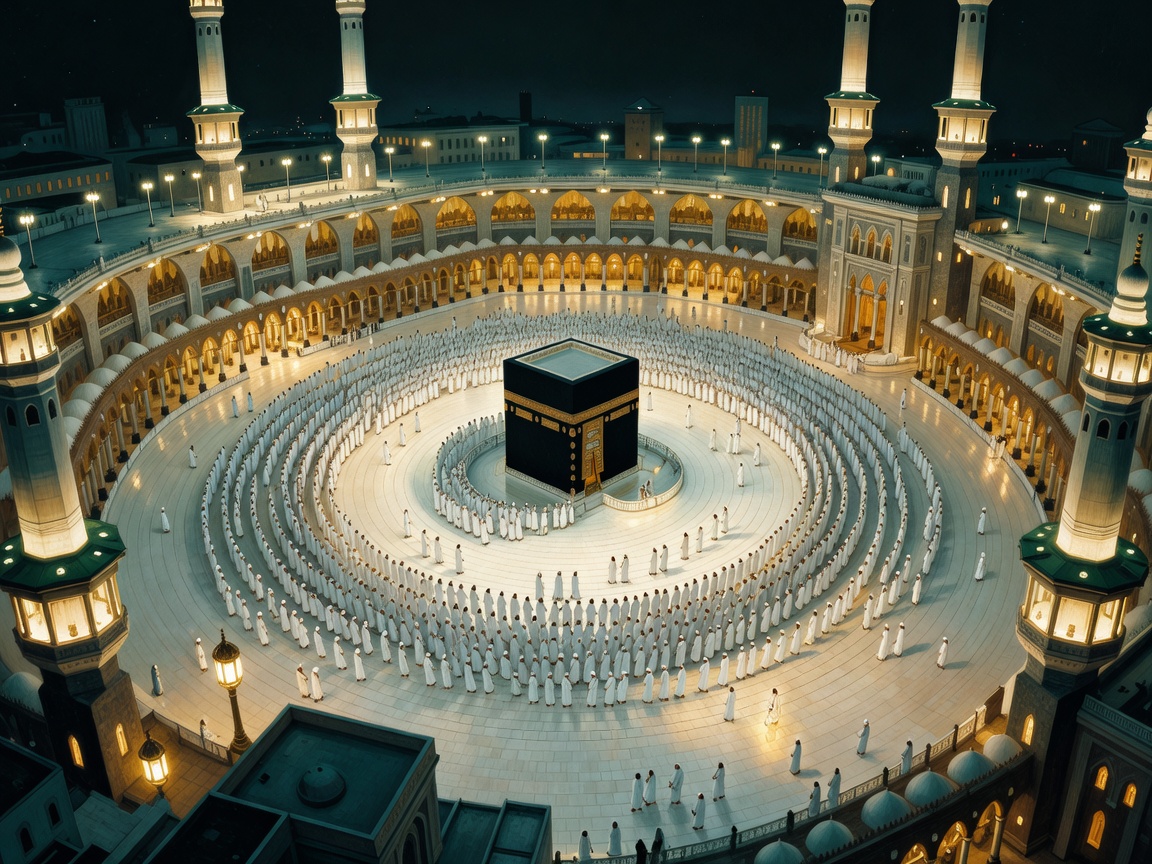
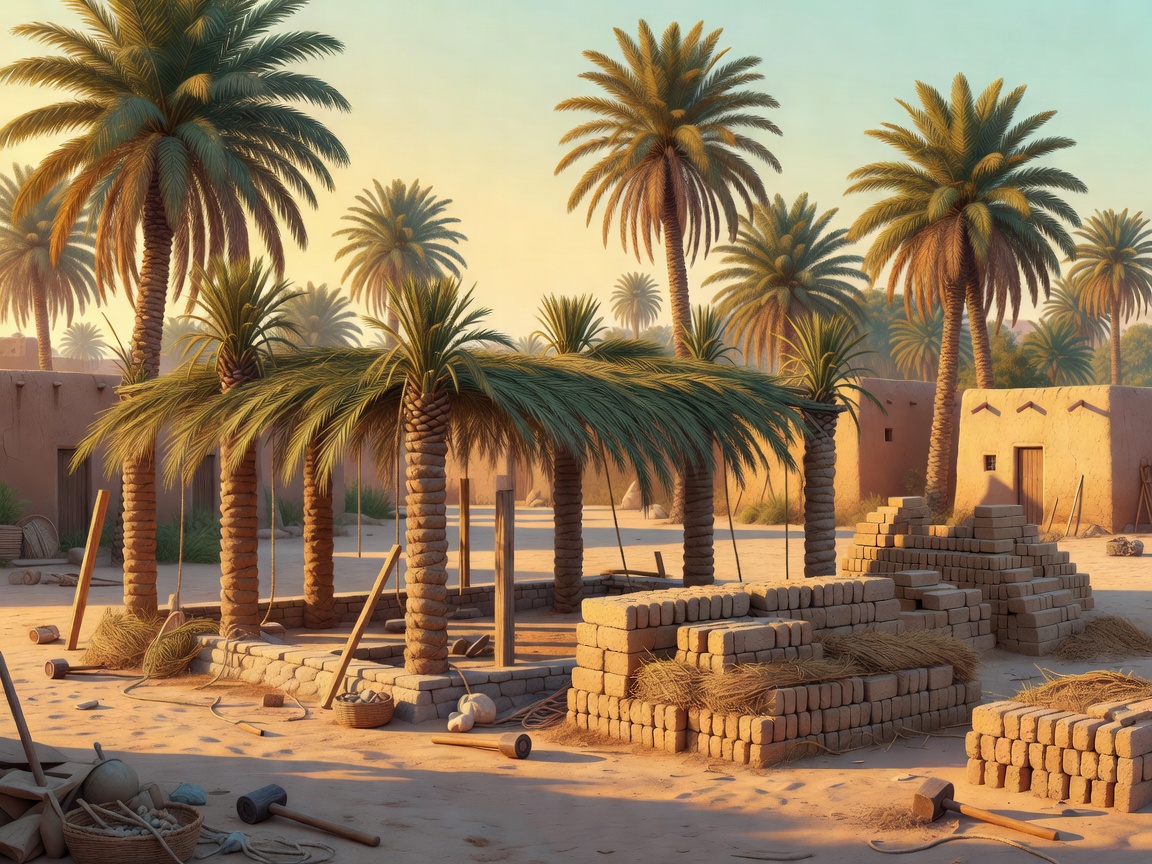









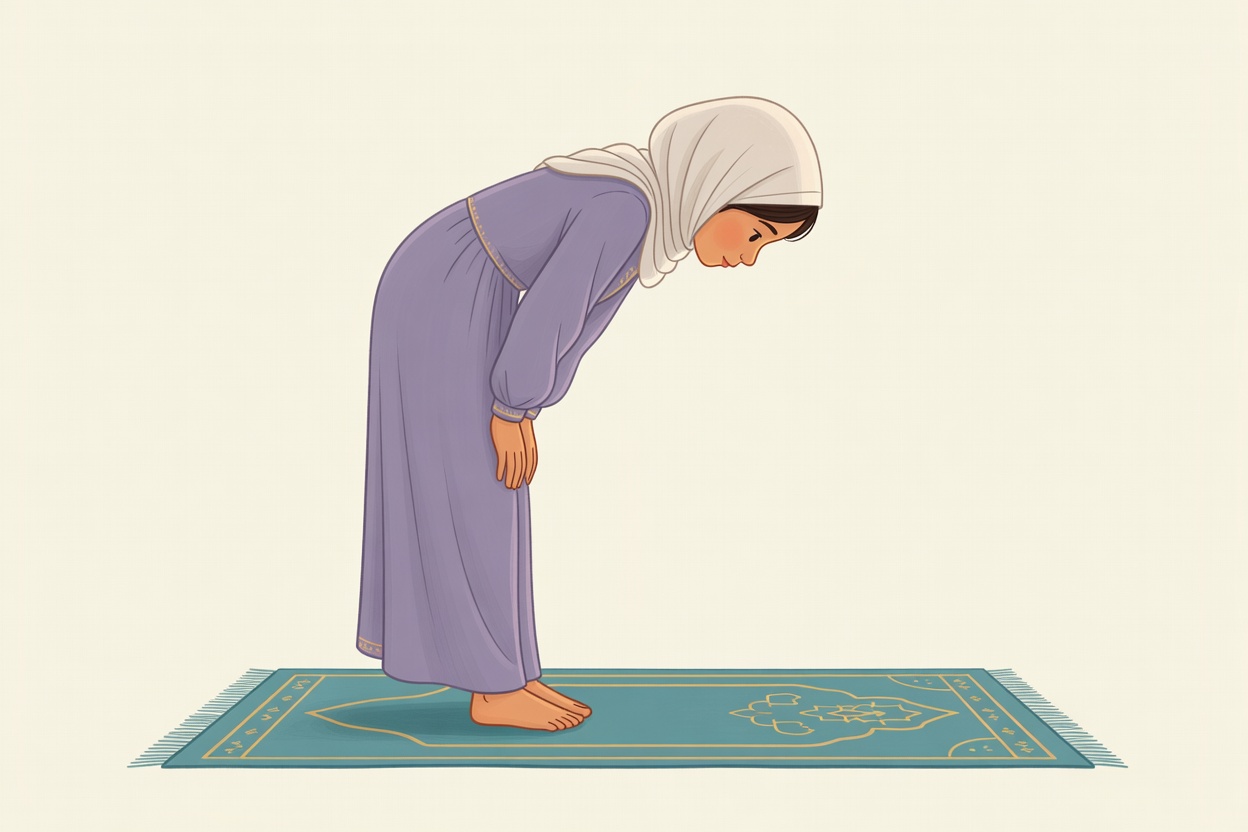
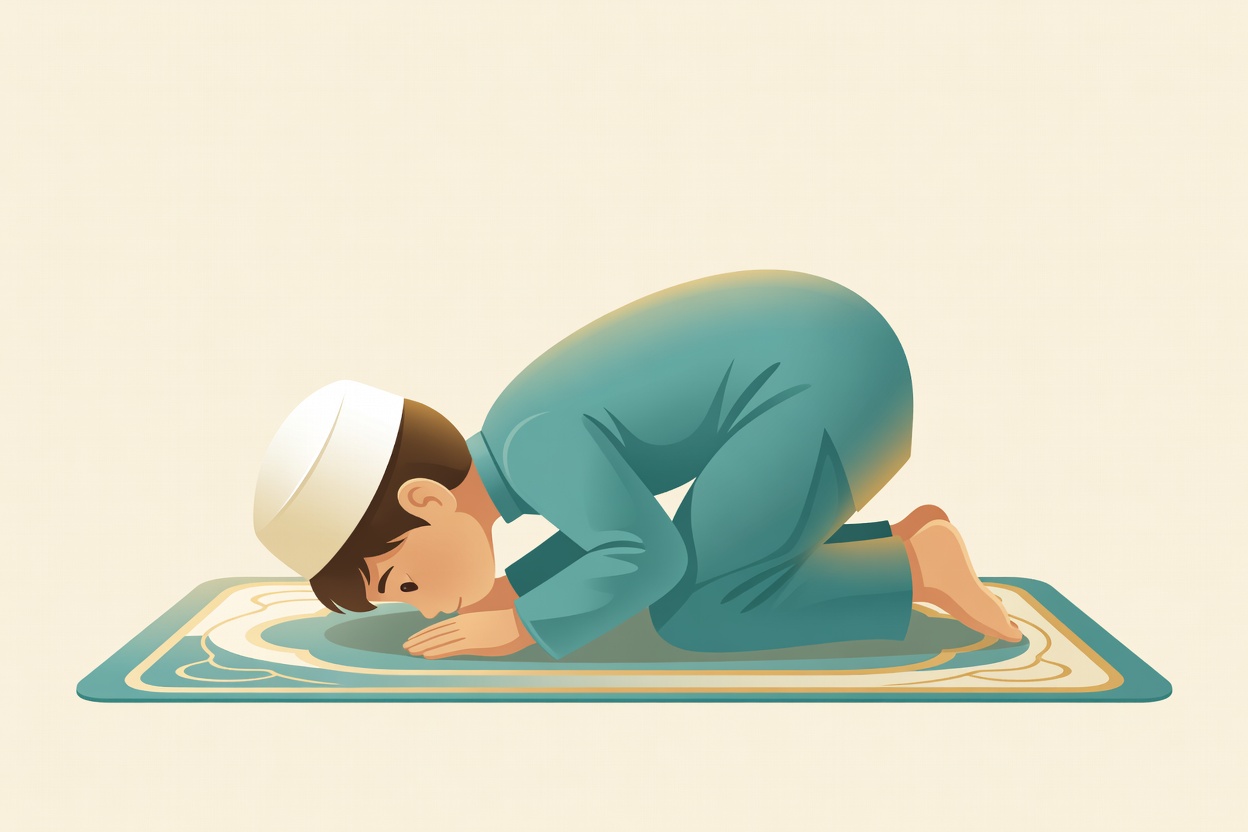







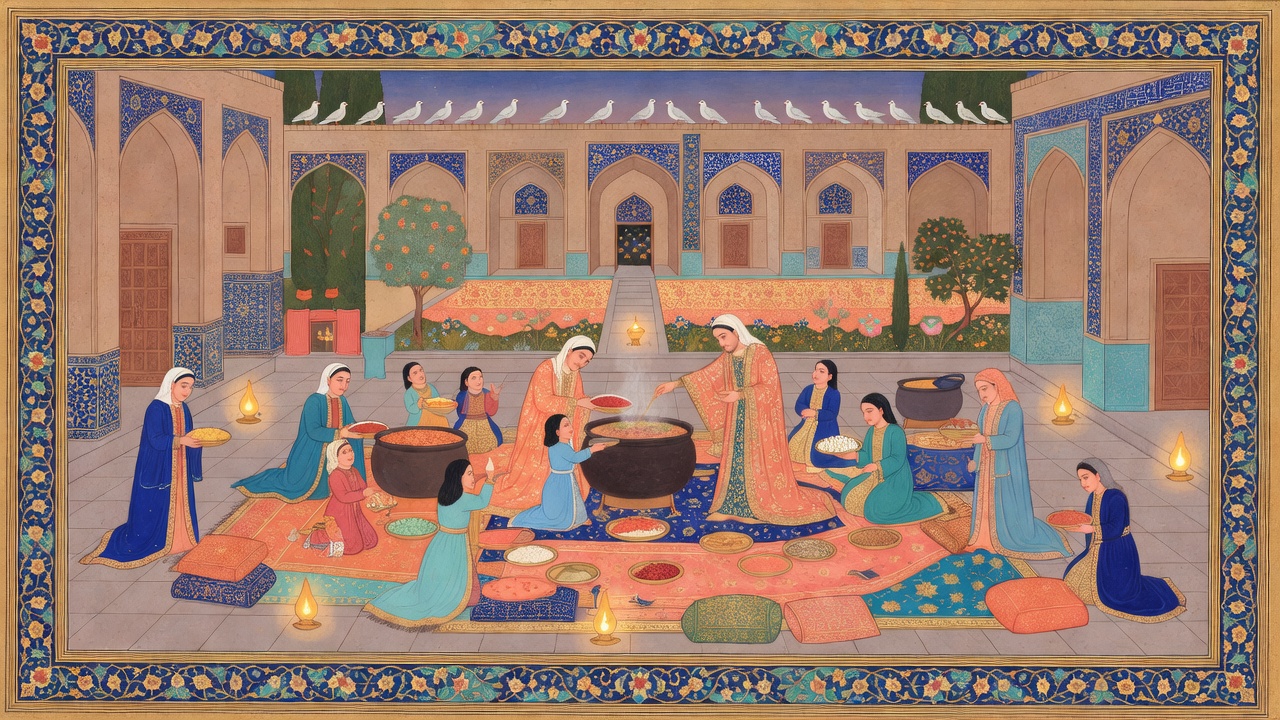
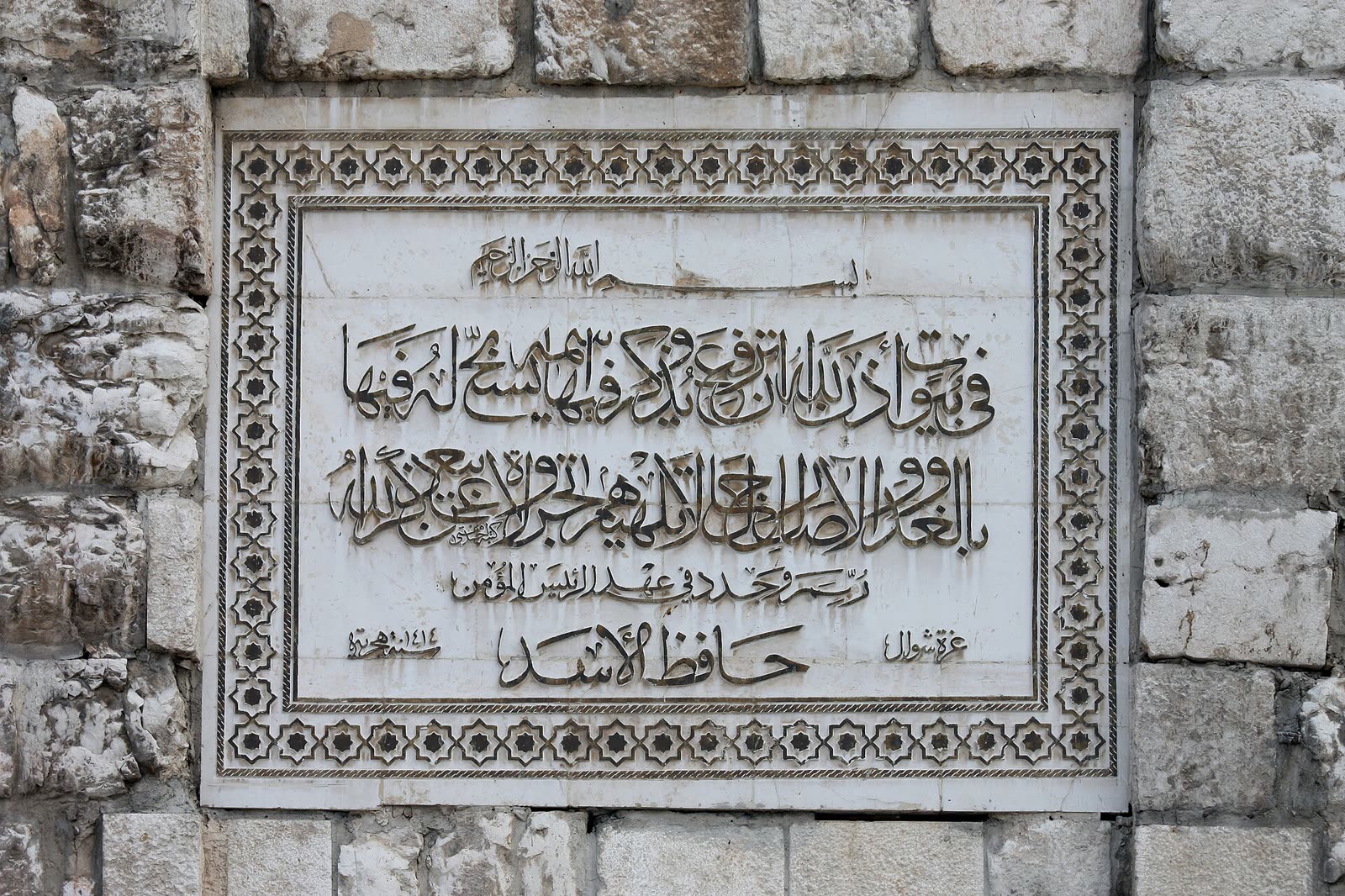
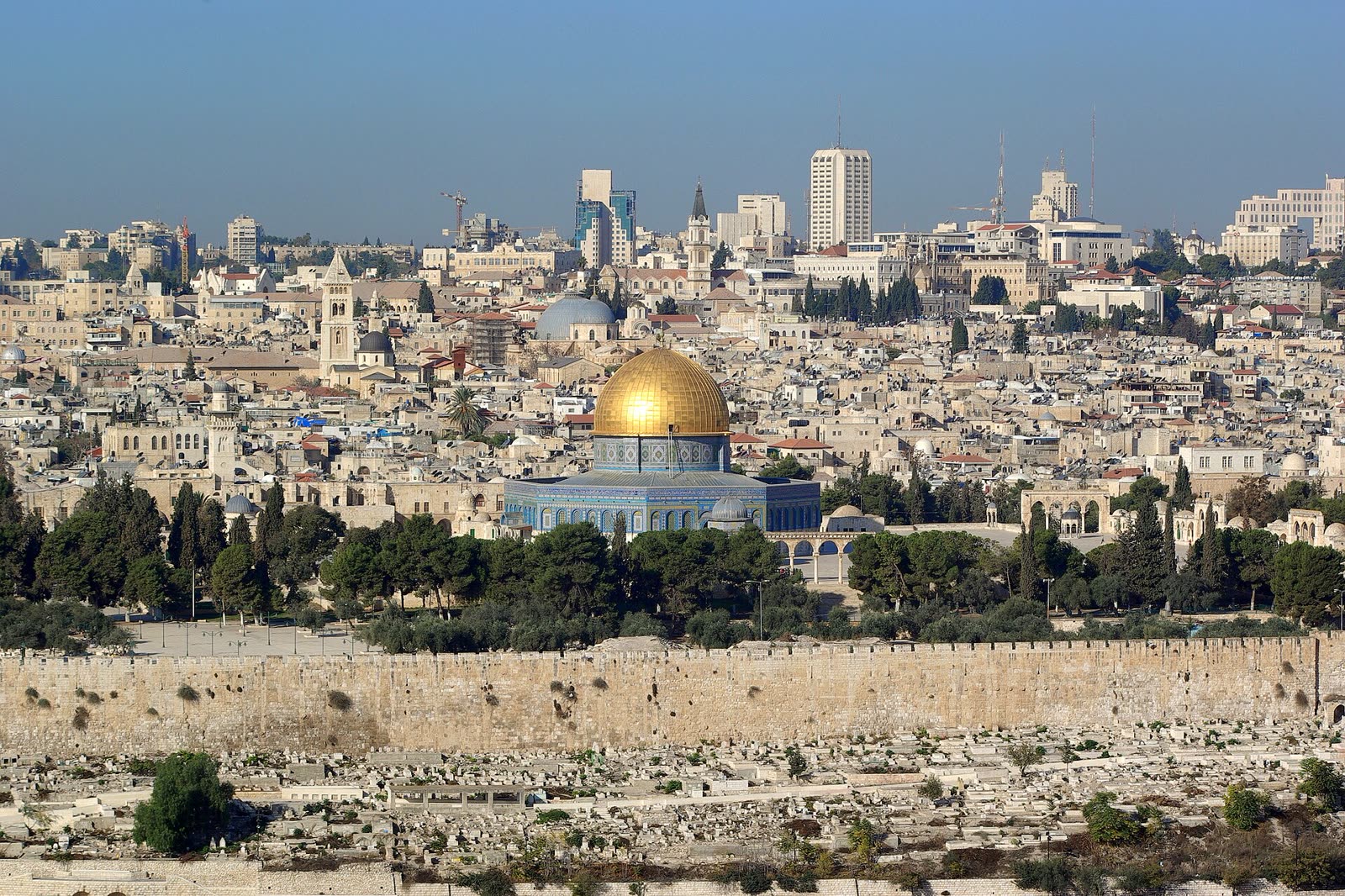

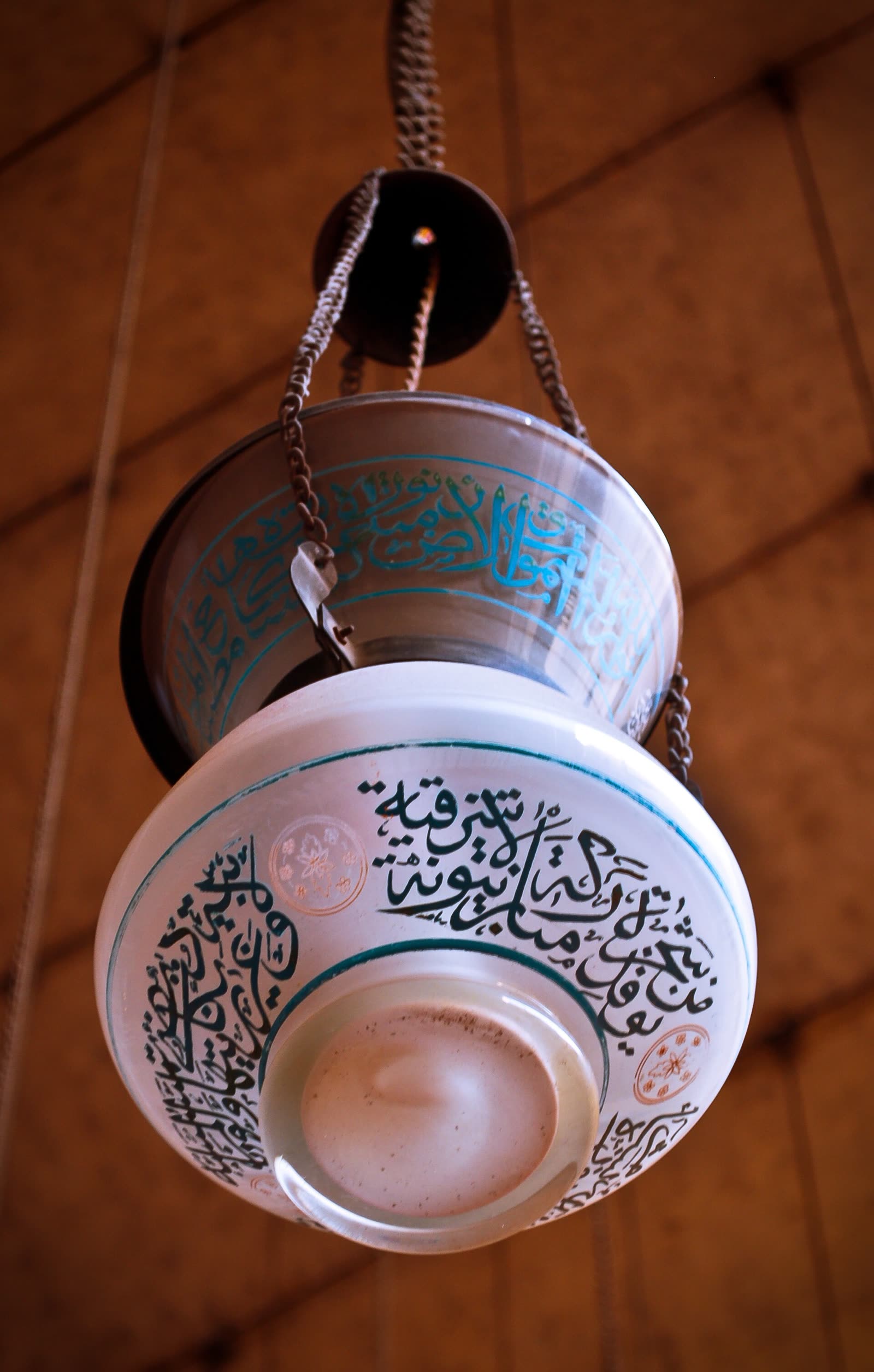




.jpg)
_edited.jpg)


.jpg)


.jpg)
.jpg)


.jpg)


.jpg)


.jpg)


.jpg)
.jpg)


.jpg)


.jpg)


.jpg)
.jpg)
.jpg)
-Temple_Mount-Dome_of_the_Chain_(Mihrab).jpg)
.jpg)


.jpg)

_on_the_Temple_Mount_(Jerusalem,_2008).jpg)


,_India,_Mughal_period,_c._1580_AD,_sandstone_-_Arthur_M._Sackler_Museum,_Harvard_University_-_DSC01106.jpg)


_(5646835369).jpg)
.jpg)


._Iglesia.jpg)
._%C3%81bside.jpg)


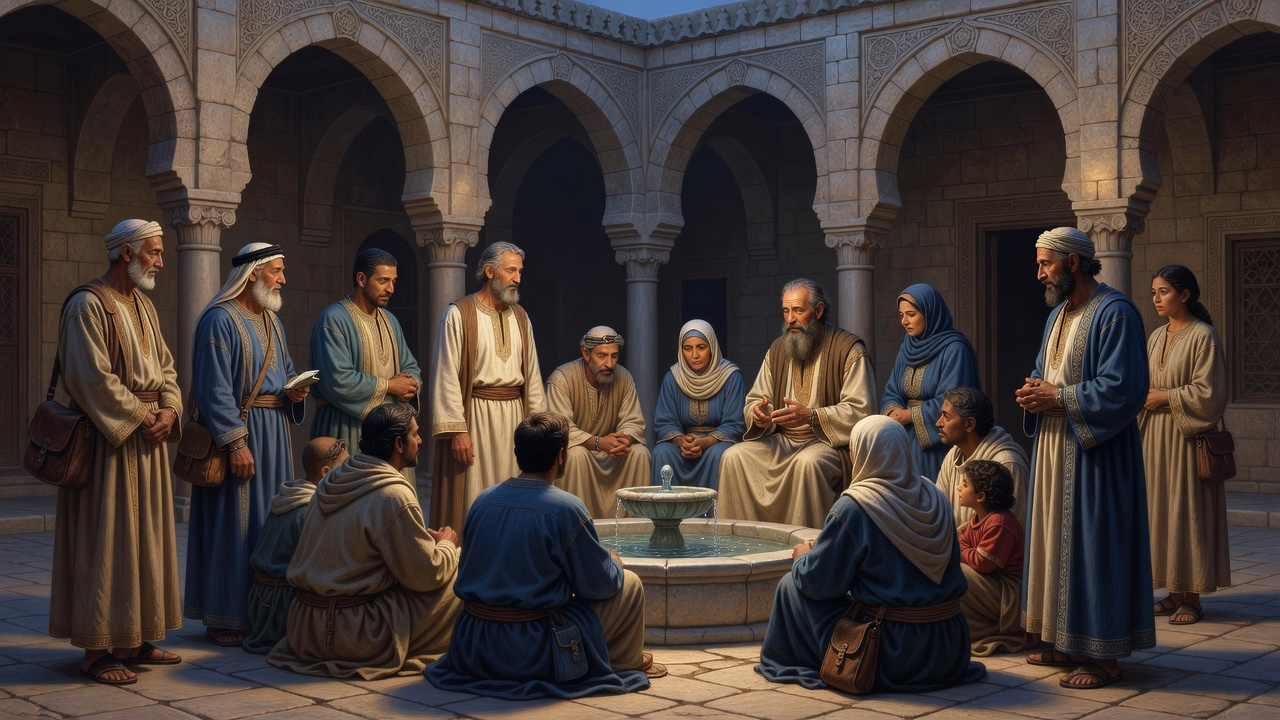









































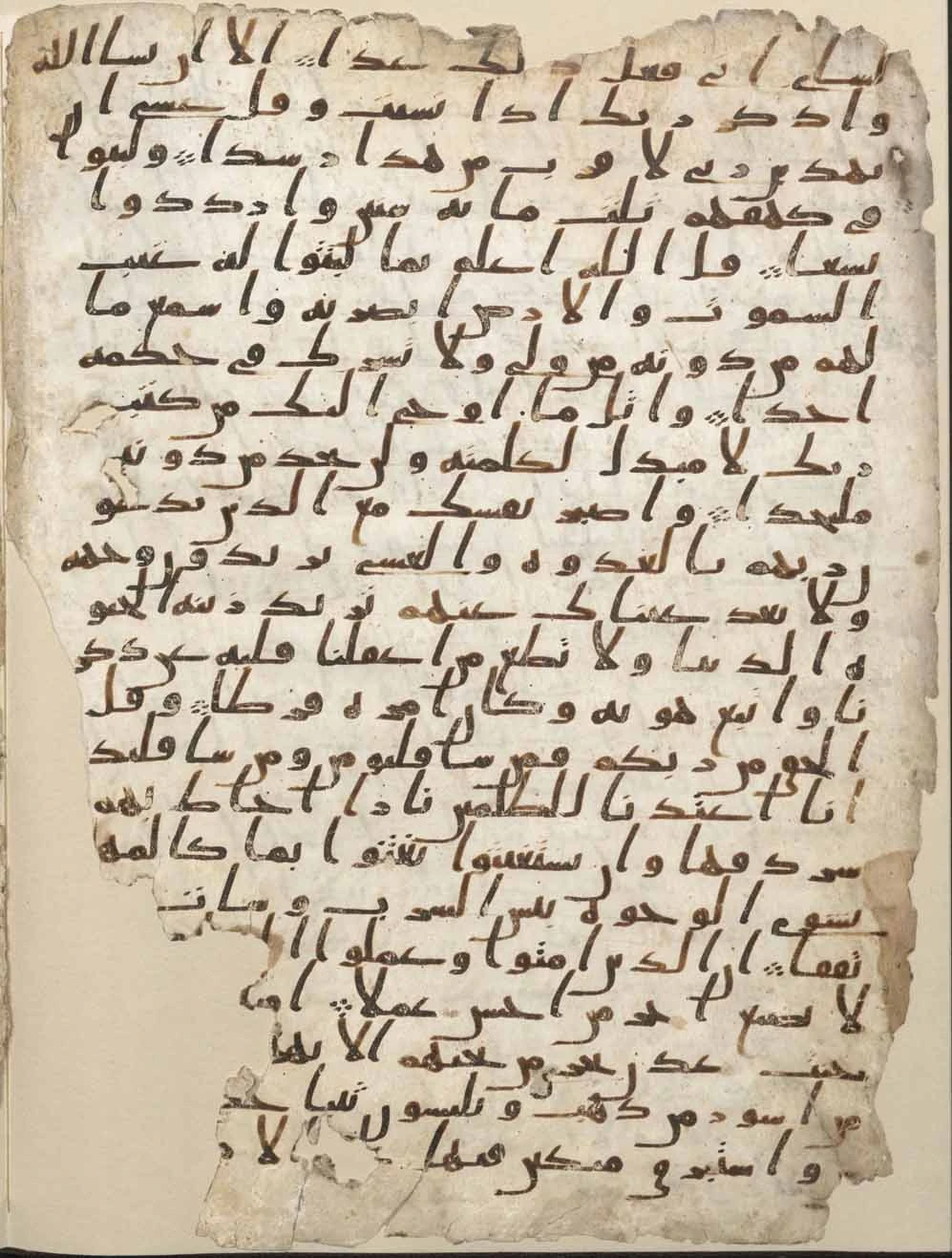
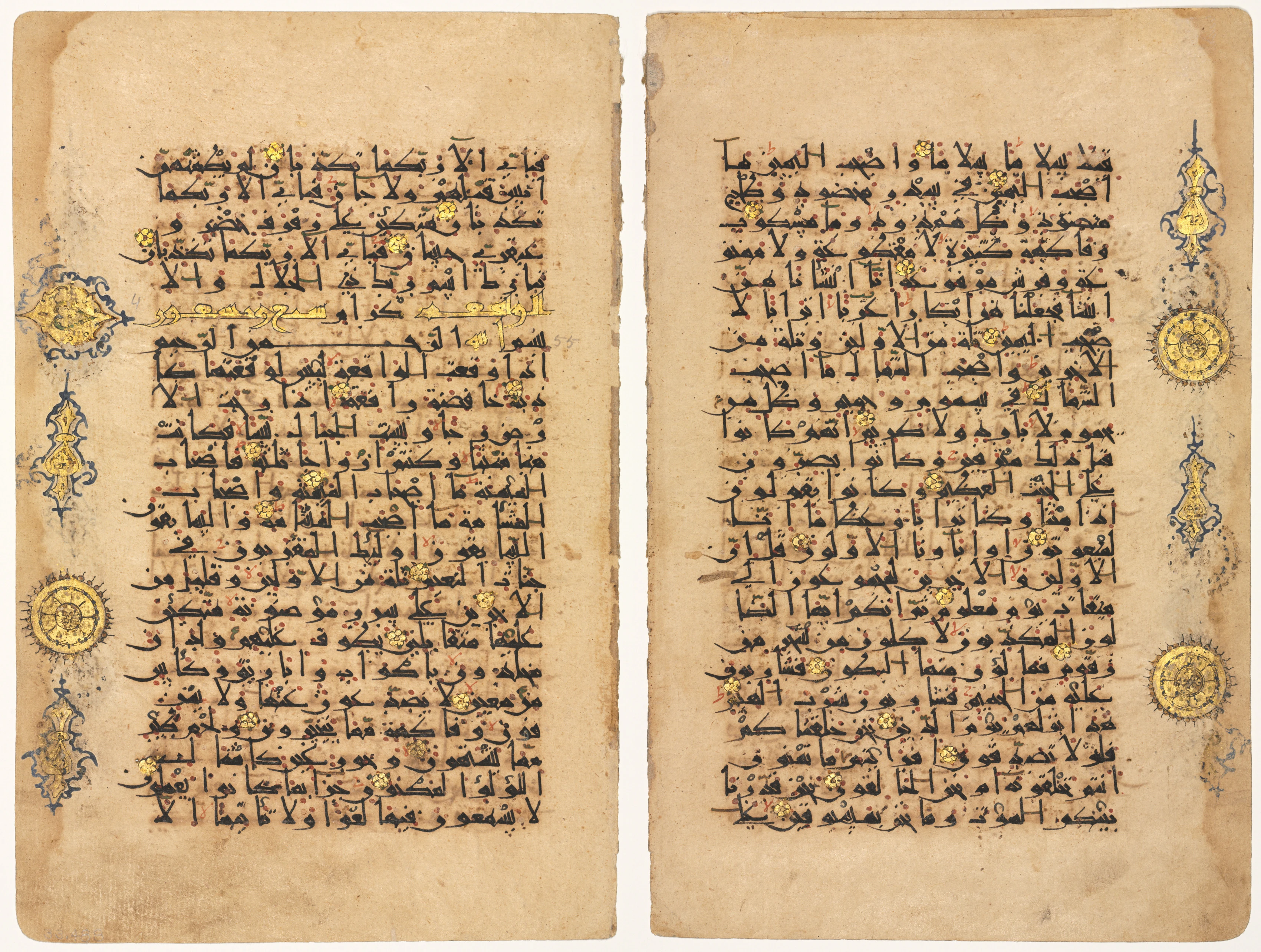
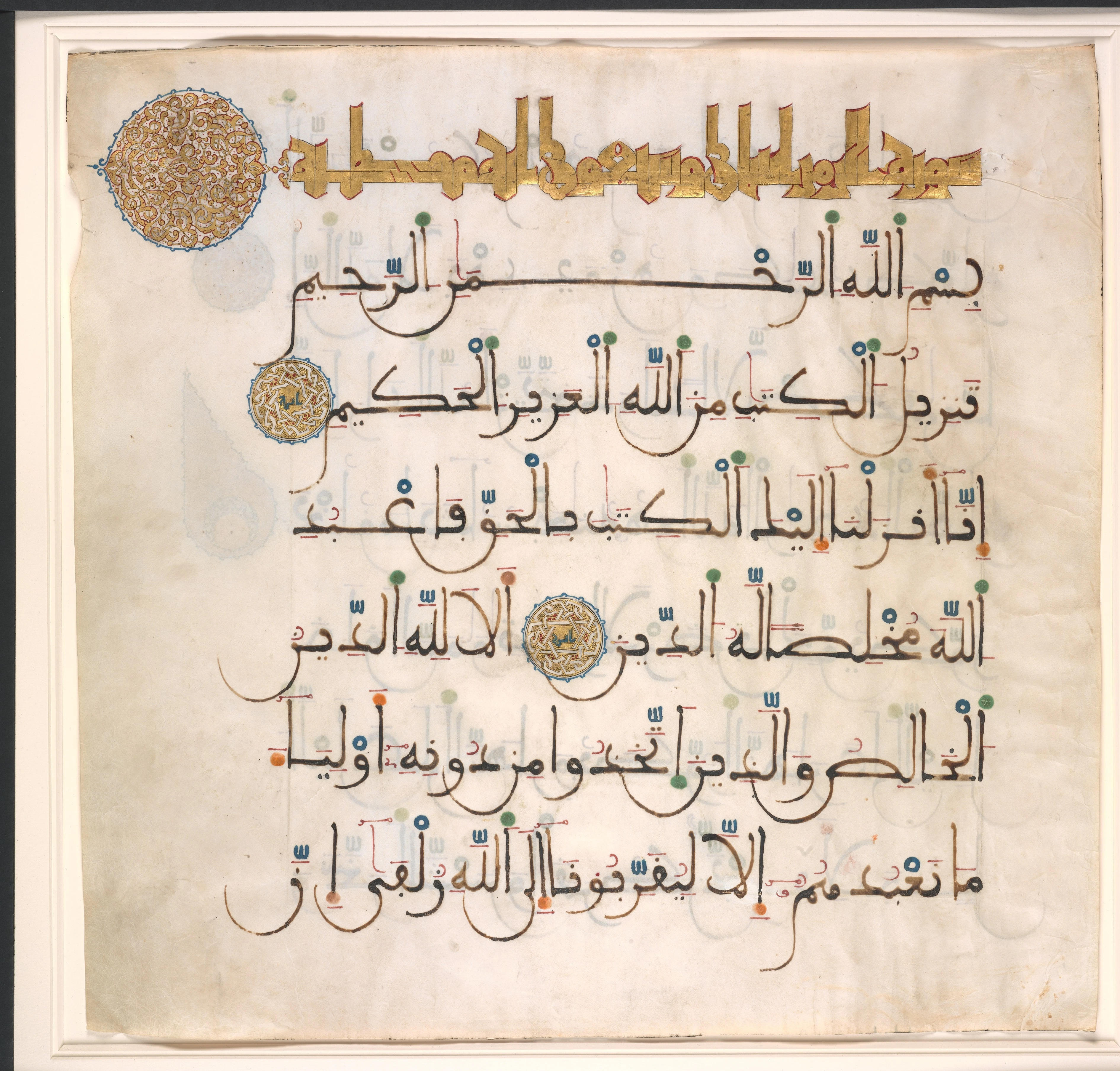
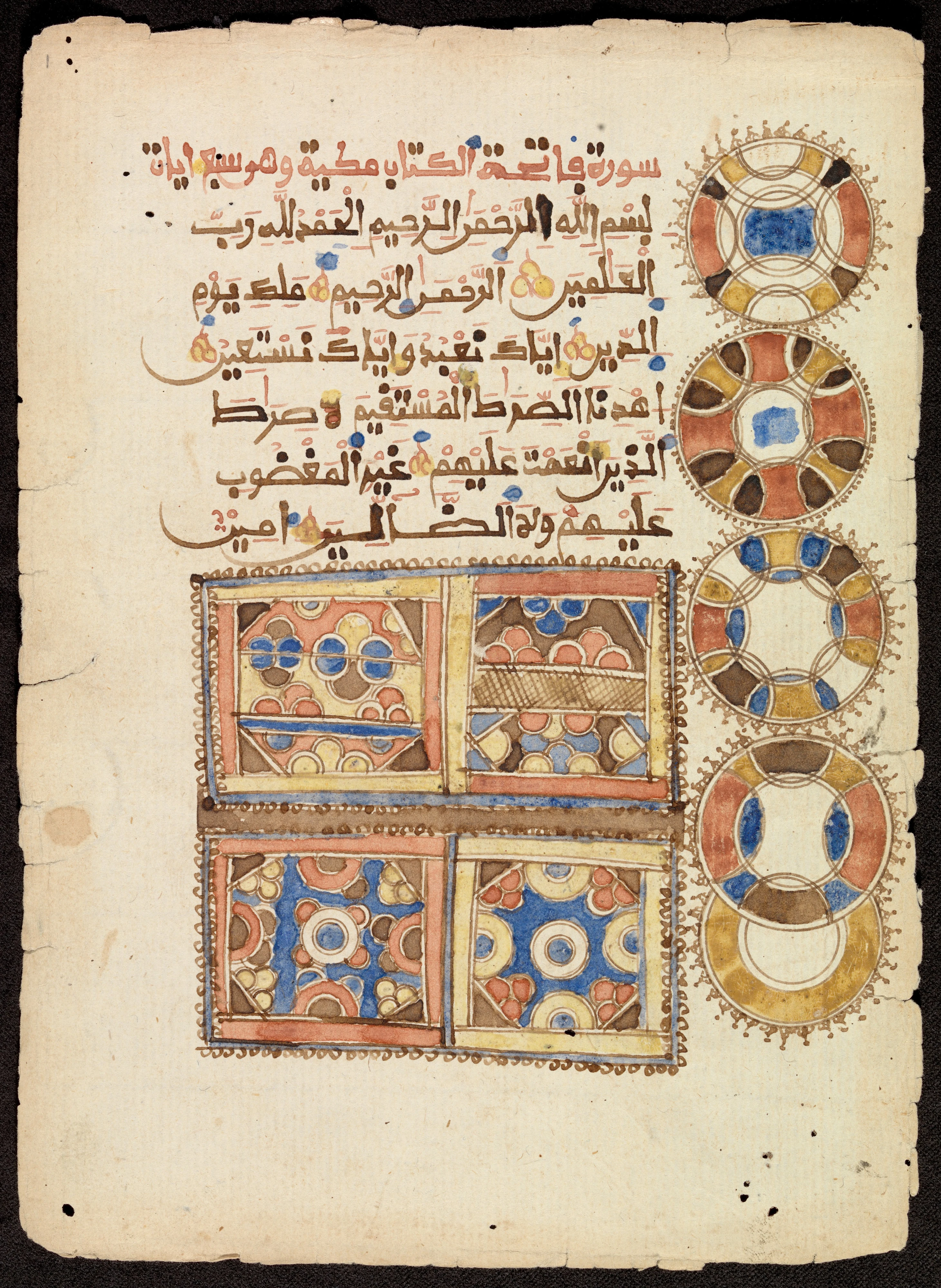
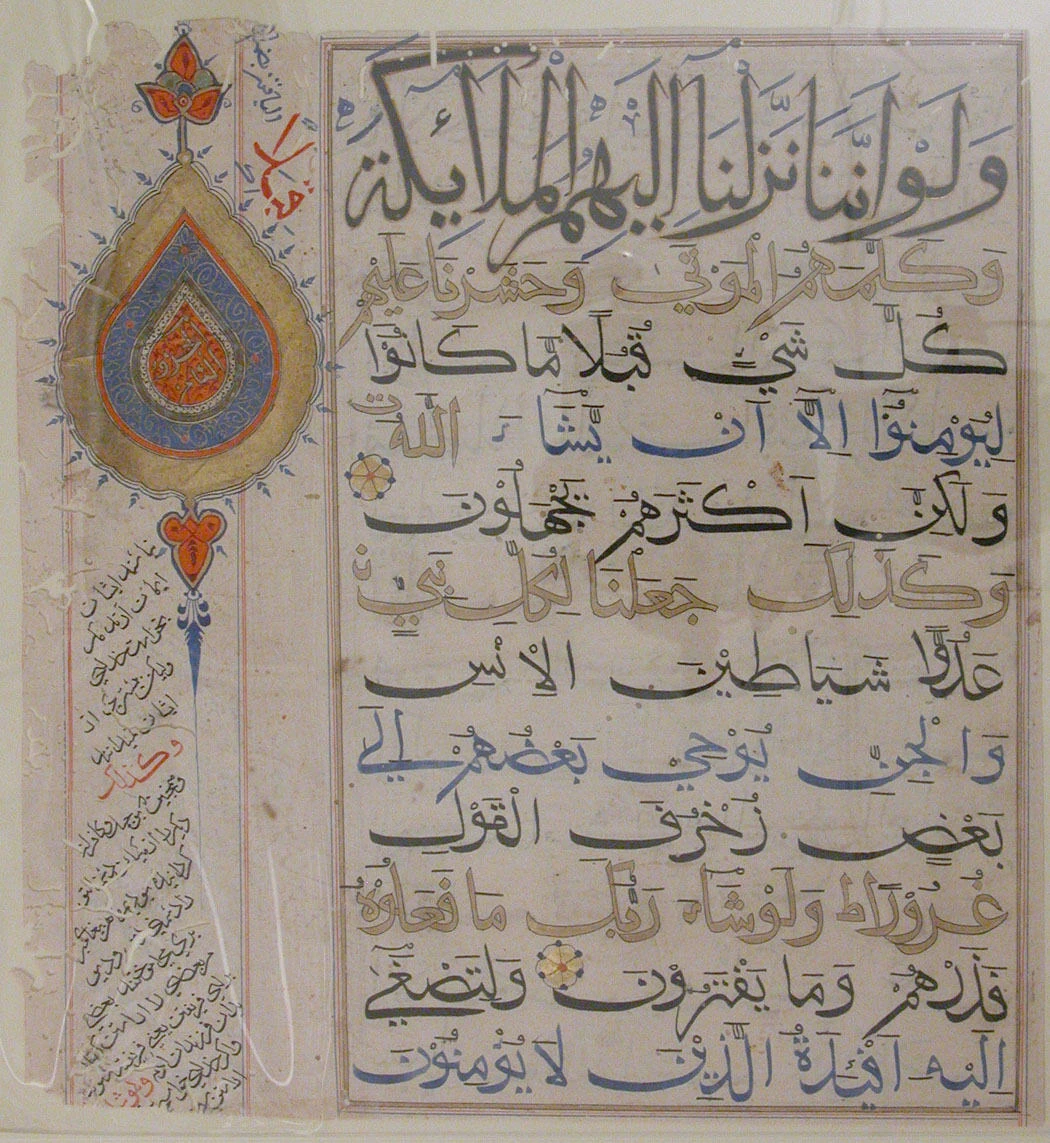
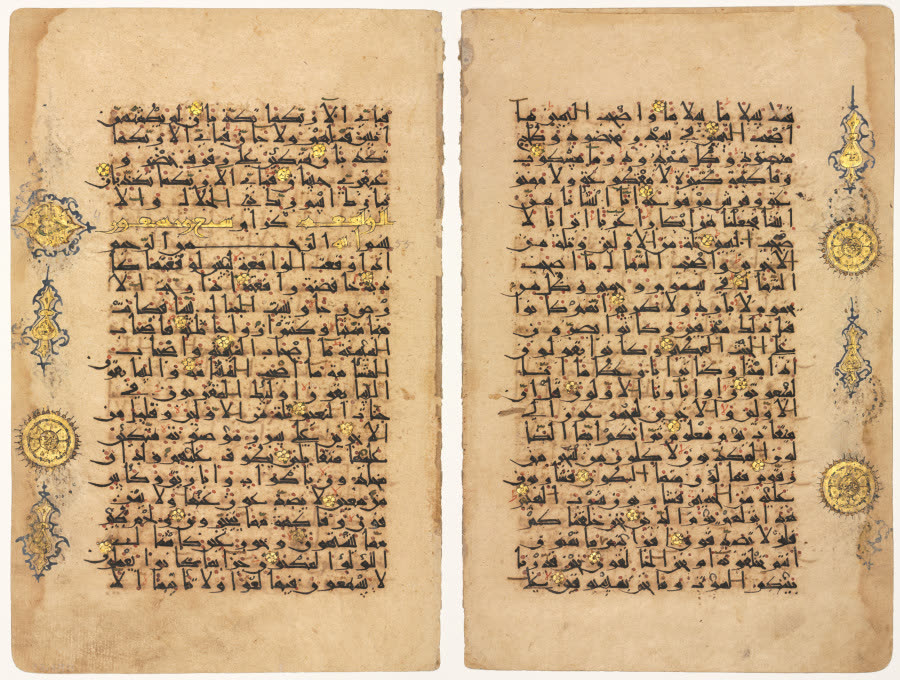
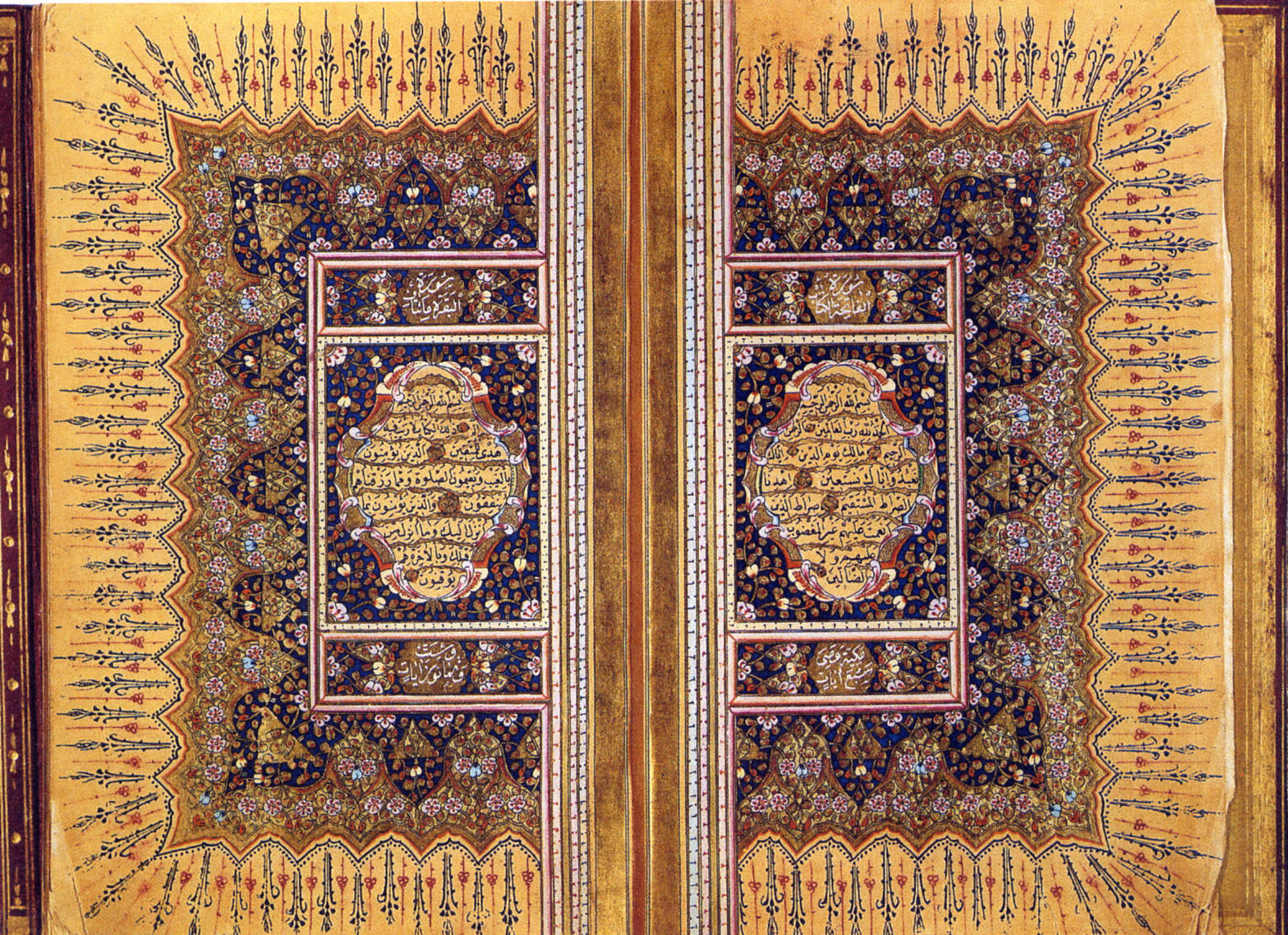
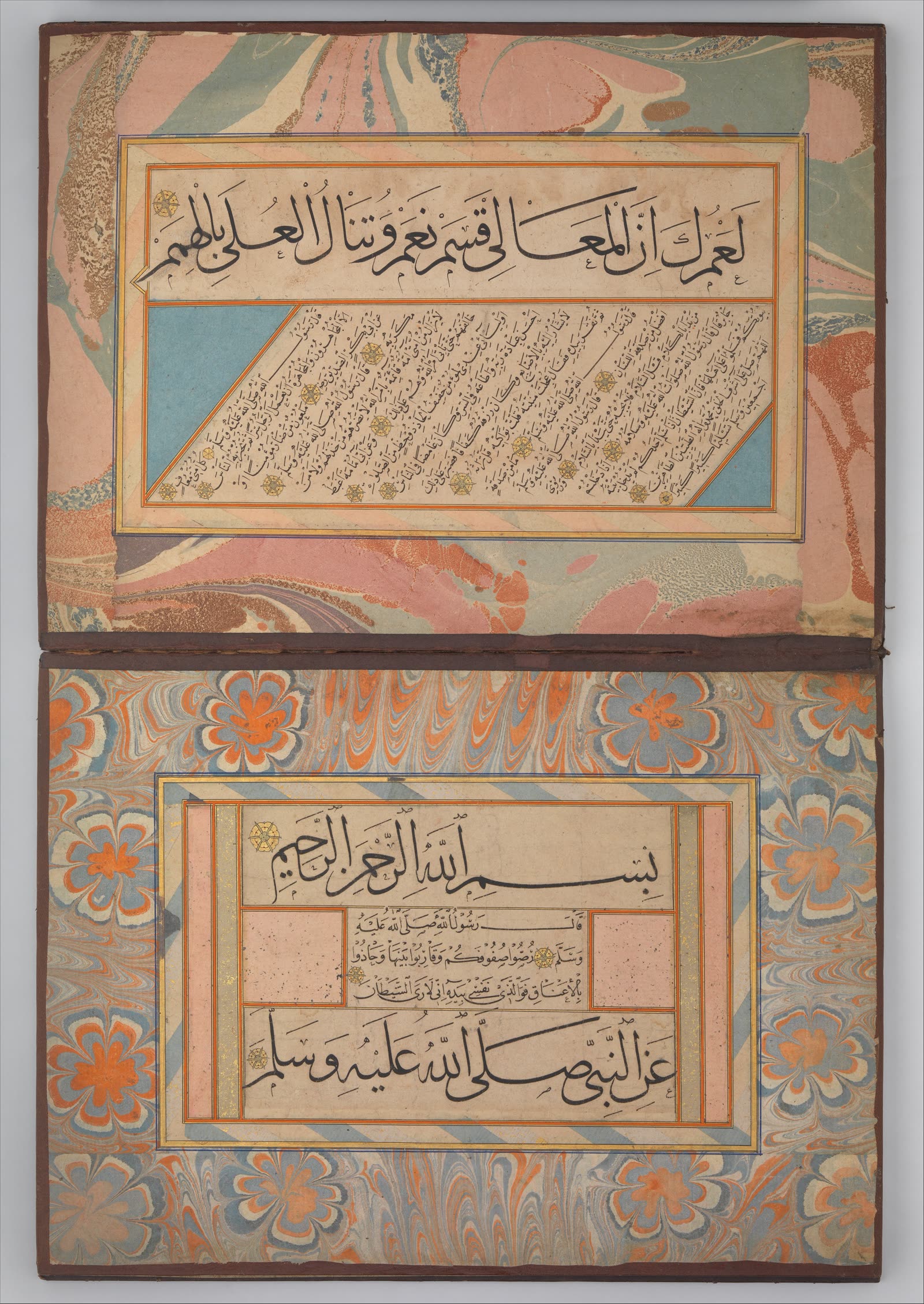
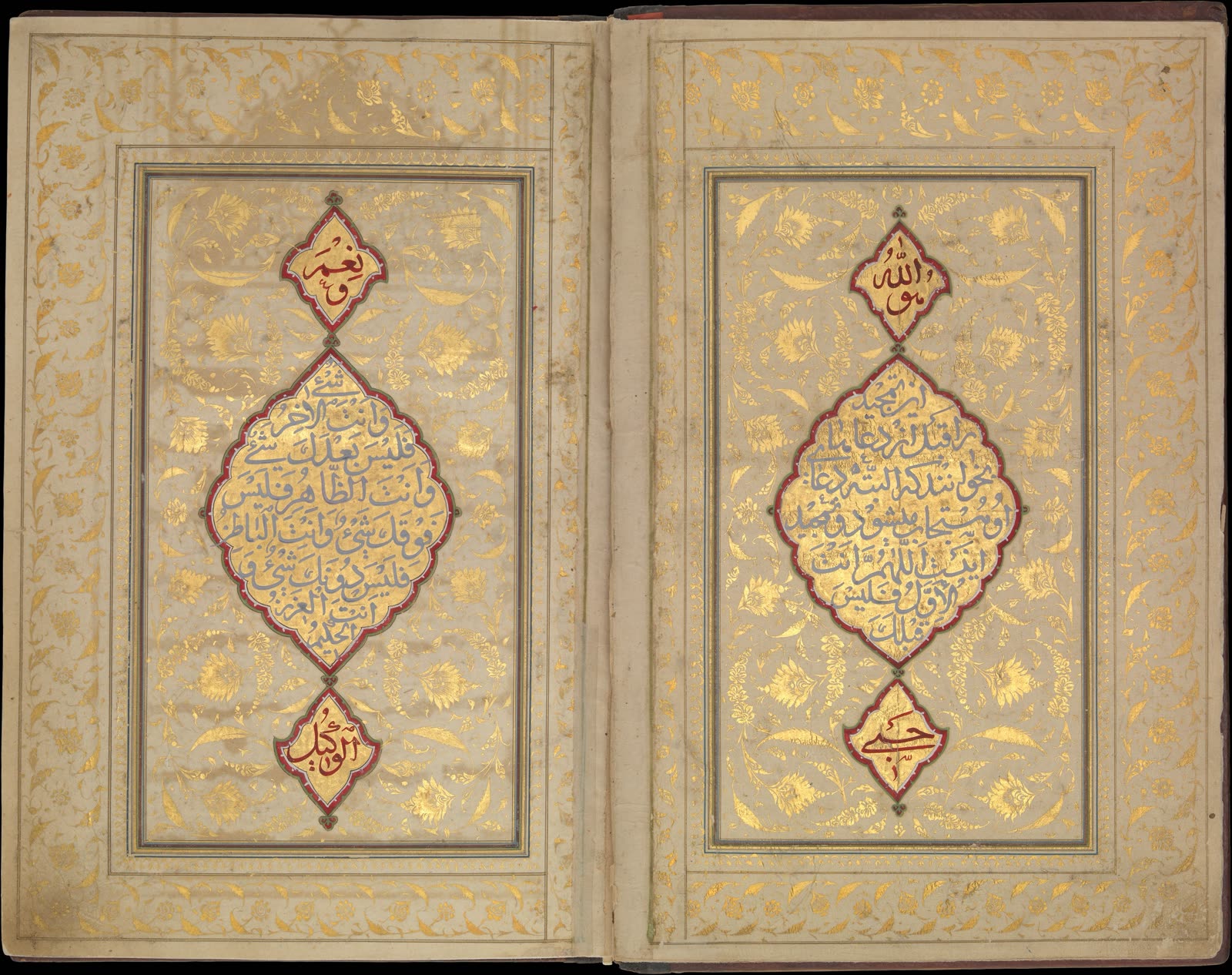
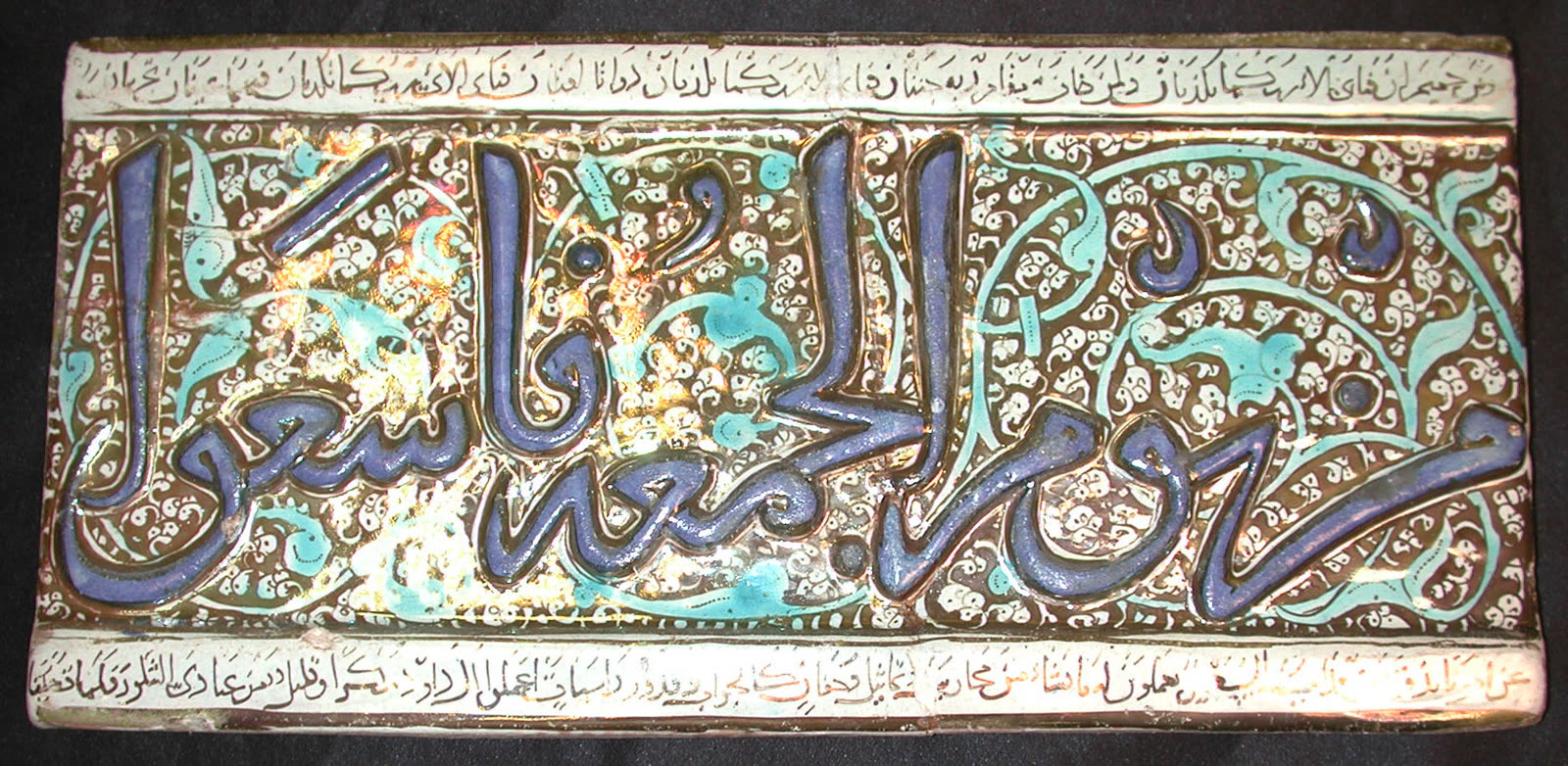
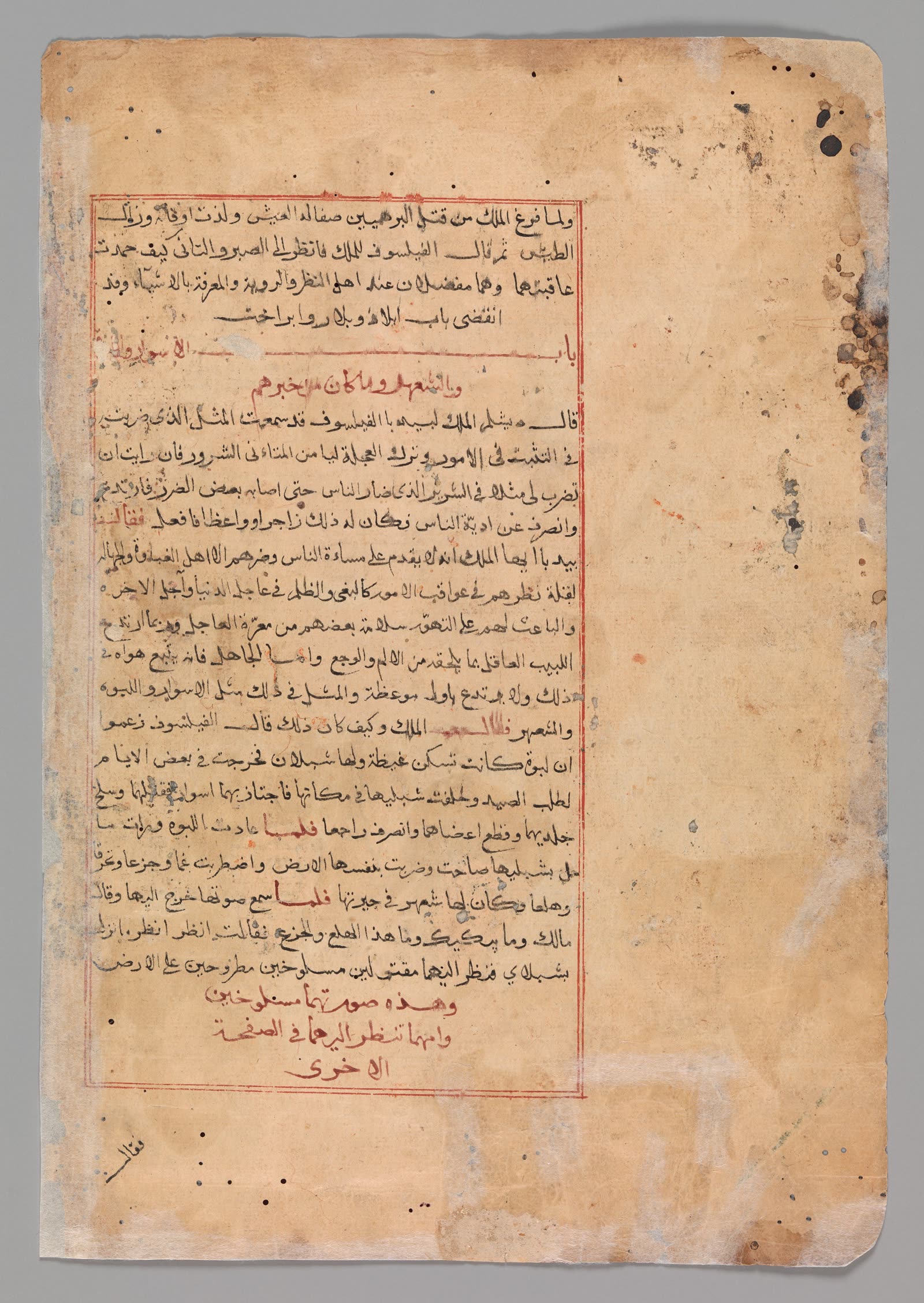
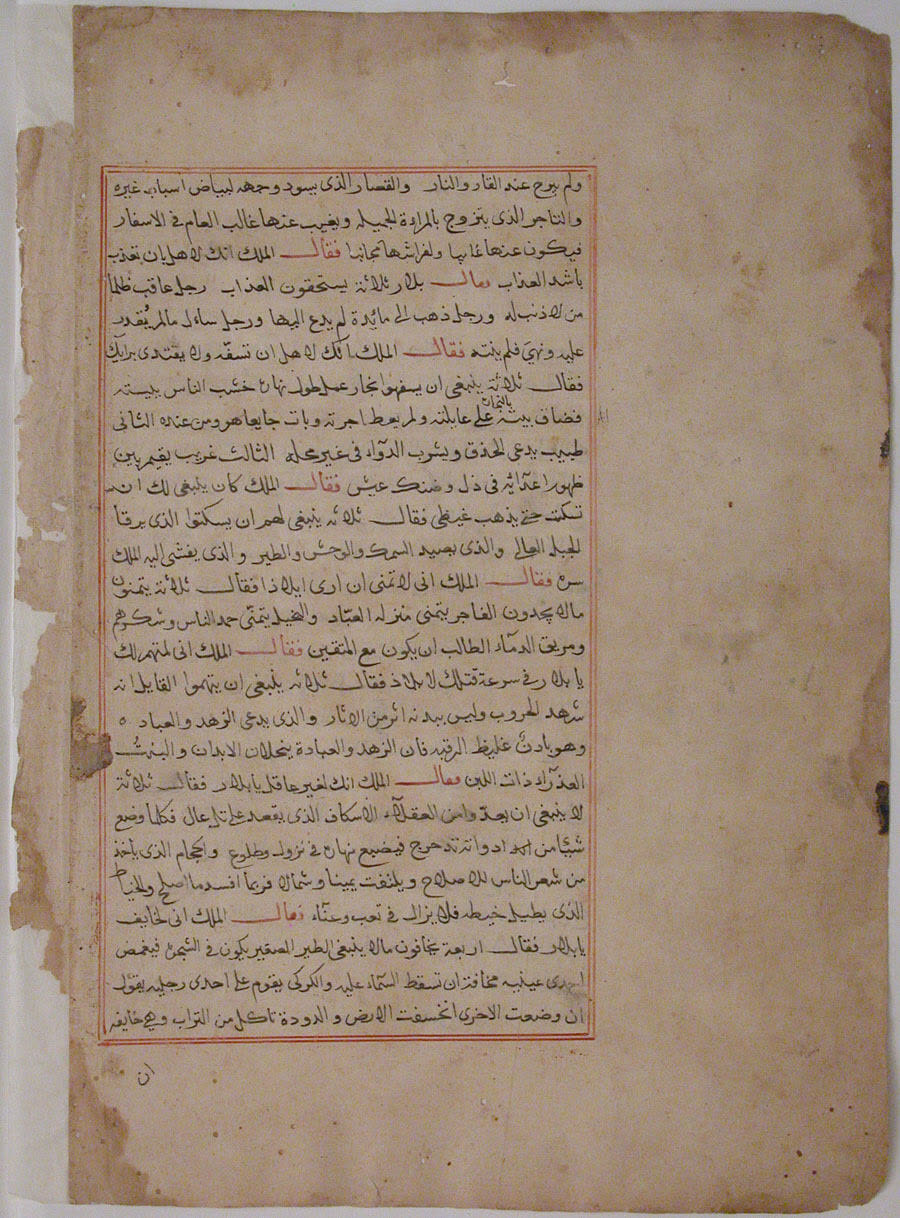
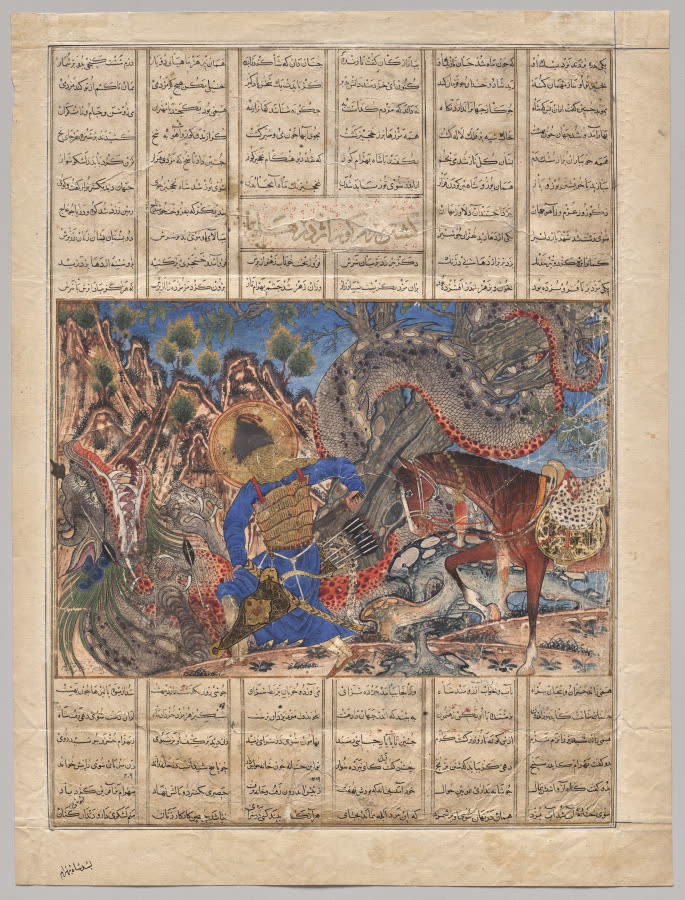
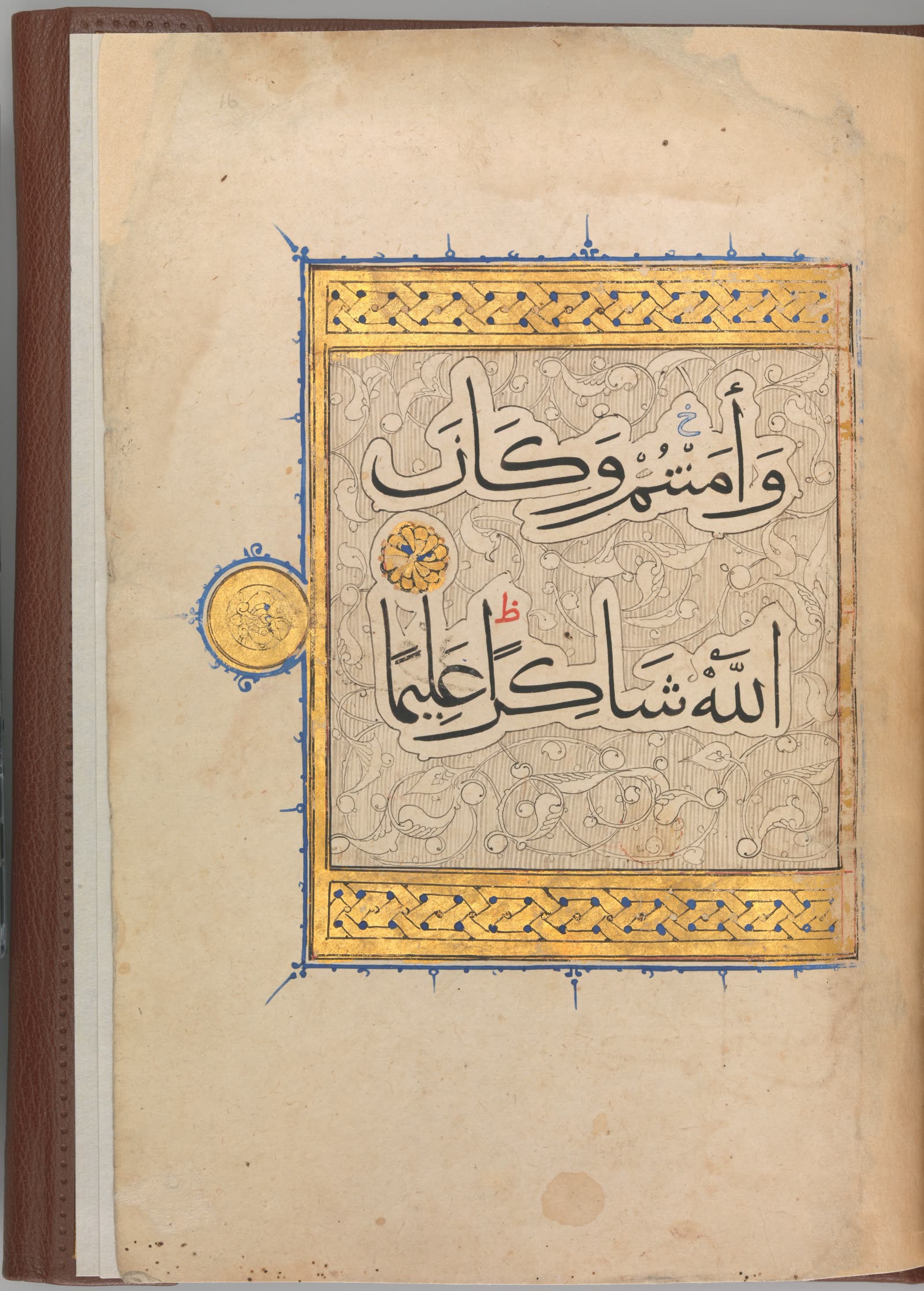
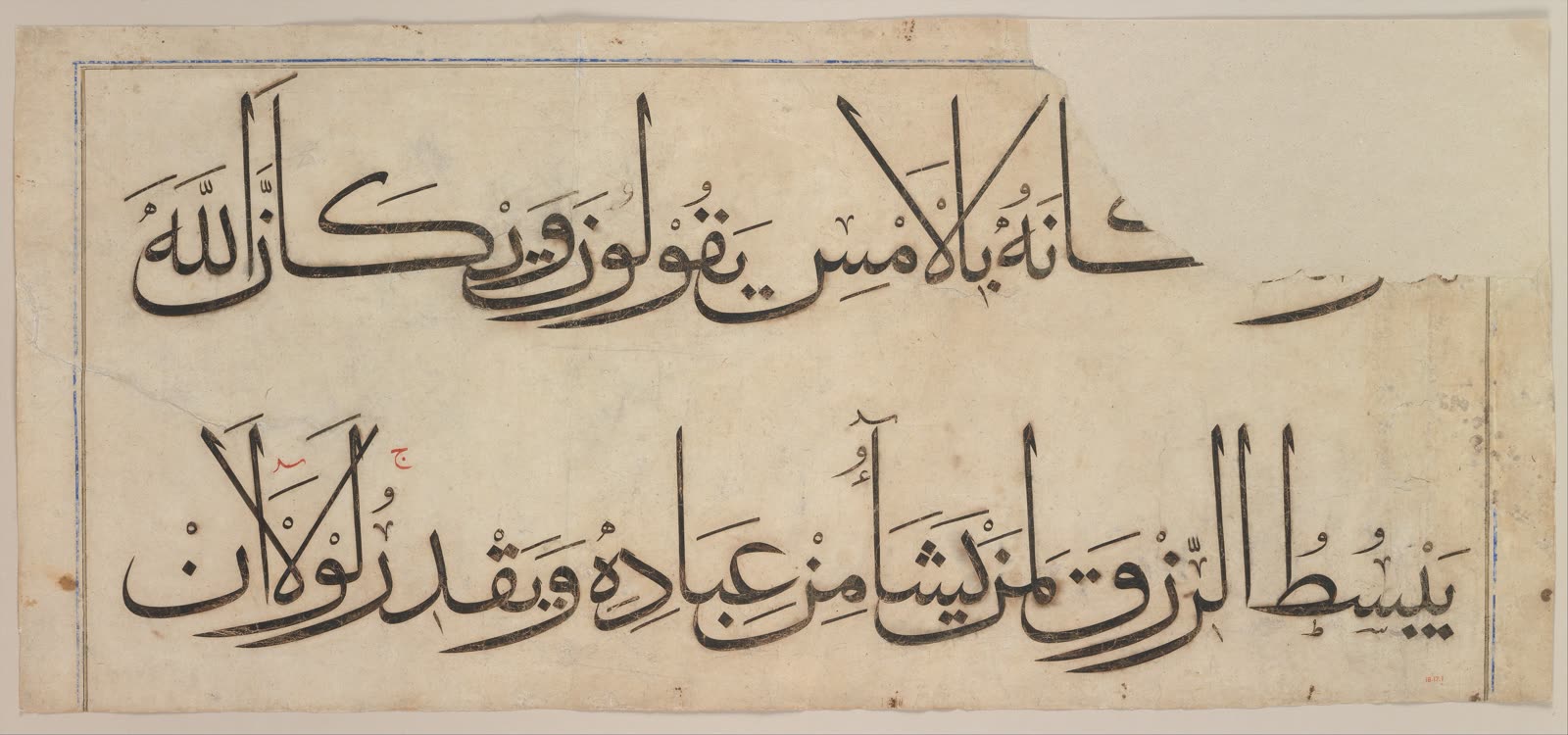
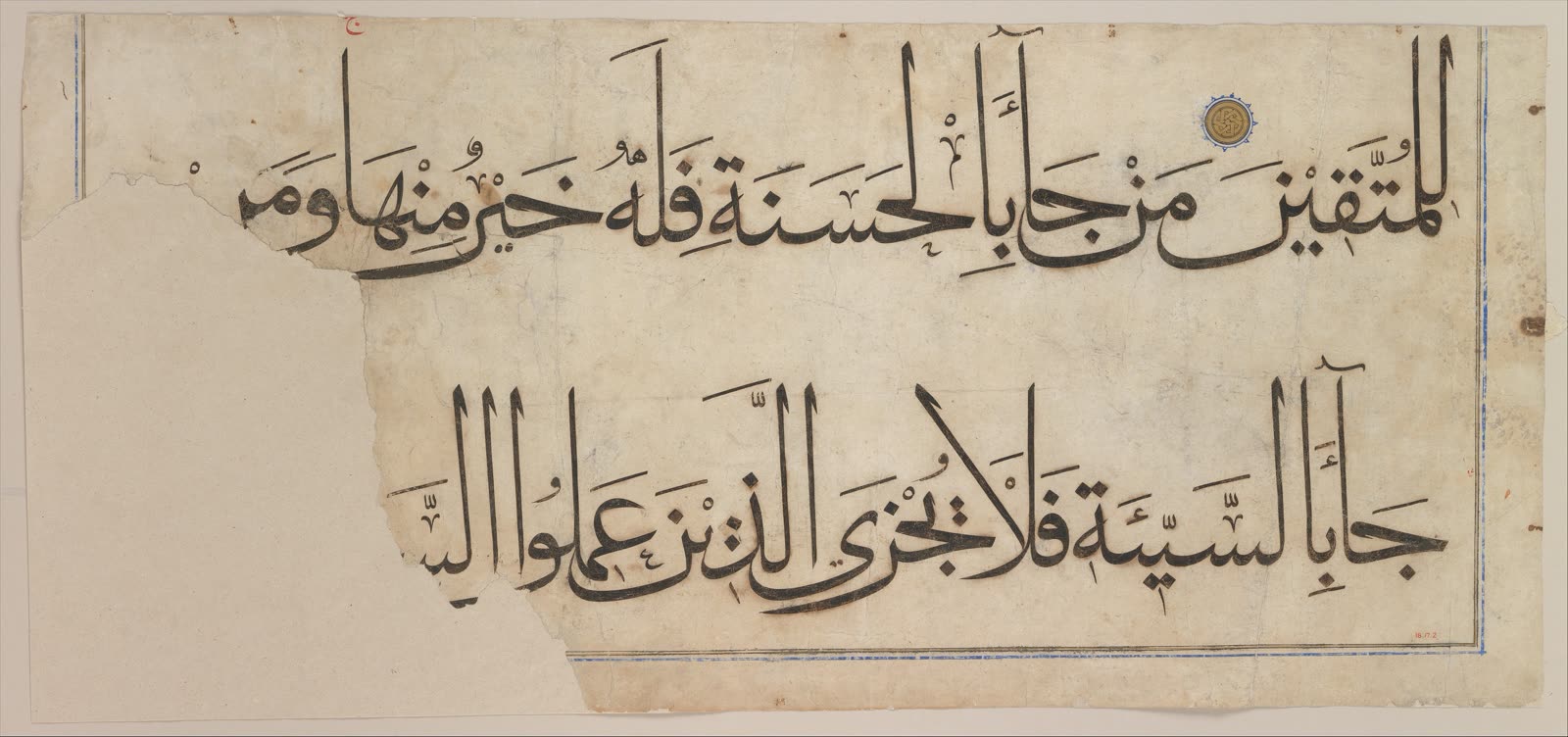
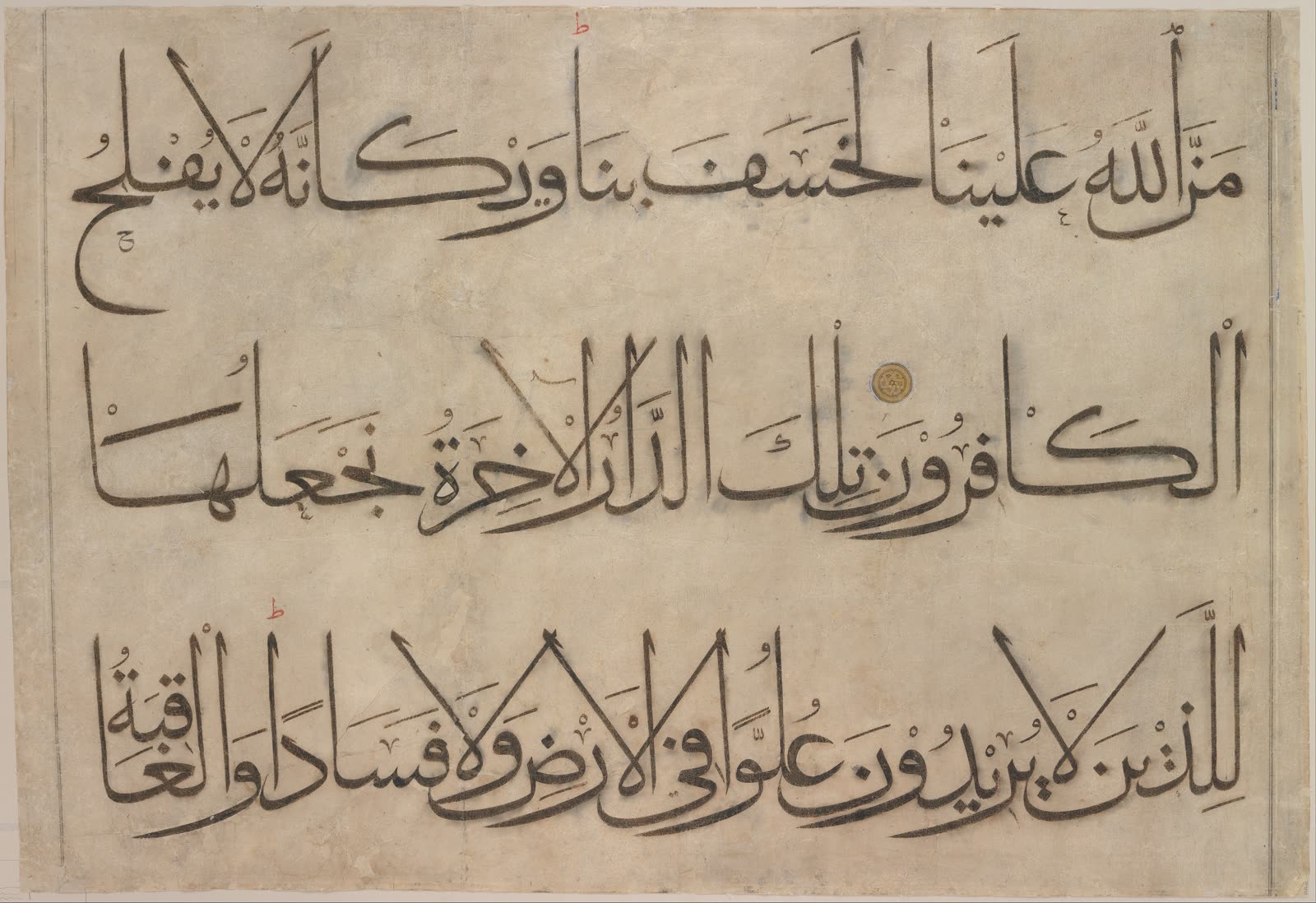
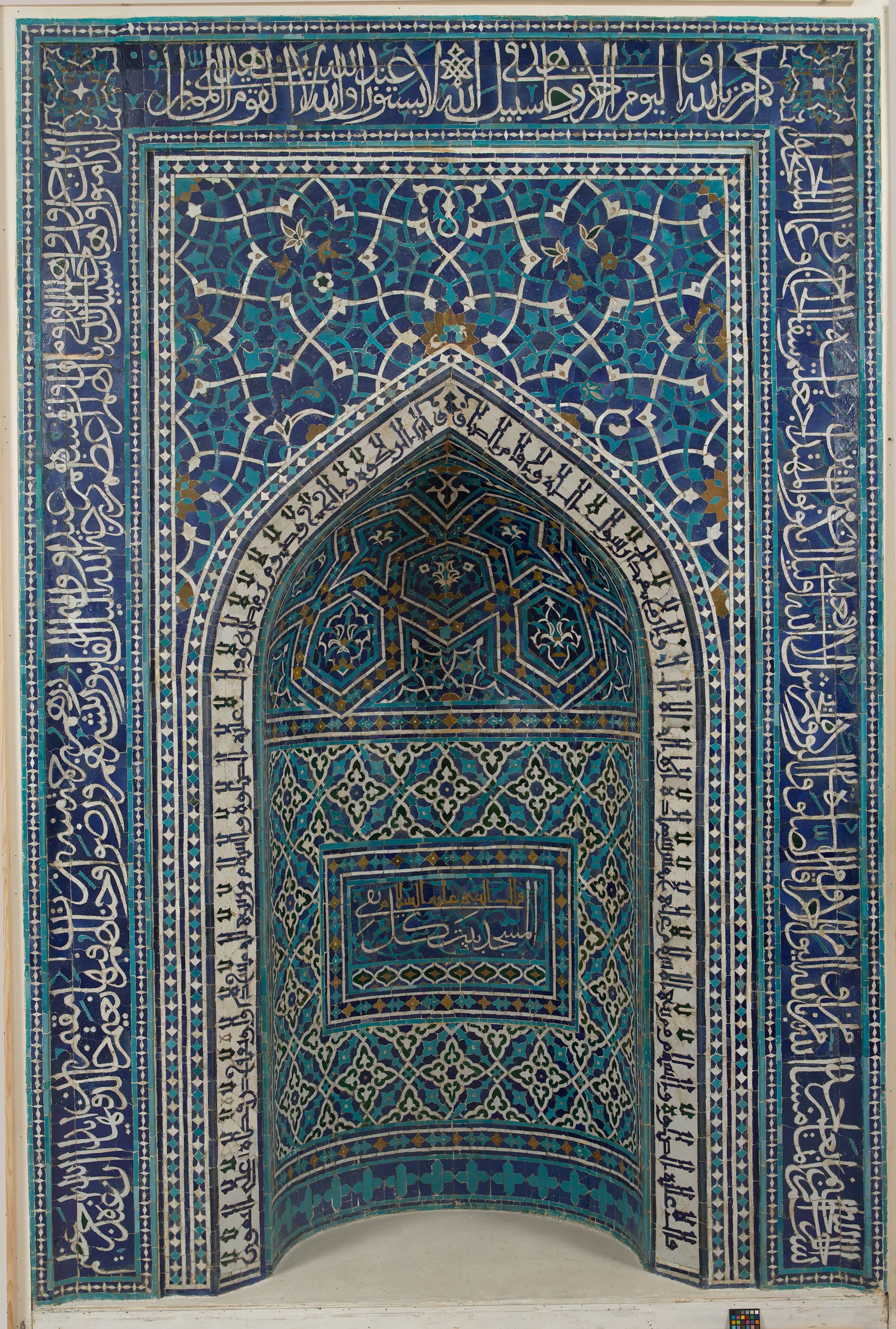
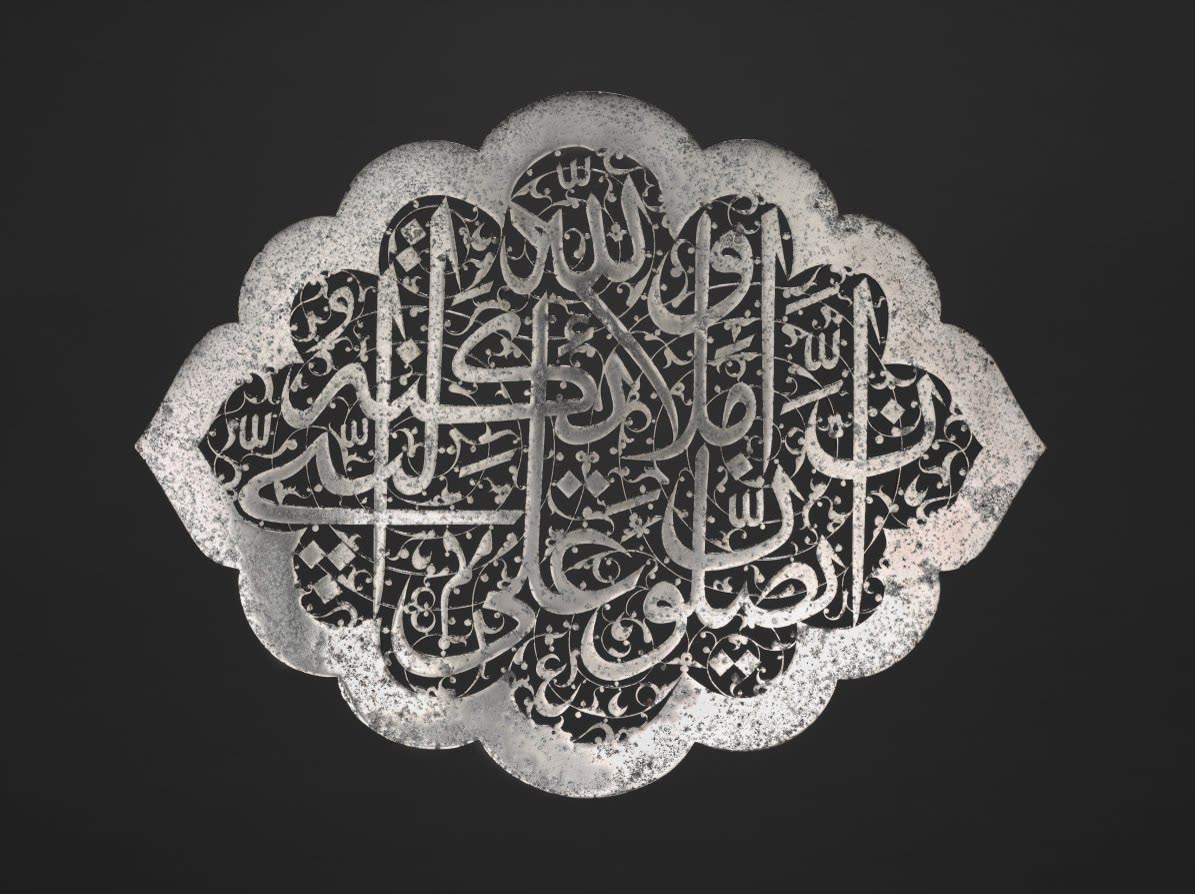
![Qur'an Manuscript Folio (recto; verso) [Right side of Bifolio]](https://media.getkalam.net/v1/6189f2cb1f7dbf04b5e46202fb922bb2eac02490108b9062f1c29d40fbb91315/assets/art-gallery/muhaqqaq/cma-114221.jpg)
![Qur'an Manuscript Folio (recto; verso) [Left side of Bifolio]](https://media.getkalam.net/v1/964ed993a17ec17afcc7bb5b5fdaab4f56088d9bda97010d571ab0c2faf57493/assets/art-gallery/muhaqqaq/cma-114224.jpg)
![Qur'an Manuscript Folio (recto) [Right side of Bifolio]](https://media.getkalam.net/v1/6831d643d8d8c71c270273e5be5099b707c04e804b21fb7ea0c3b95235126ea9/assets/art-gallery/muhaqqaq/cma-114222.jpg)
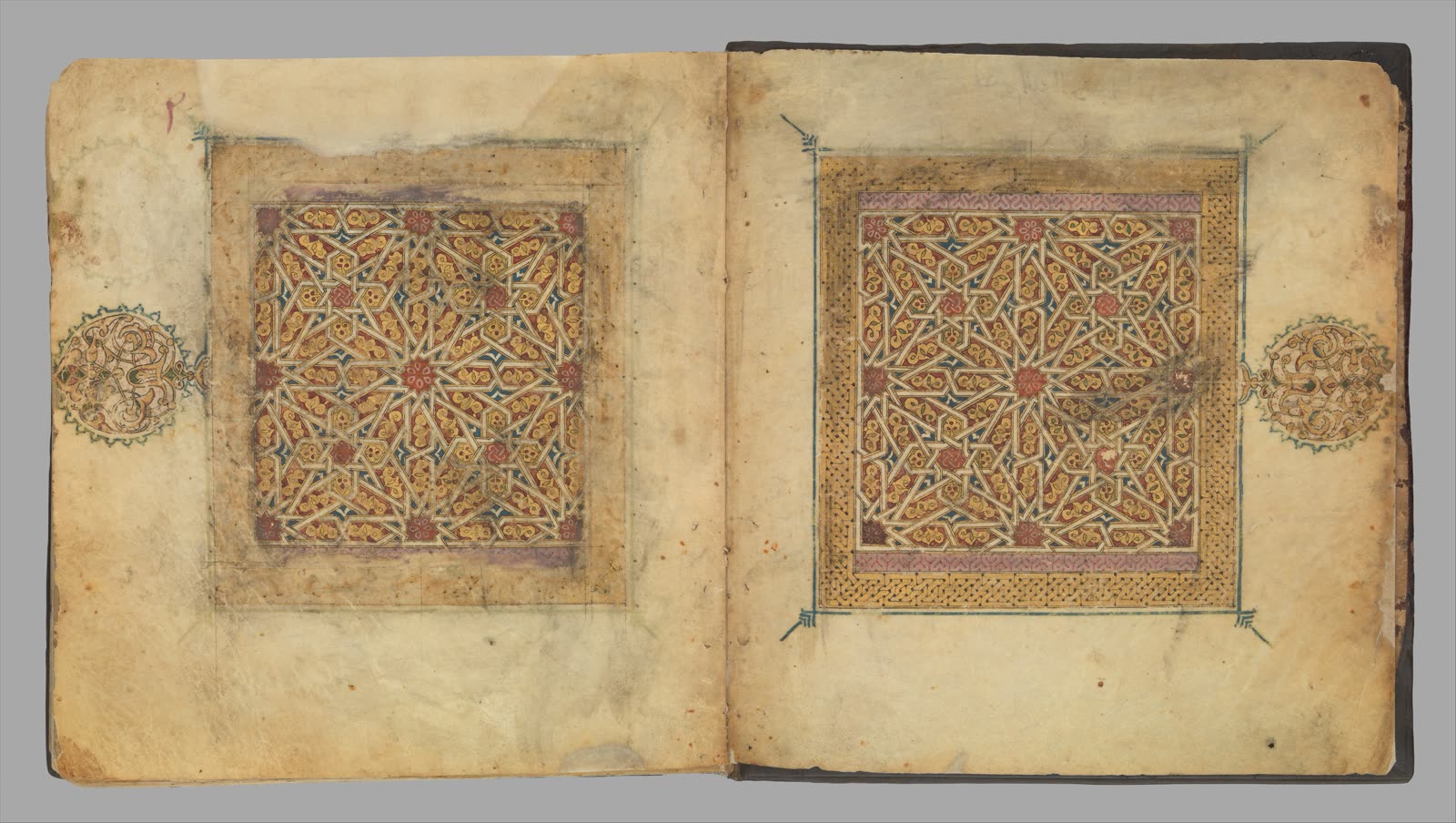
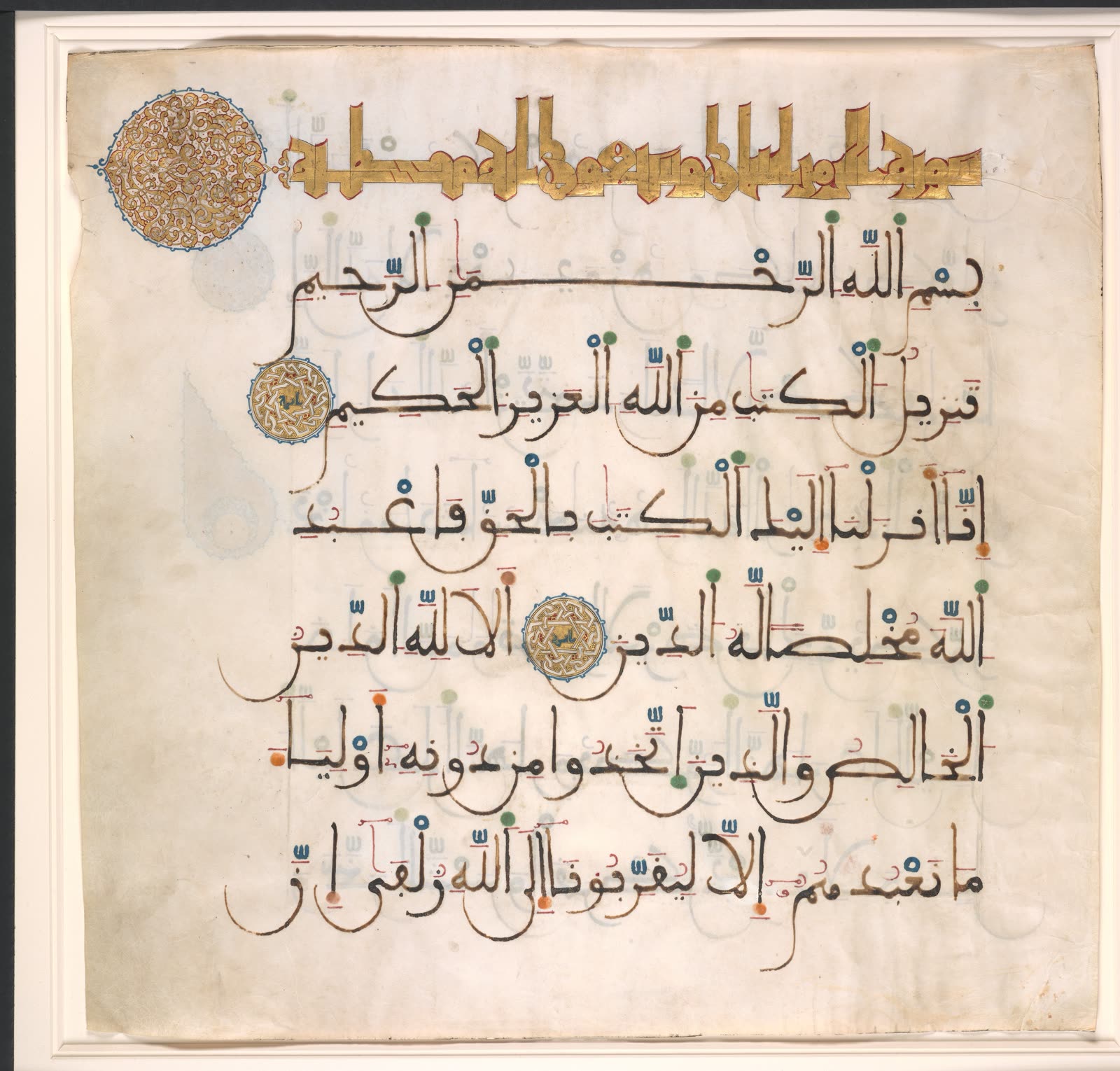
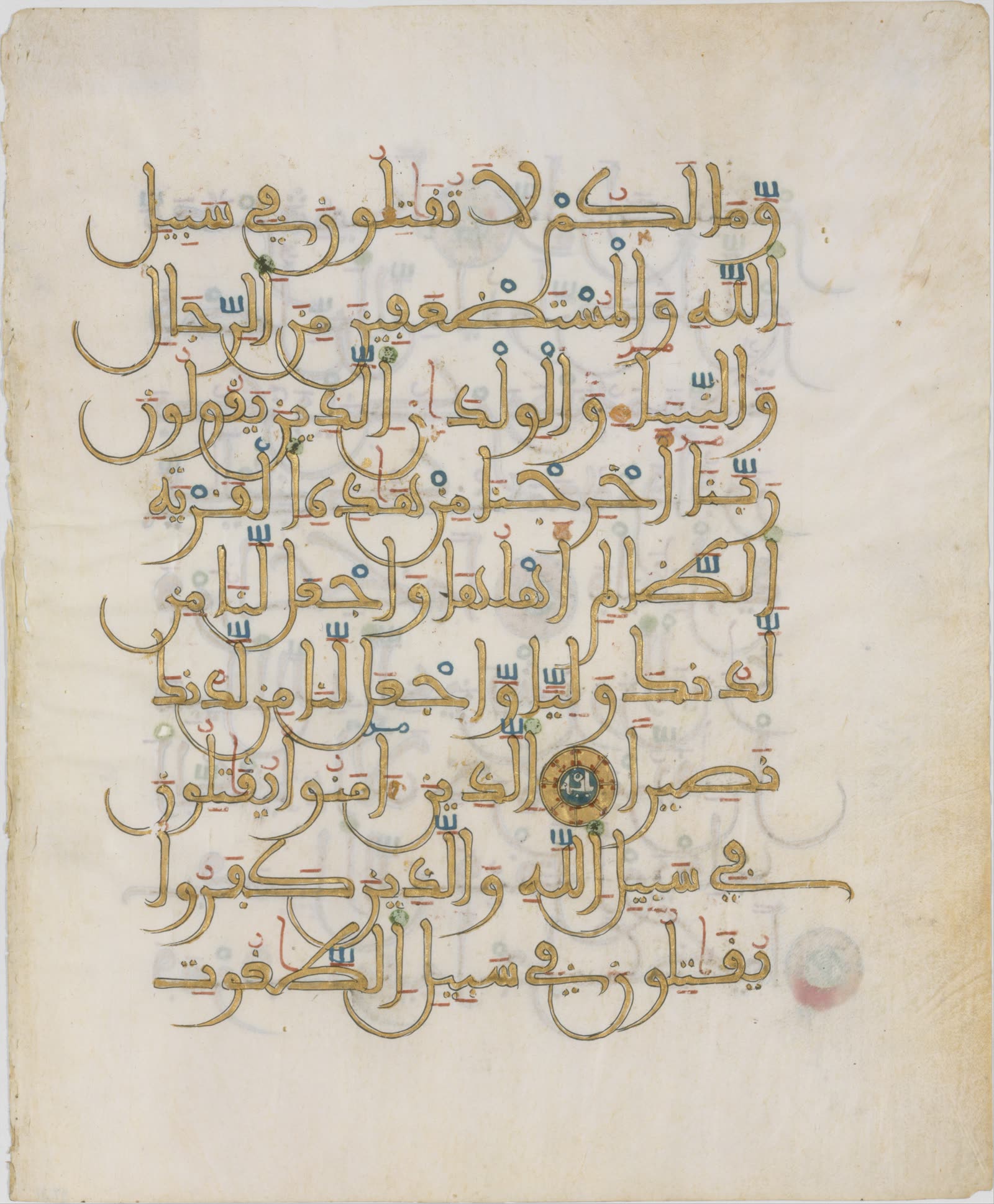
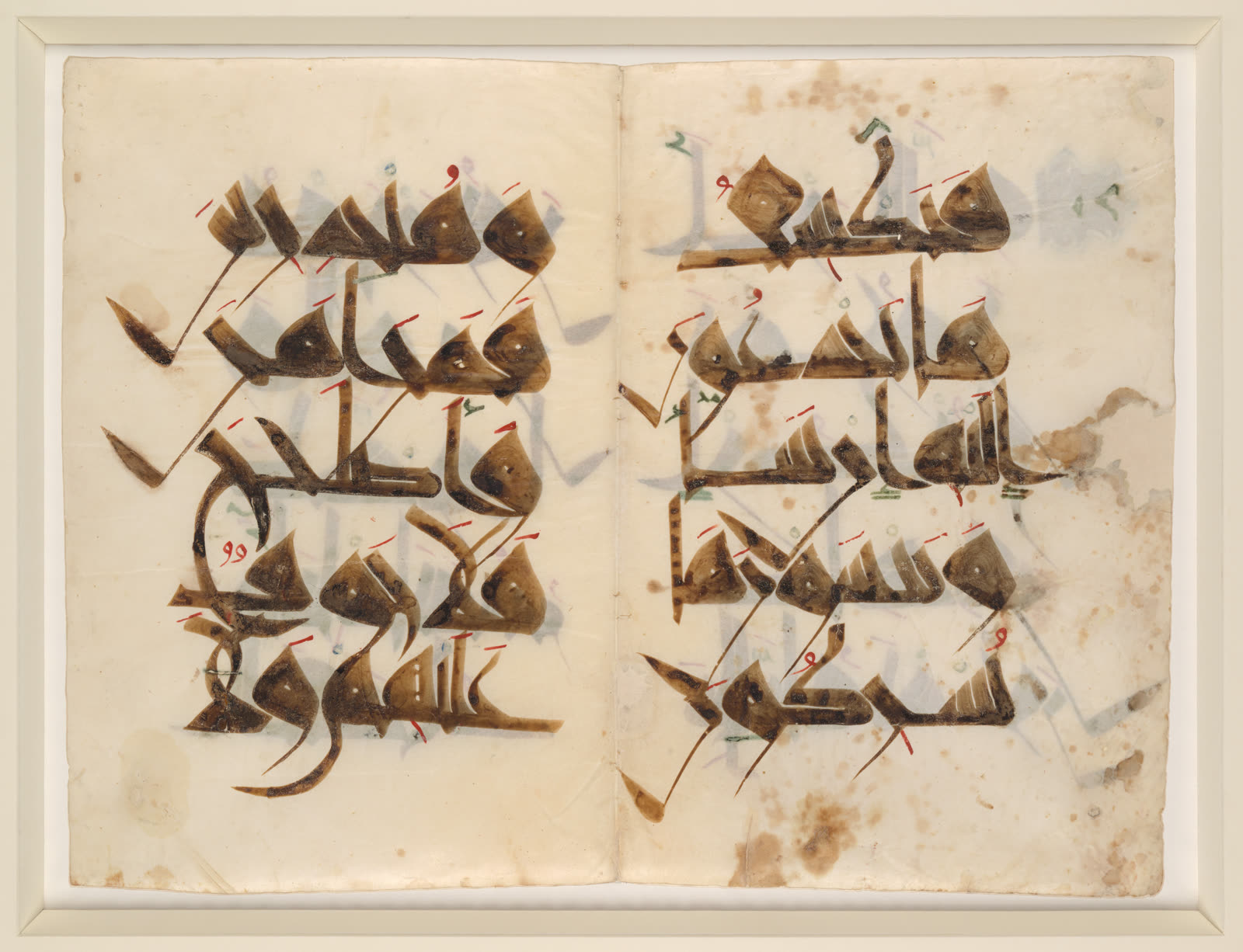
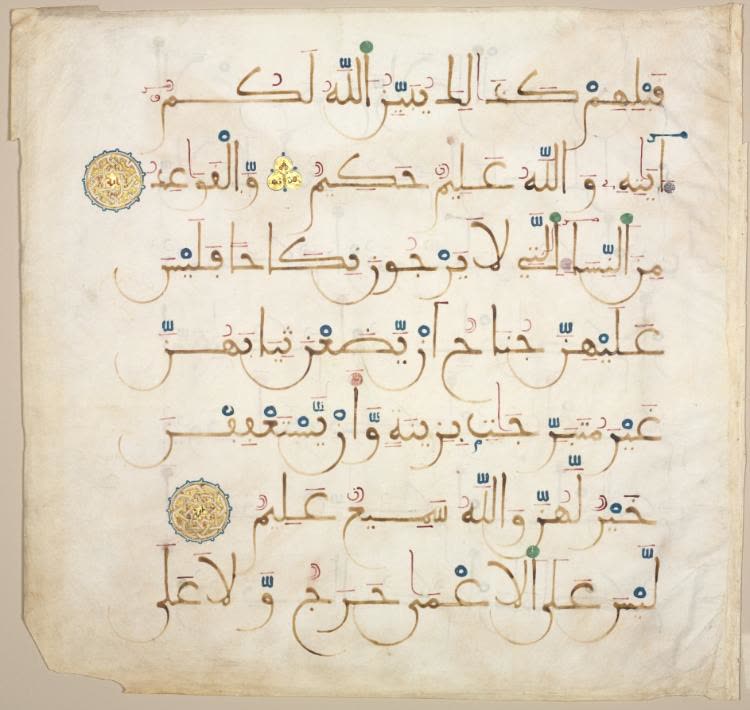
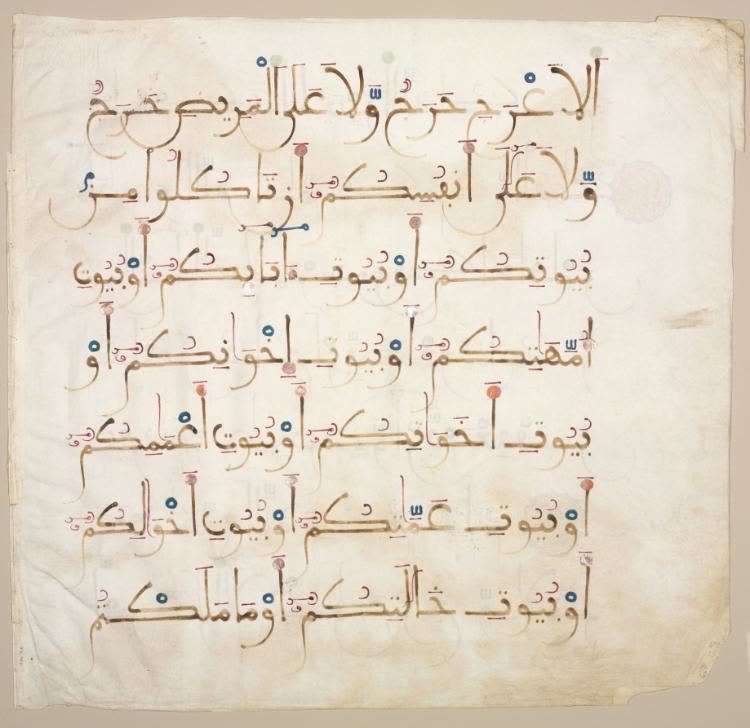
_(36272408711).jpg)
_(36408980945).jpg)



![Nushirwan Listens to the Owls (recto): Illustration and Text, Persian Verses, from a Manuscript of the Khamsa of Nizami, Makhzan al-Asrar [Treasure of Secrets]](https://media.getkalam.net/v1/4fdb3b2f5b1d1549d674f742cabfcf1cf6223d78a4ec778f3b3826fa1745c918/assets/art-gallery/khamsa/cma-123990.jpg)
![Bahram Gur Visits the Princess of India in the Black Pavilion (recto): Illustration and Text, Persian Verses, from a manuscript of the Khamsa of Nizami, Haft Paykar [Seven Portraits]](https://media.getkalam.net/v1/3b6fedfbf818b1061ca8b592b6dd2700aed9b52d92a4752bf2d402d52c5a1e6f/assets/art-gallery/khamsa/cma-123987.jpg)